
 en
en  English
 русский
 Español
 عربى
عربى
What to Look for in a Barber Chair Before You Buy
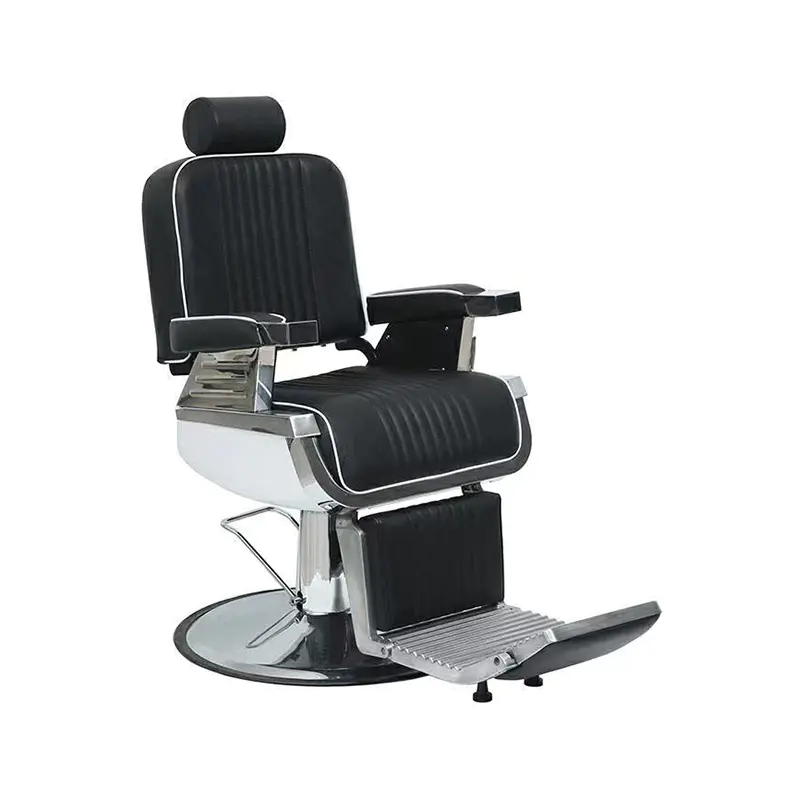
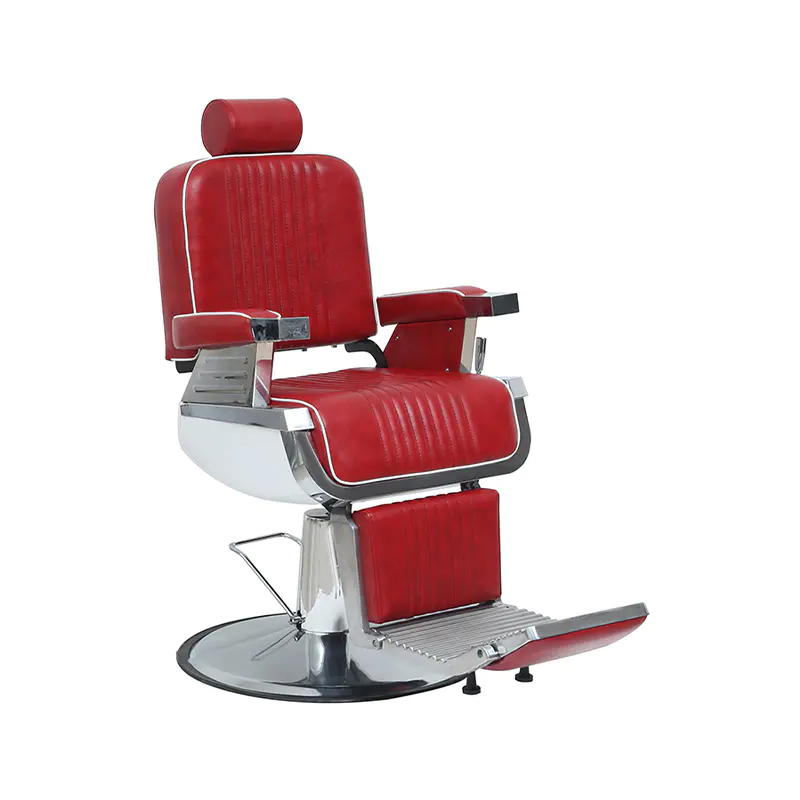
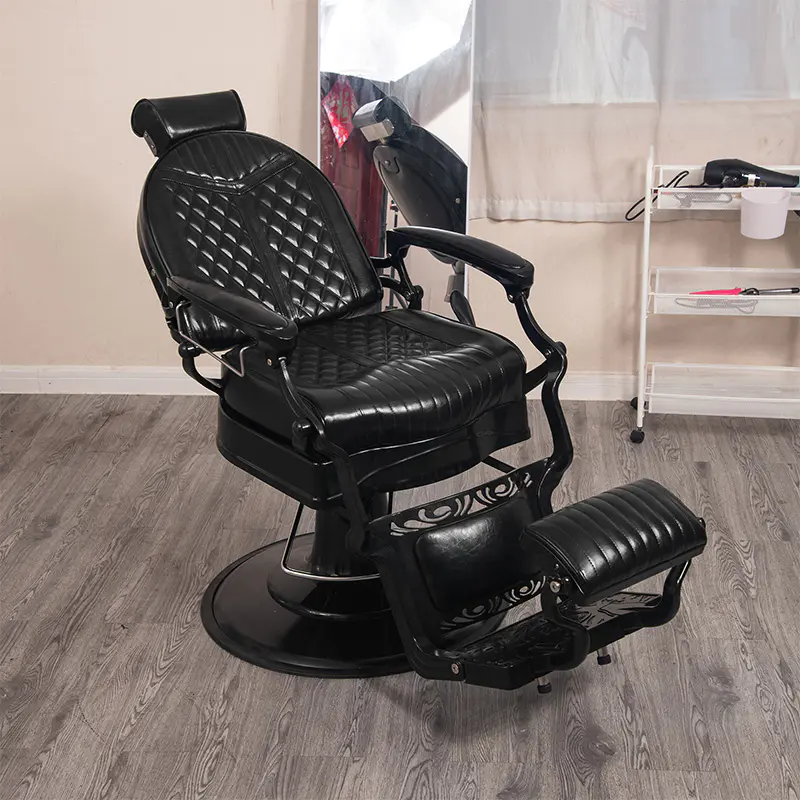
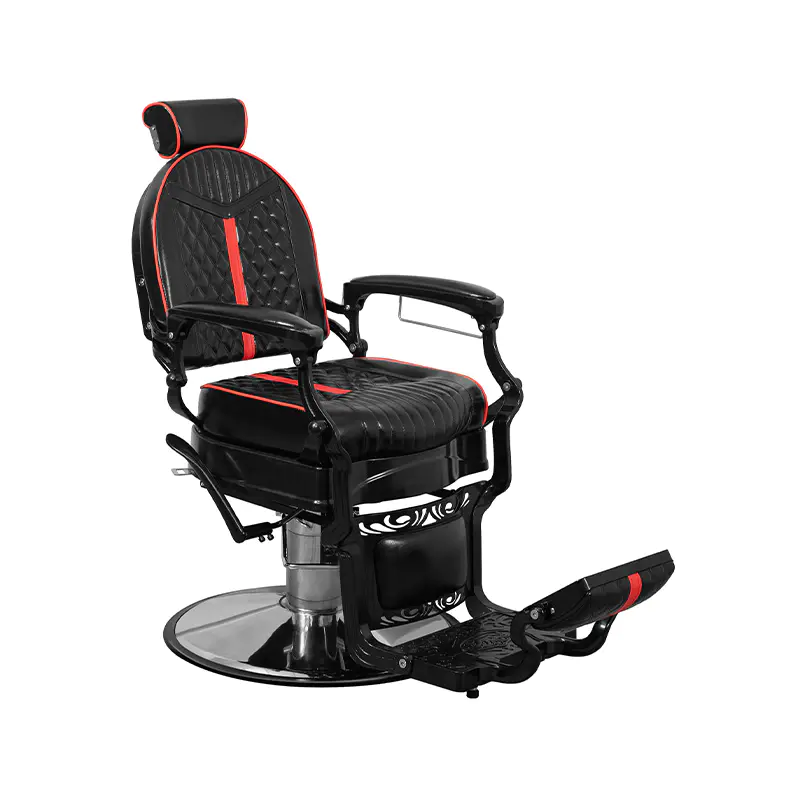
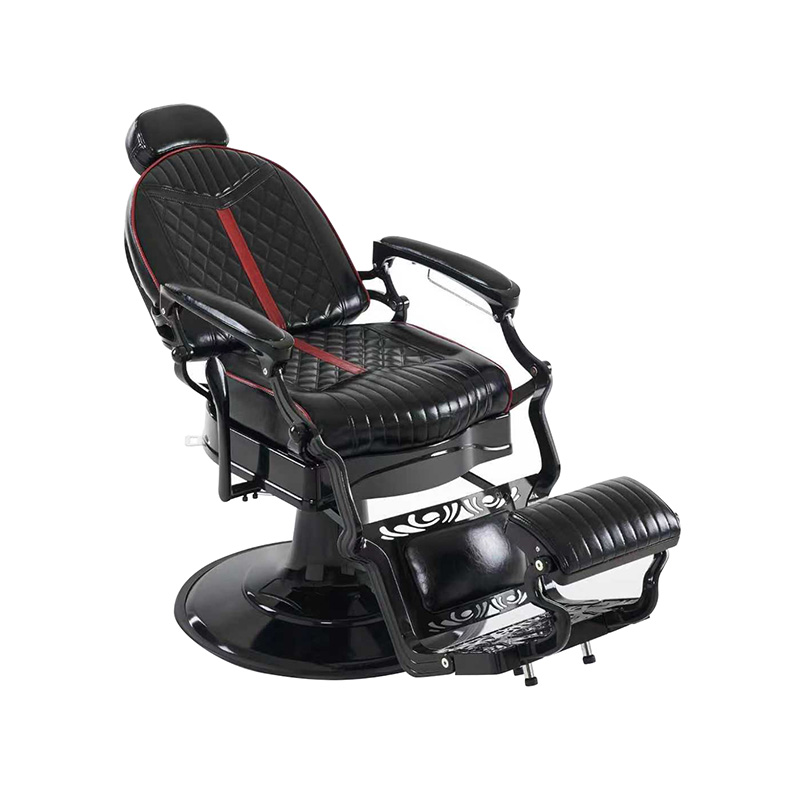
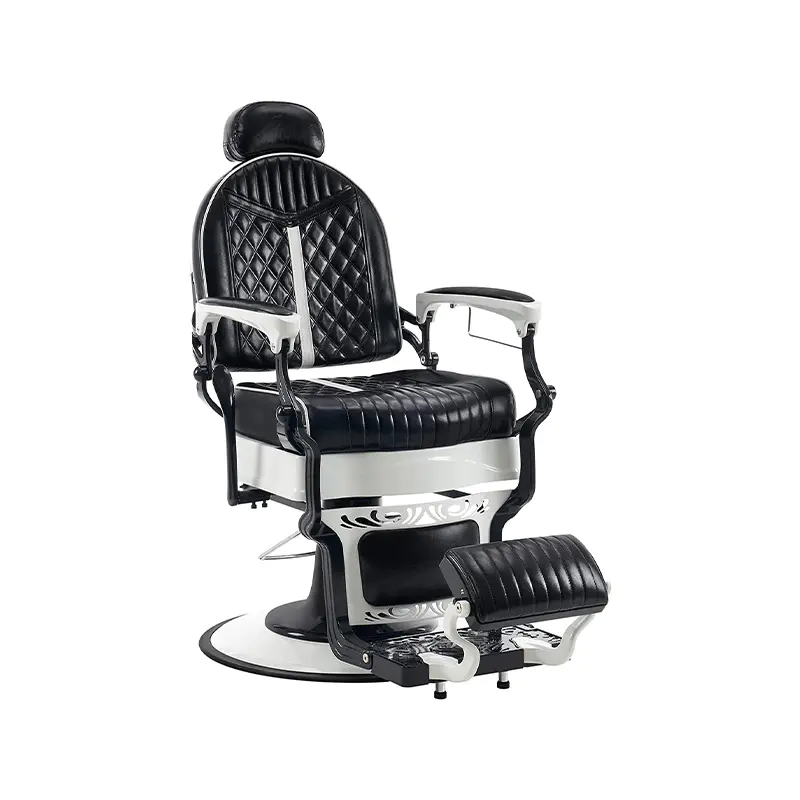
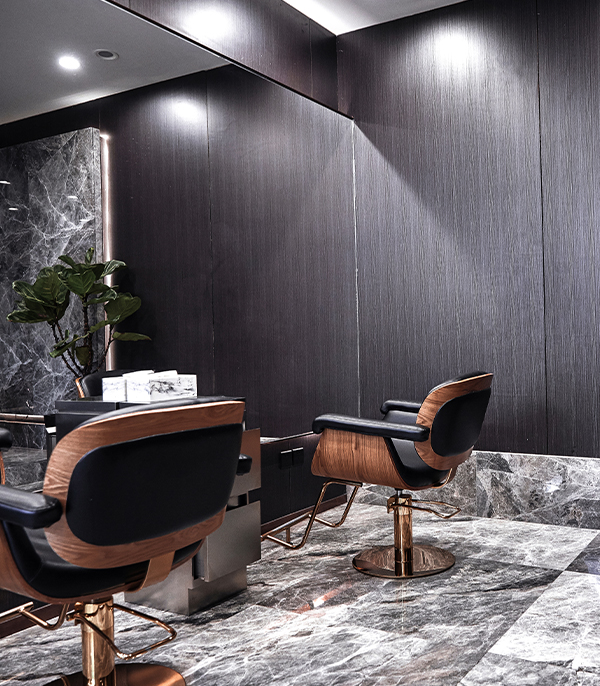
A dependable barber chair for a barbershop or salon comes down to four things working together: a stable base, a reliable hydraulic or mechanical lift, dense and durable upholstery, and a recline range wide enough to support shaving, hot towel work, and everyday haircuts. When those four points are solid, details such as footrest style, headrest adjustment, or armrest shape can be selected around the daily routine of the shop rather than the other way around.
Buyers researching Barber Chairs often start with appearance, but the parts that determine how a chair performs after the first year of daily use are the pump housing, the swivel bearing, the frame material, and how the seams on the upholstery are finished. This guide walks through each of these areas in practical terms, then covers how barbershops, salons, and men's grooming studios typically match chair type to their working style, and how a barbershop or salon owner can evaluate a barber chair manufacturer, supplier, or factory before placing an order.
Common Types of Barber Chairs and Their Typical Use
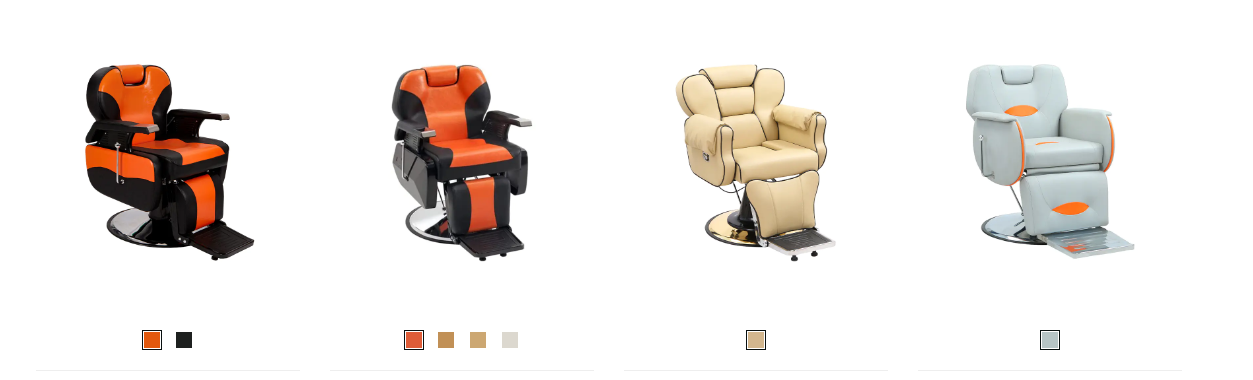
Most Barber Chairs sold today fall into three broad categories: hydraulic pump chairs, electric lift chairs, and manual or vintage-style chairs. Each has a different lift mechanism, a different maintenance pattern, and a different typical setting.
Hydraulic Pump Barber Chairs
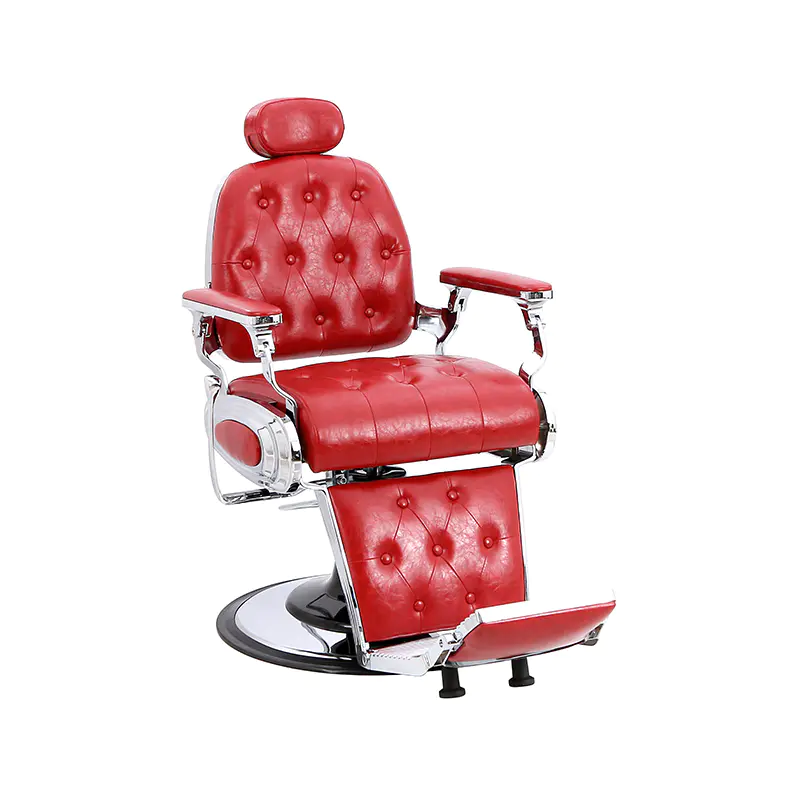
Hydraulic chairs use a sealed oil-filled pump to raise, lower, and support the seat. They are the most widely used option in working barbershops because the pump handles frequent height changes well and the mechanism is simple to service. A barber can adjust seat height dozens of times a day without the pump losing pressure quickly, provided the seals are in good condition.
Electric Lift Barber Chairs
Electric chairs replace the foot pump with a motor-driven lift, usually controlled by a foot switch or button. They tend to suit salons that want smoother, quieter height adjustment and a more modern look on the floor. The trade-off is a slightly more involved internal wiring layout compared with a purely mechanical hydraulic pump.
Manual or Vintage-Style Barber Chairs
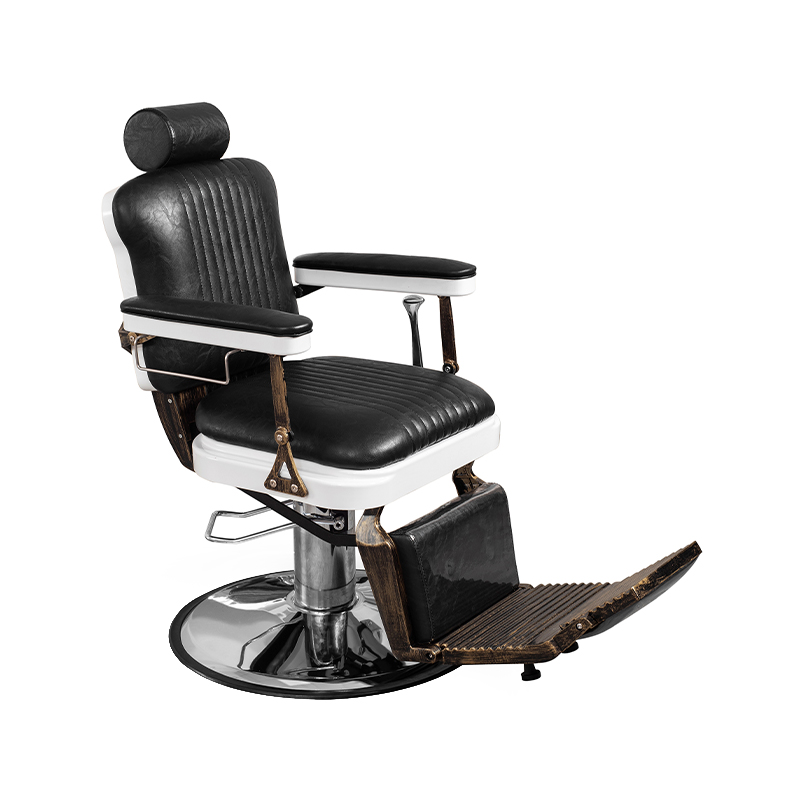
Manual chairs rely on mechanical levers rather than hydraulic fluid or a motor. They are common in barbershops that want a classic look and are comfortable with a simpler mechanism that has fewer parts to fail, though the recline range is usually narrower than hydraulic or electric options.
| Chair Type | Typical Recline Angle | Lift Mechanism | Common Setting |
|---|---|---|---|
| Hydraulic Barber Chair | 135 to 160 degrees | Sealed oil pump | Barber chair for barbershop |
| Electric Lift Barber Chair | 130 to 155 degrees | Motor driven lift | Barber chair for salon |
| Manual or Vintage Barber Chair | 100 to 130 degrees | Mechanical lever | Barber chair for men salon |
Core Features That Affect Daily Use
Once the chair type is decided, the next layer of comparison is the working features that a barber or stylist touches every single service: base stability, footrest position, headrest adjustment, armrest shape, and how smoothly the seat swivels. These features shape comfort for both the client and the person standing behind the chair for an entire shift.
- Base stability keeps the chair from rocking during haircuts, shaving, or when a client leans back for a wash.
- A wide, adjustable footrest supports different leg lengths and keeps the client's posture consistent.
- Headrest adjustment matters most during shaving and neck line work, where the head needs to sit at a fixed angle.
- Armrests that are wide enough to rest a forearm reduce fatigue for clients during longer services.
- A smooth swivel bearing lets the barber turn the chair without jerking movement that can interrupt a cut.
The chart below shows how these features typically compare in relative priority based on common feedback collected from working barbershops, on a scale of 0 to 10.
Relative priority of core barber chair features, scored out of 10
Upholstery and Frame Materials That Influence Durability
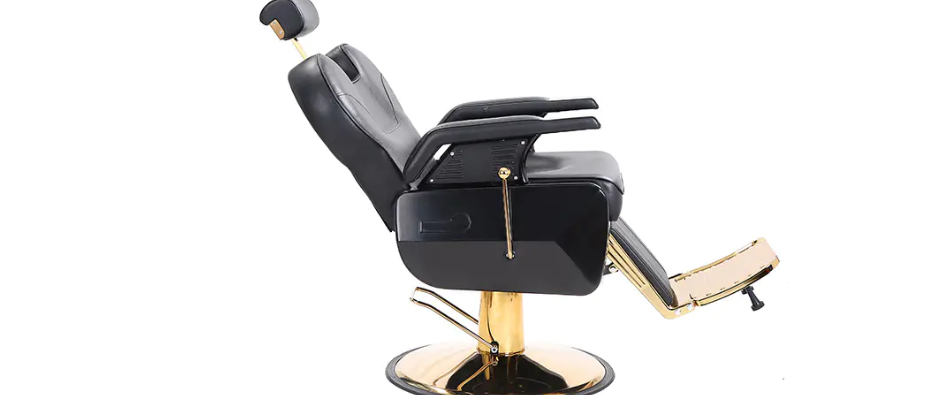
The cover material and frame construction have the biggest effect on how a chair holds up under years of daily contact with clippers, hot towels, and hair product. PU leather and PVC leather are the two most common upholstery choices. PU leather generally has a softer hand feel and better resistance to cracking over time, while PVC leather tends to resist scissor nicks and chemical exposure slightly better. Foam density inside the seat and backrest also matters, since low-density foam compresses and loses shape faster under repeated use throughout a full working day.
On the frame side, a steel structure paired with a cast iron or reinforced steel base tends to offer stronger long-term support than lighter alternatives, particularly in busy shops where the chair is used many times per day. A well-built base is one of the clearest indicators of how long a chair will remain steady.
The radar chart below compares hydraulic, electric, and manual barber chairs across five practical dimensions, each scored out of 10.
Hydraulic (solid), Electric (dashed), Manual or Vintage (dotted) barber chairs compared across five practical dimensions
Sizing and Floor Space Planning for a Barbershop or Salon
Chair footprint affects how many stations fit comfortably on a floor plan and how much room clients have to move in and out of the seat. As a general guide, a compact barber chair takes up roughly 150 centimeters of depth when reclined, a standard chair closer to 170 centimeters, and a heavy duty chair with a longer footrest and wider base can reach around 190 centimeters. Shops typically plan for at least 90 to 100 centimeters of aisle space behind each chair so a barber can move freely during a cut.
Typical reclined footprint depth by barber chair category
Hydraulic Pump Systems and Long Term Reliability
The hydraulic pump is the single most mechanically active part of a Barber Chair, since it is engaged every time the seat height changes. A pump in good condition should raise and lower the chair smoothly, hold position without slow sinking, and operate without unusual noise. Slow sinking under a seated client is typically the first sign that internal seals are wearing down and that the pump may need servicing or replacement.
A sealed pump housing that keeps out hair clippings and moisture tends to hold up longer than an open design exposed to daily shop debris. Routine attention, such as keeping the pump area clean and checking for oil residue around the seal, has a noticeable effect on how many years a pump remains reliable.
Approximate hydraulic pump service life in years by maintenance frequency
Reclining Function and Ergonomic Range
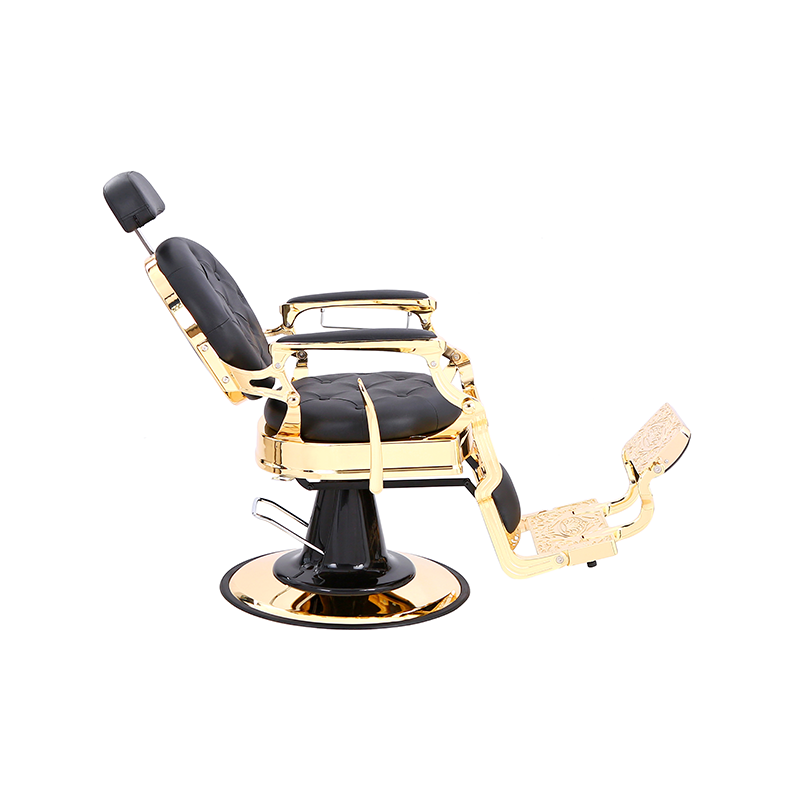
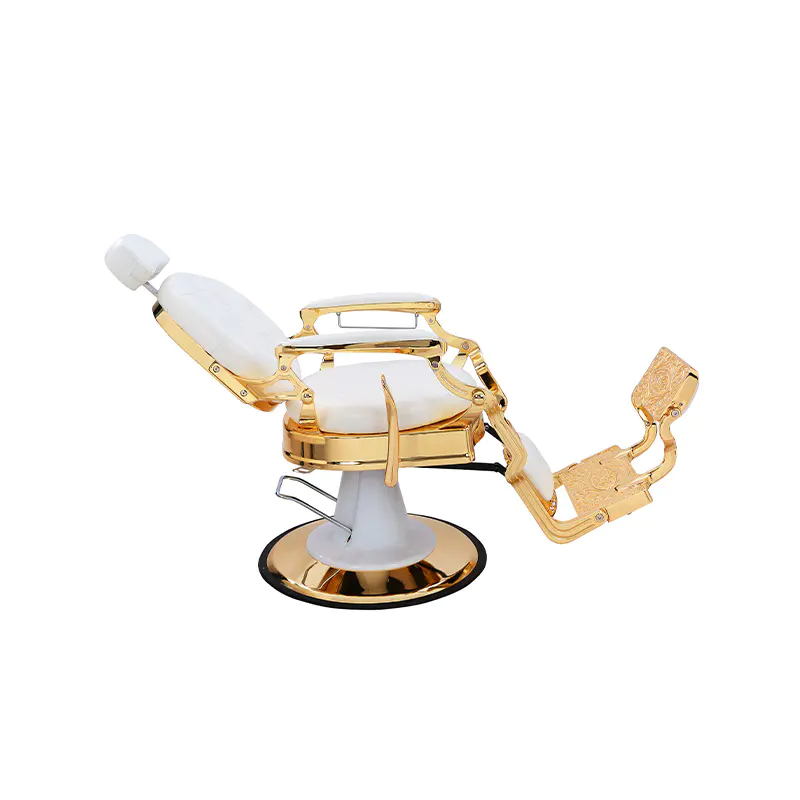
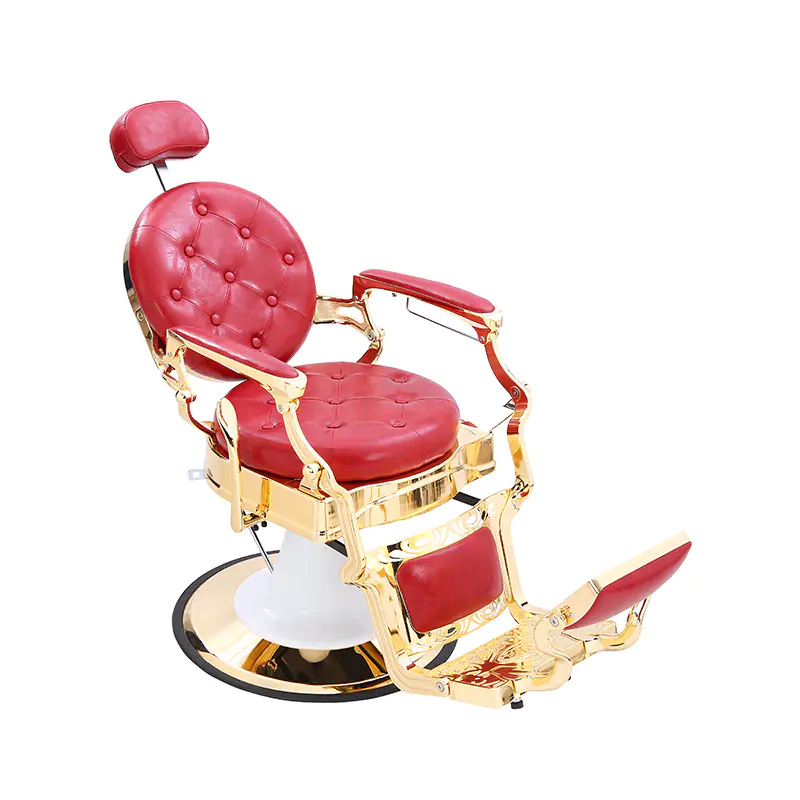
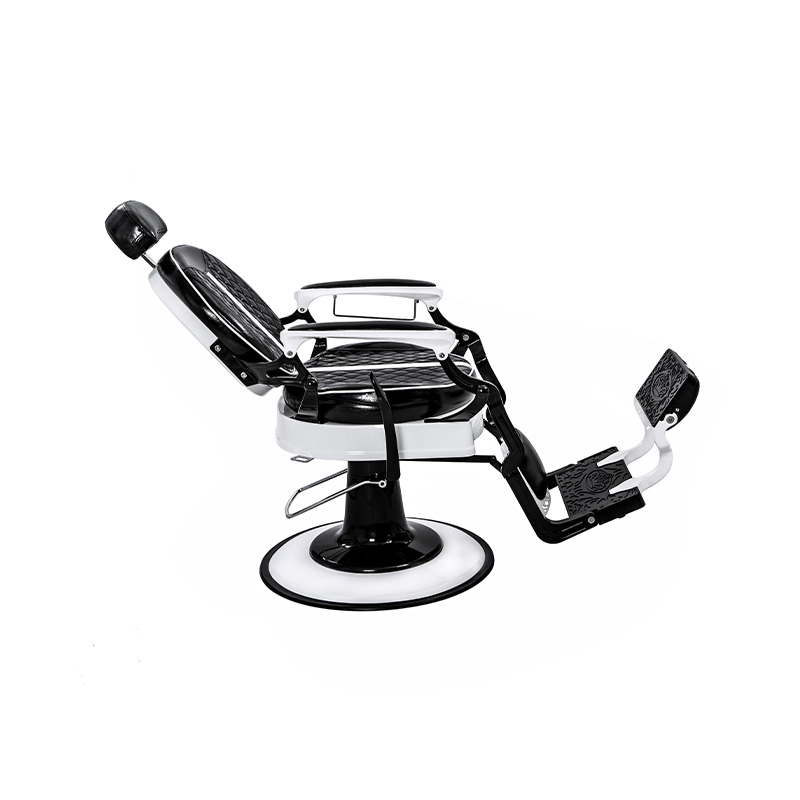
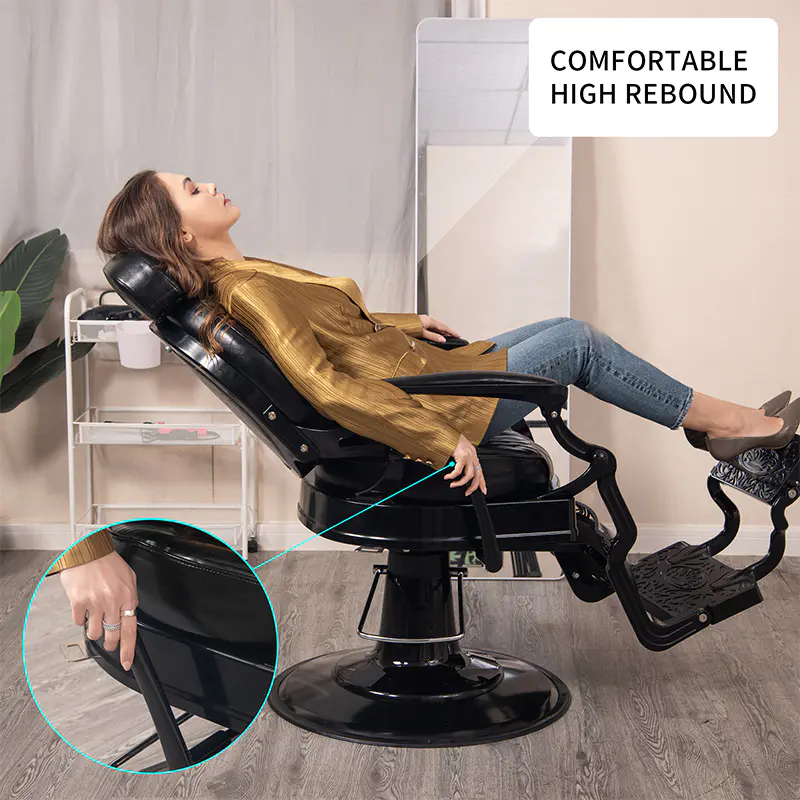
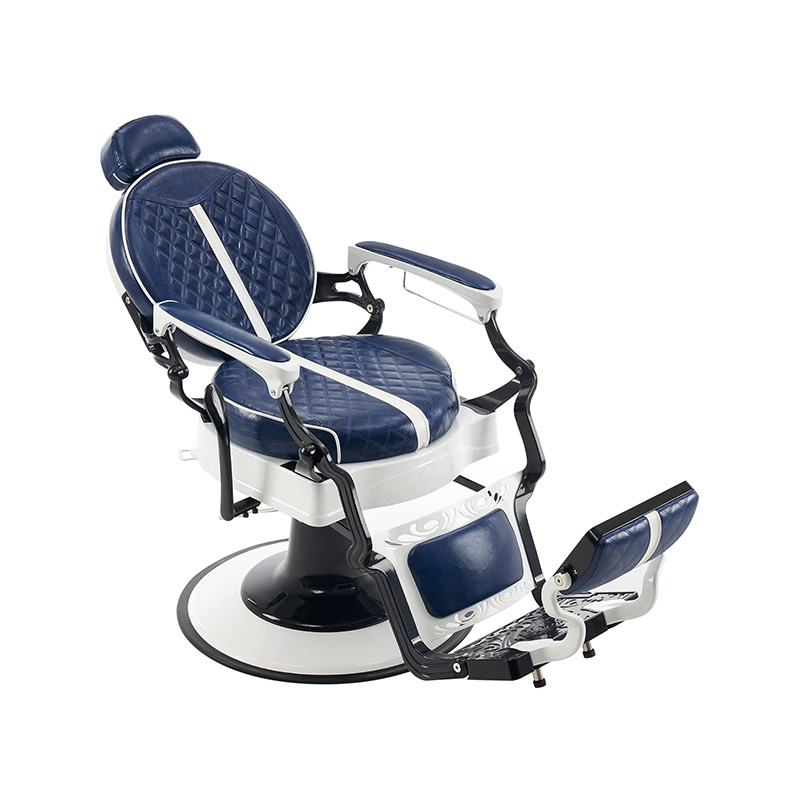
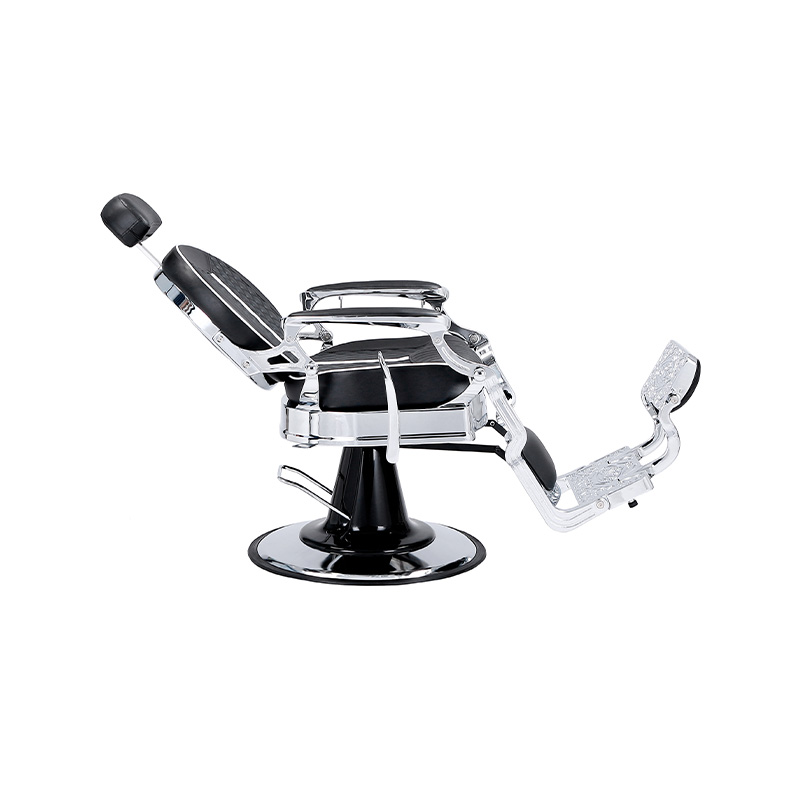
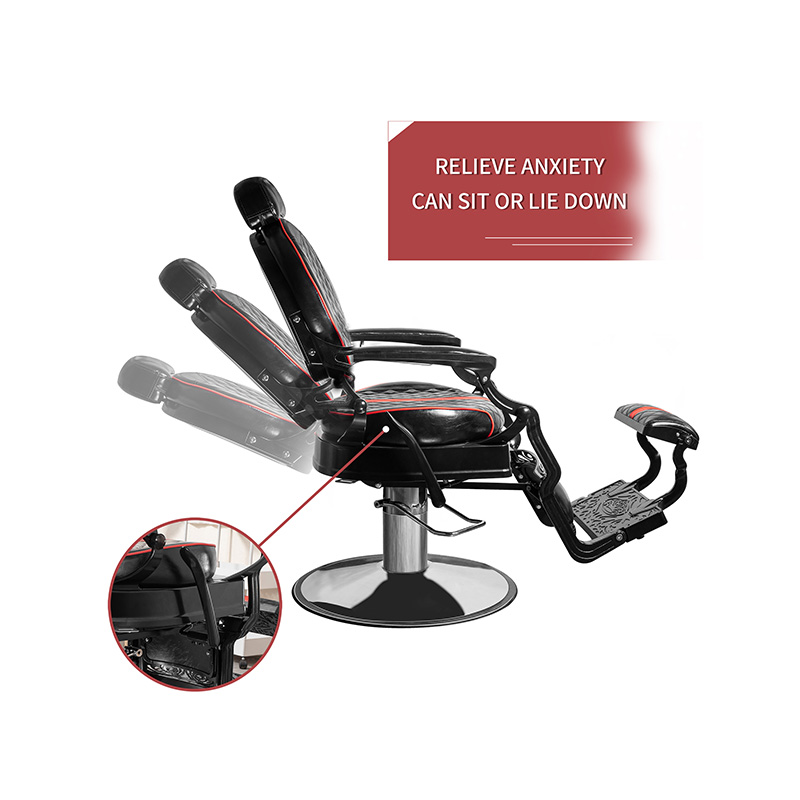
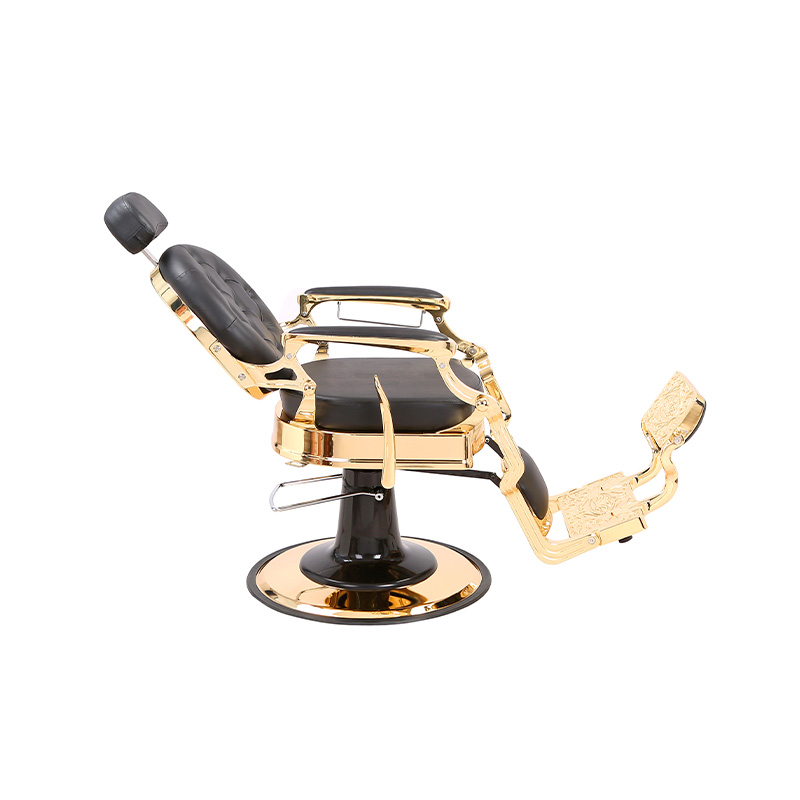
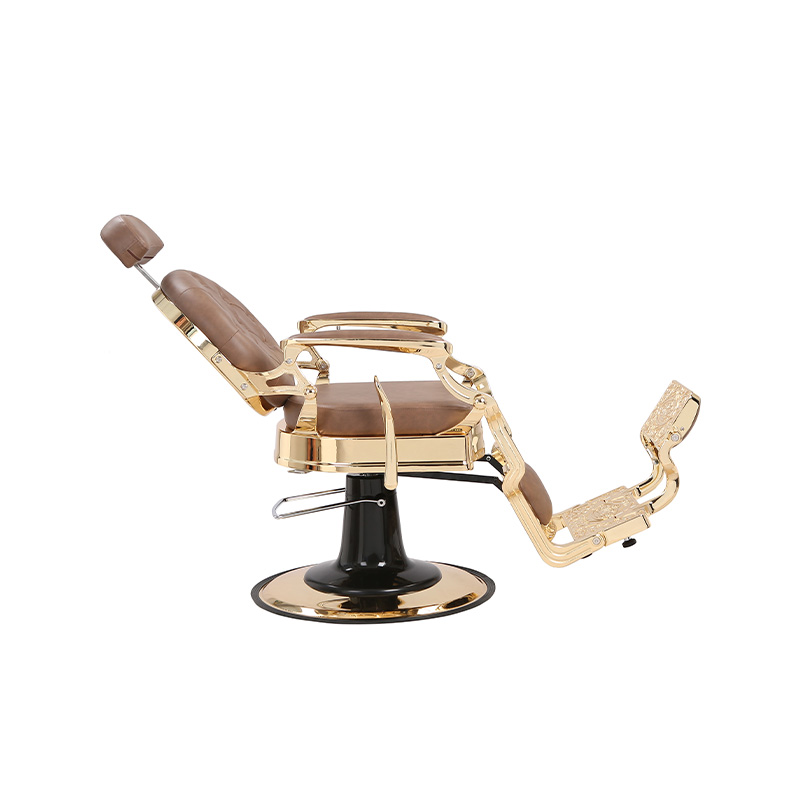
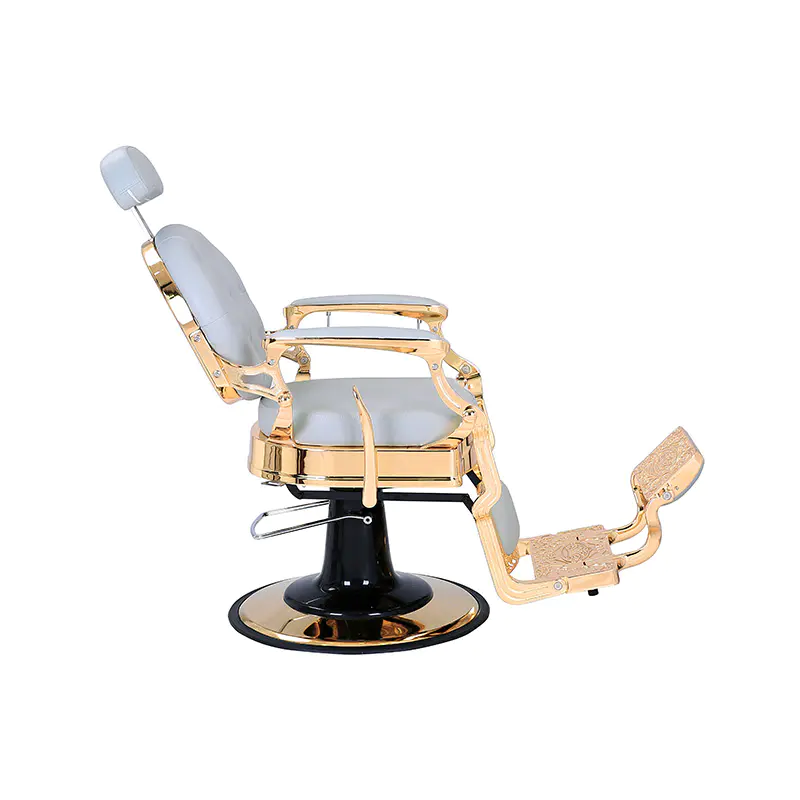
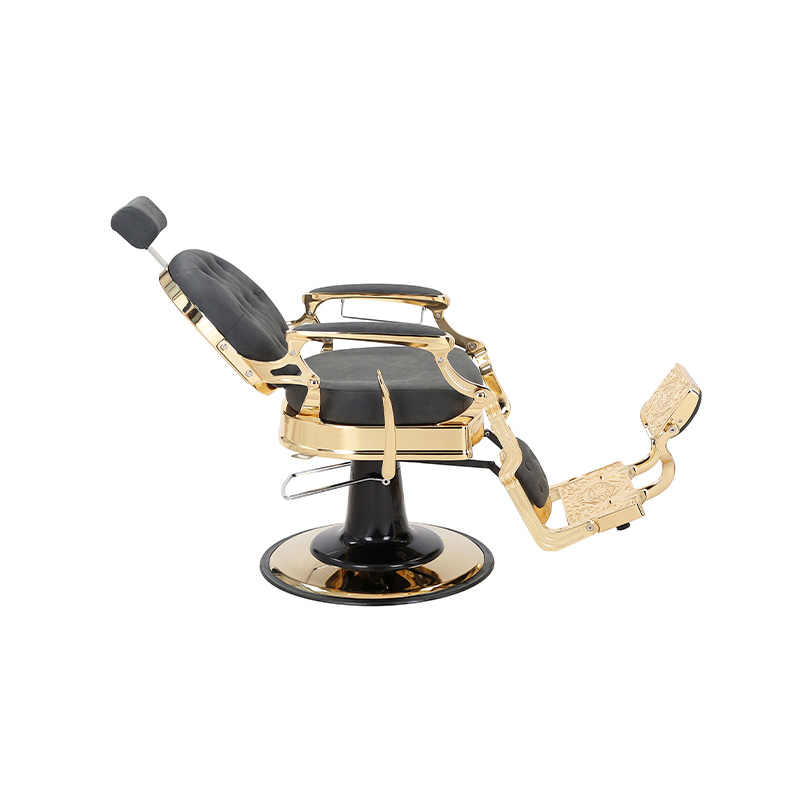
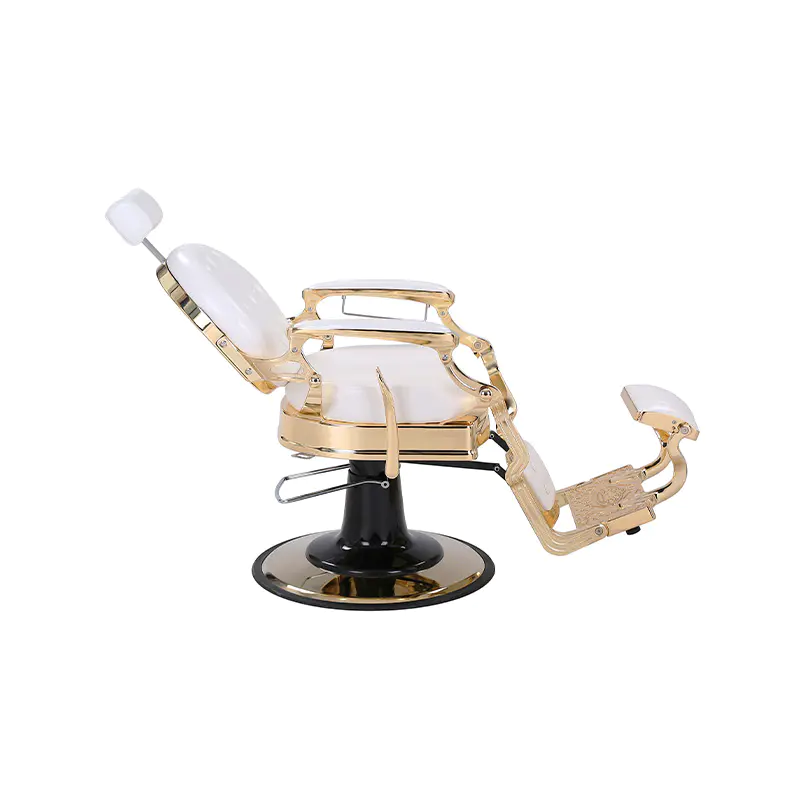
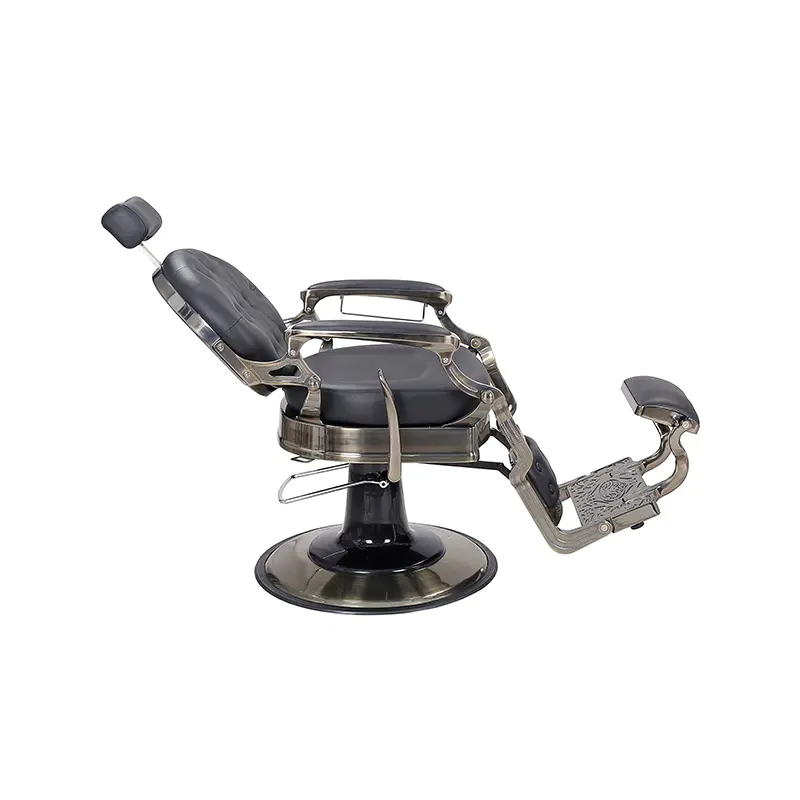
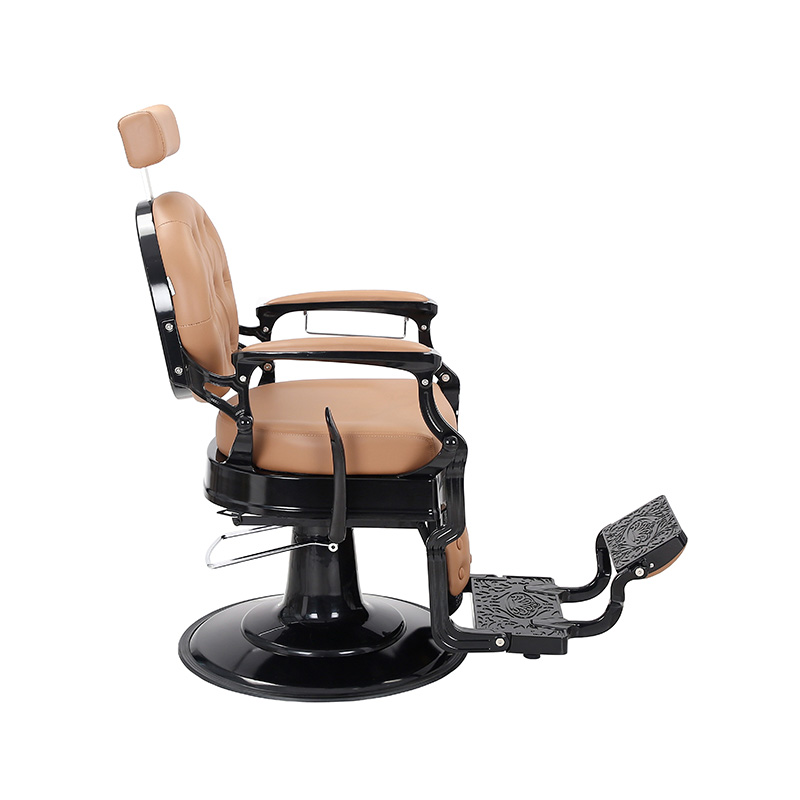
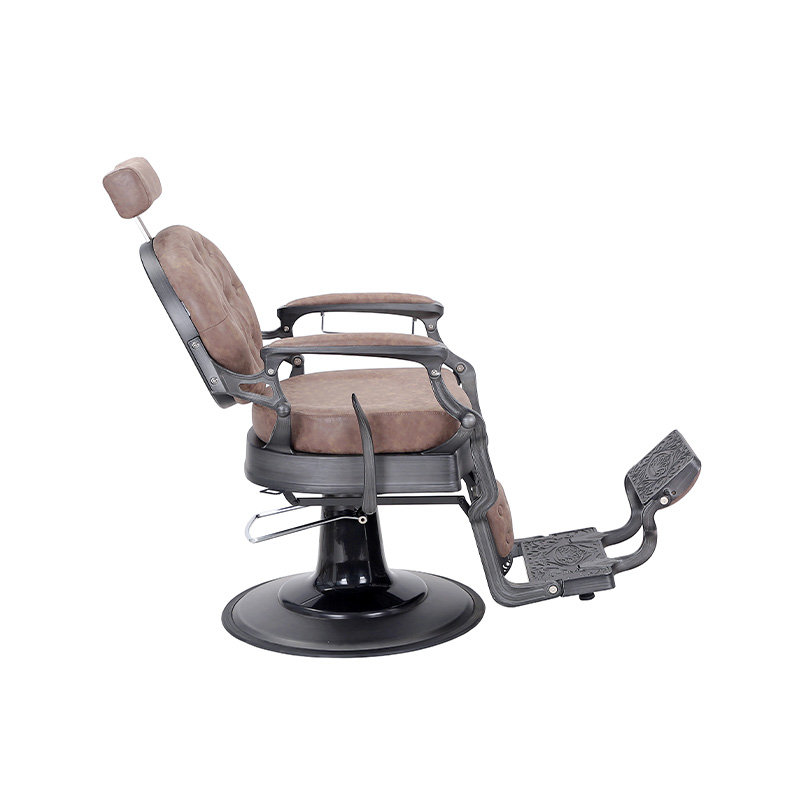
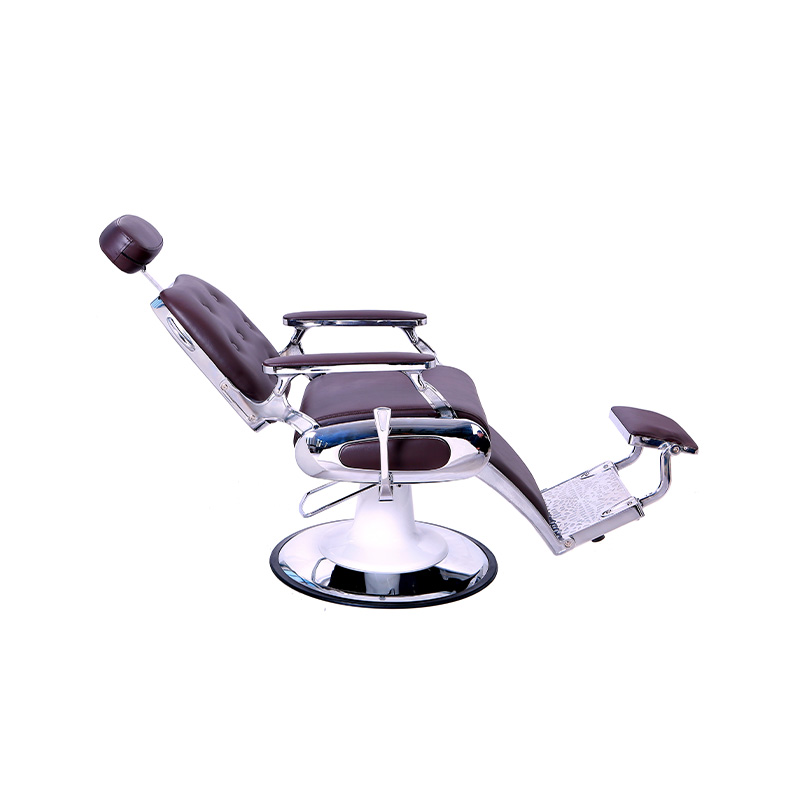
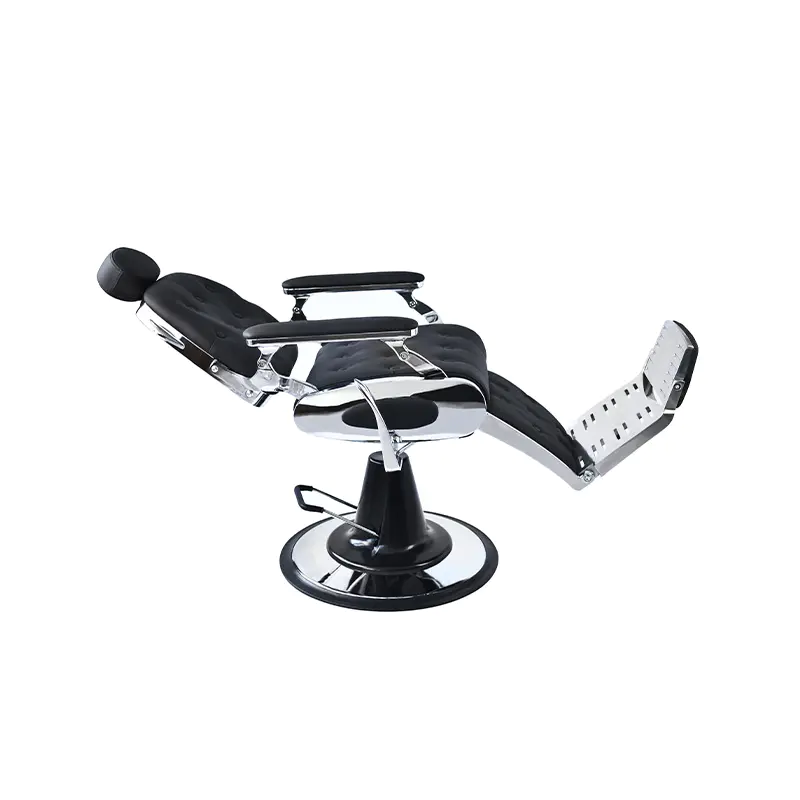
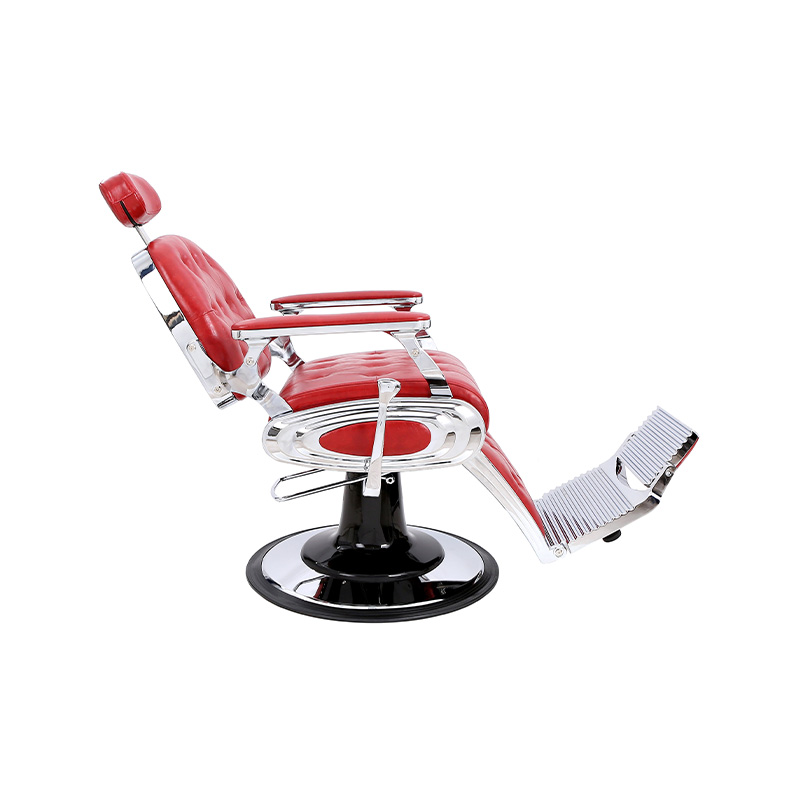
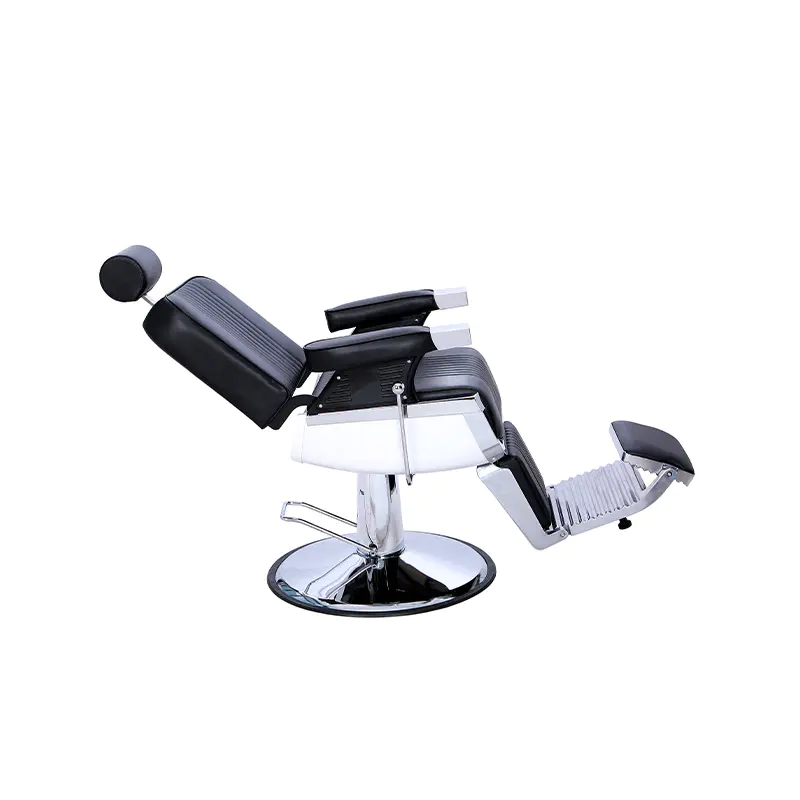
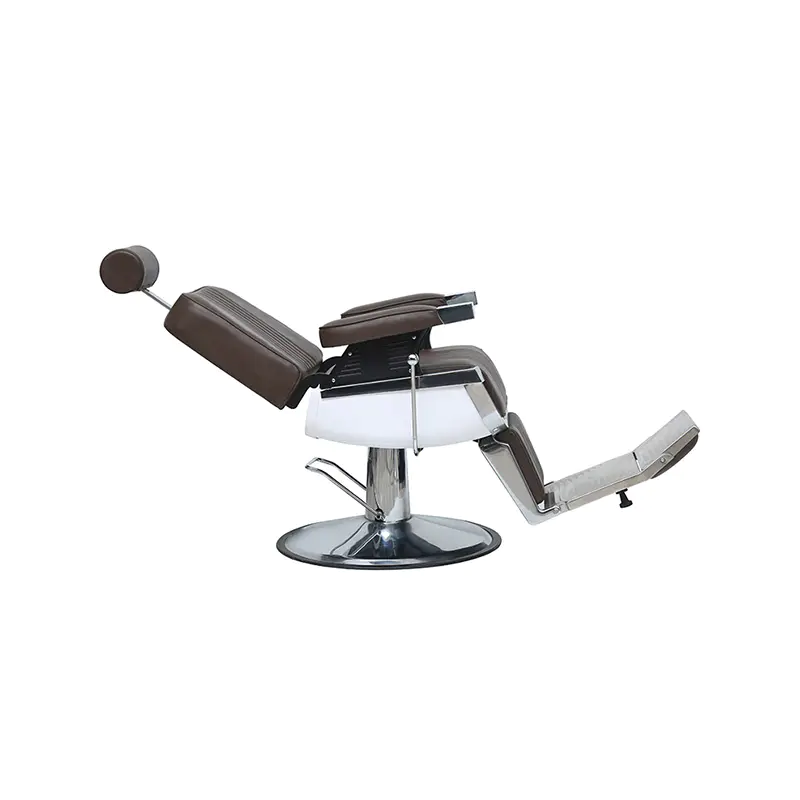
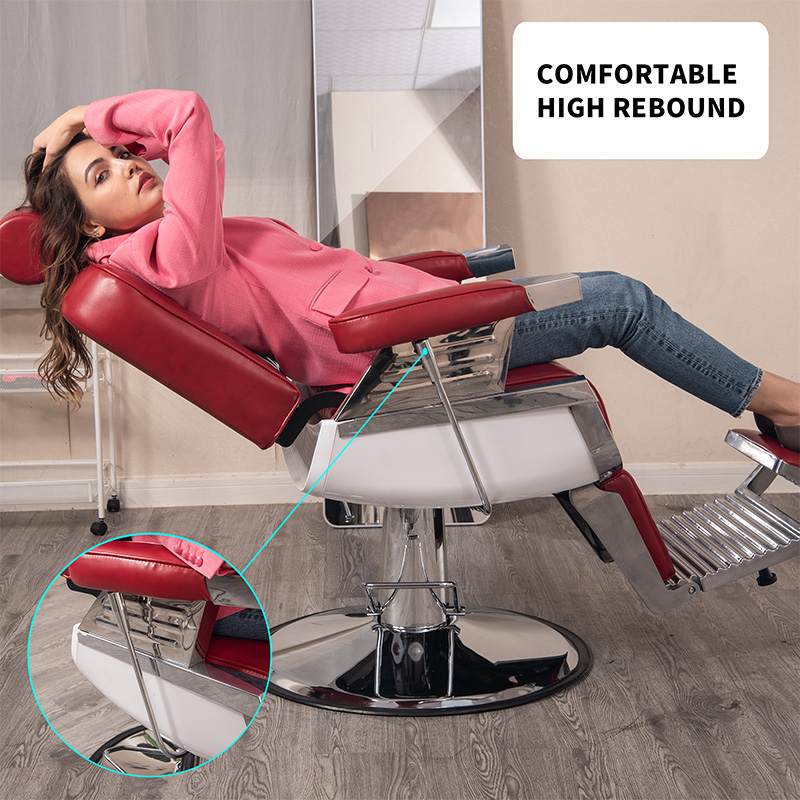
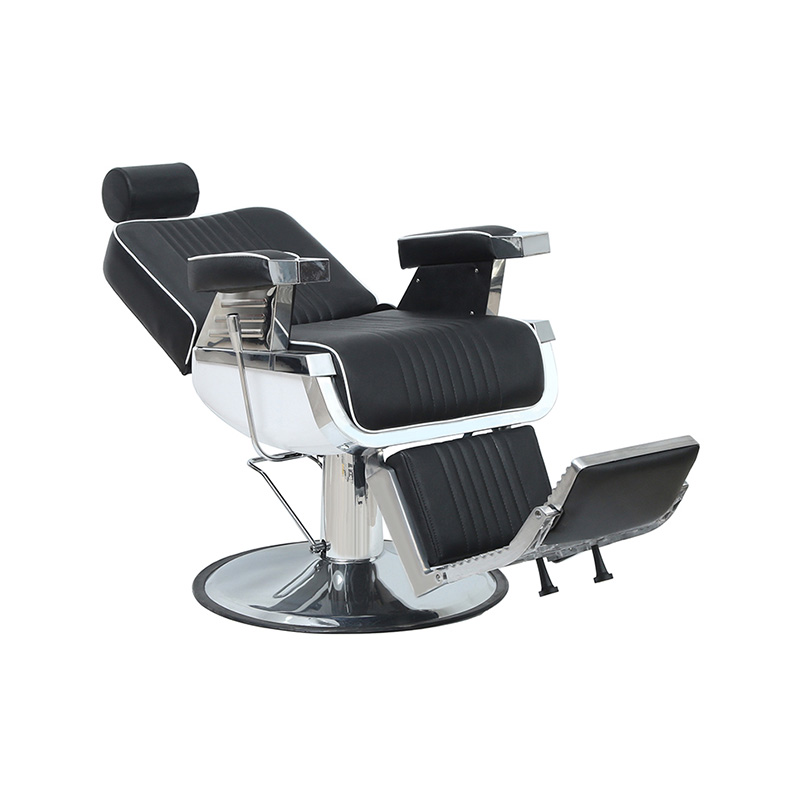
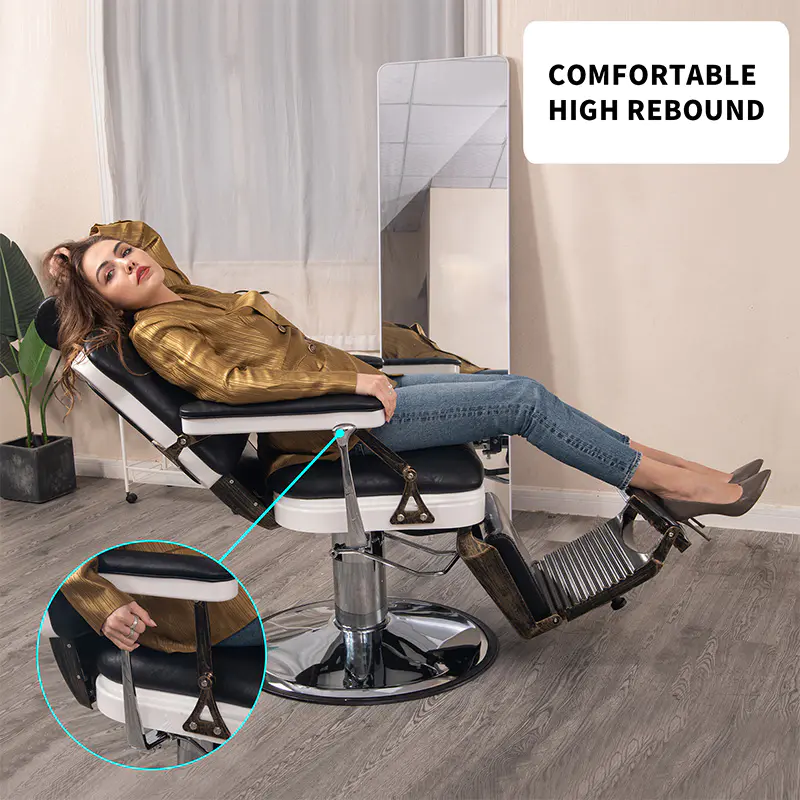
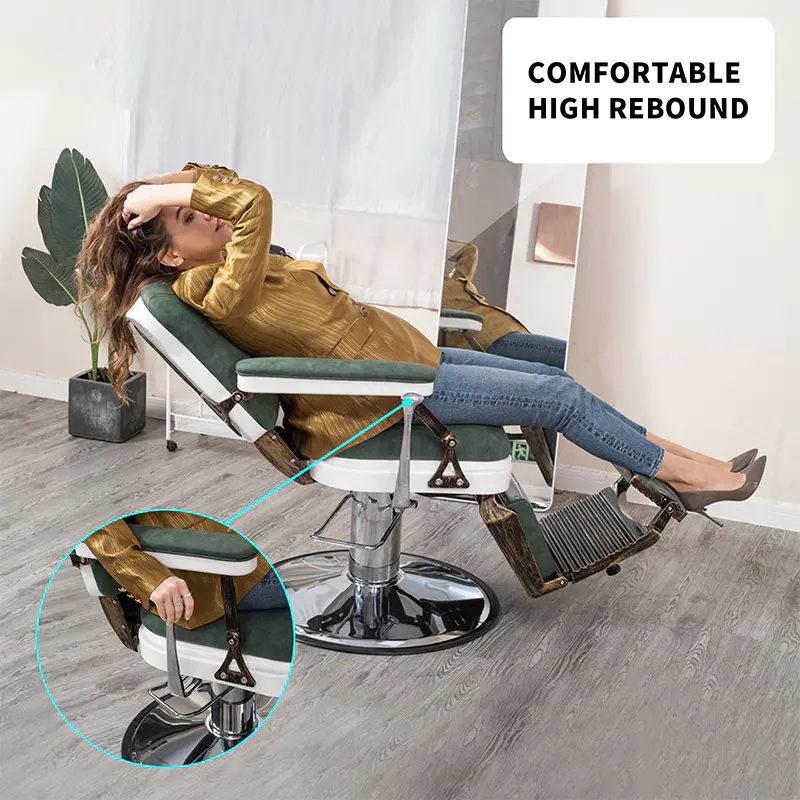
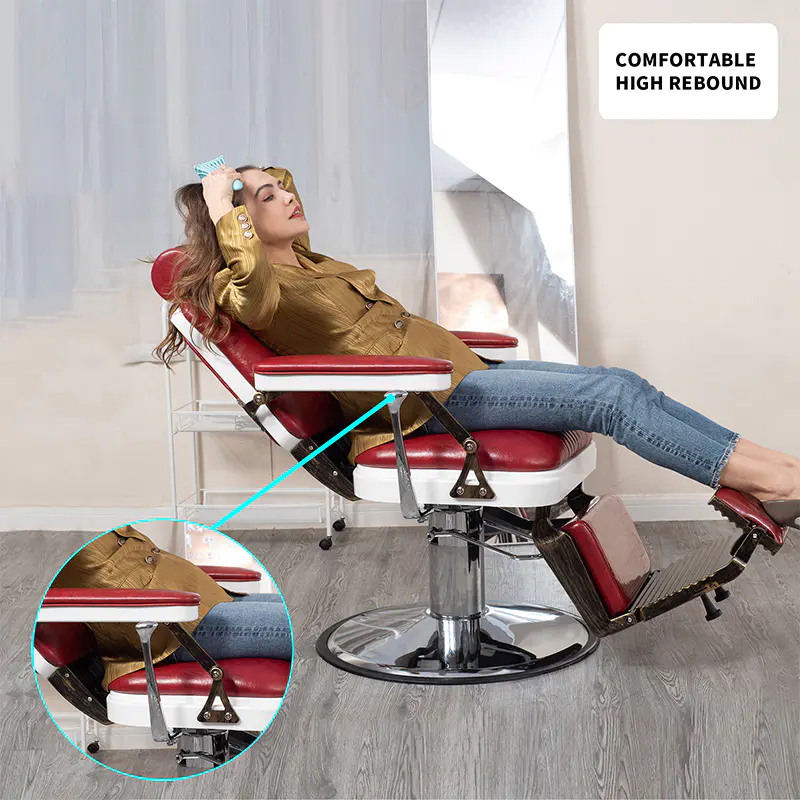
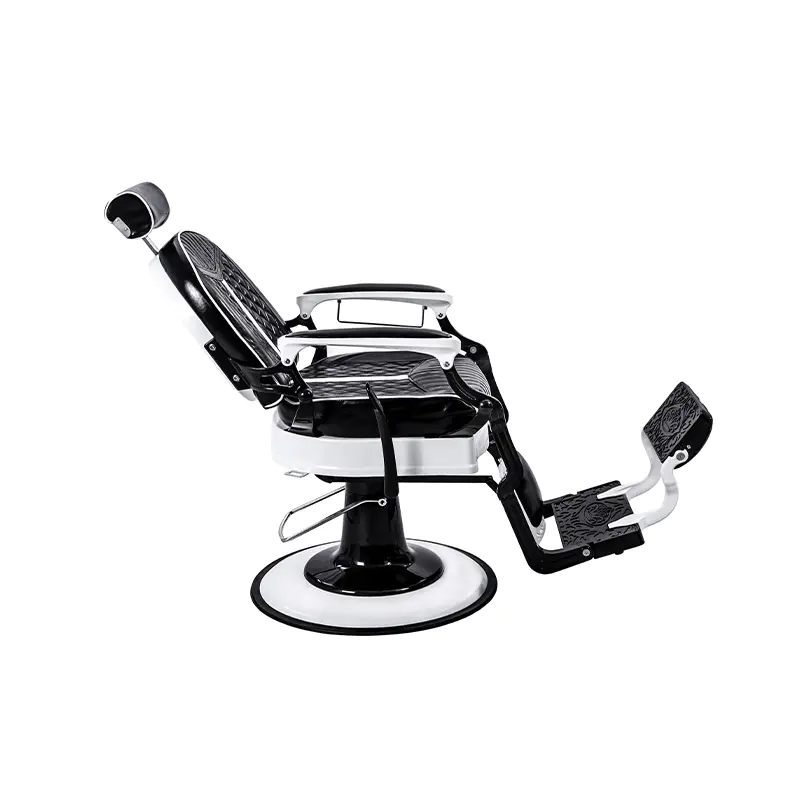
Recline range determines how many services a single chair can support. A chair that reclines close to 160 degrees can typically handle shaving and hot towel treatments in addition to standard haircuts, while a chair limited to a shallow recline is better suited to quick trims and styling only. Some hydraulic chairs use a ratchet mechanism with fixed stopping points, while others use a continuous hydraulic tilt that can be locked at any angle in the range.
For barbershops that offer a full grooming menu, a wider continuous recline generally supports a smoother client experience across services, since the barber does not need to reposition the client between steps.
Weight Capacity and Structural Support
Weight capacity reflects how the base, hydraulic pump, and frame are engineered to work together under sustained load. A standard barber chair typically supports a moderate day to day range, while heavy duty models are built with a reinforced base and thicker frame tubing to support a higher capacity. Reclining chairs, because the load shifts as the backrest tilts, often use a wider base footprint to keep the center of gravity stable.
| Chair Category | Typical Capacity | Base Design Note |
|---|---|---|
| Standard Barber Chair | Around 180 kg | Standard round base |
| Heavy Duty Barber Chair | Around 250 kg | Reinforced wide base |
| Reclining Barber Chair | Around 200 kg | Extended base footprint |
Working With a Barber Chair Manufacturer, Supplier, or Factory
Shop owners and distributors sourcing Barber Chairs in volume usually look beyond a single product page and evaluate the barber chair manufacturer or barber chair factory behind it. A capable barber chair supplier is generally able to walk a buyer through production capacity, available customization, and how samples are handled before a full order is placed.
Two sourcing paths come up often in this process: working with a factory on an OEM basis, where the buyer's own branding is applied to an existing chair structure, or on an ODM basis, where the factory develops a chair design around the buyer's specific requirements from the ground up. A barber chair OEM arrangement suits buyers who want a proven structure with their own labeling, while a barber chair ODM arrangement suits buyers who need a shape, upholstery pattern, or feature set that does not yet exist off the shelf.
| Area | What to Review |
|---|---|
| Production capability | Workshop equipment, output volume, and typical lead time |
| Customization options | Availability of OEM labeling or full ODM design work |
| Upholstery process | Whether cutting, stitching, and assembly happen in house |
| Communication | Response time and clarity during the sampling stage |
Matching Barber Chairs to Barbershop, Salon, and Men's Salon Settings
Barber Chair for Barbershop
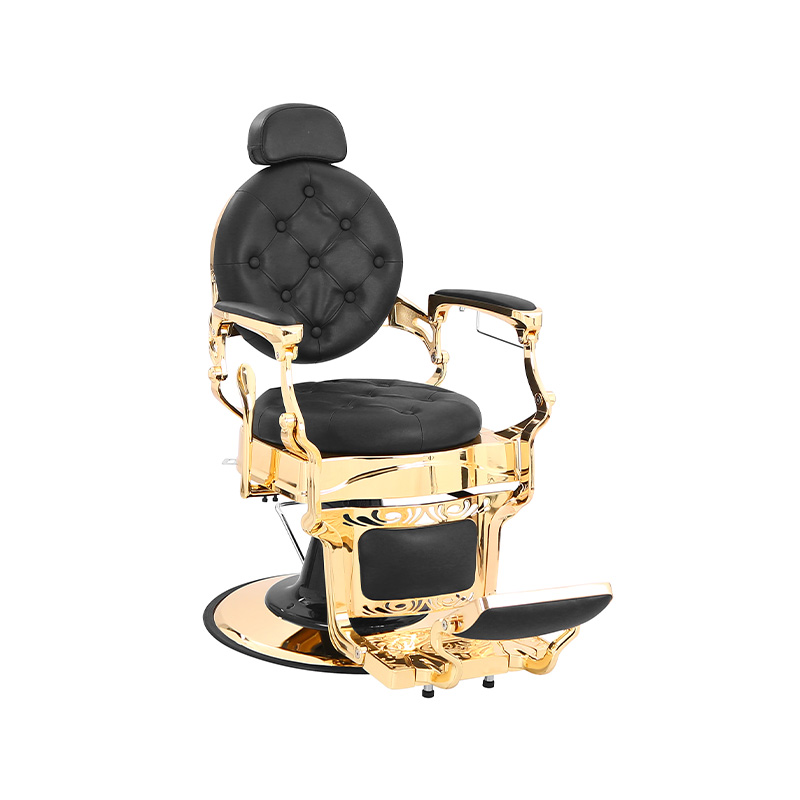
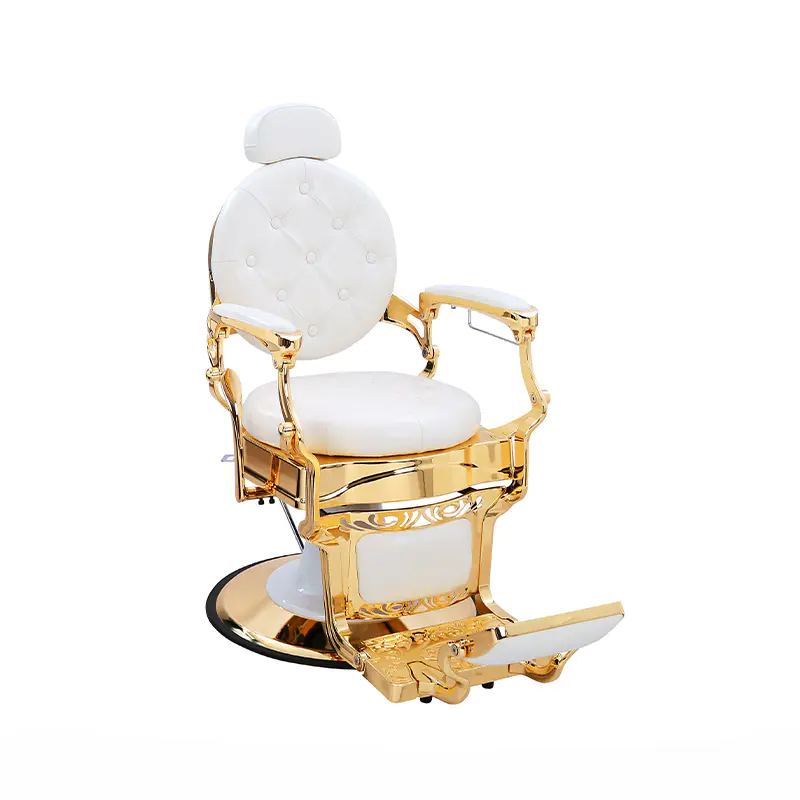
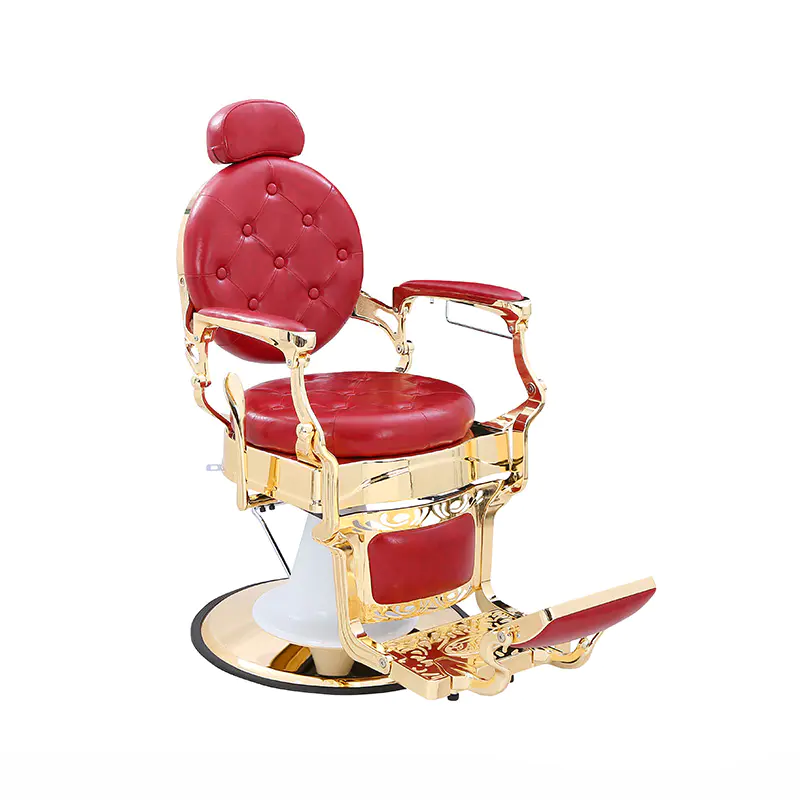
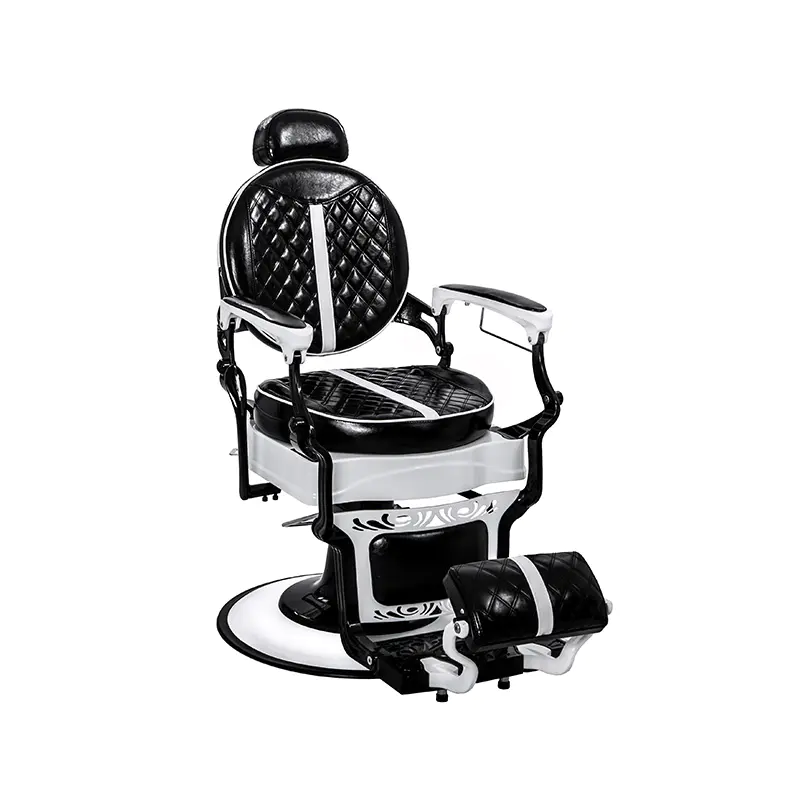
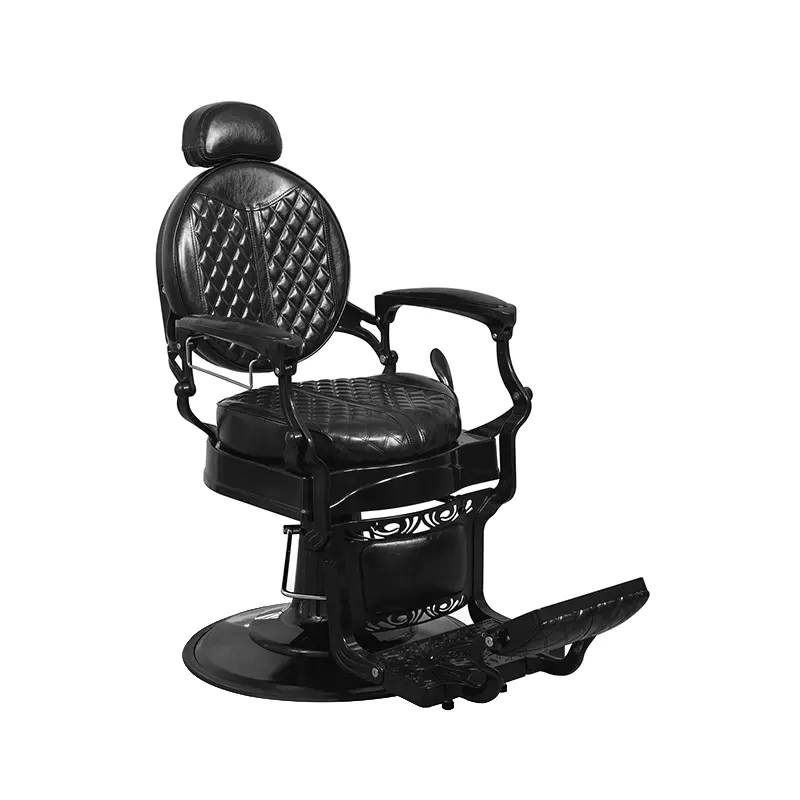
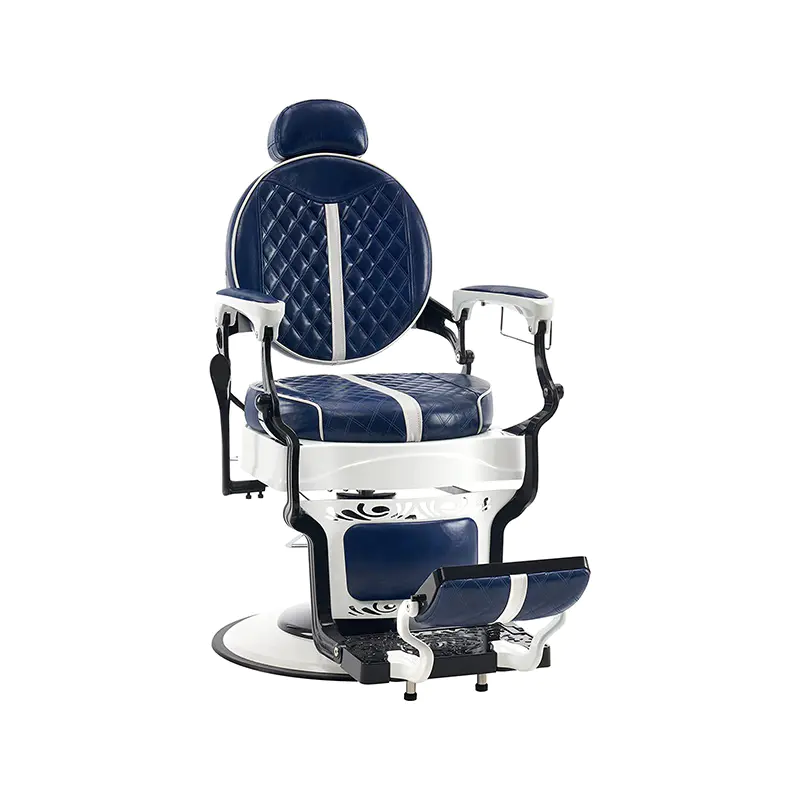
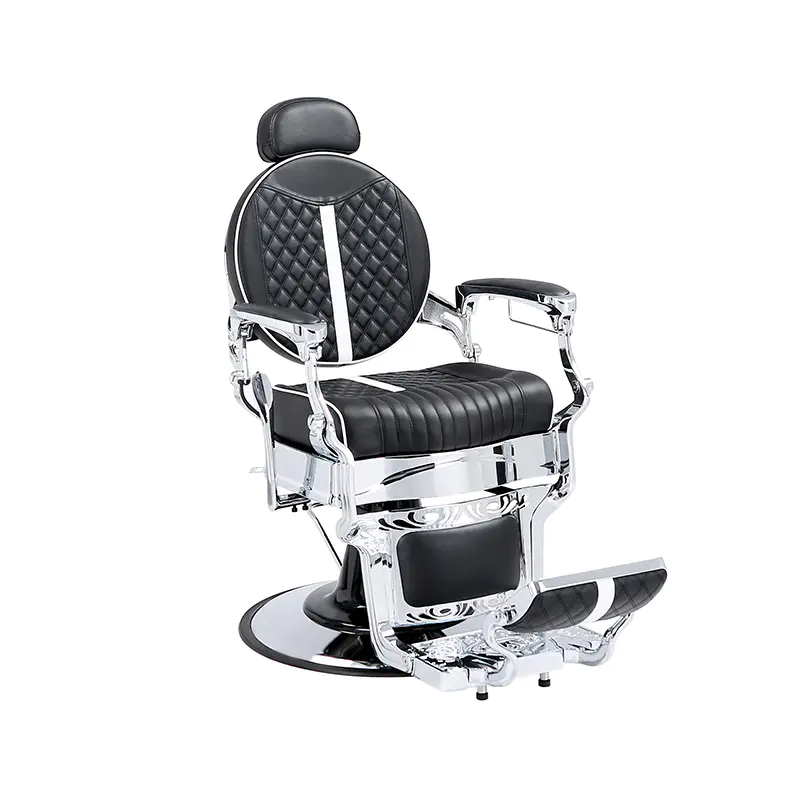
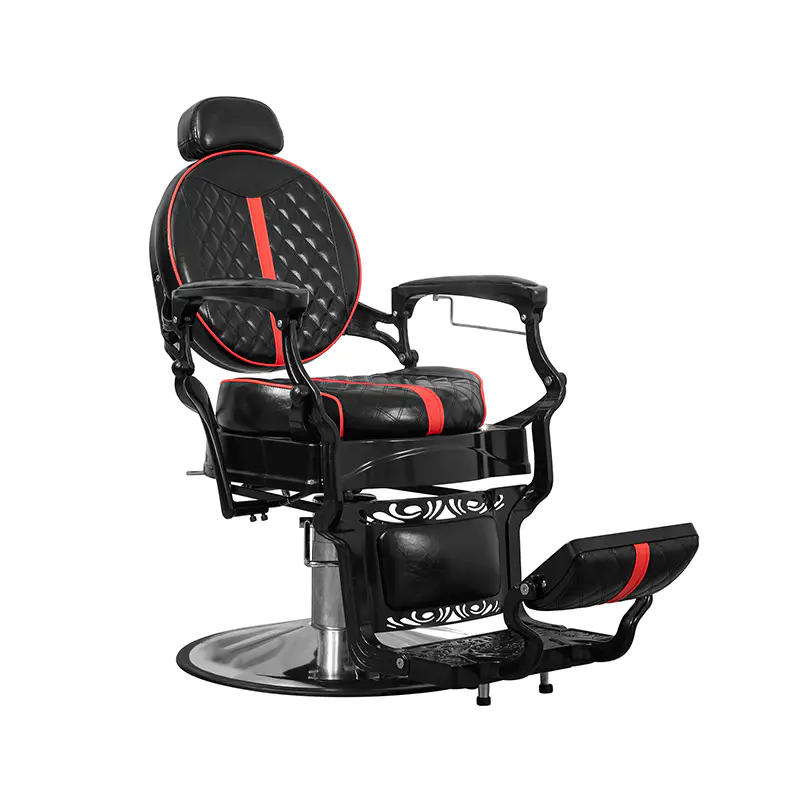
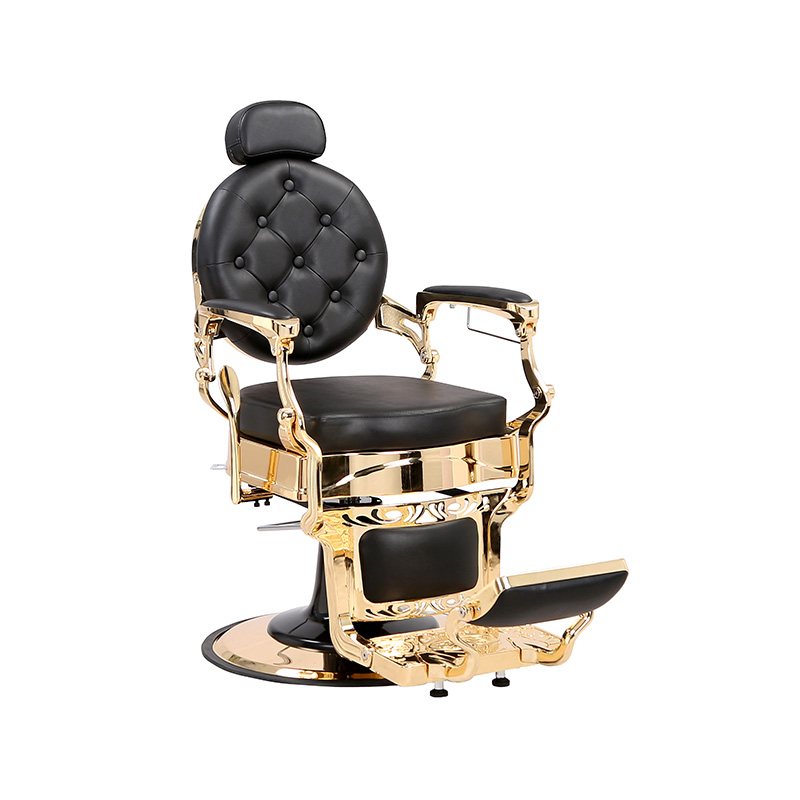
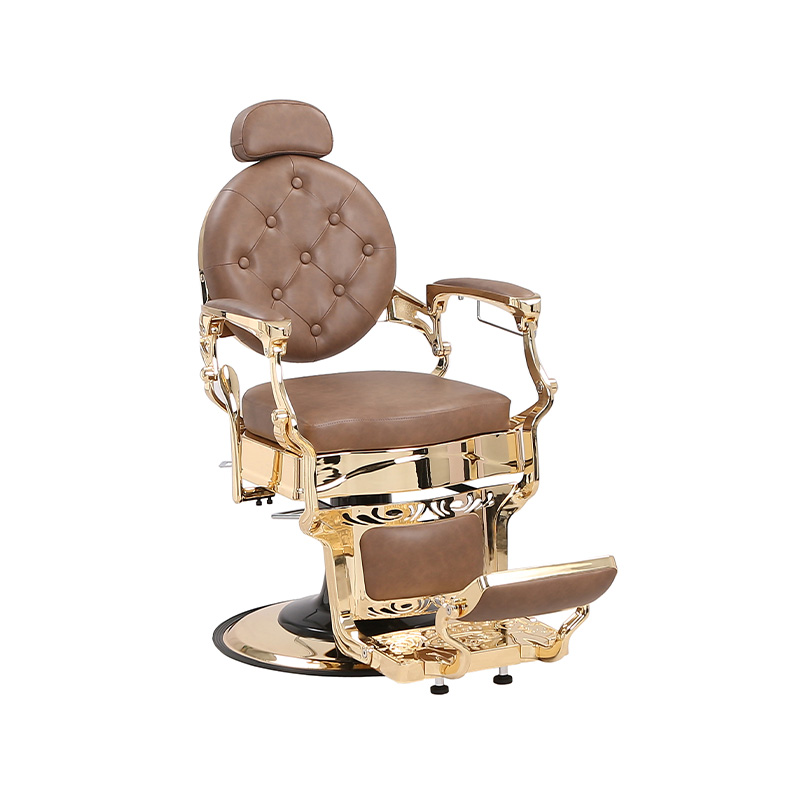
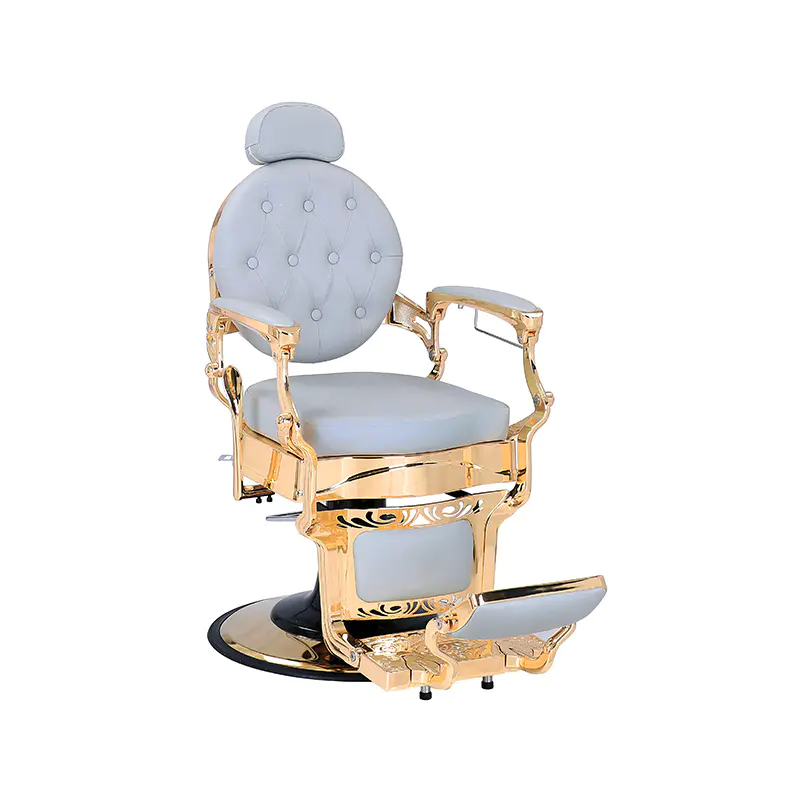
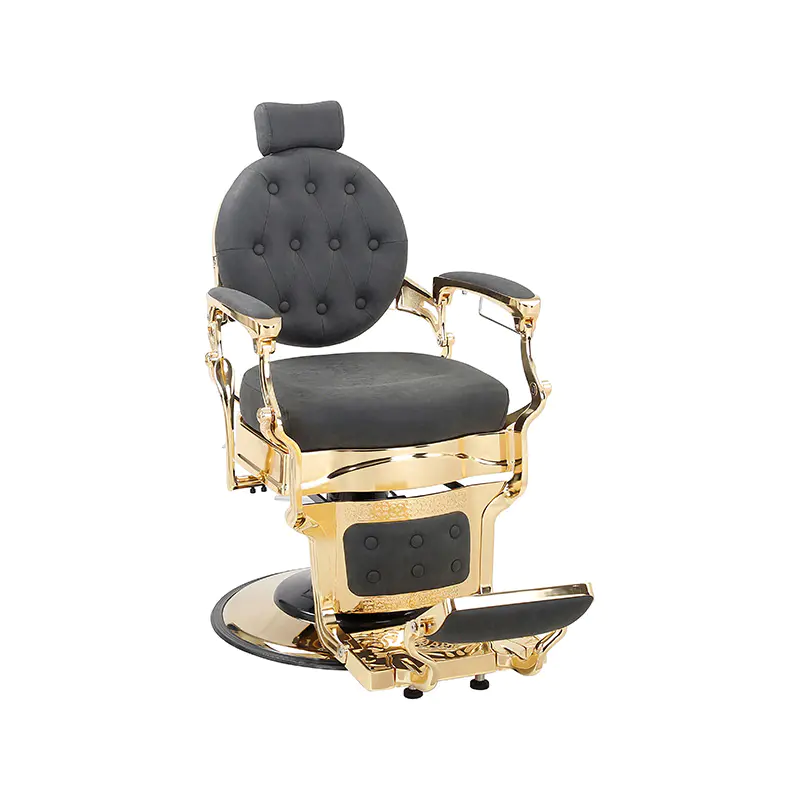
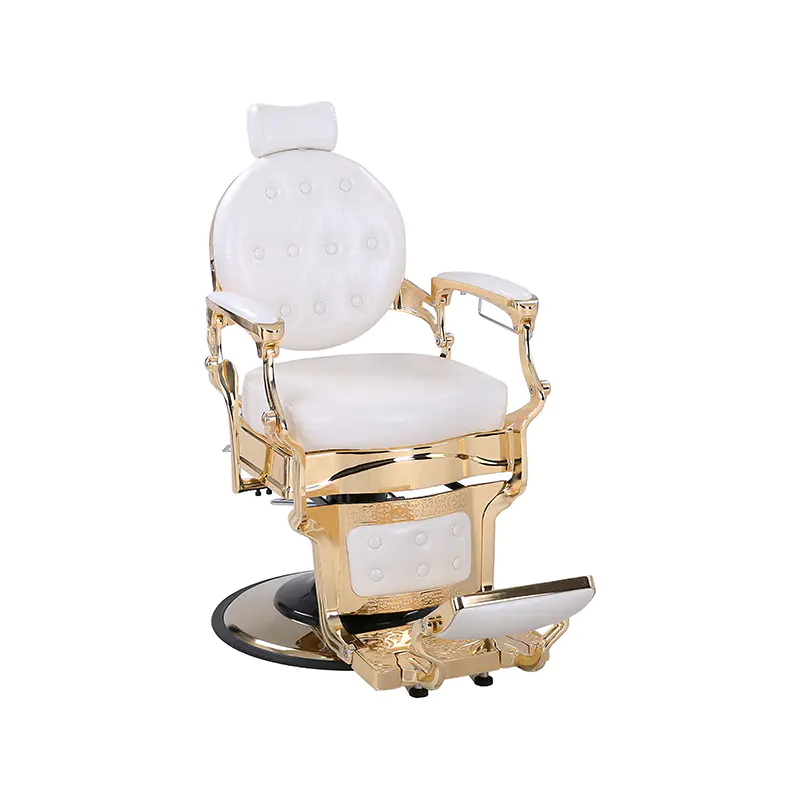
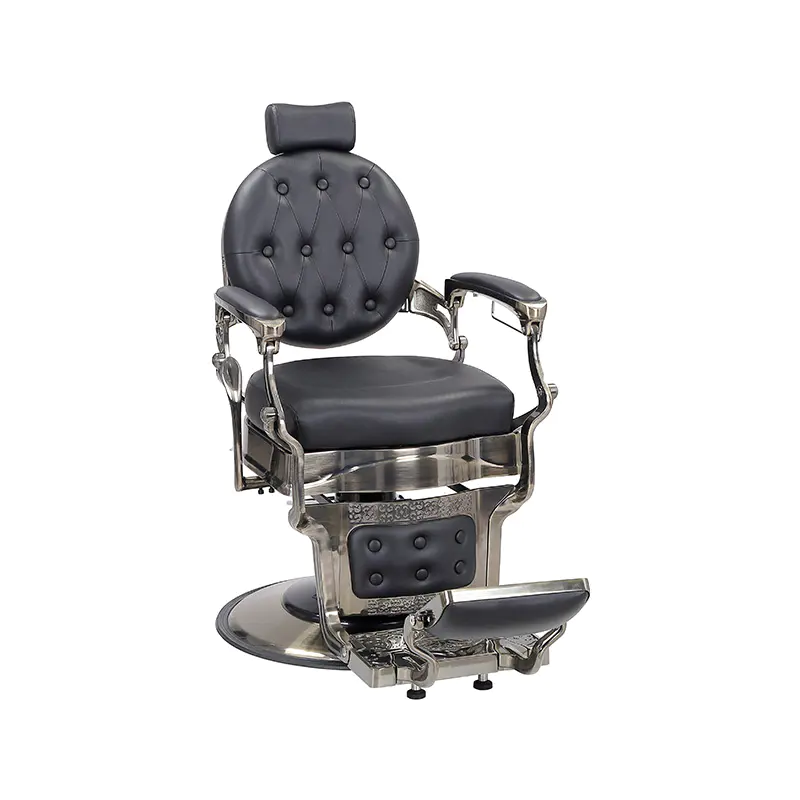
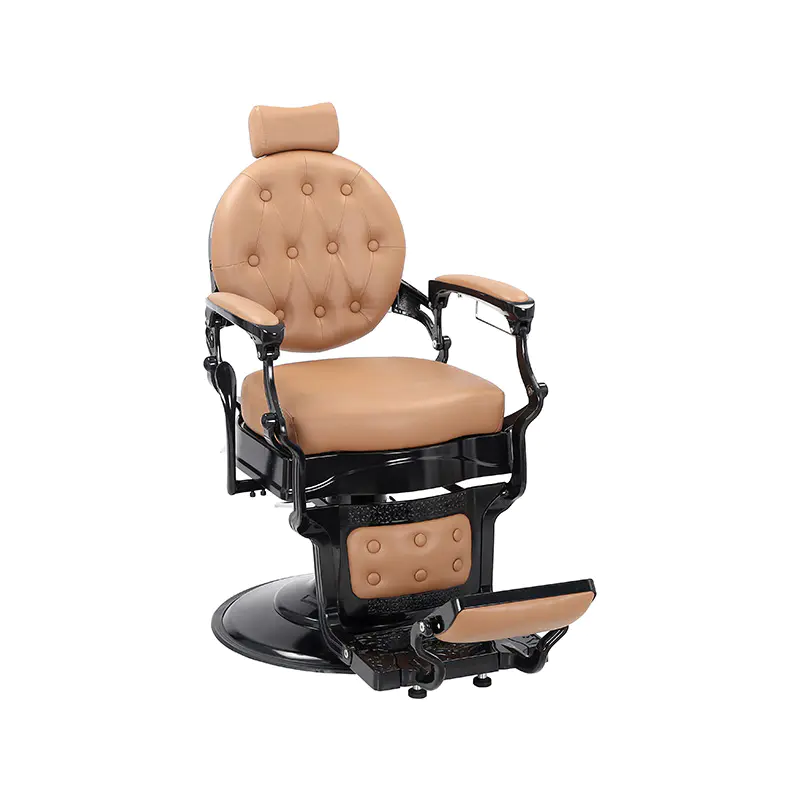
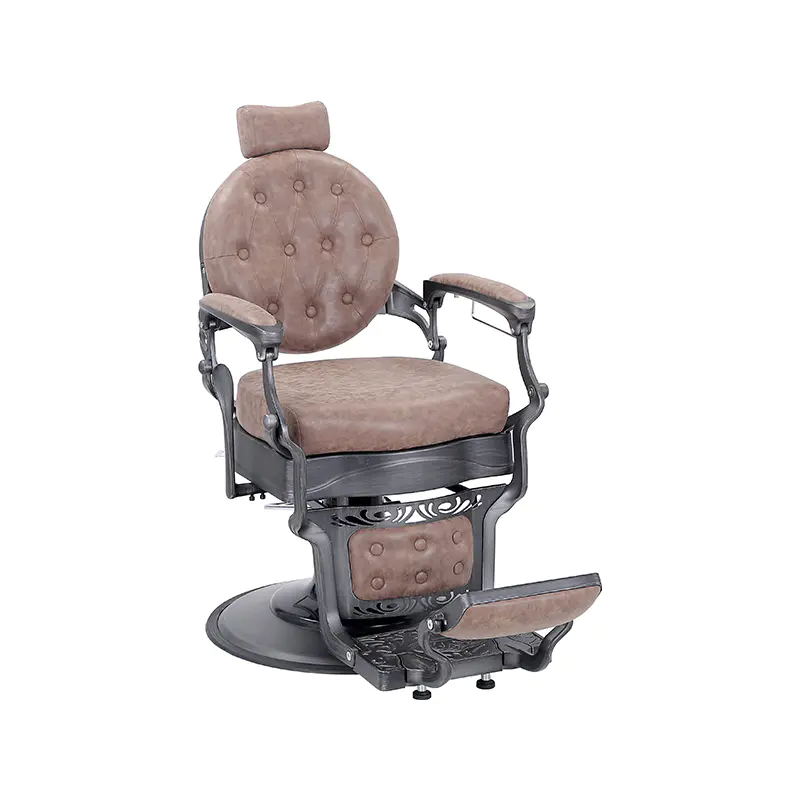
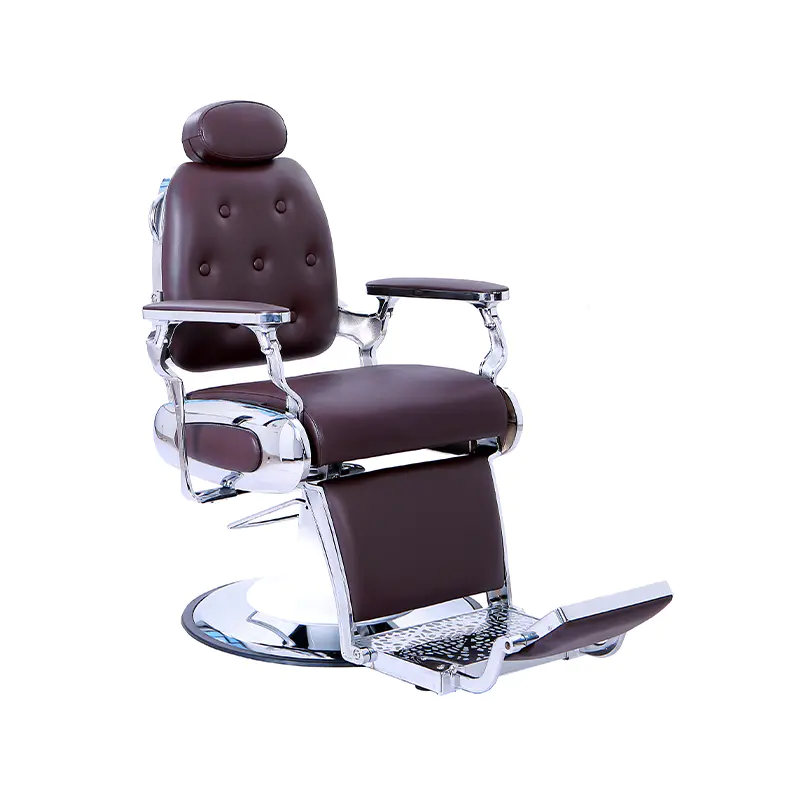
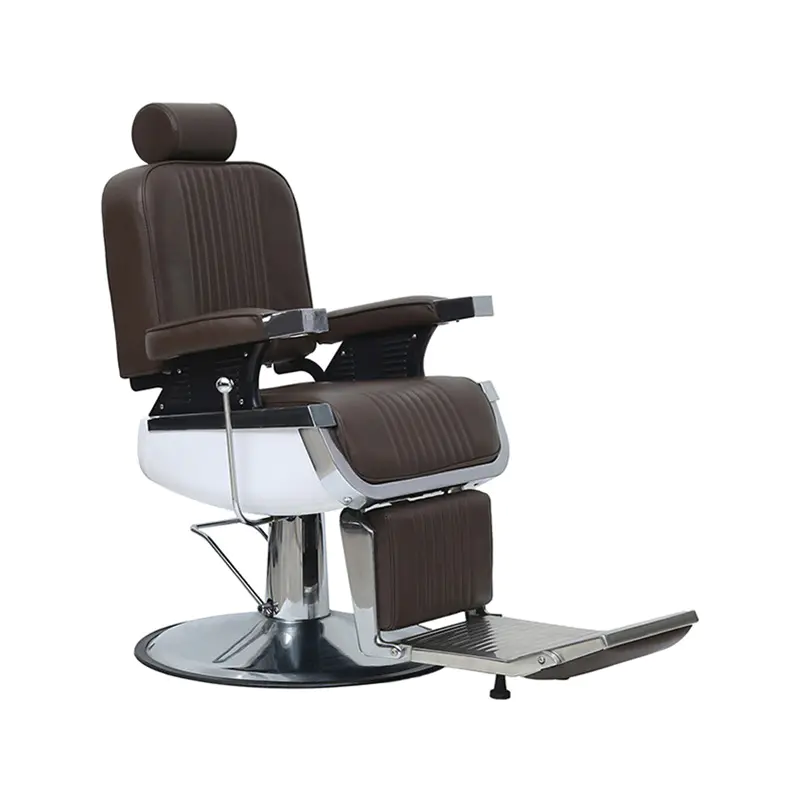
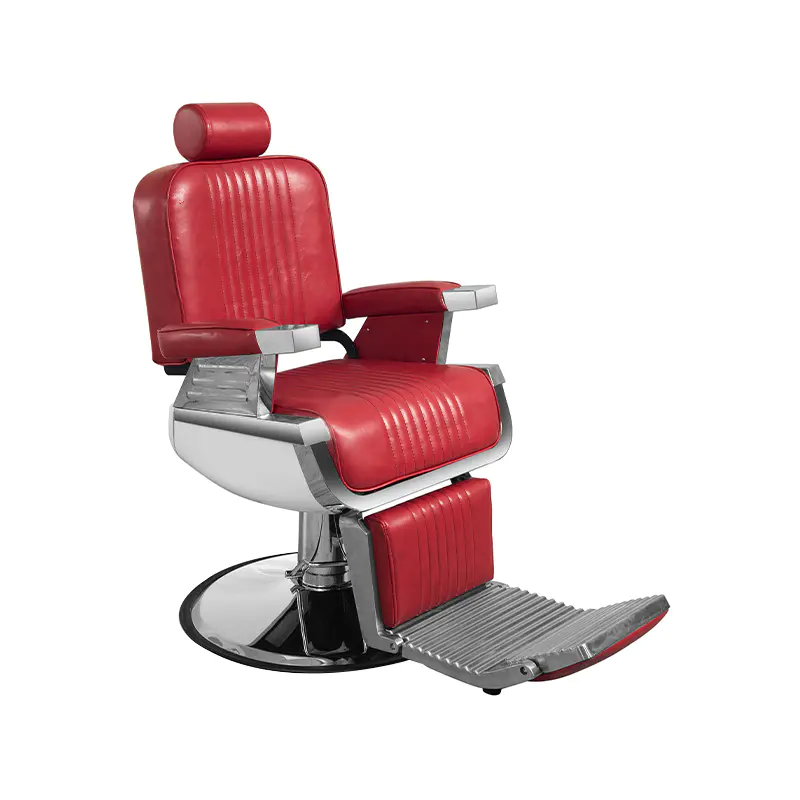
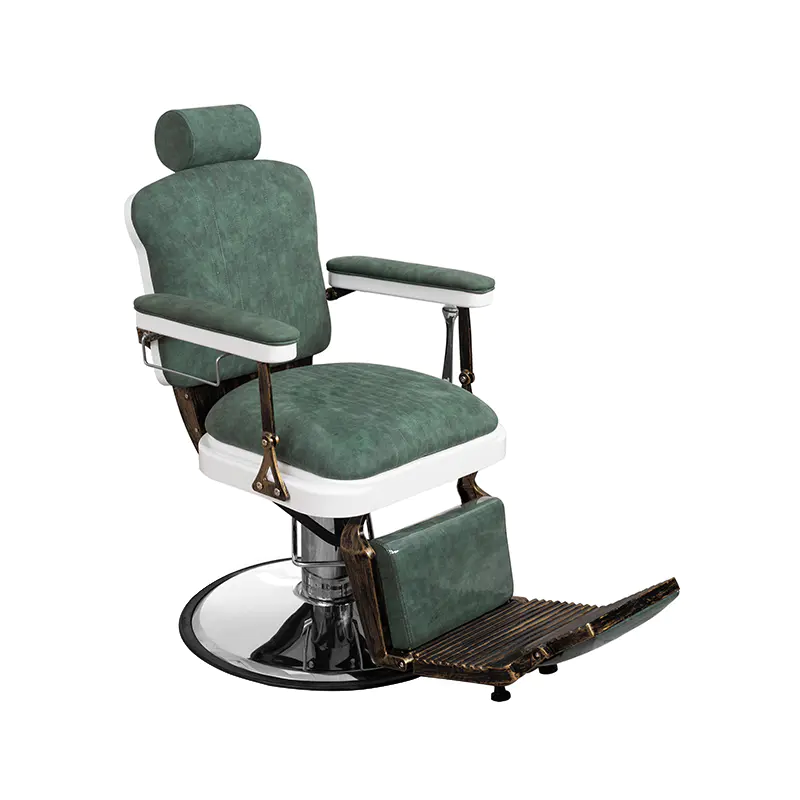
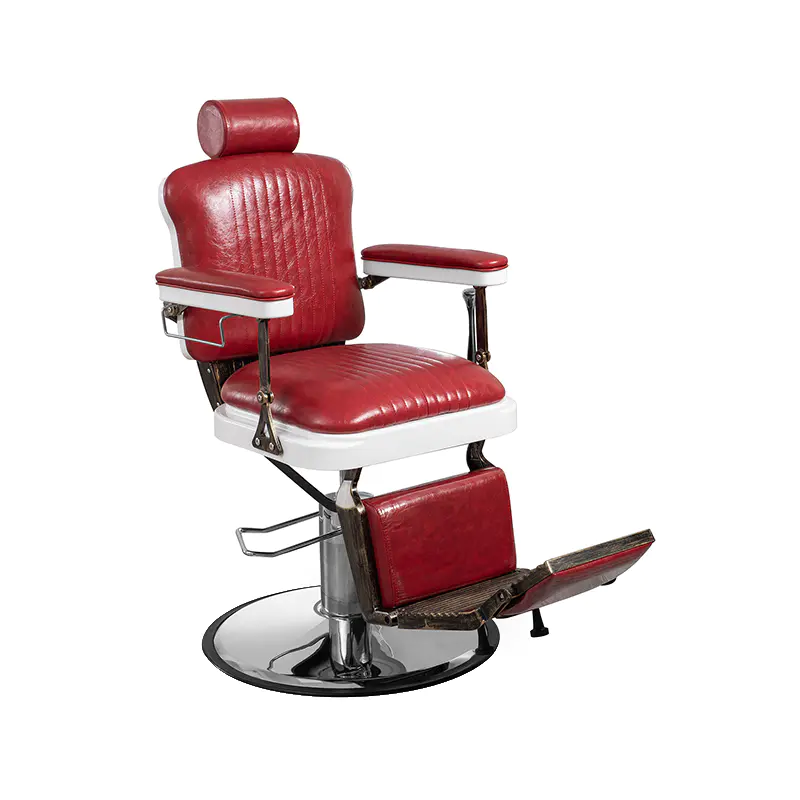
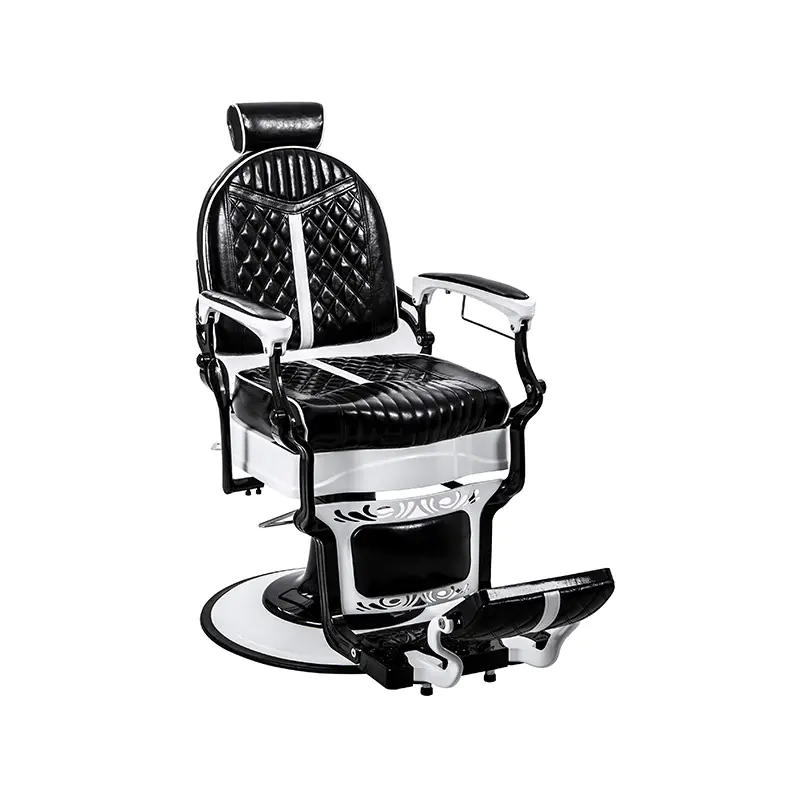
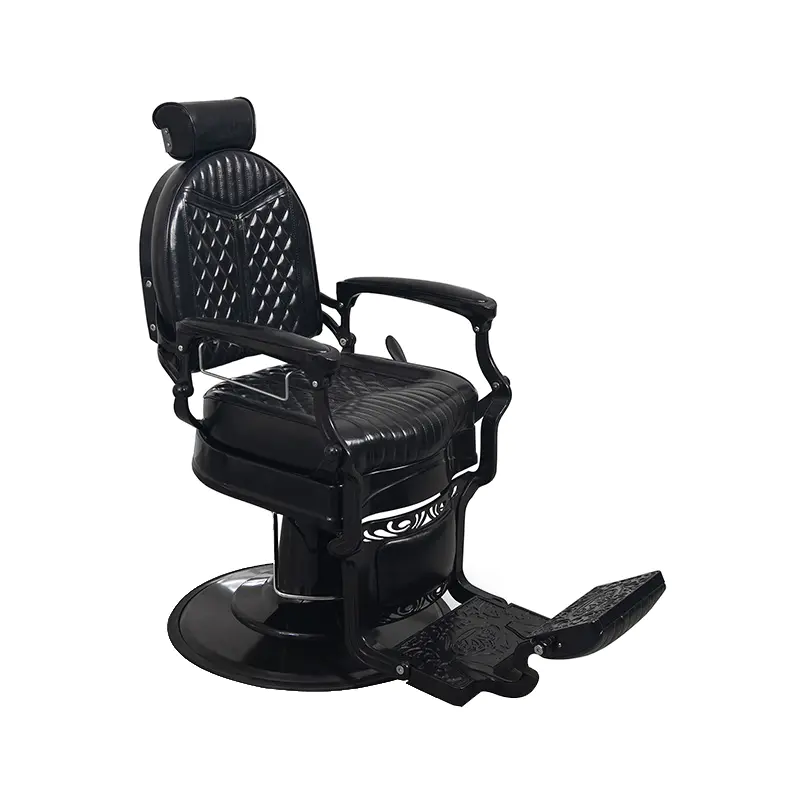
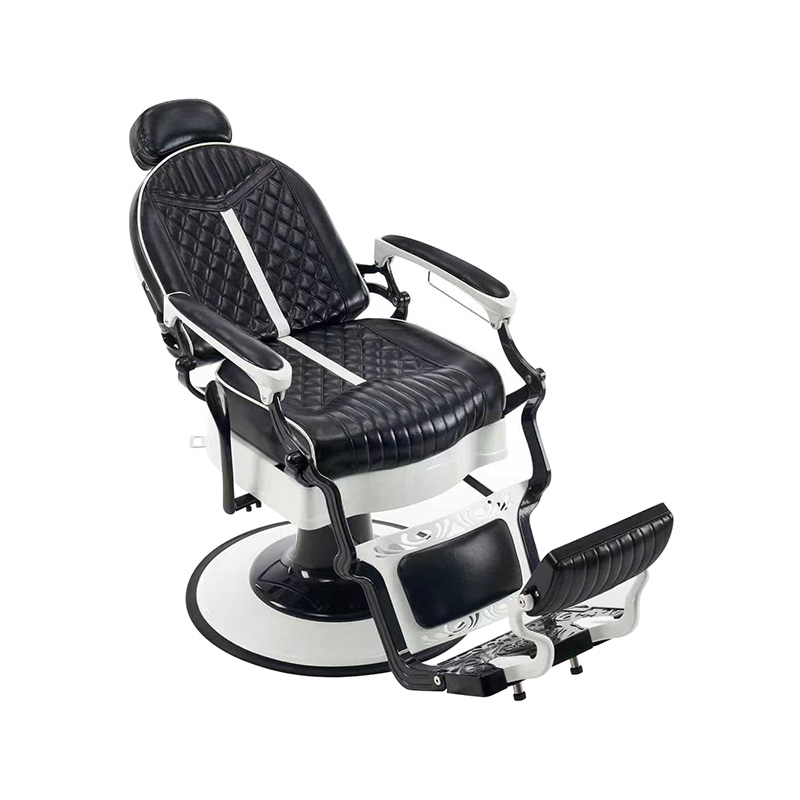
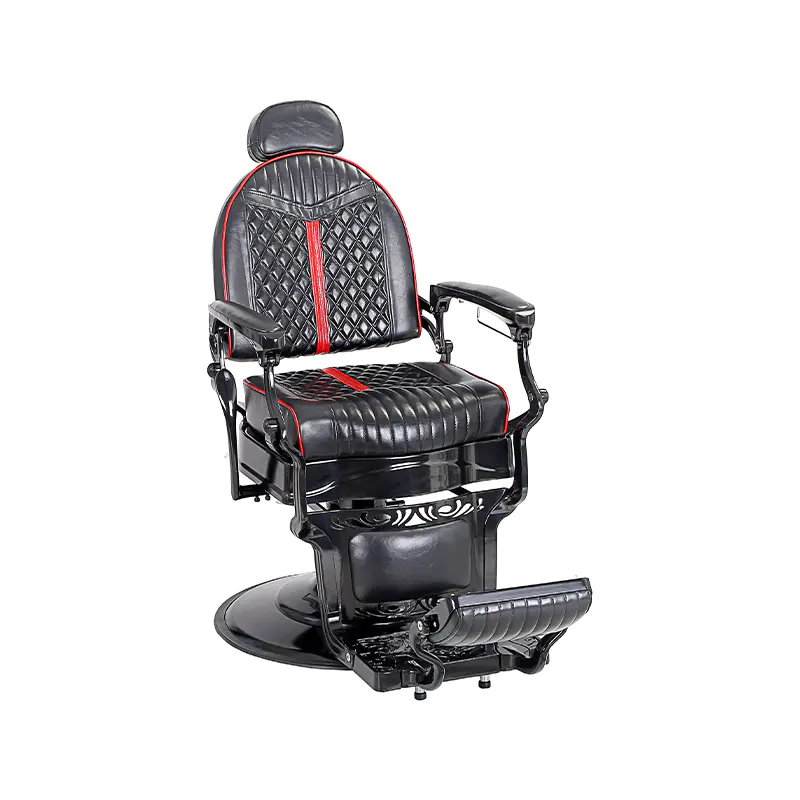
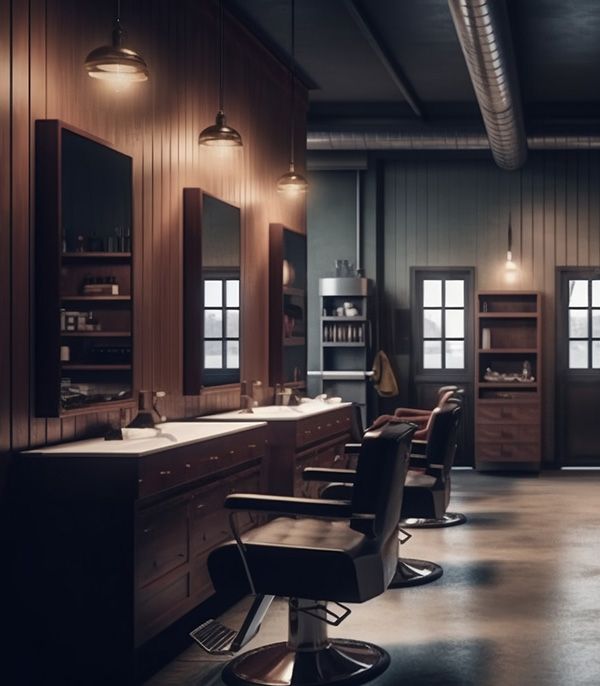
Traditional barbershops tend to favor a hydraulic barber chair for barbershop use with a classic silhouette, a wide headrest for shaving work, and a durable leather-style cover that holds up to frequent clipper contact and hot towel steam.
Barber Chair for Salon
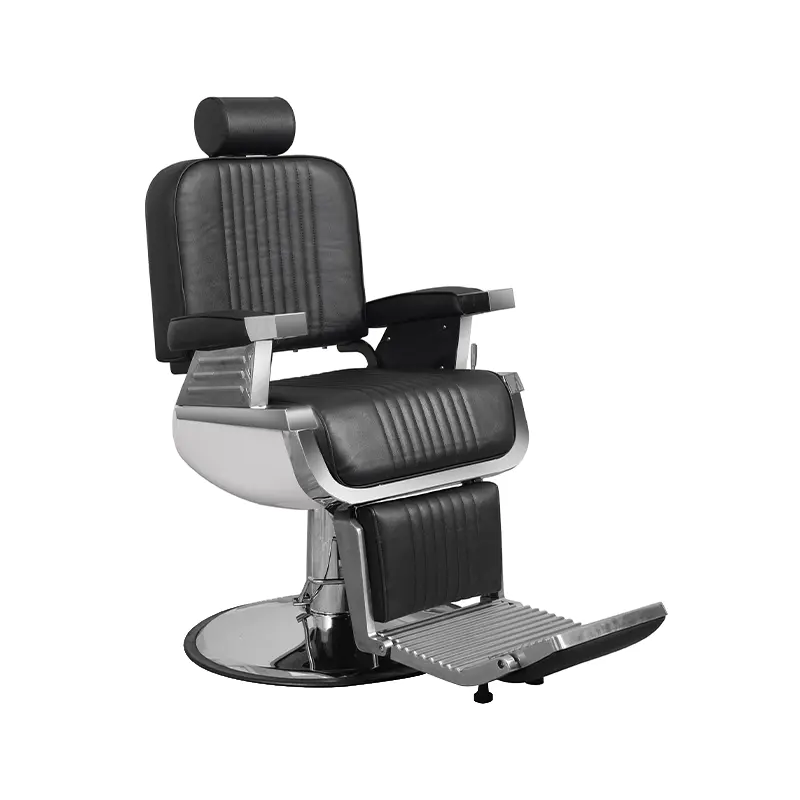
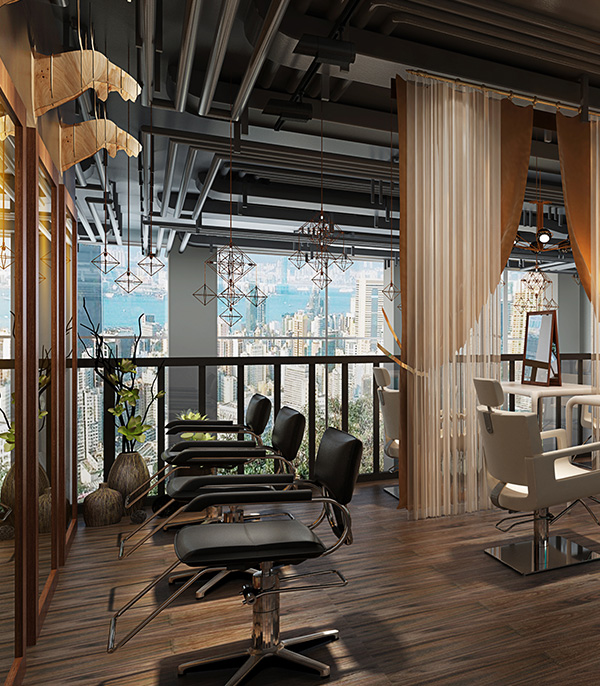
A salon environment that mixes cutting, coloring, and styling often prefers a barber chair for salon use with a smoother swivel, a versatile recline range, and a cover material that resists chemical exposure from styling products.
Barber Chair for Men Salon
A men's grooming salon frequently blends both worlds, choosing a barber chair for men salon settings that offers the shaving-ready recline of a barbershop chair along with the finish and comfort details expected in a modern salon.
Maintenance Checklist to Extend Service Life
Routine care keeps a Barber Chair operating smoothly for years rather than months. The checklist below covers the areas that typically need attention on a recurring basis.
- Wipe down upholstery daily to remove hair product, alcohol, and clipper oil residue.
- Check the base and footrest bolts monthly and tighten any that have loosened from daily use.
- Inspect the hydraulic pump seal every few months for slow sinking or oil residue around the housing.
- Clean the swivel bearing area to prevent hair and dust buildup that can slow rotation.
- Test the recline lock mechanism periodically to confirm it holds position under normal client weight.
Design Directions Shaping Barber Chairs This Year
Several practical shifts are showing up across newer barber chair lines. Adjustable headrests that slide and tilt independently of the backrest are becoming more common, giving barbers finer control during shave and neckline work. Easier-to-clean upholstery seams are also more common, reducing the buildup of product residue along stitch lines. Quieter hydraulic pumps, engineered with tighter seals, are gradually replacing older, noisier mechanisms in newer production runs.
| Design Direction | Current Adoption |
|---|---|
| Independent tilting headrest | Increasingly common |
| Seamless or low-seam upholstery | Increasingly common |
| Quiet sealed hydraulic pump | Common in newer models |
Inside a Barber Chair Factory Production Floor
Understanding what a working barber chair factory looks like helps explain why build quality varies between suppliers. Ningbo HongZi Beauty and Hairdressing Equipment Co., Ltd., located in Sanqishi, Yuyao, in Zhejiang Province near Hangzhou Bay, operates a facility covering 22,000 square meters with more than 120 staff members supporting research, development, and production of barber chairs, beauty beds, shampoo chairs, and related salon furniture.
The workshop runs specialized equipment including laser plate cutters, pipe cutters, punching machines, CNC leather cutters, and embroidery machines, alongside automated lines for welding, cotton pasting, and assembly. A dedicated upholstery workshop covers the full processing flow from structural components through to surface leather work, which keeps quality and finishing detail consistent from one unit to the next. This kind of integrated setup is a useful reference point when comparing a barber chair OEM or barber chair ODM proposal from any factory, since in house upholstery and metal fabrication typically point to steadier output than production spread across multiple outside workshops.
Frequently Asked Questions About Barber Chairs
Q1. How Long Does a Barber Chair Last
With regular cleaning and periodic pump checks, a well-built barber chair typically remains in working condition for around 8 to 12 years, though heavy daily use in a busy shop can shorten that range somewhat.
Q2. How Much Weight Can a Barber Chair Hold
Standard barber chairs generally support around 180 kilograms, while heavy duty models with a reinforced base can support around 250 kilograms.
Q3. Can Barber Chairs Recline 180 Degrees
Most Barber Chairs recline within a 100 to 160 degree range rather than a full 180 degrees, since the base and footrest are engineered around a working recline range suited to shaving and hot towel service.
Q4. Are Hydraulic Barber Chairs Worth Considering
Hydraulic chairs are widely used because the pump handles frequent height adjustments smoothly and the mechanism is straightforward to service, which suits shops with steady daily client flow.
Q5. How to Increase Customer Comfort in a Barbershop
Adjusting the headrest and footrest to match each client, keeping the recline smooth, and maintaining clean, well-padded upholstery all contribute noticeably to how comfortable a service feels.
Q6. How to Replace a Barber Chair Pump
Replacing a pump generally involves detaching the seat base, removing the worn pump from the housing, and fitting a matching replacement pump before reattaching the base and testing the lift through its full range.
Q7. What Is a Barber Chair Maintenance Checklist
A basic checklist covers daily upholstery cleaning, monthly bolt checks, periodic pump seal inspection, swivel bearing cleaning, and testing the recline lock under normal use.
Q8. What Is the Difference Between Hydraulic and Electric Barber Chairs
A hydraulic chair uses a foot-operated oil pump for height adjustment, while an electric chair uses a motor and switch, which generally gives a quieter and smoother lift at the cost of a slightly more complex internal wiring layout.