
 en
en  English
 русский
 Español
 عربى
عربى
Quick Answer Before You Read Further
Before comparing catalogs and photos, the short version matters most. A dependable wholesale order of Barber Chairs comes down to four checks: a hydraulic or lift mechanism rated for daily commercial use, a steel base and frame that stays stable through repeated recline and rotation cycles, upholstery that holds up under constant contact and cleaning, and a supplier with real production capacity to support repeat orders. Everything below expands on these ten questions with practical detail so a salon owner, distributor, or purchasing team can move from browsing a catalog to placing a confident order.
- Mechanism type sets the baseline for daily durability and smooth adjustment
- Weight capacity and base construction decide long-term stability under daily client turnover
- Upholstery quality affects how the chair looks and feels after months of use
- Supplier production scale determines whether OEM and bulk wholesale orders are realistic
What Type of Barber Chair Fits Your Salon or Barbershop
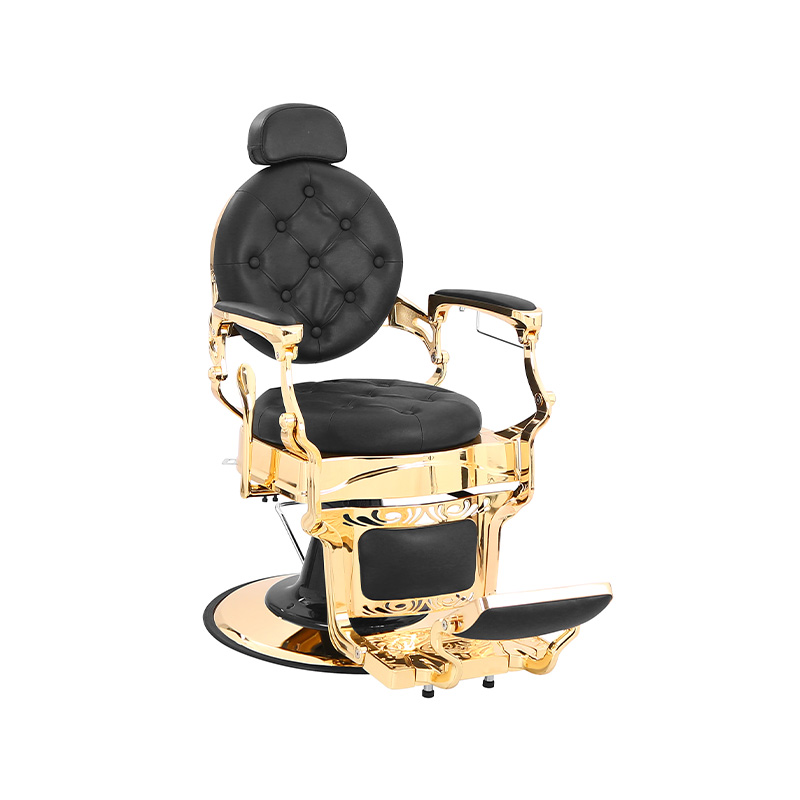
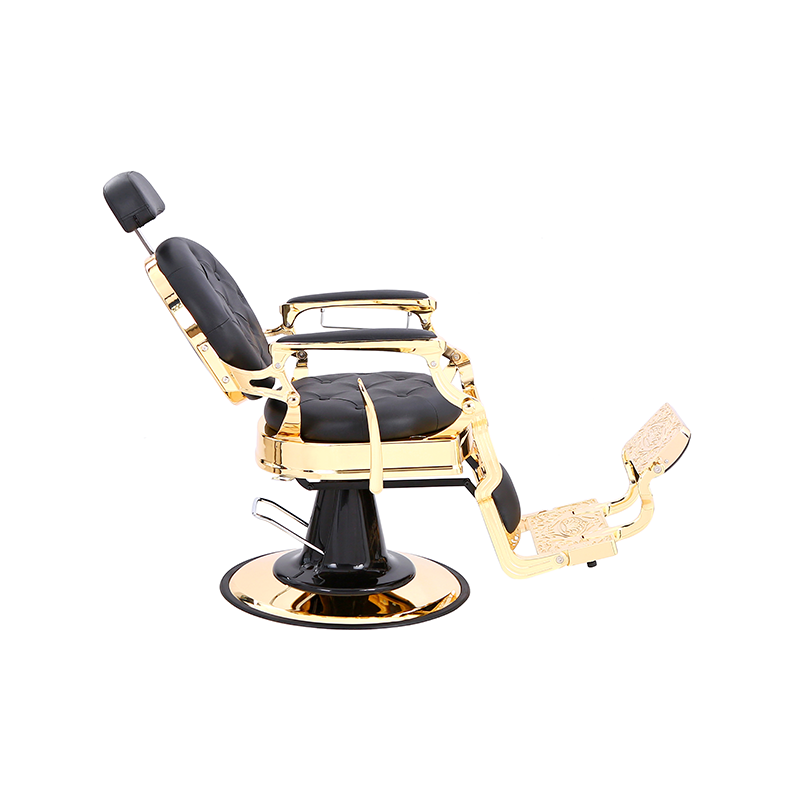
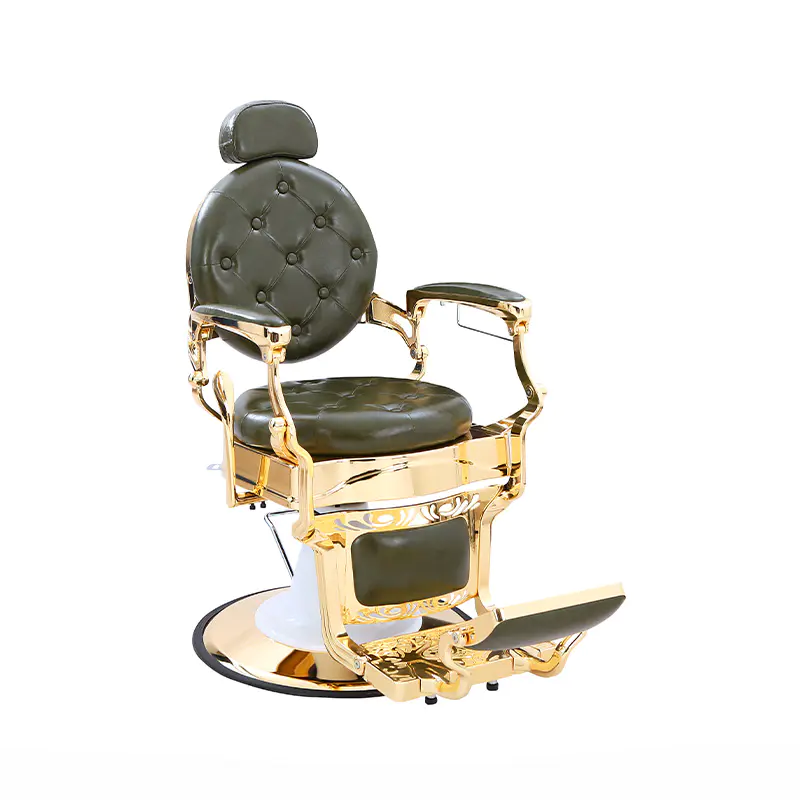
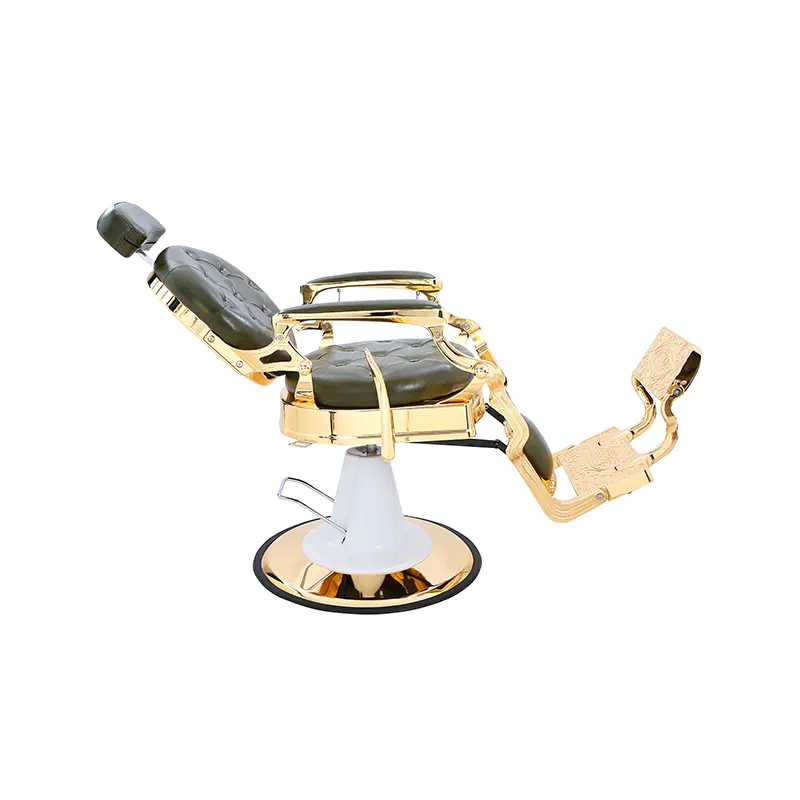
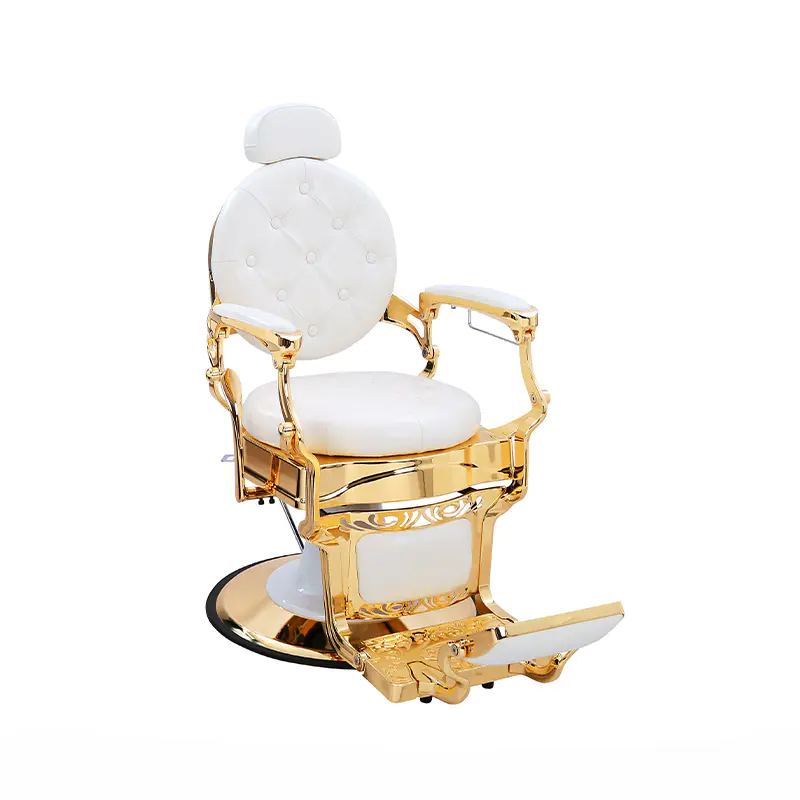
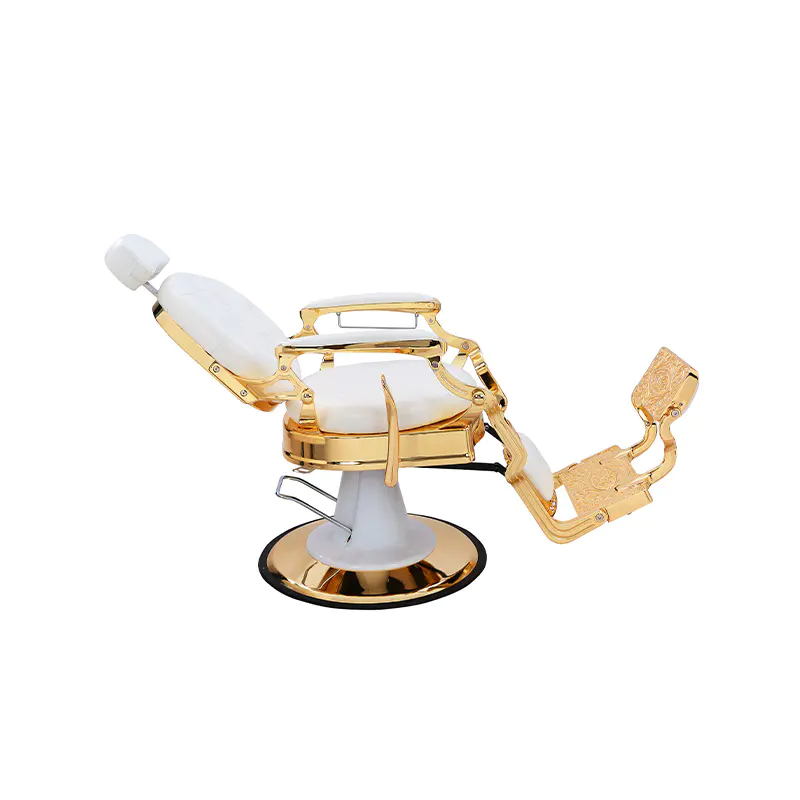
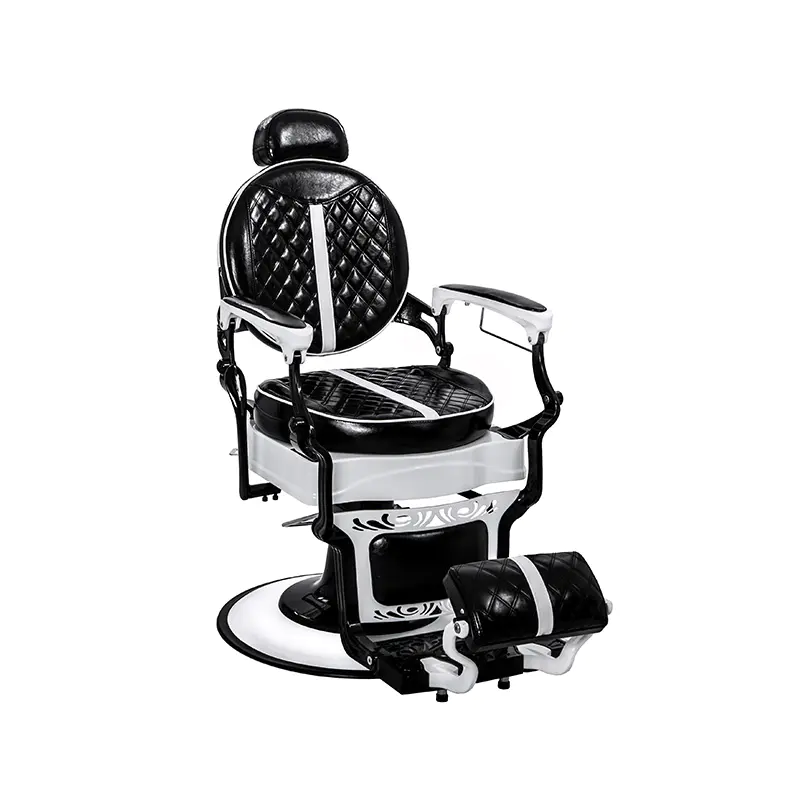
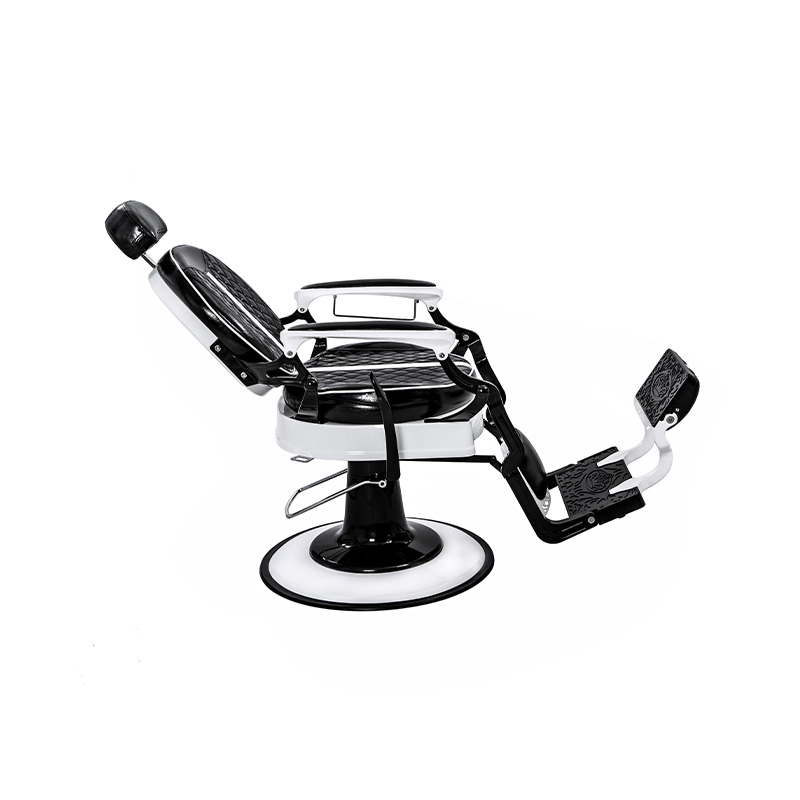
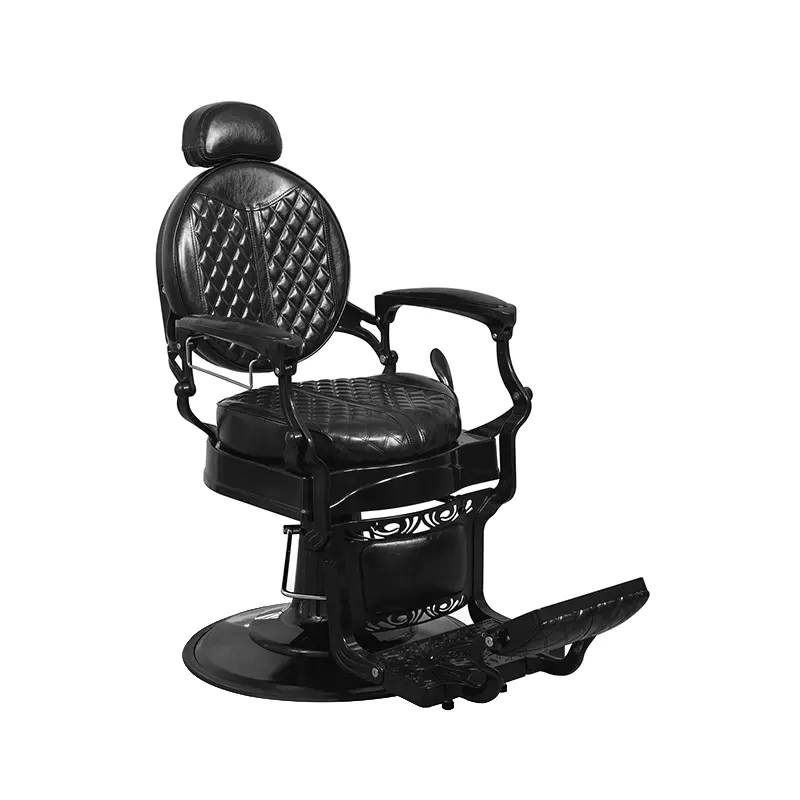
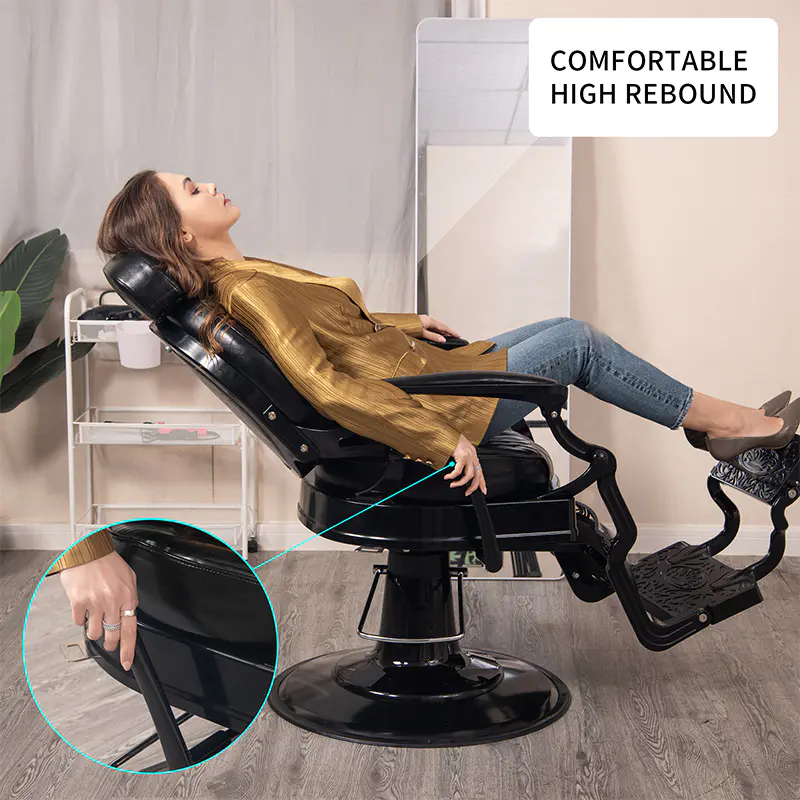
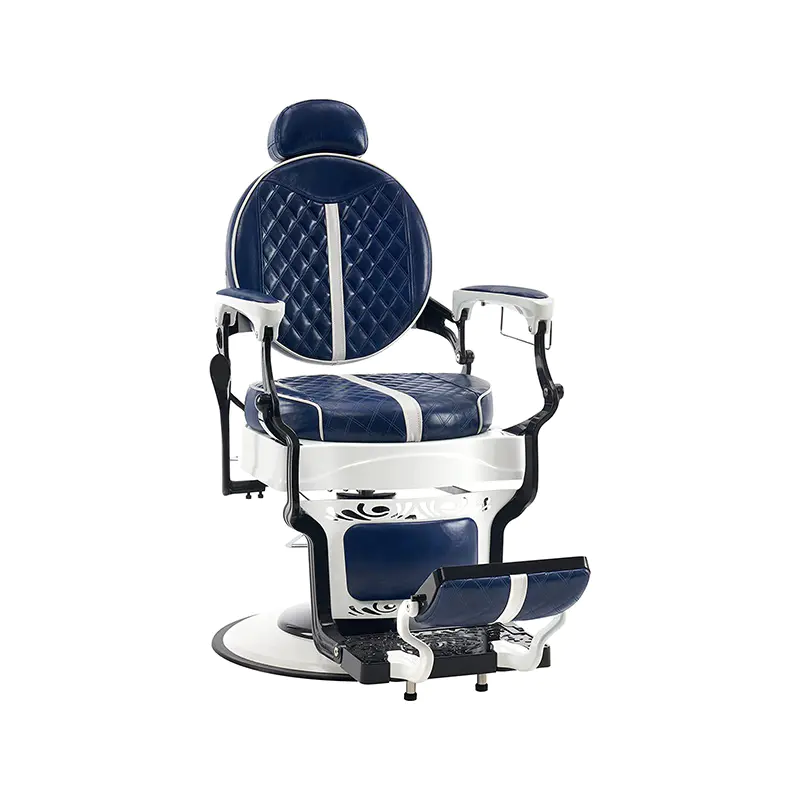
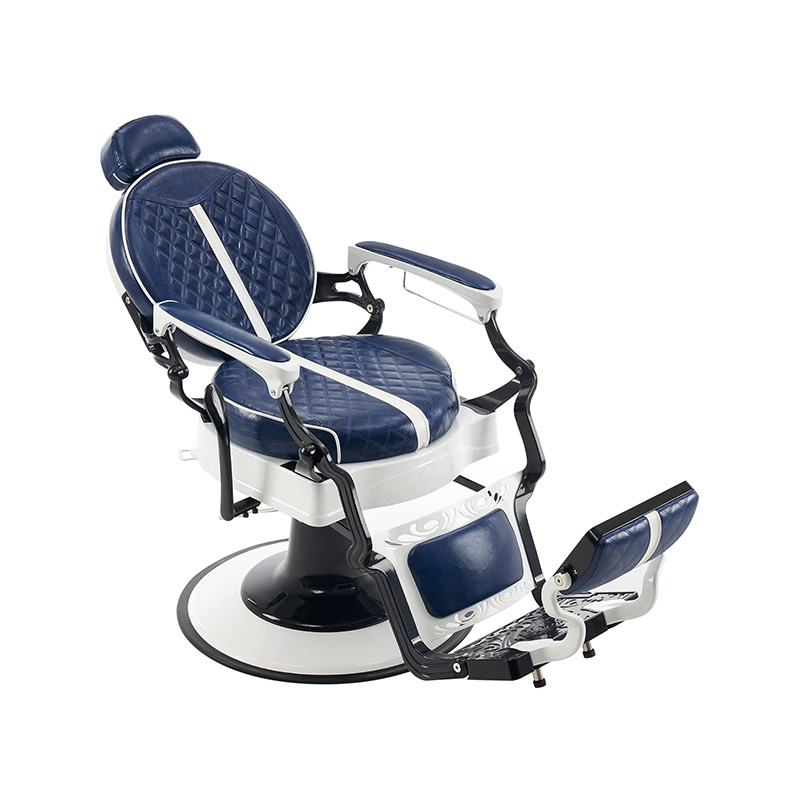
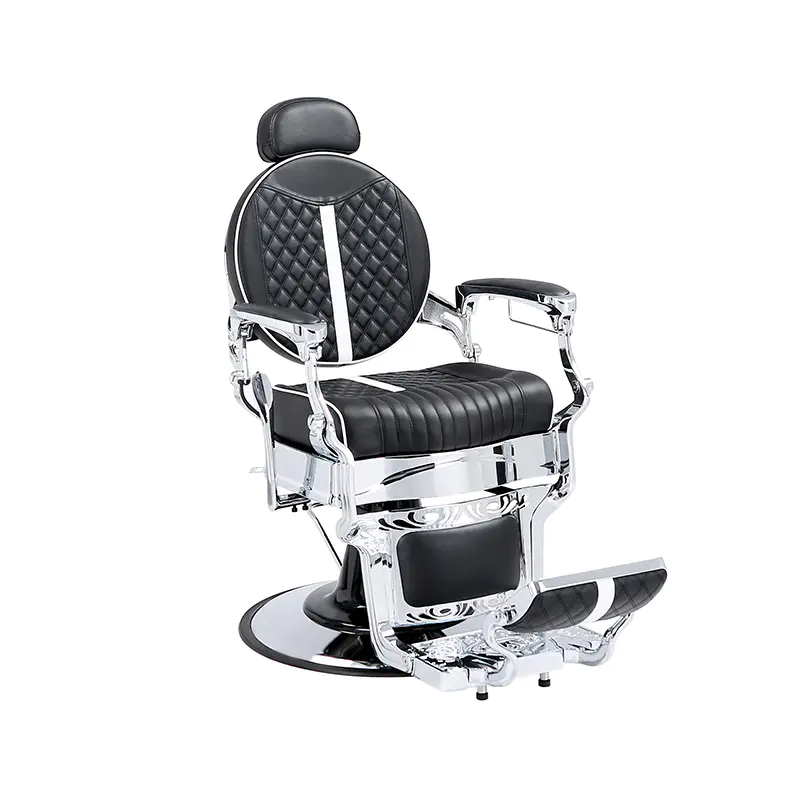
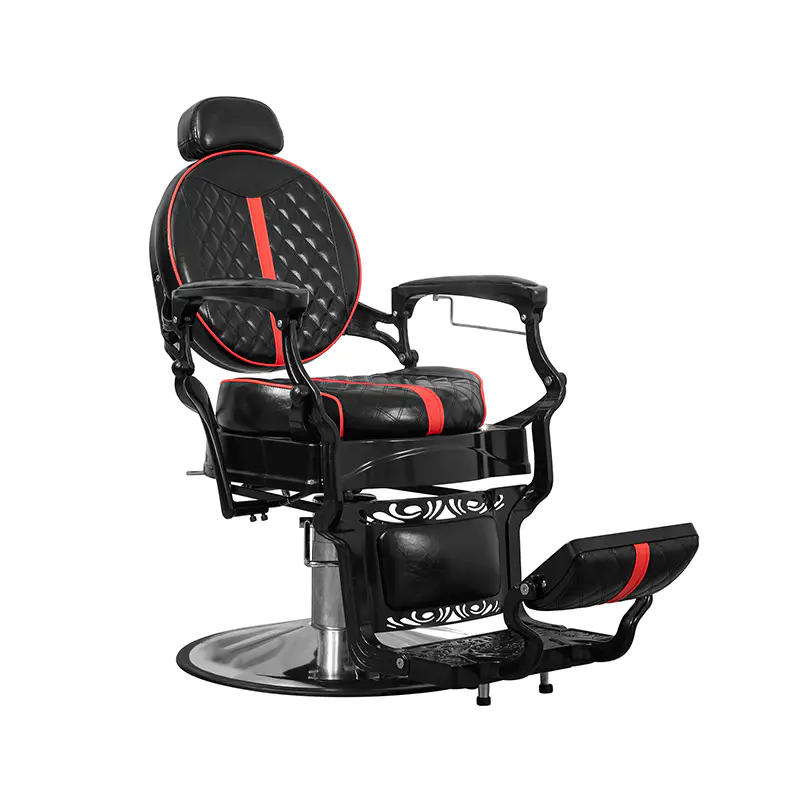
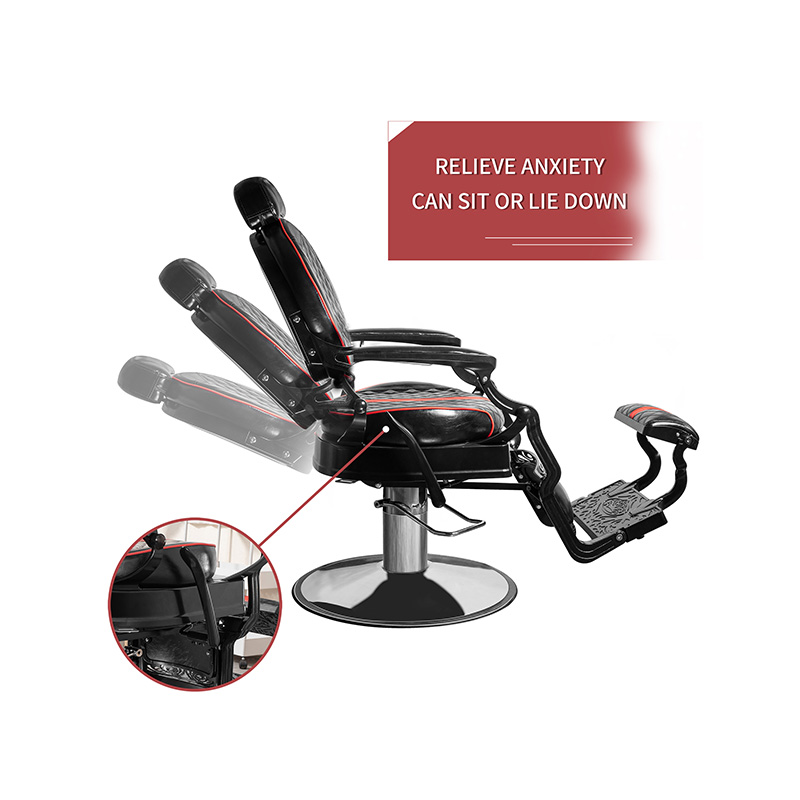
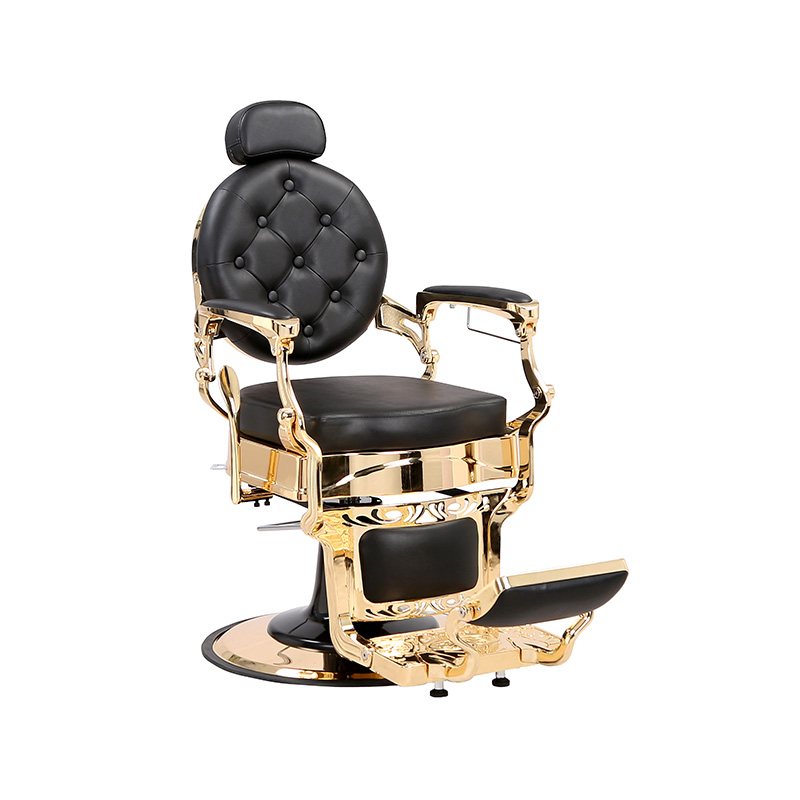
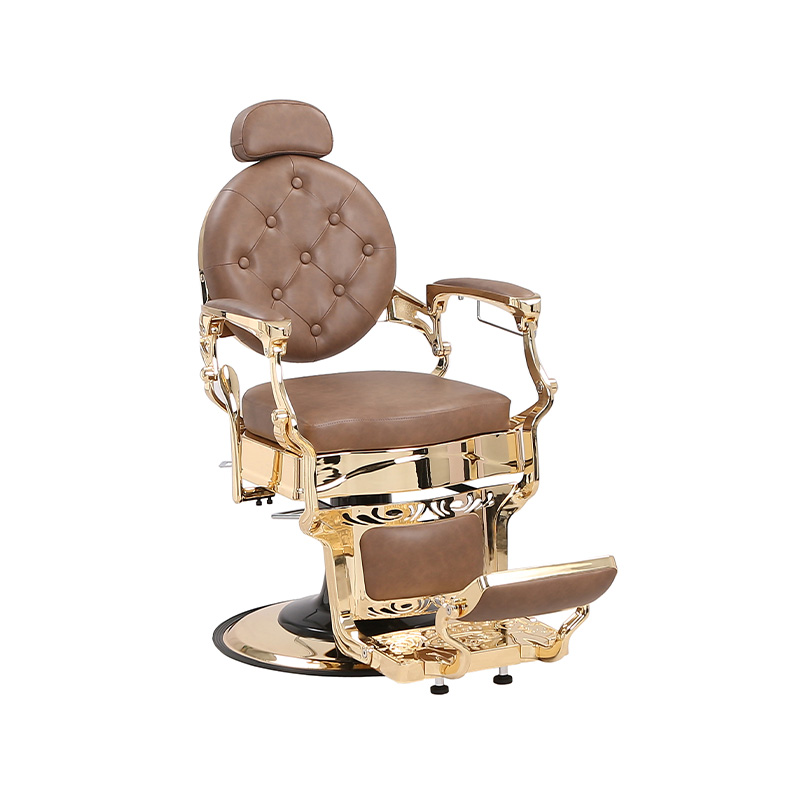
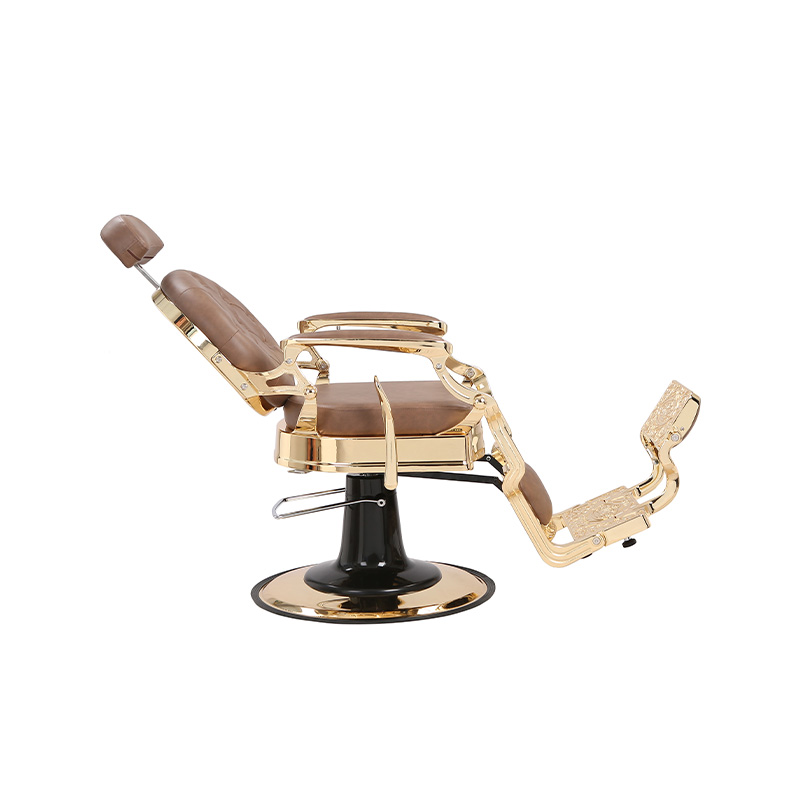
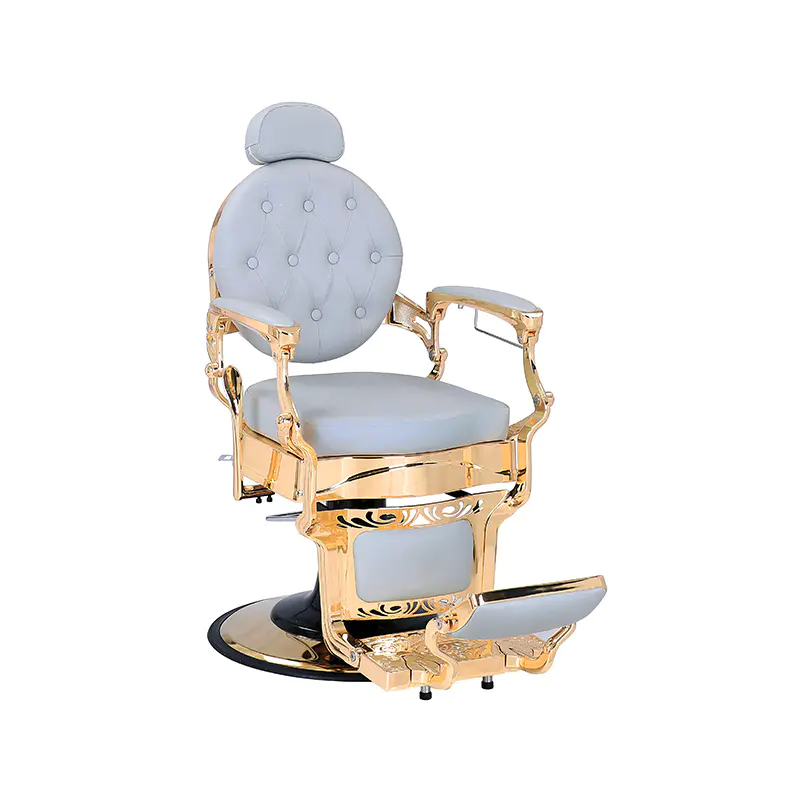
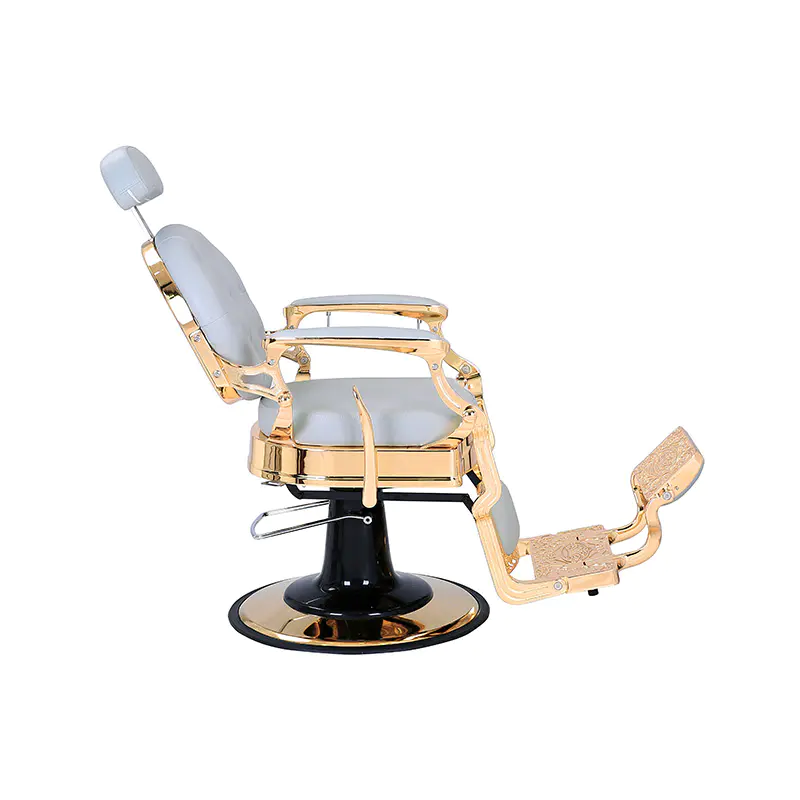
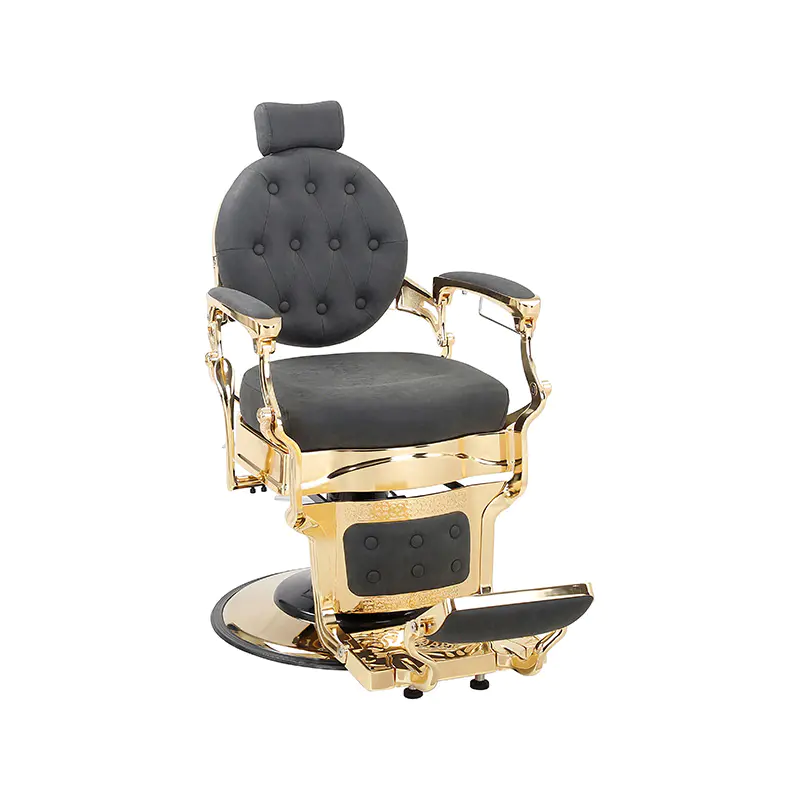
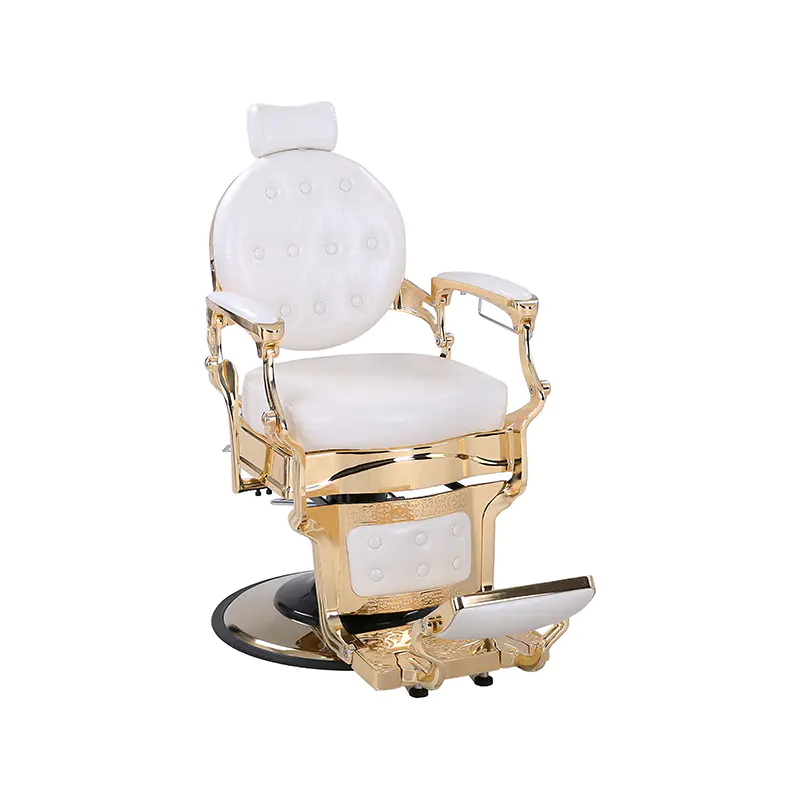
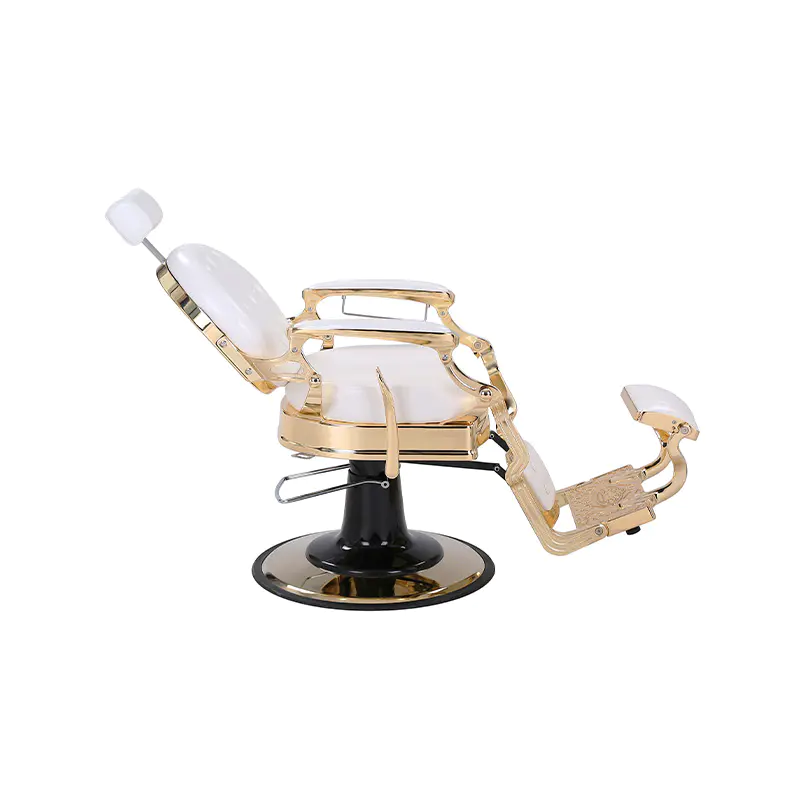
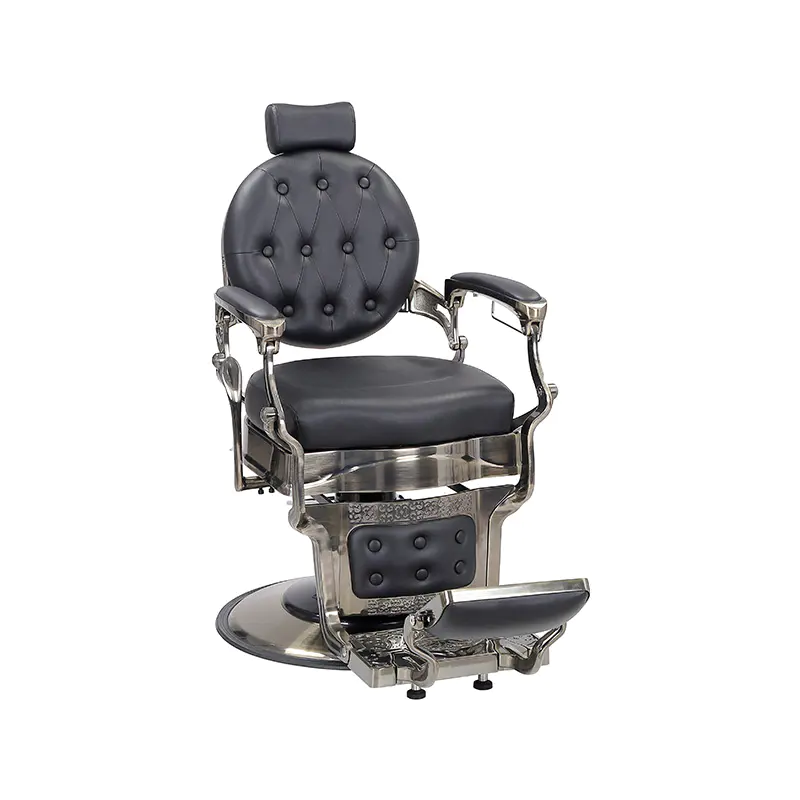
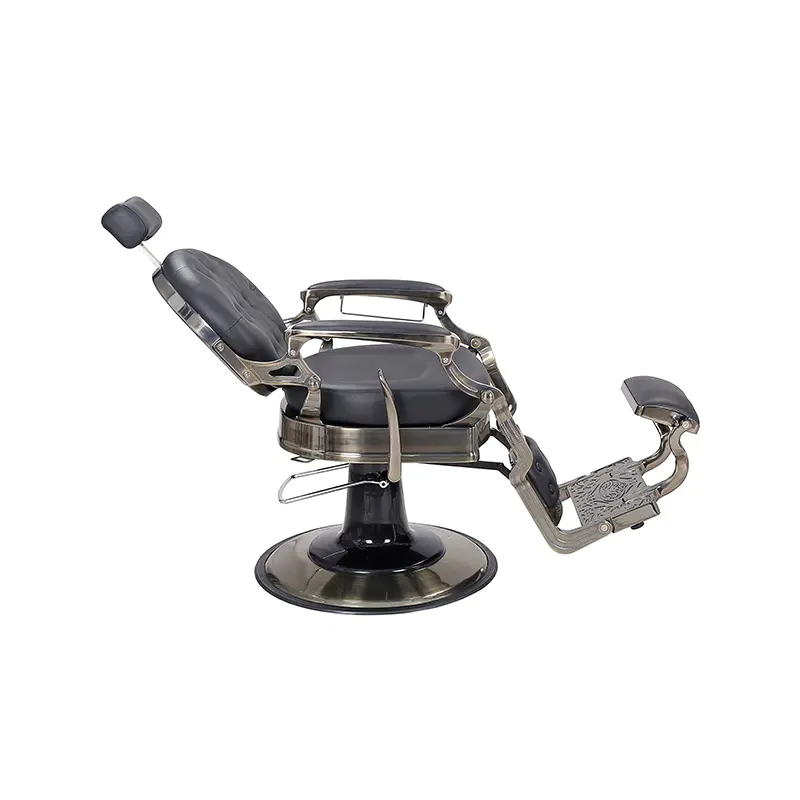
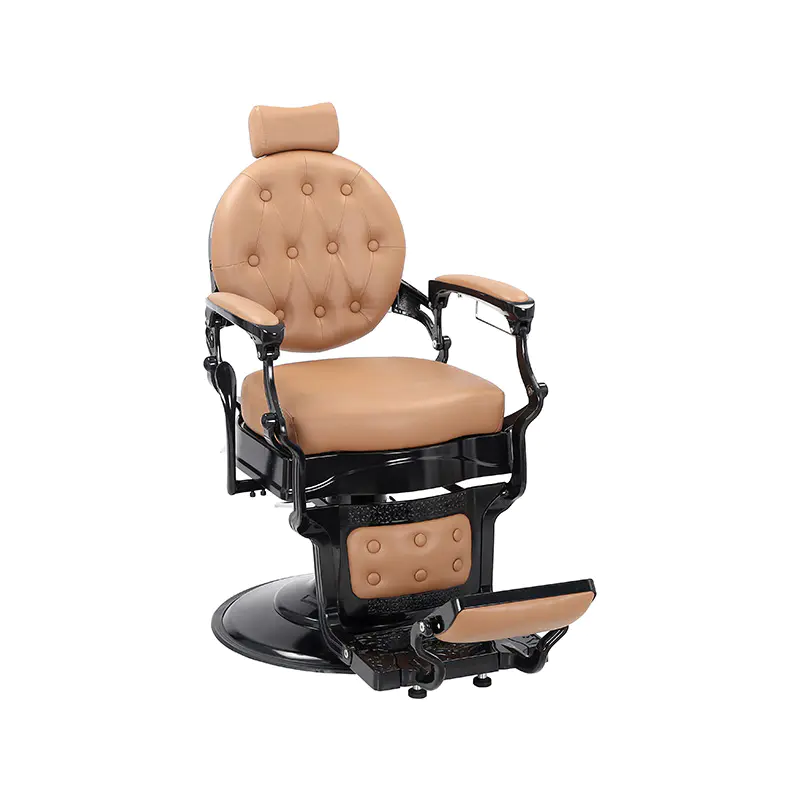
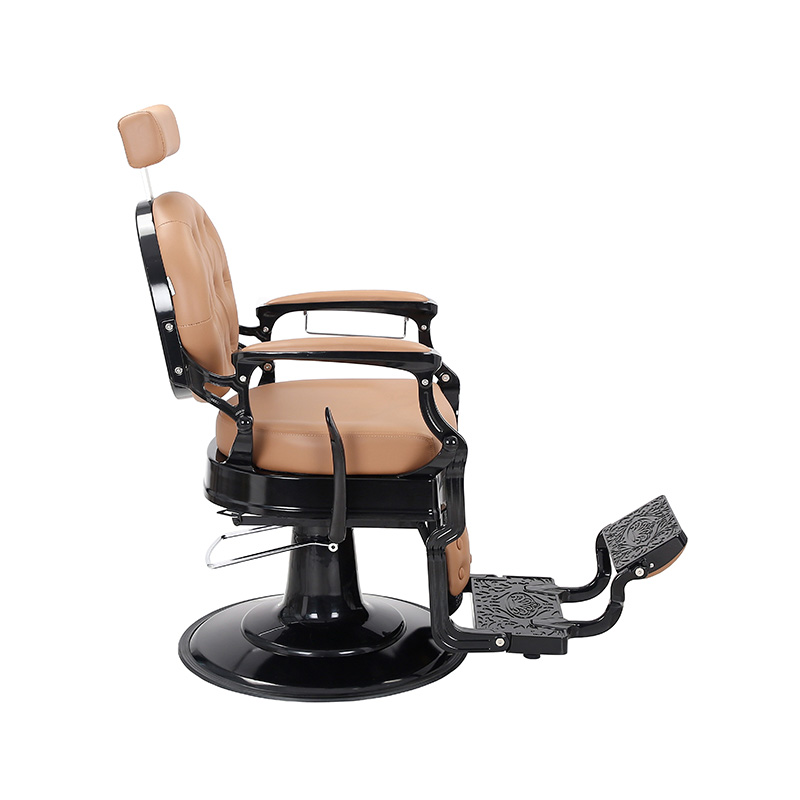
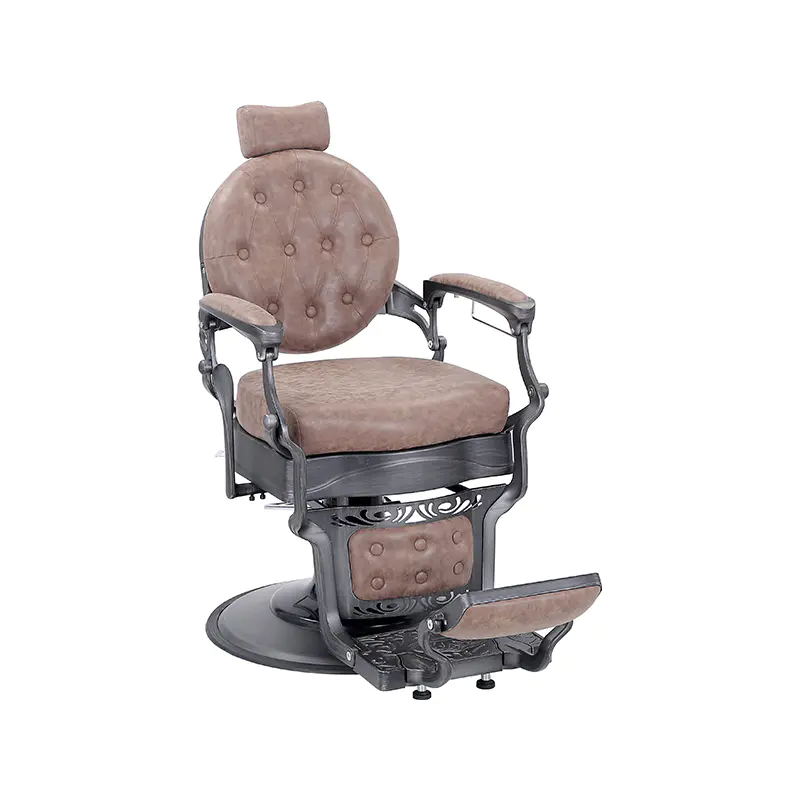
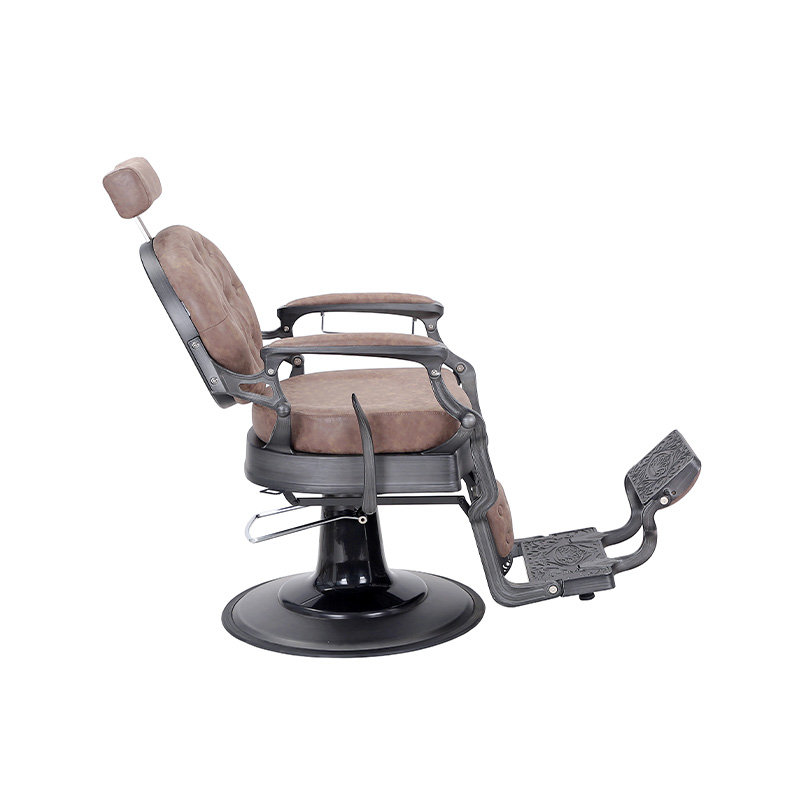
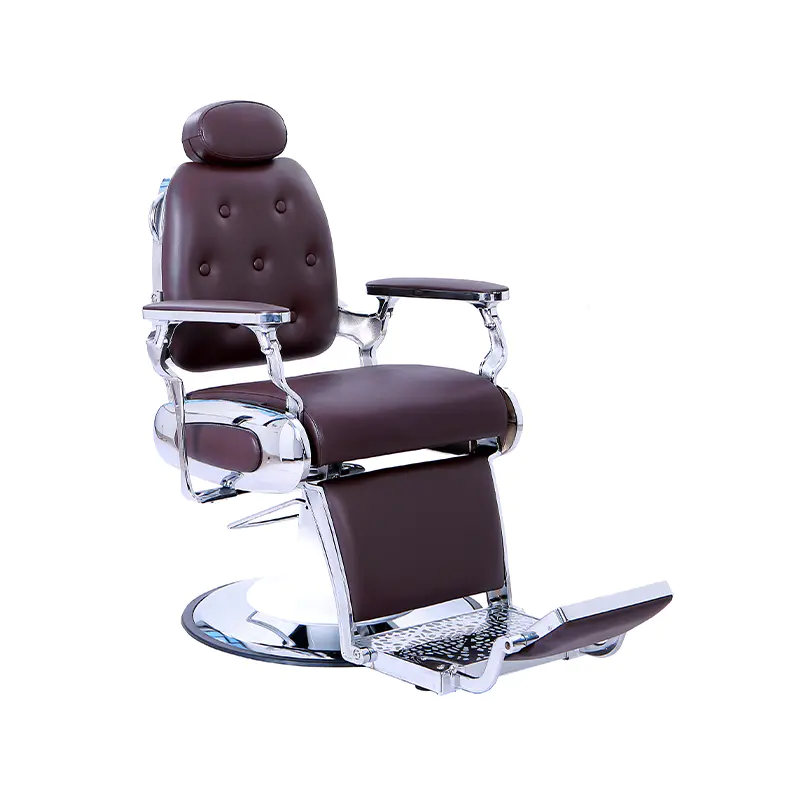
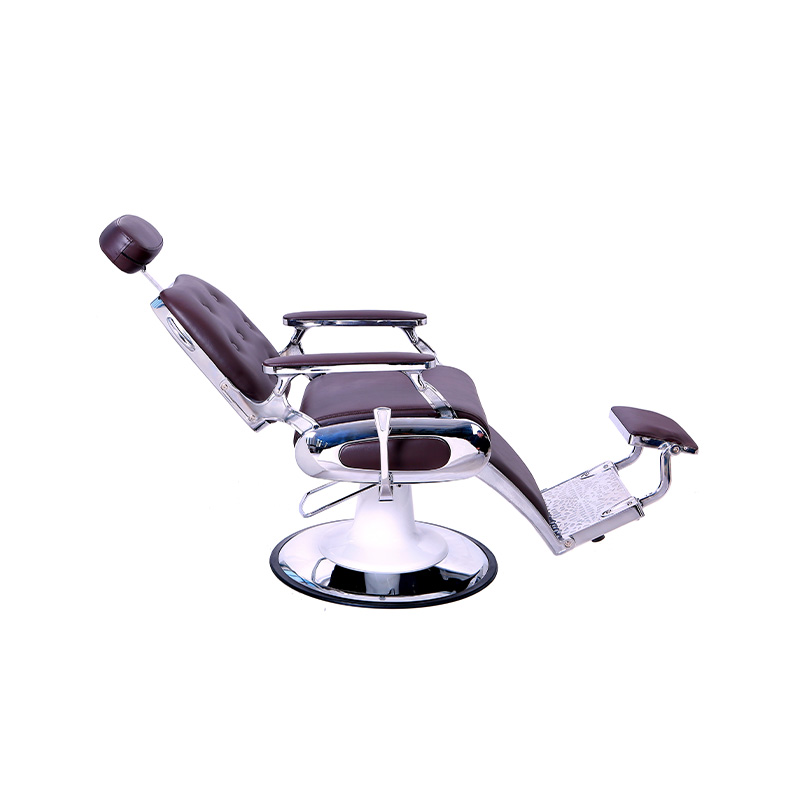
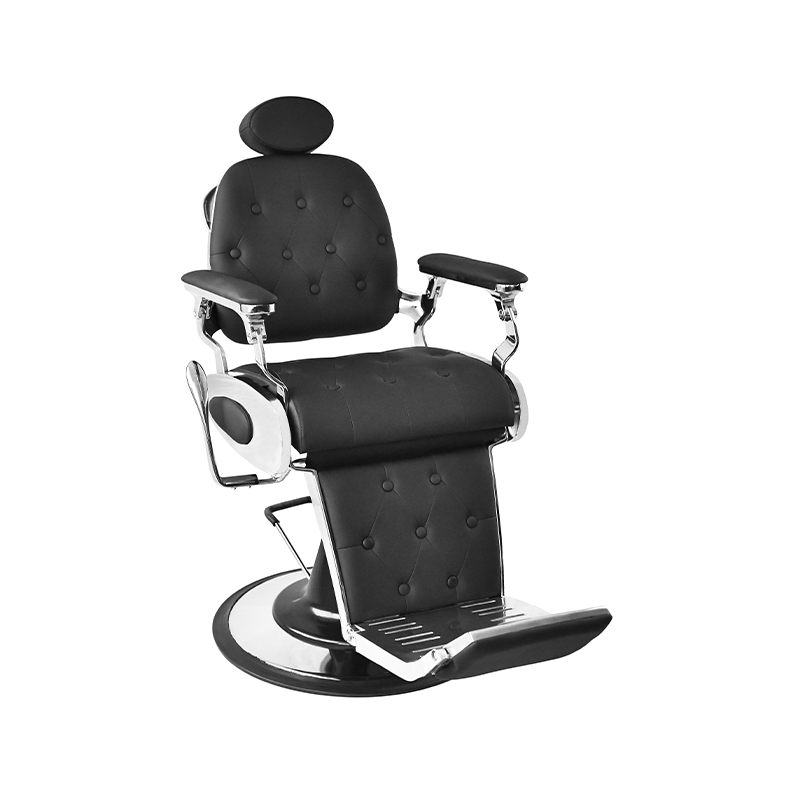
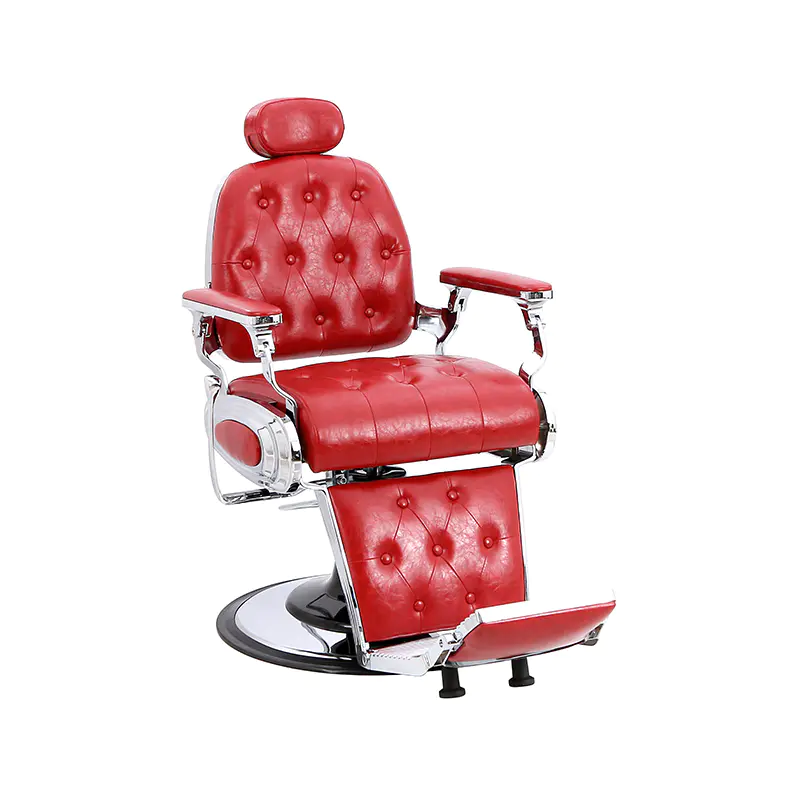
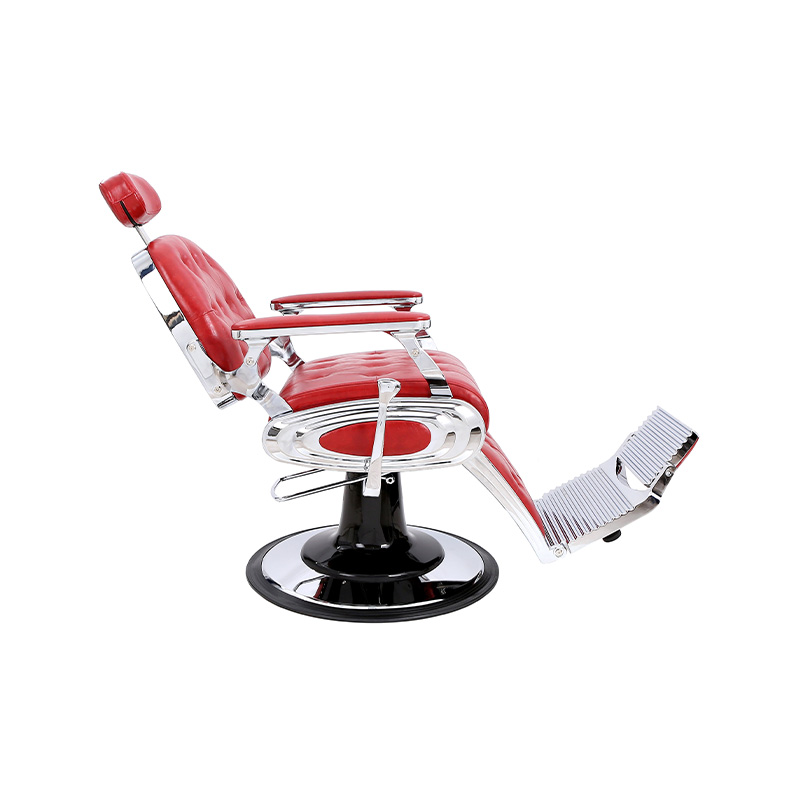
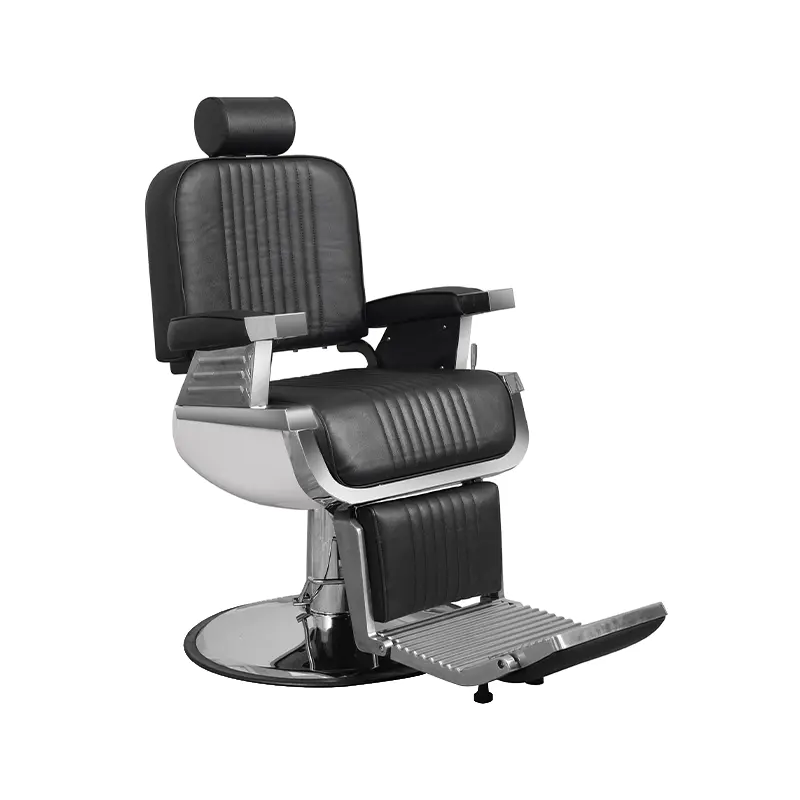
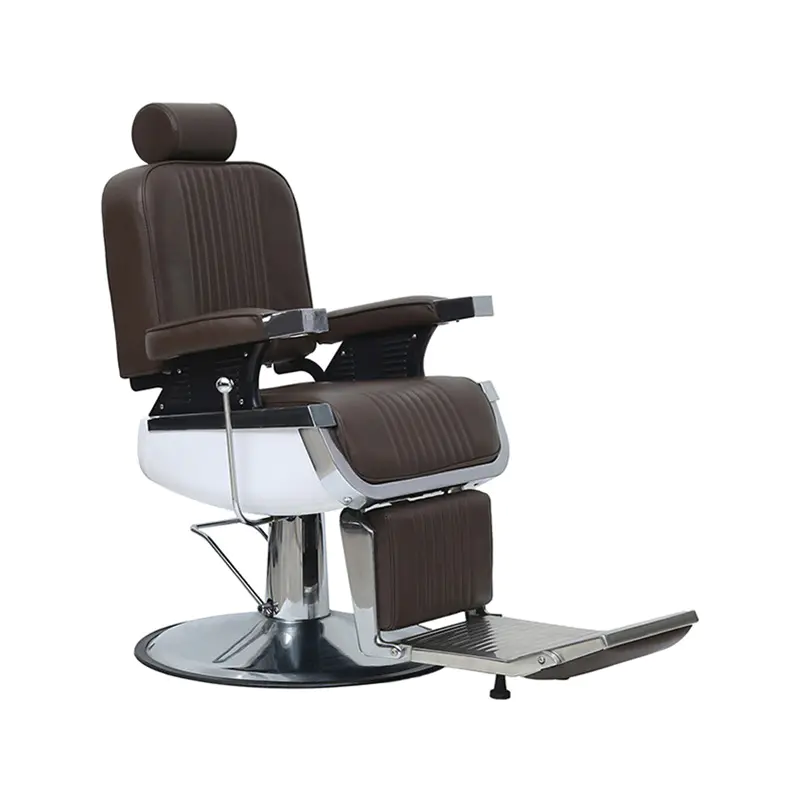
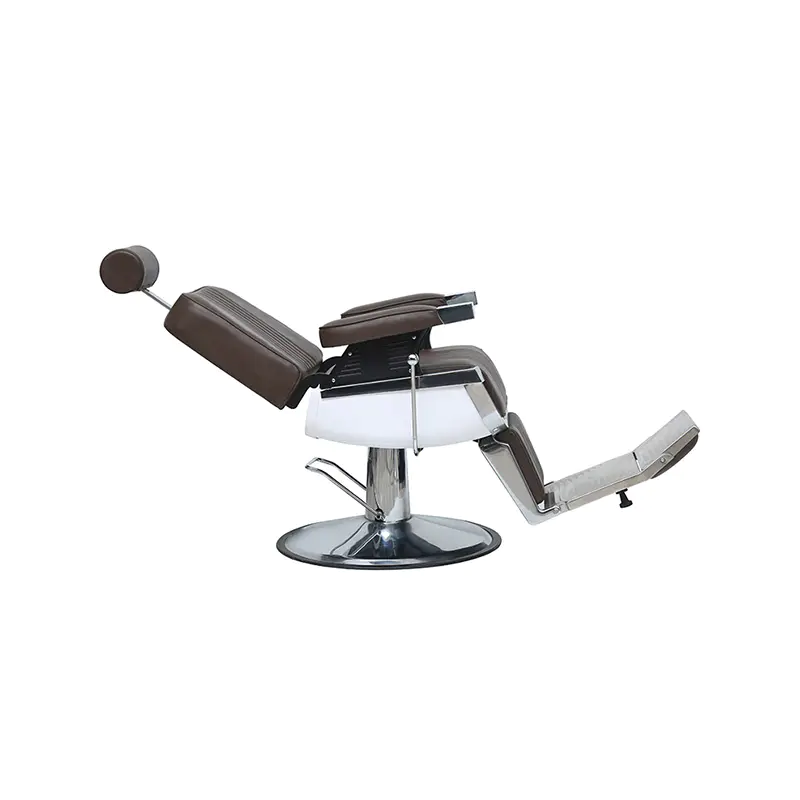
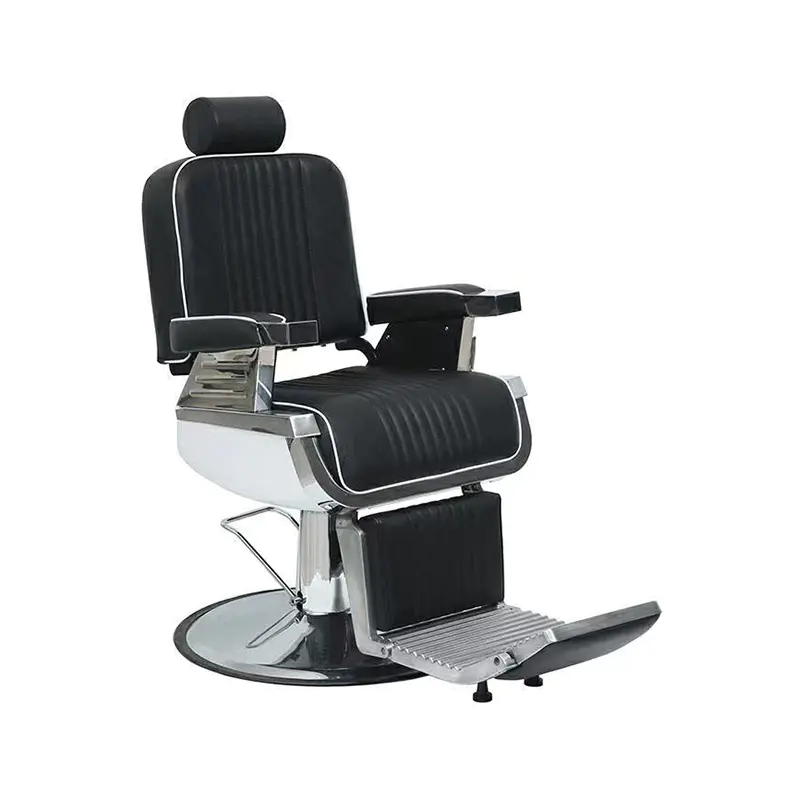
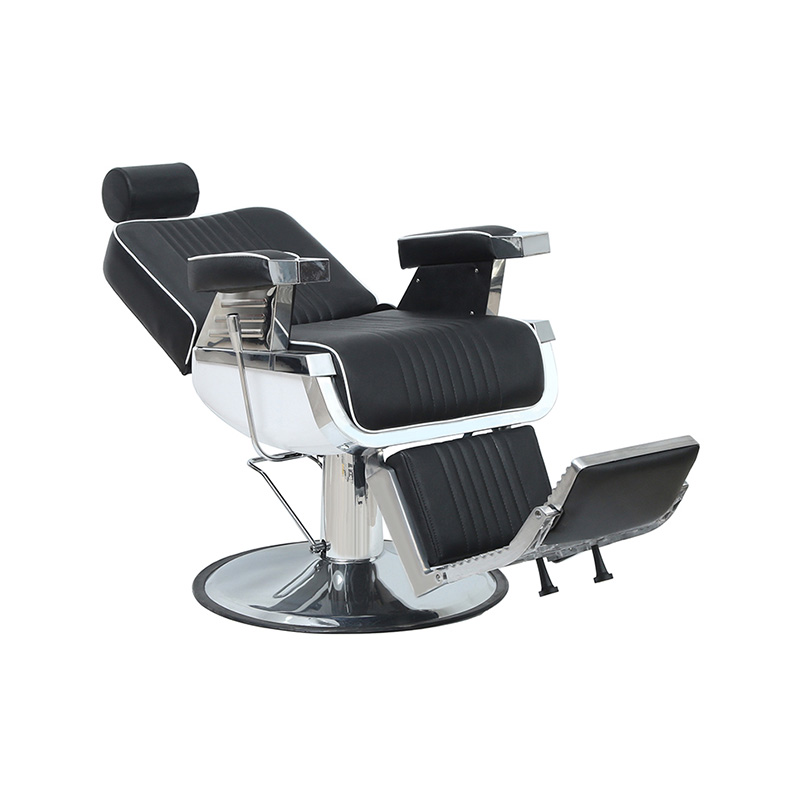
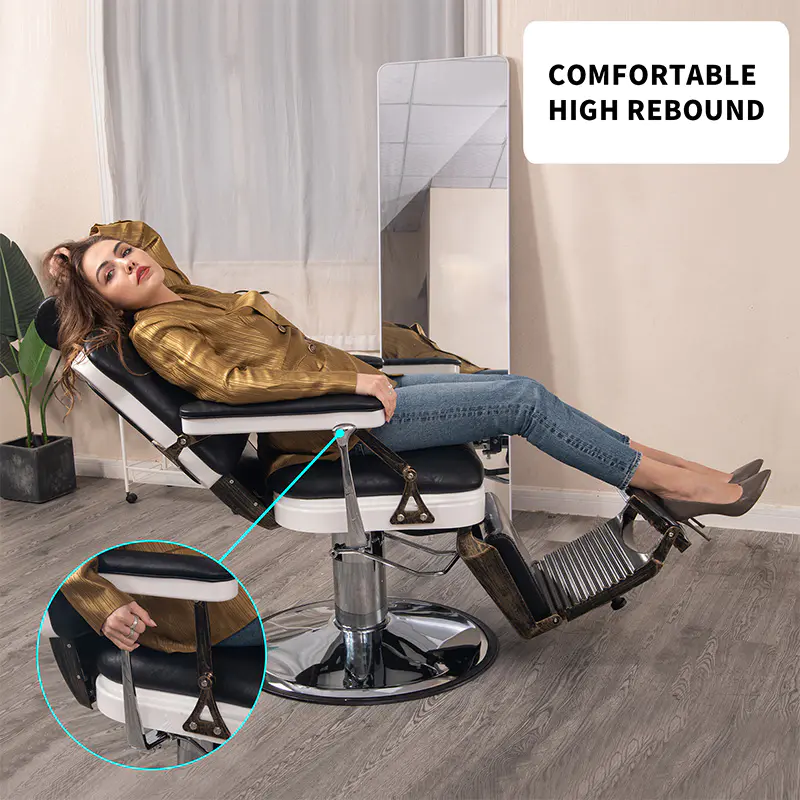
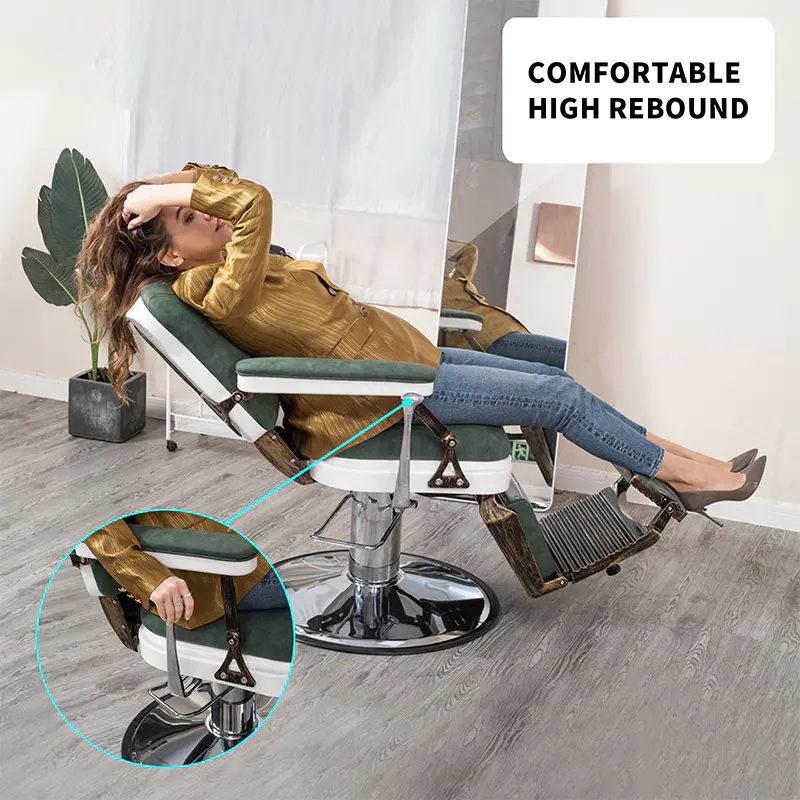
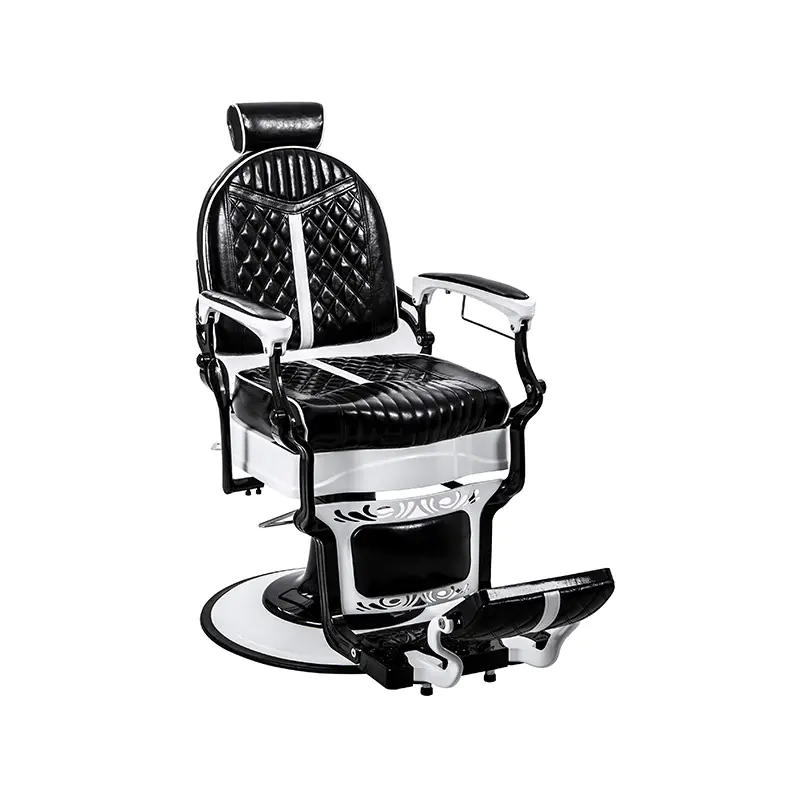
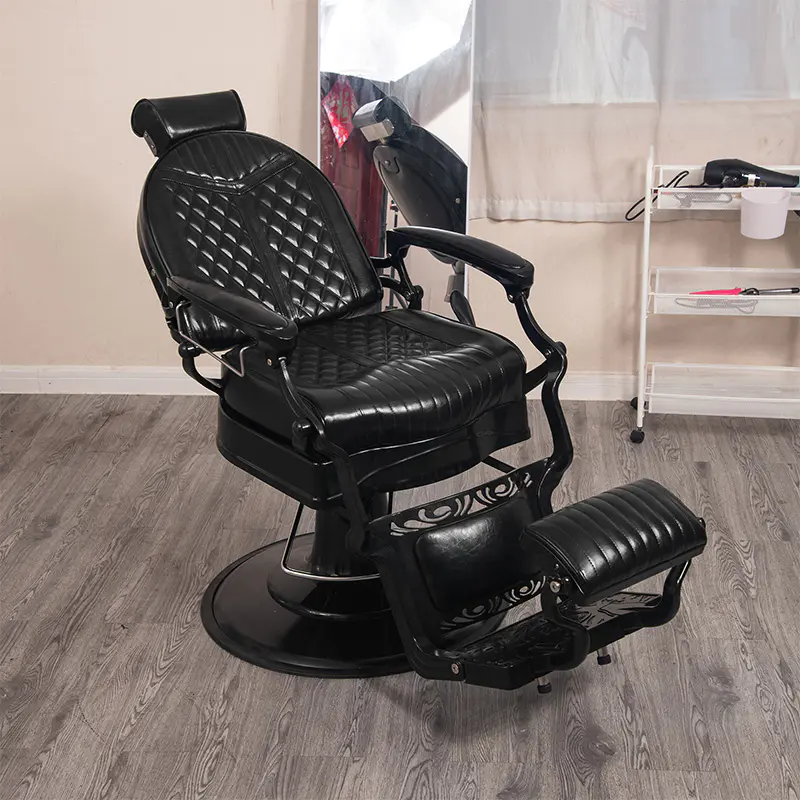
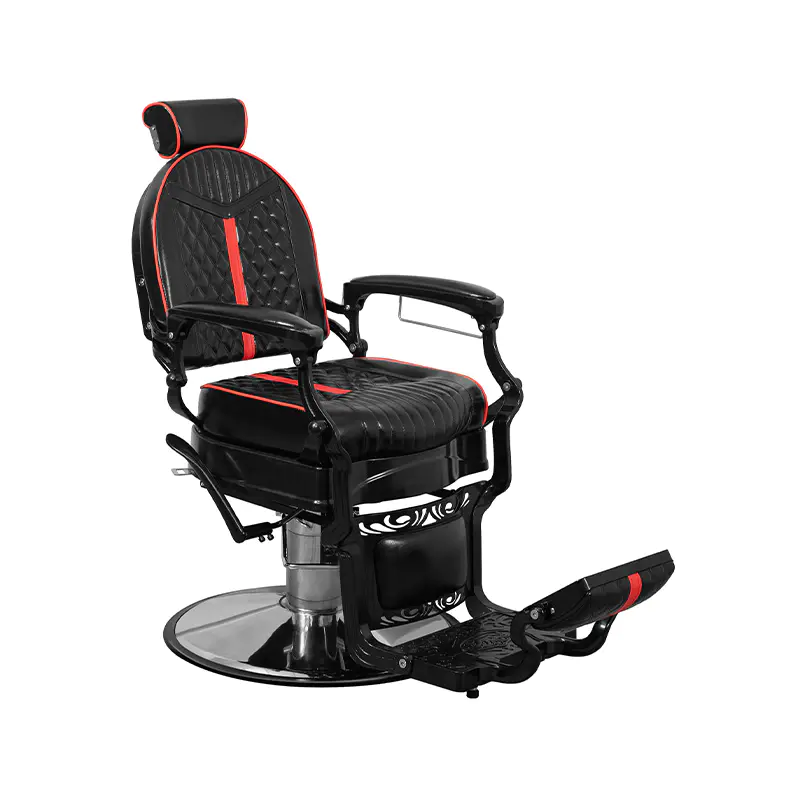
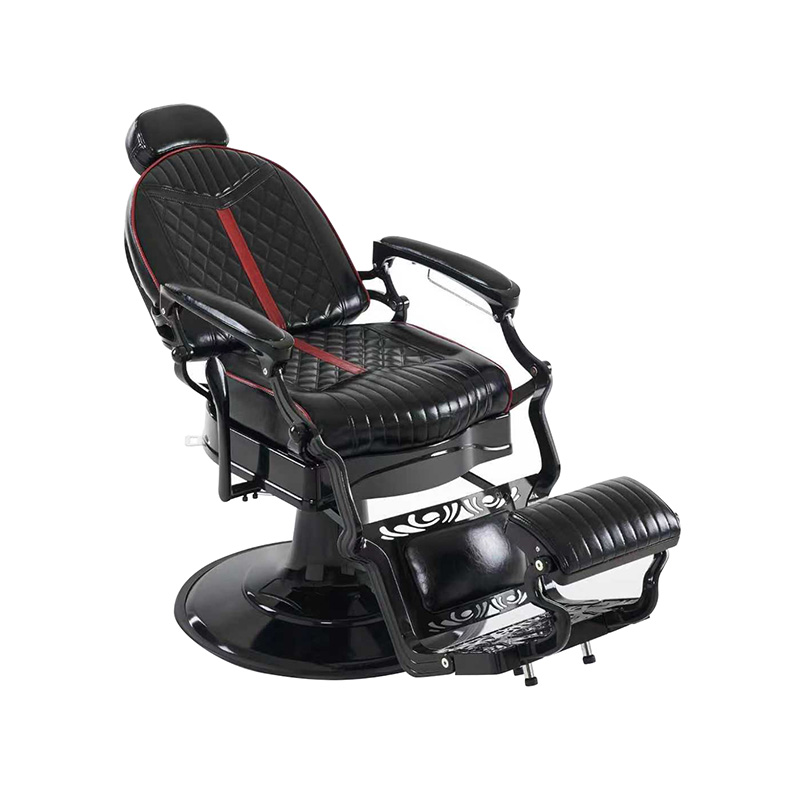
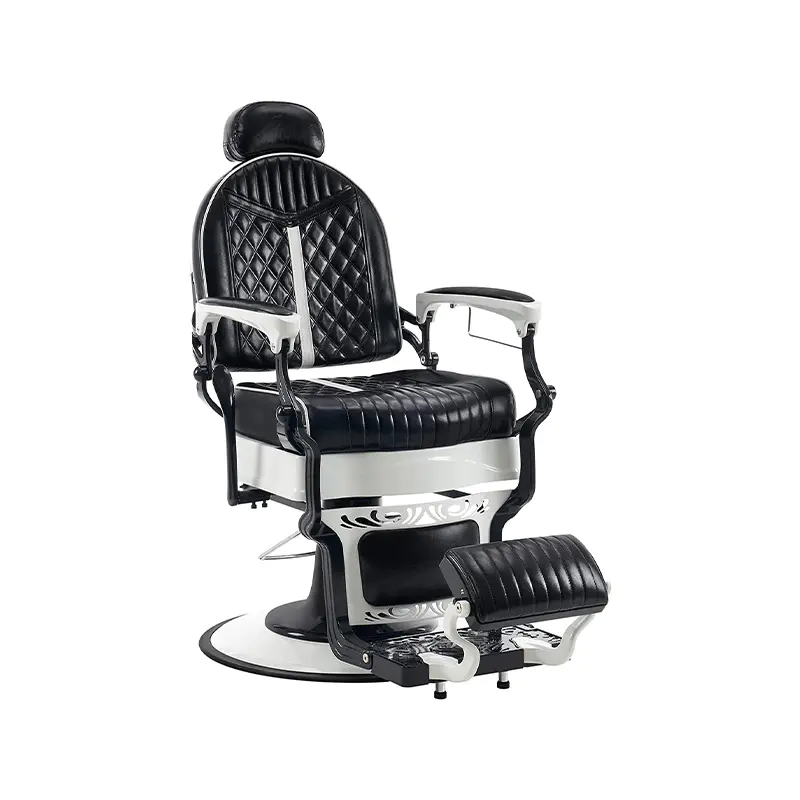
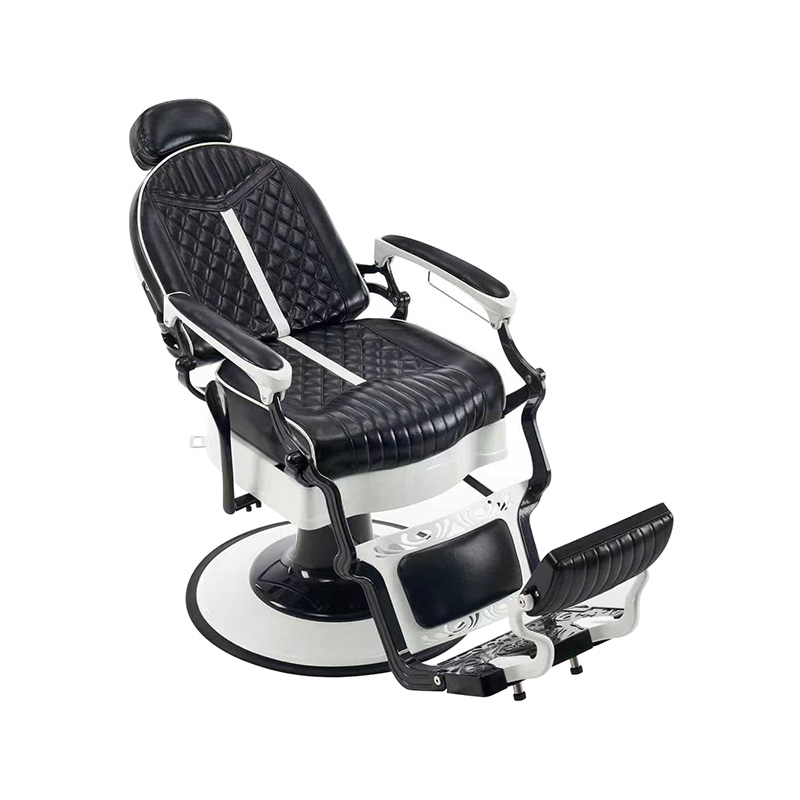
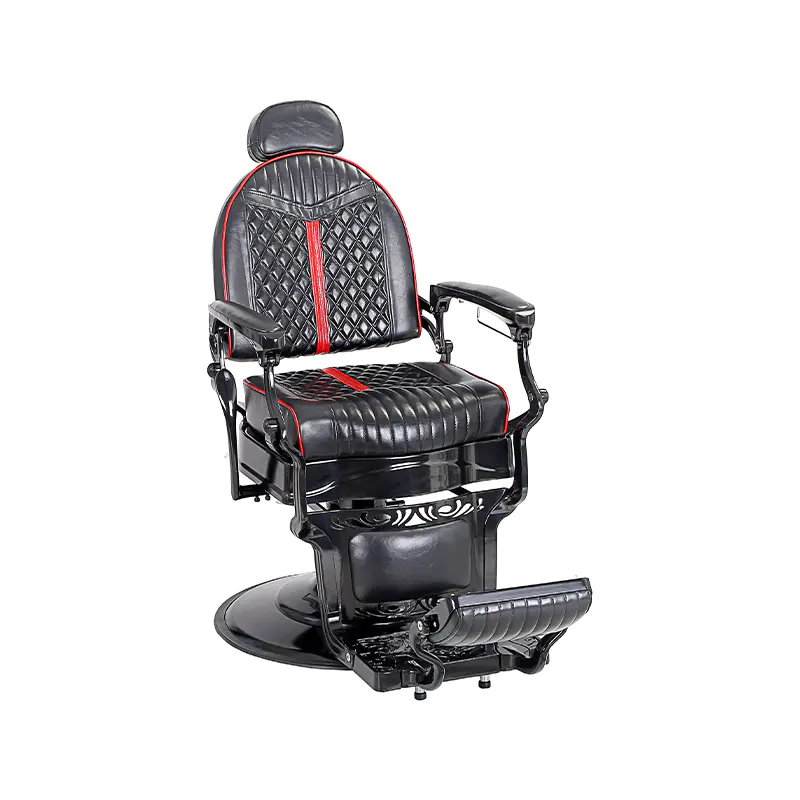
The first decision point is chair mechanism and posture range. A Salon Barber Chair generally falls into three groups: fixed height chairs, standard hydraulic chairs, and reclining hydraulic chairs built for full shaving and grooming service. A fixed height chair works for quick cuts but limits the barber during detailed work at the neckline or during a hot towel shave. A Hydraulic Barber Chair solves this by combining a pump-driven lift with a reclining backrest, letting the barber move the client between an upright cutting position and a near flat position for shaving without repositioning the whole chair.
Comparing the Three Common Chair Types
| Chair Type | Height Adjustment | Recline Function | Typical Use Case |
|---|---|---|---|
| Fixed Height Chair | None | Limited or none | Quick service counters |
| Standard Hydraulic Chair | Pump operated | Partial recline | General barbershop cutting stations |
| Reclining Hydraulic Chair | Pump operated | Full recline for shaving | Full-service barbershops and grooming lounges |
For a shop offering both haircuts and traditional shaving service, the reclining category is usually where a reclining barber chair supplier earns repeat business, since one chair can cover the full range of services without a second dedicated shaving station.
How Much Weight Can a Barber Chair Support
Weight capacity is one of the specifications that only becomes obvious once a chair has been in daily rotation for months. A barbershop sees a wide range of client body types every day, and a base rated only for light residential use can start to feel unstable at full recline or during repeated pump cycles. Buyers should look for a published weight rating rather than assuming all hydraulic bases are built to the same standard.
Typical rated weight capacity ranges by barber chair category, based on common engineering benchmarks used across hydraulic base production
As the chart shows, moving from a classic hydraulic base to a premium all-purpose reinforced base close to doubles the usable weight capacity. For a busy shop with continuous client turnover throughout the day, the higher end of that range keeps the pump and base working comfortably within its limit rather than near maximum load every time.
Hydraulic Pump or Electric Lift Which Barber Chair Mechanism Wins
This question shapes most of the rest of the specification sheet. A traditional hydraulic pump uses foot-pedal operated fluid pressure to raise and lower the seat, while an electric lift chair uses a motorized column similar to those found in medical and spa equipment. Each has a different balance of strengths, and the right choice depends on how the chair will be used day to day.
Relative comparison of hydraulic pump and electric lift mechanisms across five practical performance factors
Why Hydraulic Remains the Default for Most Barbershops
Hydraulic pumps remain the more common choice across barbershops because the mechanism is simple, quiet, and straightforward to service when a seal eventually needs replacing. Electric lift chairs offer a wider adjustment range and faster movement, which suits some spa and grooming lounge concepts, but the added electronics mean more components that can require attention over the life of the chair.
What Height Adjustment Range Should a Salon Barber Chair Cover
Pump stroke range determines whether a chair comfortably serves both a shorter seated client and a tall barber working standing up, and whether the chair drops low enough for detailed neckline work. A narrow range forces a barber to bend more than necessary during a full shift, which adds up across a busy day of back-to-back appointments.
Average pump stroke range trend for barber chairs, based on general product engineering data across the industry
A wider stroke range, now commonly reaching well beyond 200mm of total pump travel on reinforced hydraulic units, gives a barbershop enough seat height flexibility to fit different client heights and different chair setups without the base ever feeling maxed out.
How Should the Chair Recline and Rotate for Full Grooming Service
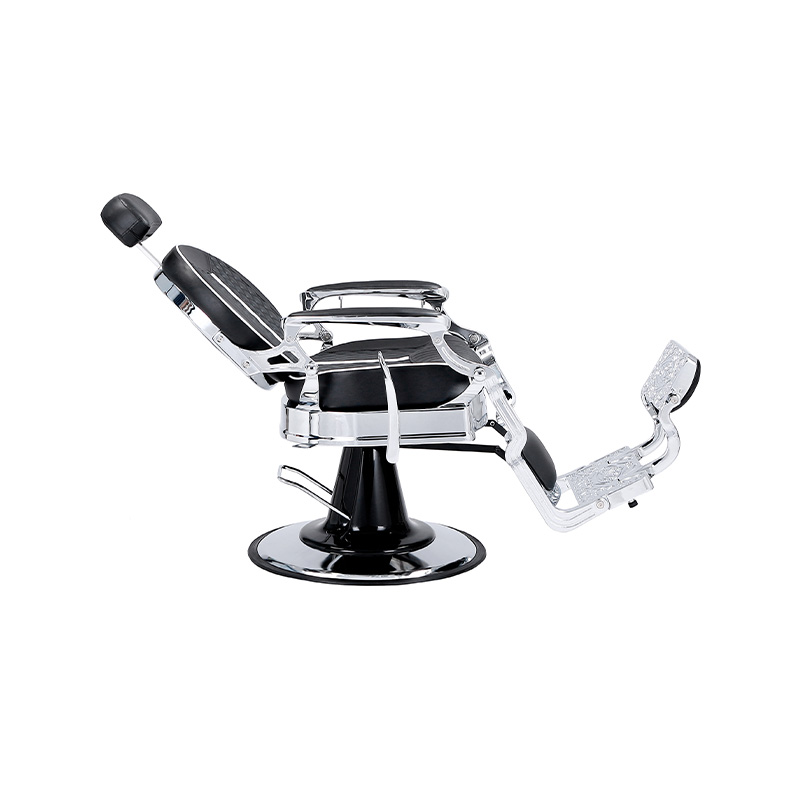
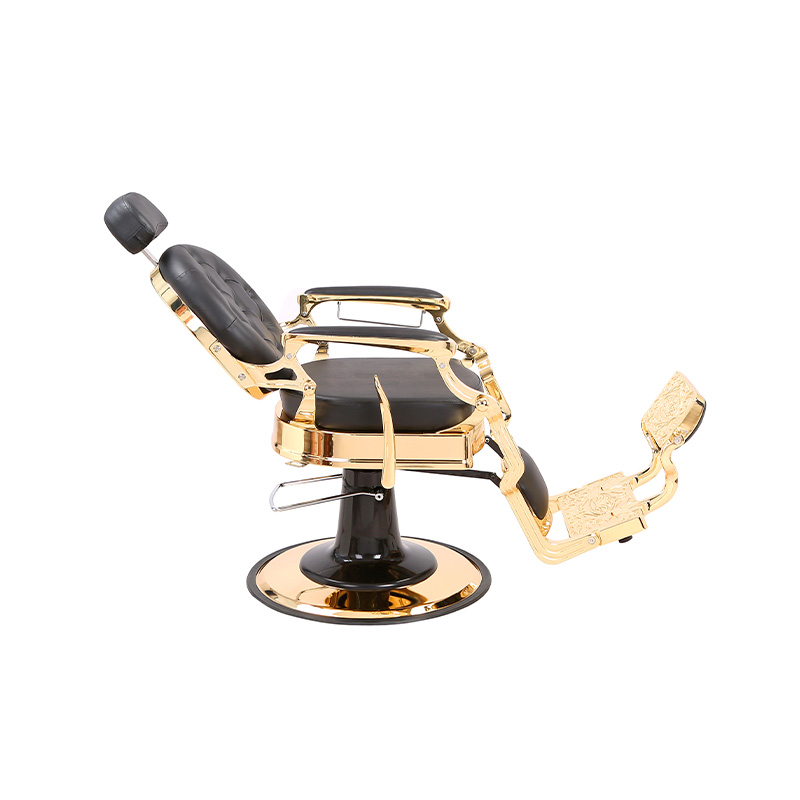
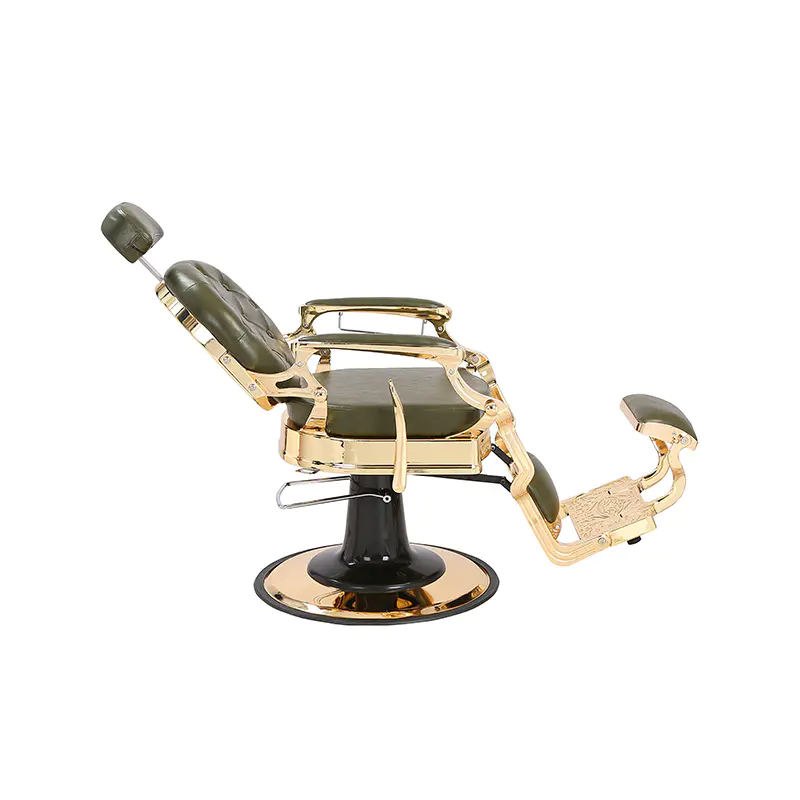
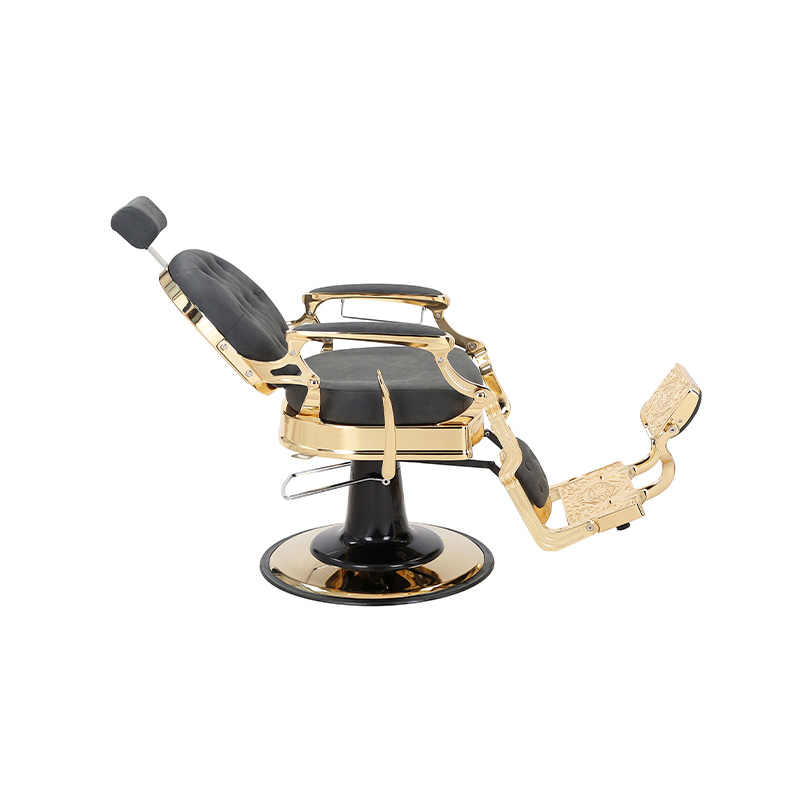
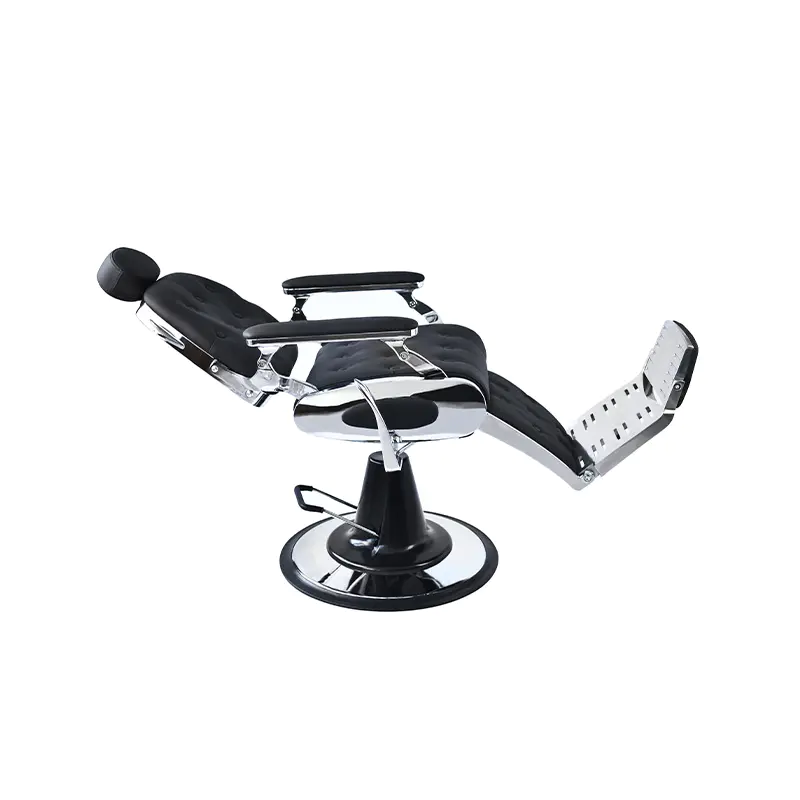
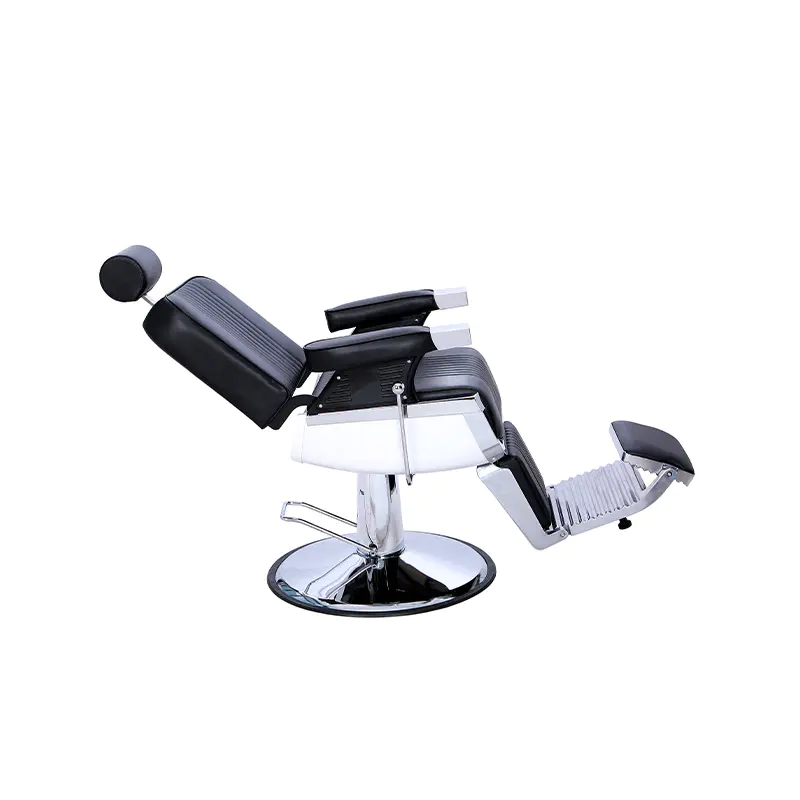
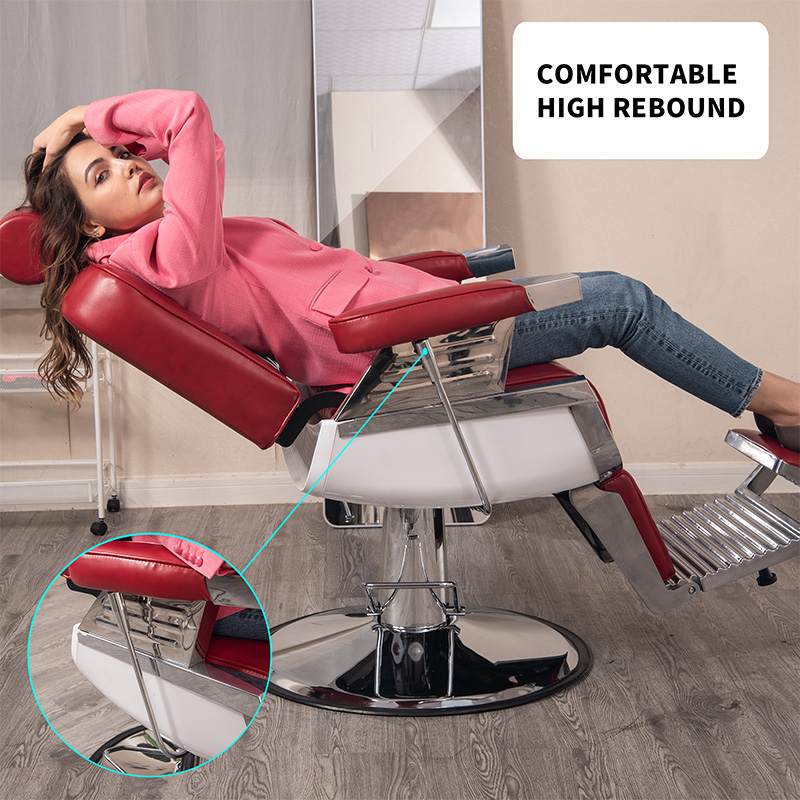
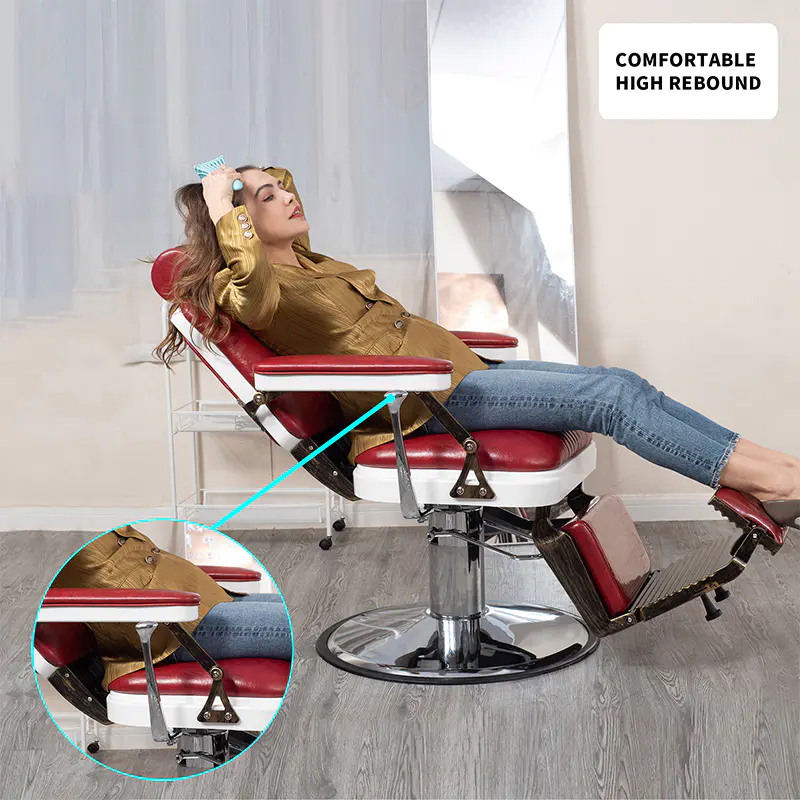
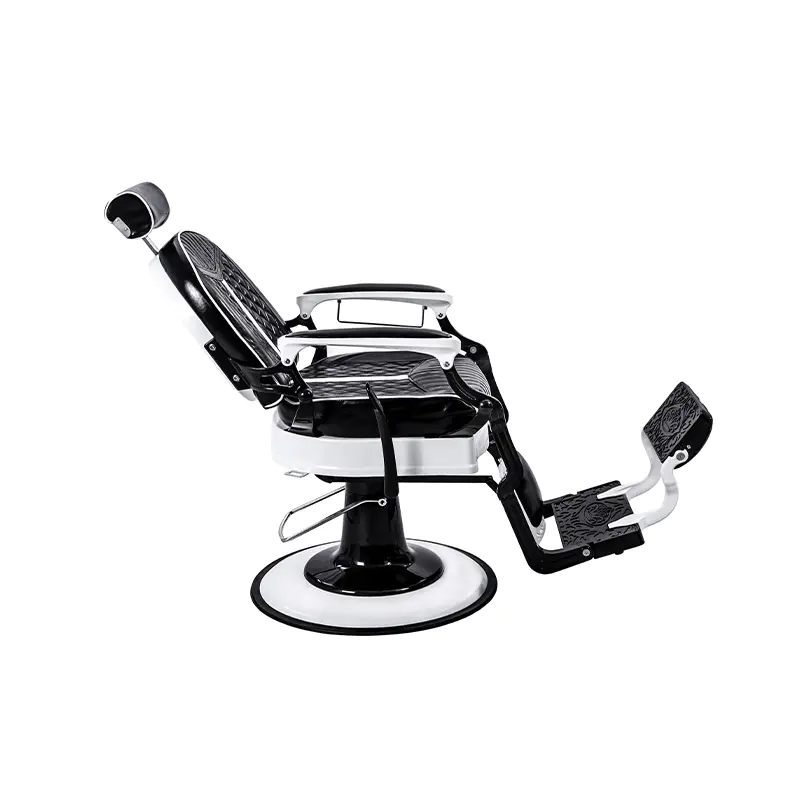
Recline angle and swivel rotation directly affect how a barber positions a client for shaving, beard trimming, and hot towel service. A chair limited to a shallow recline restricts the barber to upright cutting work only, while a chair that reclines closer to flat supports a full range of grooming services from the same seat.
Typical maximum recline angle by barber chair category
Why 360 Degree Rotation Also Matters
Free swivel rotation lets a barber walk around the chair without repositioning the client, which speeds up service during a haircut that requires views from multiple angles. A locking rotation feature is also worth checking, since it lets the barber fix the chair in place during detailed shaving or precision line work.
What Frame Material and Base Construction Should You Check
The base and frame carry every pound of daily use, and differences here show up as wobble, slow pump response, or a squeaking footrest well before the upholstery shows any wear. A heavier cast metal base with a wide five-point foot spread resists tipping and rocking far better than a lighter stamped base.
| Factor | What to Check | Why It Matters |
|---|---|---|
| Base metal type | Cast iron versus stamped steel | Cast bases resist flex under repeated recline cycles |
| Foot spread | Distance between floor contact points | Wider spread improves tip resistance during recline |
| Pump housing | Sealed housing versus exposed cylinder | Sealed housings stay cleaner and last longer around hair clippings |
| Frame finish | Chrome plating versus painted metal | Chrome resists scuffing and daily cleaning chemicals better |
A barber chair manufacturer that shares base metal type and foot spread measurements is usually more transparent about how the chair performs after months of continuous shop use rather than only on the showroom floor.
What Upholstery and Cushioning Features Matter
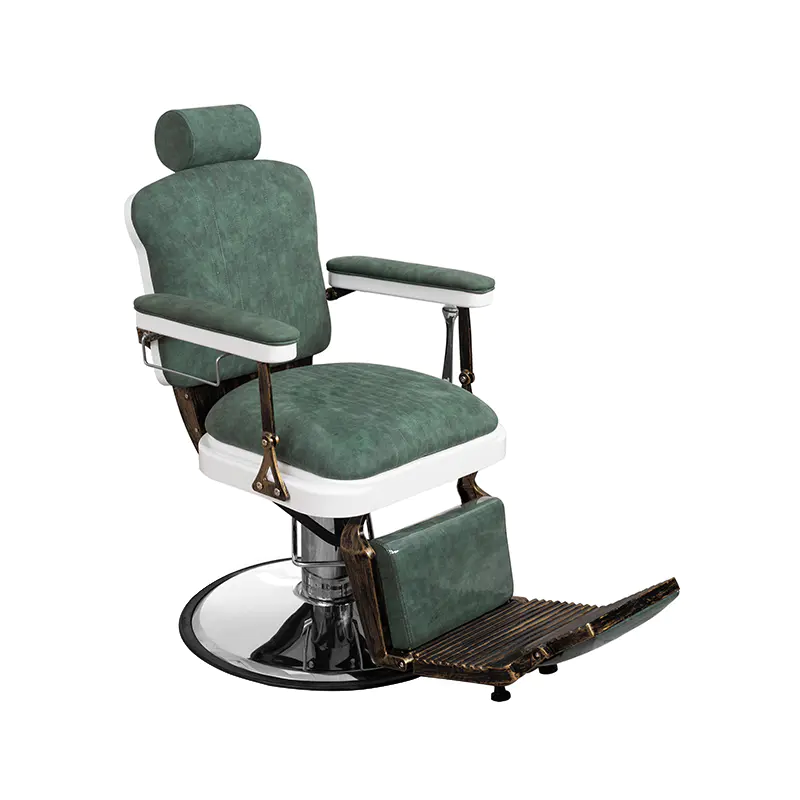
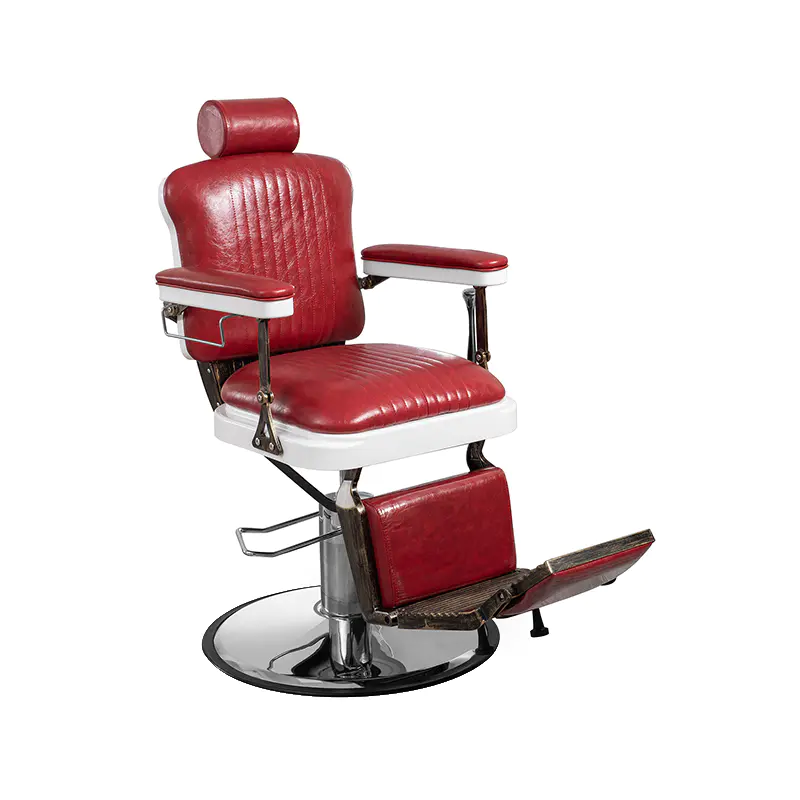
Upholstery is the part of the chair a client actually feels, and it is also the first place visible wear shows up. Seam strength, foam density, and surface material all affect how the chair looks after repeated daily seating and regular disinfecting between clients.
- High density foam padding that resists flattening under daily seating
- Double or reinforced stitching along high-stress seams
- Wipeable surface material that holds up to frequent disinfecting
- A headrest that adjusts independently for shaving comfort
- Piping or trim detail that matches the overall salon interior style
Why This Adds Up Over Time
None of these details look dramatic on a spec sheet, but together they decide whether a chair still looks presentable to walk-in clients after a year of daily use, or starts to look tired within a few months.
What Chair Size and Footprint Should You Plan For
Floor space planning matters as much as the chair itself, especially for a shop fitting several stations along one wall. A chair with a wide footrest base or a large recline swing radius needs more clearance behind it than a compact fixed height chair.
| Chair Footprint | Suggested Station Spacing |
|---|---|
| Compact fixed height chair | Approximately 1.2 meters between stations |
| Standard hydraulic chair | Approximately 1.4 meters between stations |
| Full reclining chair | Approximately 1.6 meters or more between stations |
Planning this spacing before placing an order avoids a common layout problem where a chair reclines fully but bumps into the workstation or mirror behind it.
Is the Supplier Capable of OEM and ODM Customization
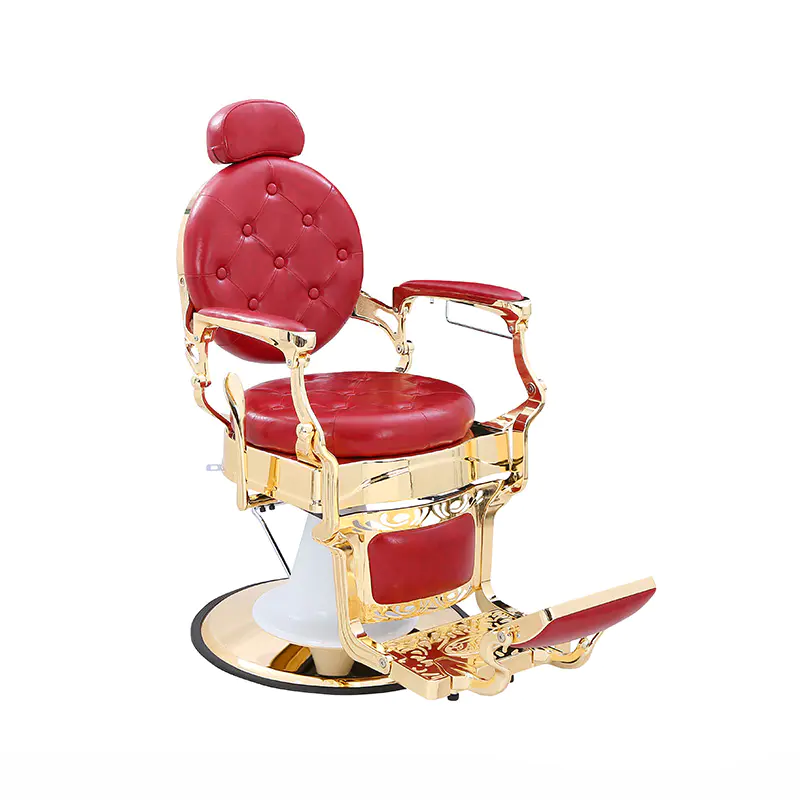
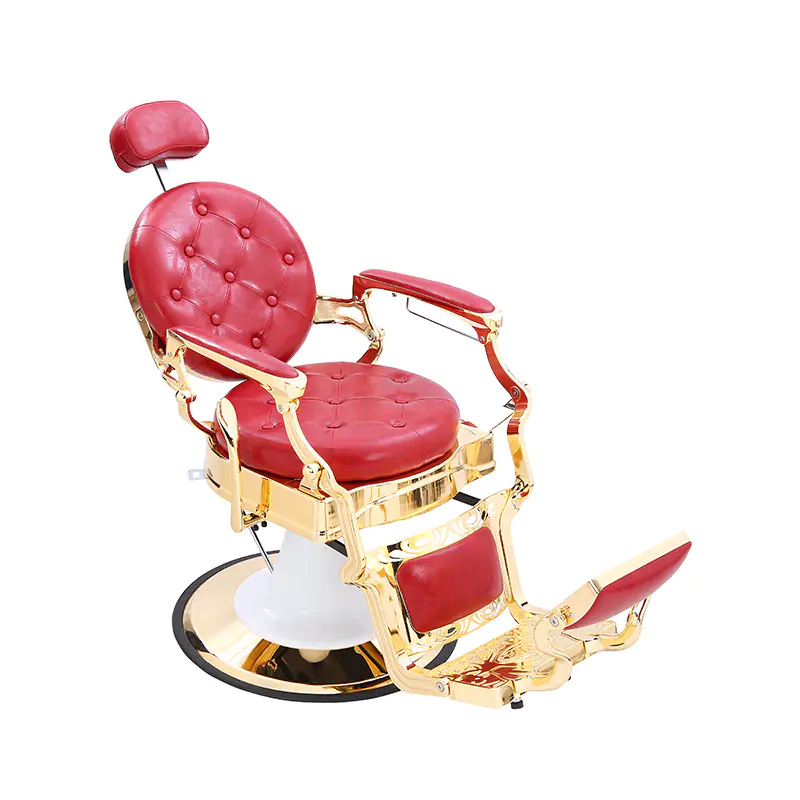
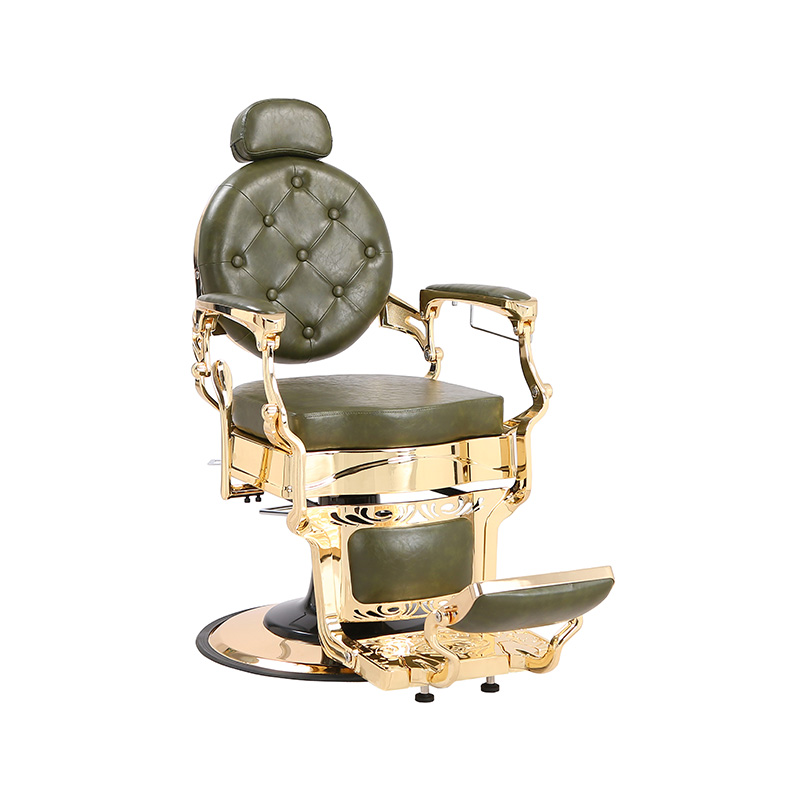
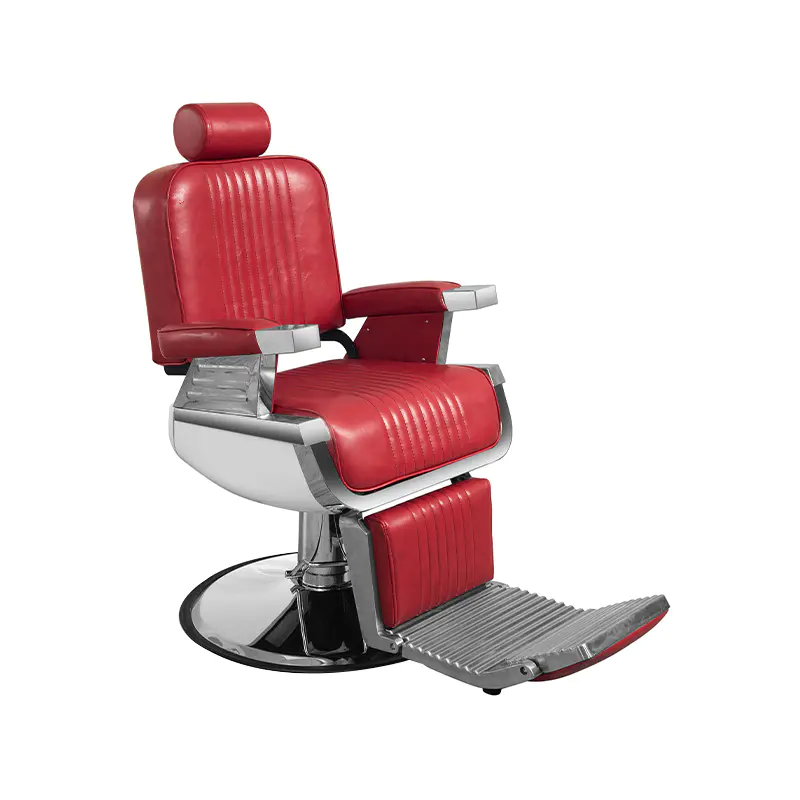
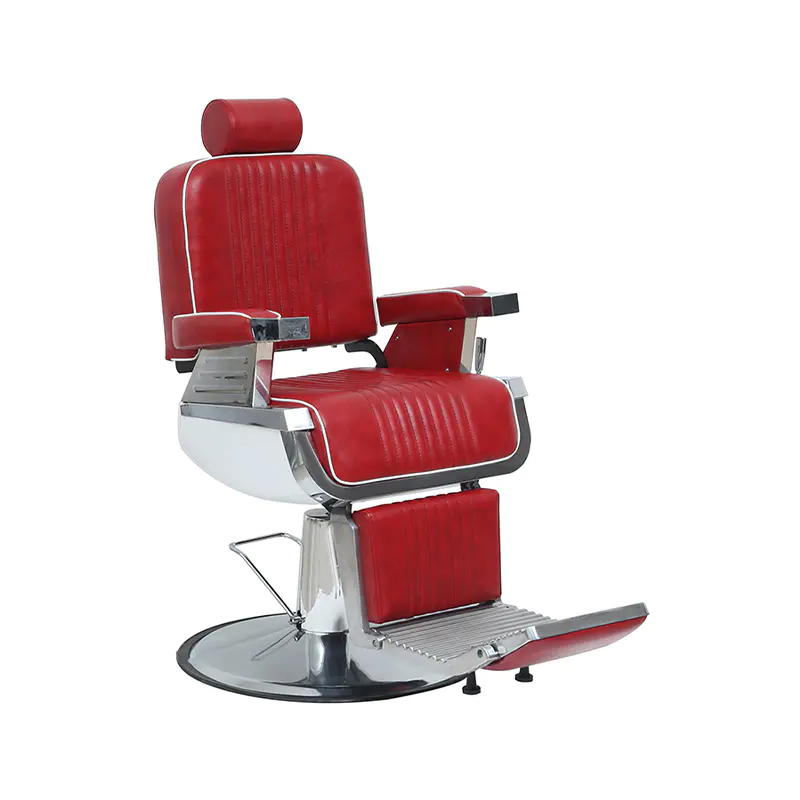
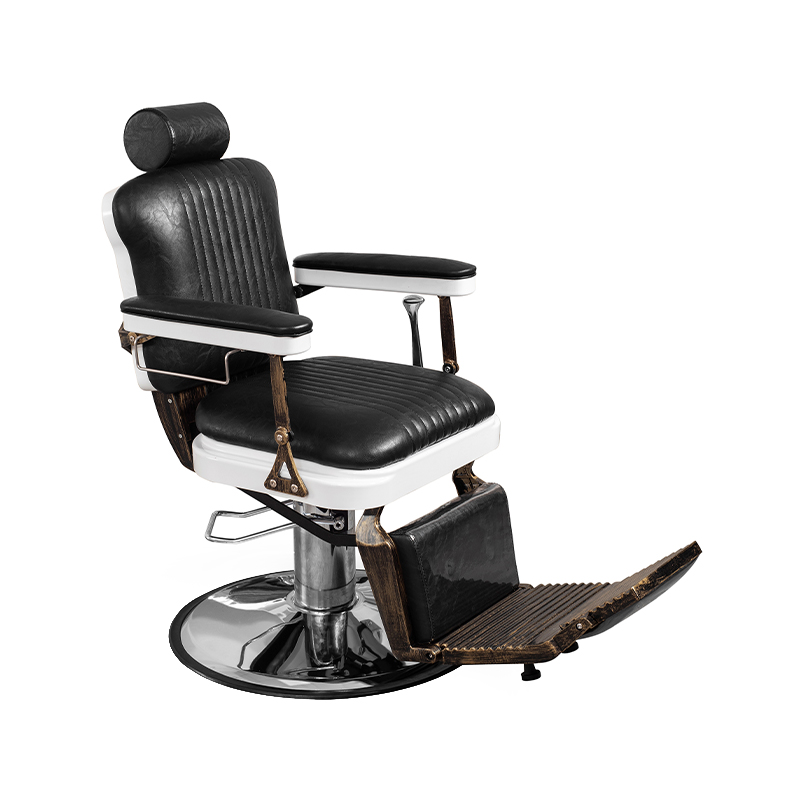
For a distributor, a salon brand, or a multi-location buyer, the supplier relationship matters as much as the chair itself. A capable hydraulic barber chair manufacturer should be able to support custom leather colors, embroidery detailing, and logo branding without treating a mid-size order as an afterthought. Working with an established barber chair factory China based buyers often turn to gives access to in-house upholstery and metalwork tooling that a trading company reselling other factories generally cannot offer directly.
What to Ask a Potential OEM Partner
- Can upholstery color and stitching pattern be matched to a brand concept
- Is embroidery or logo branding available on the headrest or backrest
- What is the minimum order quantity for a custom design run
- Can packaging be adapted for container shipping or retail delivery
Buyers evaluating a wholesale barber chair supplier or a salon chair manufacturer for a private label program should treat these four questions as a starting checklist before requesting samples. A professional barber chair manufacturer with its own leather cutting and welding lines can usually move a custom design request through development faster than a supplier coordinating multiple outside workshops.
Does the Manufacturer Have Reliable Production Capacity and Export Experience
The final question ties everything together. A well-designed chair is only useful if the factory behind it can produce consistently and ship reliably at the volume a buyer actually needs. Ningbo HongZi Beauty and Hairdressing Equipment Co., Ltd operates from the town of Sanqishi in Yuyao, Zhejiang Province, near Hangzhou Bay, on a facility covering 22,000 square meters with more than 120 staff members supporting research, production, and export operations.
The company focuses on the research, development, manufacturing, and export of barber chairs, beauty beds, shampoo chairs, and related salon furniture, and operates as a salon barber chair supplier serving clients across multiple regions worldwide. Production is supported by specialized machinery including laser plate cutters, pipe cutters, punching machines, CNC leather cutters, and embroidery machines, alongside automated production lines for welding, cotton pasting, and assembly. A dedicated upholstery workshop carries the manufacturing flow from structural components through to surface leather in one continuous process, which supports consistent detail across a full production run.
To date, the company has developed more than 500 styles of barber chairs, supporting buyers in furnishing a wide range of salon and barbershop environments. For a buyer comparing a barber chair manufacturer for an ongoing wholesale program, this kind of in-house tooling and design range is a practical signal of production discipline alongside the technical specifications covered earlier in this guide.
Frequently Asked Questions
-
Q1: What is the best barber chair
The right chair depends on the services offered, but a reclining hydraulic chair with a reinforced base generally suits a shop offering both cutting and shaving services.
-
Q2: How much weight can a barber chair support
Weight capacity varies by category, typically ranging from around 130kg on classic hydraulic chairs up to 230kg on premium reinforced all-purpose chairs.
-
Q3: How does a hydraulic barber chair work
A foot pedal activates a hydraulic pump that raises the seat using fluid pressure, while a separate lever controls the recline angle of the backrest.
-
Q4: Are barber chairs adjustable
Most barber chairs adjust in seat height, backrest recline angle, and headrest position, with swivel rotation included on nearly all hydraulic models.
-
Q5: How long do barber chairs last
With regular cleaning and normal daily use, a well-built hydraulic chair with a quality base and upholstery typically remains in good working condition for several years.
-
Q6: What is the production lead time
Lead time depends on order volume and customization level, and is confirmed once specifications, quantities, and upholstery details are finalized.
-
Q7: Do you offer sample orders
Sample orders can be arranged so a buyer can inspect build quality and upholstery finish before confirming a full wholesale order.
-
Q8: How are barber chairs packaged
Chairs are typically packed with protective foam and outer cartons suited for container loading, with base and seat components separated to reduce shipping damage.