
 en
en  English
 русский
 Español
 عربى
عربى
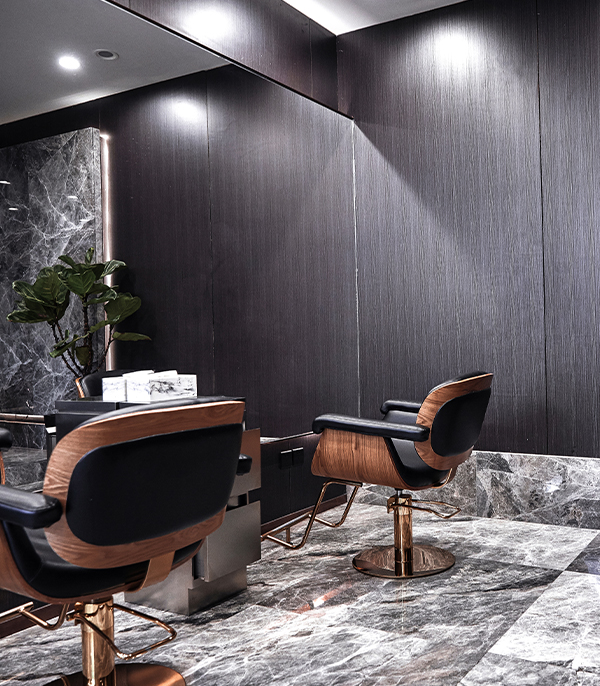
Walk into a busy salon ten minutes before opening and you will see why equipment choices matter. Stylists are adjusting chair heights, someone is testing the backwash spray, and the receptionist is hunting for a trolley that actually holds clippers without tipping. A practical beauty salon equipment list is not a collection of nice-to-haves — it separates a workspace that flows from one that fights back all day.
This list is organised the way owners actually plan: by zone, by function, and with daily use in mind. You will find what to buy, how many you realistically need, and where it makes sense to spend more.
The essential equipment list, zone by zone
Most salons follow the same workflow: receive the client, cut and style, wash, then finish at the mirror. The equipment list below maps that workflow into physical stations. Quantities are planning baselines for a mid-size salon; adjust them to your chair count and service menu.
| Zone | Essential equipment | Typical quantity | What to check |
|---|---|---|---|
| Cutting & styling | Hydraulic styling chair, anti-fatigue mat, trolley | 1 chair per stylist; 1 trolley per 2 chairs | Smooth lift, five-claw base, wipe-clean upholstery |
| Washing | Backwash shampoo chair, ceramic or ABS bowl, spray hose | 1 station per 2–3 cutting chairs | Reclining backrest, tilting bowl, ergonomic neck rest |
| Finishing | Mirror station with lighting, drawers, stool | 1 station per 1–2 chairs | LED mirror light, locking drawers, sturdy worktop |
| Nail & pedicure (optional) | Nail table with dust collector, pedicure chair, technician stool | 1–2 nail tables; 1 pedicure unit | Wrist rest, dust extraction, hydraulic seat height |
| Spa & treatment (optional) | Electric massage bed, facial chair, service trolley | 1–2 beds | Electric backrest, split footrest, removable headrest |
| Reception & waiting | Reception desk, waiting bench, guest chairs | 1 desk; bench seating for 3–4 per styling chair | Durable frame, easy-clean fabric, consistent finish |
Cover these zones before adding extras. A salon can open with seating, washing, styling stations and storage; specialty services like nails or massage can be added later when demand justifies the floor space. You can browse our salon equipment catalogue to see how each zone maps to ready-made models.
Seating — pick chairs that earn their keep
Styling chairs take the heaviest use of any piece in the salon. A full-time stylist sits, leans and adjusts the chair dozens of times a day, so the hydraulic pump, base stability and upholstery wear matter more than the colour.
Barber chairs vs. styling chairs
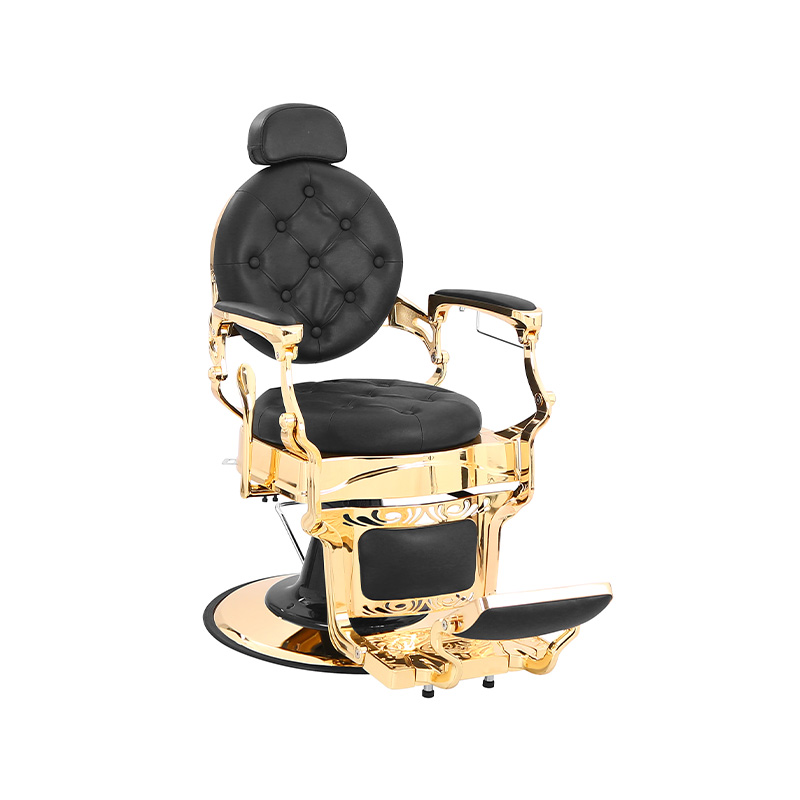
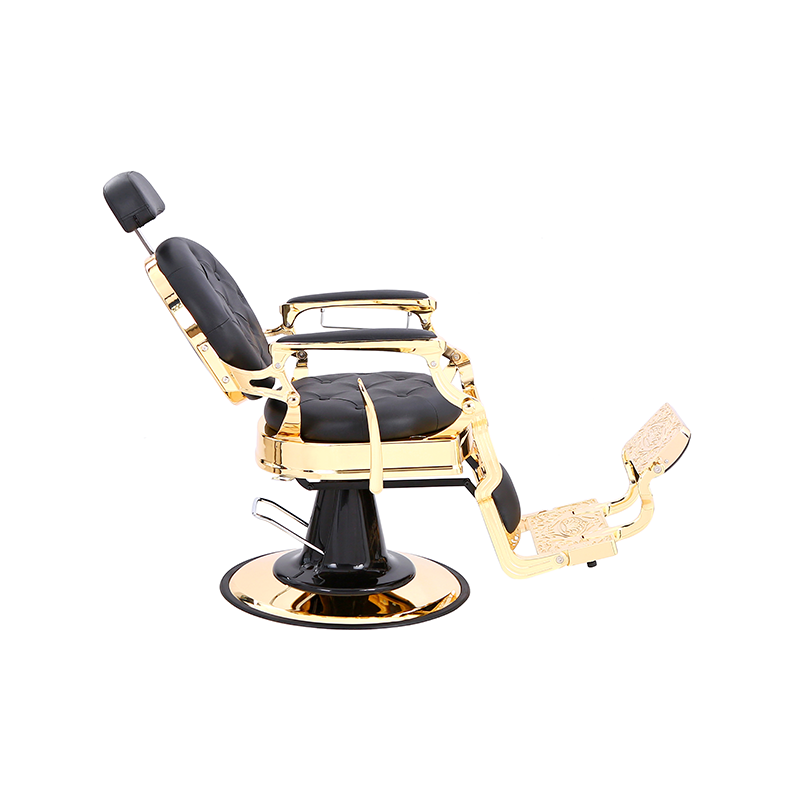
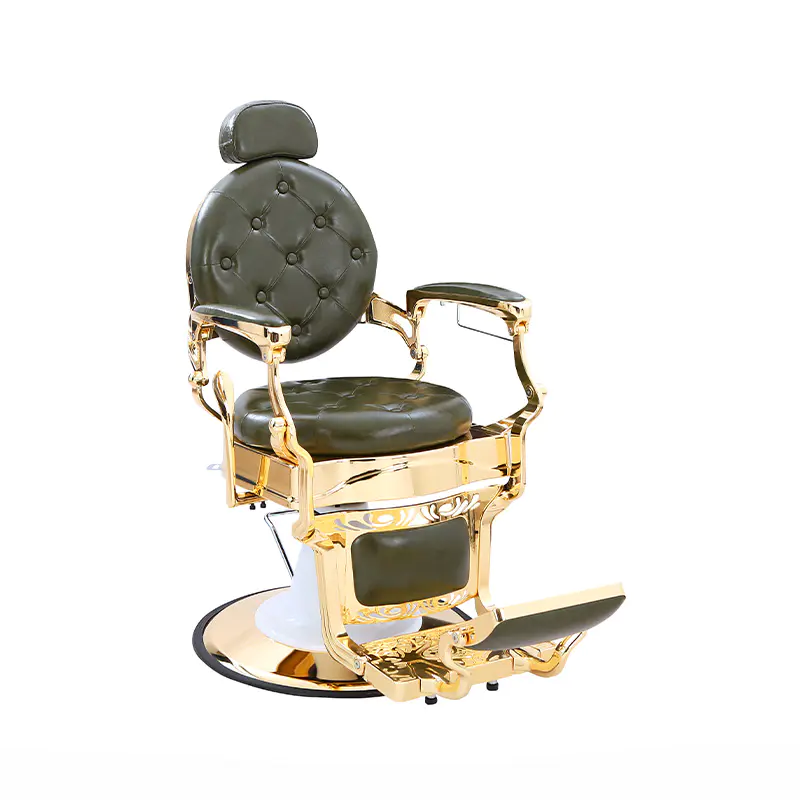
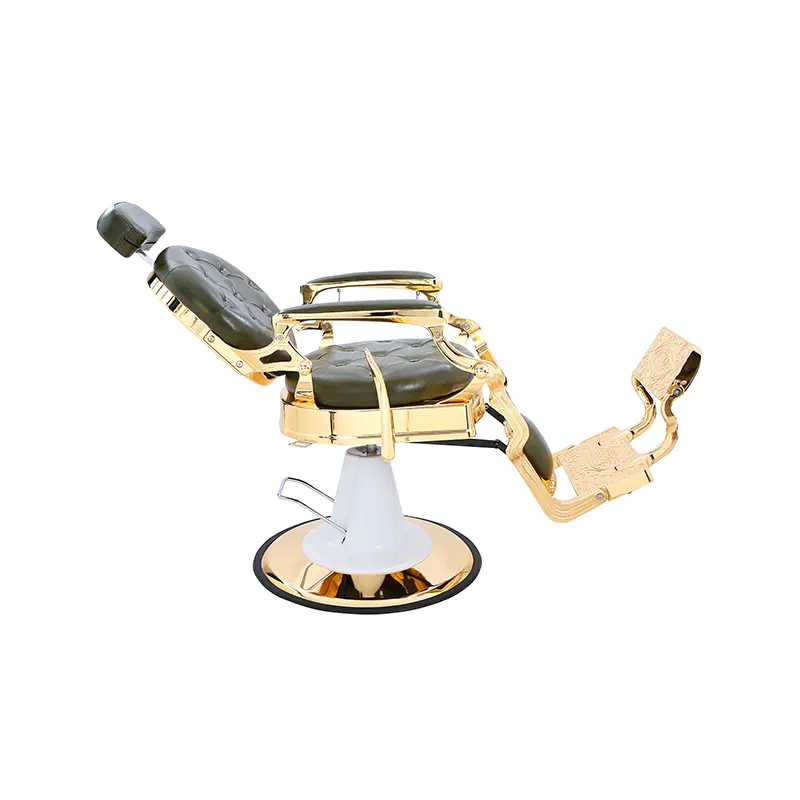
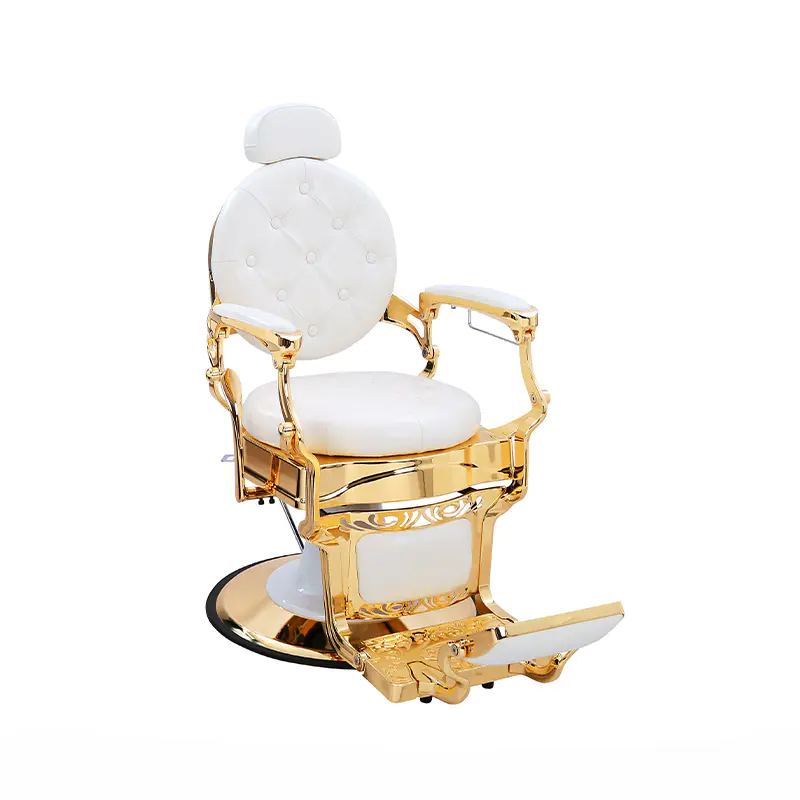
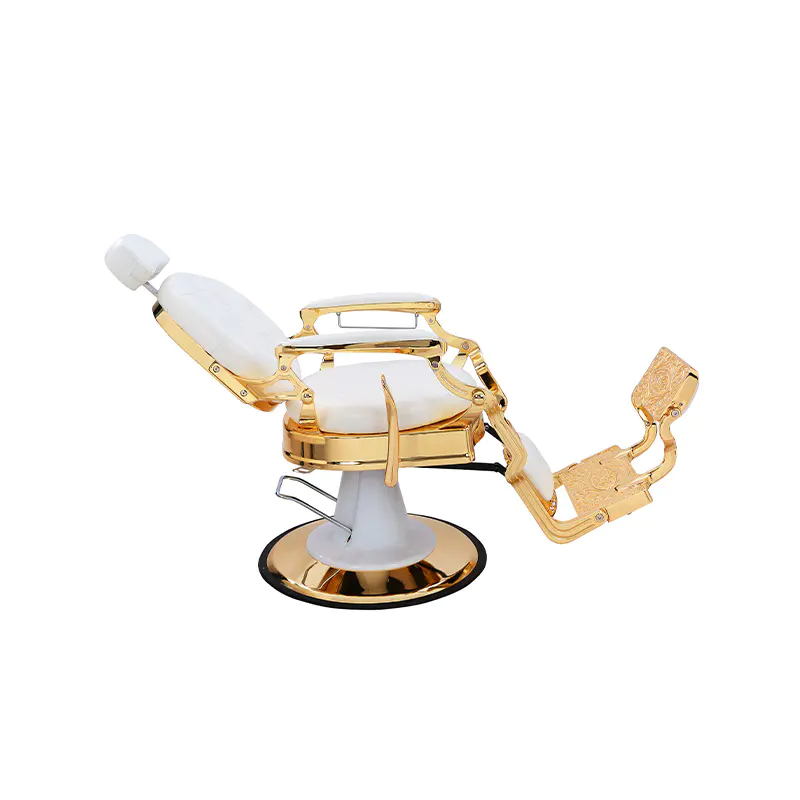
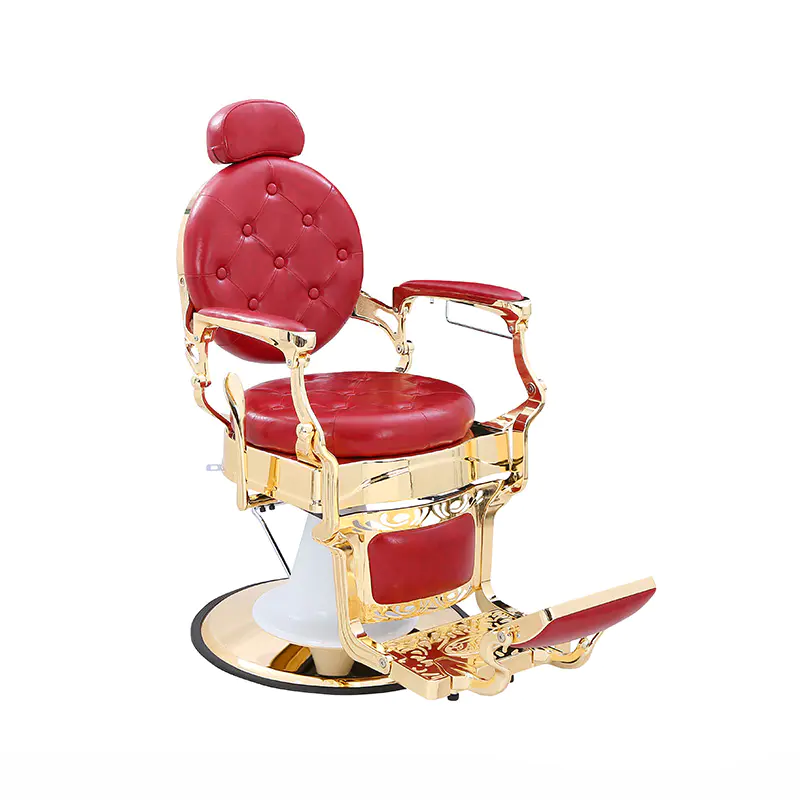
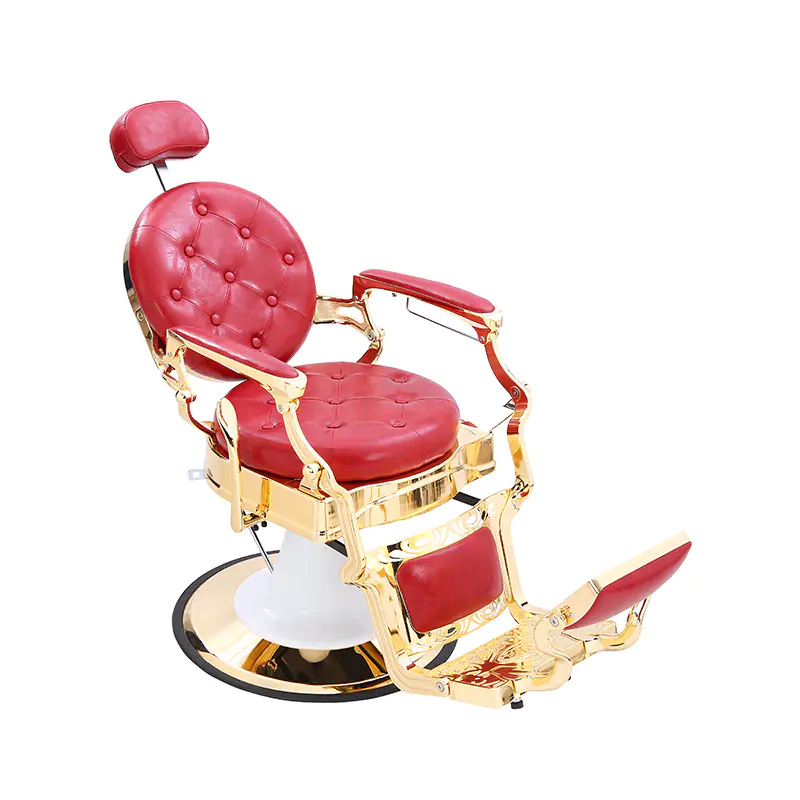
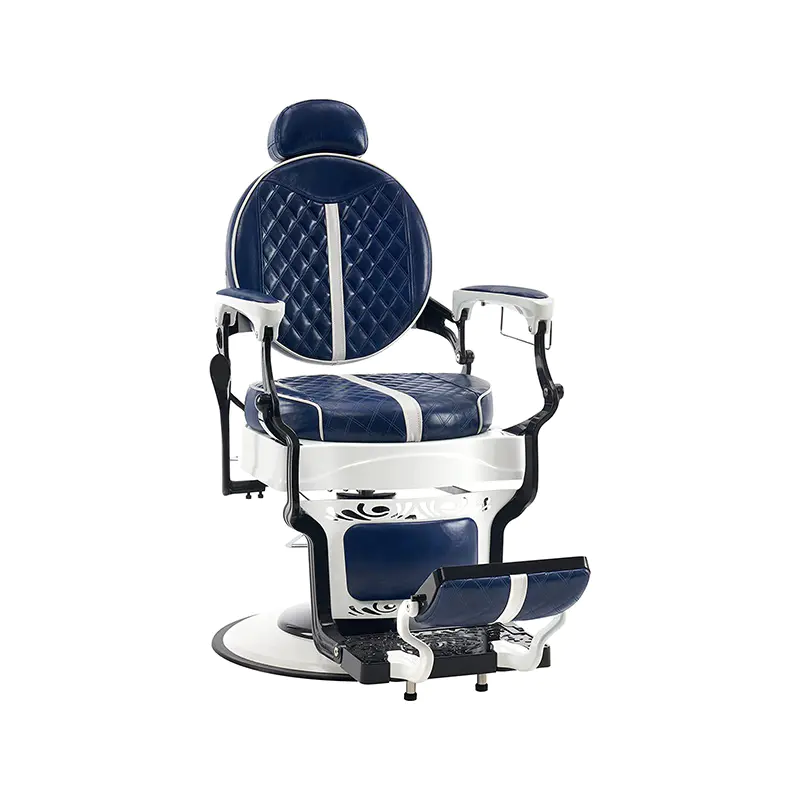
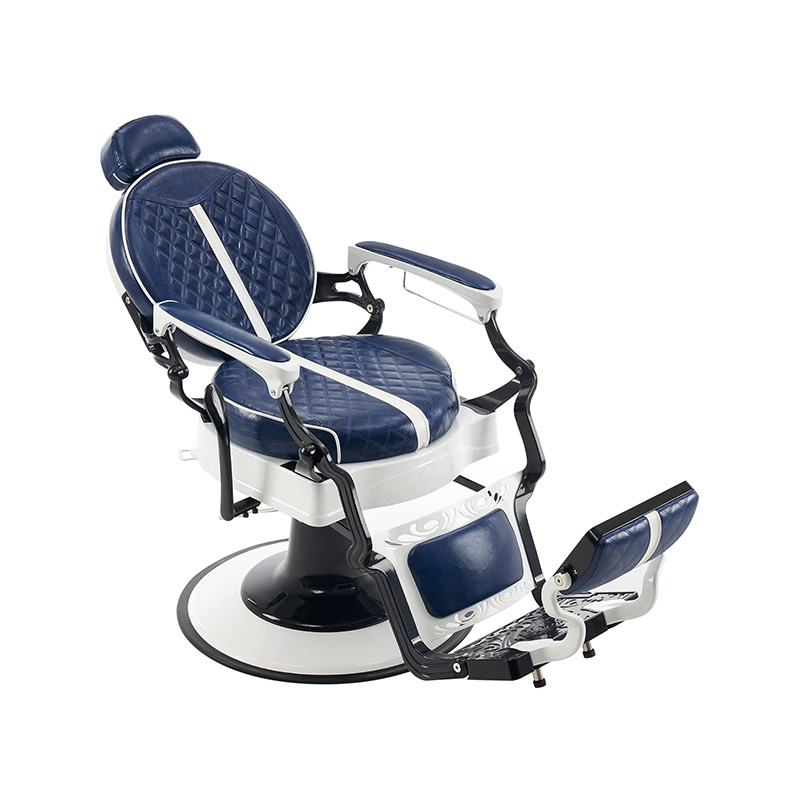
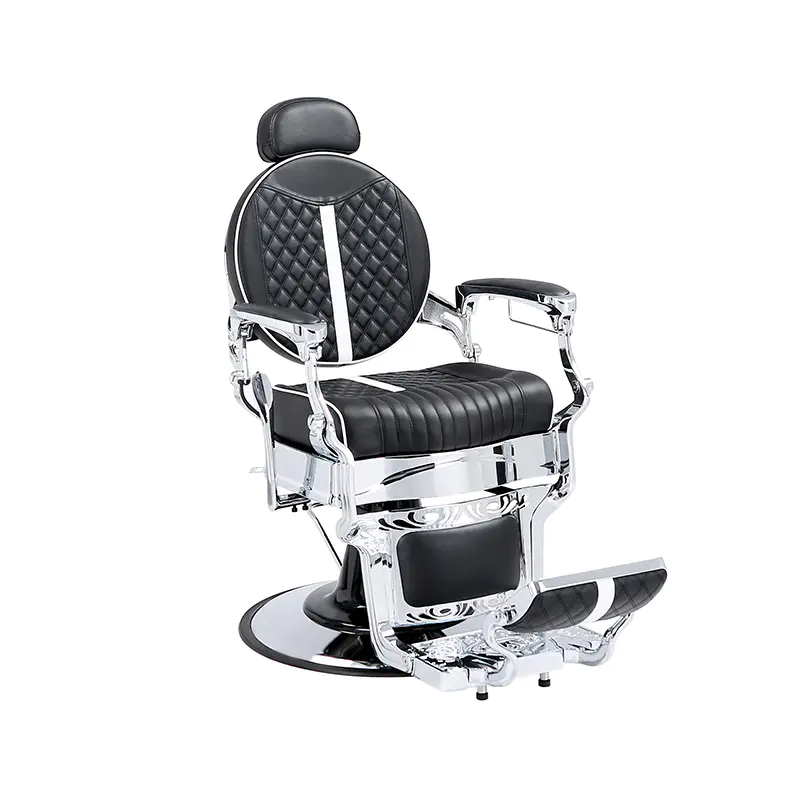
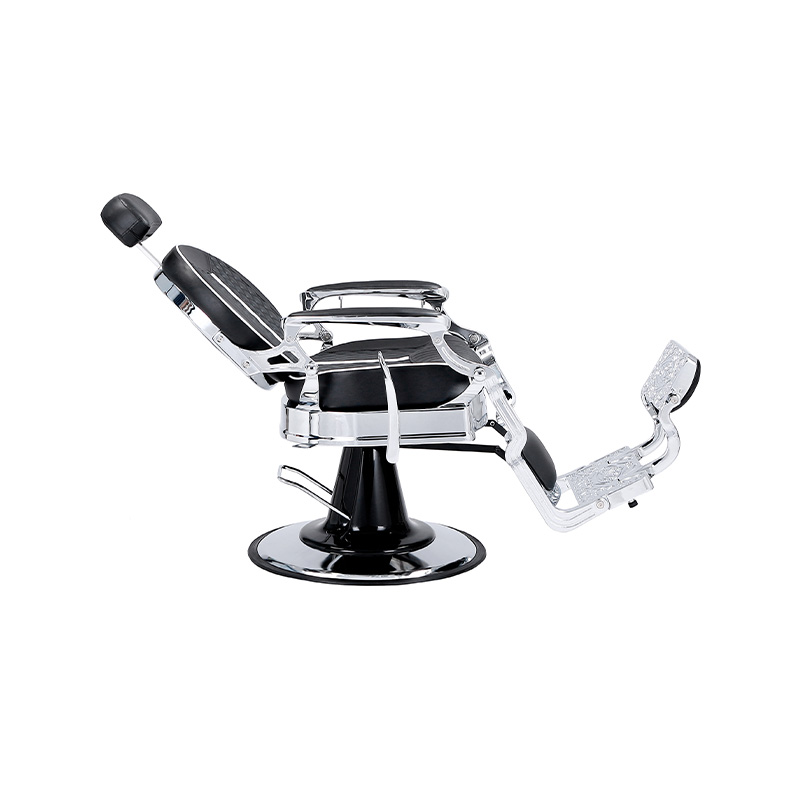
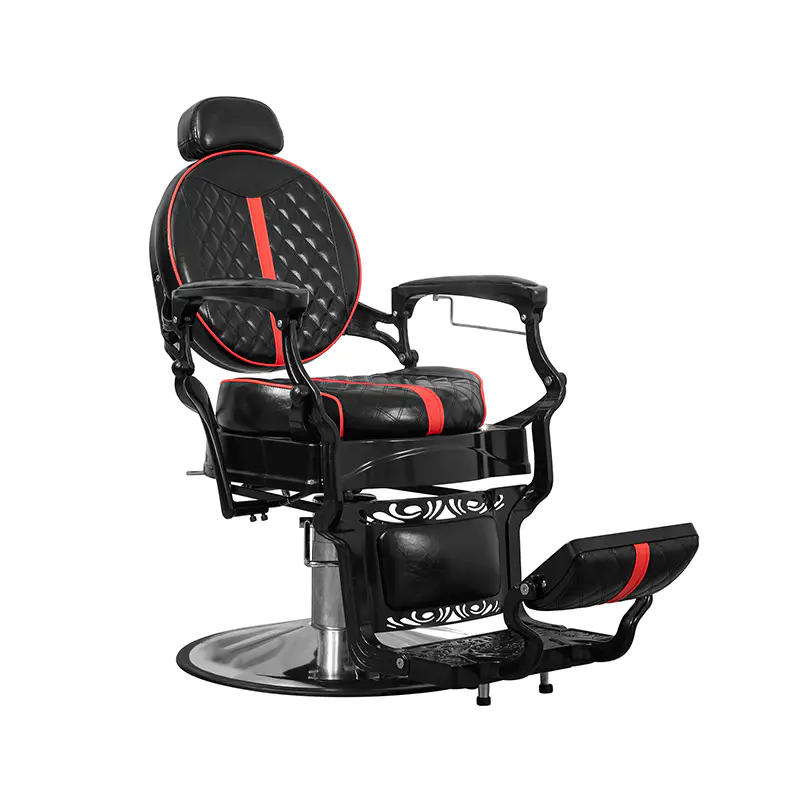
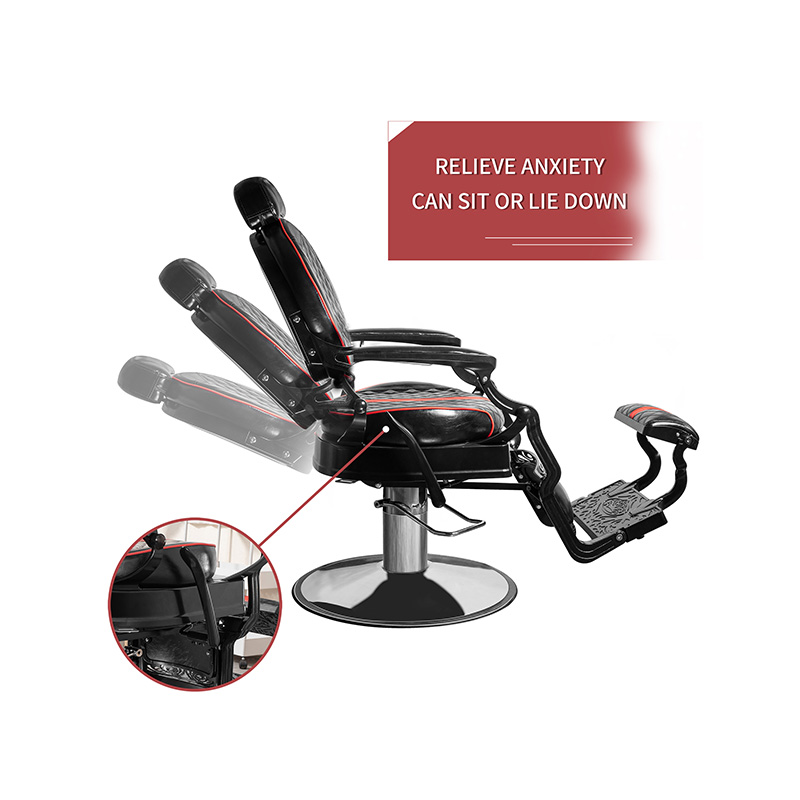
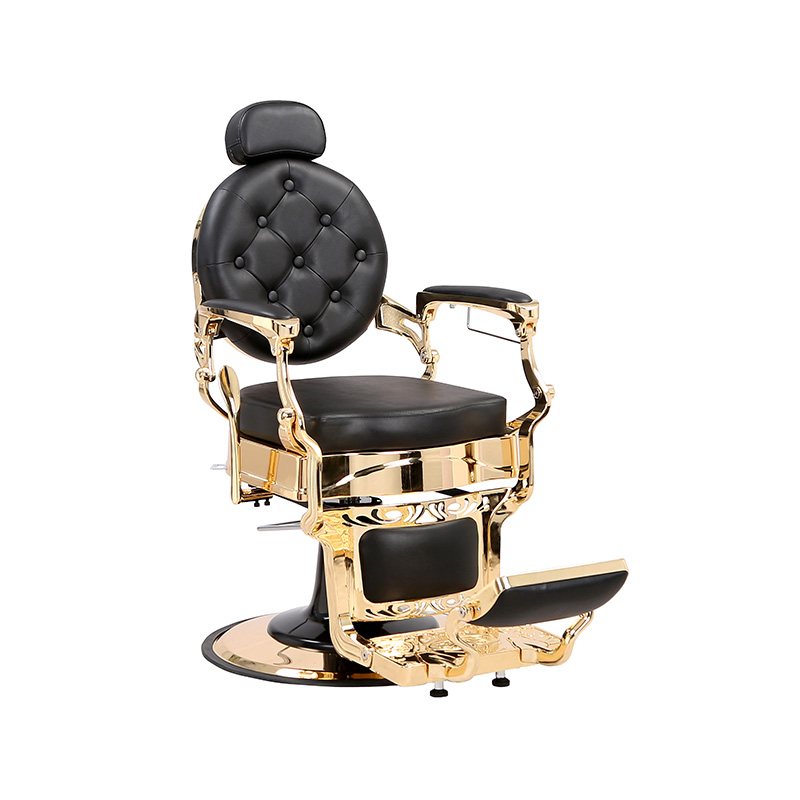
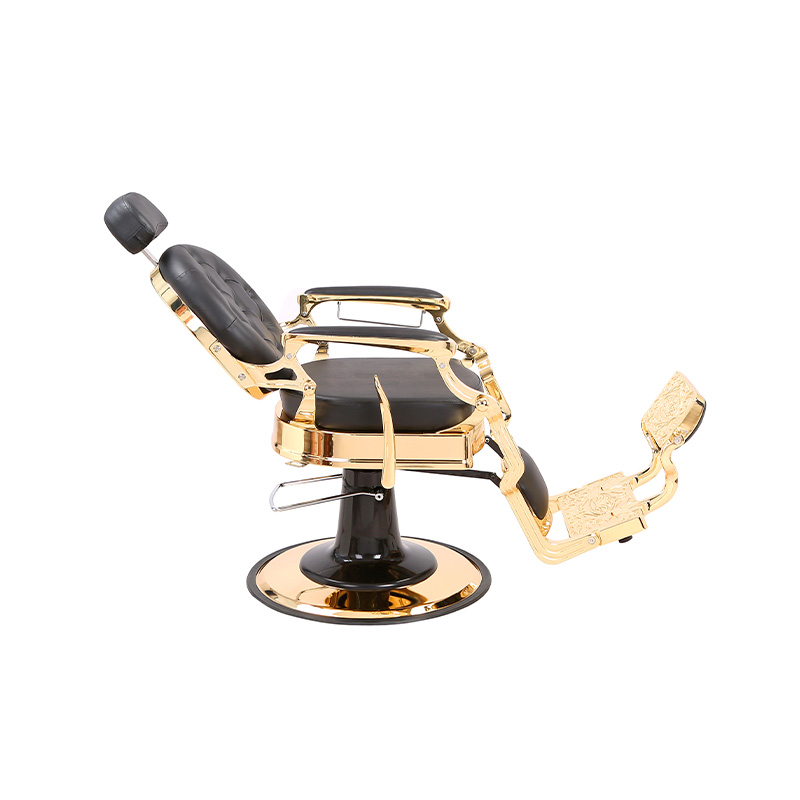
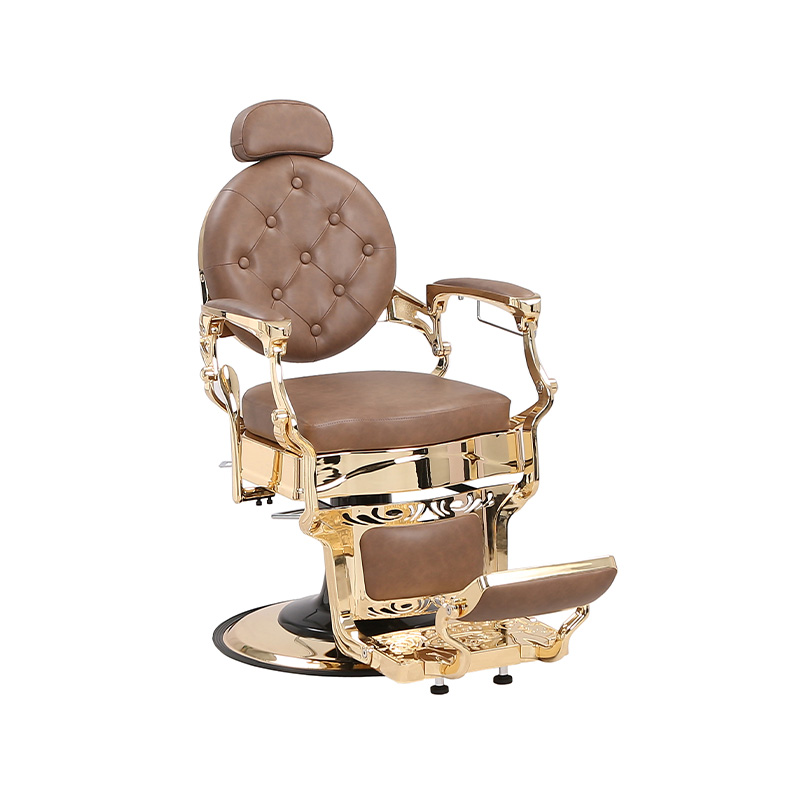
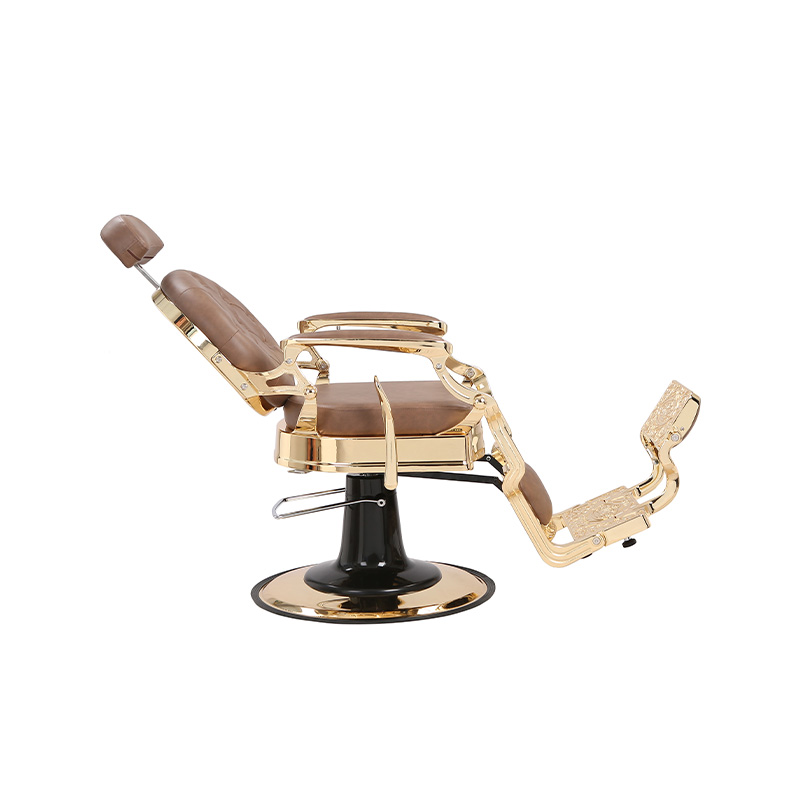
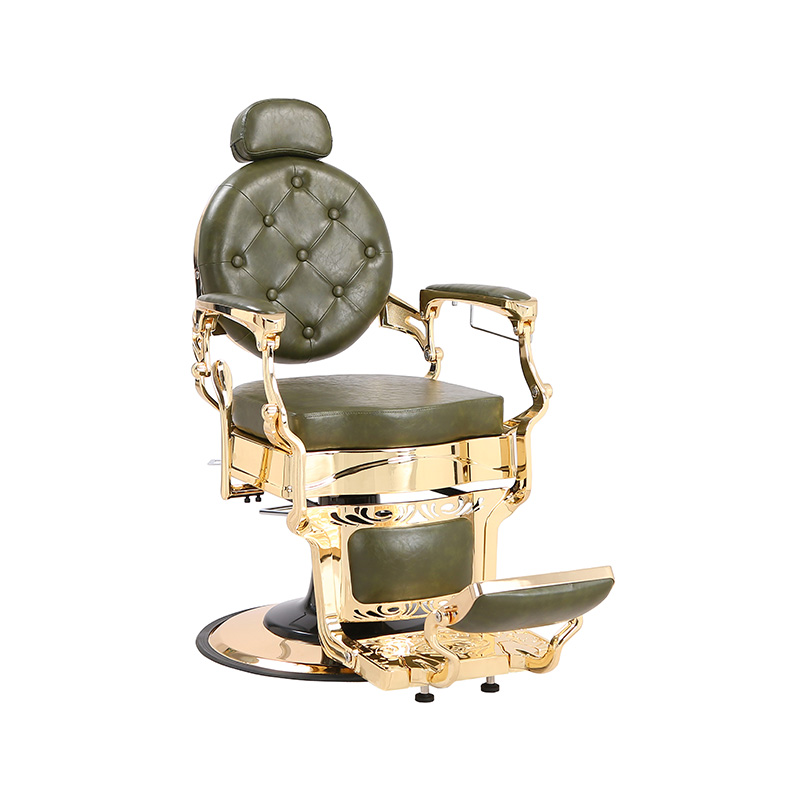
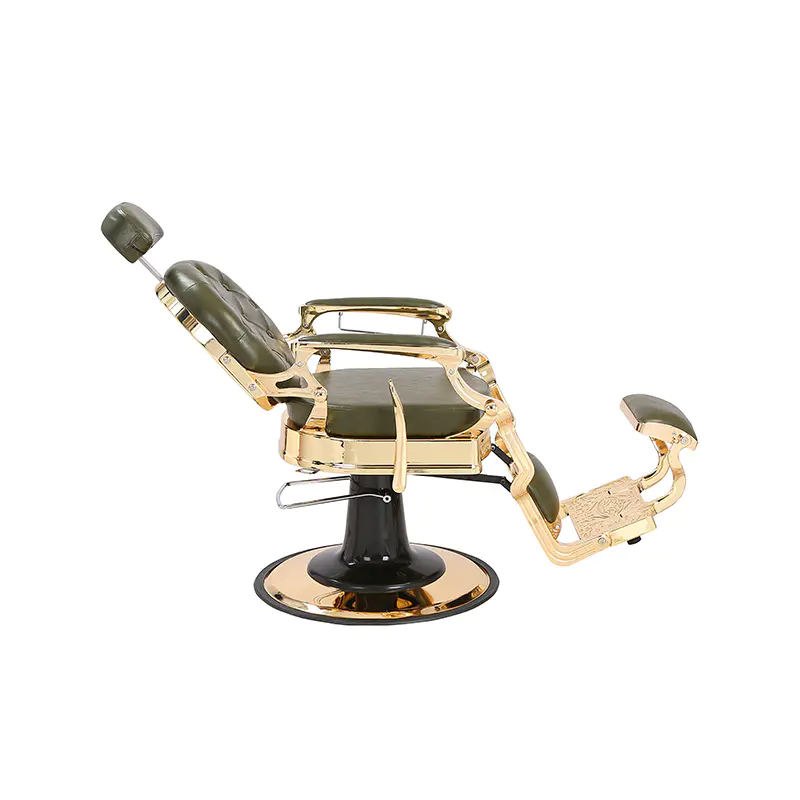
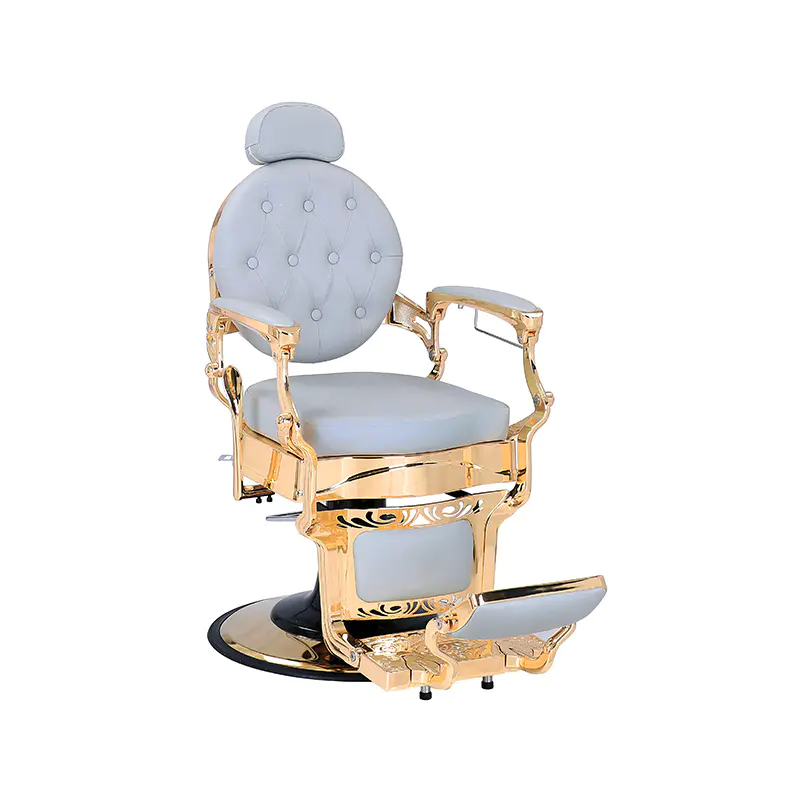
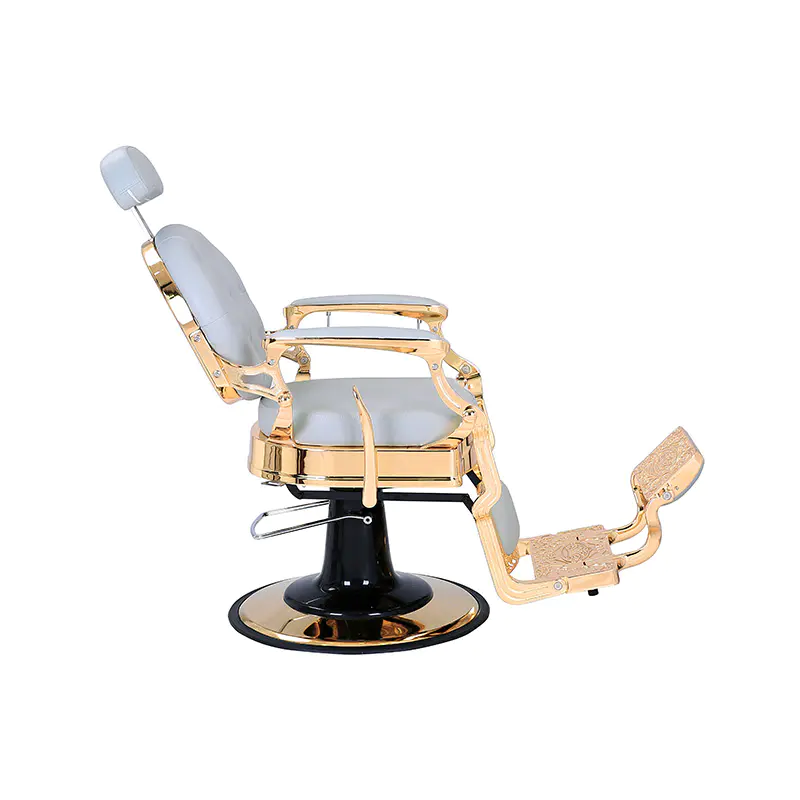
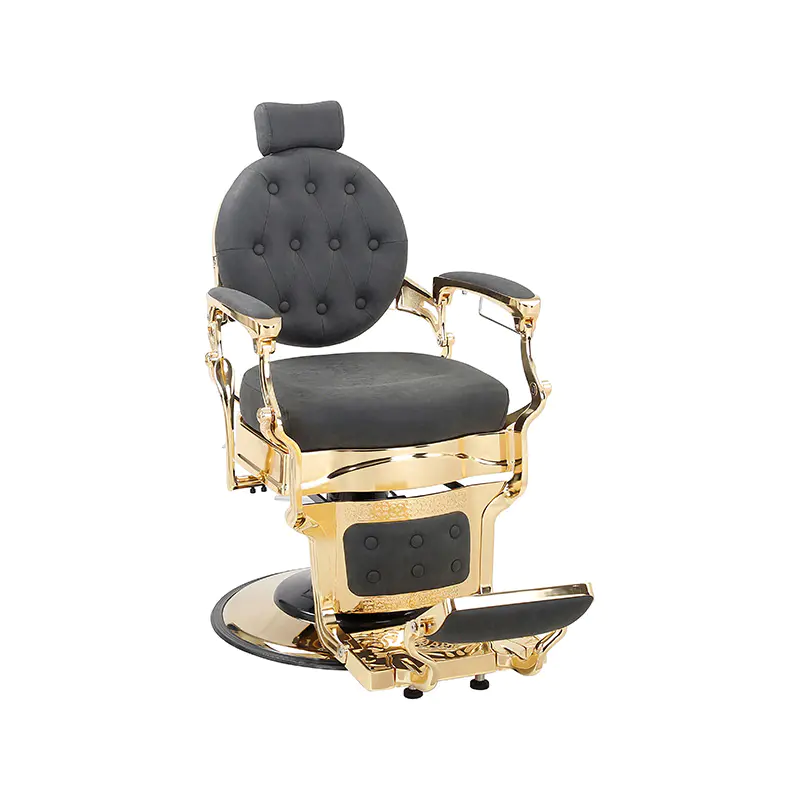
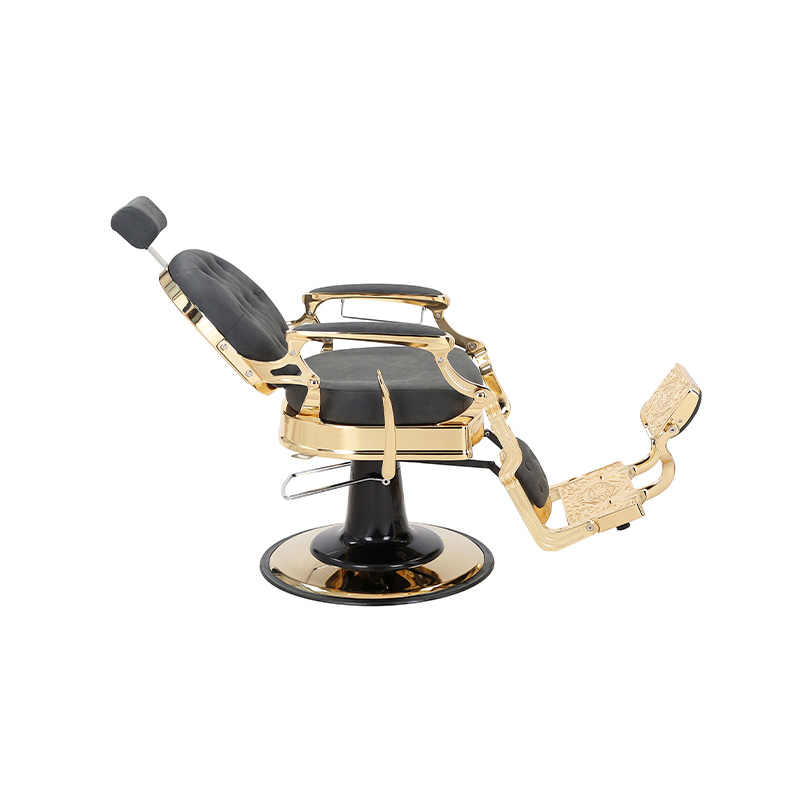
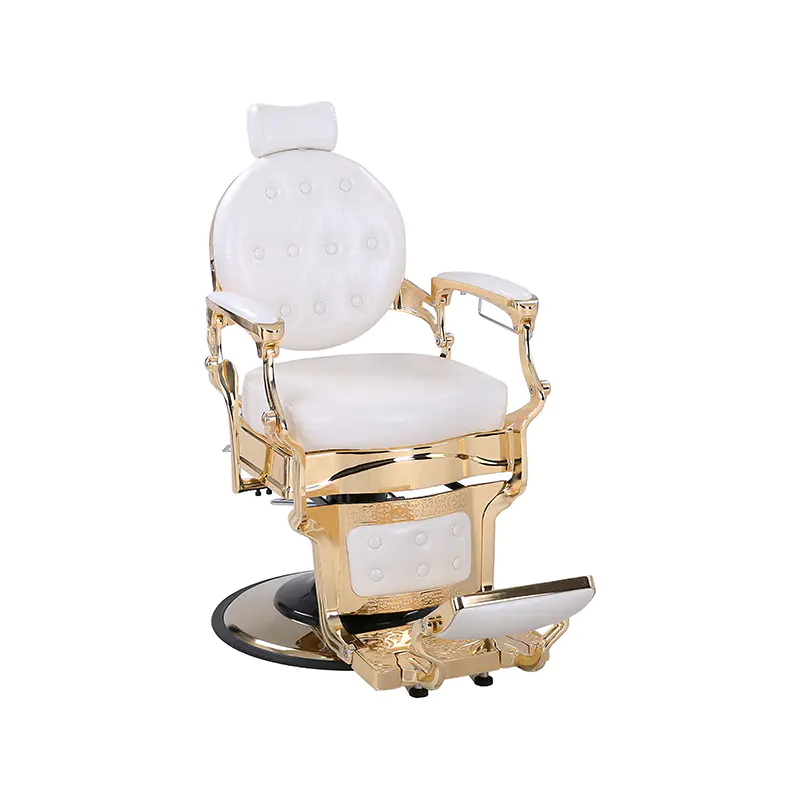
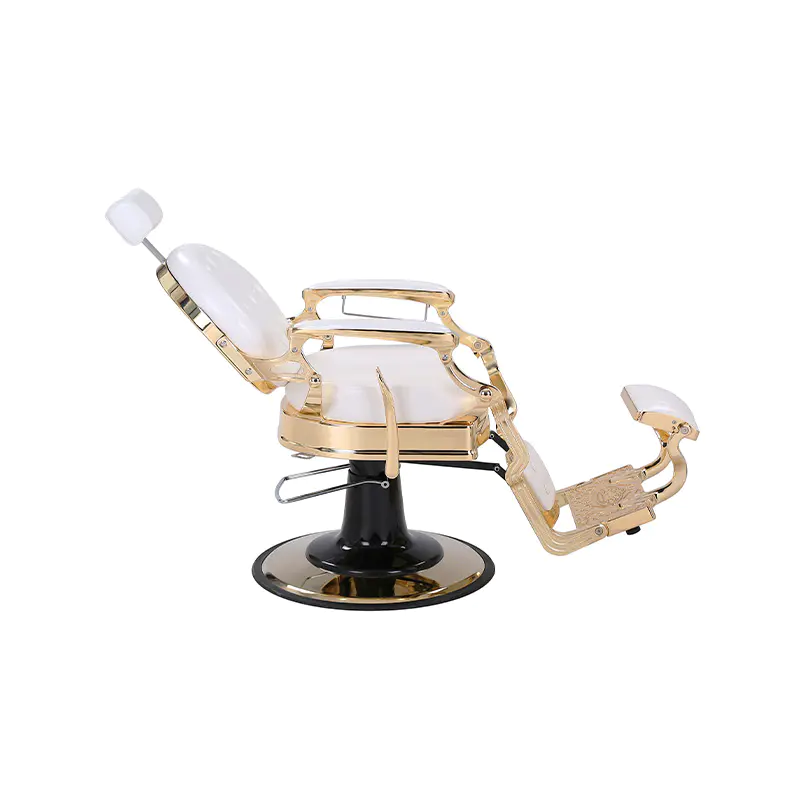
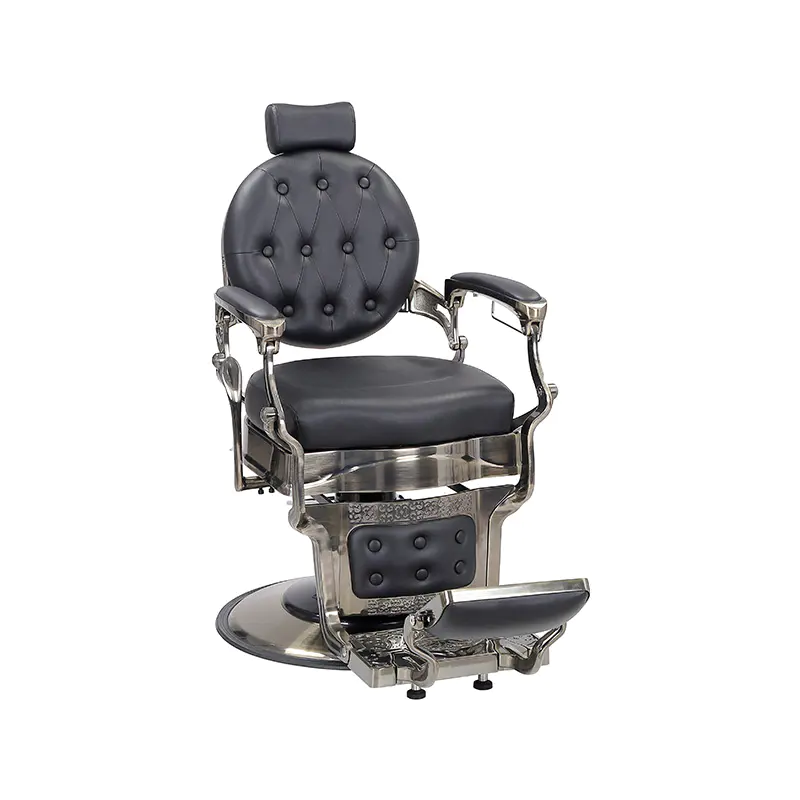
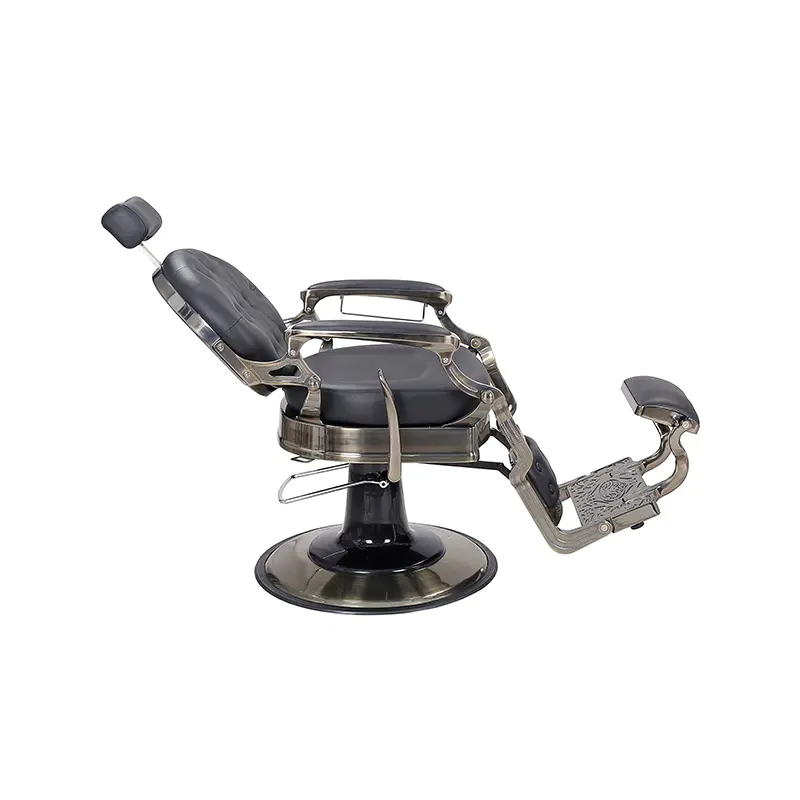
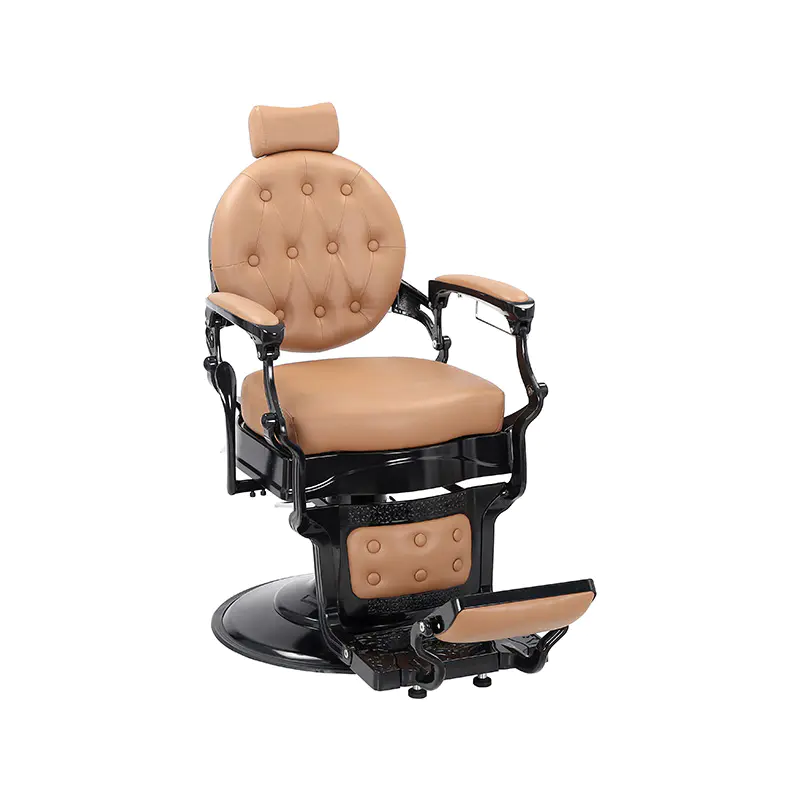
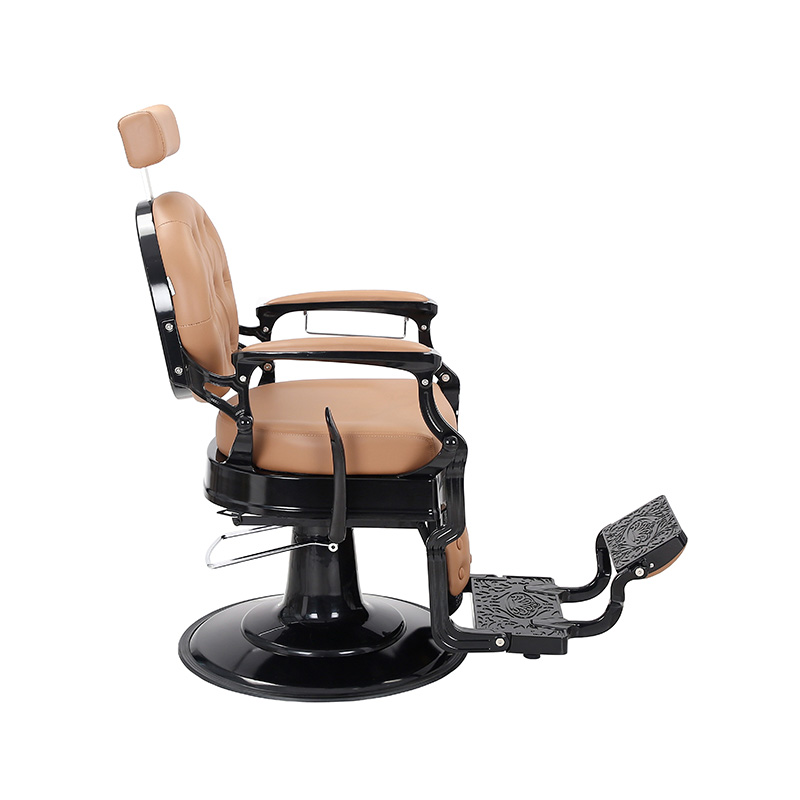
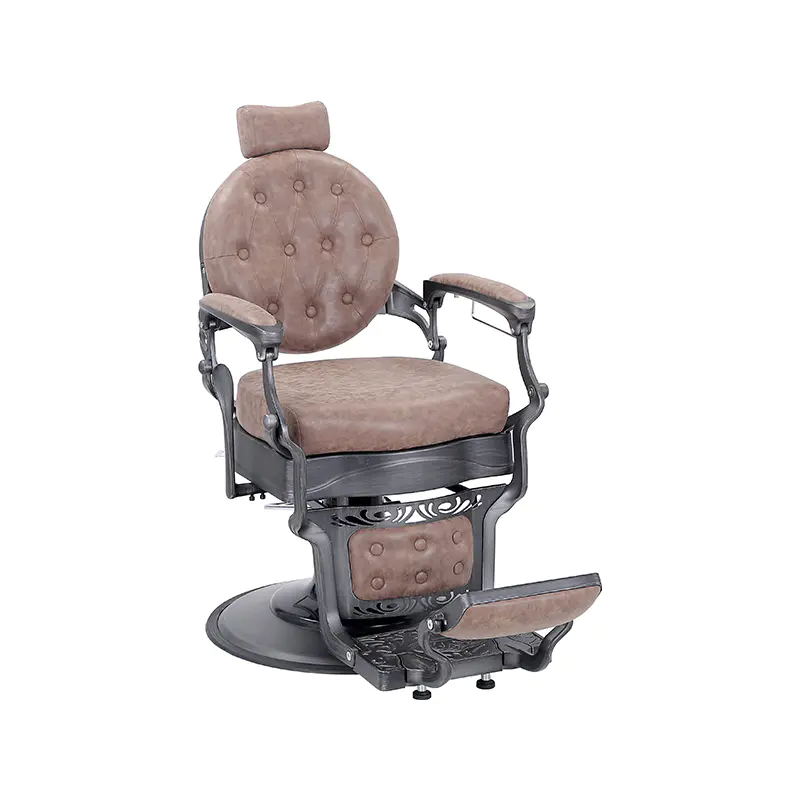
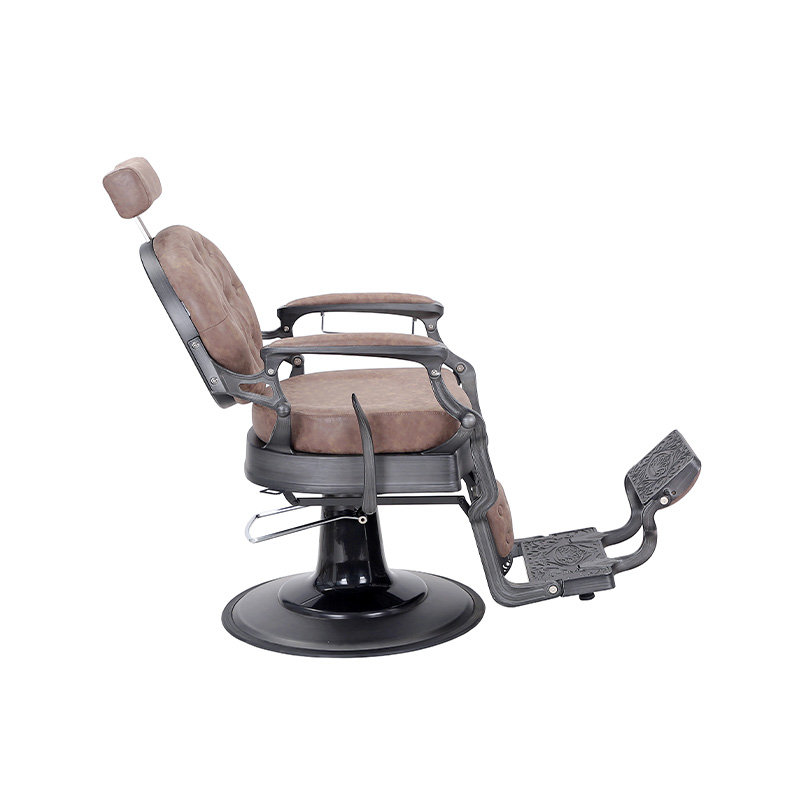
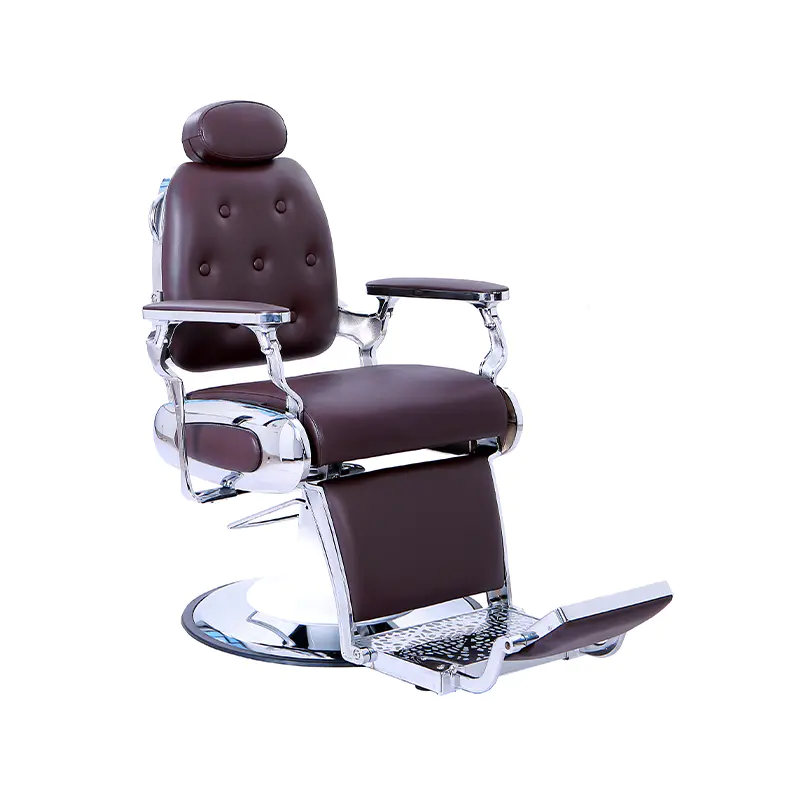
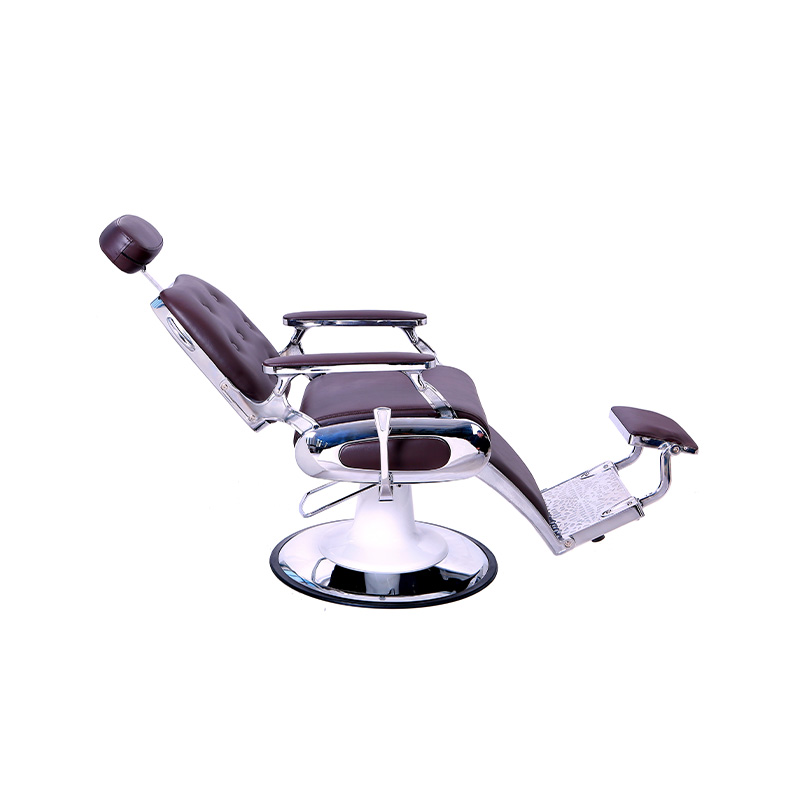
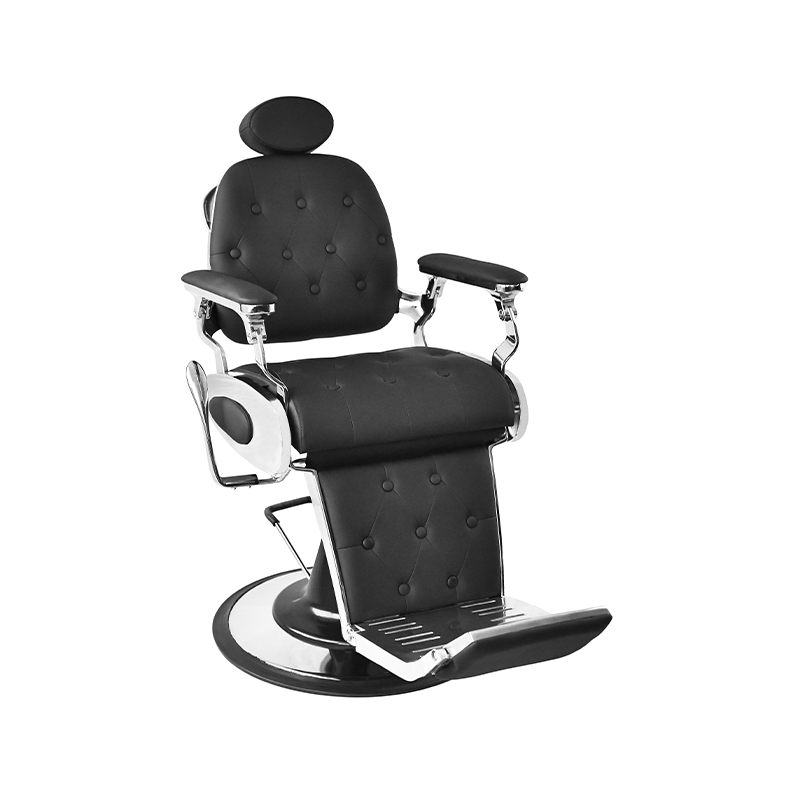
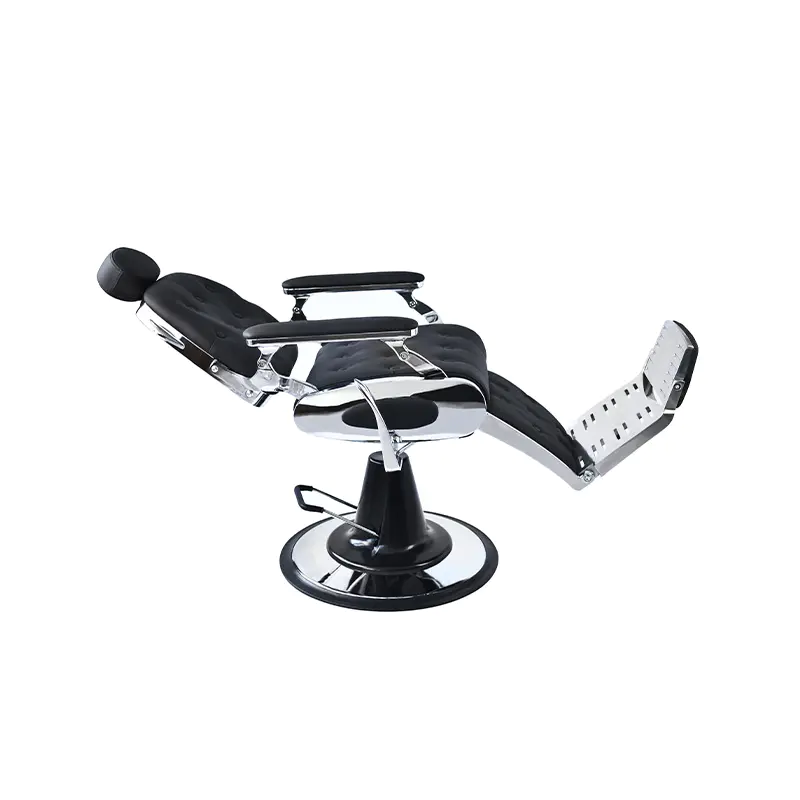
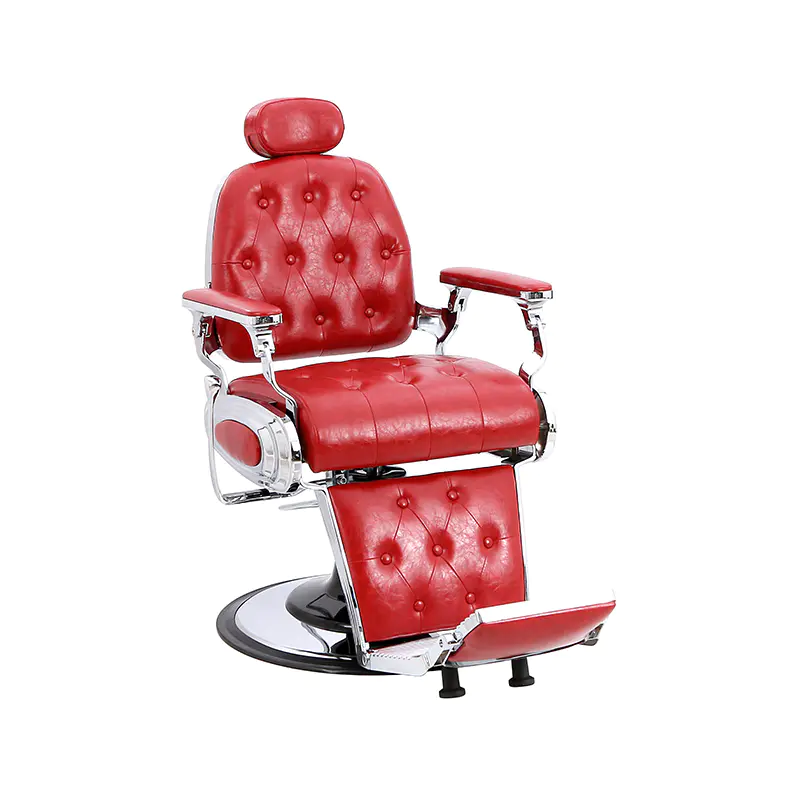
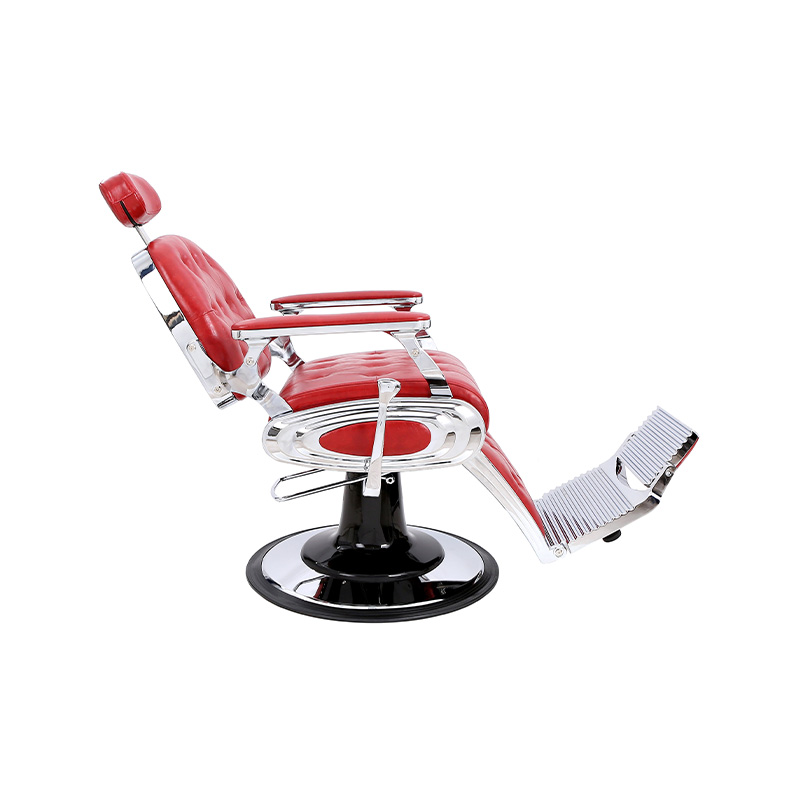
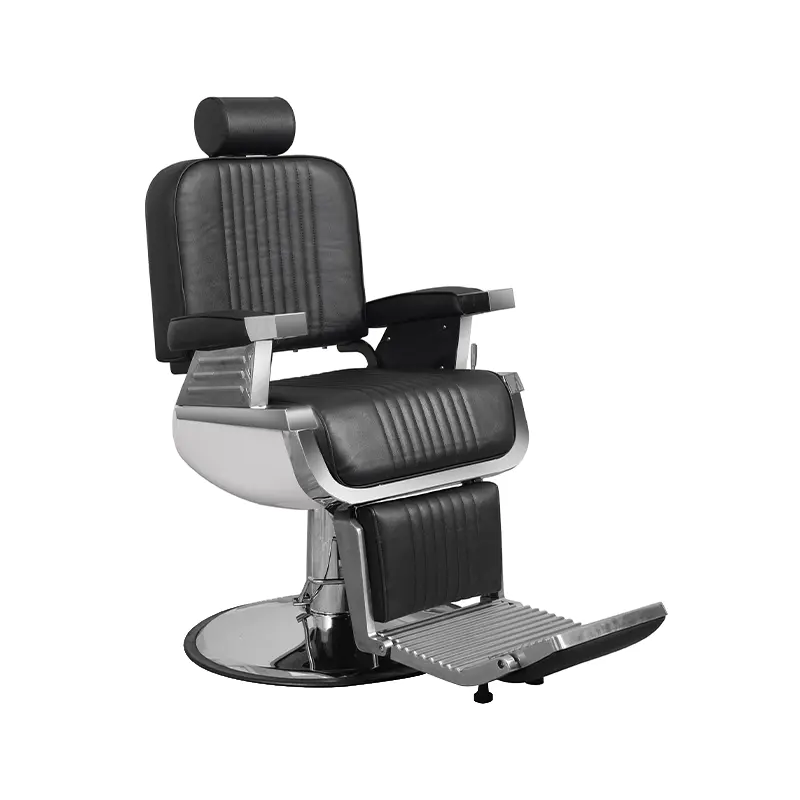
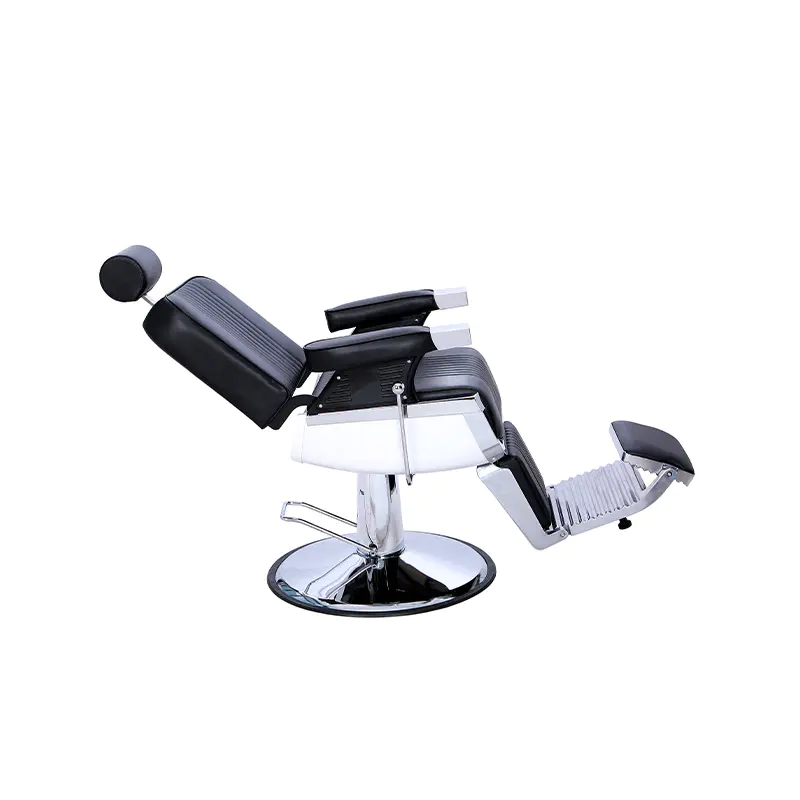
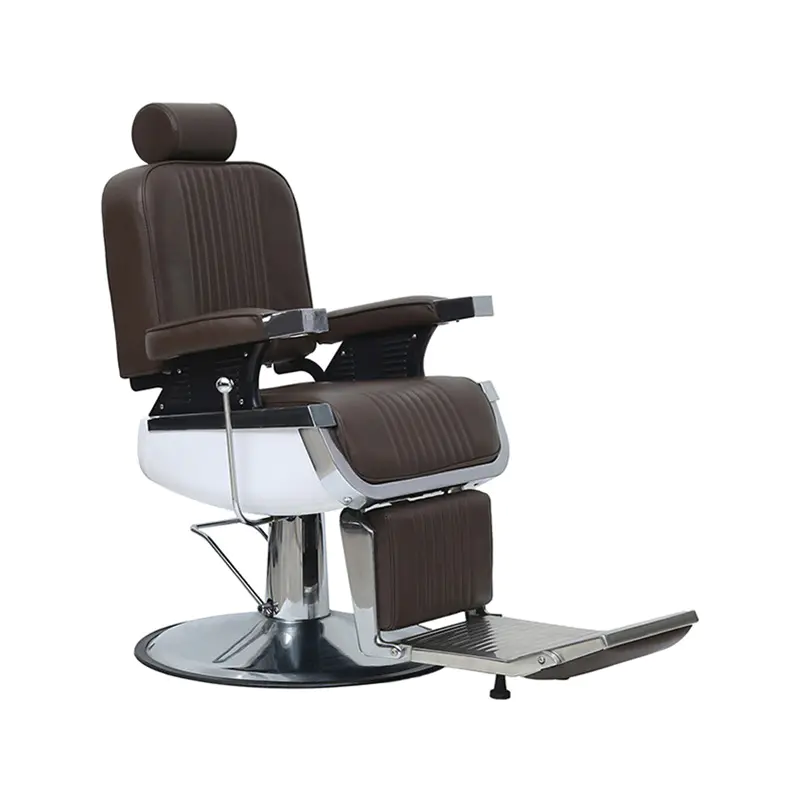
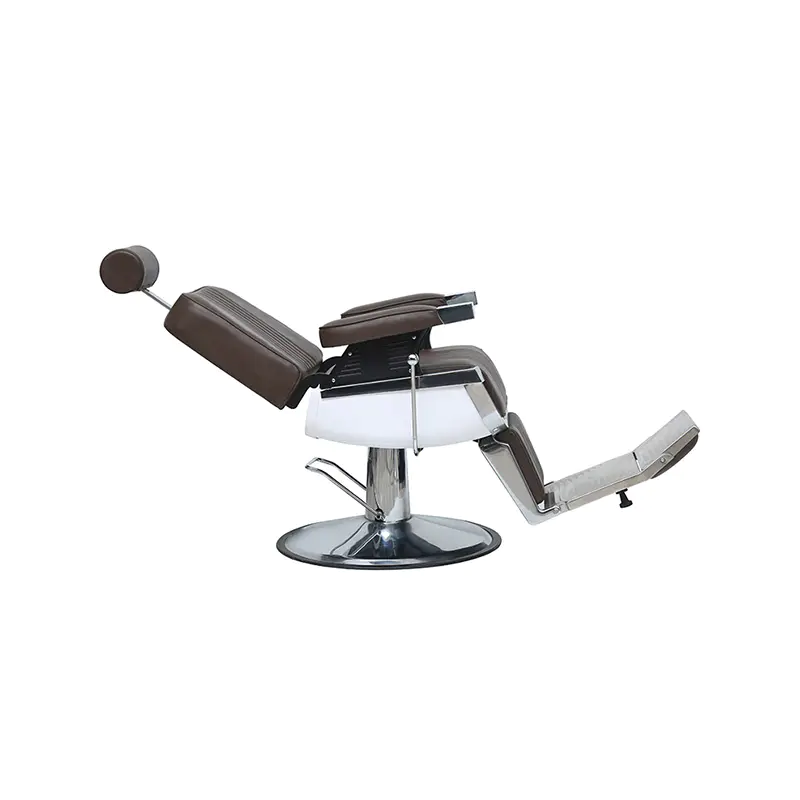
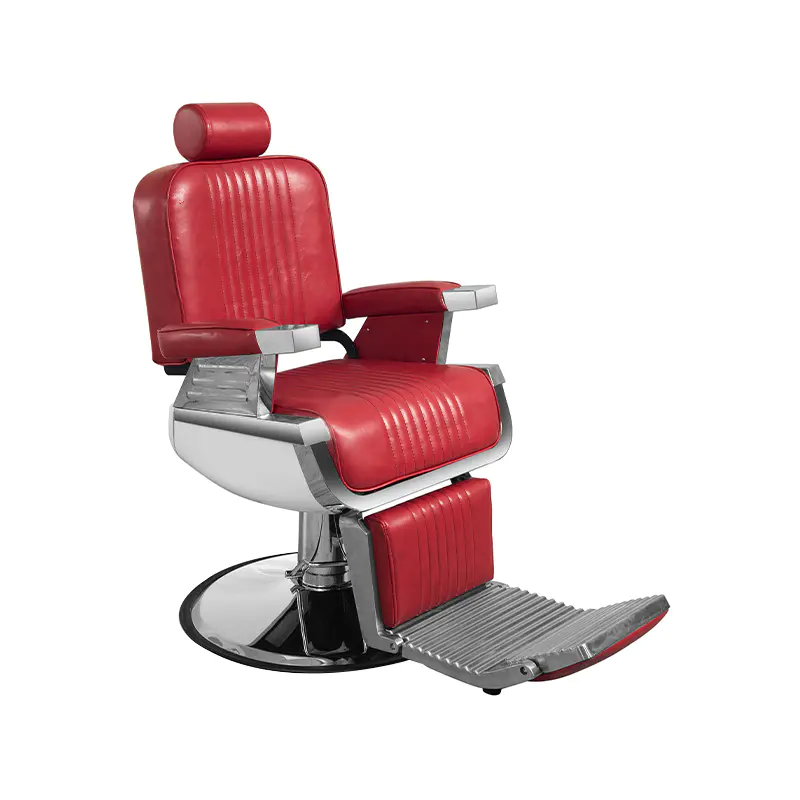
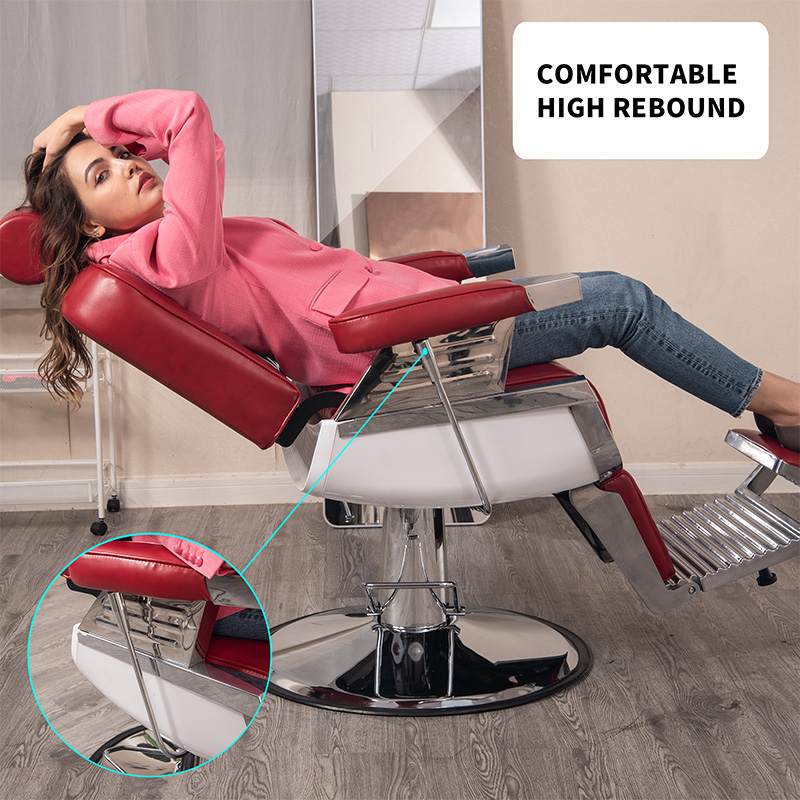
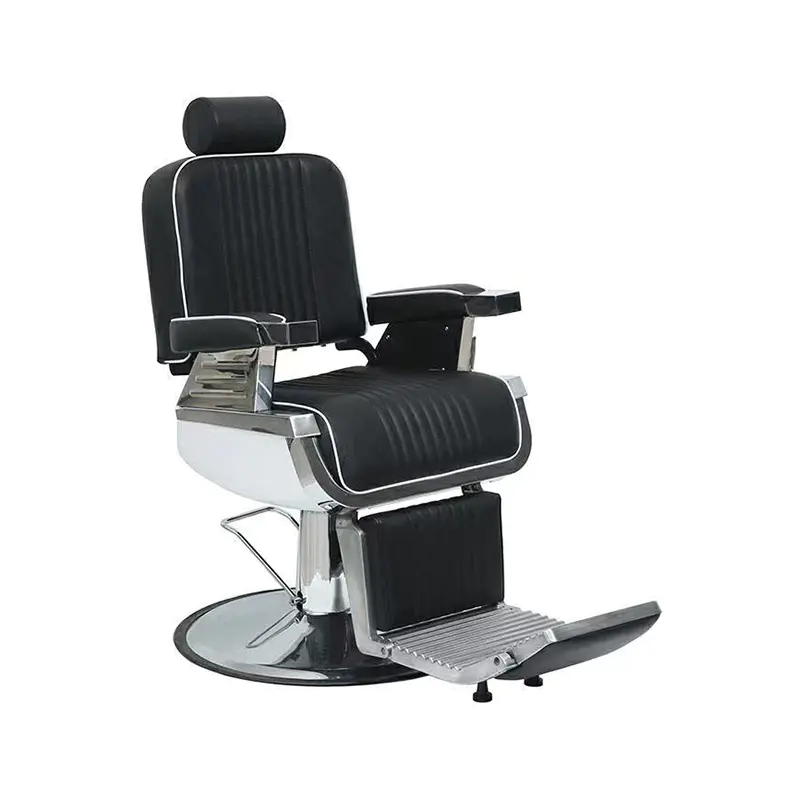
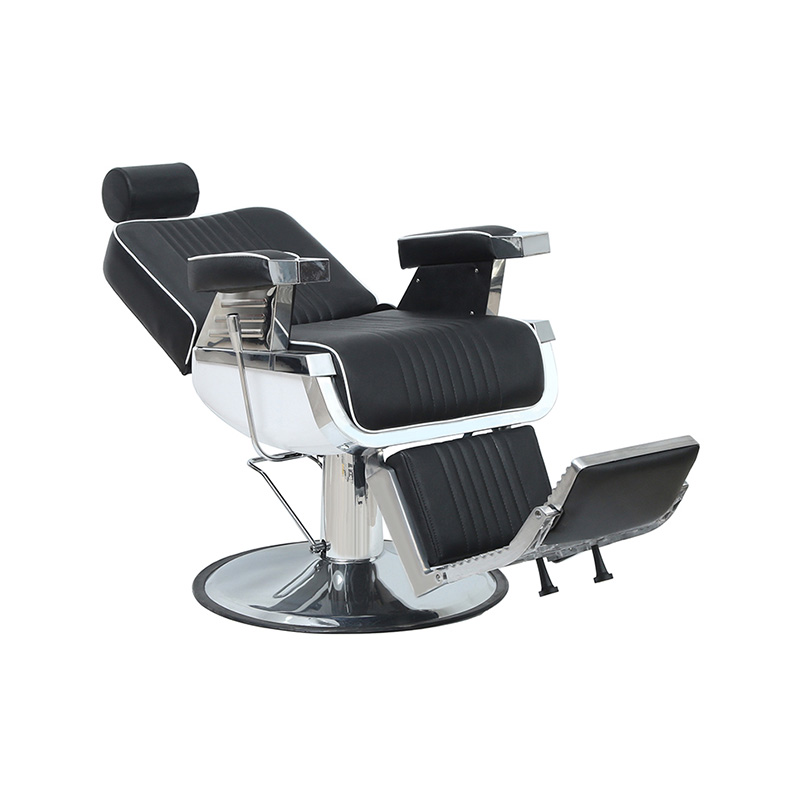
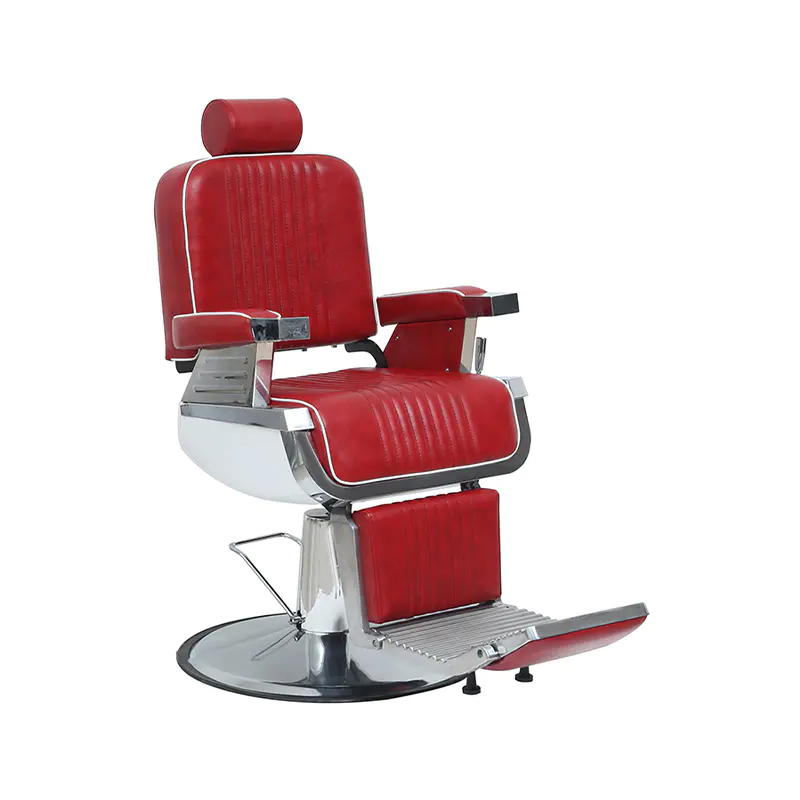
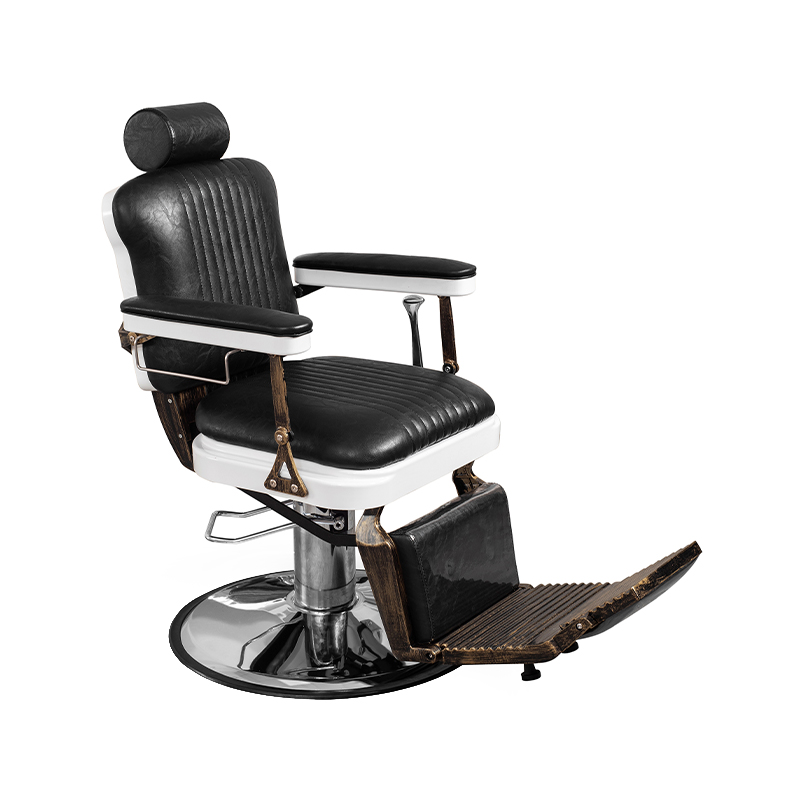
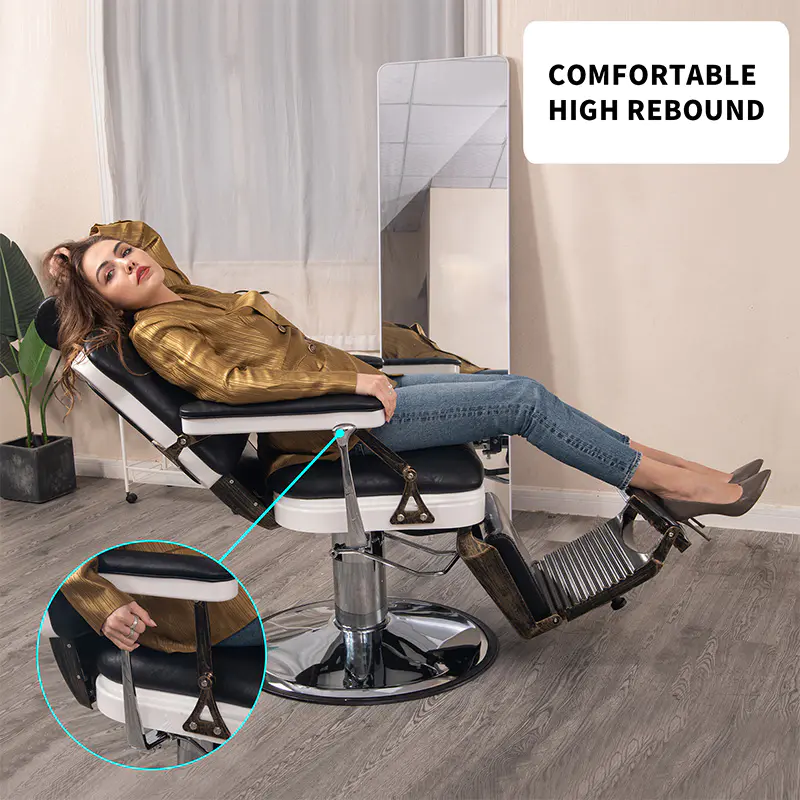
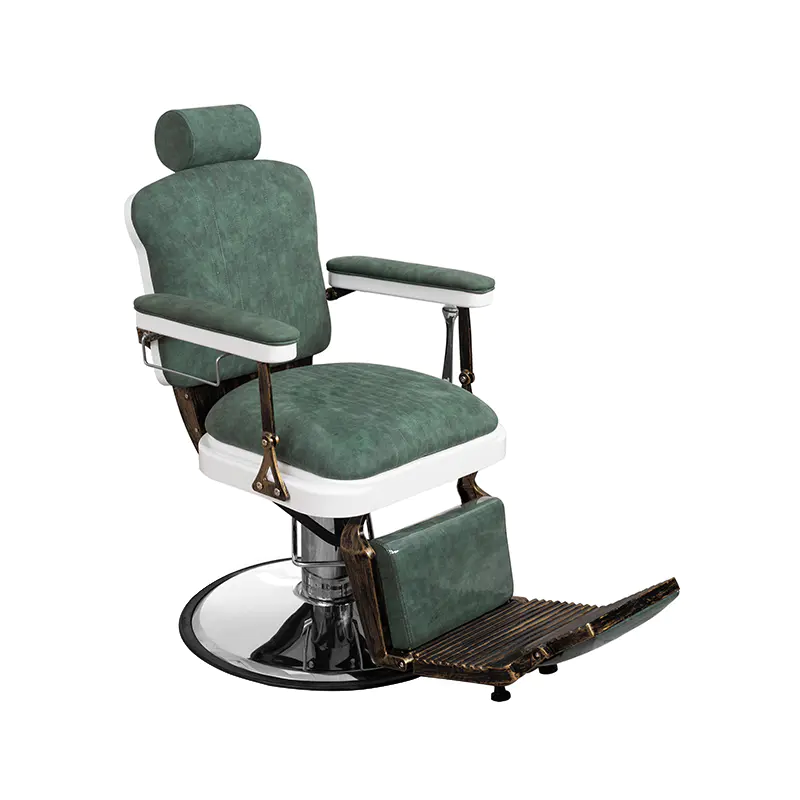
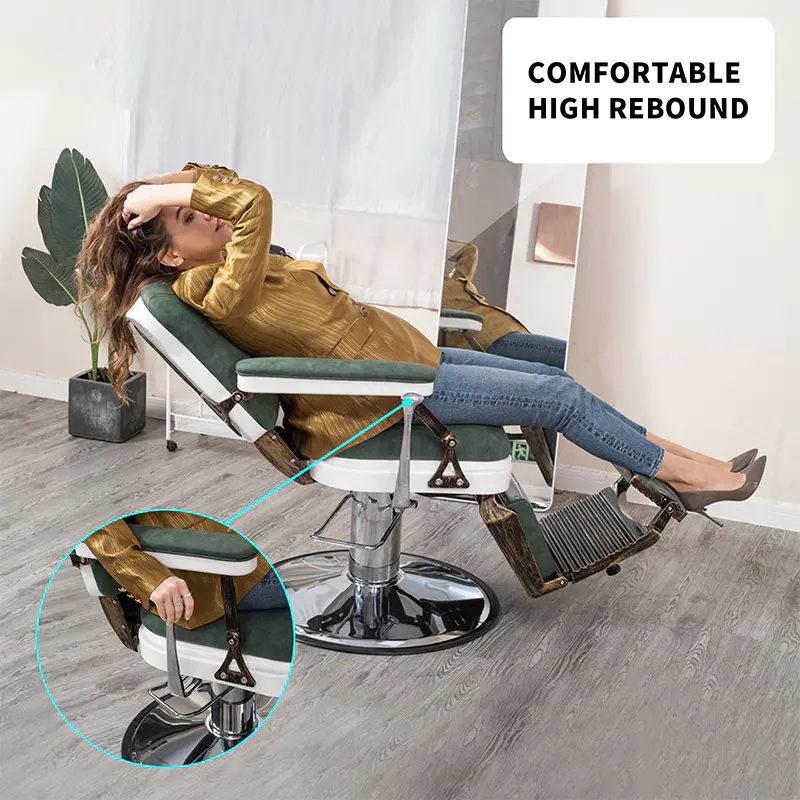
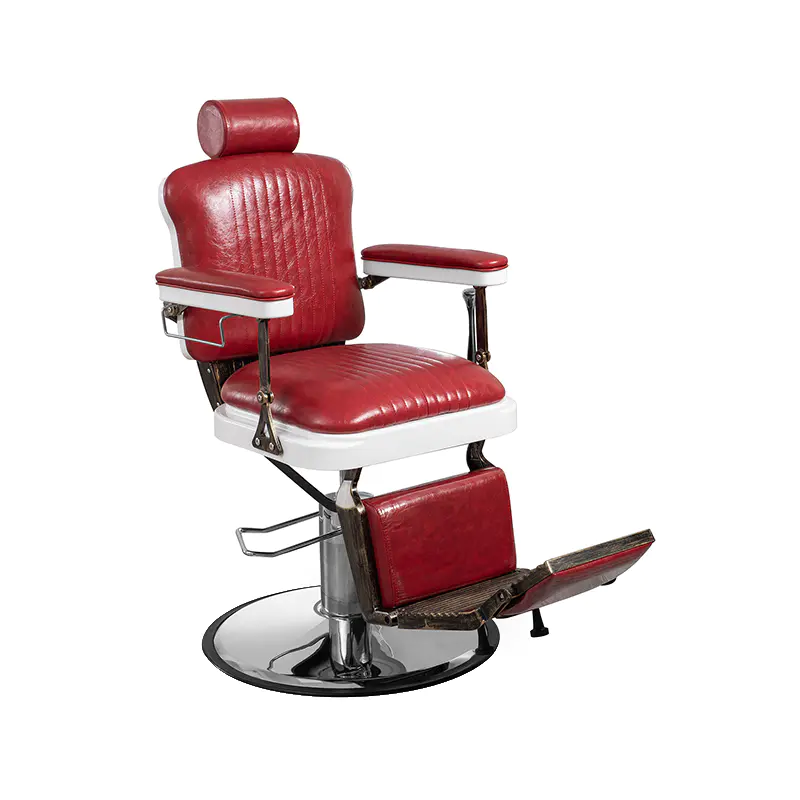
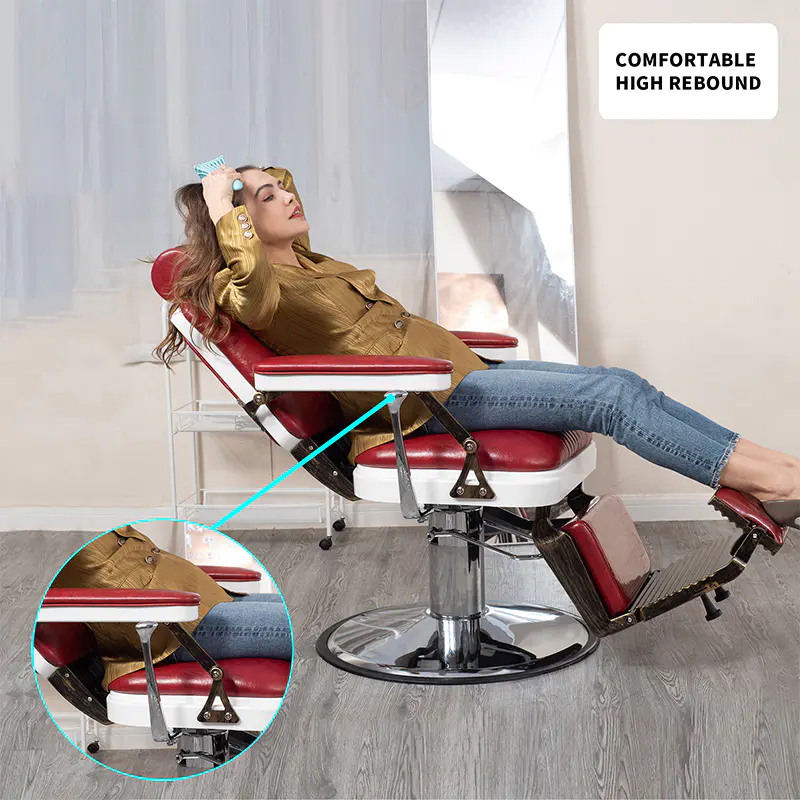
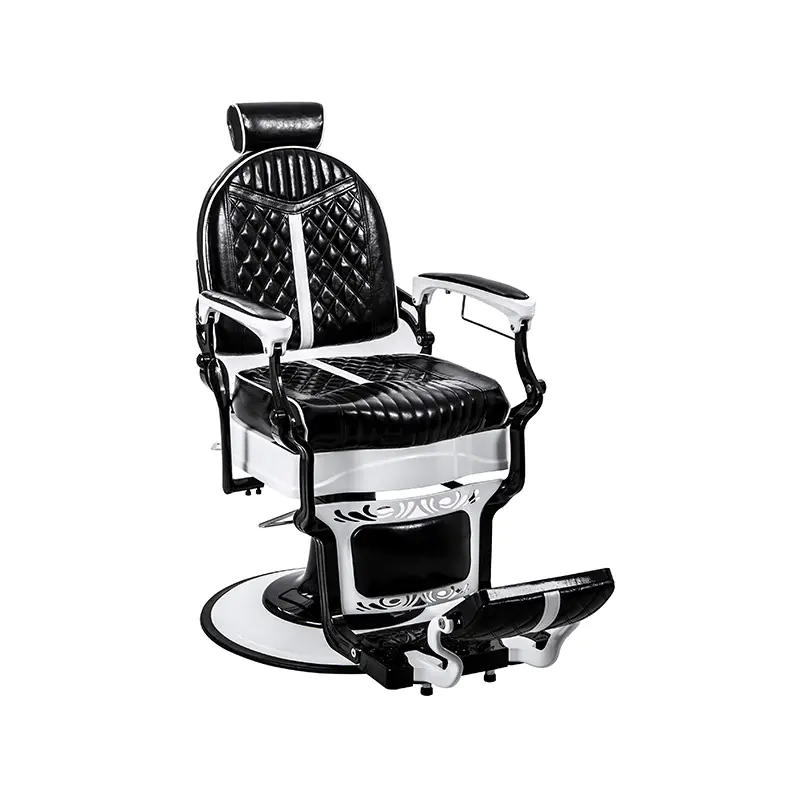
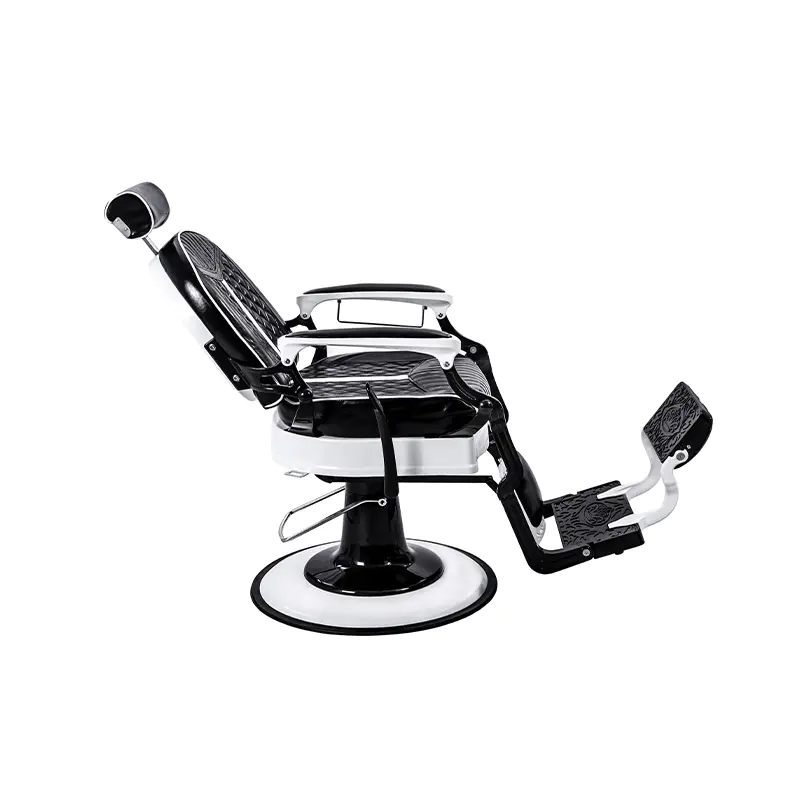
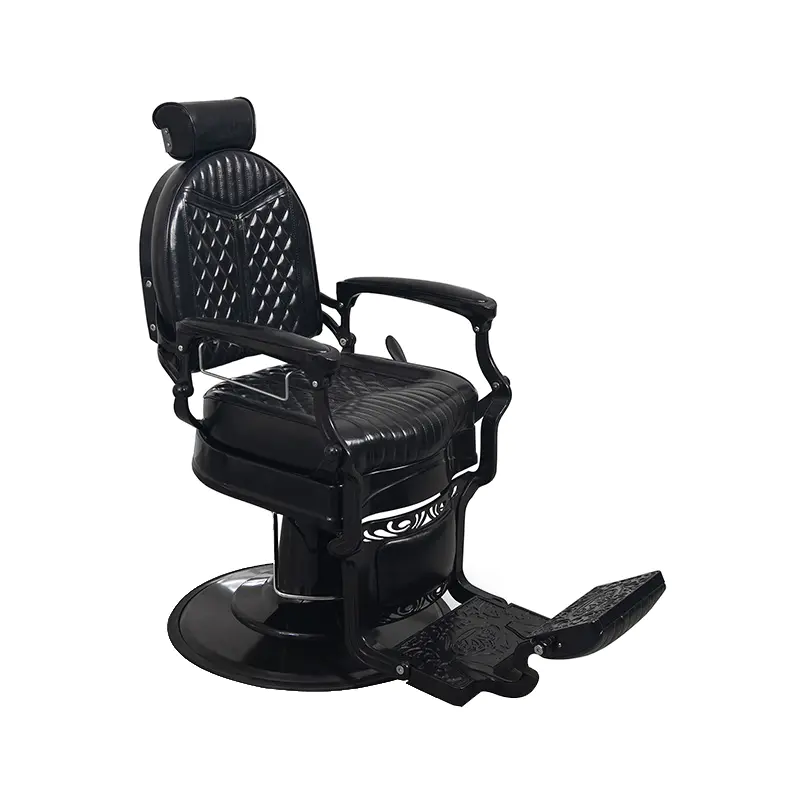
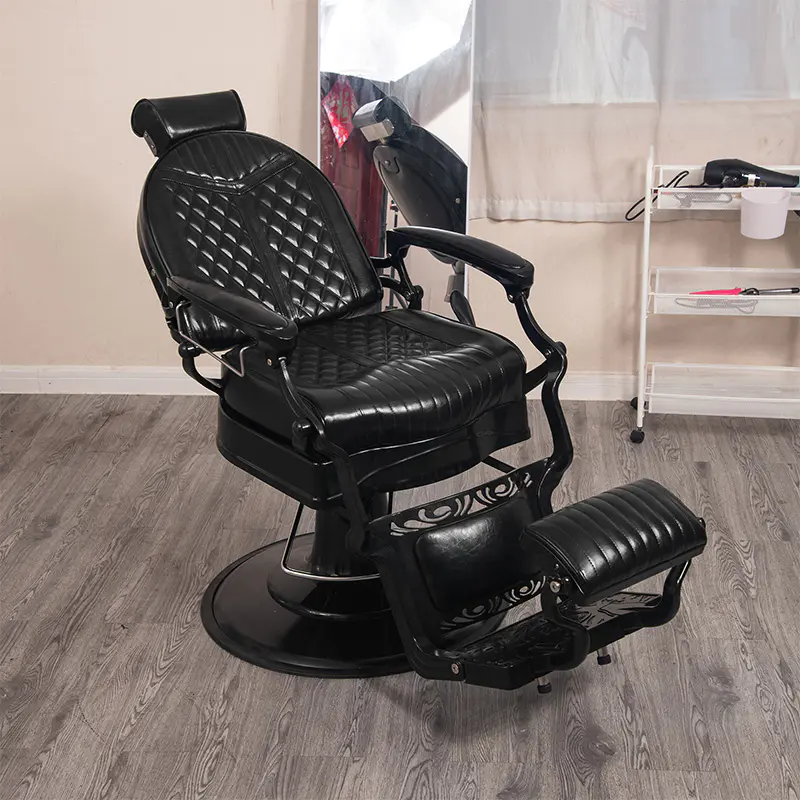
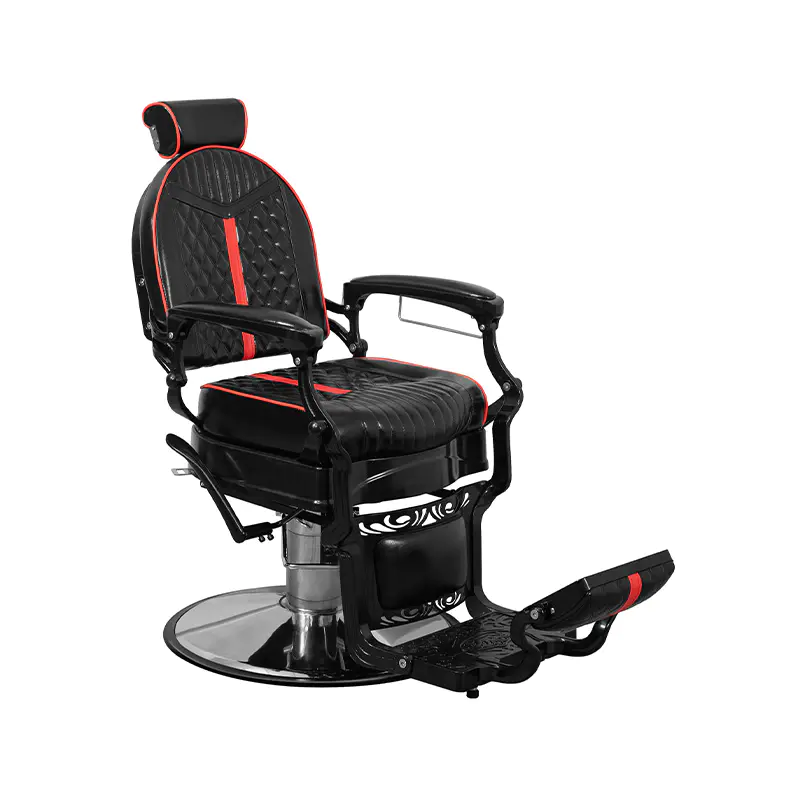
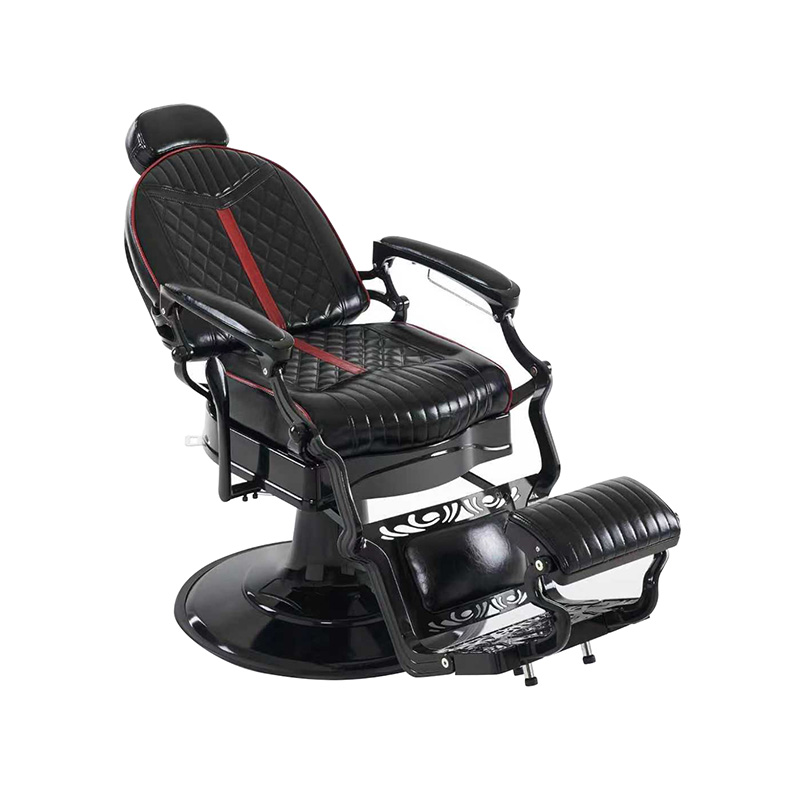
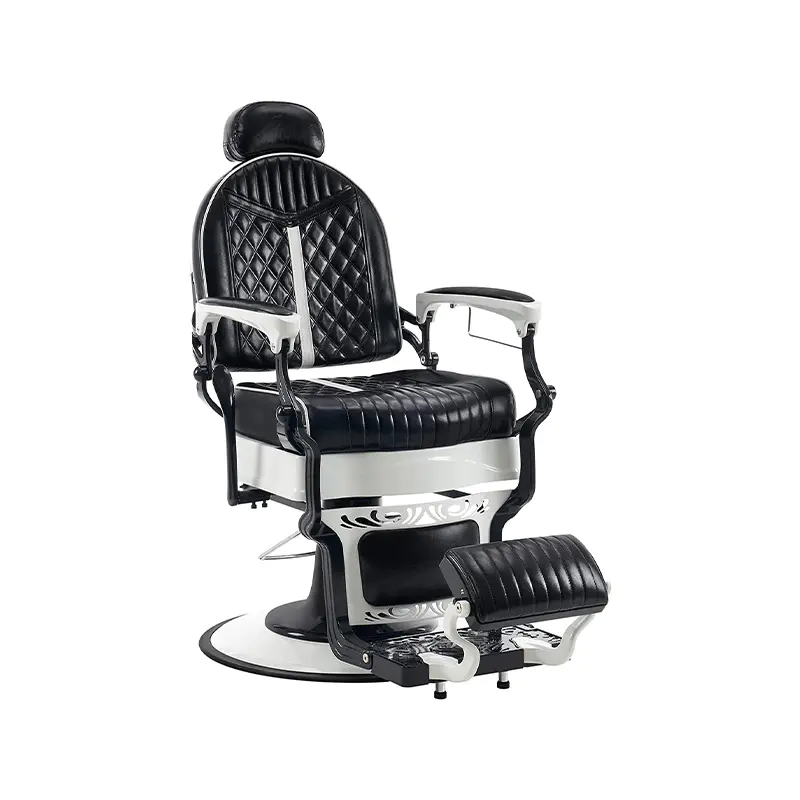
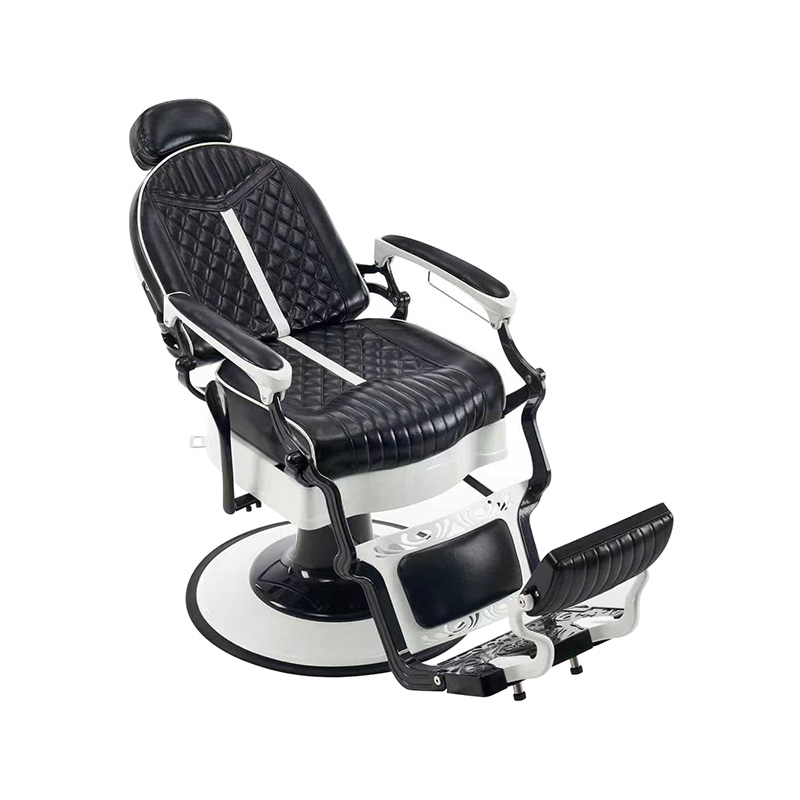
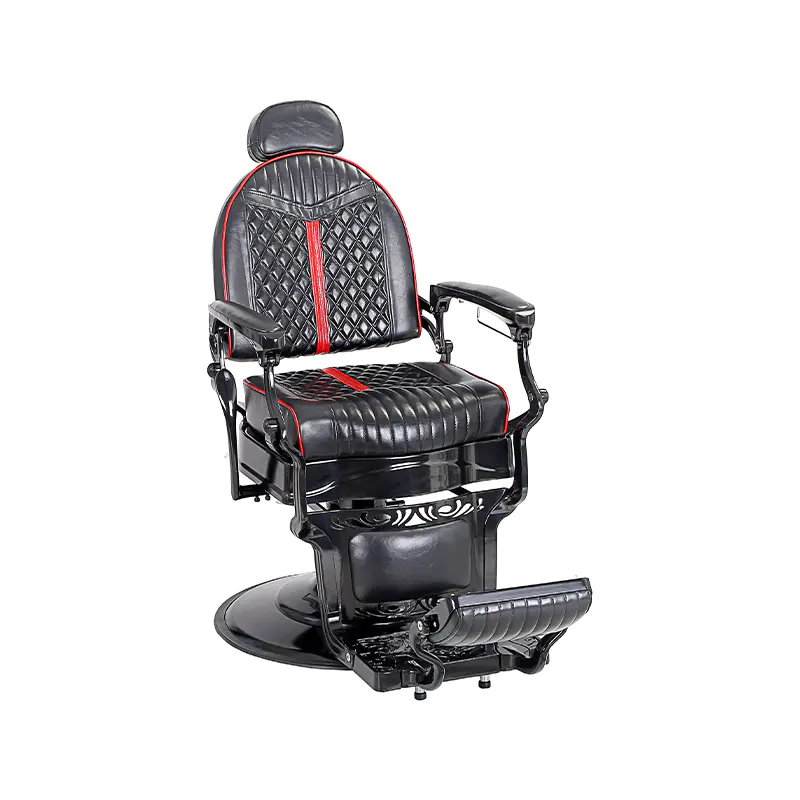
Barber chairs and styling chairs look similar but are built for different work. Barber chairs have a heavier frame, a wider seat and a footrest, which suits short-hair cutting, beard work and a quick turnaround between clients. Styling chairs are lighter, easier to move and often recline, which helps when working on long hair or doing a quick wash at the station.
Whichever you choose, check four things: a five-claw base for stability, a smooth hydraulic lift that holds position under weight, upholstery that wipes clean, and a weight capacity that matches your client base. A heavy-duty hydraulic pump is worth the upgrade for busy shops.
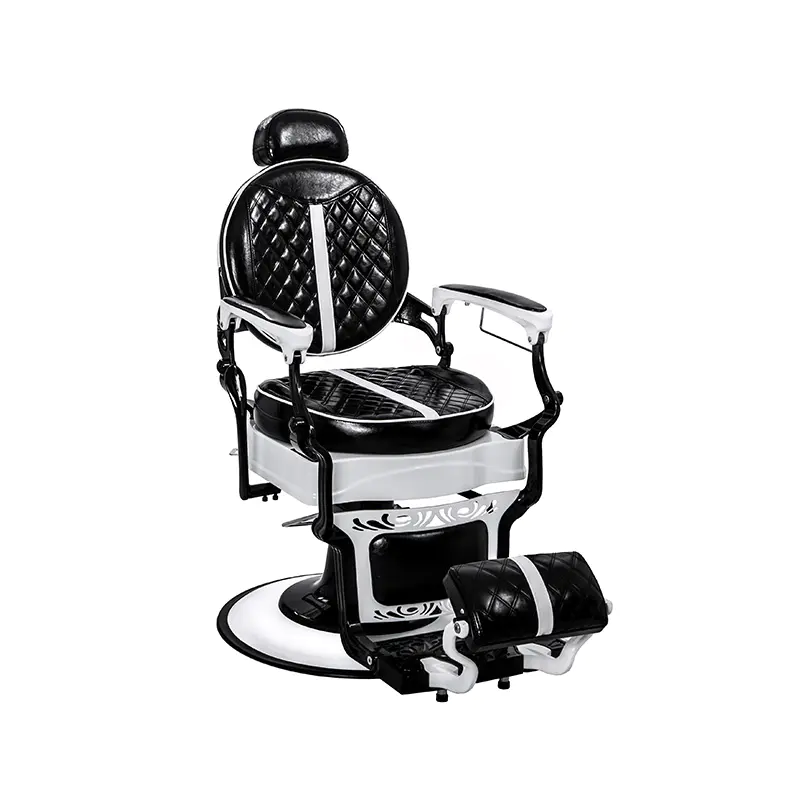
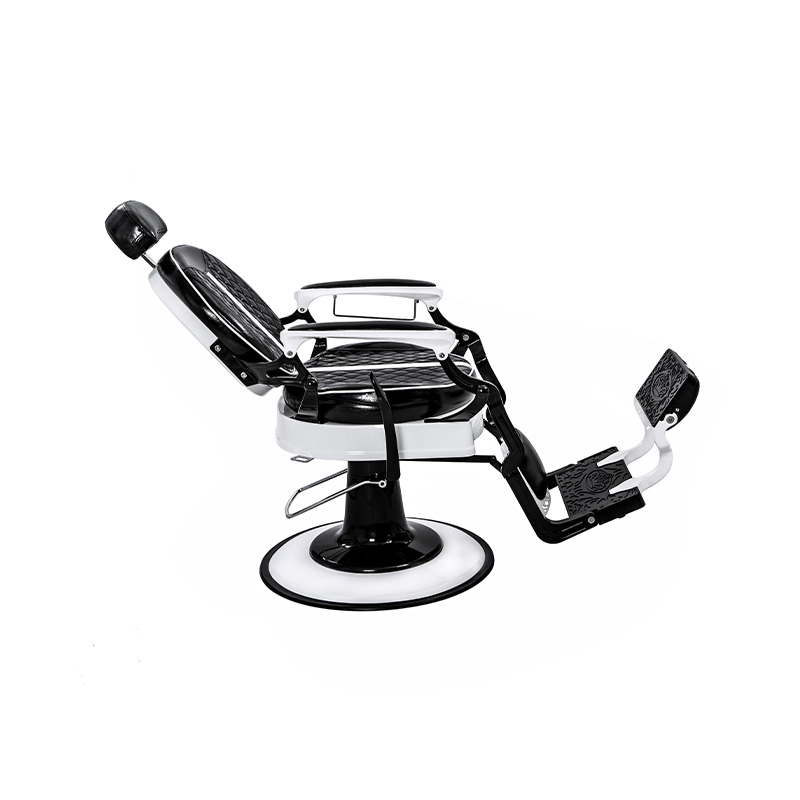
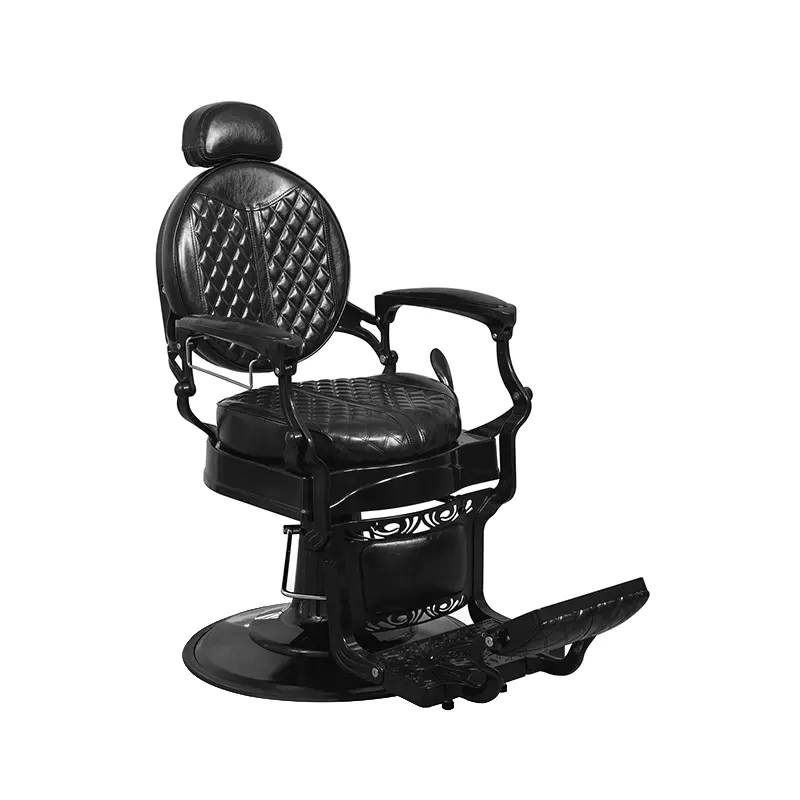
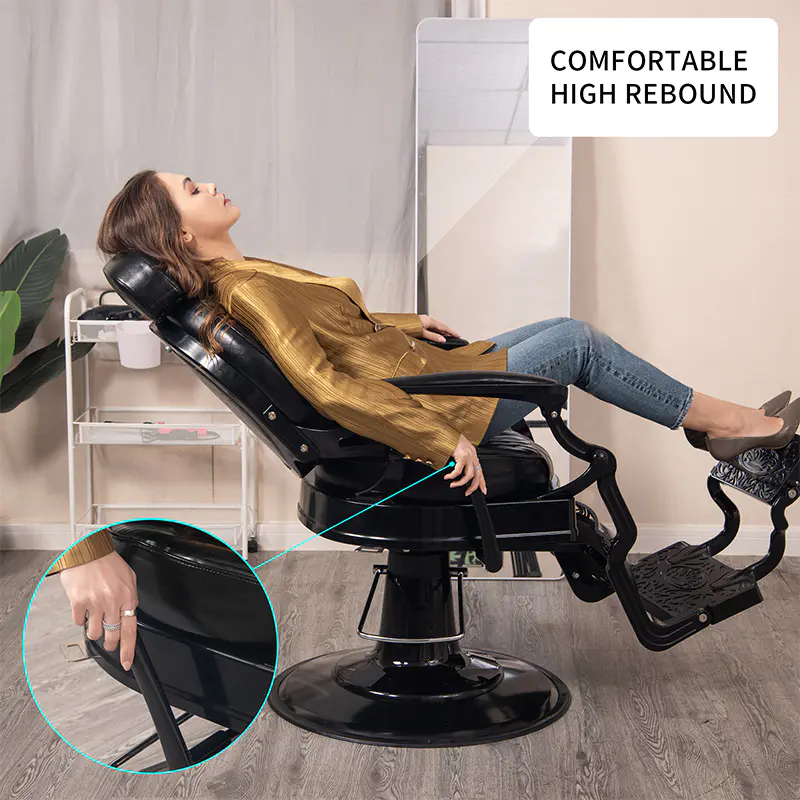
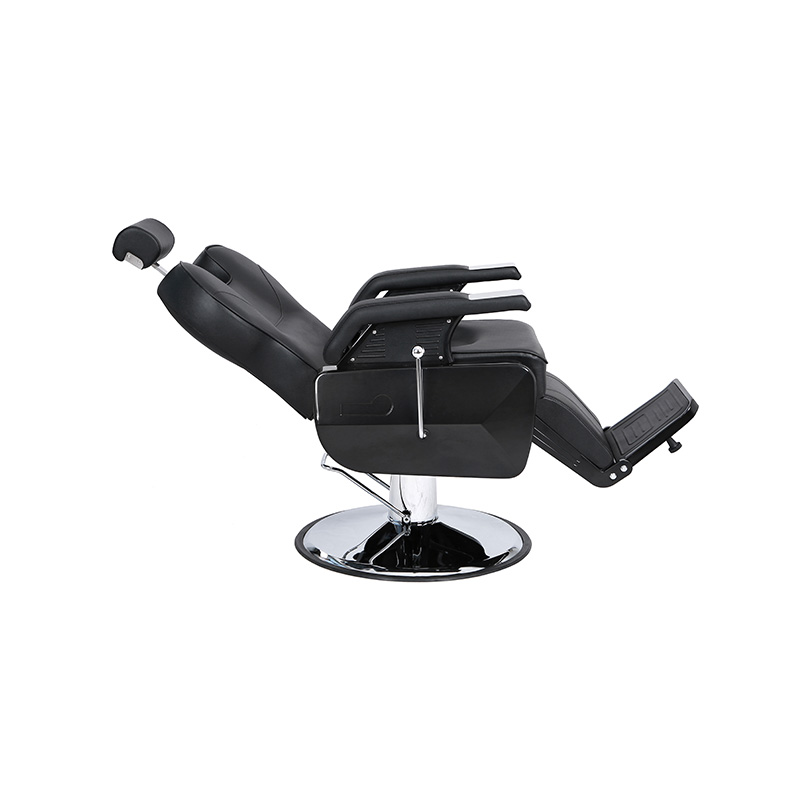 HZ8702A Black Hydraulic Reclining Barber Chair with 200KG CapacityThis heavy-duty barber chair supports up to 200KG and reclines 130 degrees, making it a practical choice for busy salons that need stable, adjustable seating for various services.View Product →
Shampoo stations and backwash units
The shampoo area shapes how clients remember your salon. A backwash station reclines the client over the bowl so their neck is supported and the stylist works without bending. Two decisions matter most: the bowl material and the chair.
Ceramic bowls look premium and clean easily but are heavy, so the base must handle a steady load. ABS plastic bowls are lighter, easier on the budget and resistant to chipping, which makes them a common choice for mid-range salons. Look for a tilting bowl, a spray hose that reaches comfortably, and a chair with a smooth reclining backrest and leg rest.
Plan roughly one backwash unit for every two to three cutting chairs. If your salon does volume colour work, round up — colour processing ties up the basin longer than a simple wash.
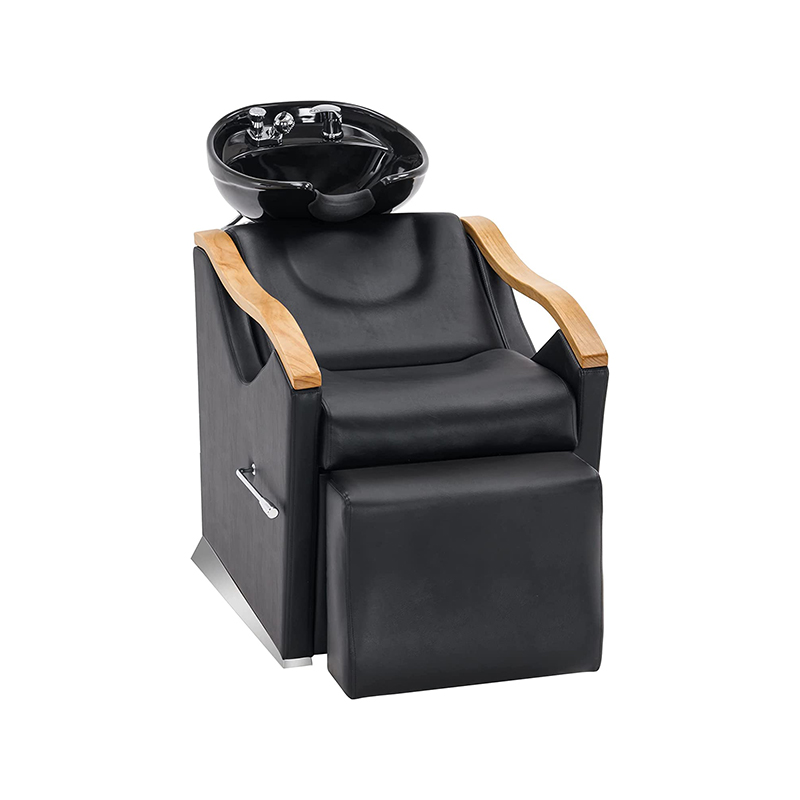 HZ9003 Ceramic Shampoo Bowl Sink Station with Leather UpholsteryA durable ceramic basin paired with a comfortable leather seat and neck pillow suits high-frequency washing stations, while the adjustable leg rest helps optimize space and client comfort.View Product →
Styling stations, mirrors and storage
This is where the work gets finished. Each stylist needs a mirror station with a worktop that keeps products, brushes and tools within arm's reach. LED-lit mirrors are no longer a luxury — they provide even light for colour matching and make photos of finished work look consistent.
Storage matters just as much. Salon trolleys and rolling cabinets keep clippers, combs and colour supplies near the chair. When fitting several stations, choose locking drawers for personal tools and open shelves for products you want clients to see. One station cabinet per stylist is a safe baseline.
For a broader view of how salon furniture is categorised and specified, see our overview of salon furniture.
Nail, pedicure and spa equipment
If your menu includes manicures, pedicures or facials, the list grows. Nail technicians work in a fixed seated position for hours, so an adjustable manicure table with a dust collector and wrist rest makes a real difference to their comfort and to the quality of the finish. Pedicure chairs with a height-adjustable seat, removable foot bowl and built-in massage keep clients comfortable through longer appointments.
For facial and massage services, an electric beauty bed with adjustable backrest and split footrest is the standard choice. Electric adjustment saves time between clients and gives estheticians precise positioning. A removable headrest simplifies cleaning and lets you switch between facial and massage use.
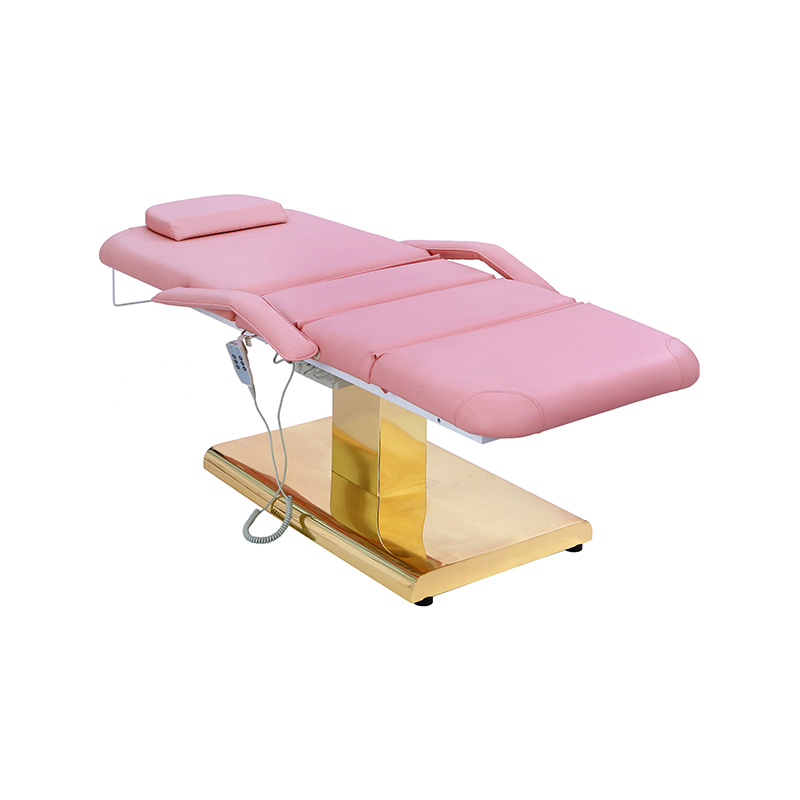 HZ011/HZ012 Electric Beauty Bed Massage Table with Adjustable SectionsThis electric table adjusts height and backrest/footrest angles up to a flat position, suiting facials, massages, or tattoos with a detachable headrest and tool hooks for efficient workflows.View Product →
Budget roughly — where the money goes
Equipment budgeting is easier with percentages than absolute numbers, because prices vary by market and finish level. A workable starting allocation for a mid-range salon looks roughly like this:
Two practical takeaways. First, seating and styling stations absorb the largest share — spend here first and buy the best you can afford. Second, reception and waiting areas can be furnished for a modest share and still look welcoming; clients notice cleanliness and comfort there more than brand names.
Right-size the list to your salon
Over-buying is a common mistake when opening a salon. Equipment that sits unused ties up capital and floor space. A simple planning ratio keeps the list aligned with realistic traffic:
This ratio assumes one basin visit per client. If your shop mostly does haircuts with few wash-and-finish services, one backwash per three chairs is enough; if colour work is a large share of revenue, go closer to one per two.
A sample layout that puts the list into context
In a compact 35–45 m² salon, the layout below shows how the equipment zones fit together. Styling chairs line the left wall, shampoo units sit along the right near the water supply, the reception desk anchors the front, and one manicure table covers a nail service added later.
A layout like this works because the washing stations sit close to the cutting area, so the stylist walks only a few steps between chair and basin. Keep the reception area clear of equipment, and place the highest-use stations closest to water and storage.
Before you order — a quick checklist
Work through this list before signing off on any equipment purchase, whether you are outfitting one chair or a full salon.
- Measure doorways, lifts and corridors. A chair with a wide base or a heavy bowl unit can fail to fit through a standard door.
- Confirm water supply and drainage points before finalising the shampoo station layout. Moving a water line later is expensive.
- Choose hydraulic pumps and bases rated for the client weight you expect; heavy-duty components last longer in busy shops.
- Add anti-fatigue mats to any station where staff stand for long stretches. It is low-cost insurance for staff comfort and retention.
- Verify lead times on custom finishes if you want one consistent look across chairs, stools and benches.
- Keep a spare hydraulic pump and a set of casters in stock. Quick replacement beats a closed station on a busy Saturday.
Frequently asked questions
Q1: What is the most important equipment in a beauty salon?
Styling chairs and shampoo stations are the core because every client visit touches both. Without reliable seating and washing units, the rest of the salon cannot operate smoothly.
Q2: How much does it cost to equip a beauty salon?
Costs vary widely by grade, but a mid-range four-chair salon typically needs a five-figure budget covering chairs, backwash units, mirrors, trolleys and waiting seating. Most of the spend goes to seating and washing.
Q3: What is the difference between a barber chair and a styling chair?
Barber chairs are heavier, with a wider seat, footrest and stronger hydraulic pump, built for short-hair precision work. Styling chairs are lighter and often recline more, suiting general cut-and-finish work in a salon.
Q4: How many shampoo stations do I need?
Plan one backwash unit for every two to three cutting chairs. Colour-heavy salons should lean toward one per two chairs, while cut-focused barbershops can manage with one per three.
Q5: What should I look for when buying salon equipment?
Check the hydraulic lift, base stability, upholstery durability and ease of cleaning. Five-claw bases, heavy-duty pumps and wipe-clean PU leather are the features worth paying for.
Q6: Are electric massage beds worth the higher price?
For facial, massage and treatment services, yes. Electric backrest adjustment saves time between clients, gives precise positioning and reduces strain on the esthetician.