
 en
en  English
 русский
 Español
 عربى
عربى
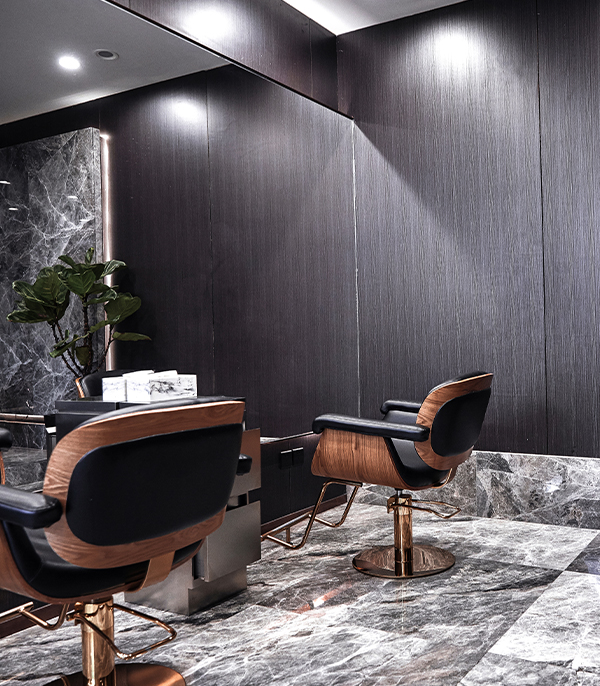
Equipping a new salon involves much more than picking the most attractive chair from a catalog. You are committing thousands of dollars to furniture that must survive years of continuous use, so the strength of the hydraulic base, the density of the foam, and the accuracy of the stitching matter more than the marketing photo. That is why the first step in any fit-out project is not choosing a chair; it is choosing the right beauty salon furniture suppliers to work with.
This guide walks through the four factors that separate dependable manufacturers from resellers who disappear after the payment clears: production depth, product range, build quality, and customization capability. It also covers typical cost expectations, equipment lifespan, and the mistakes that salon owners repeat in almost every procurement cycle.
Before comparing suppliers, get a realistic picture of where the money goes. A typical full-service salon spending plan distributes the furniture budget roughly like this:
Styling stations take the largest slice because they are the working core of the salon, while shampoo and treatment zones carry the next level of investment.
Why the Supplier Type Changes Your Whole Procurement Strategy
Beauty salon furniture suppliers are not all the same kind of business. Some are factories that cut metal, weld frames, and sew upholstery under one roof. Others are trading companies that collect products from several factories, and still others are local resellers holding small stocks. For a single replacement chair, the distinction is irrelevant; for a full opening order, it defines your risk.
A factory-direct manufacturer gives you more control over quality, communication, and customization. Ningbo HongZi Beauty & Hairdressing Equipment Co., Ltd., for example, runs a 22,000-square-meter plant with more than 120 employees, and lists laser cutting, tube cutting, stamping, CNC leather cutting, embroidery, welding, foam lamination, and final assembly among its capabilities. That production depth means one team is responsible for the metal frame, the hydraulic pump, the woodwork, and the upholstery on every product.
Trading companies make sense when you need very small mixed orders or a wide variety of brands. The trade-off is visibility: you cannot walk through their factory to inspect welding seams, and custom requests must pass through an extra communication layer.
The radar chart below summarizes how the two supplier types typically compare on the criteria that matter in a B2B purchase. The values are qualitative and reflect common feedback from salon equipment buyers.
Product Range Depth Signals Real Manufacturing Capability
A supplier with a deep product range gives you one major advantage: you can consolidate an entire fit-out into a single order instead of juggling five vendors with different quality levels and delivery dates. When one manufacturer produces styling chairs, barber chairs, shampoo stations, beauty beds, nail tables, and salon stools, you keep a consistent visual language across the whole space.
HongZi reports more than 500 developed styles of barber chairs alone, and its online catalog covers vintage barber chairs, massage and treatment beds, manicure tables, pedicure units, waiting benches, styling mirrors, salon trolleys, and hydraulic bases. The horizontal bar chart below shows how many models are publicly listed in each major category.
Pay attention to the proportions. A styling-heavy catalog tells you that the factory has refined seating over time. A manufacturer that also produces shampoo stations with ceramic bowls, electric beauty beds, and nail tables with integrated dust collectors shows that it supports different salon formats, not just one product line.
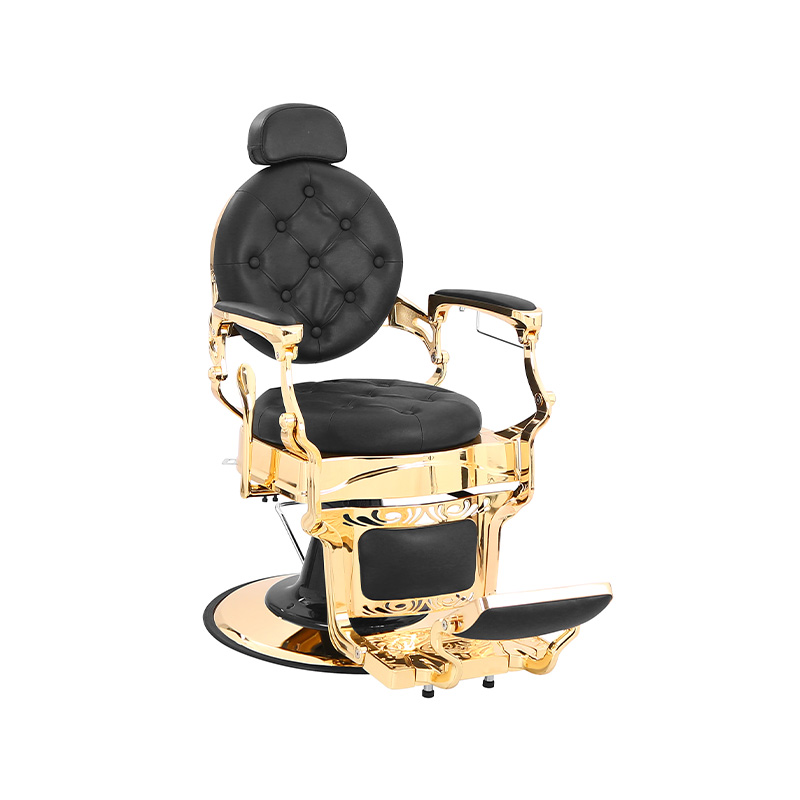
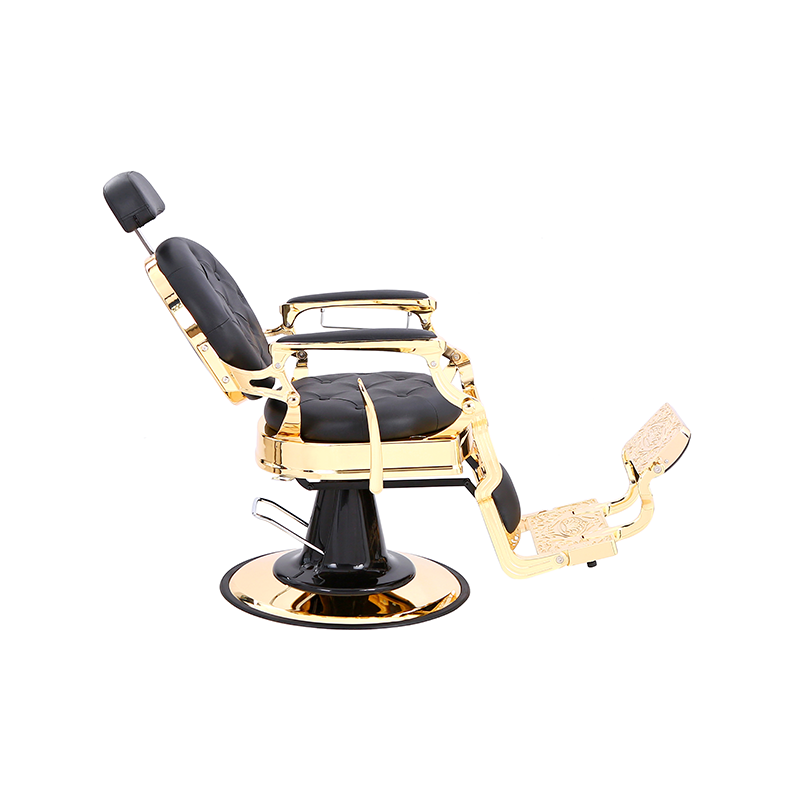
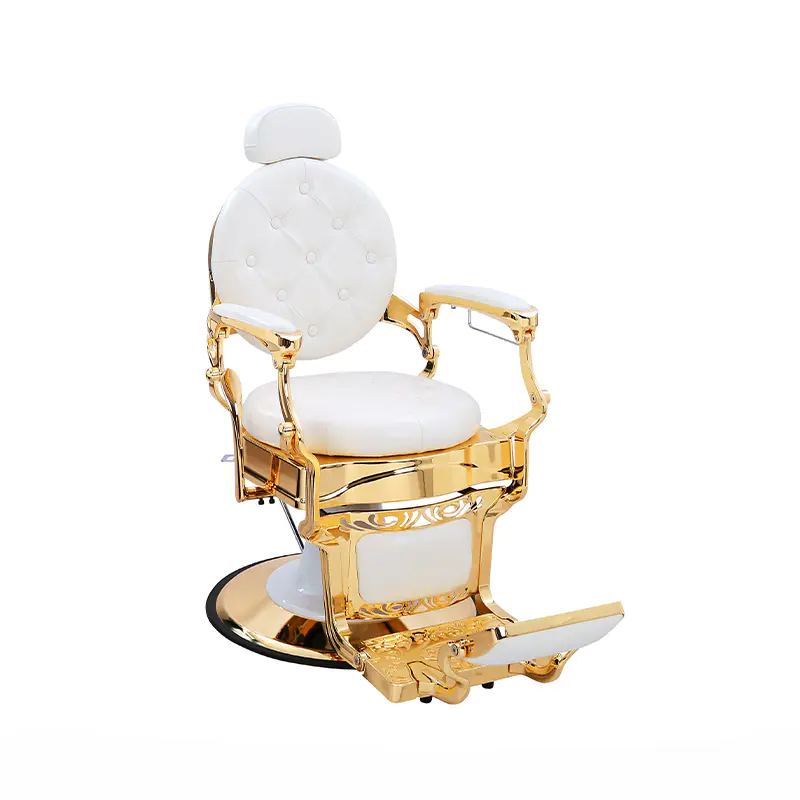
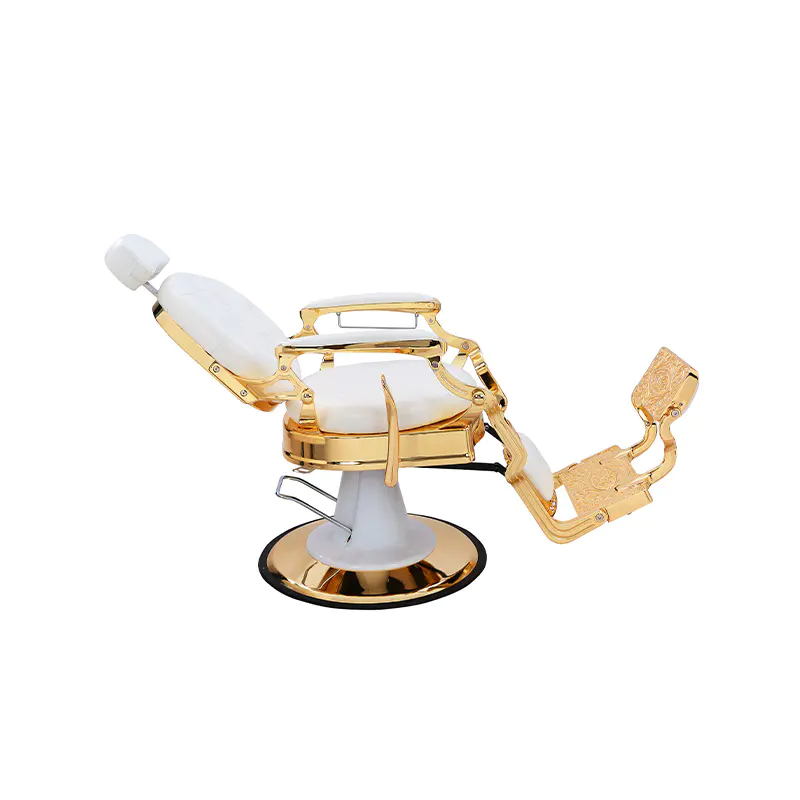
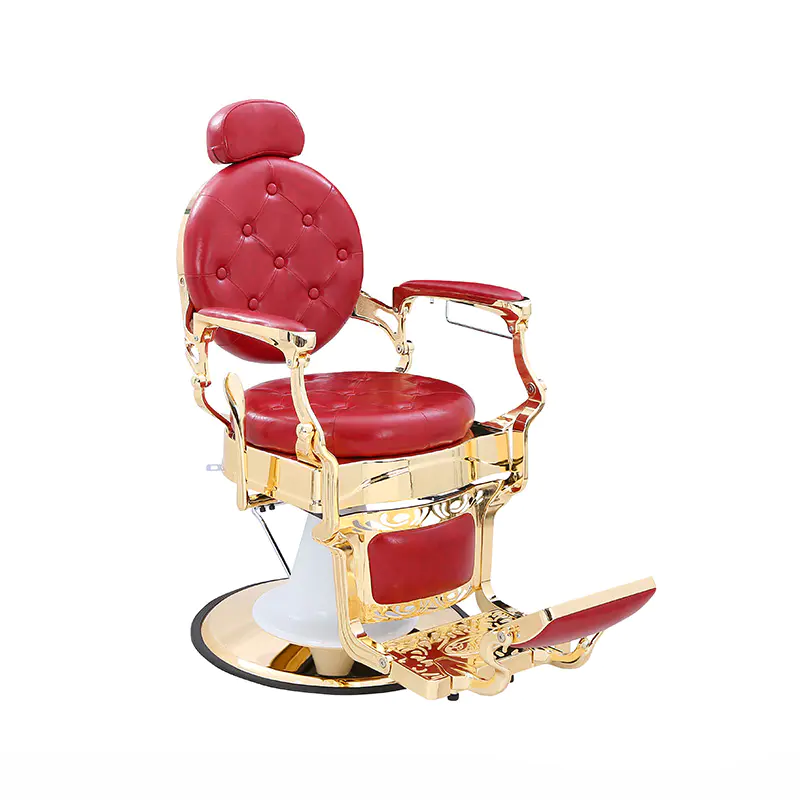
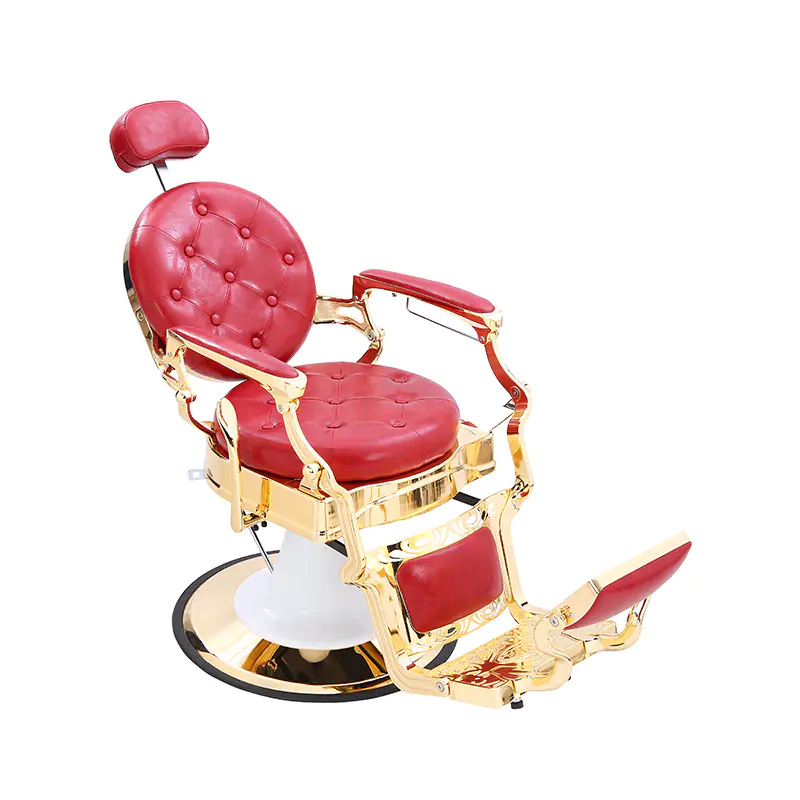
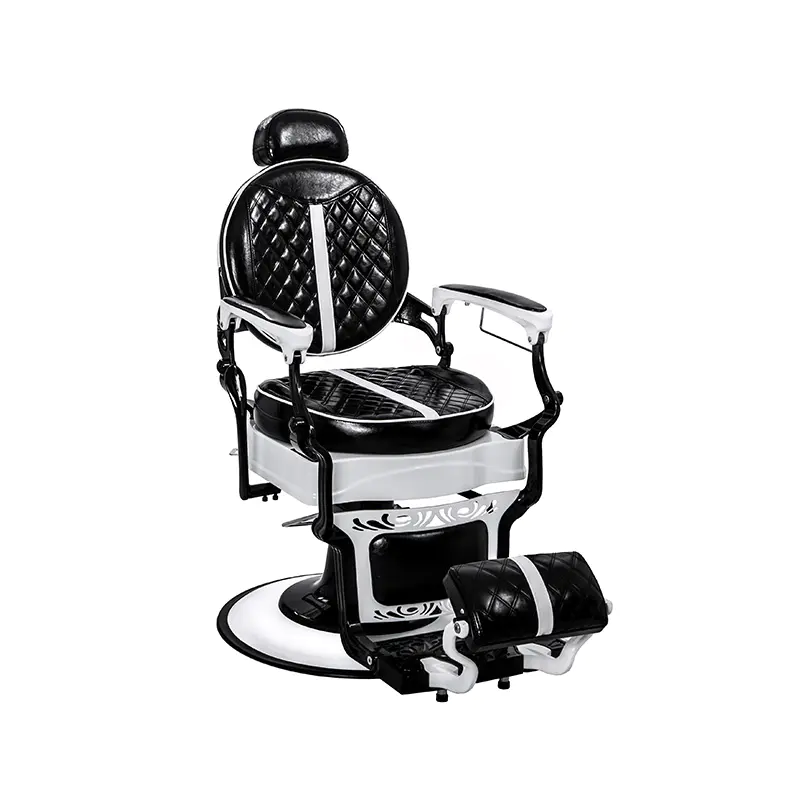
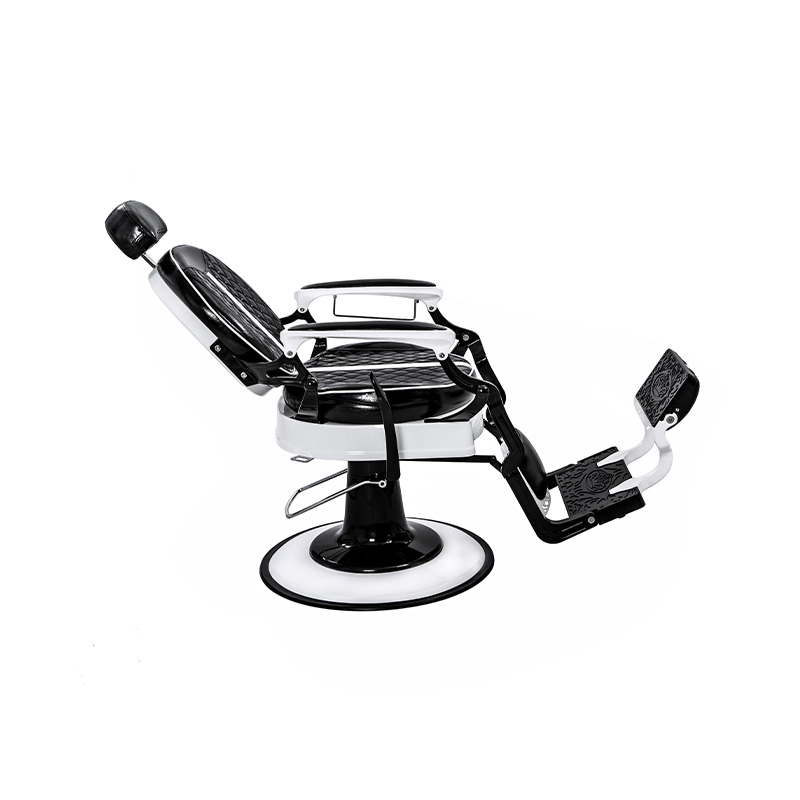
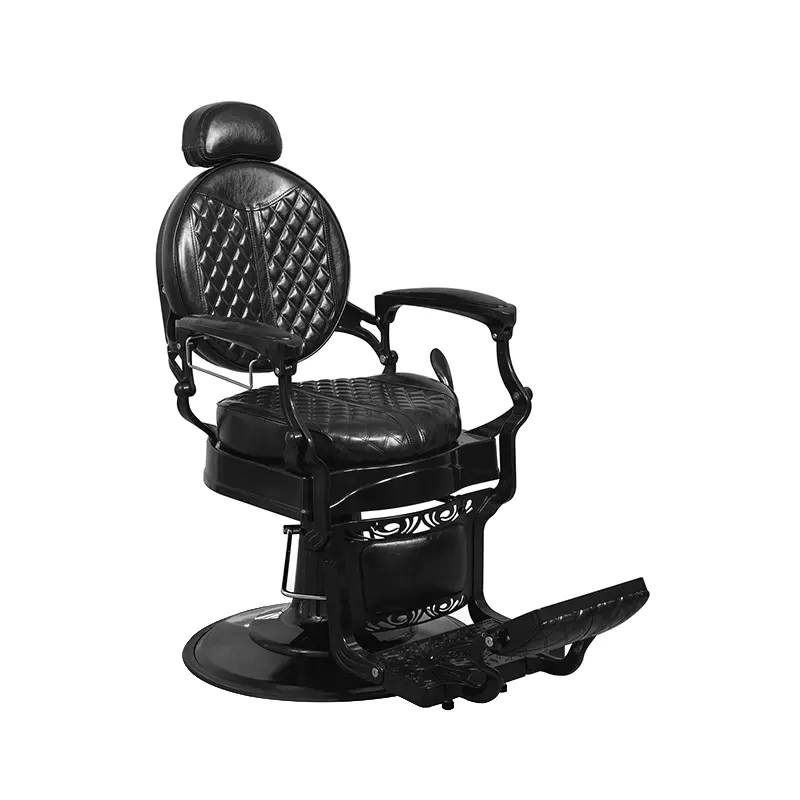
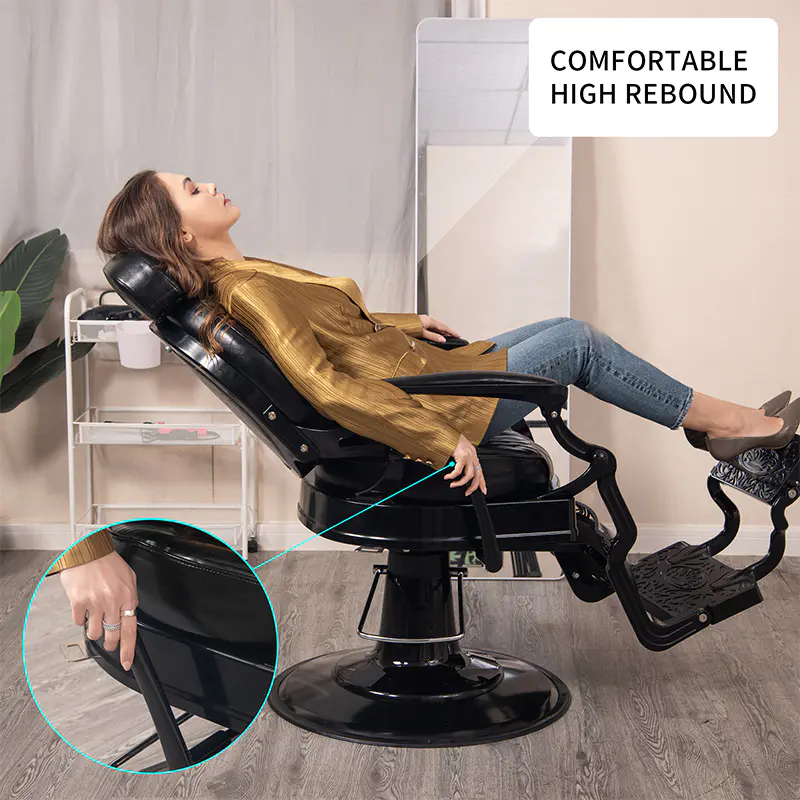
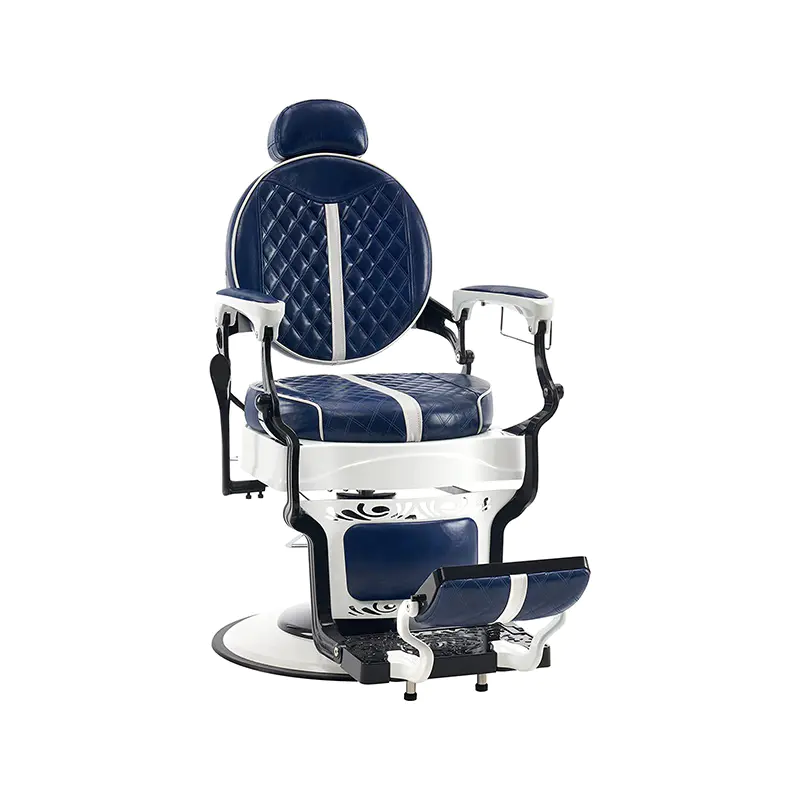
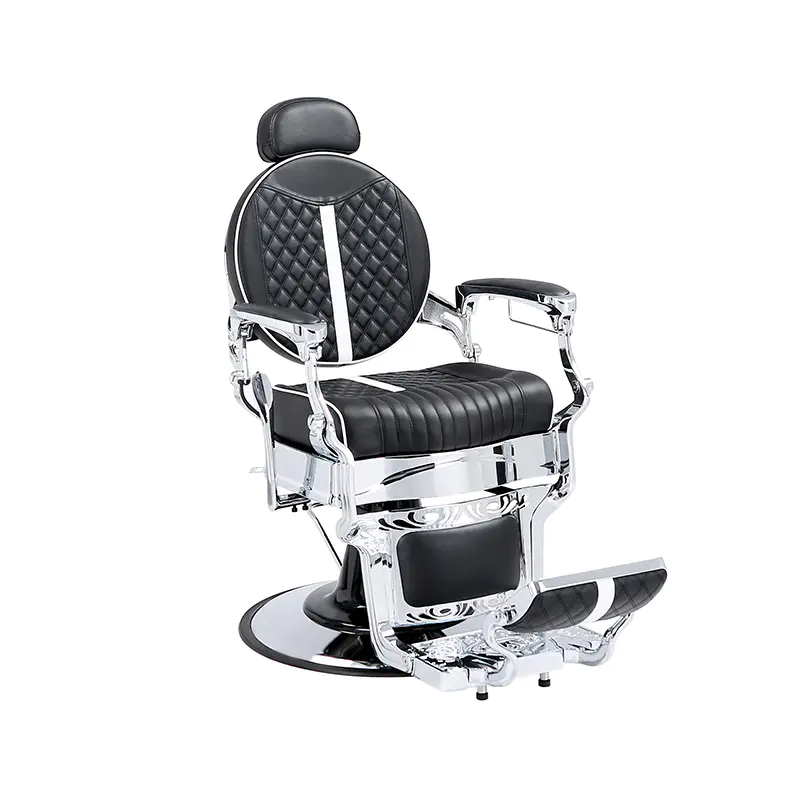
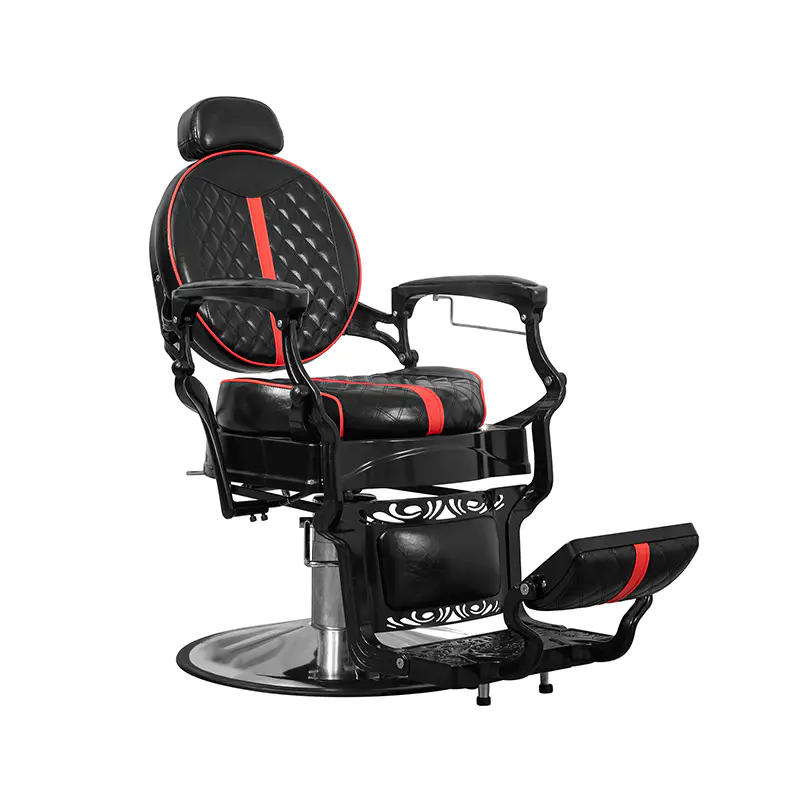
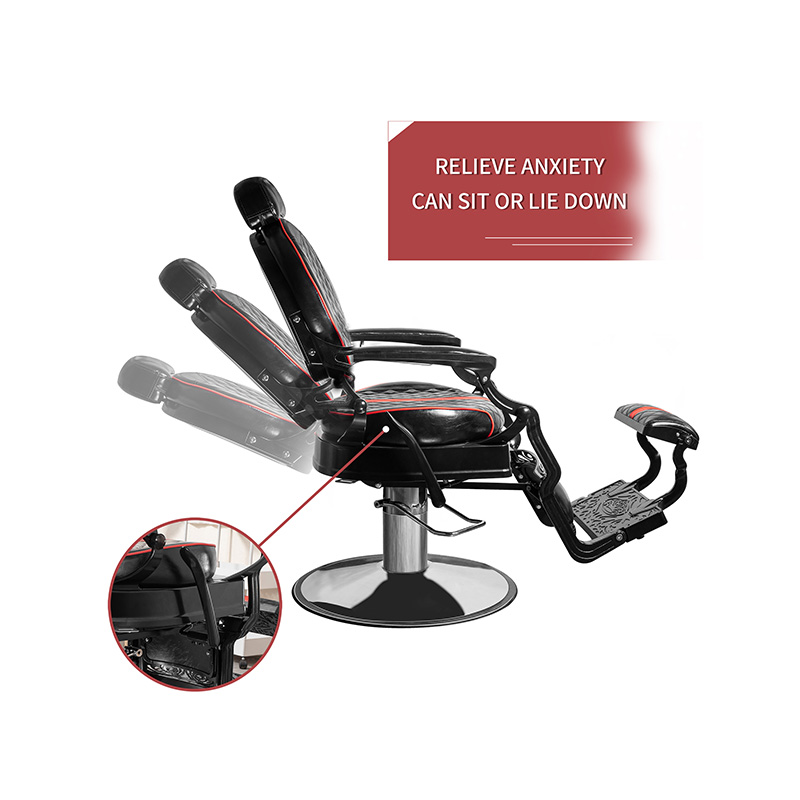
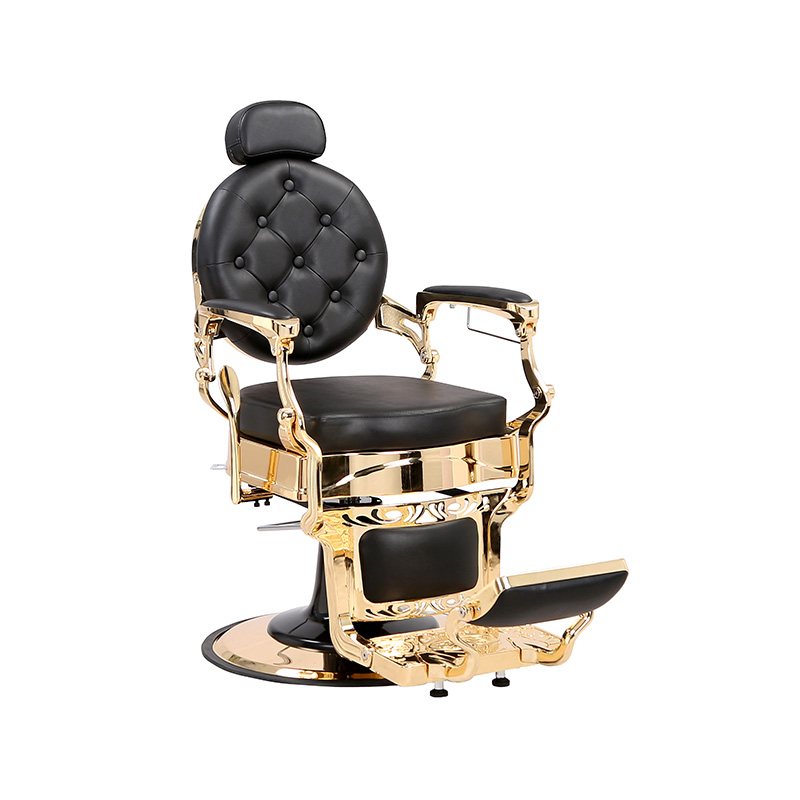
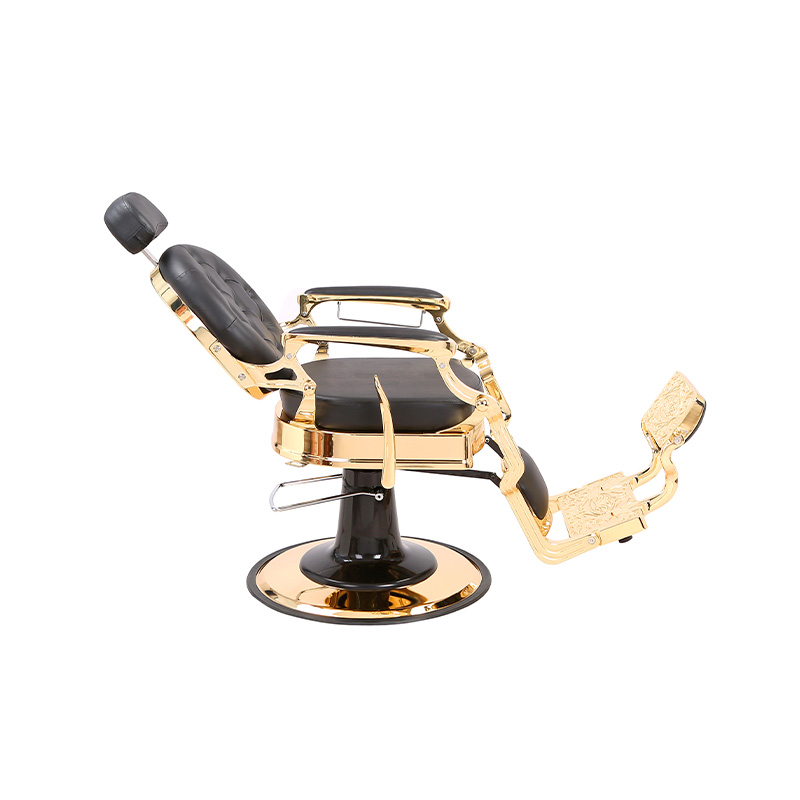
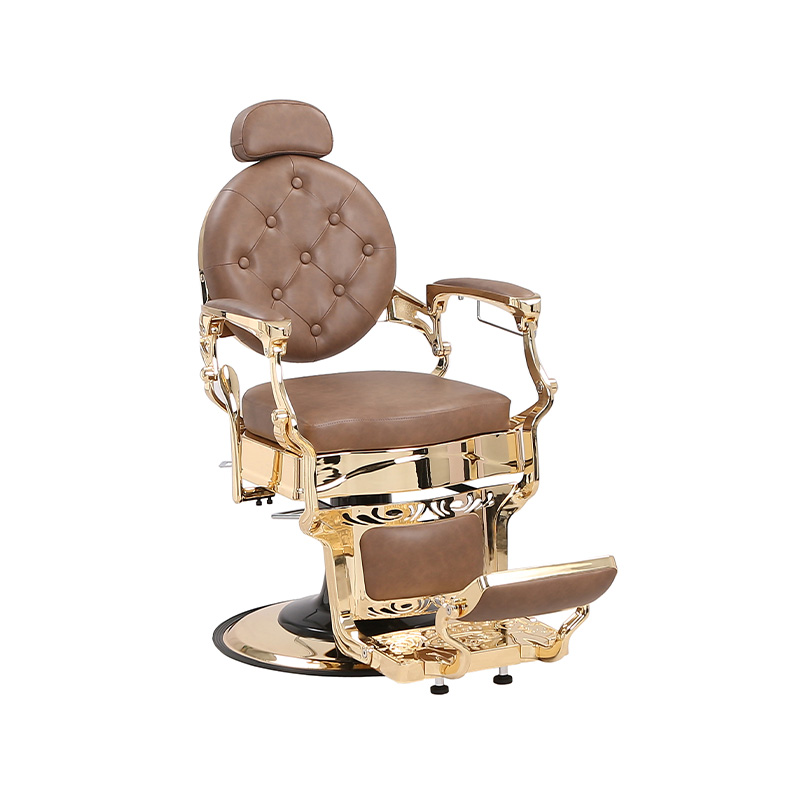
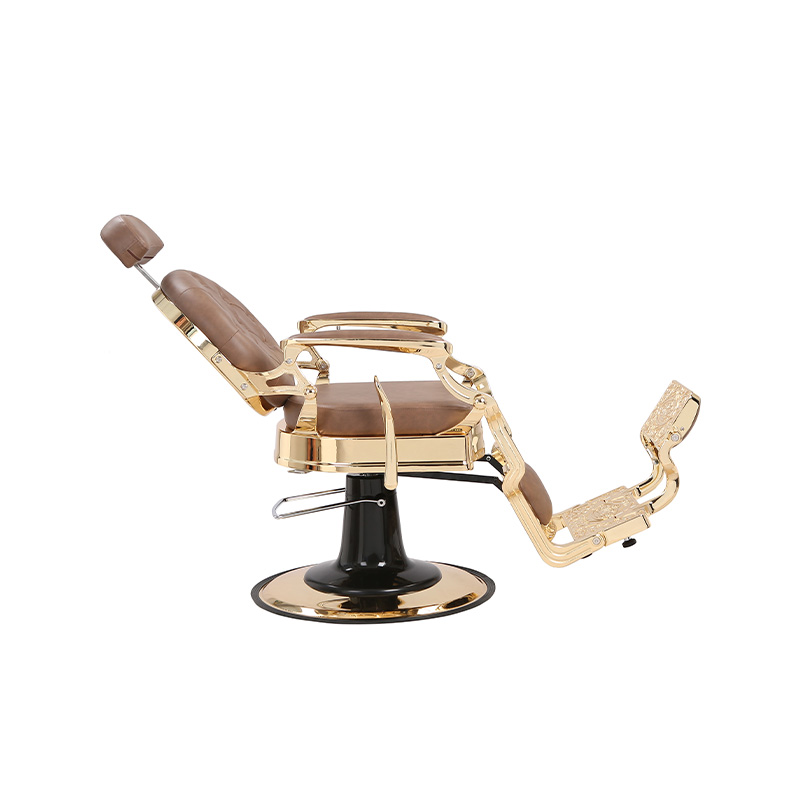
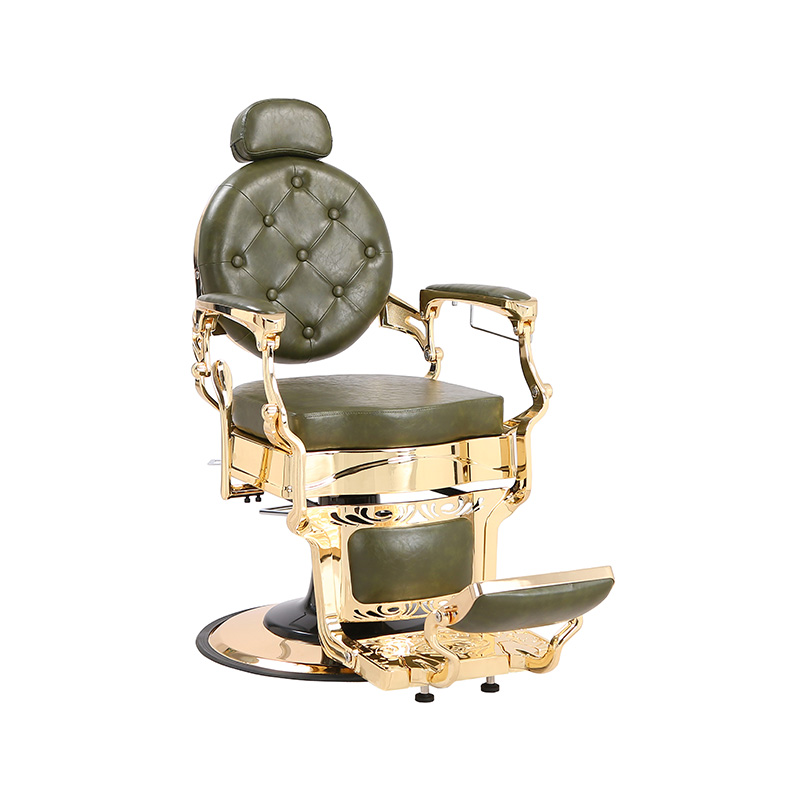
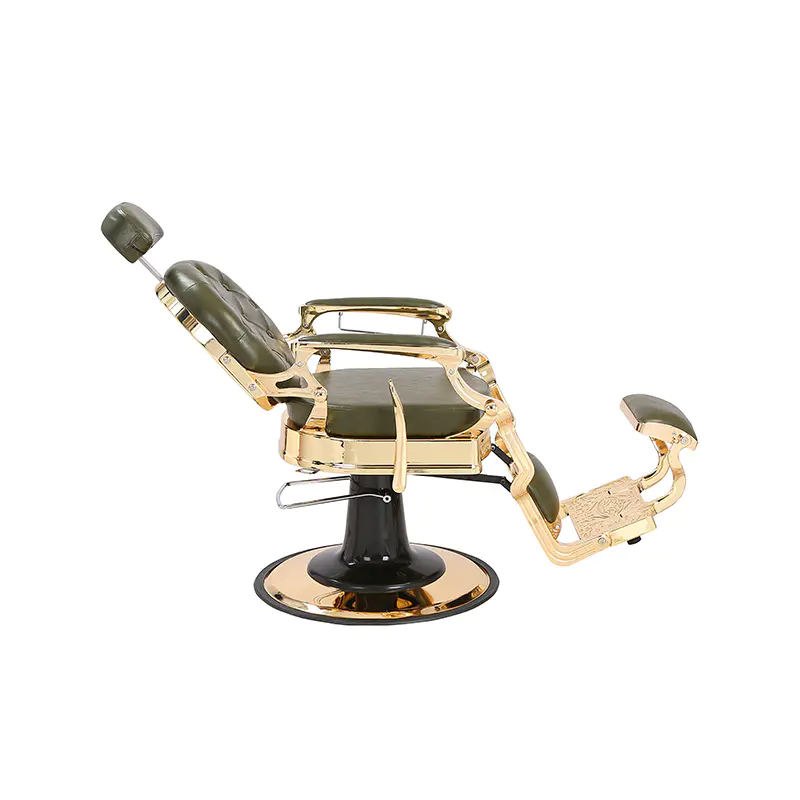
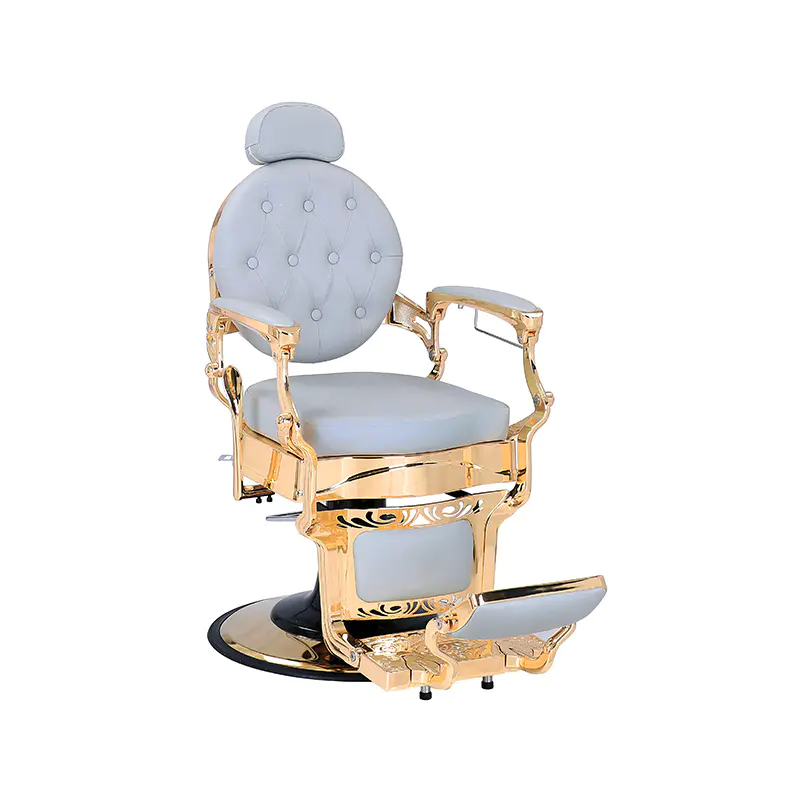
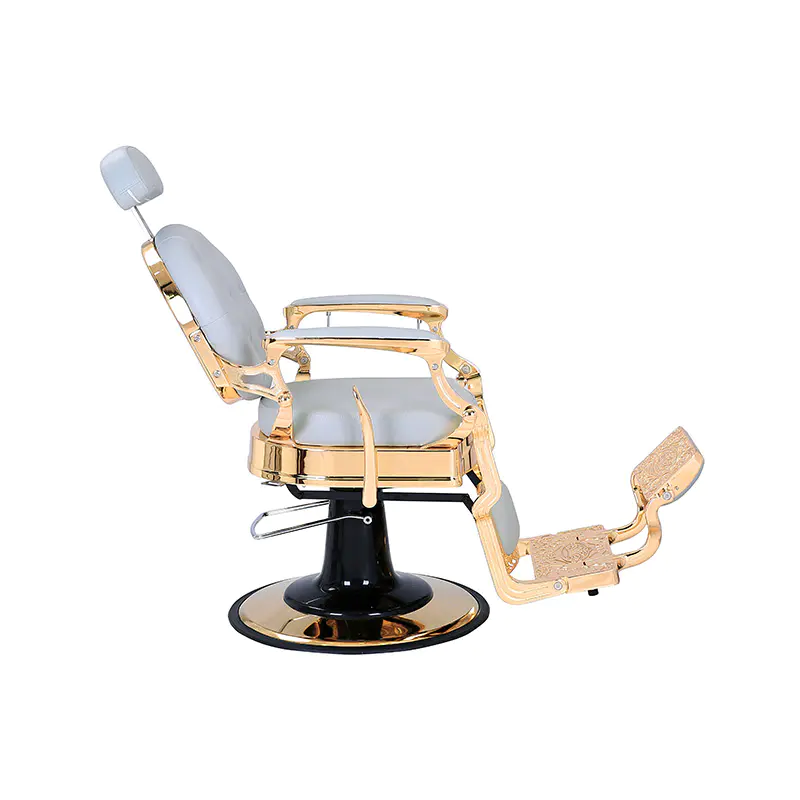
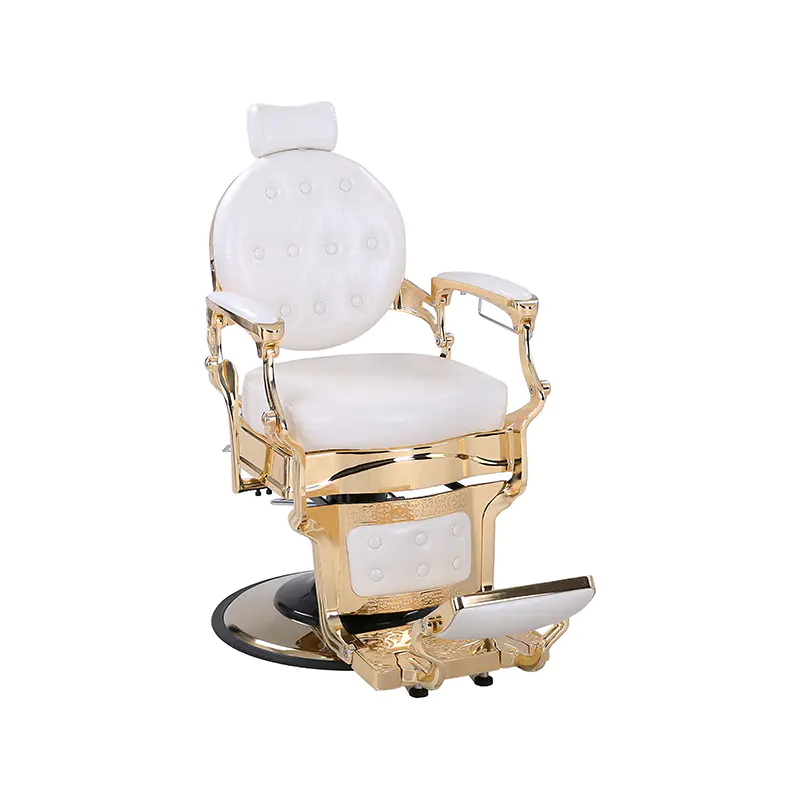
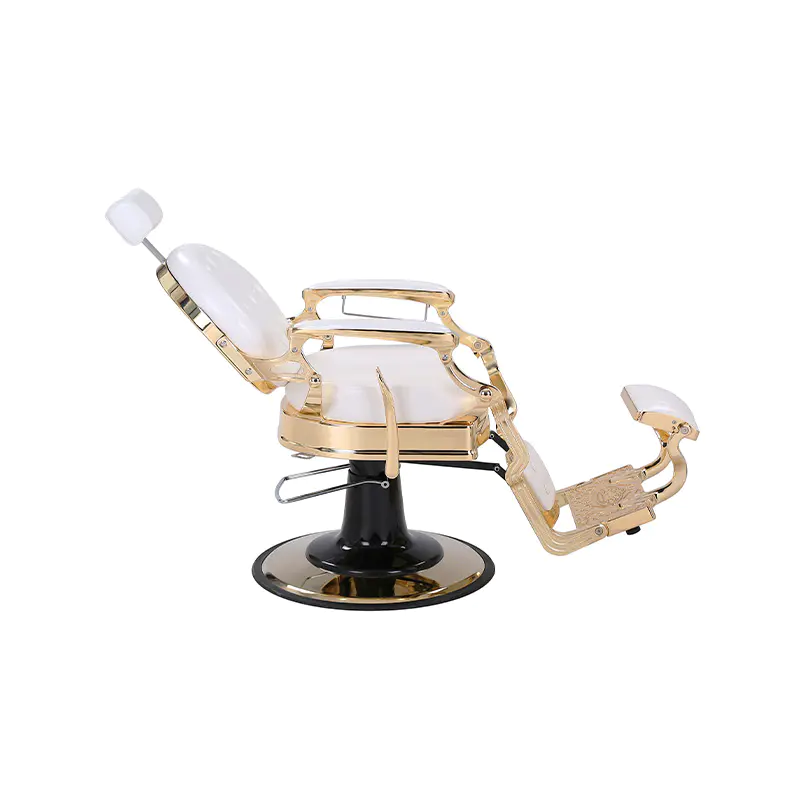
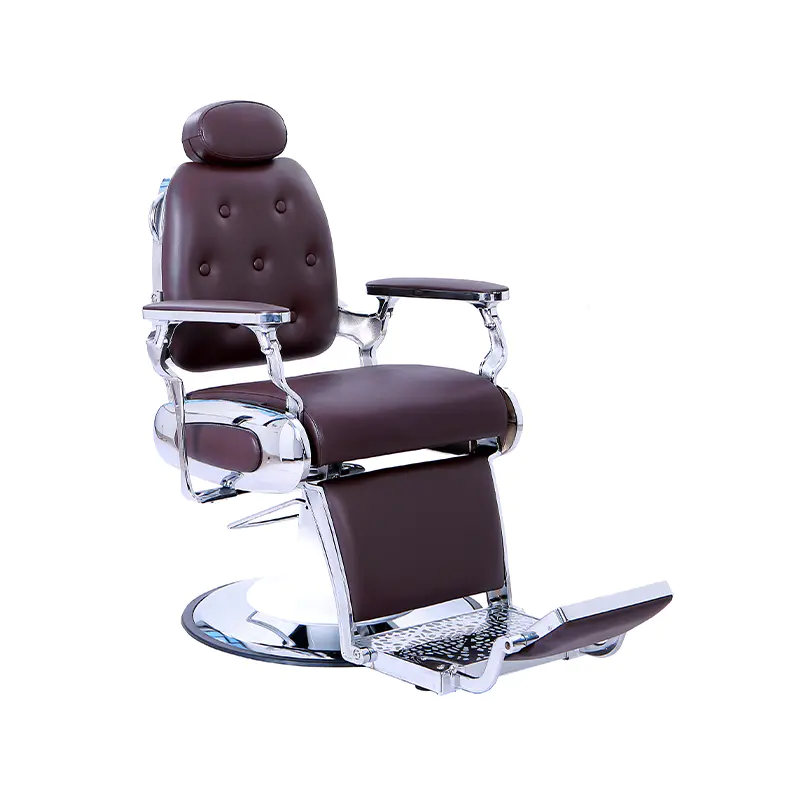
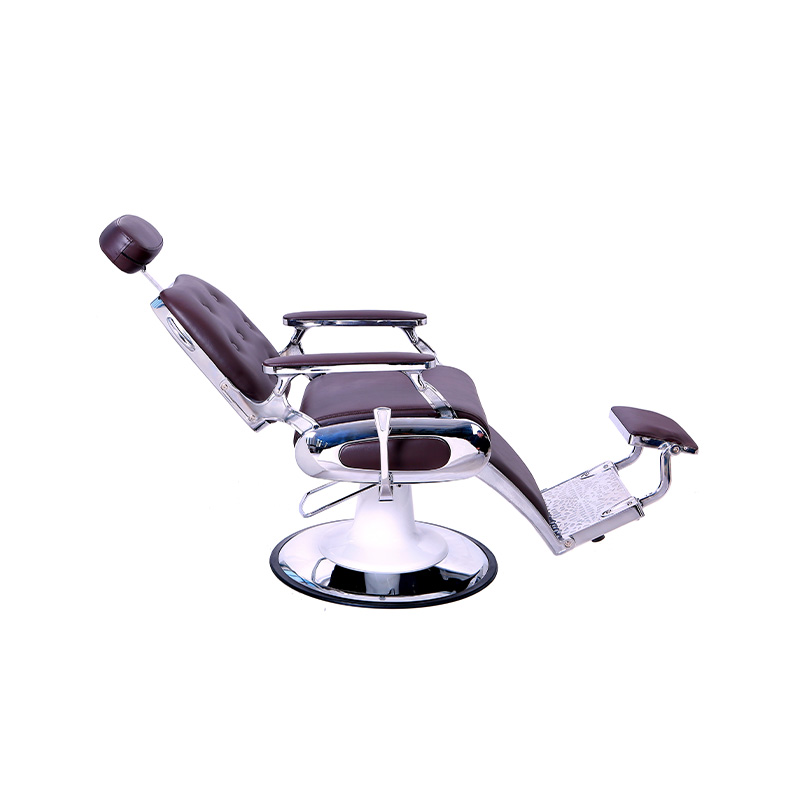
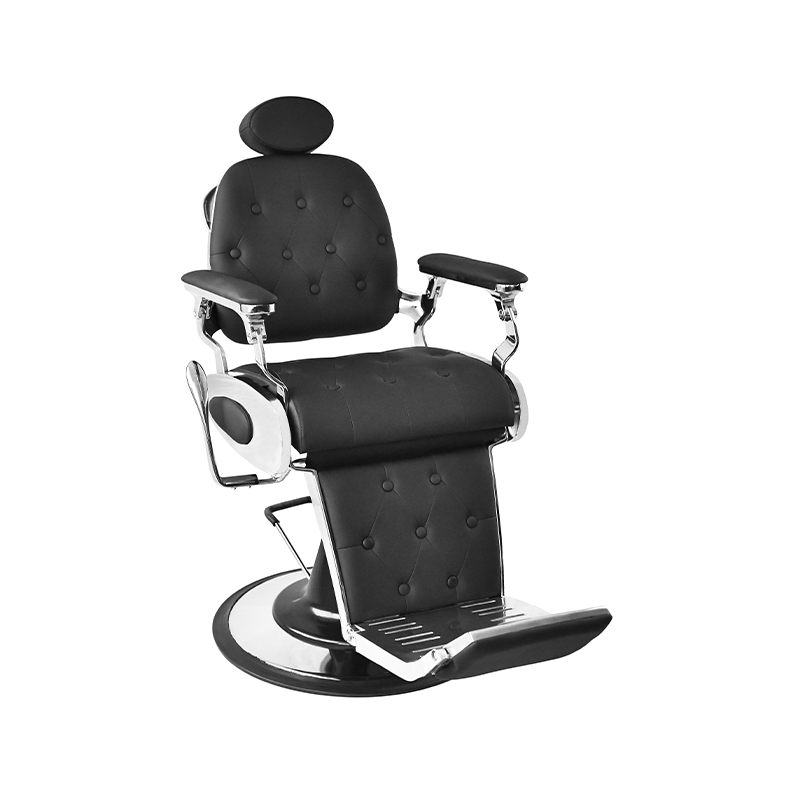
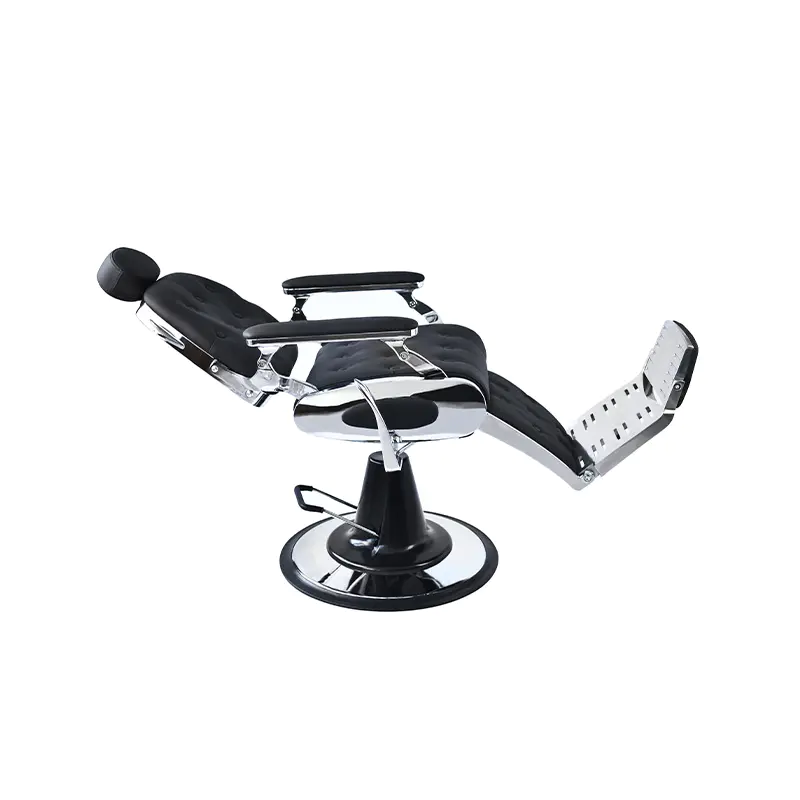
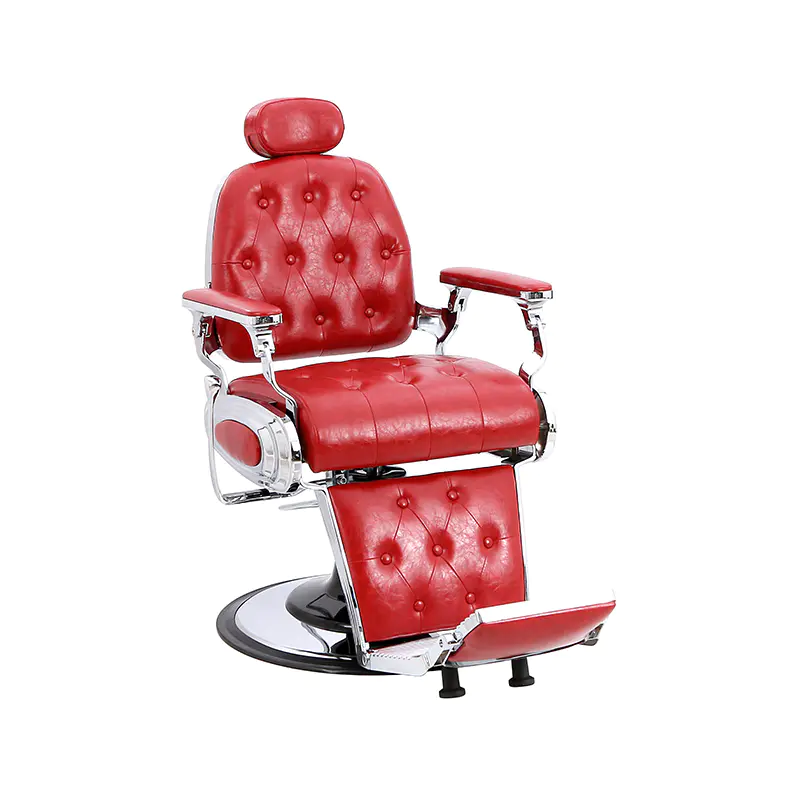
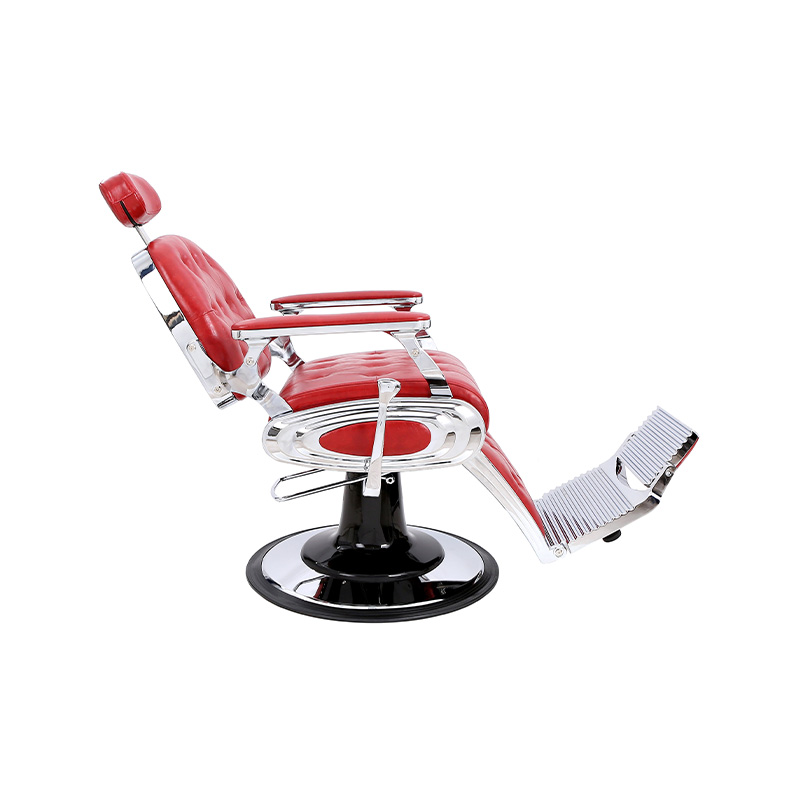
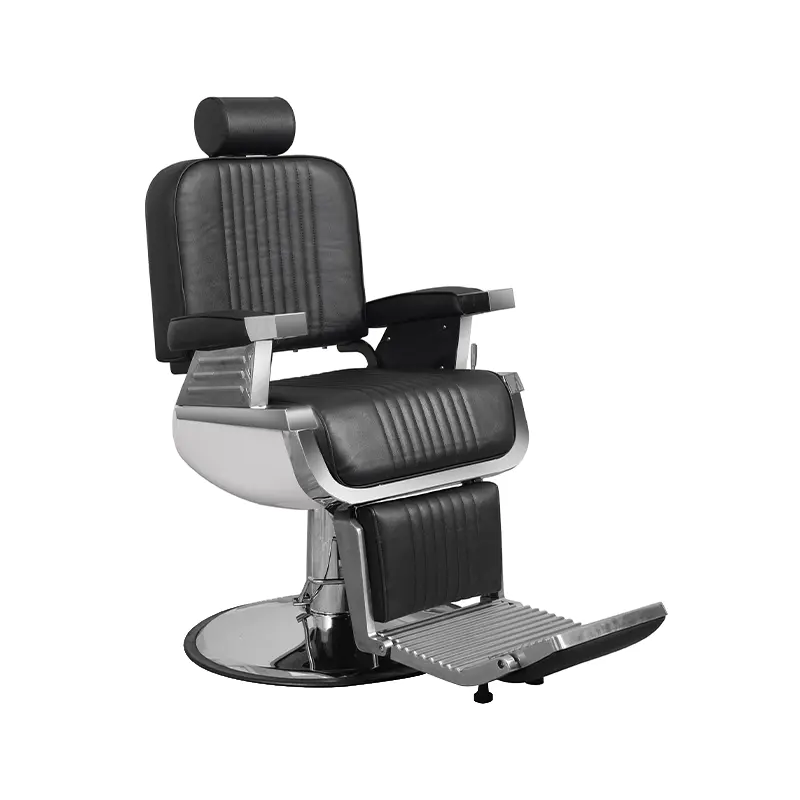
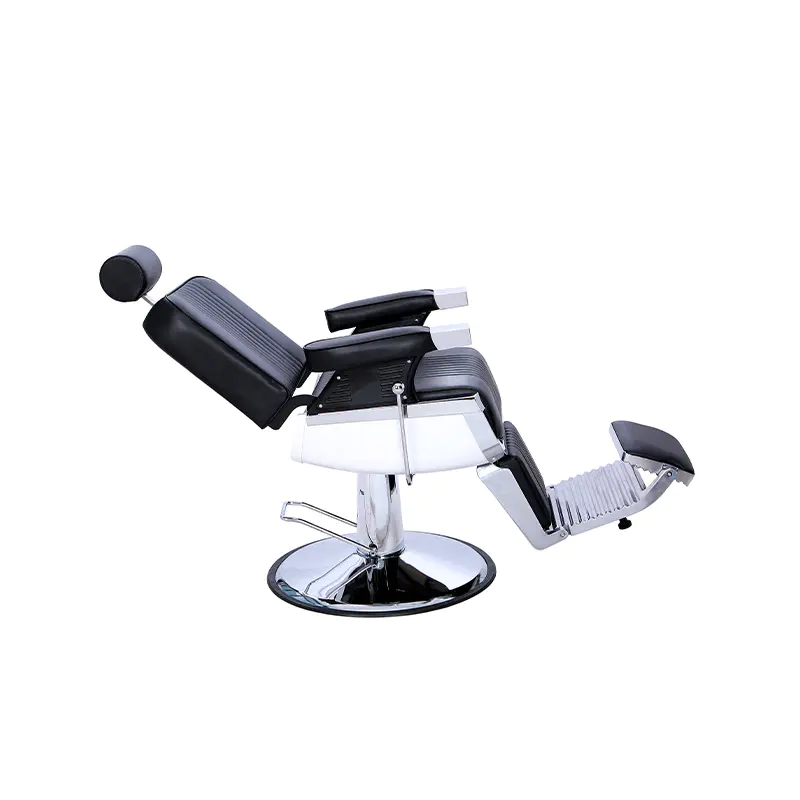
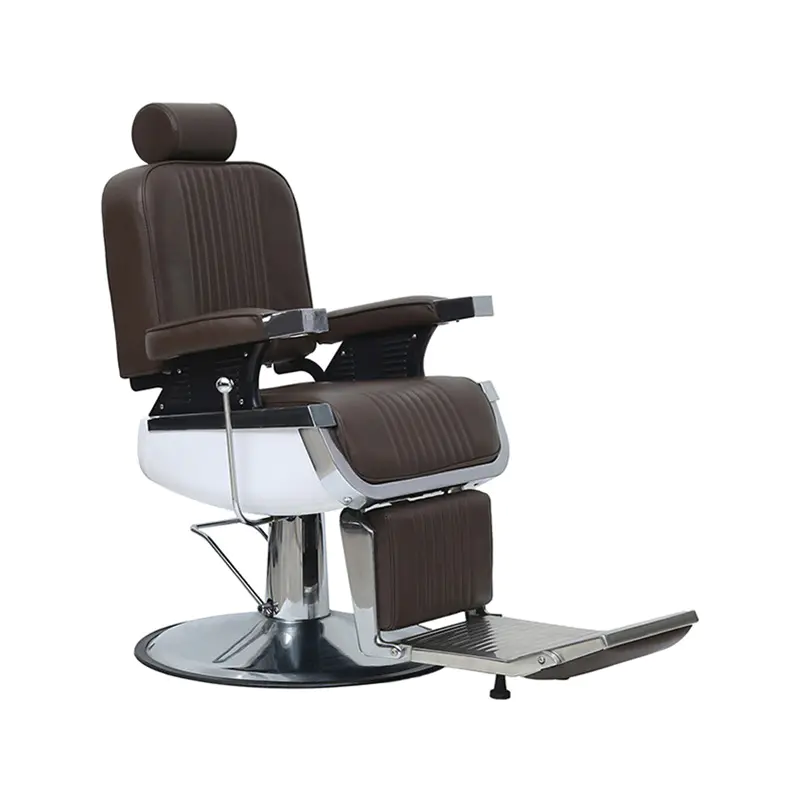
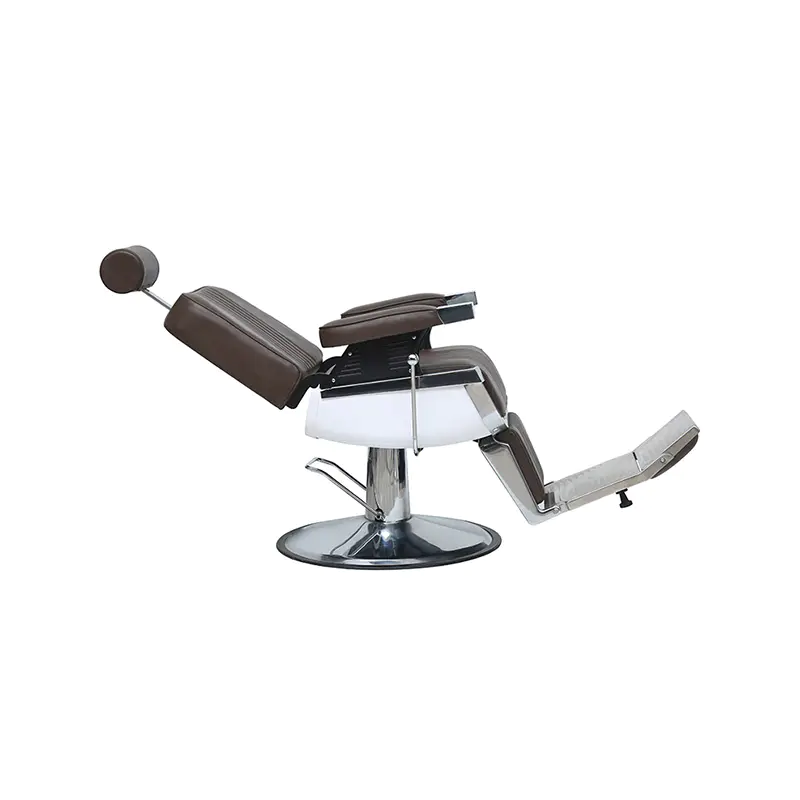
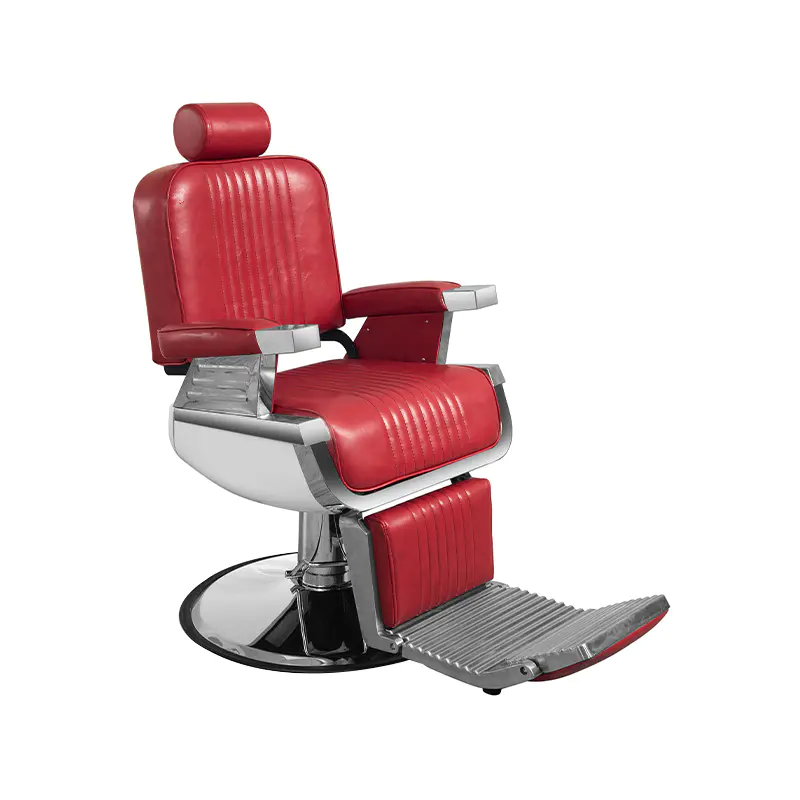
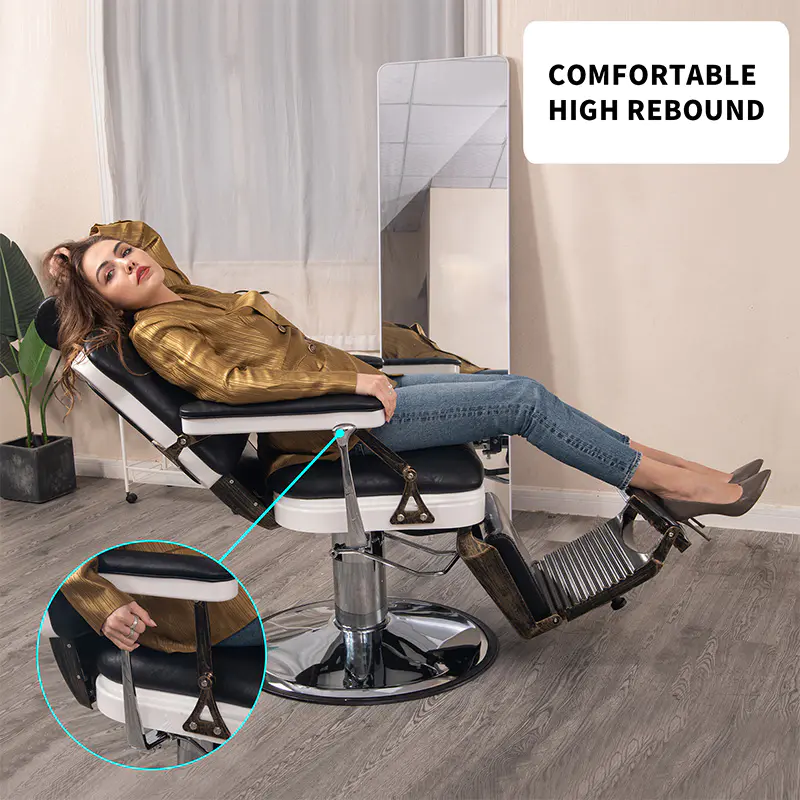
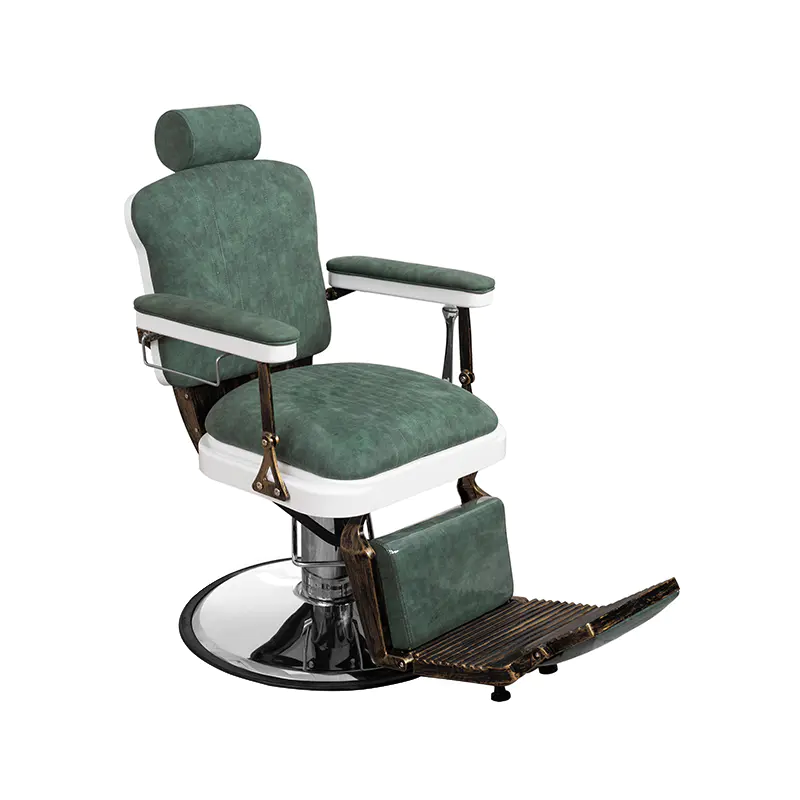
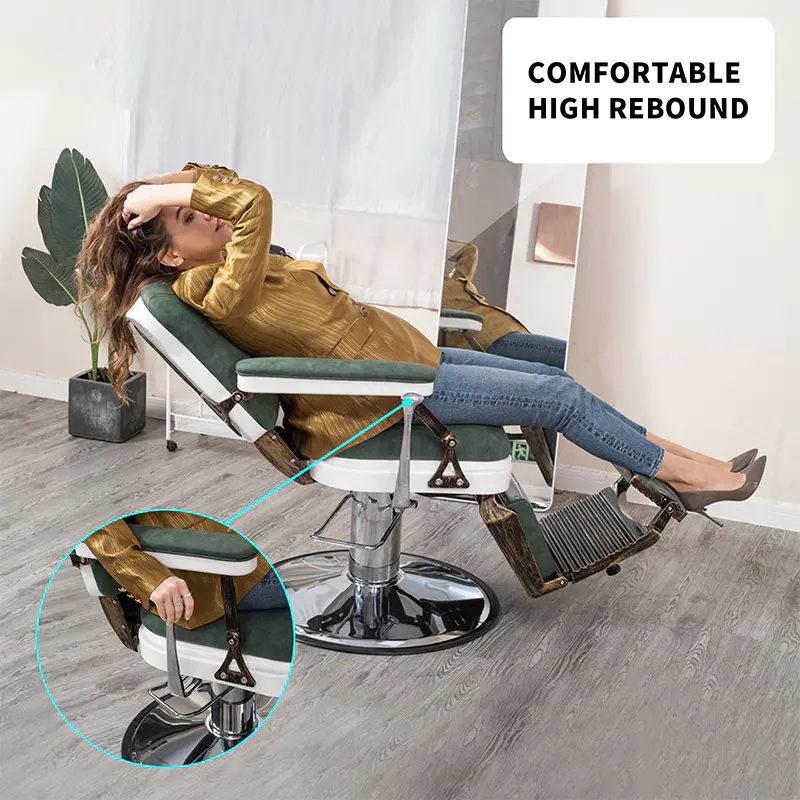
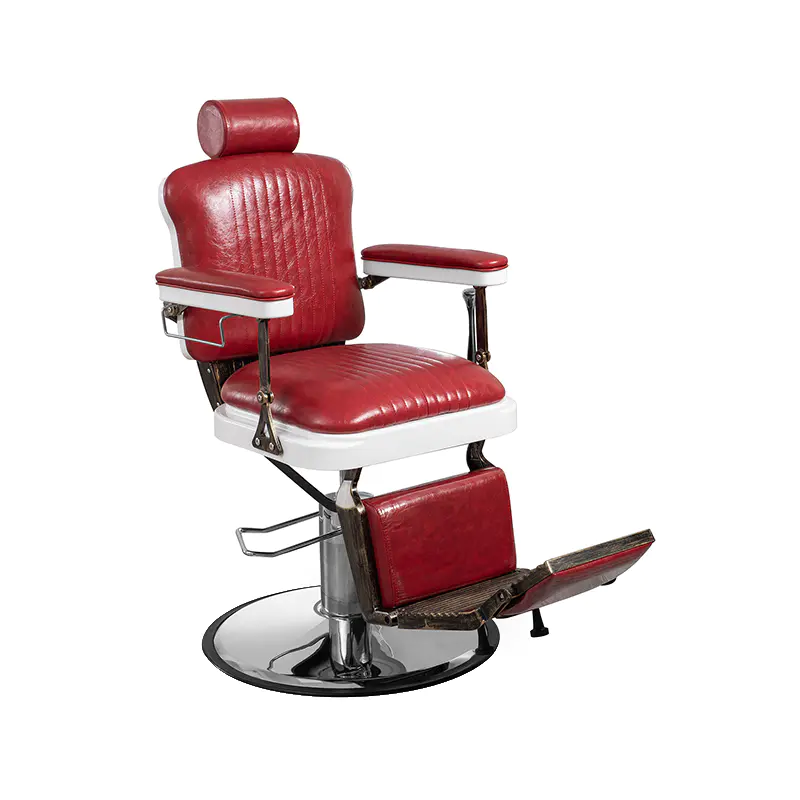
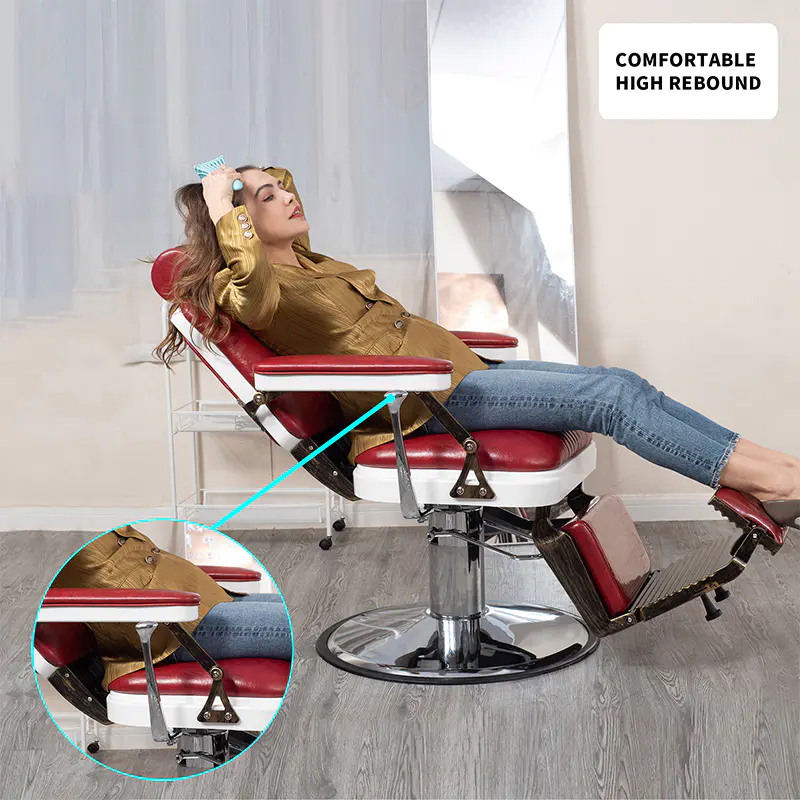
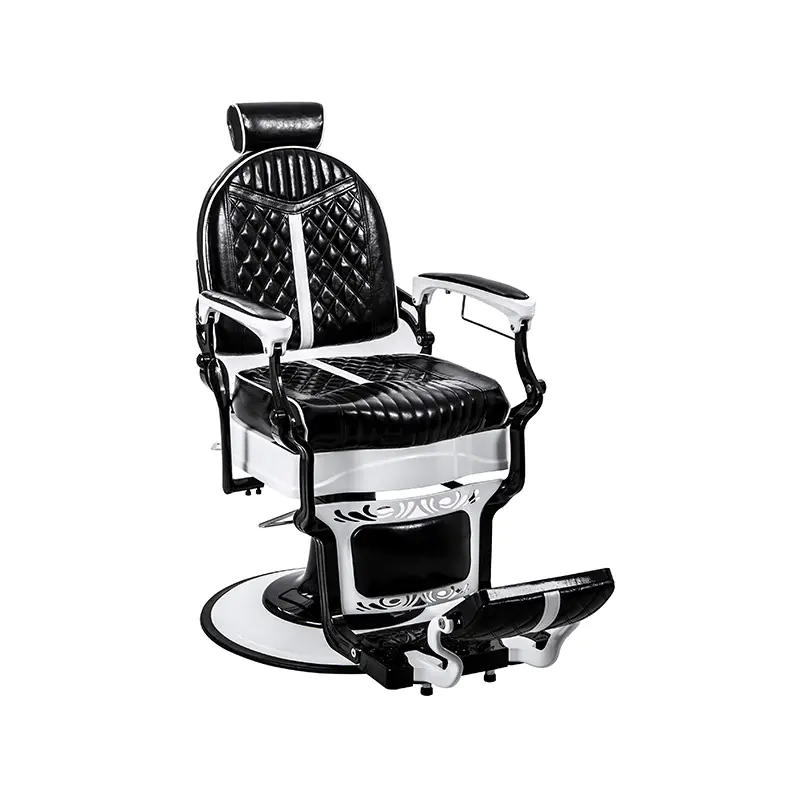
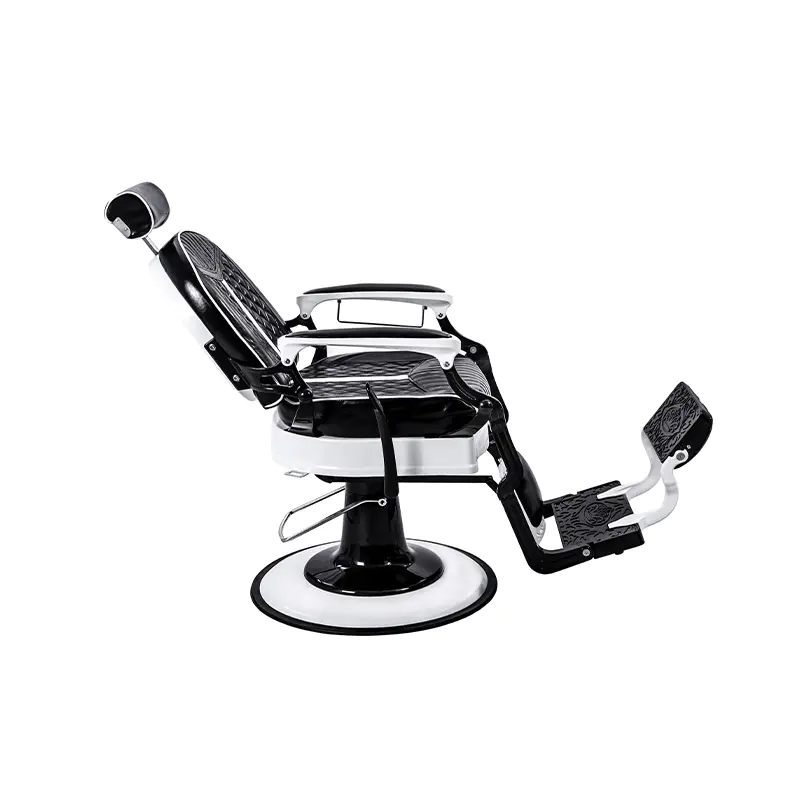
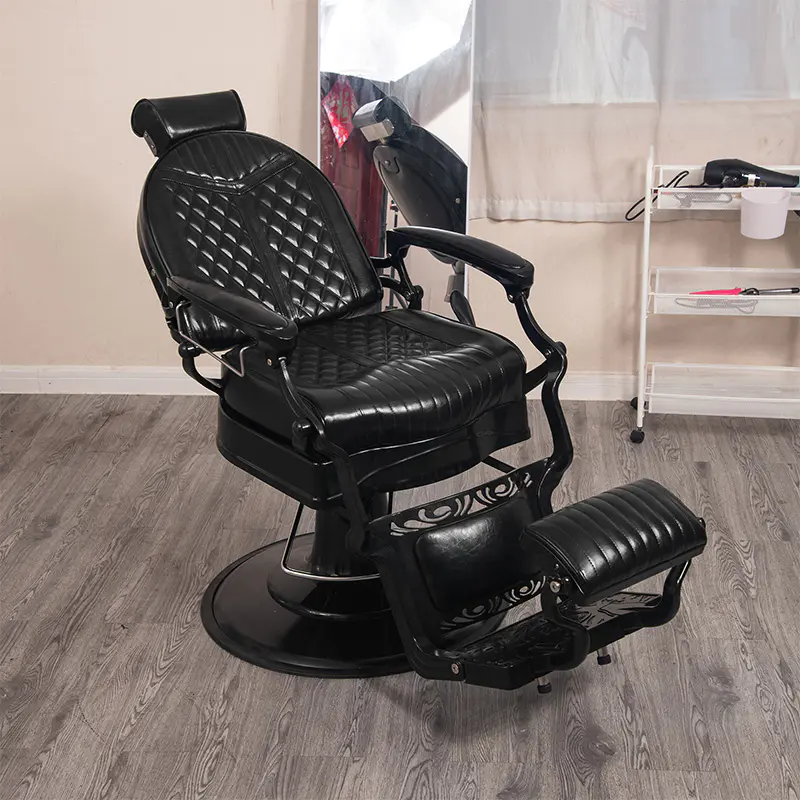
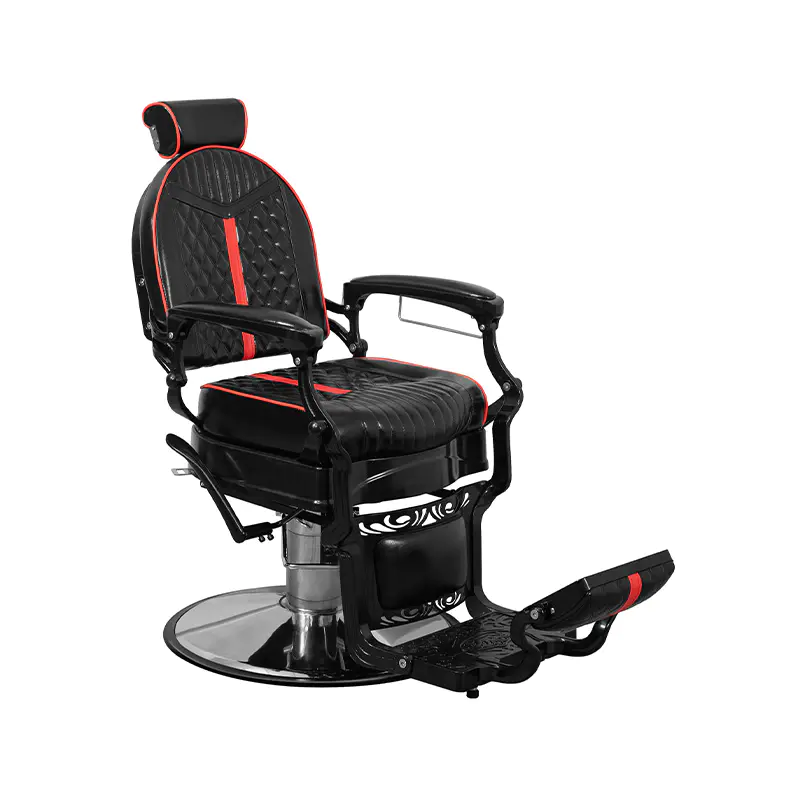
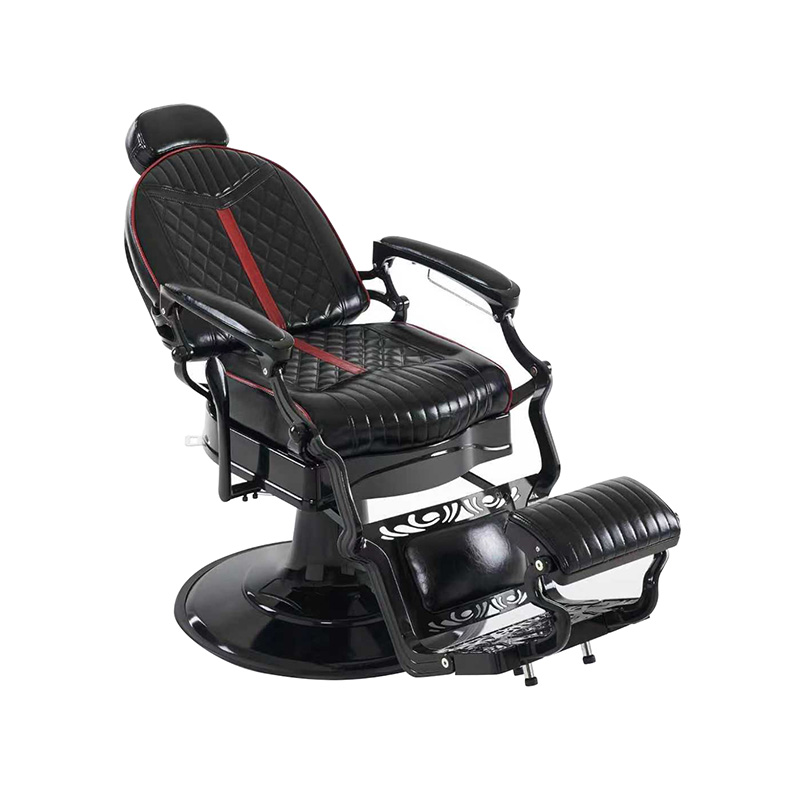
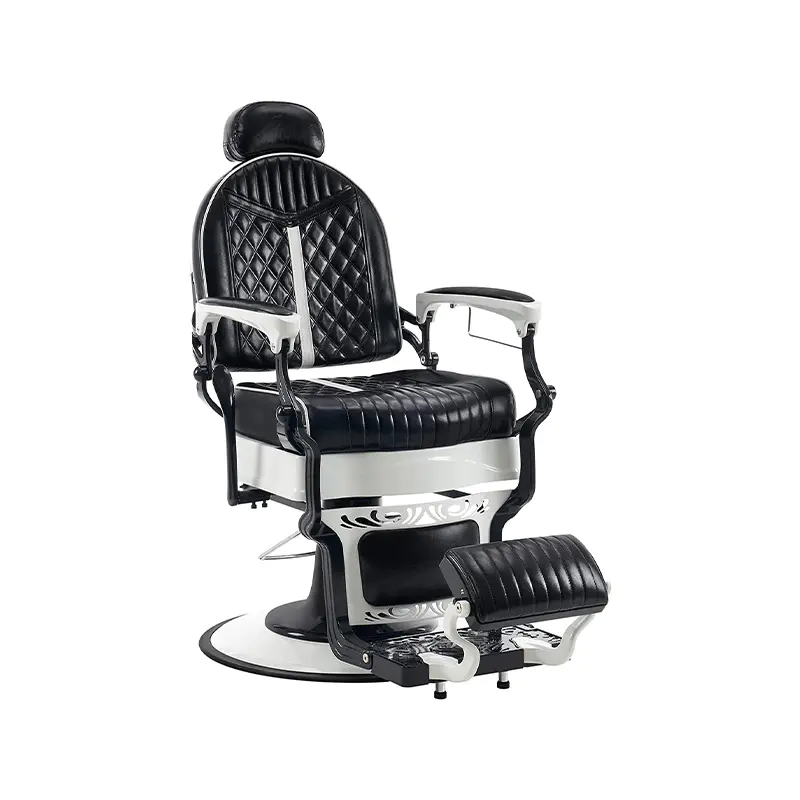
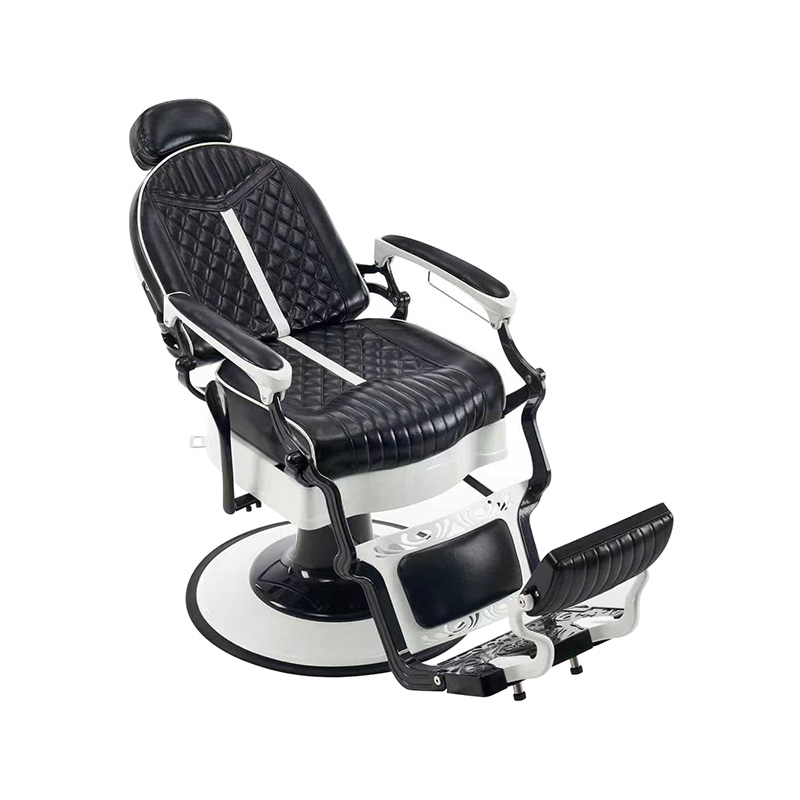
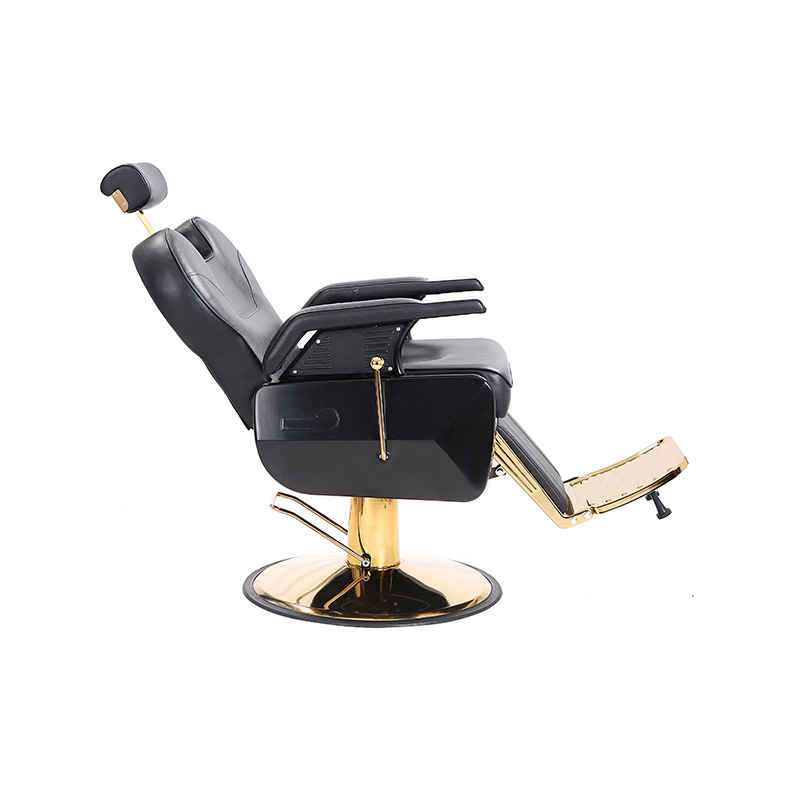 HZ8700 Heavy-Duty Hydraulic Salon Chair with Gold-Plated BaseThis commercial-grade barber chair features a large hydraulic pump, 130-degree recline, and a wide gold-plated base for stability. Its contoured seat and adjustable headrest suit high-frequency salon use, making it a strong candidate for professional equipment evaluation.View Product →
Materials and Hardware You Can Actually Check
Selling salon furniture is easy; building it to survive commercial use is not. Three details separate professional-grade equipment from home-use furniture with a salon price tag: the pump, the base, and the upholstery.
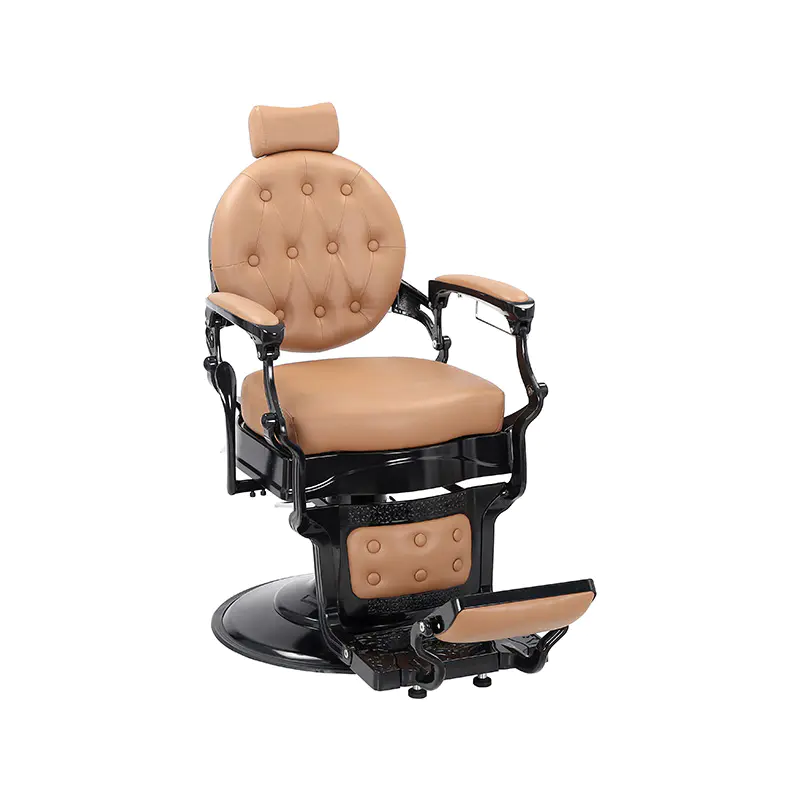
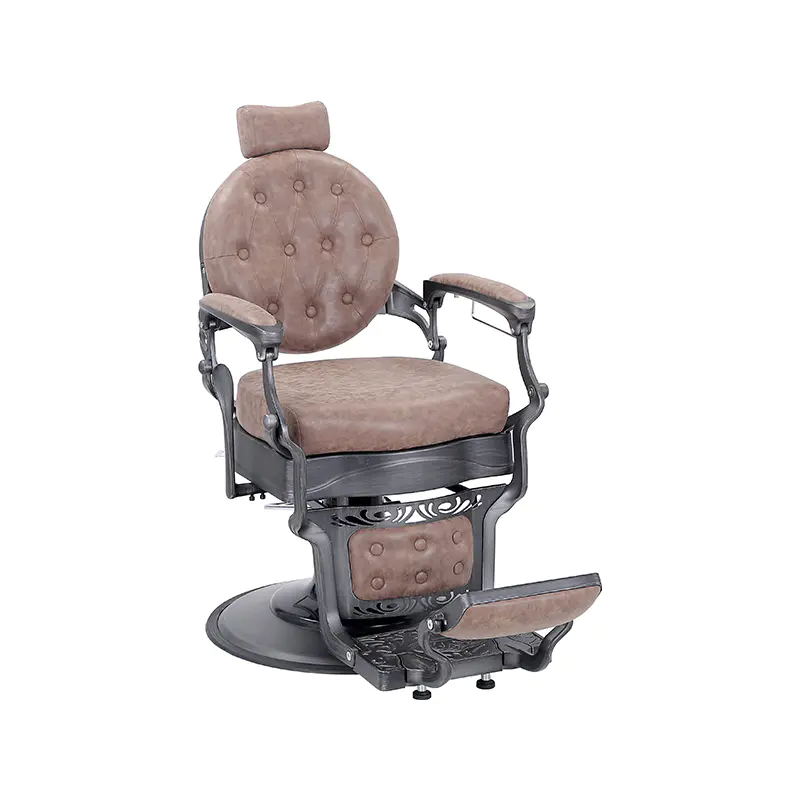
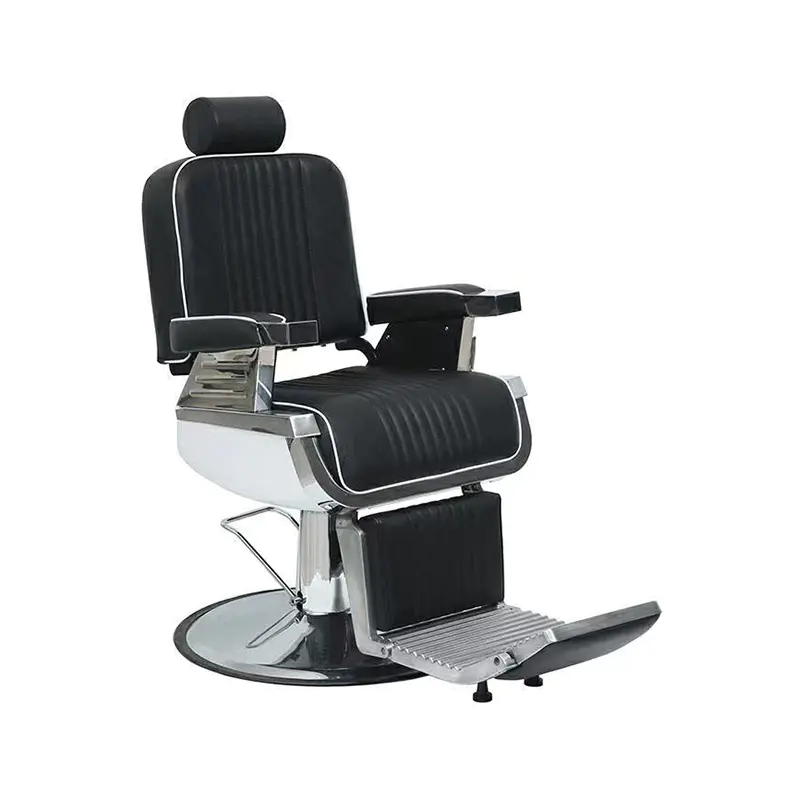
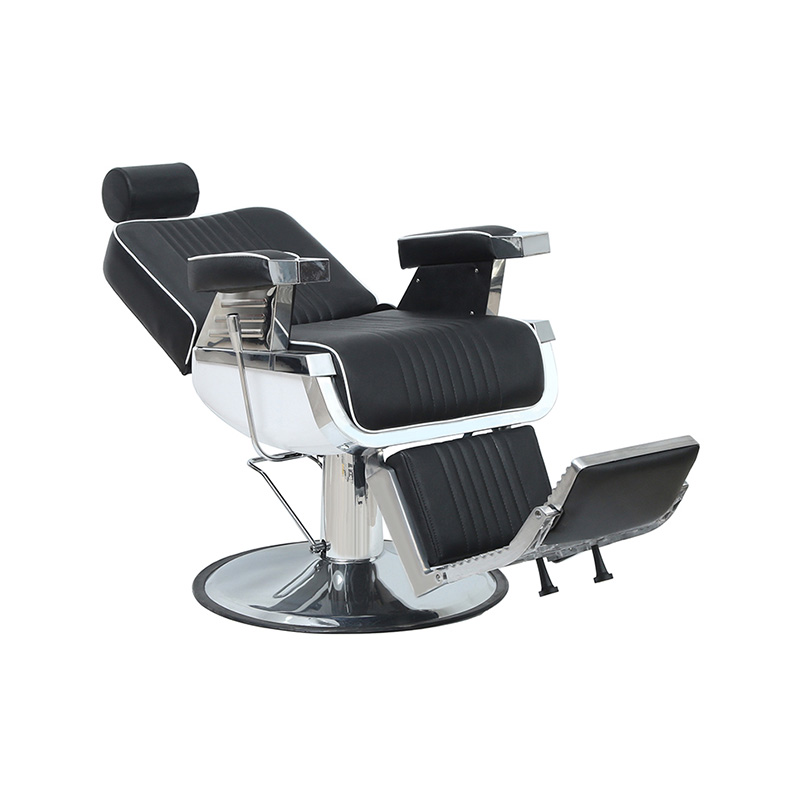
A hydraulic barber chair should carry a heavy-duty pump rated for frequent height adjustment, and the lift should stay smooth after years of daily use. A five-claw base distributes weight evenly and prevents tipping when a client leans forward. Frame material matters too: thicker steel tubing and reinforced joints cope better with continuous reclining.
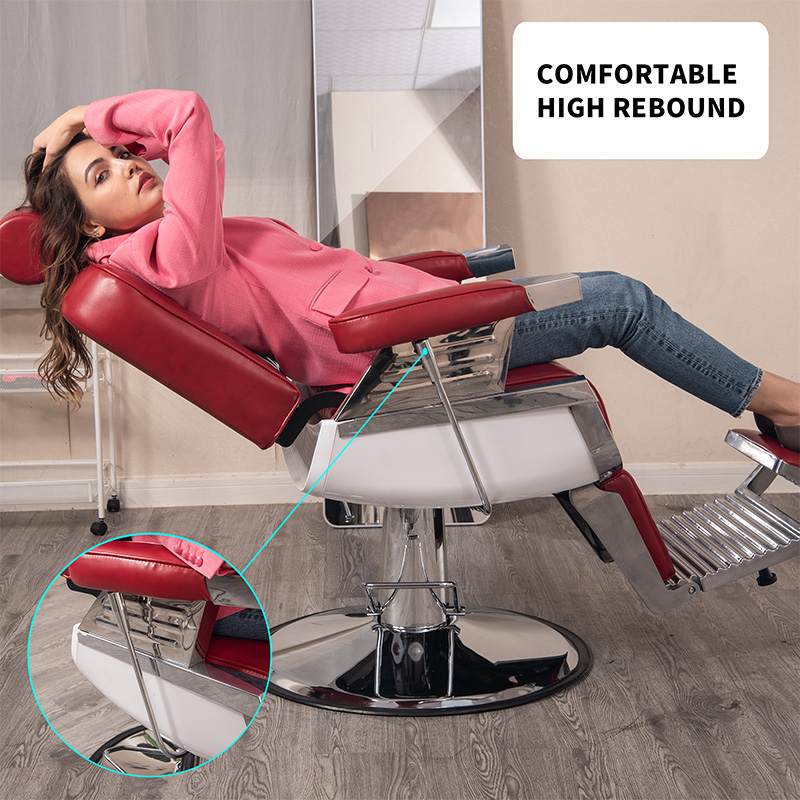
Upholstery is where buyers most often get fooled. Genuine commercial-grade foam keeps its shape; cheap foam compresses within months. Stitching should be even, with no loose threads, and the leather or PU option should be confirmed in writing. For shampoo stations, a ceramic bowl is more durable and easier to clean than ABS plastic, and it resists staining from dyes and chemicals. This is where what we call salon furniture starts to make sense as a category: it is not one product but a system of components designed for continuous, professional use.
When you evaluate a specific model, build a short checklist: load capacity, pump type, base material, tilt range, foam density, and spare-part availability. A manufacturer should answer all of these without hesitation.
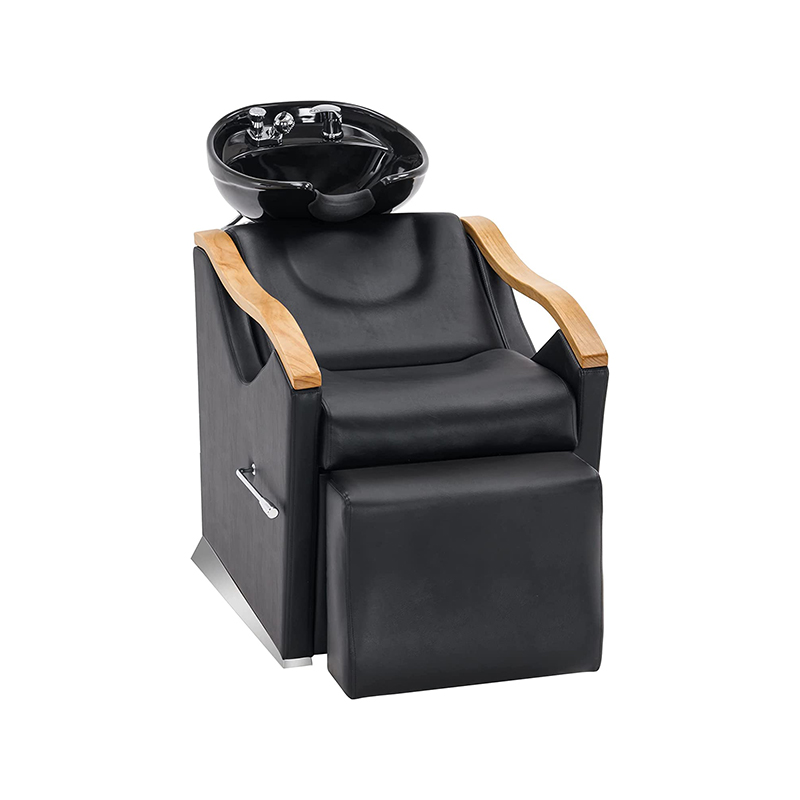 HZ9003 Ceramic Shampoo Bowl Station with Adjustable Leg SupportThis shampoo station pairs a durable ceramic basin with stainless steel components and a rubber neck pillow. The manual leg rest and two shipping options—fully assembled or flat-packed—offer flexibility for salon layouts and logistics, while the construction targets daily commercial use.View Product →
Customization and OEM: What a Factory Can Do
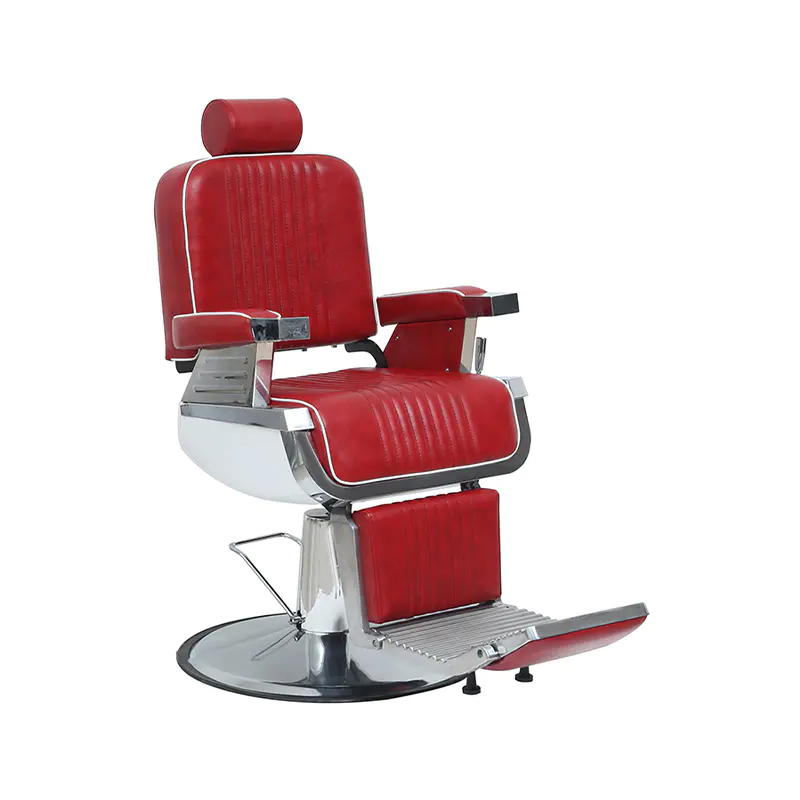
For salon chains and equipment distributors, the ability to differentiate matters as much as price. Most experienced beauty salon furniture suppliers offer customization: upholstery colors, frame finishes such as black, gold, silver, or rose gold, branded embroidery, and sometimes custom dimensions. The real question is whether the factory has the equipment and workflow to deliver it consistently.
HongZi's production setup includes CNC leather cutting and embroidery machines, which are exactly the capabilities needed for repeatable custom upholstery and logo work. The company also runs its own foam lamination and sofa-workshop processes, so a customized headrest, armrest, or cushion shape does not require a third-party subcontractor. That shortens lead times and makes quality control more reliable.
If your business model involves private labeling or regular product updates, ask for the supplier's track record and check its new product development page to see how often the catalog is refreshed.
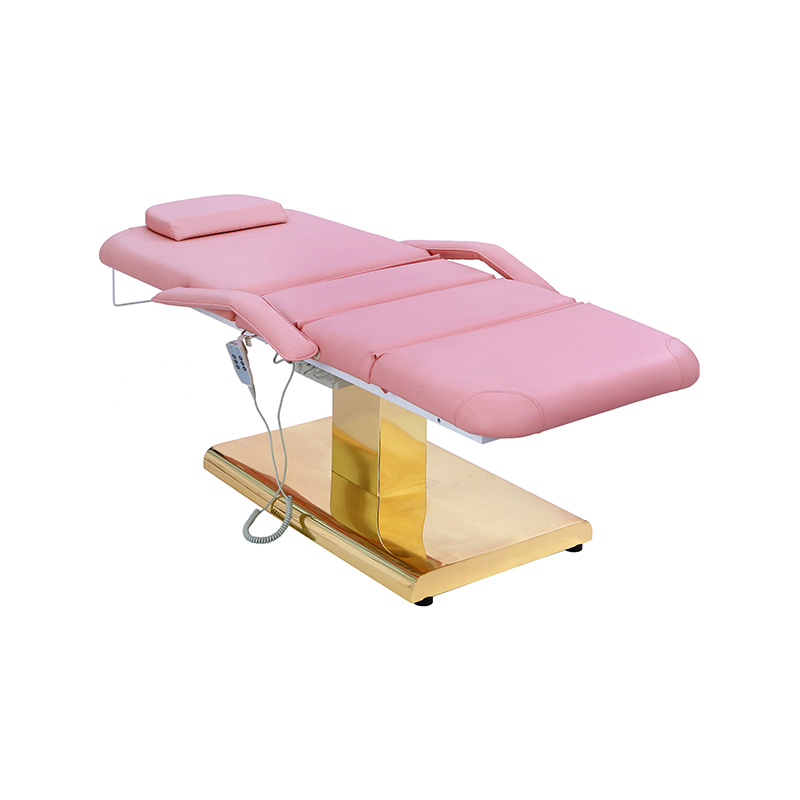 HZ011/HZ012 Electric Beauty Bed with Haze Blue FinishThis adjustable electric bed supports full flat positioning, detachable headrest, and a tool hook for accessories. Its water-resistant surface and electroplated base are built for professional environments, making it a durable option for massage, beauty, tattoo, and therapy services.View Product →
Cost Expectations and Equipment Lifecycle
Price remains the loudest factor in supplier selection, but it should always be judged against lifespan. A low-end chair might cost half as much as a commercial-grade model and need replacement within two or three years, while a heavy-duty hydraulic chair with a solid pump and frame routinely serves seven to eight years. The chart below shows the typical replacement cycles reported by operators for common furniture categories.
A Three-Stage Supplier Verification Checklist
Once you shortlist two or three beauty salon furniture suppliers, verify them with a structured process. The checklist below is the same one importers and equipment distributors use before committing to a larger order.
| Stage | What to check | Why it matters |
|---|---|---|
| Documentation | Export records, ISO or equivalent certificates, material test reports, product manuals | Confirms that the company is an established manufacturer rather than a shell reseller |
| Production walkthrough | Welding seams, frame thickness, foam density, stitching, hydraulic assembly area | Reveals the real quality level behind the marketing photos and catalog images |
| Sample and pre-shipment inspection | Load test on the chair, reclining smoothness, hydraulic leak test, finish consistency | Prevents expensive surprises after the furniture arrives at your salon |
Common Buying Mistakes and How to Avoid Them
Even experienced owners repeat a few classic mistakes. Keep this list in mind as you compare quotations:
- Choosing price over quality: the cheapest hydraulic chair usually has the cheapest pump, and replacement costs quickly erase the savings.
- Forgetting to measure the space: check the footprint, seat height range, and recline clearance before ordering, not after delivery.
- Ignoring load ratings: a chair rated for light use will fail fast in a full-service barbershop.
- Skipping the sample: one pre-production photo is not enough; order a sample or inspect the product at a trade show.
- Overlooking spare parts: ask whether pumps, footrests, and casters will still be available in a few years.
- Not confirming incoterms and lead times: importer responsibilities and freight timing should be written into the order, not assumed.
A Typical Salon Fit-Out at a Glance
To visualize how the furniture comes together, look at the isometric layout below. A standard salon plan contains four working zones: the styling area along the mirror wall, the backwash station close to the plumbing, the reception and waiting space near the entrance, and treatment corners for facials, nails, or massage. Matching each zone to the right supplier category keeps the fit-out coherent and installation fast.
Frequently Asked Questions
What qualifications should a beauty salon furniture supplier have?
Look for a factory with its own production lines, stable export records, and verifiable certifications. Ask for documentation, inspect samples, and visit the plant when possible.
What is the average price of a hydraulic barber chair?
Prices vary widely with the pump, upholstery, and frame finish. Economy models start at the lower end but use thinner foam; commercial heavy-duty chairs with five-claw bases sit in a higher band.
Can suppliers customize salon furniture colors and logos?
Yes. Most manufacturers offer custom upholstery colors, frame finishes, and logo embroidery. Confirm the MOQ for custom production and request a pre-production sample.
What is the MOQ for ordering salon furniture from a factory?
MOQs vary by product line. Standard models sometimes allow small mixed orders, while customized models usually require higher quantities. Ask each supplier for exact figures per item.
How long does international shipping take for salon furniture?
Production typically takes two to four weeks depending on order size, followed by sea freight that usually ranges from three to six weeks. Confirm incoterms and lead time in writing.
How do I choose a shampoo chair for my salon?
Match the basin to your workflow: ceramic bowls are durable and easy to clean, while ABS plastic basins are lighter and cheaper. Check the recline range, leg rest comfort, and sprayer or mixer options.