
 en
en  English
 русский
 Español
 عربى
عربى
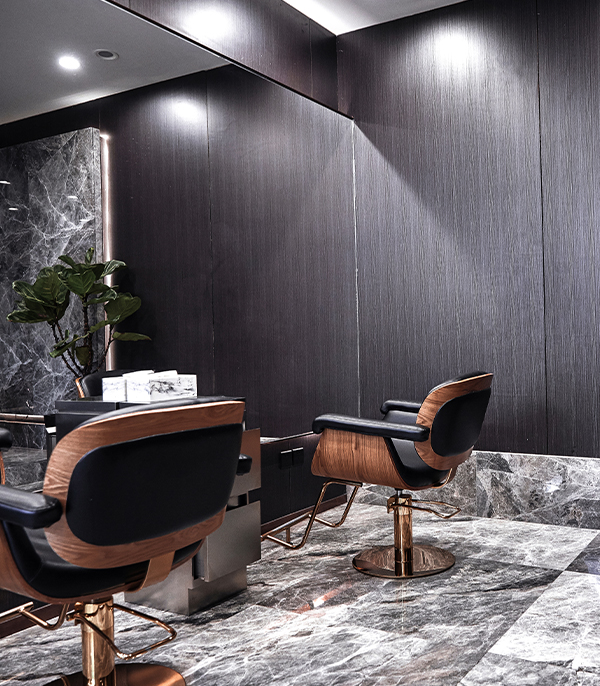
Two salon owners walk into a trade show. One has a clear budget: $1,200 for a workhorse styling chair, $3,000 for a shampoo station with plumbing, and $500 reserved for a trolley. The other says, "I can spend whatever I need." Guess which one leaves with a better setup and less stress.
A budget for a hair salon is not a ceiling—it is a decision framework. It tells you where money should go, what to negotiate, and what to postpone. For a small booth-rental setup, opening costs can start around $10,000; for a full-service space with build-out, the total can pass $200,000, according to industry cost estimates. Monthly expenses, meanwhile, vary from about $2,000 for a solo suite to $40,000 or more for a large salon. The key is to split your plan into recurring operations, one-time equipment, and contingency reserves before you sign a lease.
What Should a Hair Salon Budget Cover?
Start by separating fixed costs from variable costs. Fixed costs stay similar every month: rent, insurance, software subscriptions, and loan payments. Variable costs move with your revenue: payroll, back-bar product, styling supplies, utilities, marketing, and payment processing fees. If you mix them in one list, you will not know whether you are profitable until the bank statement is already bad.
| Expense category | Type | Typical monthly range |
|---|---|---|
| Rent or lease | Fixed | $1,200 - $6,000 |
| Payroll | Variable | 35 - 50% of revenue |
| Products and supplies | Variable | 8 - 15% of revenue |
| Utilities | Variable | $400 - $1,500 |
| Insurance | Fixed | $200 - $700 |
| Marketing, software, and fees | Variable | 2 - 5% of revenue |
| Loan or equipment repayment | Fixed | $500 - $2,000 |
The industry benchmark for rent is about 10 - 15% of revenue, while labor often takes 35 - 50%. If your rent sits above 15%, you need more service volume or a less expensive space.
How Much Is a Realistic Monthly Budget for a Hair Salon?
Use the chart below as a planning tool, not a gospel. A solo suite renter can operate on $2,000 - $6,000 per month, but that number assumes few employees and no full build-out. A mid-size salon with three to five chairs usually lands in the $8,000 - $20,000 range. Large multi-station salons often exceed $20,000 and can reach $40,000 or more once payroll and retail inventory are included.
Build-out costs add another layer. Renovating a raw space often runs $50 - $75 per square foot for construction, permits, finishes, and lighting. In a 1,000 sq ft salon, that alone can be $50,000 - $75,000 before you buy a single chair.
Where Salons Overspend and How to Fix It
Payroll is almost always the largest line item. For service businesses, labor costs of 35 - 50% of revenue are common, with some owners pushing toward 55% when they include their own drawings. Rent should sit lower: the often-quoted 12% rule from salon management platforms is a good starting point, though many prime leases run closer to 15%. Supplies, meanwhile, should not exceed 12 - 15% of revenue.
- Calculate labor as a ratio, not a fixed number. If labor exceeds 50% for three consecutive months, raise prices or adjust schedules.
- Renegotiate rent at renewal. Use the 12% rule as leverage, and compare your cost per styling station rather than the raw monthly figure.
- Cap back-bar and retail supplies at 12 - 15% of revenue. If a product sits unused for 90 days, stop reordering it.
Budgeting for Hair Salon Equipment: What to Buy First
After rent and payroll, equipment is the most visible cost. Industry guides usually estimate furniture and equipment at $1,000 - $3,000 per operator, not including plumbing or electrical for shampoo stations. If you are building from scratch, remember that construction costs often exceed the furniture budget. But equipment, if chosen well, is the part of your salon budget you only pay once.
Before choosing, review what salon furniture actually includes so you can compare options systematically.
Barber and Styling Chairs
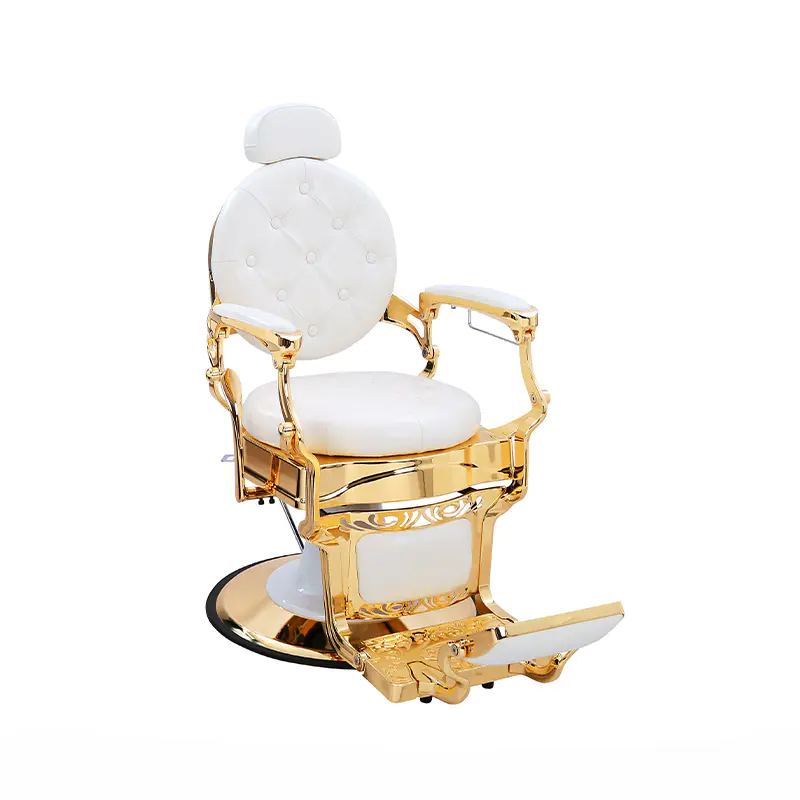
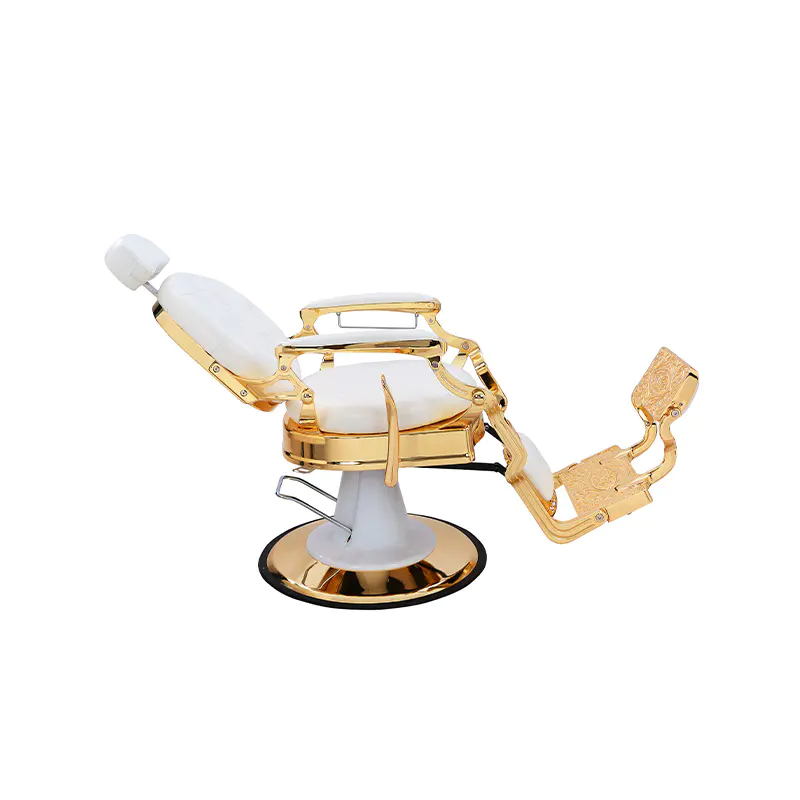
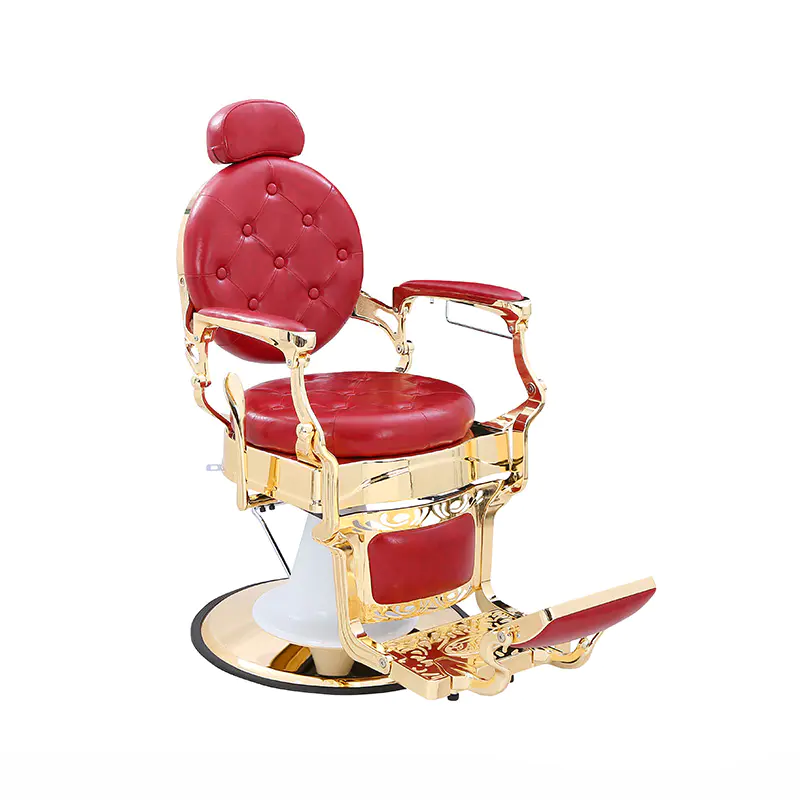
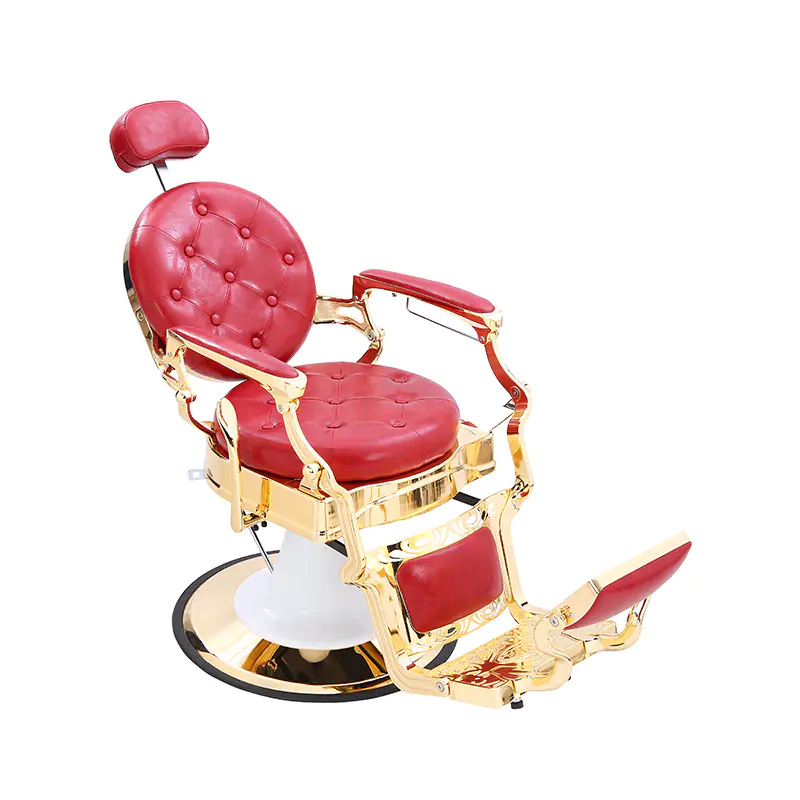
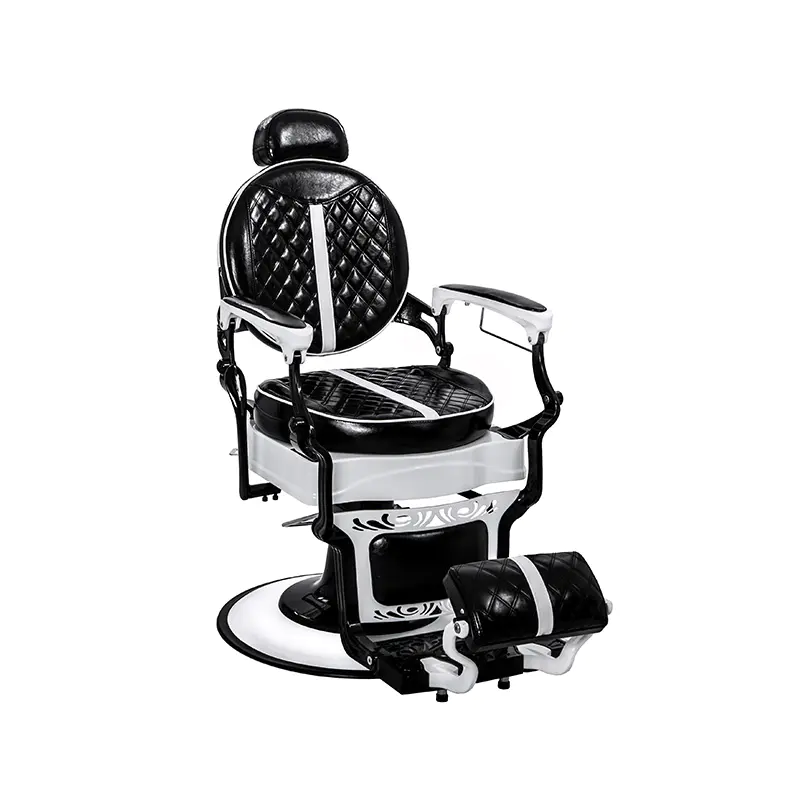
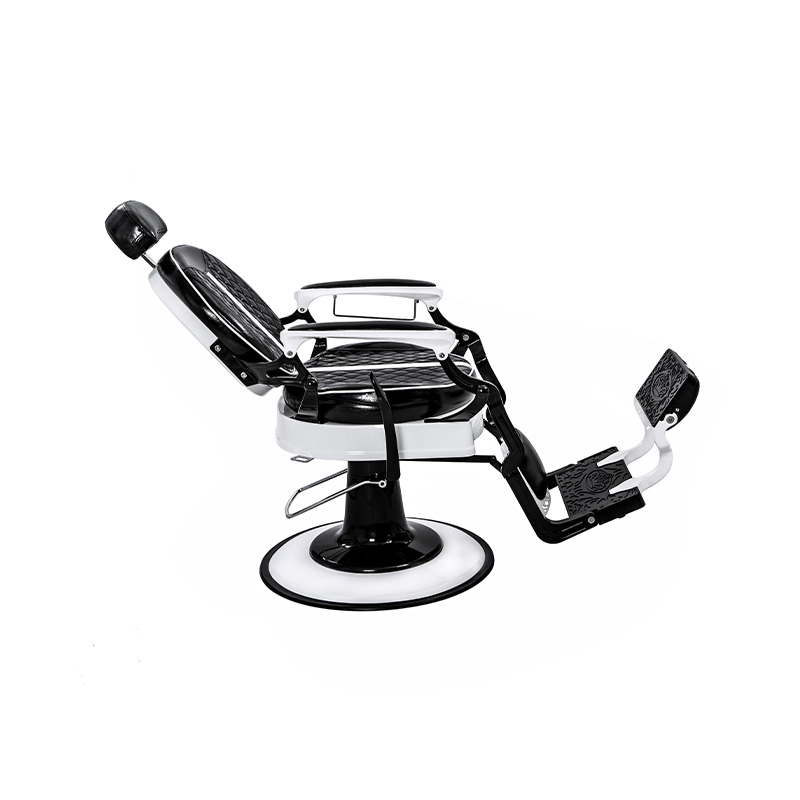
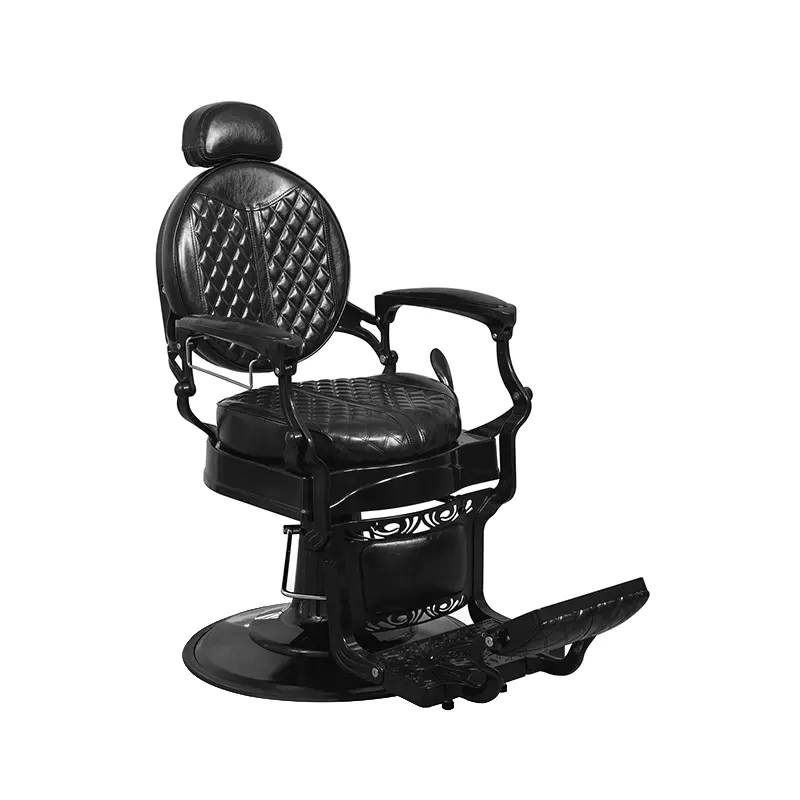
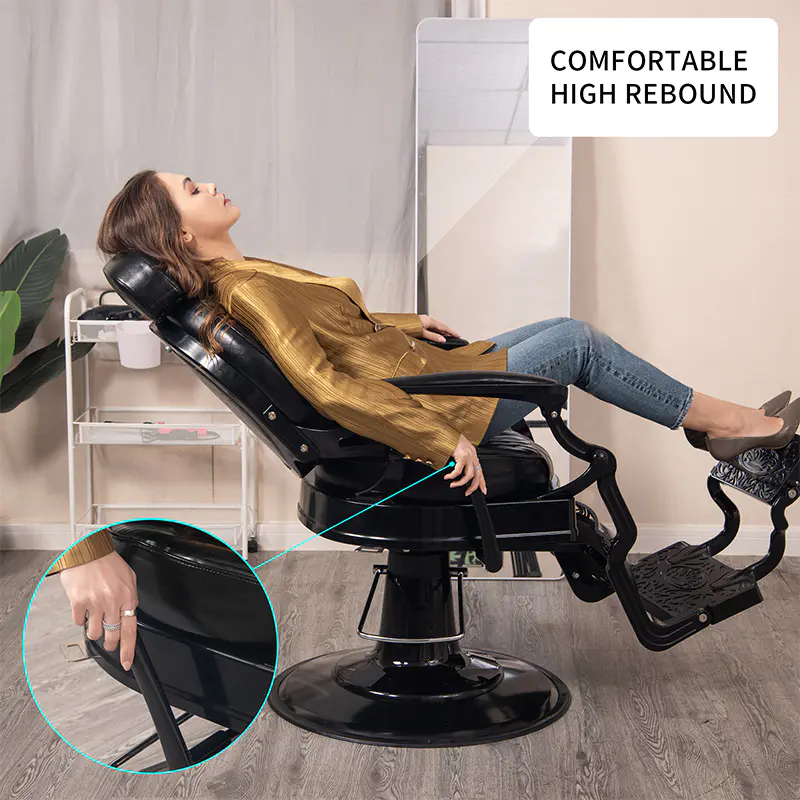
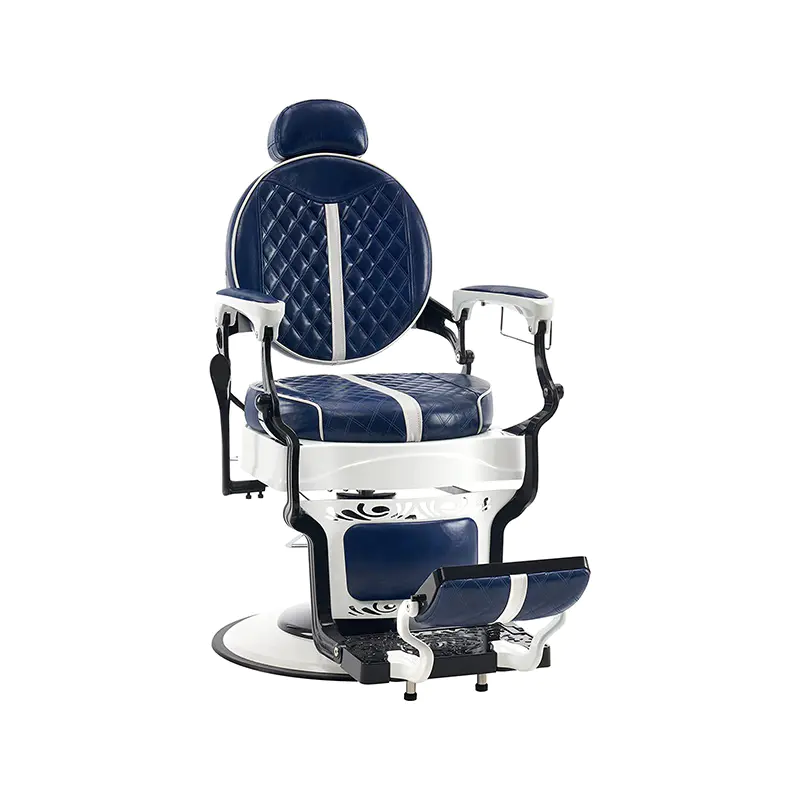
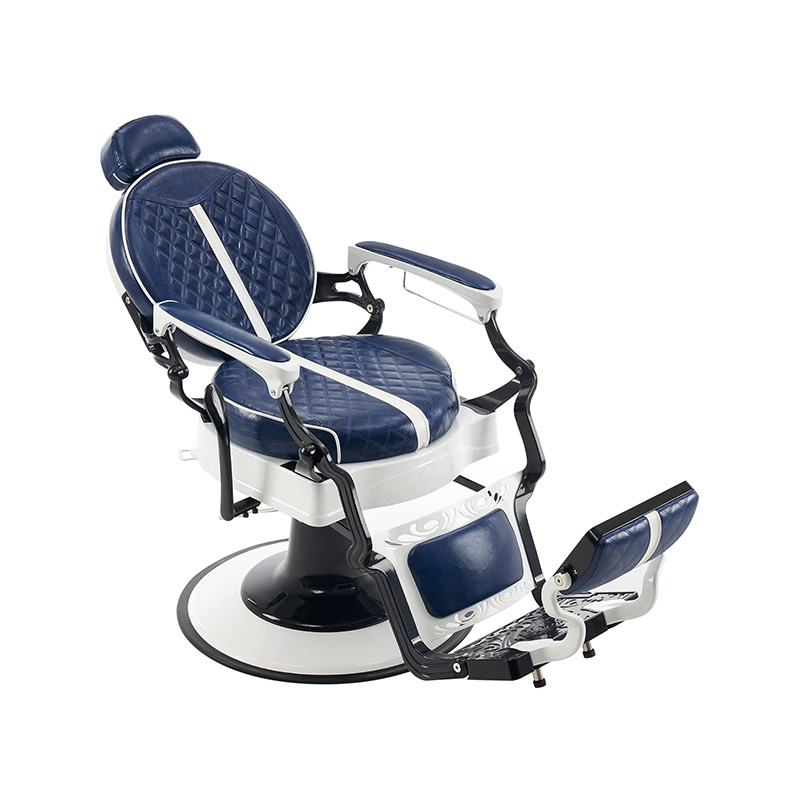
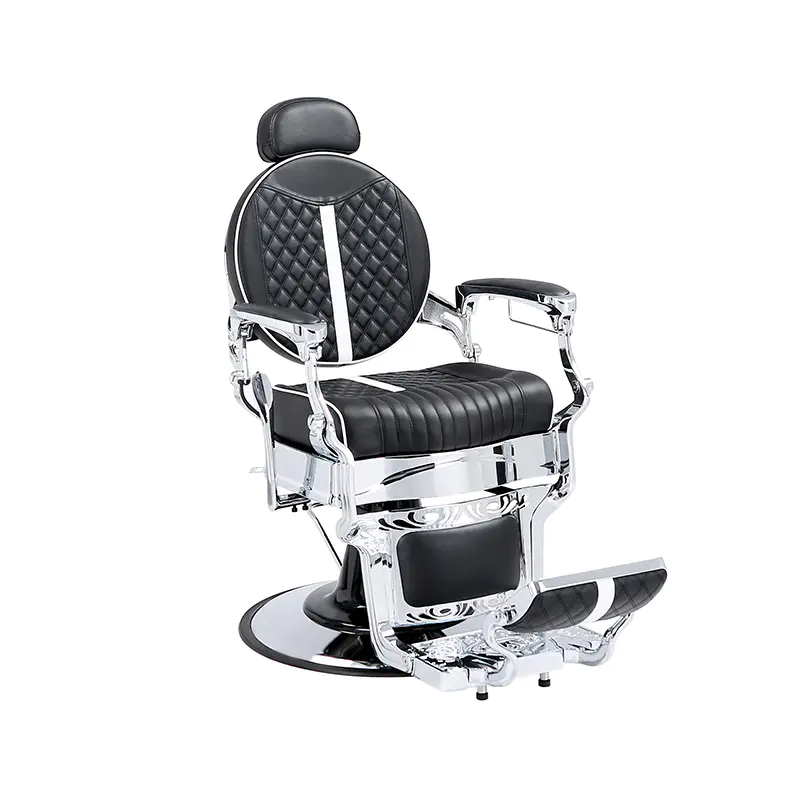
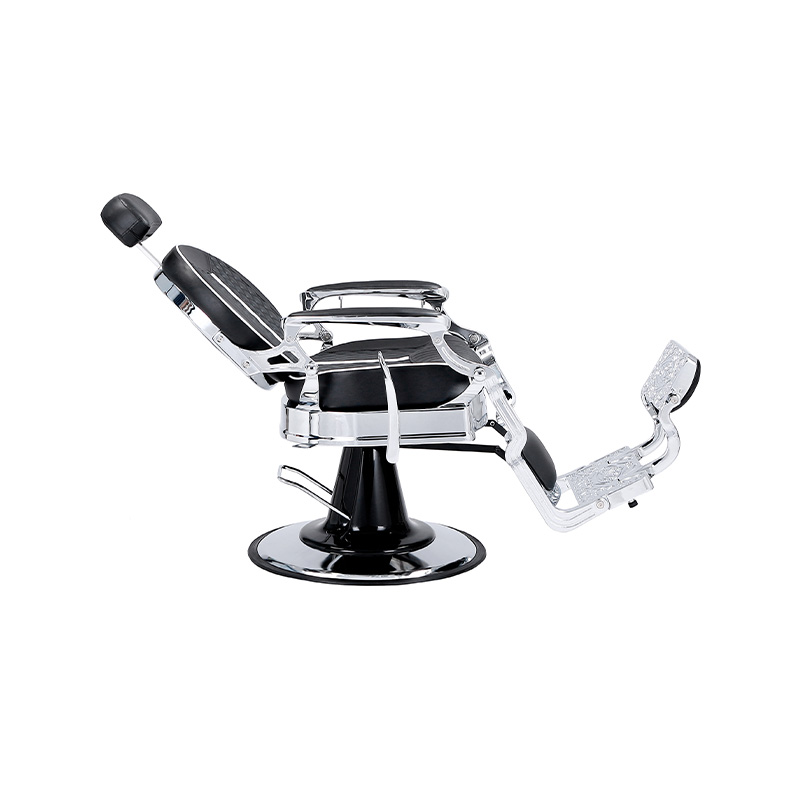
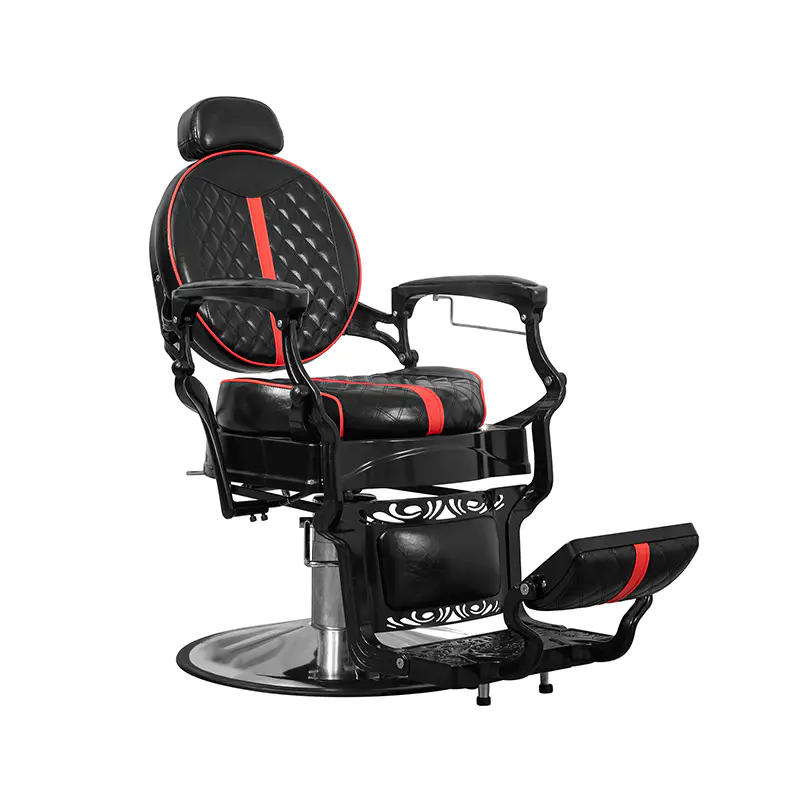
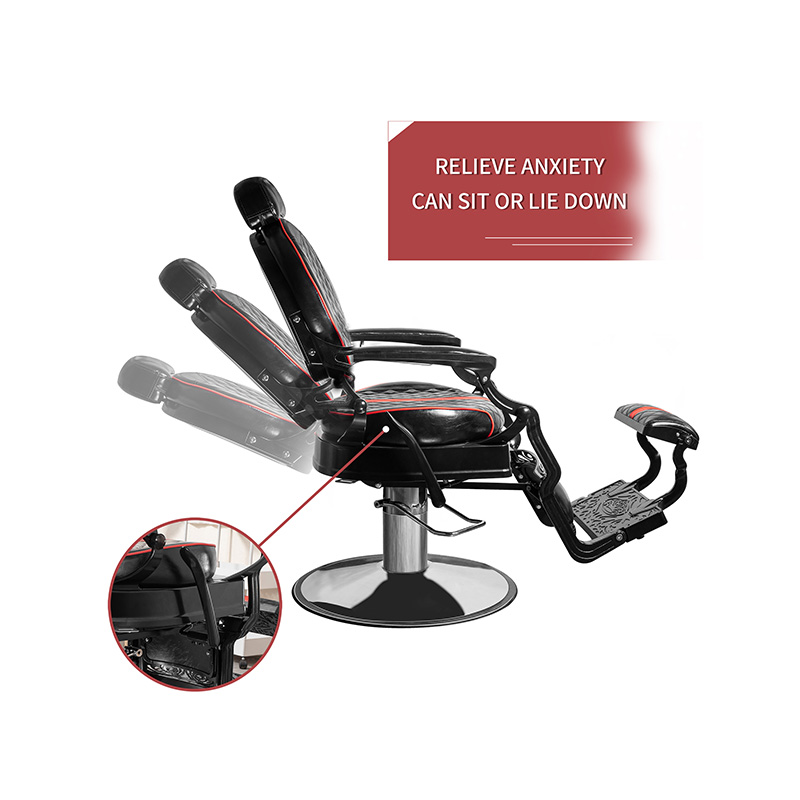
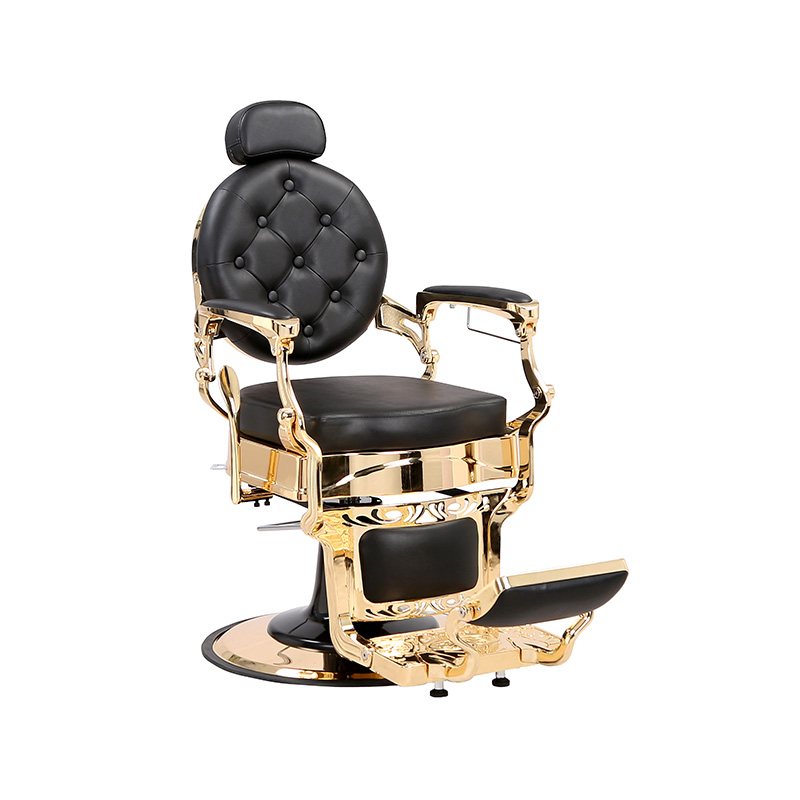
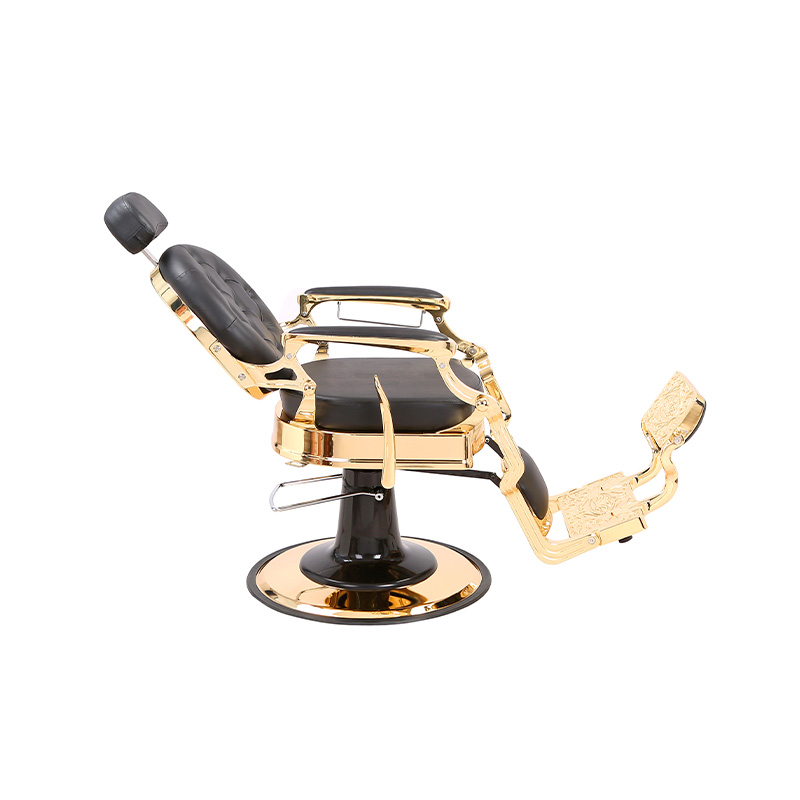
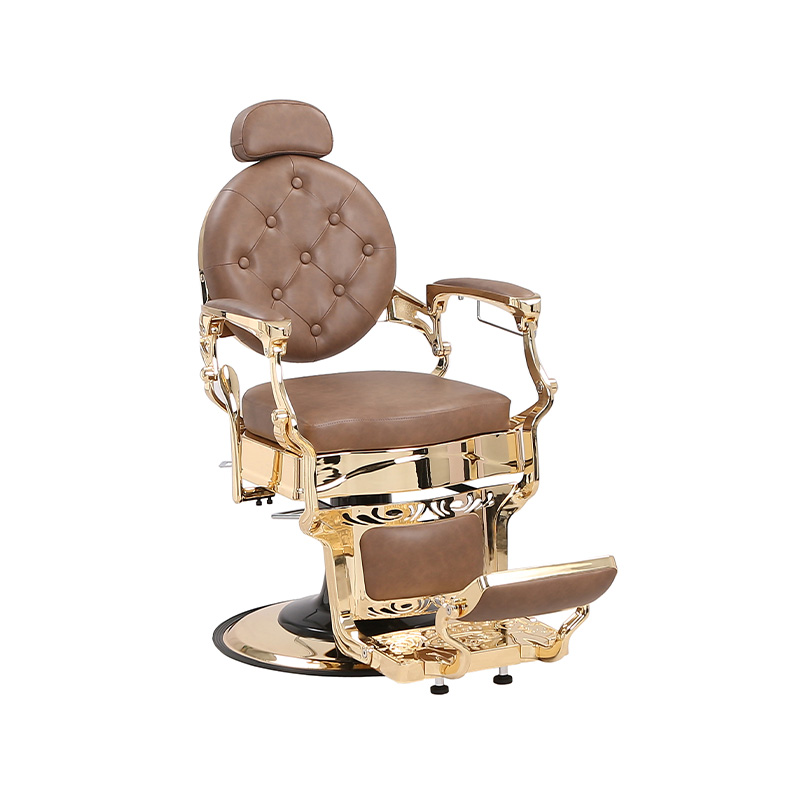
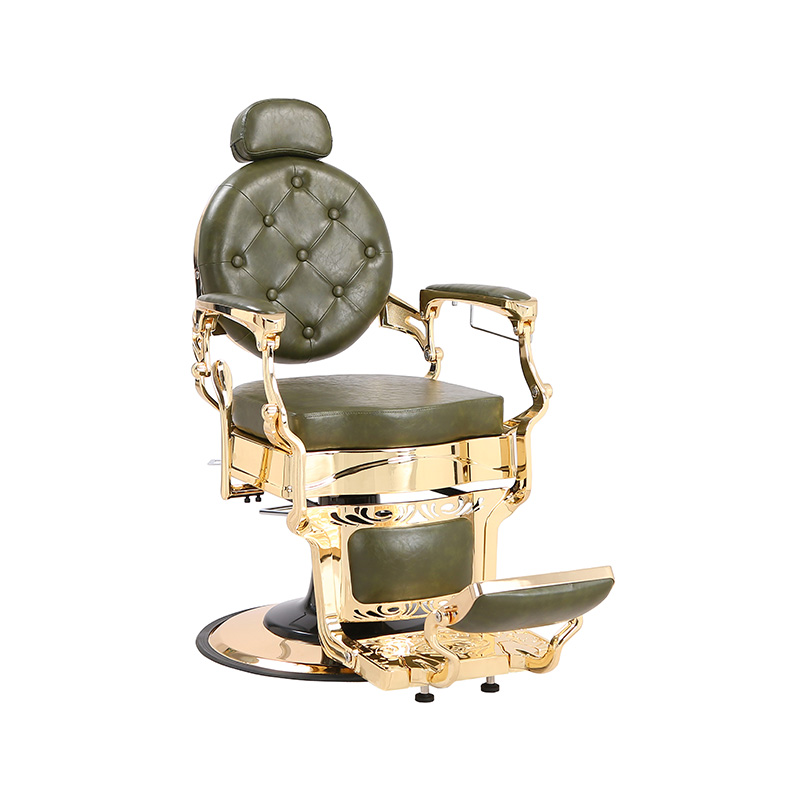
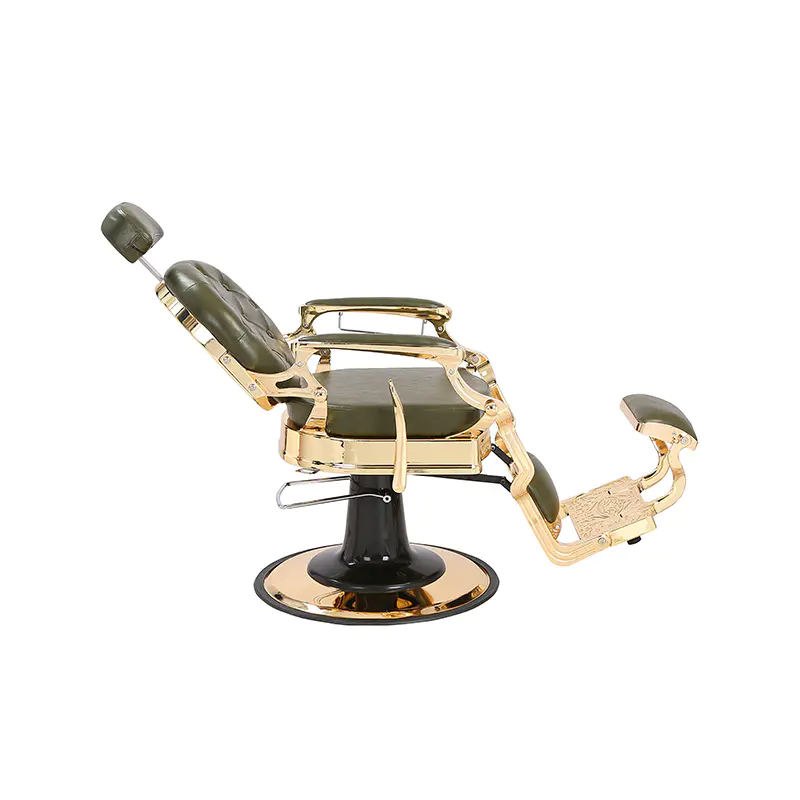
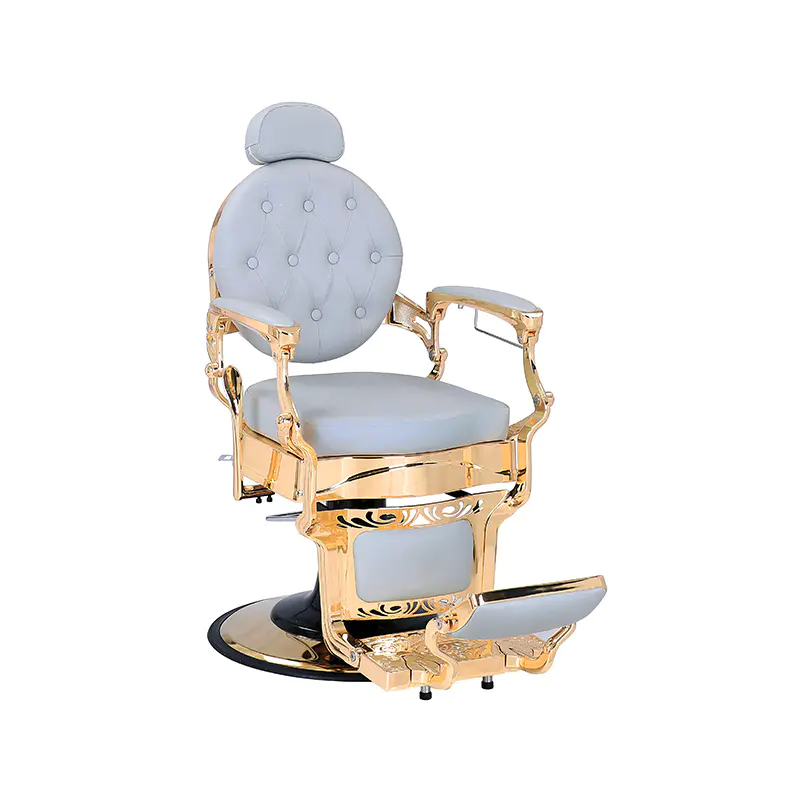
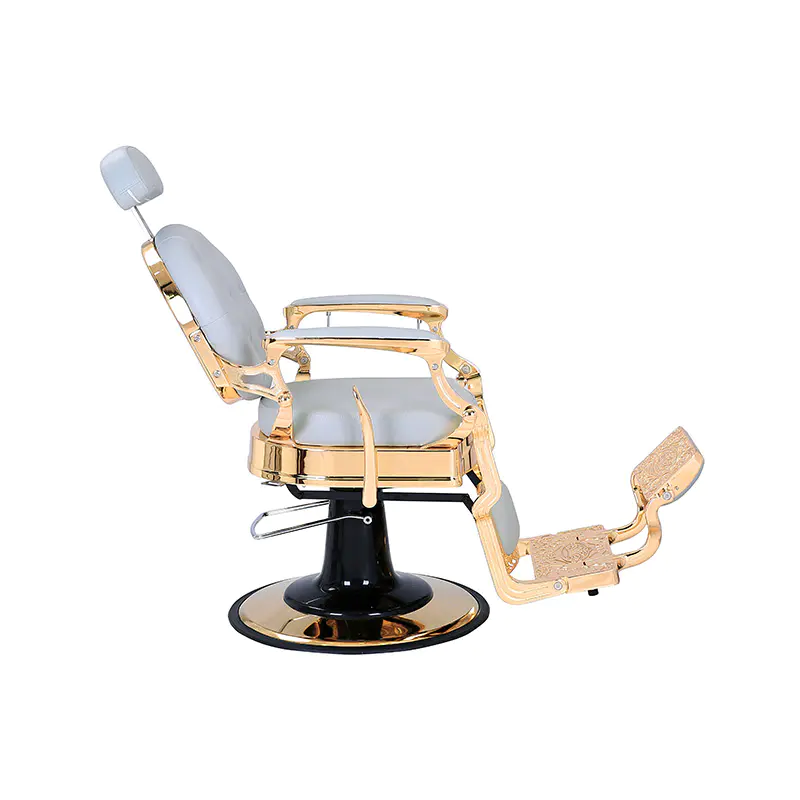
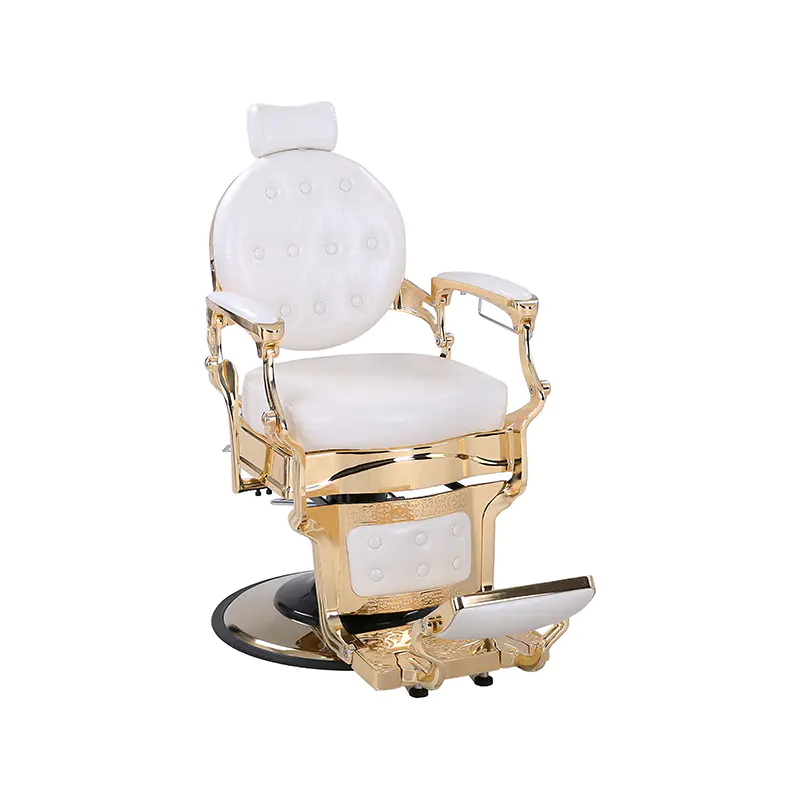
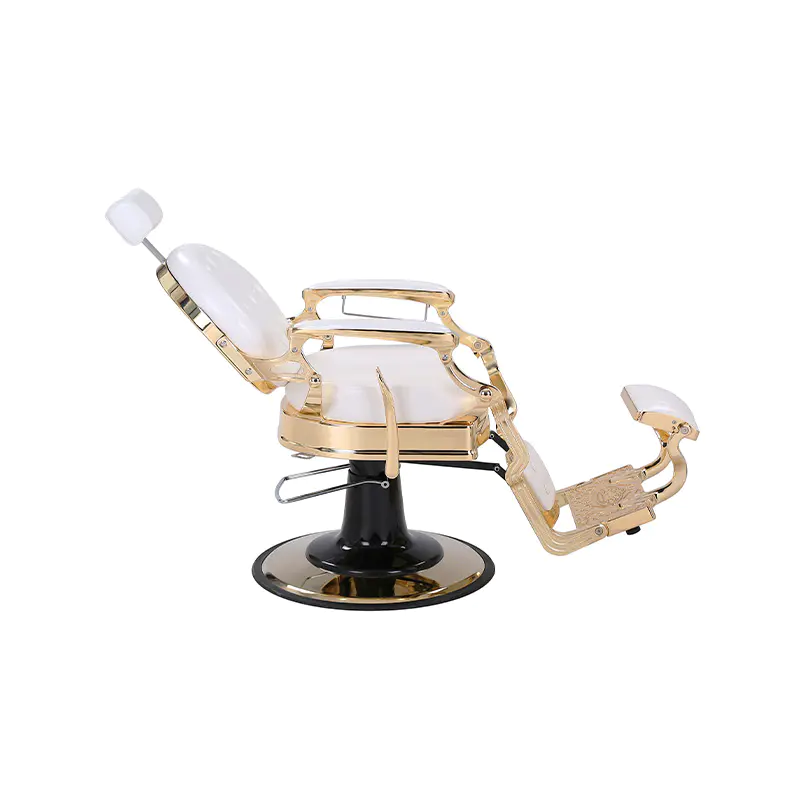
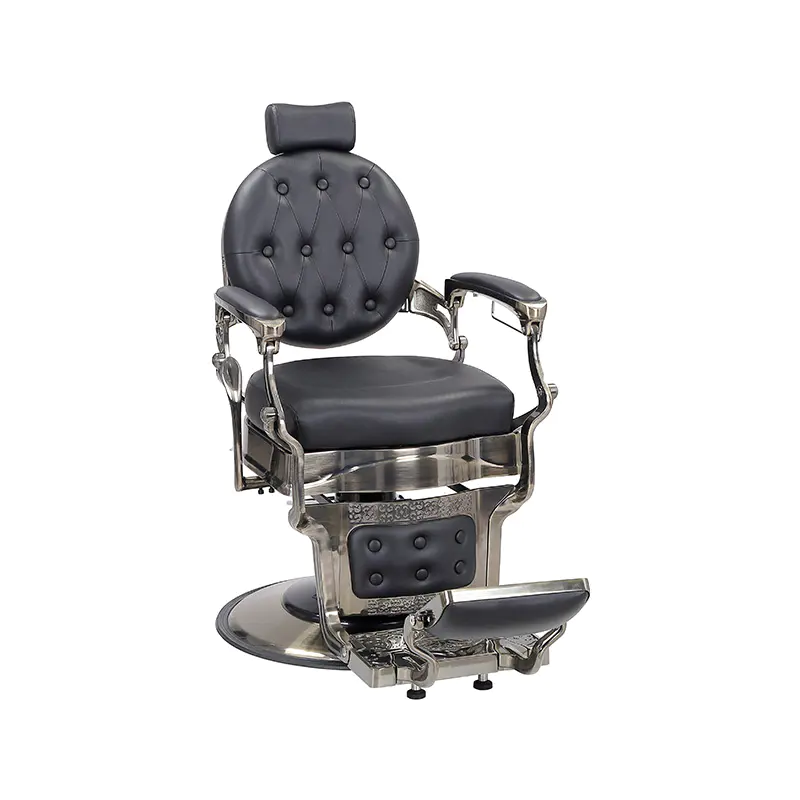
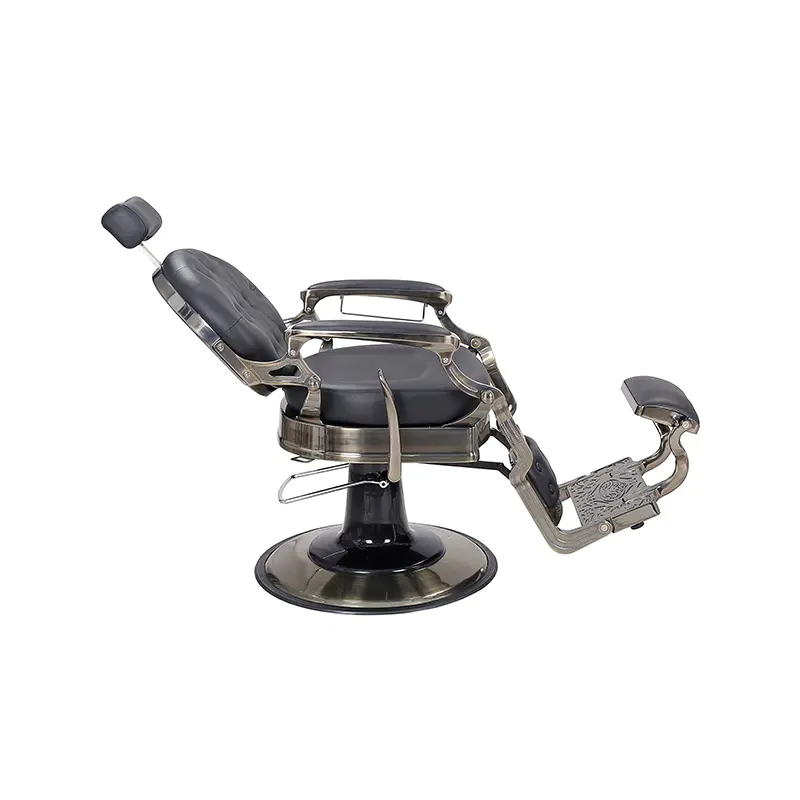
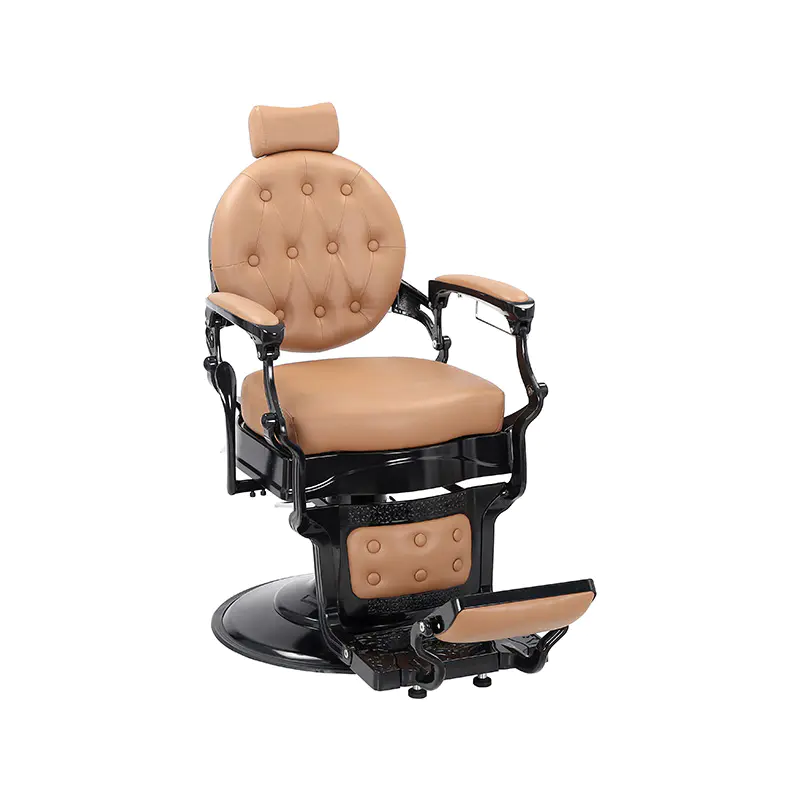
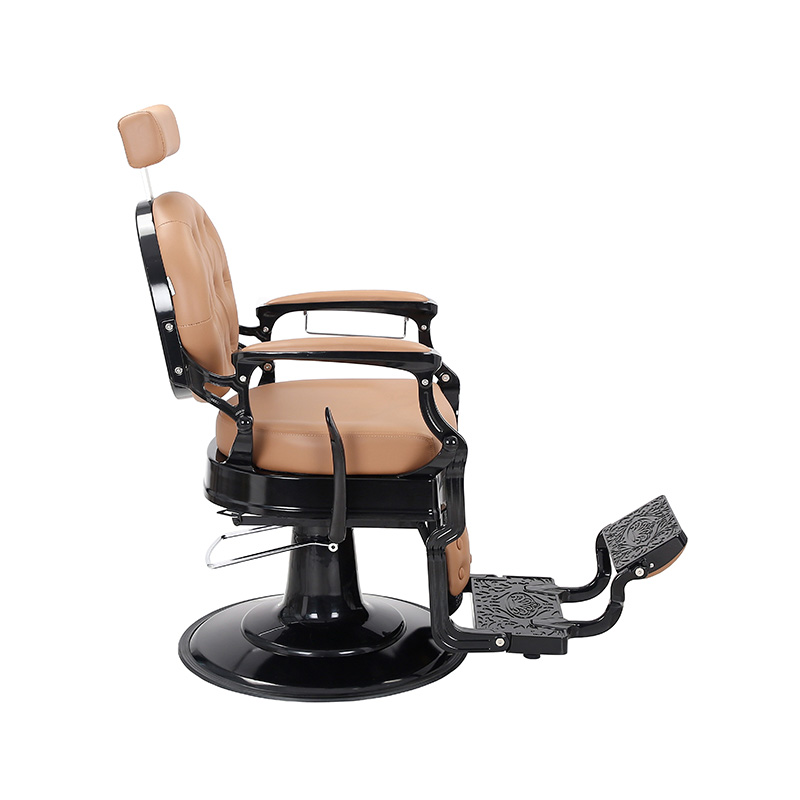
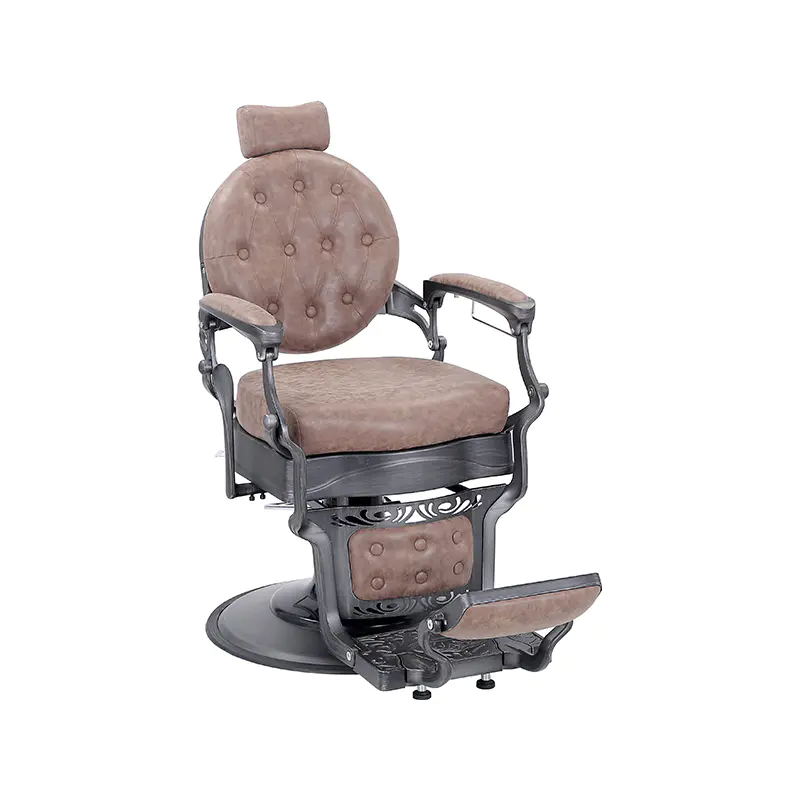
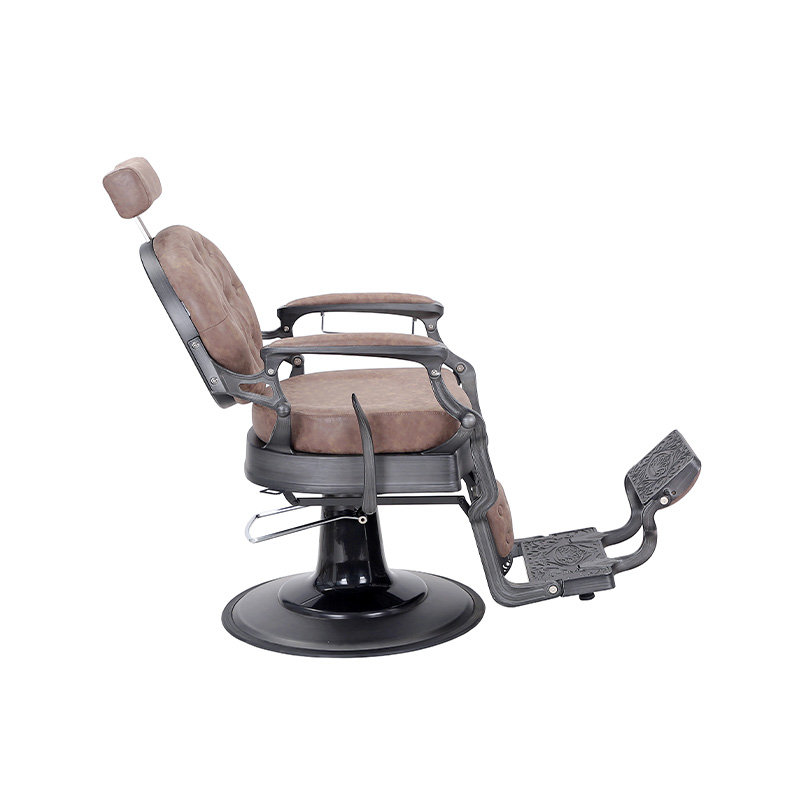
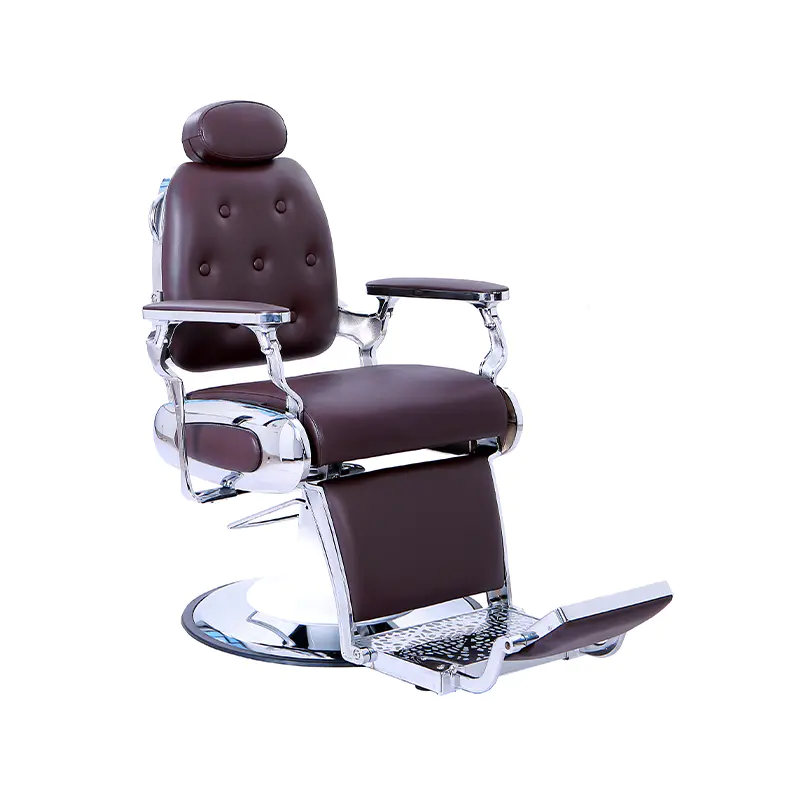
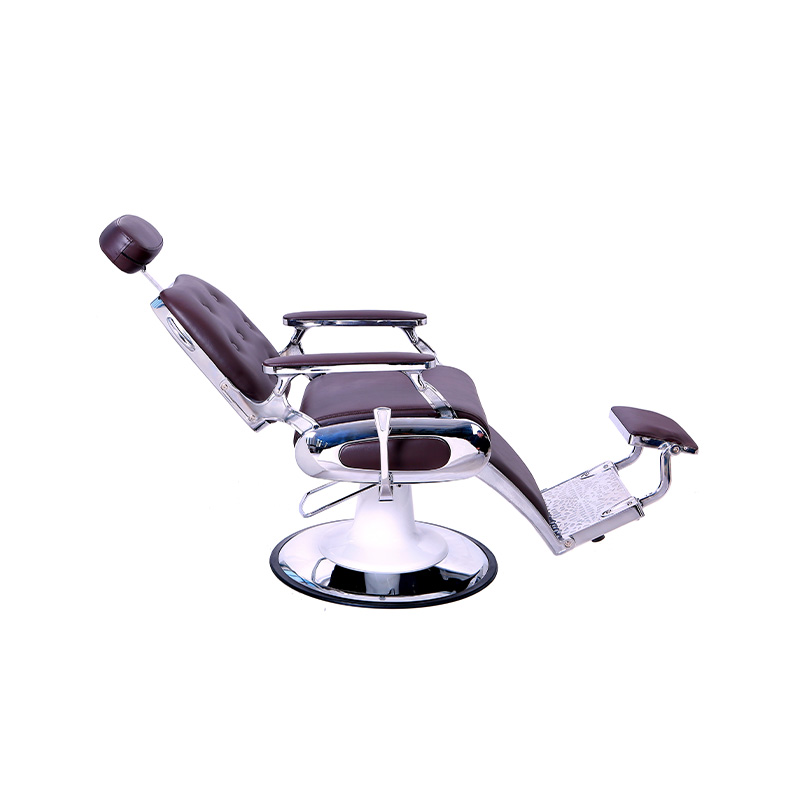
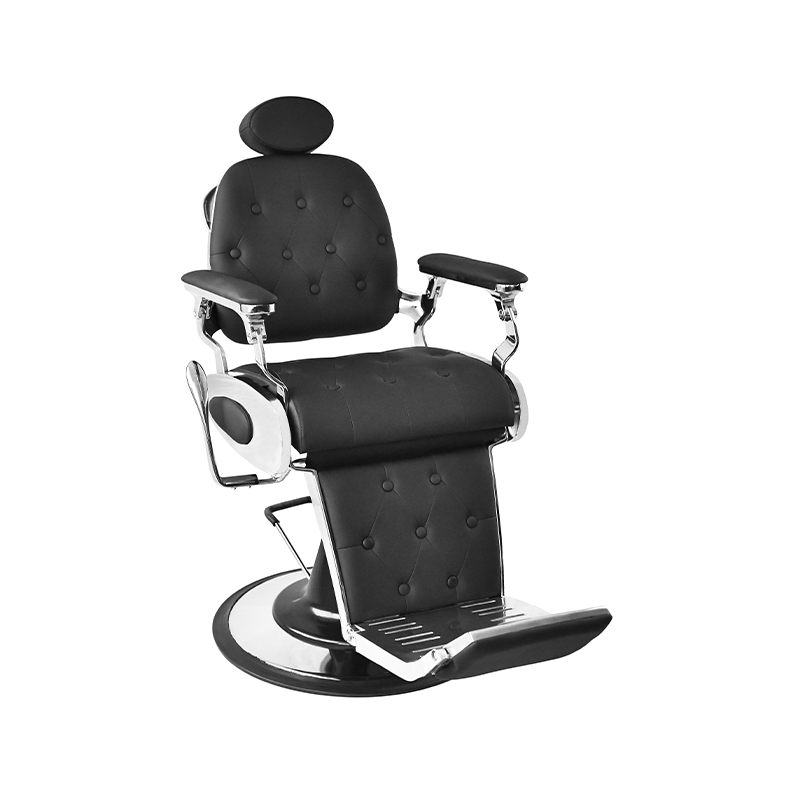
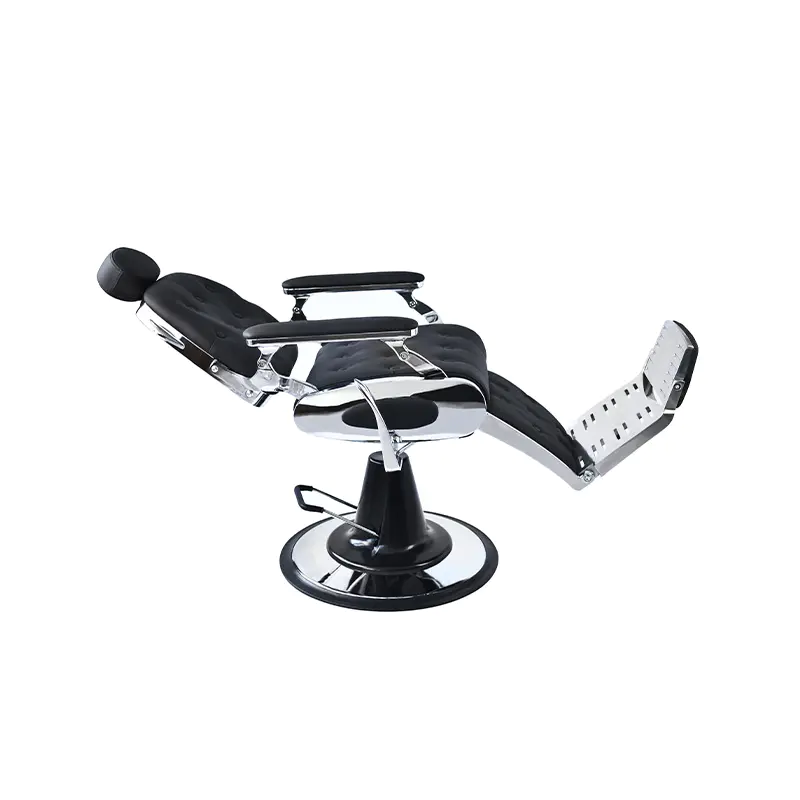
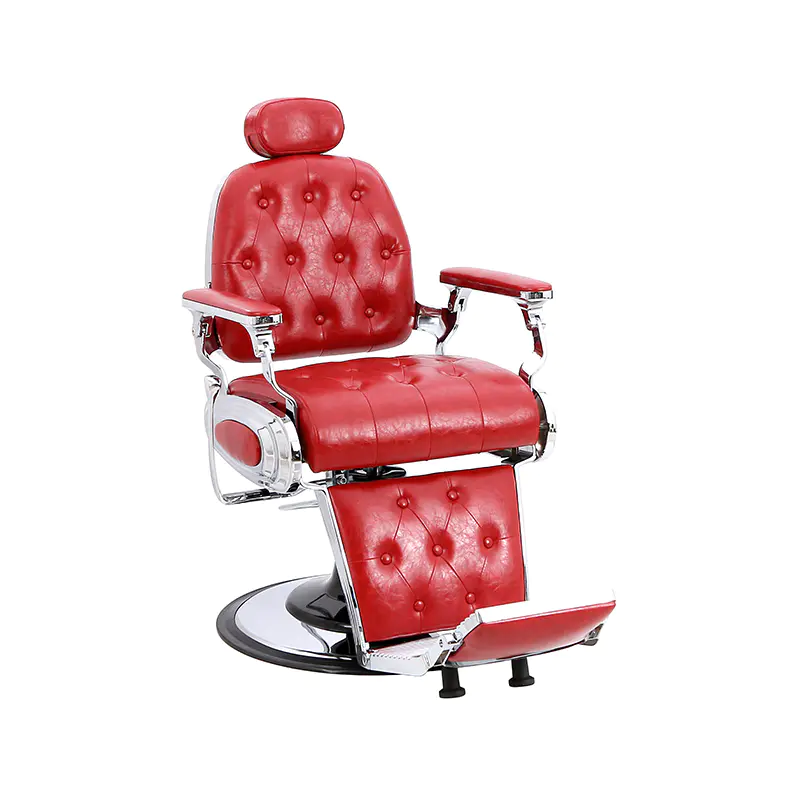
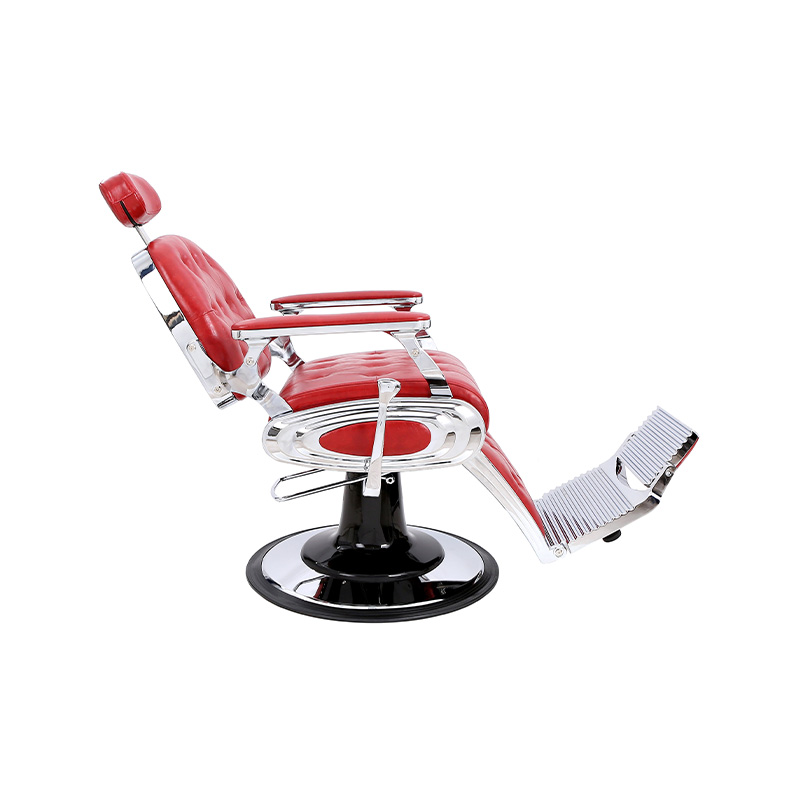
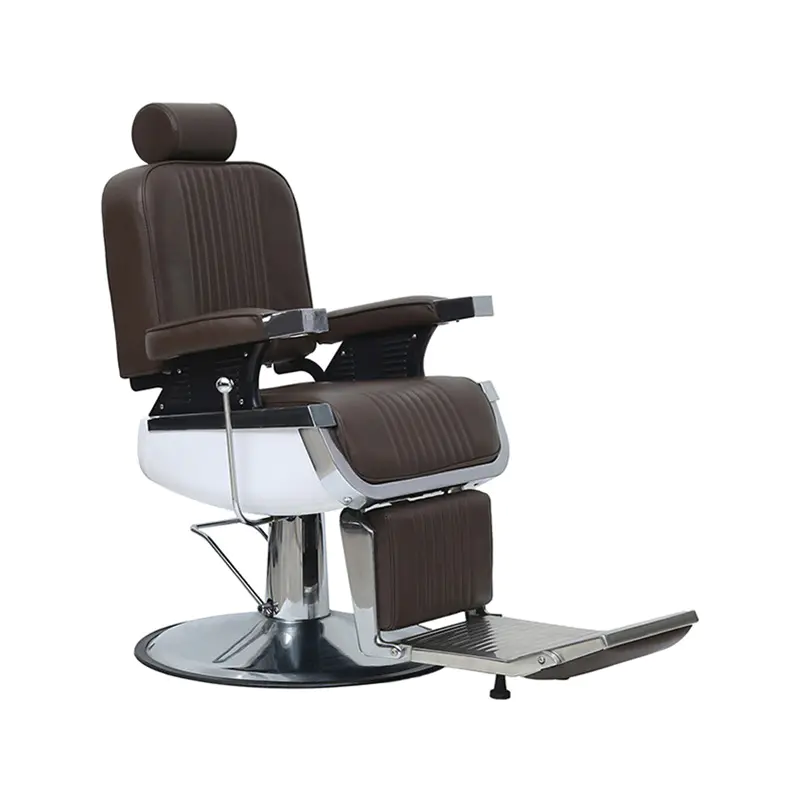
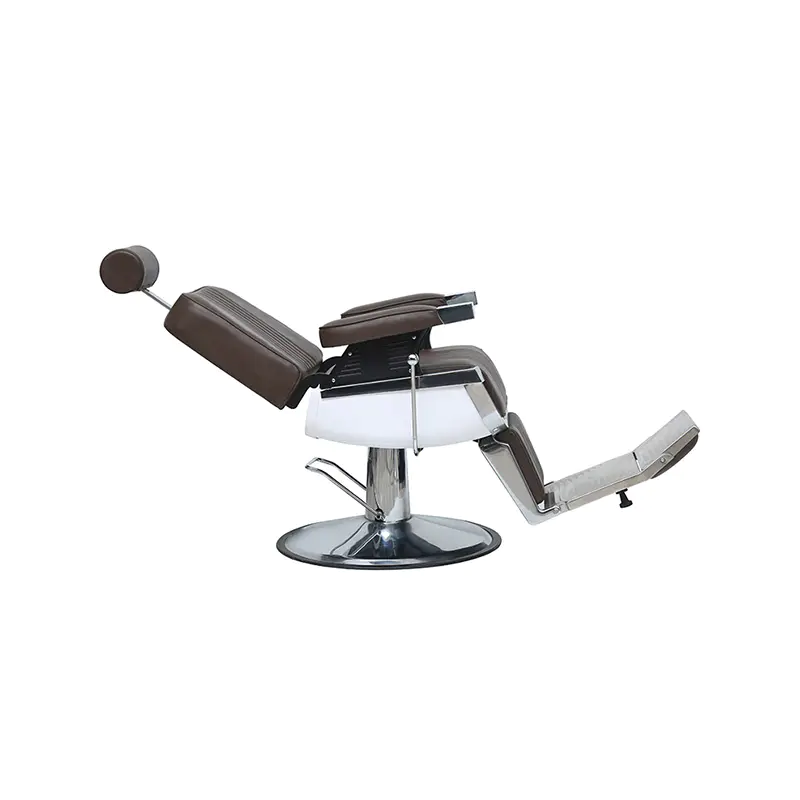
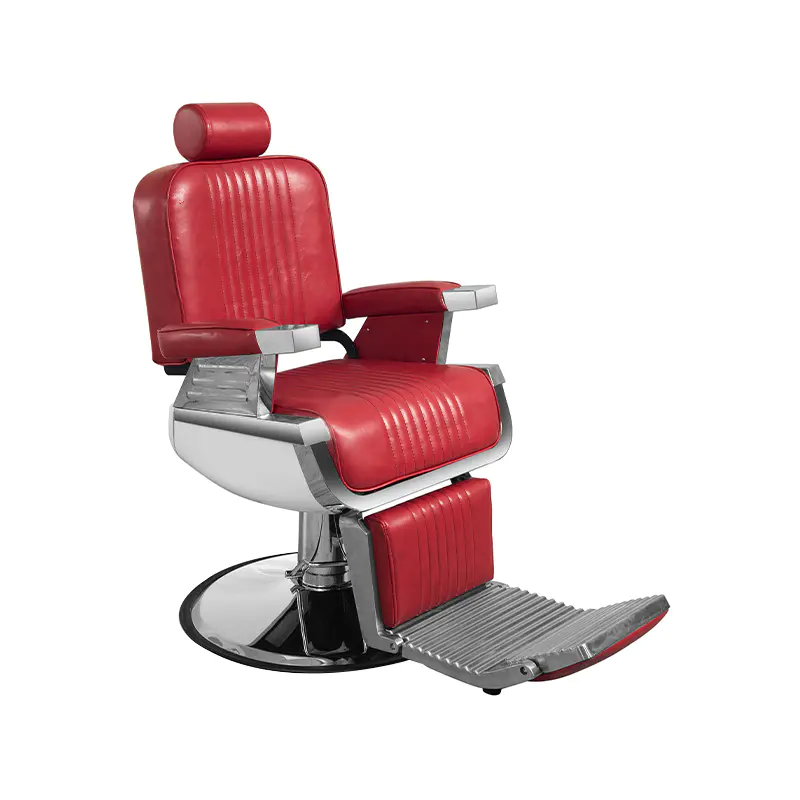
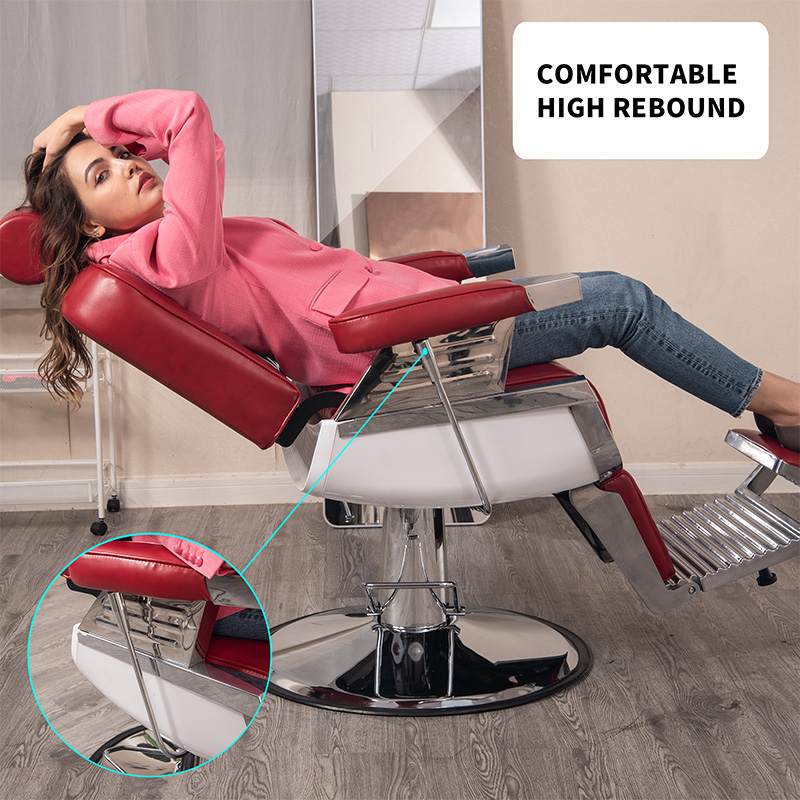
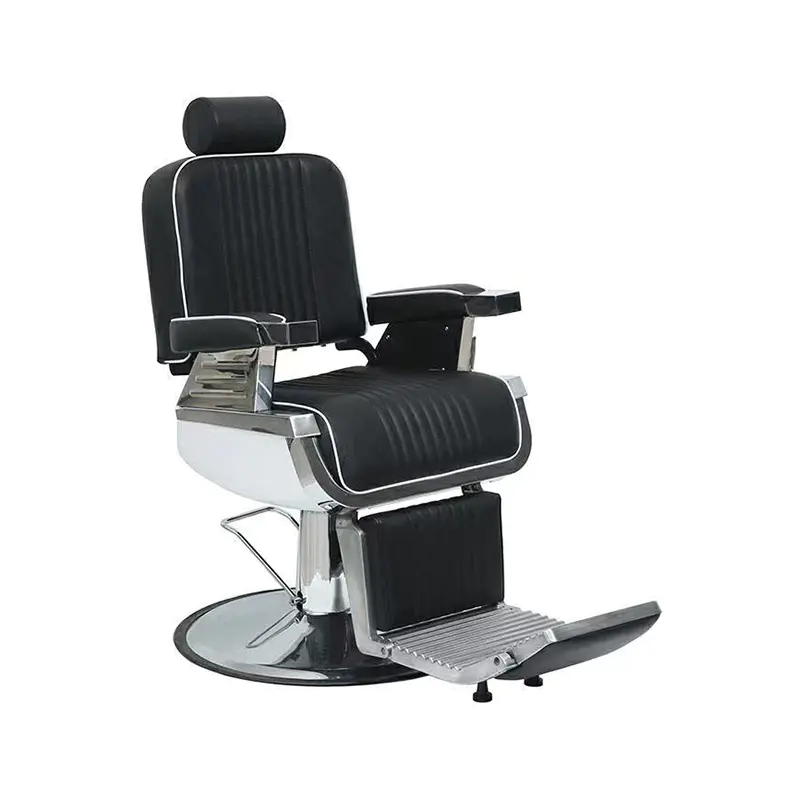
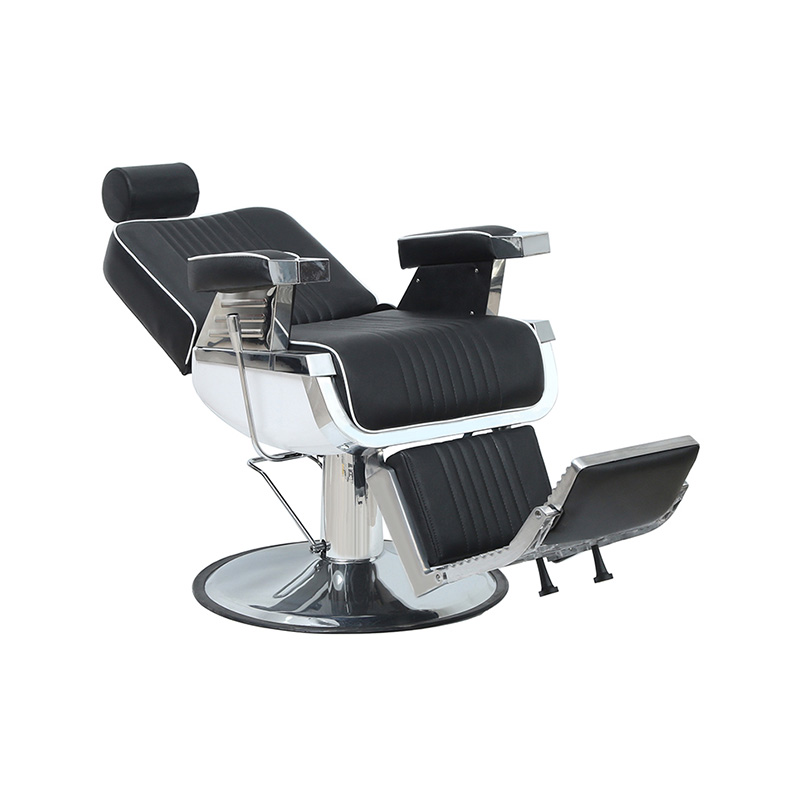
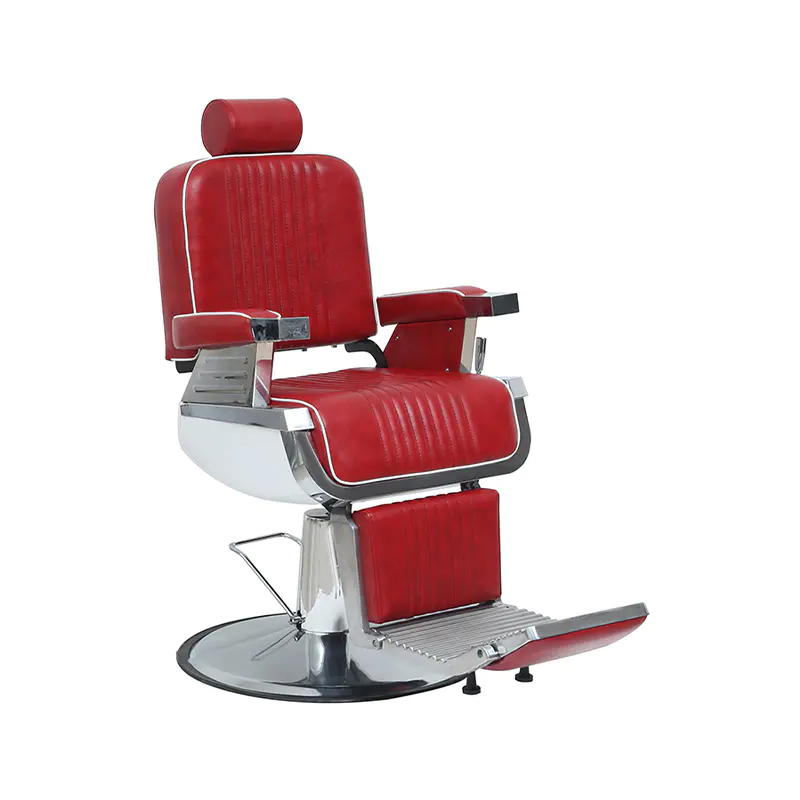
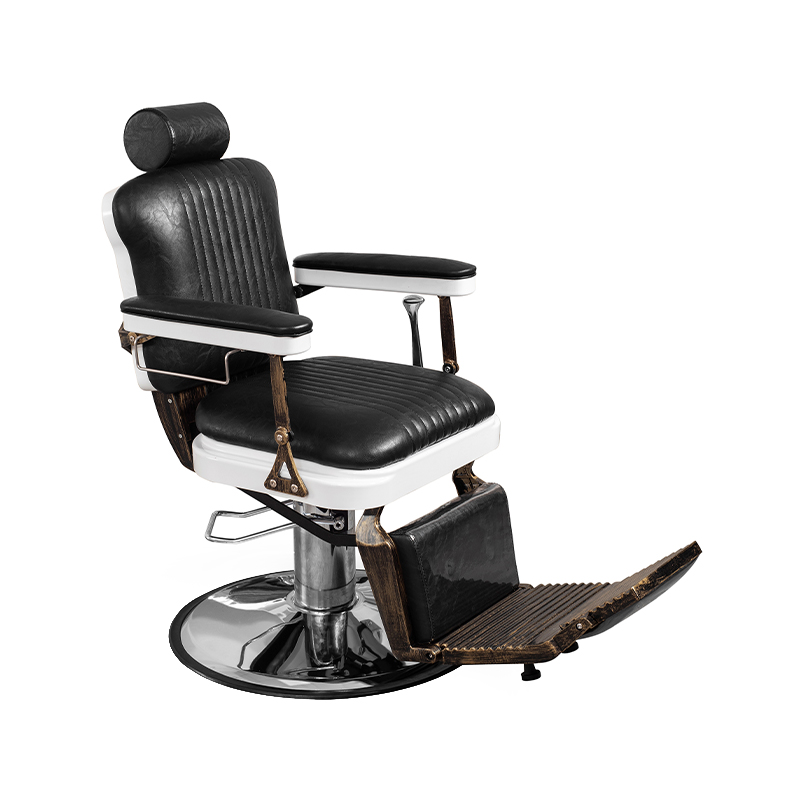
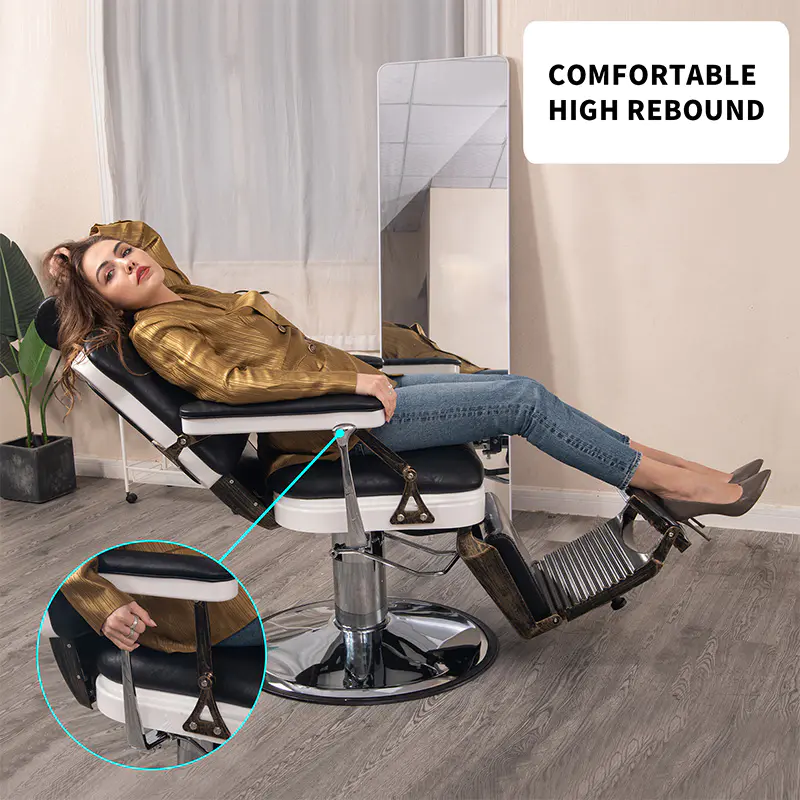
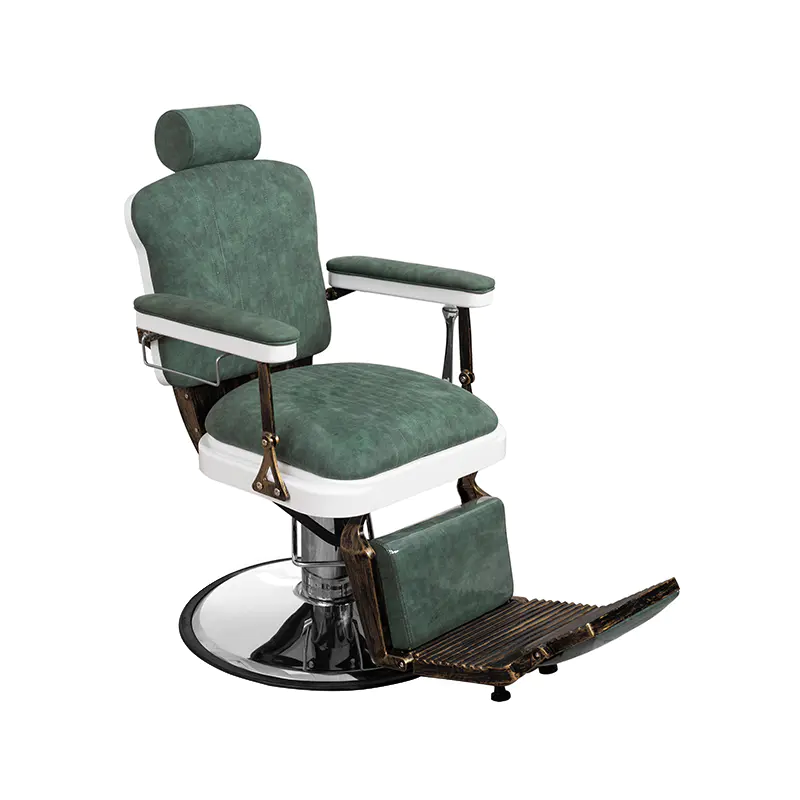
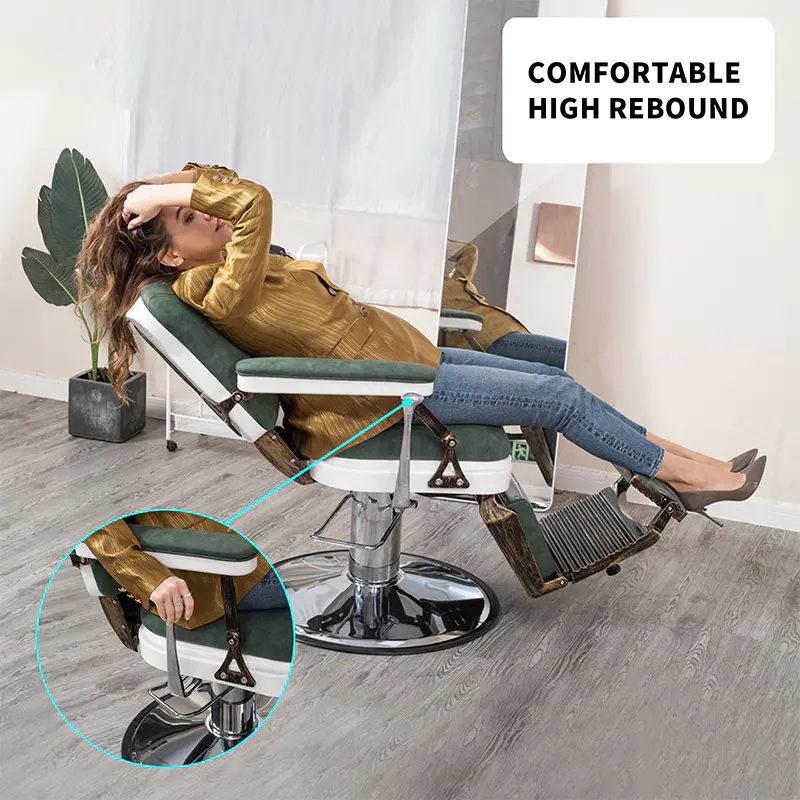
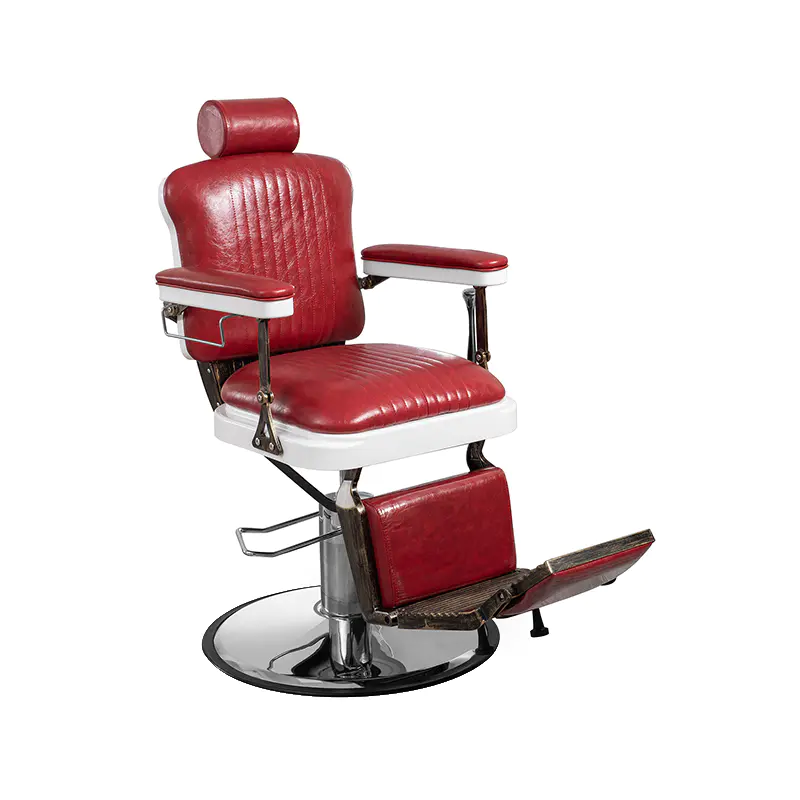
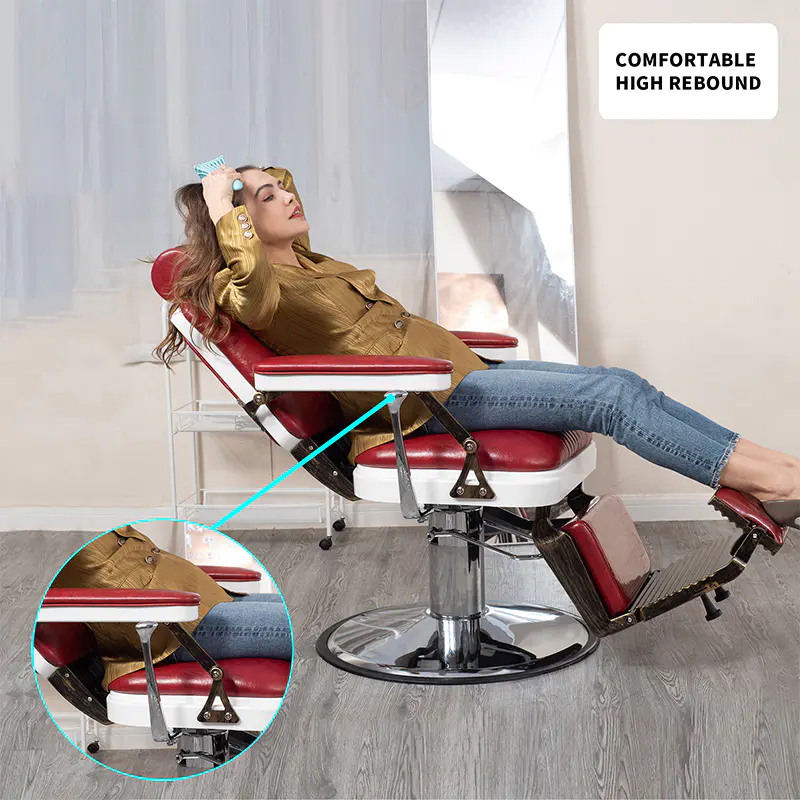
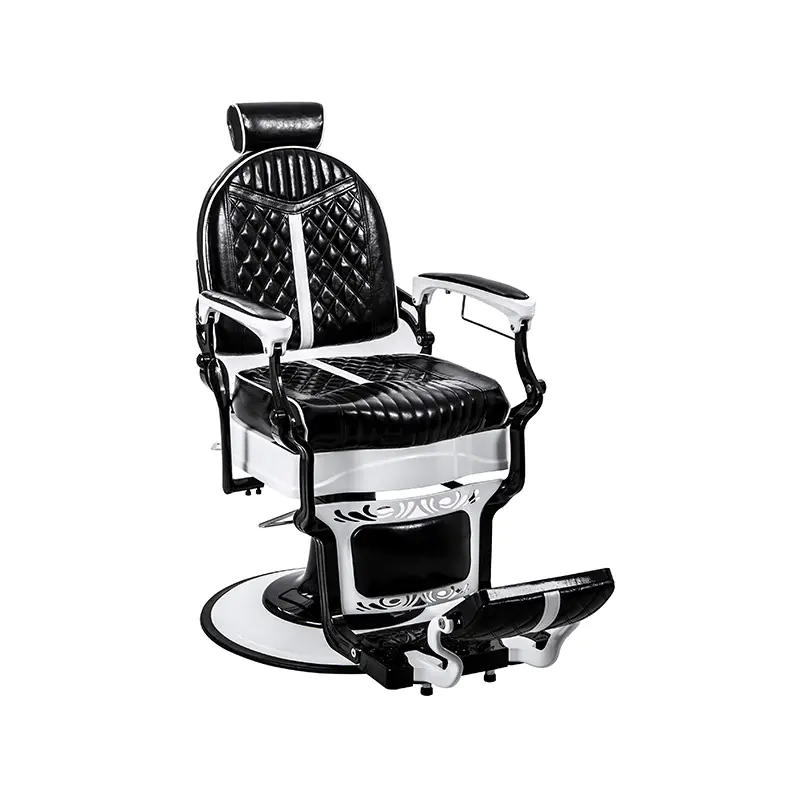
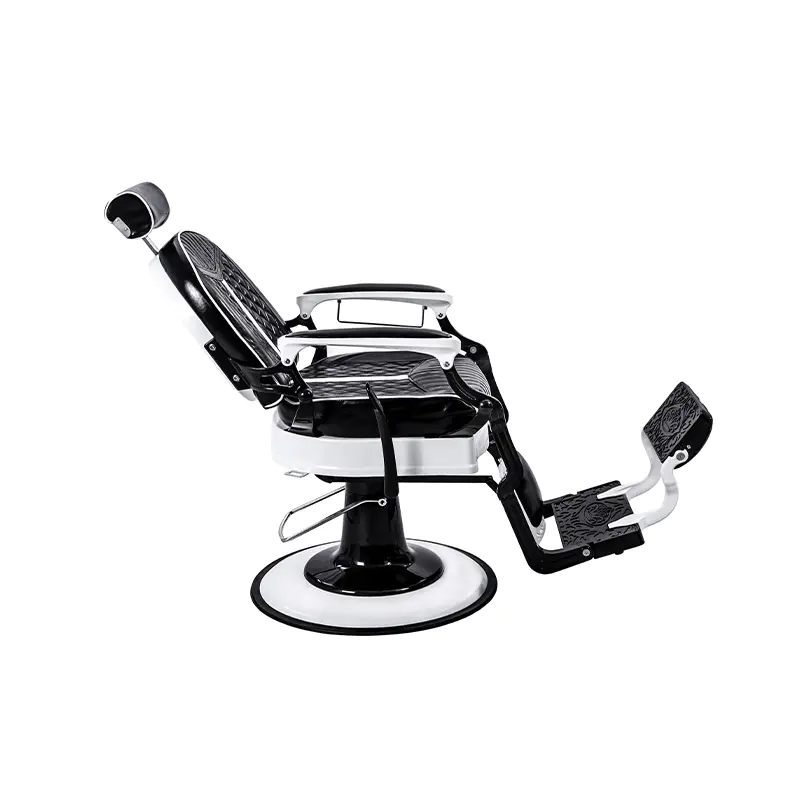
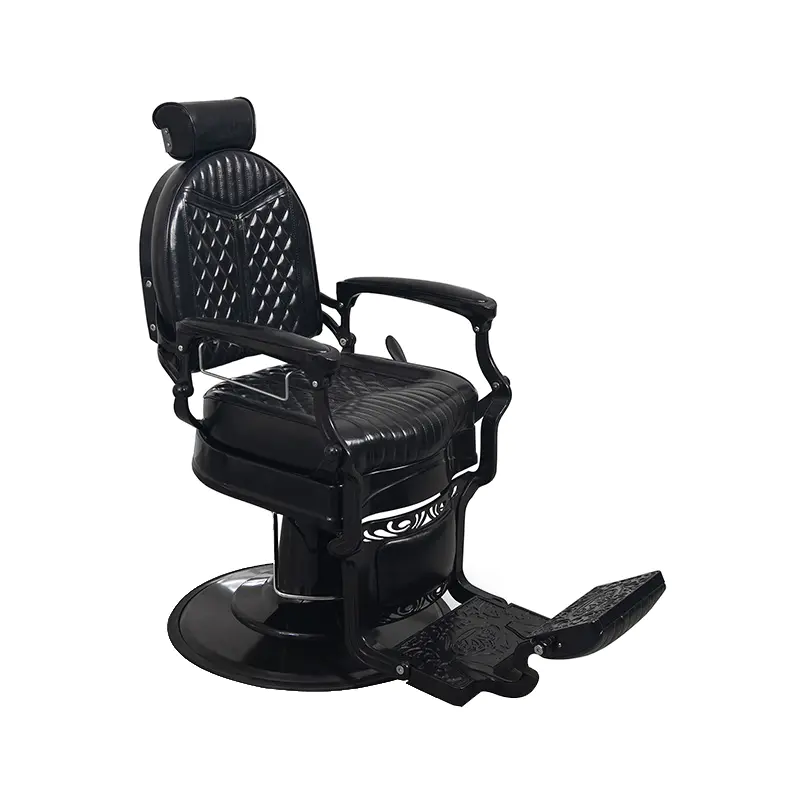
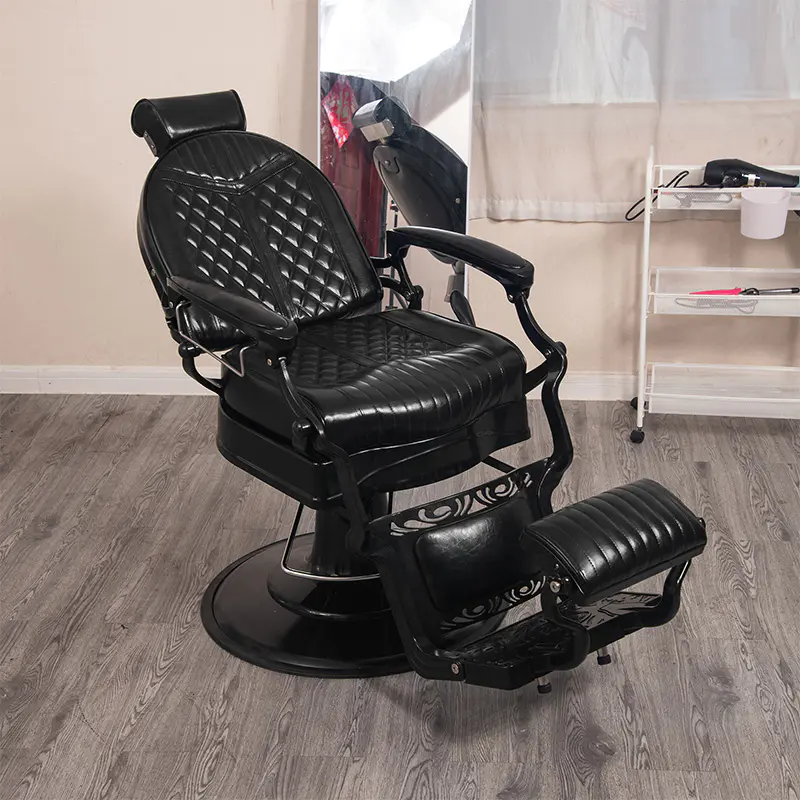
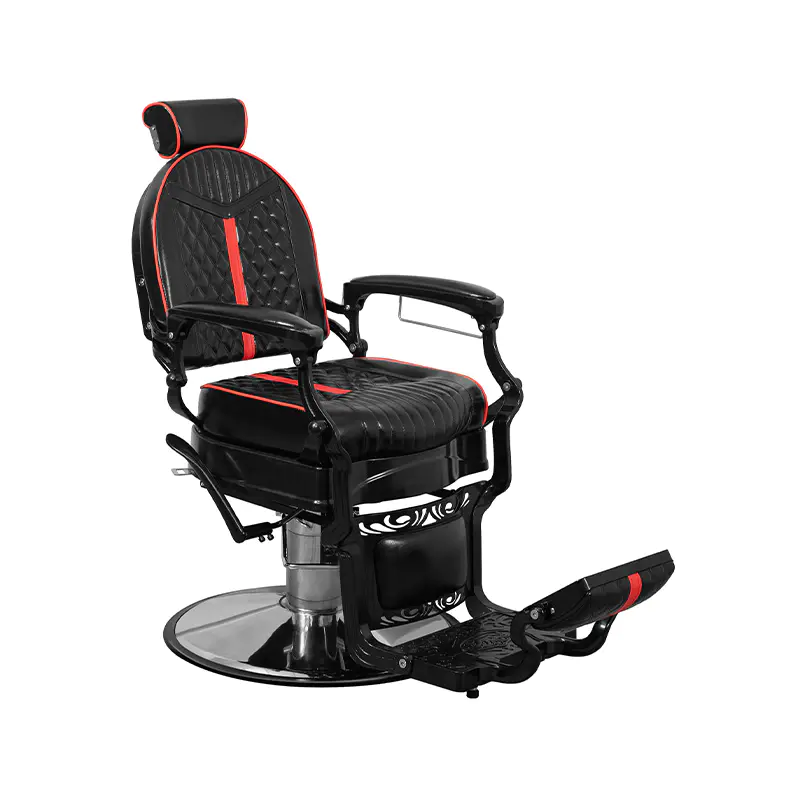
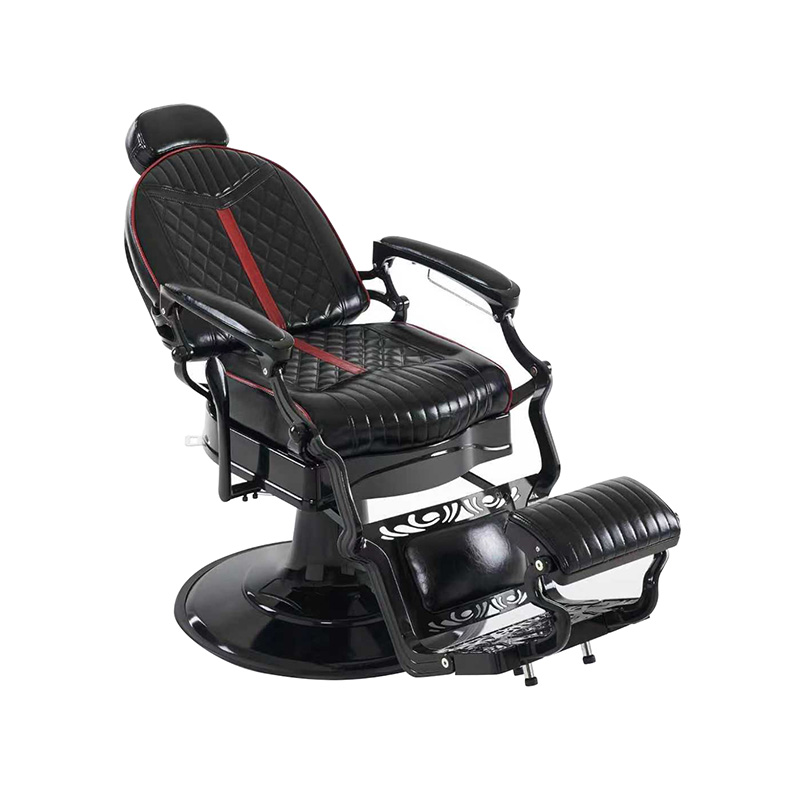
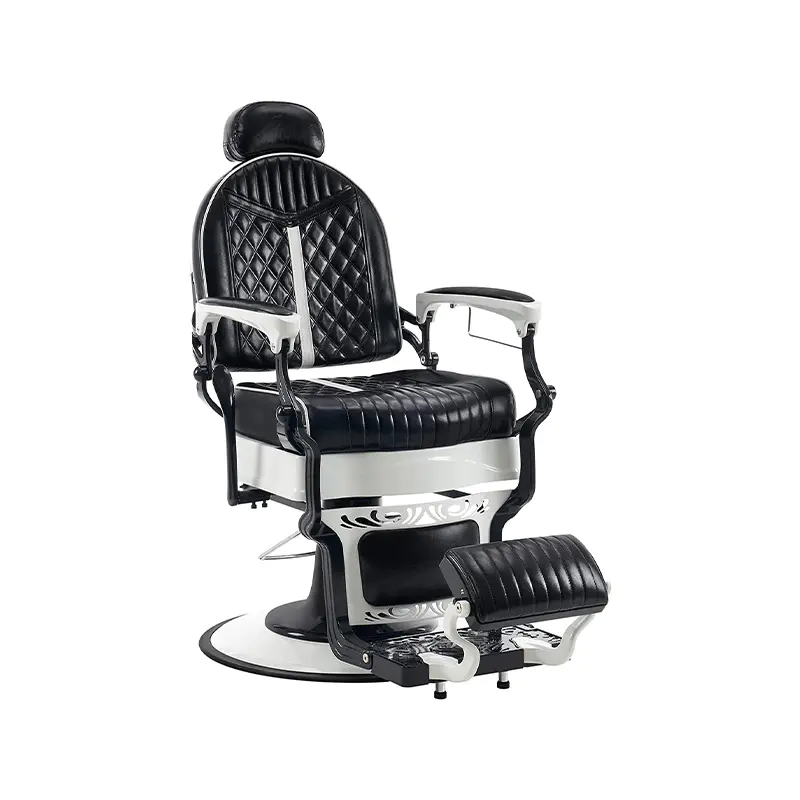
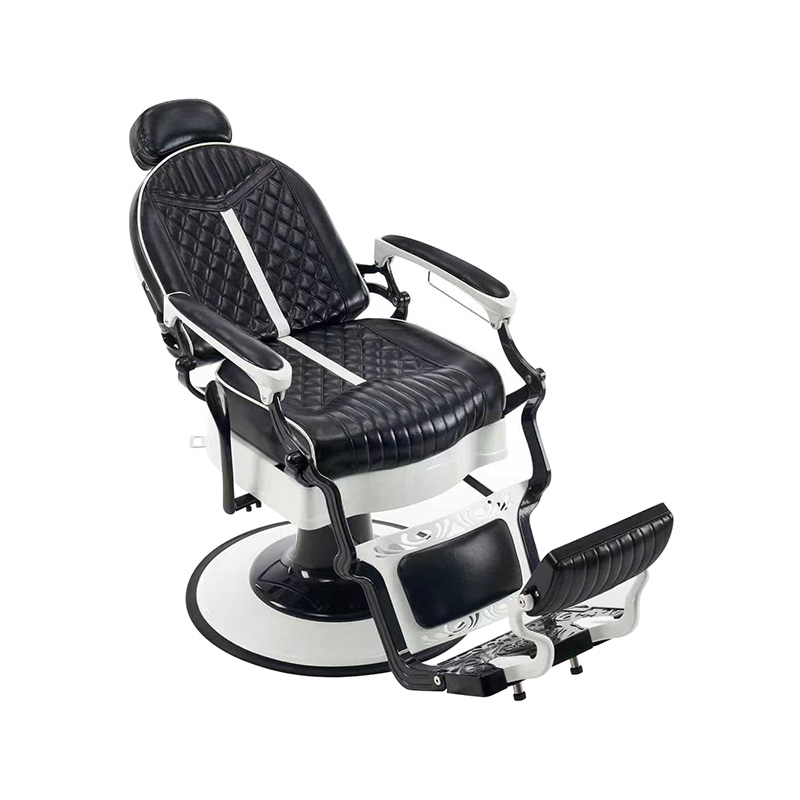
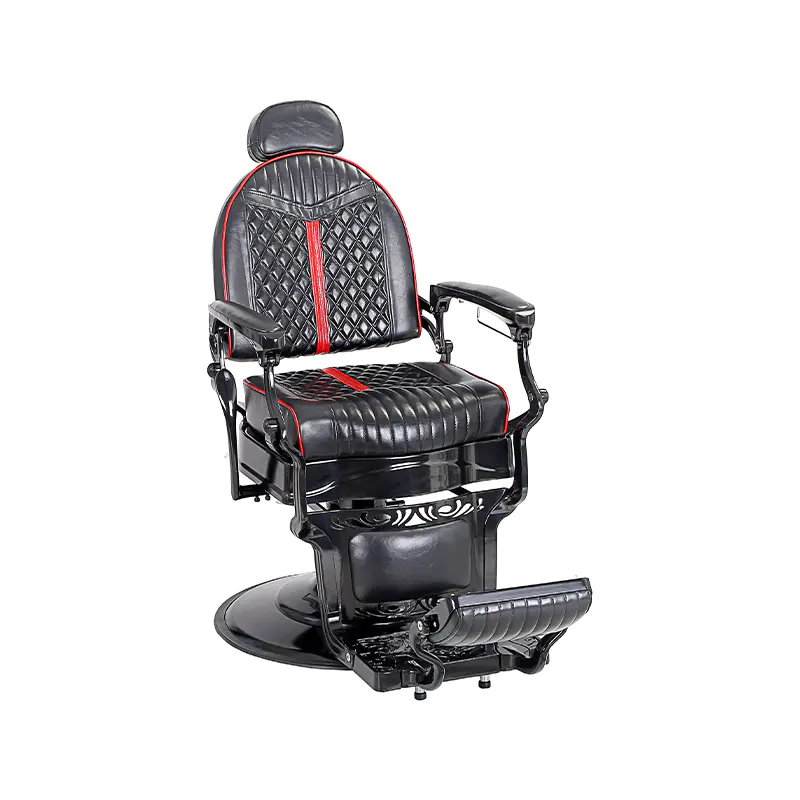
Hydraulic chairs are the backbone of a cutting station. Look for five-claw bases, heavy-duty pump capacity, and replaceable upholstery. A low-cost import chair can look fine for six months, but a pump failure in the first year is not a repair—it is a replacement. Budget for 150% of your expected daily use: a busy chair is raised and lowered dozens of times a day.
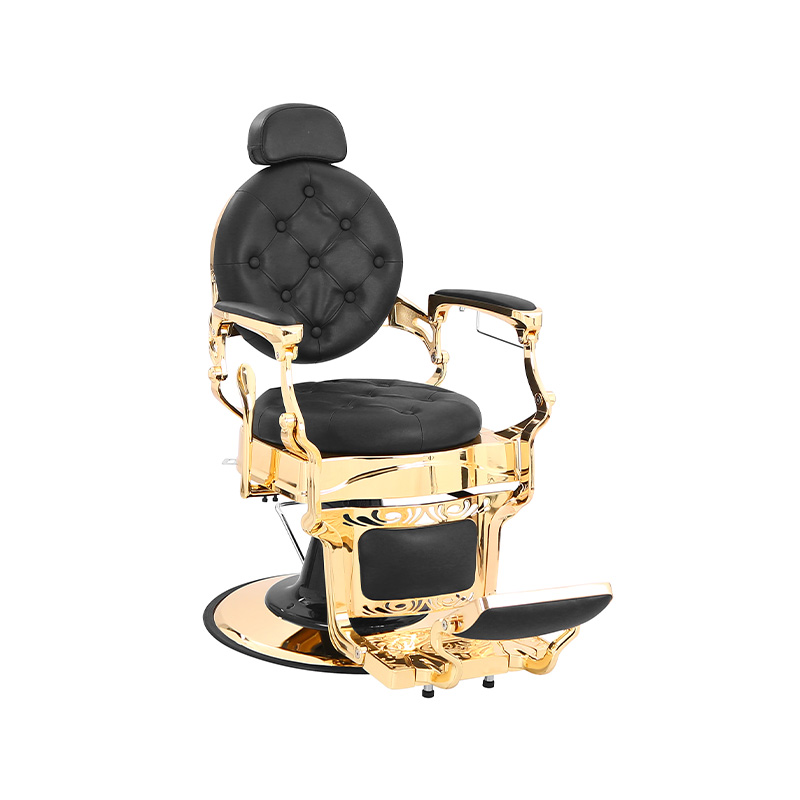
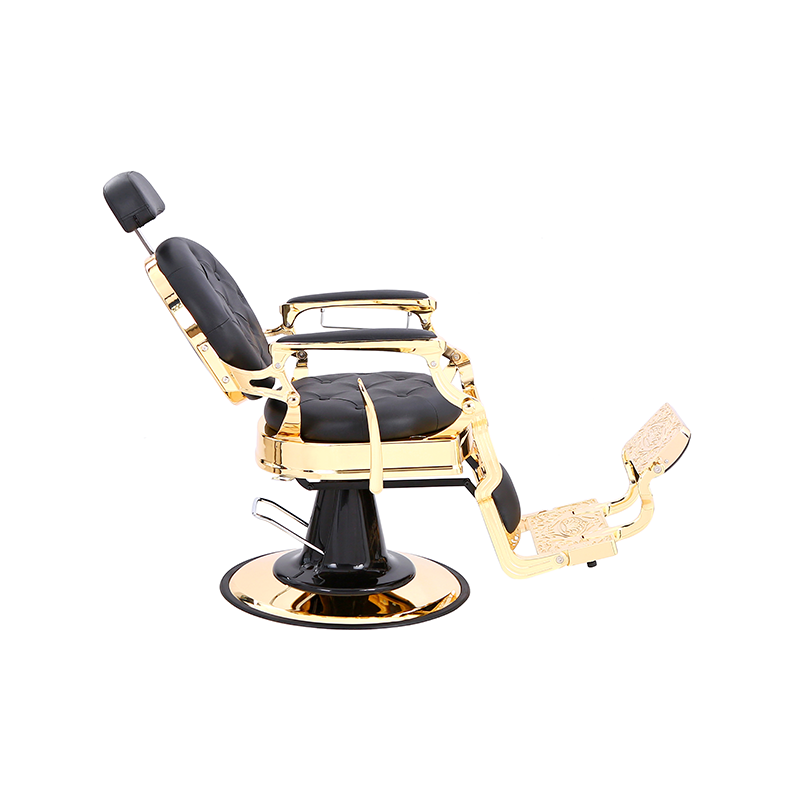
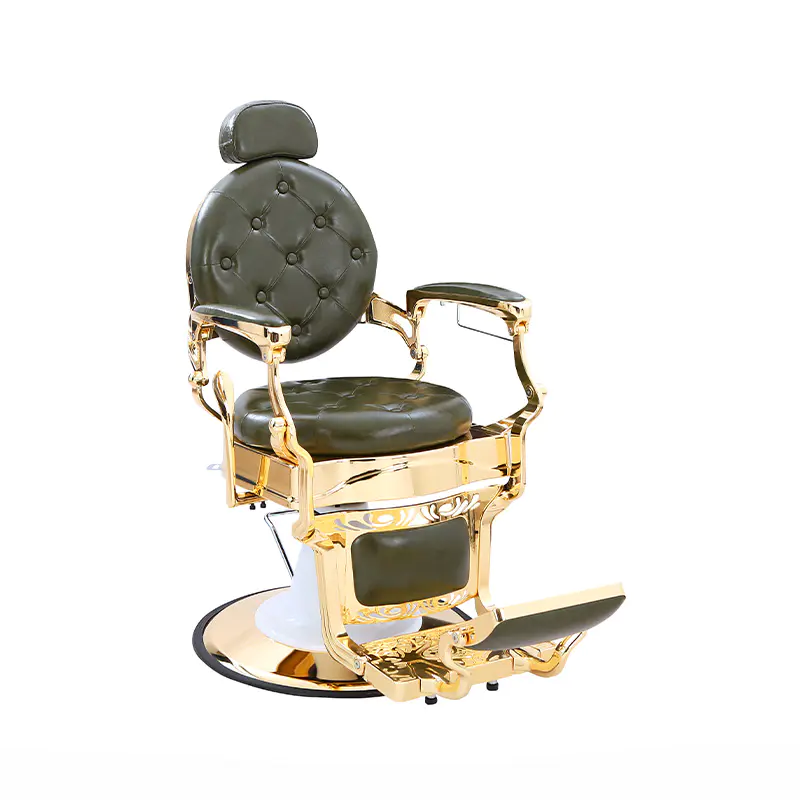
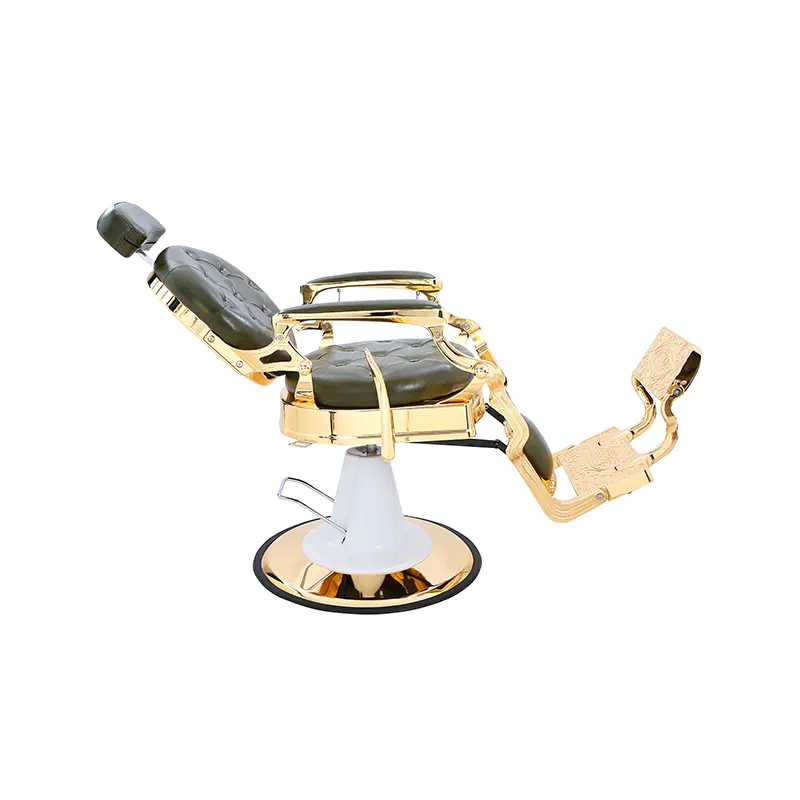
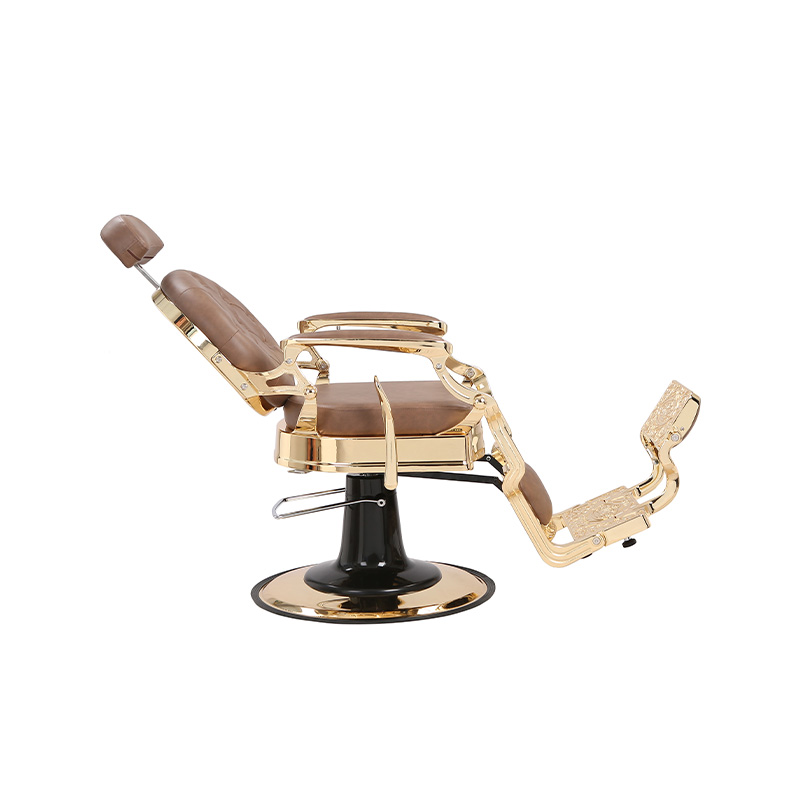
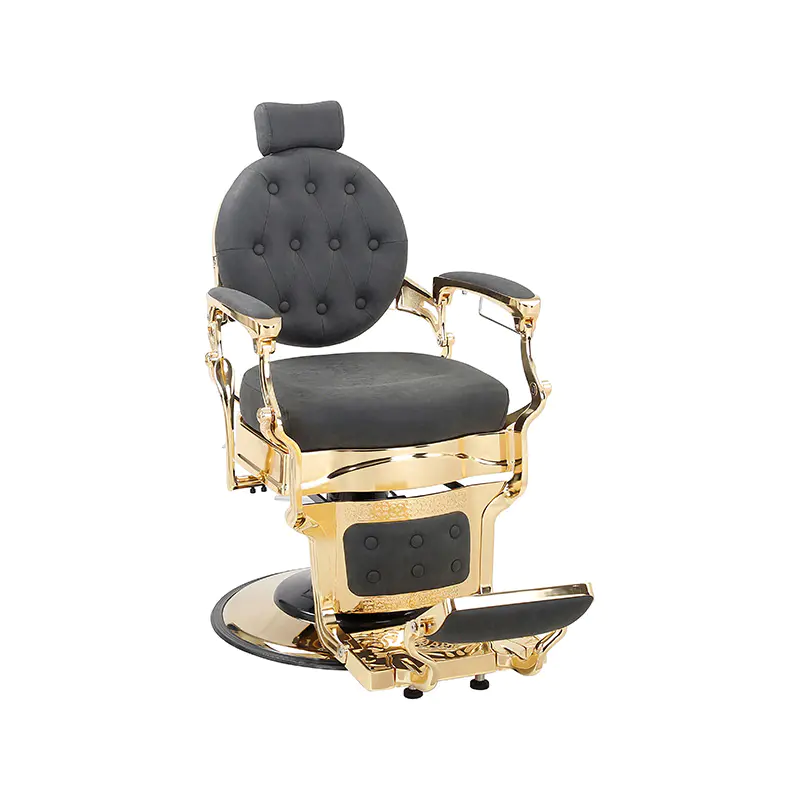
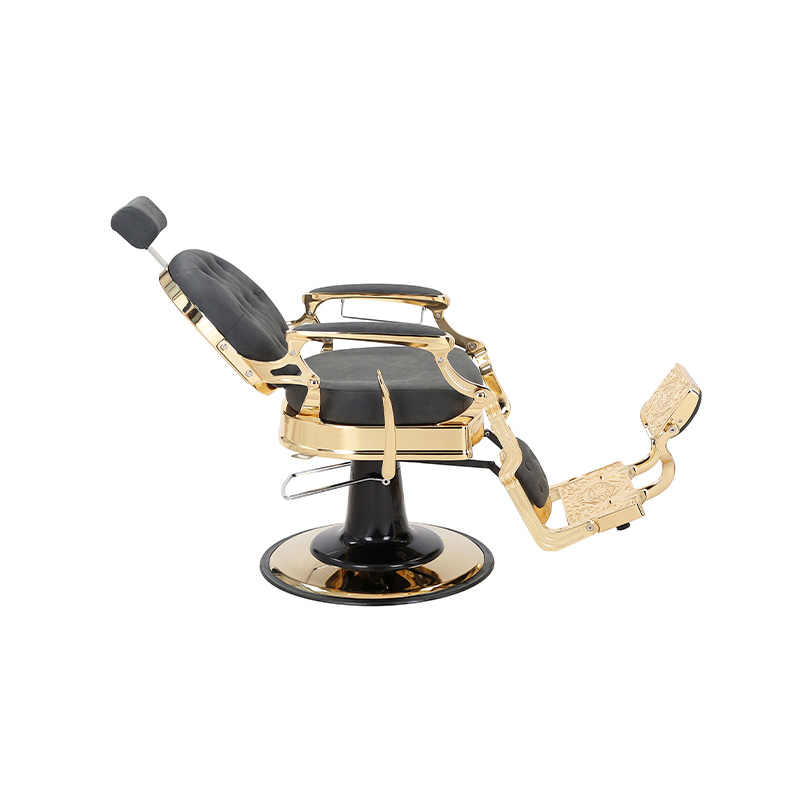
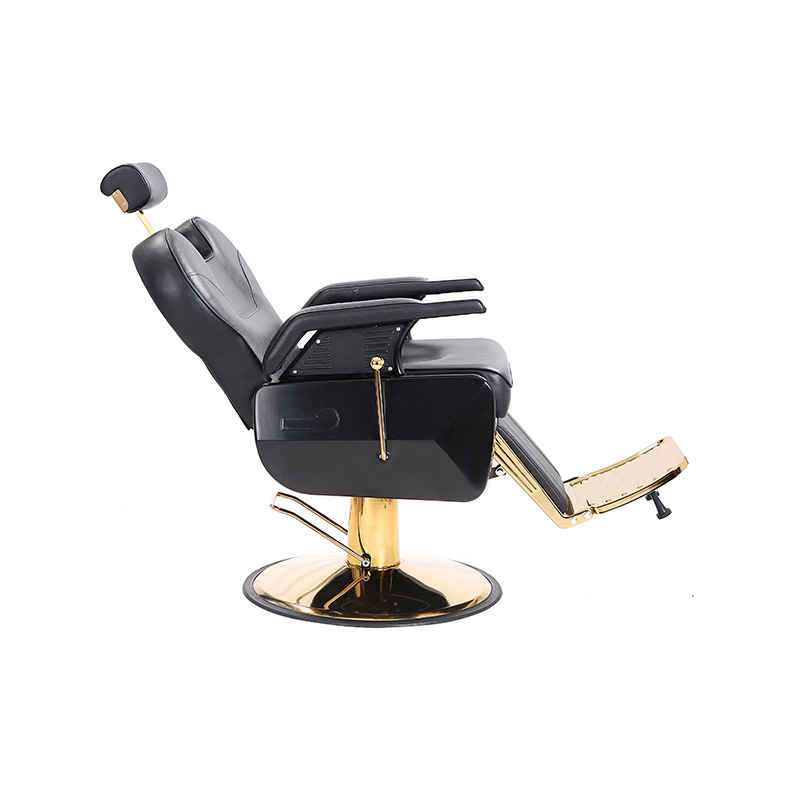 HZ8700 Heavy-Duty Hydraulic Barber Chair with Gold-Plated BaseThis hydraulic chair suits a busy cutting station, with a large pump, 130° recline, and stable gold-plated base. Its durable construction addresses the pump failure risks noted for high-use chairs.View Product →
Shampoo Stations
Shampoo chairs face water, product, and heat every day. A station with a ceramic bowl, adjustable chair, and leg rest will outwork a cheap plastic basin-and-chair combo. Remember to allocate more than the listed price: plumbing rough-in can add $500 - $1,500 per station, depending on the building. If you are renovating, put plumbing inside the wall and leave enough clearance behind the chair for a technician to work comfortably.
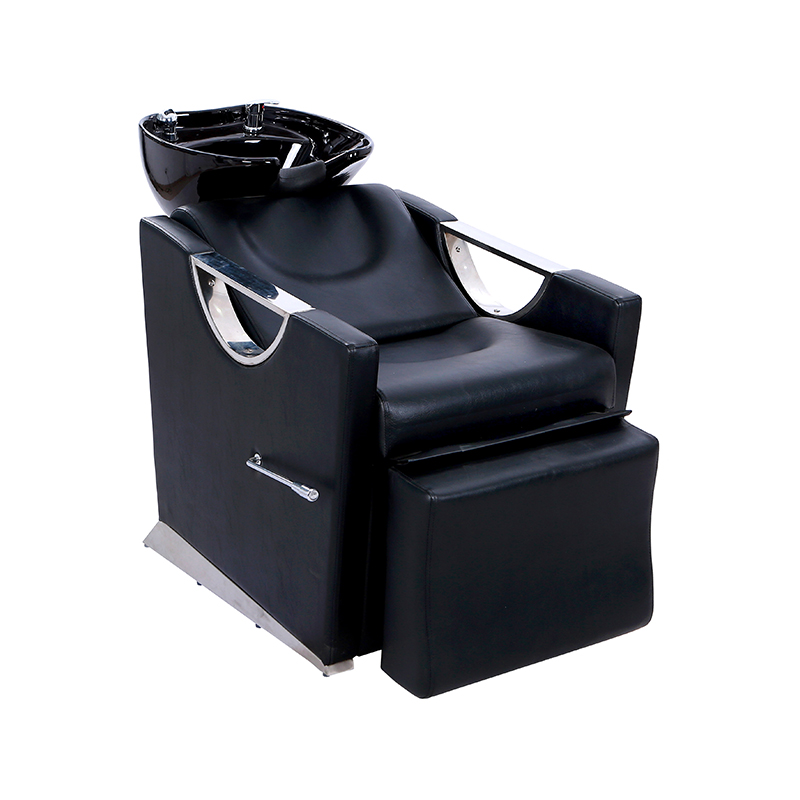 HZ9004 Ceramic Shampoo Bowl and Chair Set with Adjustable Leg RestBuilt for daily water and heat exposure, this set pairs a heat-resistant ceramic basin with a waterproof leather chair. A leg support and neck pillow add client comfort for shampoo services.View Product →
Styling Chairs, Trolleys, and Support Furniture
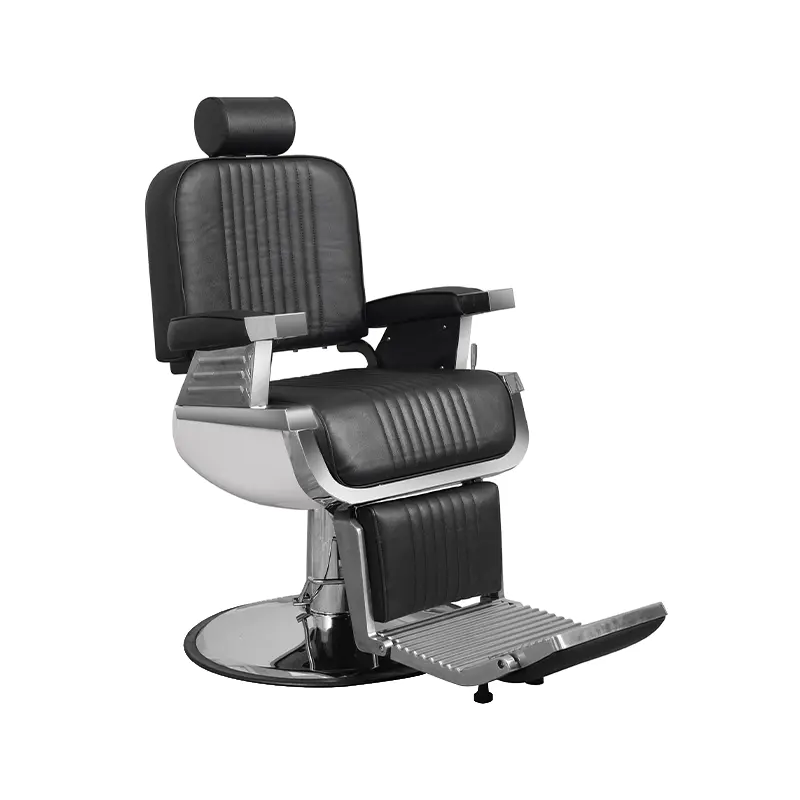
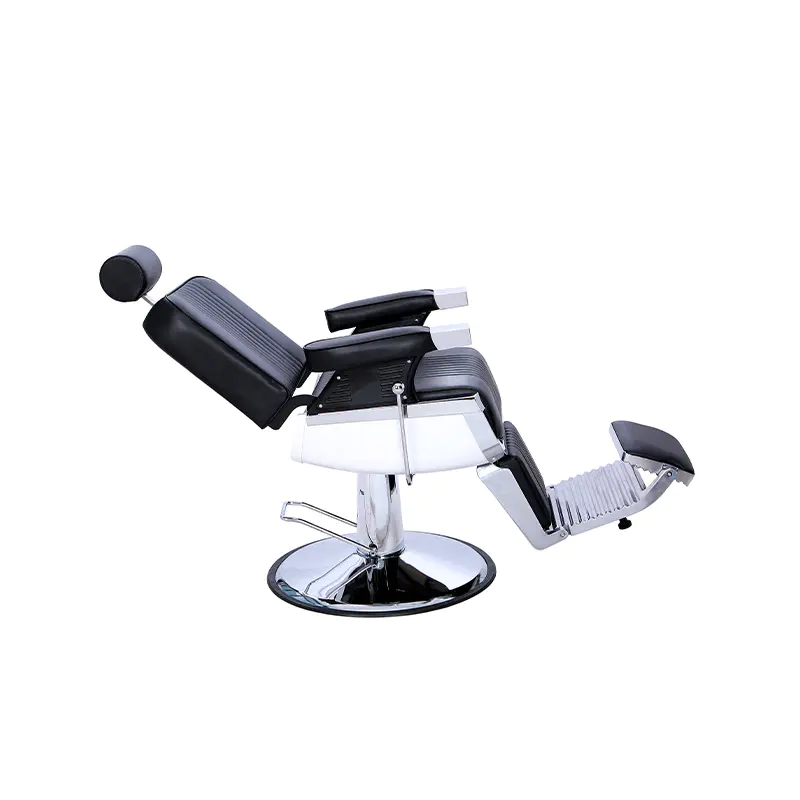
Owners often save money on a cutting chair and then overspend on luxury finishes elsewhere. On a tight budget, prioritize the surfaces clients feel: the chair they sit in, the towels they touch, and the cleanliness of the station. A comfortable styling chair with a smooth hydraulic lift is worth more than an expensive mirror frame. For current styling chair options, check the new product page before you finalize your quote.
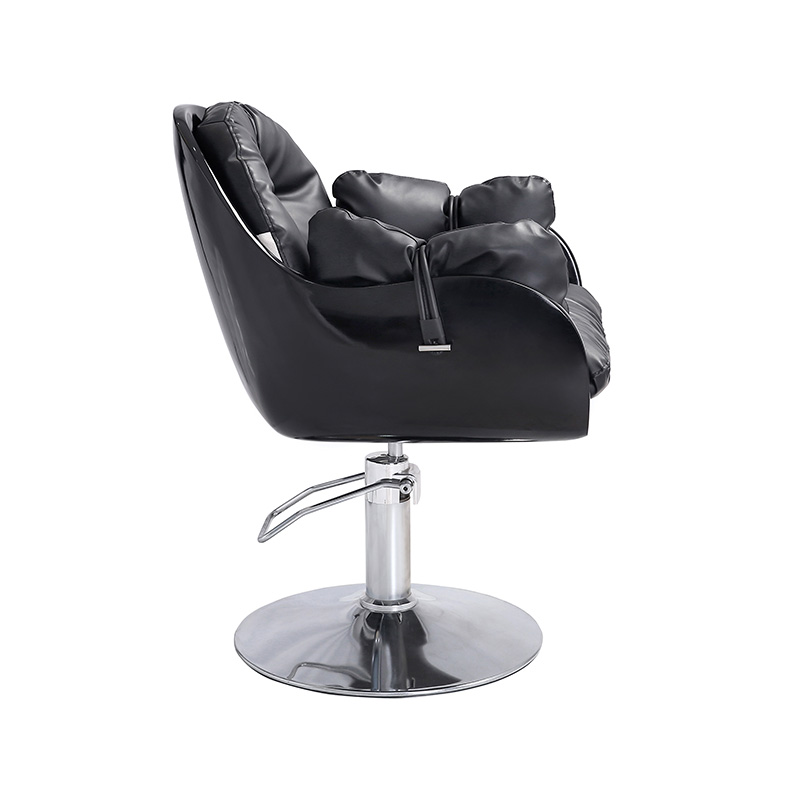 HZ88164Z Soft-Wrapped Hydraulic Styling Chair with Foot-Pedal LiftA budget-conscious styling chair with soft cushioning, foot-pedal hydraulic lift, and 360° swivel. Its sturdy base and lock mechanism offer reliable height adjustment for everyday salon use.View Product →
Plan Your Station Layout Before You Spend
Equipment budgets fail when the station dimensions do not match the equipment. A common planning rule is 40 - 50 square feet per styling station, including the chair, trolley, and room for the stylist to move. Shampoo areas need extra clearance for the bowl, hose, and technician access. A layout mistake can turn a well-priced chair into an expensive obstacle.
When you estimate your salon budget, assign a cost to each physical zone: cutting stations, shampoo areas, retail shelves, waiting seating, and back-bar storage. That way, a bargain chair cannot hide an expensive layout mistake.
Hair Salon Budget FAQs
Q1. How much should I budget to open a hair salon?
A. For a small suite, $10,000 - $30,000 is realistic. A full-service salon with build-out often needs $50,000 - $200,000. Build-out, permits, and equipment are the biggest drivers.
Q2. What is the biggest expense of running a hair salon?
A. Payroll. Labor usually consumes 35 - 50% of revenue. Rent is next, typically 10 - 15% of revenue. Keep supplies below 15% to protect profit.
Q3. What is the 12% rule in a salon budget?
A. It is a benchmark saying rent should be no more than 12% of revenue. If your rent exceeds 15%, you need more service volume or a less expensive space.
Q4. Can I deduct salon equipment purchases on taxes?
A. In many cases, yes. Qualifying equipment like chairs, shampoo bowls, and styling stations can be expensed in the purchase year under Section 179, depending on your tax structure. Keep receipts and depreciation schedules.
Q5. How much should I set aside for salon supplies monthly?
A. Budget 8 - 15% of service revenue for back-bar product, chemicals, disposables, and retail inventory. Track weekly so you can adjust before waste becomes a loss.
Q6. Should I buy new or used salon furniture?
A. Used chairs can save money, but inspect hydraulic pumps, upholstery, and bases before paying. For heavily used pieces, new heavy-duty equipment often costs less per year than repairing a failing second-hand unit.