
 en
en  English
 русский
 Español
 عربى
عربى
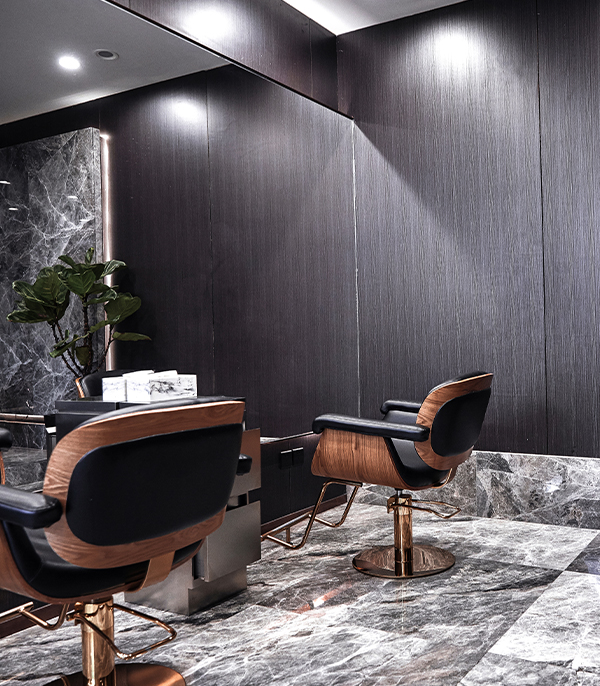
A six-chair salon that opens with US$170 styling chairs usually replaces three of them within two years. The same salon, spending an identical total budget on six heavier chairs and trimming the decorative extras instead, is often still using the original set in year five. That gap is the difference between budget salon equipment and cheap salon equipment: the price on the quotation is only the first payment.
Buying on a budget is a specification exercise, not a discount hunt. The total spend is fixed, so the only real decision is where each dollar lands, and close to half of a typical equipment budget sits in a handful of categories where a wrong choice is expensive to reverse.
Where a salon equipment budget actually goes
Split the budget into categories before you talk to a single supplier. A six-chair salon with two backwash units and a small waiting area normally divides in roughly the proportions below. The point of the split is not the exact percentages, it is noticing which lines are big enough to matter.
Two things stand out. Chairs and backwash units together take about half the equipment line, so a 10% saving there is worth far more than a 30% saving on mats and trolleys. The reverse is also true: over-spending on reception seating, which a client sees for four minutes, is the fastest way to run out of money before the workhorses are paid for.
Freight is the line most first-time buyers underestimate. Salon furniture is bulky but light, so a container of chairs, backwash units and trolleys costs far less per unit to move than three separate pallets. A complete fit-out ordered in one shipment usually lands cheaper than the same items bought in stages, provided you have somewhere to store it. If you are still unsure which pieces genuinely belong in a salon, our overview of what counts as salon furniture breaks the categories down.
Three specifications to hold, and three you can trade
Budget pressure should land on appearance, not on the parts that carry a client's weight eight hours a day. These are the three items worth protecting, and the three that absorb a cut without hurting anyone.
Hold these three
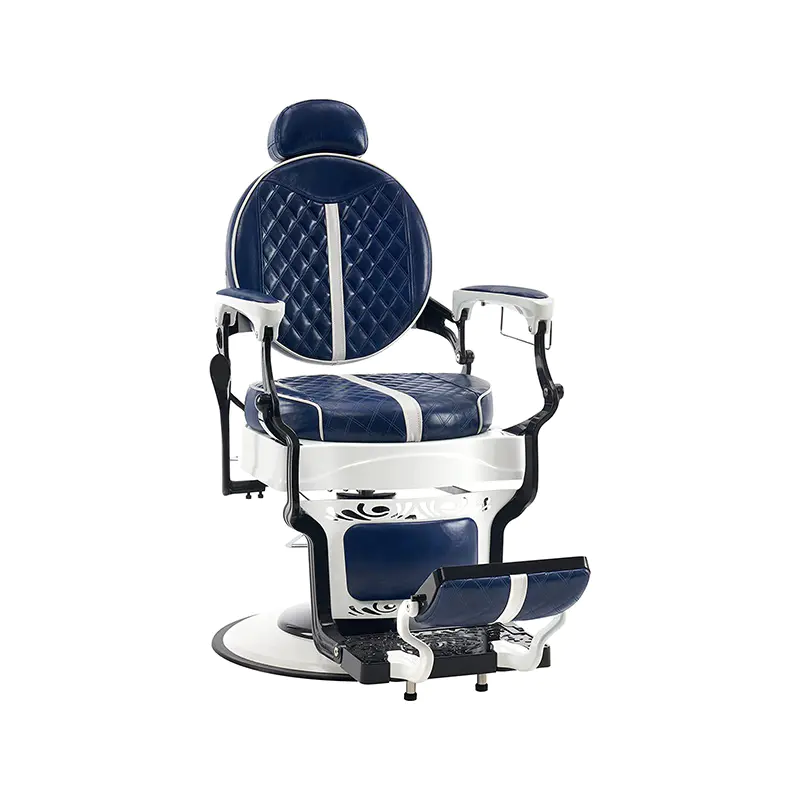
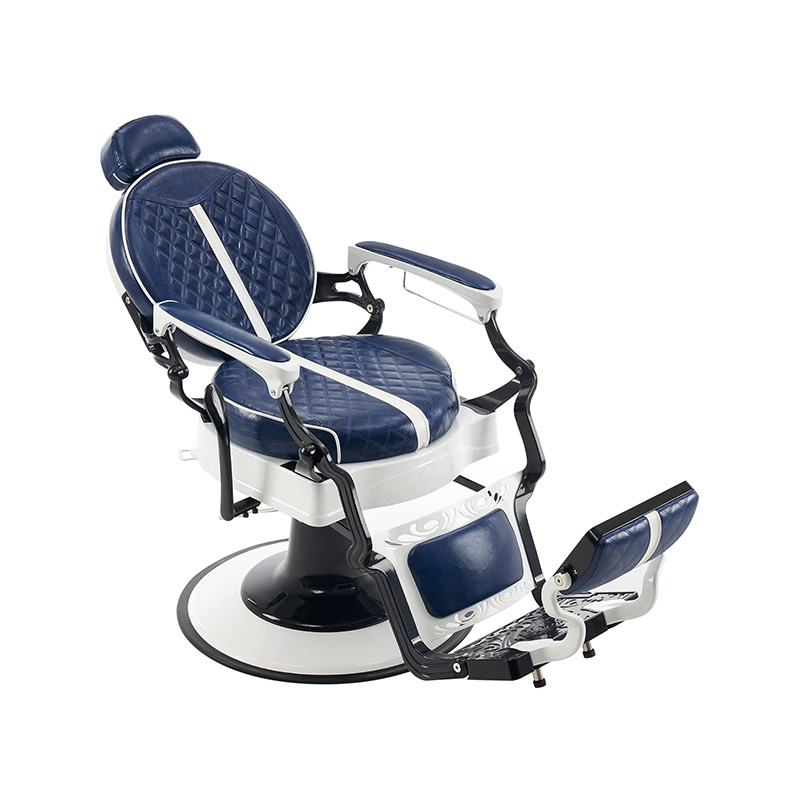
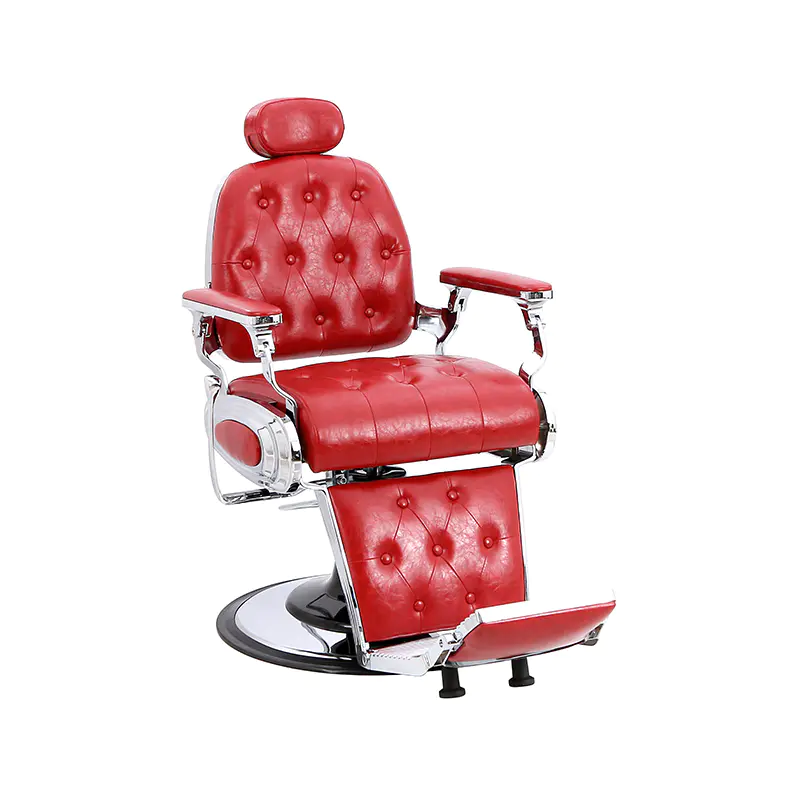
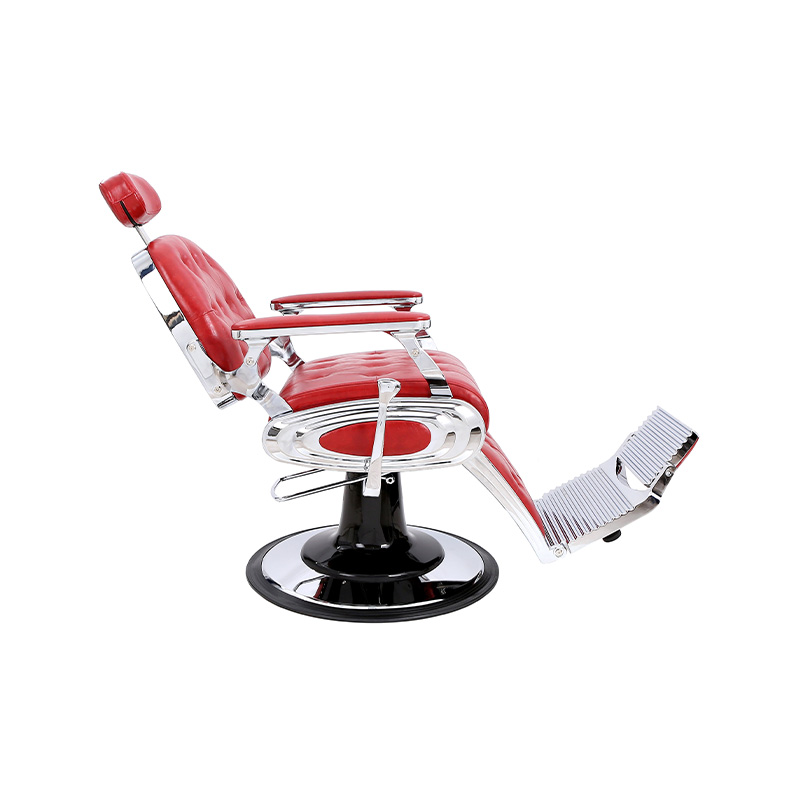
- Hydraulic pump and base. Ask for the rated lift capacity and the spread of the five-claw base in writing. A pump that sinks under a 110 kg client, or a narrow base that lifts off the floor when the chair reclines, cannot be repaired with a spanner later. It means a replacement chair.
- Foam density and upholstery. Ask the supplier to state foam density in kg per cubic metre, and the abrasion figure of the vinyl. Soft low-density foam feels comfortable on a showroom floor and flattens into a plank within roughly 18 months of daily use. Re-upholstery at that point often costs as much as a new chair.
- Frame and welds. Look for full-perimeter welds on the seat plate, and a footrest that does not flex when a client steps on it. Thicker tube steel costs very little at the factory and is almost impossible to add later.
Trade these three
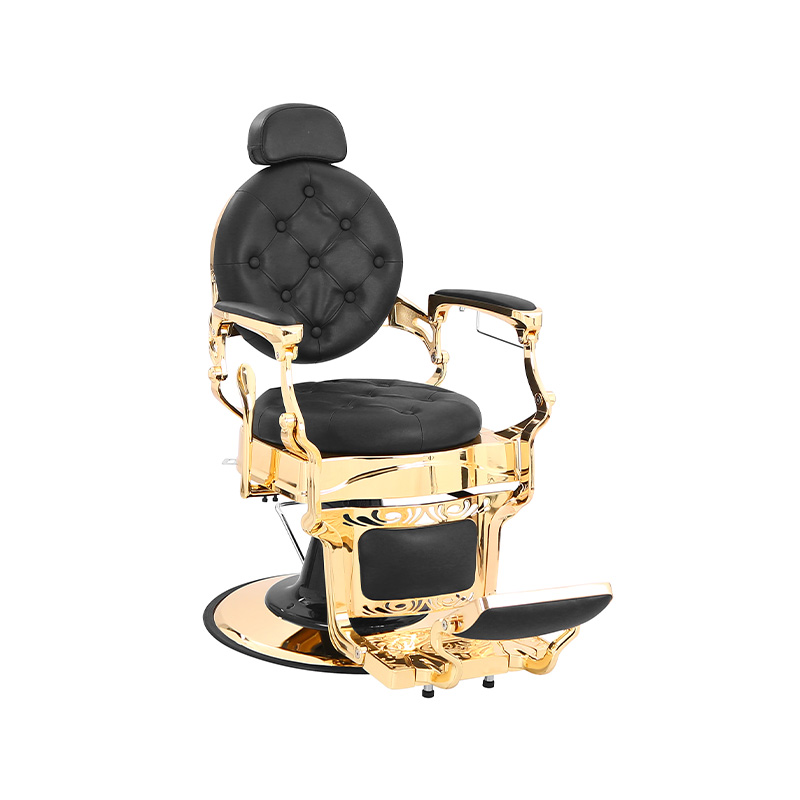
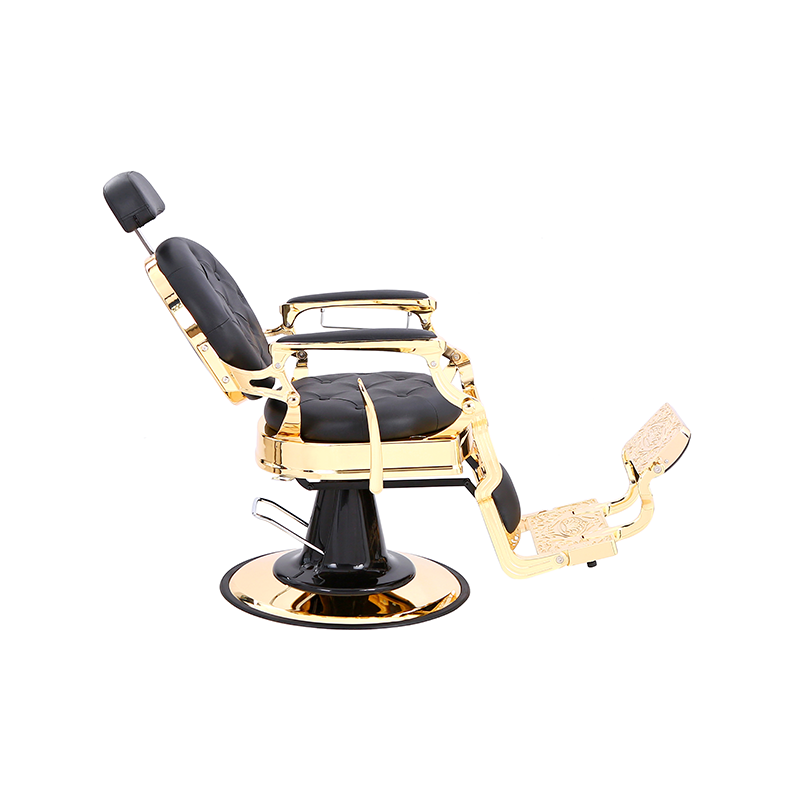
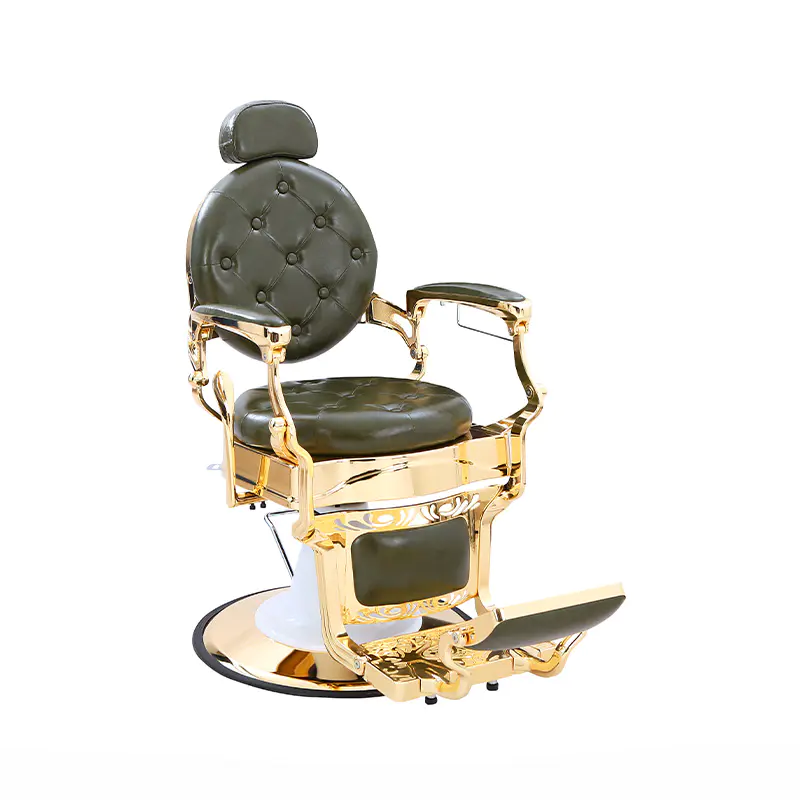
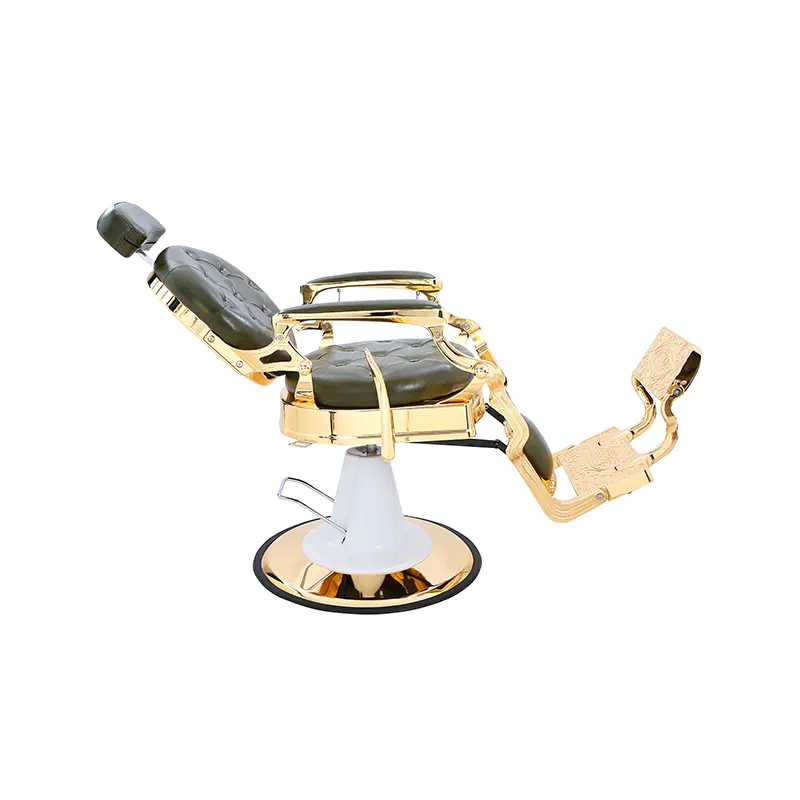
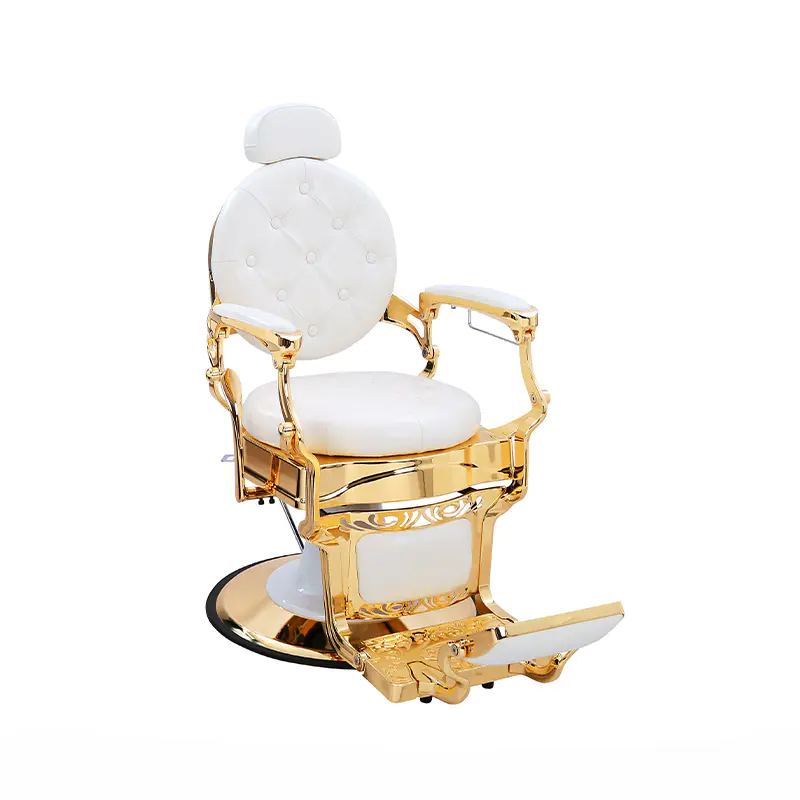
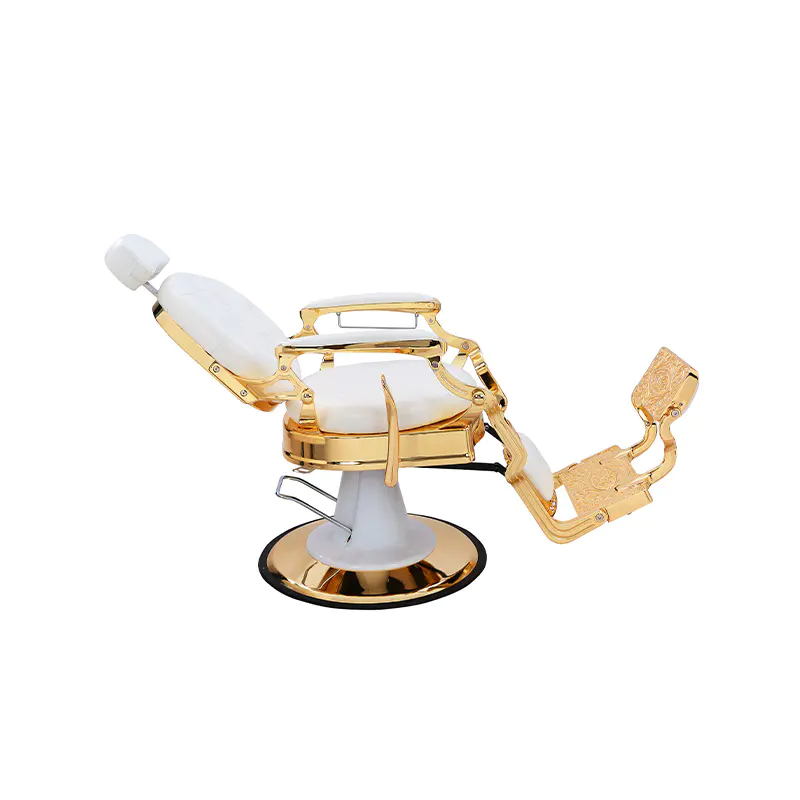
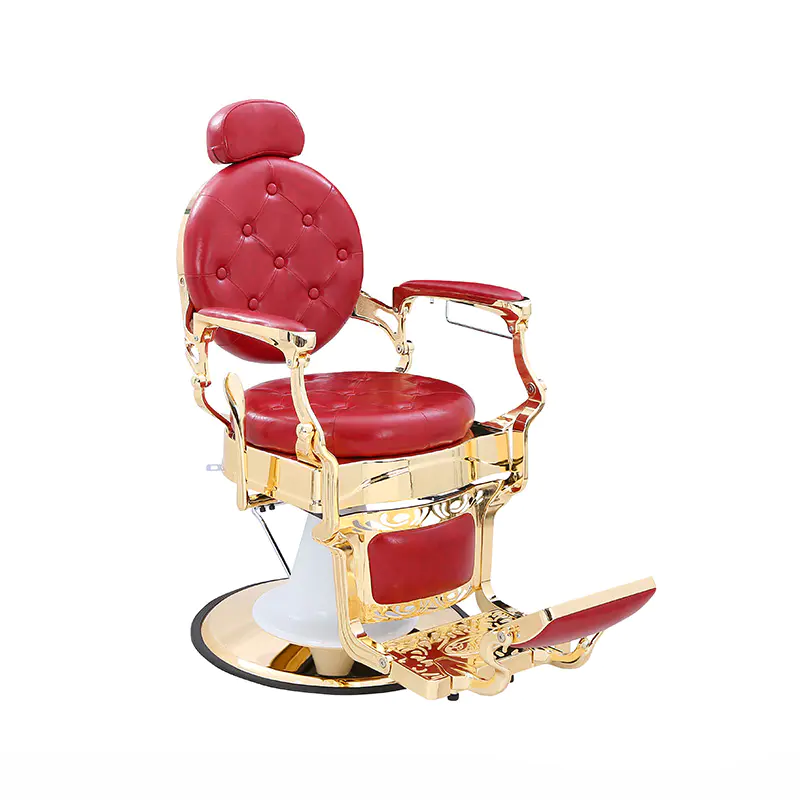
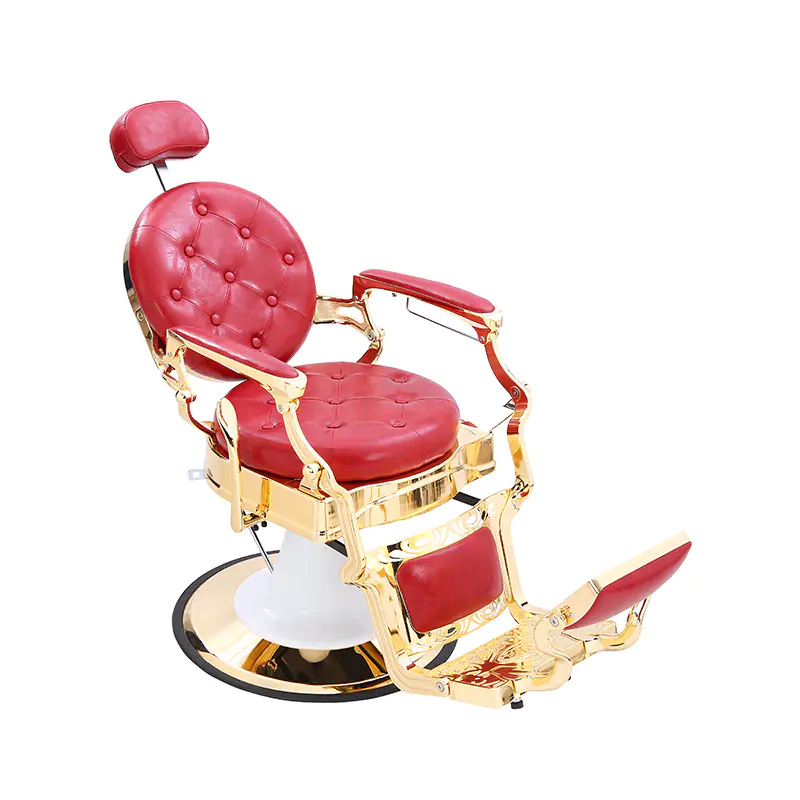
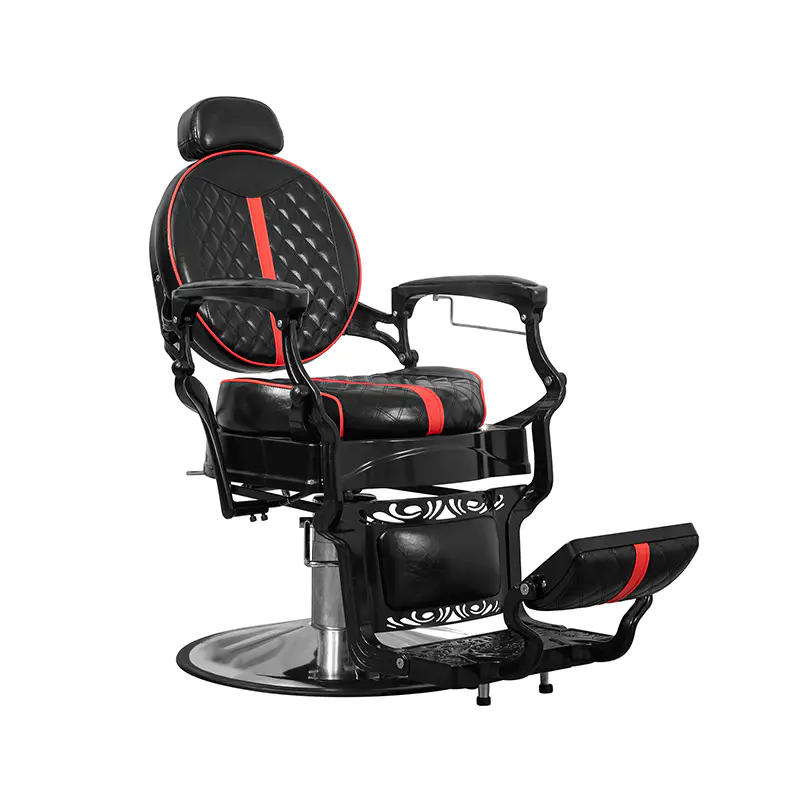
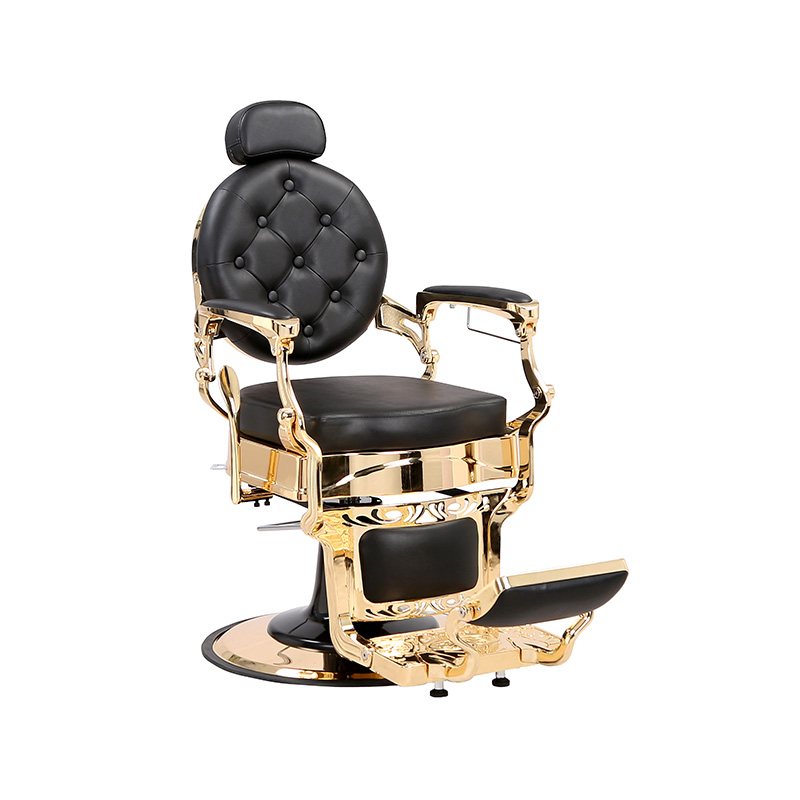
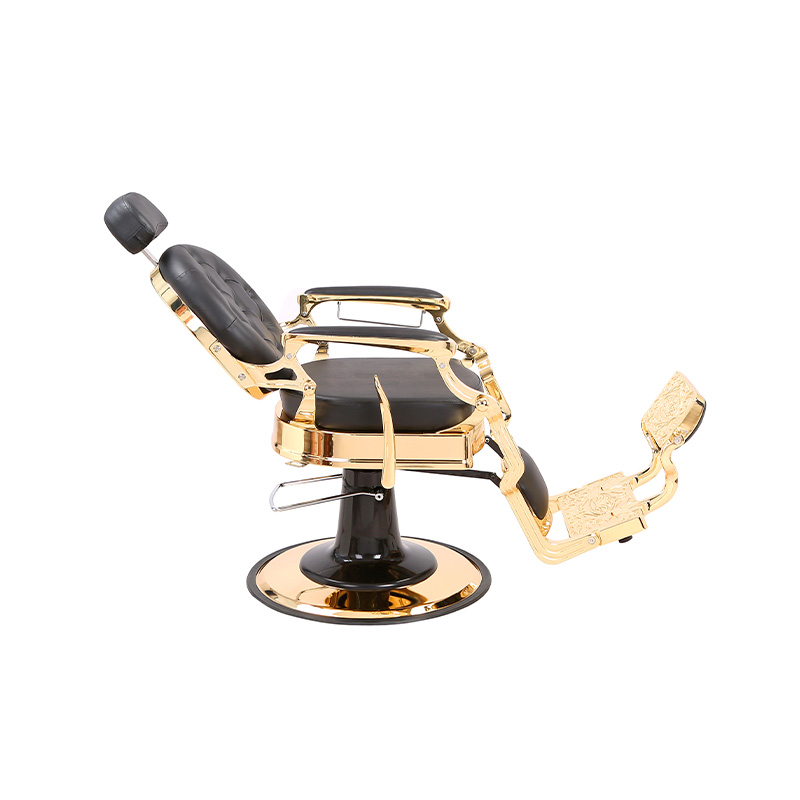
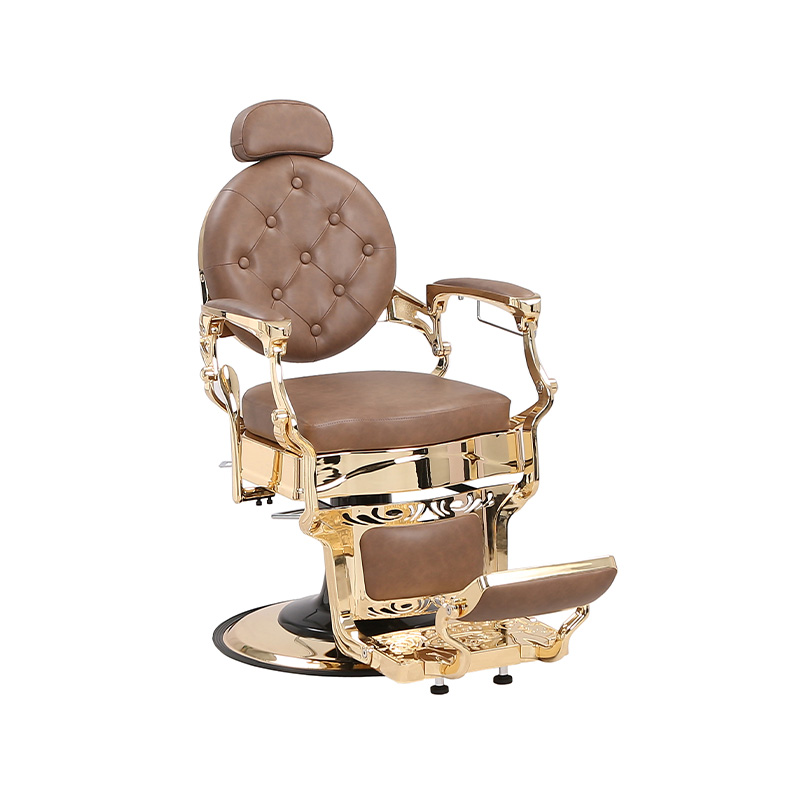
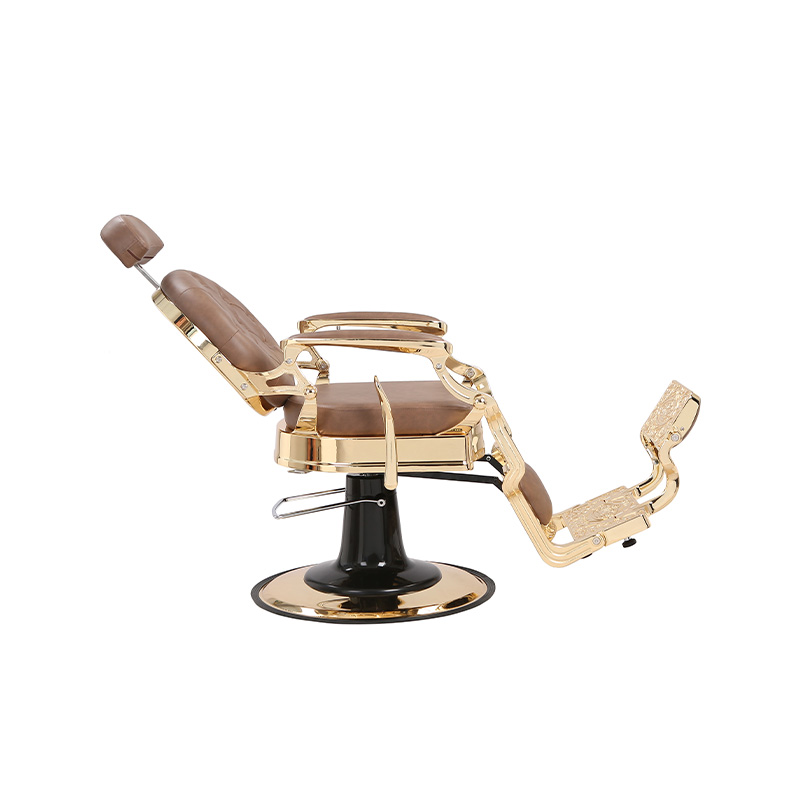
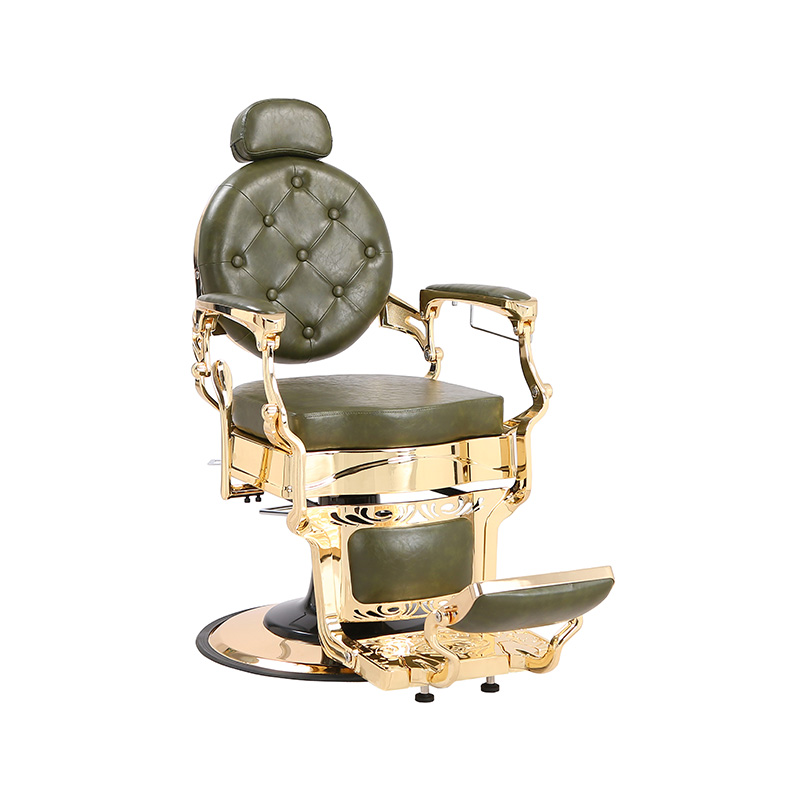
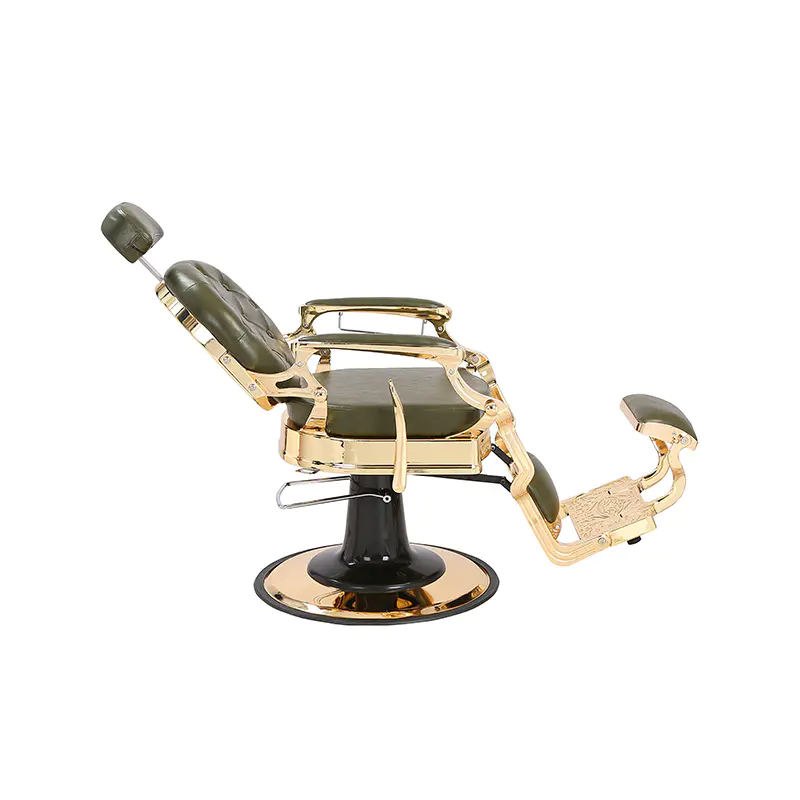
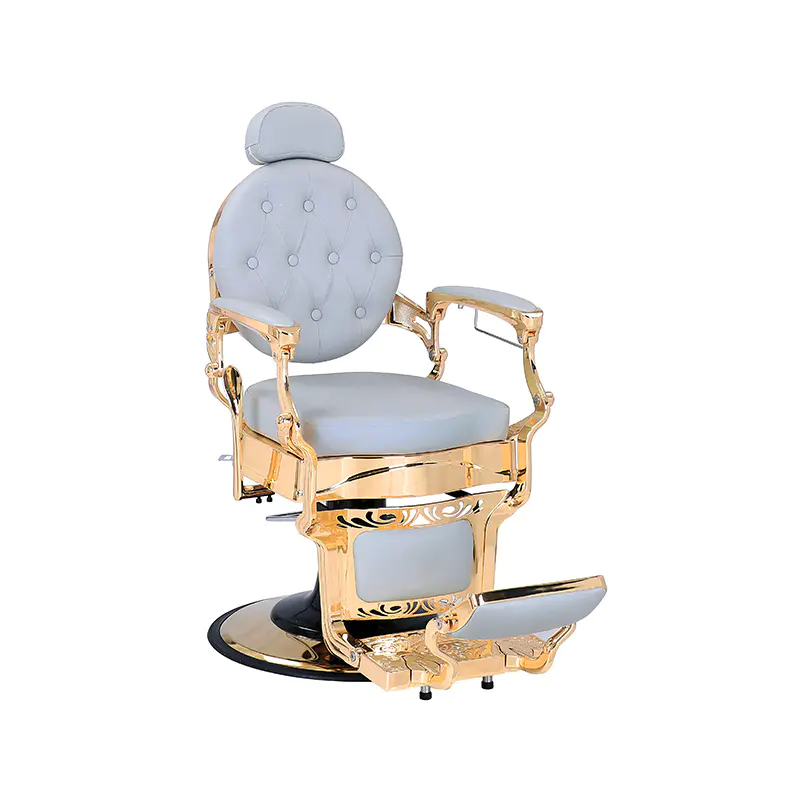
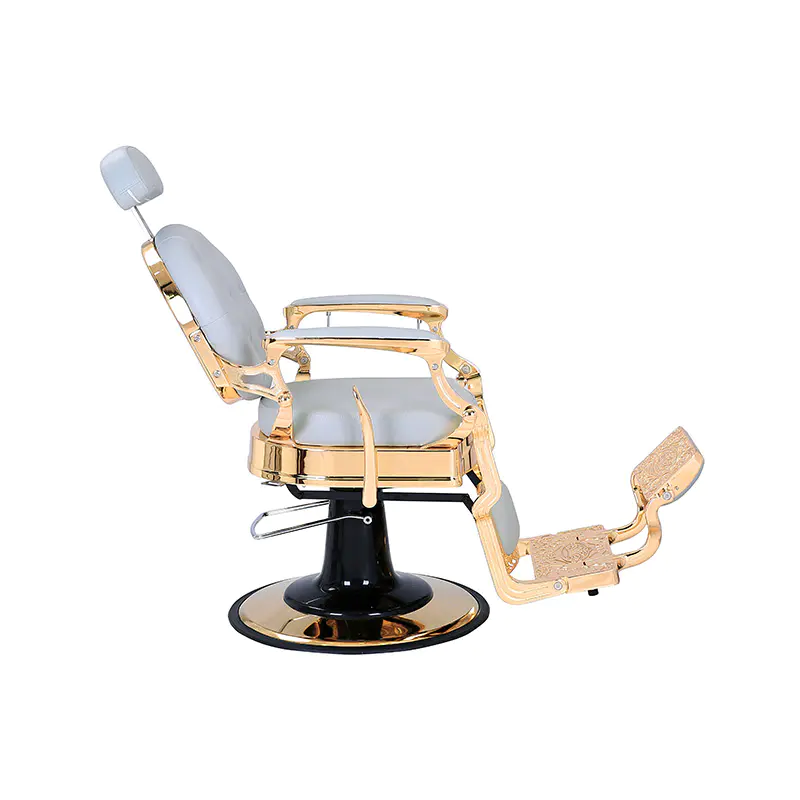
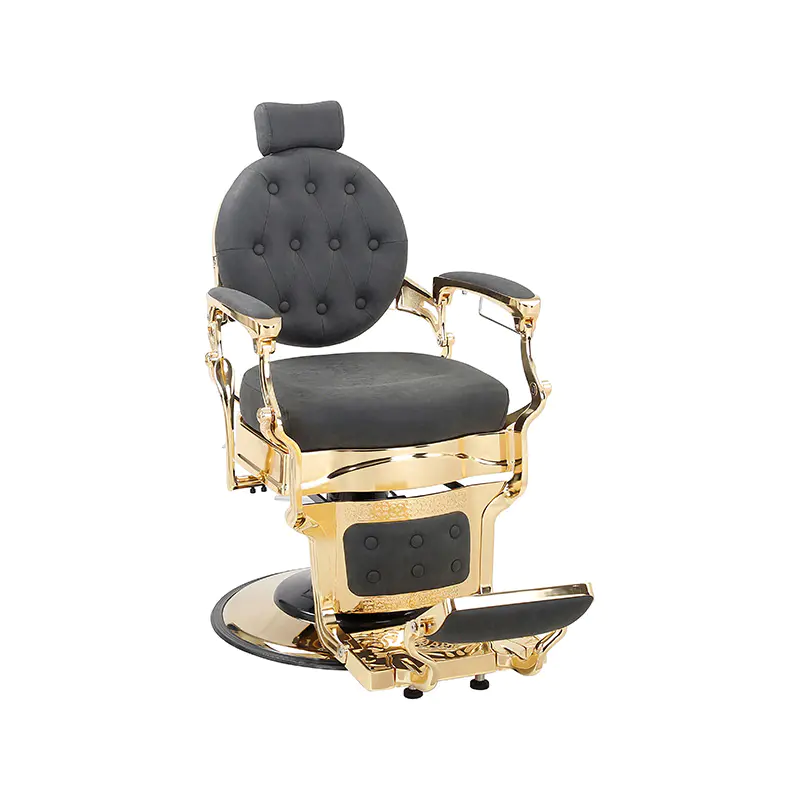
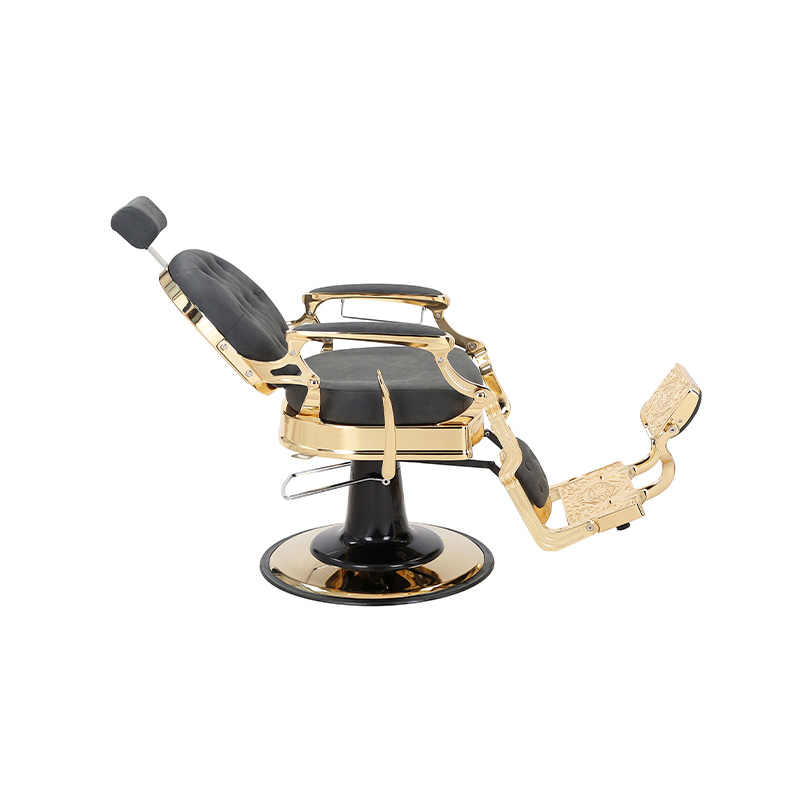
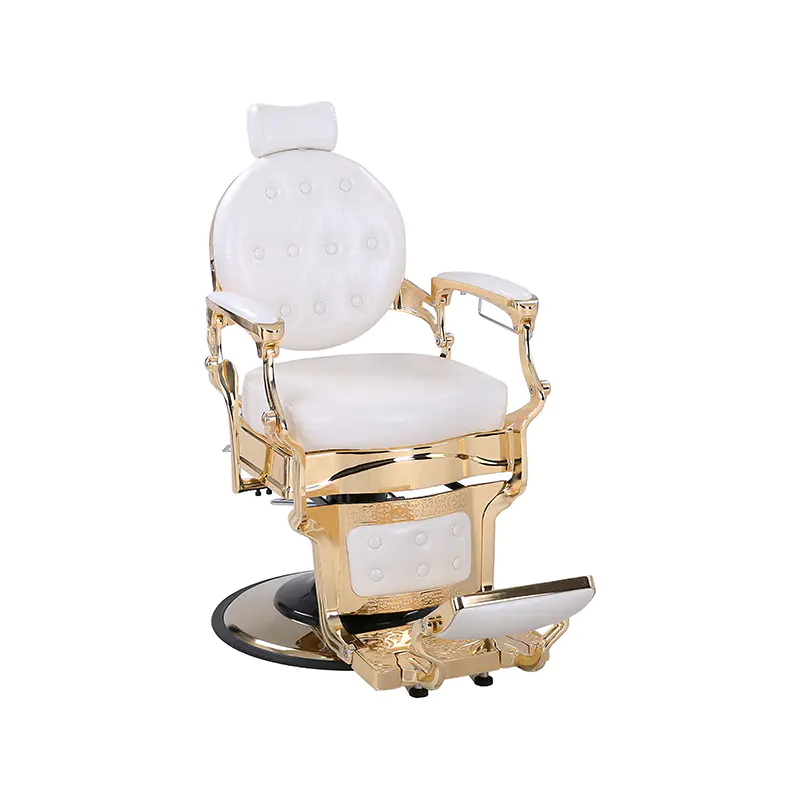
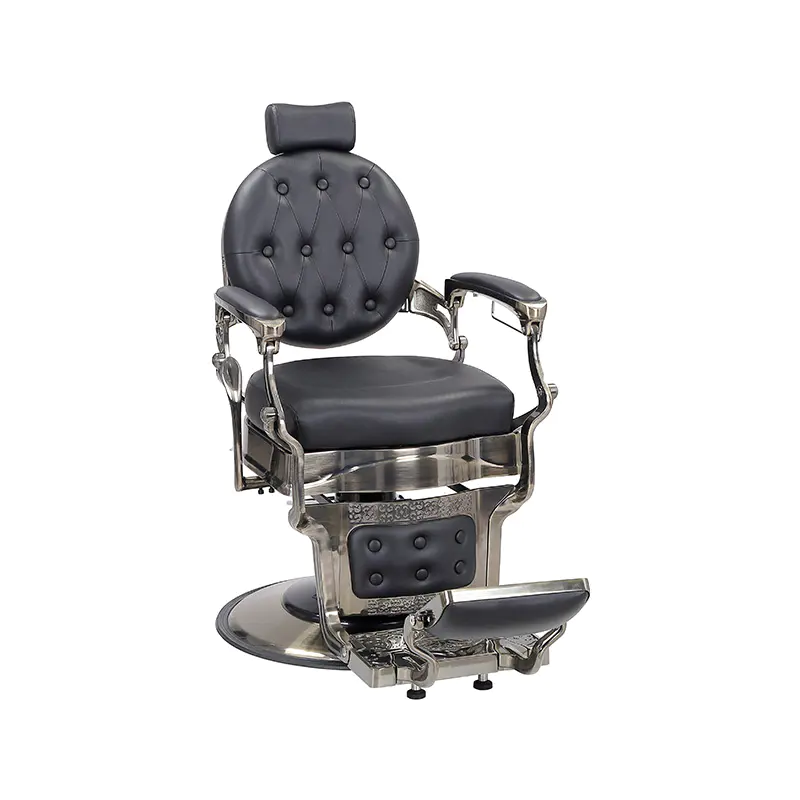
- Plated finishes. Gold and rose-gold frames add cost without changing how long the pump lasts. A black or brown powder-coated version of the same chair usually keeps the mechanism and drops the premium.
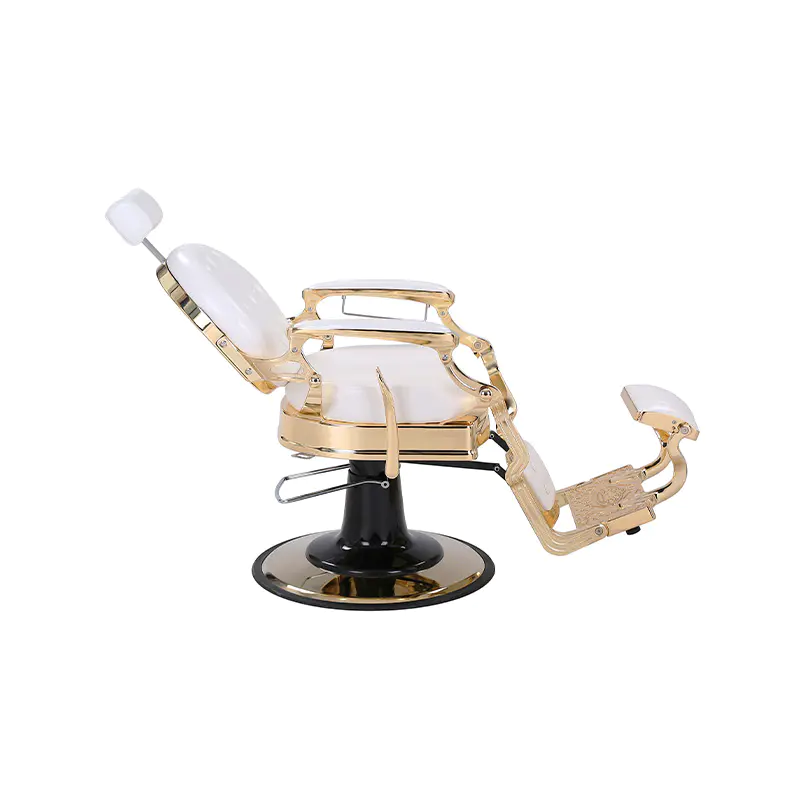
- Motorised extras. Massage, heating and electric recline are the first systems to fail and the hardest to repair where no local technician carries the parts.
- Retail and reception display. Shelving, glass counters and decorative mirrors can come from year-two cash flow instead of the opening budget.
Here is the honest comparison most suppliers will not draw for you. The two shapes below track five attributes that decide lifespan rather than looks.
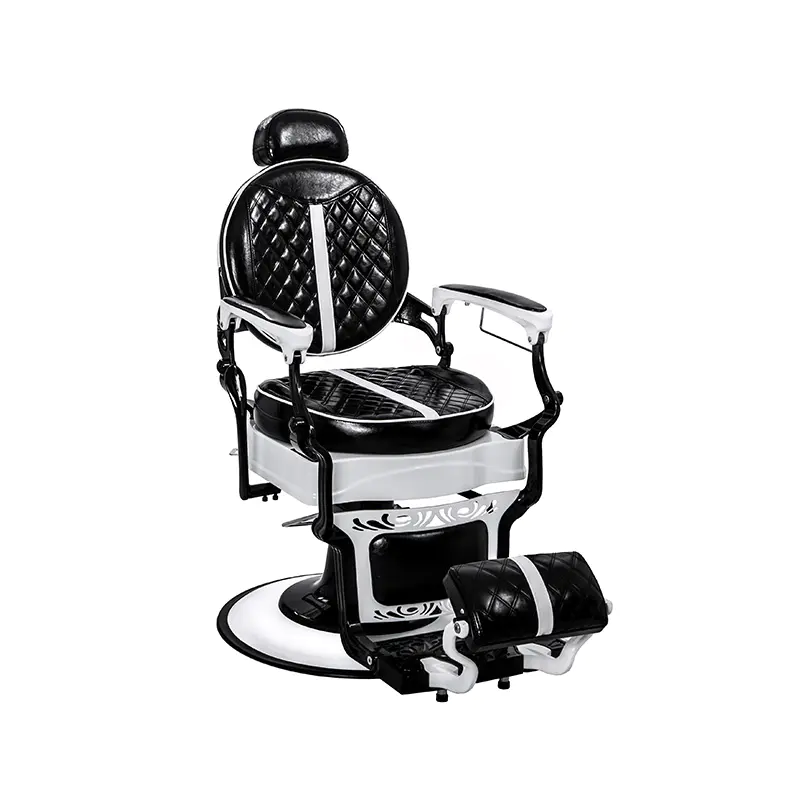
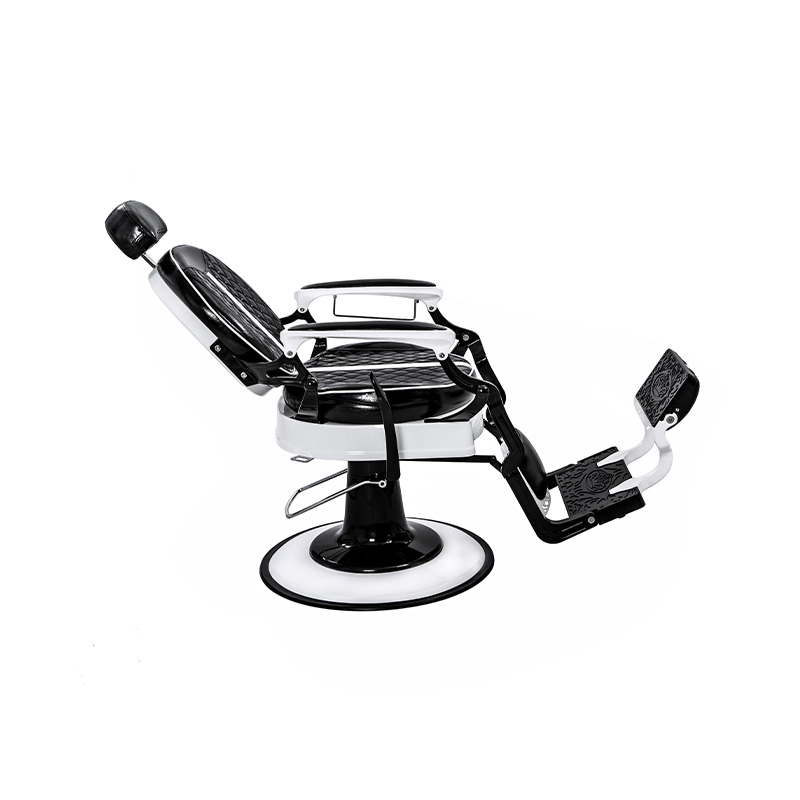
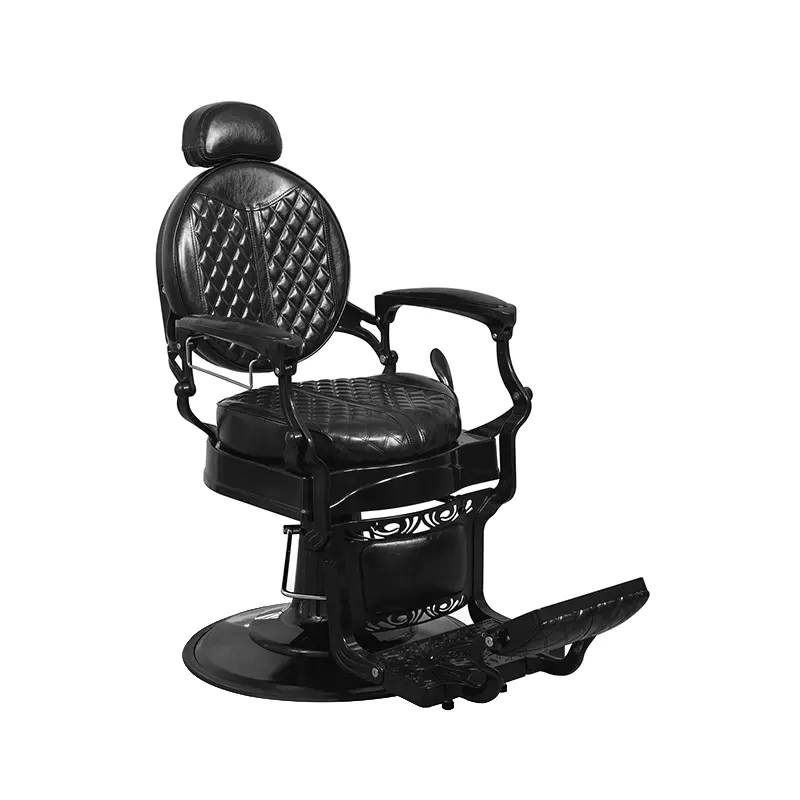
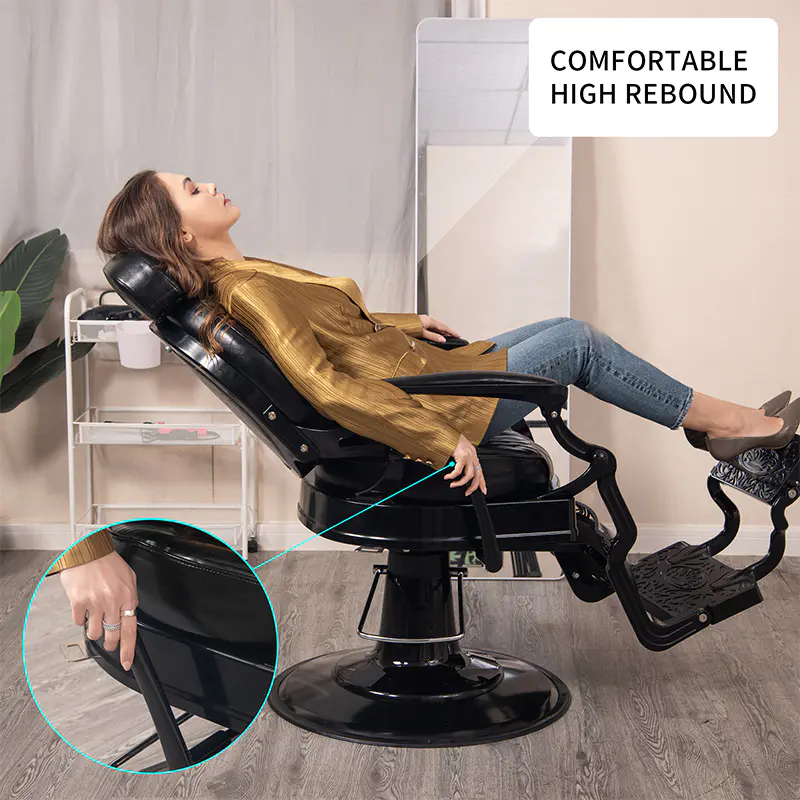
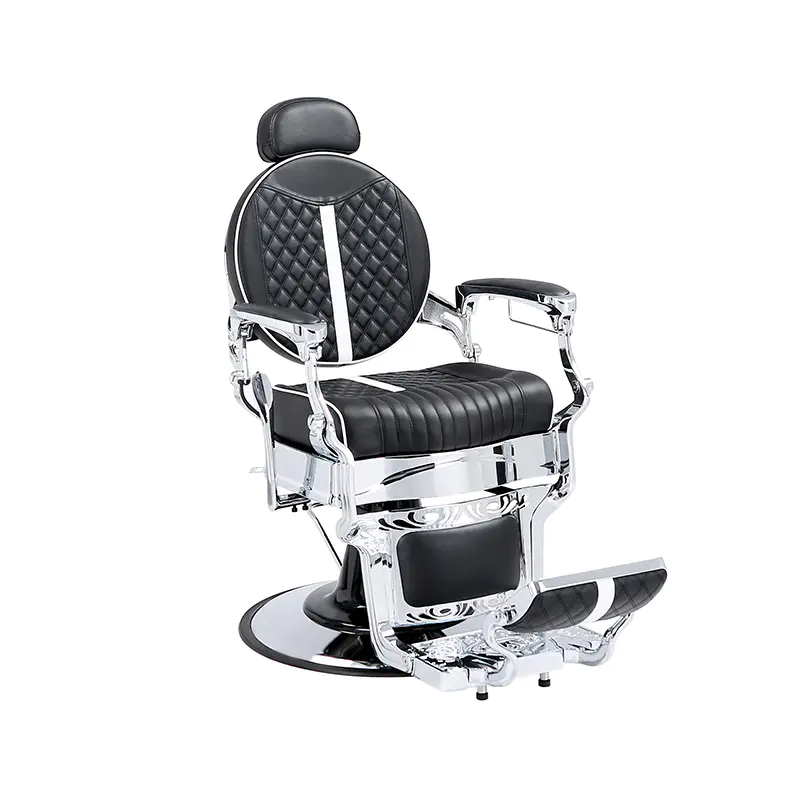
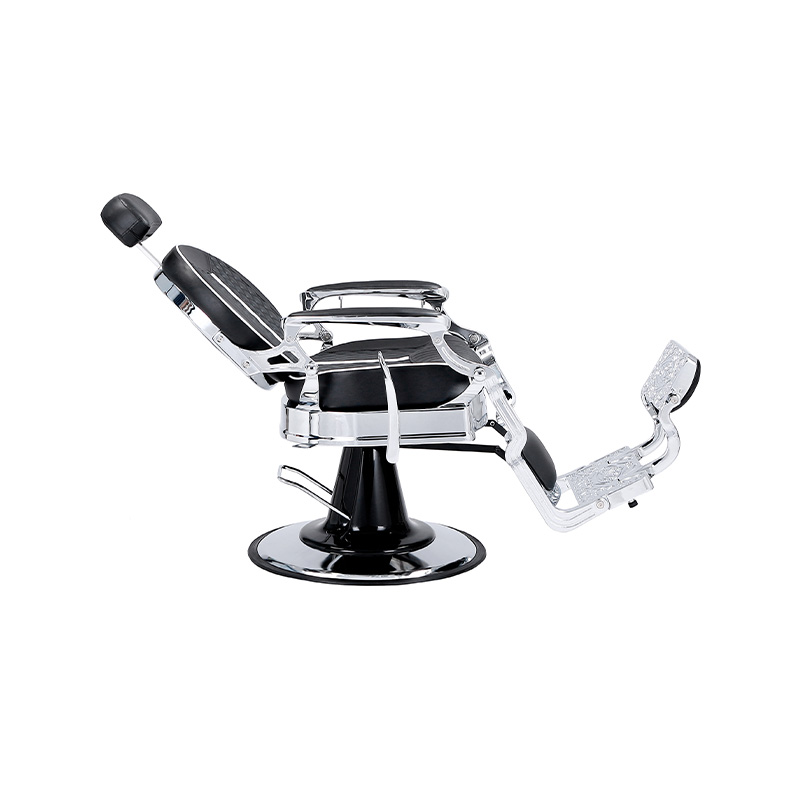
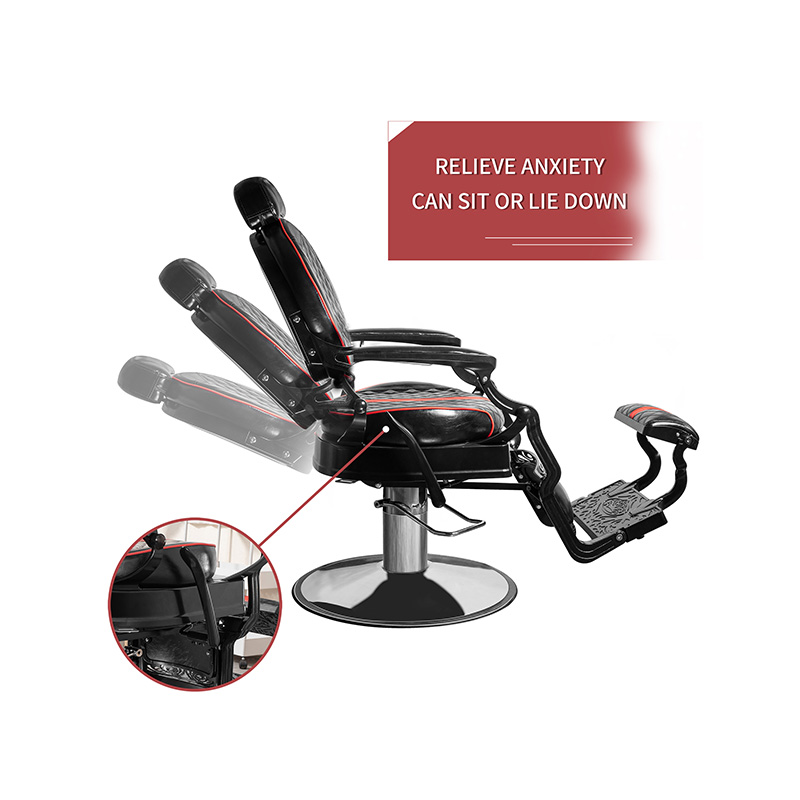
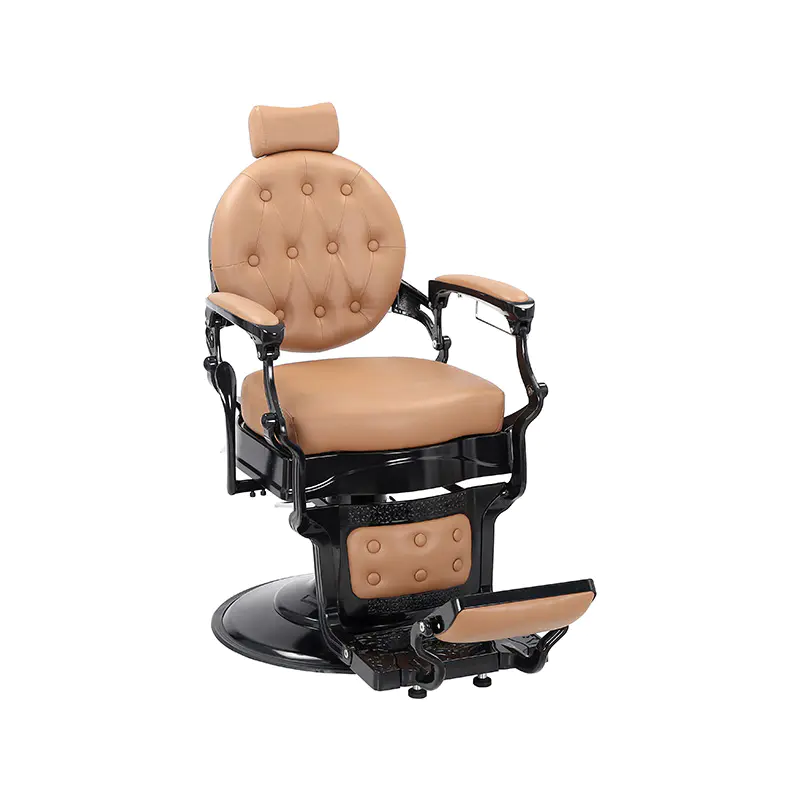
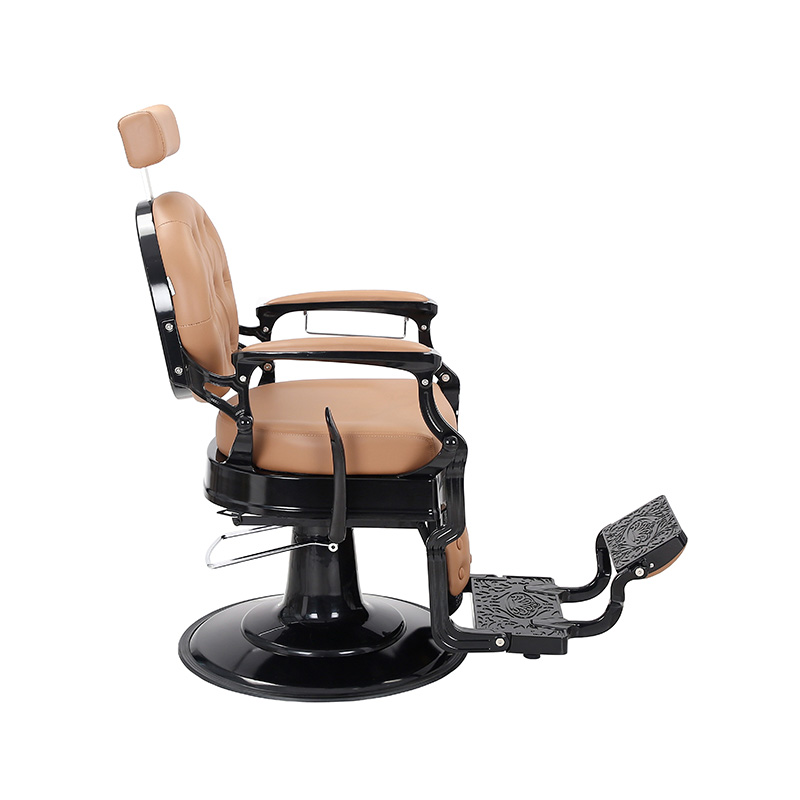
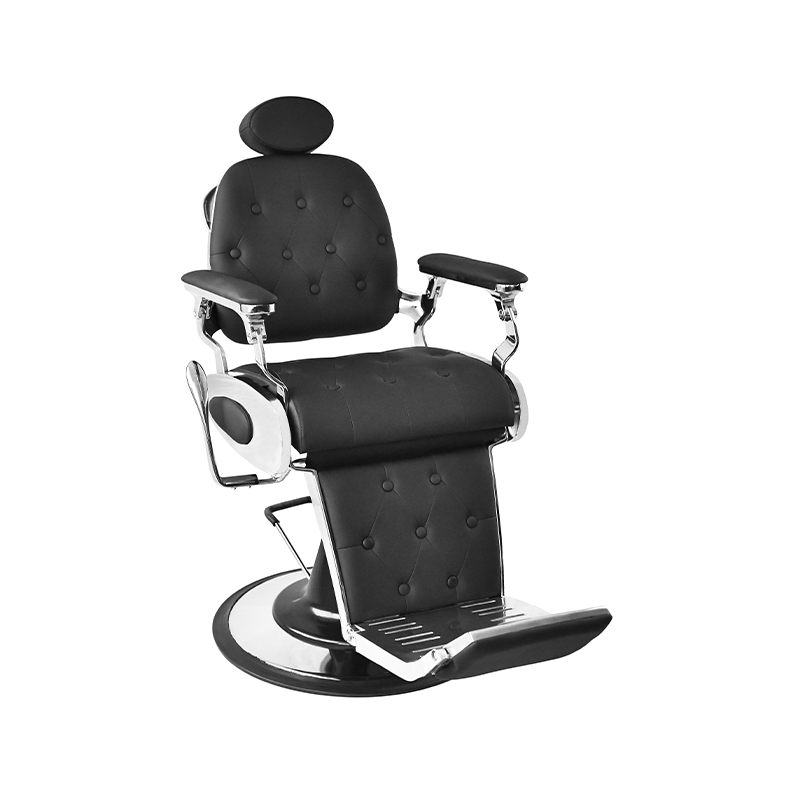
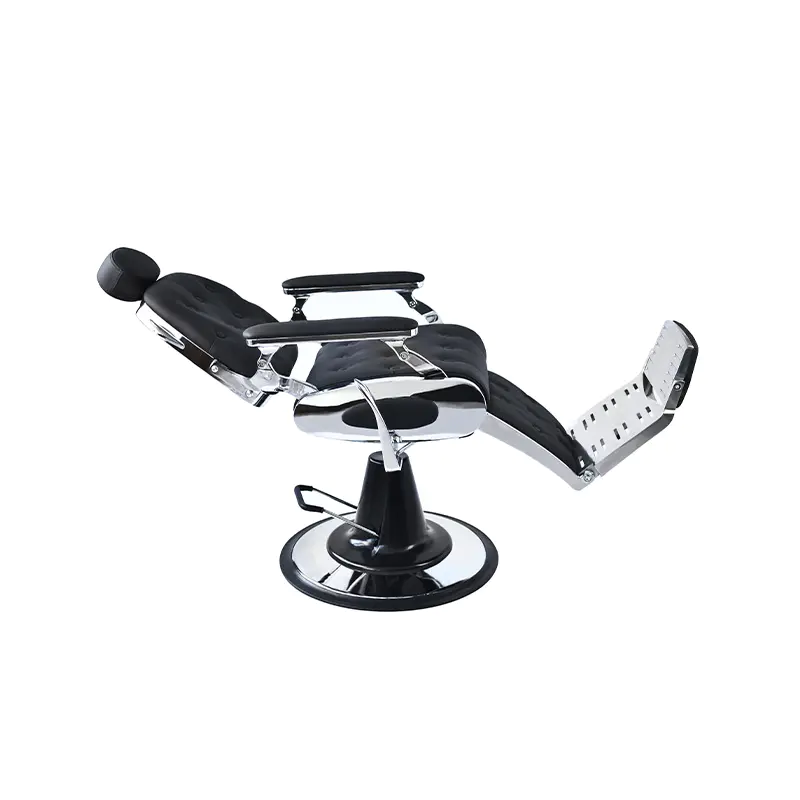
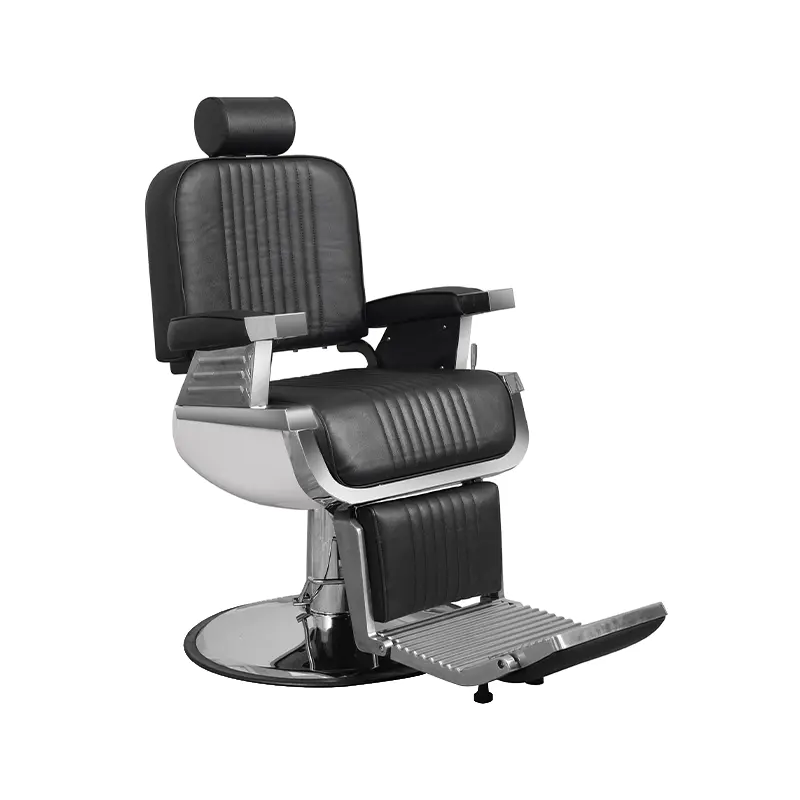
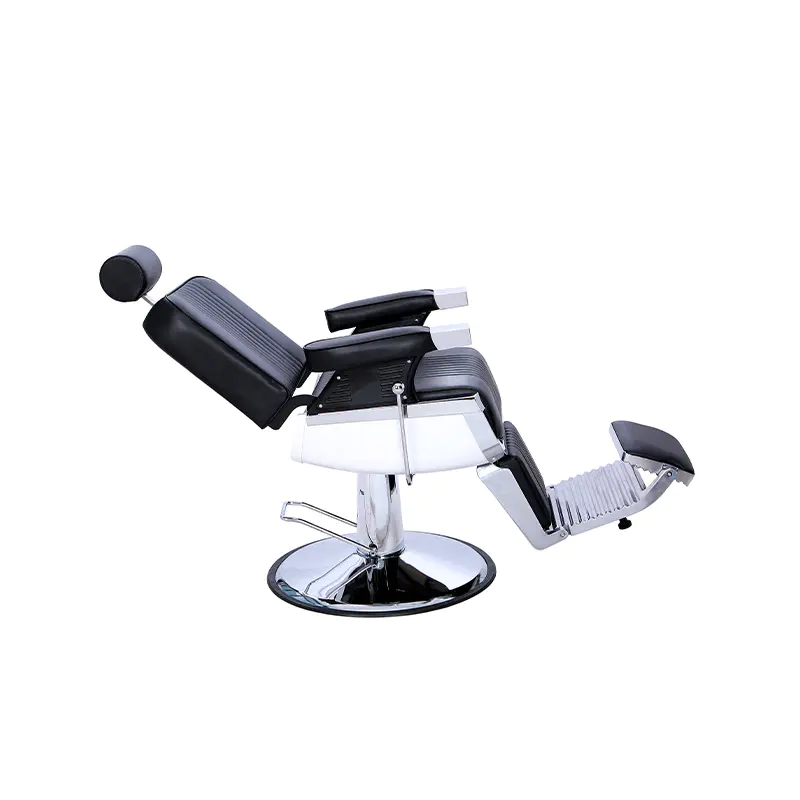
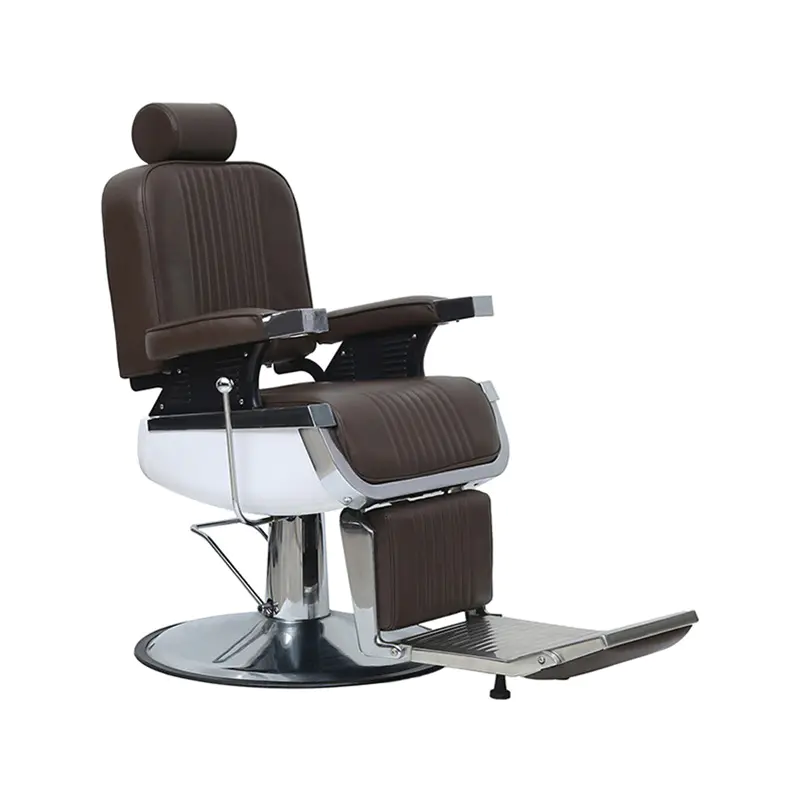
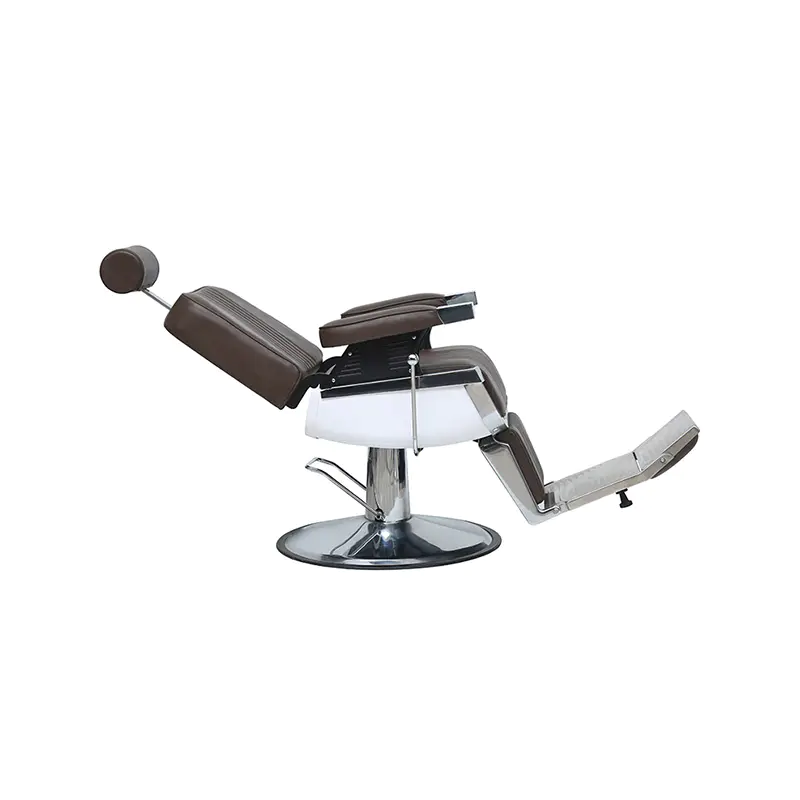
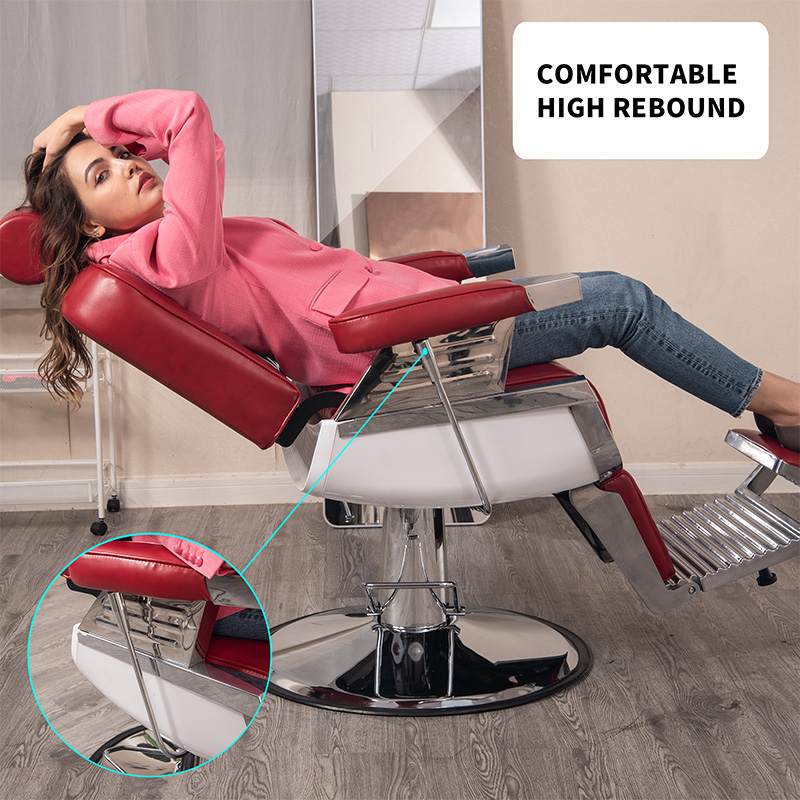
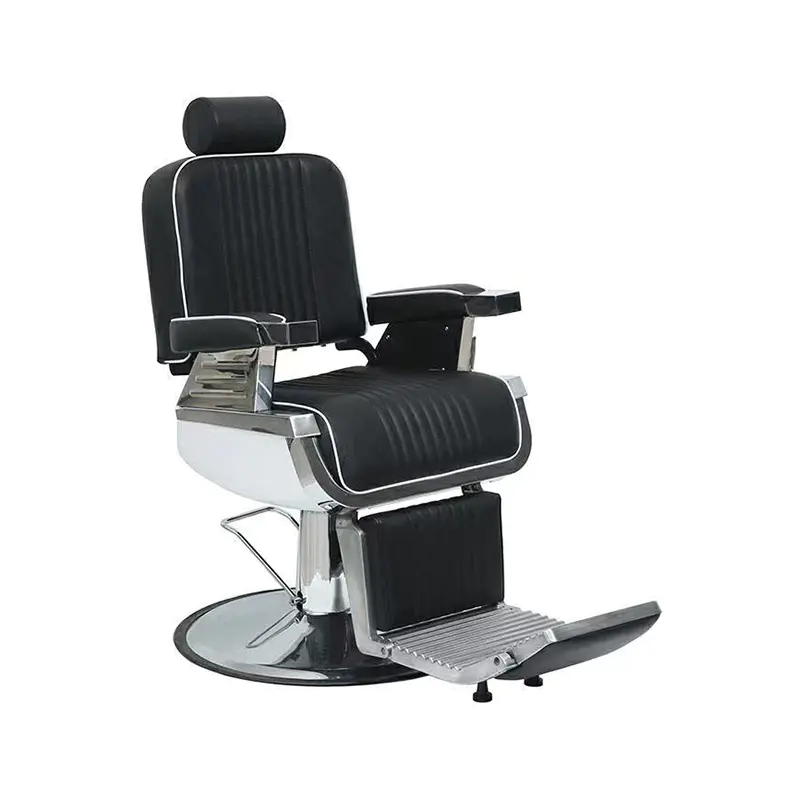
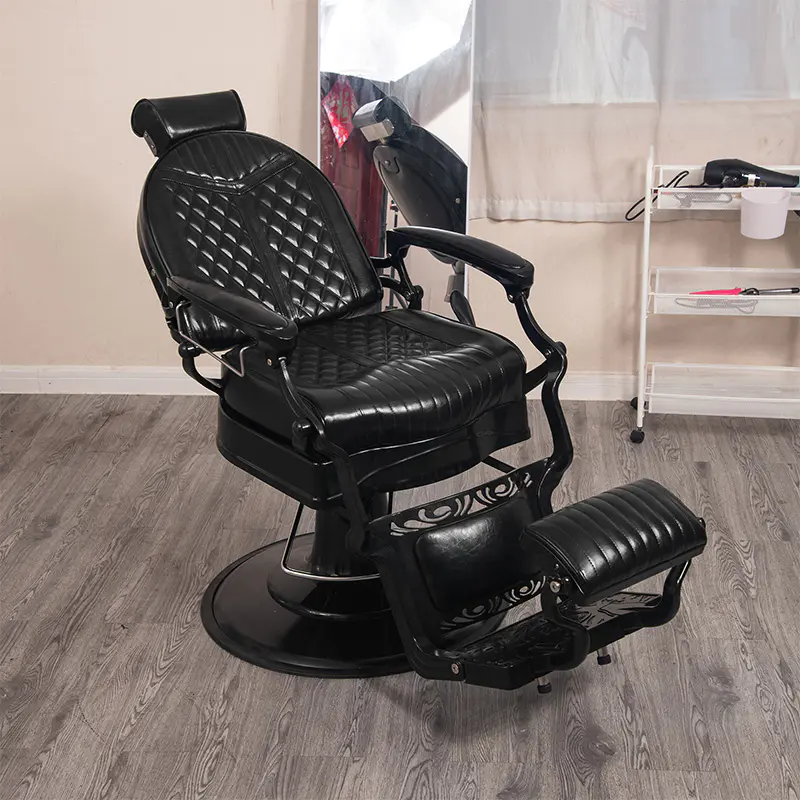
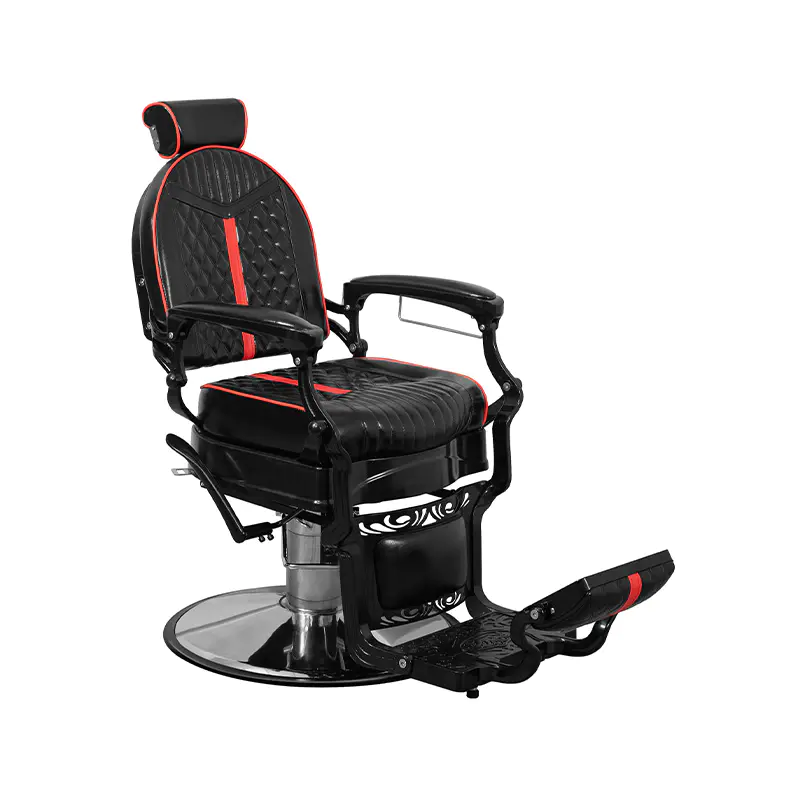
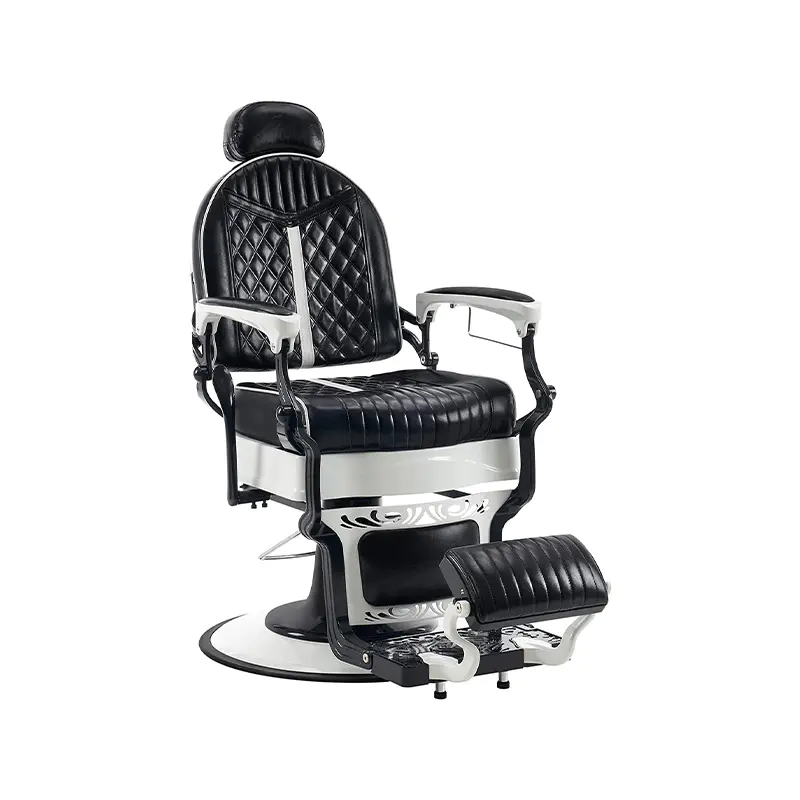
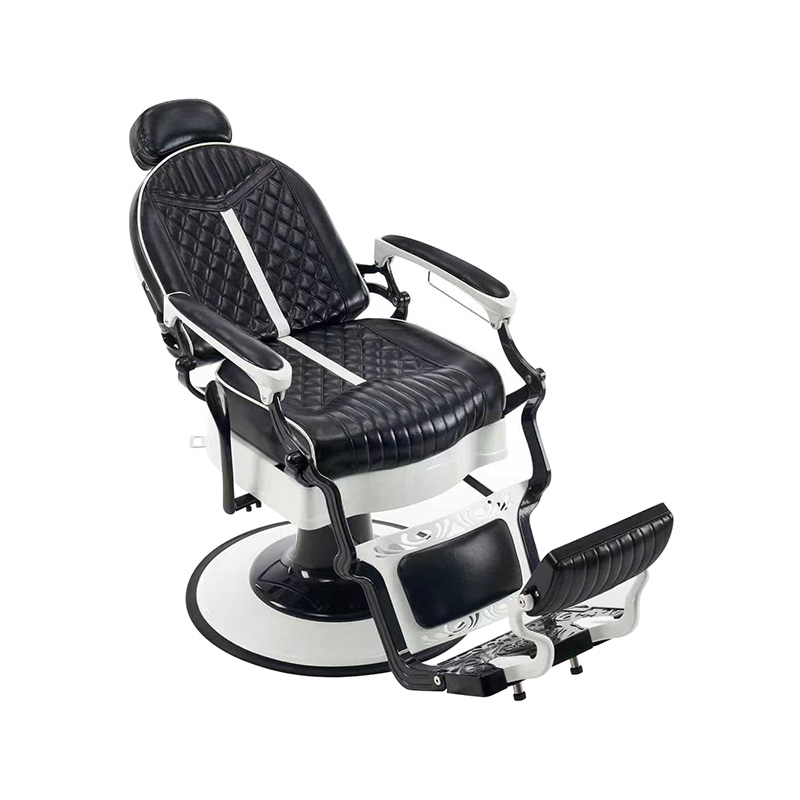
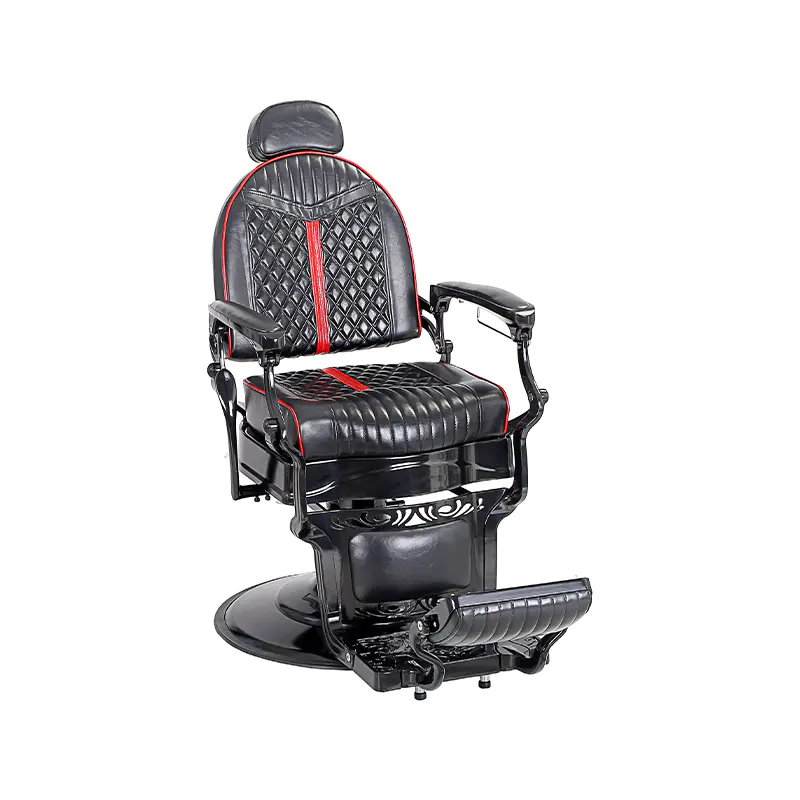
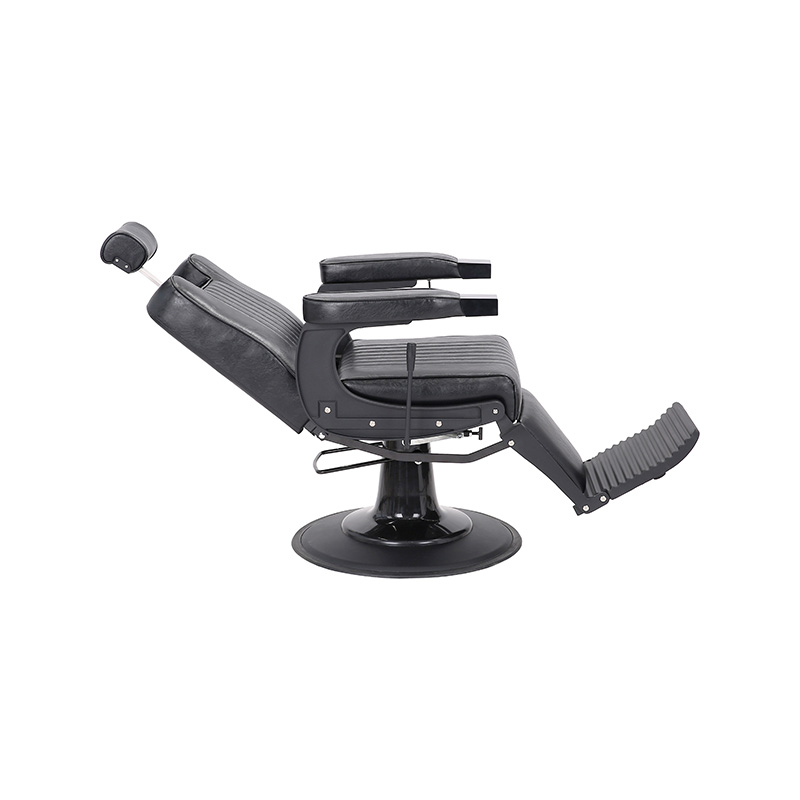 HZ8752 Black all purpose barber chair with heavy duty pumpDurable, Salon-Ready Build: From the reinforced leather to the heavy-duty frame, this chair withstands daily use. Resists scuffs, spills, and wear.View Product →
Match the spend to your revenue mix
Two salons of the same size can need completely different priorities. The test is simple: which service brings a client back every four to six weeks, and which piece of furniture that service depends on.
| Salon type | Spend first on | Economise on |
|---|---|---|
| Barber shop | Heavy-duty barber chairs with wide five-claw bases | Chrome detailing, oversized waiting benches |
| Colour-focused hair salon | Backwash units with tilting ceramic bowls and a solid leg rest | Deep station cabinetry, LED mirrors |
| Nail and foot spa | Pedicure chairs with adjustable seats and a dust extractor built into the table | Decorative tabletops, extra drawers |
| Beauty and massage room | Hydraulic or electric beds with a stable lift and easy-clean upholstery | Facial steamers and small electrical add-ons |
Colour work keeps a client in the backwash unit for 90 minutes or more, which makes a tilting bowl and a firm leg rest worth more than a designer mirror. Barbering is the opposite: the chair is the entire experience, and a wide, stable base matters more than anything else in the room. Nail and foot services sit between the two, where the pedicure chair does the heavy lifting while the manicure table mainly needs dust extraction and drawers that actually open when the room is busy.
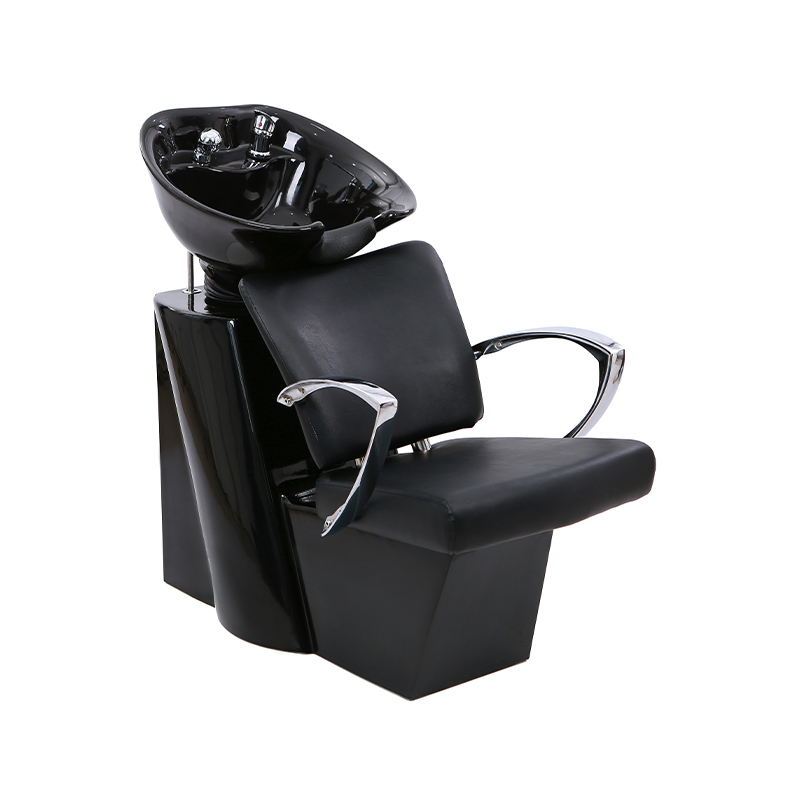 HZ9009BK Hair washing salon shampoo chairModern Black Silver Design: Combines a sleek black base with polished silver armrests for a minimalist yet professional aesthetic, ideal for modern hair salons and sca...View Product →
What buying direct from a manufacturer changes
There are two cost layers between a factory and a salon: the trading margin, and the specification drift that appears when a trader sources from several workshops. Buying directly removes the first and reduces the second, because the same team that cuts the leather also assembles the pump and welds the frame.
Not all factory-direct supply is the same, though. Check three things: whether the manufacturer publishes a spare-parts list, whether base and upholstery colours can change inside a standard production run, and whether the price was quoted ex-works or delivered, with the shipping terms written out.
Spare parts are the most underrated line in a budget. A supplier who lists pumps, gas lifts, castors and footrest springs as separate items is effectively selling you an extended warranty. Swapping a pump is a 20-minute job in the salon; replacing a chair is a purchase order and a four-week wait. The full catalogue of salon chairs, beds and stations is grouped by category so the same frame can be compared across different finishes and price points.
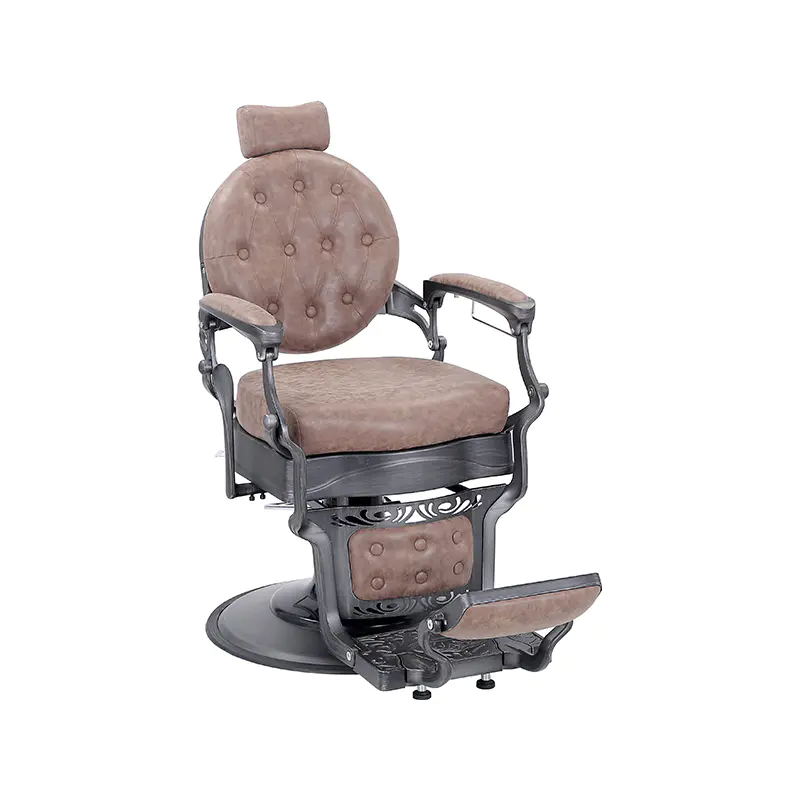
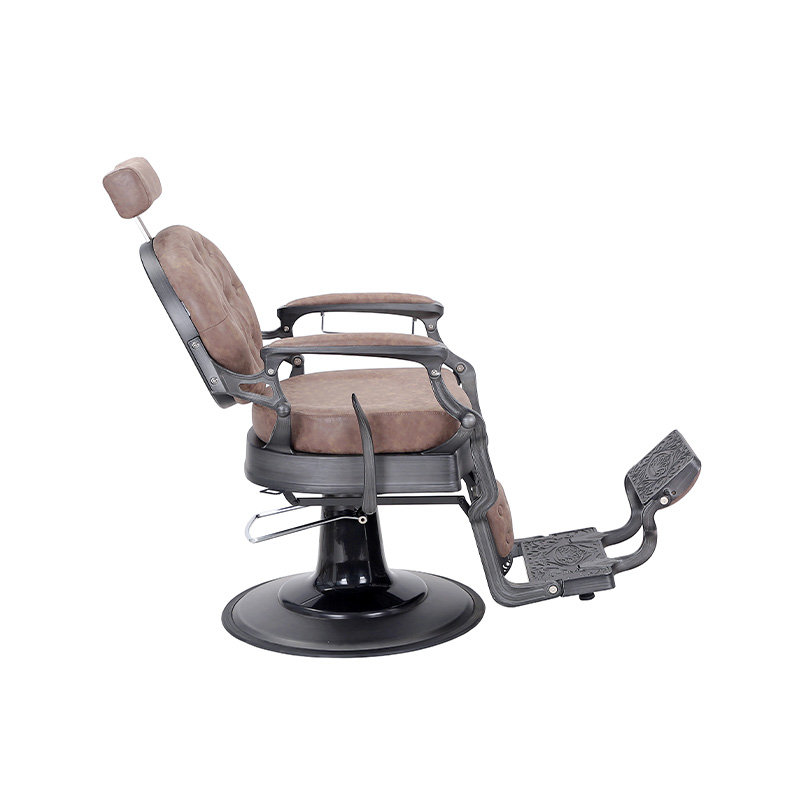
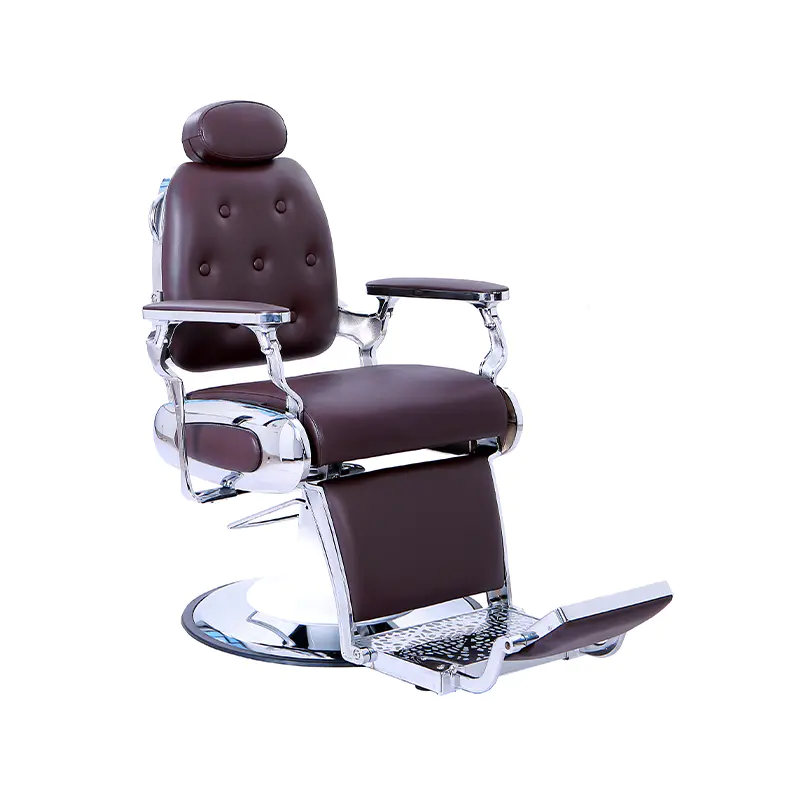
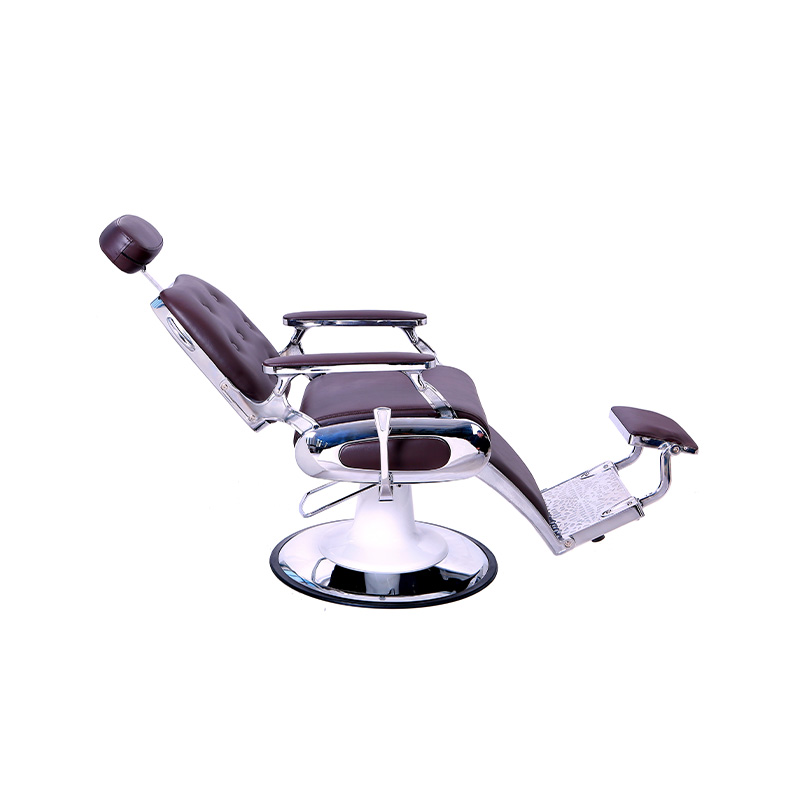
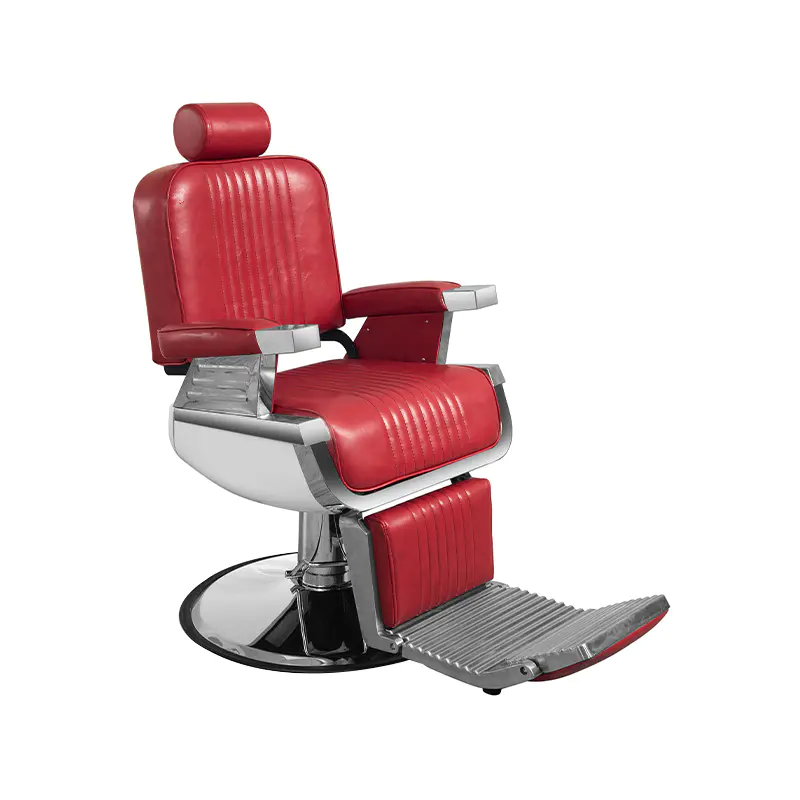
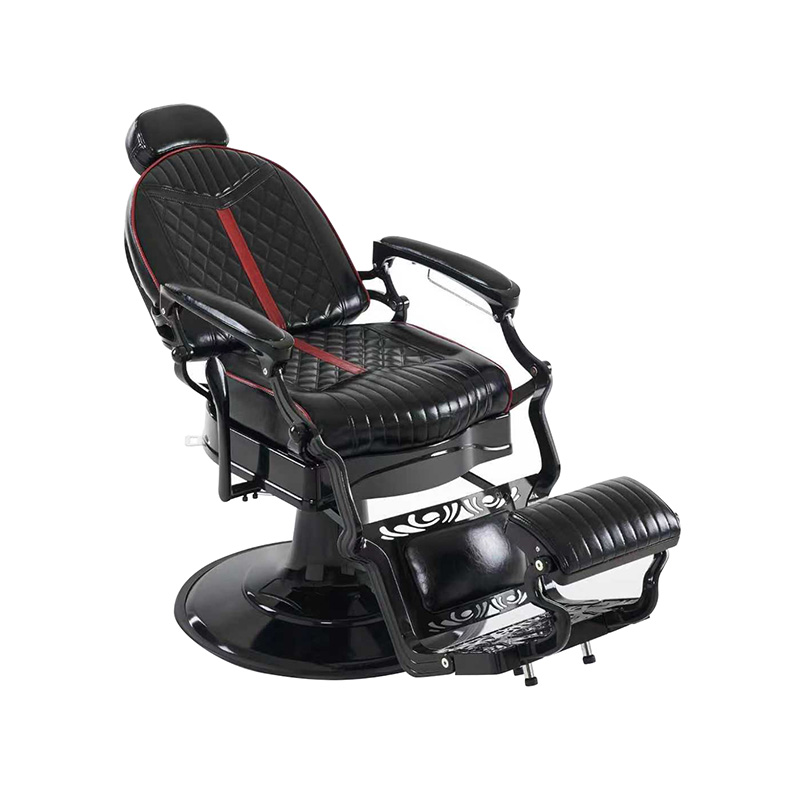
 HZ88127 Brown thick affordable salon chairsRich Modern Aesthetic: Combines premium red-brown leather with a minimalist design, offering a sleek yet warm addition to any barbershop or salon.View Product →
Five checks before you sign the order
- Get the pump rating and the base span written into the invoice, not left in a chat message.
- Confirm foam density, vinyl type and the colour code of the upholstery you approved.
- Ask for a spare-parts price list covering pumps, gas lifts, castors and footrest springs.
- Request a container loading plan so you know the volume you are paying to ship.
- Agree the inspection standard before production starts: stitch spacing, colour consistency, wobble tolerance and backrest tilt angle.
A supplier who answers all five without hesitating is usually the one whose budget chairs are still working in year five.
Frequently asked questions about budget salon equipment
Budget salon equipment works when the money sits in the parts that carry weight: the pump, the foam, the frame and the base under everything else. Trim the finishes, the motorised extras and the decorative furniture first, and buy the fit-out in one shipment so the freight cost is spread across the whole room.
Set the category split before you compare quotes, hold the three specifications that decide lifespan, and ask what replacement parts cost before you sign. That is what turns a tight budget into a room that is still earning in year five.