
 en
en  English
 русский
 Español
 عربى
عربى
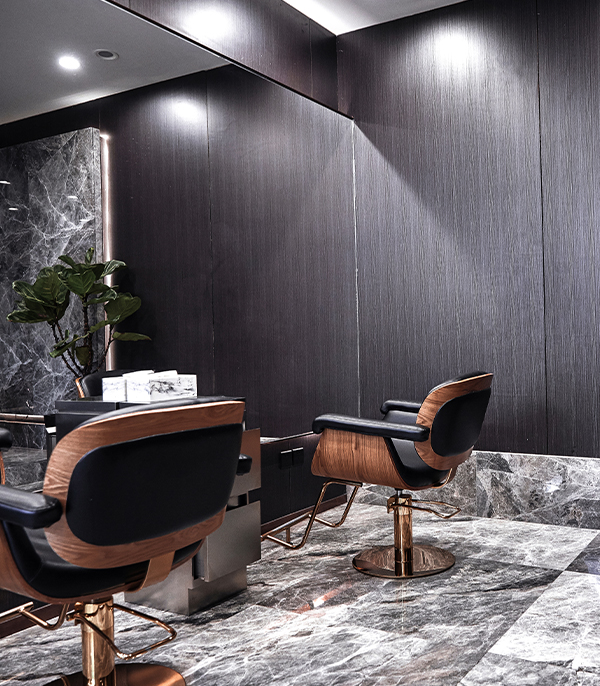
A stylist with eight years behind someone else's chair usually starts planning with the fun parts: the name, the logo, the paint colour. The owners who actually open on schedule start somewhere else. They count how many weeks of rent they can carry with zero clients in the chair, confirm how many training hours their state board demands, and only then choose the furniture.
The conclusion first: opening a salon is a licensing, financial and facility project, and the seven steps below only work in this order — licence and lease, break-even model, floor plan, furniture, hiring and pricing, then launch. Run them out of sequence and the furniture budget quietly eats the working capital you needed for the first slow quarter.
Step 1: Confirm Licensing, Permits and Insurance Before You Commit to a Space
Nothing else can be finalised until you know who is legally allowed to work in the room. In the United States, cosmetology and barber licensing is handled state by state, and the training requirements differ enough to move your opening date: New York requires 1,000 hours for cosmetology licensure, Florida requires 1,200, and Texas requires 1,500, according to the respective state licensing boards.
The paperwork first-time owners underestimate
- An operator licence for every person who touches a client, including part-time staff.
- Business registration, an EIN and a state sales tax permit.
- A premises licence issued to the salon address, which is separate from your personal licence.
- General and professional liability insurance, since many landlords want proof before handing over keys.
- Health department or cosmetology board inspection sign-off before the first paying client.
Two details catch people out. If you plan to rent chairs to independent contractors rather than employ staff, the rules on who controls scheduling, pricing and supplies usually decide whether those workers are contractors or employees, and misclassification penalties are expensive. Second, ADA and local building codes cover entrances, restrooms and aisle widths, not just the styling floor. Confirm both before you sign anything.
Step 2: Model the Money Before You Fall in Love With a Retail Unit
A salon runs on three numbers: fixed monthly cost, average ticket, and how many client slots each station can realistically fill per day. Break-even volume is fixed monthly cost divided by the gross margin per service. A salon carrying 9,000 USD in monthly fixed costs with a 60 USD average ticket and a 70 percent gross margin needs roughly 214 services a month, which is about seven a day across four chairs. That is the figure to test against a location, not the rent figure.
| Cost category | Typical planning range | What drives the number |
|---|---|---|
| Lease deposit and first months | 3,000 - 15,000 | Two to three months up front, plus any rent-free fit-out period |
| Build-out, plumbing, electrical | 8,000 - 40,000 | New drain runs, dedicated circuits, restroom compliance work |
| Furniture and equipment | 6,000 - 30,000 | Station count, backwash units, dryer chairs, storage |
| Back-bar and retail inventory | 1,500 - 6,000 | Colour line, retail depth, supplier minimums |
| Licensing, insurance, legal | 800 - 3,000 | State fees, entity setup, liability cover |
| Marketing and launch | 1,000 - 5,000 | Photography, signage, booking software, local ads |
| Working capital reserve | 3 - 6 months of fixed cost | The line most often underfunded |
Where a typical salon startup budget goes, by share of total spend.
Working capital is the line most first-time owners cut. Plan on three to six months of fixed costs in reserve, because a new salon usually needs five to nine months to build a stable weekly client count. The curve below shows what that recovery looks like when the build-out stays on schedule.
Illustrative cumulative cash position over the first 12 months of a salon fit-out.
Step 3: Filter Locations Against Three Hard Constraints
Location decisions get emotional fast, so filter candidates against constraints that cannot be designed away.
- Plumbing and drainage. Backwash units need hot and cold supply, a drain and a vent. If there is no existing plumbing run, budget for trenching or a raised floor before you sign anything.
- Electrical capacity. Dryer chairs, electric treatment beds and several blow-dryers on one circuit will trip breakers. Check panel capacity and whether dedicated circuits are required.
- Access and visibility. Parking, frontage and whether clients can see the door from the road. A salon tucked behind a loading bay loses walk-ins it never knows it had.
Then read the lease itself: permitted use clause, exclusivity, signage rights and a fit-out period at free or reduced rent. A 60-day rent-free fit-out clause is frequently worth more than a small discount on the base rate.
Step 4: Zone the Floor Plan Before You Buy Anything With a Pump Attached
A workable layout answers four questions: how many styling stations, how many backwash positions, where colour and processing happens, and how clients wait without standing inside the work zone. A practical ratio is one backwash station for every three to four styling chairs, plus at least one drying or processing position that is not a styling chair.
A six-station zoning plan: waiting and retail at the front, styling in the middle, wet work and colour at the rear.
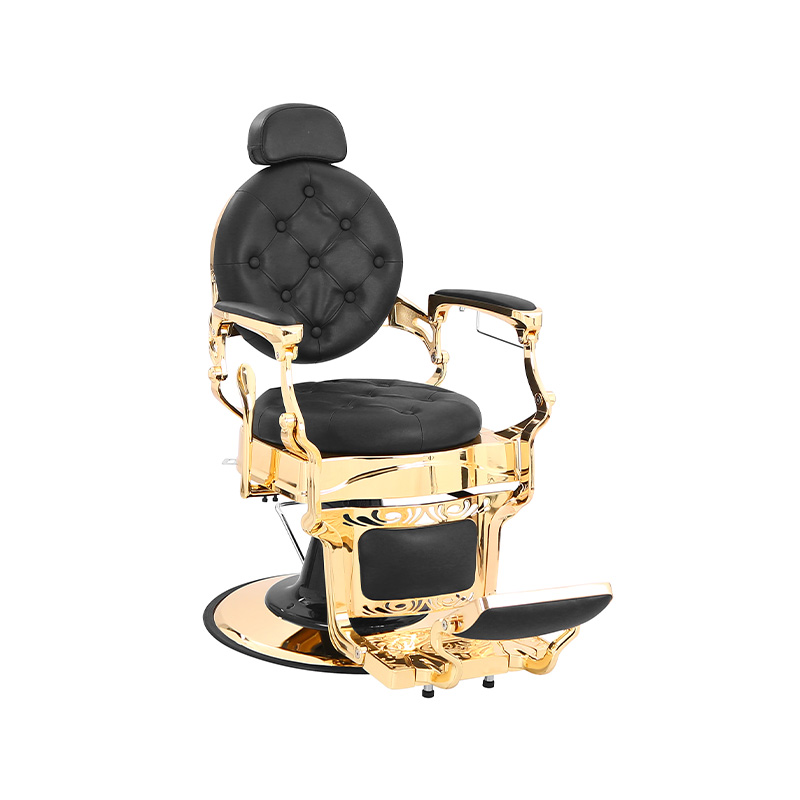
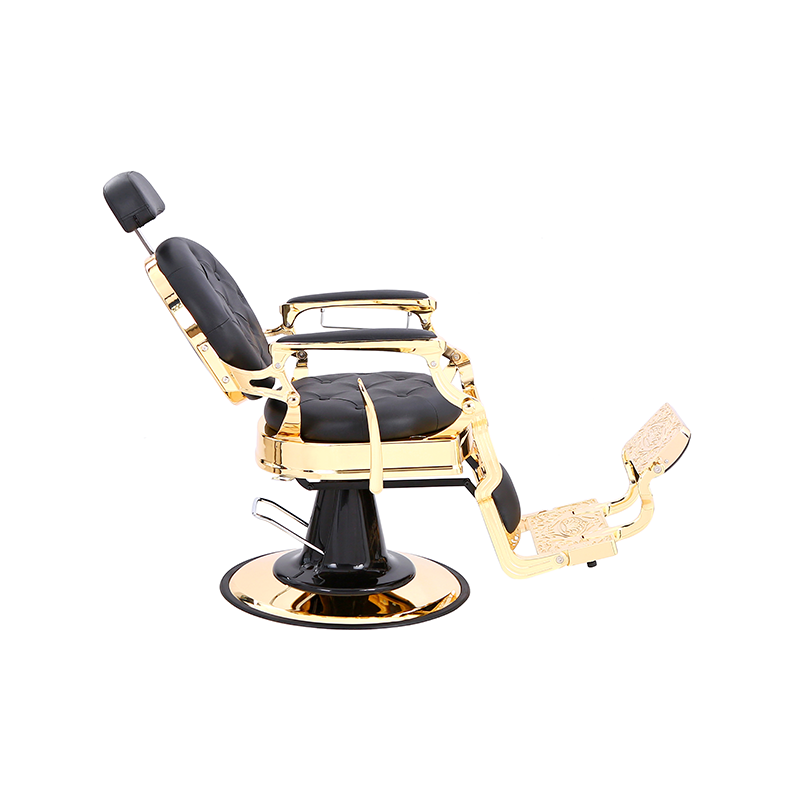
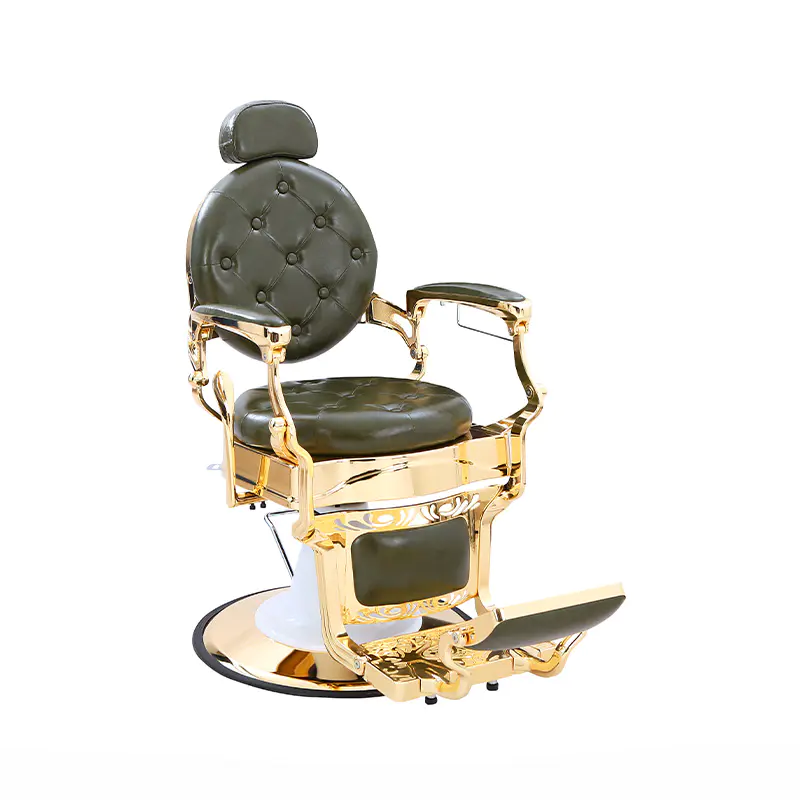
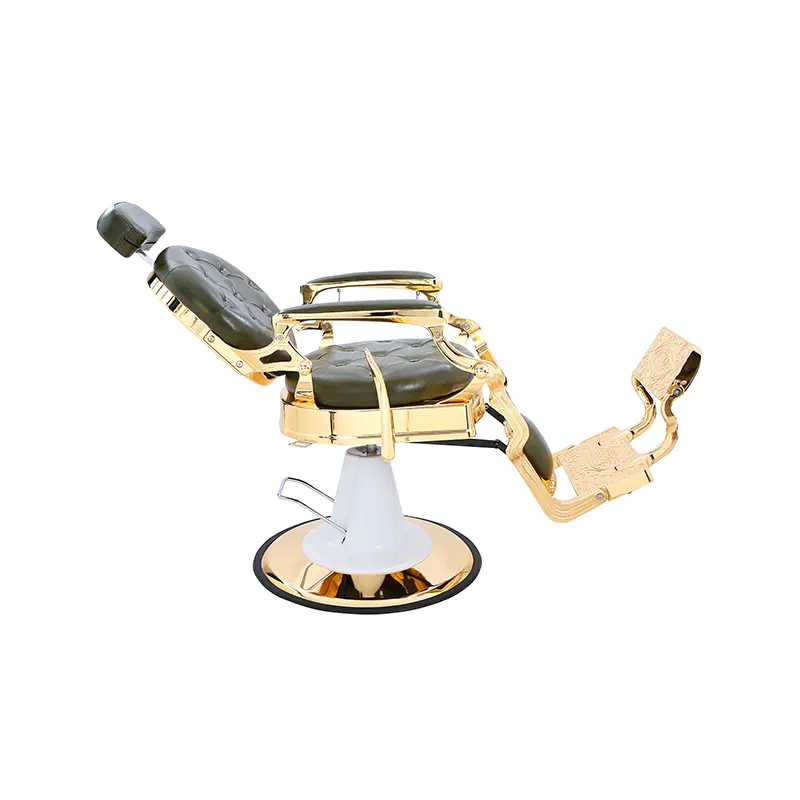
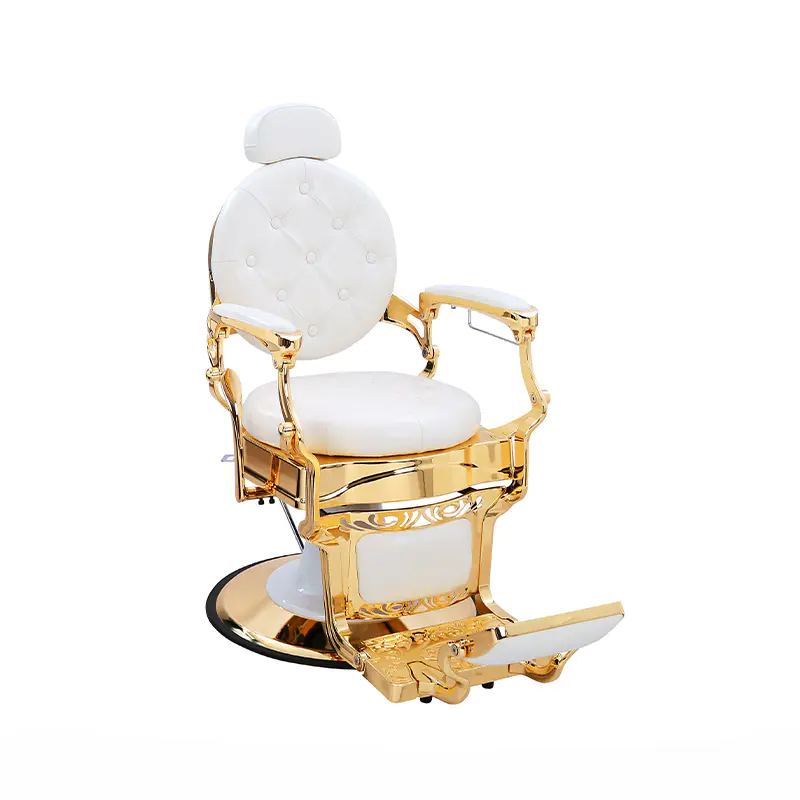
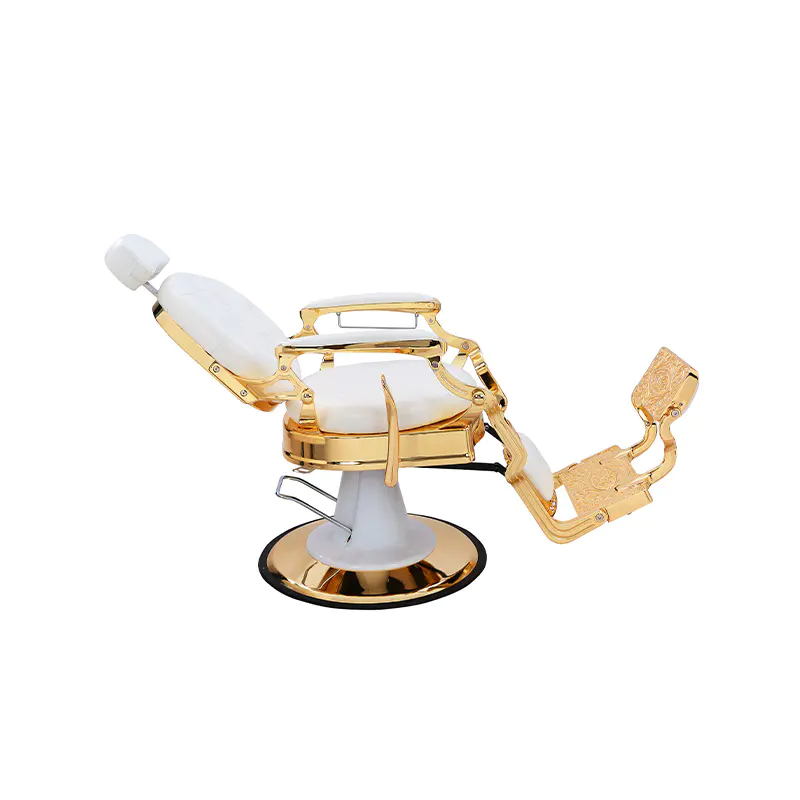
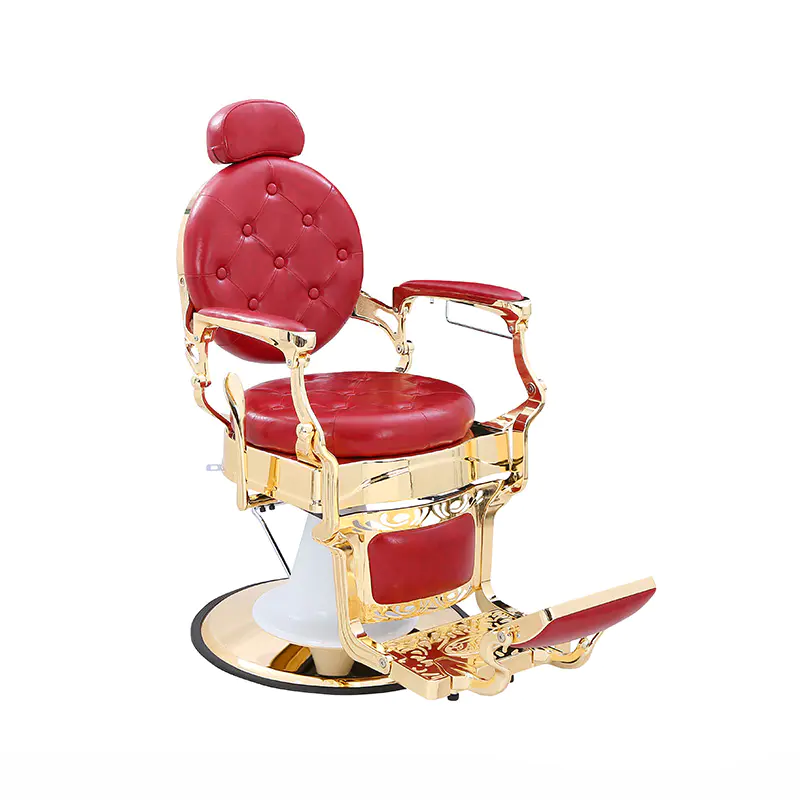
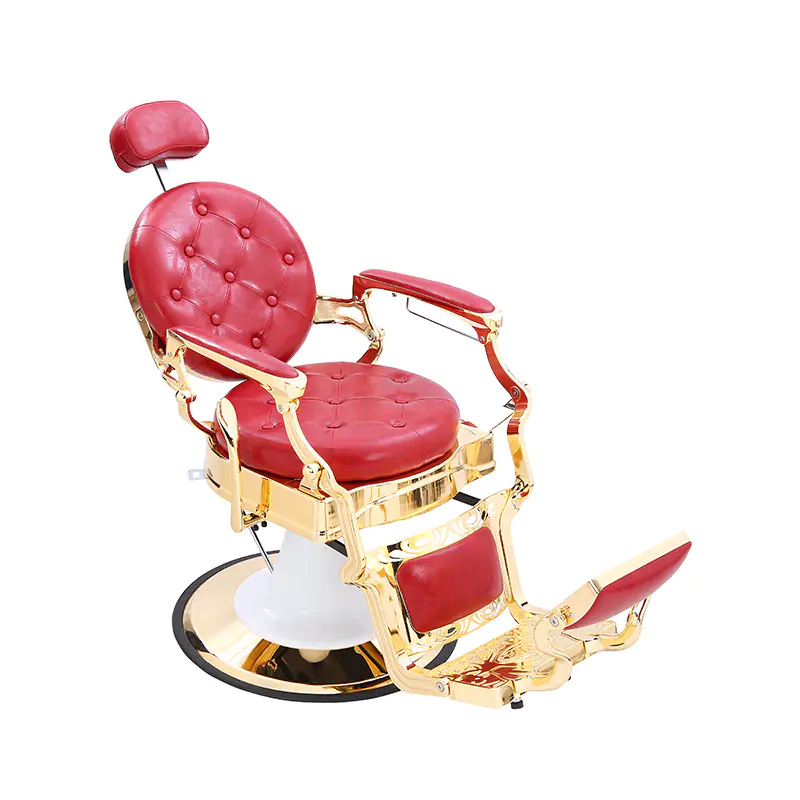
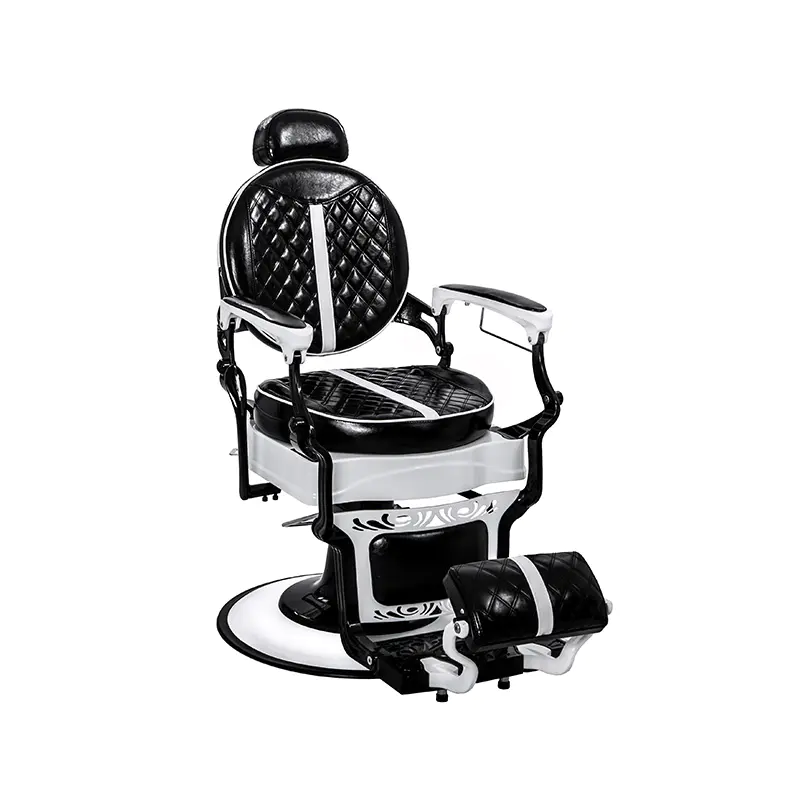
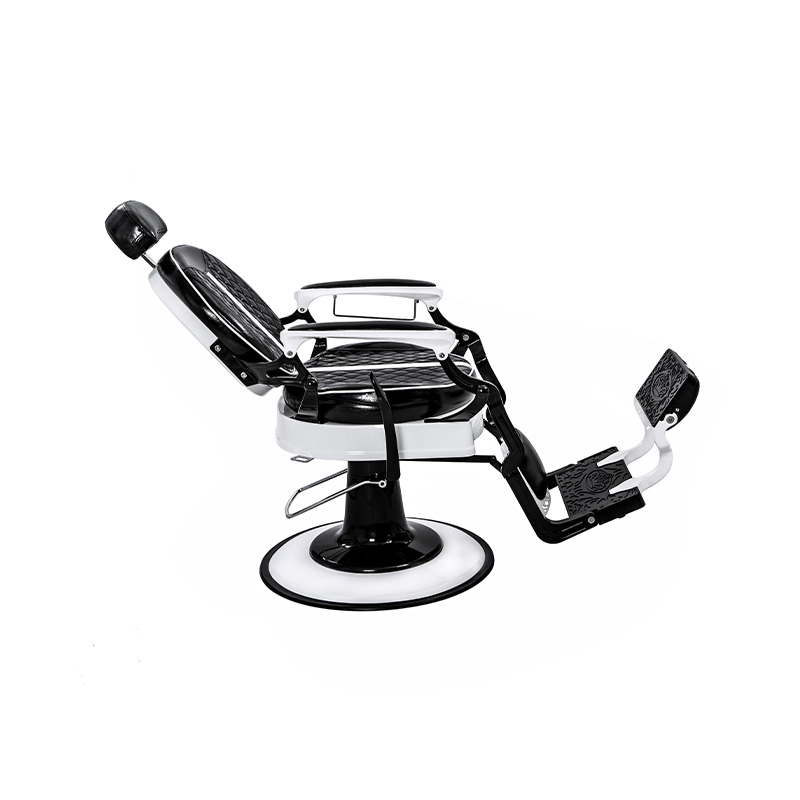
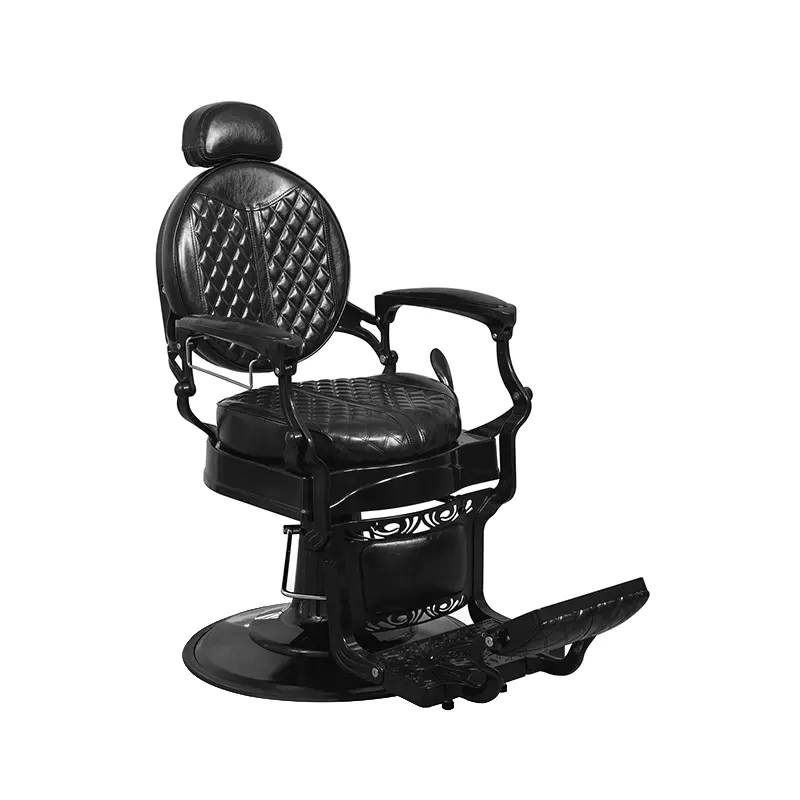
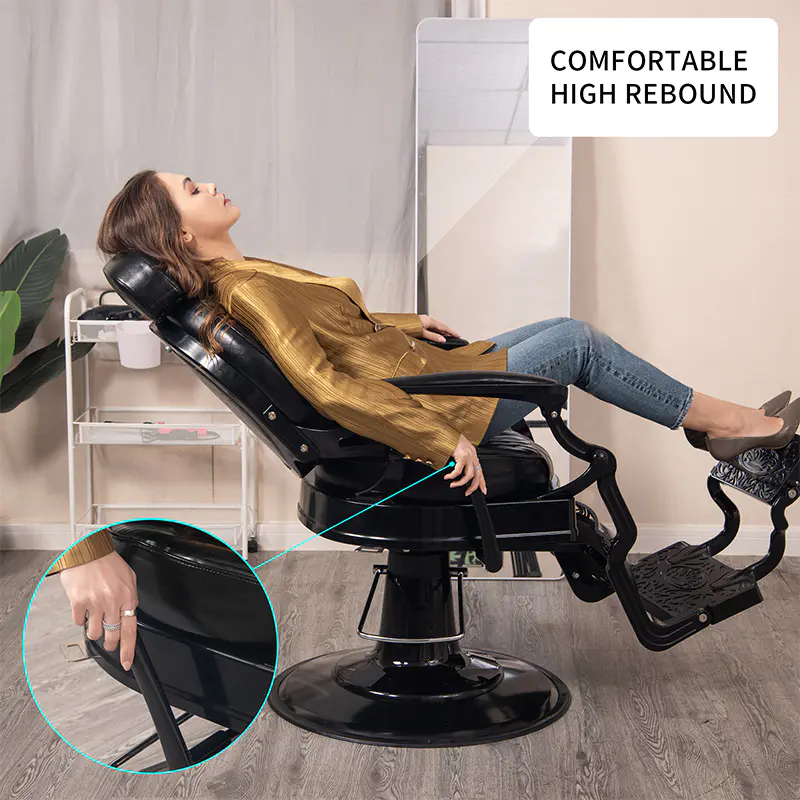
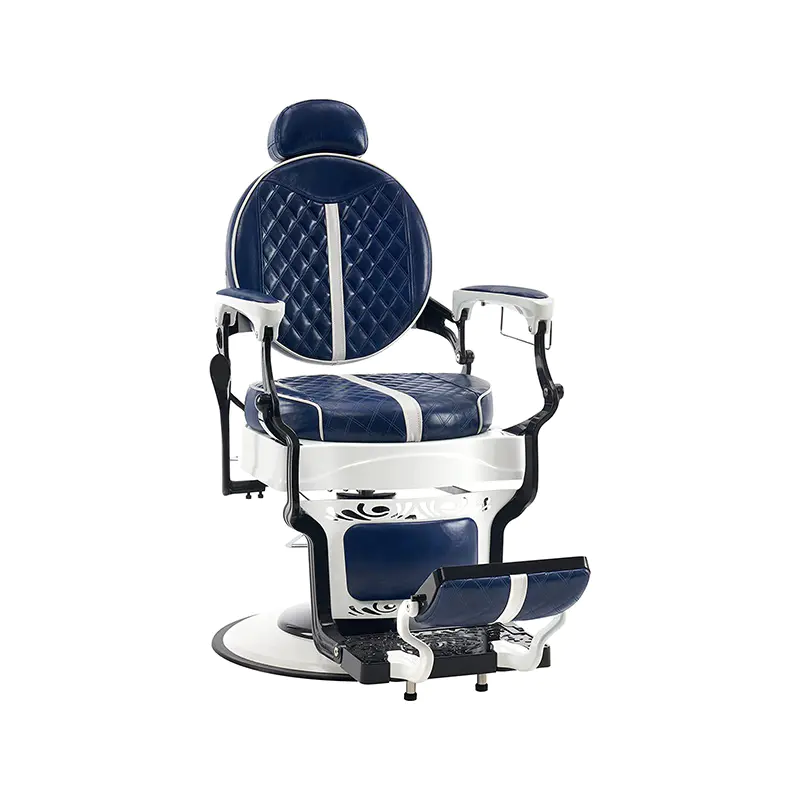
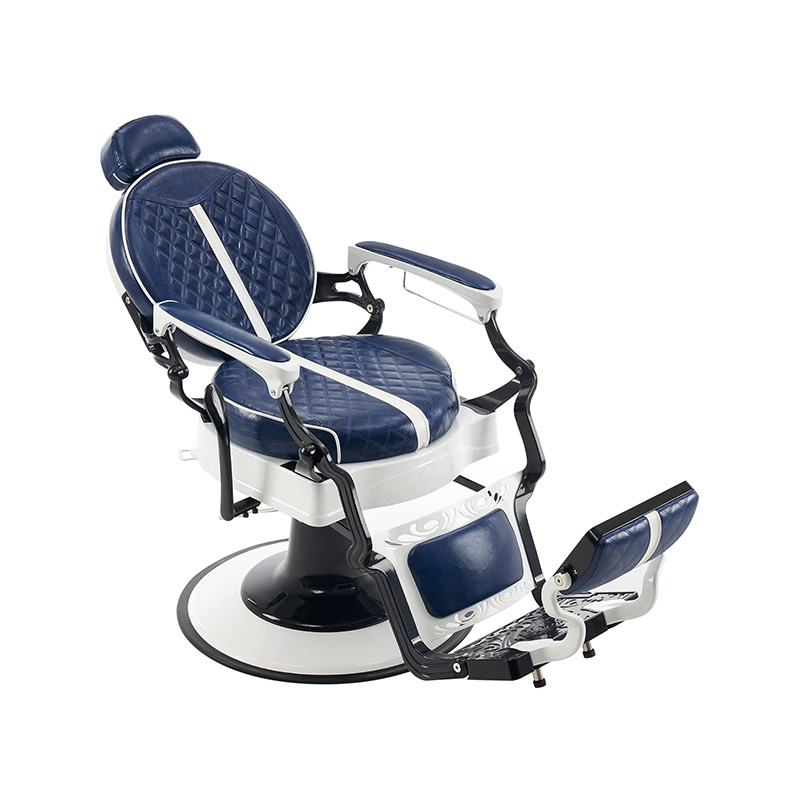
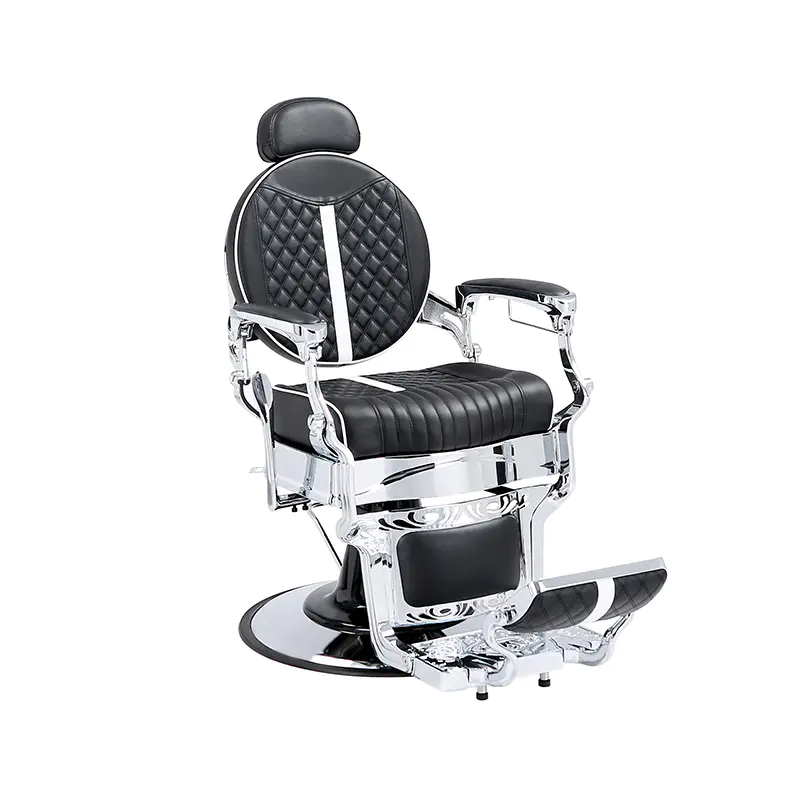
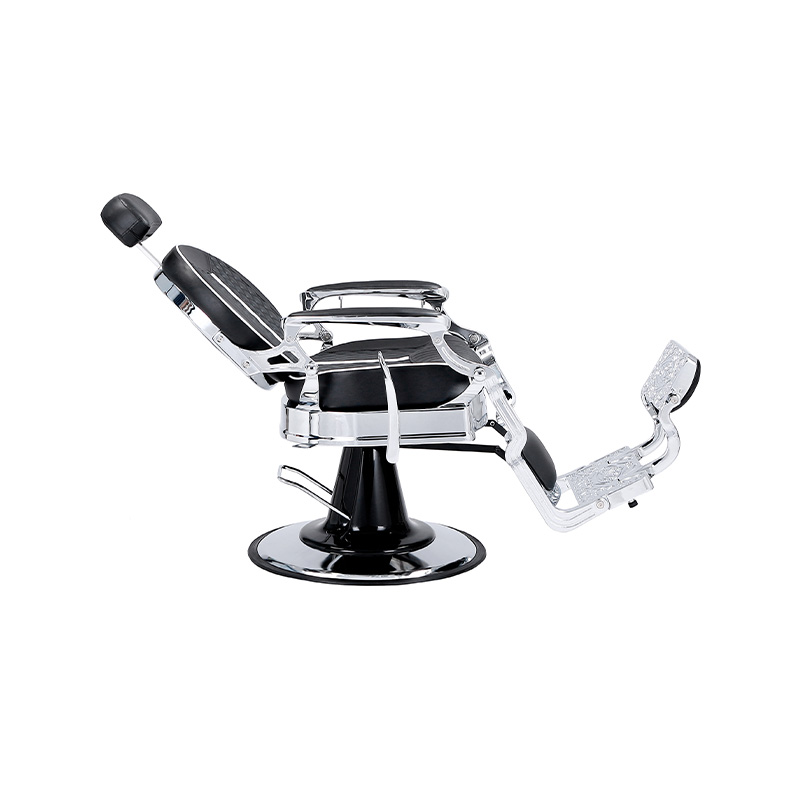
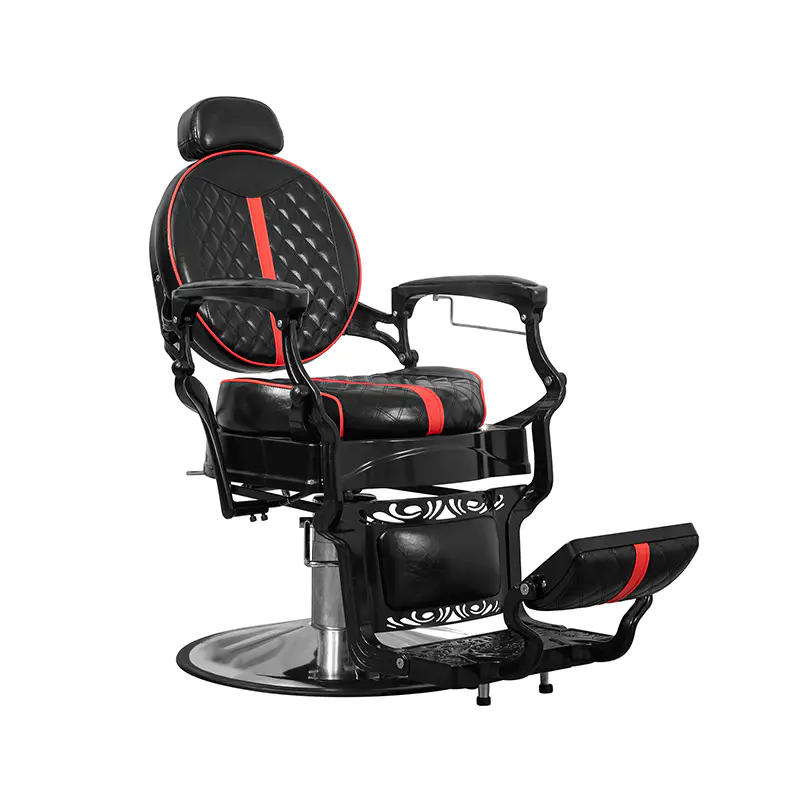
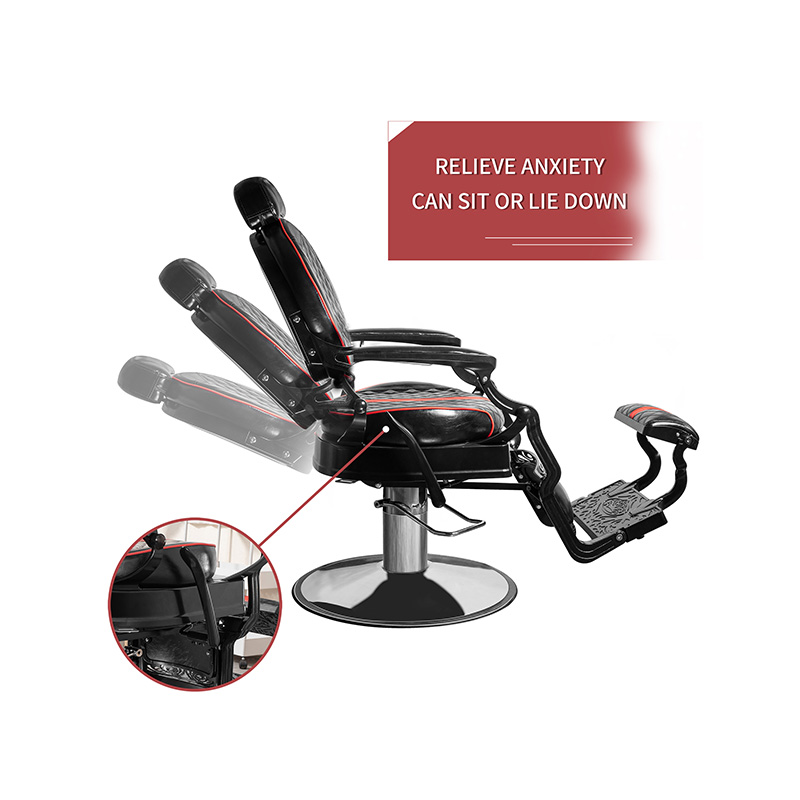
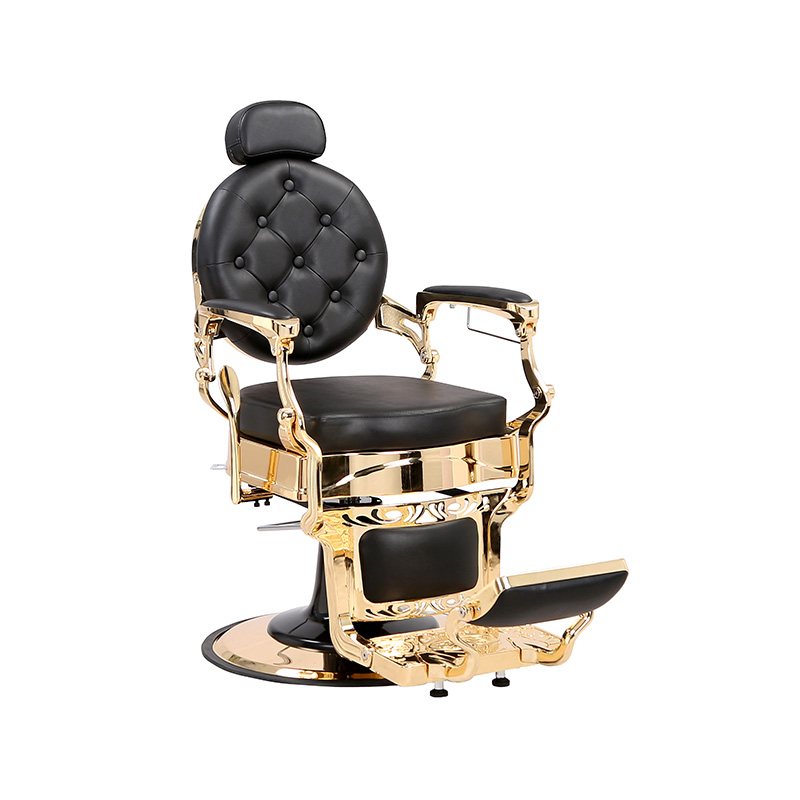
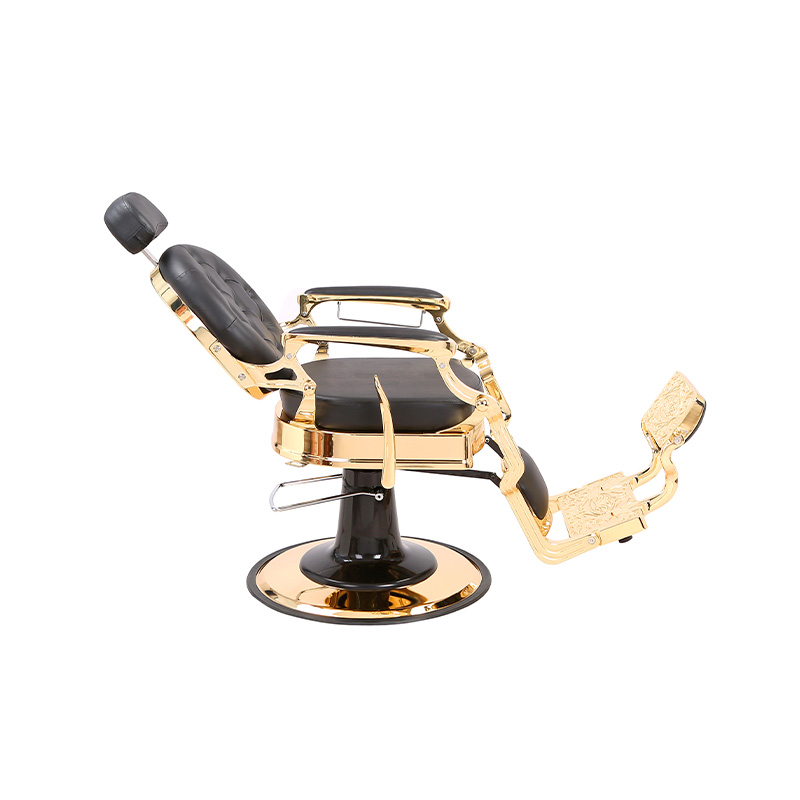
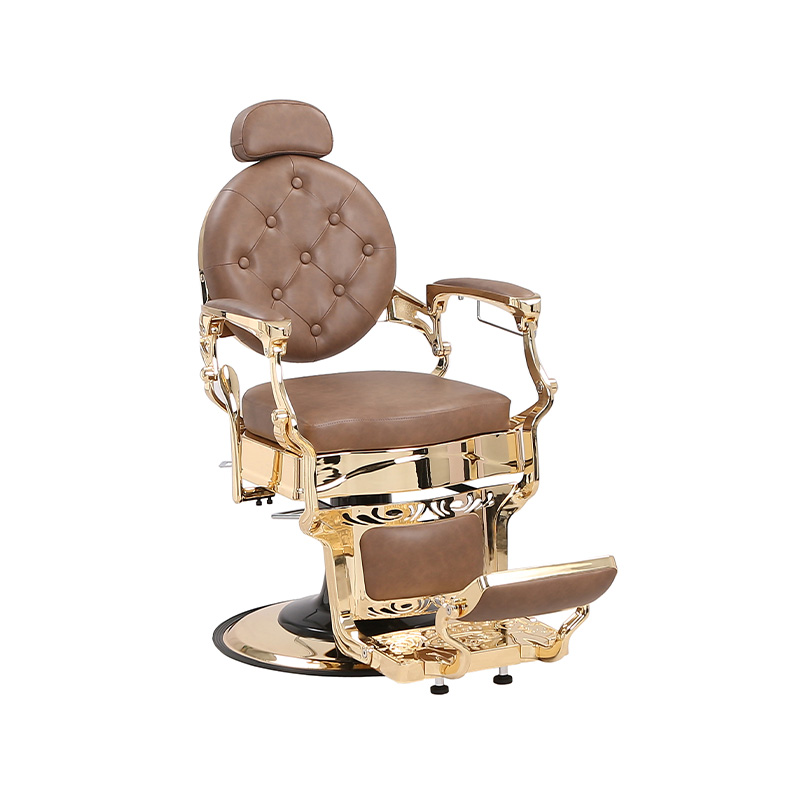
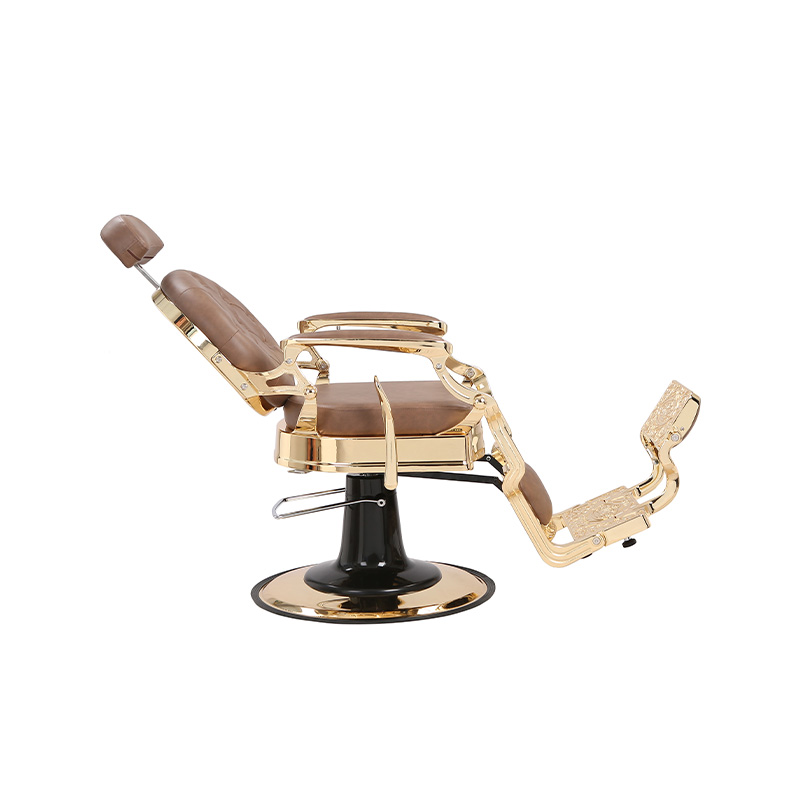
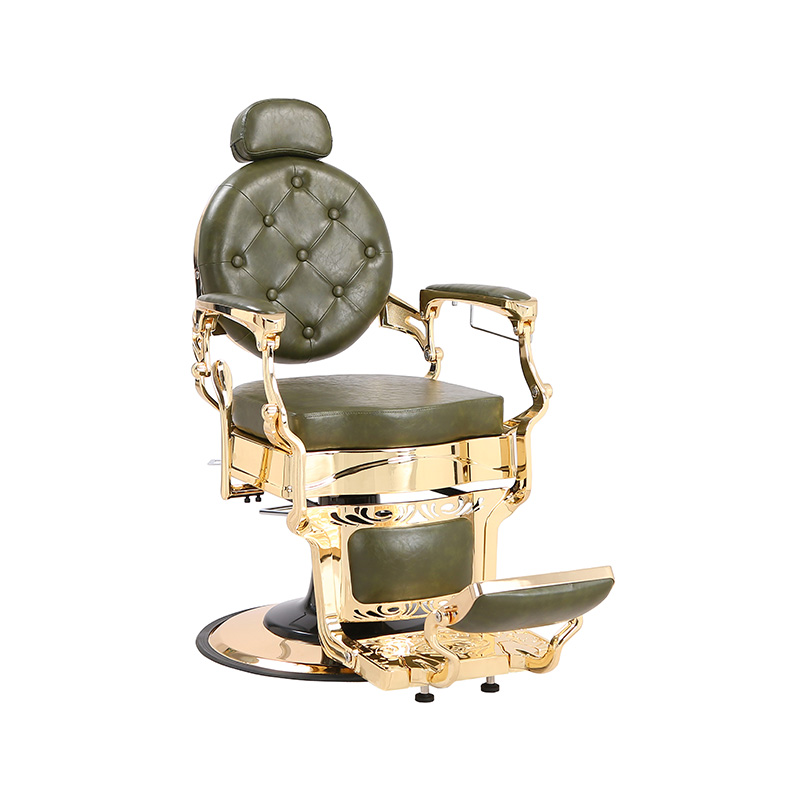
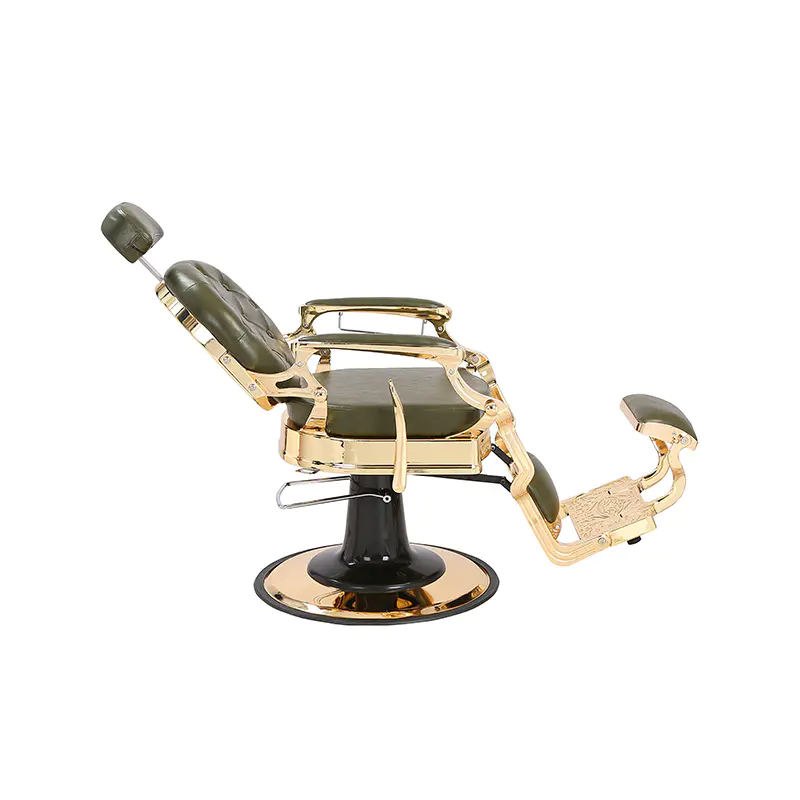
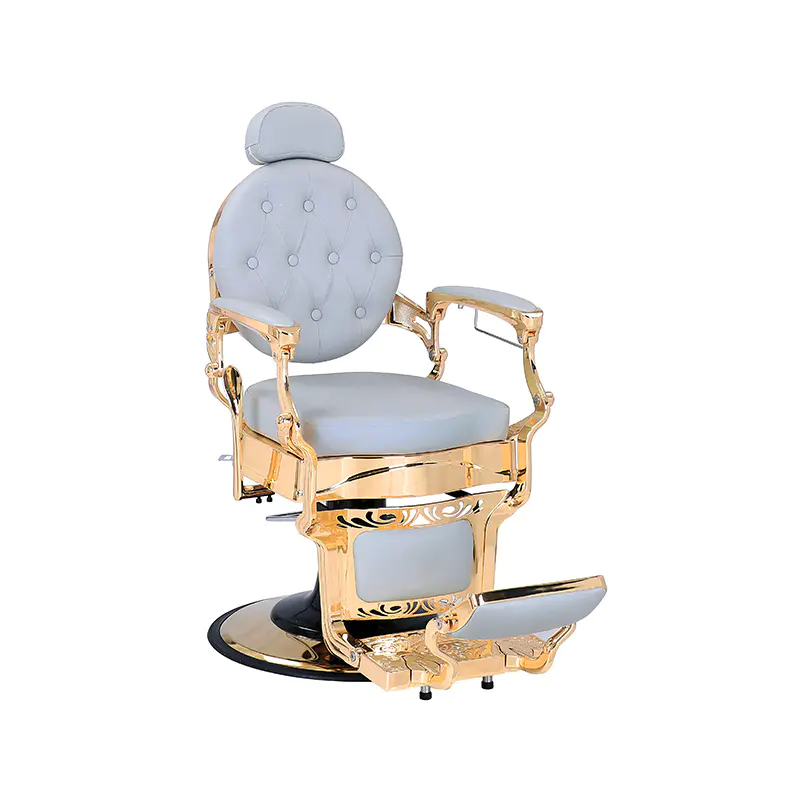
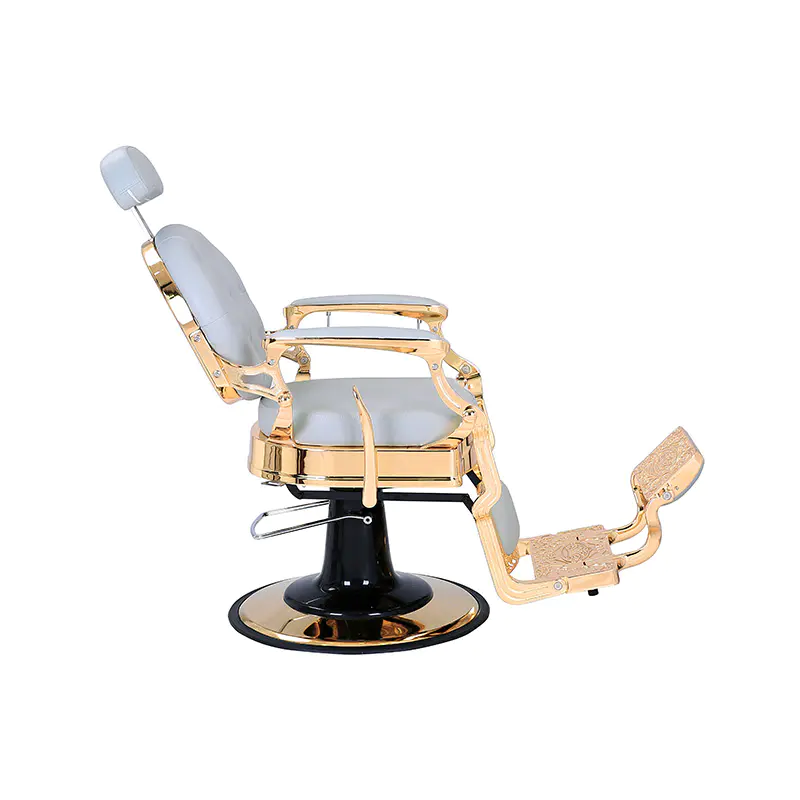
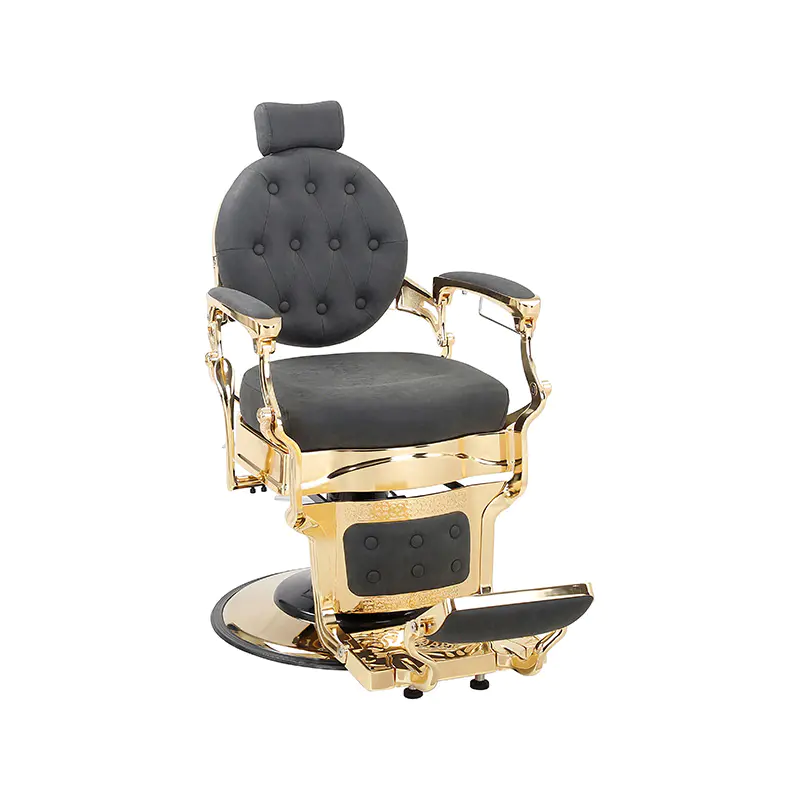
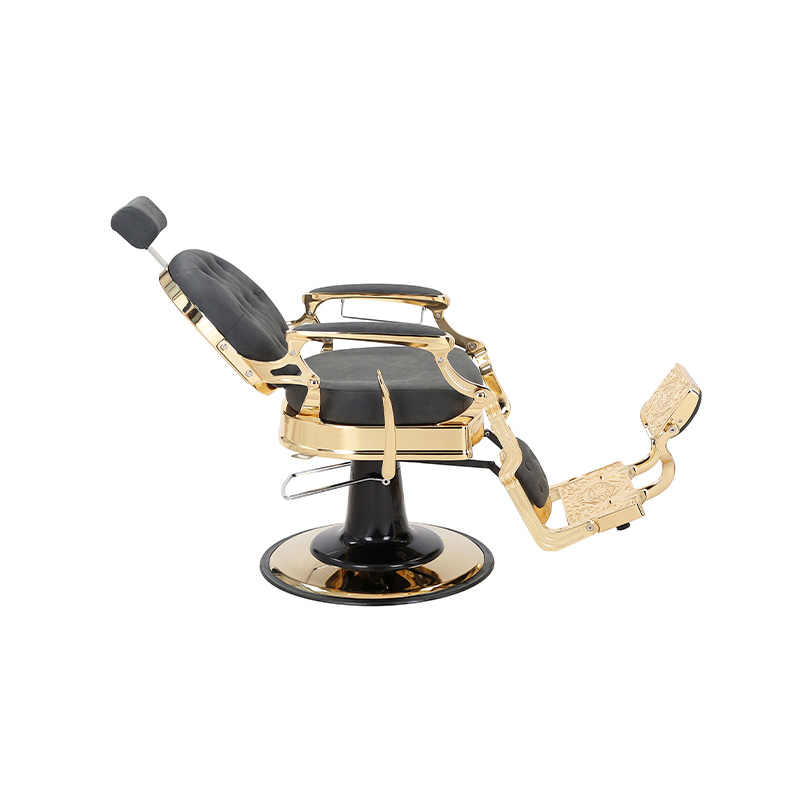
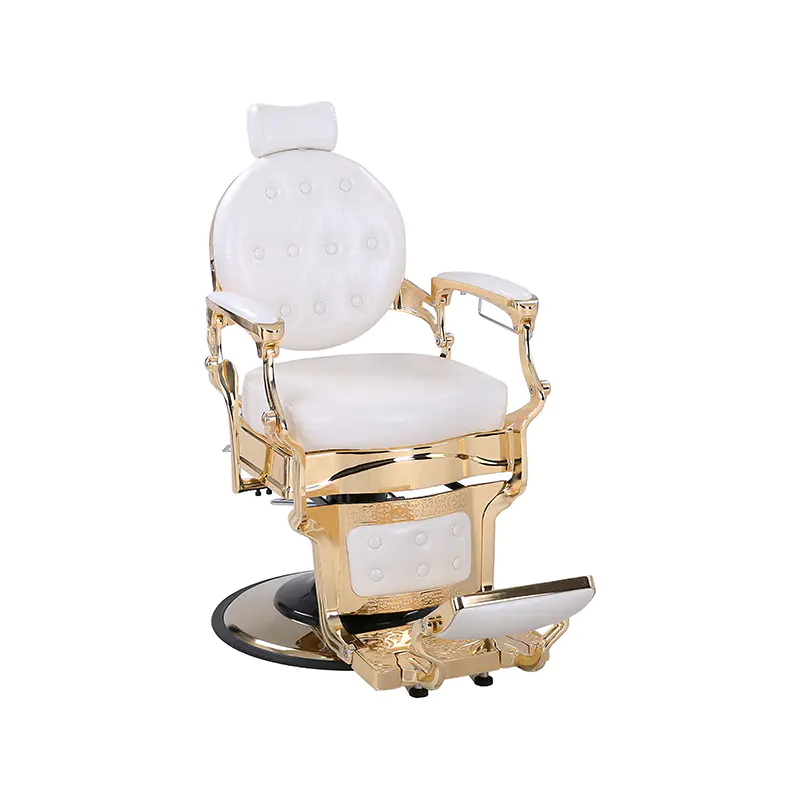
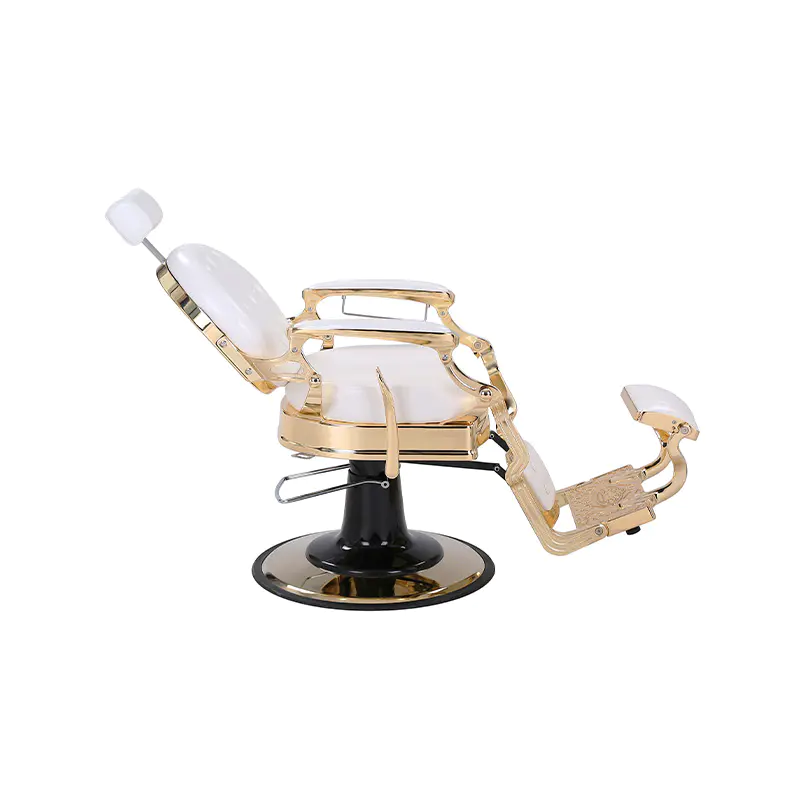
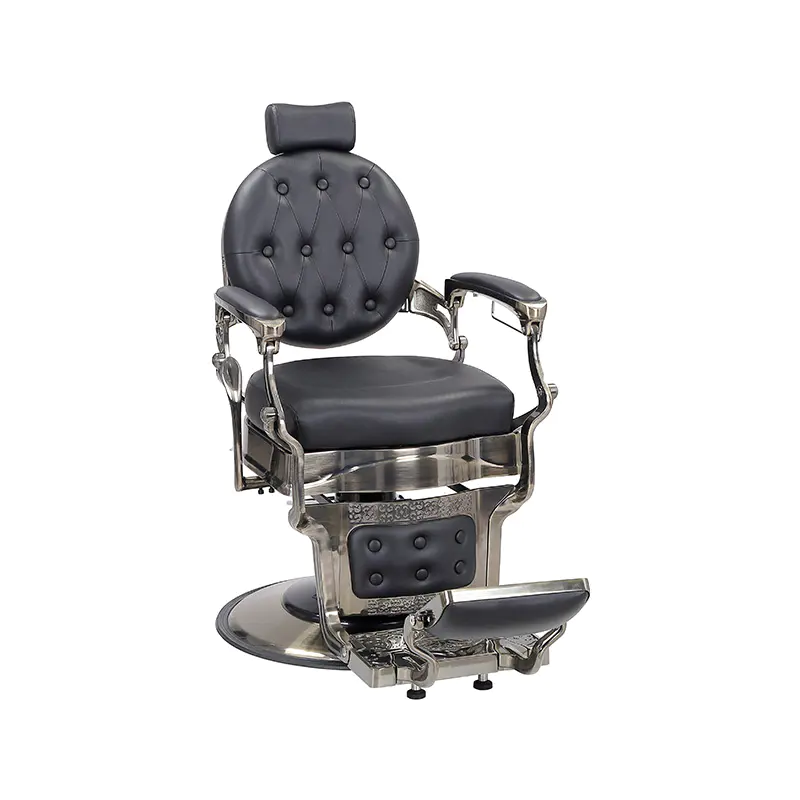
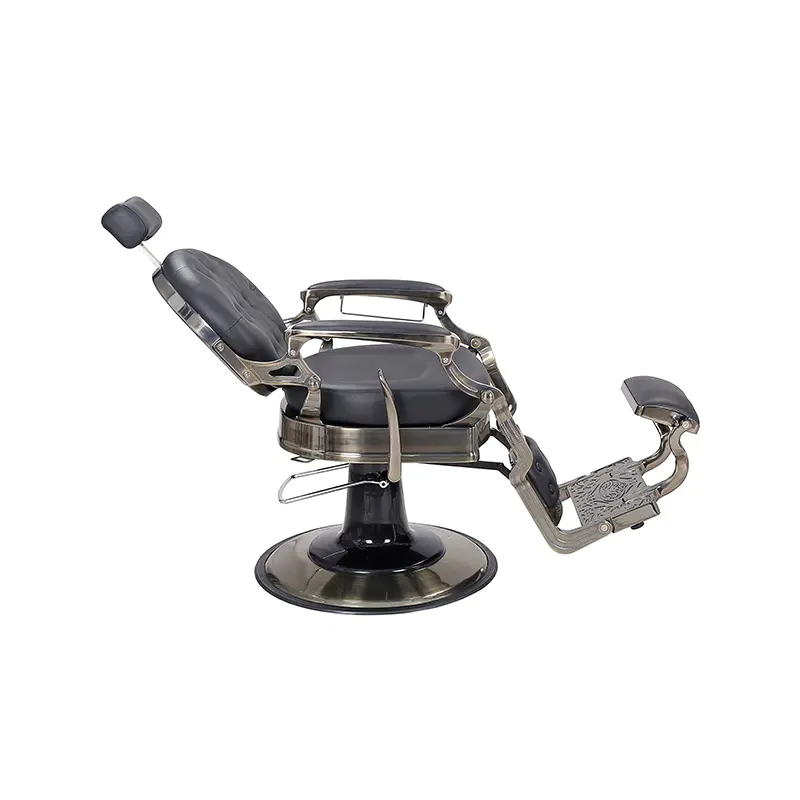
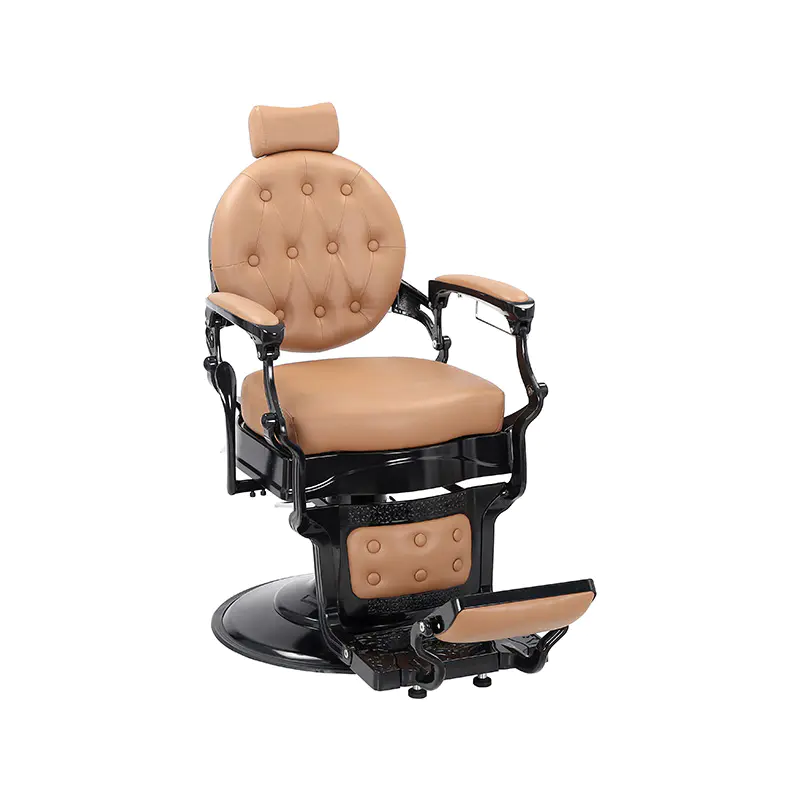
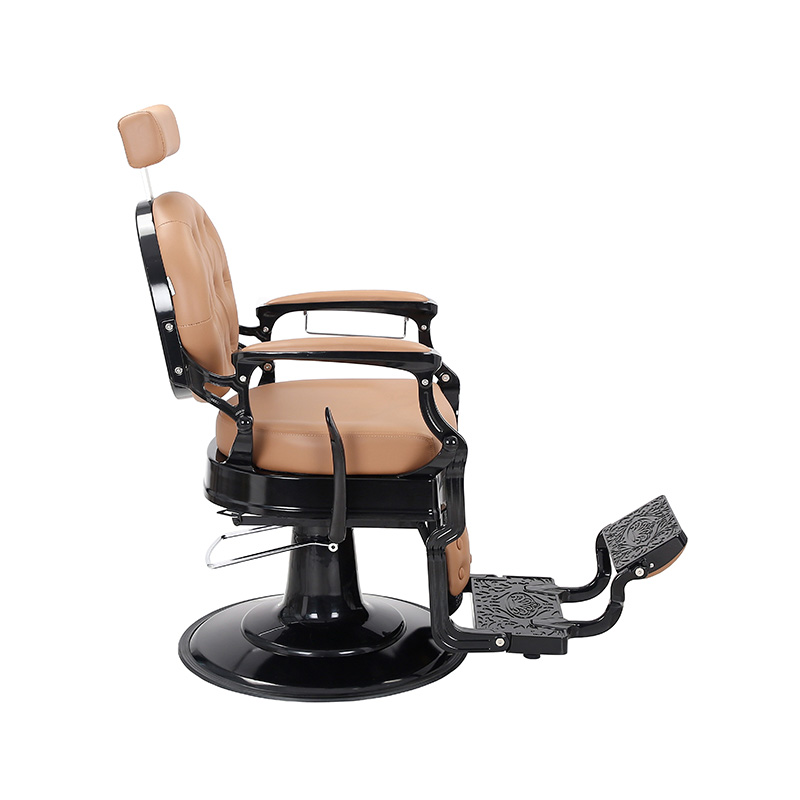
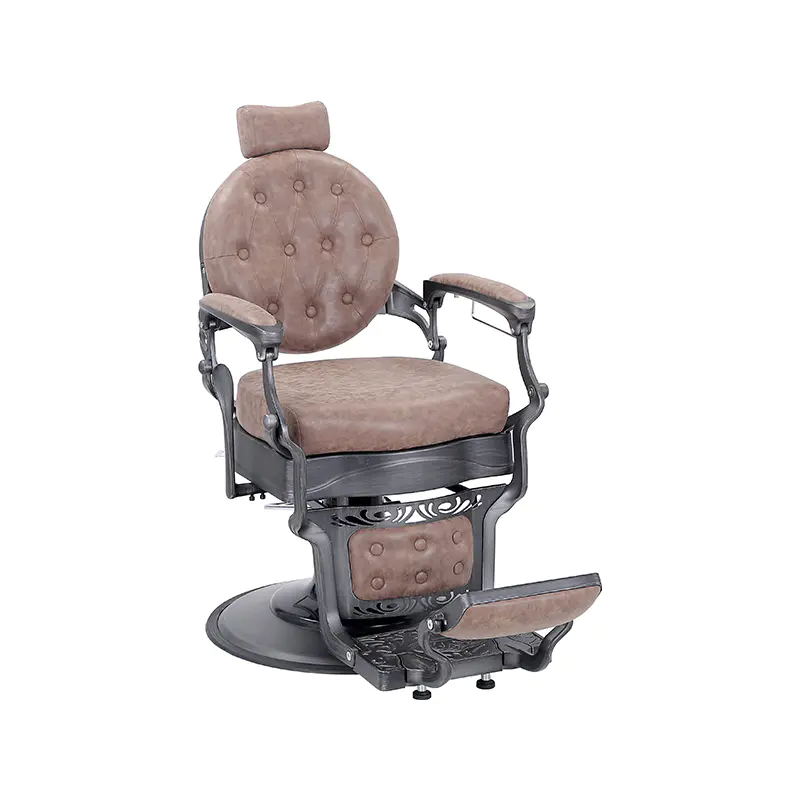
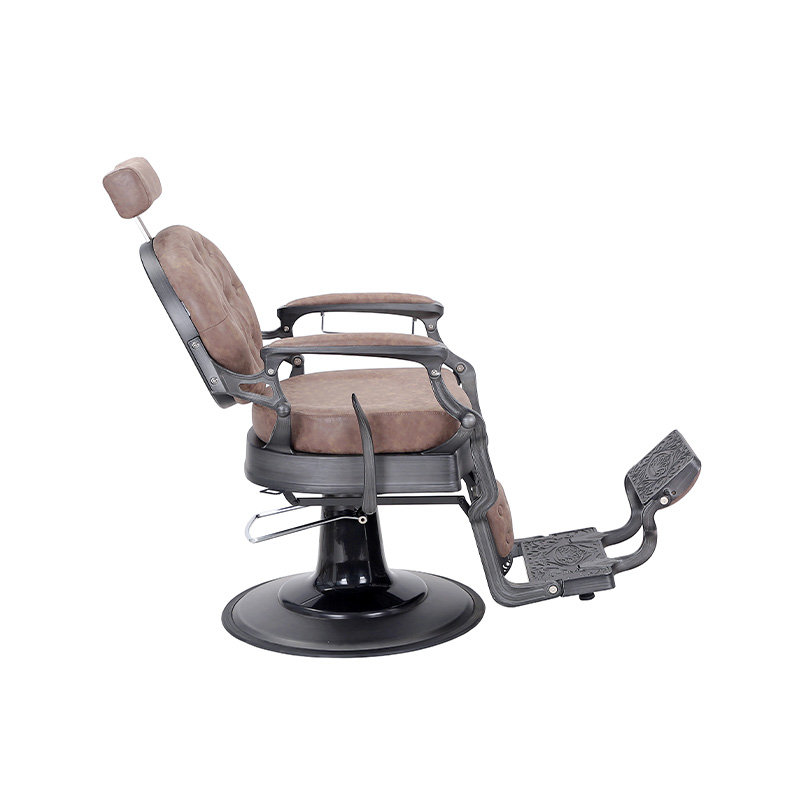
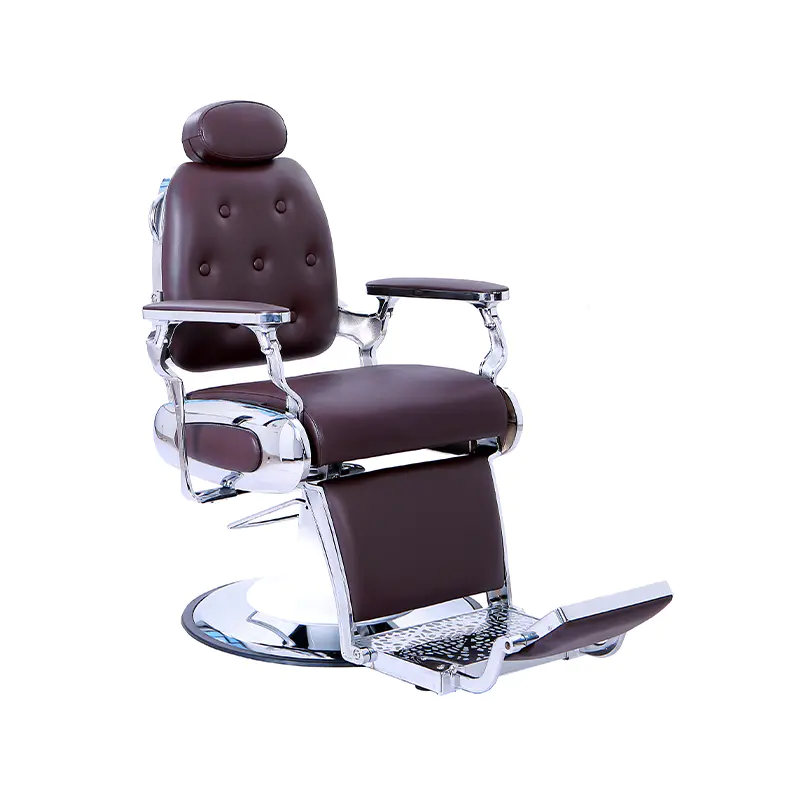
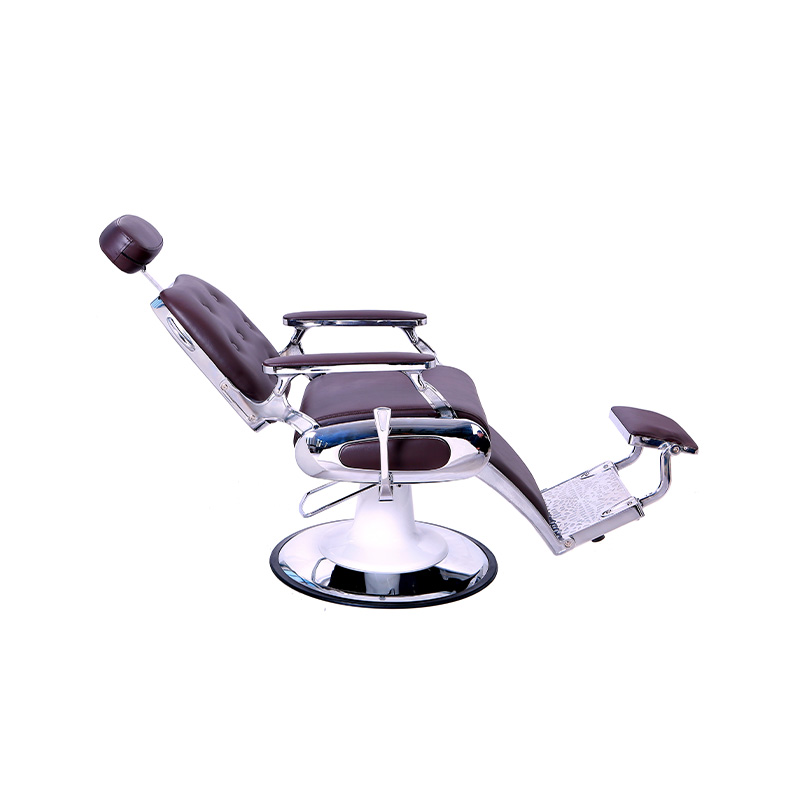
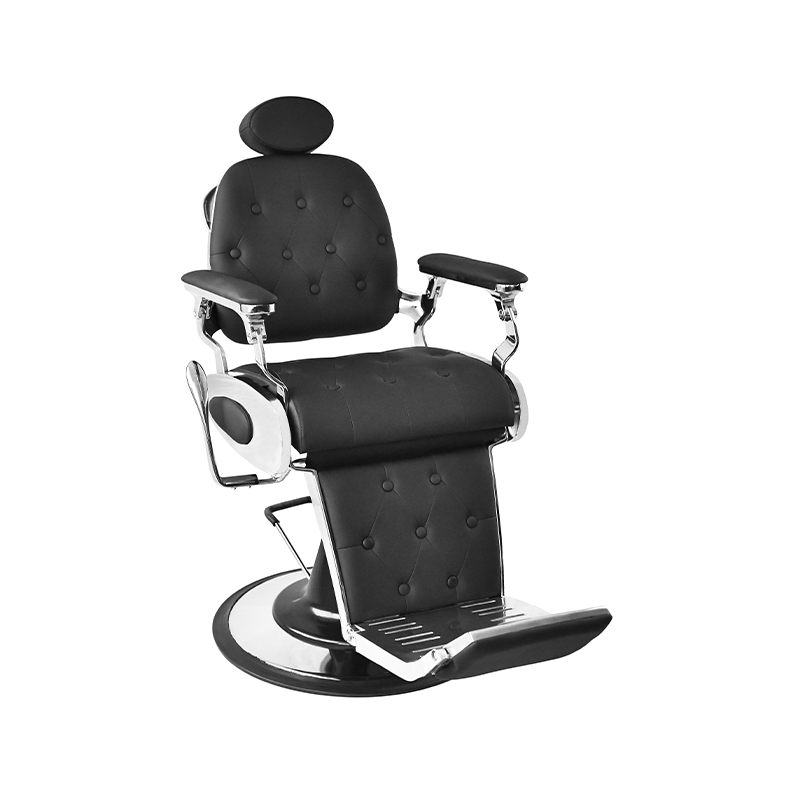
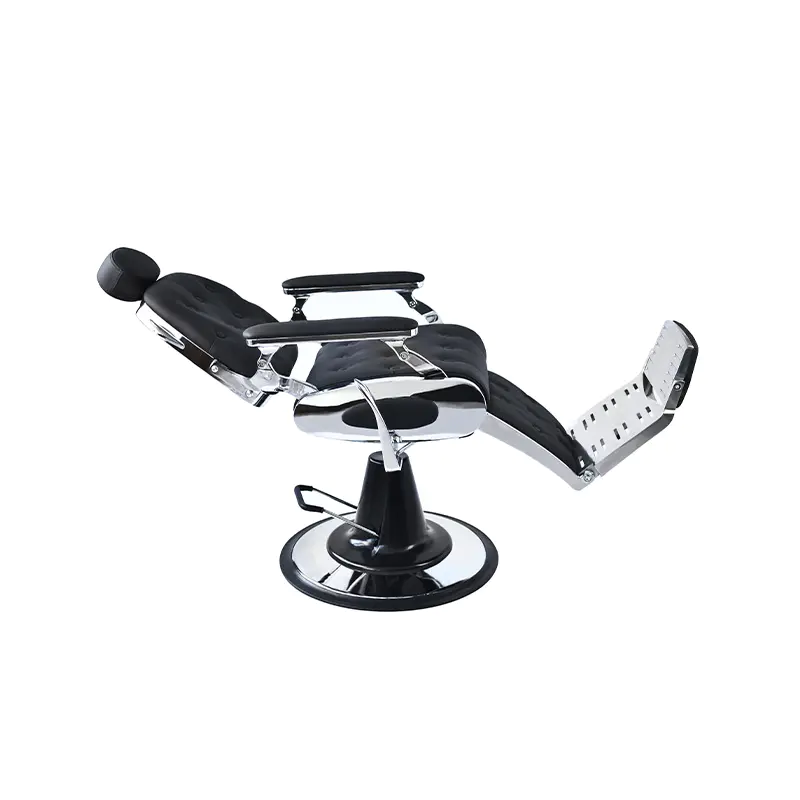
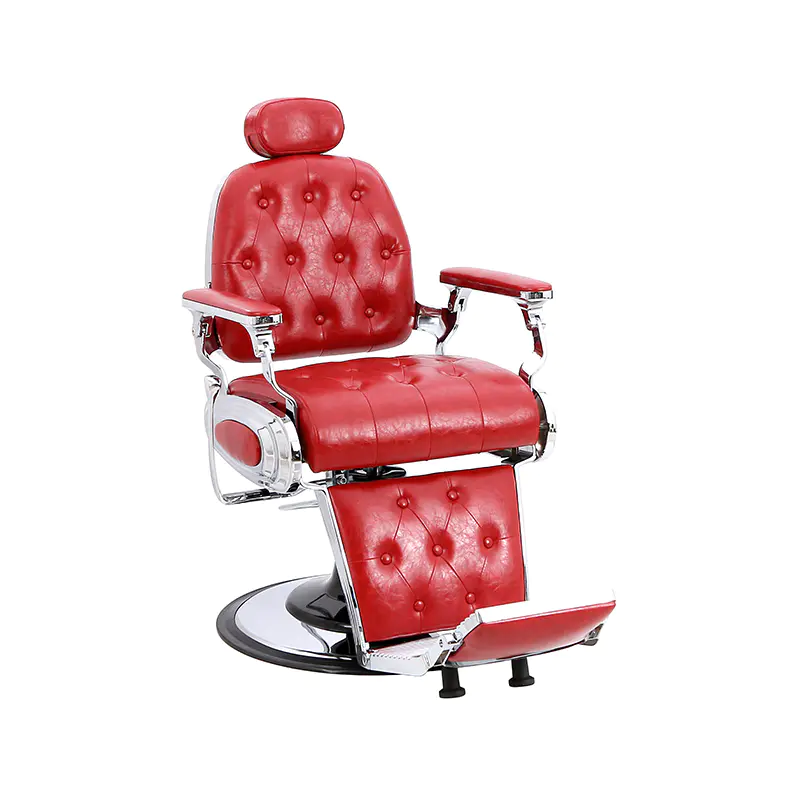
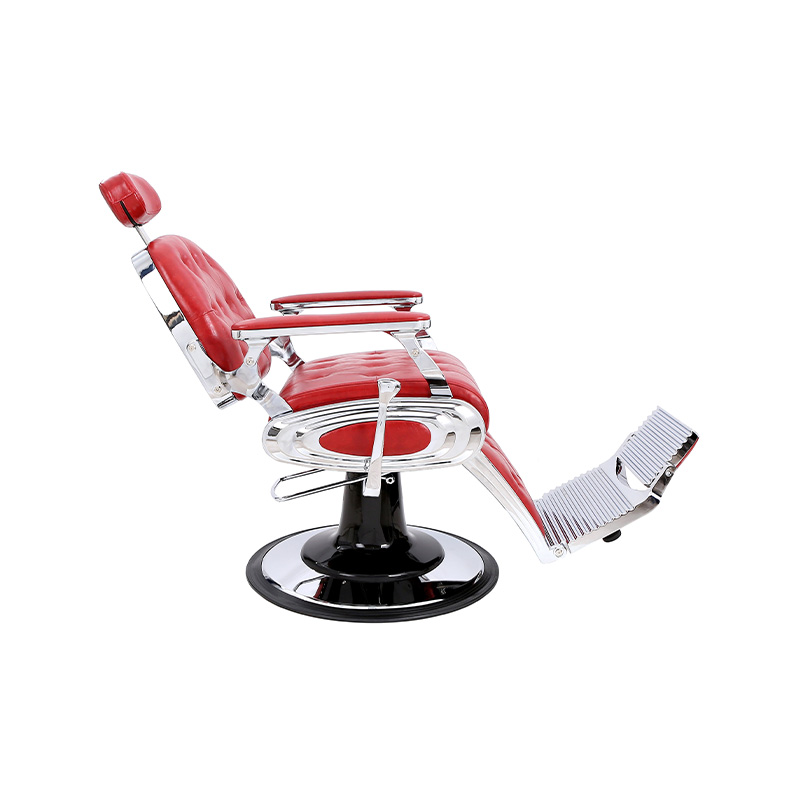
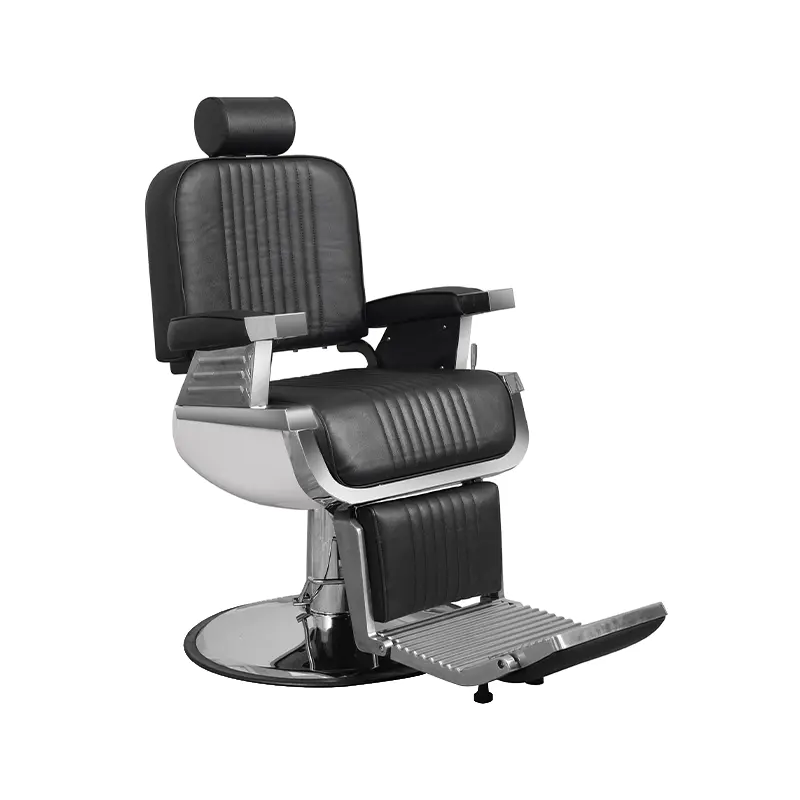
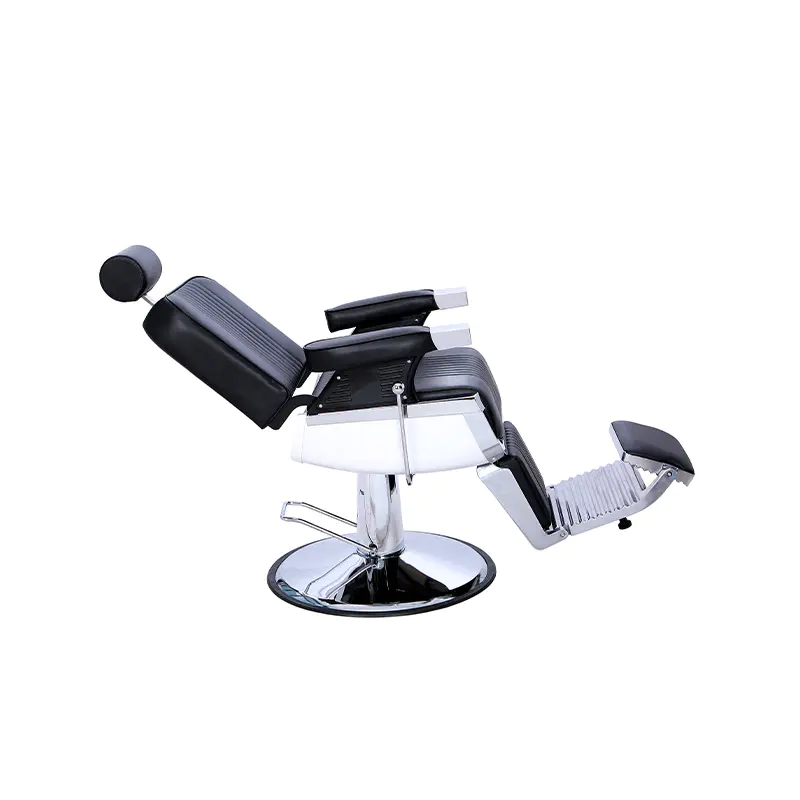
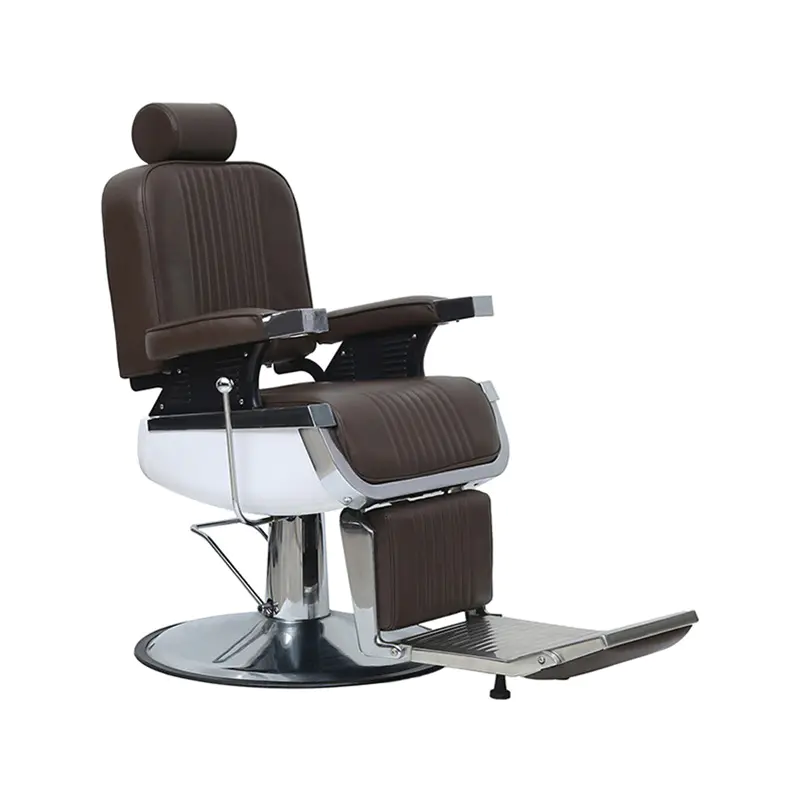
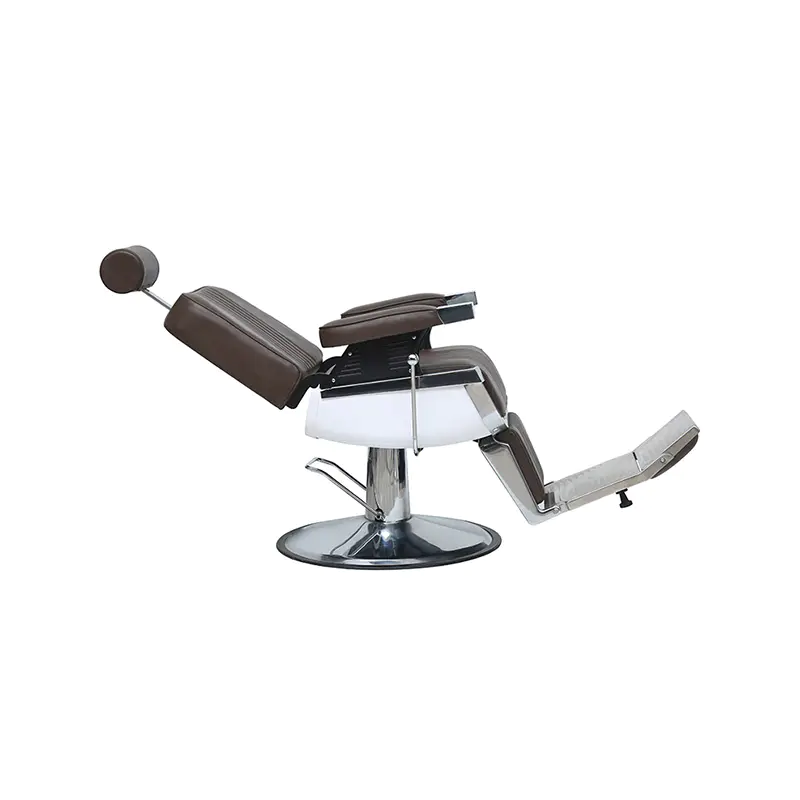
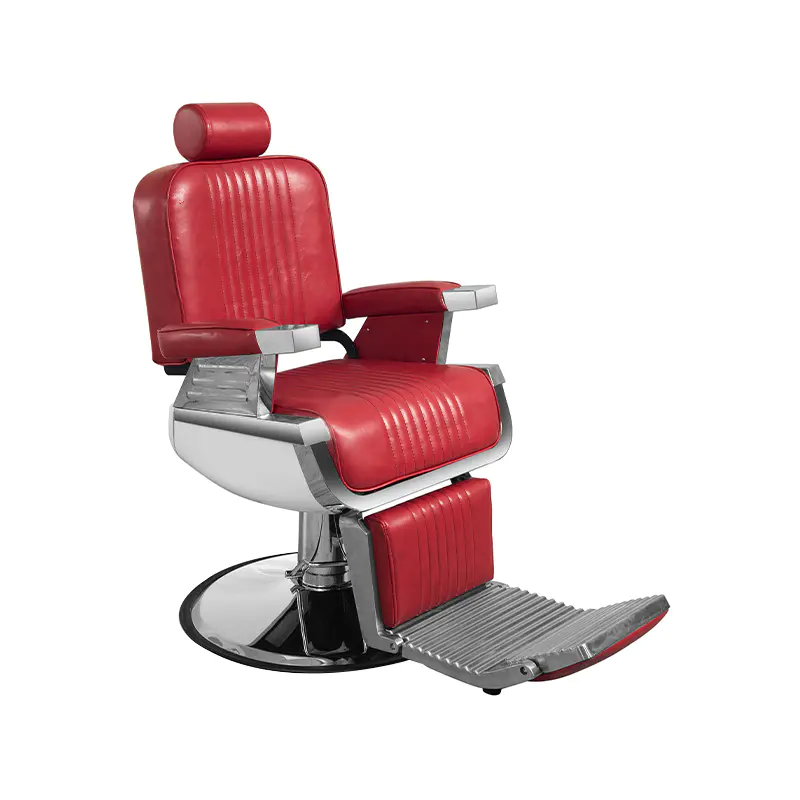
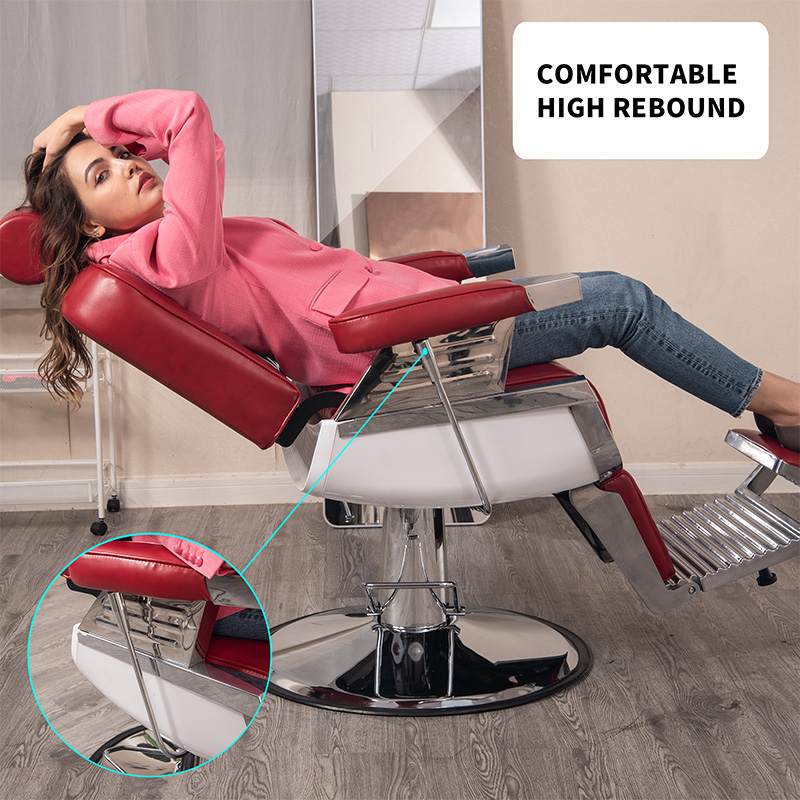
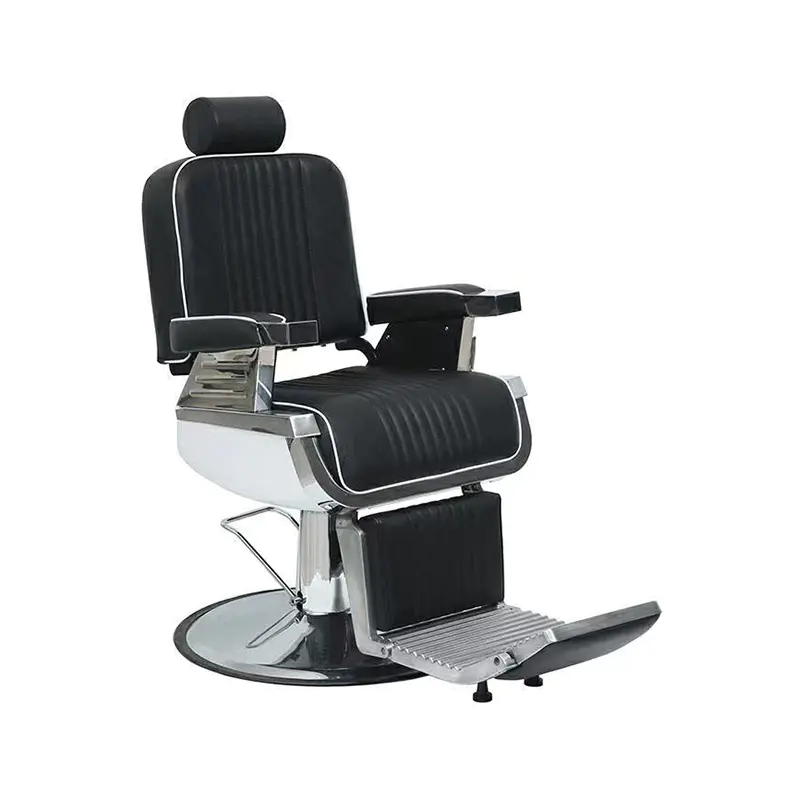
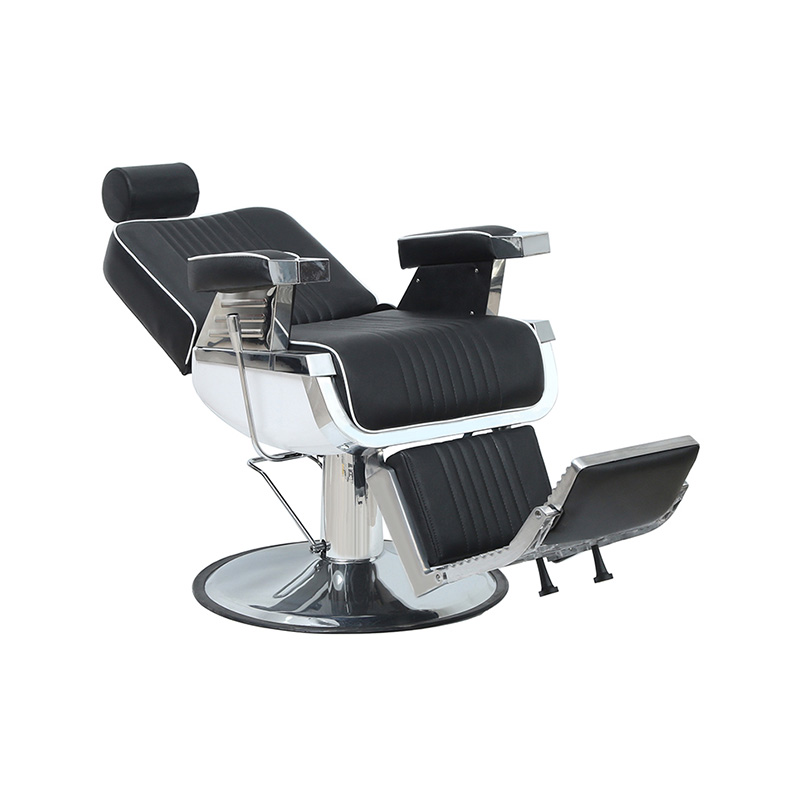
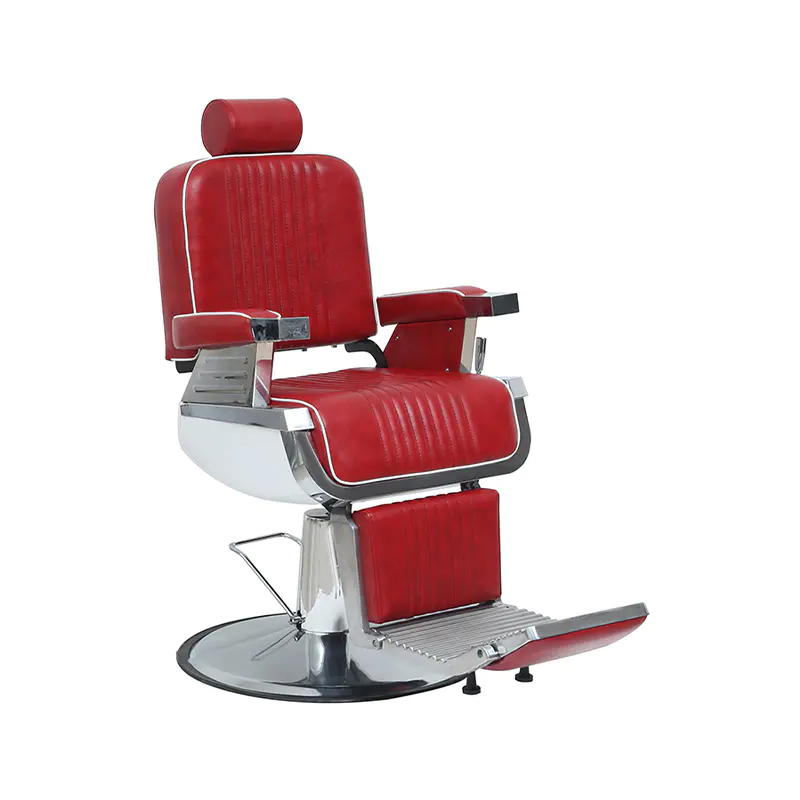
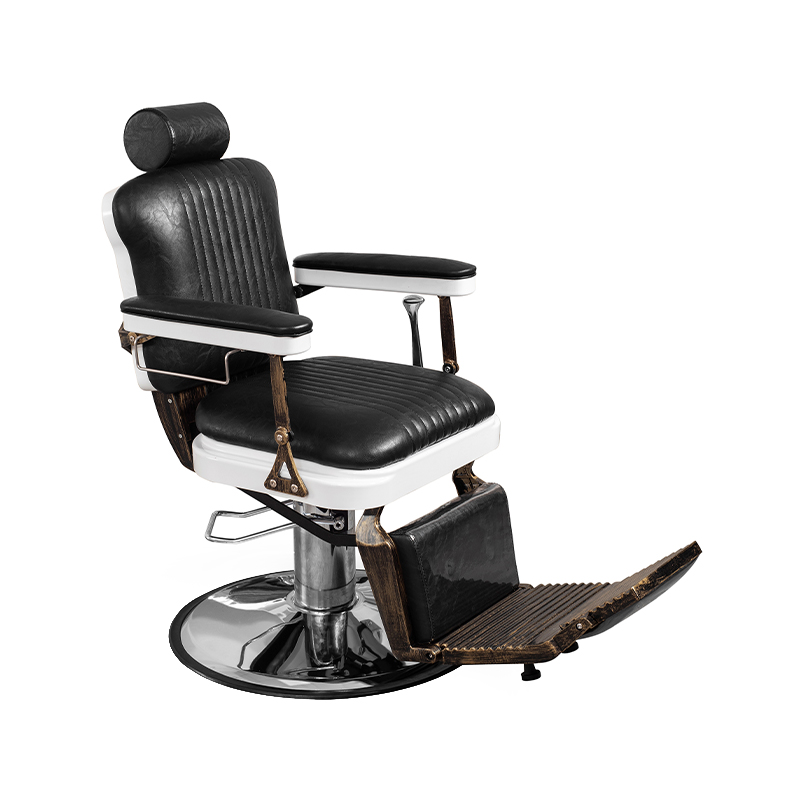
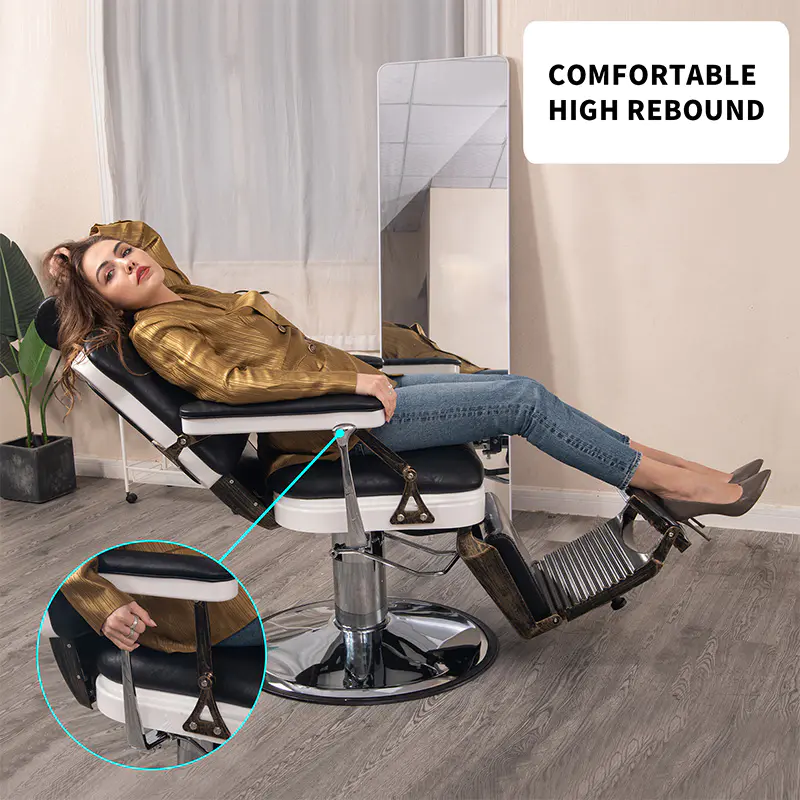
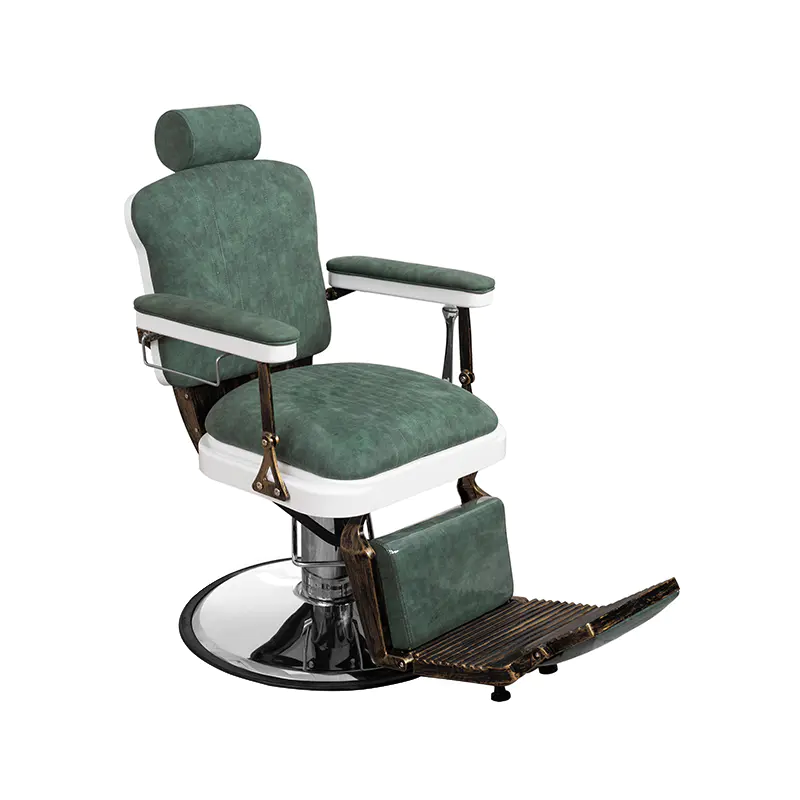
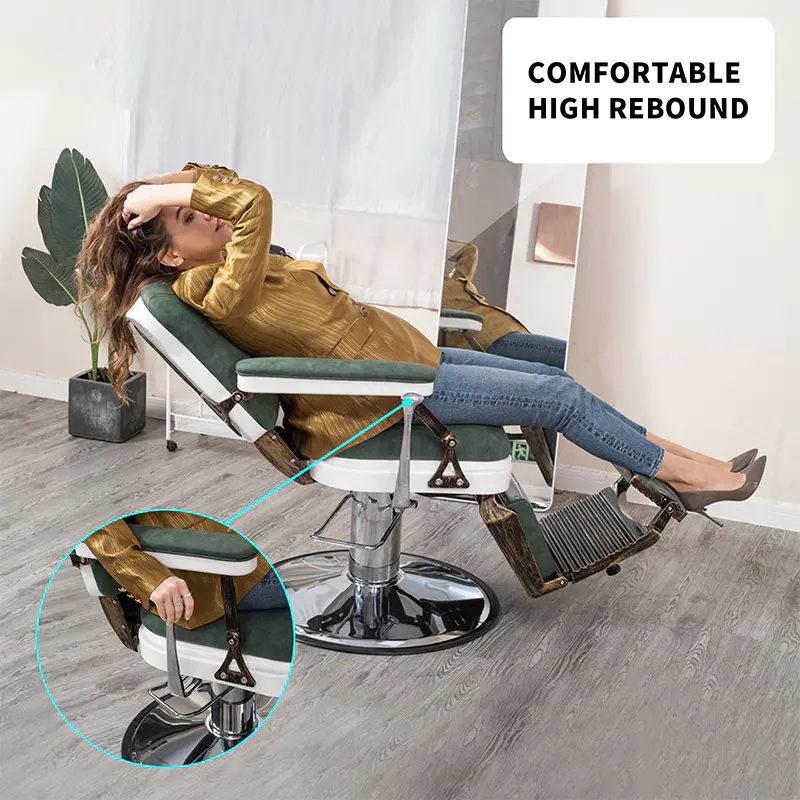
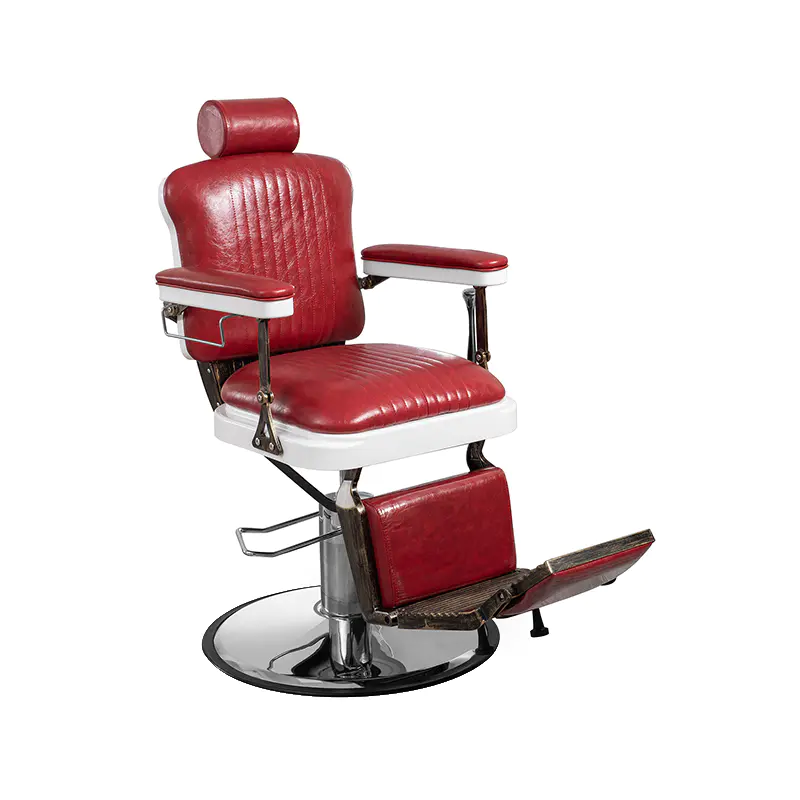
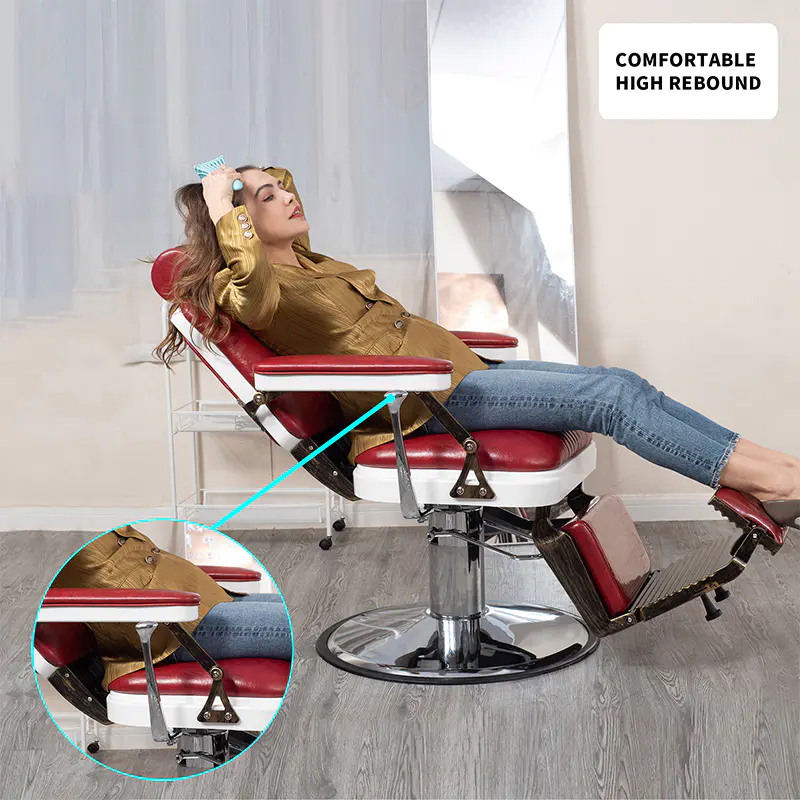
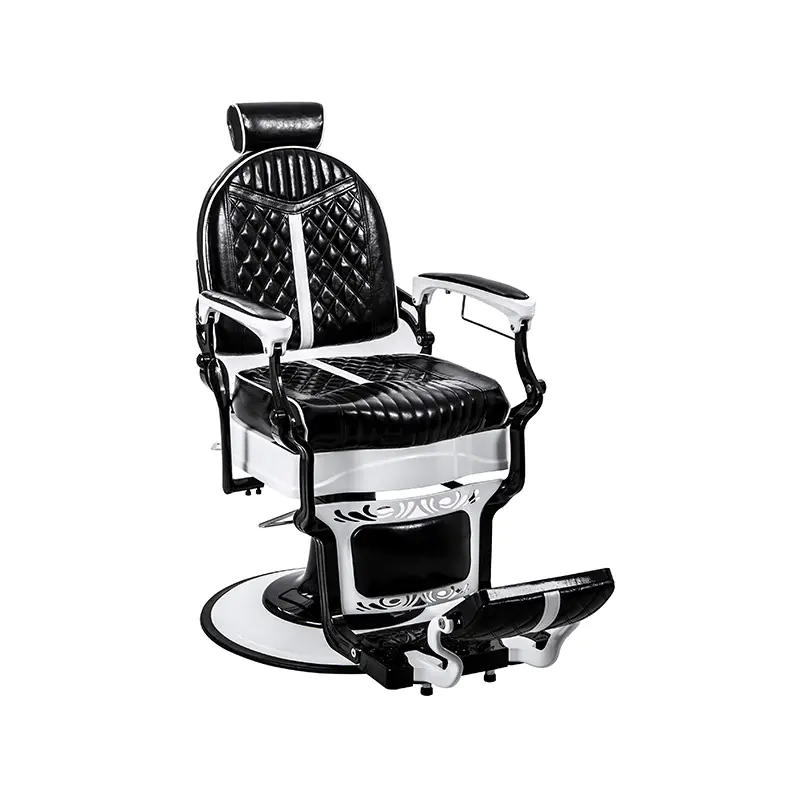
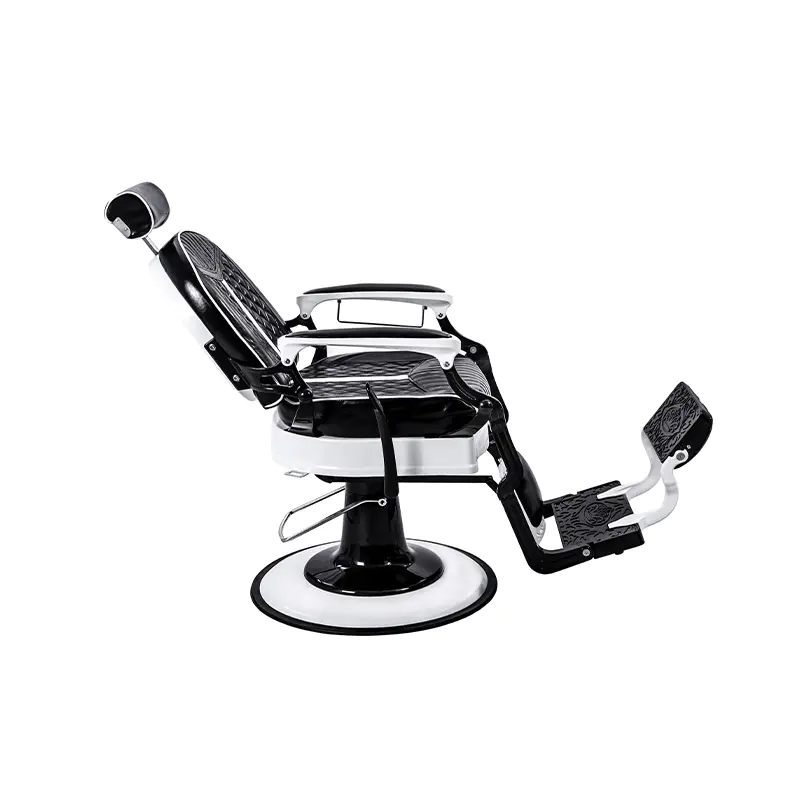
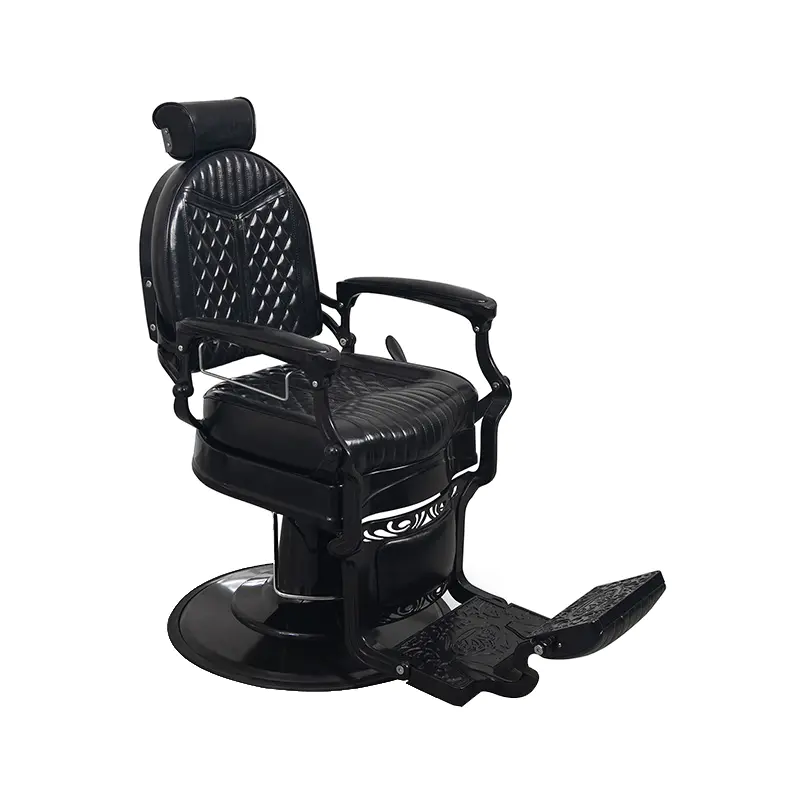
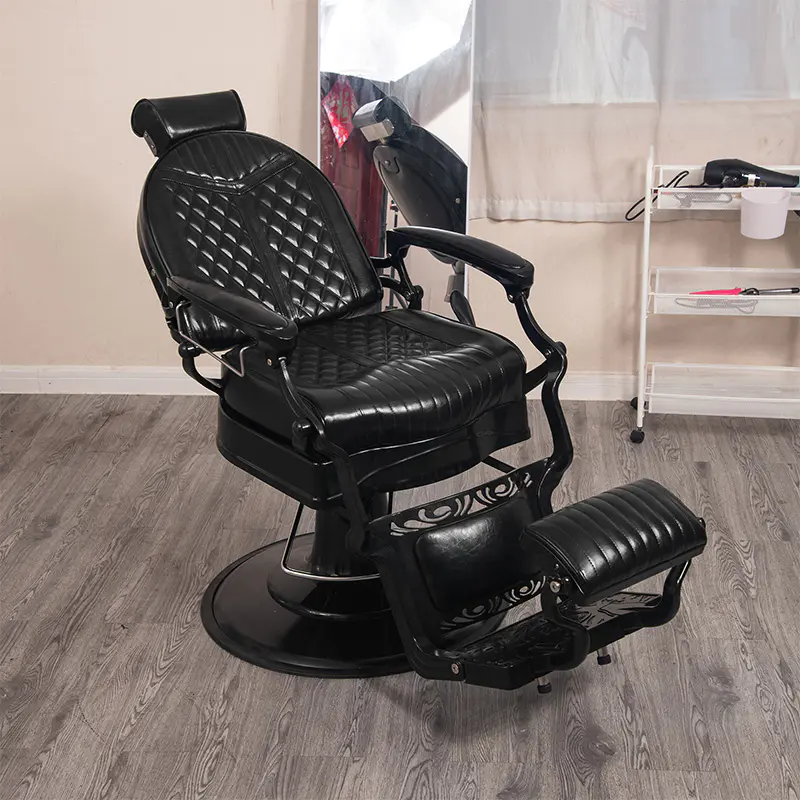
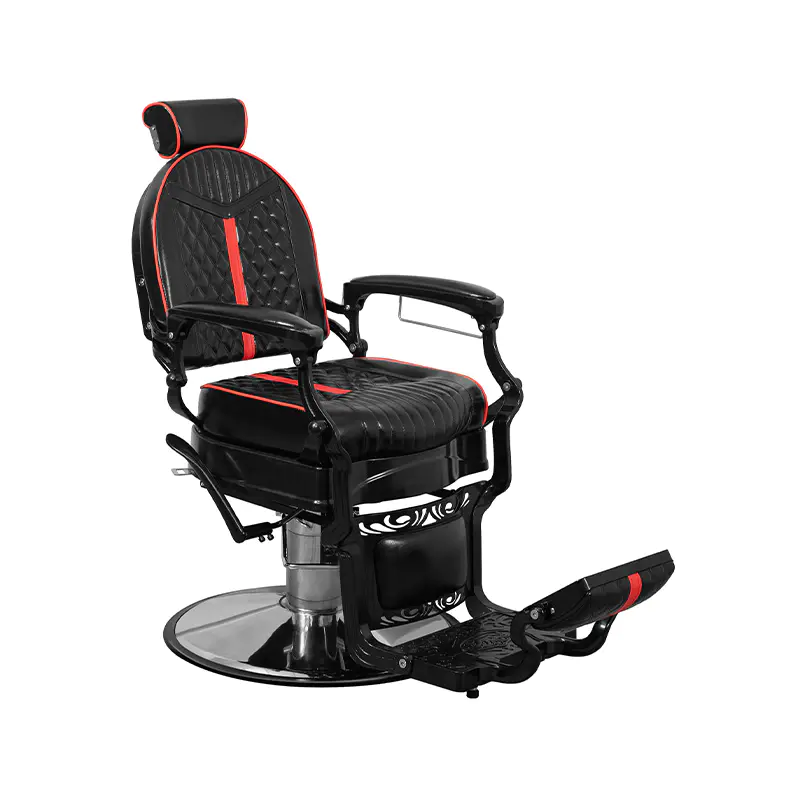
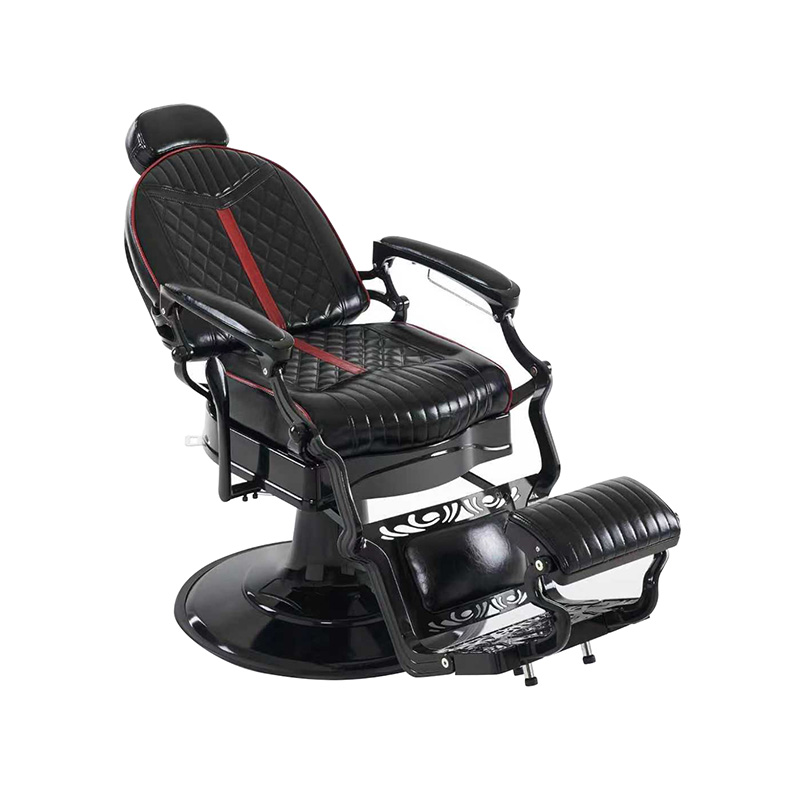
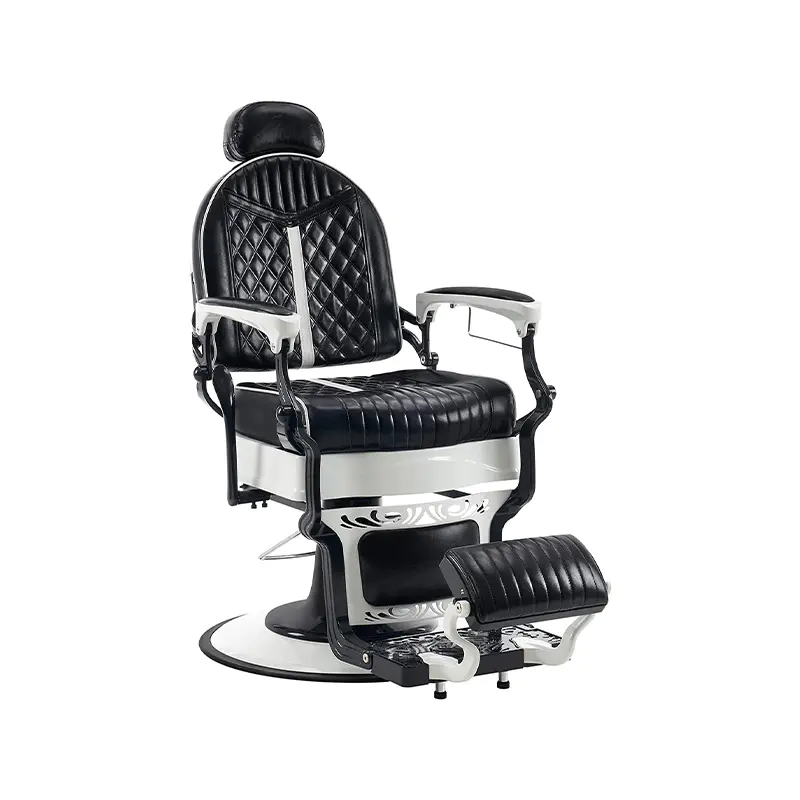
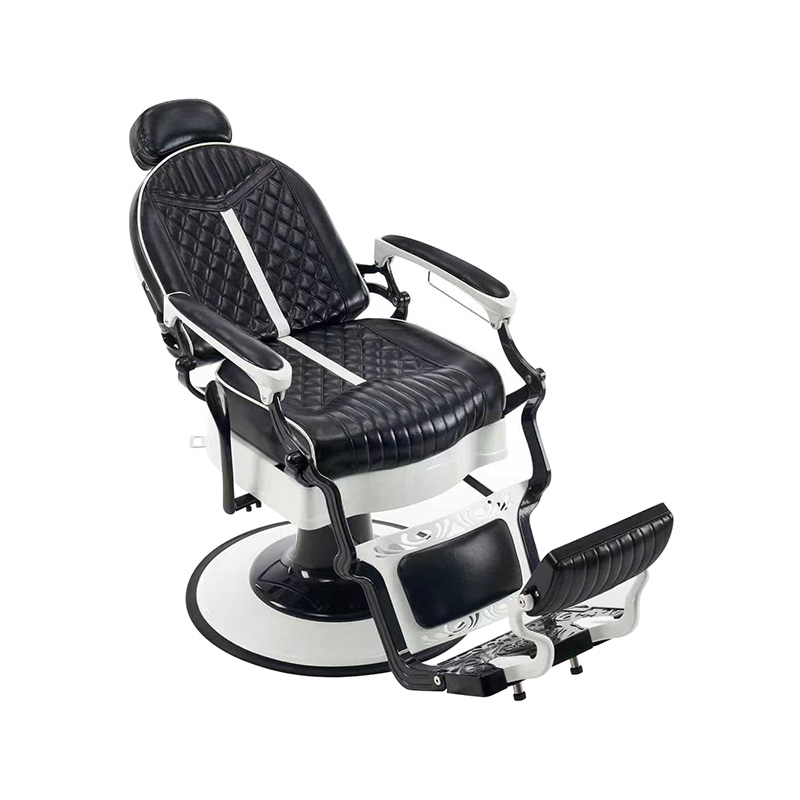
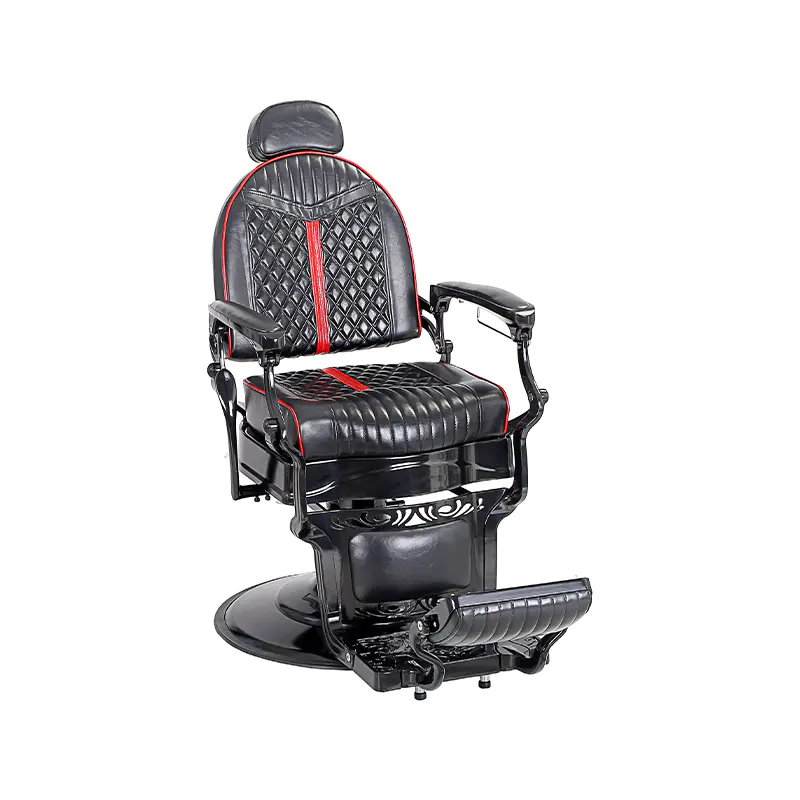
Styling chairs are the highest-use item on that floor. A busy station runs 30 to 40 hydraulic cycles a day, so the pump and the base matter more than the upholstery colour. A heavy-duty reclining barber chair built on a five-claw base holds its height under repeated use instead of drifting halfway through a cut.
 HZ8702C Black heavy duty reclining barber chairSleek and Timeless Design: The all-black leather upholstery exudes a sense of sophistication and modernity. Its classic yet contemporary look effortlessly complements ...View Product →
Step 5: Specify Furniture by Duty Cycle, Not by Finish
Furniture is where budgets split between what looks right in a photograph and what is still level after two years. A backwash unit is usually the second-heaviest used purchase on the floor. Check the bowl material — ceramic holds heat and resists scratching, while ABS plastic costs less and weighs less — the drain position, and whether the chair reclines far enough that the client's neck does not bridge the bowl edge.
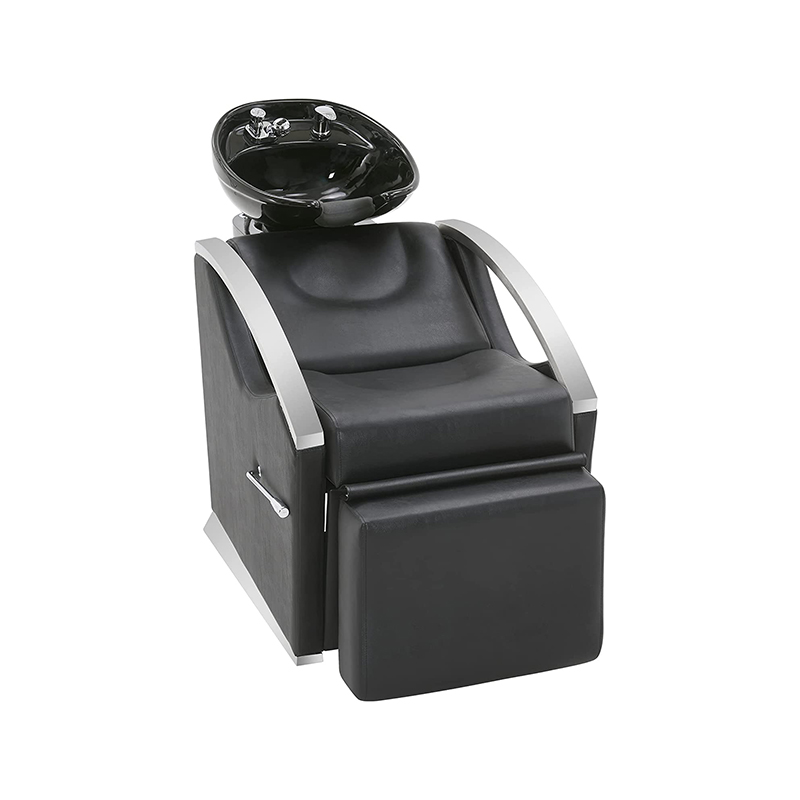 HZ9002 Backwash shampoo station chair unit with leg restFull Comfort Experience: Crafted with high-quality black leather, the seat features contoured grooves on the backrest and cushion that align with ergonomic principles,...View Product →
Specification differences show up most clearly in the parts clients never notice: pump duty, base stability, recline range and how easily a part can be replaced. Comparing a light-duty styling chair against a heavy-duty hydraulic model makes the gap obvious.
Relative performance of light-duty and heavy-duty styling chairs across five specification areas.
| Item | Specification to check | Common failure mode |
|---|---|---|
| Styling chair | Hydraulic pump rating, five-claw base | Seat sinks under load, base cracks at the weld |
| Backwash unit | Bowl material, drain position, recline angle | Water pools in the bowl, client neck strain |
| Salon trolley | Load rating, wheel diameter | Drawers stick, wheels flatten on tile |
| Dryer chair | Hood height range, timer function | Hood sits too low for taller clients |
| Floor mat | Thickness, bevel at the edge | Edges curl and become a trip hazard |
| Mirror station | Mounting type, cable routing | Unit sags, wiring left exposed |
Small items decide how quickly a station turns over, and they are the pieces owners forget. Knowing what salon furniture actually covers — trolleys, stools, mats, waiting benches, dryer chairs — is a useful checklist before a first order goes out.
Step 6: Hire, Price and Set the Menu Around Capacity
Pricing is a capacity decision. Commission splits and hourly rates both work; what breaks salons is a service menu priced so low that a fully booked chair cannot cover its share of rent and payroll.
Model revenue per station at realistic utilisation, not at 100 percent. At a 60 USD average ticket and eight one-hour slots a day, a station at 45 percent utilisation produces about 198 USD, while the same station at 75 percent produces around 330 USD. Across six stations and a 26-day month, that is roughly 31,000 USD versus 51,500 USD in service revenue.
Daily service revenue per styling station at five utilisation levels, assuming a 60 USD average ticket.
Hiring comes before pricing in one respect: stylists stay where the work is physically comfortable. Height-adjustable rolling stools and anti-fatigue mats cost a fraction of the recruitment and rebooking loss that follows a staff exit, and they are usually the first items removed from a tight budget.
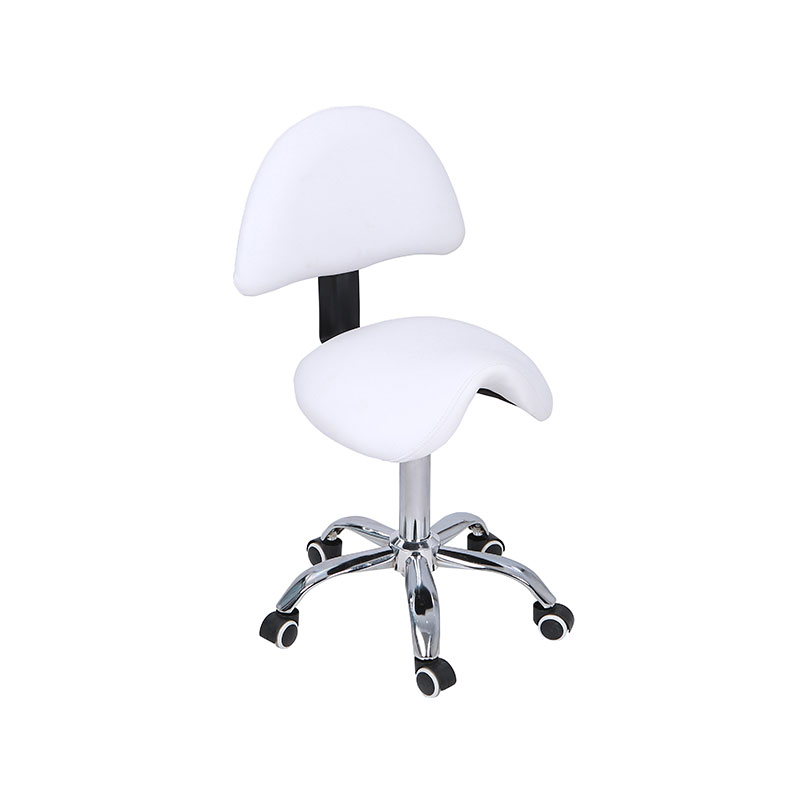 HZ6001 / HZ6001BK / HZ6001W Ergonomic saddle chair with swivel wheelsErgonomic Design: Features a contoured, saddle-shaped seat and a curved backrest that conform to the body's natural posture, providing lumbar support and reducing fati...View Product →
Step 7: Launch in Phases and Measure the Right Numbers
Do not open with a full price list and an empty calendar. A phased launch fills the books without starting a discount spiral.
- Weeks 1 and 2: soft launch with existing clients at 60 to 70 percent of capacity, so staff can test the floor plan and the wet area under load.
- Weeks 3 and 4: publish the full menu and open online booking.
- Month 2: track rebooking rate per stylist rather than total revenue.
- Month 3: adjust pricing or station count based on those figures, not on how busy the floor feels.
Frequently Asked Questions
Q1: How much does it cost to open a salon?
A small studio usually needs 15,000 to 30,000 USD, while a six-station salon commonly runs 50,000 to 120,000 USD. Build-out work and your working capital reserve are the biggest variables; furniture is typically 15 to 25 percent of the total.
Q2: Do you need a licence to open a salon?
In most US states, yes. You need an operator licence for everyone performing services and a premises licence for the address itself. Training requirements range from 1,000 hours in New York to 1,500 hours in Texas.
Q3: How long does it take to open a salon?
Nine to twelve months is typical from decision to opening day. Licensing and coursework can take six to twelve months on their own, while the build-out usually runs six to twelve weeks once the lease is signed.
Q4: What equipment do you need to open a salon?
Styling chairs with hydraulic pumps, one backwash unit per three to four chairs, a colour or processing area, a dryer position, a trolley at each station, anti-fatigue mats, and a reception or waiting area.
Q5: How do you write a salon business plan?
Cover five sections: licence and permit status, startup and monthly costs, break-even client volume, floor plan and equipment list, and a 12-month cash flow projection. Lenders always read the cash flow section first.
Q6: How many chairs should a new salon have?
Start with one chair per stylist plus one spare, and keep the backwash ratio at one unit per three to four chairs. Over-building stations in year one is the most common and most expensive mistake.