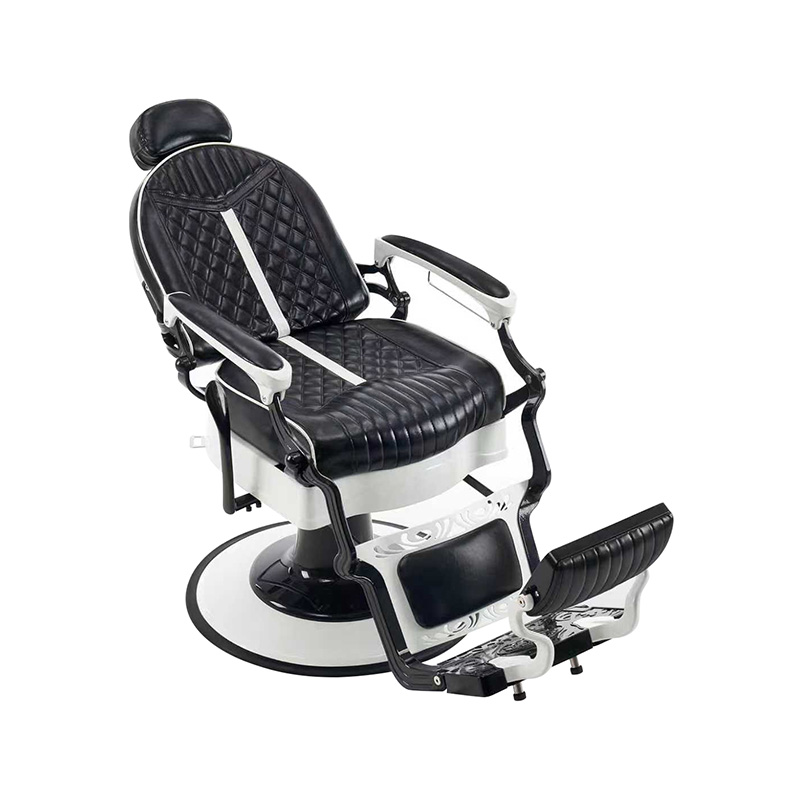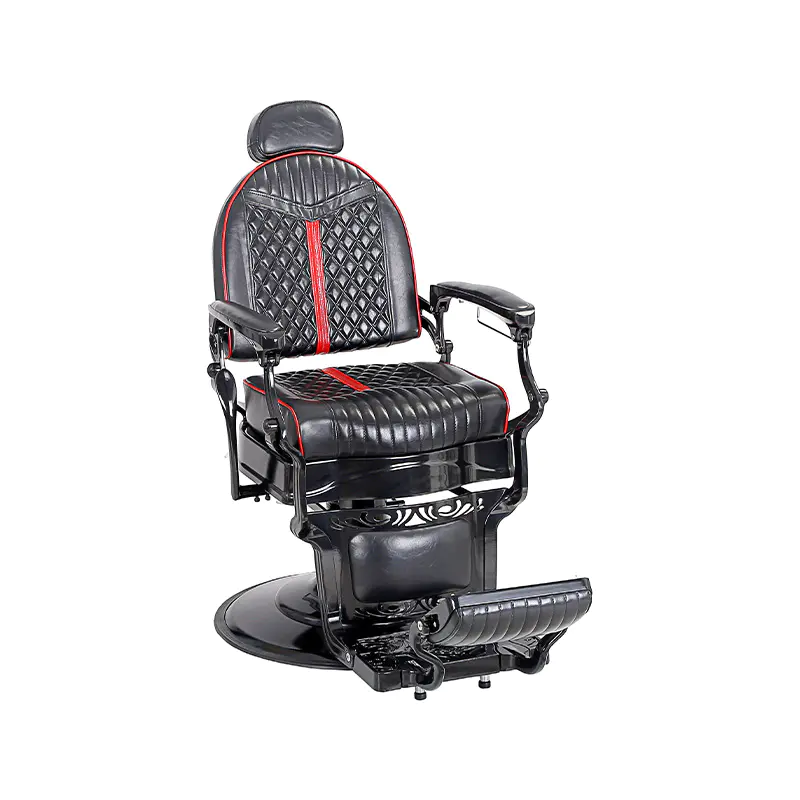

 en
 English
 русский
 Español
 عربى



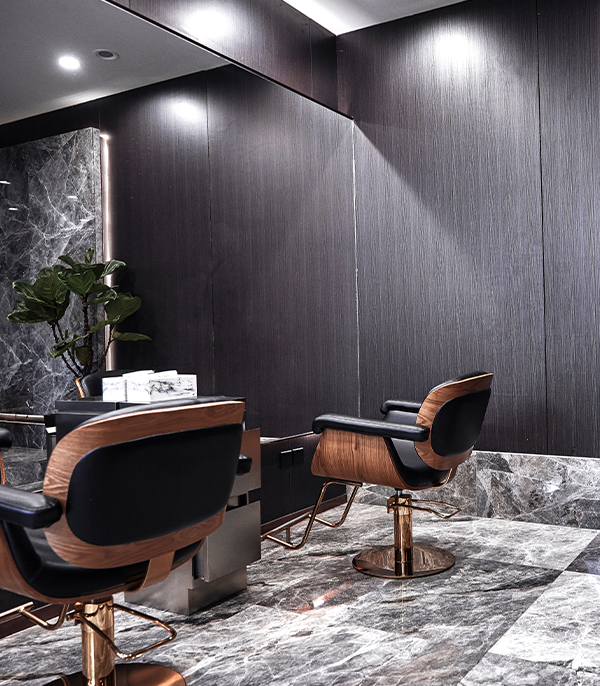
A 40-foot container of barber chairs lands at the port. Sixty units. Nine of them are weeping hydraulic fluid at the cylinder seal by the time the pallets come off the truck, and the upholstery on two more has started to ripple along a seam. The replacement parts, the labour, and the fortnight a salon floor spends running short all belong to the importer, not the factory.
Here is the short version: when you compare hair salon equipment manufacturers, the brand name and the catalogue page tell you almost nothing. What tells you something is much narrower. Who assembles the hydraulic pump, and whether that assembly is checked before it leaves the line. Whether the upholstery is cut, sewn and stapled under the same roof that welds the frame. Whether the factory can answer three questions about tolerance before it answers a single question about price.
Everything below is about finding those answers in the order that saves the most money.
Start With the Two Parts That Decide Year Three
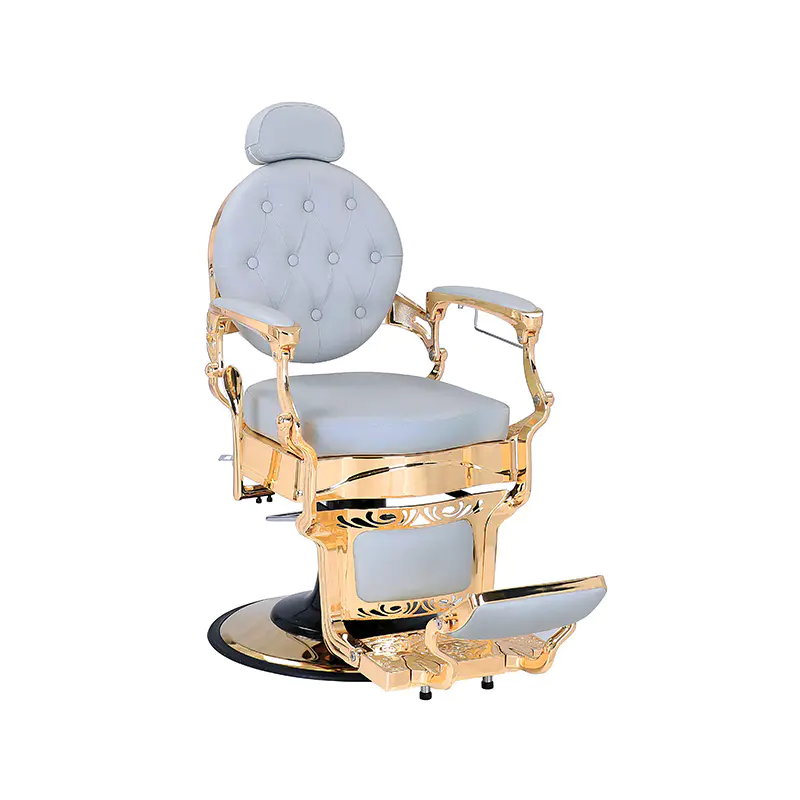
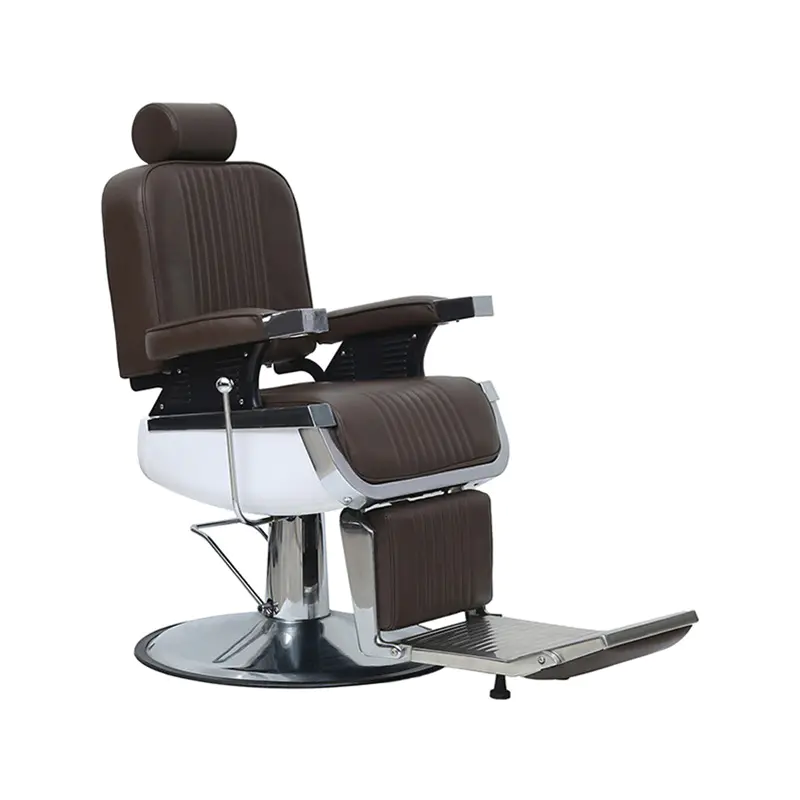
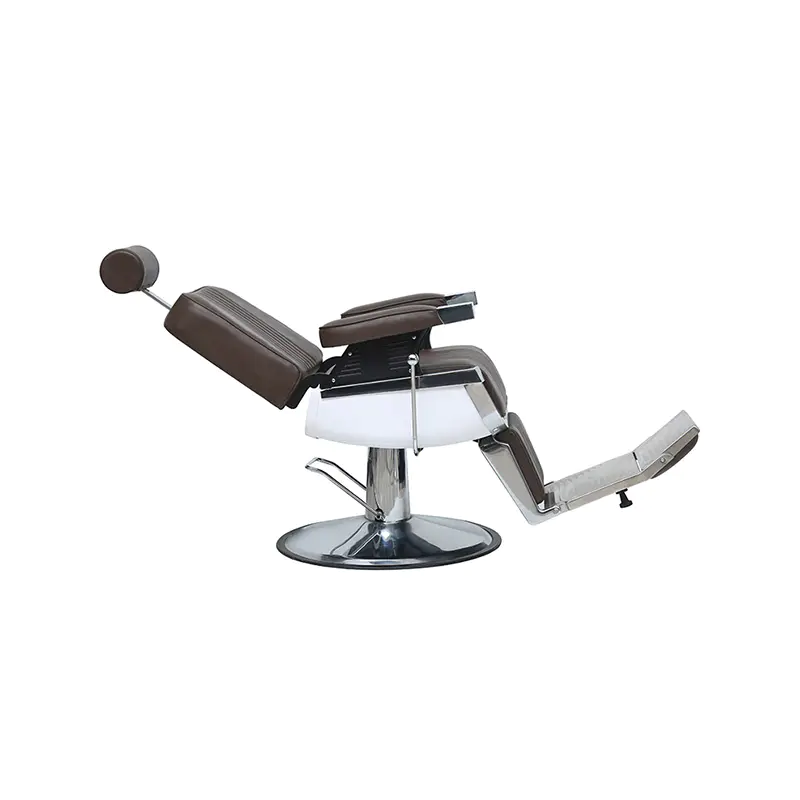
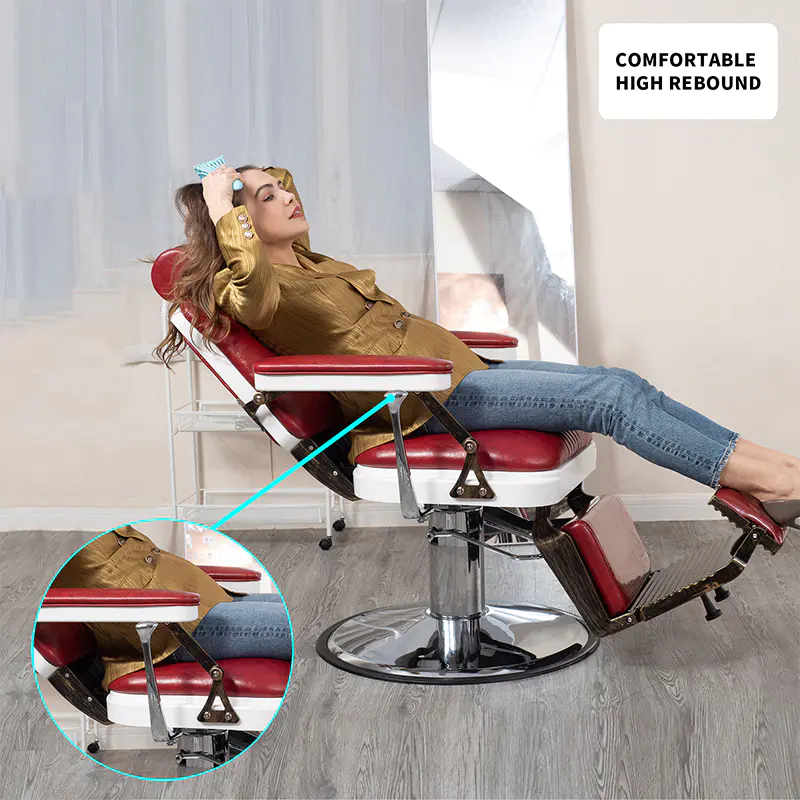
Chairs almost never fail at the backrest. They fail at the link between the seat and the floor. The hydraulic pump and the base carry every load the chair will ever see: the vertical shock of a client dropping into the seat, the sideways stress of a stylist leaning over a head, and the rotational torque of the chair being spun one-handed while the other hand holds a clipper.
Ask who assembles the pump. A workshop that builds it up from purchased cylinders, seals and release levers is doing something different from one that buys a sealed cartridge and bolts it in. Neither approach is automatically wrong, but you need to know which one you are buying, because it decides who owns the warranty conversation when a seal eventually goes.
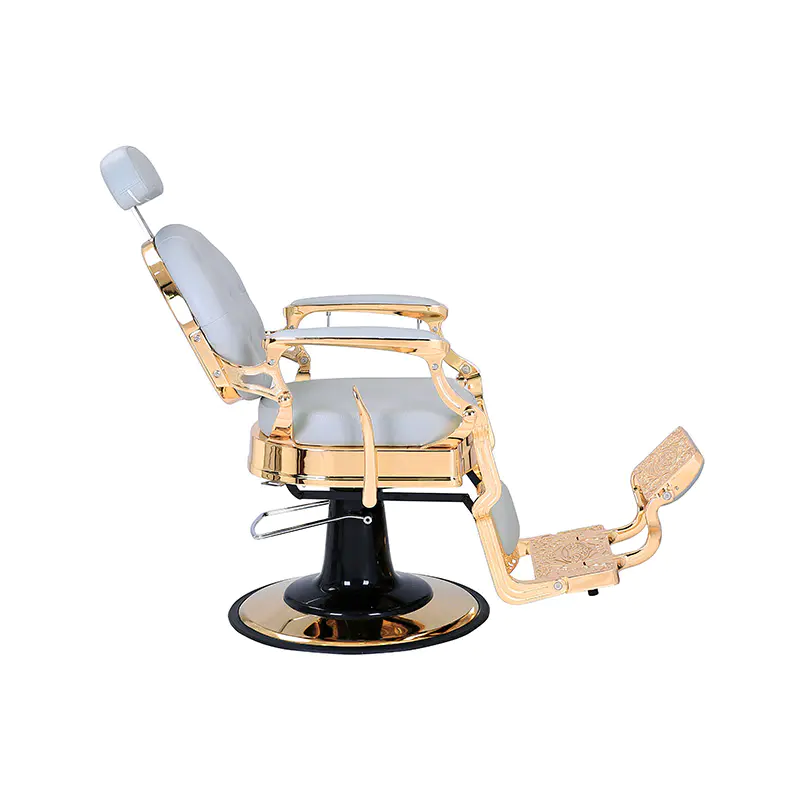
Ask for the stroke, in centimetres. Most barber chairs move through roughly 15 to 25 cm of vertical travel. If your stylists are tall, or your shampoo area sits at a different working height, a short stroke quietly turns into an ergonomic complaint four months in.
Then ask about the base. Five-claw bases are standard; what varies is the steel gauge, the claw diameter, and how the claw meets the hub. Ask for the claw diameter in millimetres and the tube wall thickness. Not "heavy duty" — that phrase appears on nearly every listing in this industry and carries no information at all.
These two parts are also the easiest to verify, because they are visible. You can measure the stroke with a tape, count the claws, and check whether the pump body carries a batch stamp or a supplier mark. If you want to see how the rest of the load path runs from the seat plate down to the base, a short explainer on how a barber chair is built is a useful companion to this checklist.
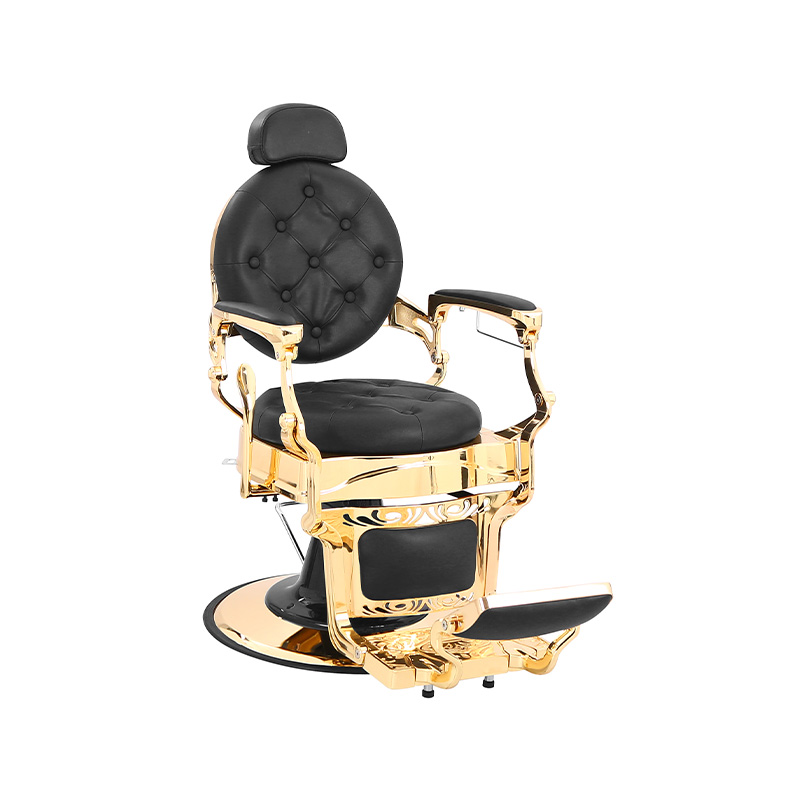
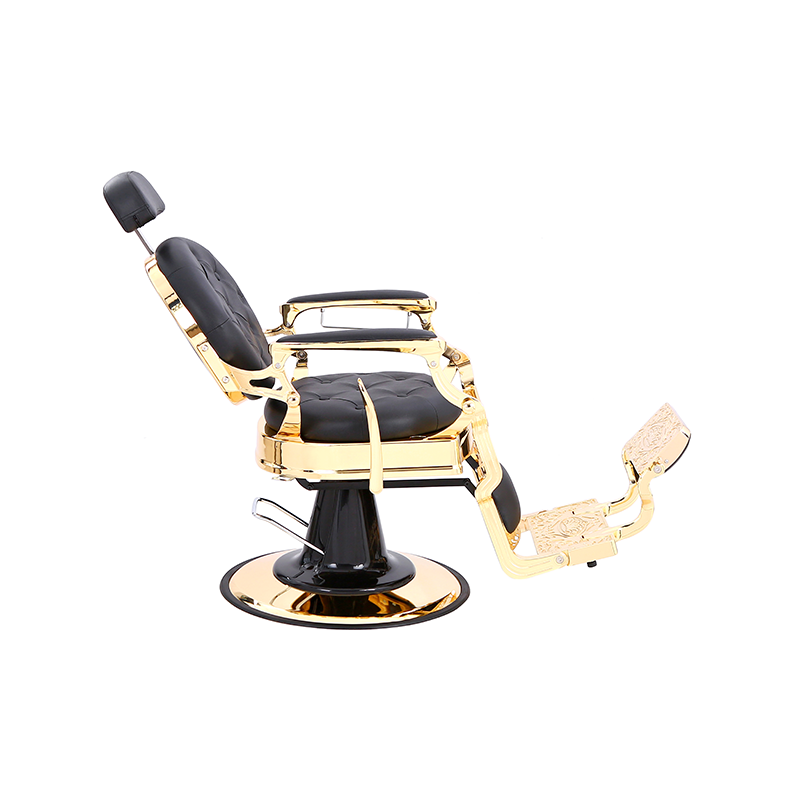
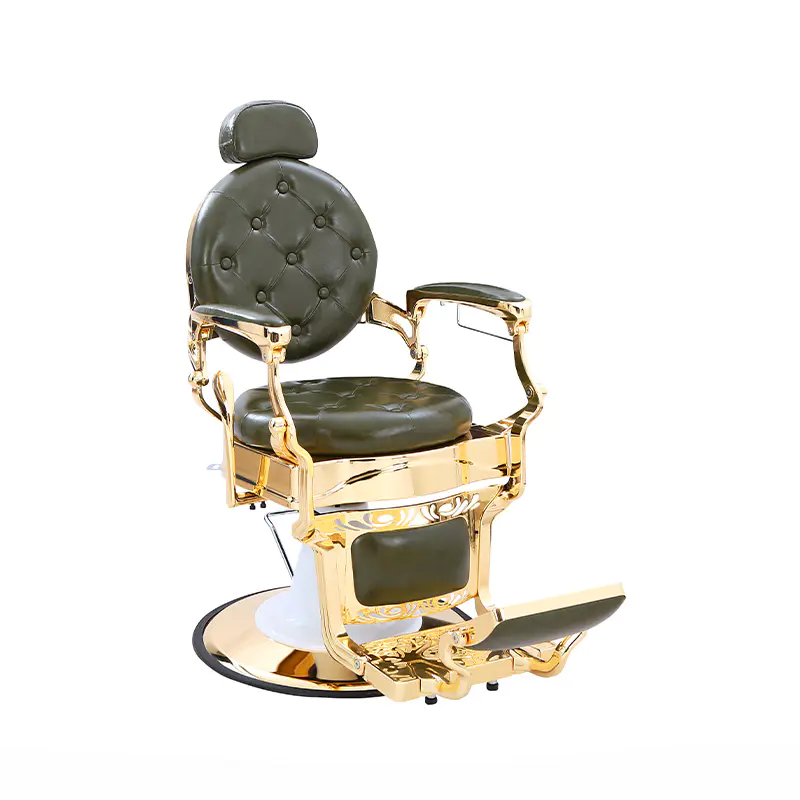
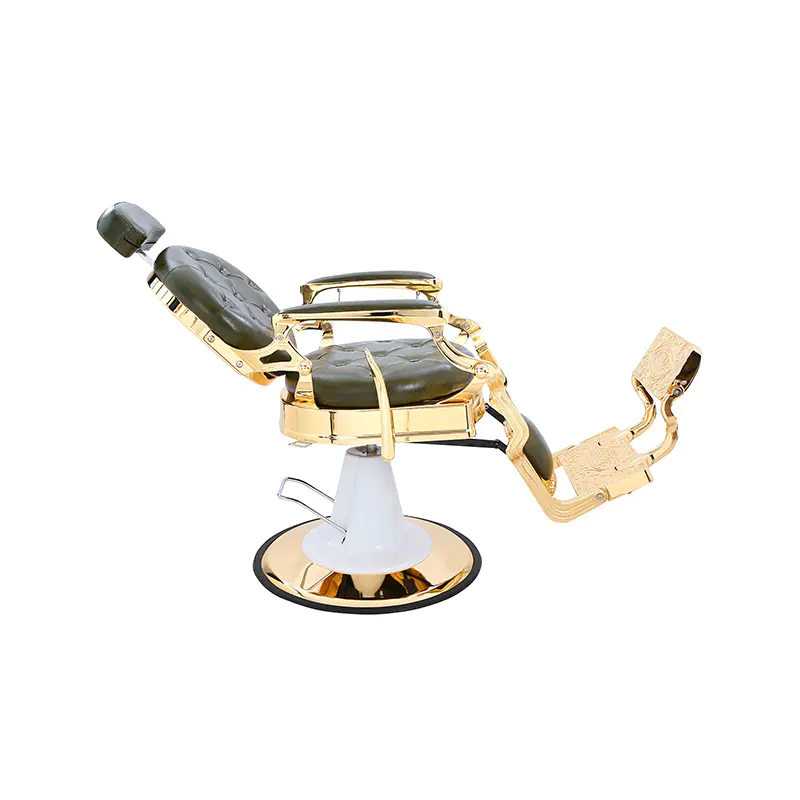
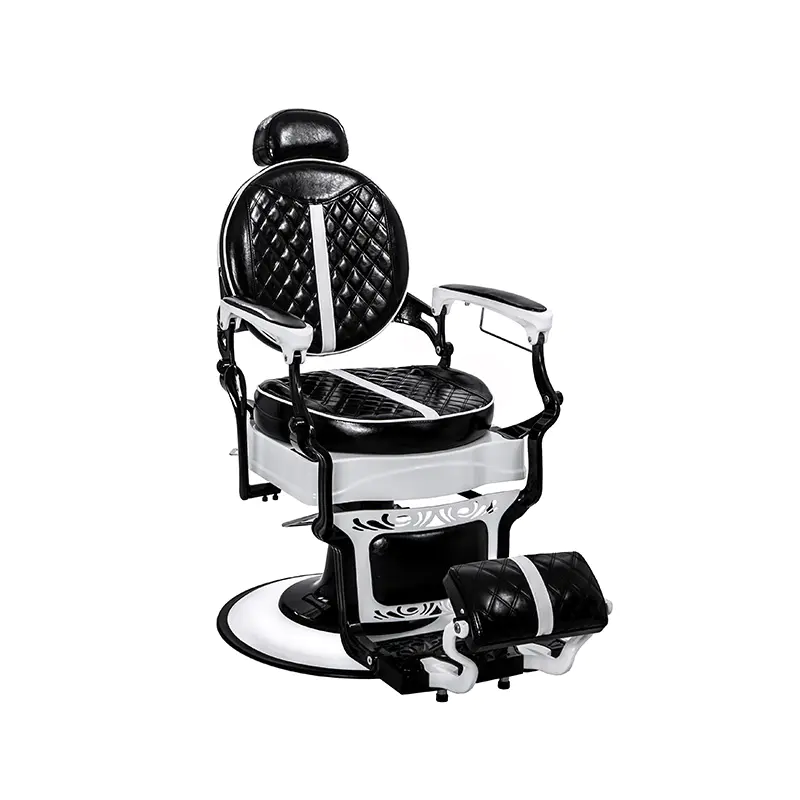
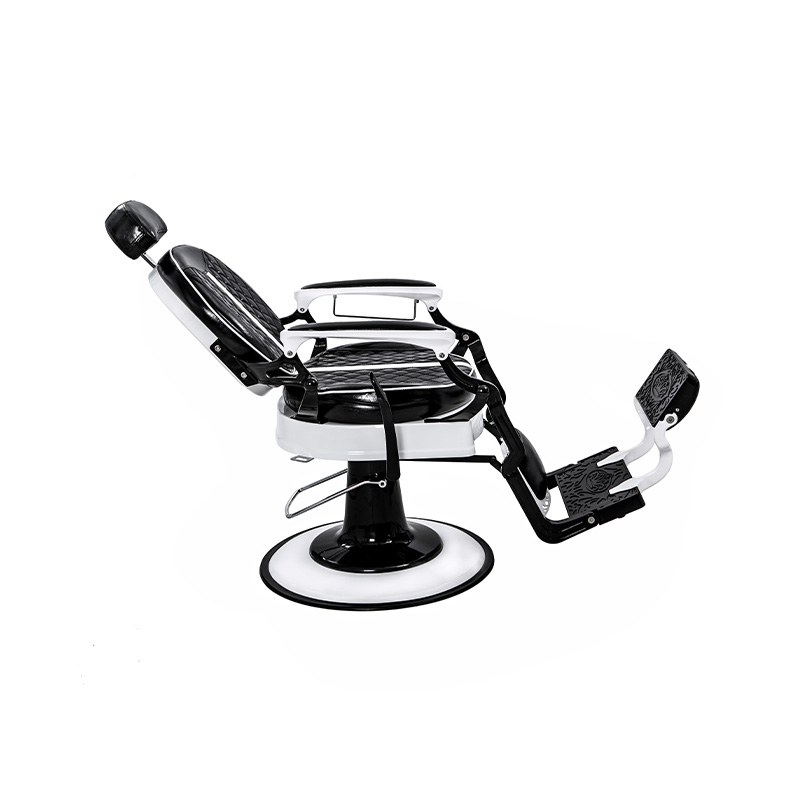
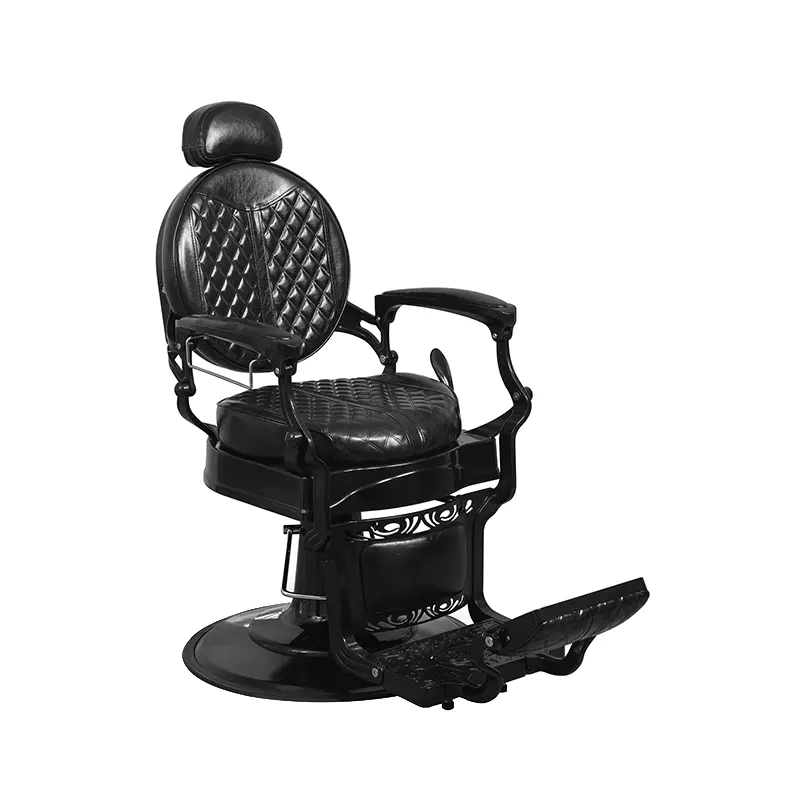
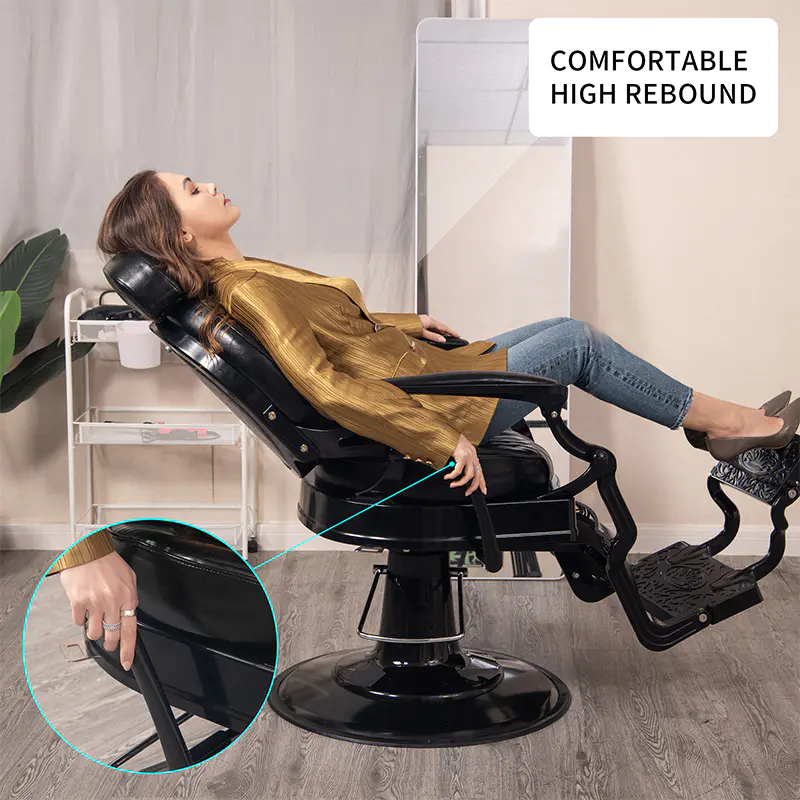
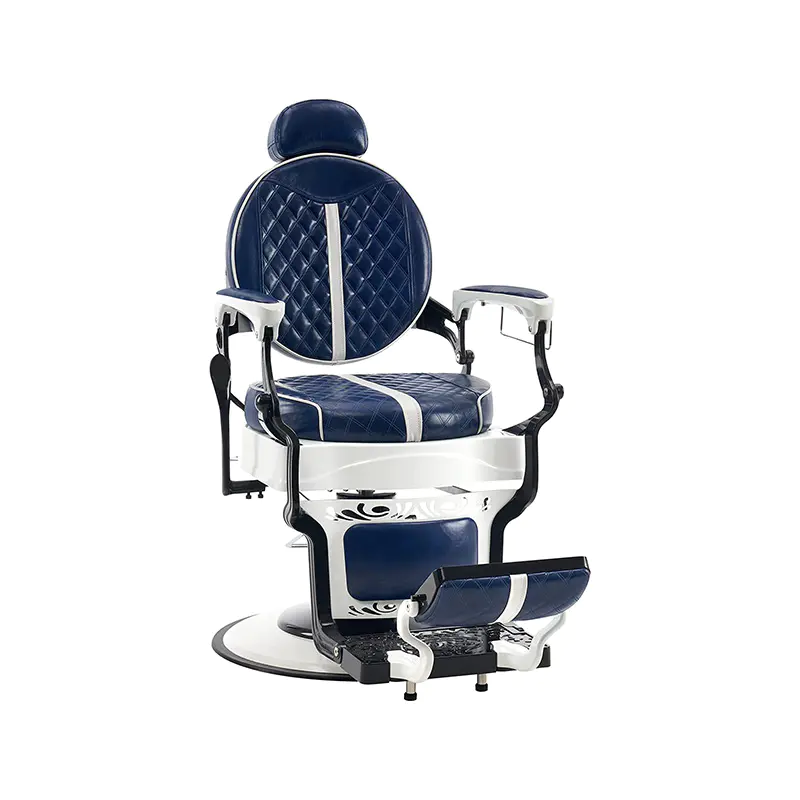
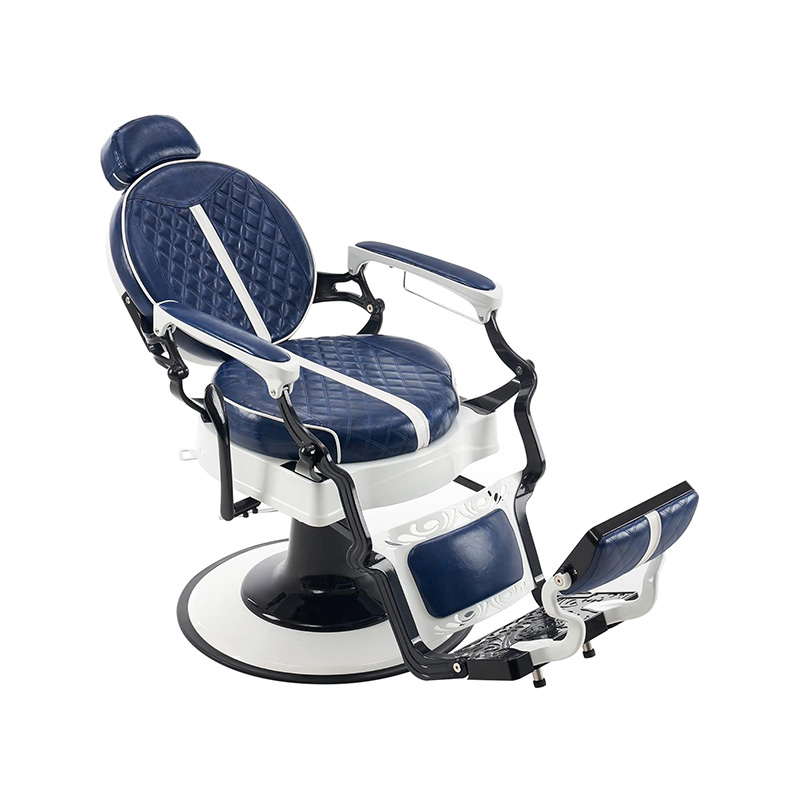
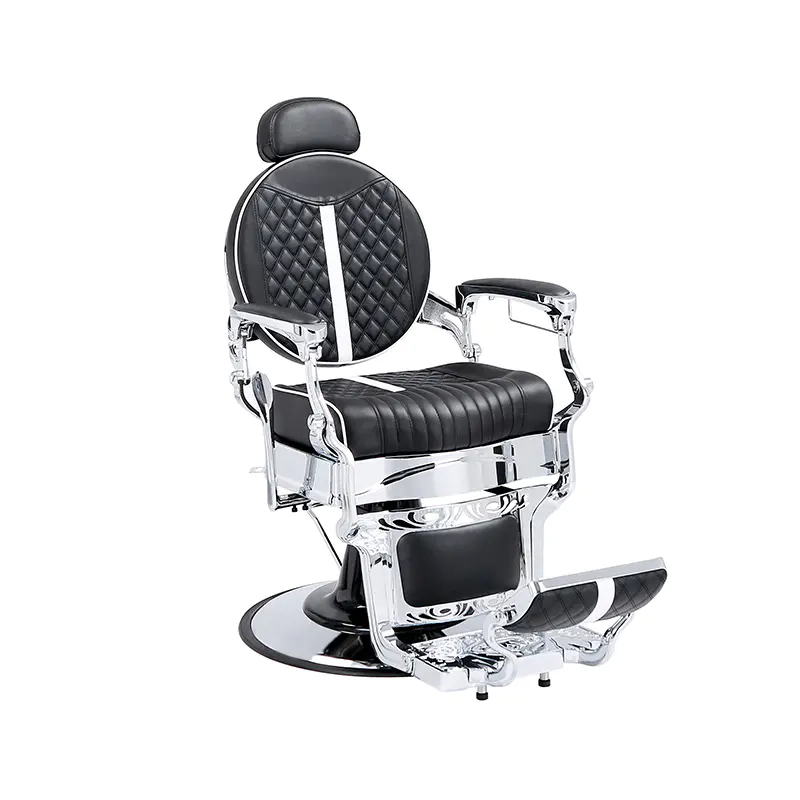
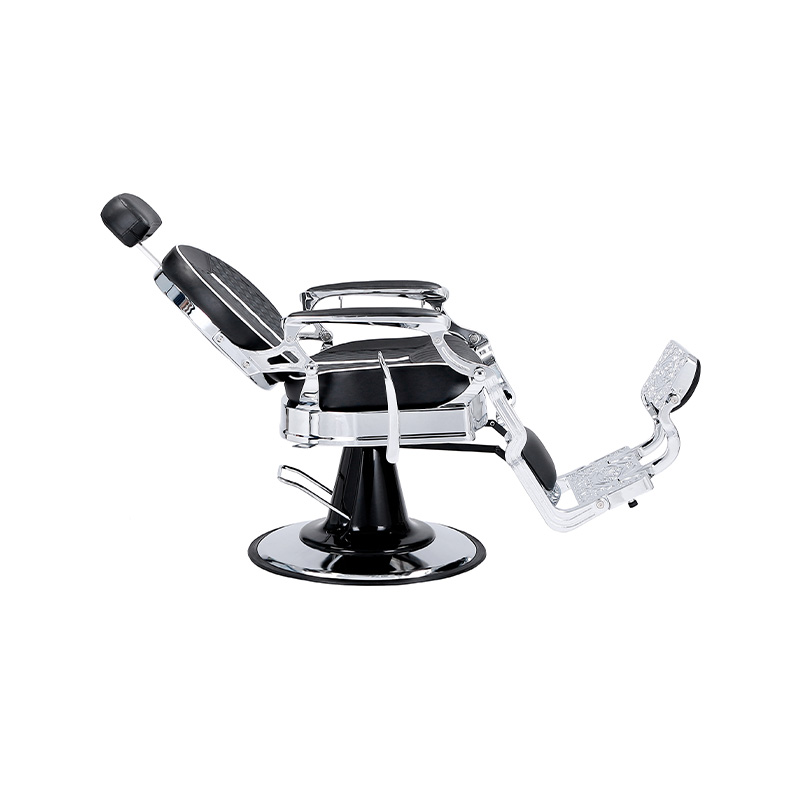
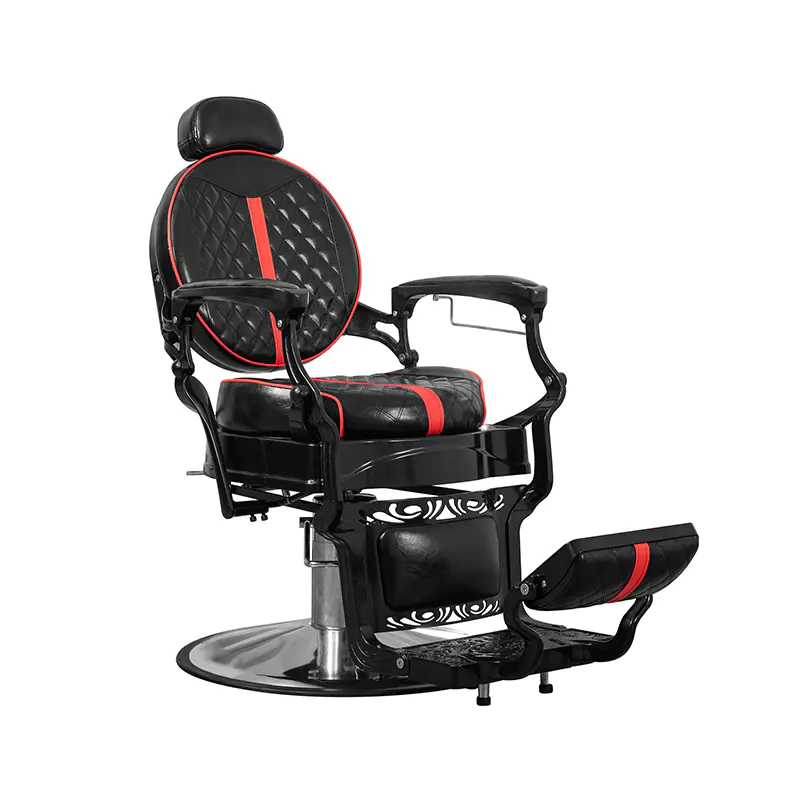
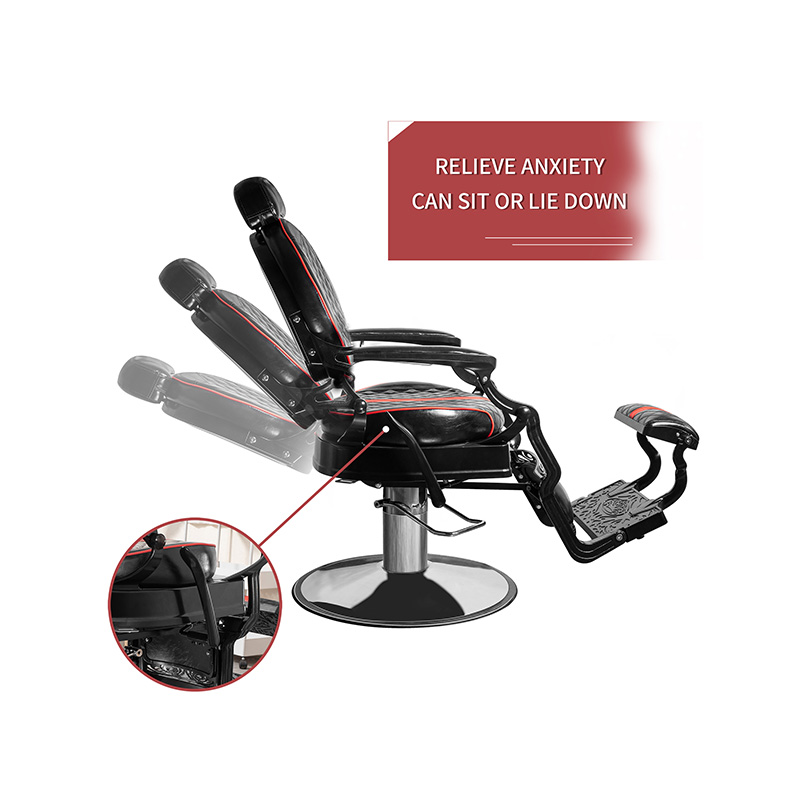
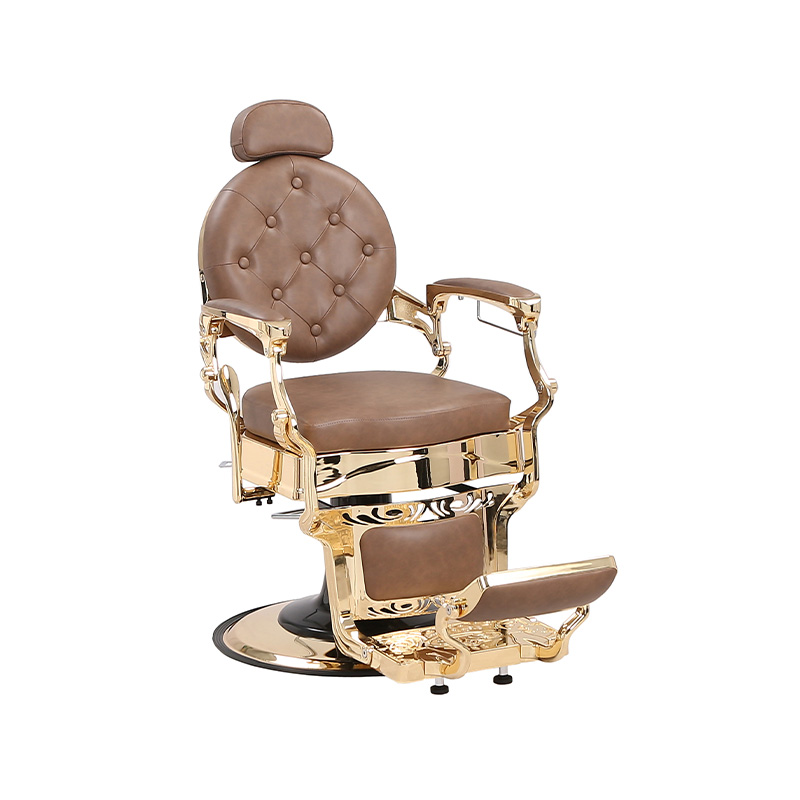
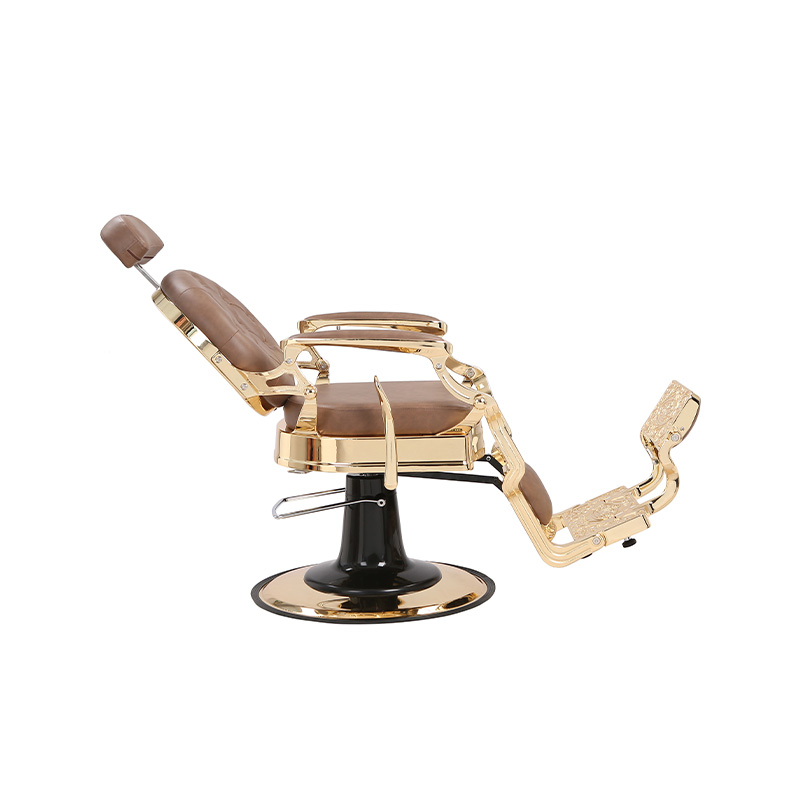
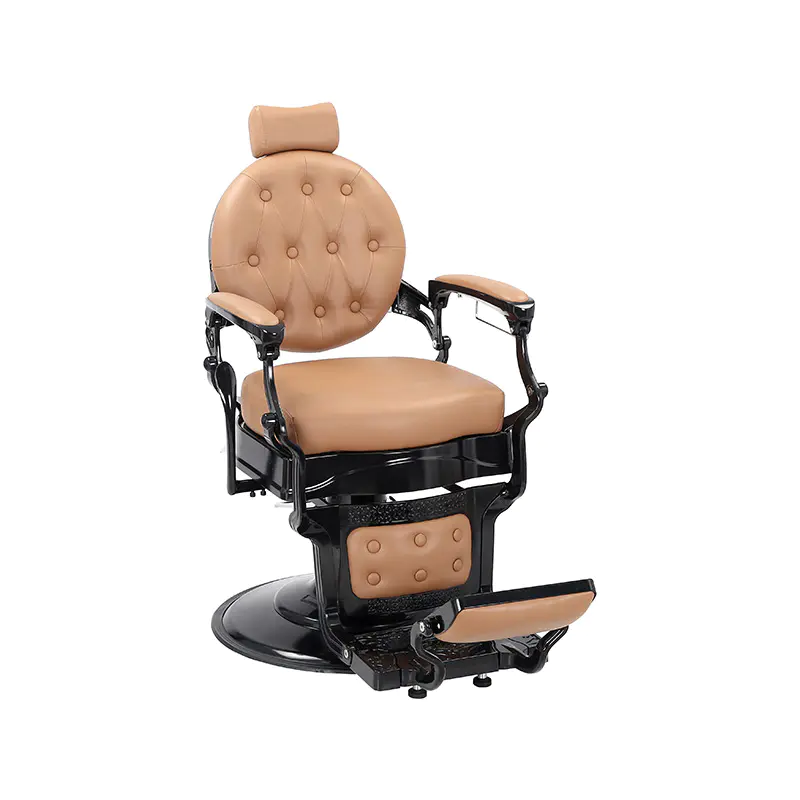
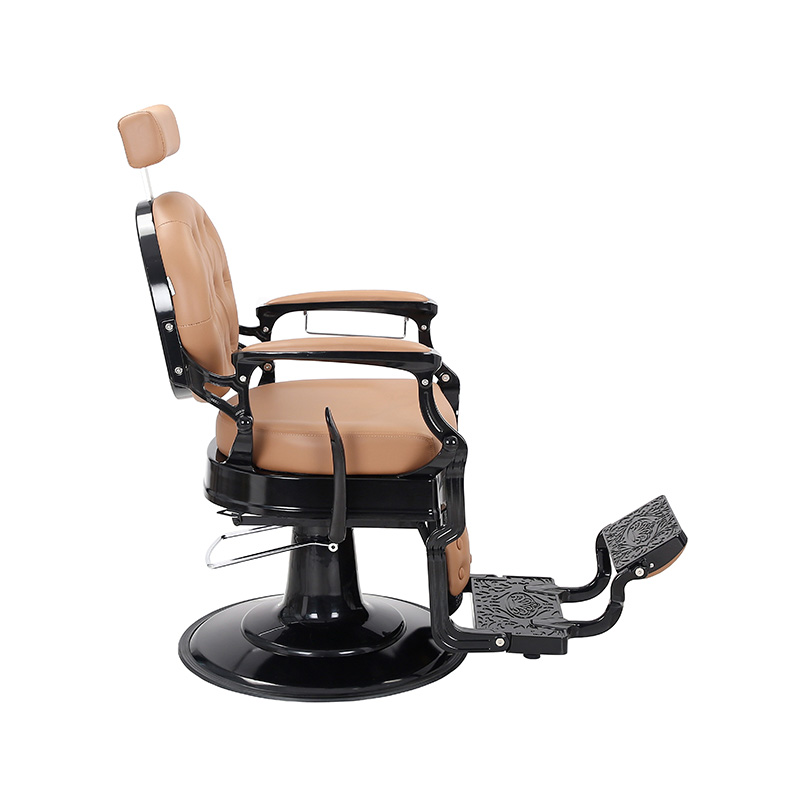
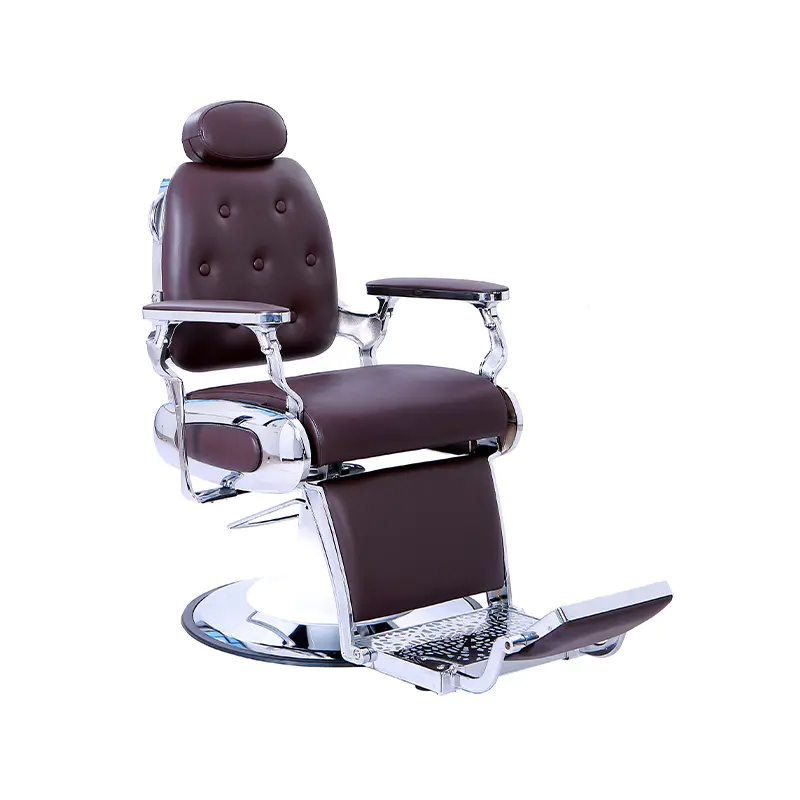
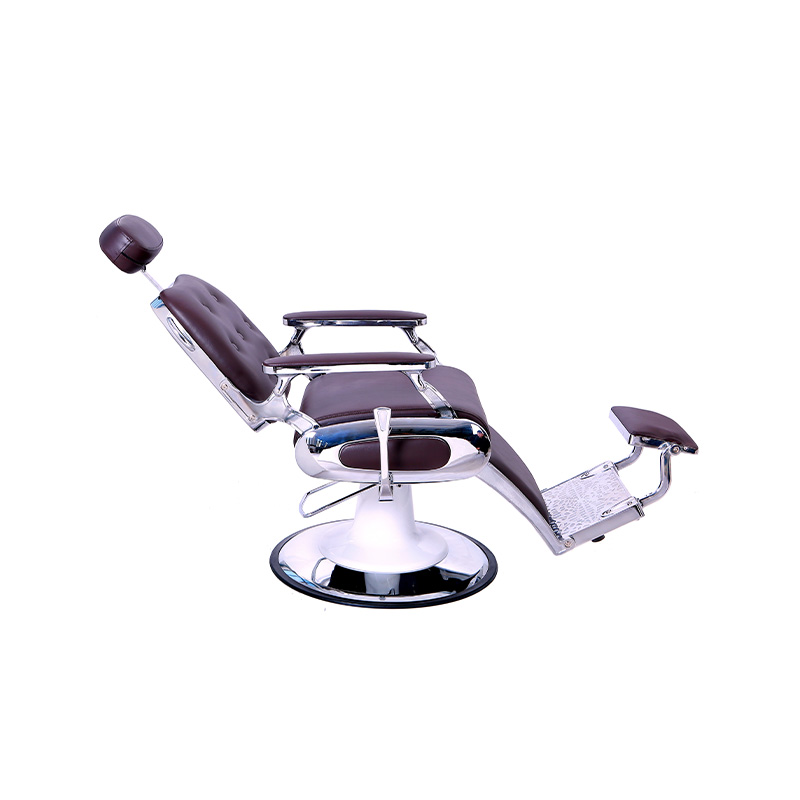
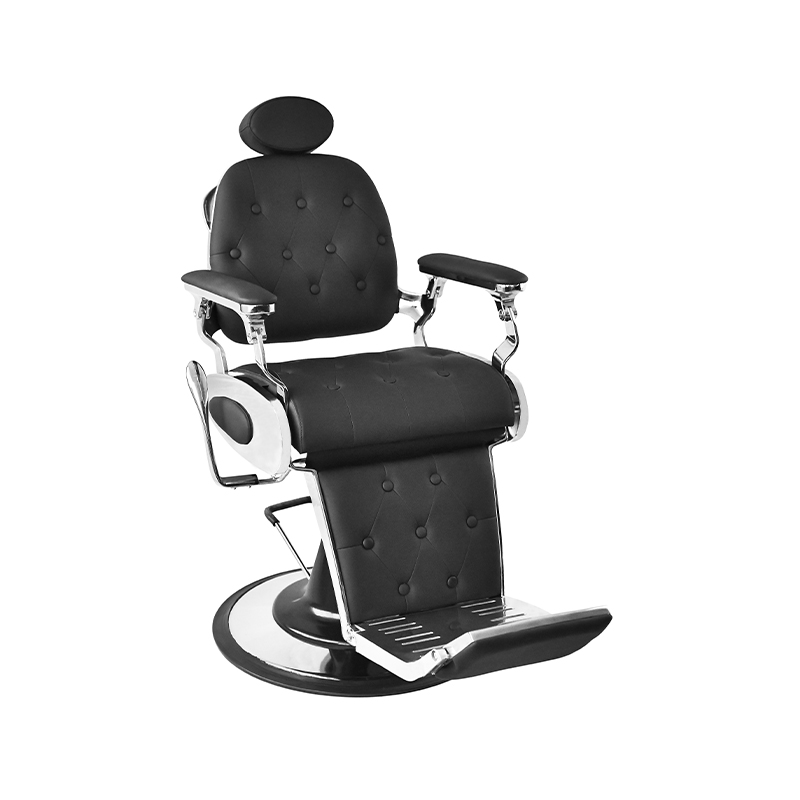
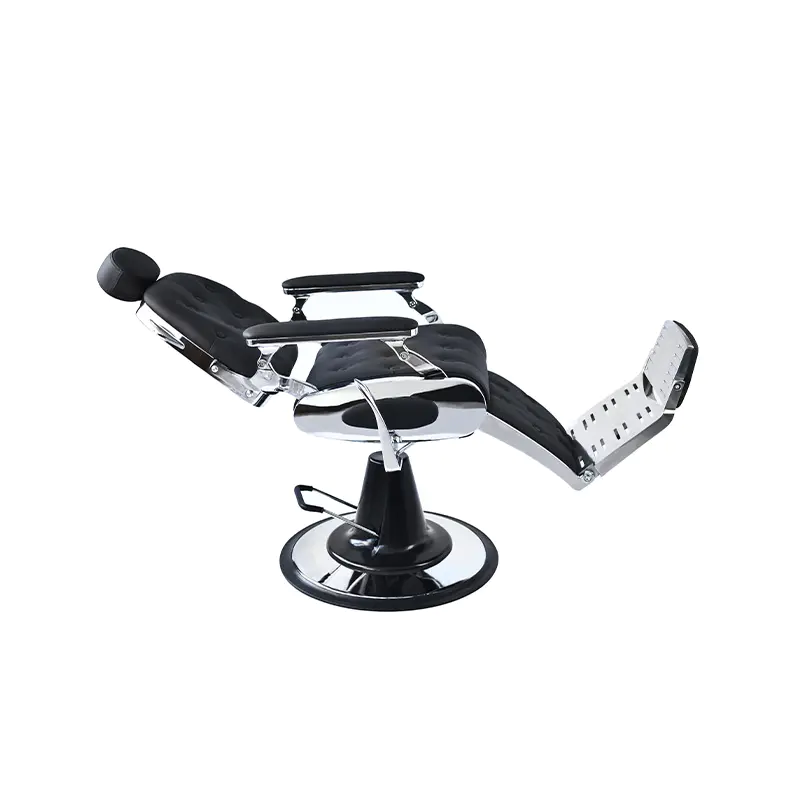
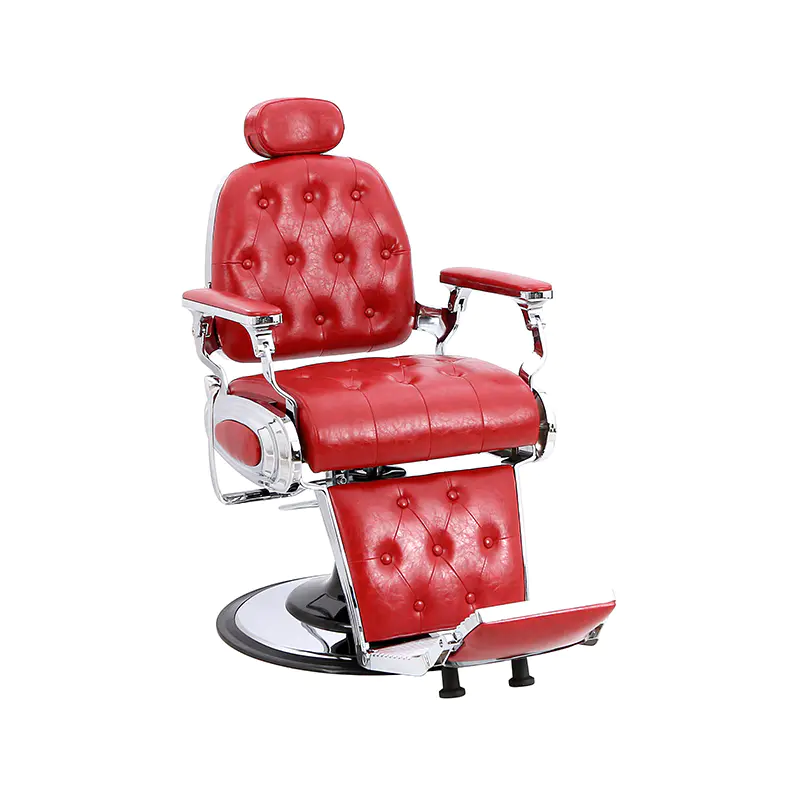
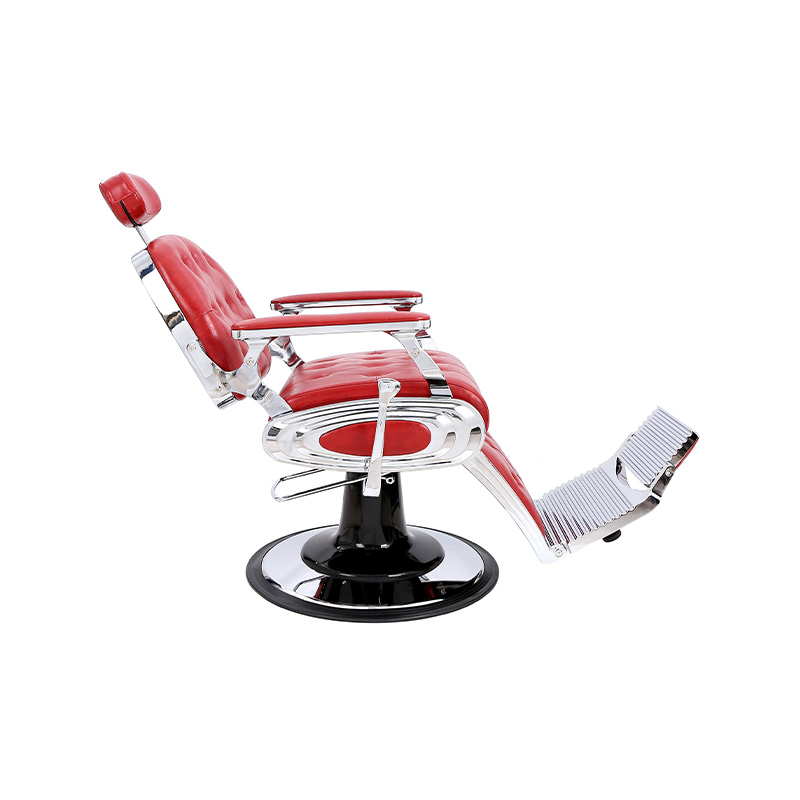
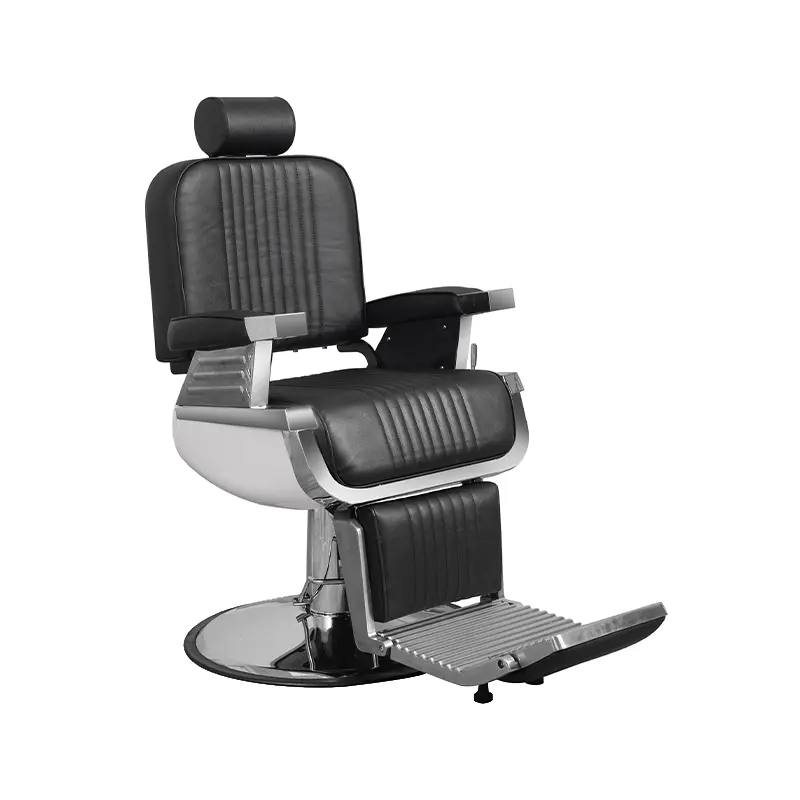
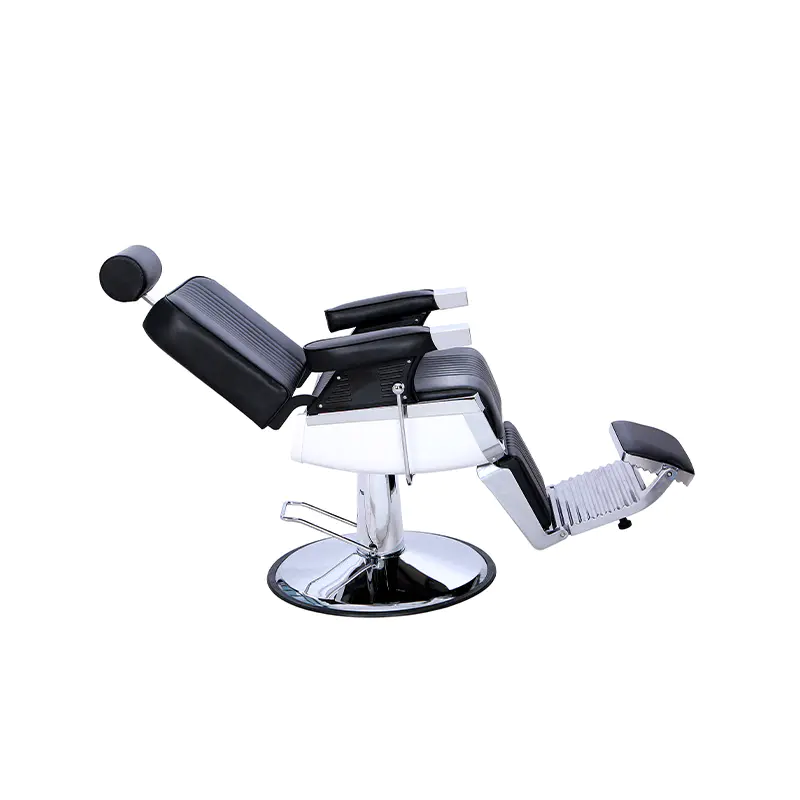
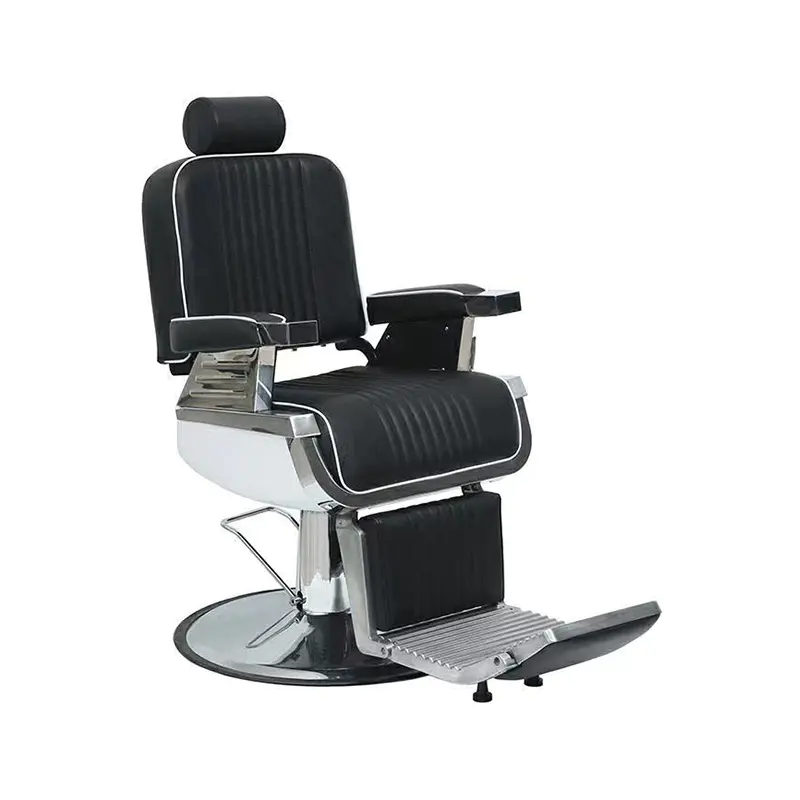
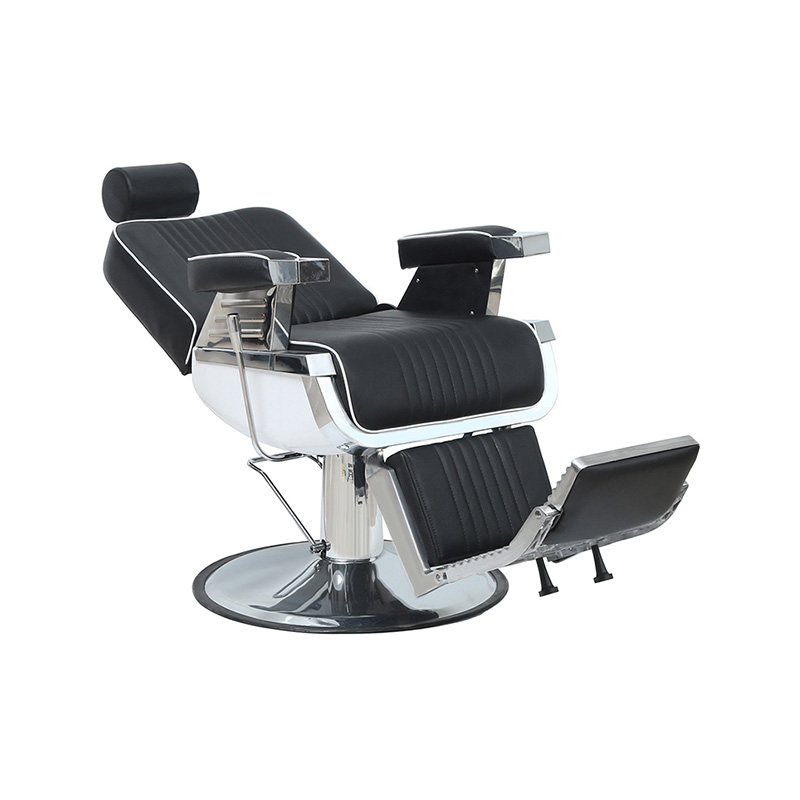
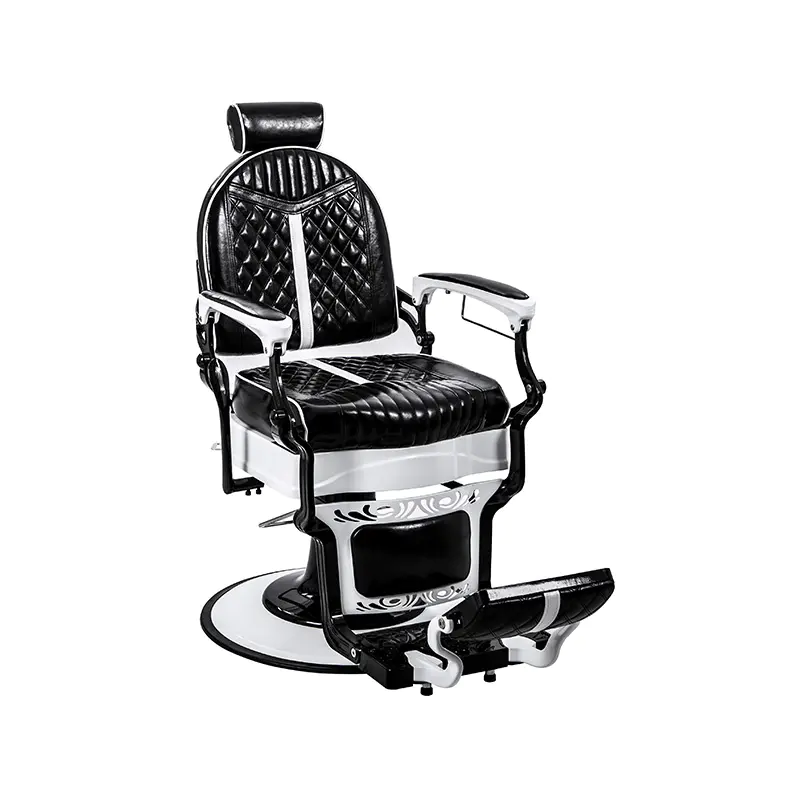
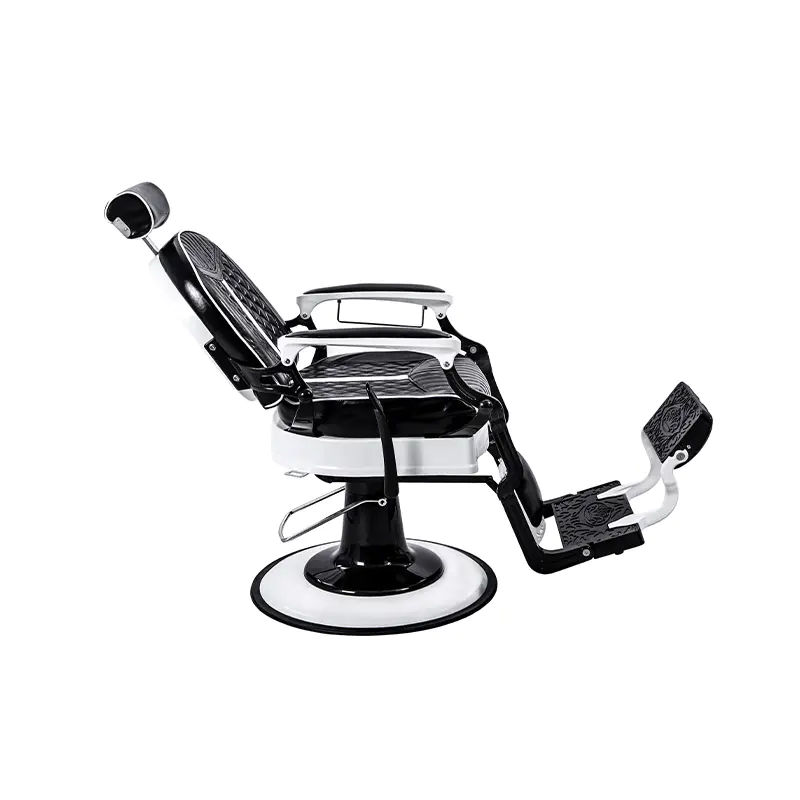
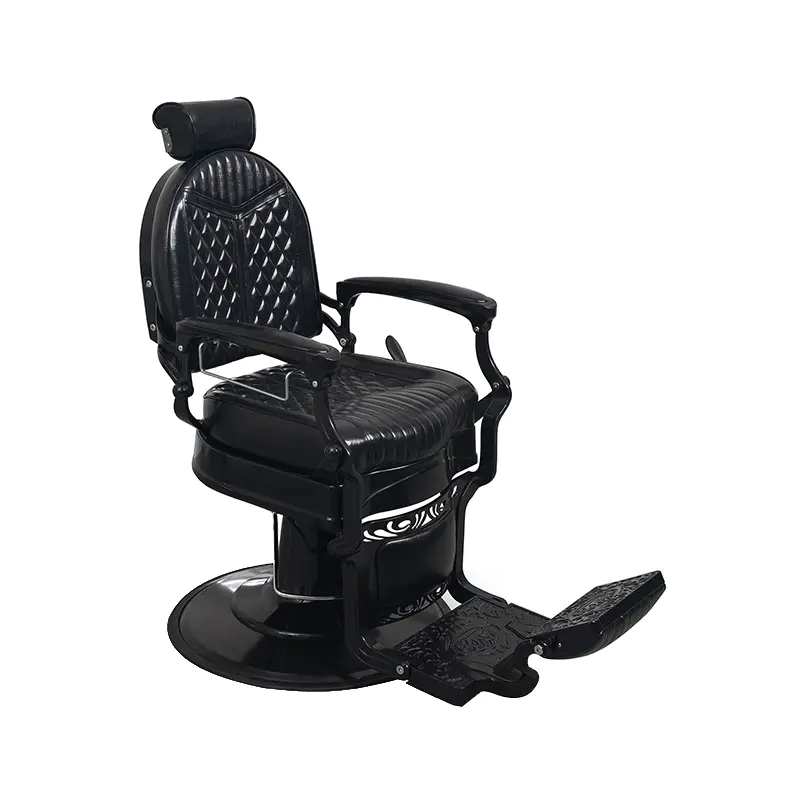
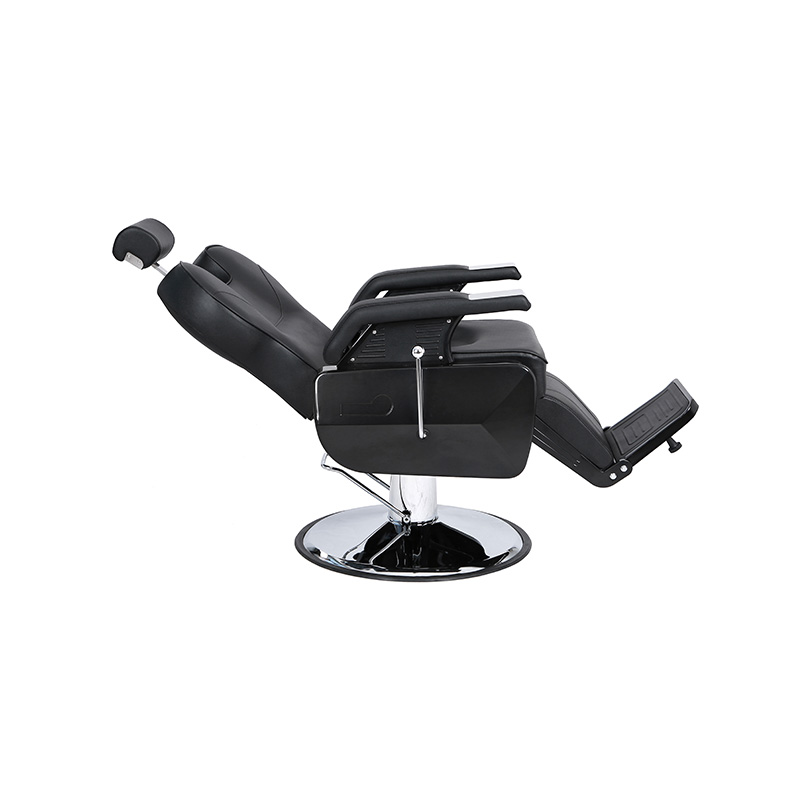 HZ8702A Black Hydraulic Recline Barber ChairAll-black hydraulic reclining barber chair with 360° swivel, lockable pump, detachable headrest, and 200 kg capacity for busy shops.View Product →
What a Product Lineup Tells You About the Workshop Behind It
A manufacturer's category list is a map of its own workshop. When one supplier can quote barber chairs, vintage barber chairs, styling chairs, shampoo units, manicure tables, pedicure chairs, massage beds, trolleys, stools, floor mats and mirror cabinets, it is set up to equip a whole salon rather than to move a single SKU. That matters at the ordering stage: mixed containers, one set of shipping documents, fewer arrival dates to track.
There is a narrower signal worth looking for. Manufacturers that also list hydraulic pumps and chair bases as standalone products are telling you something specific — they know the replacement market exists, and they expect their chairs to be repaired rather than replaced. If the pump is not sold separately and is not documented, then a failed pump turns a chair into furniture.
Model counts deserve a second look. A catalogue claiming several hundred barber chair models is showing range, not capability; 500 variants can sit on the same dozen frame geometries. The variable that actually matters is whether the frame, the foam and the leather all pass through the manufacturer's own hands. If you want a wider view of what belongs in this category, there is a useful breakdown of what actually counts as salon furniture.
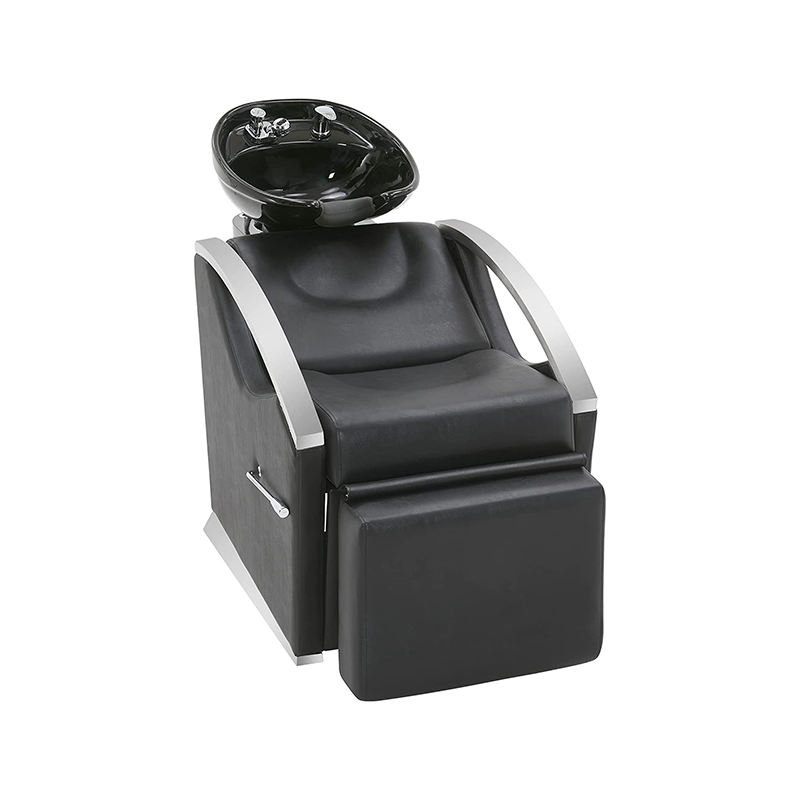 HZ9002 Backwash Shampoo Station Chair with Leg RestShampoo station chair with black leather upholstery, retractable leg rest, ceramic basin, stainless faucet, and multi-layer filtration for frequent salon washing.View Product →
Where Manufacturing Depth Shows Up in the Spec Sheet
In-house capability is not an abstraction. It shows up in three places you can inspect before you commit to a container.
First, frame geometry. Cutting, punching and welding the frame under one roof means the seat plate and the base socket are controlled by the same drawing. When those parts come from different suppliers, a chair can still look perfect on a showroom floor and still develop a wobble at the swivel joint inside a year.
Second, upholstery. A plant that cuts leather, shapes foam, stitches and staples in the same building controls seam alignment and foam density directly. Upholstery faults are the most visible failure to an end client and the hardest to correct once the container has sailed.
Third, the equipment list. Laser sheet cutters, tube cutters, punch presses and CNC leather cutting machines are not marketing assets; they are the constraints that decide whether a 200-piece order holds tolerance against the sample you approved. A factory that sends its leather out for cutting has handed a slice of its quality control to a third party.
A Scoring Sheet Beats a Gut Feeling
Buyers who inspect factories regularly tend to weigh the same handful of factors, in roughly the same order. The weightings below are a practical scoring framework rather than market data — adjust them to match your own failure history.
Read it as a priority order, not a formula. Hydraulic assembly and upholstery depth together account for more than half the risk, because they are the two things that are expensive to put right once the container has sailed. Sample defect rate is a useful tiebreaker between two suppliers who look otherwise identical on paper.
Where Each Category Actually Fails
Failure patterns differ by product. The table below is the short version of what goes wrong, and what to confirm in writing before you order.
| Category | What usually fails first | Confirm in writing |
|---|---|---|
| Barber and styling chairs | Hydraulic seal leak, wobble at the swivel joint | Pump assembly source, cylinder stroke in cm, base claw diameter, tube wall thickness |
| Shampoo units | Bowl cracking, leaking drain fitting | Bowl material (ceramic or ABS), drain fitting standard, tilting mechanism type |
| Massage and esthetic beds | Motor failure, frame flex under load | Motor type, frame steel gauge, stated weight rating, footrest configuration |
| Manicure tables | Drawer runners, dust collector motor | Runner type and rating, collector airflow, tabletop edge sealing |
| Trolleys and stations | Caster breakage, lock failure | Caster load rating, lock mechanism type, shelf load limit |
| Waiting benches and reception seating | Frame fatigue at the leg joints | Frame material, joint type, upholstery abrasion rating |
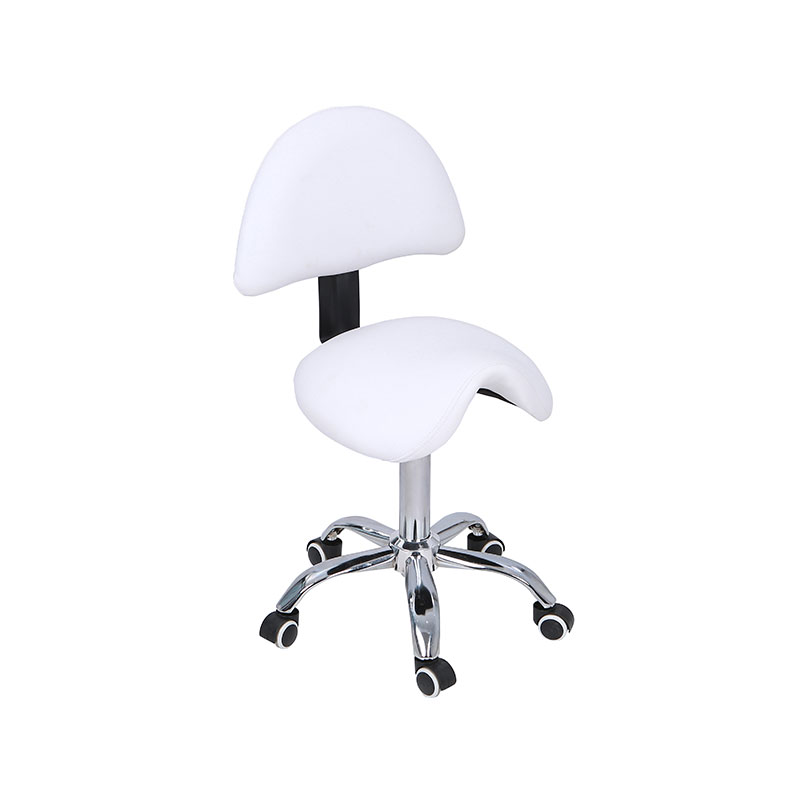 HZ6001 Ergonomic Saddle Salon Stool with Swivel WheelsErgonomic saddle salon stool with contoured seat, curved backrest, hydraulic lift, and five quiet casters for easy movement around the salon.View Product →
Site Visits, Samples and the Limits of Both
A factory visit is worth the flight, but not for the reason most buyers think. The showroom tells you nothing — the units sitting there have been tuned for months. What you want to watch is material flow: where the tube arrives, where it is cut, where it is welded, where foam is shaped, and where the finished chair is packed.
Ask for a walk that starts at the raw material rack rather than at the sample room. Time how long a frame sits between welding and the upholstery line. Ask how many people work on the hydraulic assembly bench, and whether that bench has a test rig.
Samples have a limit too. A sample proves the factory can build one good unit; it does not prove that unit 120 will match it. That is what tolerance data and an agreed inspection standard are for. Put the measurement points into the order confirmation: stroke, claw diameter, wall thickness, seam spacing, foam density.
One more practical point. Ask how the chairs ship — assembled, or with the base detached — and how many fit in a 40ft container in each configuration. Freight is often the second-largest line in a salon fit-out budget, and the packing method is where it is won or lost.
Frequently Asked Questions About Salon Equipment Sourcing
Q1: What actually makes a barber chair "heavy duty"?
A: Steel gauge in the base, cylinder stroke and seal quality, and the load rating of the swivel joint. A label saying heavy duty means nothing on its own — ask for millimetres and a stated weight rating.
Q2: How long should a hydraulic barber chair last?
A: In a busy salon, a well-built hydraulic chair is typically expected to run several years before the pump seal needs attention. Service life depends far more on daily cycle count and load than on the calendar.
Q3: Can a hydraulic pump be replaced on its own?
A: On most designs, yes — the pump and base are separate assemblies from the seat. That is why it is worth confirming, before ordering, that replacement pumps and bases are available as spare parts with a stated lead time.
Q4: Should I order one container from one salon equipment manufacturer, or split it?
A: One supplier means one set of documents and one arrival date, and it is usually cheaper on freight. Splitting makes sense when no single factory covers the categories you need to the standard you require.
Q5: What is the usual minimum order quantity for salon furniture?
A: It varies widely by category and by finish. Mixed containers are common in this industry, so it is often easier to negotiate a container-level minimum than a per-model minimum. Ask per colour and per mechanism, not just per product.
Q6: Are ceramic shampoo bowls better than ABS bowls?
A: Ceramic resists scratching and holds its finish longer; ABS is lighter and tolerates impact better in transit. The practical question is the drain fitting and mounting bracket, since leaks at the drain are a more common complaint than bowl breakage.
The manufacturers worth a long-term relationship are rarely the ones with the biggest catalogue. They are the ones that can tell you, without checking, how thick the base tube is, who assembles the pump, and what happens when a seal fails in year three. Ask those three questions early, and the rest of the comparison gets a great deal shorter.