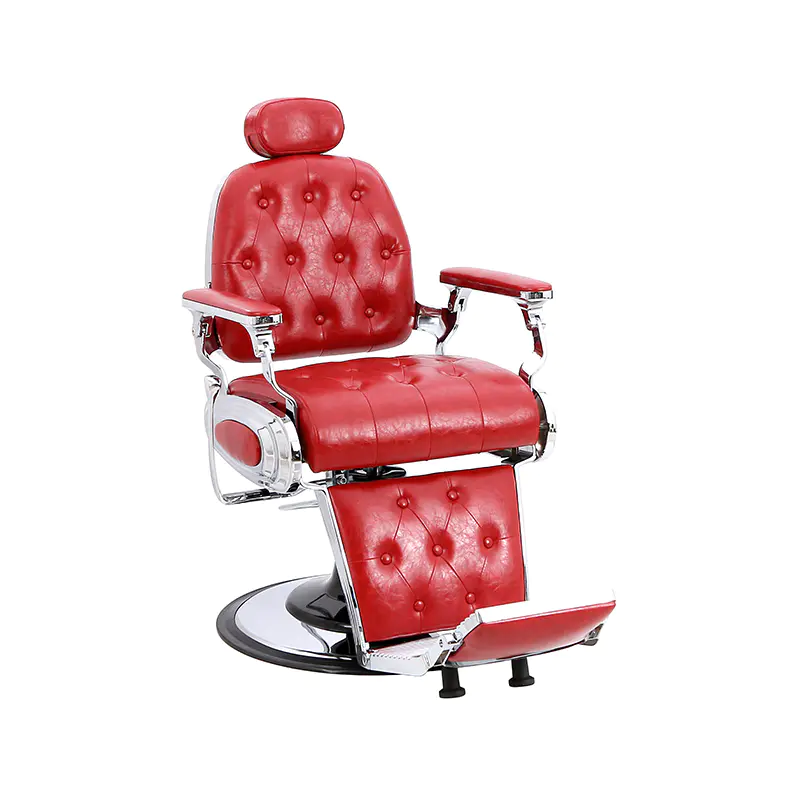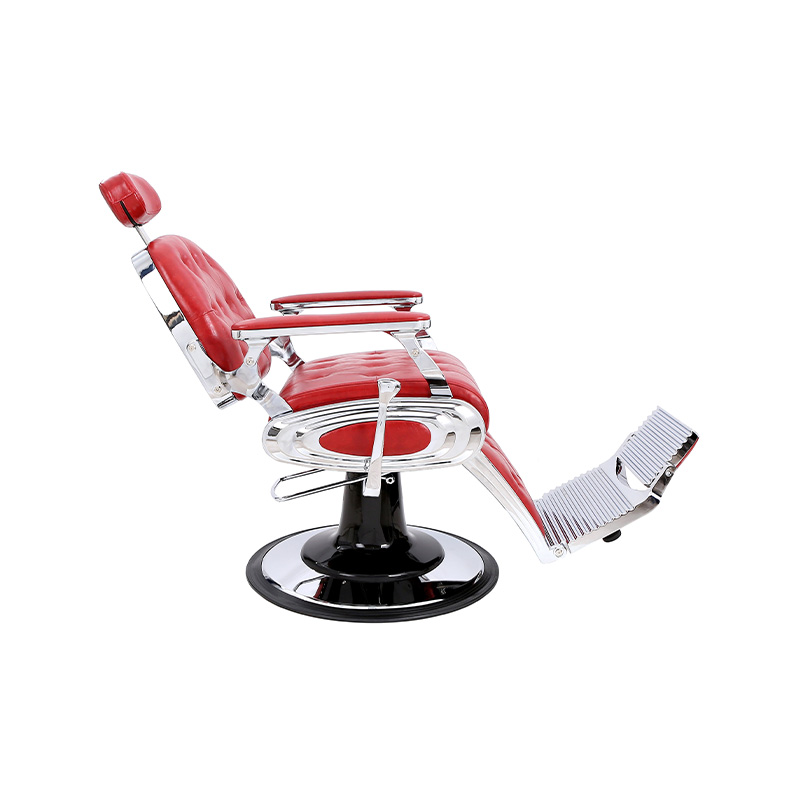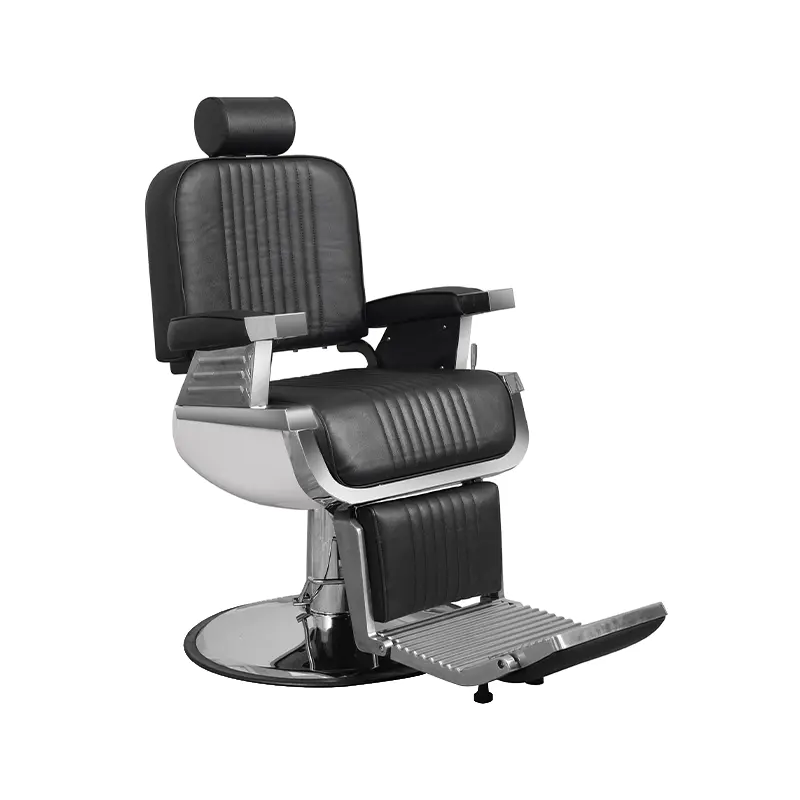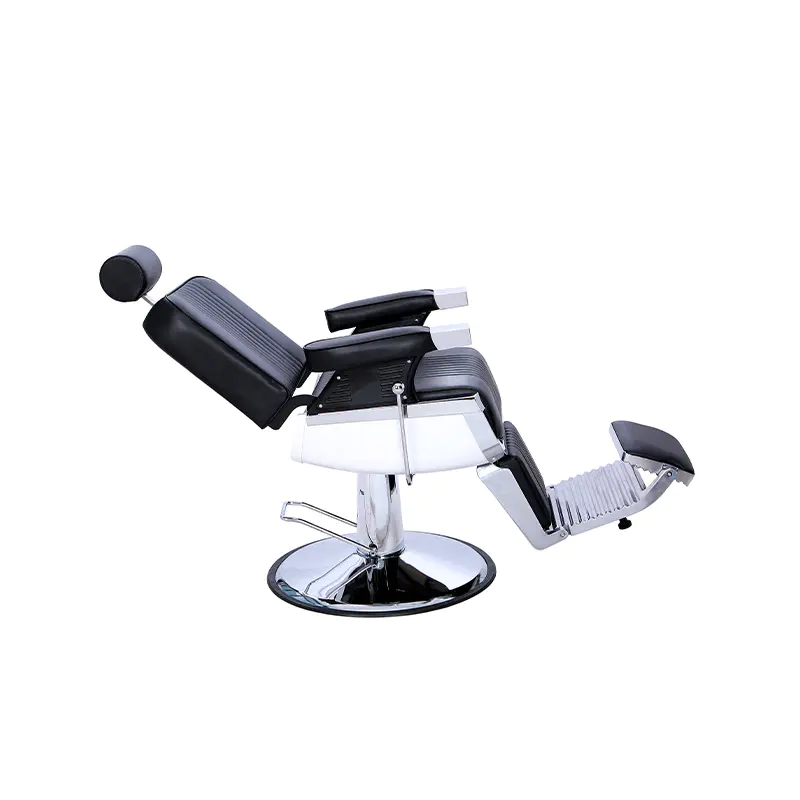

 en
en  English
 русский
 Español
 عربى
عربى

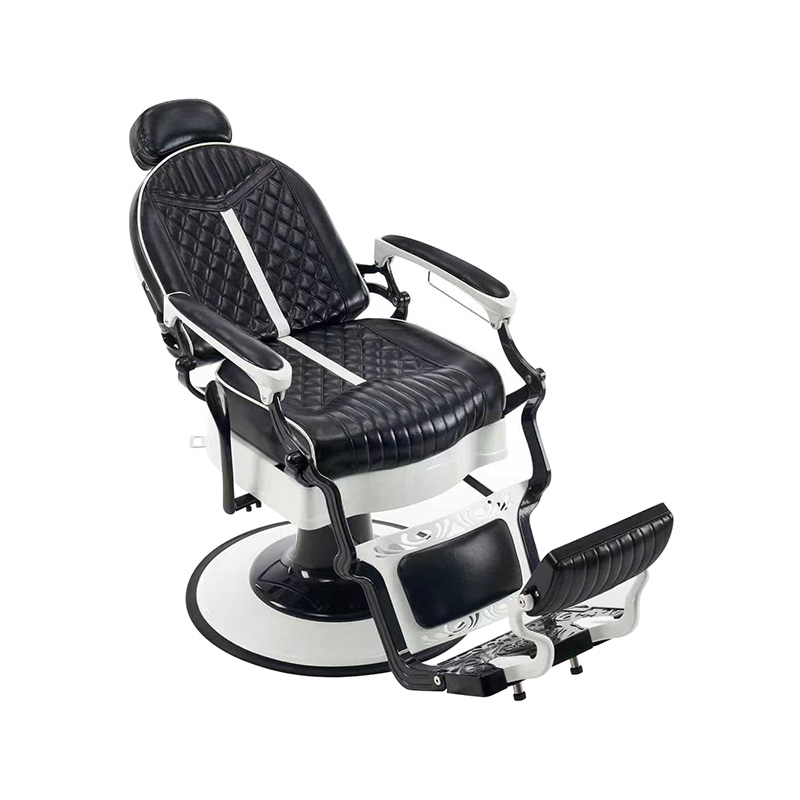
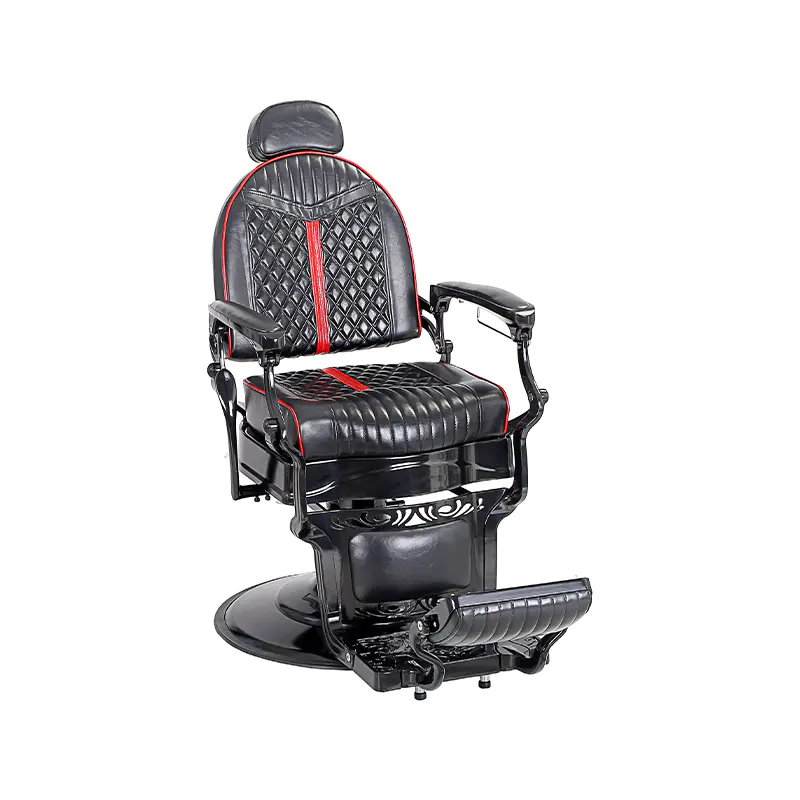
To clean and maintain a salon shampoo chair properly, wipe down upholstery with a pH-neutral cleaner after every client, disinfect high-contact surfaces daily, condition vinyl or leather monthly, inspect mechanical components including the footrest and backrest recline mechanism every 90 days, and flush the basin drain weekly if the chair is part of a shampoo bowl combo unit. Consistent maintenance extends chair lifespan from the industry average of 5–7 years to 10 years or more, protects client hygiene, and preserves the chair's appearance in a professional salon environment. This guide covers every step in practical detail.
Why Regular Maintenance of a Salon Shampoo Chair Matters
A salon shampoo chair is one of the most heavily used pieces of furniture in any hair salon. In a busy salon, a single shampoo station may service 15–25 clients per day, exposing the upholstery, frame, and mechanical parts to constant moisture, chemical products, hair dye, conditioners, and body weight stress. Without a structured cleaning and maintenance routine, the consequences compound quickly:
- Upholstery degradation: Chemical residue and moisture cause vinyl or PU leather to crack, peel, and discolor within 1–2 years without proper conditioning.
- Hygiene and cross-contamination risk: Damp upholstery and basin surfaces are breeding grounds for bacteria and fungal growth, which can lead to client skin or scalp irritation.
- Mechanical failure: Neglected recline and footrest mechanisms develop stiffness, corrosion, or complete failure — typically requiring costly replacement rather than repair.
- Professional image: A visibly worn or stained shampoo chair signals poor salon standards to clients and can directly impact customer retention.
According to salon equipment service data, over 60% of premature shampoo chair replacements are attributable to avoidable upholstery damage or mechanical neglect rather than structural failure — confirming that maintenance protocol, not product quality alone, determines lifespan.
Daily Cleaning Routine: After Every Client and End of Day
Consistency is more important than intensity when it comes to daily cleaning. A quick, correct wipe-down after each client prevents buildup that becomes difficult or impossible to remove later.
After Every Client (2–3 Minutes)
- Remove any visible hair from the seat, backrest, and armrests using a dry microfiber cloth or lint roller.
- Wipe all upholstered surfaces with a clean, damp microfiber cloth to remove product residue and moisture.
- Apply a small amount of pH-neutral, alcohol-free upholstery cleaner to a cloth (never directly to the surface) and wipe in circular motions.
- Dry immediately with a second clean cloth — do not allow moisture to sit on seams or stitching, as this accelerates deterioration.
- Wipe down the headrest and neck bowl contact area with a salon-grade disinfectant wipe rated for use on vinyl.
End-of-Day Deep Clean (10–15 Minutes)
- Clean all upholstered surfaces thoroughly, including under armrests and along seam lines where product accumulates.
- Disinfect all metal or chrome components — armrests, frame connections, footrest bar — with a non-corrosive disinfectant spray. Dry immediately to prevent water spotting or oxidation.
- Inspect the headrest cushion for any staining; treat stains promptly before they set (see stain removal section below).
- If the chair includes a basin combo unit, flush the drain and wipe the basin interior — covered in detail in a later section.
- Return the backrest and footrest to their neutral positions to relieve mechanical tension overnight.
Cleaning Products to Use — and Products to Strictly Avoid
The choice of cleaning product has a greater impact on upholstery longevity than cleaning frequency. Many common household and salon-area cleaners actively damage vinyl and PU leather with repeated use.
| Product Type | Safe to Use? | Notes |
|---|---|---|
| pH-neutral upholstery cleaner | Yes | Primary daily cleaning product of choice |
| Mild dish soap (diluted) | Yes | 1 tsp per 500 ml warm water; rinse off residue |
| Vinyl/leather conditioner | Yes (monthly) | Prevents cracking and maintains suppleness |
| Isopropyl alcohol (70%) | Limited use only | For spot disinfection; not for full surface wiping — dries out vinyl |
| Bleach or bleach-based sprays | No | Causes rapid color fading and vinyl breakdown |
| Acetone or nail polish remover | No | Dissolves surface coating immediately |
| Ammonia-based glass cleaners | No | Dries and cracks vinyl; damages stitching |
| Abrasive scrub pads | No | Permanently scratches and dulls upholstery surface |
Stain Removal: Hair Dye, Product Buildup, and Discoloration
Hair dye is the most challenging stain type on salon upholstery. Acting within the first 5 minutes of contact reduces permanent staining risk by approximately 80%. Once dye oxidizes and sets into vinyl — typically after 15–30 minutes — full removal becomes much harder.
Fresh Hair Dye Stains (Under 15 Minutes Old)
- Blot — do not rub — the stain immediately with a clean white cloth to absorb excess dye.
- Apply a small amount of undiluted mild dish soap directly to the stain and work in gently with a soft-bristle toothbrush.
- Wipe clean with a damp cloth and repeat once if necessary.
- For persistent color, apply a small amount of non-gel, white toothpaste to the stain — its mild abrasive content can lift residual pigment from vinyl without surface damage.
Set or Dried Dye Stains
- Apply a vinyl-safe stain remover or a 1:1 solution of white vinegar and warm water to a cloth.
- Hold the cloth against the stain for 2–3 minutes to soften the dried pigment before gently working it in circles.
- If partial staining remains, a single application of 70% isopropyl alcohol on a cotton swab can treat the residual area — follow immediately with vinyl conditioner to counteract drying.
- For stains that cannot be fully removed, a color-matched vinyl repair kit can restore visual uniformity without replacing the upholstery.
Maintaining the Adjustable Salon Shampoo Chair Backrest and Recline Mechanism
The recline system of an adjustable salon shampoo chair backrest is the most mechanically stressed component of the entire unit. Depending on design, it relies on a lever-actuated locking mechanism, gas cylinder, or manual ratchet to hold position — all of which require periodic attention to function smoothly and safely.
Monthly Backrest Maintenance Protocol
- Lubricate pivot points: Apply a small amount of silicone-based lubricant (not WD-40, which attracts dust and degrades rubber seals) to all hinge and pivot points. Cycle the backrest through its full range of motion 4–5 times after application to distribute the lubricant evenly.
- Check locking mechanism engagement: Apply body weight to the reclined backrest and verify the lock holds without slipping. Any movement under load indicates a worn latch or ratchet tooth that should be serviced immediately.
- Inspect backrest-to-seat connection bolts: Tighten any loose fasteners at the backrest mounting points. Loose bolts allow micro-movement that progressively widens mounting holes and ultimately compromises structural integrity.
- Test recline resistance: The backrest should move smoothly with consistent resistance throughout its arc. Jerky, uneven movement or hard stops indicate debris in the mechanism or a worn component.
Recline mechanism failures account for approximately 35% of all shampoo chair service calls in professional salon environments — the majority of which are preventable with quarterly lubrication and monthly bolt checks.
Caring for a Salon Shampoo Chair with Footrest
A salon shampoo chair with footrest introduces additional maintenance considerations beyond the seat and backrest. Footrests bear direct shoe contact, product drips, and repeated mechanical extension and retraction — making them particularly prone to surface wear and pivot wear simultaneously.
- Surface cleaning: Footrest upholstery or padding should be cleaned with the same protocol as the seat — pH-neutral cleaner after each use. Chrome or metal footrest bars should be wiped dry after every contact with water or product to prevent water spotting and oxidation.
- Pivot and extension lubrication: Footrests that extend, fold, or swivel have pivot hardware that requires the same silicone lubricant treatment as the backrest — every 30 days in high-use environments, every 60 days in moderate-use salons.
- Rubber bumper inspection: Many footrest models include rubber bumpers or end caps on the support frame. Inspect quarterly; replace promptly when cracked or missing, as missing bumpers allow direct metal-to-floor contact that can scratch flooring and destabilize the rest position.
- Weight limit compliance: Most salon footrests are rated for 120–150 kg combined chair load. Consistently exceeding the rated load accelerates pivot wear and can cause sudden failure. Confirm your chair's rated capacity and communicate it to staff.
Maintaining a Salon Shampoo Chair with Basin Combo
When the shampoo chair is integrated with a wash basin as a salon shampoo chair with basin combo unit, the maintenance scope expands to include plumbing components, the basin surface, drain assembly, and the neck bowl or collar. Water and chemical exposure at these connection points creates unique hygiene and maintenance challenges.
Daily Basin Cleaning
- After each client, rinse the basin thoroughly with warm water to clear shampoo and conditioner residue before it dries and deposits mineral scale.
- At the end of the day, clean the basin interior with a non-abrasive bathroom cleaner or a diluted white vinegar solution (1:4 ratio with water). Wipe with a soft cloth — never a scrub pad on porcelain or acrylic basins.
- Flush the drain with 500 ml of hot water followed by a small amount of baking soda and vinegar to break down product residue and prevent slow drainage.
- Wipe the neck collar or bowl cutout with a disinfectant wipe — this area contacts every client's neck directly and must be sanitized between uses.
Weekly and Monthly Basin Maintenance
- Weekly drain check: Remove the drain strainer and clear any accumulated hair or debris. A partially blocked drain causes water to back up into the neck bowl area, accelerating corrosion and creating hygiene issues.
- Monthly mineral scale treatment: In hard-water areas, apply a descaling solution rated for the basin material to remove calcium and mineral deposits. Left untreated, scale buildup reduces drain flow by up to 40% over six months.
- Check hose connections: Inspect the hot and cold water supply hoses monthly for signs of kinking, cracking, or weeping at connection points. Replace hoses showing any deterioration — a burst supply hose can cause significant salon water damage.
- Inspect the mixer valve: Ensure the water temperature mixer operates smoothly and holds set temperatures accurately. A failing mixer valve can deliver unexpectedly hot water, creating a client safety hazard.
Maintenance Frequency at a Glance
The following chart summarizes how different maintenance tasks should be distributed across daily, weekly, monthly, and quarterly intervals for a busy salon shampoo chair station.
Figure 1: Distribution of maintenance tasks across daily, weekly, monthly, and quarterly intervals for a complete salon shampoo chair station.
Monthly Upholstery Conditioning and Annual Inspection
Even with diligent daily cleaning, vinyl and PU leather lose plasticizers over time, causing stiffness and eventual cracking. Monthly conditioning replenishes these compounds and extends material life significantly.
Monthly Conditioning Steps
- Clean all upholstered surfaces thoroughly and allow to dry completely before conditioning — applying conditioner over residue seals contaminants into the material.
- Apply a vinyl or PU leather conditioner to a clean microfiber cloth — never directly to the surface — and work into the upholstery using circular motions.
- Pay extra attention to high-flex areas: the backrest-to-seat fold, armrest corners, and the headrest perimeter where stress cracking typically starts first.
- Allow to absorb for 5–10 minutes, then buff off any excess with a dry cloth. Over-application leaves a slippery, residue-prone surface.
Annual Full Inspection Checklist
- Inspect all upholstery seams for delamination, separation, or punctures; address with vinyl repair adhesive or professional re-upholstery as appropriate.
- Audit all structural welds and frame joints for cracking or corrosion, particularly at floor contact points in wet wash areas.
- Test all mechanical components — recline lock, footrest extension, swivel base (if applicable) — under full simulated client load.
- Replace all rubber seals in basin plumbing connections as a preventive measure, regardless of visible condition — rubber degrades internally before showing surface cracks.
- Document the inspection with photographs to track degradation trends year over year and plan timely replacement before failure.
Maintenance Impact on Chair Lifespan
The line chart below illustrates how consistent maintenance significantly extends the functional lifespan of a salon shampoo chair compared to irregular or no maintenance, based on industry service and replacement data.
Figure 2: A consistently maintained salon shampoo chair retains approximately 75% of its original condition at 10 years. Without maintenance, condition drops below 20% by year 7, typically requiring full replacement.
Common Upholstery Repairs: When to DIY and When to Call a Professional
Not every upholstery issue requires professional re-upholstery. Understanding which repairs are within scope for salon staff and which require a technician saves both time and cost.
| Issue | DIY Repair? | Recommended Action |
|---|---|---|
| Small puncture (<5 mm) | Yes | Vinyl repair kit with color-match compound |
| Surface cracking (early stage) | Yes | Vinyl filler and flexible sealant; resume conditioning |
| Seam separation (short section) | Possible | Vinyl adhesive; monitor for re-separation |
| Large tear or delamination | No | Professional re-upholstery or panel replacement |
| Widespread cracking or peeling | No | Full re-upholstery; assess if replacement is more cost-effective |