
 en
en  English
 русский
 Español
 عربى
عربى
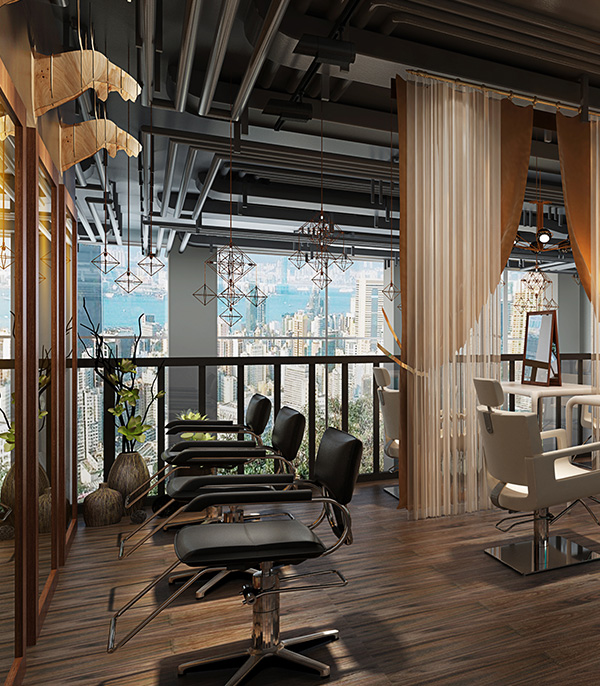
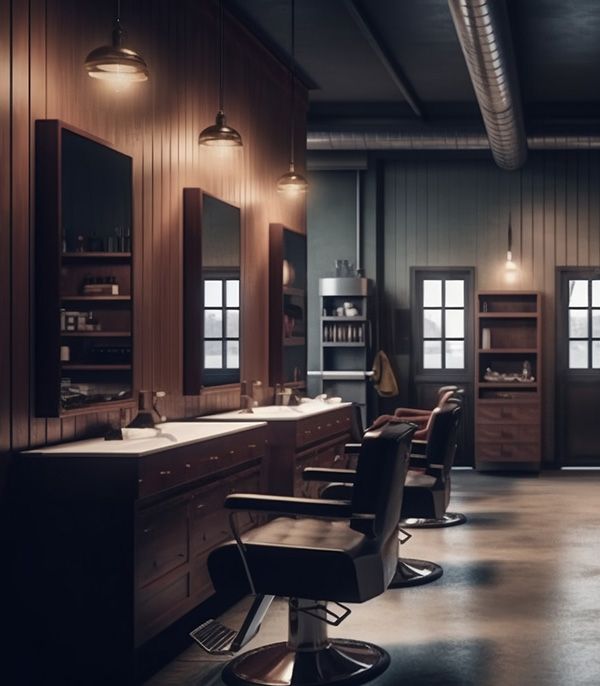
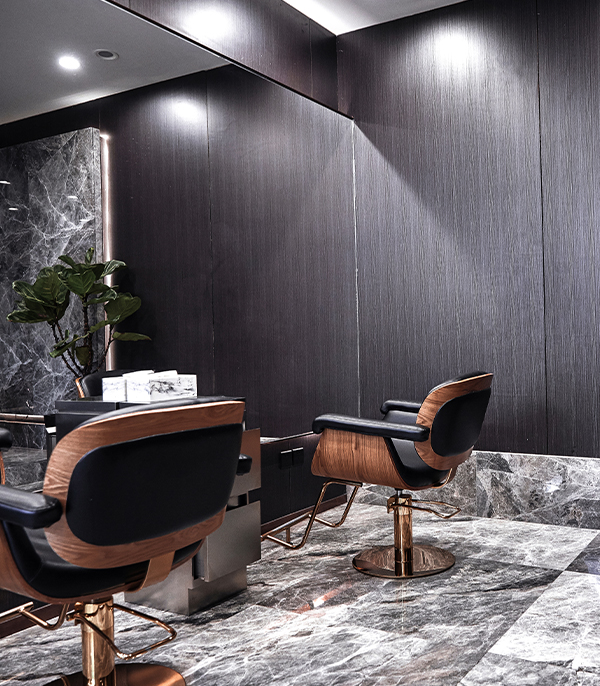
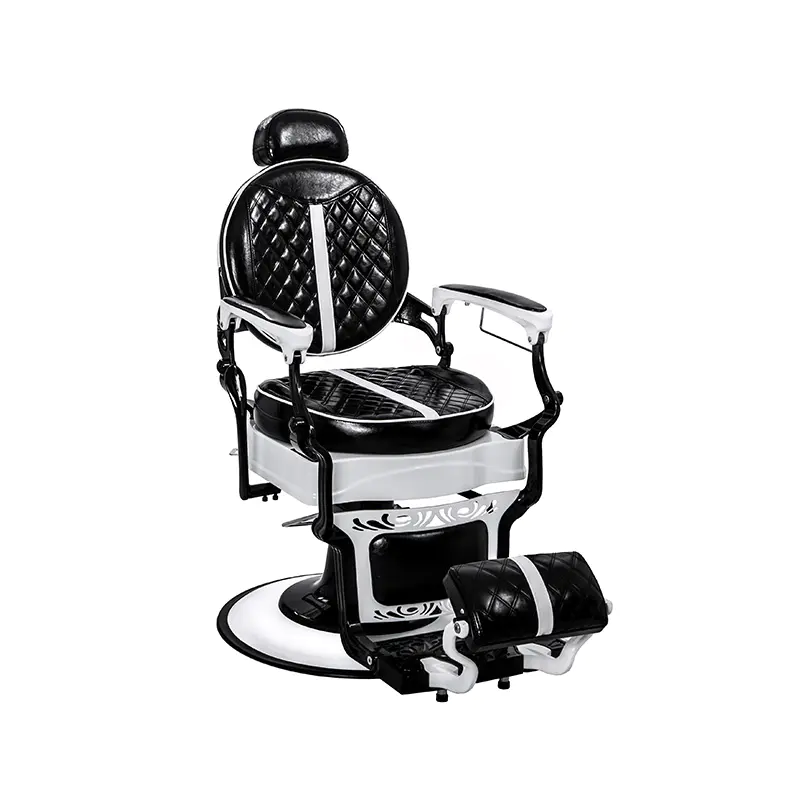
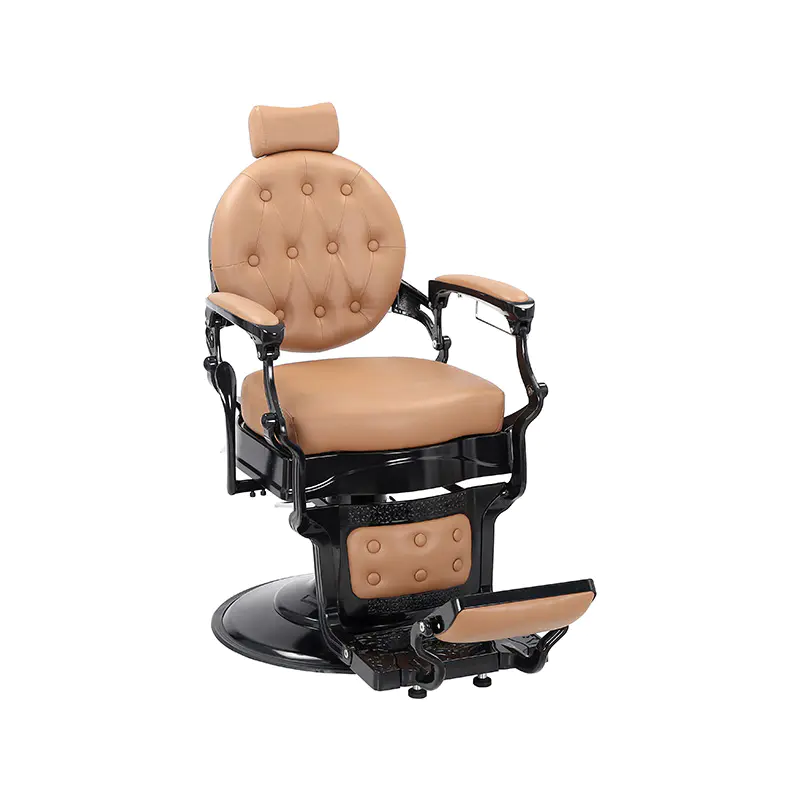
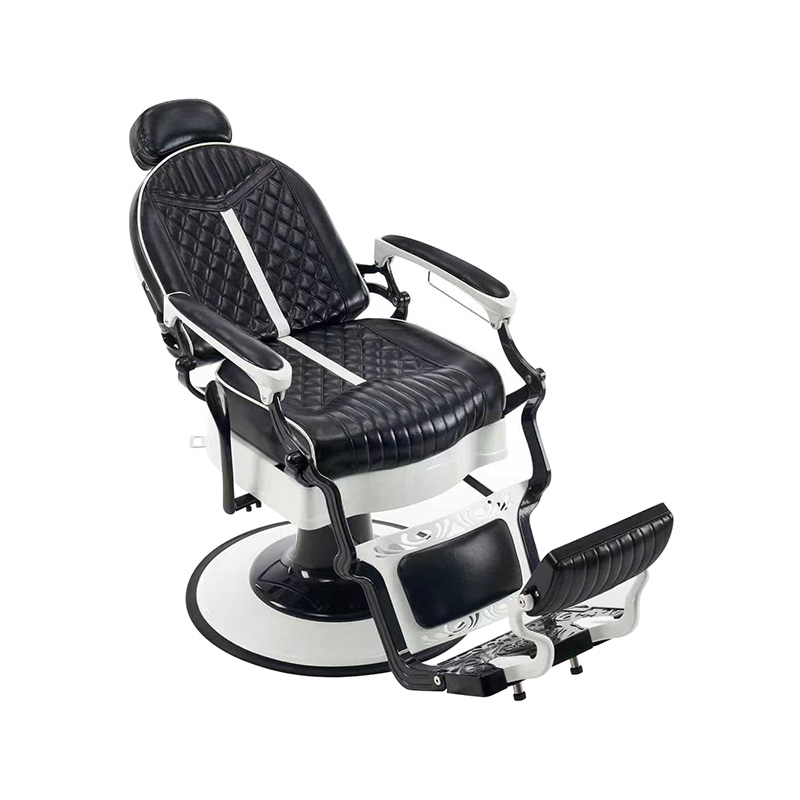
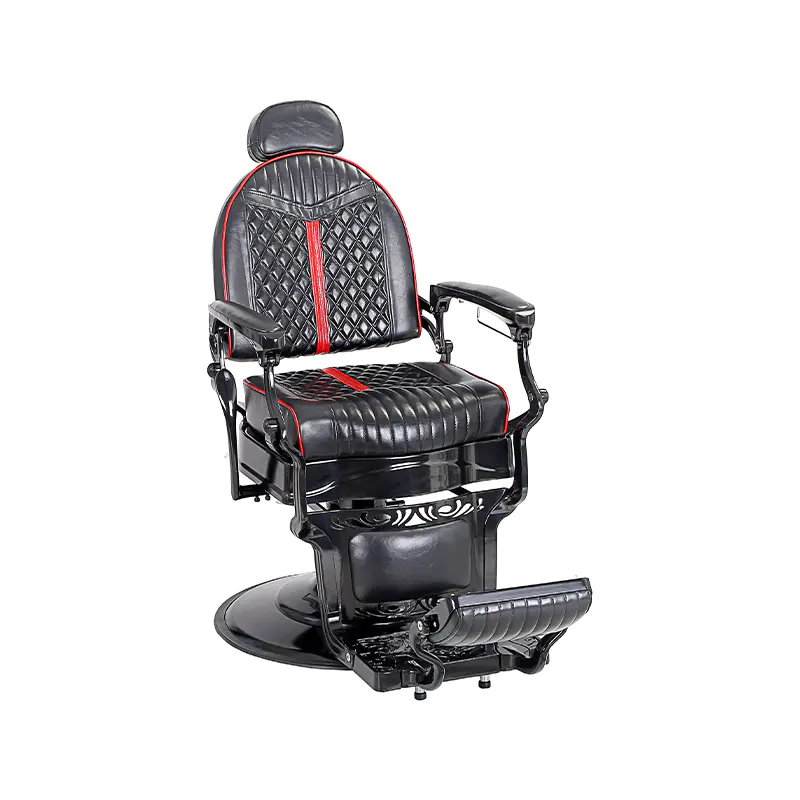
Most salon barber chairs last between 10 and 25 years, depending on build quality, usage intensity, and how consistently they are maintained. A commercial-grade salon chair used in a high-traffic barbershop serving 15 or more clients per day will typically reach the 10- to 15-year mark before requiring major component replacement. A well-maintained chair in a lower-volume salon or a compact barber chair for small salon environments can regularly exceed 20 years of reliable service. The lifespan is not fixed — it is the direct result of material quality, mechanical design, and the care routines applied throughout ownership.
What Determines How Long a Salon Barber Chair Lasts
The lifespan of salon barber chairs is influenced by several interconnected factors. Understanding each one helps you make smarter purchasing decisions and set realistic expectations for replacement timelines.
Frame and Base Construction
The frame is the structural foundation of any salon chair. Heavy-gauge steel frames — typically 14 to 16 gauge — resist bending and cracking under repeated client weight and movement. Cast iron bases, while heavier, offer superior long-term durability compared to aluminum or lightweight alloy alternatives. Chairs with welded steel construction consistently outlast those relying on bolted assemblies, which loosen over time under daily use.
Hydraulic Pump Quality
The hydraulic pump controls height adjustment and is one of the most mechanically stressed components in any salon chair. A quality hydraulic system rated for commercial use (500 lbs or more) will handle tens of thousands of pump cycles without leaking or losing pressure. Lower-rated pumps show fluid seepage and height-holding failures within 3 to 5 years of heavy use. The pump is also one of the more straightforward components to replace independently, which means a chair with a failing pump does not necessarily need full replacement.
Upholstery Material
Upholstery is typically the first component to show visible wear. High-density foam with a minimum density of 2.0 lb/ft³ maintains its shape significantly longer than standard foam under repeated client use. The outer covering material matters equally — commercial-grade vinyl rated at 500,000 double rubs or above resists cracking, peeling, and chemical degradation from styling products far longer than entry-level PU leather or thin synthetic covers.
Expected Lifespan by Usage Intensity
Lifespan varies considerably based on how heavily a salon chair is used each day. The following estimates apply to commercial-grade salon barber chairs with proper maintenance:
| Usage Level | Clients per Day | Expected Lifespan | Primary Wear Component |
|---|---|---|---|
| Light (home or small studio) | 1–5 | 18–25+ years | Upholstery surface |
| Moderate (small salon) | 6–12 | 12–18 years | Hydraulic pump seals |
| High (busy barbershop) | 13–20 | 10–14 years | Foam compression, pump |
| Heavy (high-volume commercial) | 20+ | 7–10 years | Frame joints, full mechanism |
These figures assume consistent cleaning, lubrication, and prompt repair of minor issues. Chairs that receive no maintenance can fail significantly earlier, while well-maintained chairs often outlast these estimates by several years.
How Maintenance Habits Directly Extend Chair Life
The difference between a salon chair that lasts 10 years and one that lasts 20 years often comes down entirely to maintenance discipline. The components that fail earliest are almost always those that were neglected rather than those that simply wore out from use.
Figure 1: Estimated remaining capacity (%) of salon chair components over time with and without regular maintenance
Daily Maintenance Tasks
- Wipe down upholstery with a damp, lint-free cloth after each client to remove hair clippings, product residue, and moisture
- Use a pH-neutral upholstery cleaner — avoid alcohol-based products which dry out and crack vinyl over time
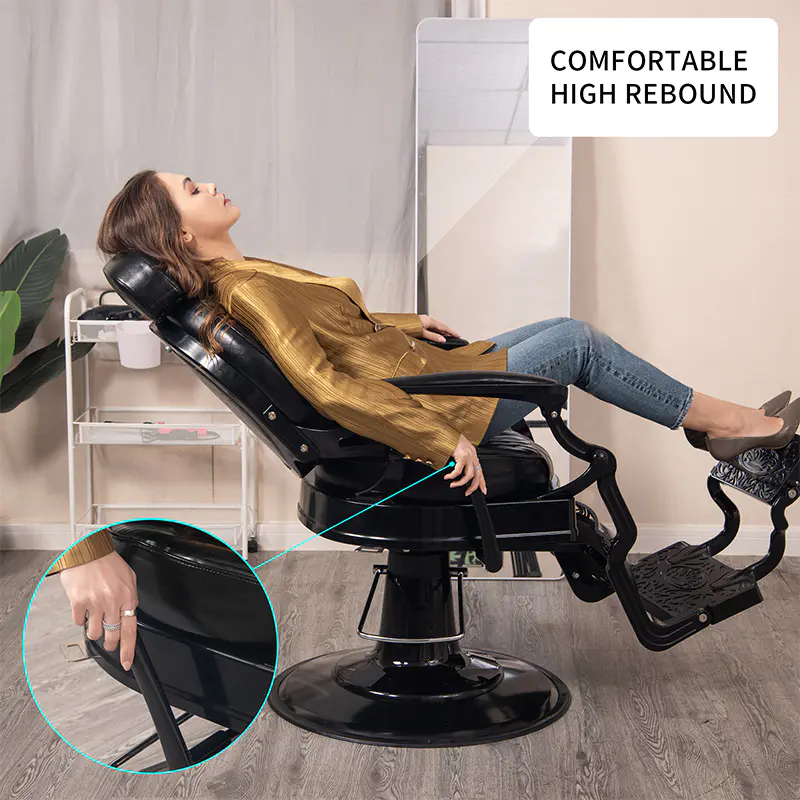
- Check that the footrest operates smoothly and the reclining mechanism engages cleanly without resistance
Monthly and Quarterly Tasks
- Lubricate the hydraulic base and all pivot points with a light machine oil every 3 months — this prevents stiffness and extends pump seal life
- Inspect and tighten all visible bolts and screws — vibration from daily use causes gradual loosening that accelerates frame wear if unchecked
- Apply a vinyl conditioner to the upholstery surface to maintain flexibility and prevent micro-cracking
- Check the base for rust spots, especially in humid salon environments — treat early with a rust inhibitor to prevent structural spread
Components You Can Repair Without Full Chair Replacement
Many salon owners replace salon barber chairs earlier than necessary because they are unaware that most common failure points are individually serviceable. Knowing which parts are replaceable prevents unnecessary full-chair replacement costs.
- Hydraulic pump — replacement pumps are widely available and installable without specialized tools; this repair typically extends chair life by 5 to 8 years
- Upholstery — reupholstering a salon chair with commercial-grade vinyl costs a fraction of full replacement and restores the aesthetic appearance completely
- Foam padding — foam can be replaced during a reupholstery service; high-density replacement foam restores the original support and comfort profile
- Footrest assembly — footrests are typically bolted on and can be replaced independently if the chrome finish corrodes or the hinge mechanism fails
- Reclining mechanism — the recliner latch and spring assembly are serviceable components on most commercial salon chairs
Full replacement is genuinely warranted only when the main frame is cracked or structurally compromised, or when multiple major components fail simultaneously and repair costs approach replacement value.
Compact Barber Chair for Small Salon: Does Size Affect Durability
A common question among salon owners working in limited floor space is whether a compact barber chair for small salon settings offers comparable durability to full-size models. The answer is yes — provided the compact unit is built to commercial specifications.
Compact salon chairs are designed with a reduced footprint — typically 20 to 25% smaller base diameter than full-size equivalents — but the best models use identical frame gauges, hydraulic systems, and upholstery grades. A compact chair in a lower-traffic small salon environment often outlasts a full-size chair in a high-volume shop simply because it accumulates fewer use cycles per year.
Figure 2: Average reported lifespan (years) by salon chair type across different salon environments
When selecting a compact barber chair for small salon use, verify the weight capacity rating (a minimum of 300 lbs is recommended for commercial service) and confirm the hydraulic pump carries a commercial-use certification rather than a residential one.
Signs That a Salon Chair Needs Replacement Rather Than Repair
While most individual component failures are repairable, there are specific conditions that indicate a salon chair has reached the end of its practical service life:
- Frame cracks or weld failures — structural metal failure compromises client safety and cannot be reliably repaired in the field
- Base wobble that persists after bolt tightening — indicates irreversible metal fatigue at the column-to-base joint
- Hydraulic pump fails within 12 months of replacement — suggests underlying pressure system wear that a new pump alone cannot resolve
- Foam has fully compressed and no longer recovers — combined with frame issues, this signals systemic end-of-life rather than isolated component failure
- Chrome and metal surfaces show deep pitting or structural rust — surface rust can be treated, but deep pitting compromises structural integrity over time
If a salon chair displays two or more of these conditions simultaneously, replacement is the more economical long-term decision compared to attempting overlapping repairs on a structurally compromised unit.
Choosing a Salon Chair Built for Longevity
When selecting new salon barber chairs with longevity as a primary criterion, focus on these construction specifications rather than aesthetic features alone:
- Hydraulic pump weight rating — look for a minimum of 400 to 500 lbs for commercial environments
- Upholstery double-rub count — commercial-grade vinyl should be rated at 500,000 double rubs or above
- Frame material specification — heavy-gauge welded steel over lightweight alloy or thin-wall tubing
- Parts availability — confirm that replacement hydraulic pumps, upholstery, and mechanical parts are available from the supplier before purchasing
- Warranty terms — a manufacturer offering a 5-year or longer structural warranty signals confidence in the build quality of their salon chair products
A salon chair that costs more upfront but lasts 20 years with straightforward maintenance is almost always a better value than a lower-cost unit that requires replacement in 6 to 8 years.