
 en
en  English
 русский
 Español
 عربى
عربى
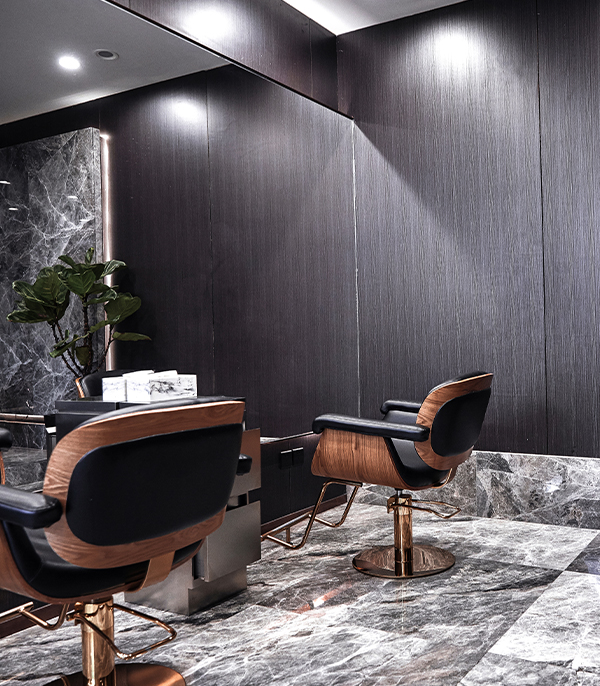
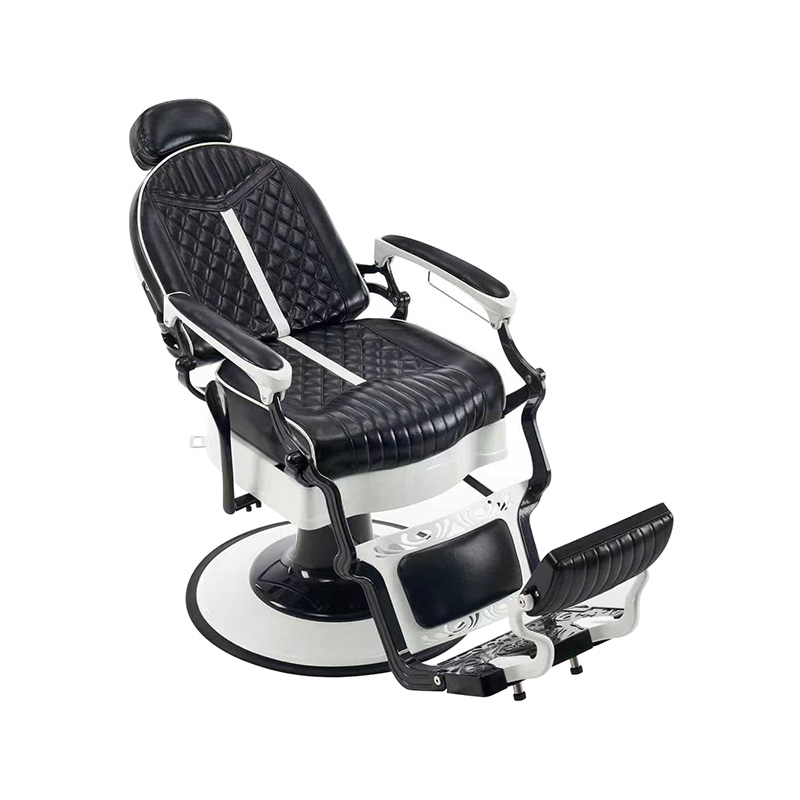
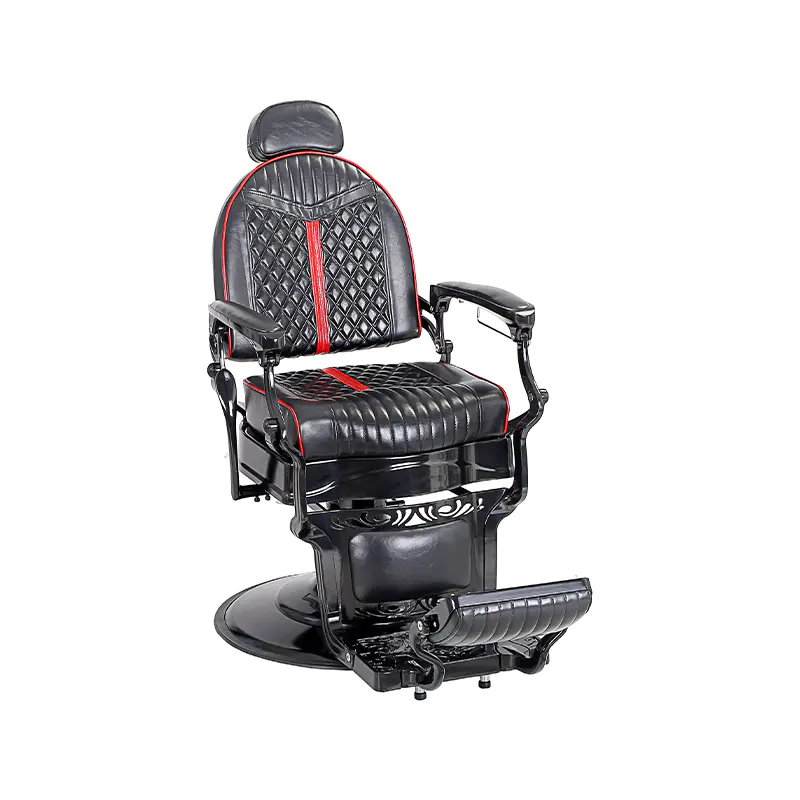
Consistent Maintenance Extends Salon Barber Chair Life by Years and Protects Your Investment
Proper maintenance of salon barber chairs requires daily cleaning, weekly lubrication checks, monthly hydraulic inspections, and annual deep servicing. A quality salon barber chair represents an investment of $300–$3,000 or more, and with correct care it should last 10–20 years in a busy salon environment. Without it, hydraulic pumps fail within 3–5 years, upholstery cracks and splits, chrome surfaces pit and rust, and mechanical components seize — all of which create both safety risks and expensive repair or replacement costs. This guide covers every maintenance task you need to perform, how often, and exactly how to do it correctly.
Understanding the Main Components of a Salon Barber Chair
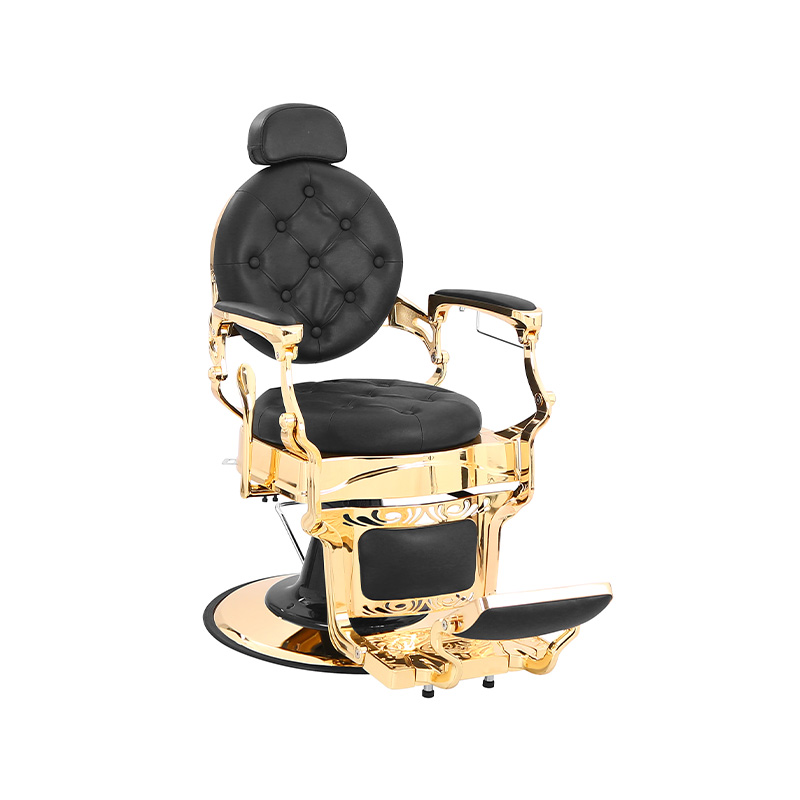
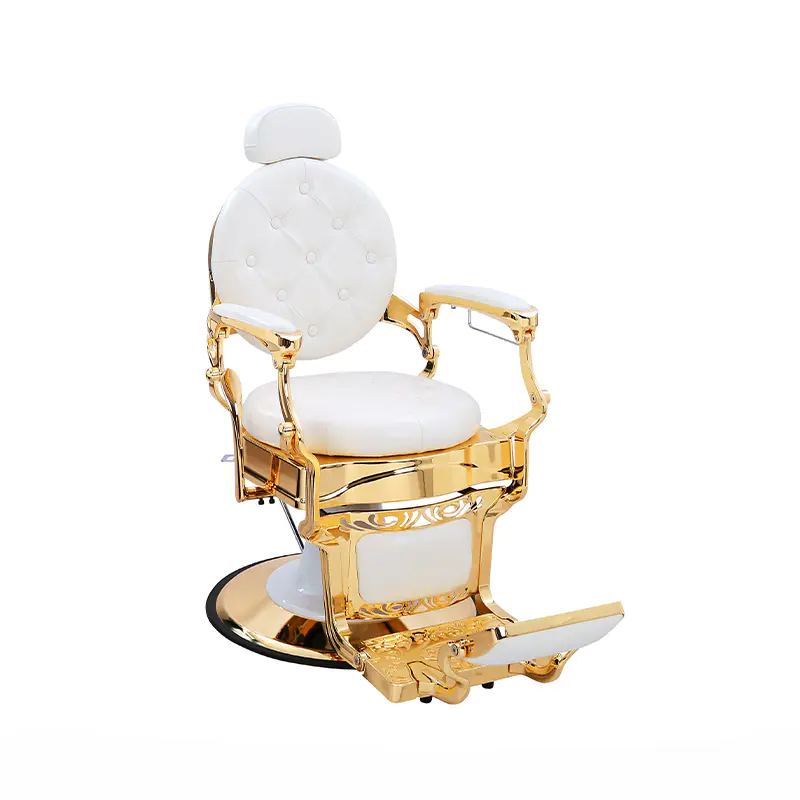
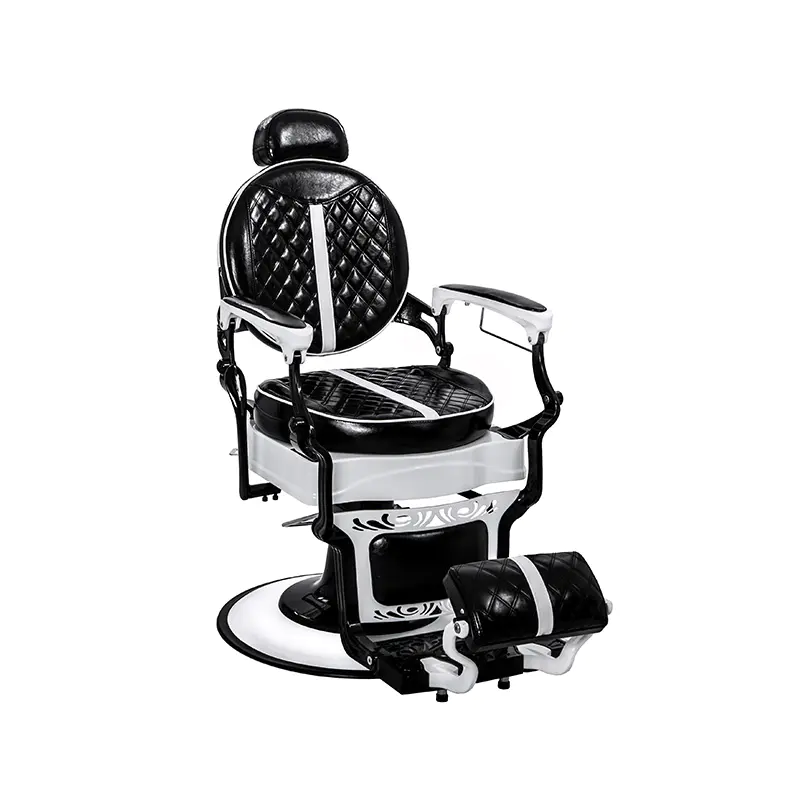
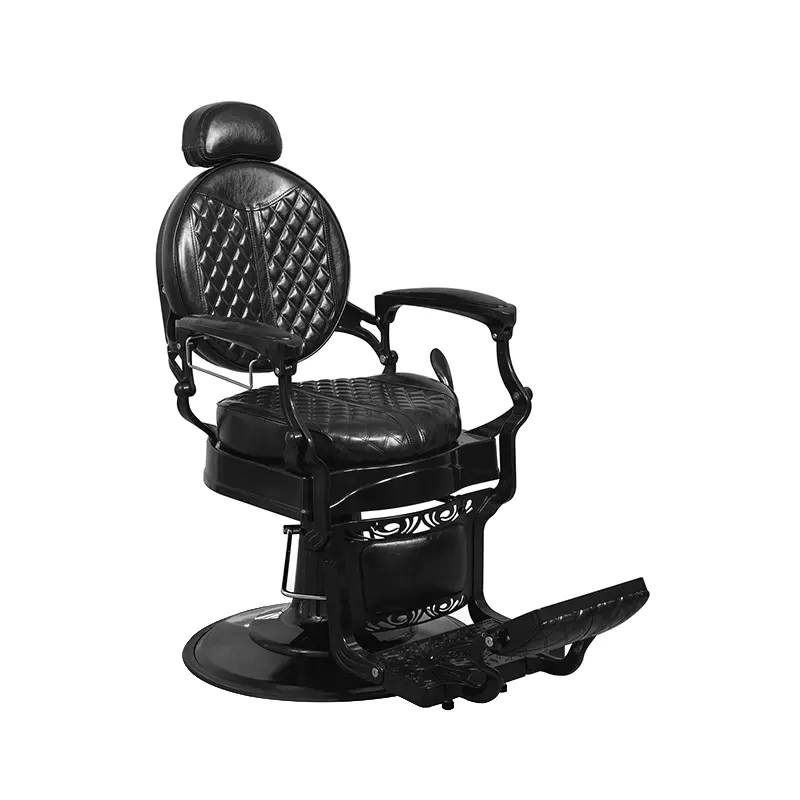
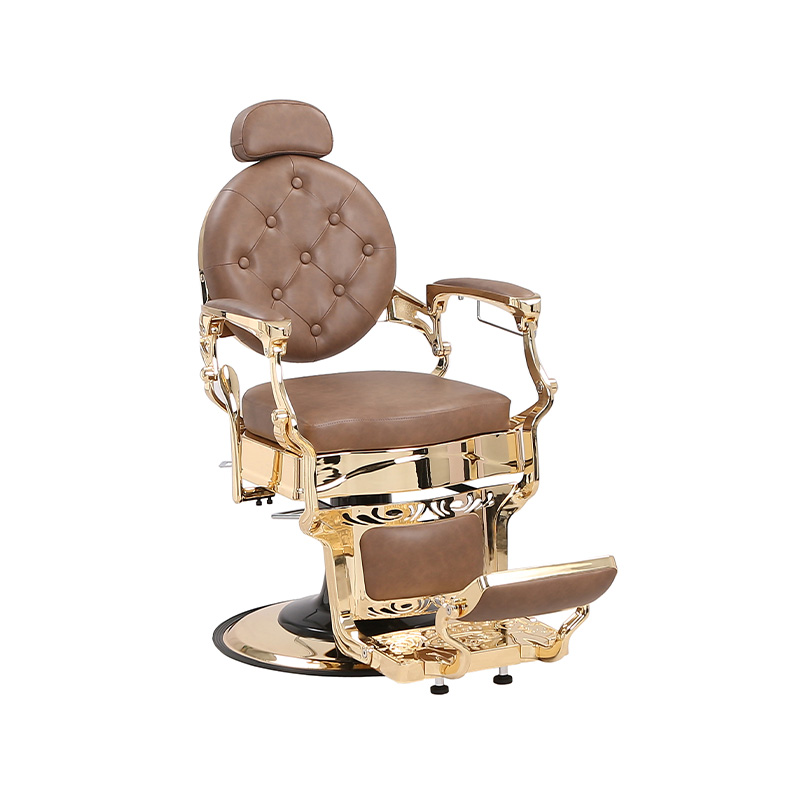
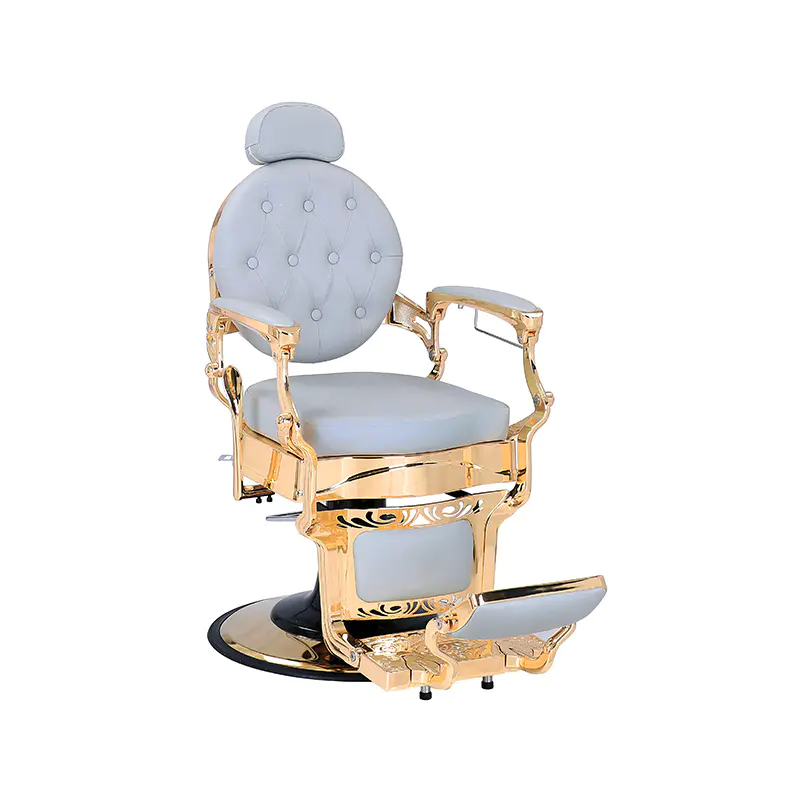
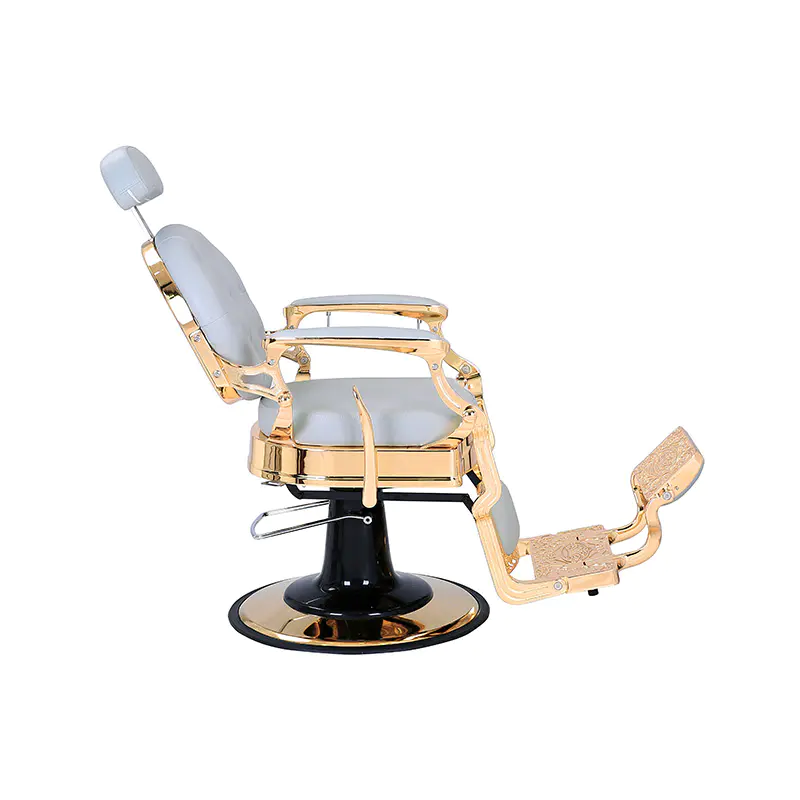
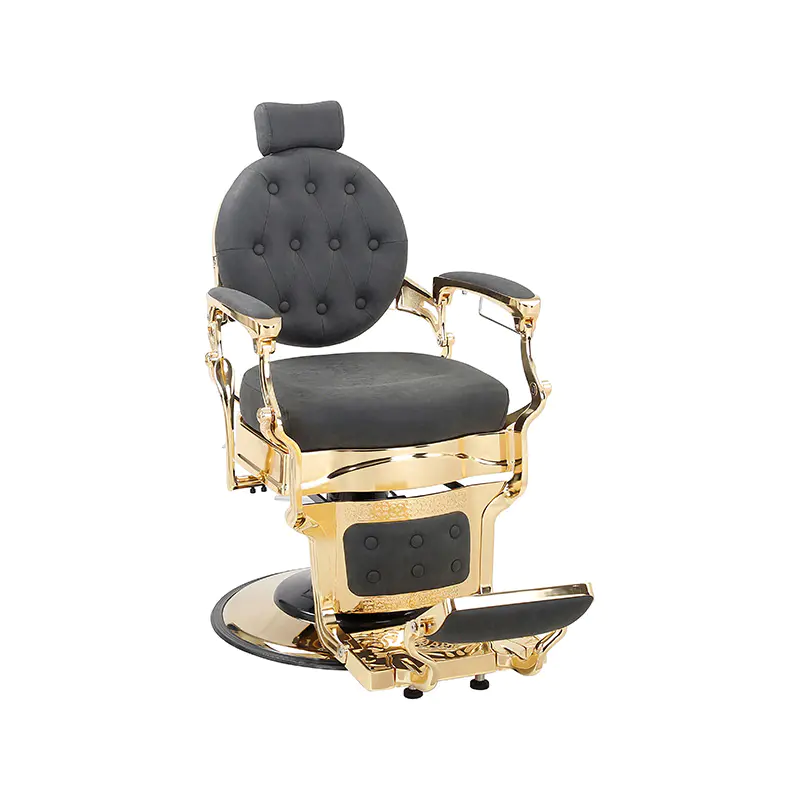
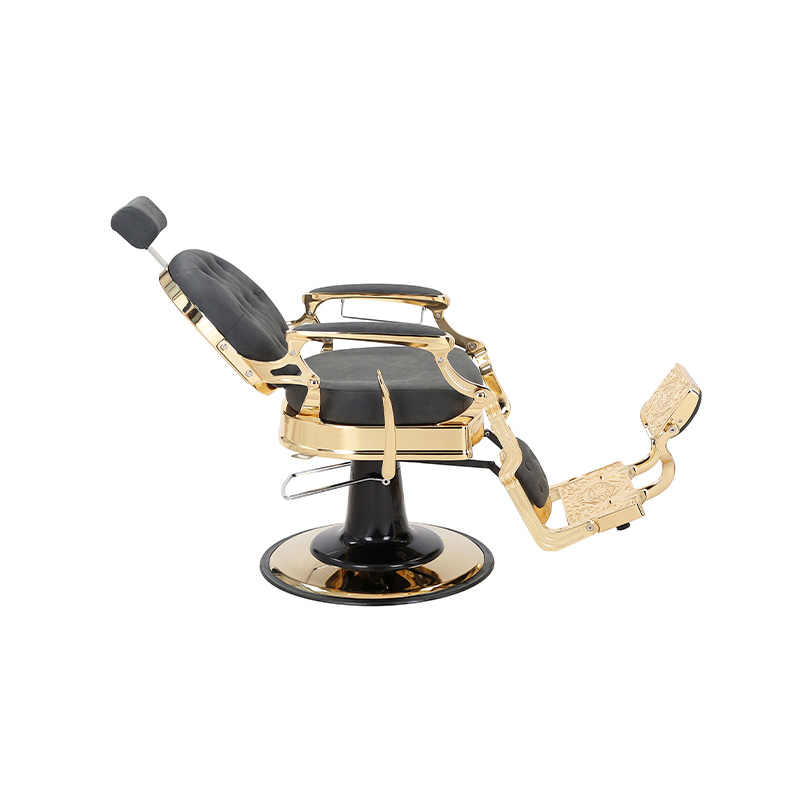
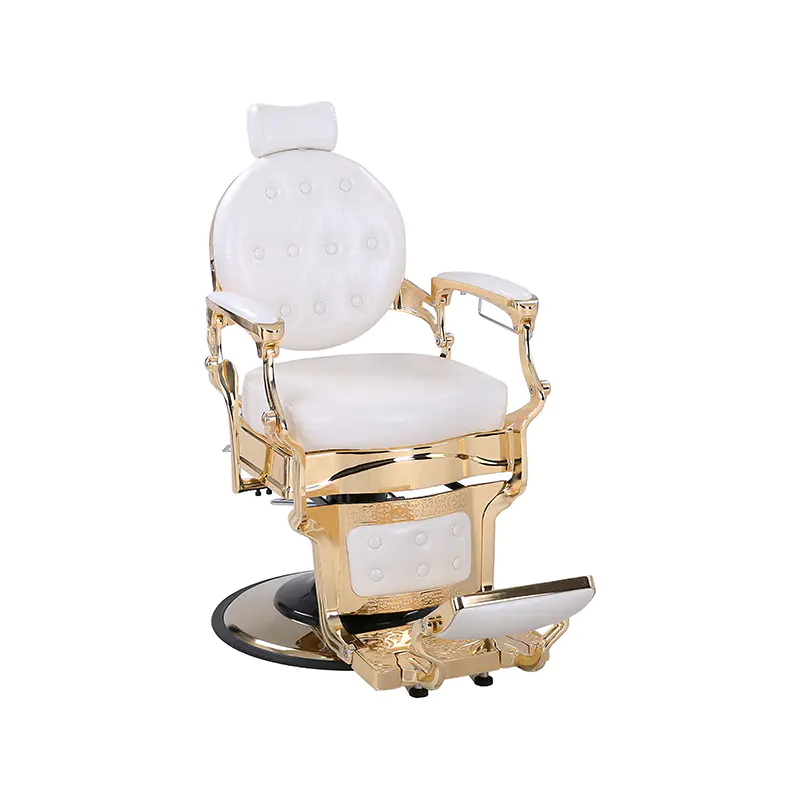
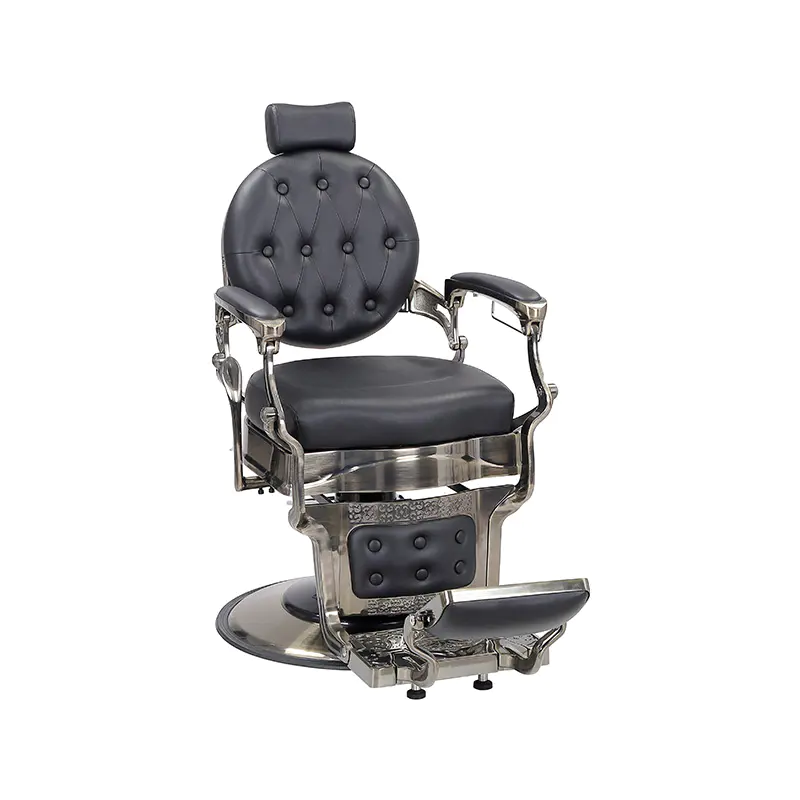
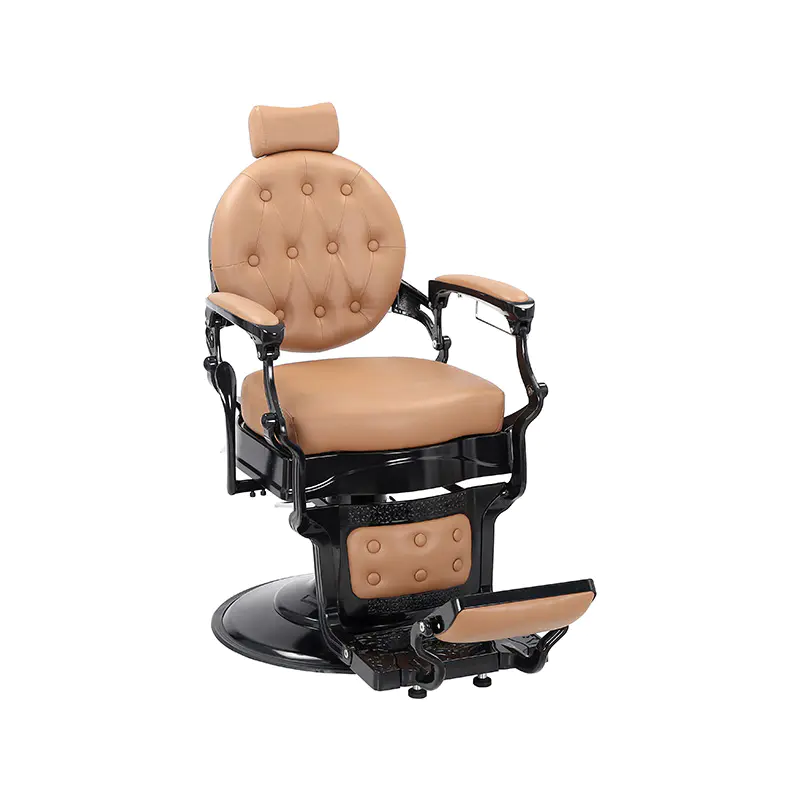
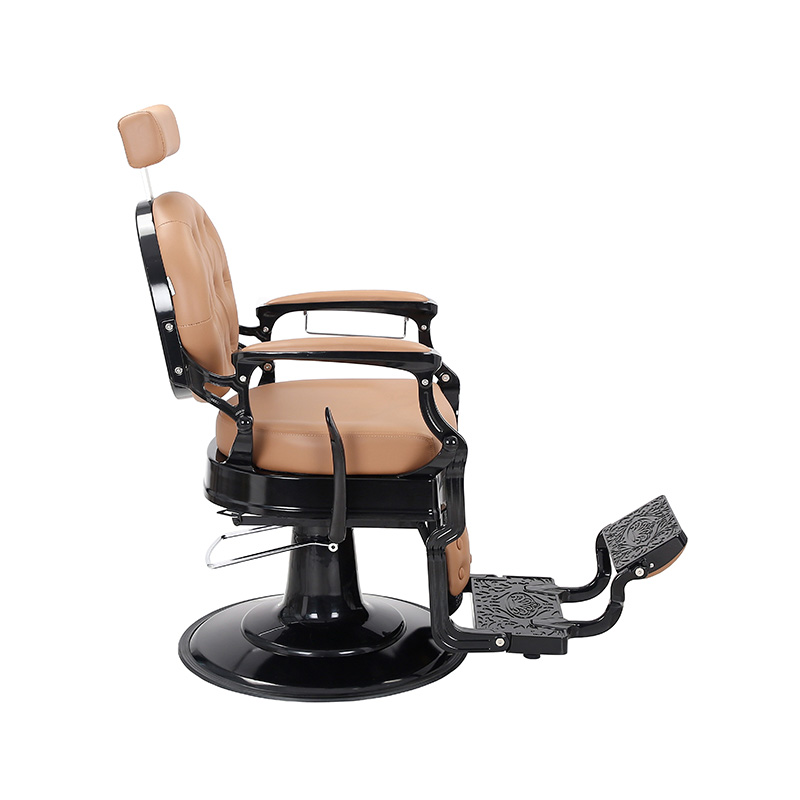
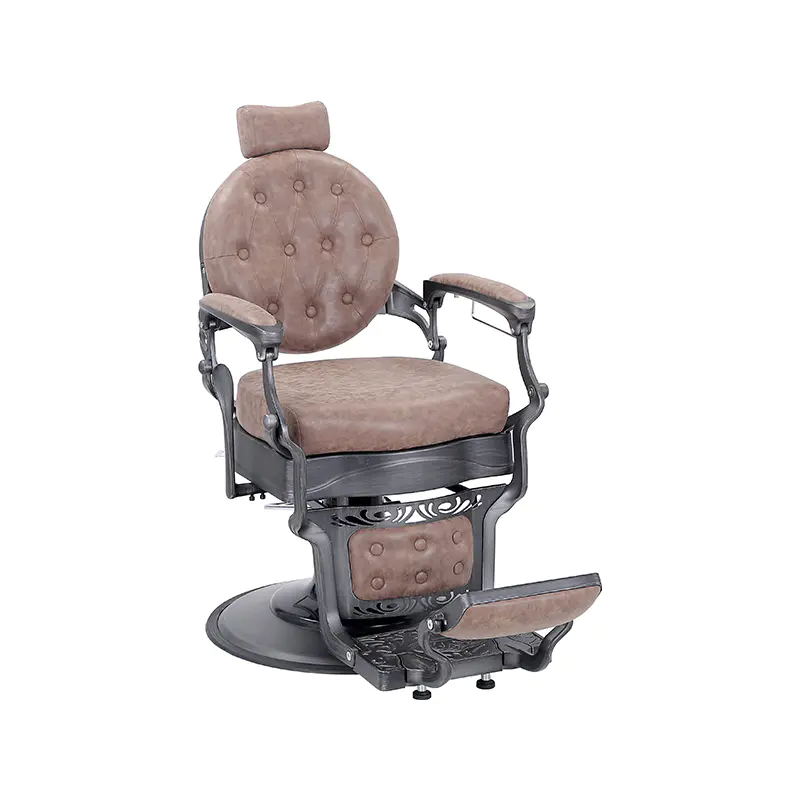
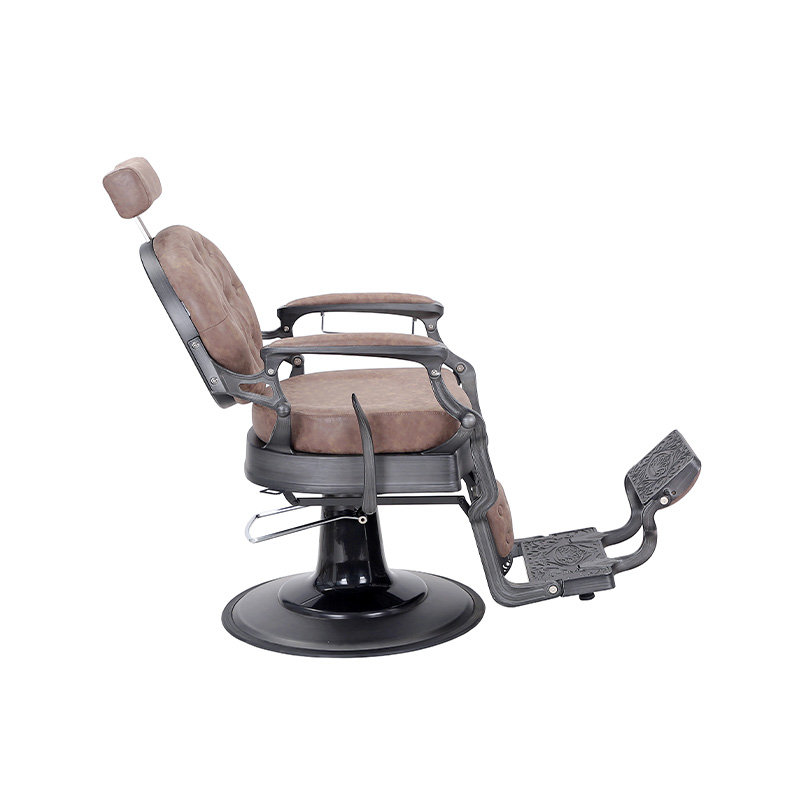
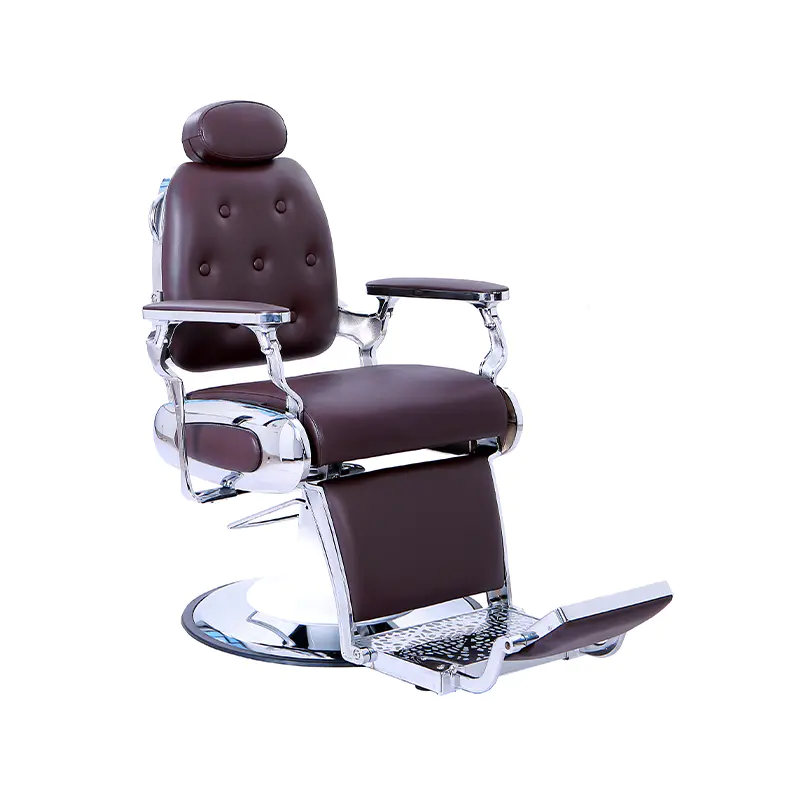
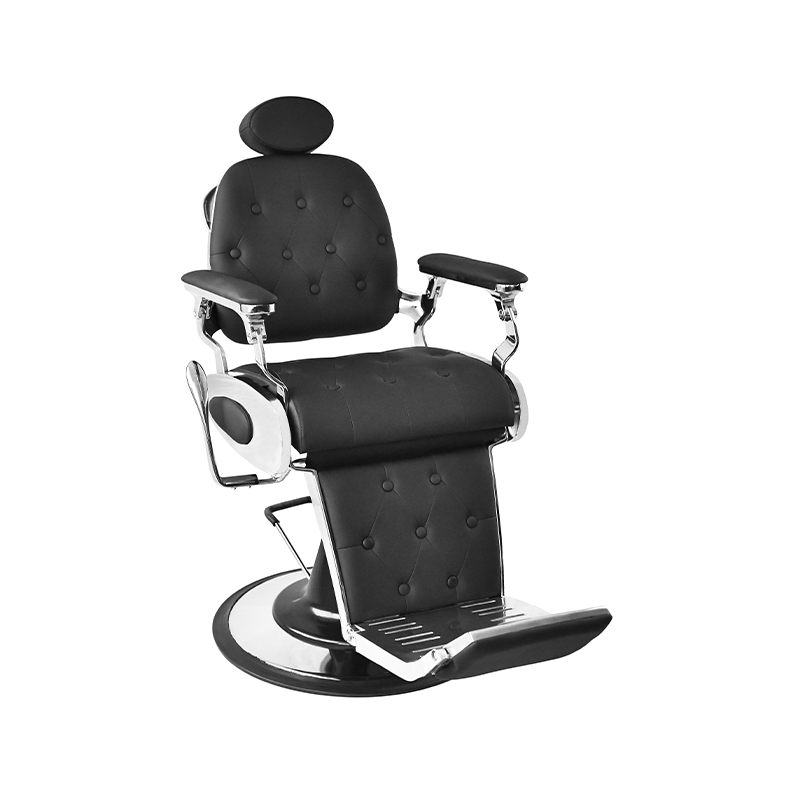
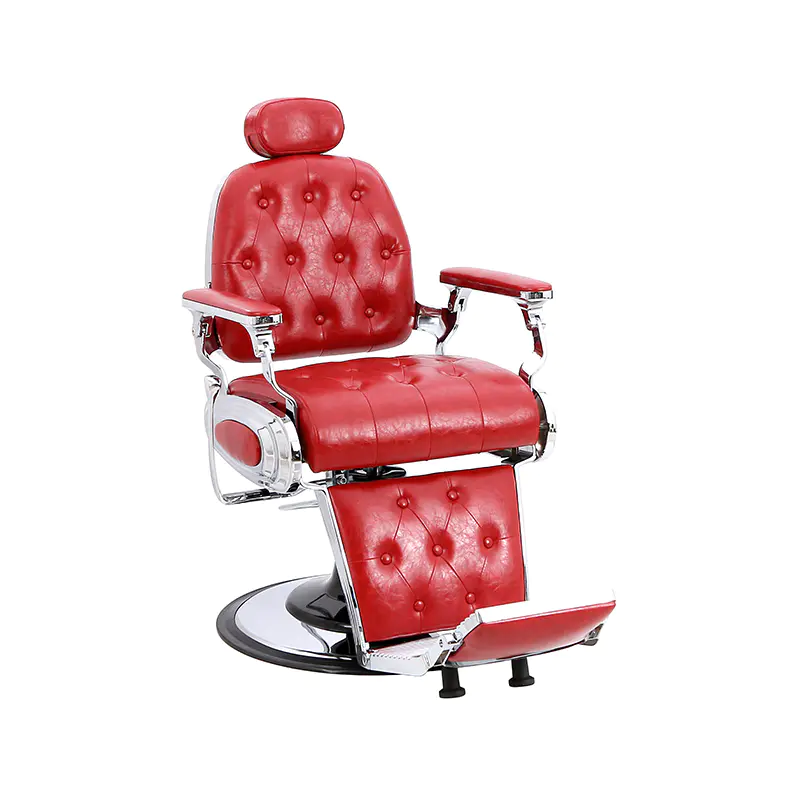
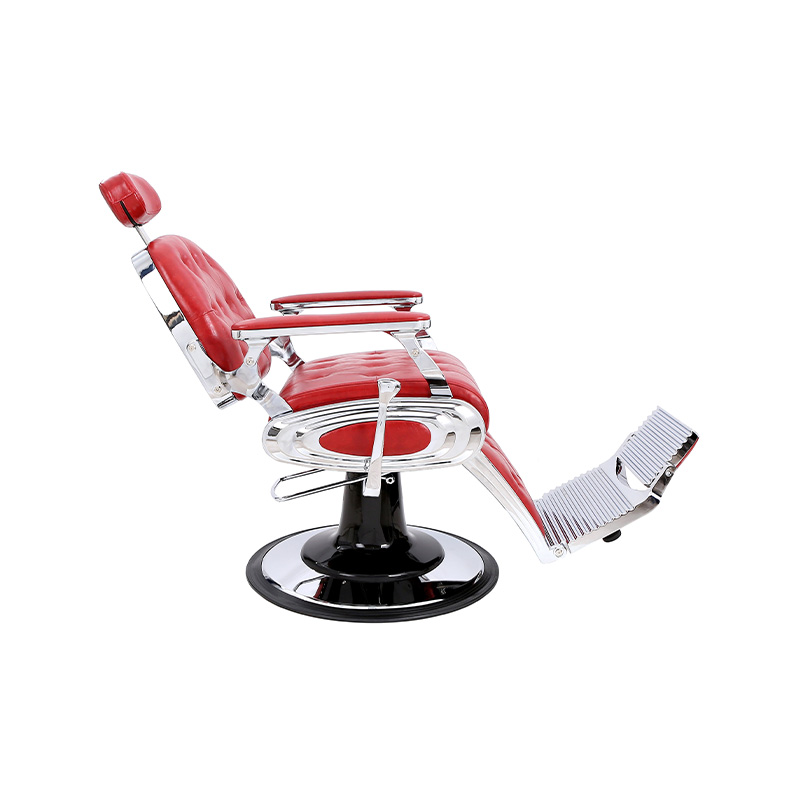
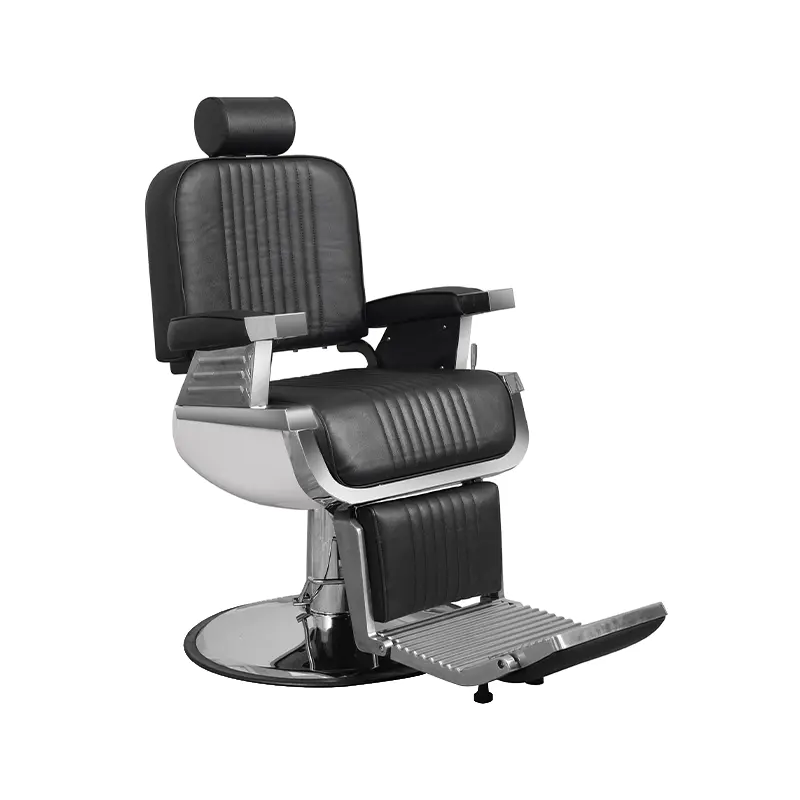
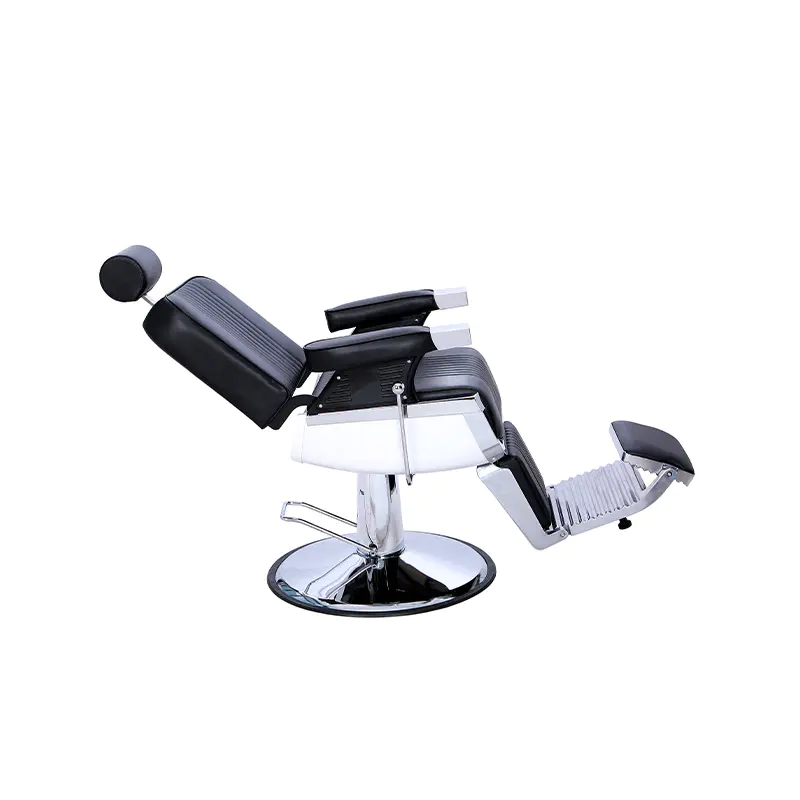
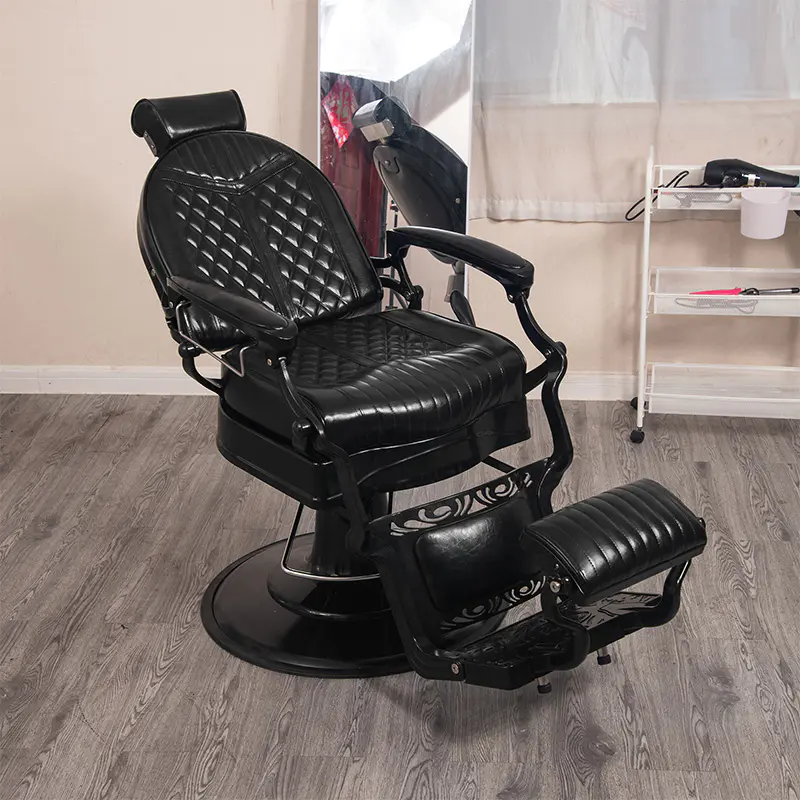
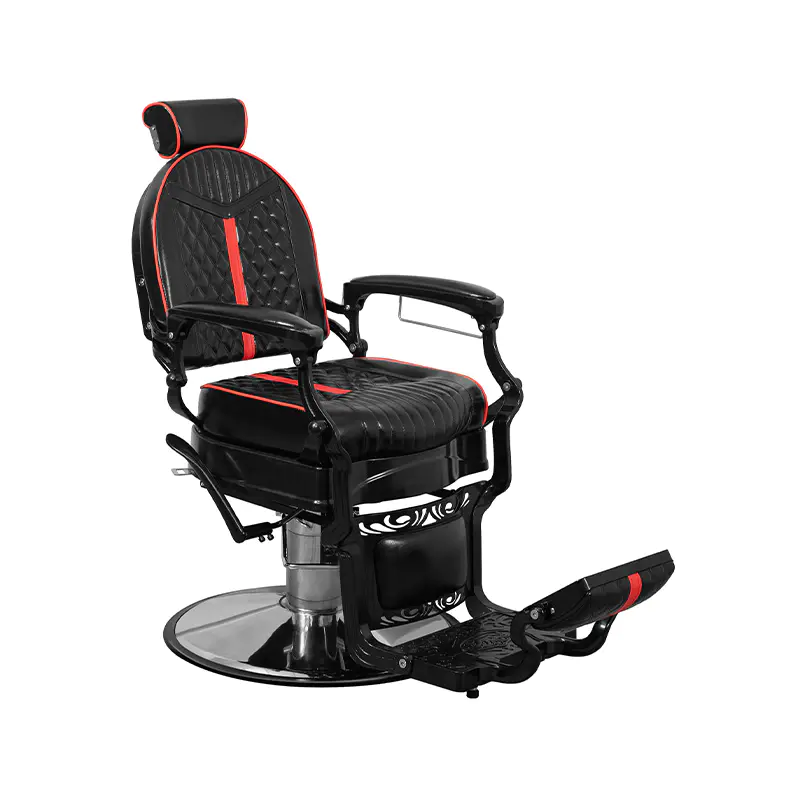
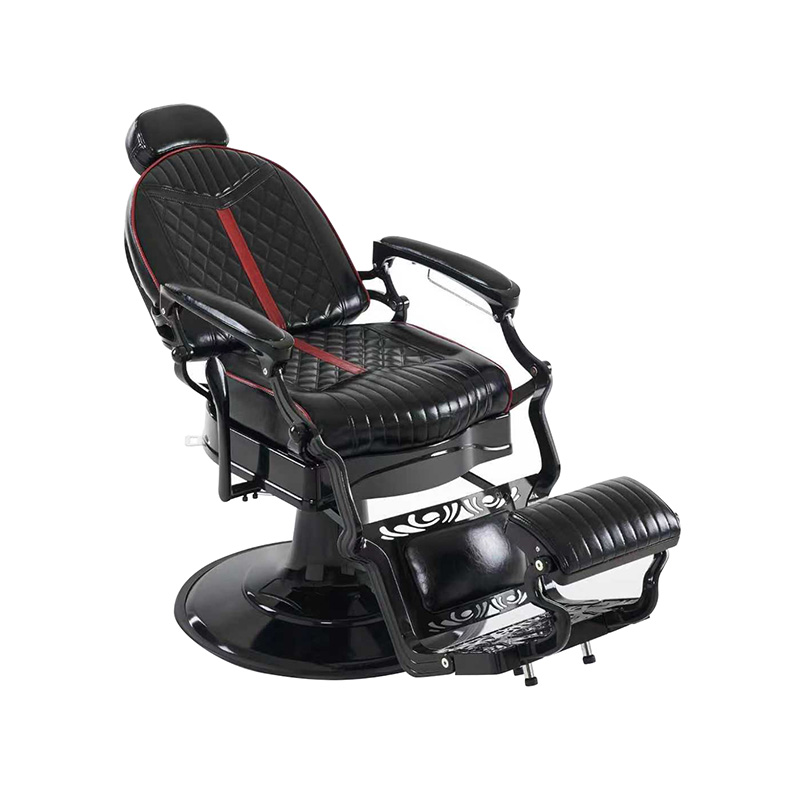
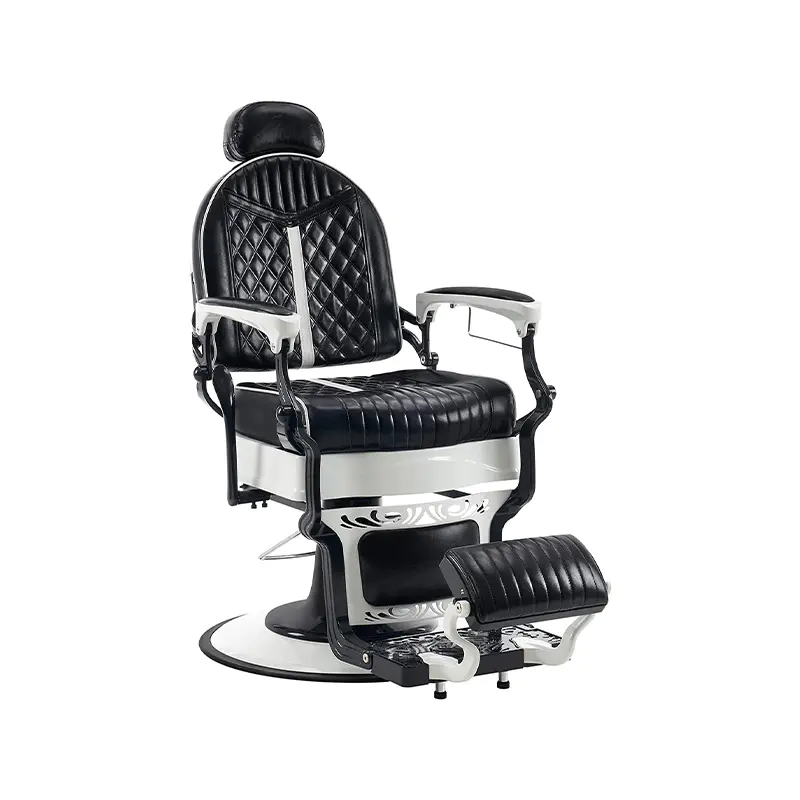
Before establishing a maintenance routine, it is important to understand what you are maintaining. Each component of a salon barber chair has different care requirements and failure modes.
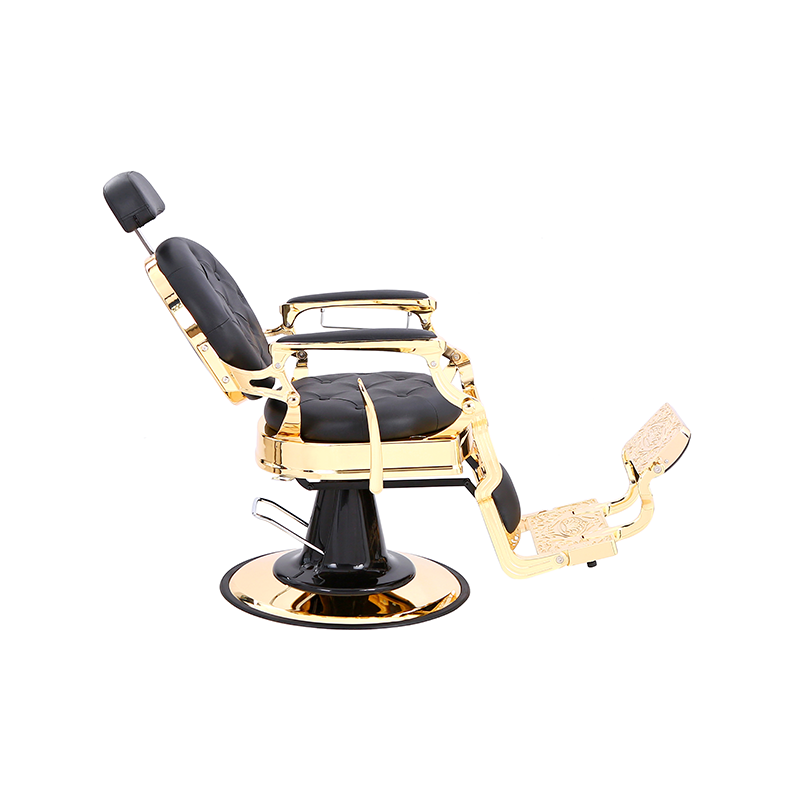
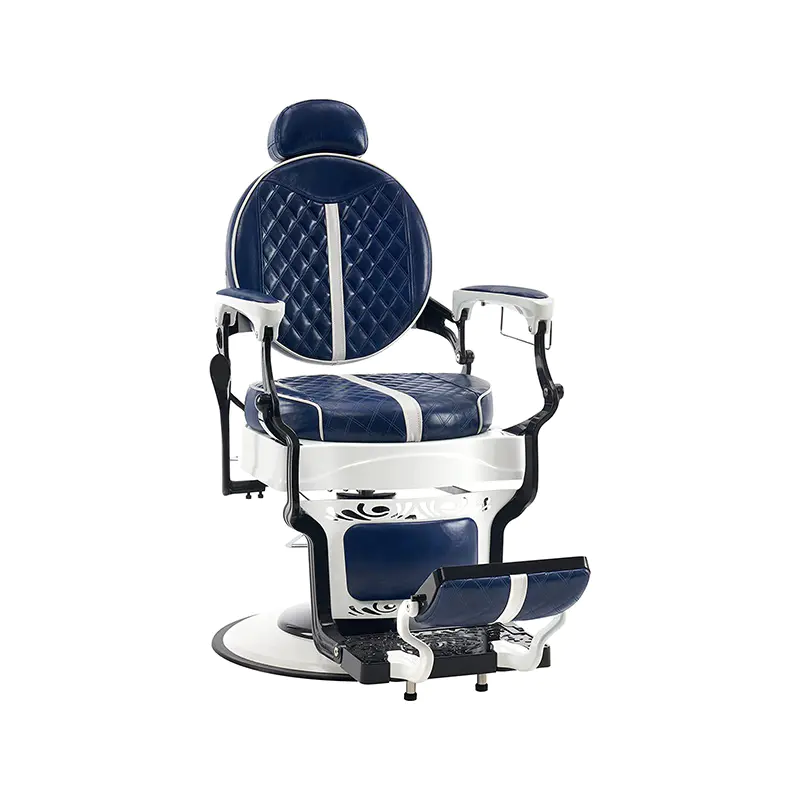
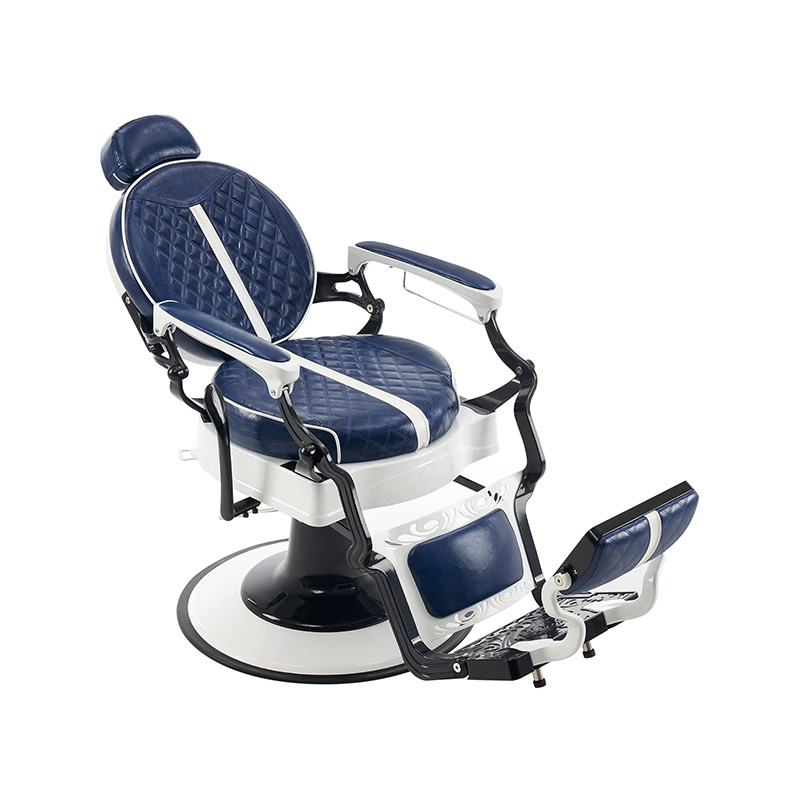
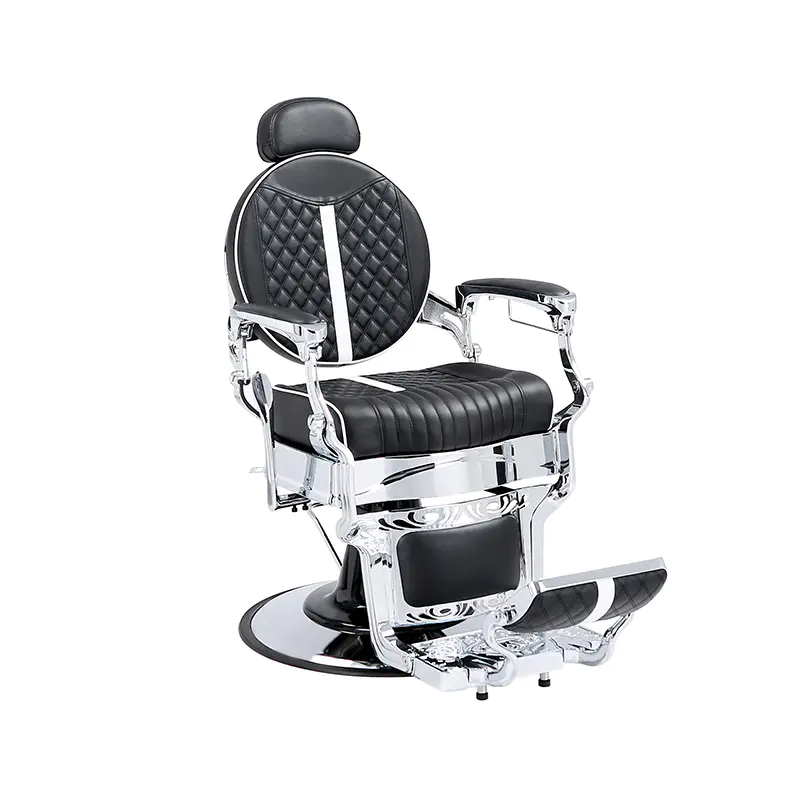
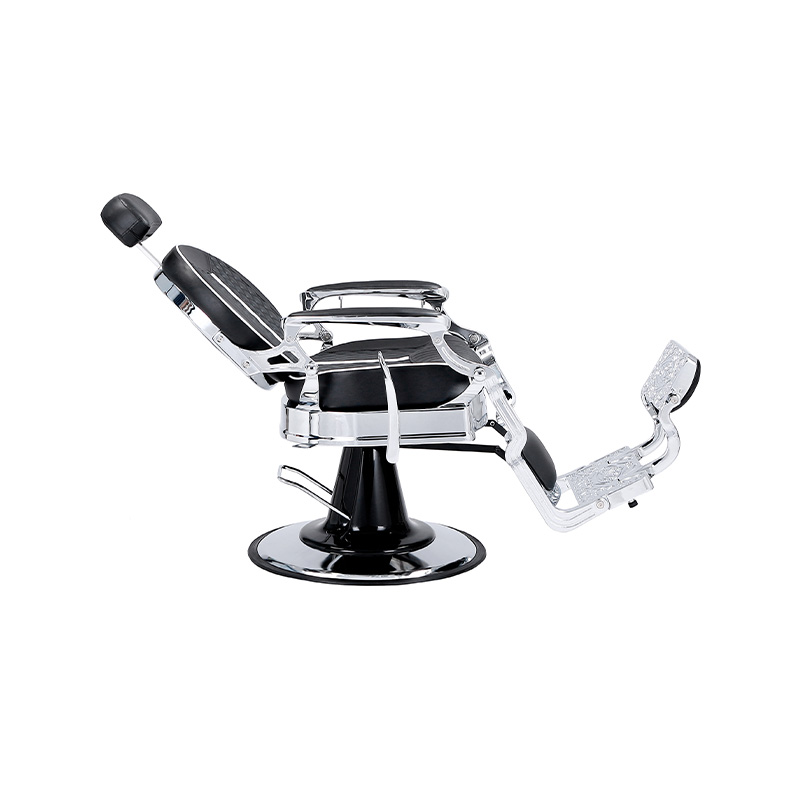
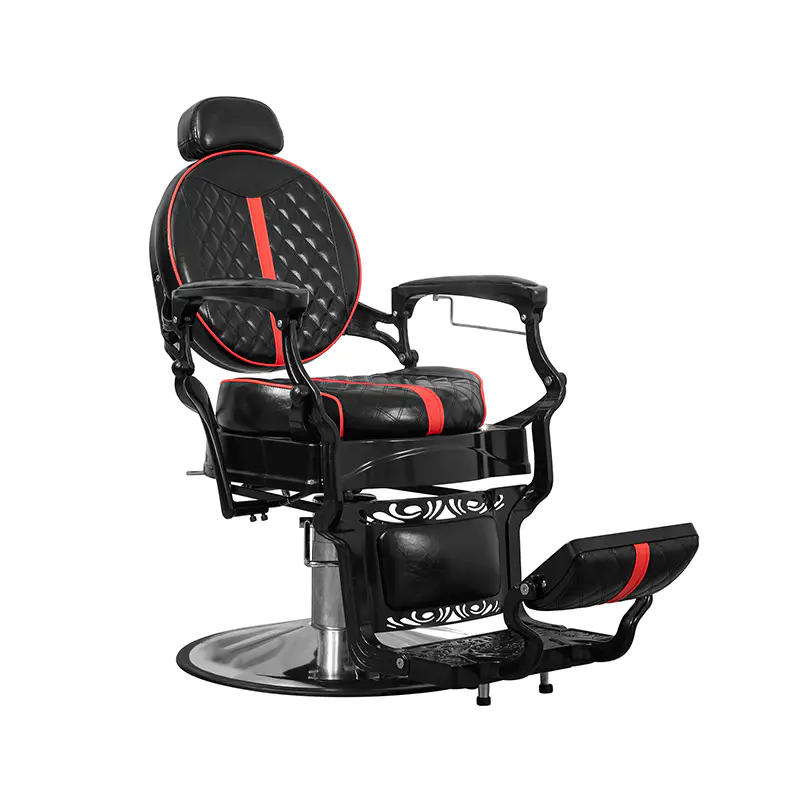
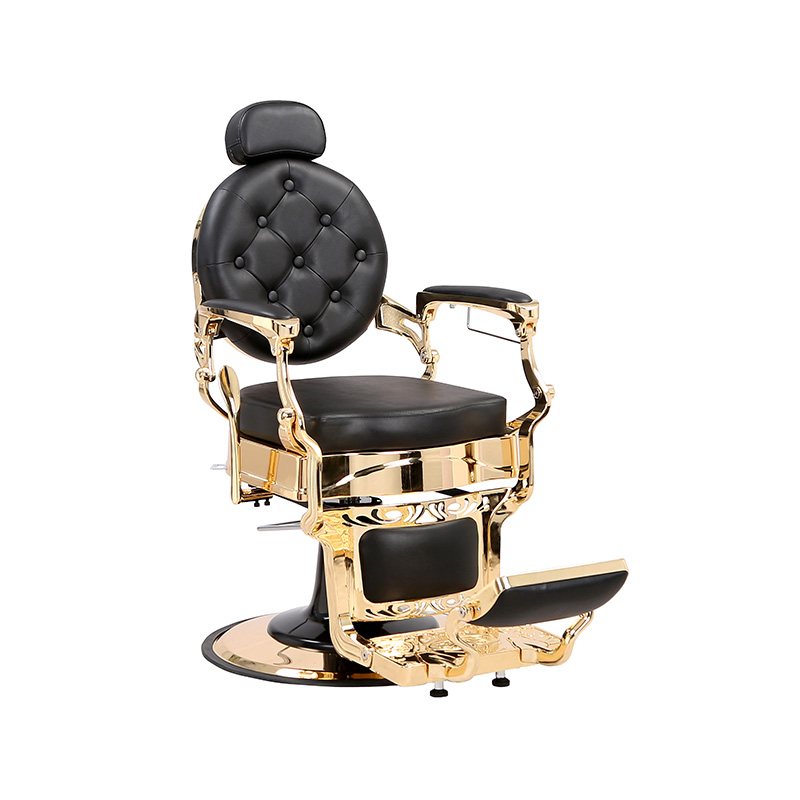
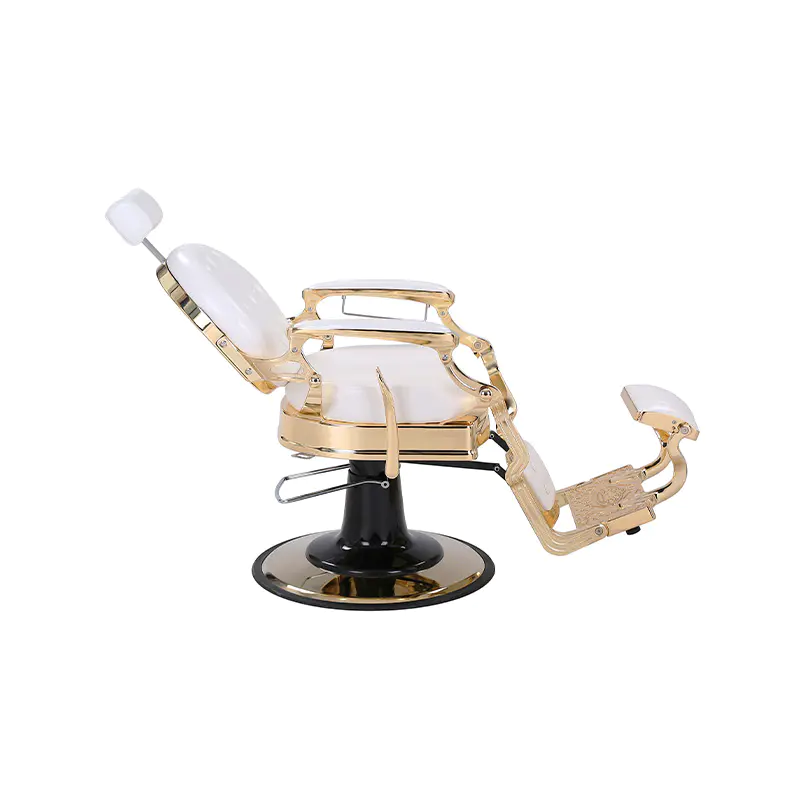
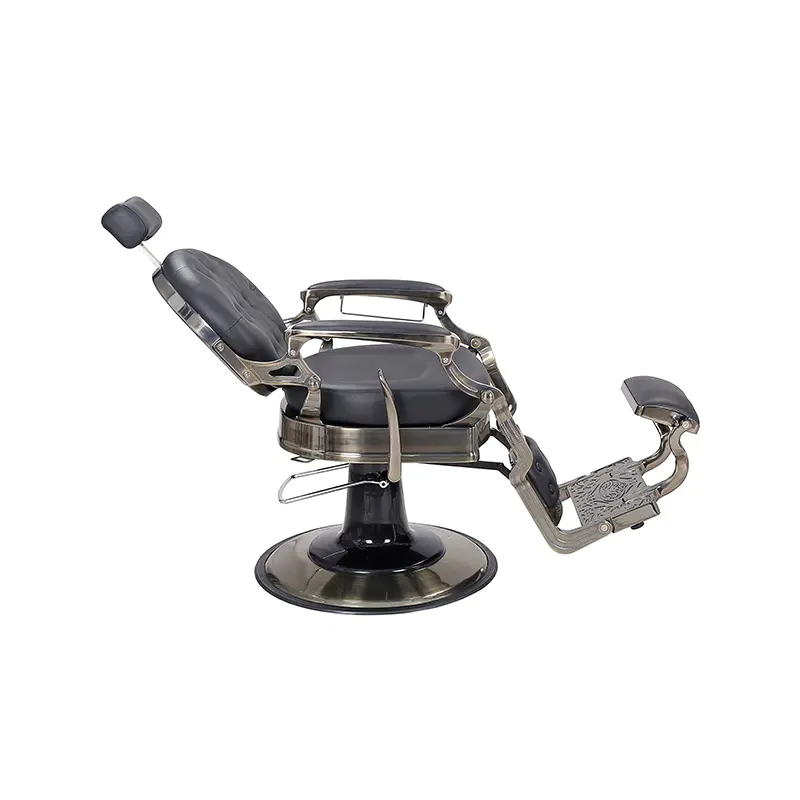
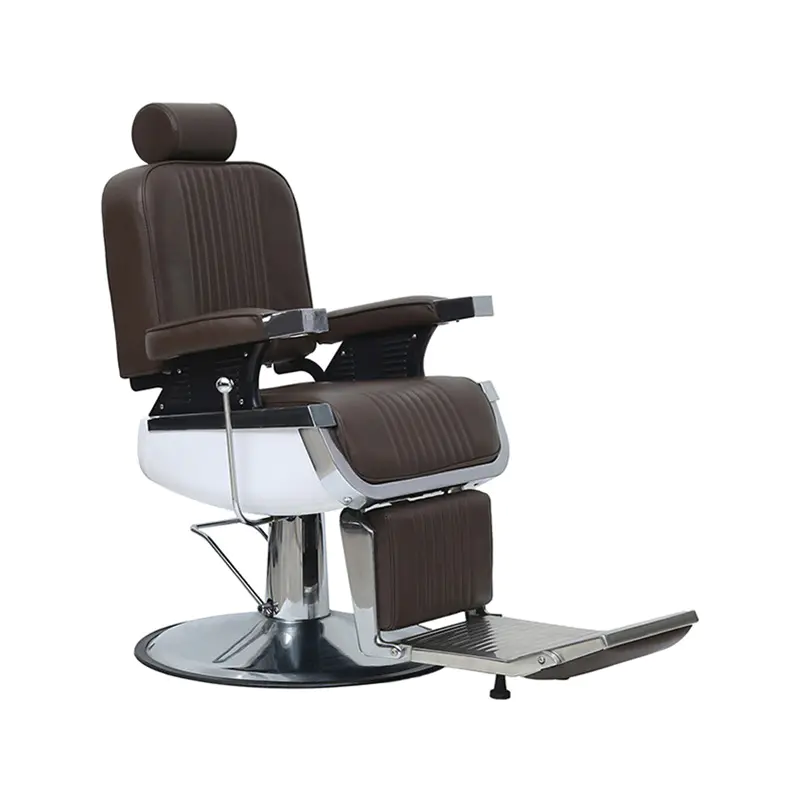
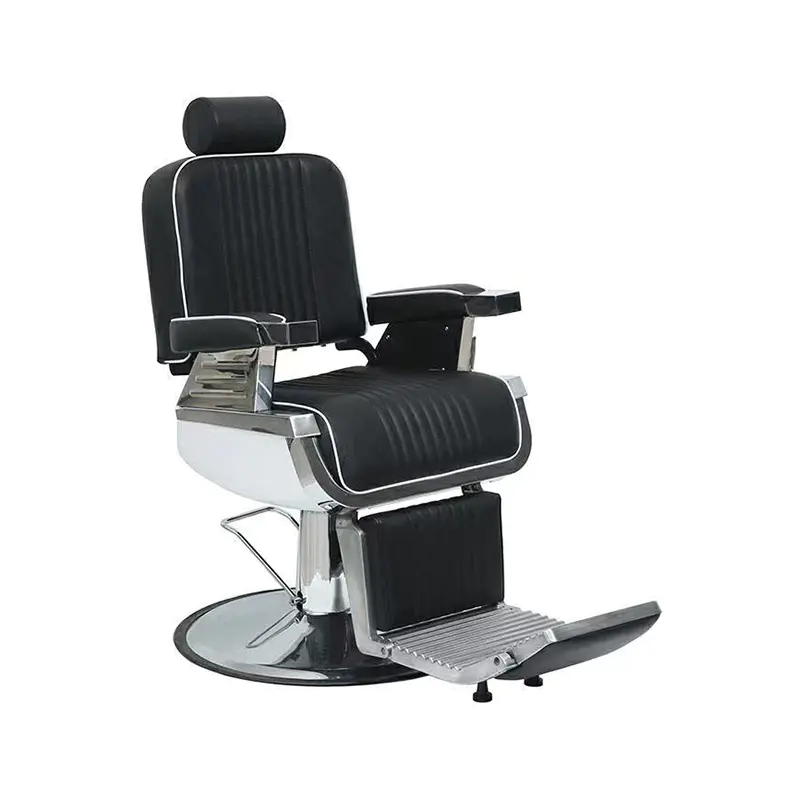
- Hydraulic pump base: The heart of the chair — a sealed hydraulic cylinder that raises and lowers the seat. Most professional salon barber chairs use a foot-operated pump that can support loads of 150–250 kg. The pump contains hydraulic oil that degrades over time and seals that can dry out and leak.
- Swivel mechanism: Allows 360-degree rotation. The swivel bearing requires periodic lubrication and can develop play or stiffness if neglected.
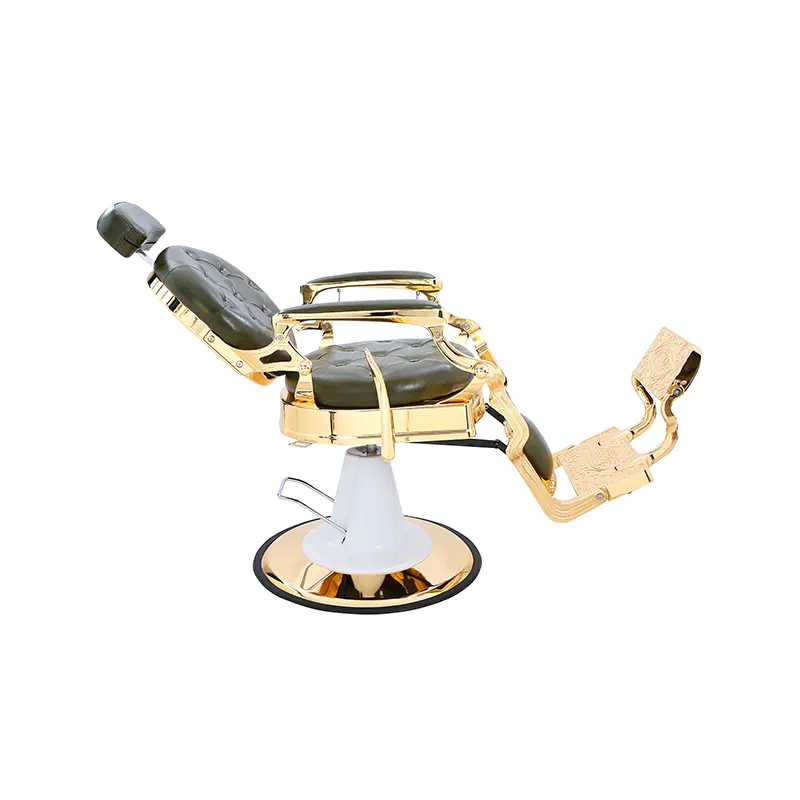
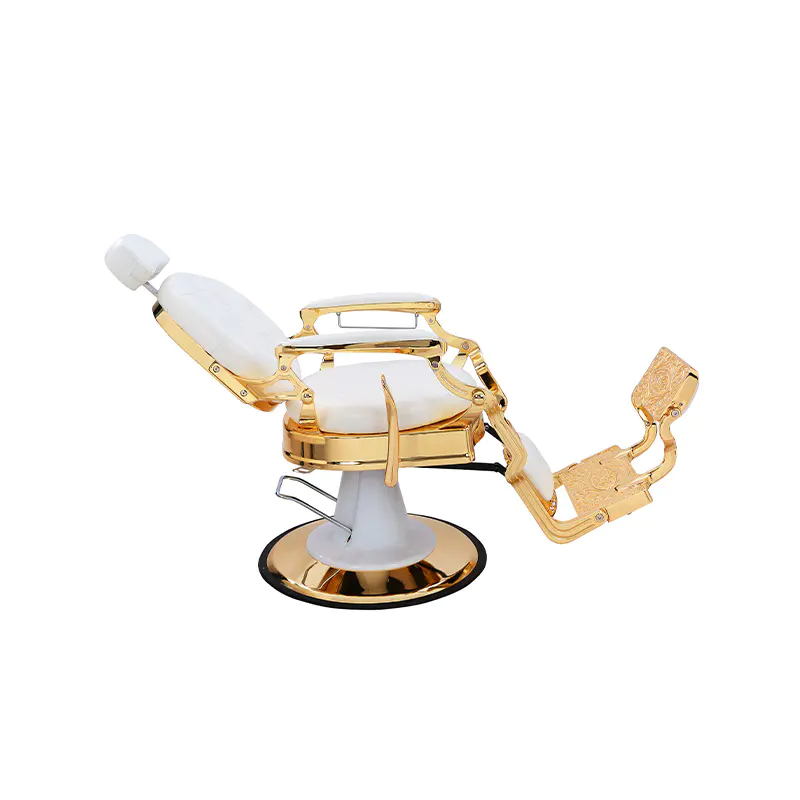
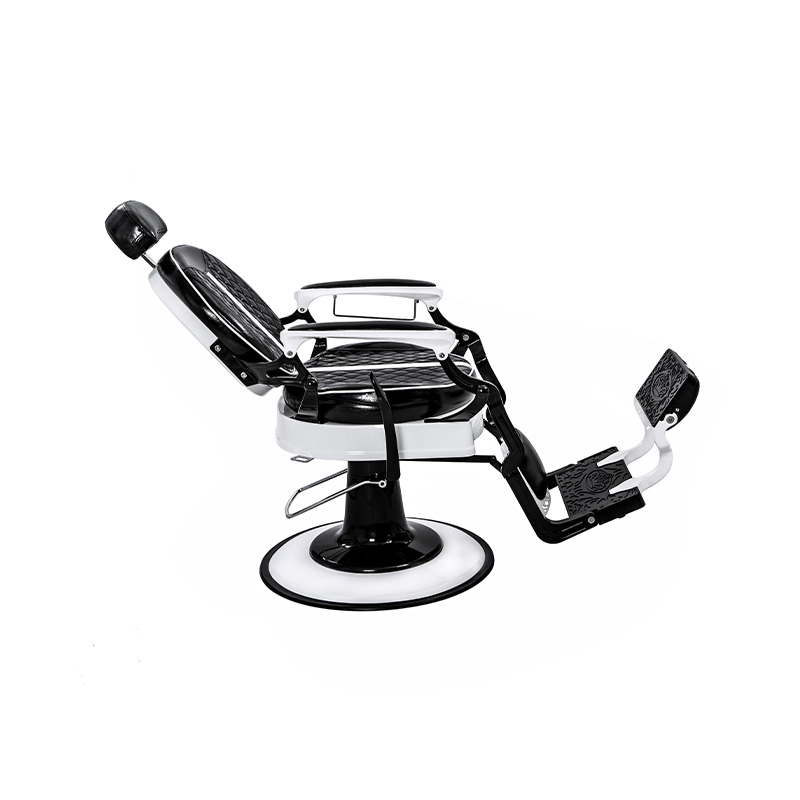
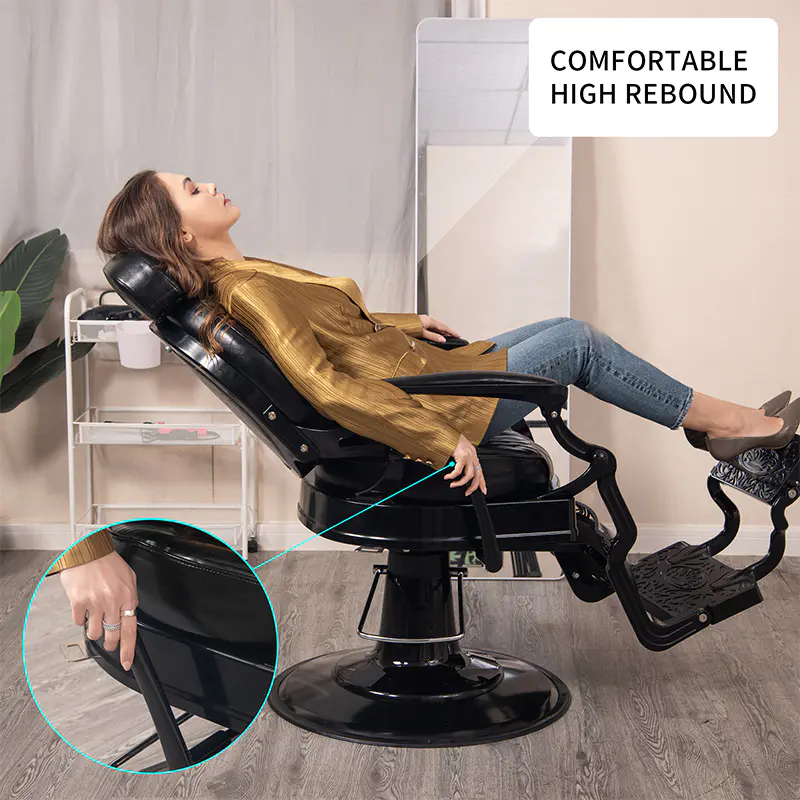
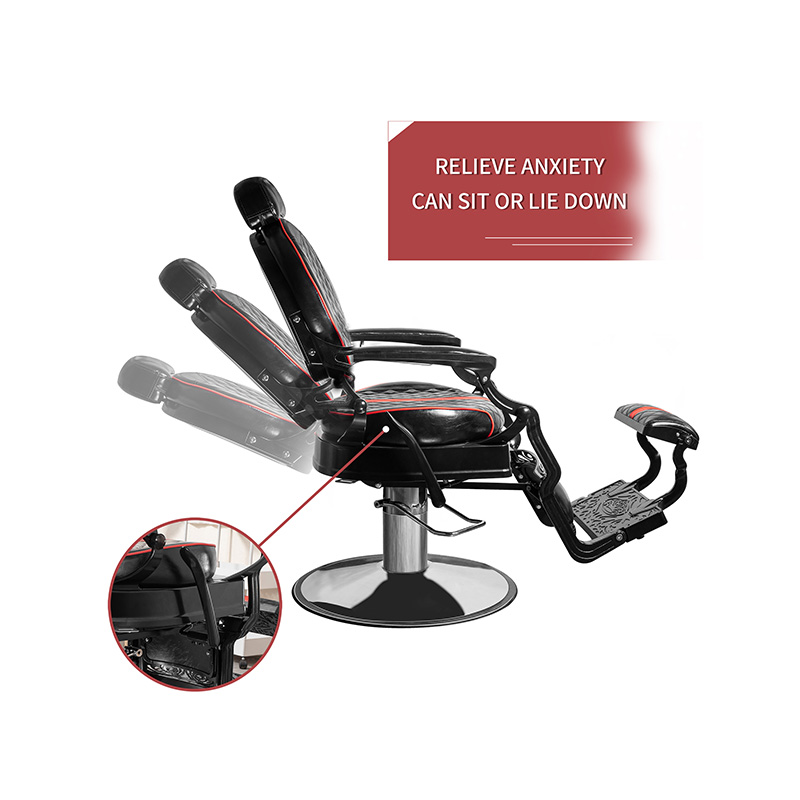
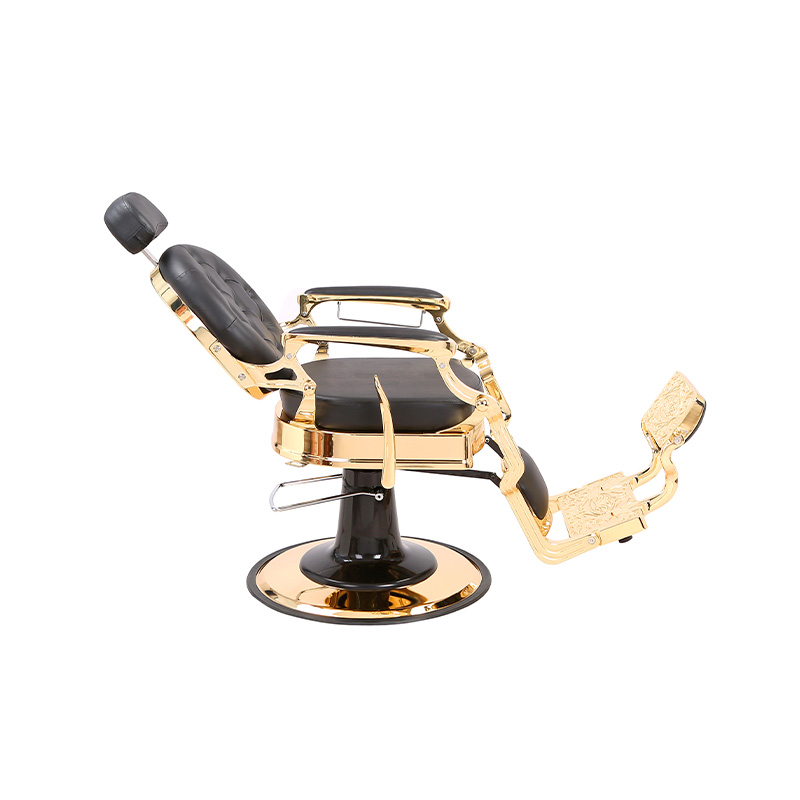
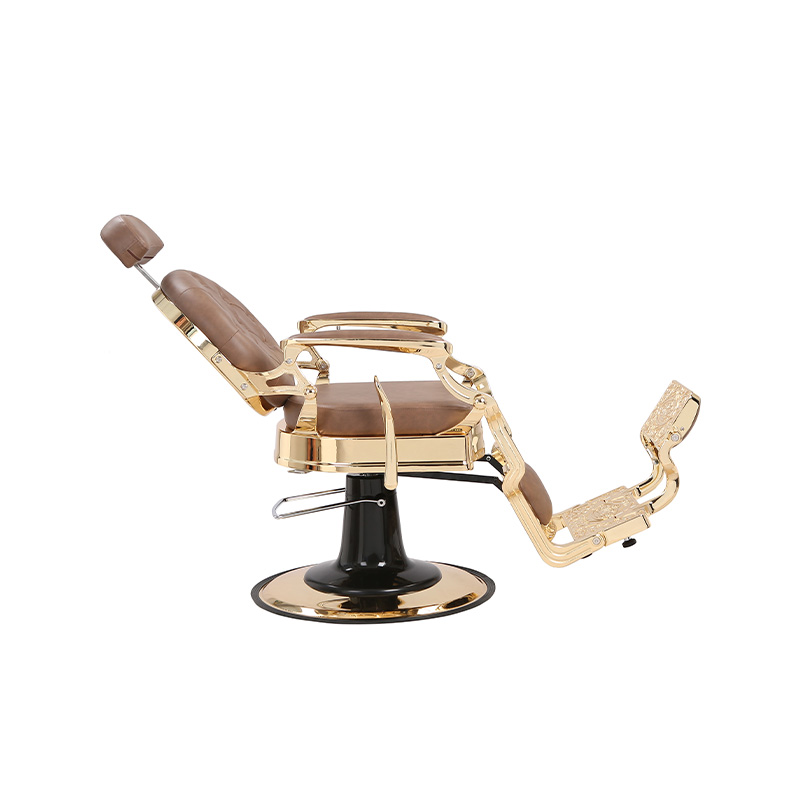
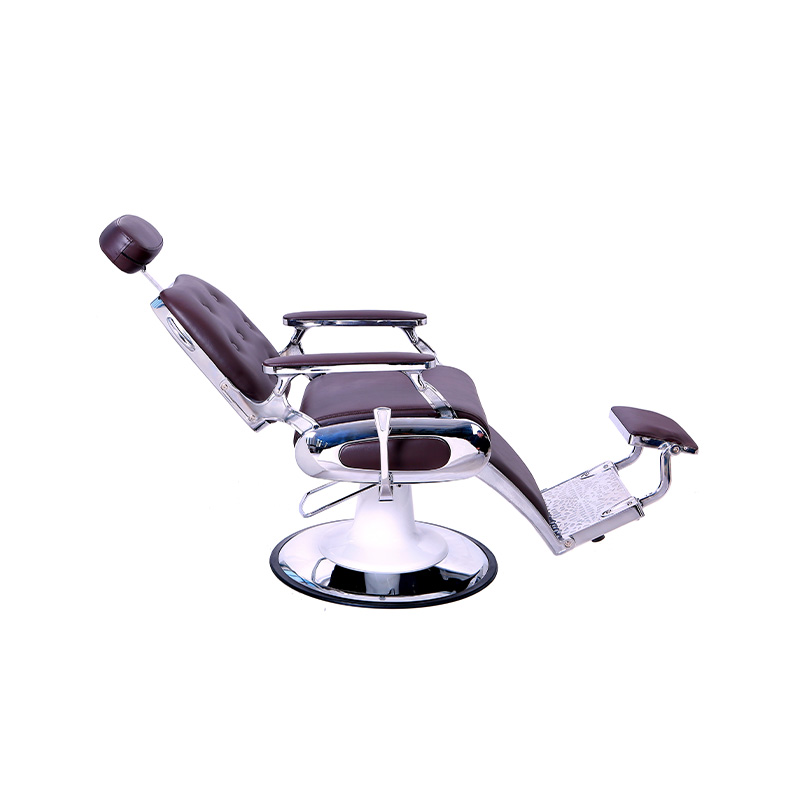
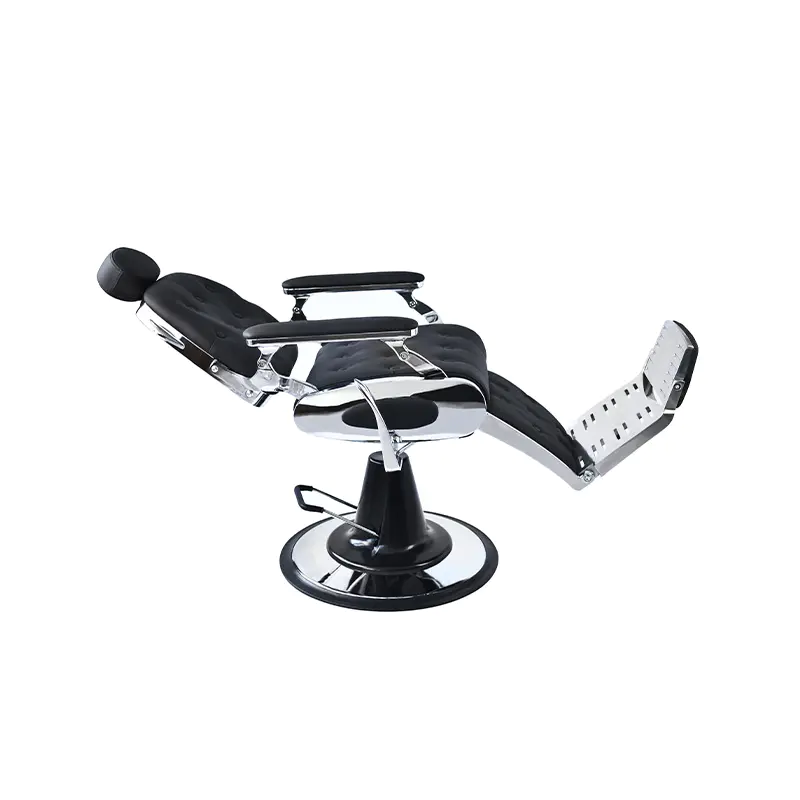
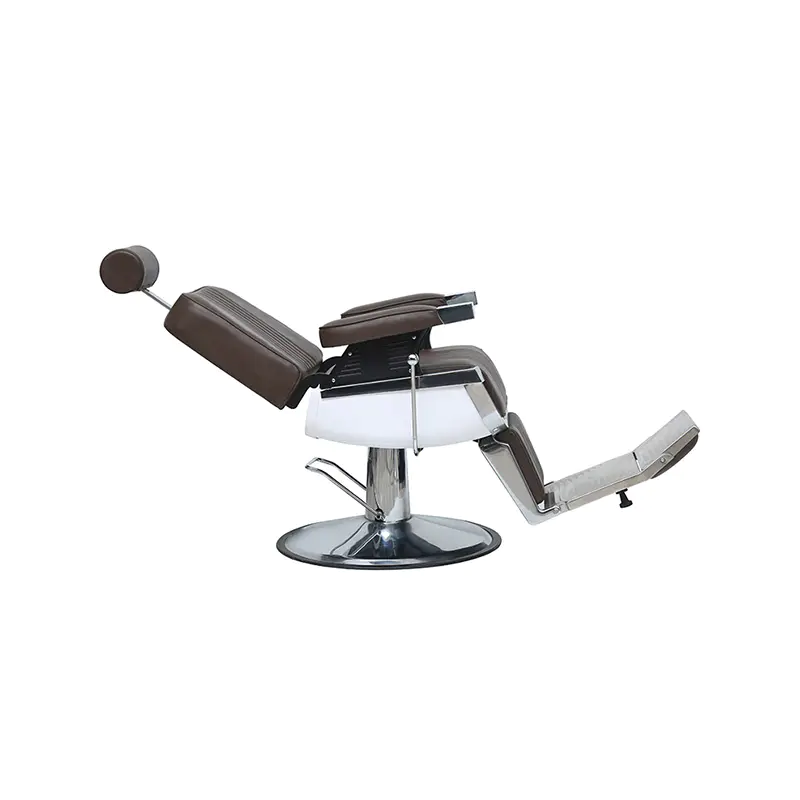
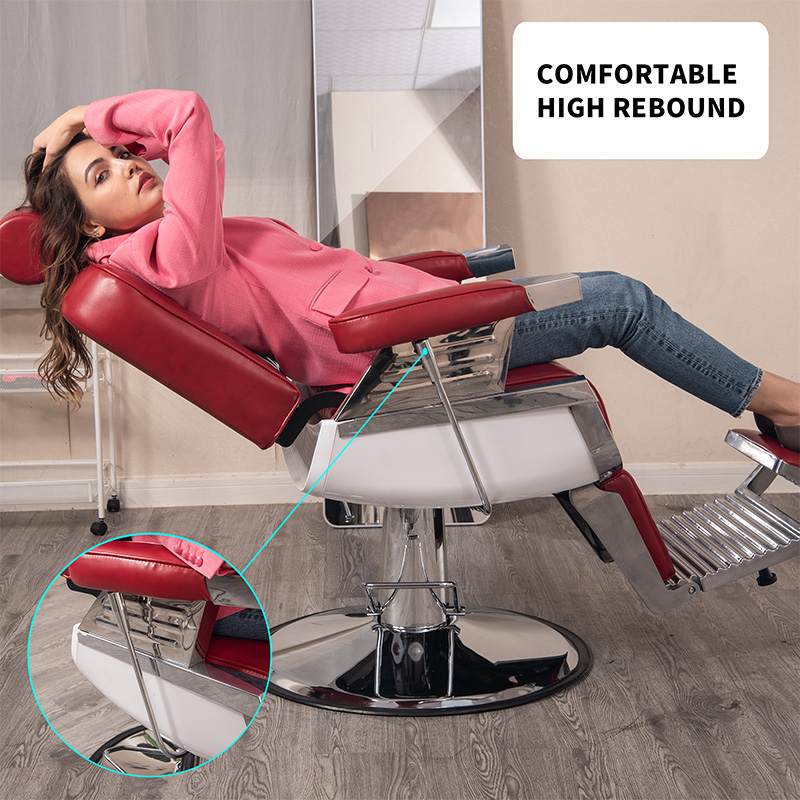
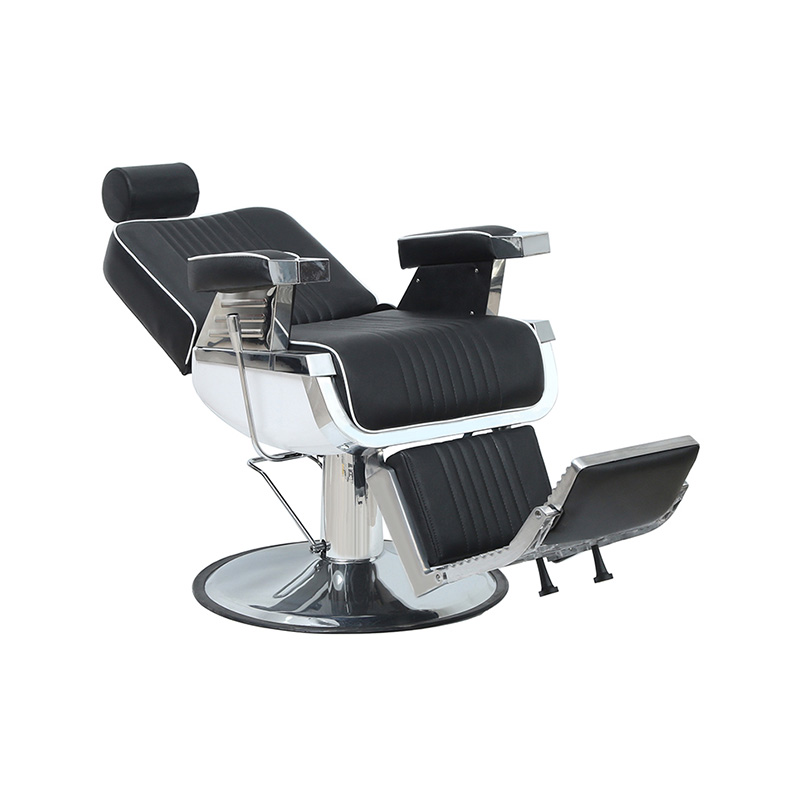
- Reclining backrest: A ratchet or gas-assisted mechanism that tilts the back for shaving and shampooing services. The pivot points and ratchet teeth need lubrication and periodic adjustment.
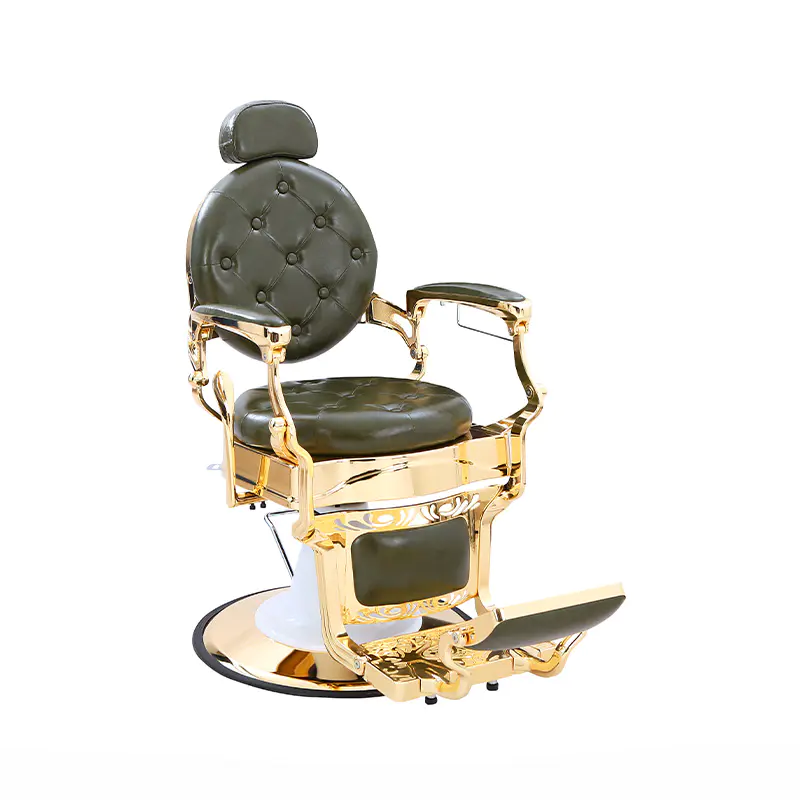
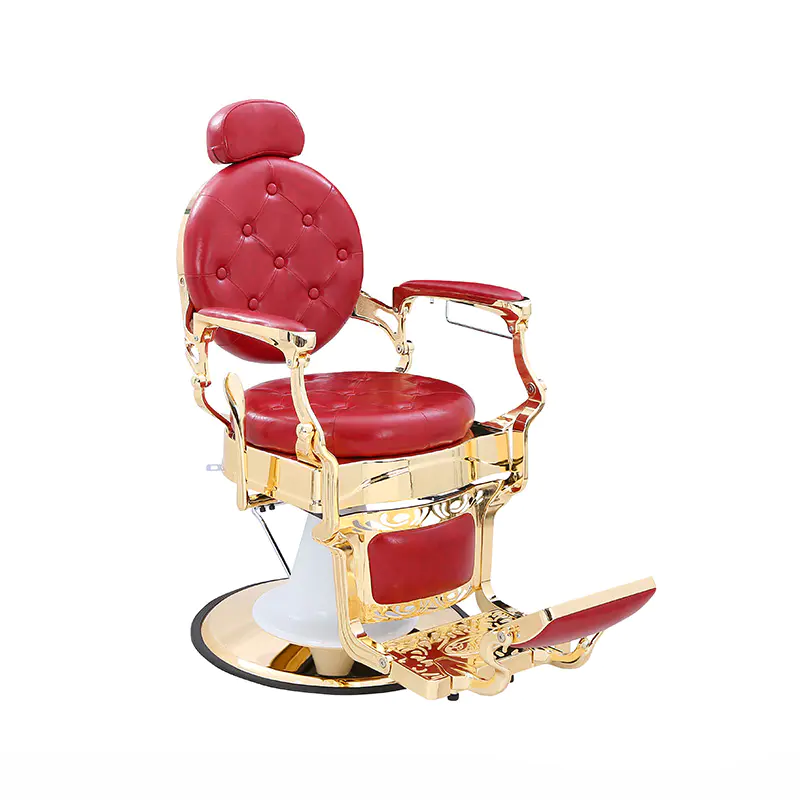
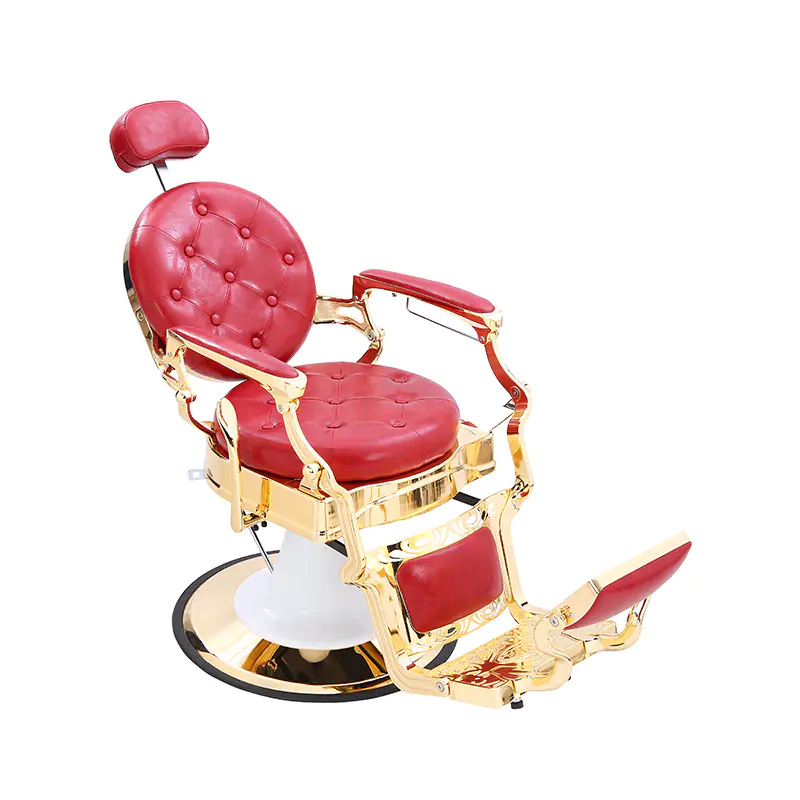
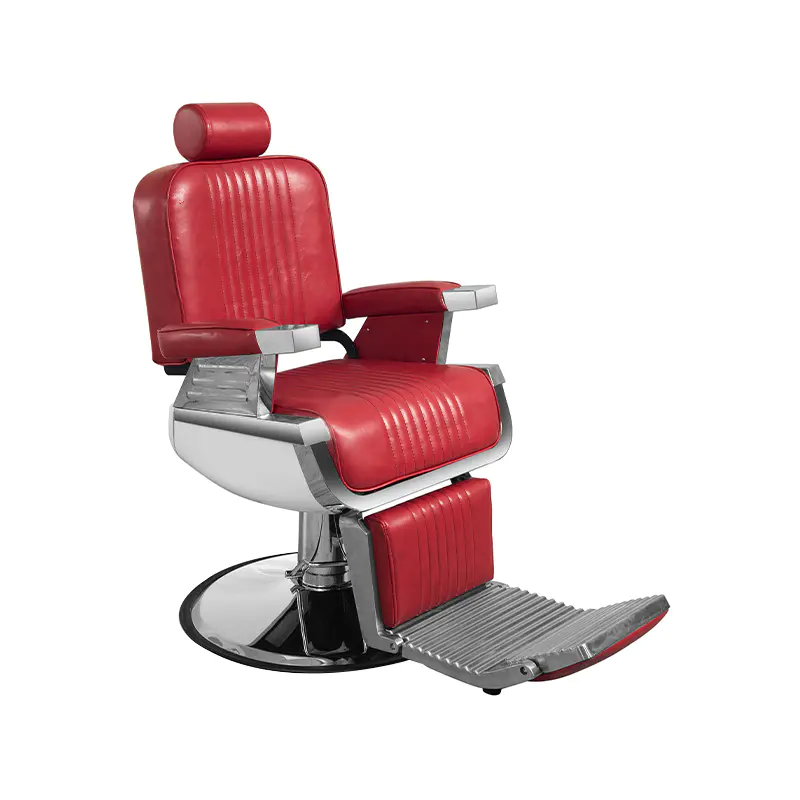
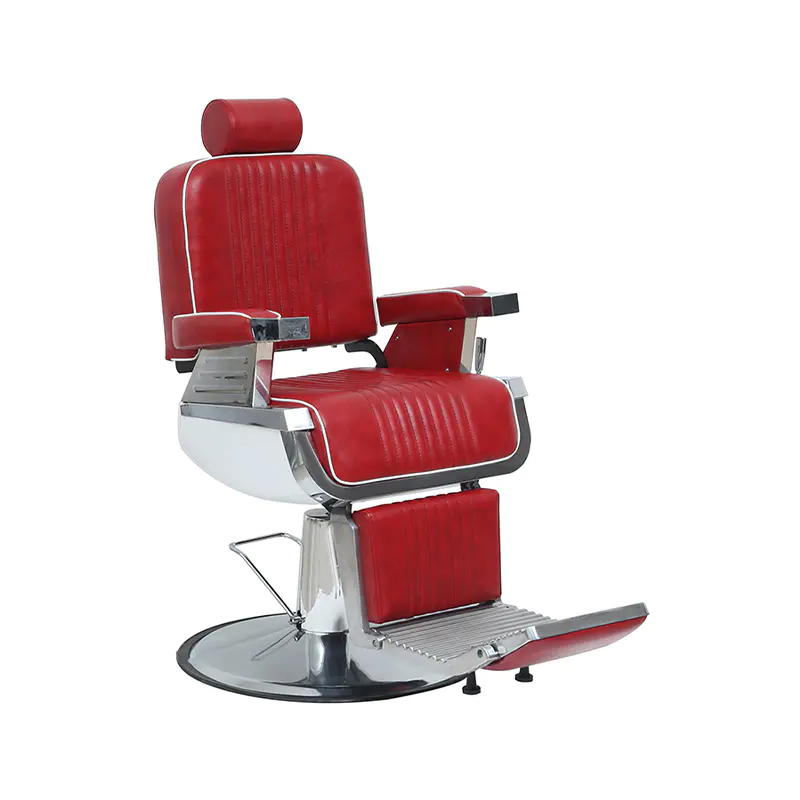
- Upholstery: Typically vinyl (PVC), bonded leather, or genuine leather. The upholstery is the most visible component and the most vulnerable to chemical damage, cracking, and wear from daily client use.
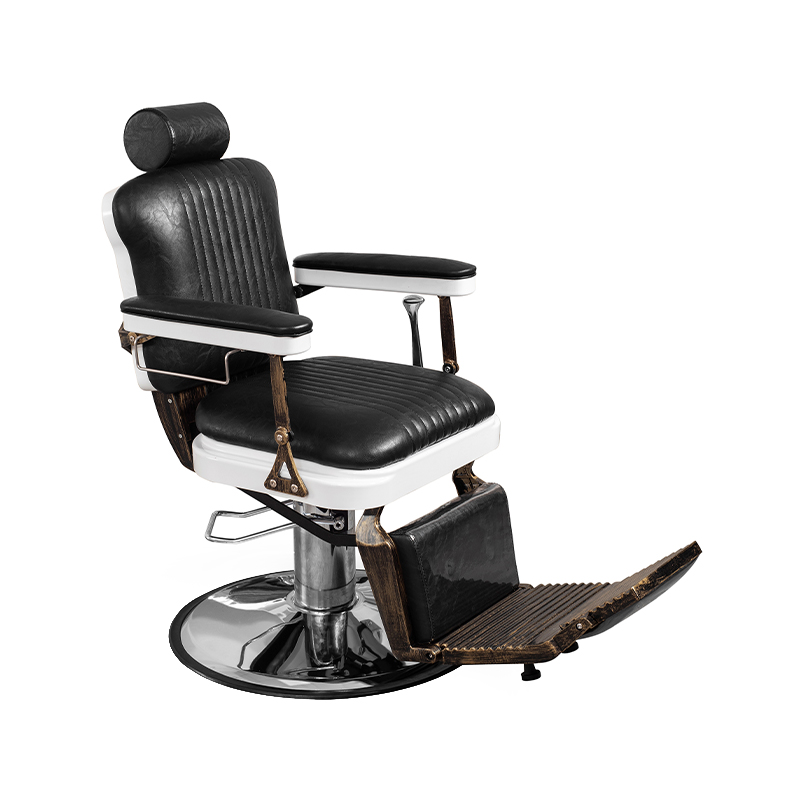
- Chrome and metal framework: The armrests, footrest, and structural frame are typically chrome-plated steel or stainless steel. Chrome is vulnerable to chemical cleaners, scratches, and moisture accumulation in joints.
- Headrest: Fixed or adjustable; usually upholstered. Receives heavy direct contact from clients and requires frequent cleaning for hygiene reasons.
Daily Cleaning: The Foundation of Barber Chair Maintenance
Daily cleaning is the single most impactful maintenance habit for salon barber chairs. Hair clippings, product residue, skin oils, and chemical splatter accumulate rapidly in a busy salon environment — and if left in place, they accelerate upholstery degradation, clog mechanical components, and create hygiene risks.
Daily Cleaning Procedure
- Remove all hair and debris first: Use a soft brush or lint roller to remove loose hair from all upholstered surfaces, seams, and crevices before applying any liquid cleaner. Wet hair matted into seams is far harder to remove and accelerates stitching deterioration.
- Wipe upholstery with a damp cloth and mild cleaner: Use a pH-neutral, alcohol-free upholstery cleaner diluted per the manufacturer's instructions. Apply to a soft microfiber cloth — never spray directly onto the chair, as liquid can penetrate seams and damage foam padding underneath.
- Clean chrome surfaces: Wipe chrome armrests, footrests, and frame with a damp cloth followed immediately by a dry cloth. Leaving moisture on chrome promotes oxidation under the plating. A weekly application of a chrome polish maintains the protective surface layer.
- Wipe the hydraulic base exterior: The base accumulates swept hair, cleaning fluid splash, and product drips. Wipe with a damp cloth and dry thoroughly — moisture accumulation around the base of the hydraulic cylinder accelerates rust on the pump housing.
- Inspect the footrest and swivel: Operate both once daily to confirm smooth function. Early detection of stiffness or unusual resistance allows lubrication before the problem progresses to component wear.
Cleaning Products to Avoid on Salon Barber Chairs
- Bleach or chlorine-based disinfectants: These are extremely damaging to vinyl upholstery — they strip plasticizers from the PVC, causing the material to harden, discolor, and crack within weeks of regular use
- Acetone or solvent-based cleaners: Dissolve the surface coating of vinyl and bonded leather; also strip chrome plating when used directly on metal surfaces
- Abrasive scrubbers or steel wool: Scratch both upholstery and chrome surfaces, creating micro-abrasions that trap bacteria and accelerate further deterioration
- High-concentration alcohol (above 70% IPA): Effective for disinfection but dries out vinyl and genuine leather rapidly — always follow with a conditioning treatment if alcohol-based disinfection is required for infection control compliance
Upholstery Care: Preventing Cracks, Tears, and Discoloration
The upholstery of a salon barber chair is the component most visible to clients and the most expensive to replace. A full reupholstering of a quality barber chair typically costs $200–$600 in materials and labor — a cost that can be deferred almost indefinitely with correct care.
Conditioning Schedule by Upholstery Type
| Upholstery Type | Conditioning Product | Frequency | Key Benefit |
|---|---|---|---|
| Vinyl (PVC) | Vinyl conditioner / protectant spray | Monthly | Replenishes plasticizers, prevents cracking |
| Genuine Leather | Leather conditioner (lanolin-based) | Every 4–6 weeks | Maintains suppleness, prevents drying |
| Bonded Leather | PU leather conditioner | Every 6–8 weeks | Delays delamination and surface peeling |
| All types | UV protectant spray | Every 2–3 months | Prevents fading and UV-induced cracking |
Pay particular attention to high-stress areas: the seat edge where clients slide on and off, the backrest shoulder area, and any seams under armrests. These locations experience the greatest mechanical stress and will crack first if conditioning is neglected. Applying a seam sealer to stitched joints annually prevents moisture penetration that causes thread rot and foam degradation beneath the upholstery surface.
Hydraulic System Maintenance: Keeping the Pump Functioning Reliably
The hydraulic pump is the most mechanically complex and most expensive component in a salon barber chair to repair or replace. A complete hydraulic pump replacement on a quality barber chair typically costs $150–$400 for parts plus labor. Preventive maintenance extends pump life significantly and avoids the client-facing embarrassment of a chair that cannot be raised or lowered mid-service.
Signs the Hydraulic System Needs Attention
- Chair sinks slowly when client is seated: This is the most common symptom of a failing hydraulic seal — the pump holds pressure initially but cannot maintain it under load. Address immediately before the seal fails completely.
- Pump pedal feels spongy or requires excessive strokes to raise the chair: Indicates low hydraulic fluid level or air in the system
- Visible oil residue around the base of the hydraulic cylinder: A clear sign of seal leakage — do not continue using the chair until the seal is replaced
- Chair jerks or drops suddenly during height adjustment: Indicates a sticking valve or contaminated hydraulic fluid — requires immediate inspection
Hydraulic Maintenance Tasks and Schedule
- Monthly: Inspect the hydraulic cylinder base for any oil seepage; test smooth operation of pump pedal through full height range
- Annually: Check hydraulic fluid level if your chair model has an accessible reservoir — top up with the manufacturer-specified hydraulic oil (typically ISO 32 or ISO 46 hydraulic fluid)
- Every 3–5 years: Full hydraulic seal replacement as preventive maintenance — this is far less expensive than an emergency replacement when the pump fails during business hours
- Keep the pump pedal mechanism clean and apply a light machine oil to the pedal pivot pin every 3–6 months to prevent squeaking and wear
Swivel, Reclining, and Mechanical Component Lubrication
The moving mechanical components of salon barber chairs — swivel bearings, reclining mechanism pivots, armrest hinges, and footrest brackets — require periodic lubrication to prevent stiffness, squeaking, and premature wear.
Lubrication Points and Recommended Products
- Swivel bearing: Apply white lithium grease or a silicone-based grease to the swivel ring every 3–6 months. Avoid petroleum-based oils on sealed bearings as they can wash out the factory grease over time.
- Reclining backrest pivot pins: Apply a light machine oil (ISO 32 or equivalent) to both pivot points every 3 months. Stiff reclining mechanisms are almost always caused by dry pivot pins — lubrication restores smooth operation within minutes.
- Reclining ratchet mechanism: Clean out hair and product buildup with a soft brush, then apply a dry lubricant spray (PTFE-based) to the ratchet teeth every 6 months. Avoid oil-based lubricants on ratchets — they attract hair and debris that can jam the mechanism.
- Footrest brackets and hinges: Apply white lithium grease every 6 months or whenever squeaking is detected.
- Armrest hinges (if adjustable): Light machine oil every 6 months; inspect the adjustment lock mechanism for wear annually.
Chrome and Metal Frame Care: Preventing Rust and Pitting
The chrome framework of salon barber chairs is both a functional and aesthetic feature — clients judge the quality of a salon partly by the appearance of its equipment. Chrome damage is largely preventable with correct cleaning and periodic protection.
- Weekly chrome polish: Apply a dedicated chrome polish (such as Mothers Mag or Autosol) to all chrome surfaces using a soft cloth. Buff to a shine — this removes early surface oxidation and deposits a protective film that repels moisture and chemical splash.
- Address rust spots immediately: Small rust spots on chrome can be removed with a very fine steel wool pad (0000 grade) dampened with chrome cleaner — used gently along the grain direction only. Left untreated, rust spreads under the chrome plating and causes it to blister and flake.
- Keep joints and crevices dry: Water that pools in the joint between the chrome armrest and upholstered seat causes rust from the inside — wipe these areas dry after cleaning and apply a thin coat of petroleum jelly to exposed metal edges at joints annually.
- Avoid alkaline cleaners on chrome: High-pH cleaners accelerate chrome pitting. Always rinse chrome surfaces thoroughly after cleaning and dry immediately.
Maintenance Schedule Summary: Daily, Weekly, Monthly, and Annual Tasks
| Frequency | Task | Component |
|---|---|---|
| Daily | Remove hair, wipe upholstery and chrome, dry base | All surfaces |
| Weekly | Chrome polish, swivel and recline function check | Chrome frame, mechanical components |
| Monthly | Upholstery conditioning, hydraulic base inspection | Upholstery, hydraulic system |
| Every 3 months | Lubricate swivel bearing, reclining pivots, pump pedal | Mechanical components |
| Every 6 months | Lubricate ratchet, footrest, armrests; UV protectant | All mechanical joints, upholstery |
| Annually | Full inspection, hydraulic fluid check, seam sealer, joint protection | Complete chair |
| Every 3–5 years | Preventive hydraulic seal replacement | Hydraulic pump |
Frequently Asked Questions About Salon Barber Chair Maintenance
How long should a quality salon barber chair last with proper maintenance?
A well-maintained quality salon barber chair from a reputable manufacturer should last 10–20 years in a busy salon environment. Commercial-grade chairs with cast iron hydraulic bases and genuine leather upholstery often outlast this estimate with correct care. The hydraulic pump, if serviced regularly, typically lasts 8–12 years before a seal replacement is needed. By contrast, a neglected chair in a high-volume salon may require hydraulic replacement within 3–5 years and full reupholstering within 4–6 years, significantly increasing the true cost of ownership.
Can I use barbicide or hospital-grade disinfectant on salon barber chair upholstery?
This depends on the specific product and upholstery type. Many hospital-grade disinfectants contain quaternary ammonium compounds (quats) that are safe for vinyl upholstery at correct dilution. However, phenol-based disinfectants and high-concentration bleach solutions will damage vinyl and leather upholstery over time. Barbicide concentrate should never be applied directly to upholstery — it is formulated for tool immersion, not surface application. For infection control compliance on barber chairs, use a purpose-formulated EPA-registered upholstery-safe disinfectant and follow with a vinyl conditioner application at least weekly to counteract the drying effect of disinfectant use.
My barber chair is sinking slowly when a client sits down — can I fix this myself?
Slow sinking under load is the classic symptom of a worn hydraulic pump seal. Some experienced technicians can replace hydraulic seals themselves if replacement seal kits are available for their chair model — kits typically cost $20–$60 and require basic mechanical skills, a seal pick tool, and approximately 1–2 hours of work. However, if you are not confident working with hydraulic components, engaging a salon equipment service technician is advisable. Attempting the repair incorrectly can introduce air into the system or damage the cylinder bore, turning a seal replacement into a full pump replacement. Do not continue using a chair that sinks under load — it creates a safety risk if the chair drops unexpectedly during a service.
How do I repair a small crack or tear in vinyl barber chair upholstery?
Small cracks and tears in vinyl upholstery can be repaired effectively with a vinyl repair kit, available from automotive or upholstery suppliers for $15–$40. The process involves cleaning and drying the damaged area, applying a flexible vinyl compound filler in thin layers, color-matching with pigment, and sealing with a vinyl topcoat. When done carefully, repairs on small damage areas (under 50mm) are nearly invisible and stop the crack from spreading. For tears longer than 50mm or damage in high-stress areas such as the seat edge, professional reupholstering of the affected panel is more durable than a DIY repair and prevents the damage from worsening rapidly.
Is there a maximum weight limit I should be aware of for salon barber chairs?
Yes — every salon barber chair has a manufacturer-specified weight capacity that must not be exceeded. Most standard professional salon barber chairs are rated for 150–200 kg (330–440 lbs). Exceeding the weight limit accelerates hydraulic seal wear, stresses the swivel bearing, and can cause structural failure of the chair base — a serious safety incident. If your salon serves clients who may exceed the standard weight limit, heavy-duty barber chairs rated for 250–300 kg (550–660 lbs) are available from specialist manufacturers and should be selected for those stations. Always check the weight capacity in the product specifications before purchase and display it discreetly if relevant to your client base.
When is it more cost-effective to replace a salon barber chair rather than repair it?
The general rule is that if the total repair cost exceeds 50% of the replacement cost of an equivalent new chair, replacement is the more economical choice — particularly if the chair is already over 10 years old and multiple components require attention simultaneously. Specific situations that typically justify replacement over repair include: structural frame damage or weld failure; hydraulic cylinder bore scoring that requires full pump replacement combined with needed reupholstering; severely delaminated bonded leather that cannot be cost-effectively repaired; and discontinued models where spare parts are no longer available. Conversely, a quality cast-iron-base chair with intact chrome and good upholstery is almost always worth repairing — the base alone on a premium chair can outlast two or three hydraulic pump replacements.