
 en
en  English
 русский
 Español
 عربى
عربى

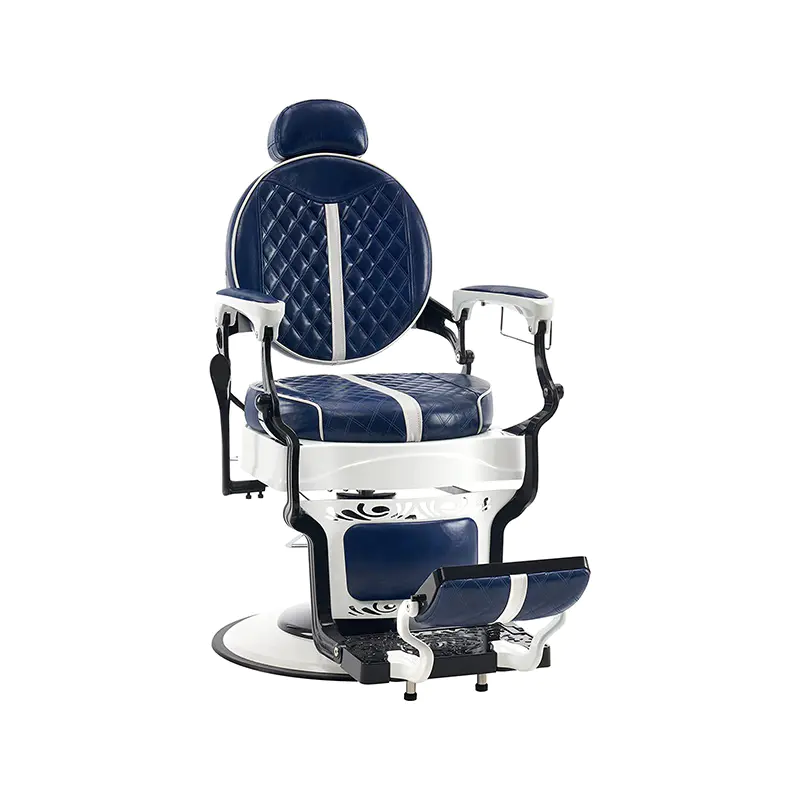
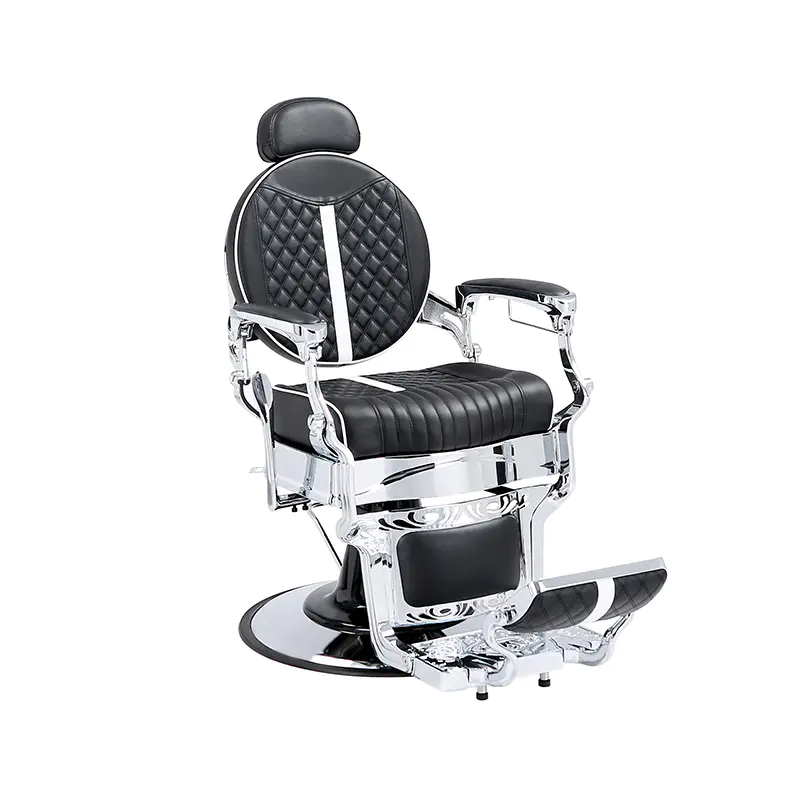
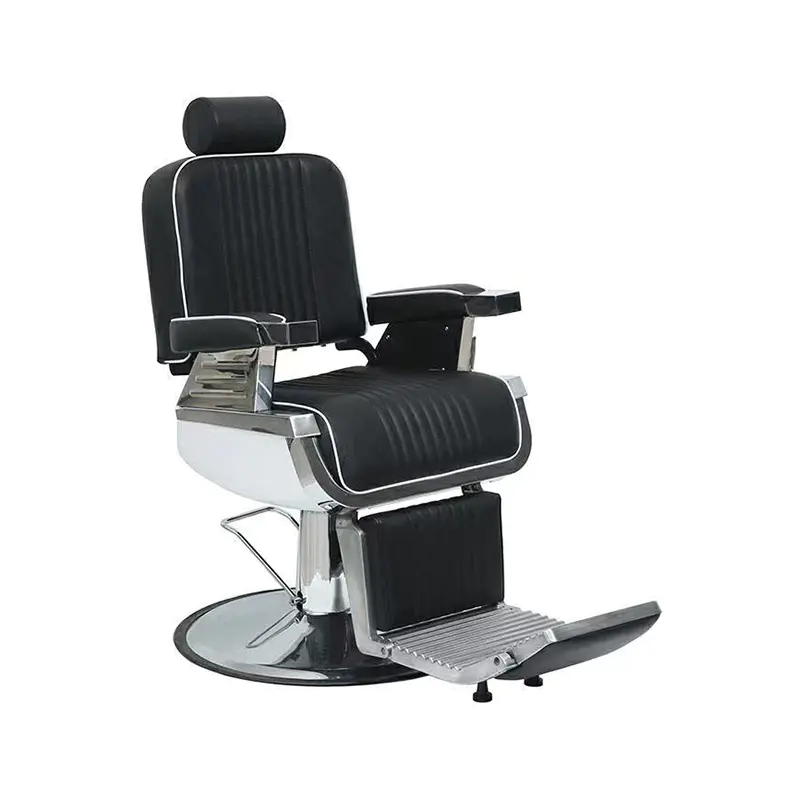
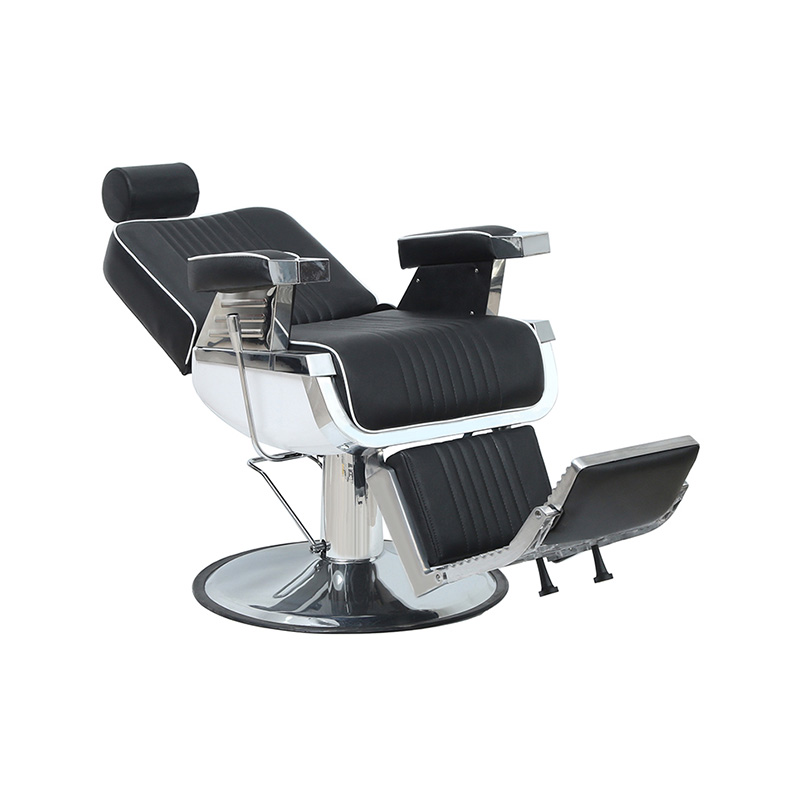
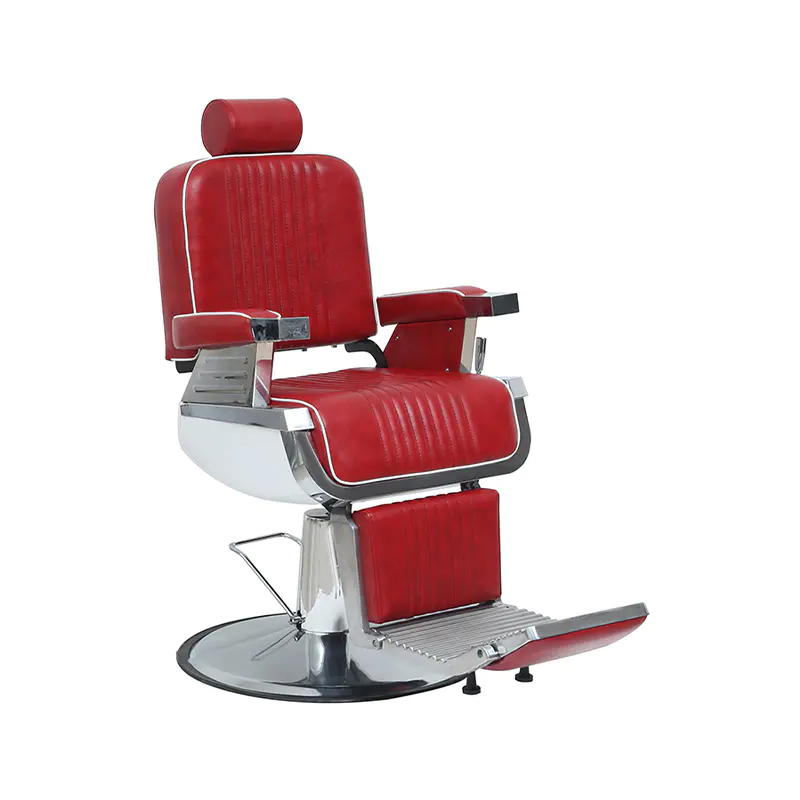
To maintain the hydraulic system in barber chairs, perform monthly pump inspections, check hydraulic fluid levels every 3 months, and replace seals annually. A well-maintained hydraulic system extends chair lifespan by 5–10 years and prevents mid-service failures that disrupt barbershop operations. Whether you operate a modern studio or stock vintage barber chairs for barbershop aesthetics, the maintenance principles are largely the same.
Why Hydraulic Maintenance Matters for Barber Chairs
The hydraulic pump is the mechanical heart of any barber chair. It enables smooth height adjustment, supports client weight during service, and determines whether a chair feels premium or problematic. Neglected hydraulics are the leading cause of premature chair failure in barbershops — approximately 65% of barber chair replacements are directly related to hydraulic system breakdown, according to industry service data.
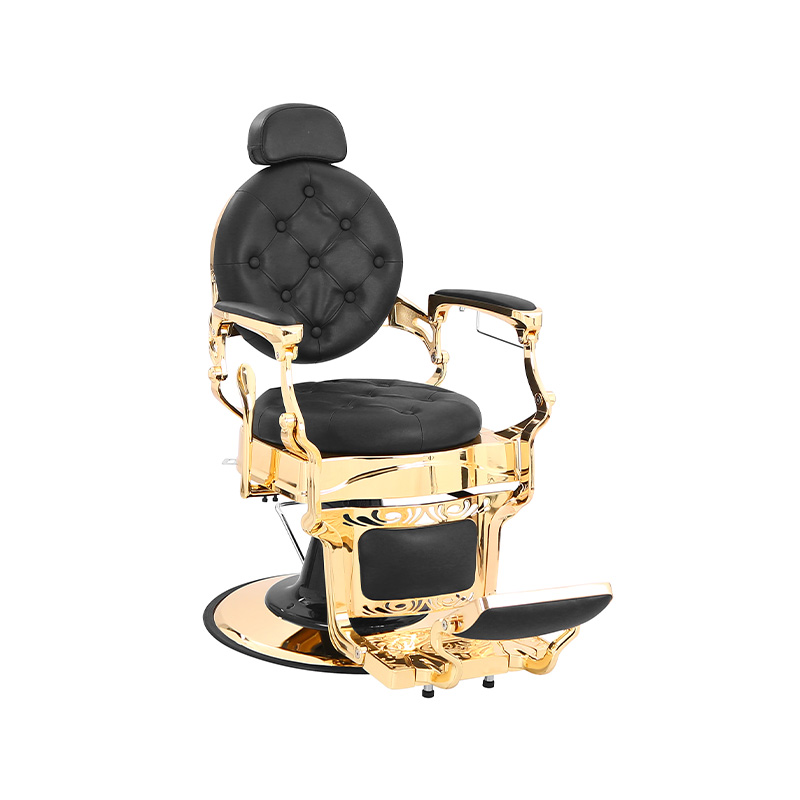
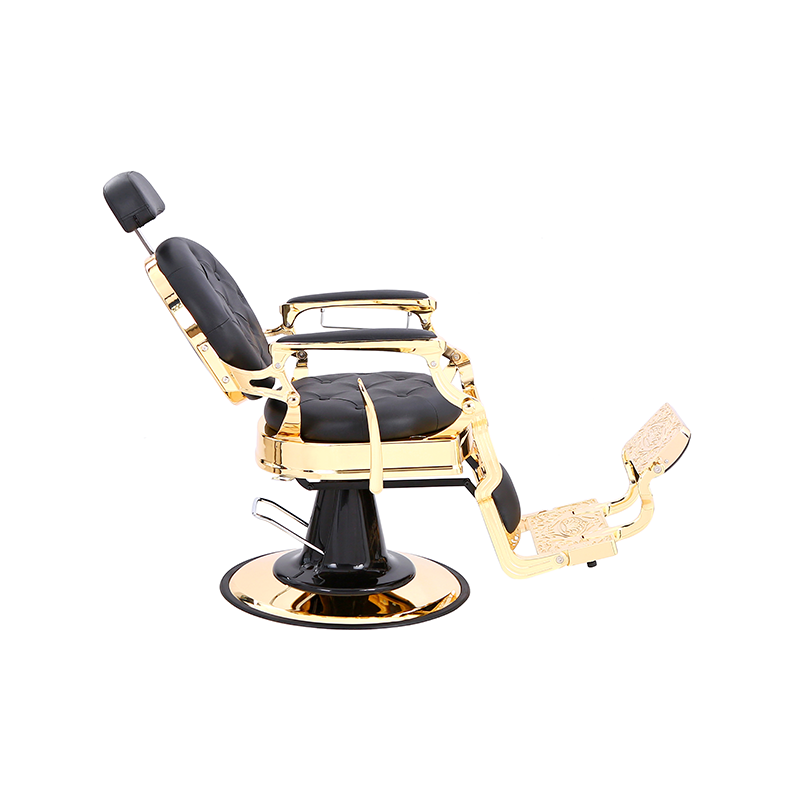
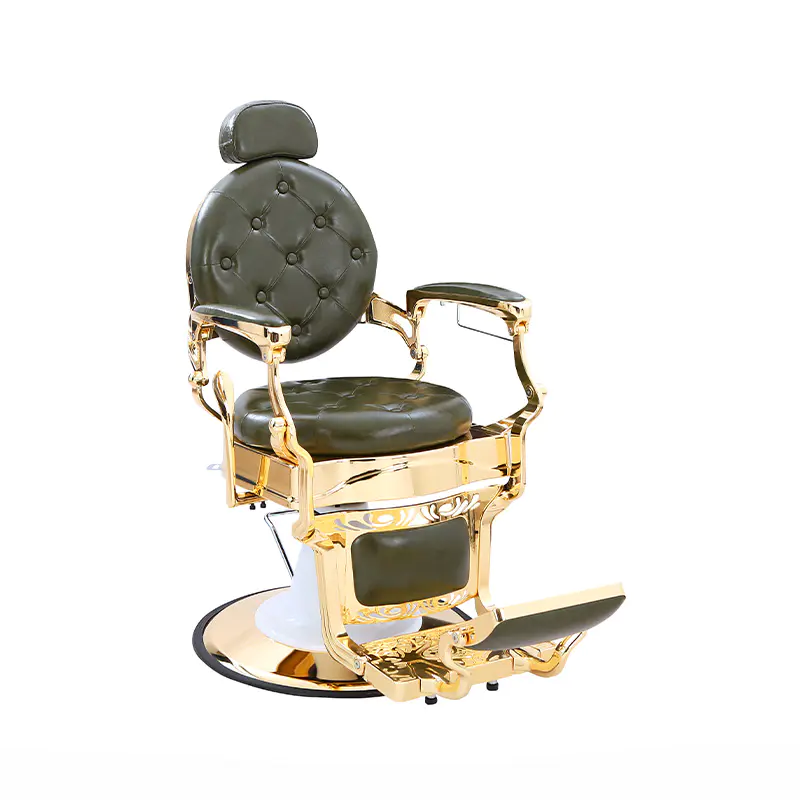
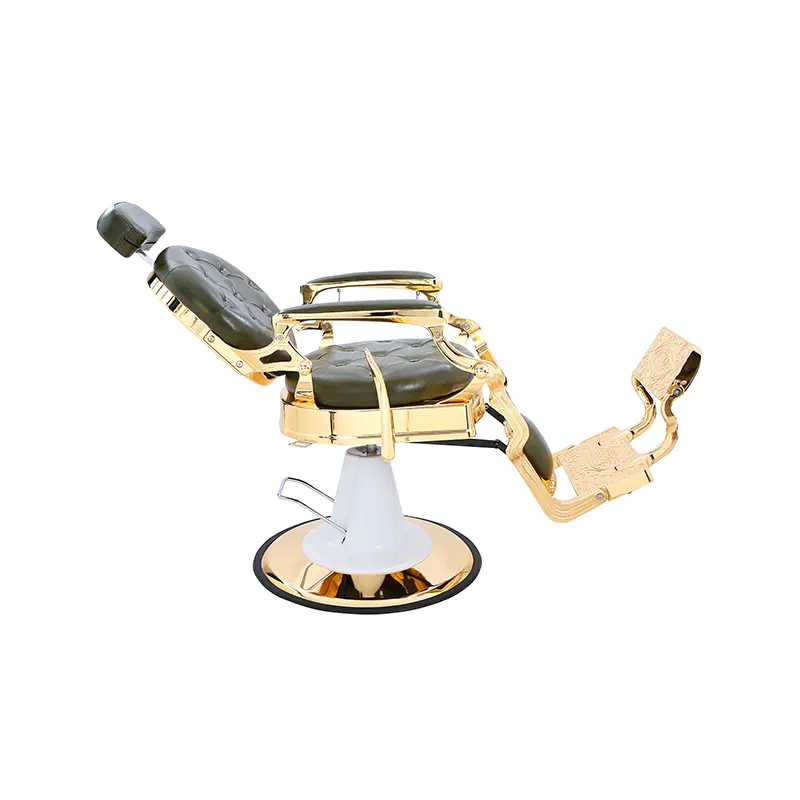
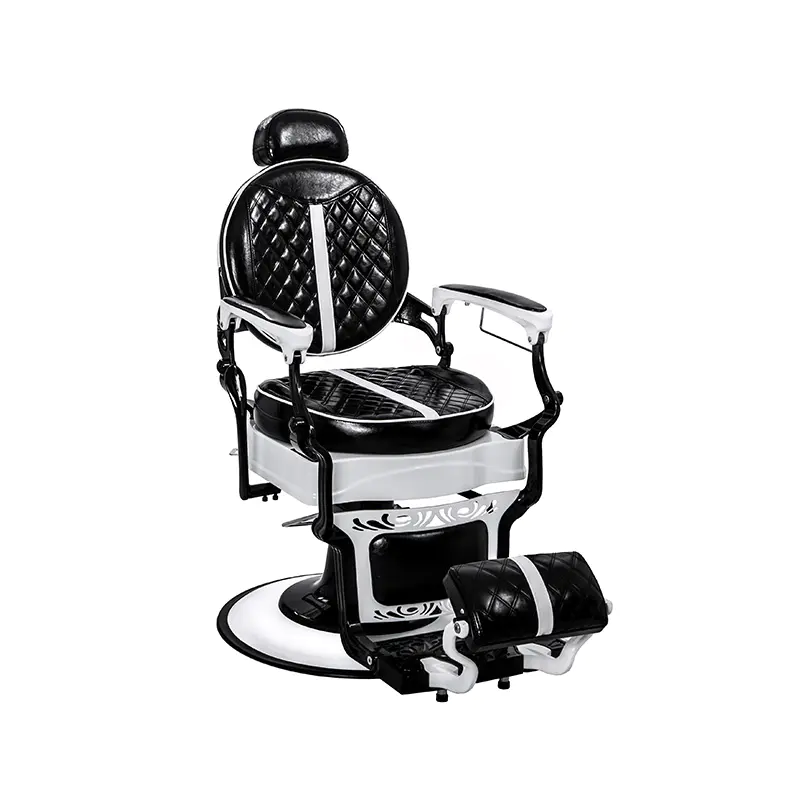
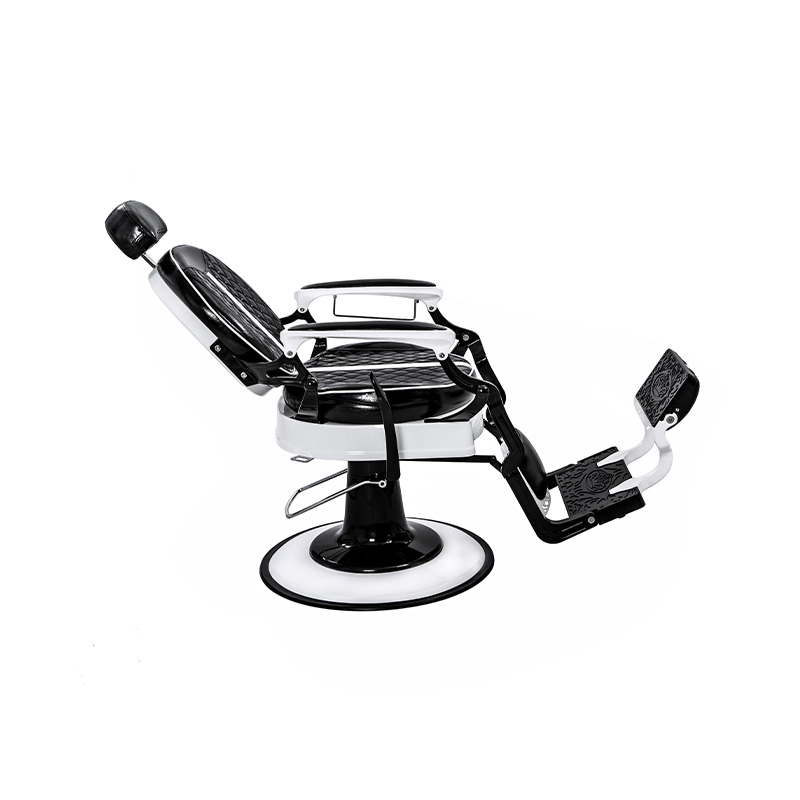
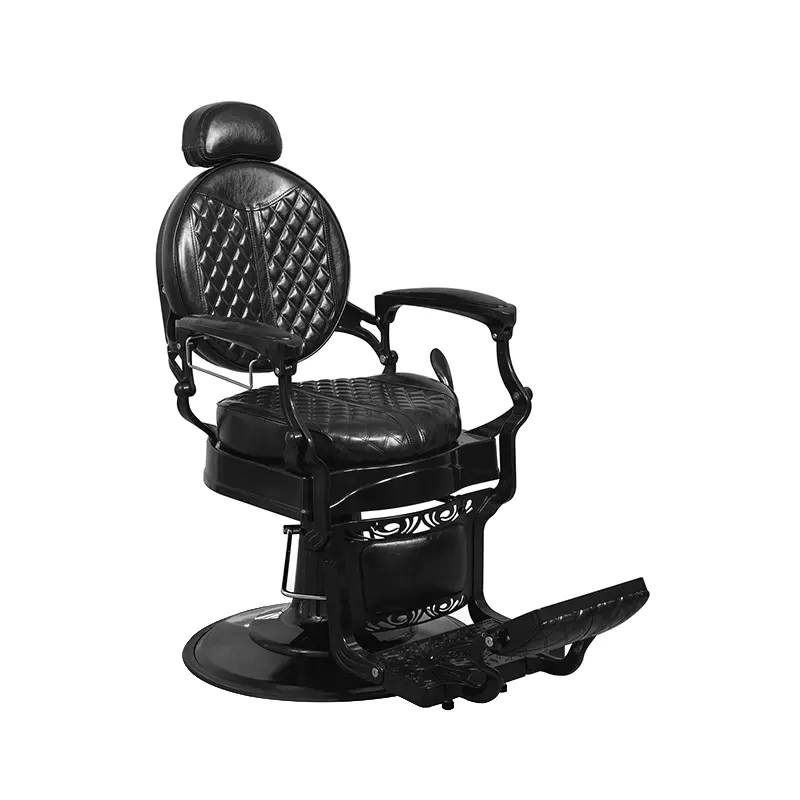
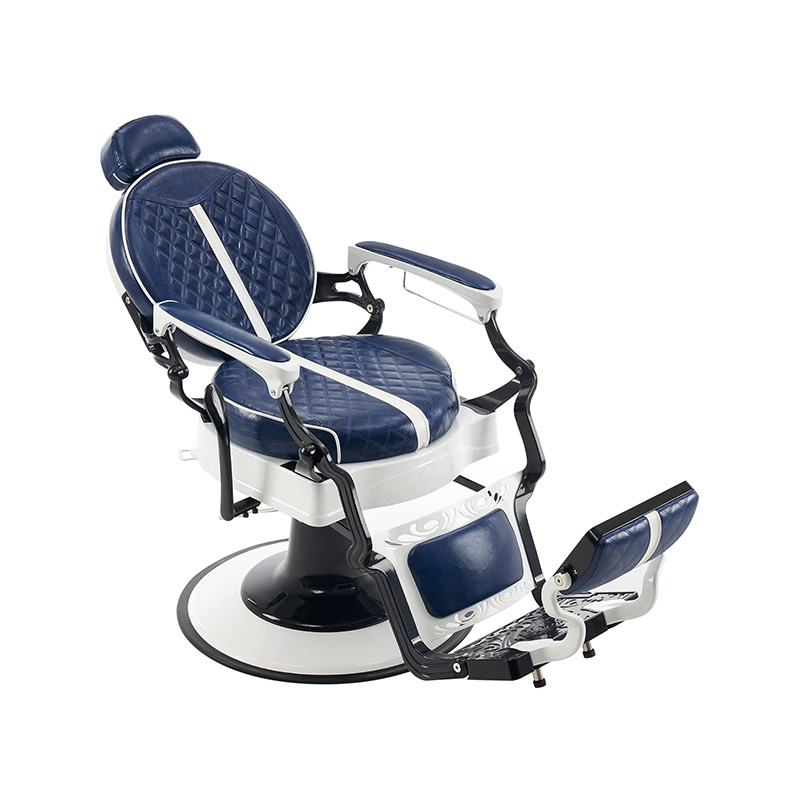
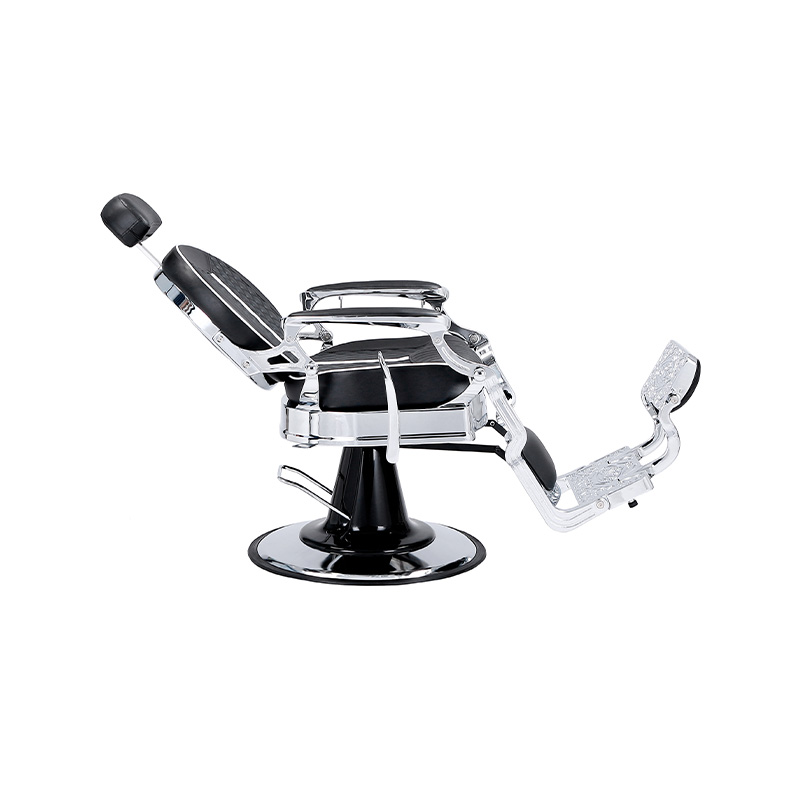
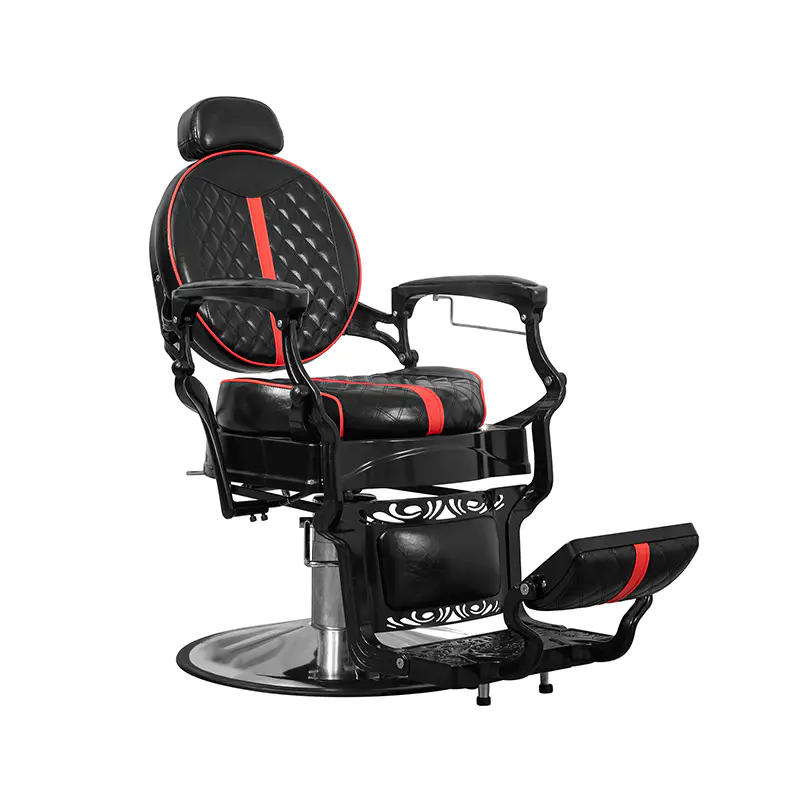
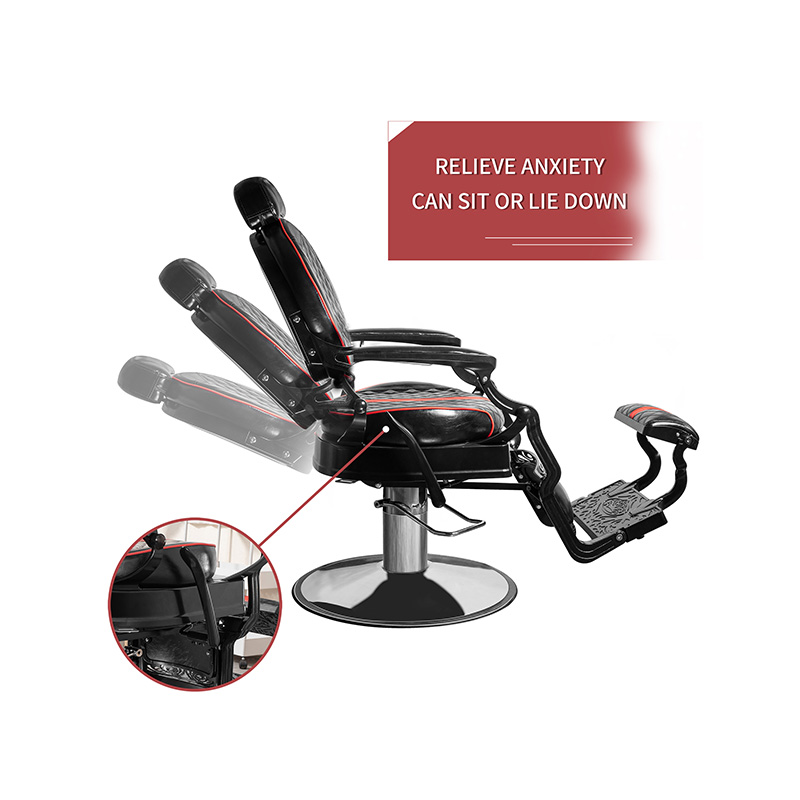
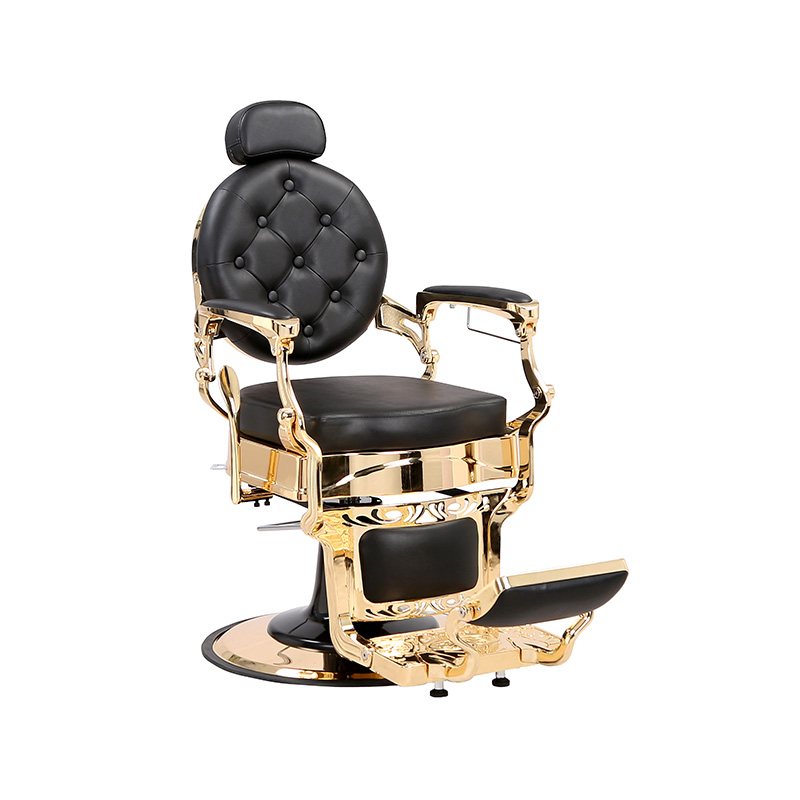
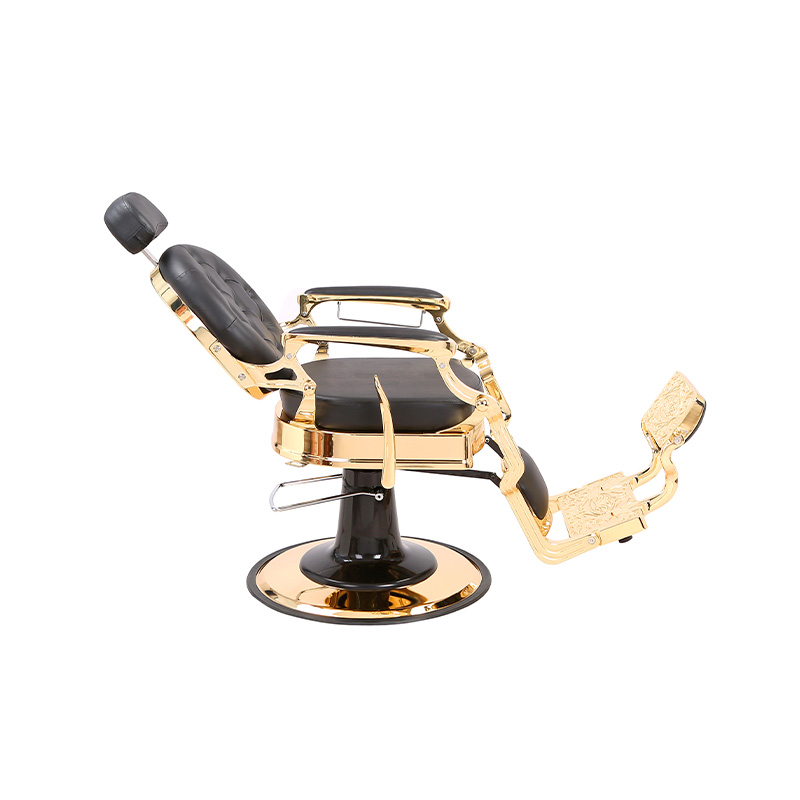
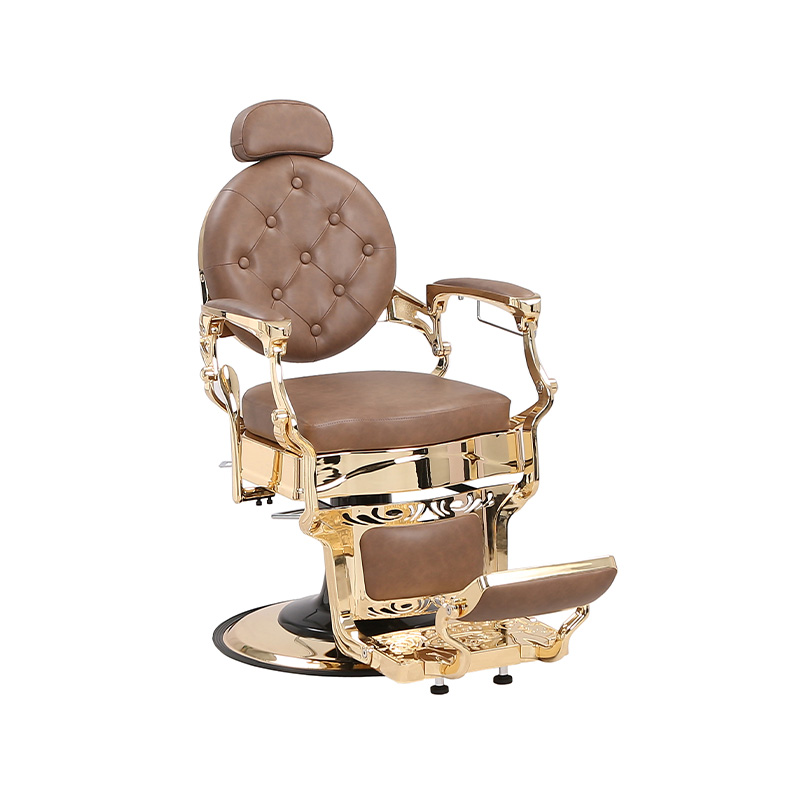
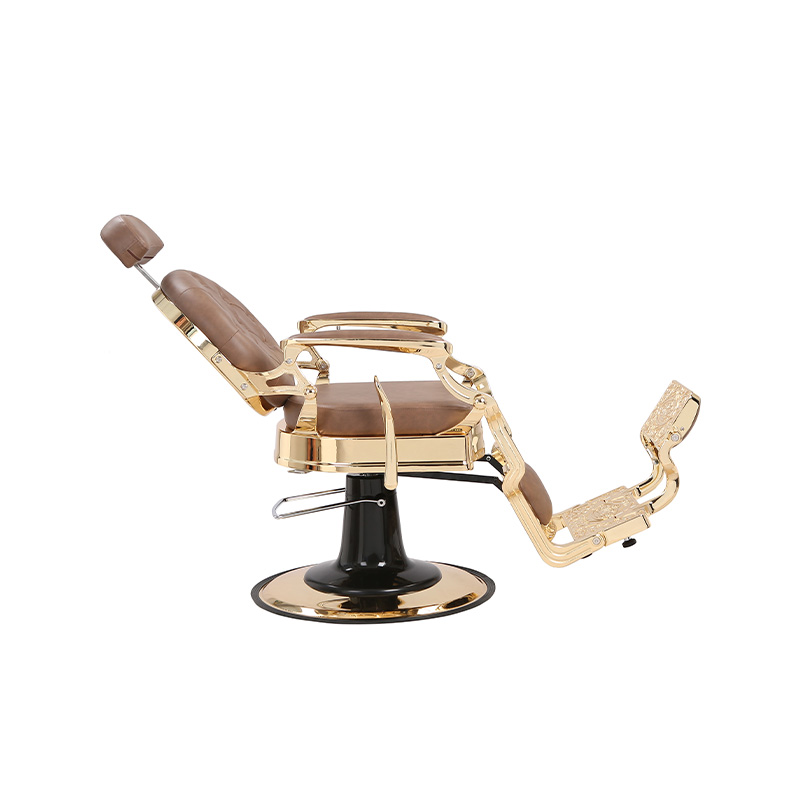
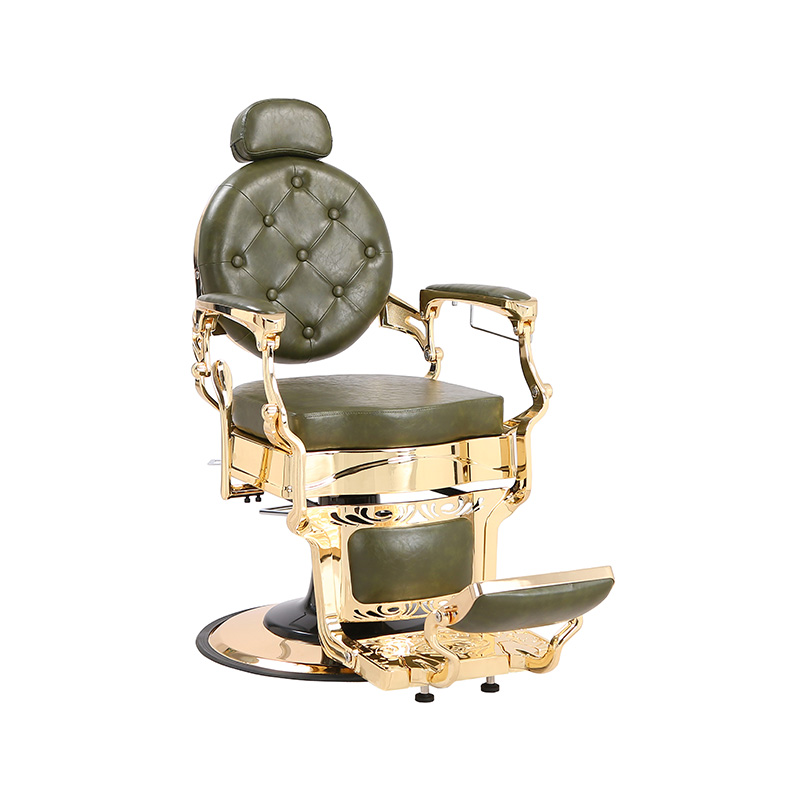
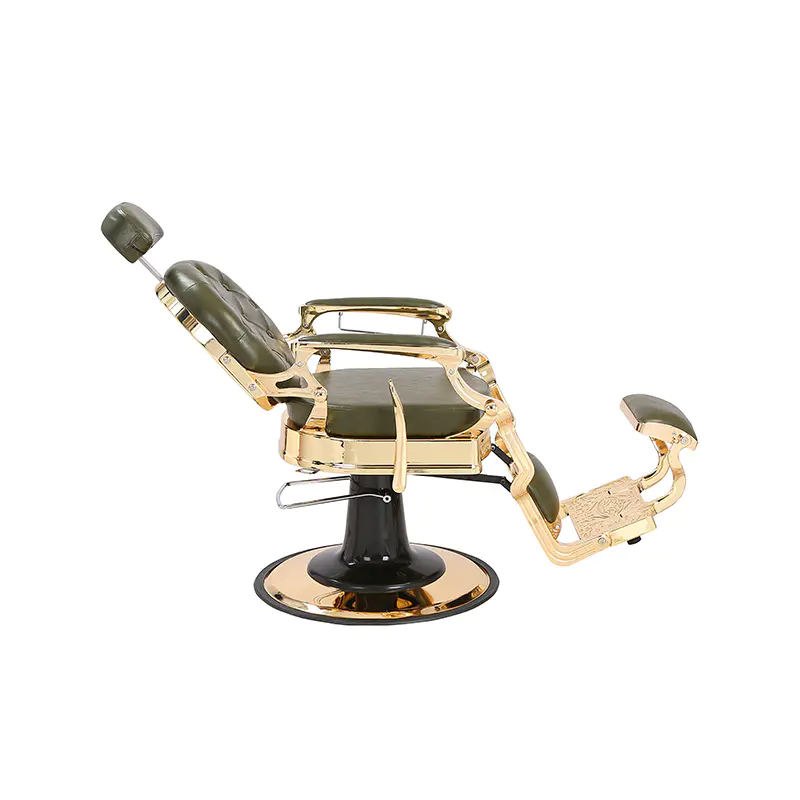
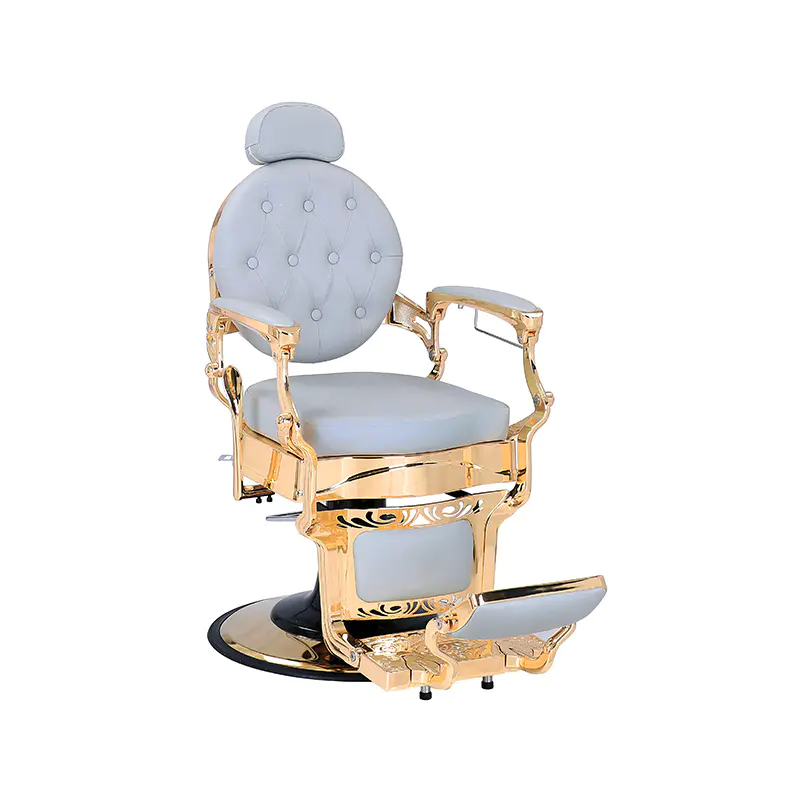
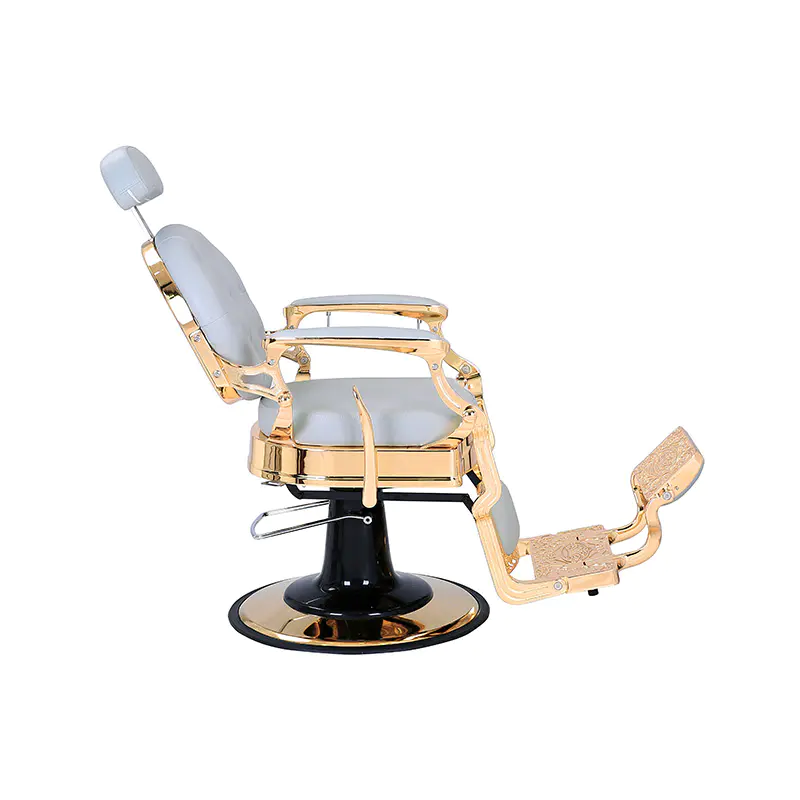
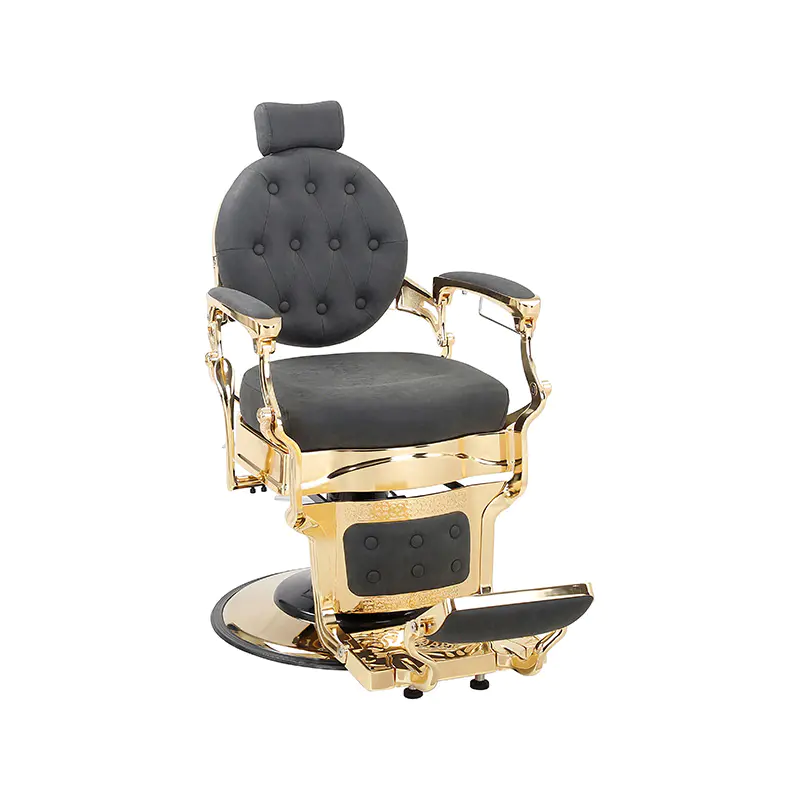
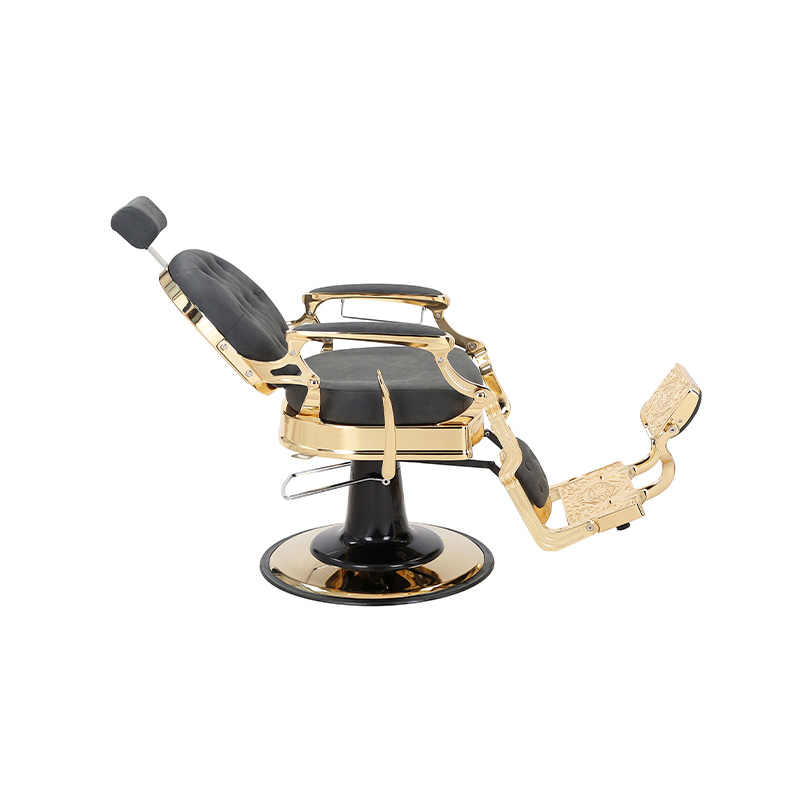
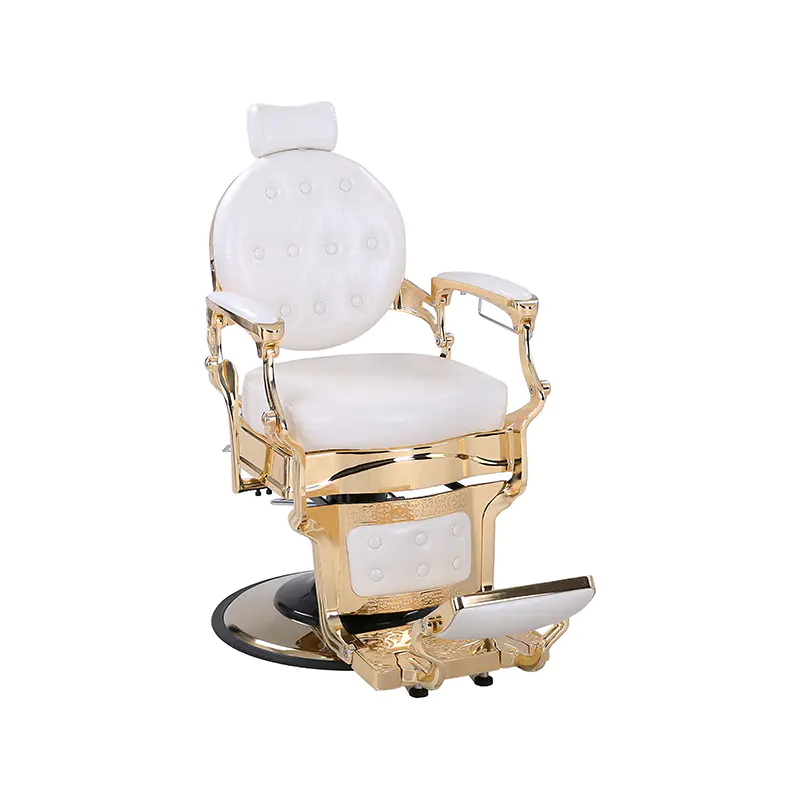
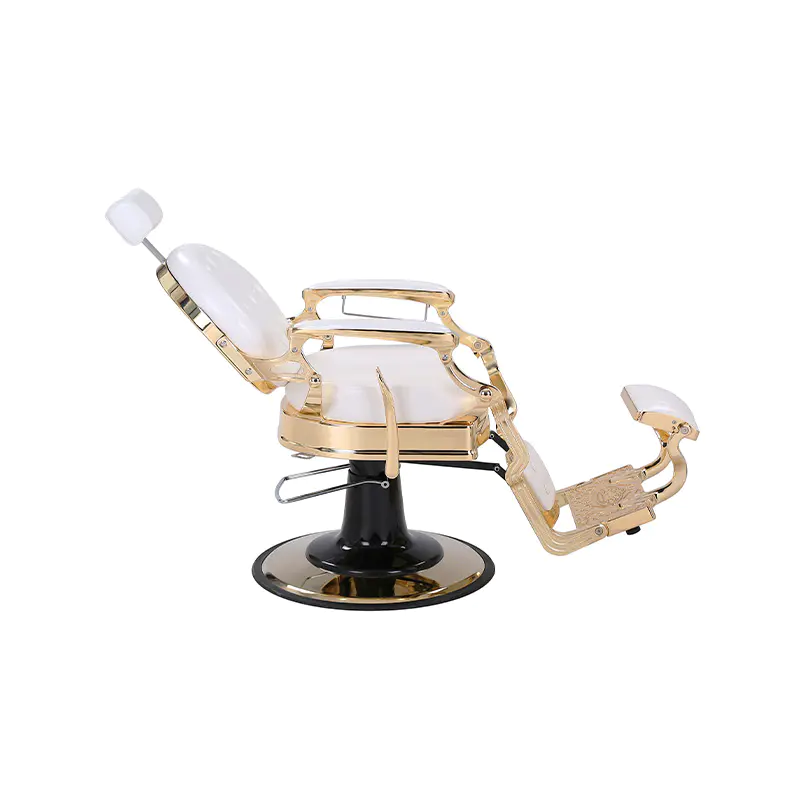
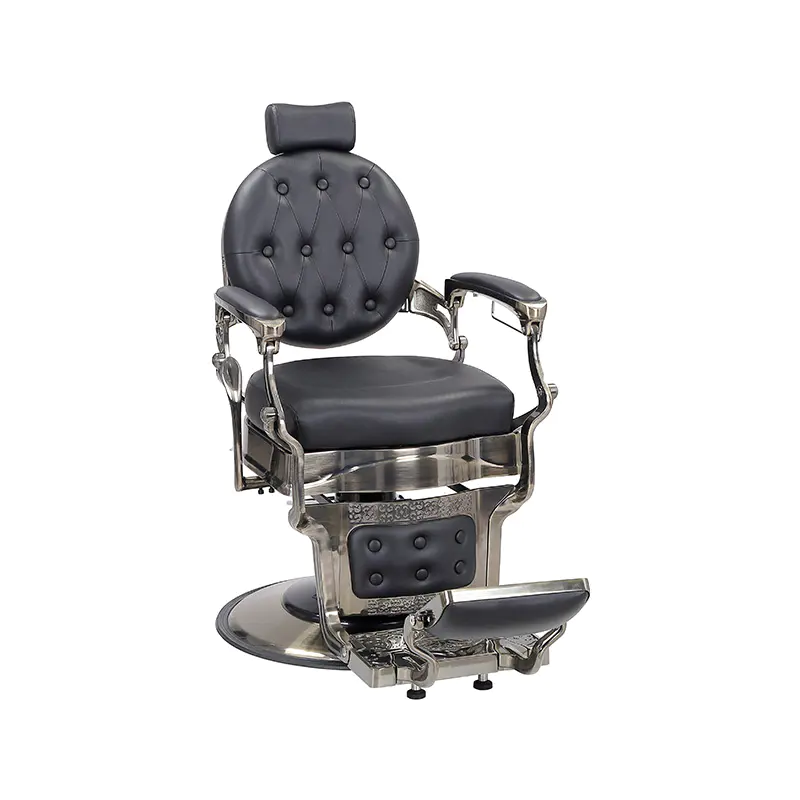
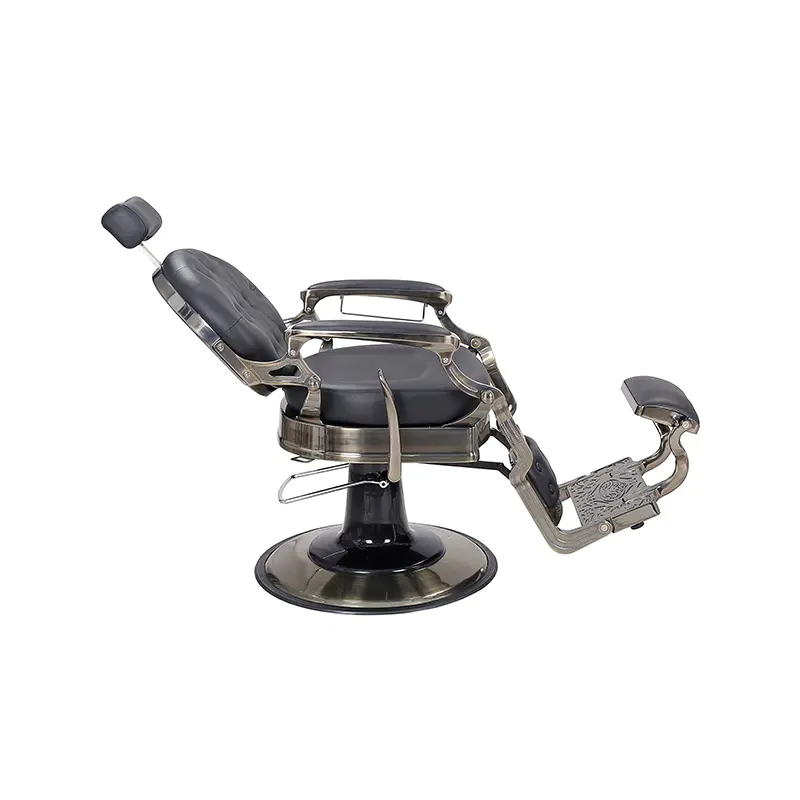
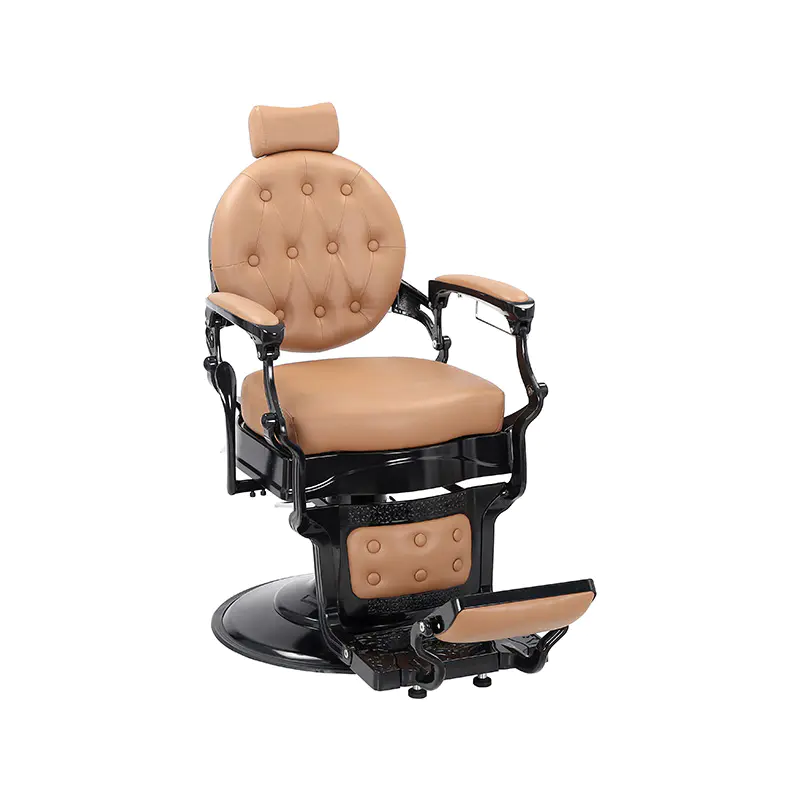
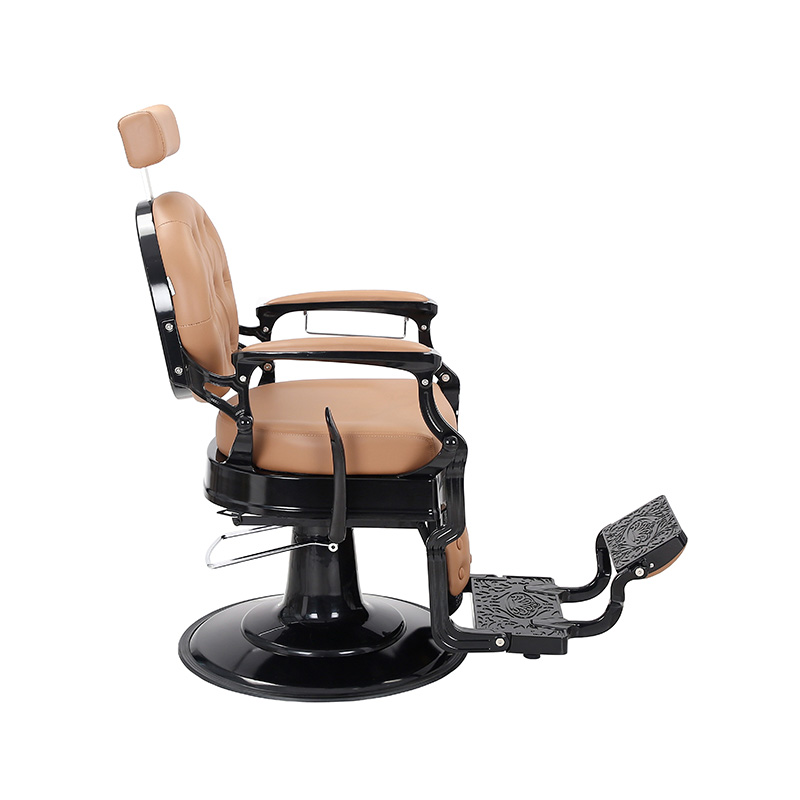
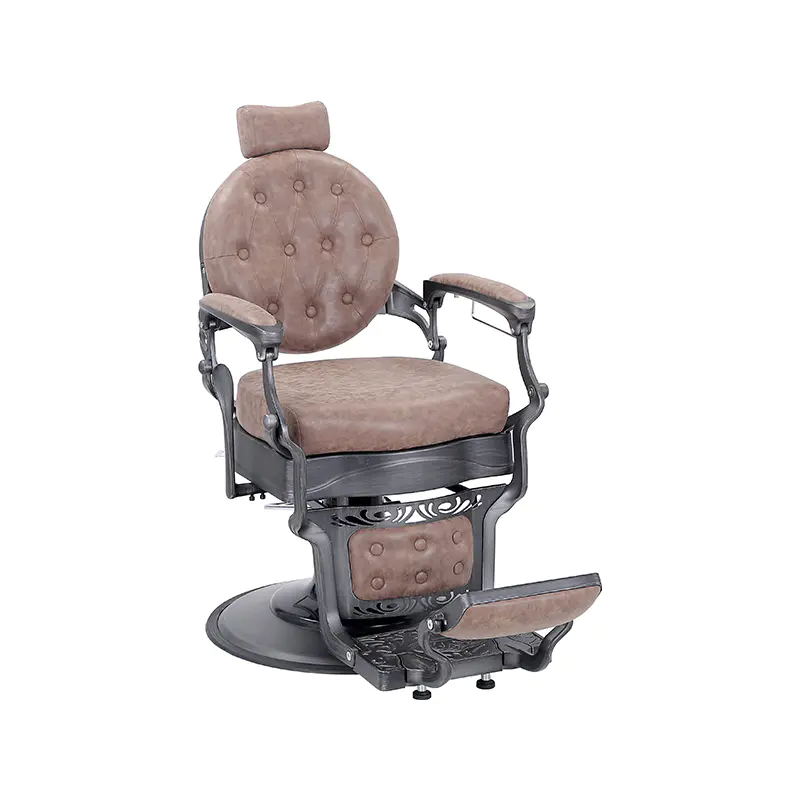
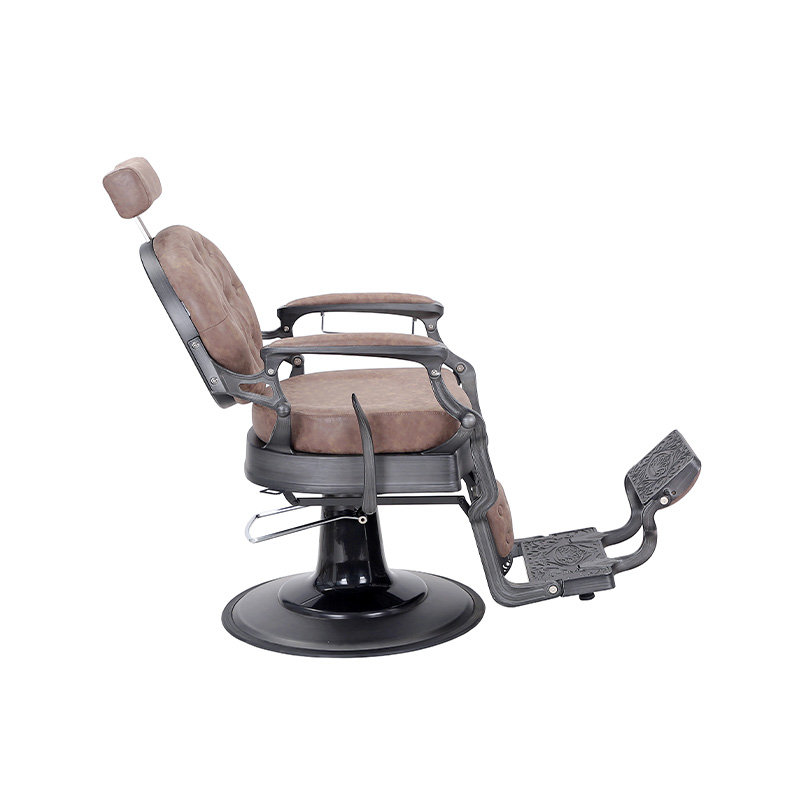
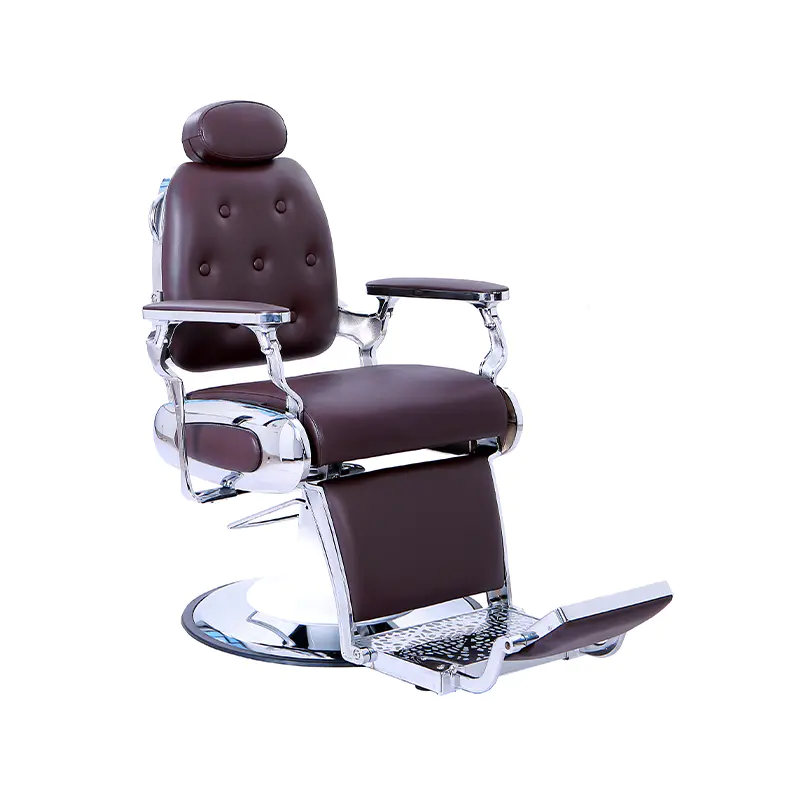
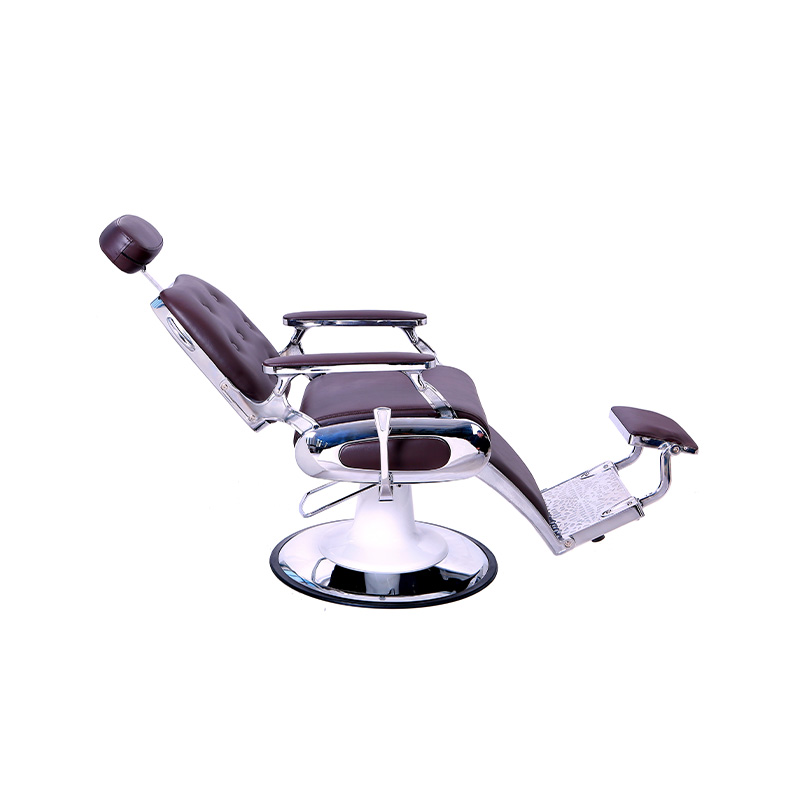
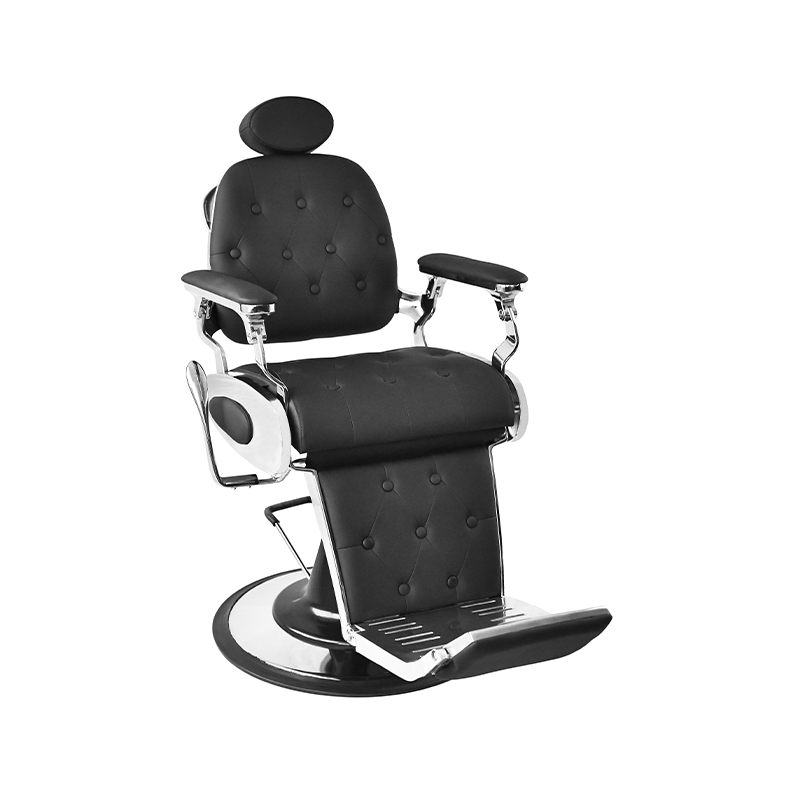
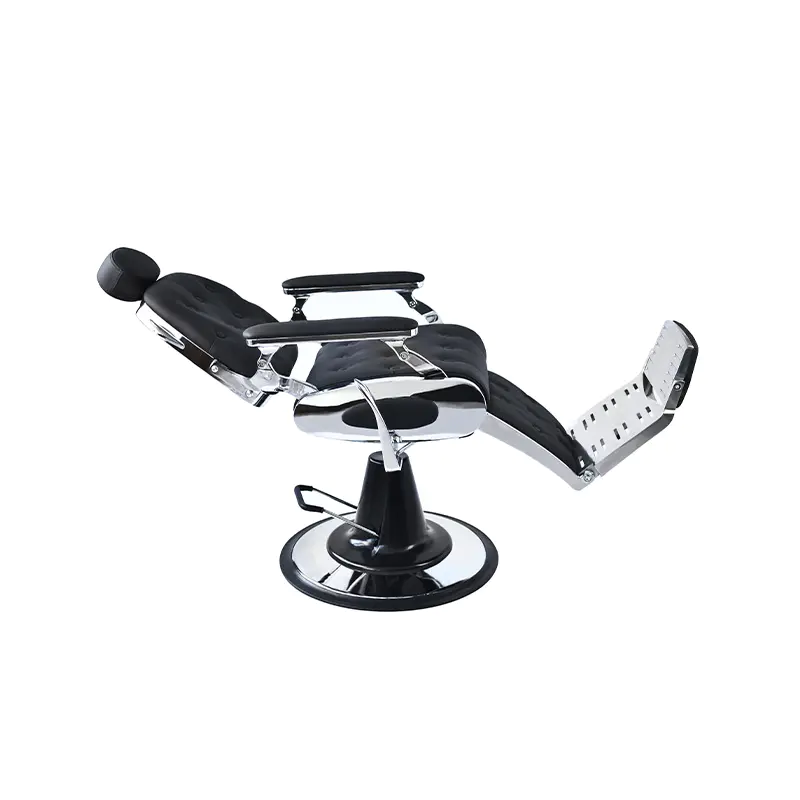
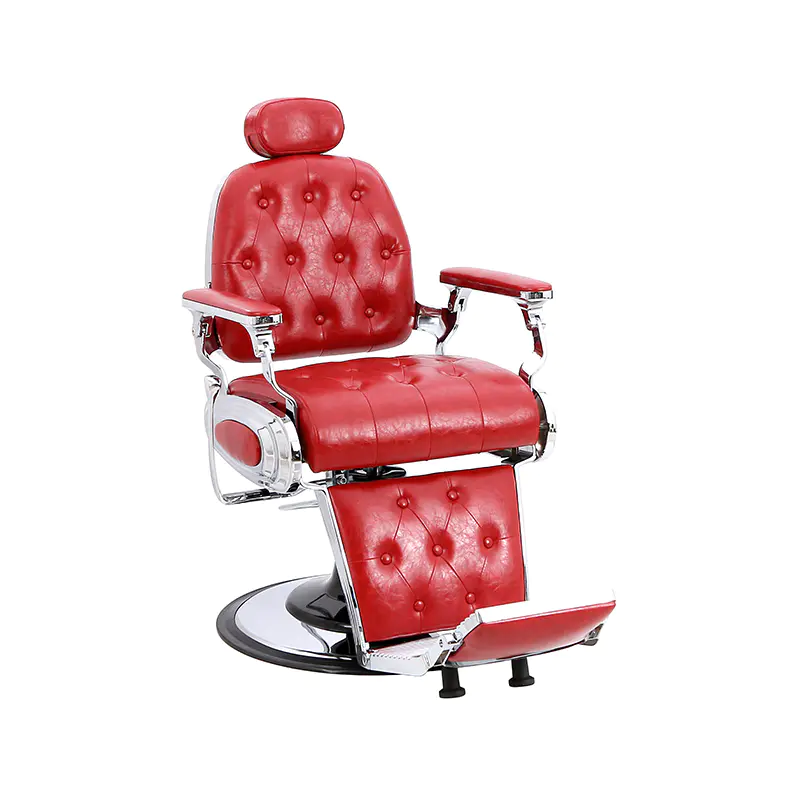
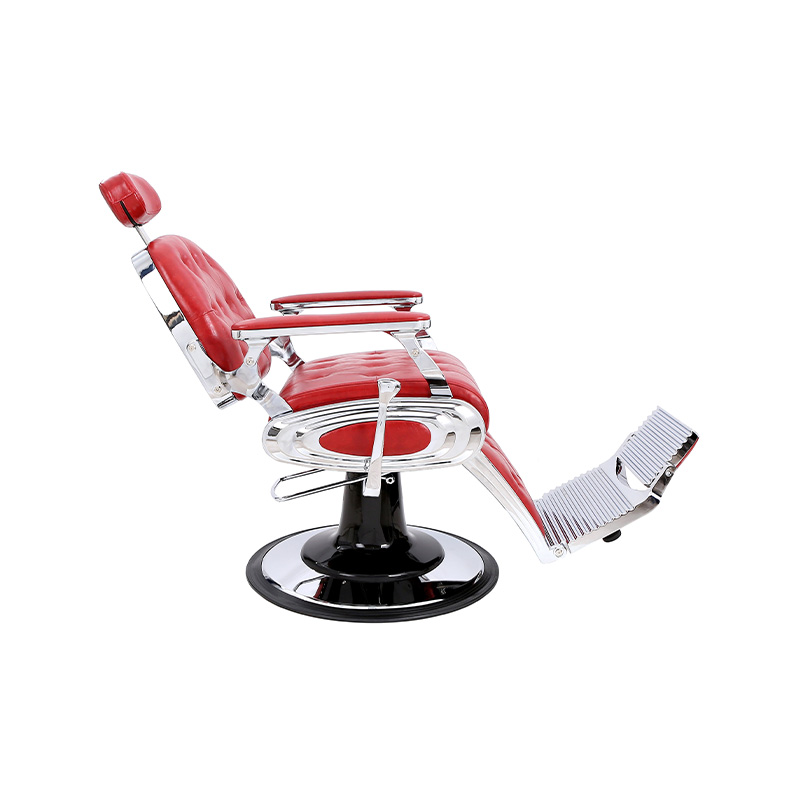
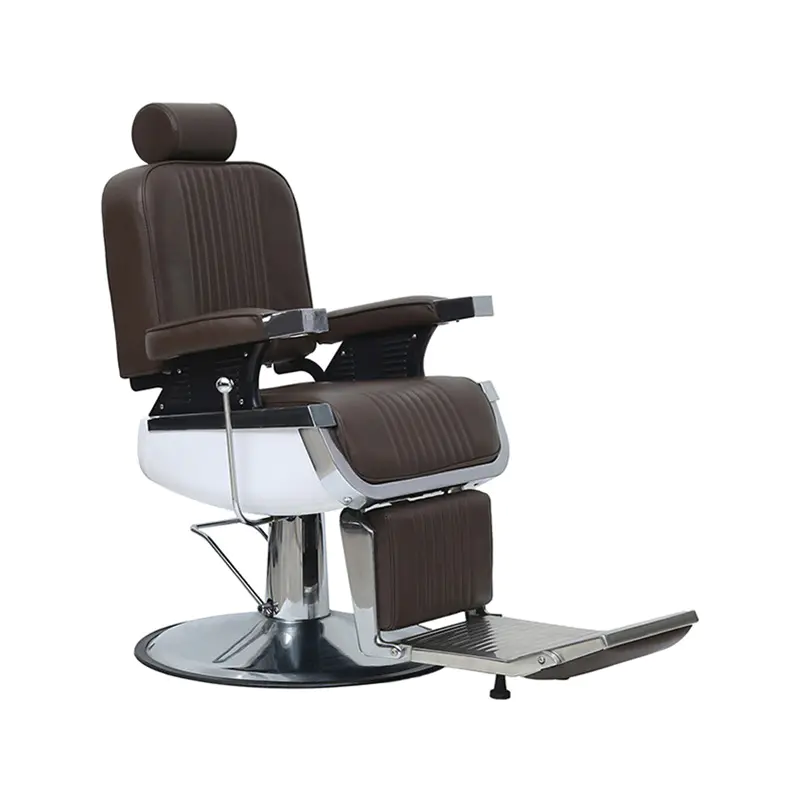
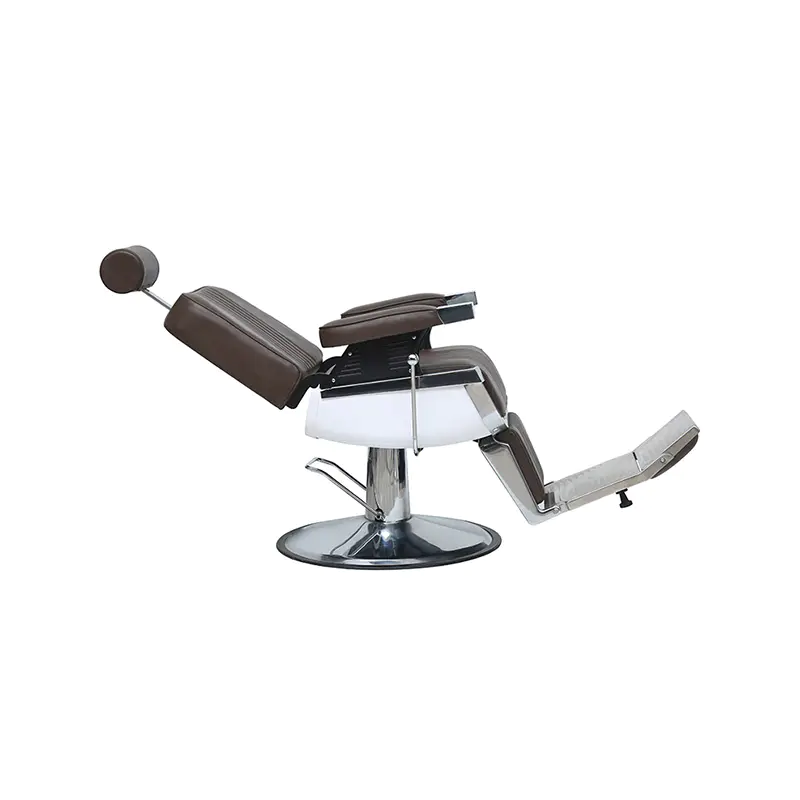
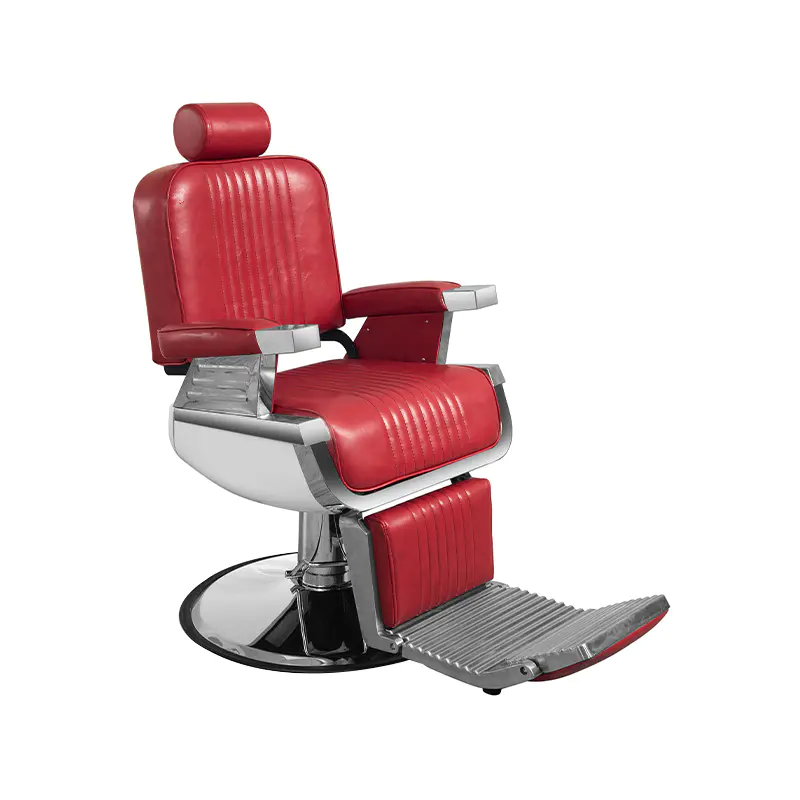
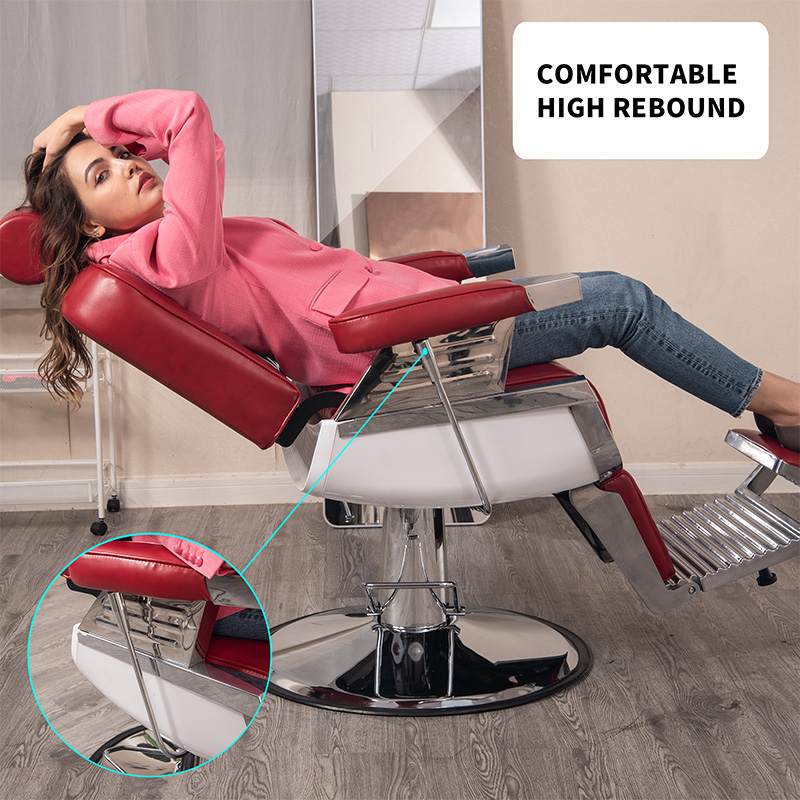
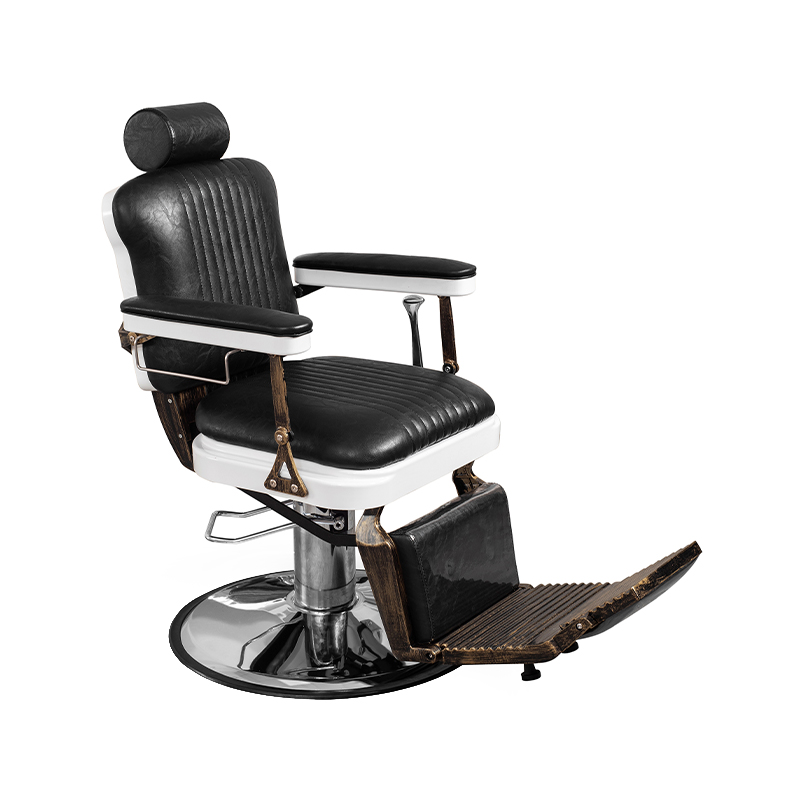
Proper hydraulic care is especially critical for vintage barber chairs for barbershop settings, where original parts may no longer be in production and restoration requires extra precision. Even modern barber chairs benefit from consistent upkeep to protect your investment and ensure client comfort.
Figure 1: Leading causes of barber chair replacement in professional barbershops.
Understanding How Barber Chair Hydraulic Systems Work
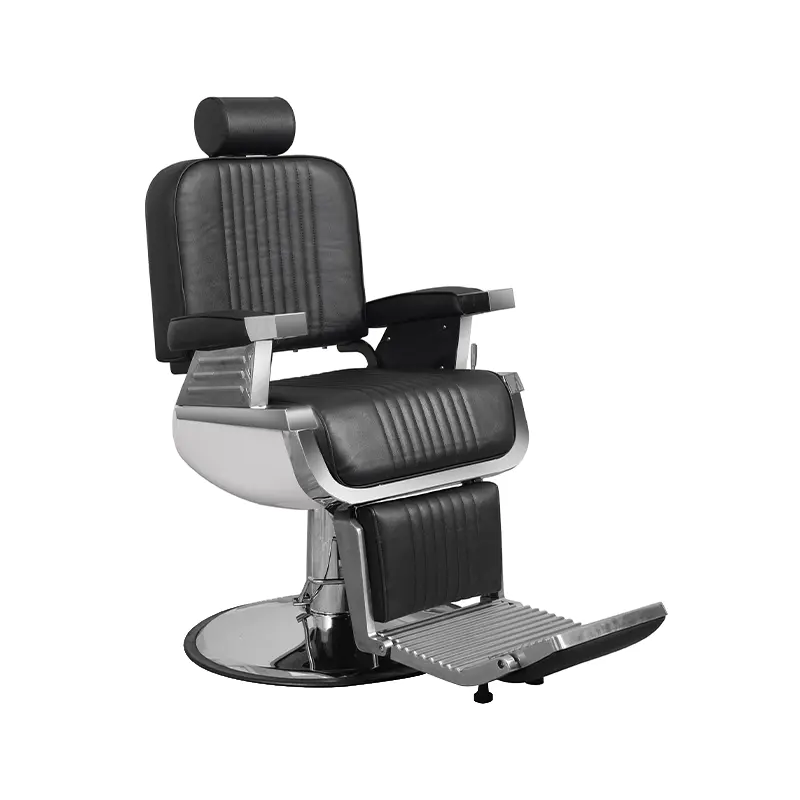
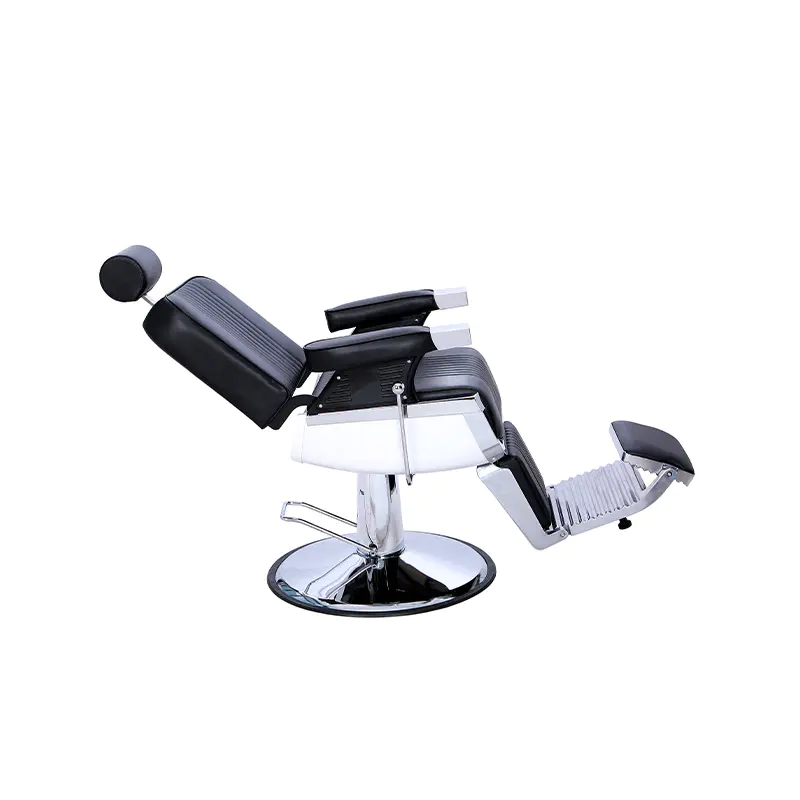
A standard barber chair hydraulic system consists of four key components: the pump cylinder, the control valve, the hydraulic fluid reservoir, and the sealing system. When a barber presses the foot lever, the pump pressurizes fluid inside the cylinder, which lifts the chair seat. Releasing the lever allows controlled fluid return, lowering the chair smoothly.
Key Components at a Glance
| Component | Function | Maintenance Frequency |
|---|---|---|
| Pump Cylinder | Generates lift pressure | Inspect monthly |
| Control Valve | Regulates fluid flow direction | Clean every 6 months |
| Fluid Reservoir | Stores hydraulic fluid | Check level every 3 months |
| Sealing System | Prevents fluid leakage | Replace seals annually |
| Foot Pump Lever | Activates the pump mechanism | Lubricate every 3 months |
Step-by-Step Hydraulic Maintenance Routine
A structured maintenance schedule keeps barber chairs performing reliably and protects upholstery and structural components from undue stress caused by abrupt chair movements.
Monthly Tasks
- Pump the foot lever 10–15 times and observe whether the chair rises evenly without jerking.
- Visually inspect the base of the chair for any oil stains indicating a hydraulic leak.
- Check that the release valve returns the chair to its lowest position smoothly within 3–5 seconds.
- Wipe down accessible exterior parts of the pump cylinder with a dry cloth.
Quarterly Tasks
- Check hydraulic fluid level: Most barber chairs use ISO 32 or ISO 46 hydraulic oil. The reservoir should be filled to the marked line — never overfill.
- Lubricate the foot lever pivot point with a light machine oil (SAE 10W).
- Test maximum load: sit a person weighing approximately 100 kg in the chair and cycle through full height range three times.
- Inspect hose connections (if present) for cracks or brittleness.
Annual Tasks
- Replace all rubber seals within the pump cylinder — seals degrade even without visible damage after 12 months of daily use.
- Drain and replace hydraulic fluid entirely; contaminated oil accelerates seal wear.
- For vintage barber chairs for barbershop use, have a technician disassemble and re-grease the entire pump unit.
- Verify base weld integrity and check for any hairline cracks near the pump housing.
Common Hydraulic Problems and How to Fix Them
Knowing how to identify problems early saves significant repair costs. Below are the most reported hydraulic issues with barber chairs and practical remedies.
Chair Sinks Slowly During Service
This is the most common complaint. The cause is almost always a worn release valve seat or a failing o-ring seal. Replacing the o-ring kit — which costs approximately $5–15 — resolves this issue in over 80% of cases. If sinking continues after seal replacement, the pump cylinder itself may need replacement.
Chair Does Not Rise When Pumped
Check the hydraulic fluid level first. If the reservoir is empty or nearly empty, refill and test again. If the fluid level is adequate, the pump's check valve may be stuck or corroded — cleaning with a commercial hydraulic flush or replacing the check valve is the next step.
Jerky or Uneven Height Adjustment
Air bubbles trapped inside the hydraulic cylinder cause irregular movement. Bleed the system by fully lowering the chair and pumping it to full height 5–8 times consecutively. If the problem persists, contaminated fluid is likely — perform a full fluid drain and refill.
Oil Leaking from the Base
External leaks indicate failed shaft seals. Wipe the area clean, operate the chair five times, and observe where the oil emerges to pinpoint the leak location. Most shaft seal kits are universally available and can be installed with basic tools. Do not continue using a leaking chair — oil on salon floors creates slip hazards and accelerates internal pump corrosion.
Choosing the Right Hydraulic Fluid for Barber Chairs
Not all hydraulic fluids are compatible with barber chair pump systems. Using the wrong fluid causes seal degradation and premature pump failure.
| Fluid Type | Viscosity Grade | Suitable For | Notes |
|---|---|---|---|
| Mineral Hydraulic Oil | ISO 32 / ISO 46 | Most barber chairs | Most widely recommended |
| Synthetic Hydraulic Oil | ISO 46 | High-use commercial chairs | Longer service life |
| ATF (Auto Trans. Fluid) | Dexron III | Vintage barber chairs | Commonly used in older models |
| Universal Chair Oil | Varies | General use | Check compatibility first |
For vintage barber chairs for barbershop restoration, automatic transmission fluid (ATF Dexron III) is often recommended because many classic chair pumps were engineered with ATF in mind. Always consult your chair's technical manual or the original manufacturer's guidance before switching fluid types.
Maintenance Schedule Comparison: Low-Use vs High-Use Barbershops
Maintenance intervals should be adjusted based on how intensively the barber chairs are used. A chair that services 5 clients per day ages differently than one servicing 20 clients.
Figure 2: Recommended maintenance intervals (in months) based on daily usage volume.
Special Considerations for Vintage Barber Chairs for Barbershop Use
Vintage barber chairs for barbershop settings carry unique charm and craftsmanship from earlier manufacturing eras. However, their hydraulic systems require more attentive care than modern chairs due to aging materials and discontinued components.
- Source replacement seals from specialty suppliers — vintage pumps often use non-standard seal dimensions. Measure inner diameter, outer diameter, and thickness precisely before ordering.
- Avoid using modern synthetic hydraulic oils without verifying compatibility — some vintage rubber seals deteriorate rapidly when exposed to synthetic base fluids.
- If the chair has a ratchet-style height mechanism instead of a true hydraulic pump, lubrication priorities shift to the ratchet pawl and detent spring.
- Document all maintenance performed on vintage chairs — this history adds value if the chair is ever appraised or resold.
- Consult a professional restoration technician for any complete pump disassembly — improper reassembly on vintage units can render the chair inoperable.
Tools Required for Barber Chair Hydraulic Maintenance
Having the right tools on hand avoids improvised repairs that can cause further damage. Below is a practical toolkit for barbershop owners managing their own chair maintenance.
- Adjustable wrench and open-end wrench set (metric 8mm–22mm)
- O-ring pick tool set for seal removal without scratching cylinder walls
- Hydraulic oil hand pump or squeeze bottle for refilling reservoirs
- Clean lint-free rags for fluid cleanup
- Drain pan (at least 1-liter capacity) for fluid changes
- Penetrating oil spray for loosening corroded fasteners on older barber chairs
- Caliper or ruler for measuring seal dimensions on vintage barber chairs for barbershop restoration
About Ningbo HongZi Beauty and Hairdressing Equipment Co., Ltd.
Ningbo HongZi Beauty & Hairdressing Equipment Co., Ltd. is a professional enterprise engaged in the research, development, manufacturing, and export of barber chairs, beauty beds, shampoo chairs, and related beauty salon furniture. Located in the picturesque town of Sanqishi, Yuyao, Zhejiang Province — by the scenic Hangzhou Bay — the company covers an area of 22,000 square meters and employs over 120 staff, with an annual output value of 120 million RMB.
As a professional China OEM Salon Barber Chairs Manufacturer and ODM Barber Chair Factory, HongZi delivers high-quality, customizable barber and beauty equipment solutions to clients worldwide. Equipped with specialized machinery including laser plate cutters, pipe cutters, punching machines, CNC leather cutters, and embroidery machines, the company also operates automated production lines for welding, cotton pasting, and assembly.
The sofa workshop features a complete upholstery processing flow, enabling integrated manufacturing from structural components to surface leather — ensuring stable quality and unified detail in every product, from modern barber chairs to the finest vintage barber chairs for barbershop clients worldwide.