
 en
en  English
 русский
 Español
 عربى
عربى
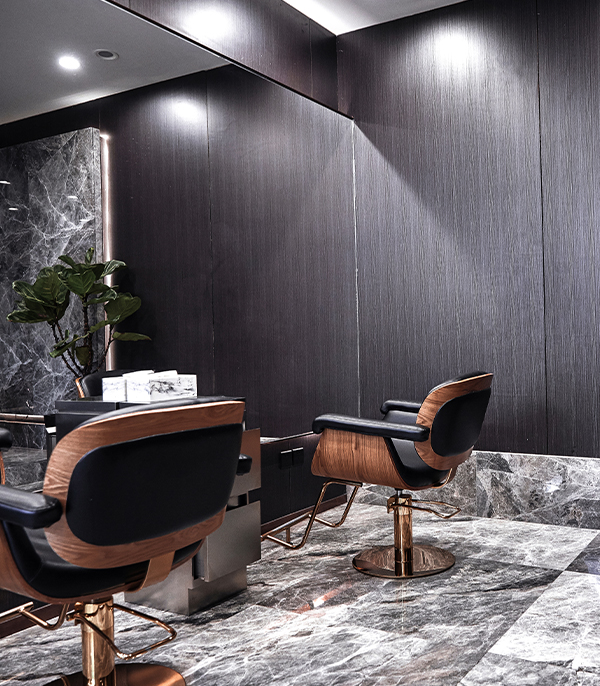
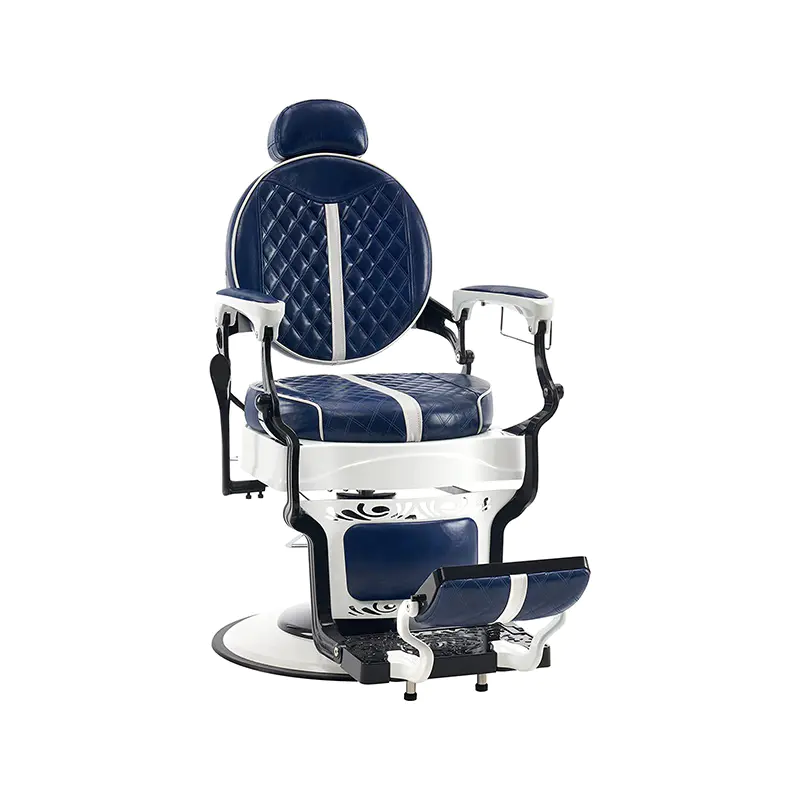
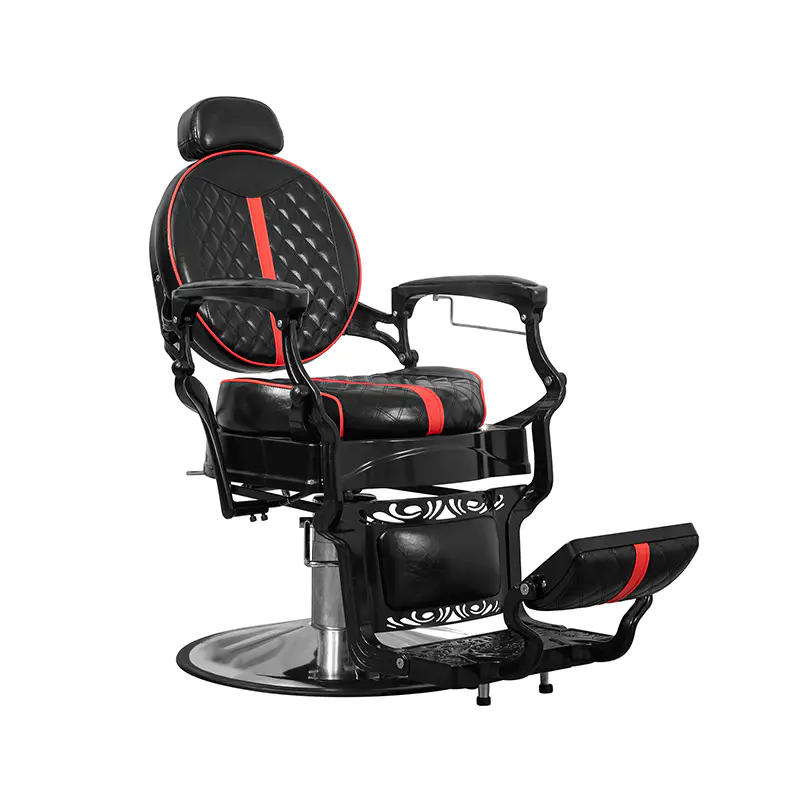
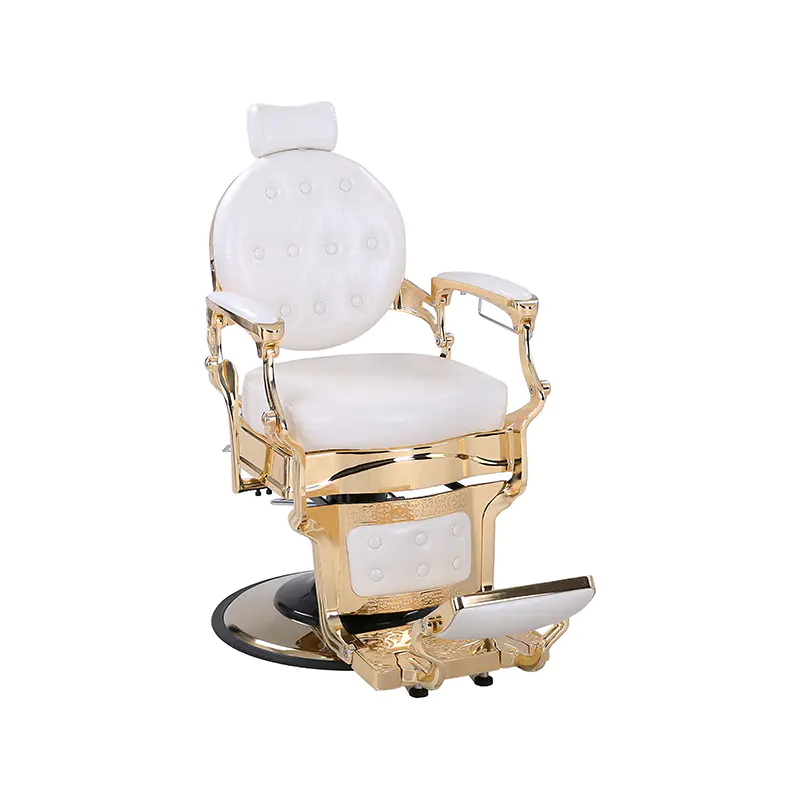
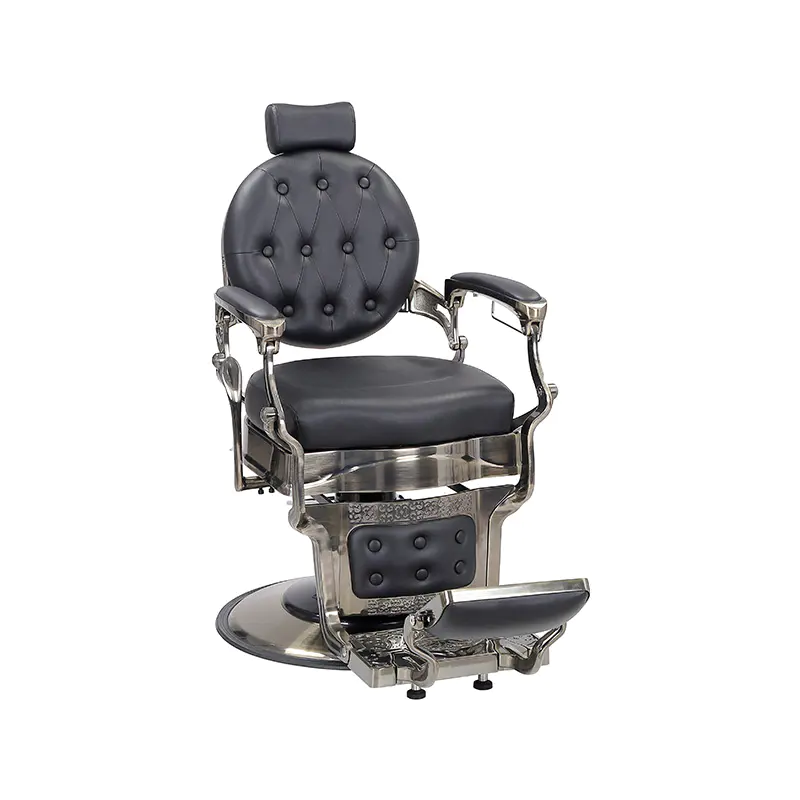
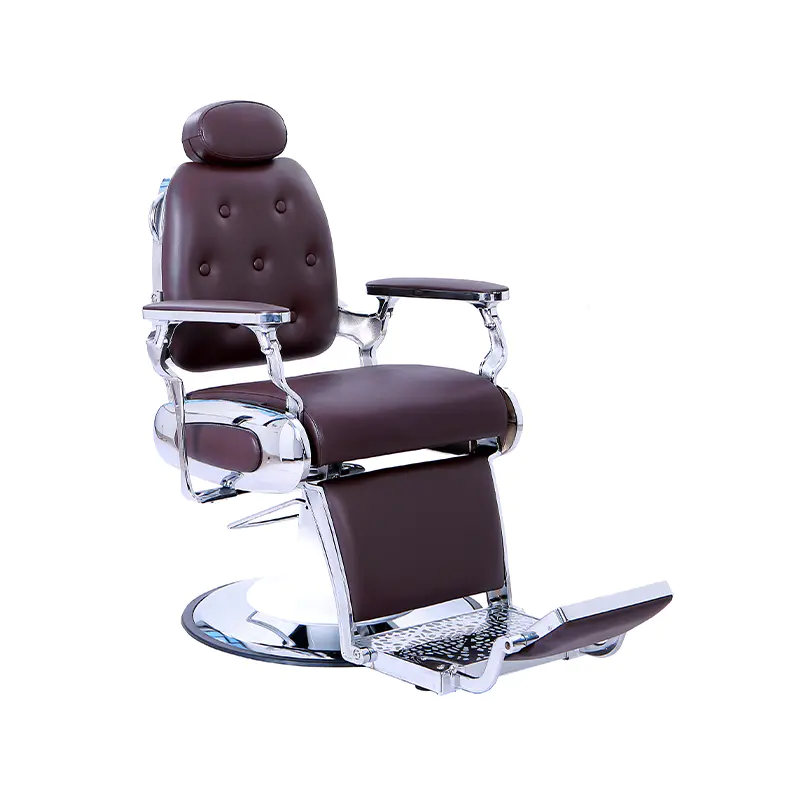
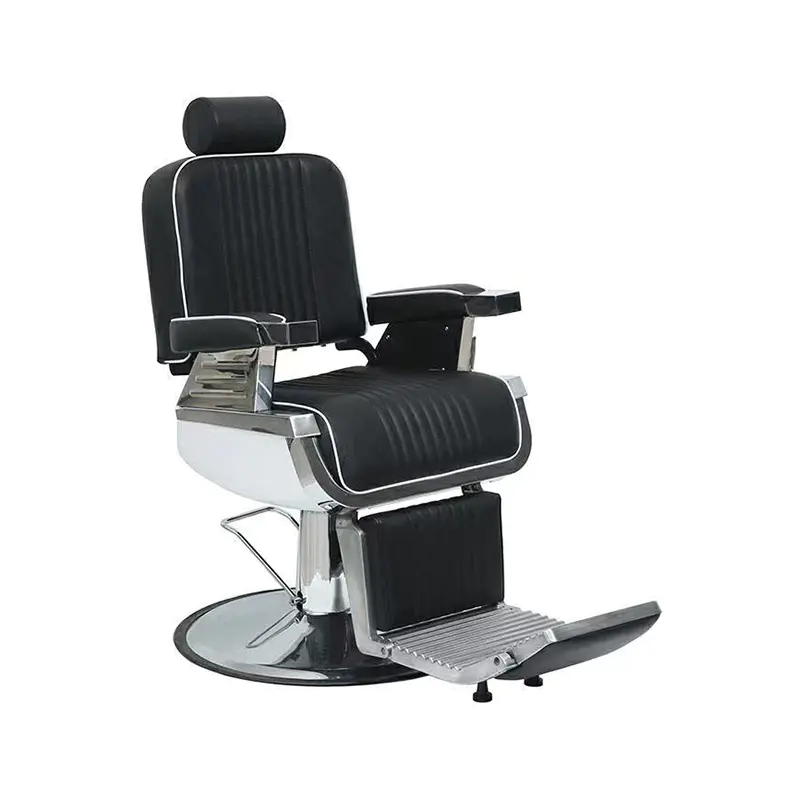
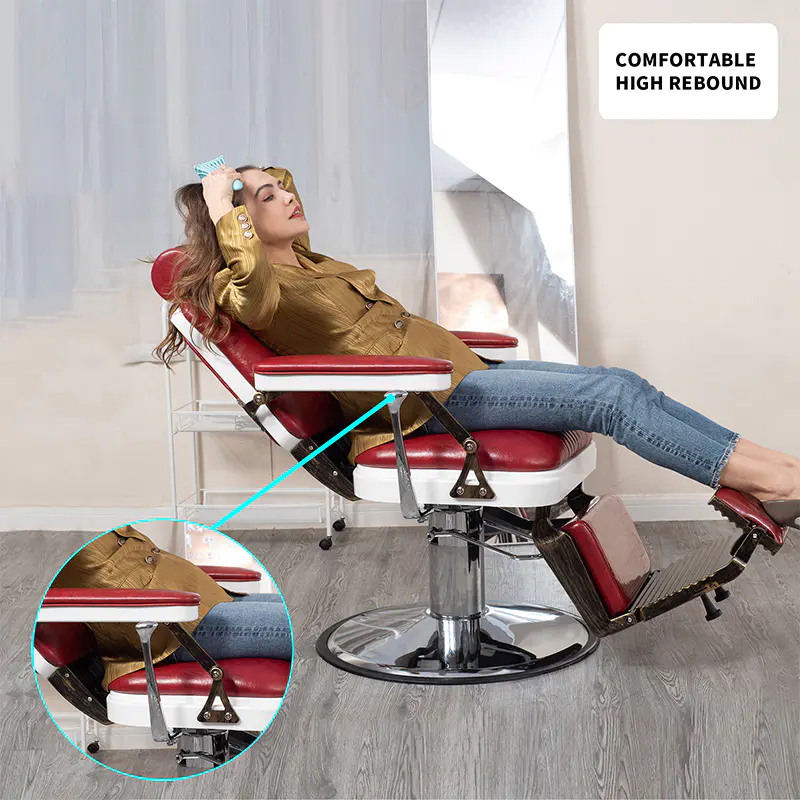
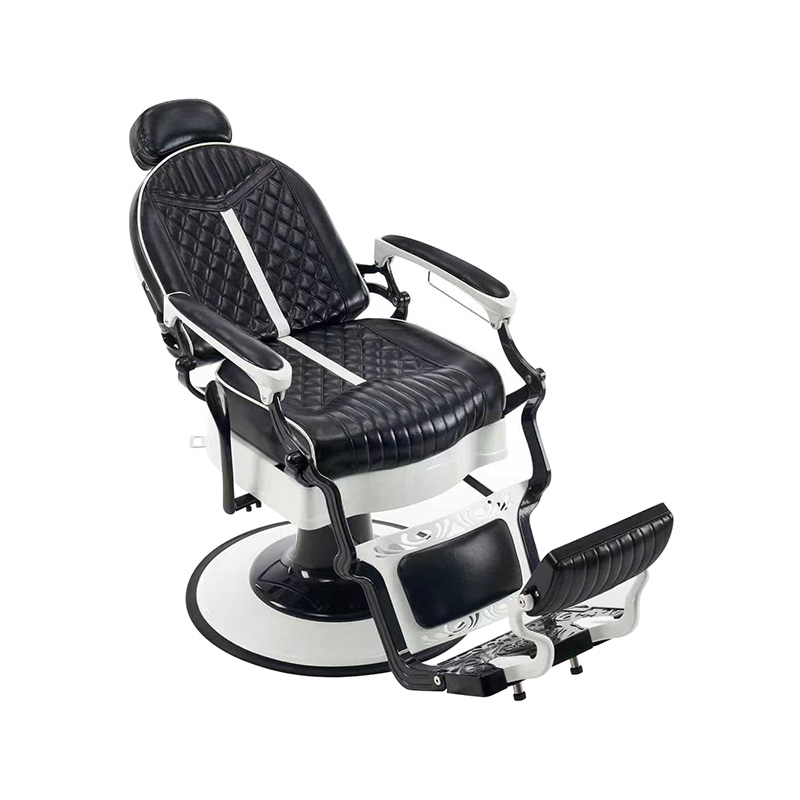
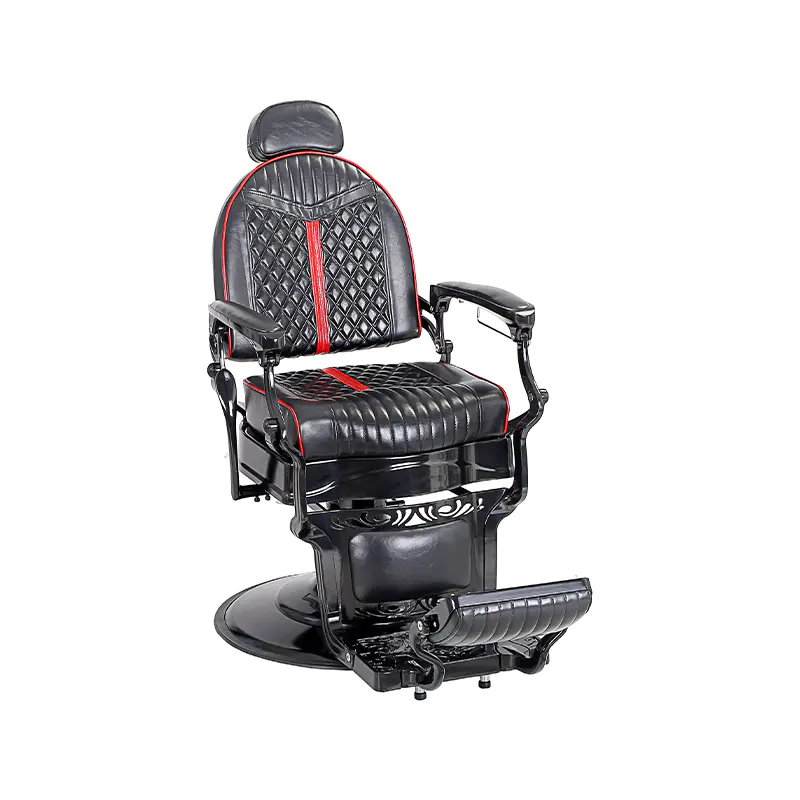
The most comfortable barber chairs for clients combine thick, high-density foam padding, wide and well-contoured seating, full reclining functionality, and durable upholstery that feels soft yet supportive. Comfort is not a luxury in a barbershop — it is a business essential. Clients who feel at ease sit more relaxed, making precision work easier for barbers, and are far more likely to return and recommend your shop to others.
This guide covers exactly what makes a reclining barber chair genuinely comfortable, which features matter most, and how to evaluate your options with confidence.
Why Client Comfort Directly Affects Your Business
A standard haircut lasts 20 to 45 minutes. A full grooming session including a shave, trim, and treatment can run well over an hour. During that time, a client sits in a single position — and the quality of that experience shapes how they feel about your entire service.
Research on customer retention in personal care services consistently shows that physical comfort ranks among the top three factors influencing whether a client returns. An uncomfortable chair creates involuntary fidgeting, tension in the neck and shoulders, and a general sense of unease — all of which undermine even the most skilled barber's work.
Investing in high-quality barber chairs is, in effect, an investment in repeat business and positive word-of-mouth.
The Core Comfort Features That Actually Matter
High-Density Foam Padding
Foam density is the single most important factor in long-term seating comfort. Low-density foam (below 35 kg/m³) compresses quickly and loses its shape within months of regular use. High-density foam at 45–55 kg/m³ maintains its structure for years, provides even weight distribution, and prevents the "bottoming out" sensation that makes clients shift uncomfortably in their seat.
Premium barber chairs layer different foam densities — firmer at the base for support, softer at the surface for immediate comfort — creating a feel that is both plush and properly supportive.
Full Reclining Backrest
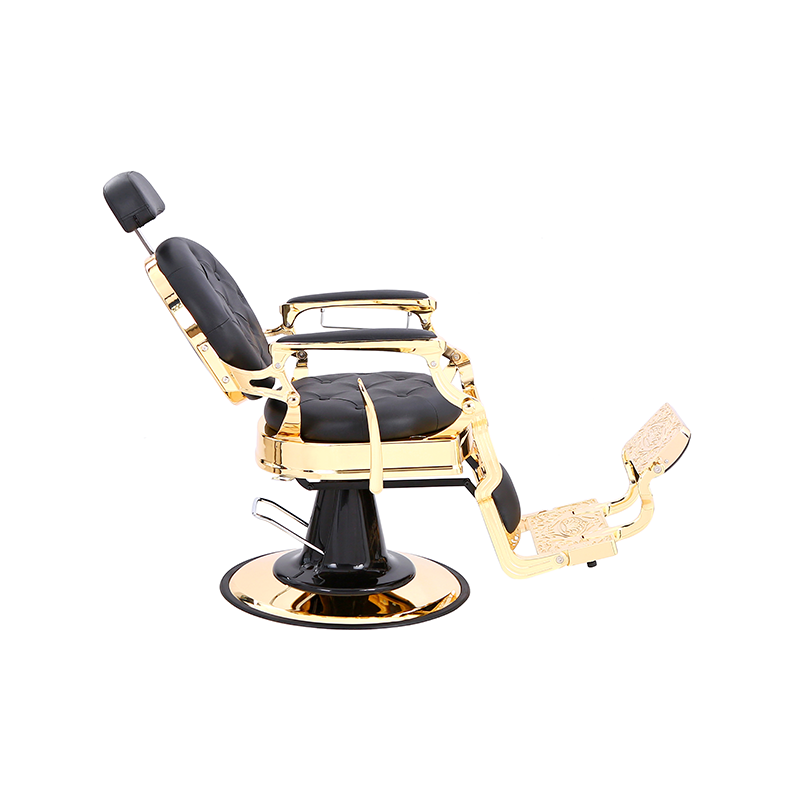
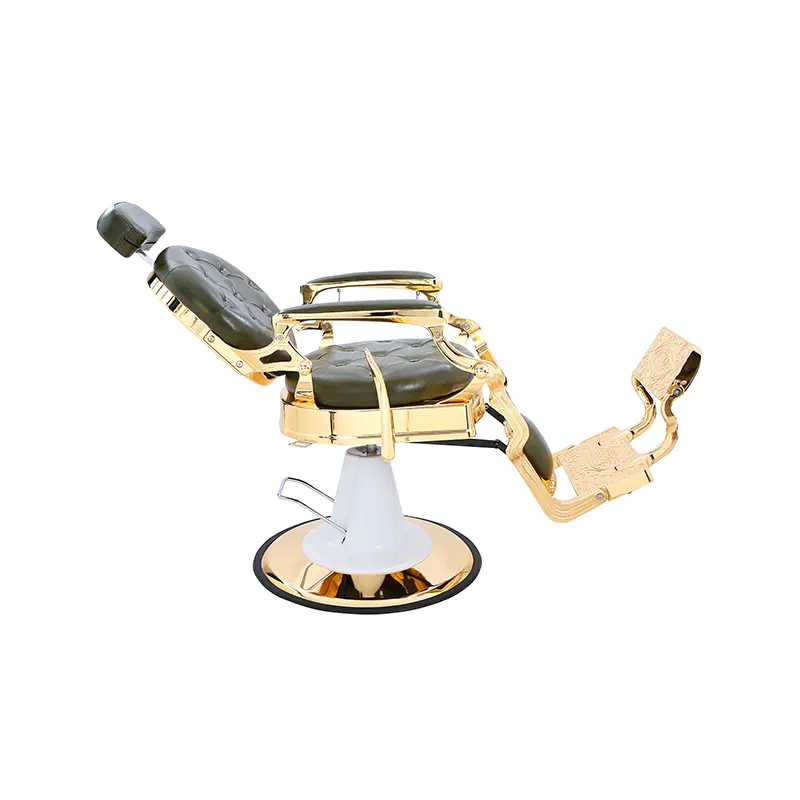
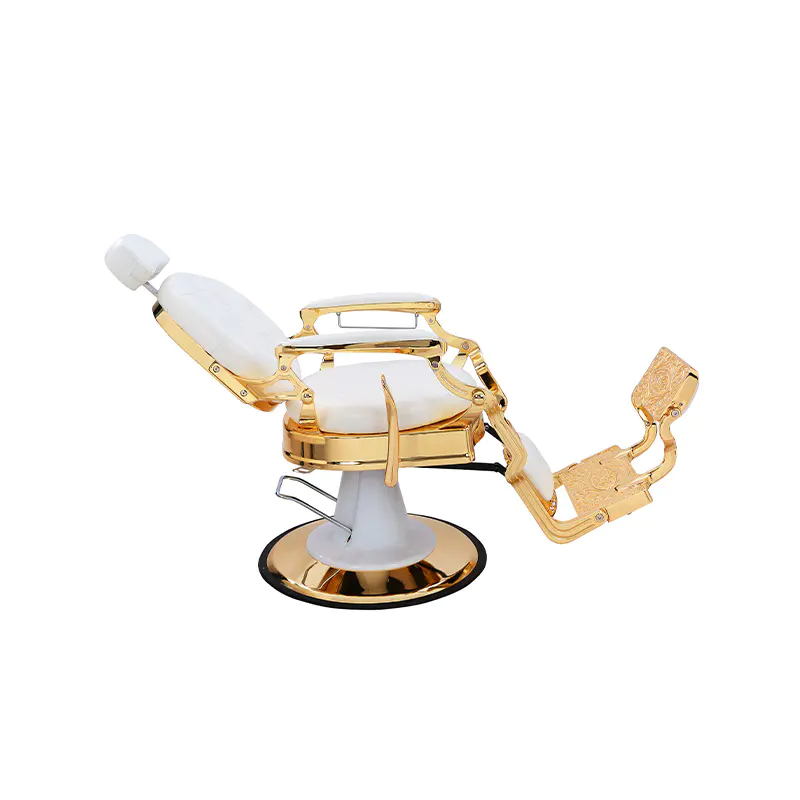
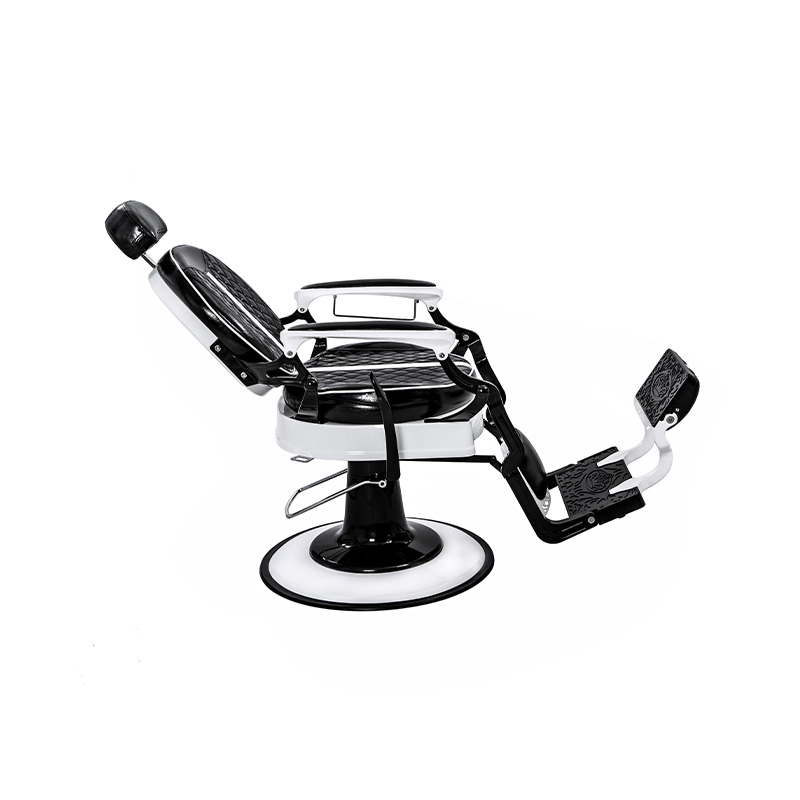
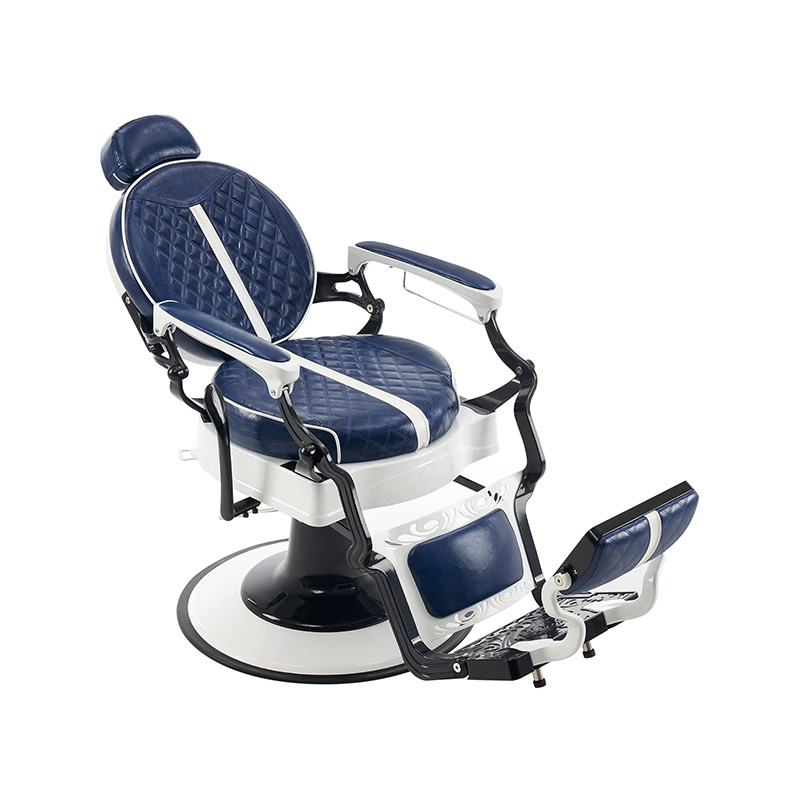
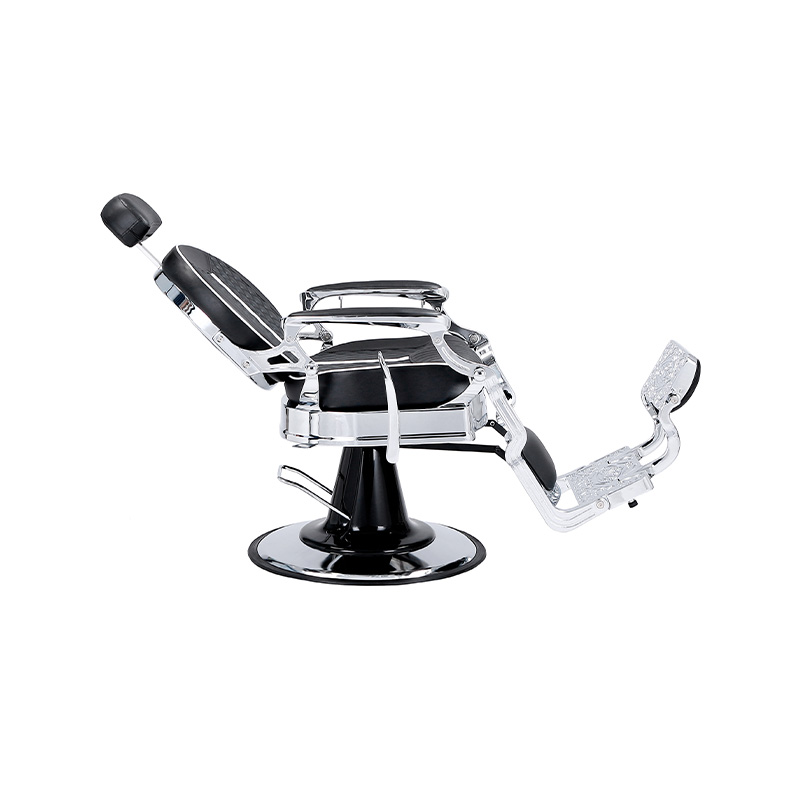
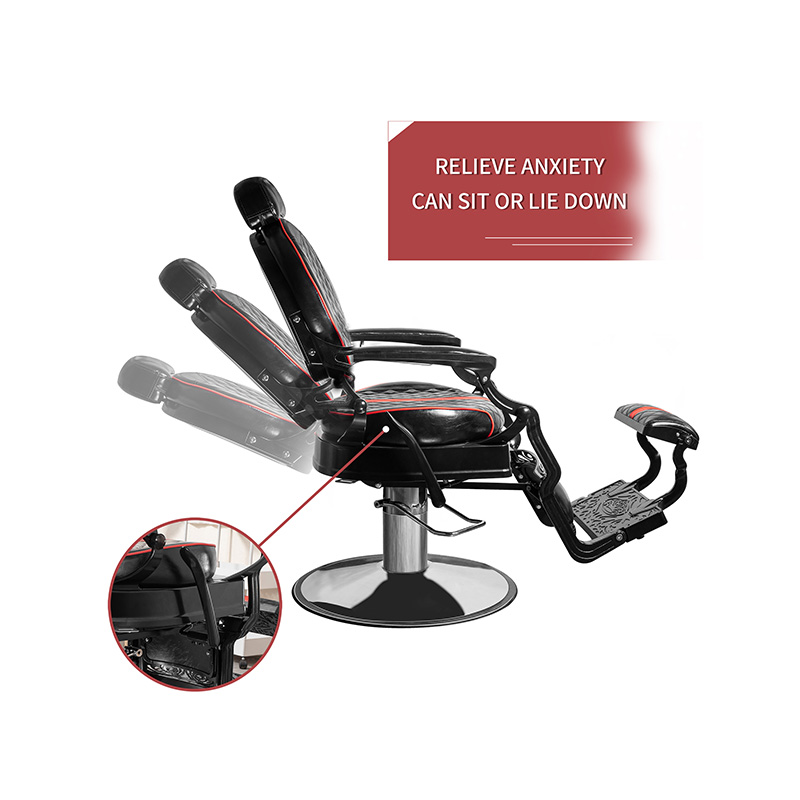
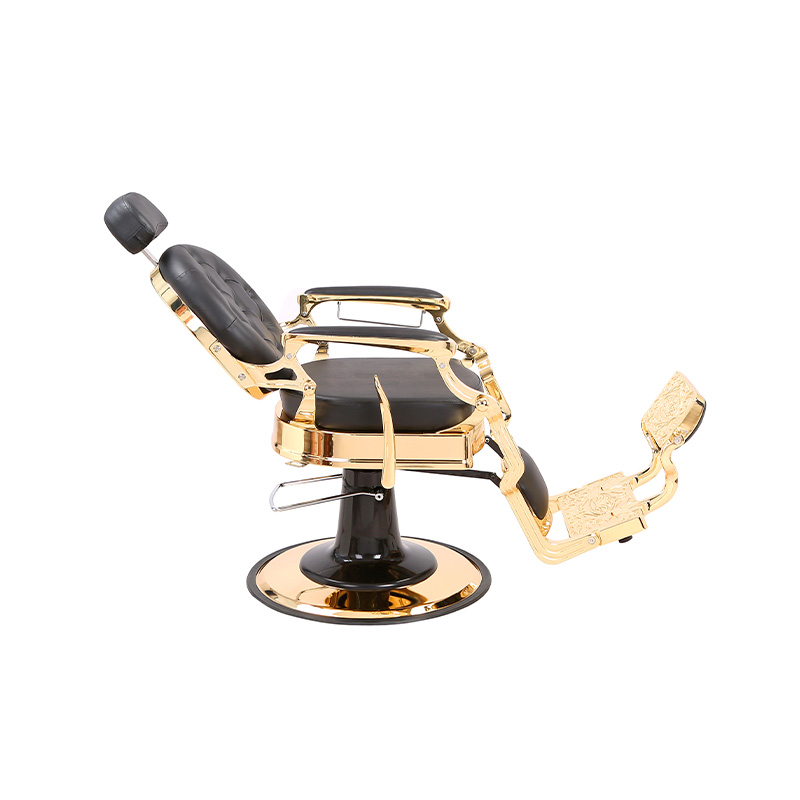
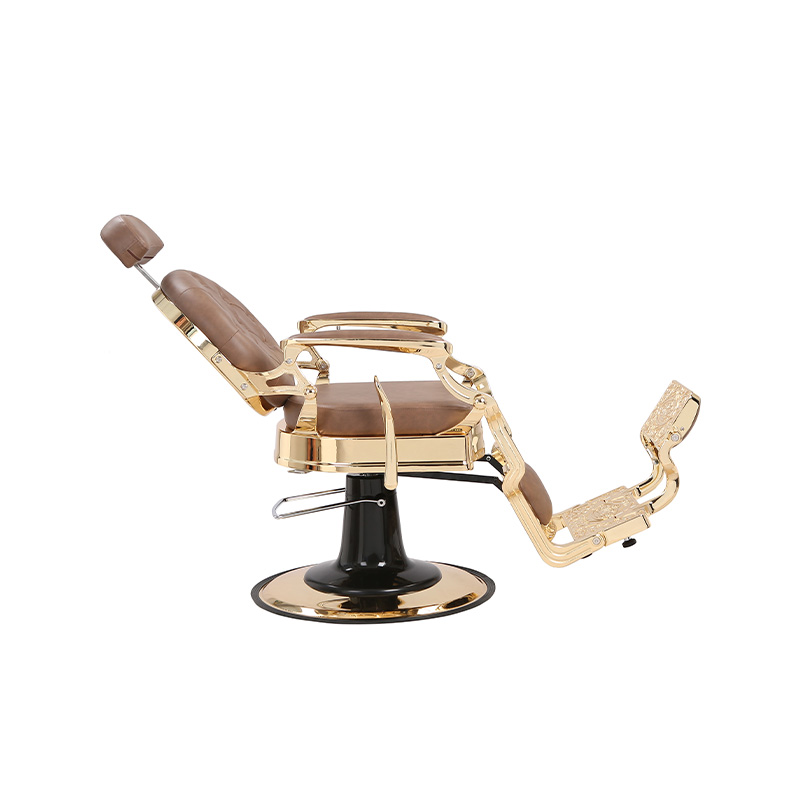
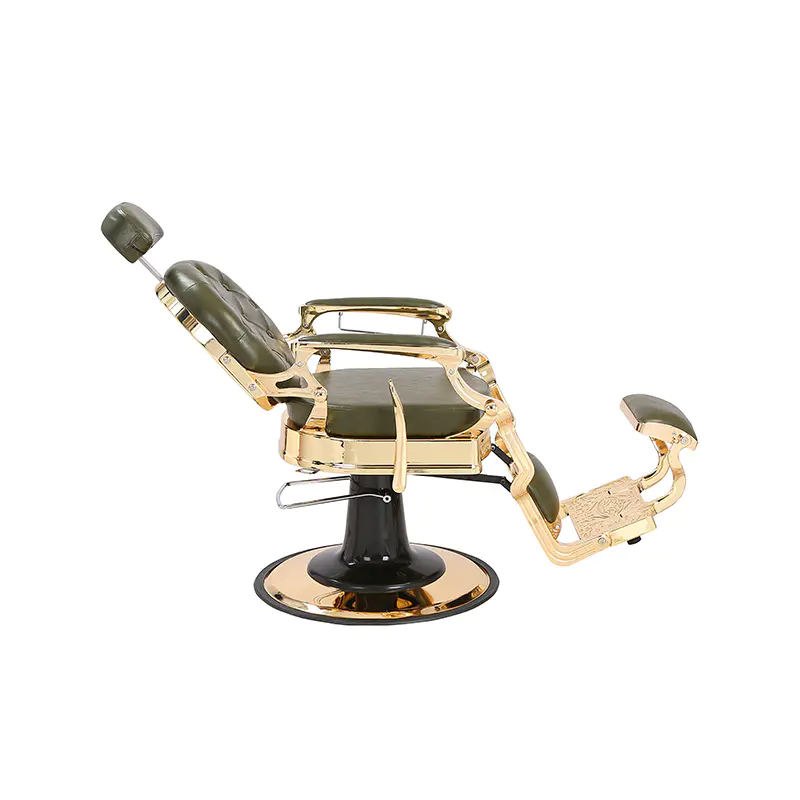
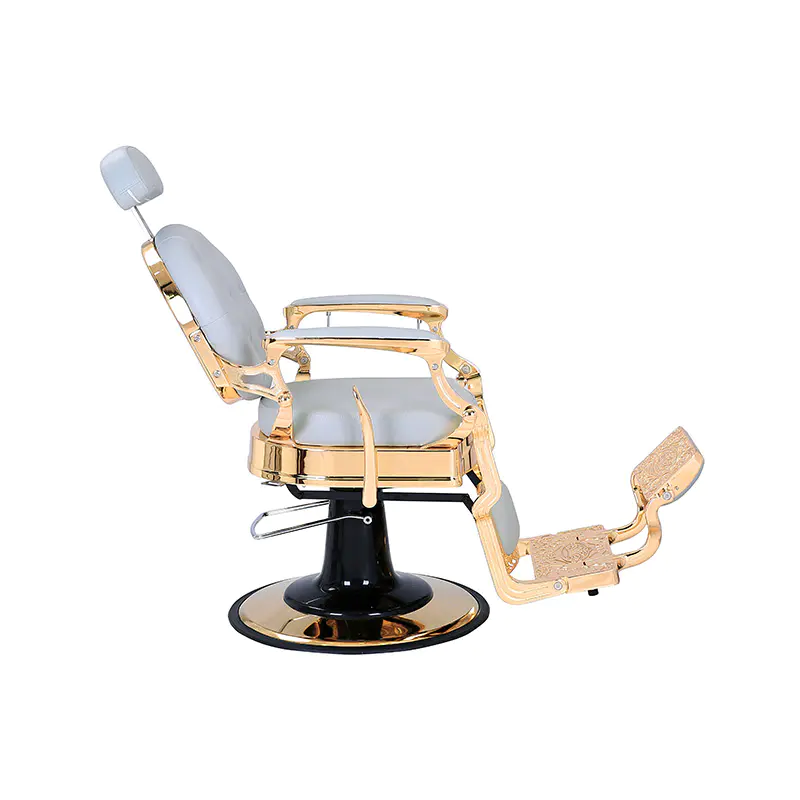
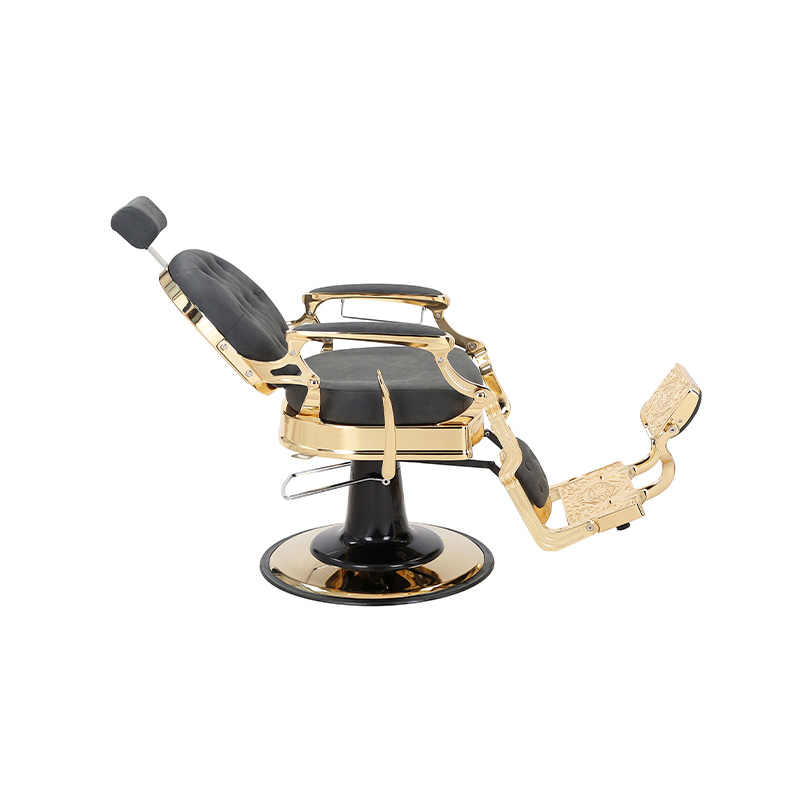
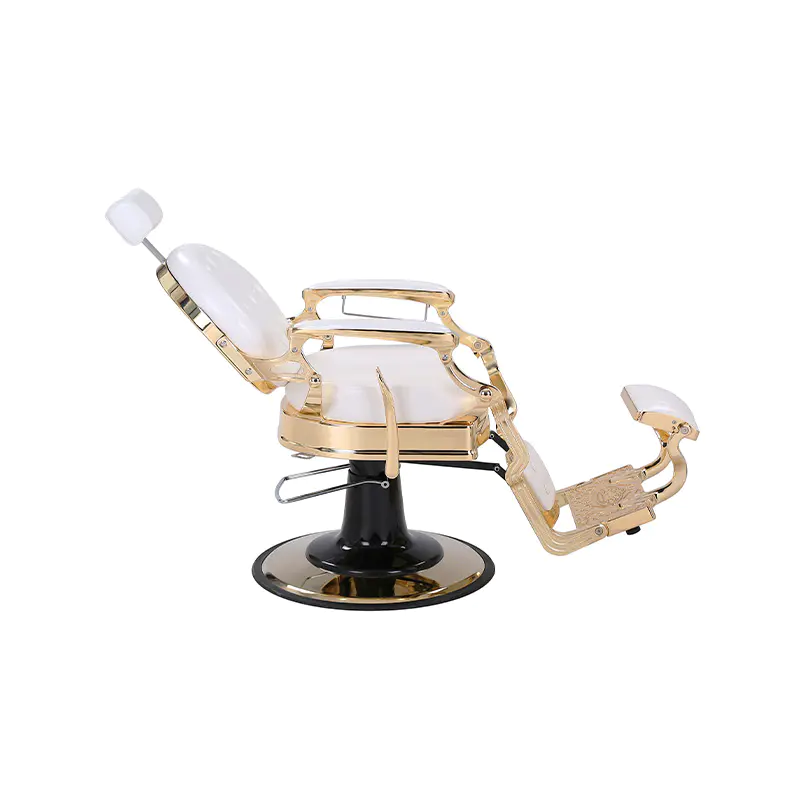
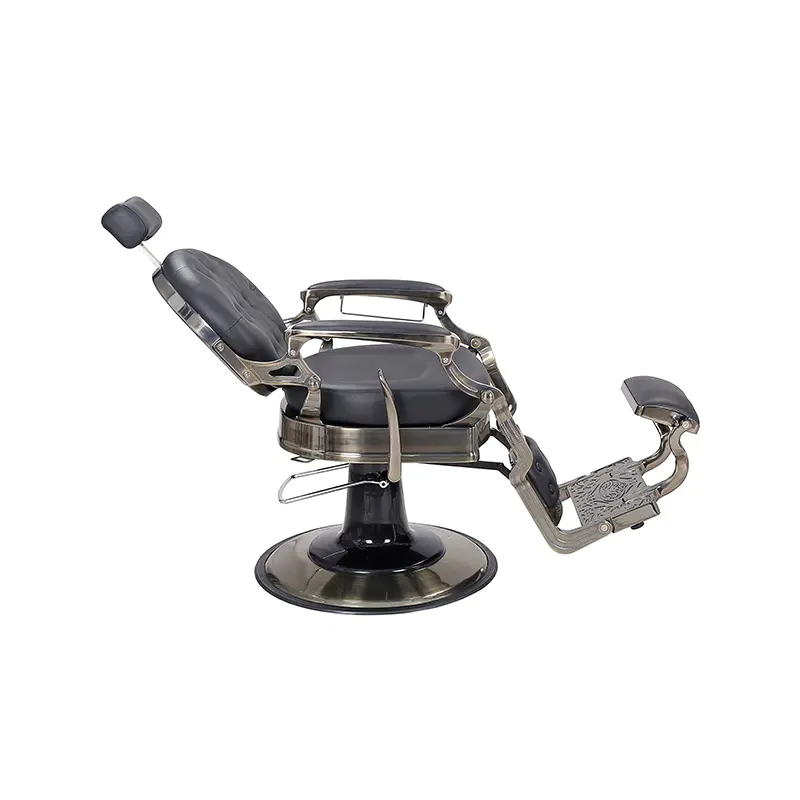
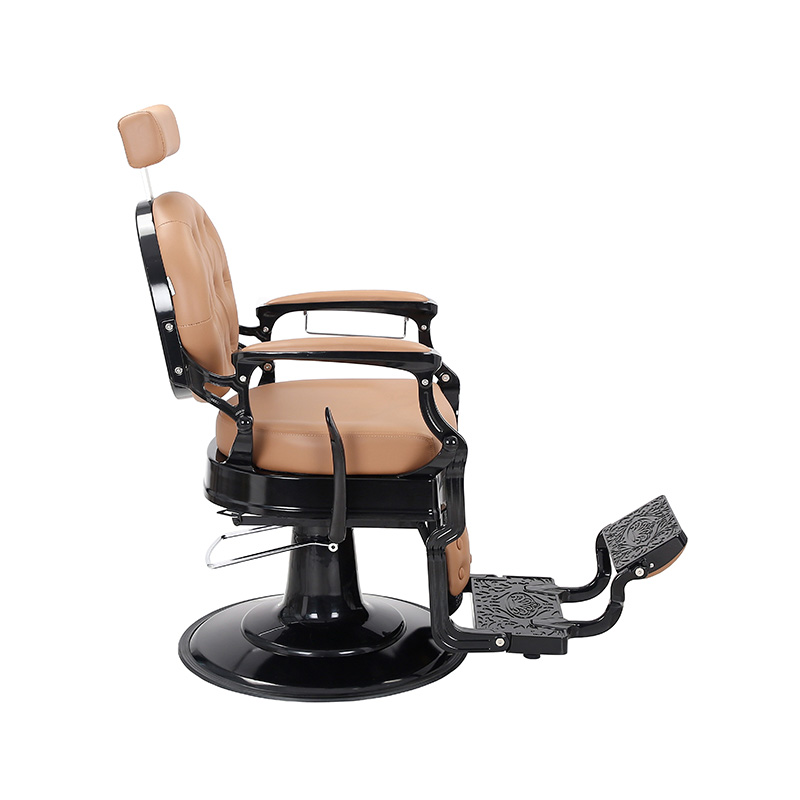
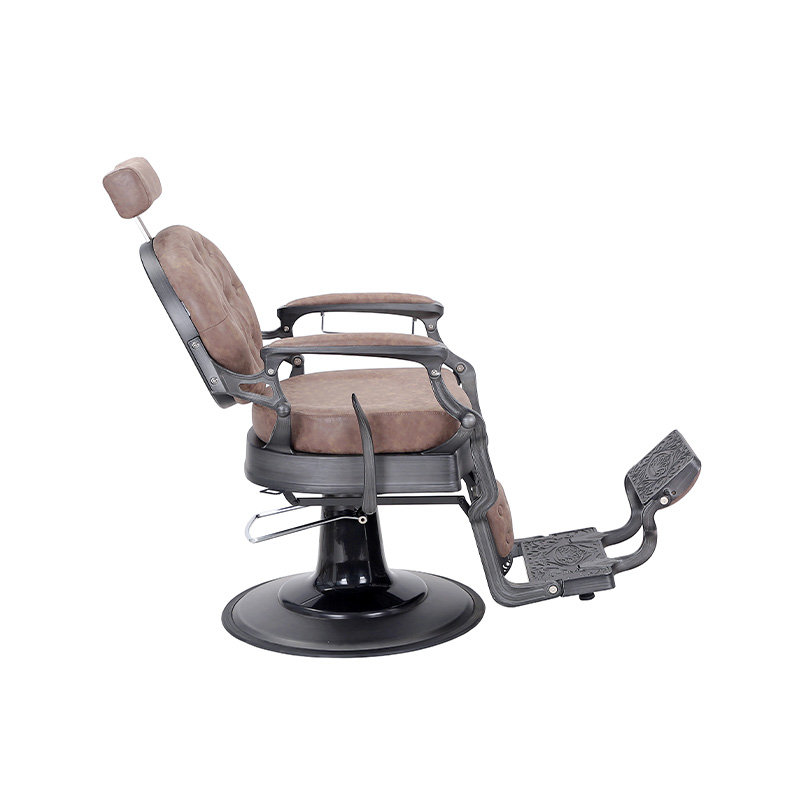
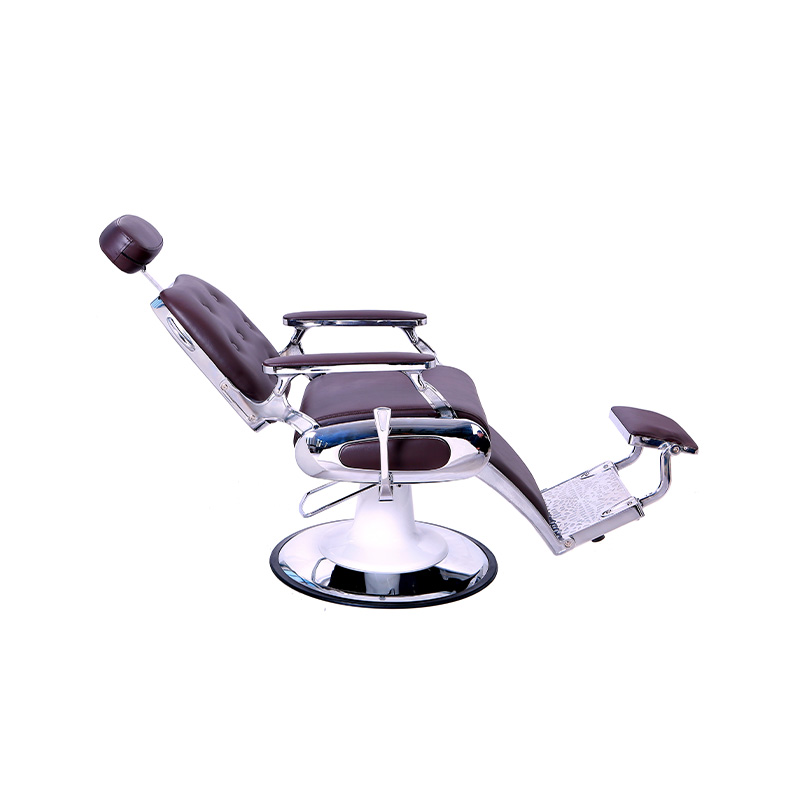
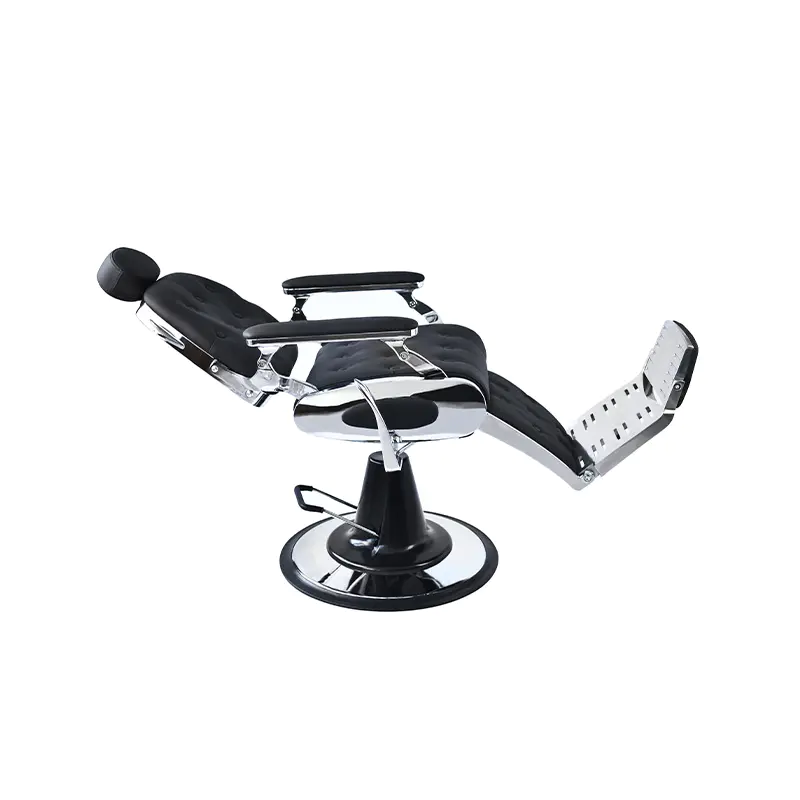
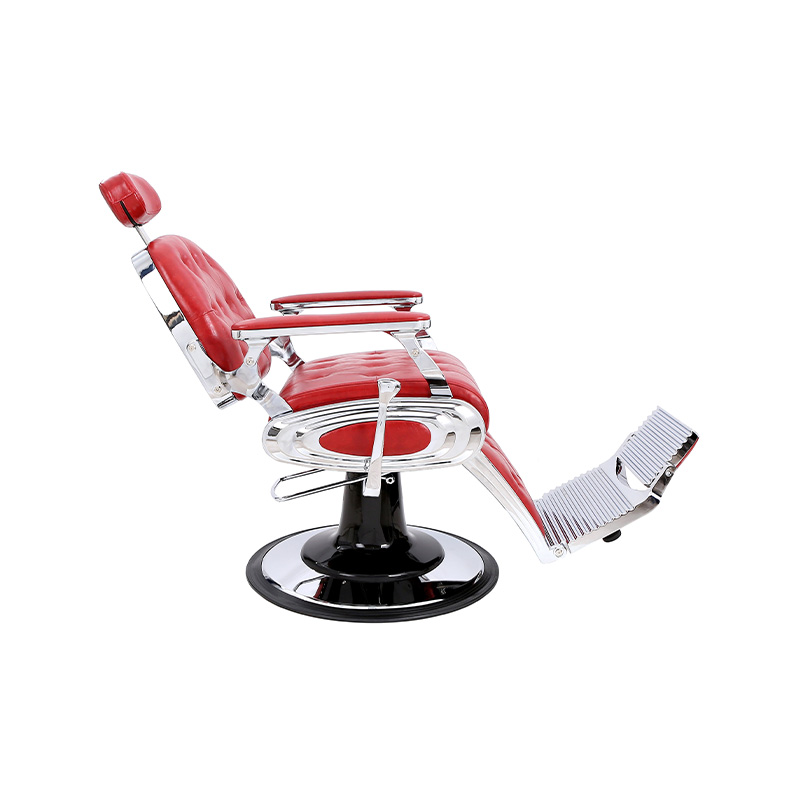
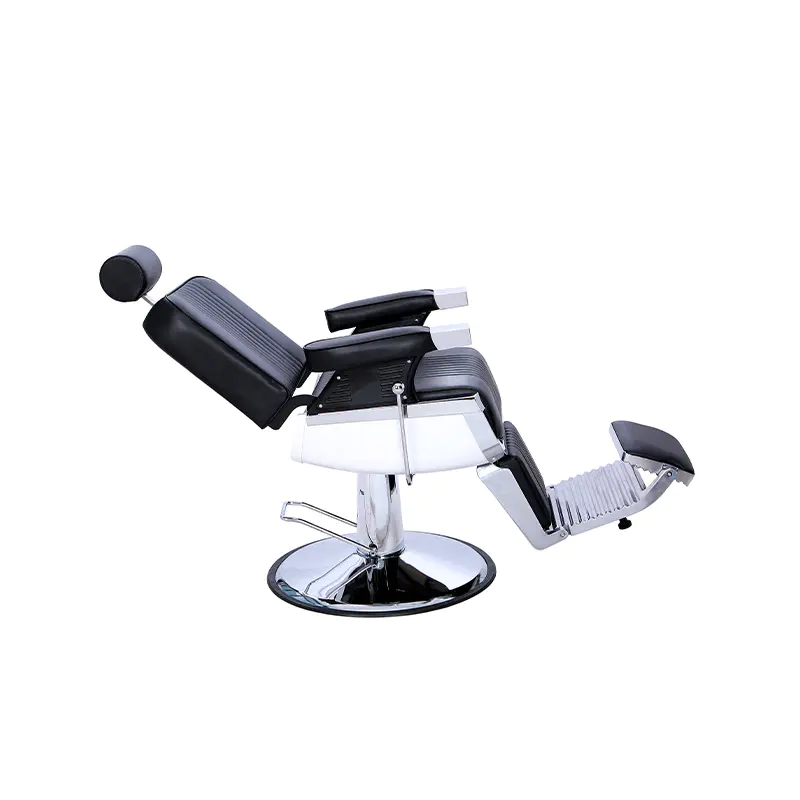
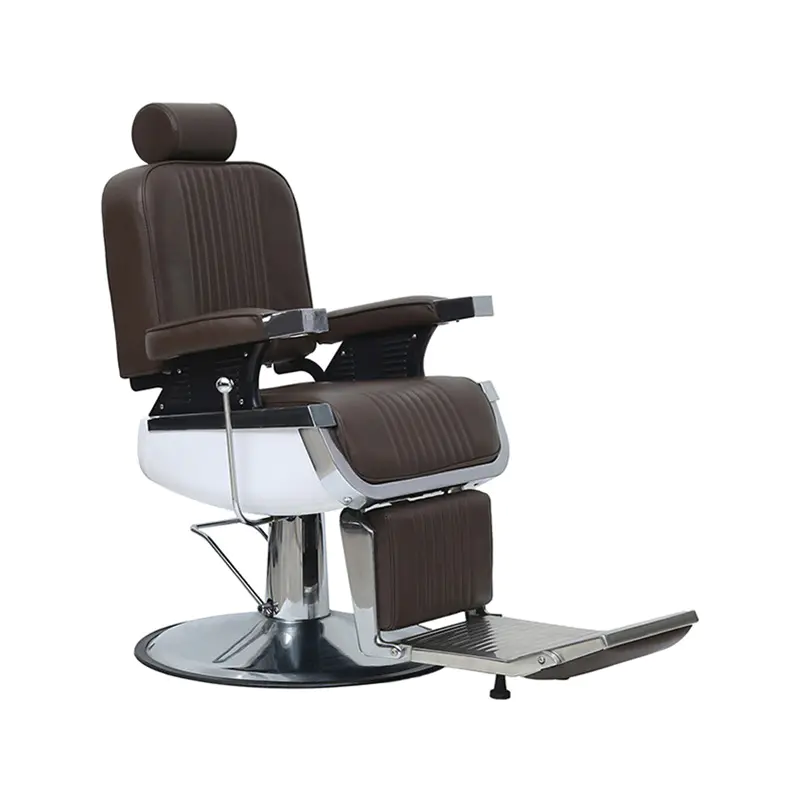
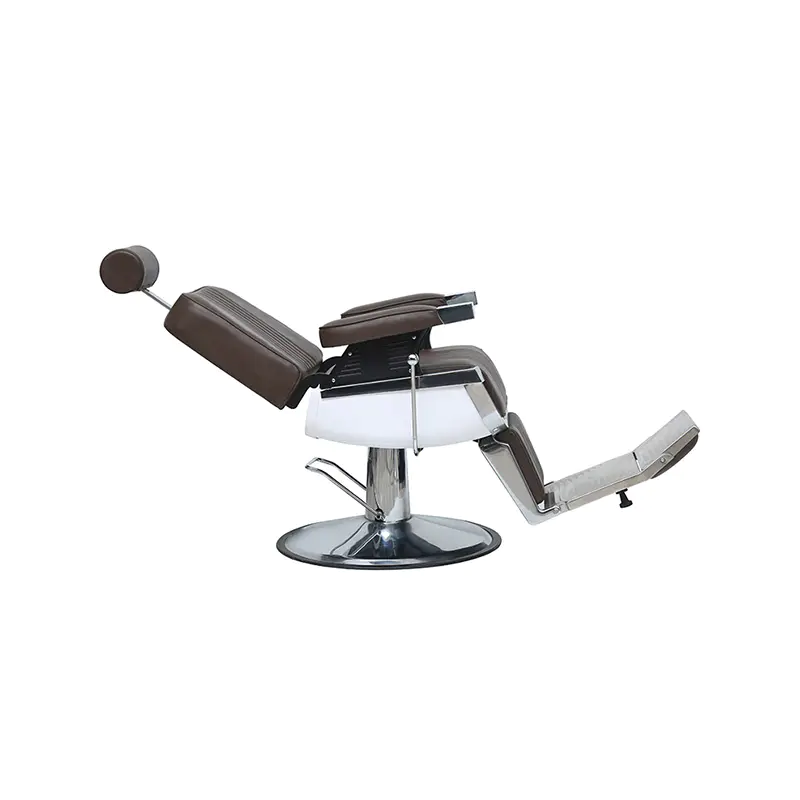
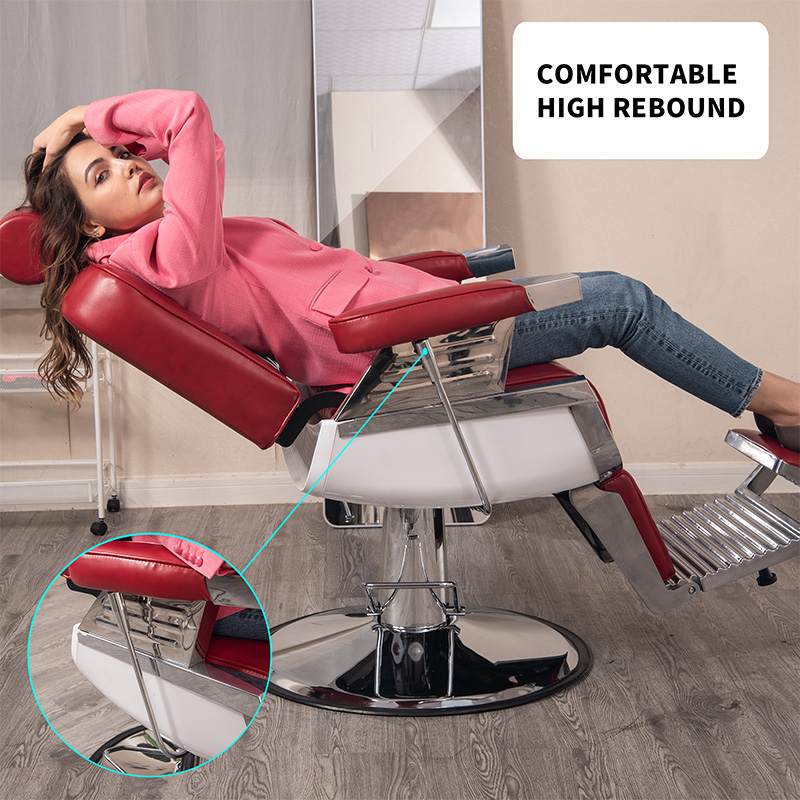
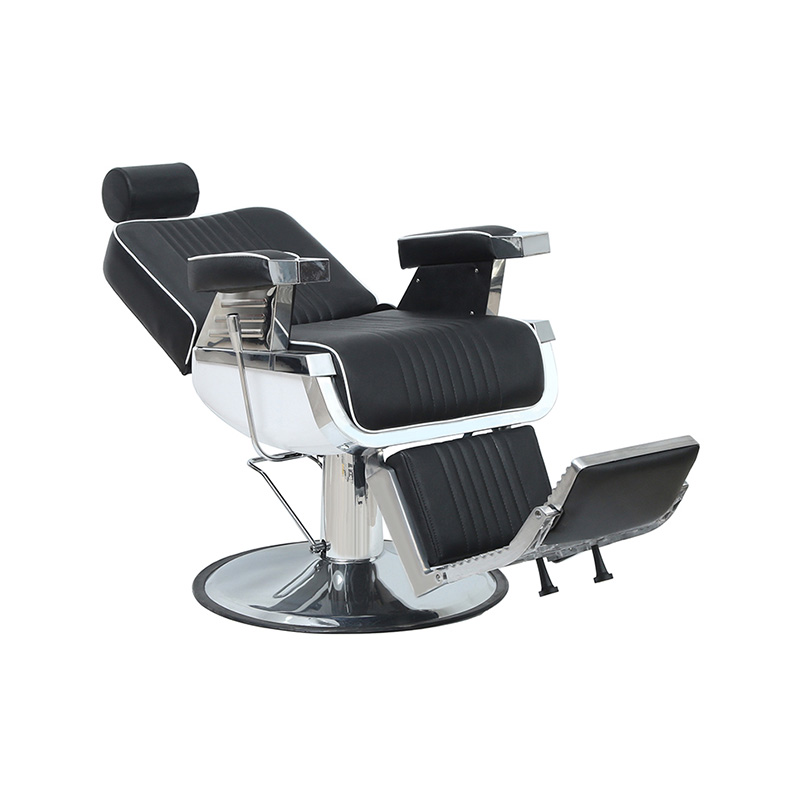
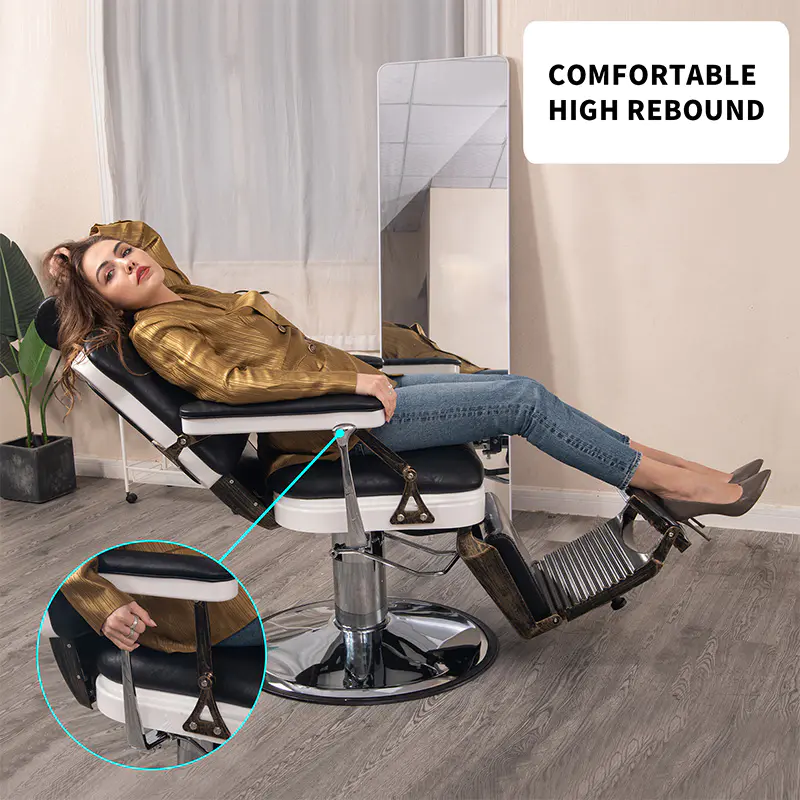
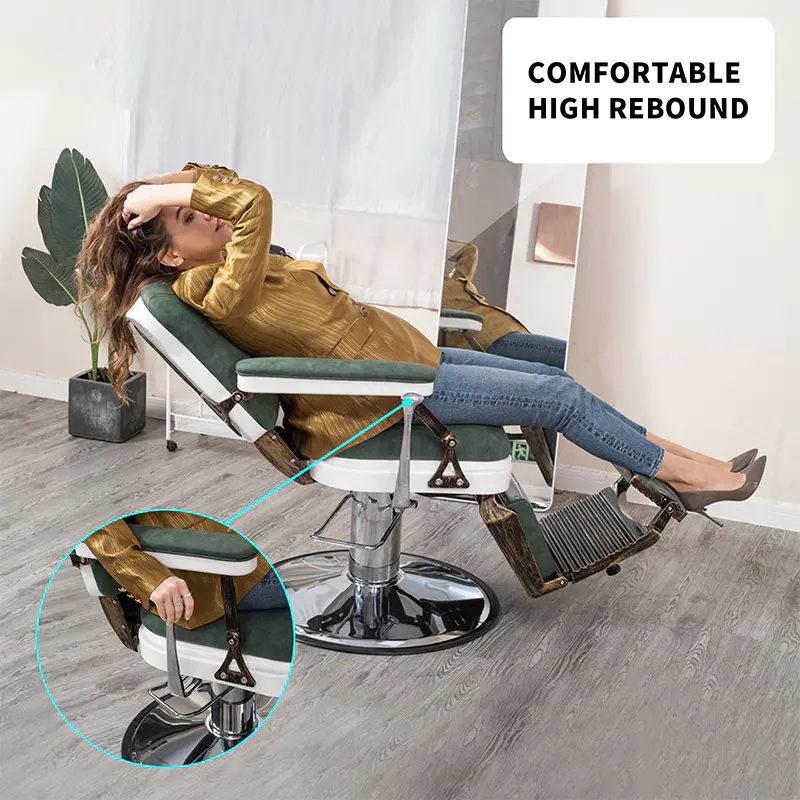
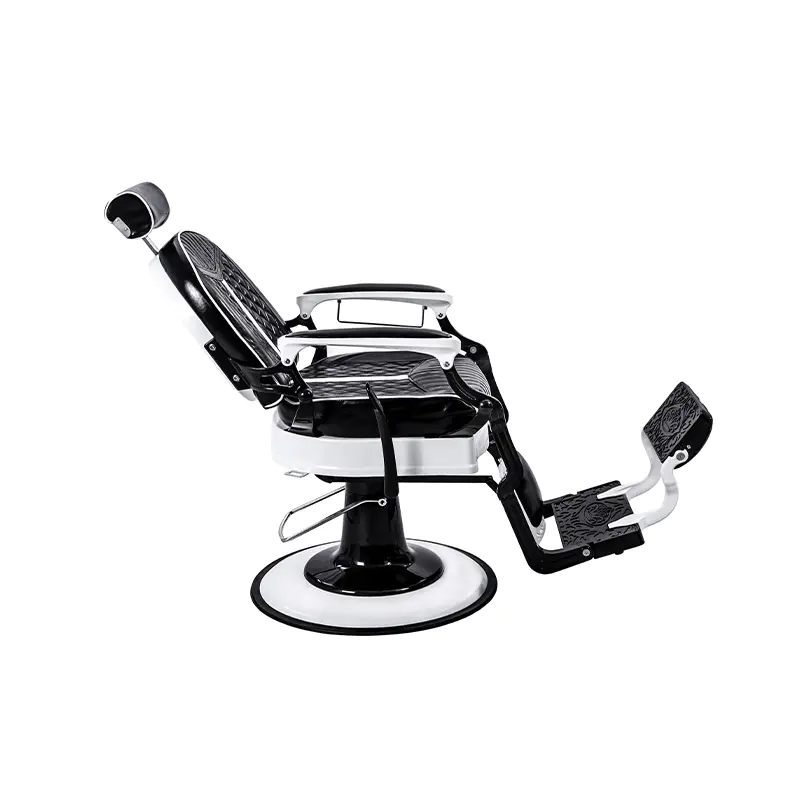
A quality reclining barber chair should offer a backrest range of at least 120° to 180°. This range allows the chair to function as both an upright styling station and a near-flat position for shaving services. Smooth, lockable recline mechanisms prevent abrupt movement and allow barbers to position clients precisely without disturbing them mid-service.
Adjustable Headrest
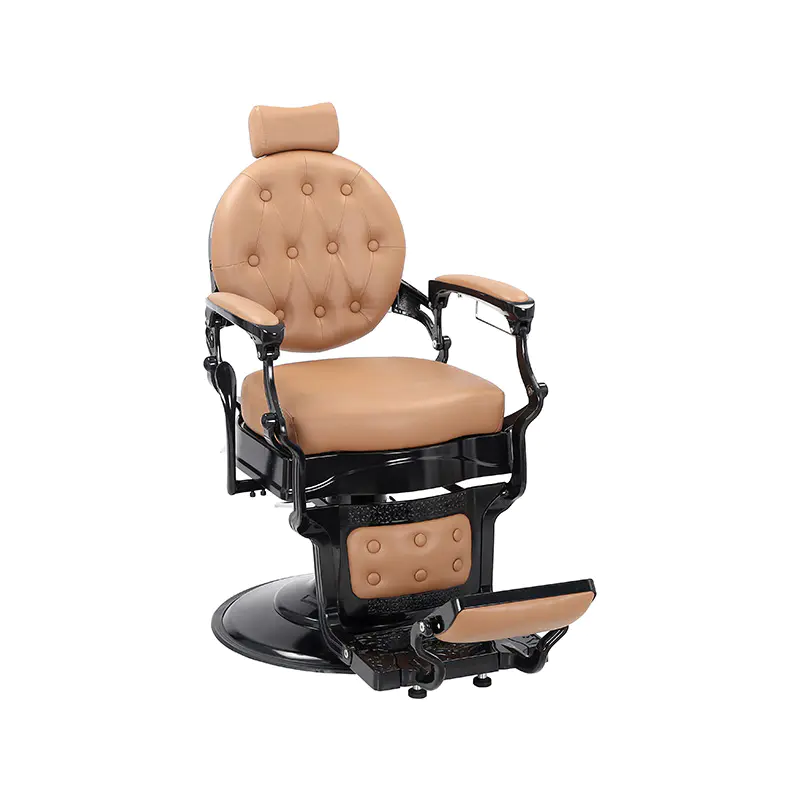
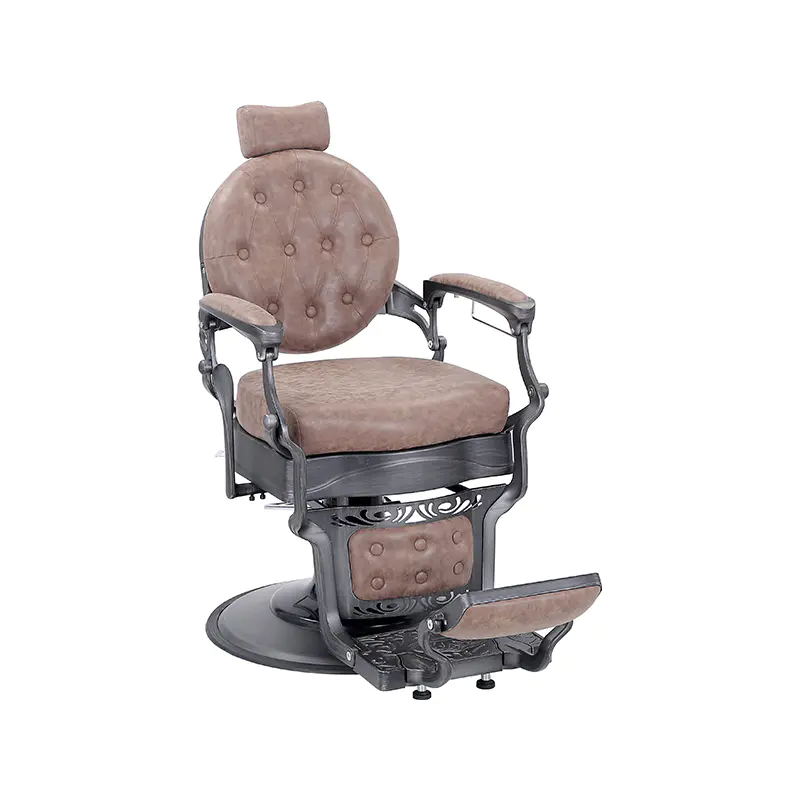
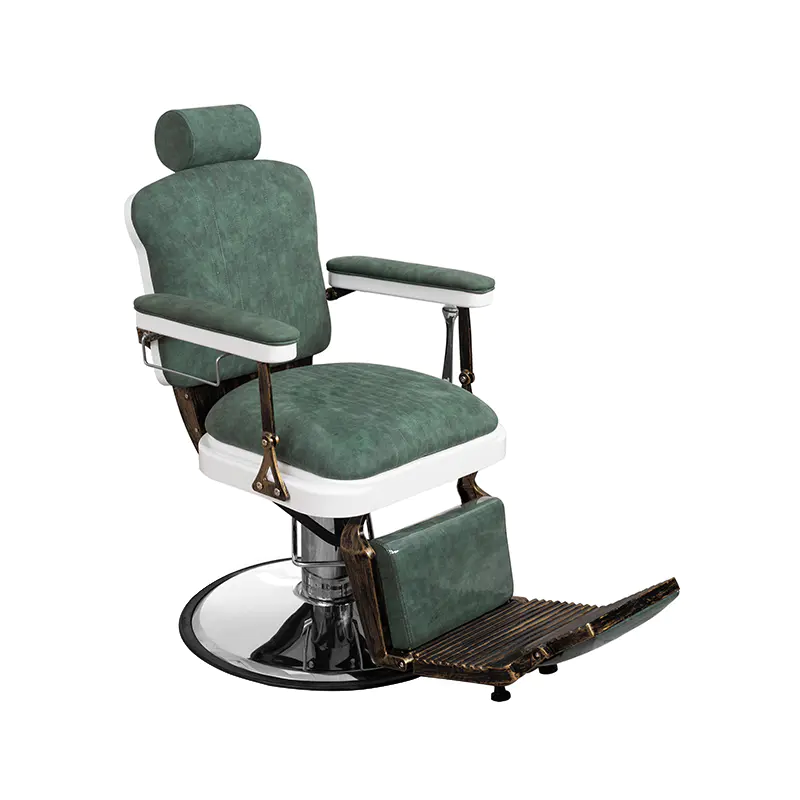
The headrest is critical for neck comfort, particularly during shaving or fading work at the neckline. An adjustable, padded headrest that can be repositioned up, down, and at an angle accommodates clients of different heights and body types, eliminating the neck strain that comes from an ill-fitting fixed headrest.
Seat Width and Depth
Standard barber chairs measure approximately 50–55 cm in seat width. A wider seat of 55–62 cm accommodates a broader range of body types without making smaller clients feel lost in the chair. Seat depth of 48–52 cm ensures the thighs are fully supported without pressure behind the knees — a common source of discomfort in chairs with seats that are too deep or too shallow.
Armrest Design and Padding
Padded, slightly angled armrests allow clients to rest their arms naturally rather than holding them tense at their sides. Flip-up or removable armrests also make it easier for clients to sit down and stand up, which is especially important for elderly or mobility-limited clients.
Footrest and Leg Support
A well-positioned, padded footrest keeps the legs slightly elevated and the lower back decompressed. When the feet dangle unsupported, pressure builds in the thighs and lower back within minutes. Look for footrests that extend and lock at multiple positions.
Upholstery: The Surface Comfort That Clients Notice Immediately
The upholstery material is the first thing a client touches — and it sets the tone for their entire experience. The main options each carry distinct advantages:
| Upholstery Type | Feel | Durability | Maintenance |
|---|---|---|---|
| PU Leather | Smooth, warm | Good (3–6 years) | Easy to wipe clean |
| Genuine Leather | Premium, breathable | Excellent (8–15 years) | Requires conditioning |
| Vinyl | Firm, cool | Very Good (5–8 years) | Chemical-resistant |
| Velvet / Fabric | Soft, luxurious | Moderate (2–4 years) | Harder to sanitize |
For most barbershops, high-grade PU leather or genuine leather offers the best balance of client comfort, professional appearance, and day-to-day hygiene. Vinyl is preferred in high-traffic environments where chemical disinfectants are used frequently.
Reclining Barber Chair: Why Full Recline Changes the Client Experience
A fixed-back chair restricts the services a barber can offer. A reclining barber chair opens up the full range of barbering — from precision trims to hot towel shaves — all in a single station without relocating the client.
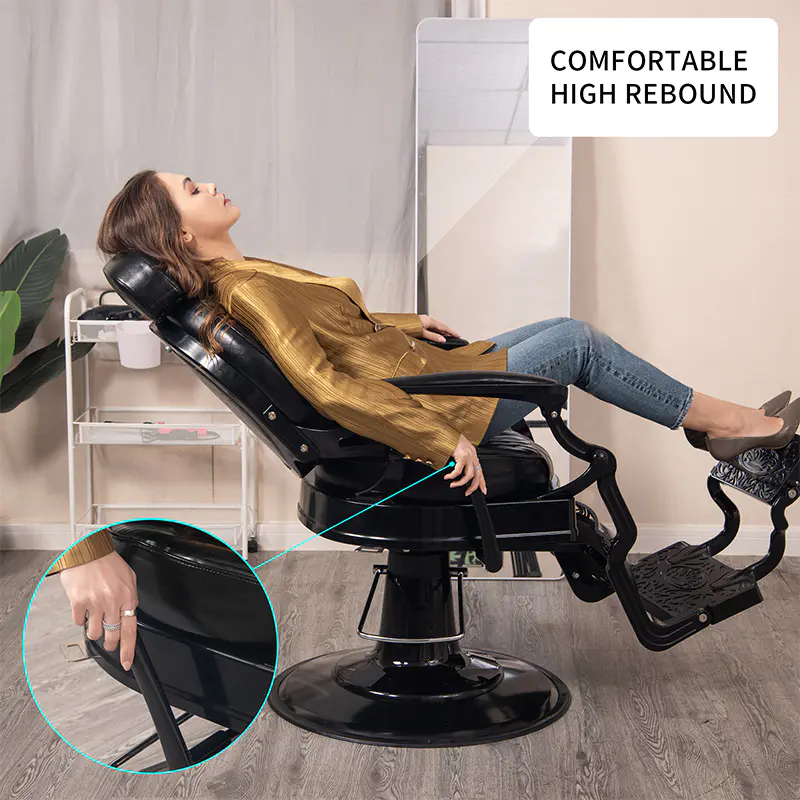
From the client's perspective, reclining transforms a routine visit into a genuinely relaxing experience. The ability to lie back with proper neck and head support reduces muscle tension and creates a sense of ease that clients associate with premium service. In surveys of barbershop client satisfaction, reclining functionality consistently ranks in the top two factors associated with perceived quality of the experience.
Key recline features to look for:
- Smooth, controlled movement — no sudden drops or jerky transitions
- Lockable at multiple angles — at least 3 positions between upright and fully flat
- Synchronized headrest movement — headrest adjusts as the back reclines to maintain neck support throughout
- Integrated footrest extension — footrest rises as the chair reclines to keep legs supported at all angles
How Hydraulic Height Adjustment Contributes to Comfort
A smooth, reliable hydraulic pump system is not just a convenience for barbers — it actively contributes to client comfort. When a chair rises or lowers jerkily, it disturbs a relaxed client and can cause involuntary muscle tension. A well-engineered pump moves the chair silently and evenly, keeping the client undisturbed throughout position adjustments.
Standard hydraulic height ranges for professional barber chairs run from approximately 45 cm to 70 cm from floor to seat. A wider range accommodates both seated barbers working at a low position and taller barbers who prefer to work at a higher station without bending.
Client Comfort Ratings: What Features Matter Most
The chart below illustrates how clients rate the importance of various comfort features in professional barber chairs, based on aggregated barbershop client feedback studies.
Client-rated importance of barber chair comfort features (% rating as "very important")
Structural Build Quality and Long-Term Comfort
A chair may feel comfortable on day one and become noticeably worse within a year if the underlying structure is weak. Structural quality determines how well a chair maintains its comfort characteristics over thousands of hours of use.
Key structural indicators of a durable, consistently comfortable barber chair:
- Steel frame construction — eliminates flex and wobble that causes client unease
- Weight capacity of 180–250 kg — ensures stability for all body types without strain on the base
- Heavy cast-iron base with a wide footprint for stability during recline and height adjustment
- Reinforced recline mechanism — a weak recline joint degrades quickly under daily use
- Stitched and reinforced upholstery seams — prevents splitting at stress points like armrests and seat edges
Comfort Checklist: What to Evaluate Before Purchasing
Use this checklist when assessing any reclining barber chair for client comfort:
| Comfort Factor | What to Check | Ideal Standard |
|---|---|---|
| Foam Padding | Press firmly — should spring back fully | High-density, 45–55 kg/m³ |
| Recline Range | Test full recline motion | 120° – 180°, smooth and lockable |
| Headrest | Adjust and check neck fit | Multi-position, padded |
| Seat Dimensions | Measure width and depth | 55–62 cm wide, 48–52 cm deep |
| Hydraulic Pump | Pump up and release — check smoothness | Silent, no jerking |
| Frame Stability | Sit and shift weight side to side | No flex, no movement in base |
| Upholstery Seams | Inspect stitching at edges and corners | Double-stitched, no exposed edges |
Matching Chair Style to Your Shop's Client Experience
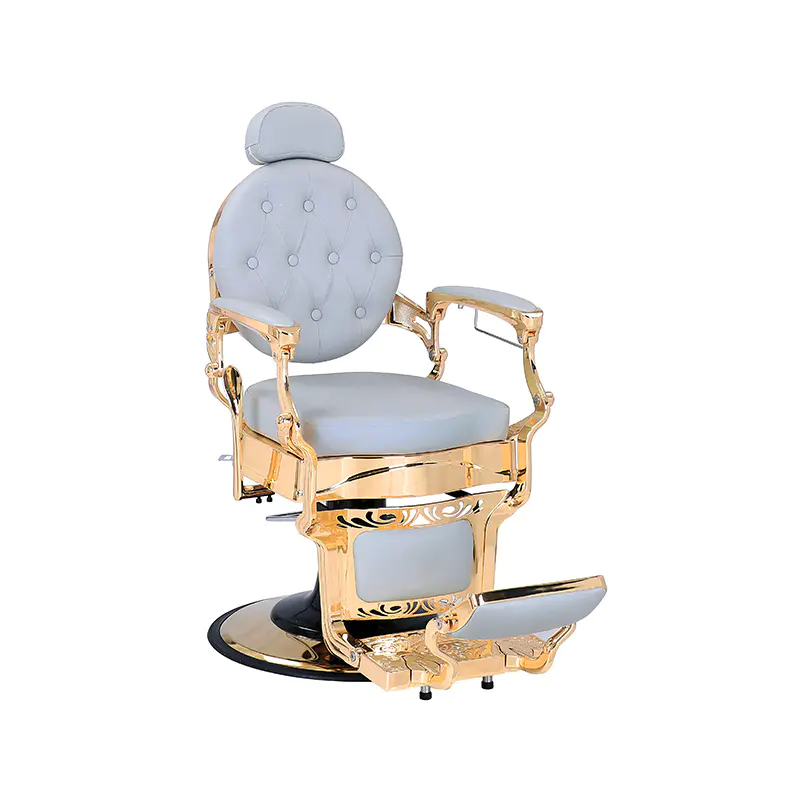
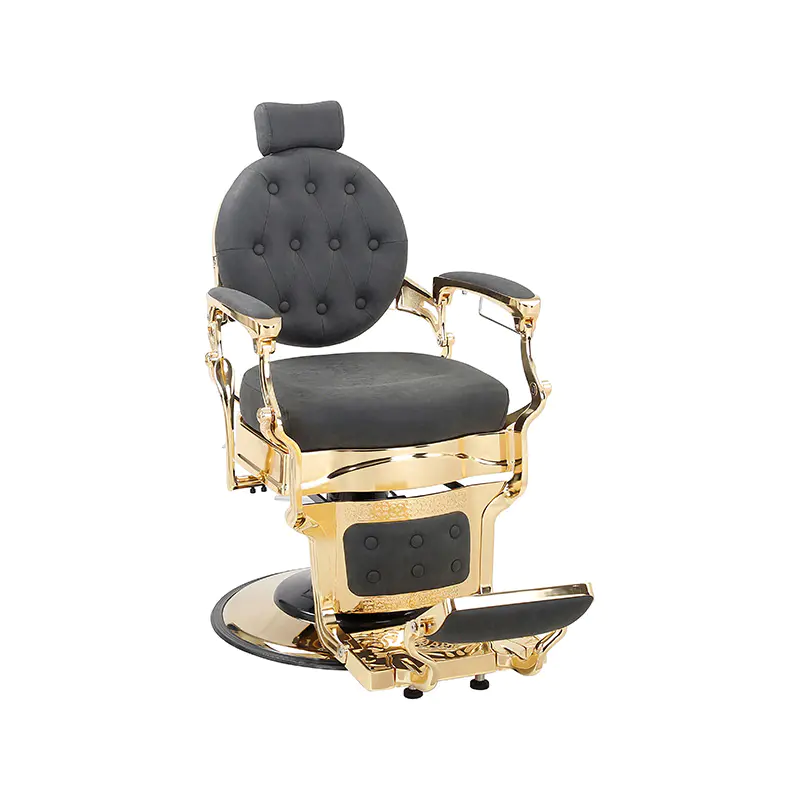
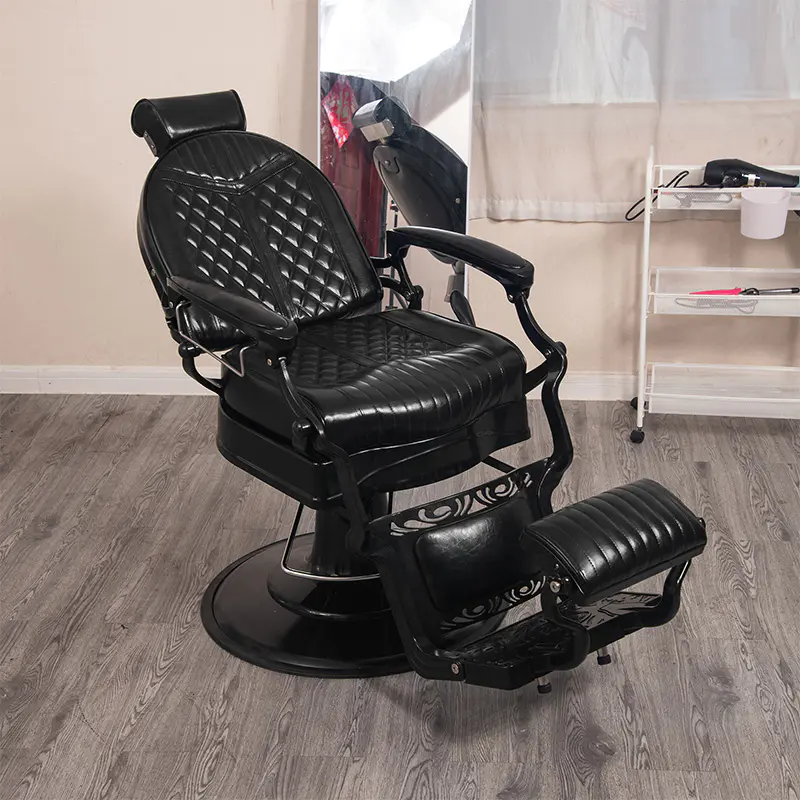
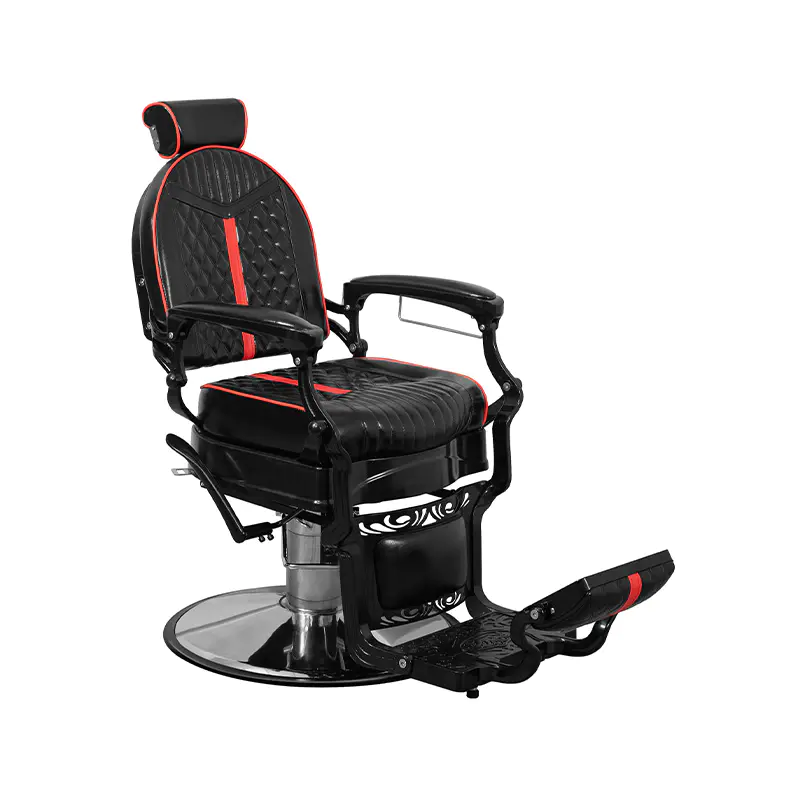
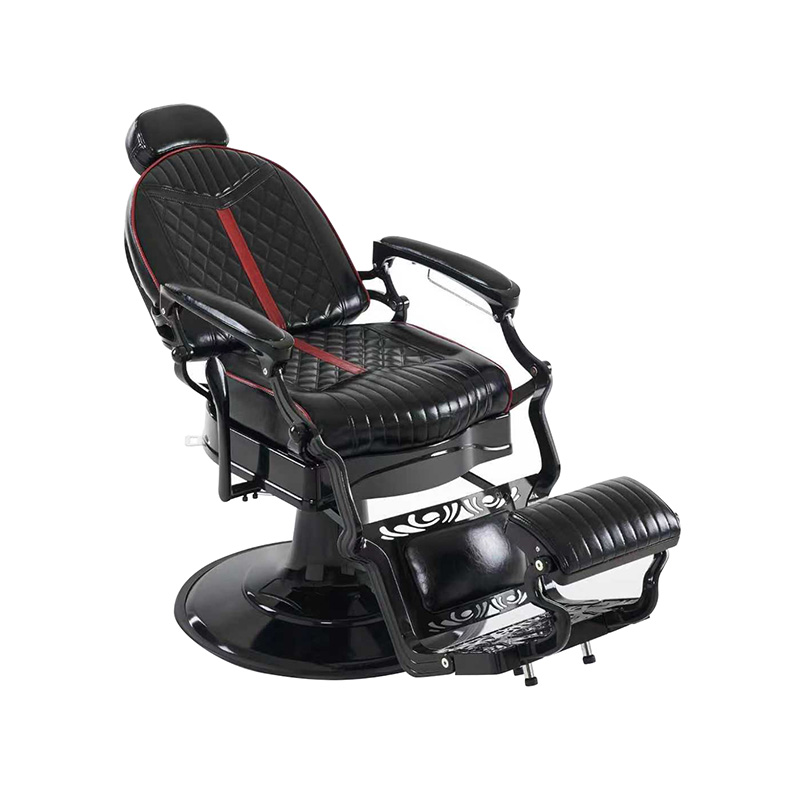
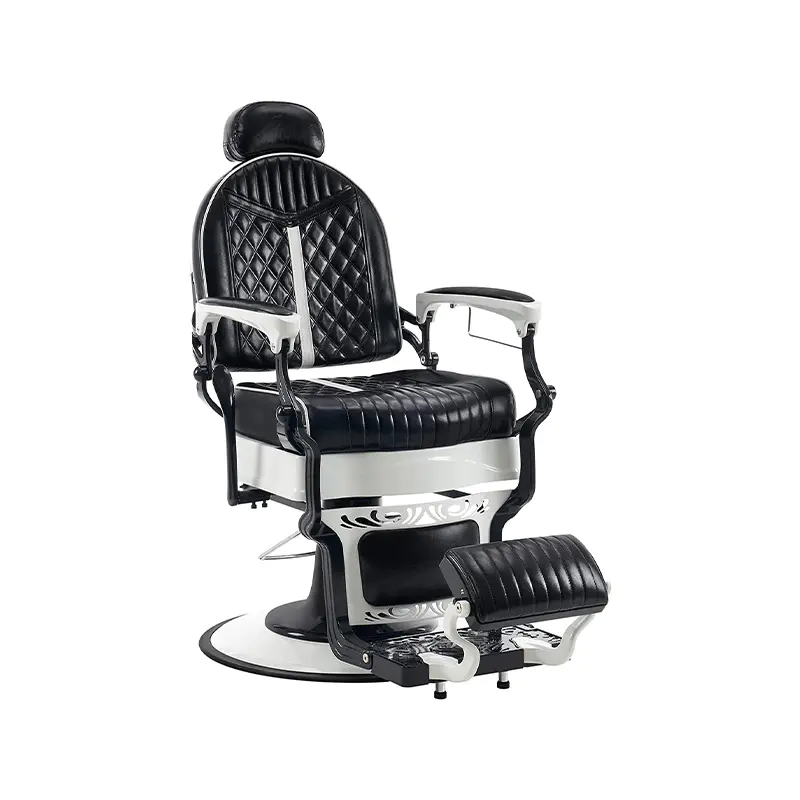
Comfort is not purely physical. The visual character of a barber chair contributes to a client's psychological sense of ease. A chair that looks well-crafted, premium, and appropriate to the shop's aesthetic immediately signals quality — and this perception enhances how clients experience their visit.
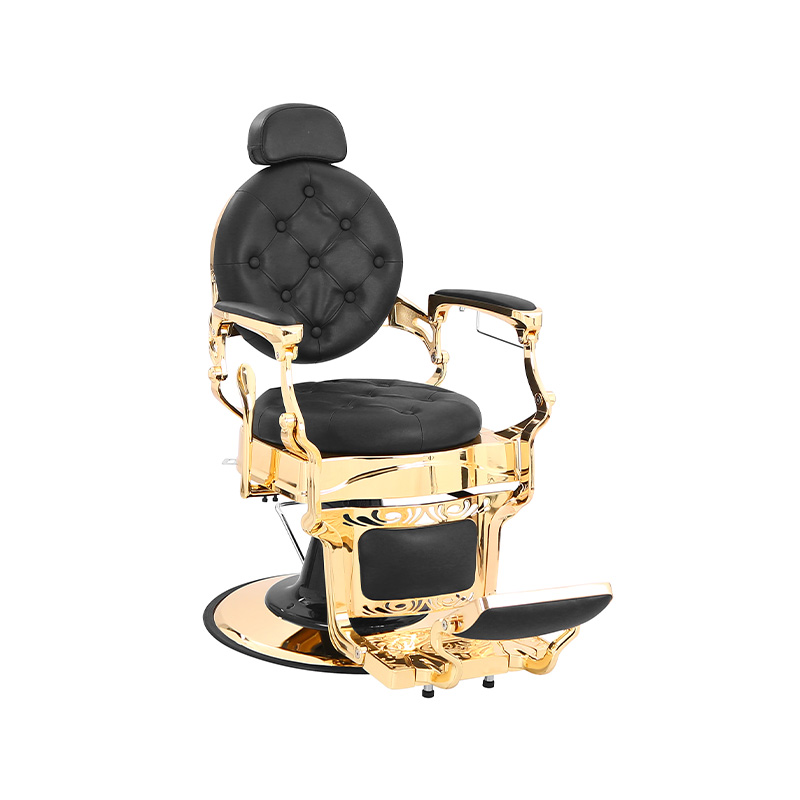
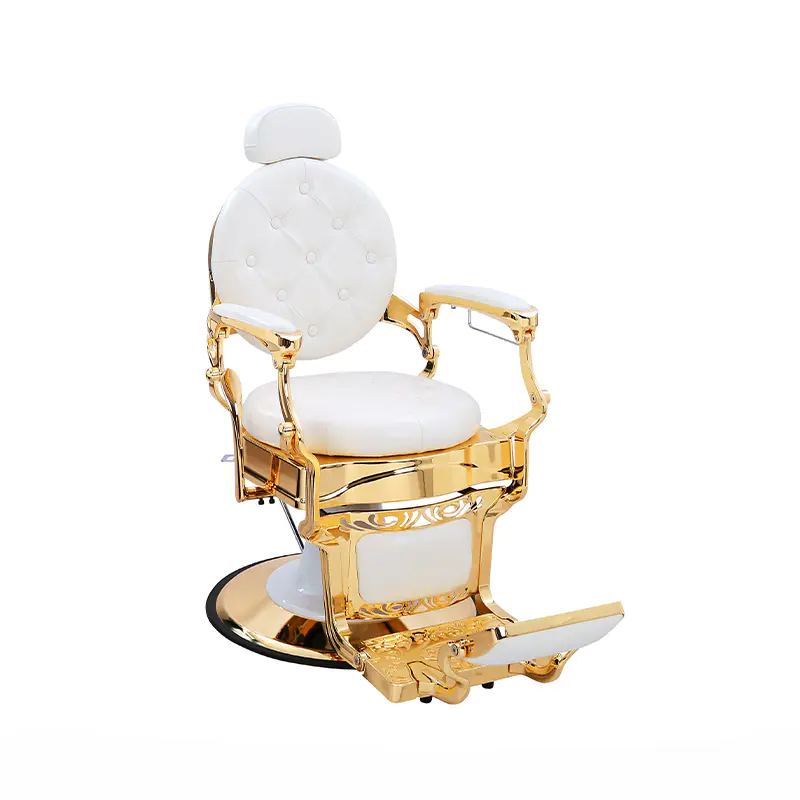
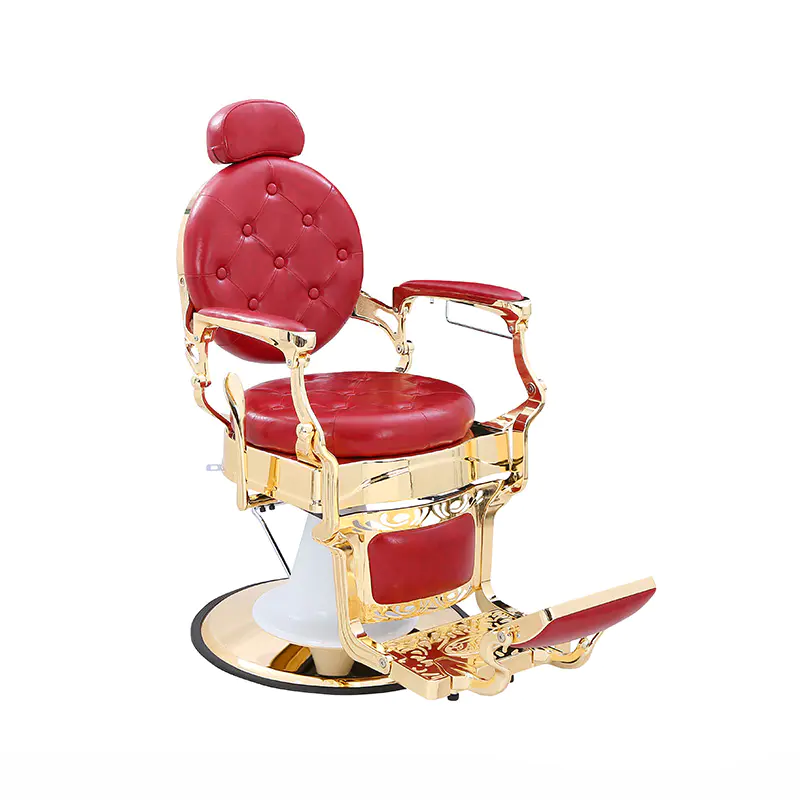
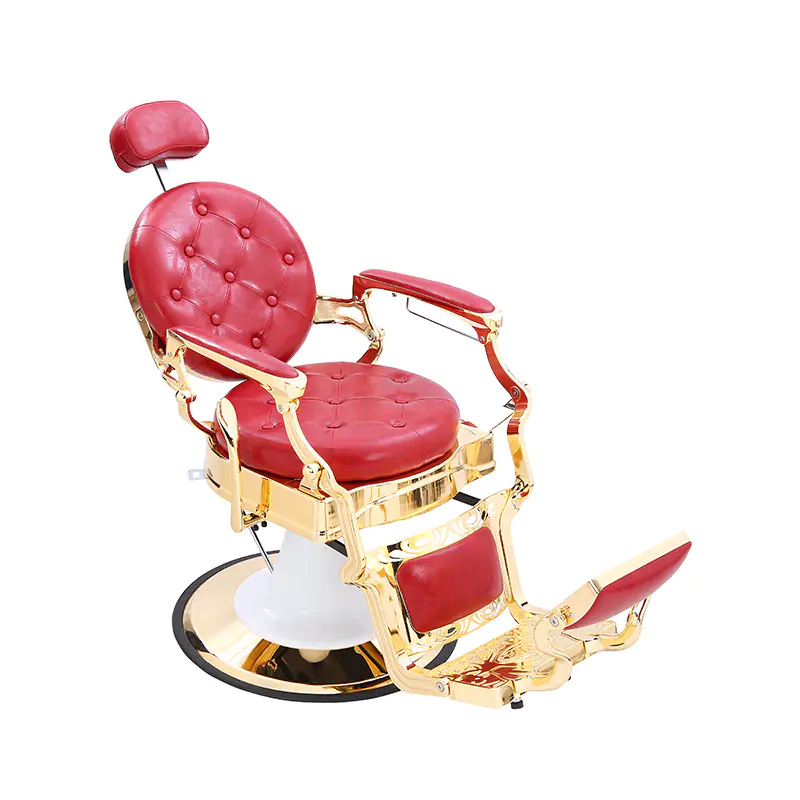
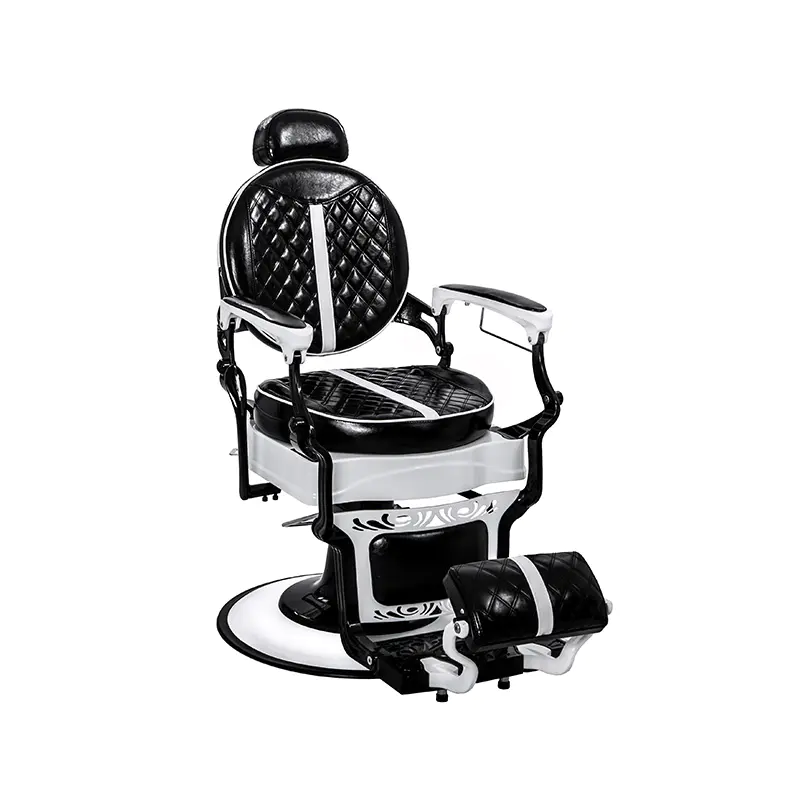
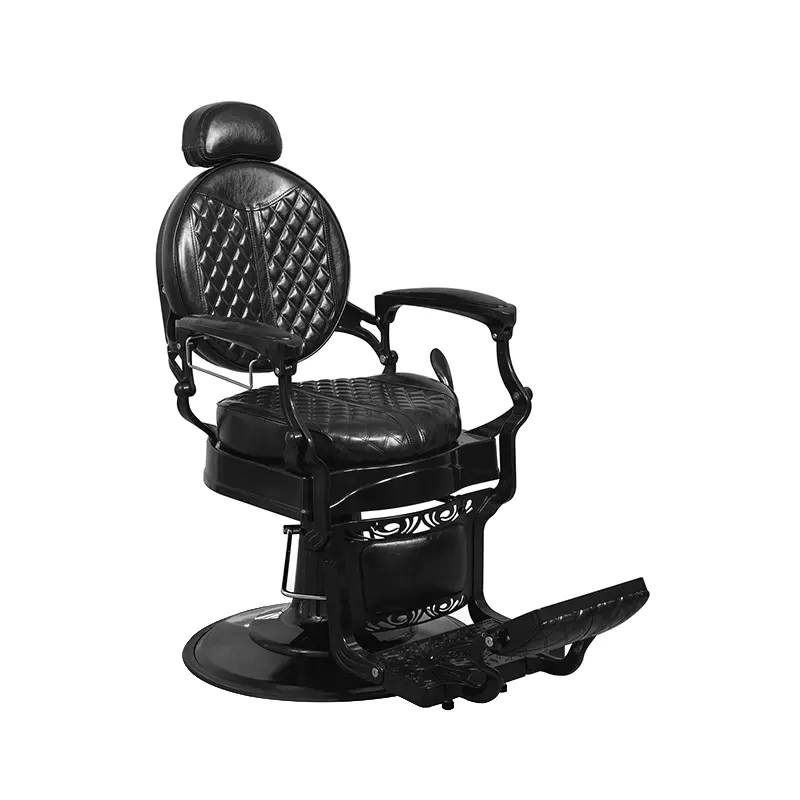
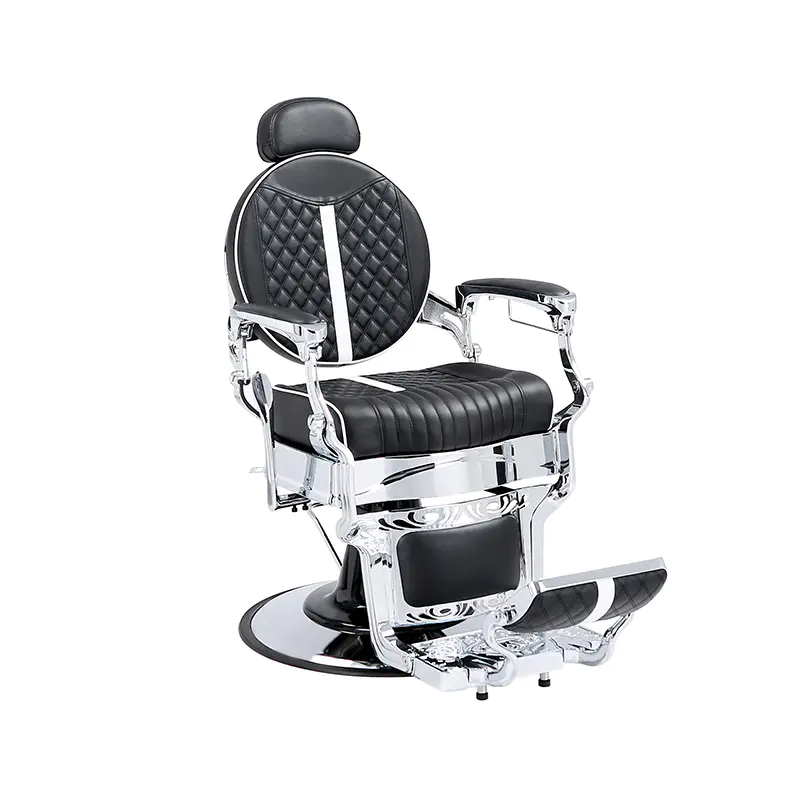
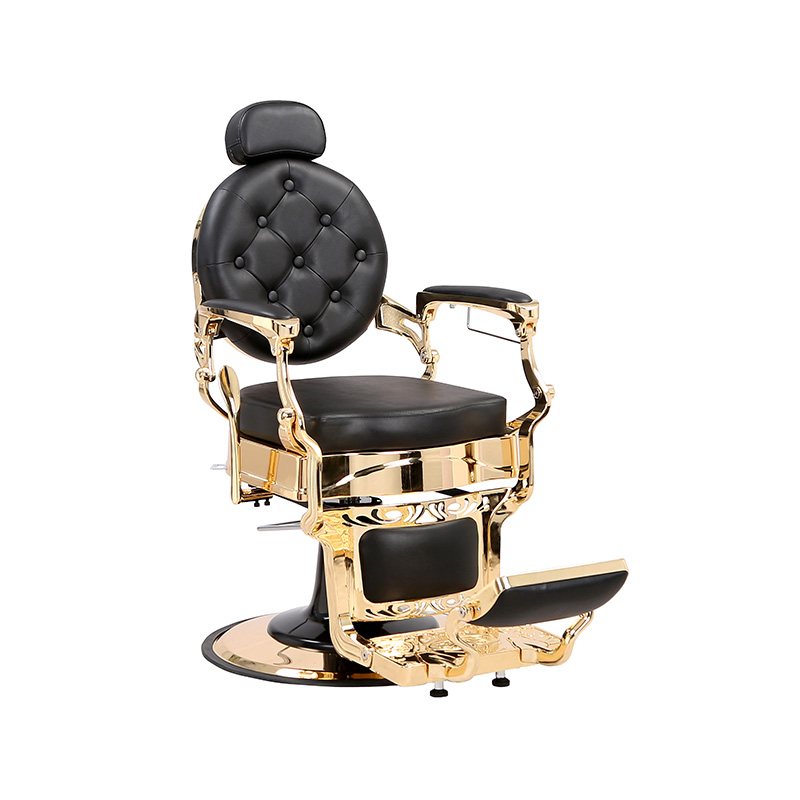
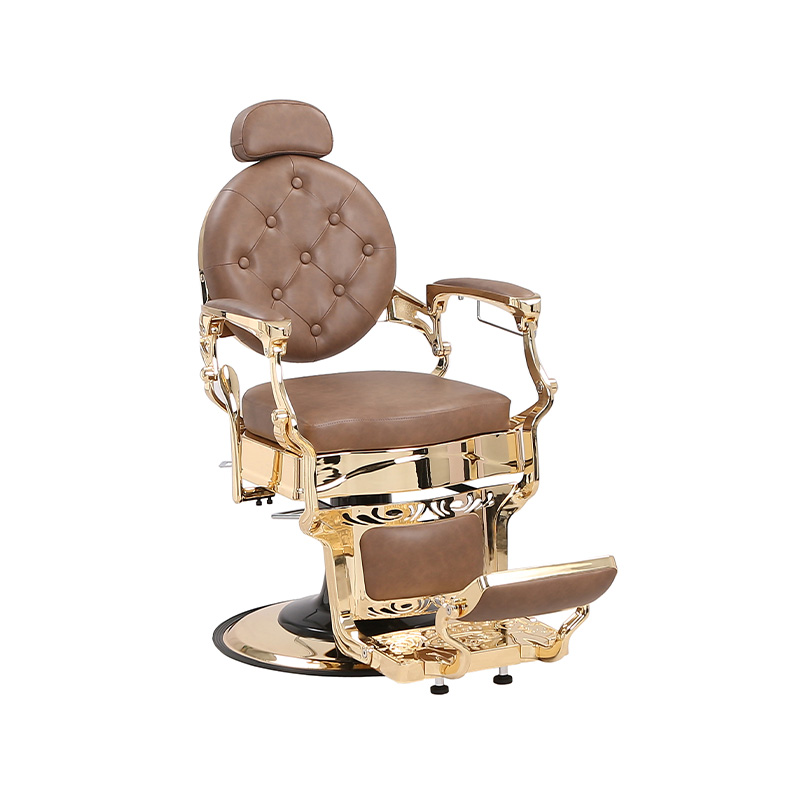
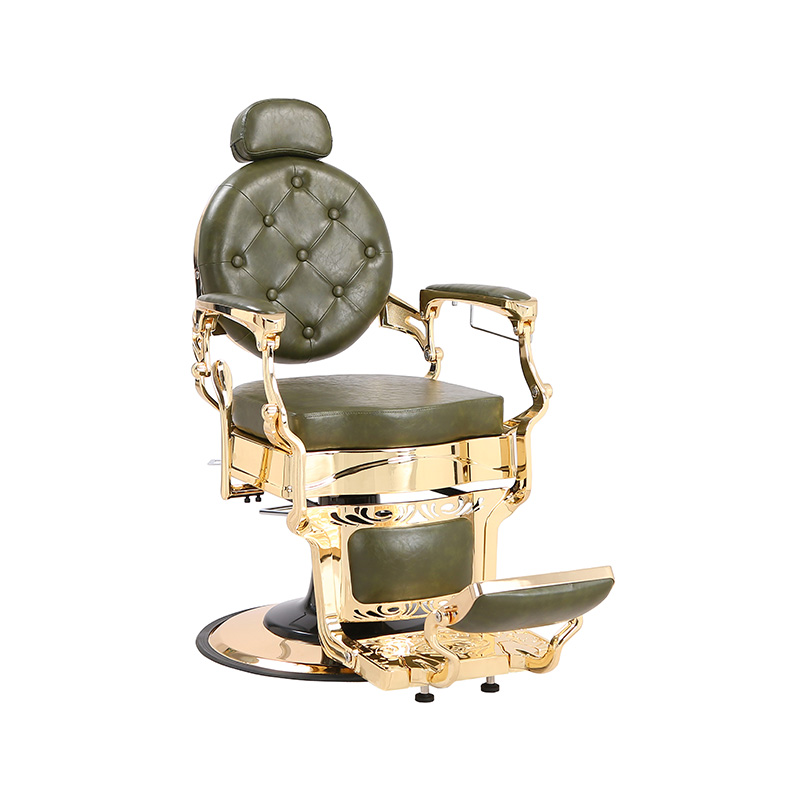
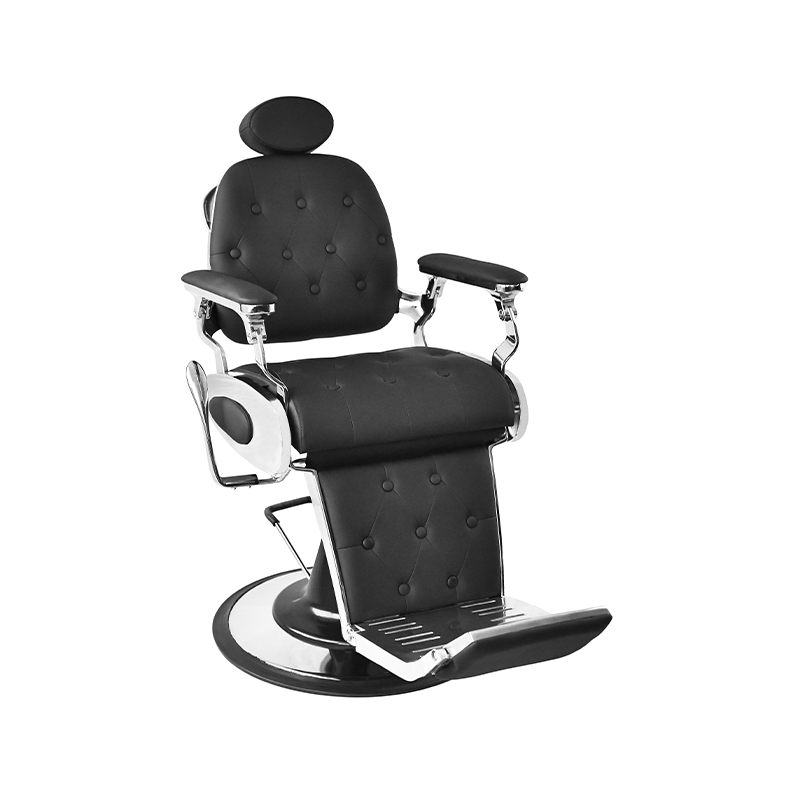
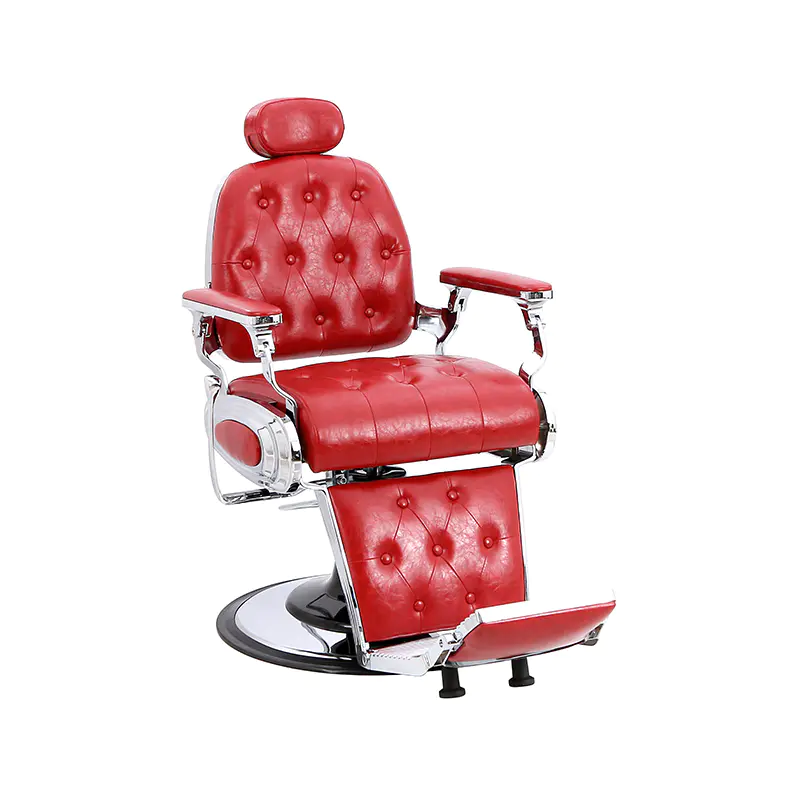
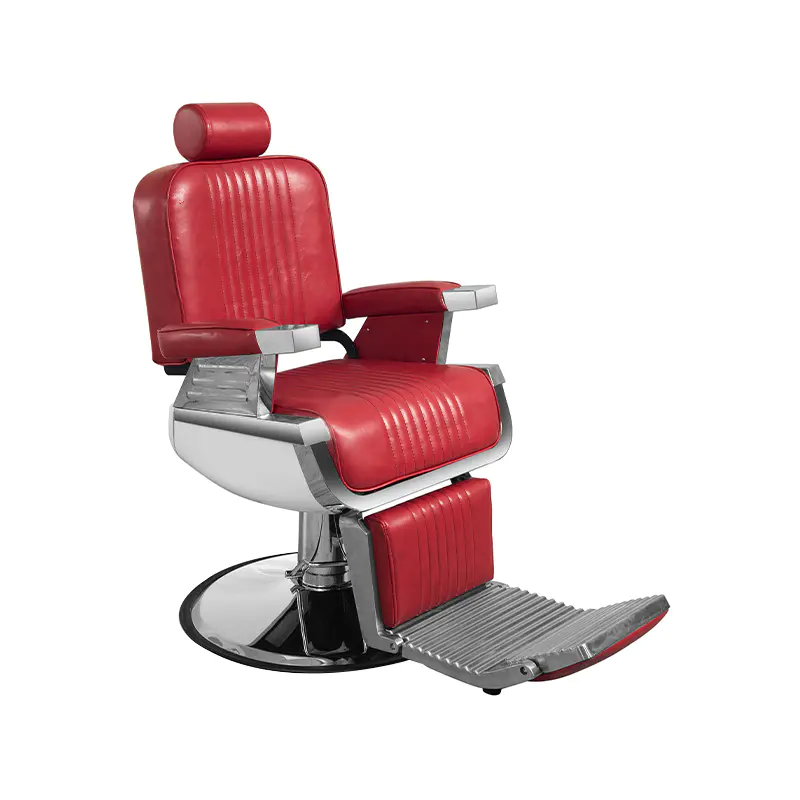
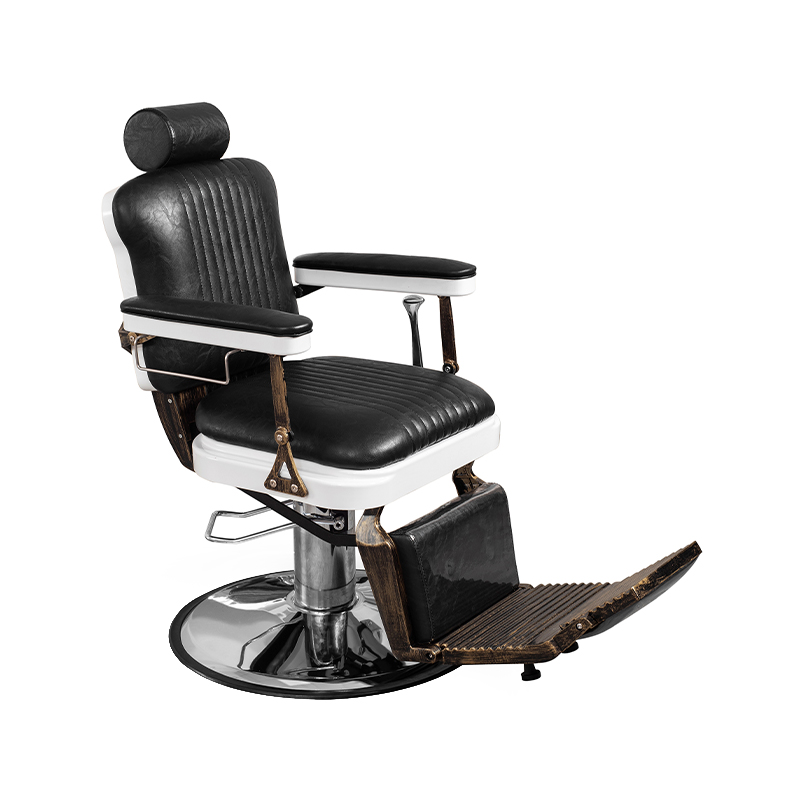
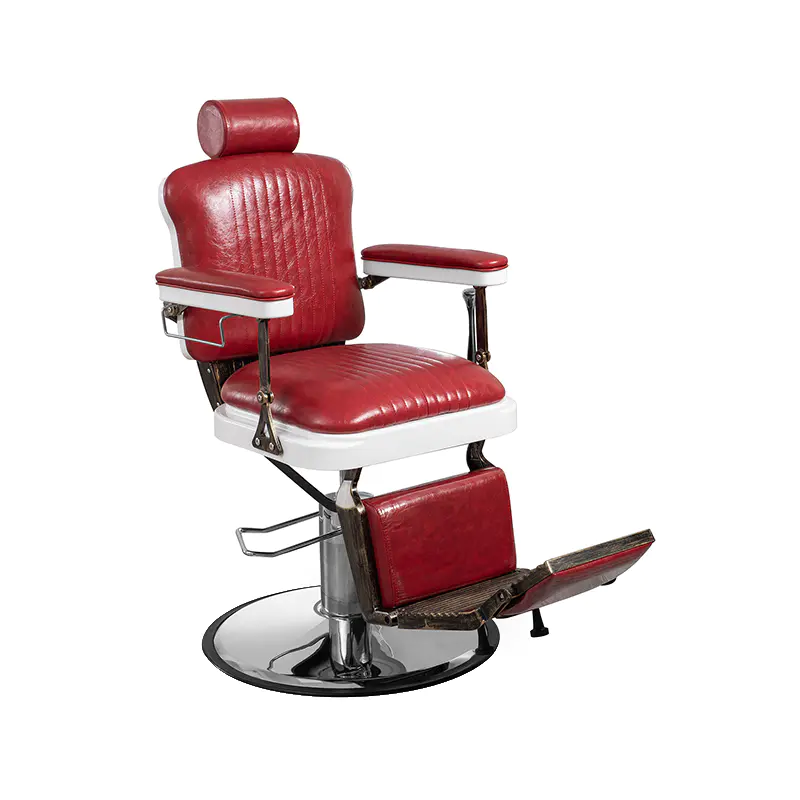
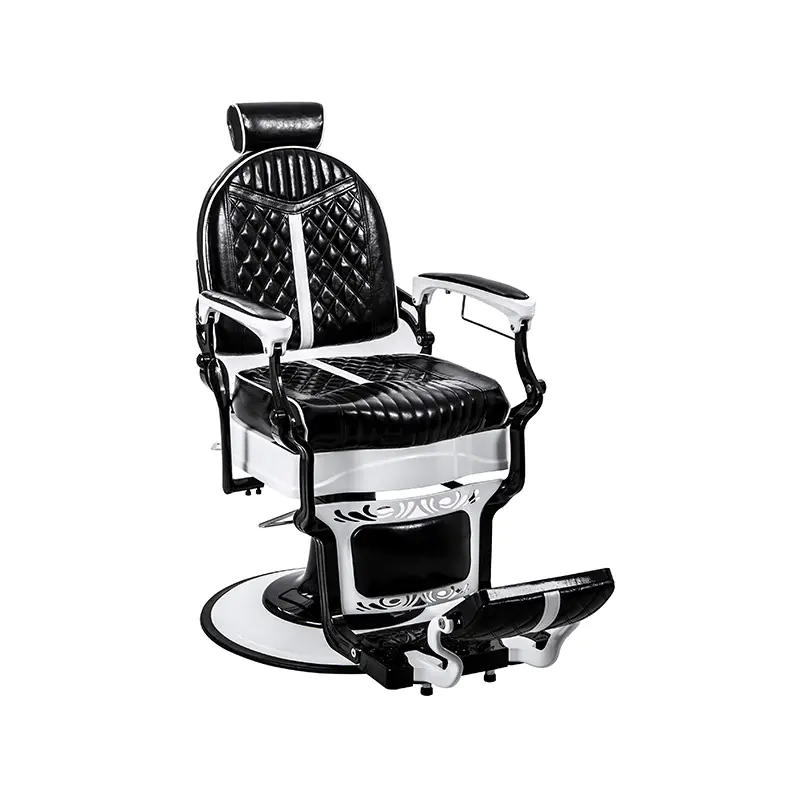
- Classic vintage styles with chrome accents and tufted leather suit traditional barbershops and create a sense of timeless elegance
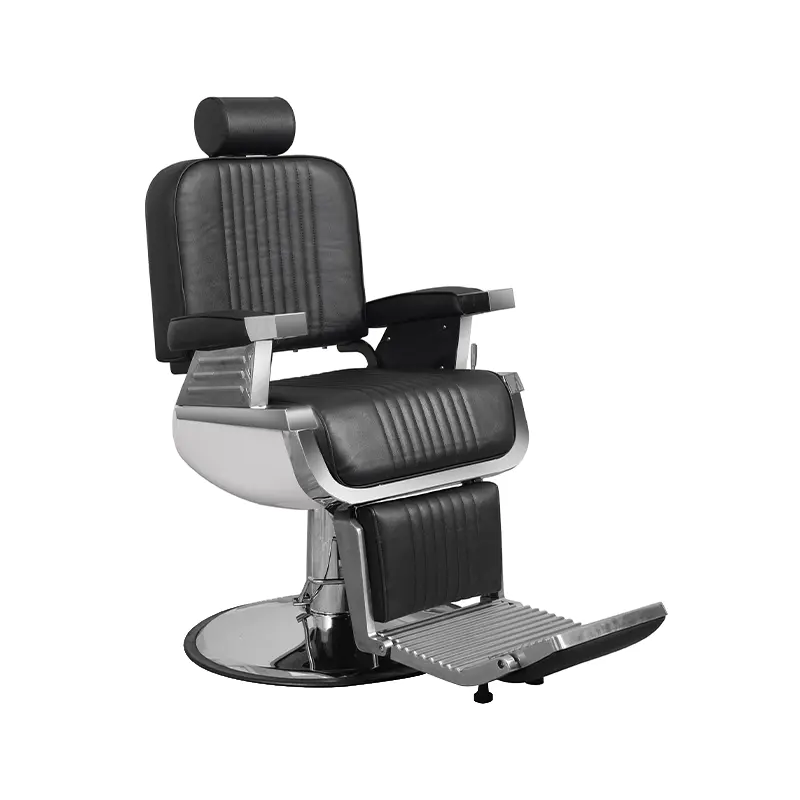
- Modern minimalist designs with clean lines and matte finishes align with contemporary grooming studios
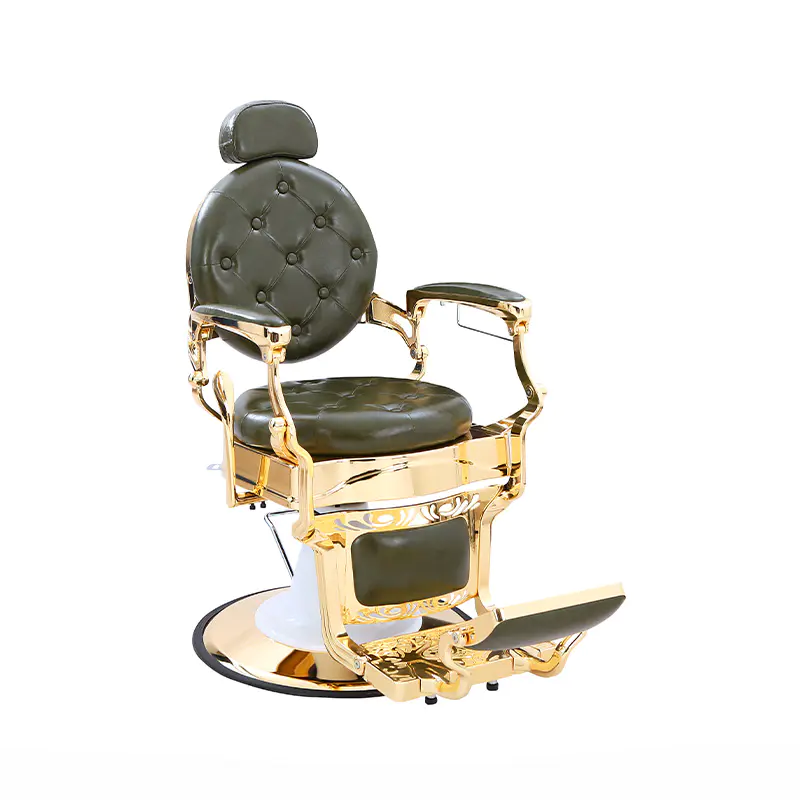
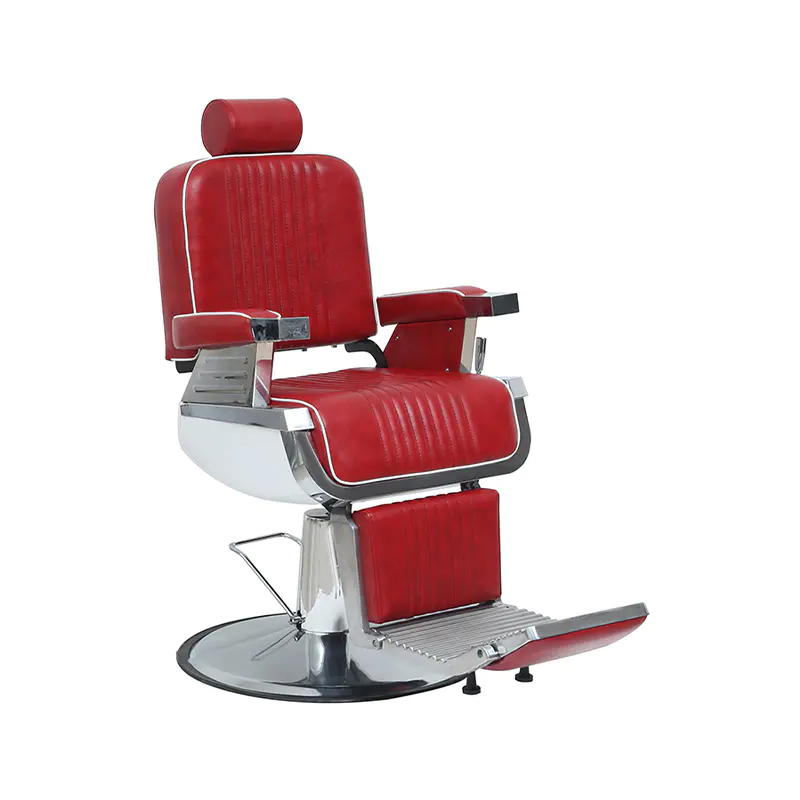
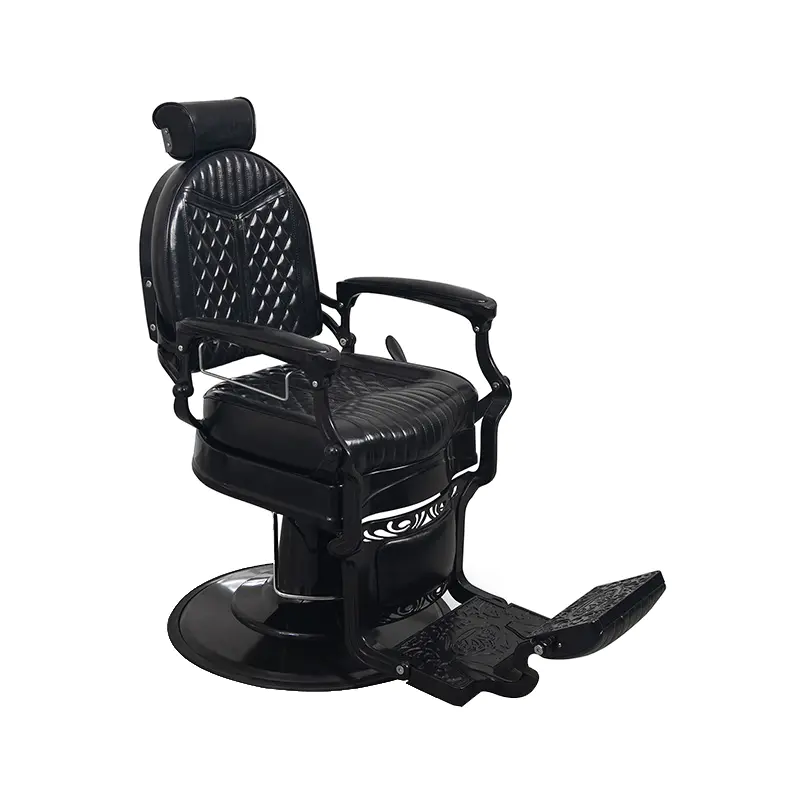
- Bold color upholstery — black, burgundy, navy — creates a statement that reinforces the shop's brand identity
- Custom OEM/ODM options allow shops to specify exact dimensions, colors, and materials for a fully tailored client experience
About Ningbo HongZi Beauty & Hairdressing Equipment Co., Ltd.
Ningbo HongZi Beauty & Hairdressing Equipment Co., Ltd. is a professional enterprise engaged in the research, development, manufacturing, and export of barber chairs, beauty beds, shampoo chairs, and related beauty salon furniture. Located in the picturesque town of Sanqishi, Yuyao, Zhejiang Province — by the scenic Hangzhou Bay — the company covers an area of 22,000 square meters and employs over 120 staff, with an annual output value of 120 million RMB.
As a professional China OEM Salon Barber Chairs Manufacturer and ODM Barber Chair Factory, HongZi brings strong technical and R&D capabilities to every product. The company provides high-quality, customizable barber and beauty equipment solutions to clients worldwide, equipped with specialized machinery including laser plate cutters, pipe cutters, punching machines, CNC leather cutters, and embroidery machines, alongside automated production lines for welding, cotton pasting, and assembly.
The sofa workshop features a complete upholstery processing flow — enabling integrated manufacturing from structural components to surface leather — ensuring stable quality and unified detail in every product that leaves the facility.