
 en
en  English
 русский
 Español
 عربى
عربى
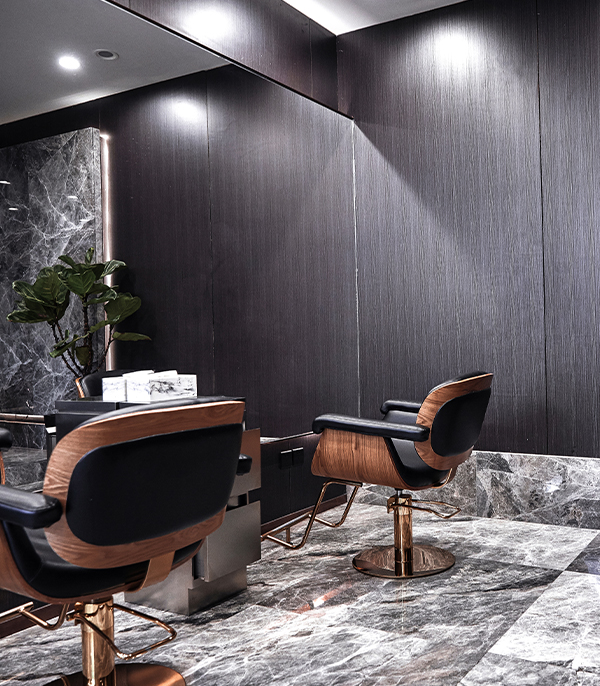
Choosing the right barber chair is one of the most important investments you'll make for your salon. The bottom line: prioritize hydraulic lift range, weight capacity, upholstery quality, and reclining function — these four factors determine whether a chair serves you for 2 years or 15. Whether you're outfitting a new shop or upgrading an aging fleet, this guide gives you the practical framework to make the right call — without the guesswork.
The global barber chair market is projected to reach $620 million by 2027, driven by rapid salon industry expansion and growing consumer demand for premium grooming experiences. That means more options on the market — and more room for costly mistakes if you don't know what to look for.
Understand Your Salon's Actual Needs First
Before comparing models, take stock of your specific environment. A barbershop handling 40–60 clients per day has completely different durability requirements than a boutique studio with 15 appointments. Ask yourself:
- How many hours per day will each chair be in active use?
- What is the typical weight range of your clients?
- Do you offer shaving, coloring, or specialty services requiring full recline?
- What is your salon's aesthetic — modern minimalist, classic, or vintage-inspired?
- How much floor space do you have per station?
These answers directly filter your options. A high-volume shop should never compromise on a heavy duty salon chair, even if the upfront cost is higher — because chair failure mid-service is far more disruptive and expensive in the long run.
Evaluate the Hydraulic System — It's the Heart of the Chair
The hydraulic pump is what separates a professional-grade barber chair from a decorative piece of furniture. A quality hydraulic barber chair should offer:
- Height adjustment range of at least 12–18 inches to accommodate barbers of varying heights and clients in wheelchairs
- Smooth, single-pump operation with no jerking or sudden drops
- A sealed hydraulic system that resists leakage — oil stains on salon floors are a recurring complaint with low-grade units
- Pump rated for at least 50,000 lift cycles (premium units reach 100,000+)
Industry data shows that hydraulic failure is the #1 reason salons replace chairs prematurely — accounting for over 40% of chair replacements before the 5-year mark. Investing in a chair with a reinforced hydraulic base significantly extends operational life.
Top Reasons for Premature Barber Chair Replacement (%)
Source: Industry survey data on salon equipment lifecycle, 2024
Weight Capacity and Frame Construction Define Longevity
A heavy duty salon chair is not a luxury — it's a necessity for any professional environment. Standard chairs are typically rated for 250–300 lbs, but high-volume shops should target models rated at 350–450 lbs to accommodate a wider range of clients and reduce structural fatigue over time.
Frame material matters just as much as the weight rating. Look for:
- Cold-rolled steel frames — more resistant to warping and cracking than aluminum alternatives
- Welded (not bolted) joints at stress points — bolted joints loosen over thousands of cycles
- Cast iron or reinforced steel base with a wide footprint for stability
- Anti-rust coating on all metal components, especially in high-humidity salon environments
| Frame Material | Typical Weight Capacity | Durability Rating | Best For |
|---|---|---|---|
| Cold-Rolled Steel | 350–450 lbs | 5 | High-volume shops |
| Stainless Steel | 300–400 lbs | 4 | Humid climates |
| Aluminum Alloy | 250–300 lbs | 3 | Light-use boutiques |
Upholstery Quality Determines Comfort and Cleaning Ease
Clients spend 30–90 minutes in your chair. Upholstery quality directly impacts their experience — and your reputation. The wrong material cracks, stains, or peels within 18 months of heavy use.
What to Look for in Upholstery
- PU leather (polyurethane) — the industry standard for professional barber chairs. Soft, easy to wipe clean, resistant to hair product chemicals
- High-density foam padding of at least 50–60 kg/m³ density retains shape under repeated use
- Double-stitched seams at high-stress points (armrests, seat edges)
- UV-resistant coating to prevent fading in salon environments with strong lighting
Avoid chairs with thin single-layer vinyl — these typically show cracking within 12–18 months in active use, while quality PU leather chairs routinely last 8–12 years with proper maintenance.
Match the Chair Style to Your Salon's Brand Identity
Barber chairs are a visual centerpiece of your space. The right aesthetic reinforces your brand and creates the atmosphere clients return for. Two major style directions dominate the market:
Vintage Barber Chair
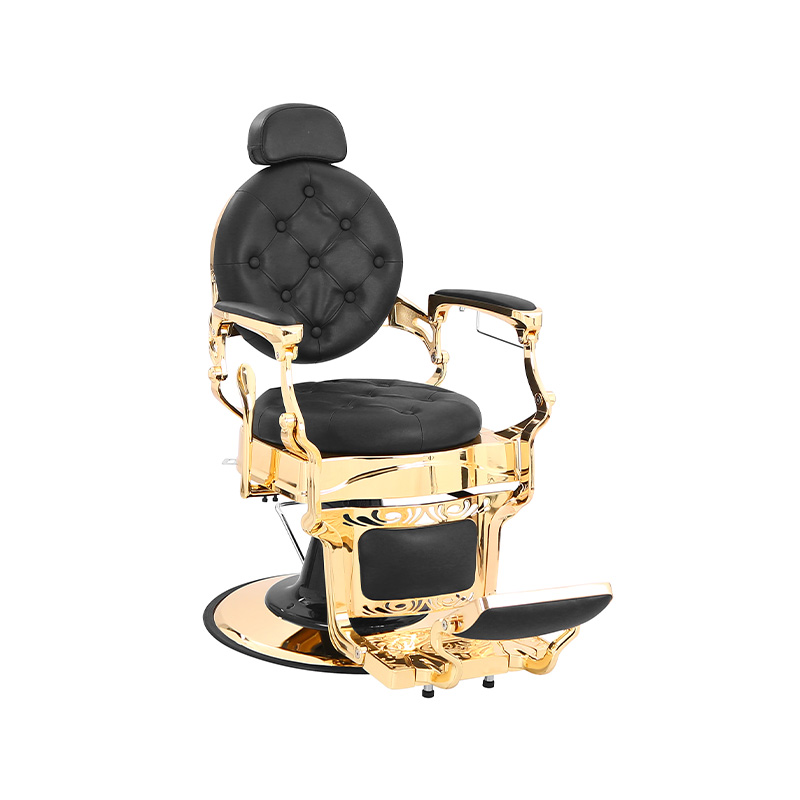
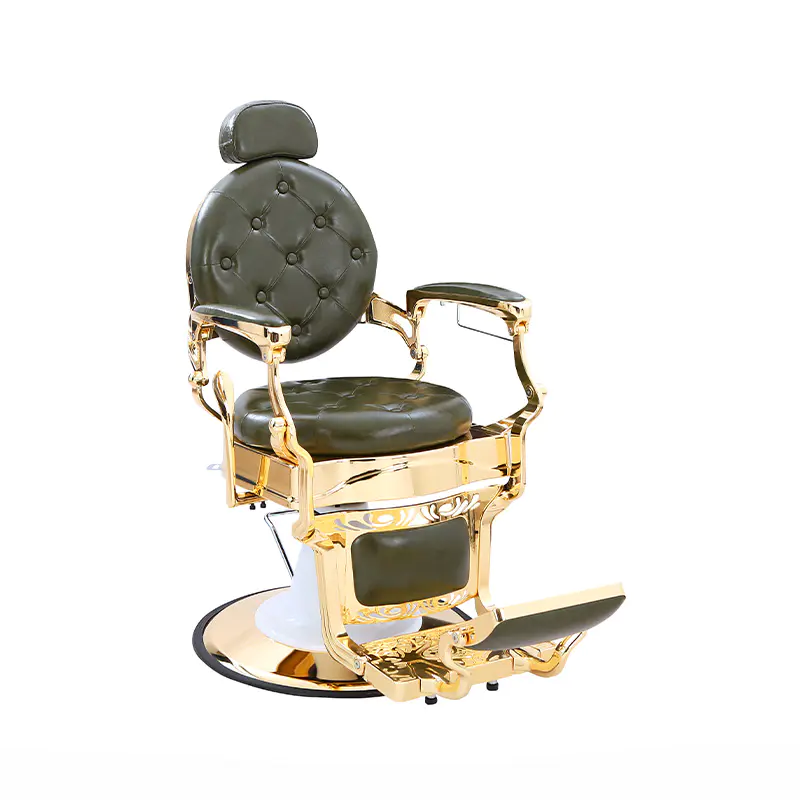
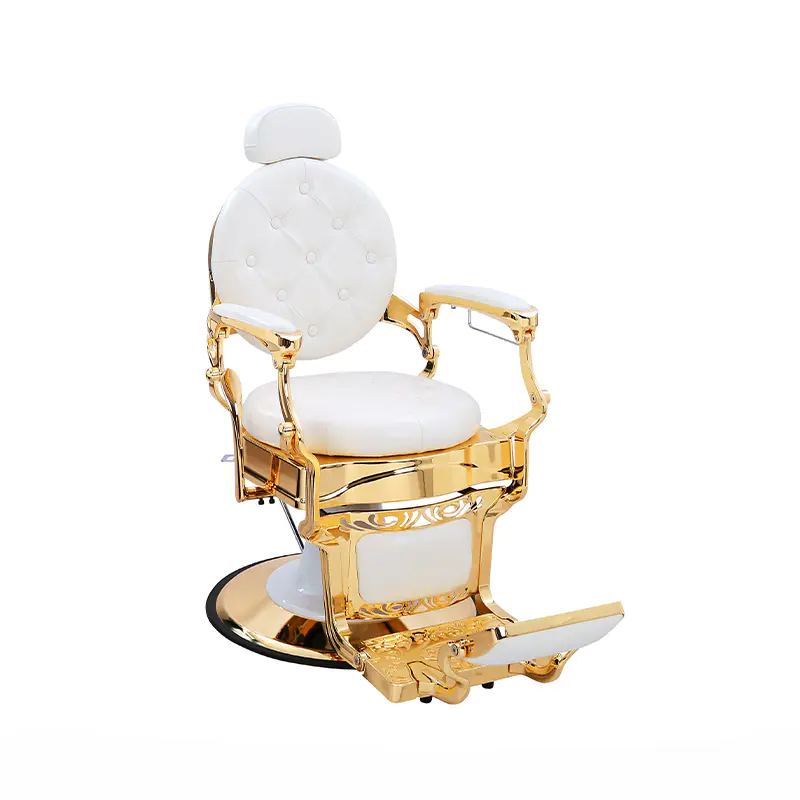
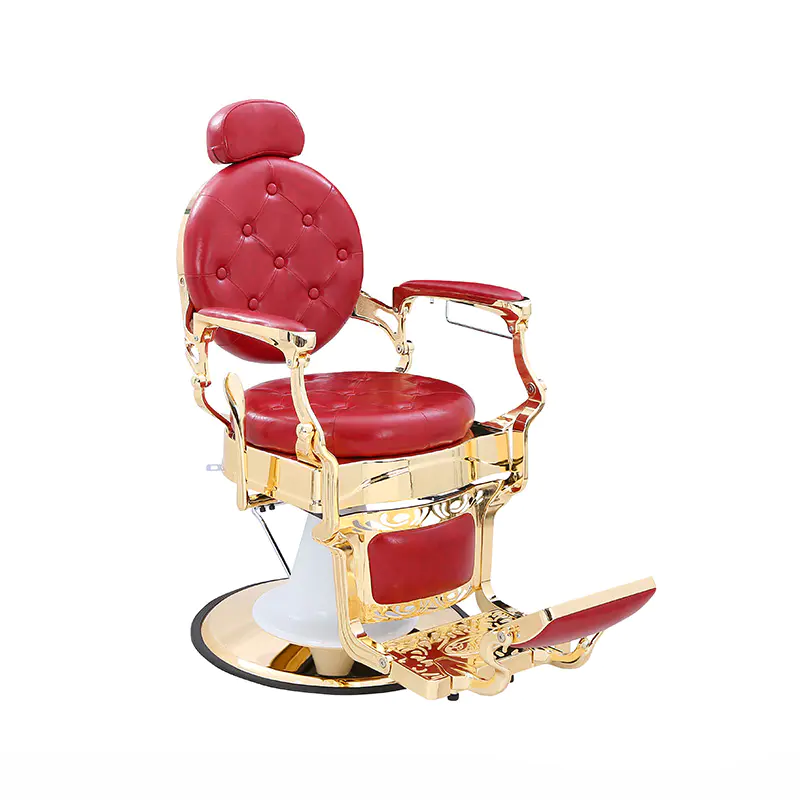
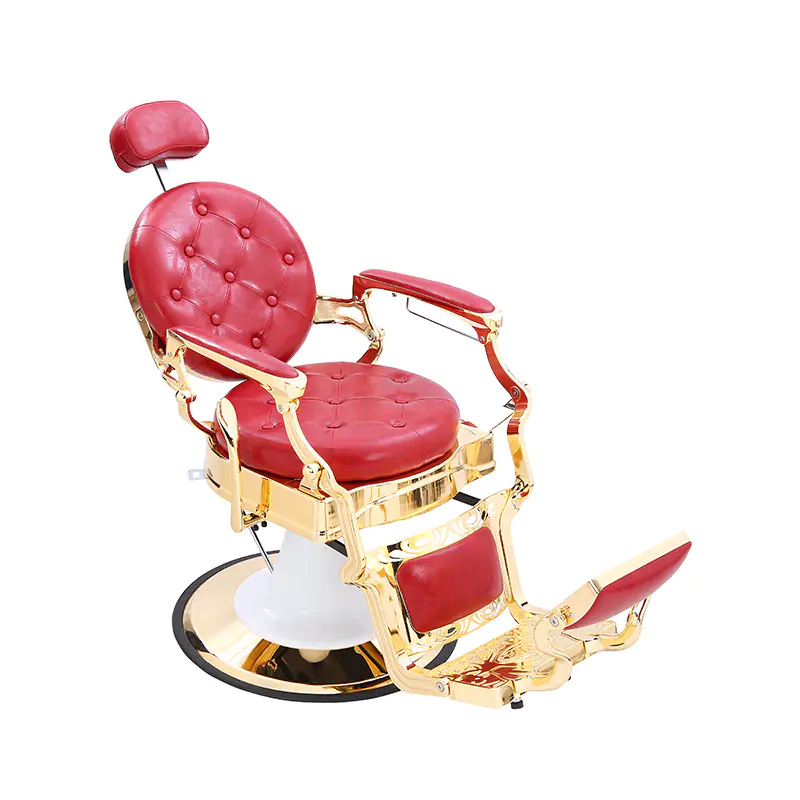
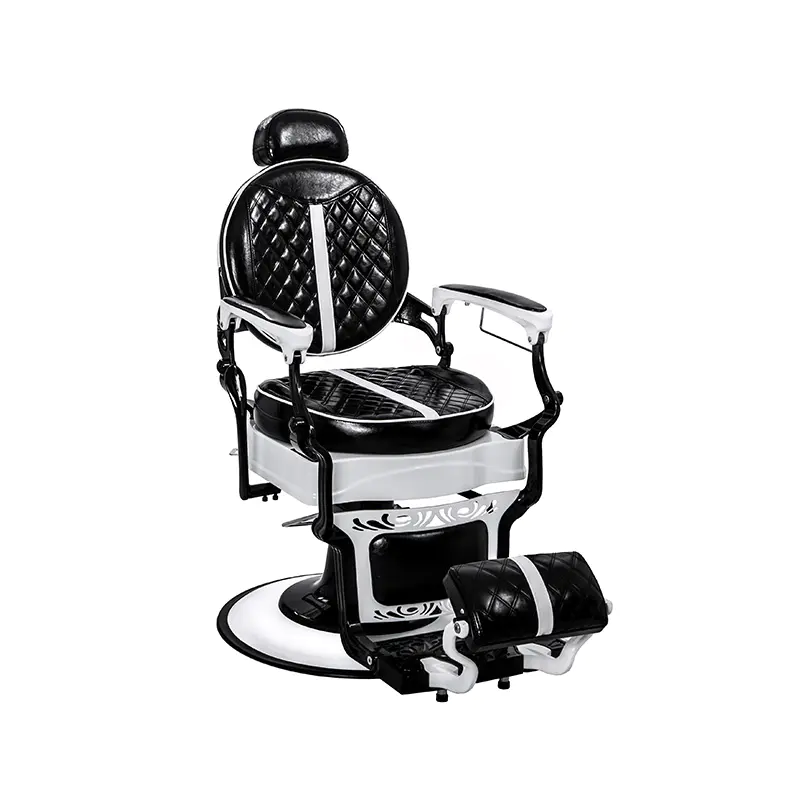
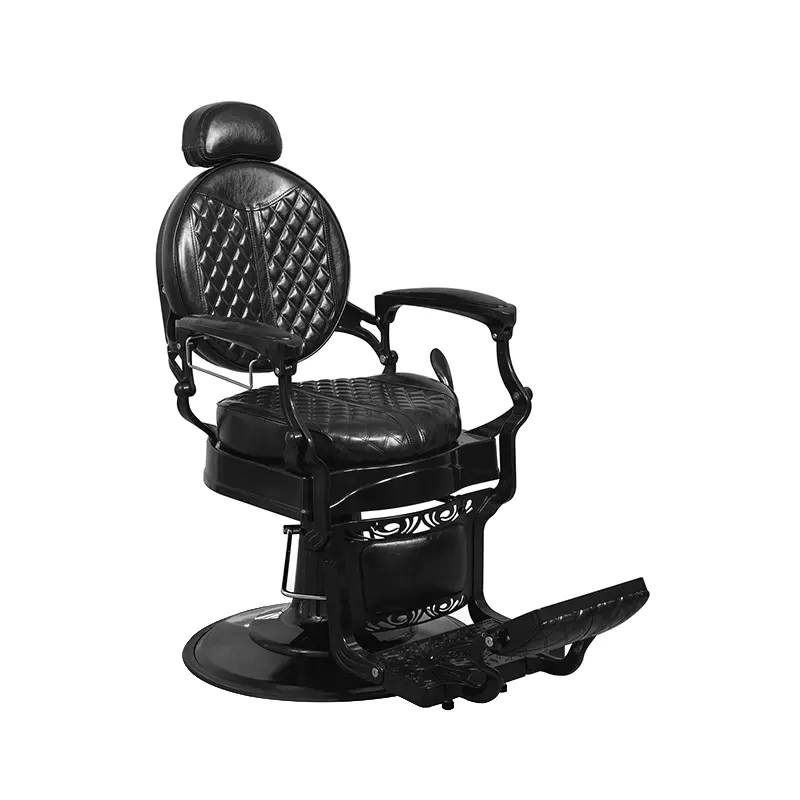
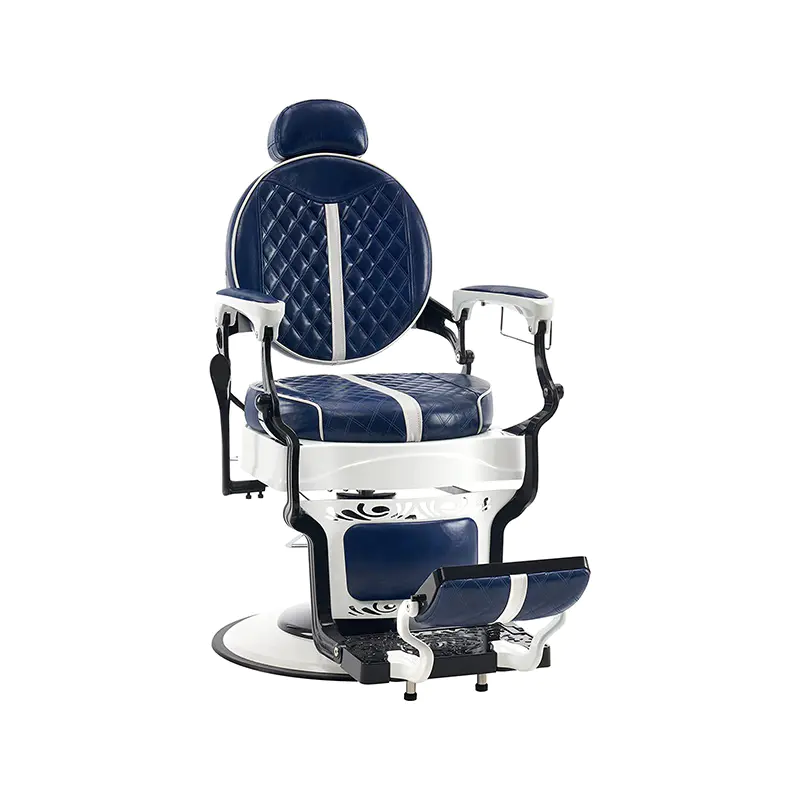
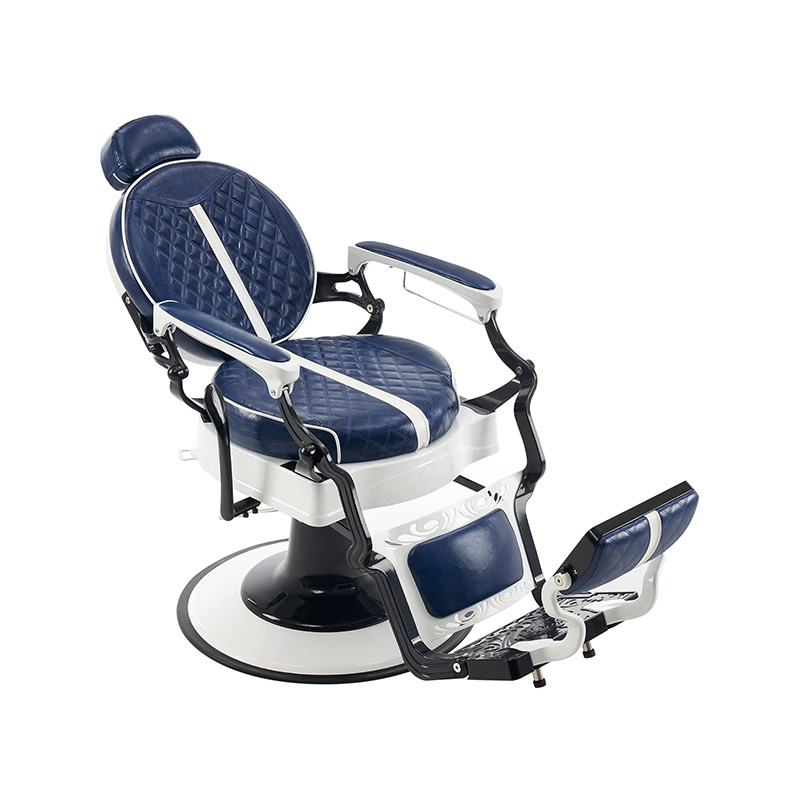
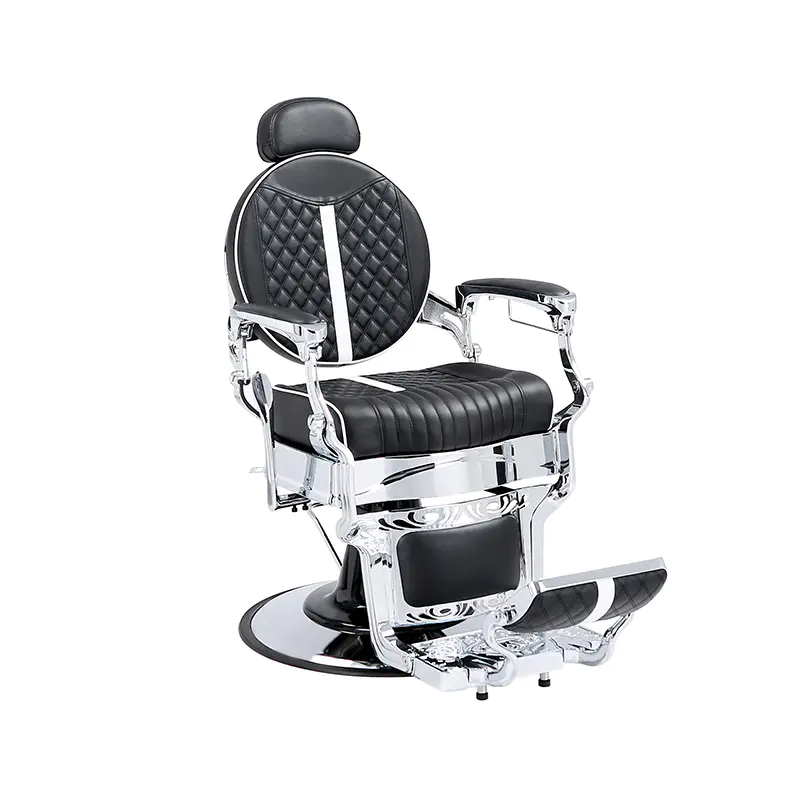
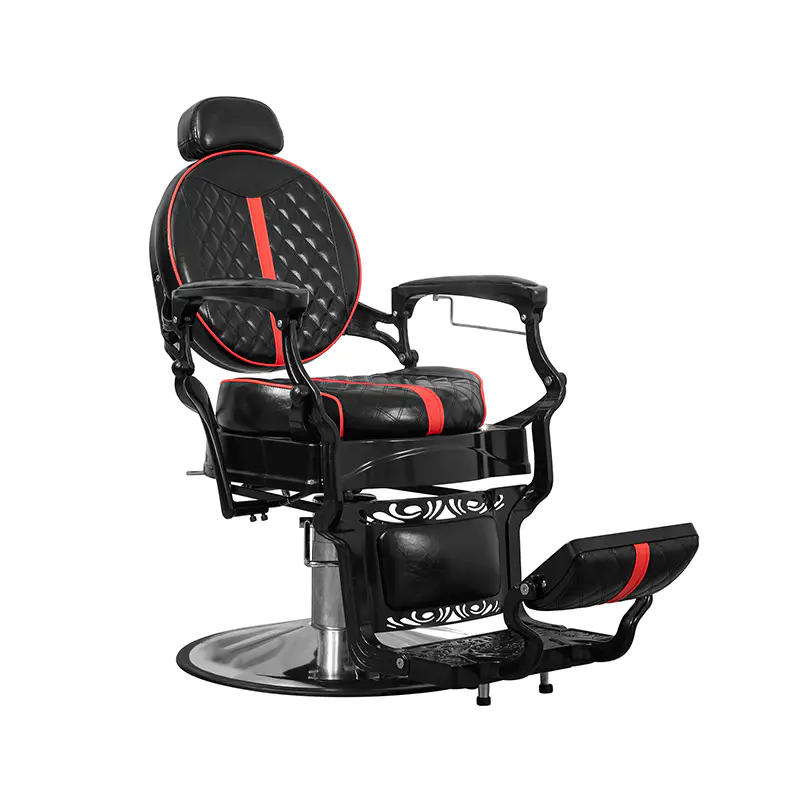
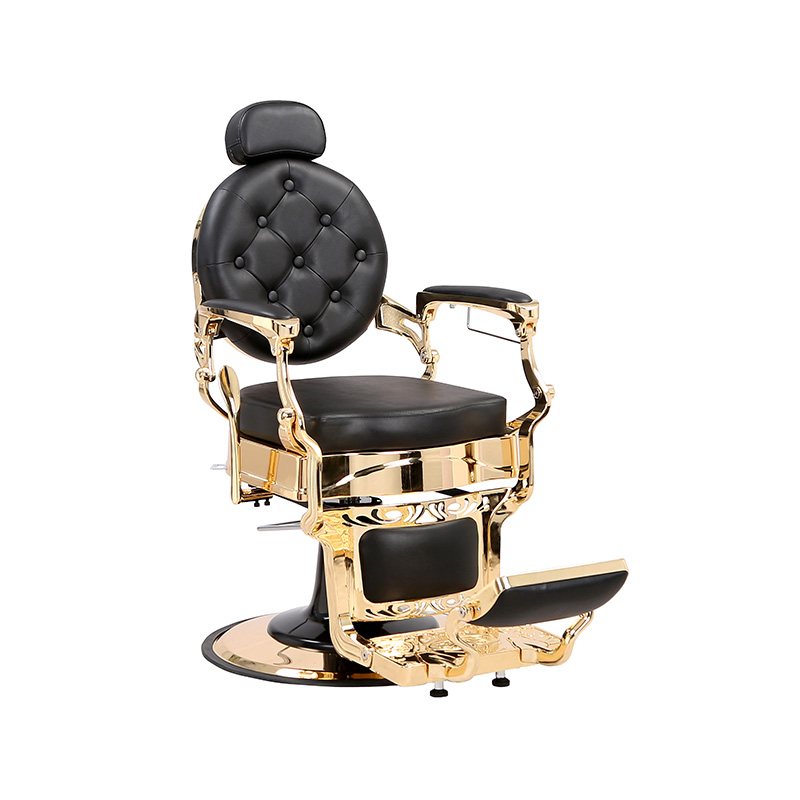
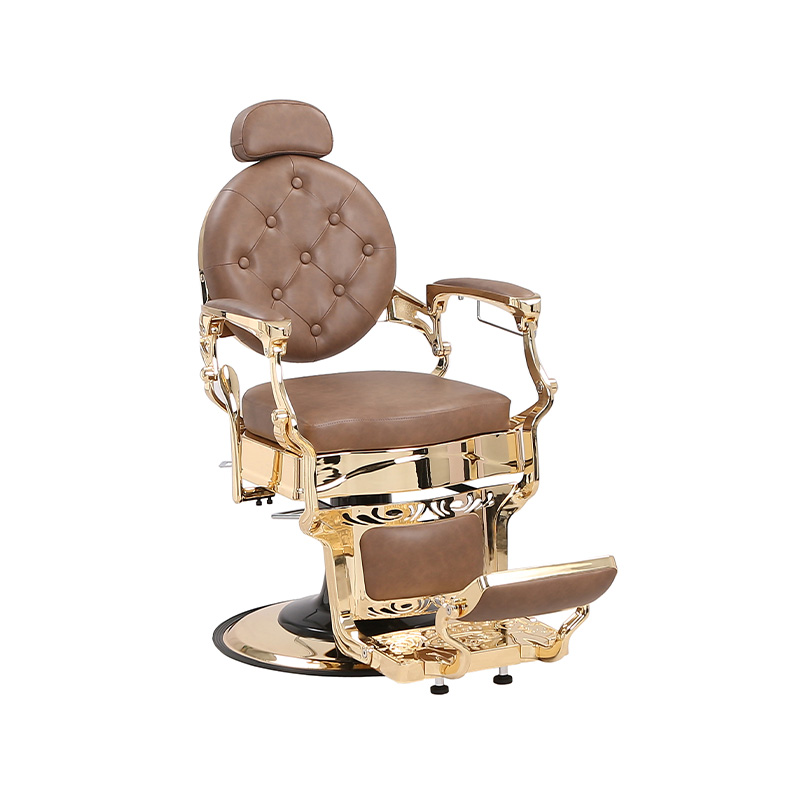
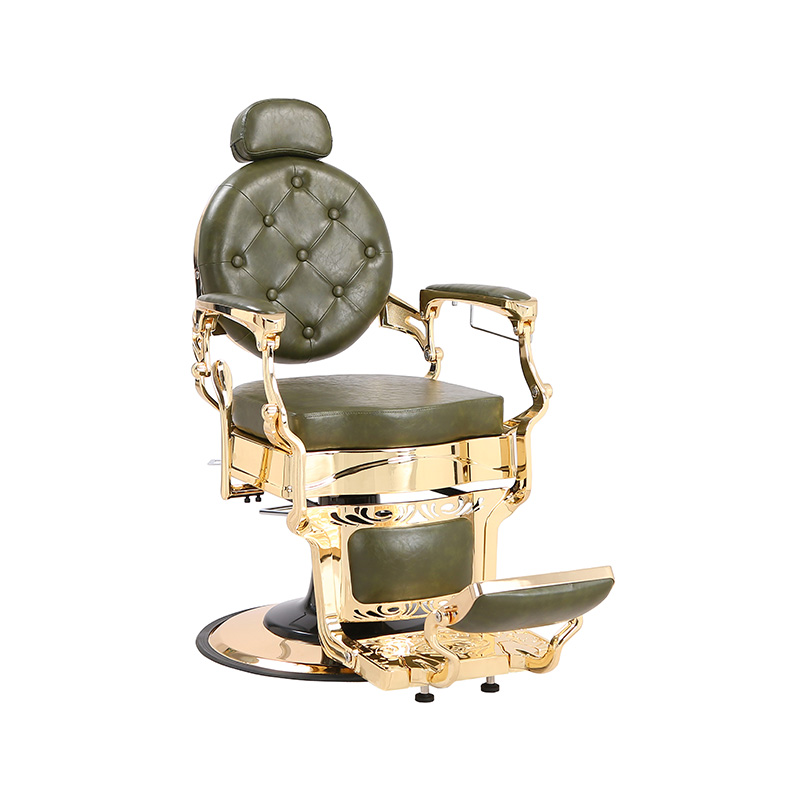
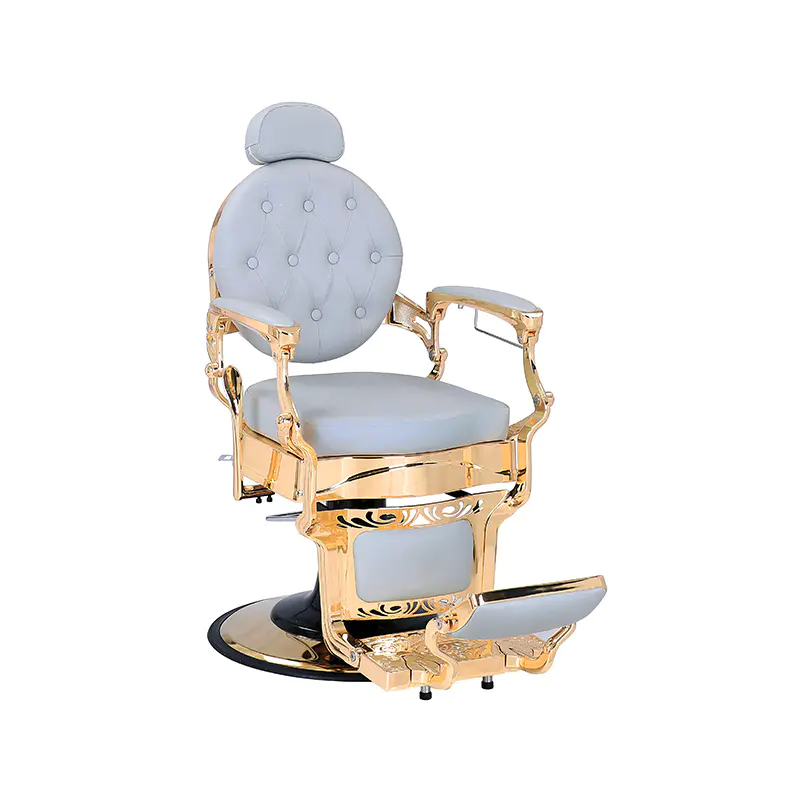
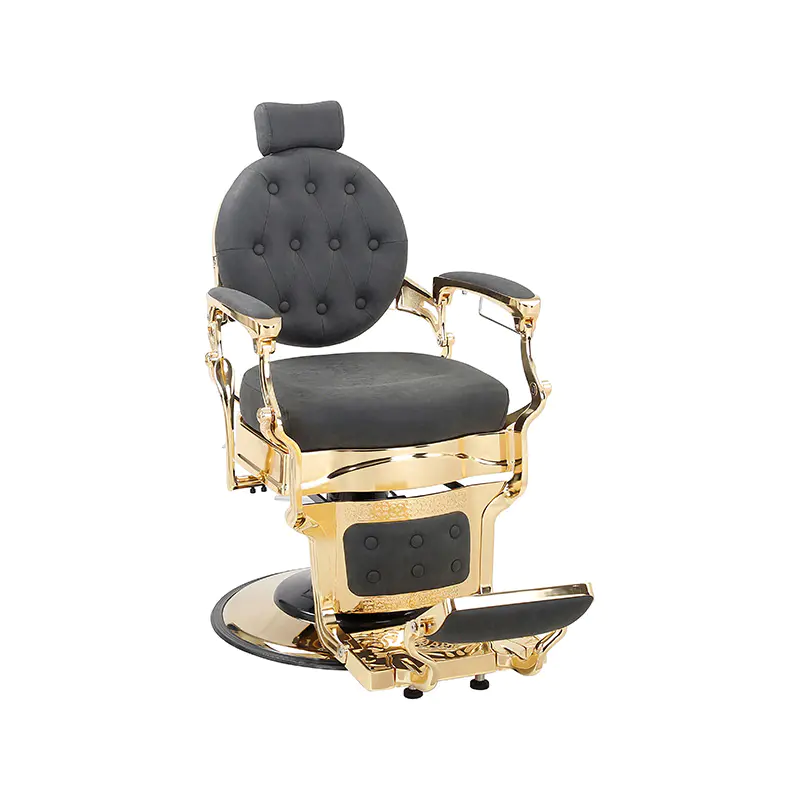
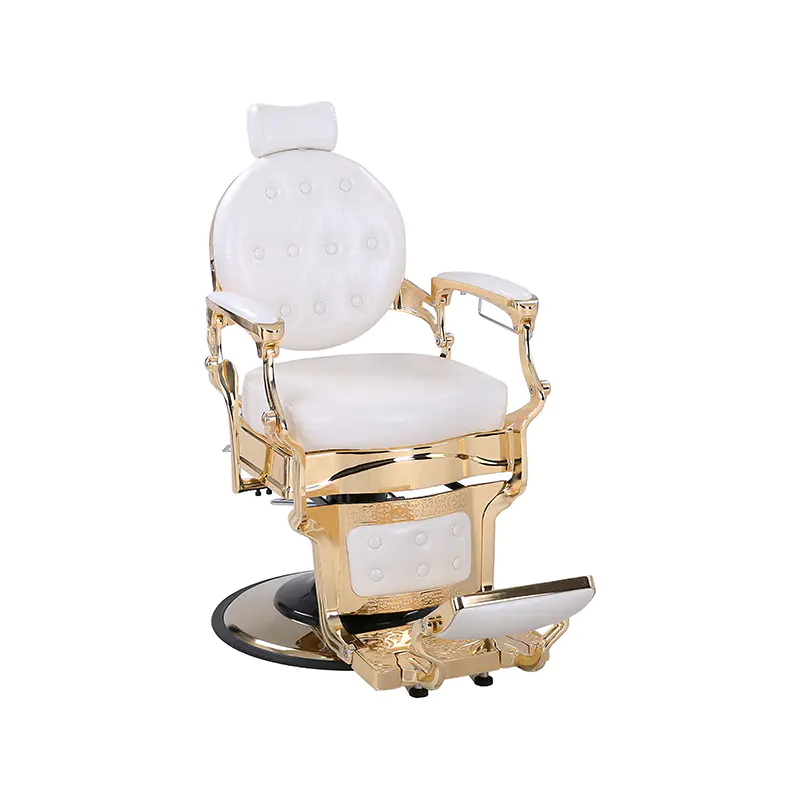
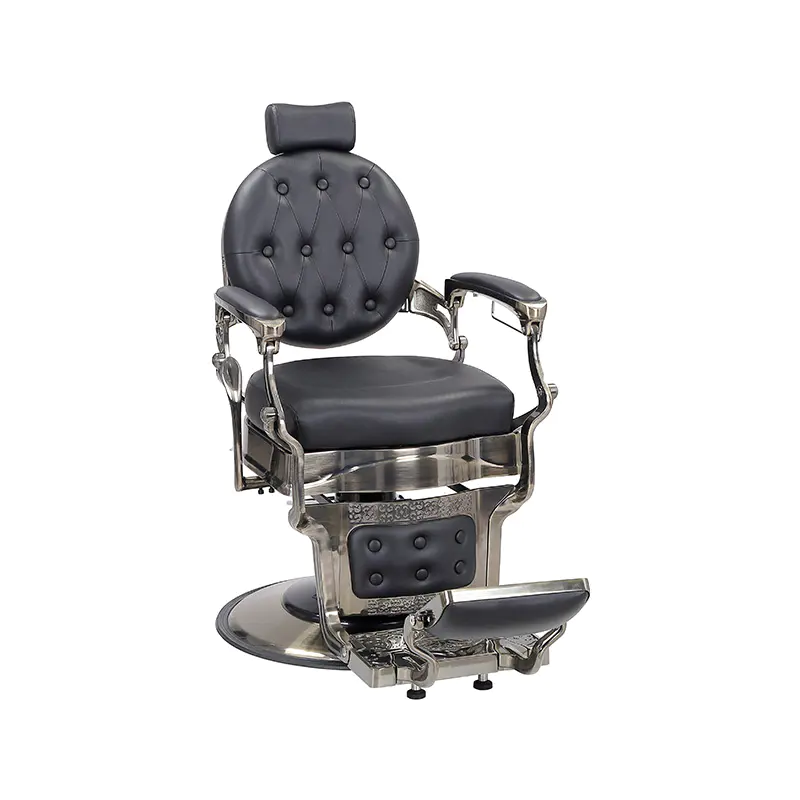
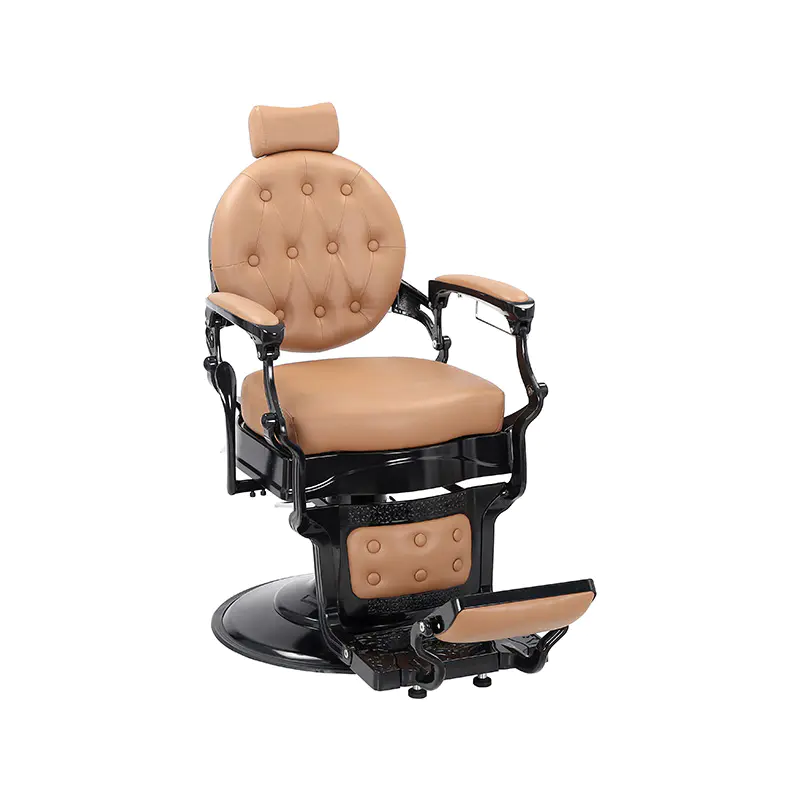
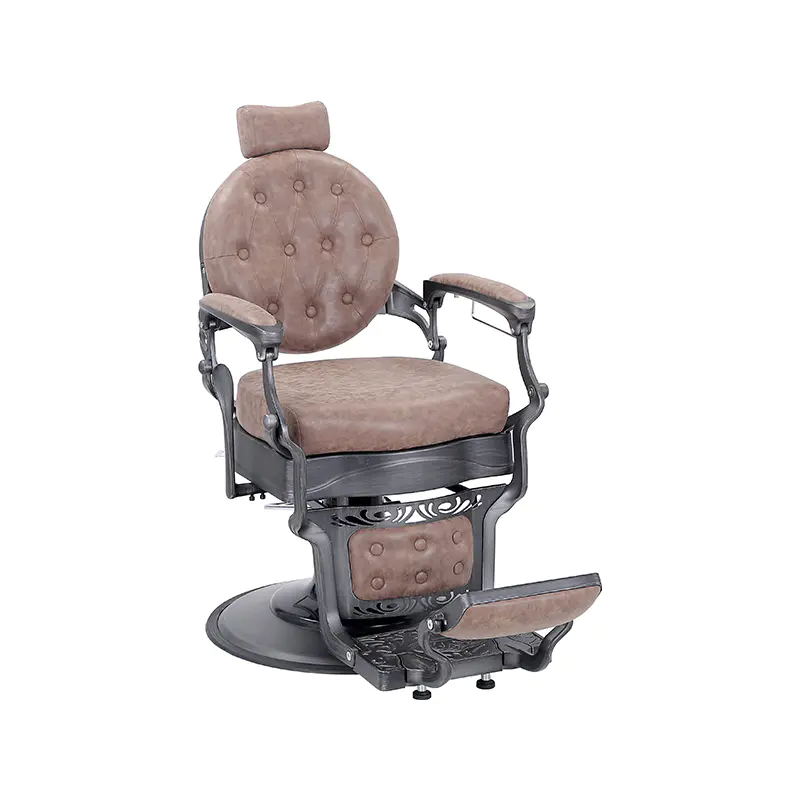
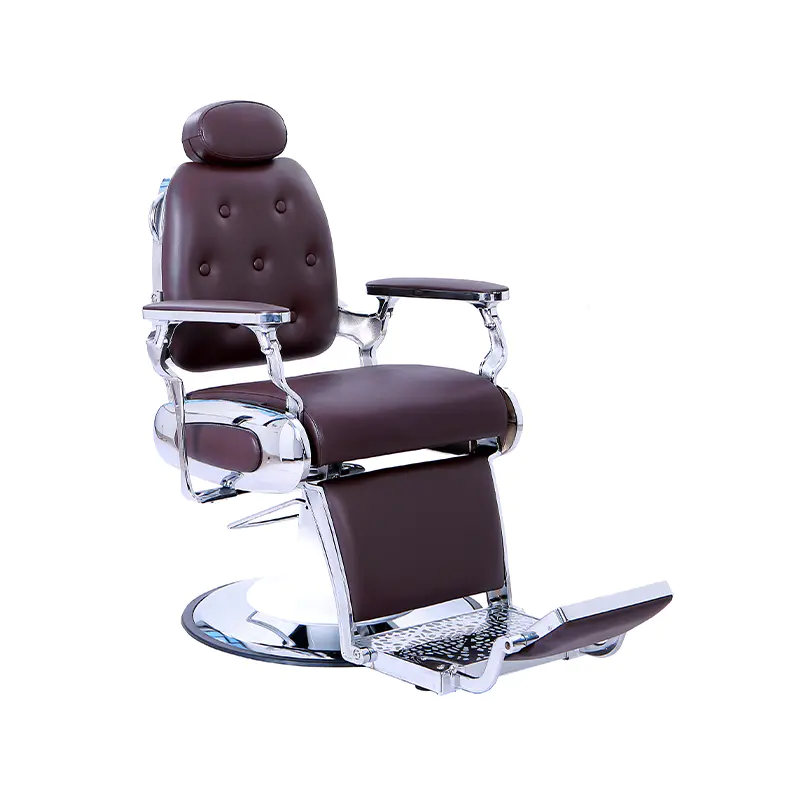
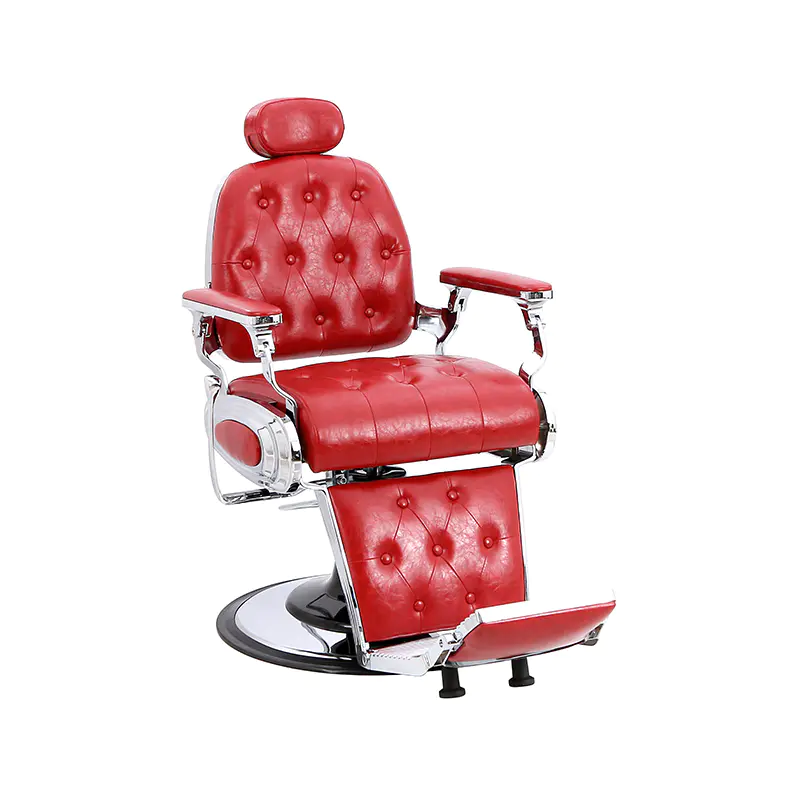
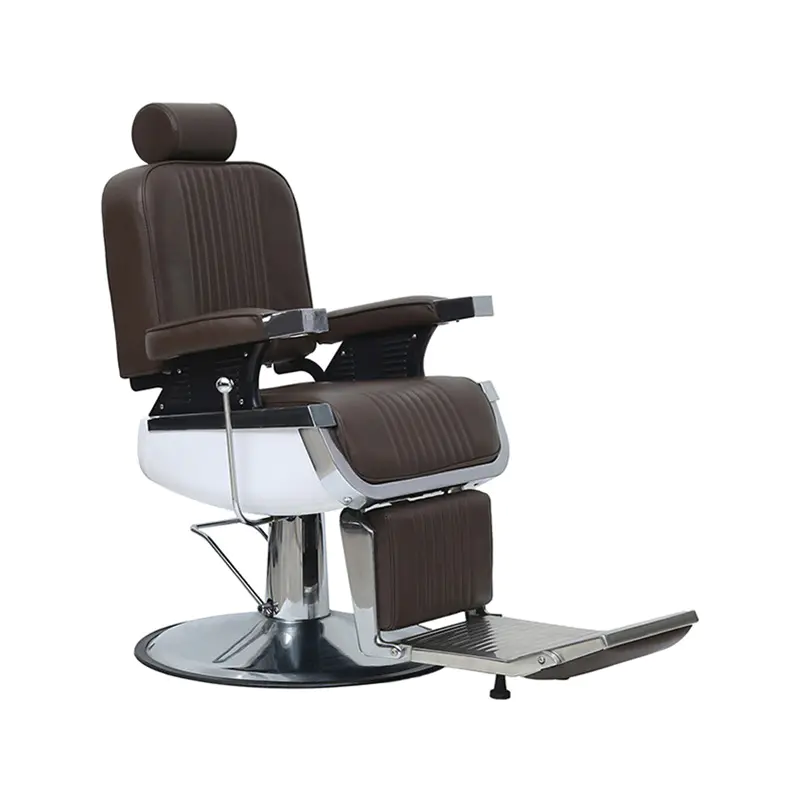
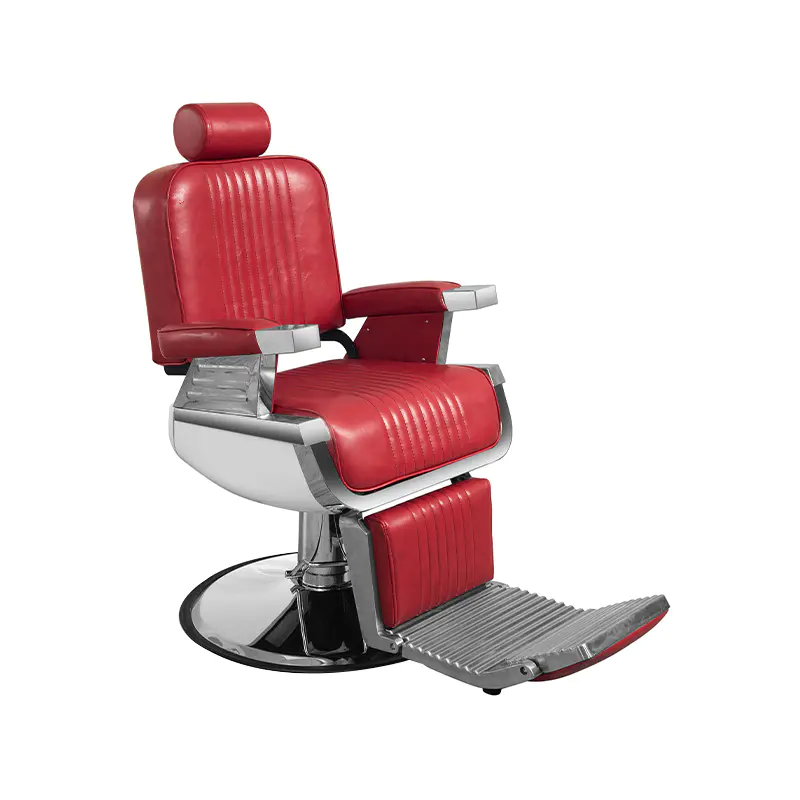
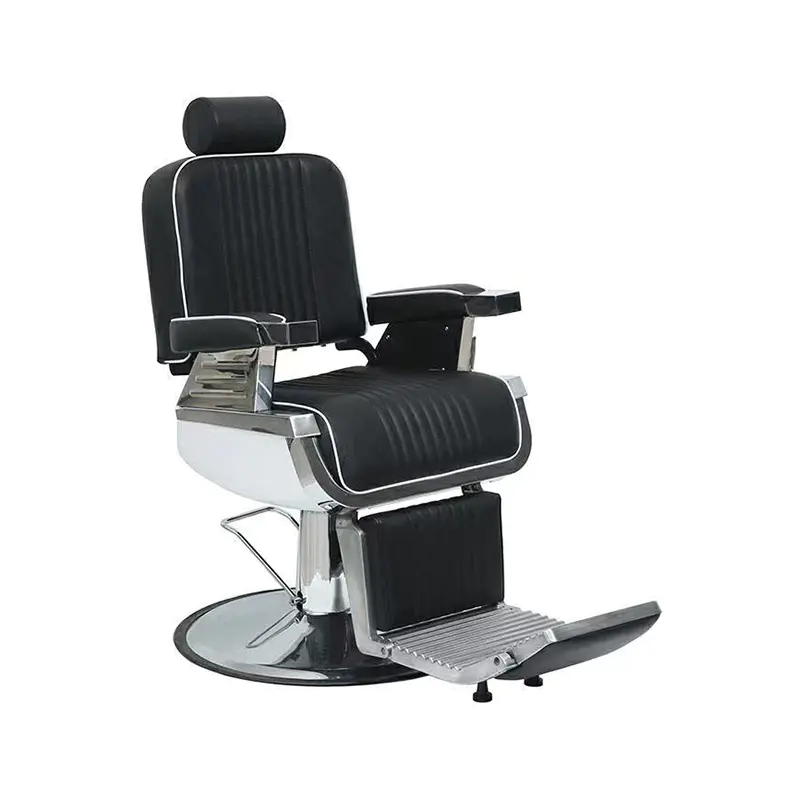
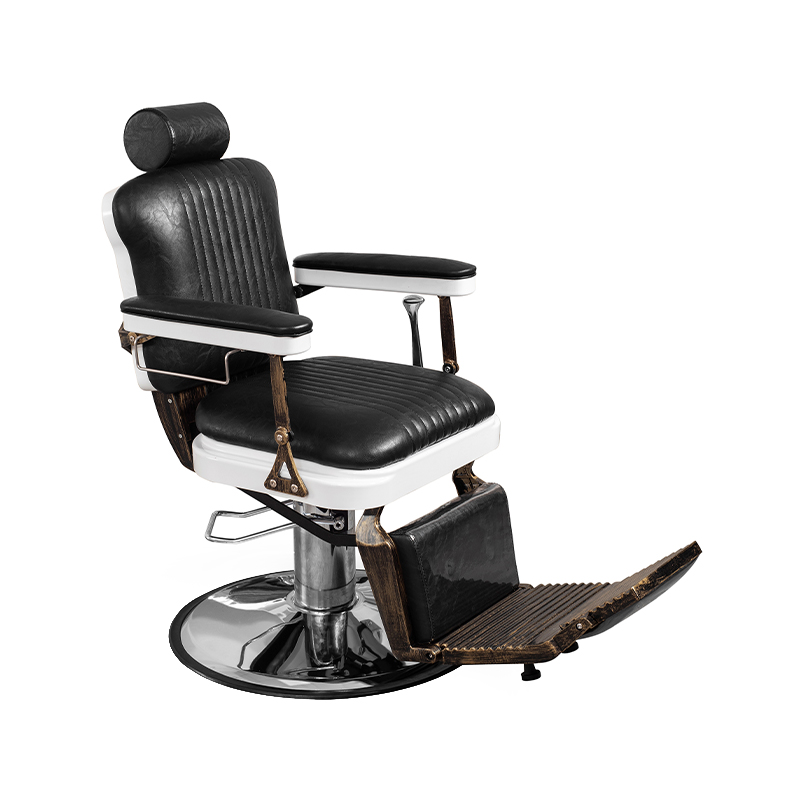
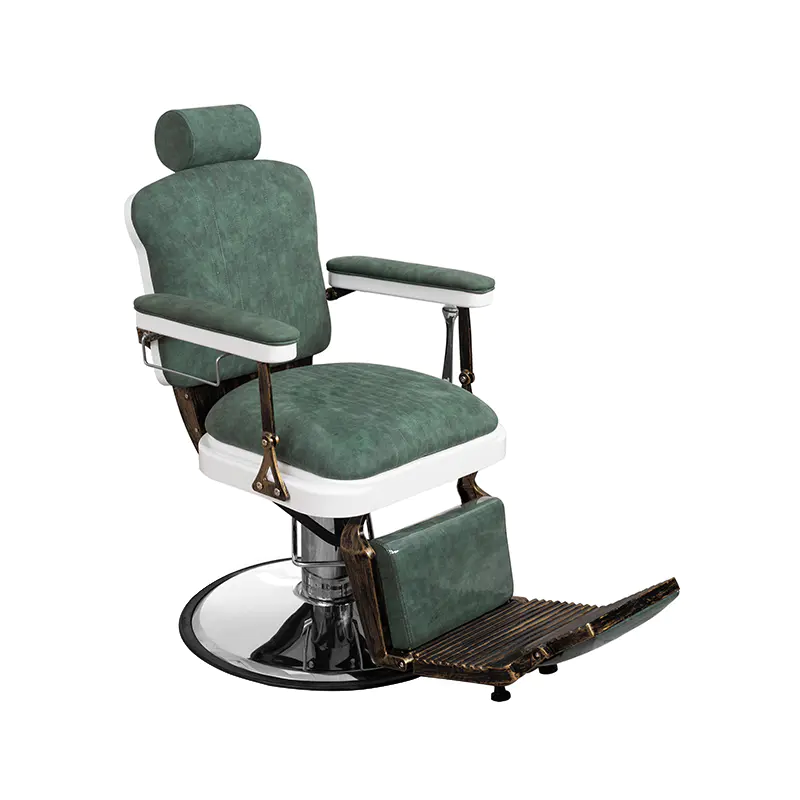
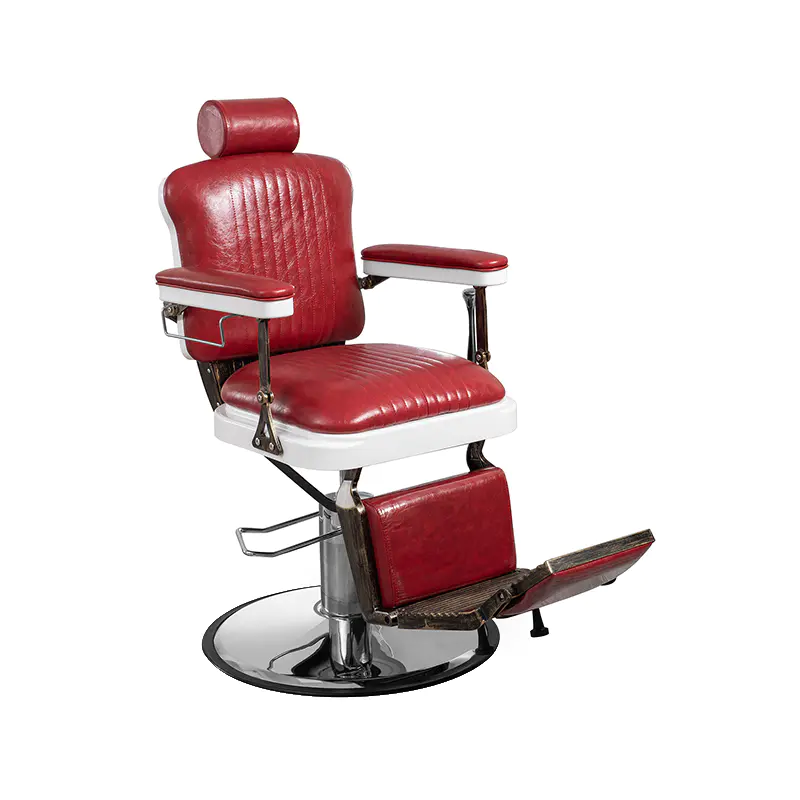
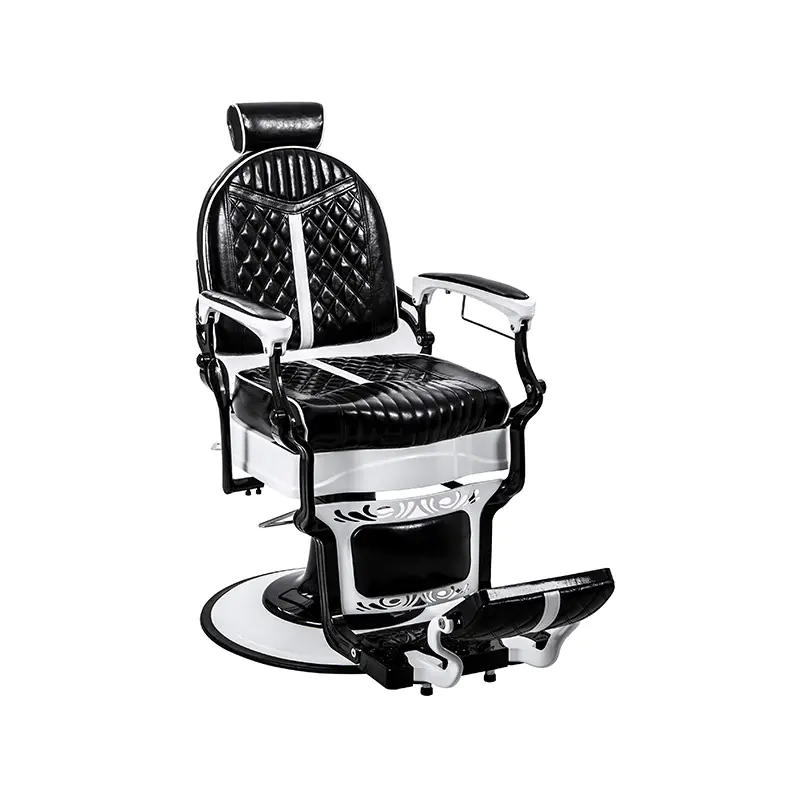
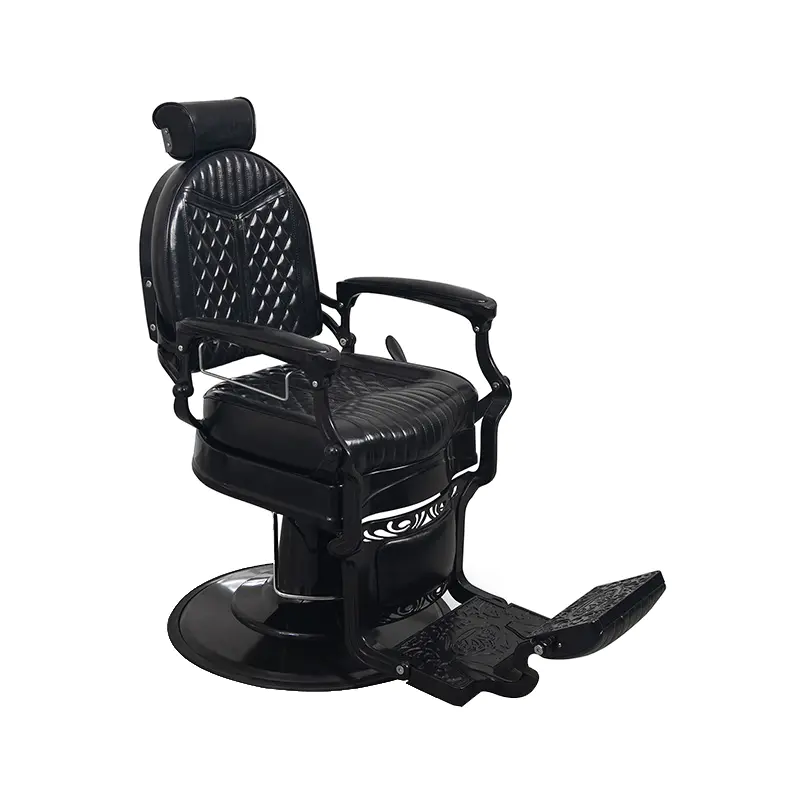
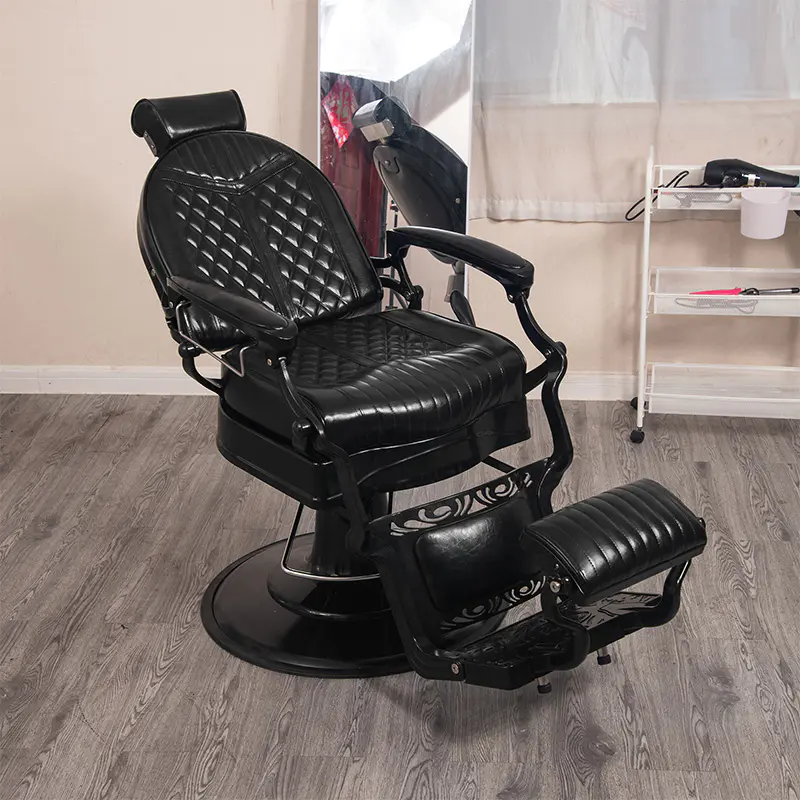
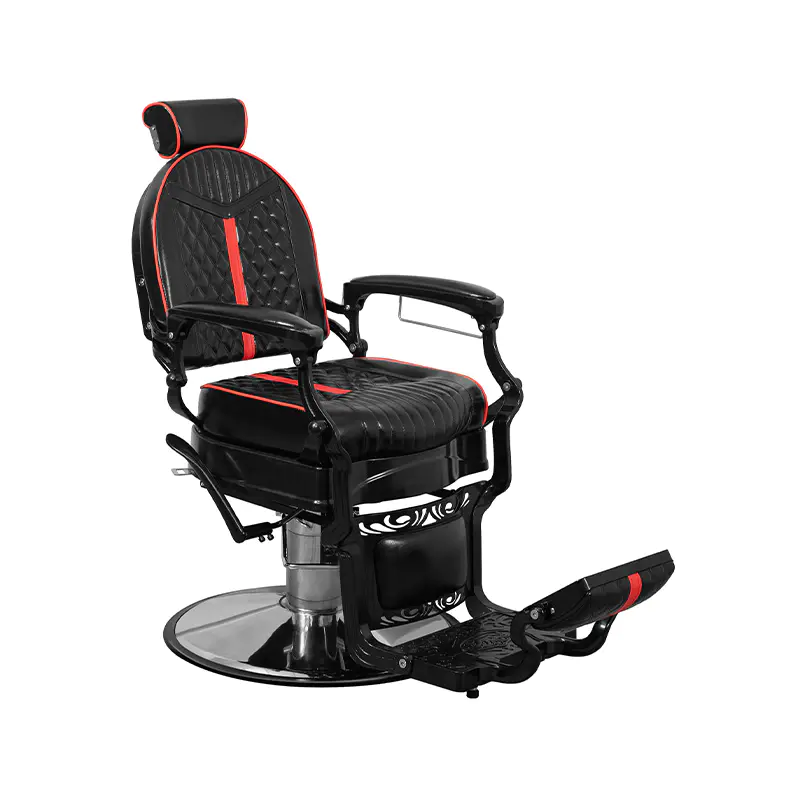
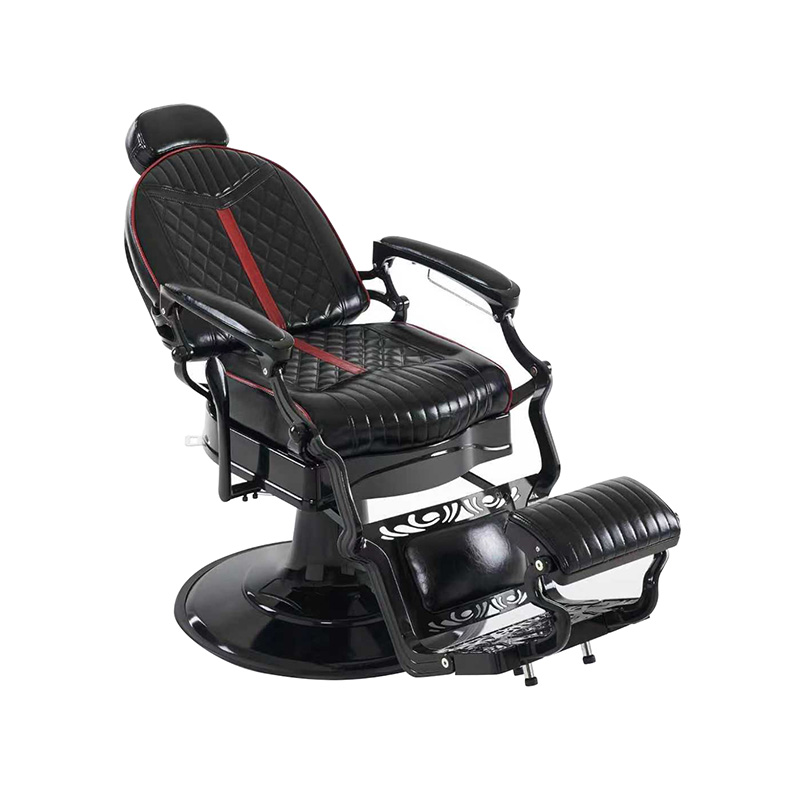
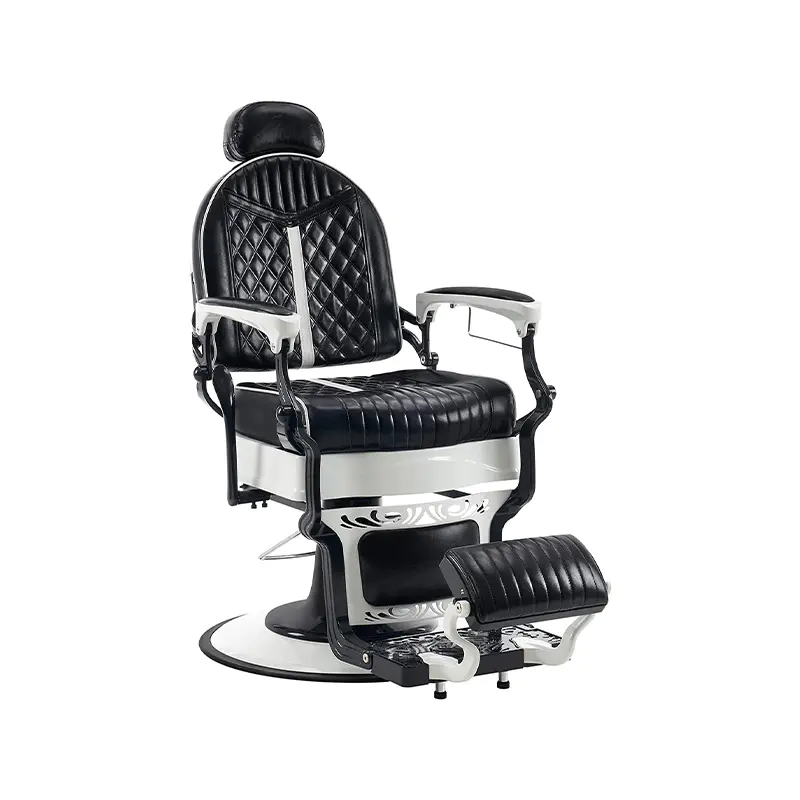
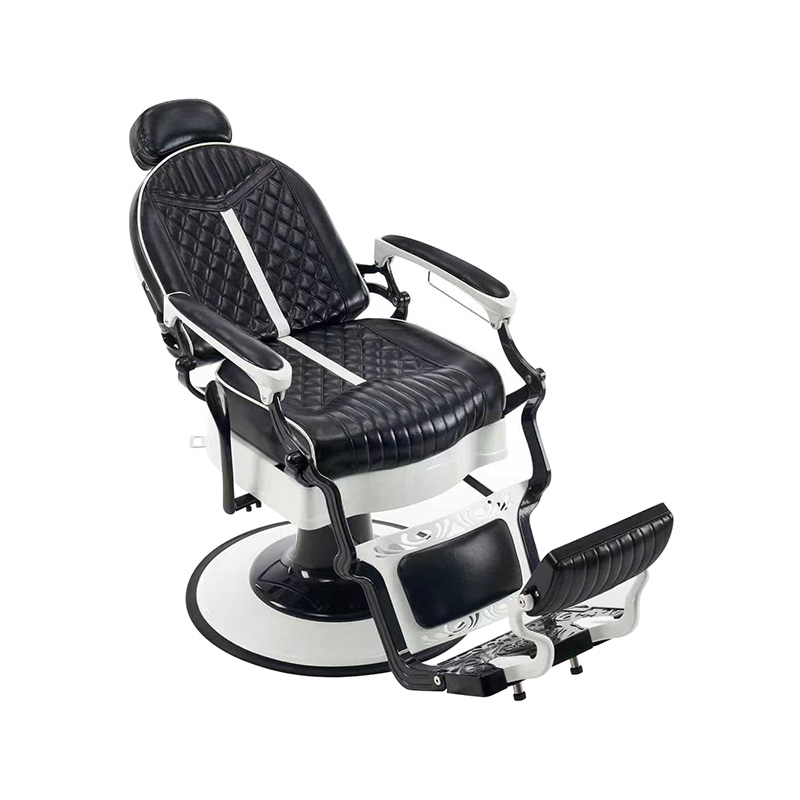
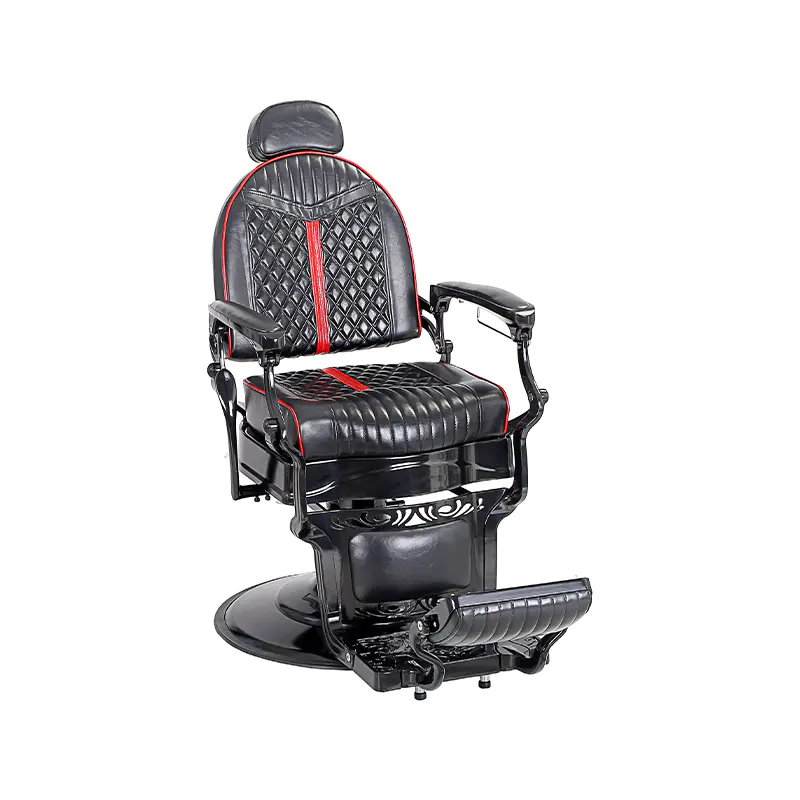
A vintage barber chair — characterized by high backs, chrome accents, ceramic armrests, and classic rolled upholstery — is ideal for traditional barbershops, gentleman's grooming lounges, and heritage-style salons. These designs evoke craftsmanship and build strong client loyalty. The vintage aesthetic has seen a 37% rise in search interest over the past three years as barbershop culture has experienced a global revival.
Modern / Contemporary Style
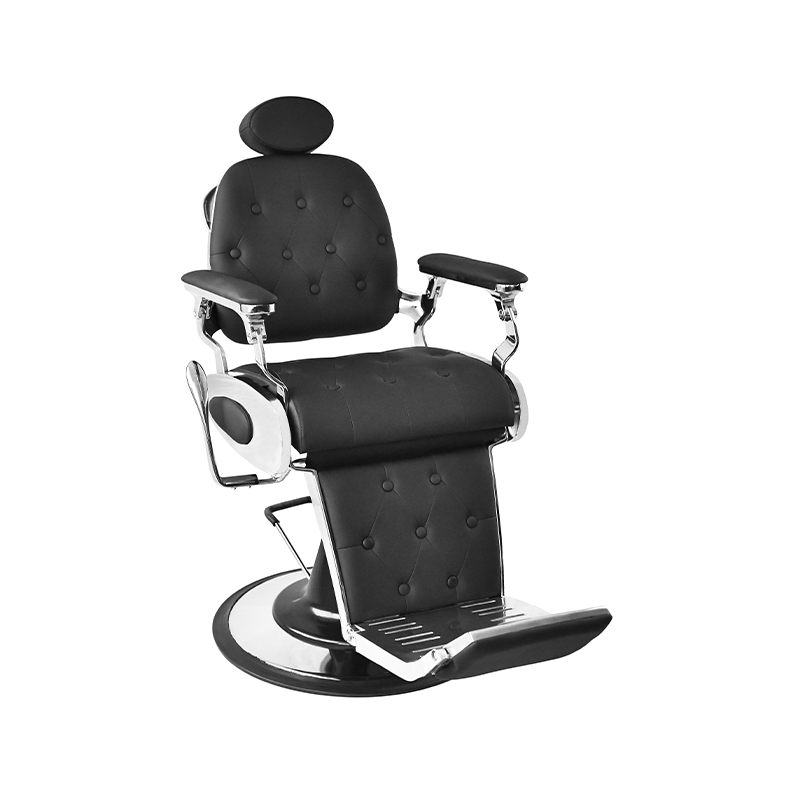
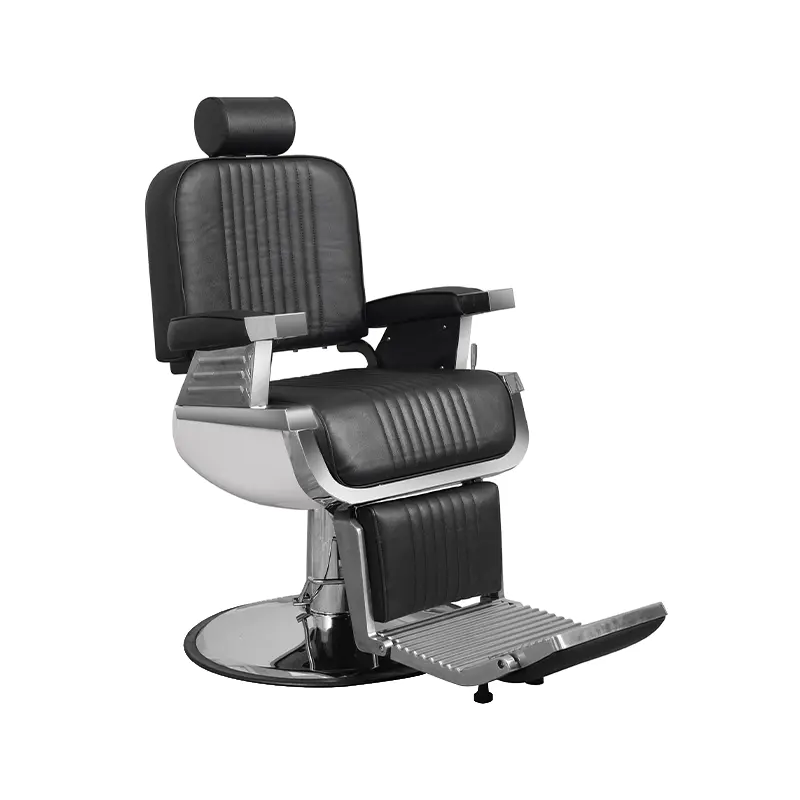
Sleek lines, matte or gloss finishes, and minimalist chrome bases suit modern urban salons and upscale grooming studios. These chairs often integrate ergonomic features like adjustable headrests and contoured lumbar support, making them popular in environments that prioritize client comfort for long services.
Relative Search Interest: Vintage vs. Modern Barber Chairs (2021–2025)
Relative search interest index (0–100), based on keyword trend analysis
Reclining Function and Footrest Design Affect Service Versatility
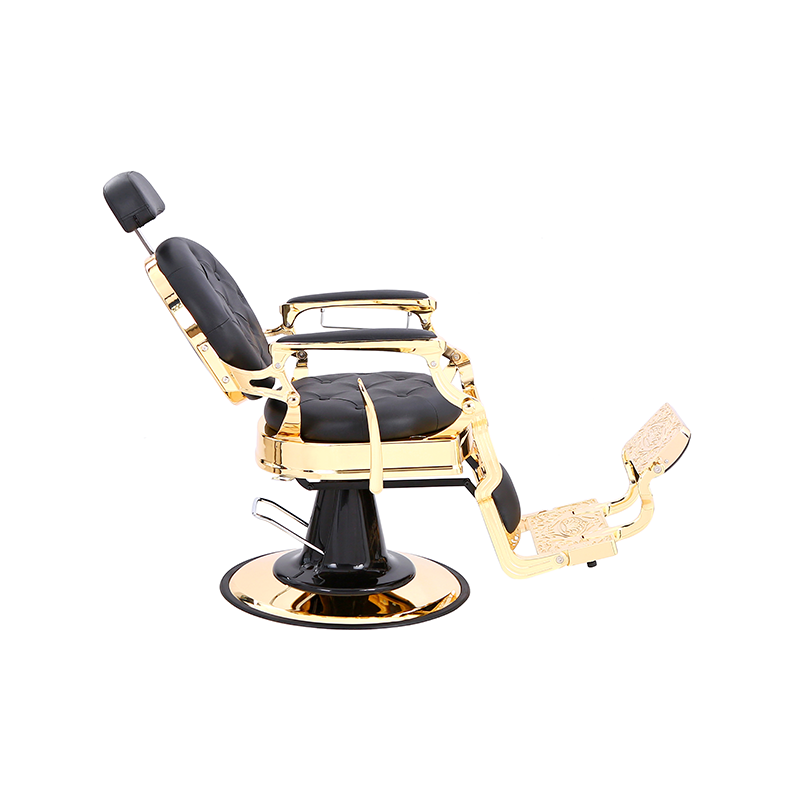
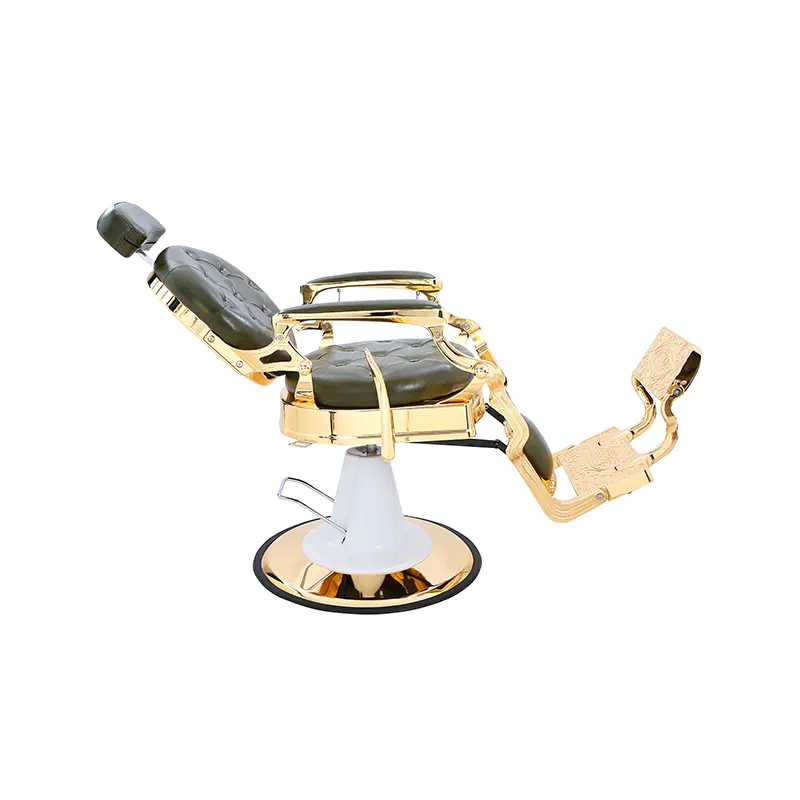
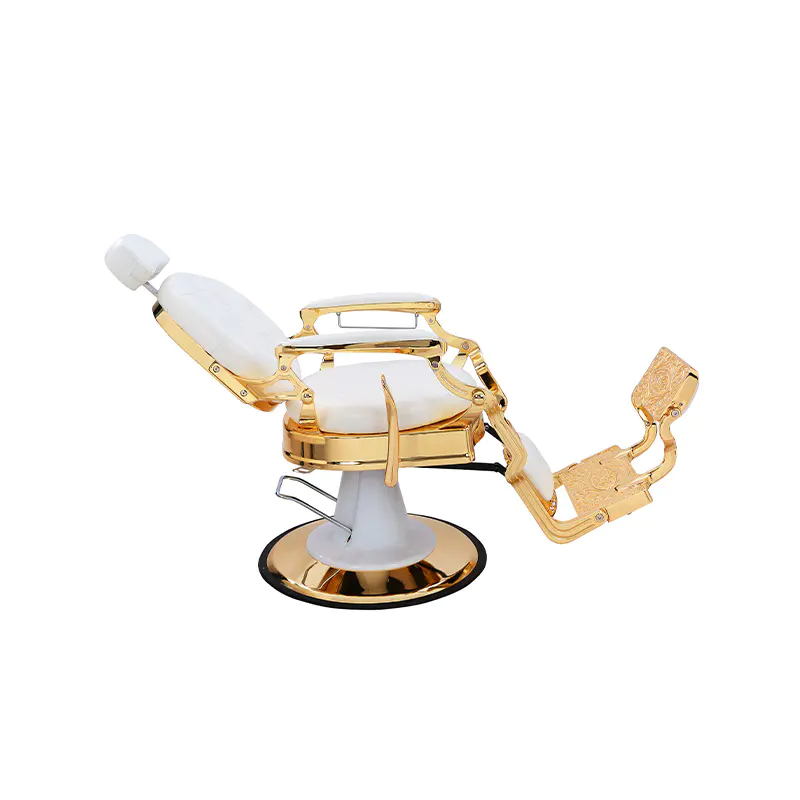
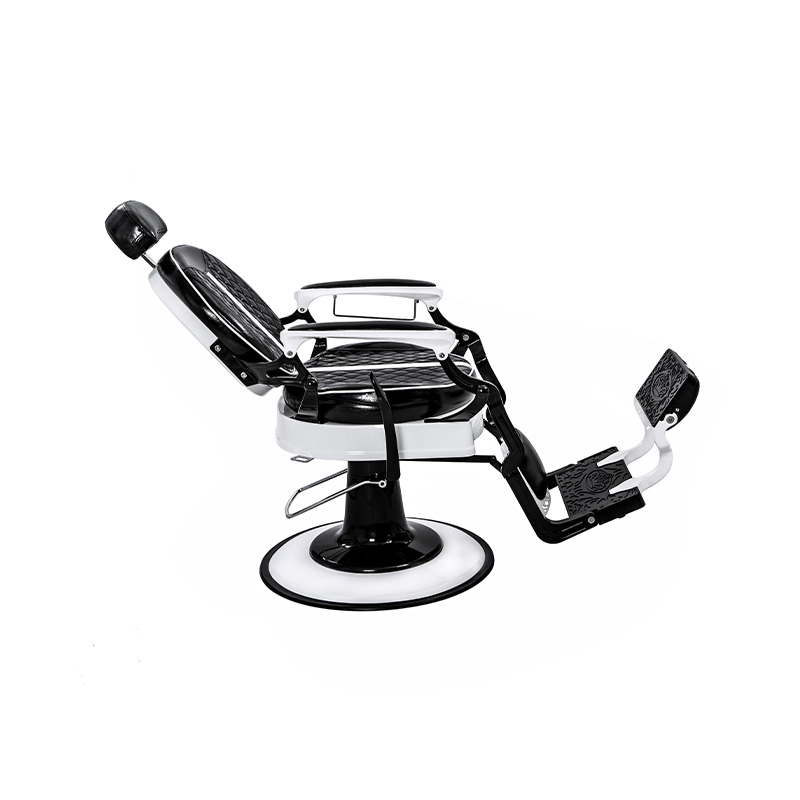
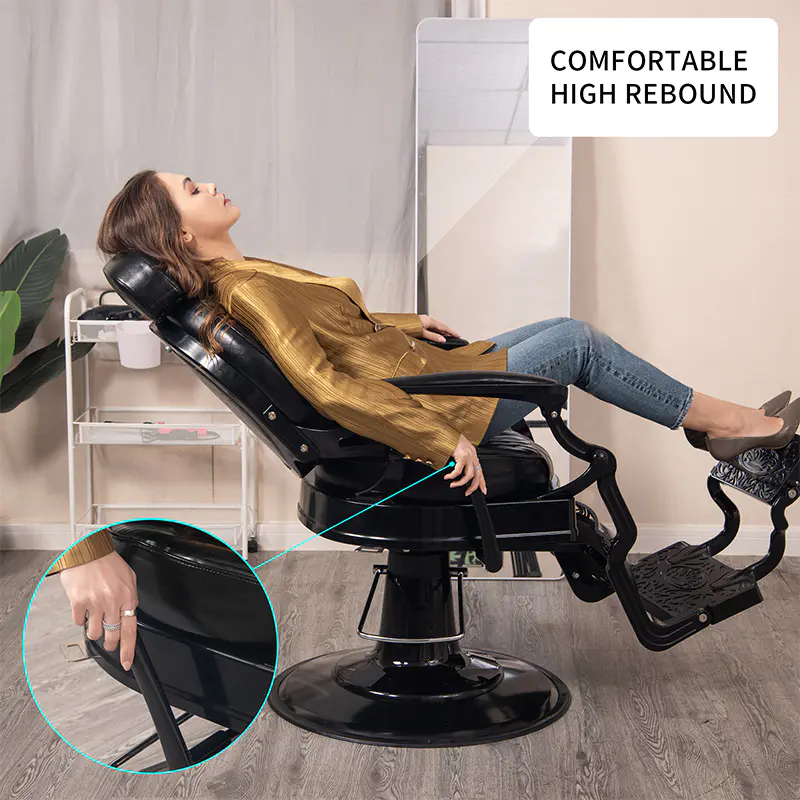
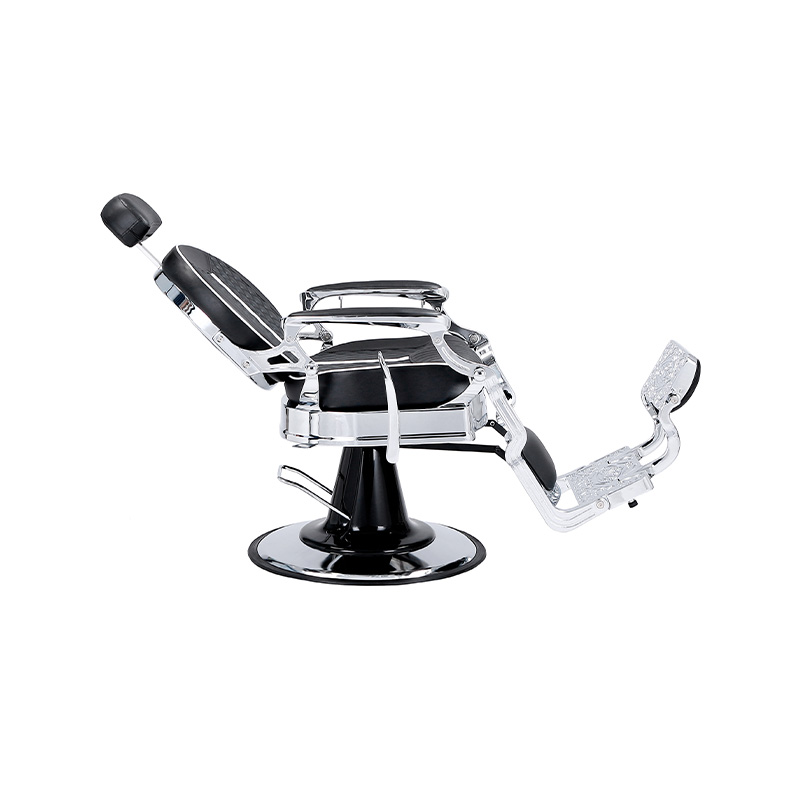
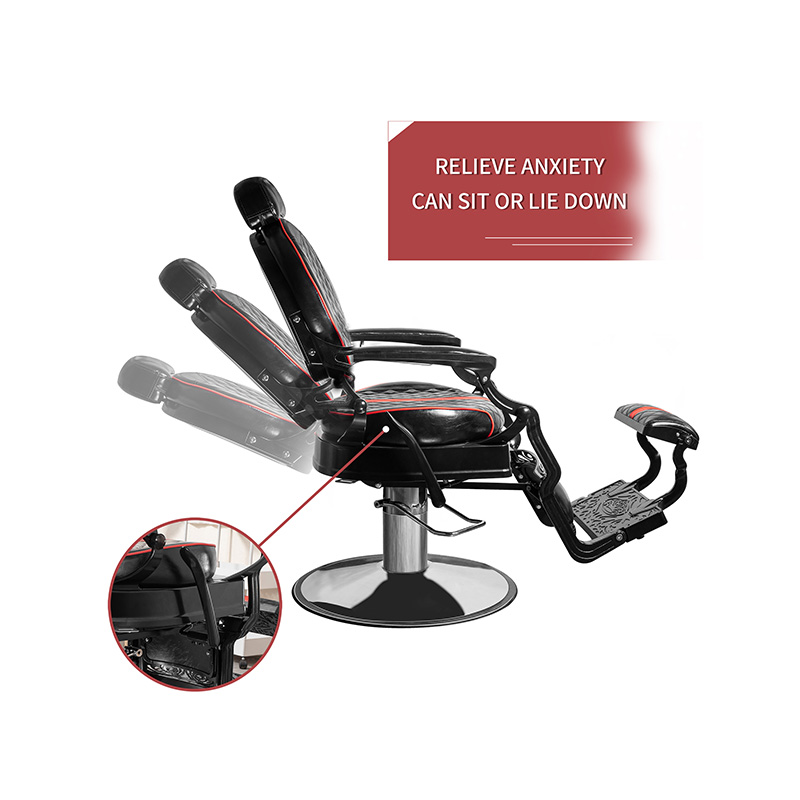
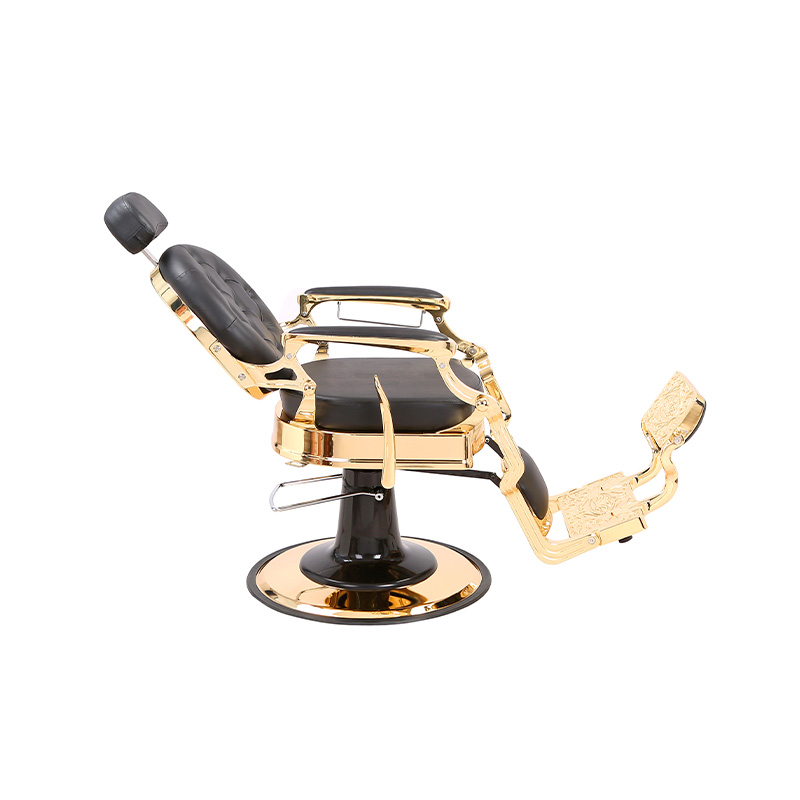
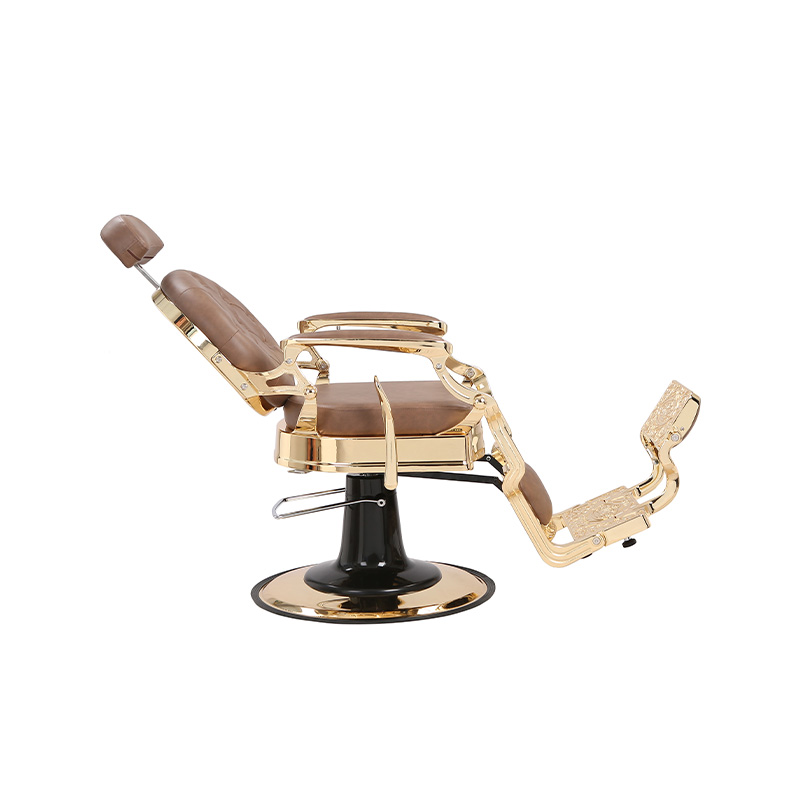
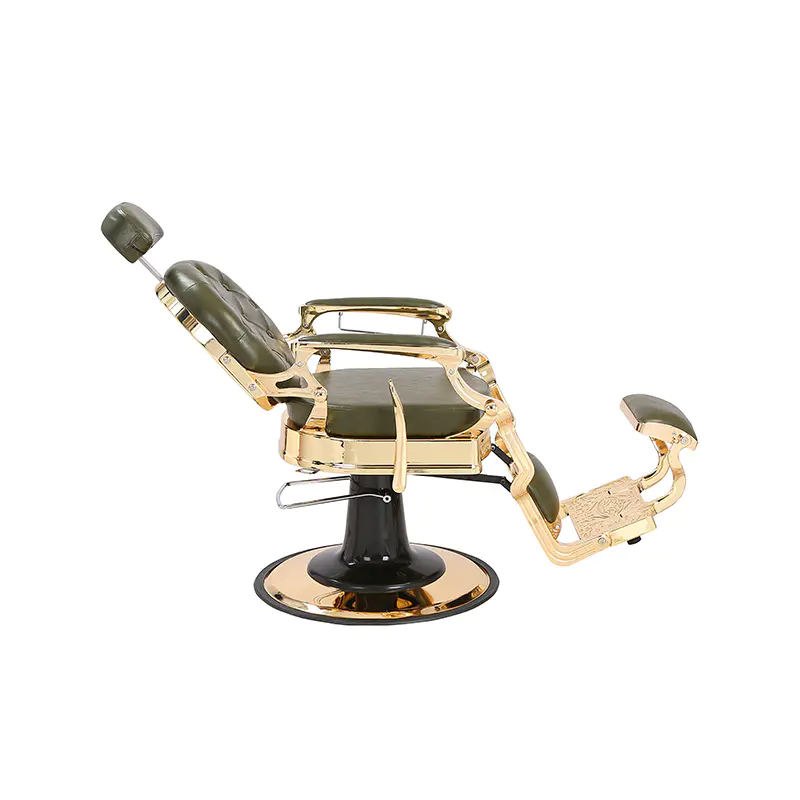
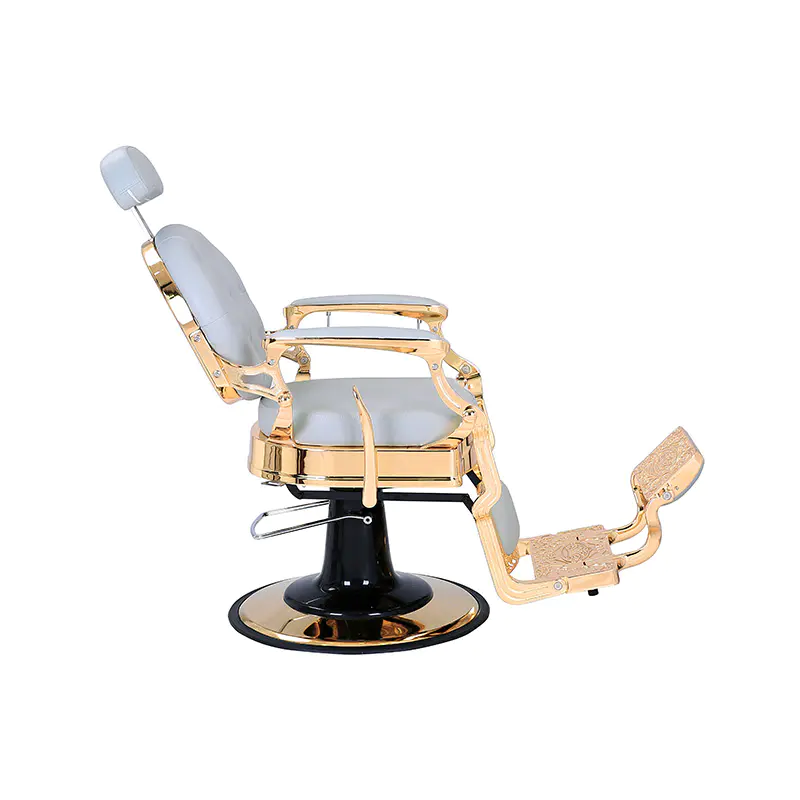
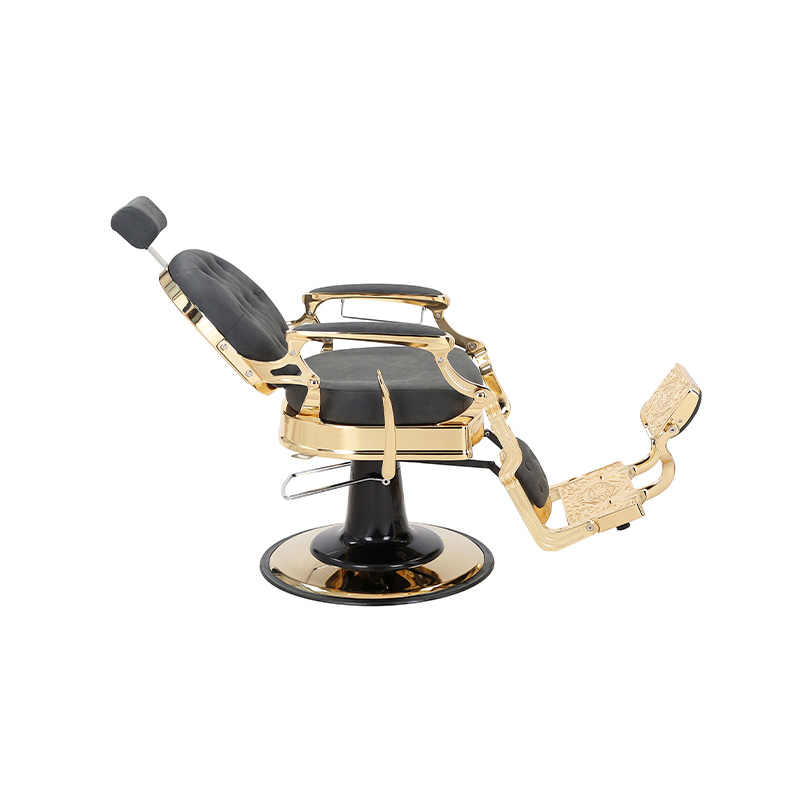
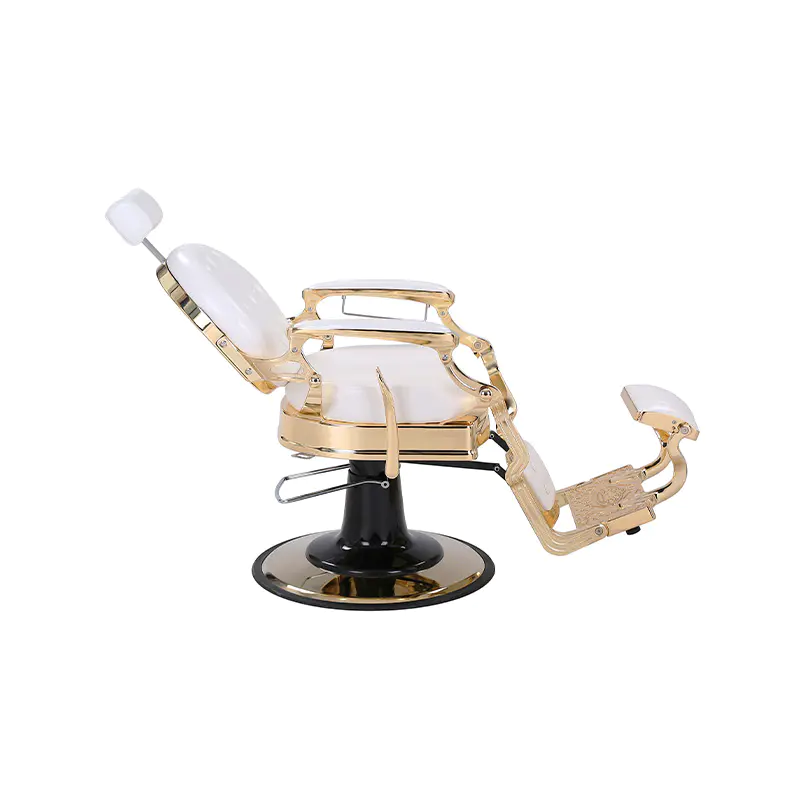
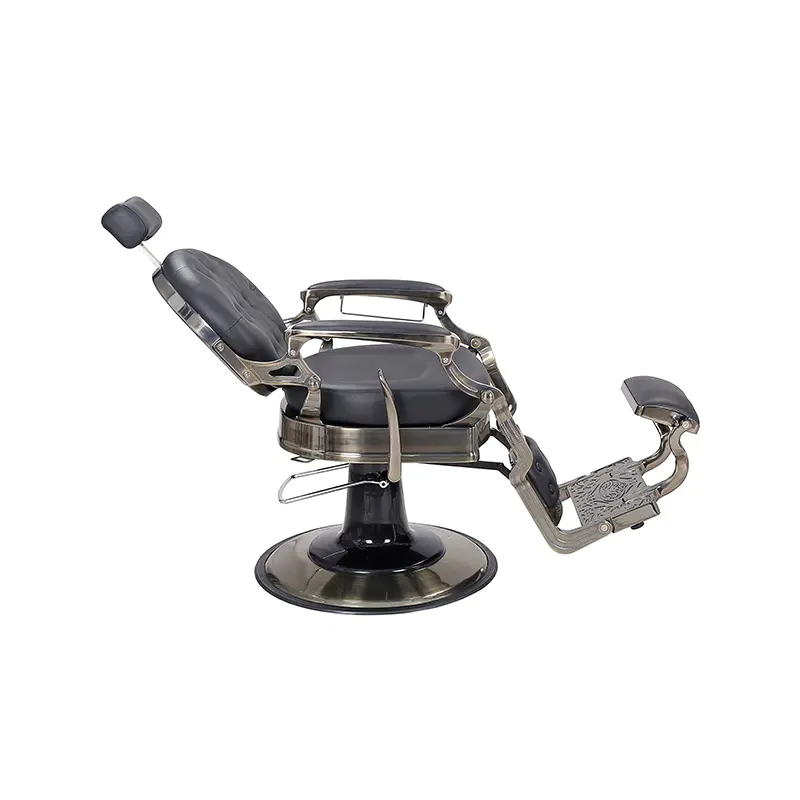
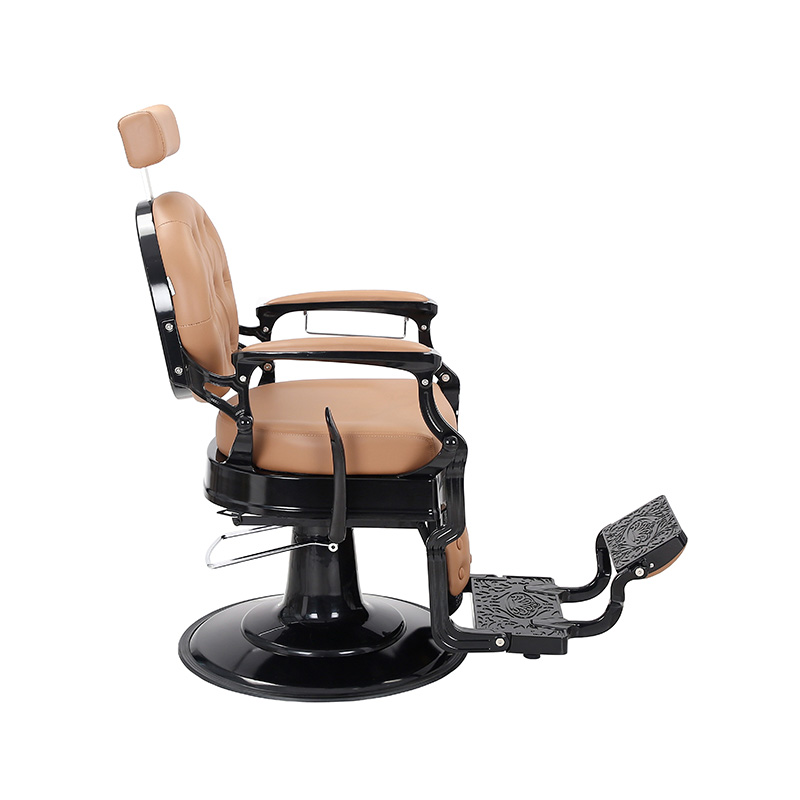
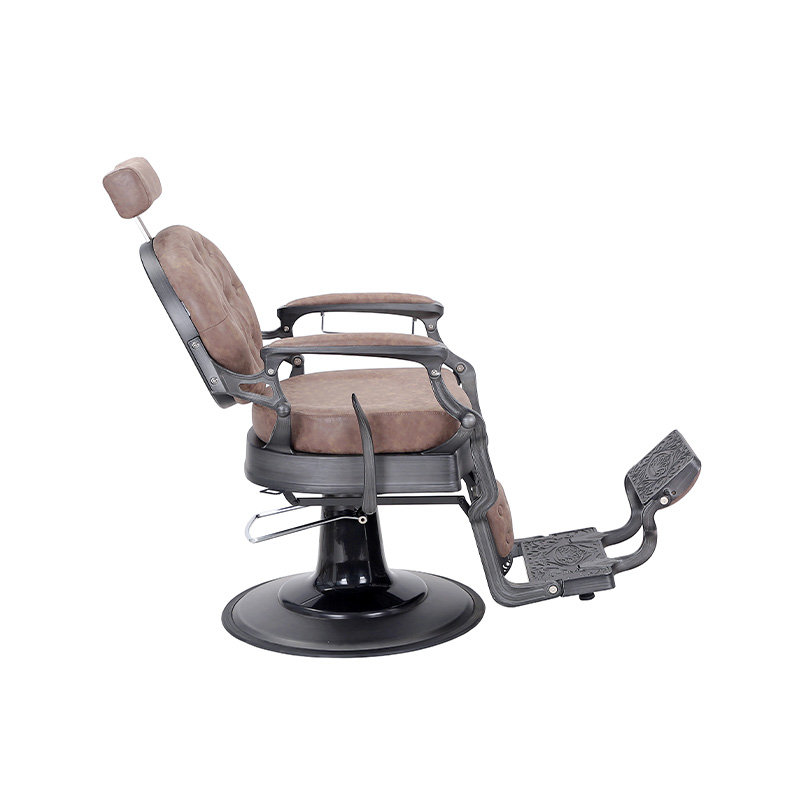
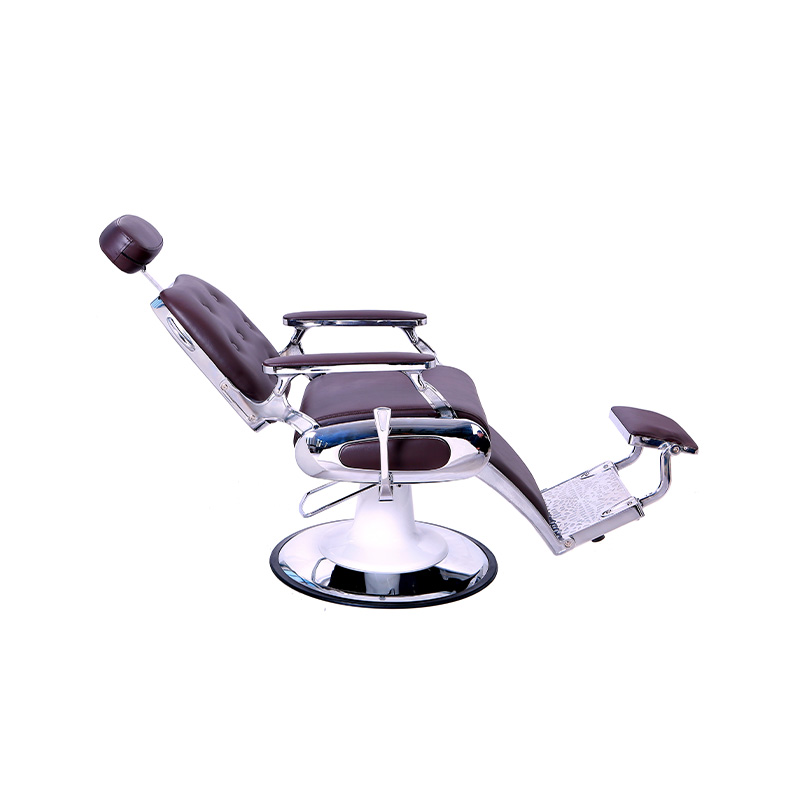
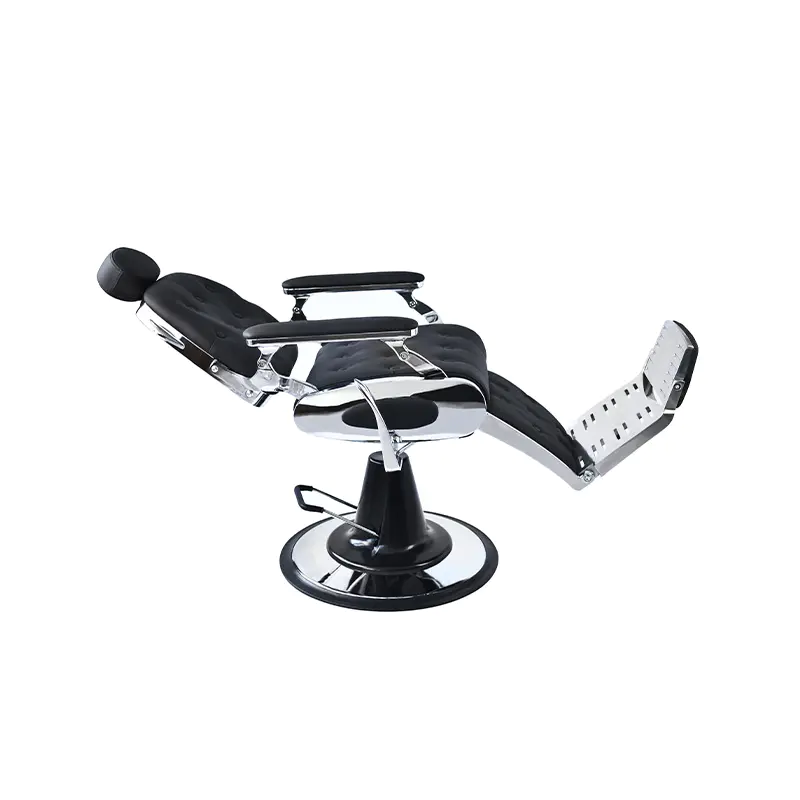
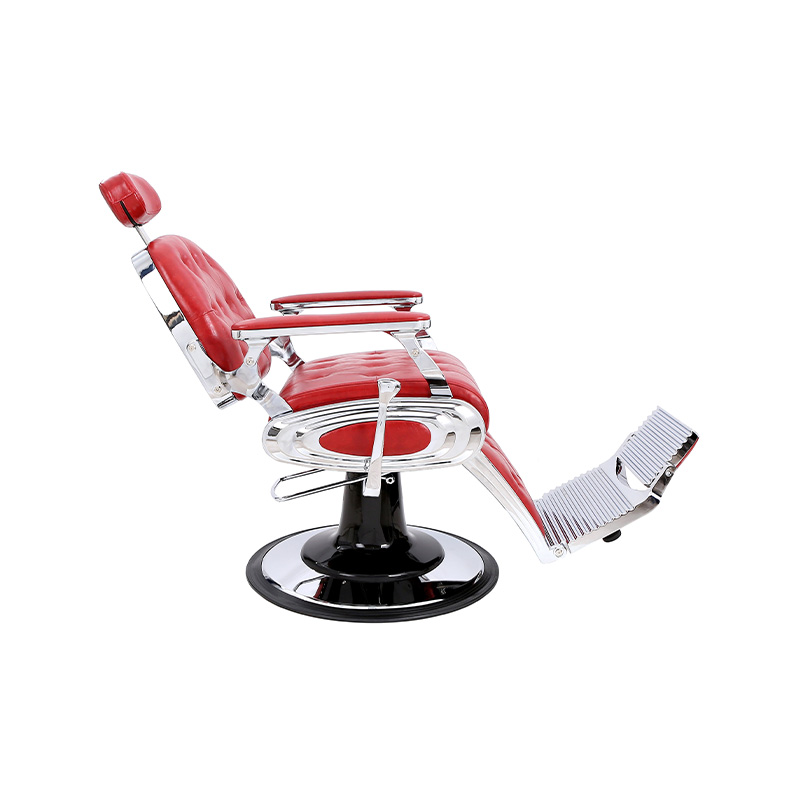
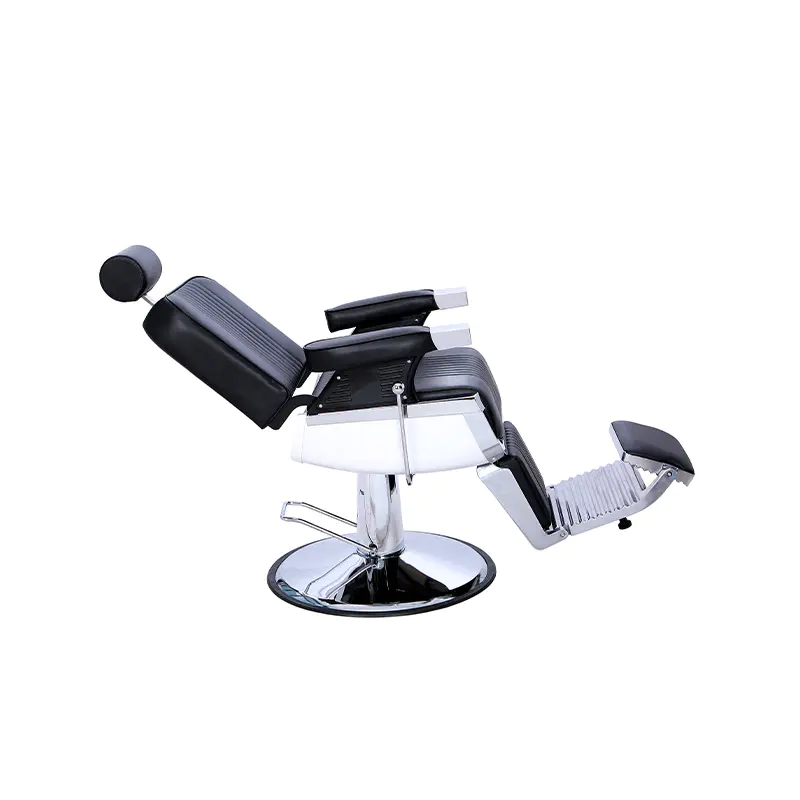
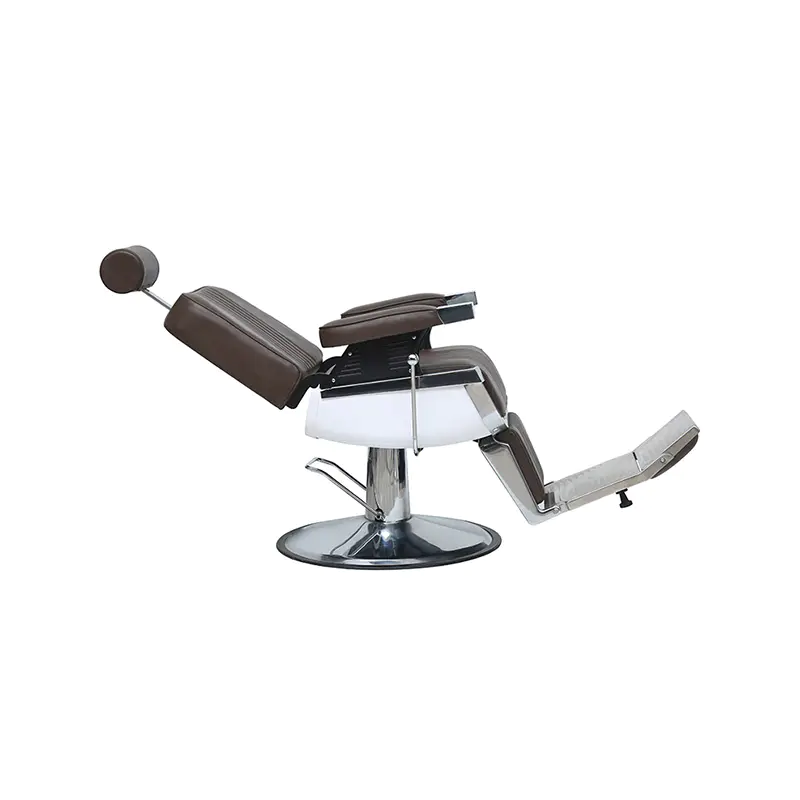
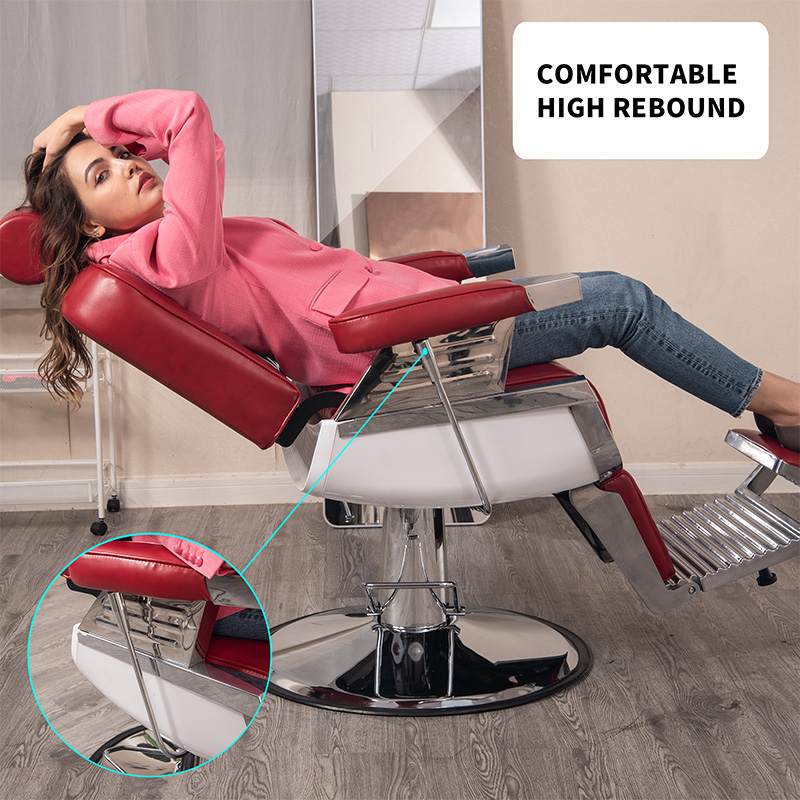
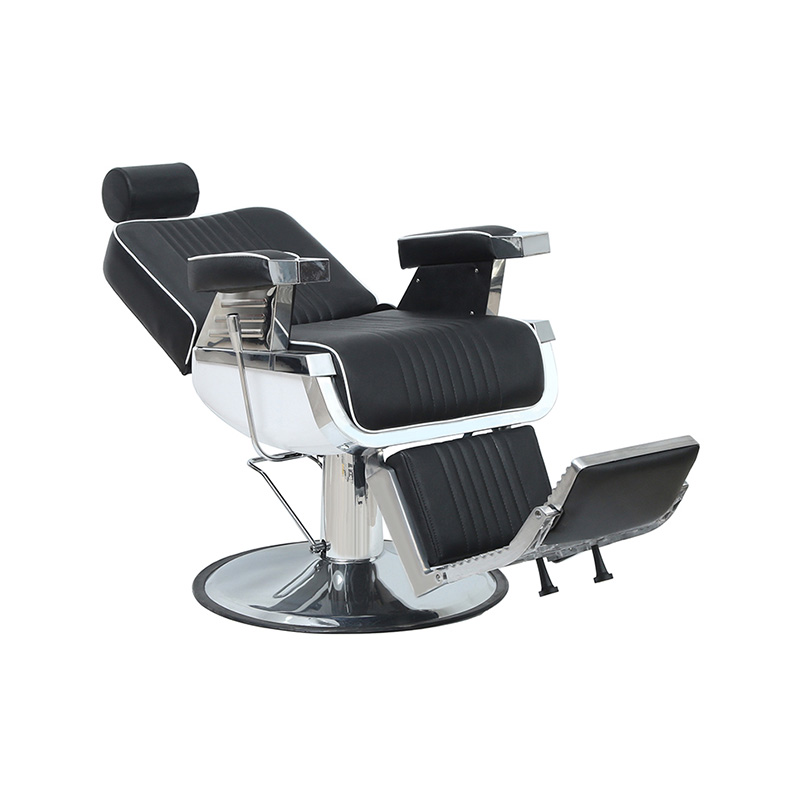
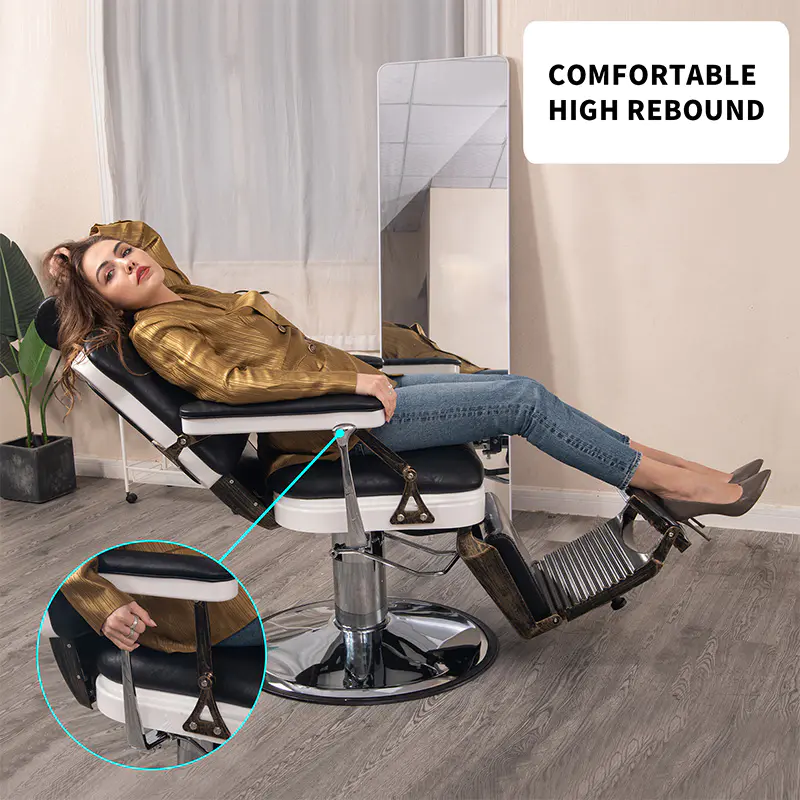
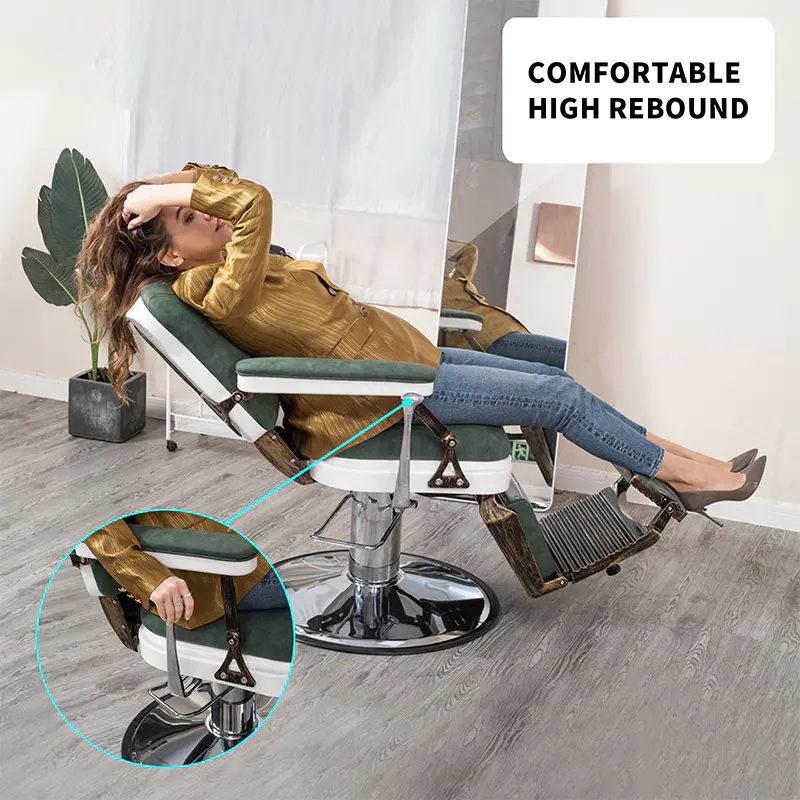
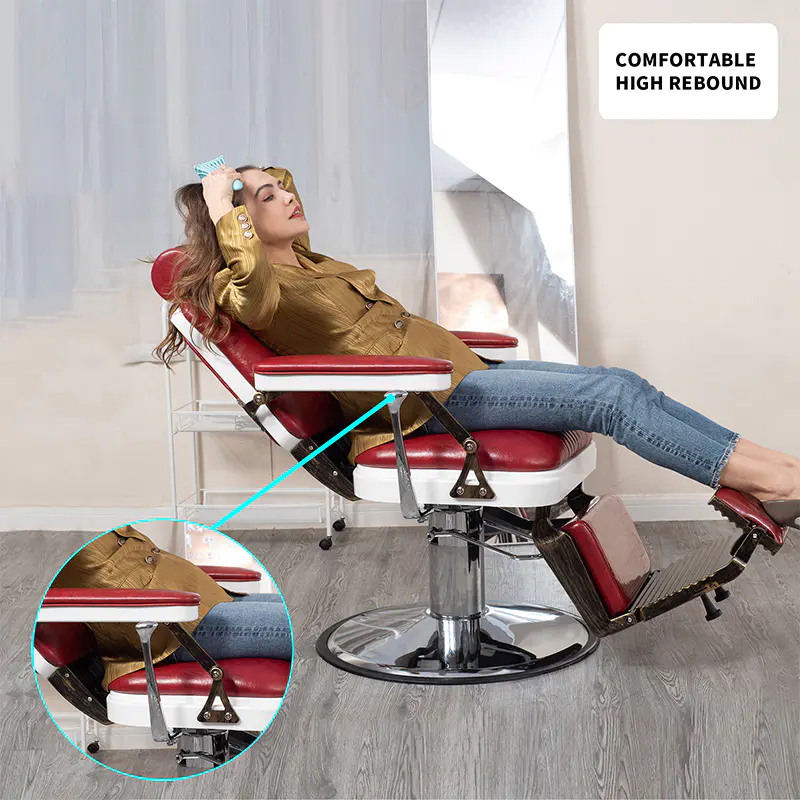
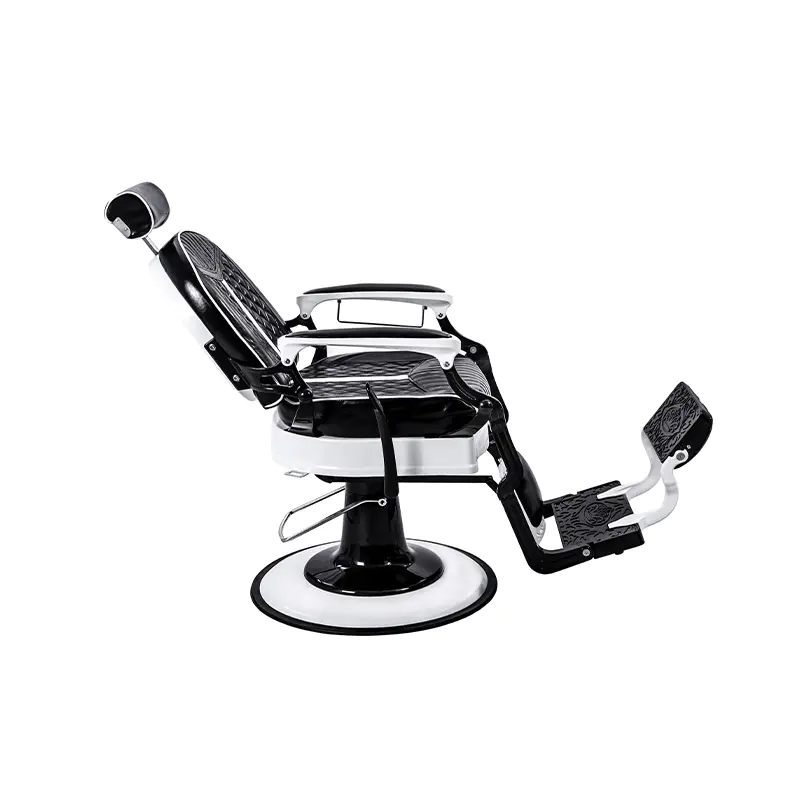
Not all barber chairs recline equally — and the difference matters significantly if you offer shaving, beard grooming, or facial services. A chair that reclines to a full 180-degree flat position is essential for traditional straight-razor shaving. Most hydraulic barber chairs offer a recline range of 90°–135°, which is sufficient for standard haircuts but limiting for full-service barbershops.
Evaluate these reclining and footrest features:
- Locking recline positions (typically at 115°, 135°, and 160°) for stable service positioning
- Extendable footrests that slide to accommodate taller clients (6'2"+ range is ideal)
- Padded footrest with non-slip surface for client safety
- Smooth, controlled recline mechanism — avoid chairs with sudden release that startle clients
Rotation, Base Stability, and Barber Ergonomics
A chair that rotates smoothly and locks precisely is not just a convenience — it's a barber's health investment. Barbers who work with chairs that don't rotate properly compensate with awkward body mechanics, contributing to the high rate of occupational back and shoulder injuries in the industry (estimated at 65% of professional barbers report chronic pain after 10+ years of work).
Key features to assess:
- 360° smooth rotation with a positive lock at 0°, 90°, and 180° positions
- Weighted, wide-stance base (minimum 22" diameter) for anti-tip stability under dynamic weight shifts
- Floor-level footring for barbers to brace during cutting — reduces lower back fatigue significantly
- Swivel tension control so the chair doesn't drift mid-service
Customization Options and OEM Flexibility Add Long-Term Value
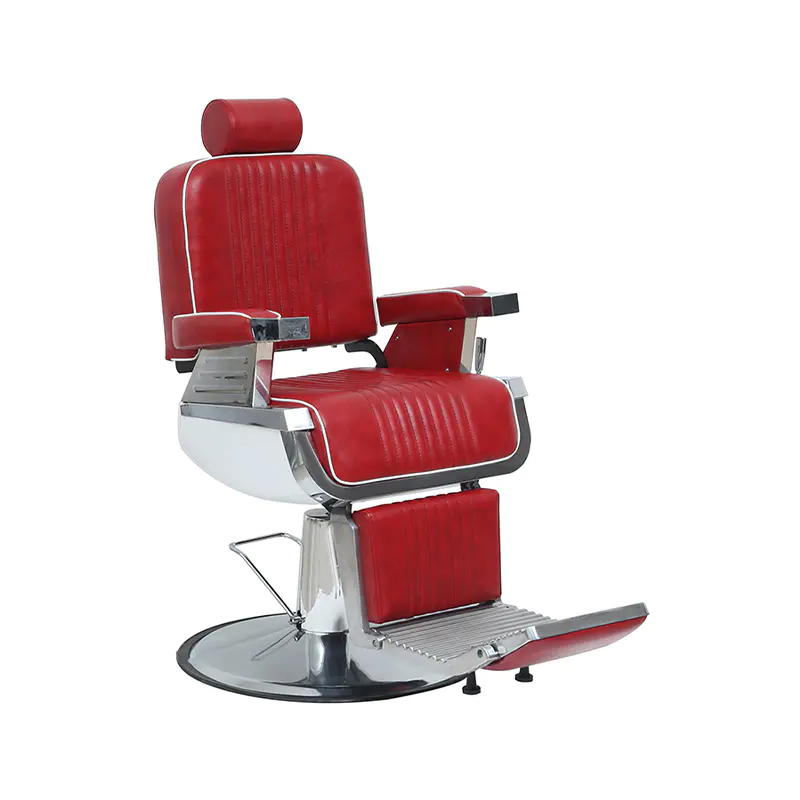
For salon chains, franchise operators, or brand-conscious studio owners, customization capability is a major differentiator. Working with a manufacturer that offers OEM and ODM options lets you specify upholstery color and texture, logo embroidery, armrest style, base finish, and even chair dimensions to fit non-standard station layouts.
This is particularly relevant when ordering chairs at volume — 10 or more units — where consistency across all stations is critical to the salon's visual brand. Custom-configured barber chairs create a cohesive environment that clients associate with quality and professionalism.
When sourcing from a manufacturer, verify:
- Minimum order quantity for custom configurations
- Lead time for production and international shipping
- Certification compliance (CE, SGS, BIFMA, or equivalent)
- After-sales support and spare parts availability
About Ningbo HongZi Beauty & Hairdressing Equipment Co., Ltd.
Ningbo HongZi Beauty & Hairdressing Equipment Co., Ltd. is a professional enterprise engaged in the research, development, manufacturing, and export of barber chairs, beauty beds, shampoo chairs, and related beauty salon furniture. Located in the picturesque town of Sanqishi, Yuyao, Zhejiang Province — by the scenic Hangzhou Bay — the company covers an area of 22,000 square meters and employs over 120 staff, with an annual output value of 120 million RMB.
As a professional China OEM Salon Barber Chairs Manufacturer and ODM Barber Chair Factory, HongZi brings strong technical and R&D capabilities to provide high-quality, customizable barber and beauty equipment solutions to clients worldwide. The facility is equipped with specialized machinery — including laser plate cutters, pipe cutters, punching machines, CNC leather cutters, and embroidery machines — alongside automated production lines for welding, cotton pasting, and assembly.
The sofa workshop features a complete upholstery processing flow, enabling integrated manufacturing from structural components to surface leather — ensuring stable quality and unified detail in every product delivered to clients around the world.