
 en
en  English
 русский
 Español
 عربى
عربى
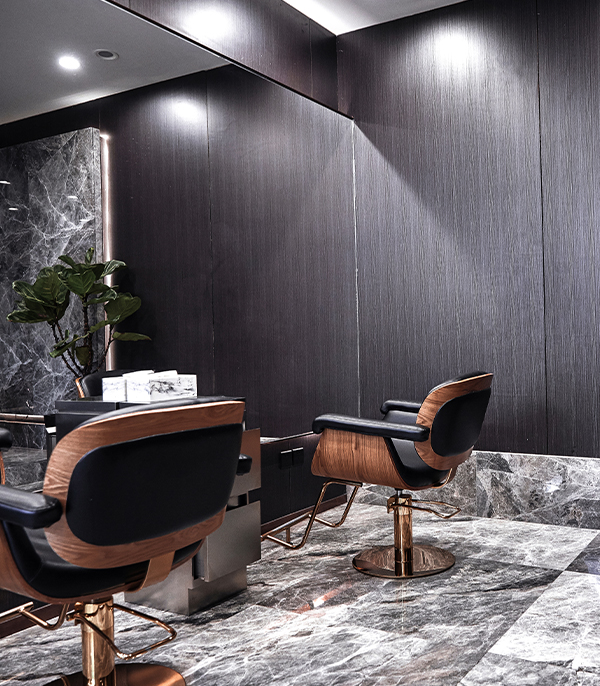
If you are equipping a barbershop in 2026, the single most impactful investment you will make is the chair. The right salon barber chair directly affects client comfort, barber posture, service speed, and the overall image of your shop. After analyzing the core needs of professional barbers — from independent one-chair studios to multi-station commercial barbershops — this guide identifies the essential chair types, must-have features, and selection criteria that separate a great chair from an average one. No fluff, no filler: just the practical information you need to make a confident purchasing decision.
Why the Barber Chair Is the Most Critical Piece of Salon Furniture
A professional barber spends an average of 6 to 10 hours per day working around their chair. Clients may sit in it for 30 to 90 minutes per visit. A chair that is poorly designed creates compounding problems: barbers develop back and shoulder injuries, clients shift and fidget, and the service quality suffers. Industry surveys indicate that over 68% of professional barbers report musculoskeletal discomfort linked to working with chairs that do not provide adequate height adjustment or positioning flexibility.
Beyond ergonomics, the barber chair is a statement piece. It is the first thing a client notices when entering a shop, and it communicates the level of professionalism and investment behind the service. Modern barber shop furniture has evolved to balance classic aesthetics with functional engineering — and choosing well means a chair that lasts 10 to 15 years with minimal maintenance.
The 5 Chair Types Every Professional Barber Should Know
Not all salon barber chairs are built for the same purpose. Understanding the main categories helps you match the chair to your specific workflow and clientele.
Hydraulic Barber Chair
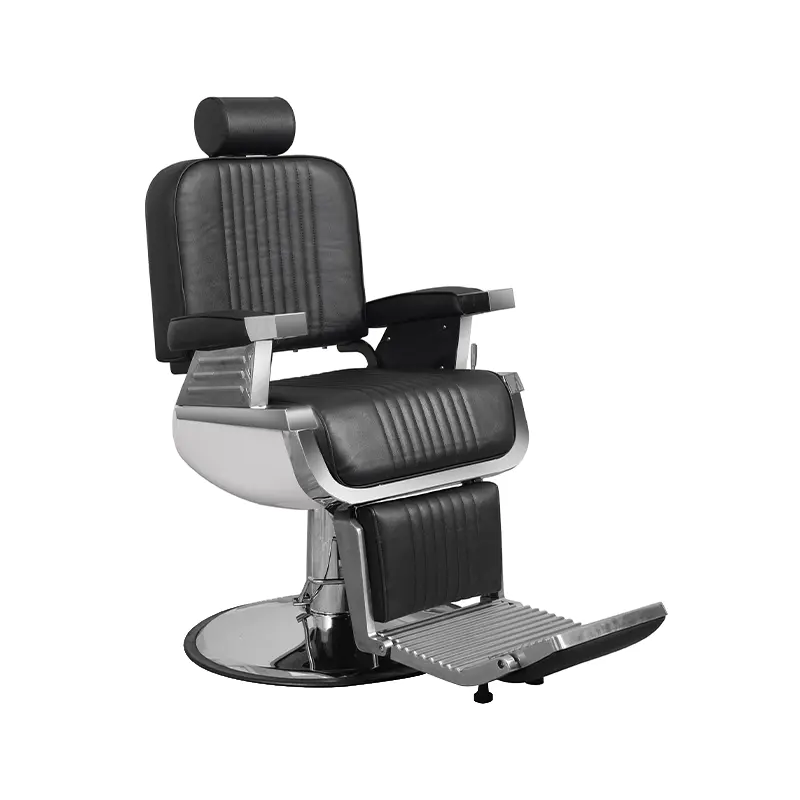
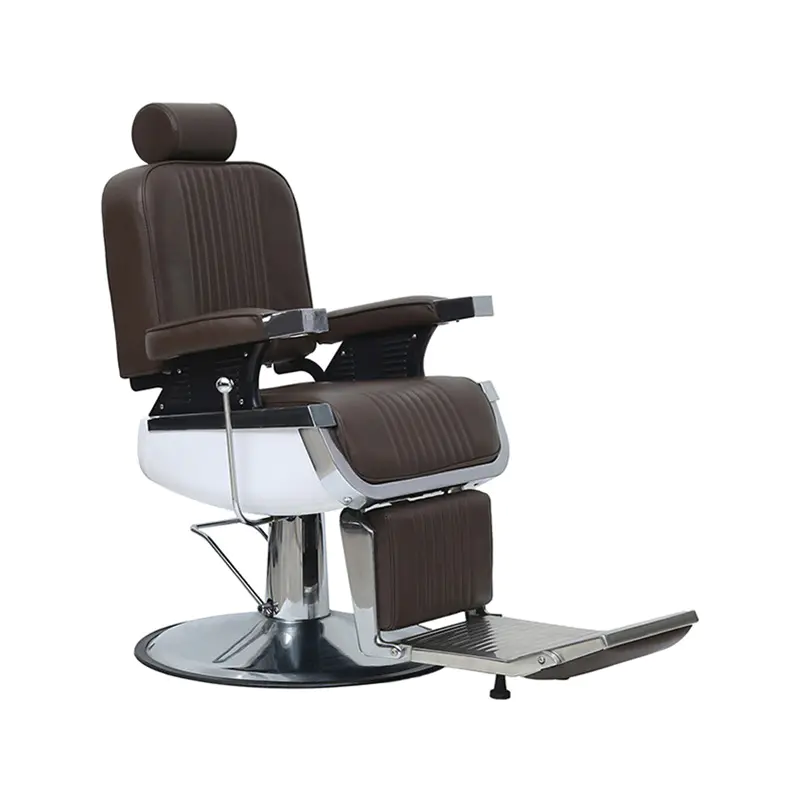
The hydraulic barber chair is the industry standard for a reason. A foot-pump hydraulic system allows smooth, tool-free height adjustment from roughly 18 to 24 inches, accommodating barbers and clients of any height. The hydraulic cylinder in a quality chair should support a static load of at least 350 lbs (160 kg) and deliver consistent lift without drift or slow descent. This chair type is ideal for general haircuts, fades, and beard work — essentially the workhorse of any professional barbershop.
Reclining Barber Chair
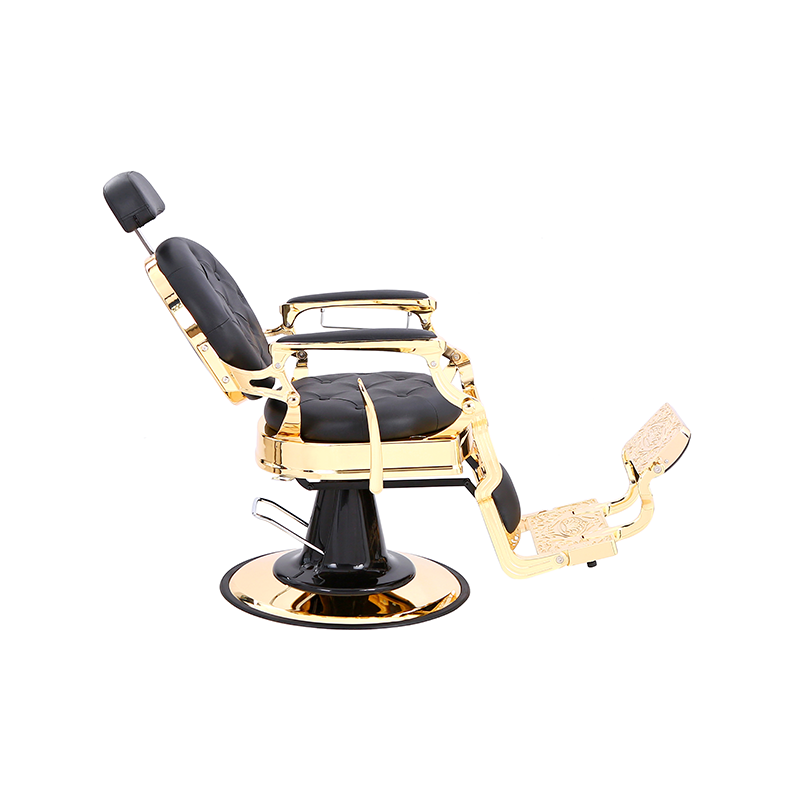
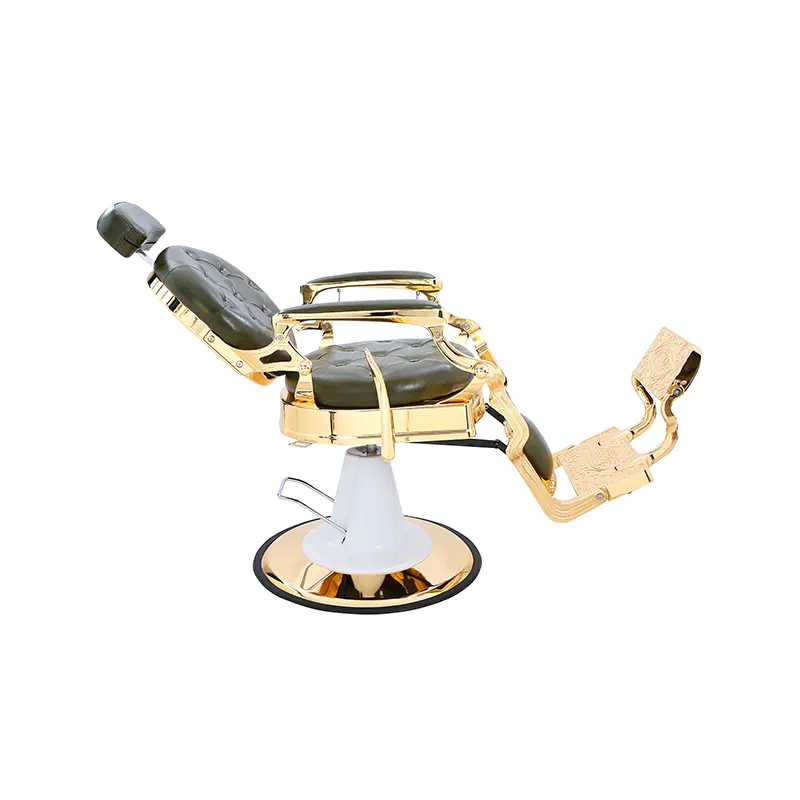
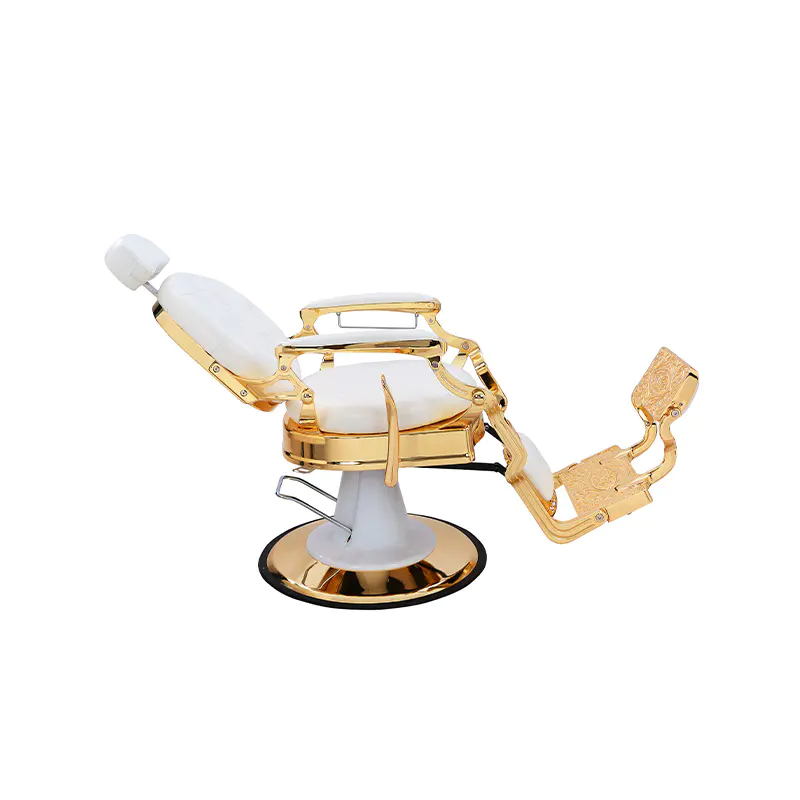
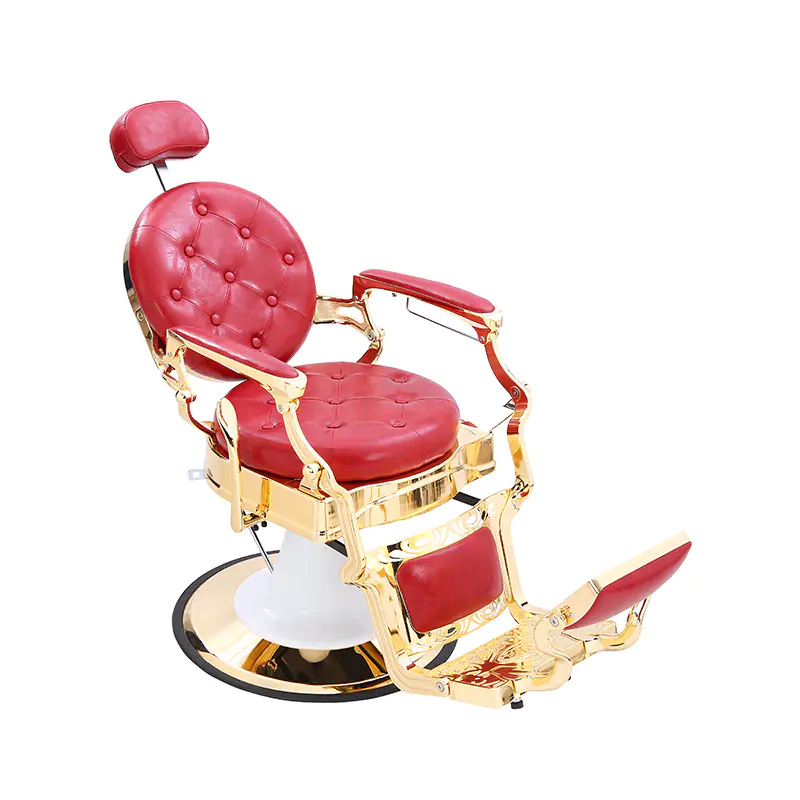
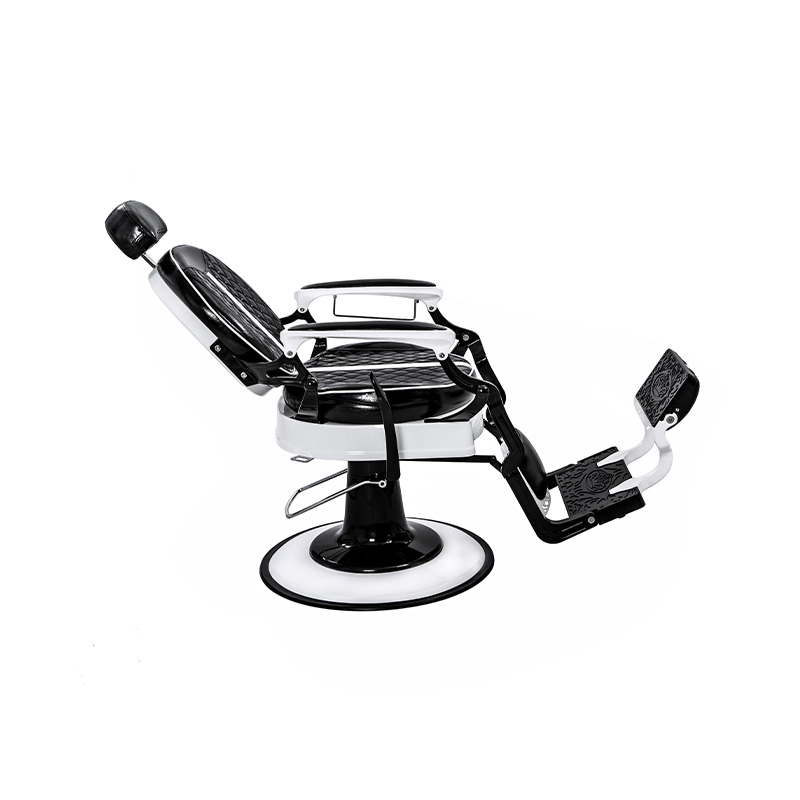
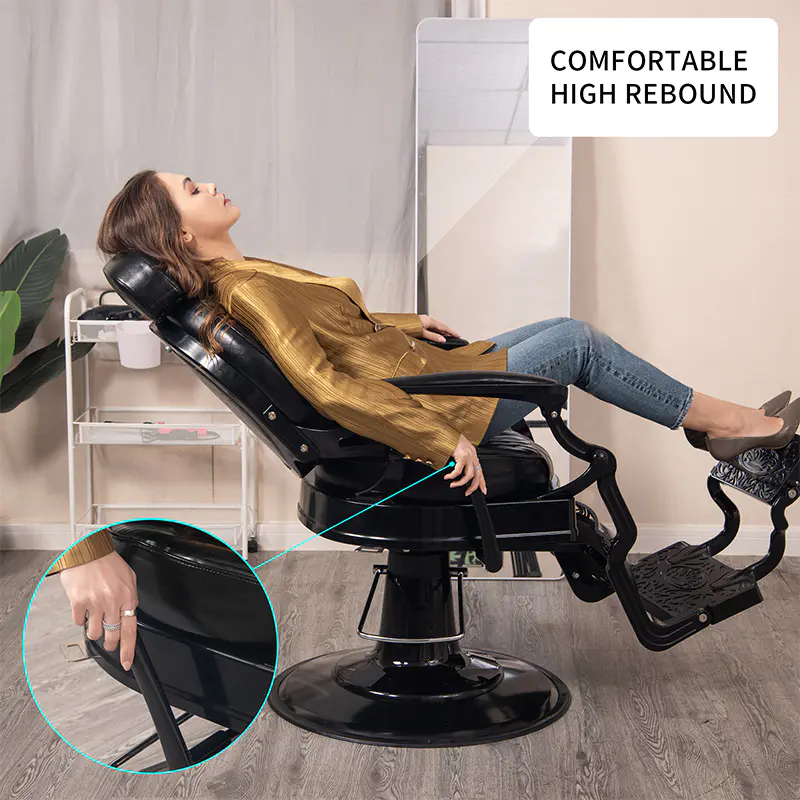
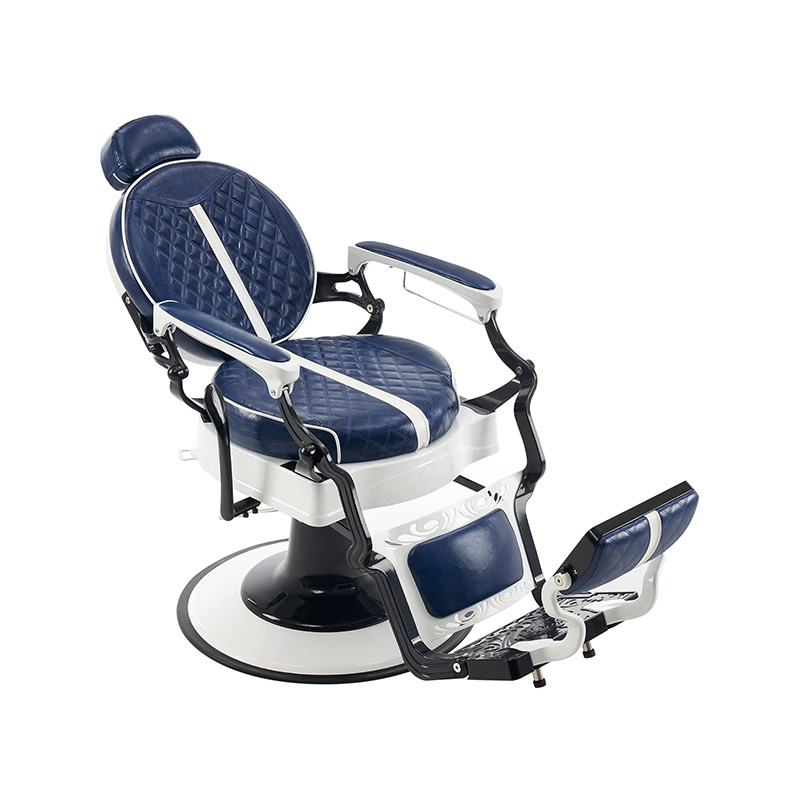
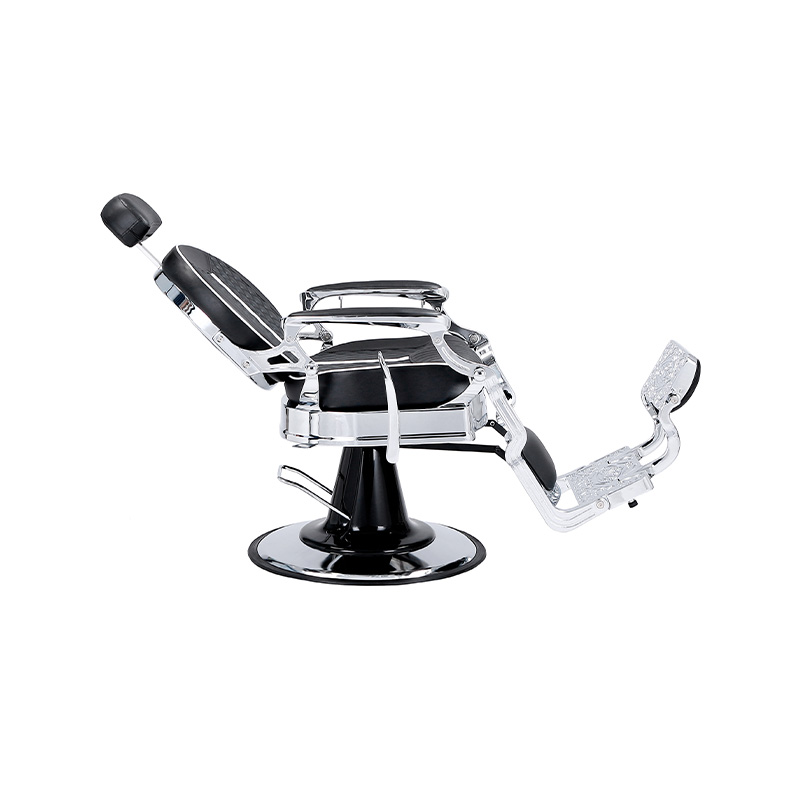
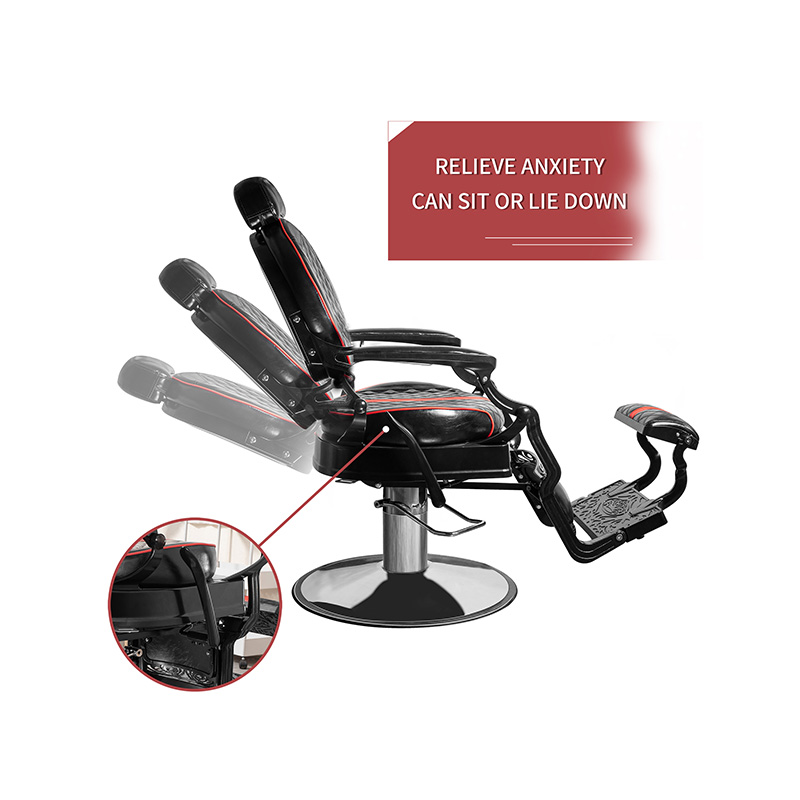
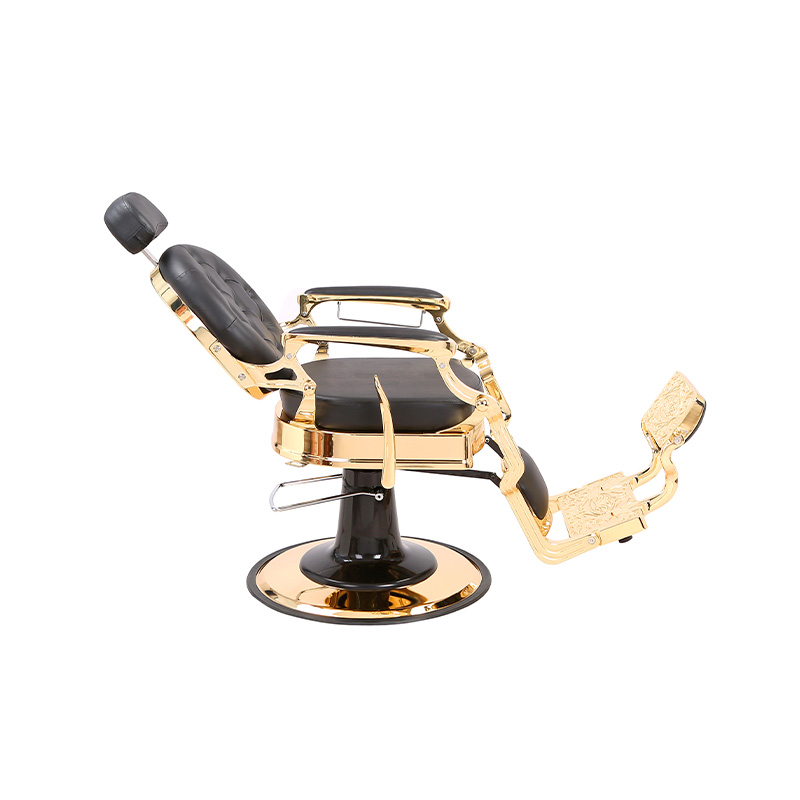
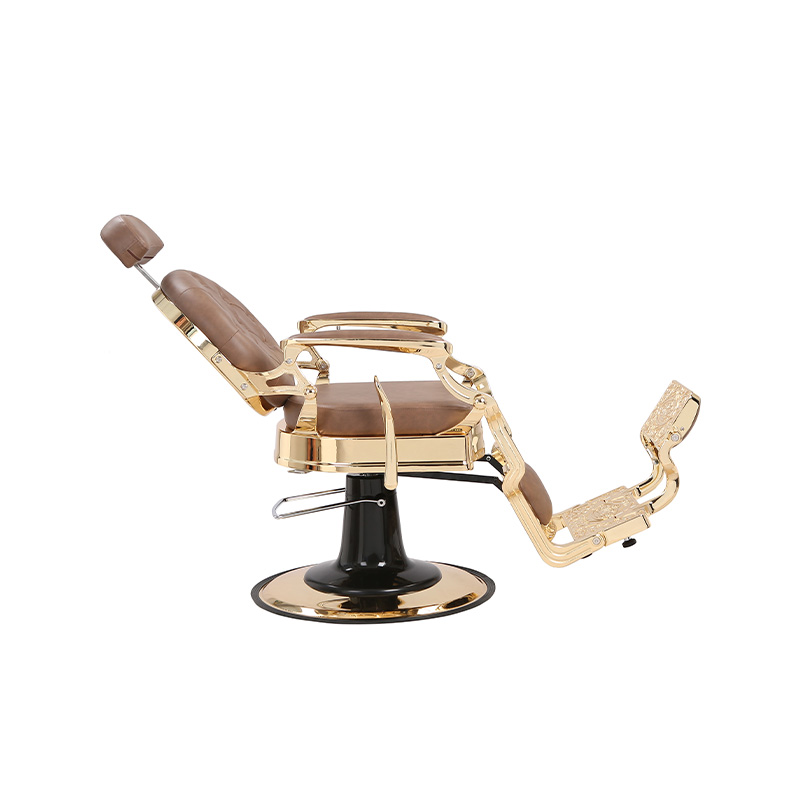
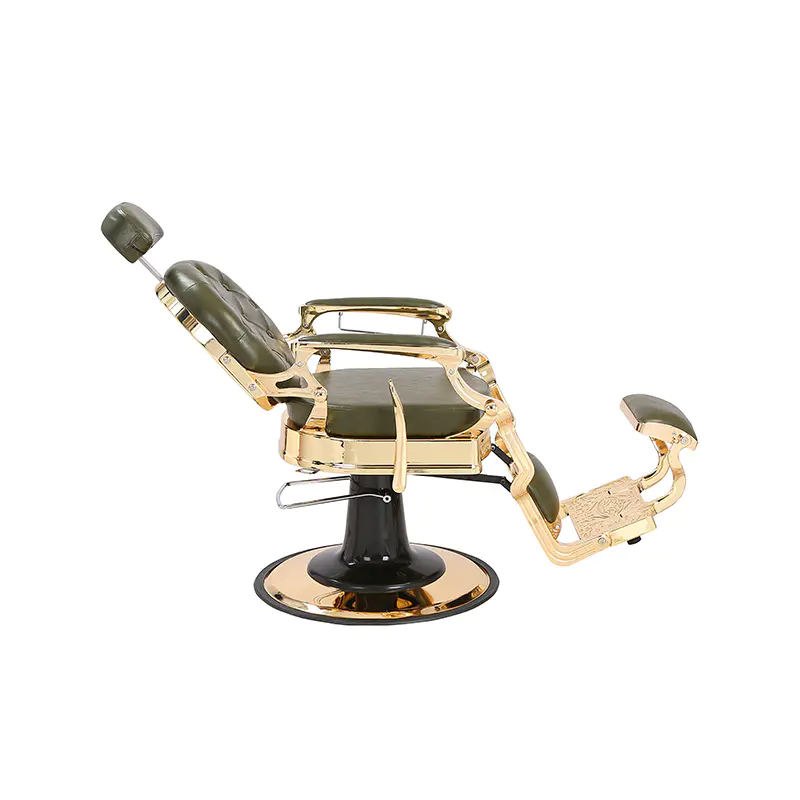
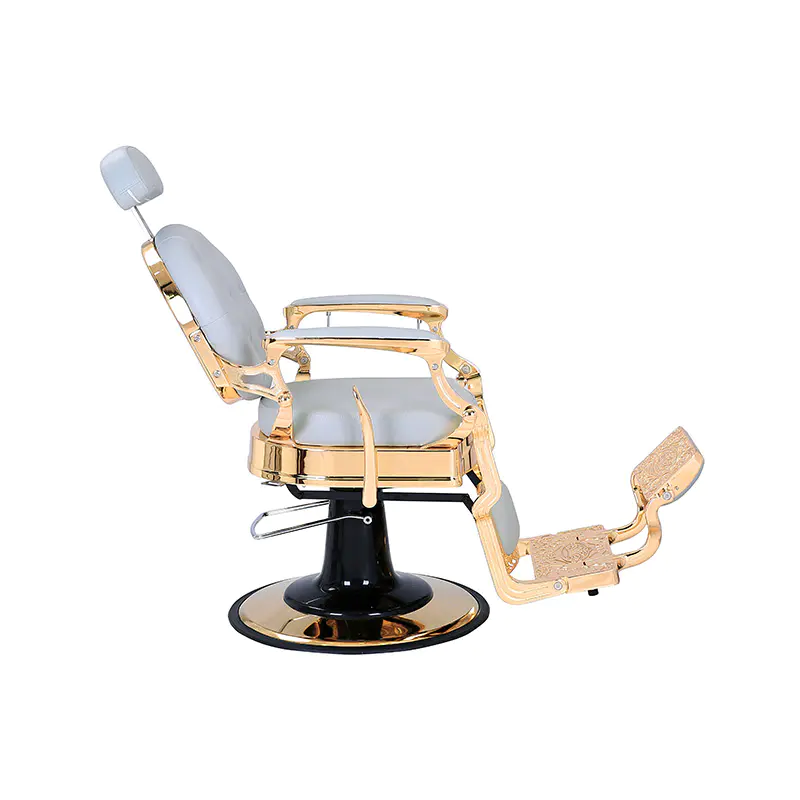
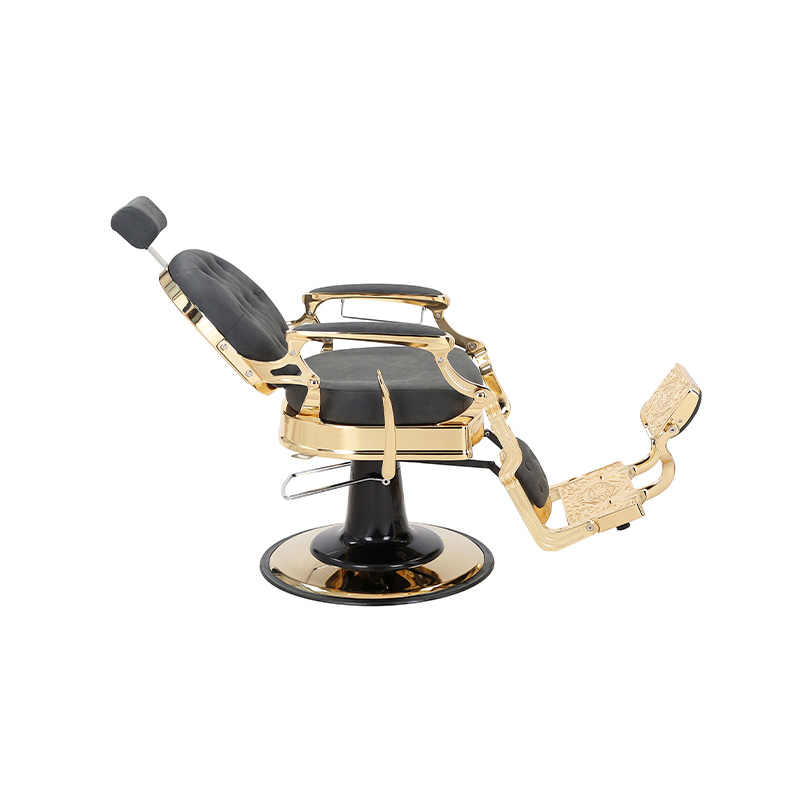
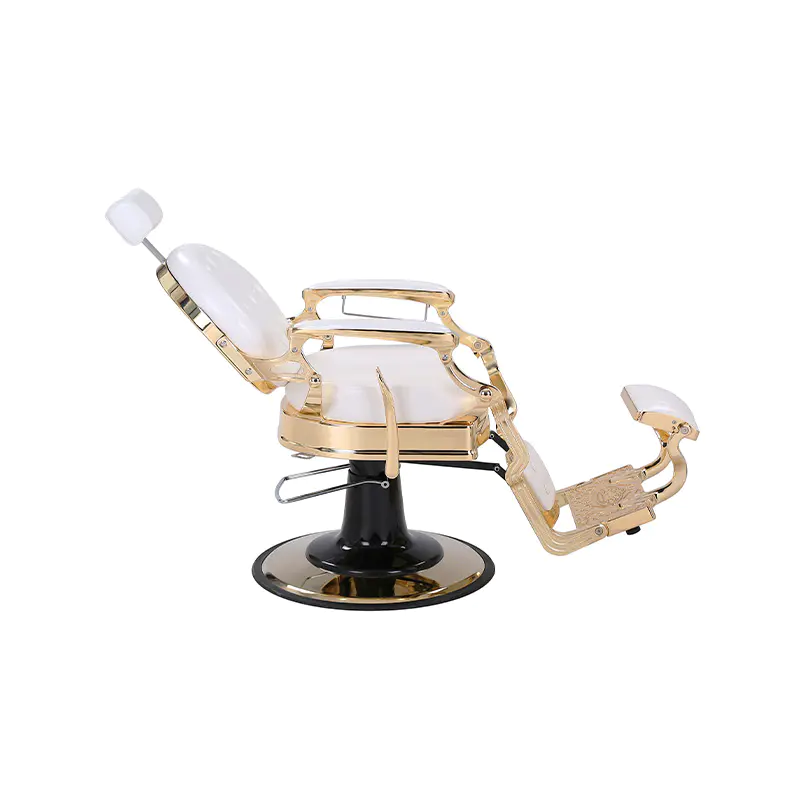
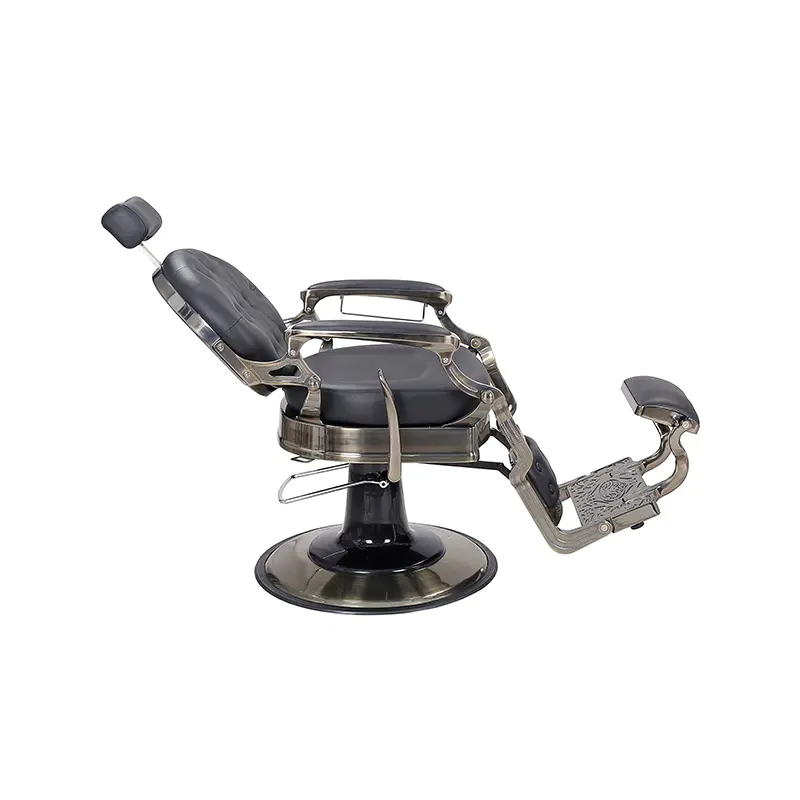
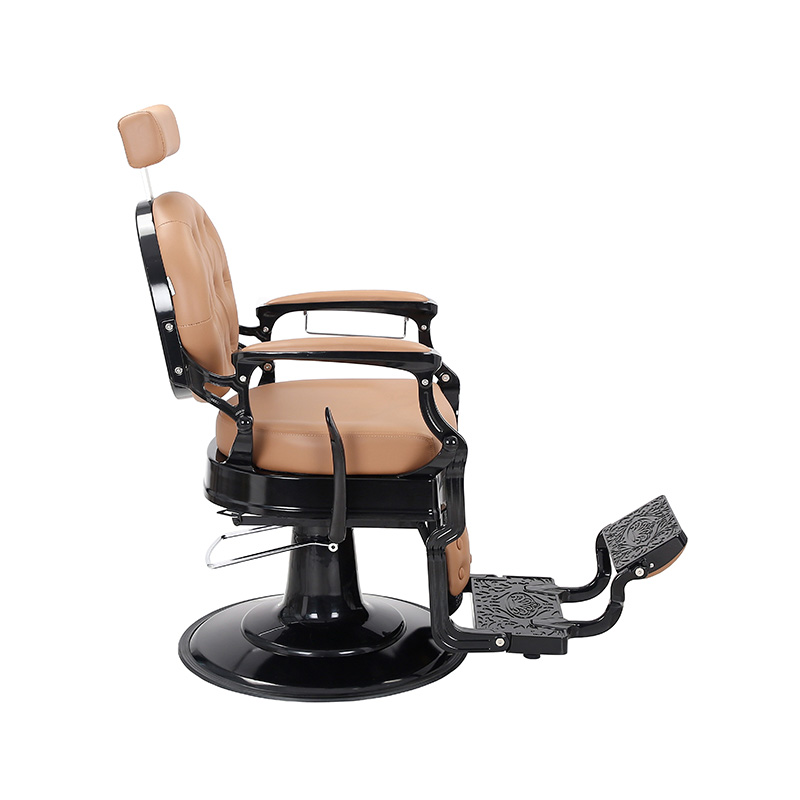
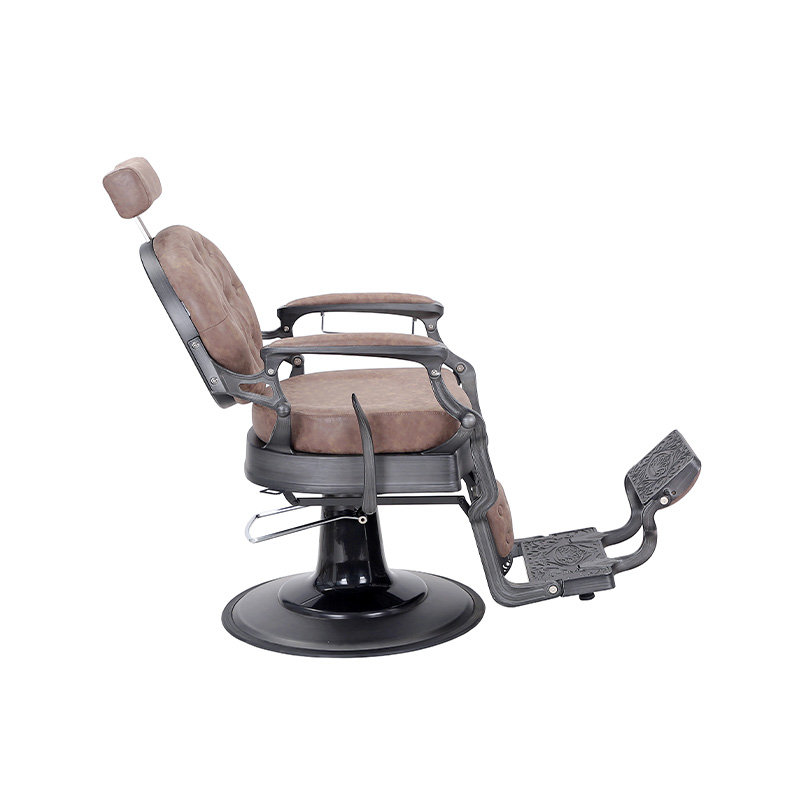
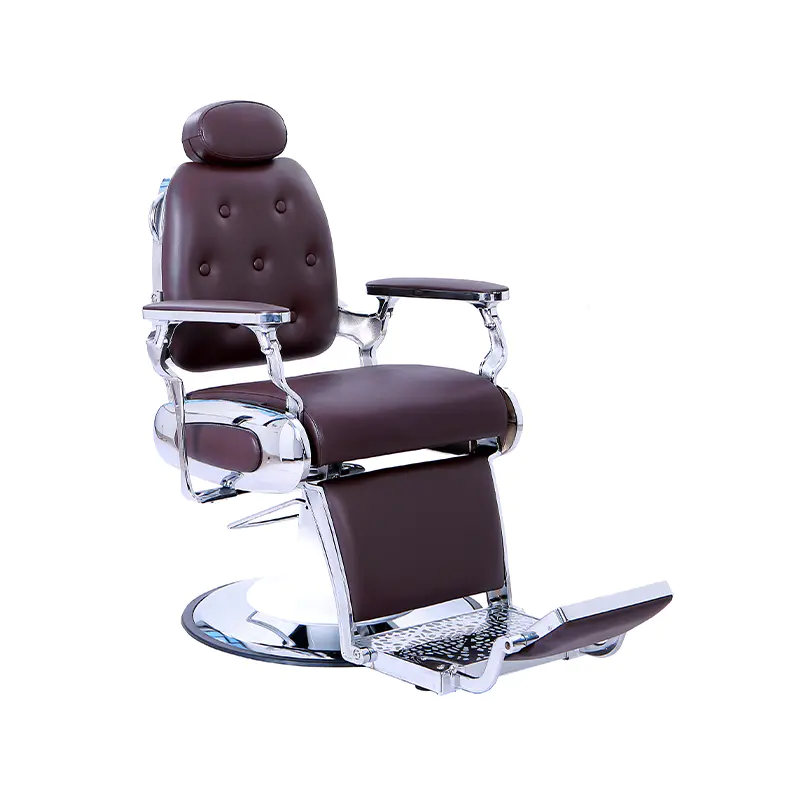
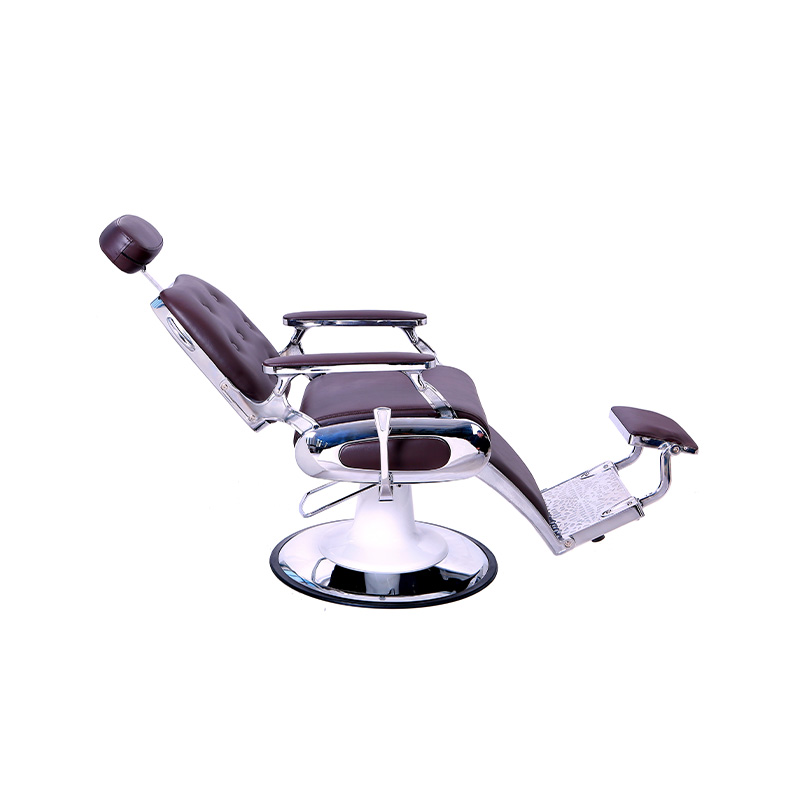
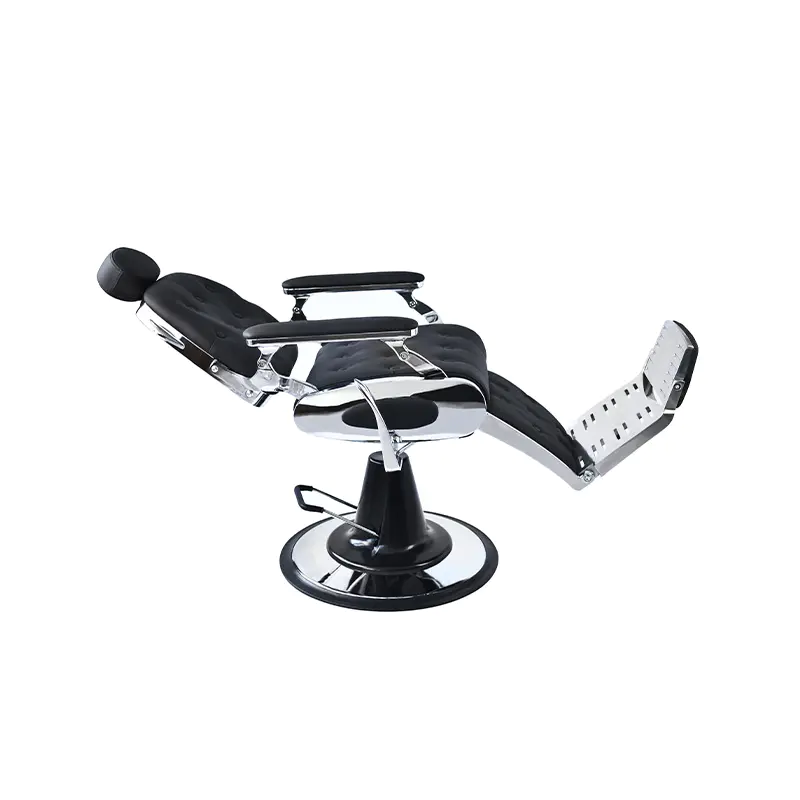
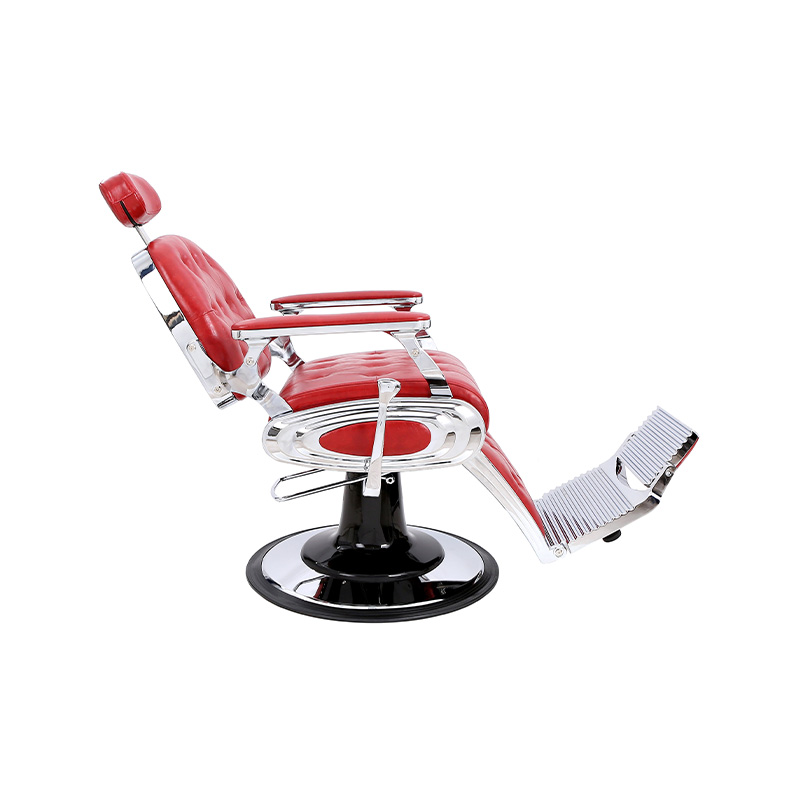
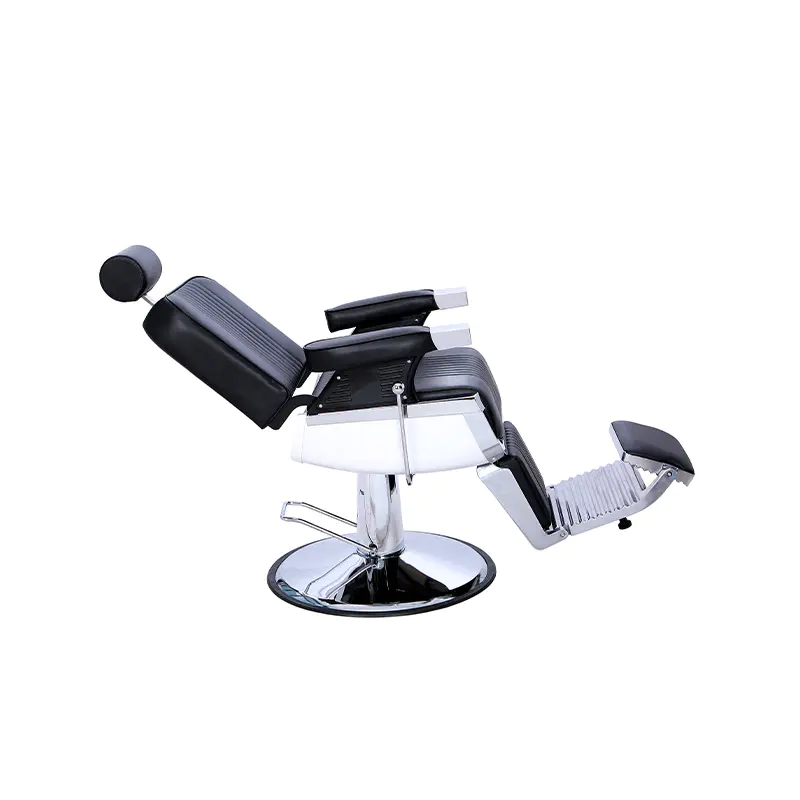
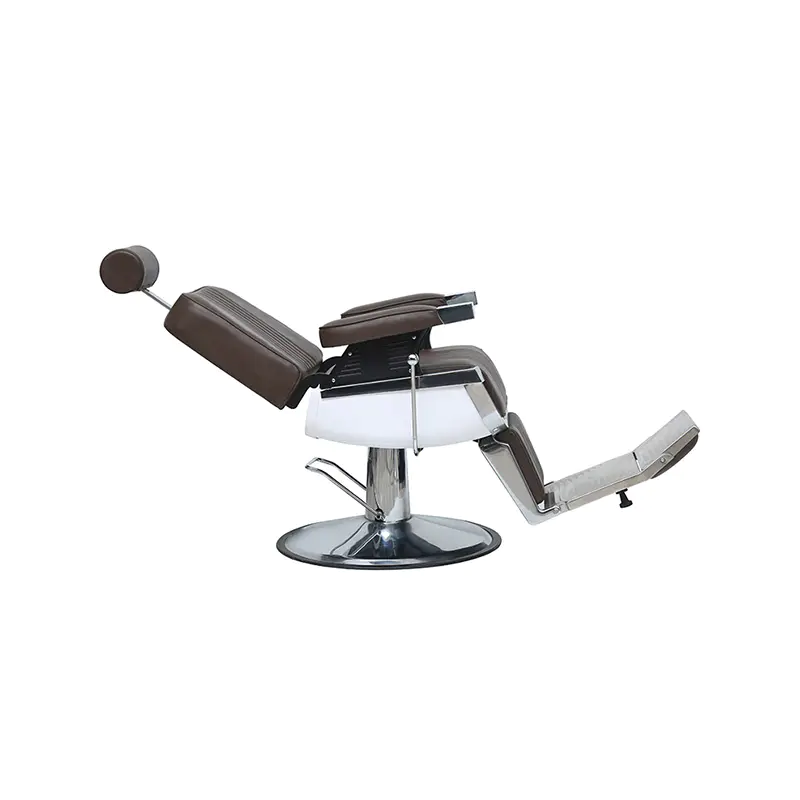
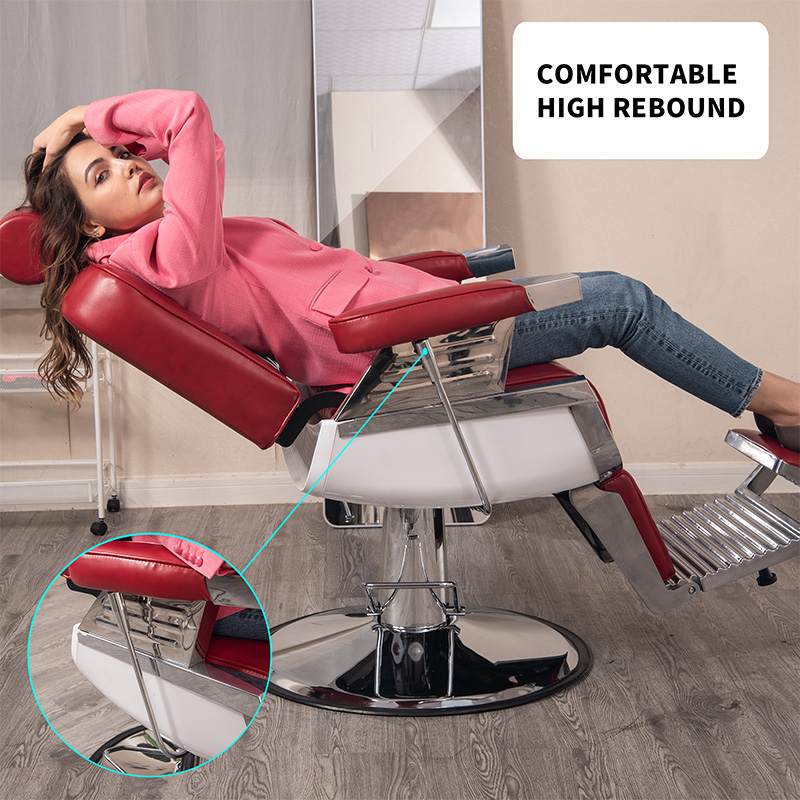
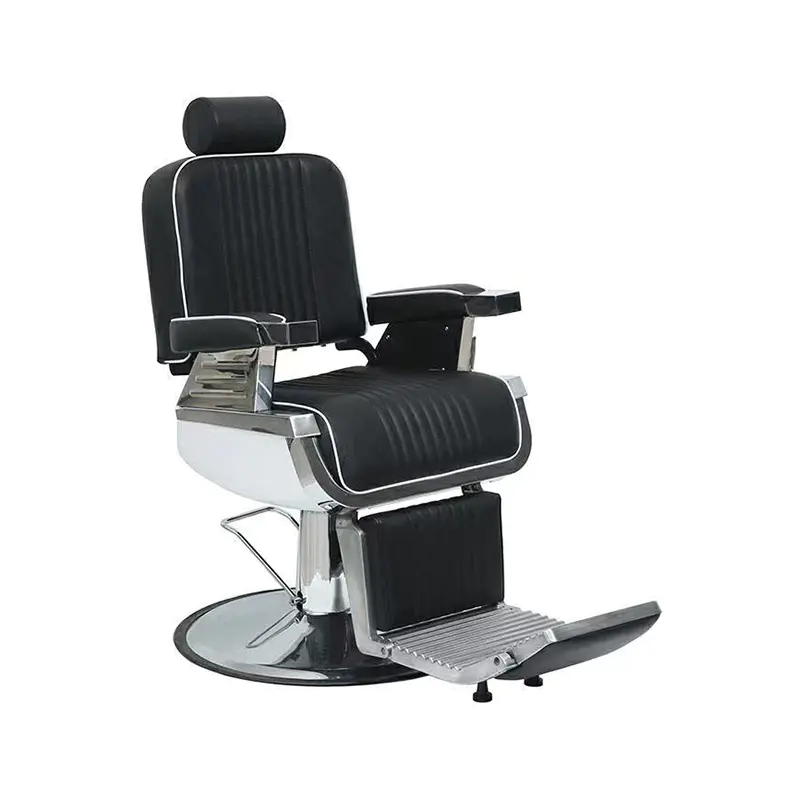
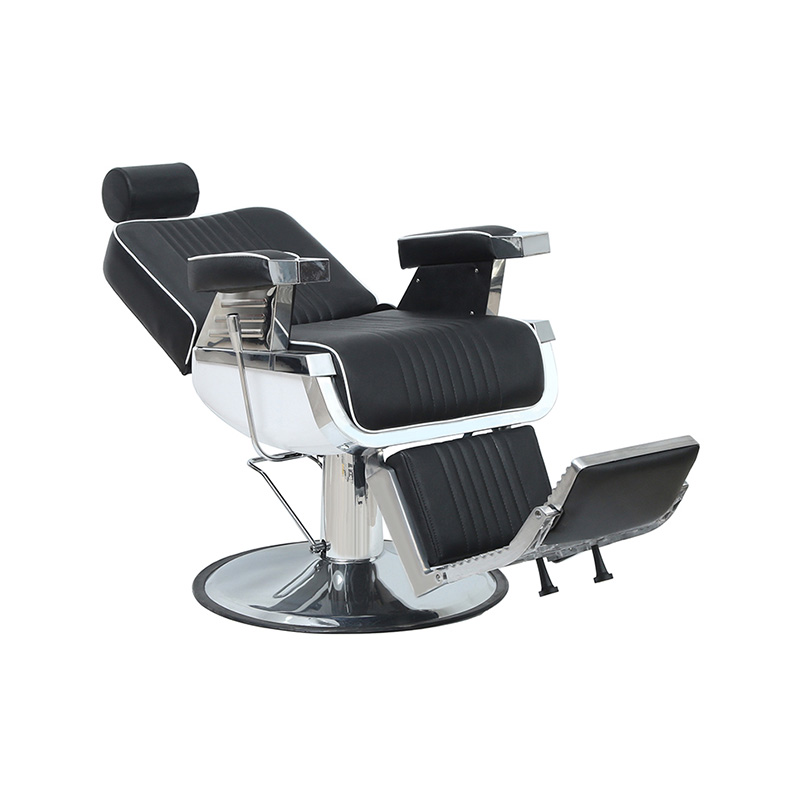
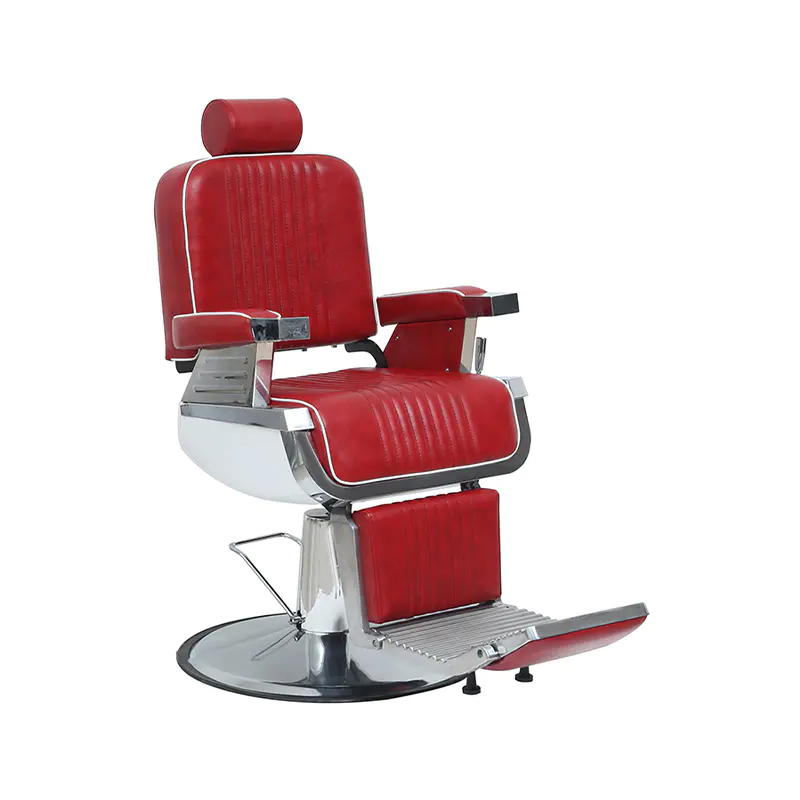
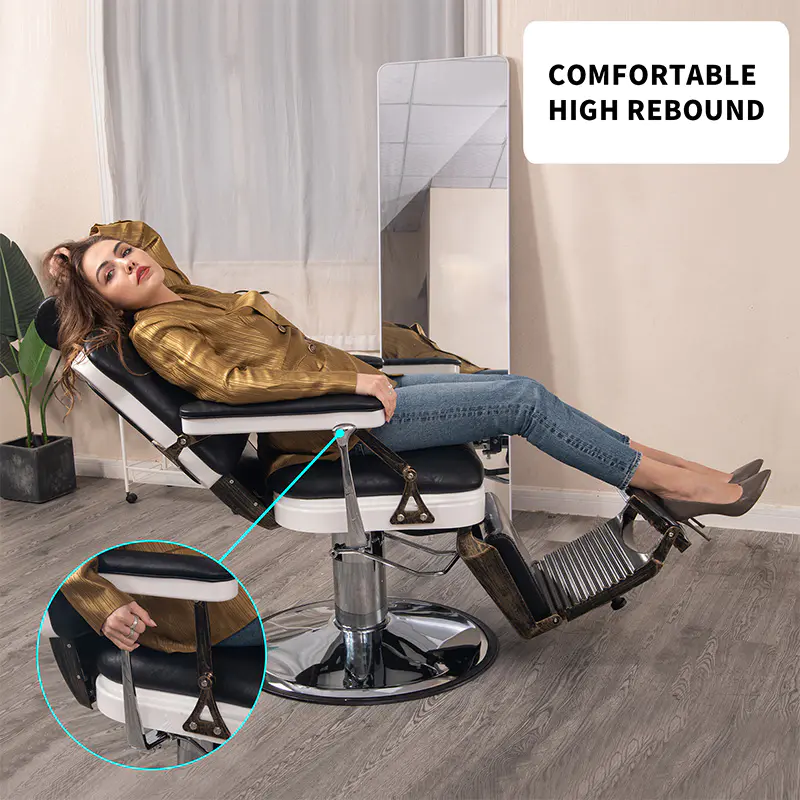
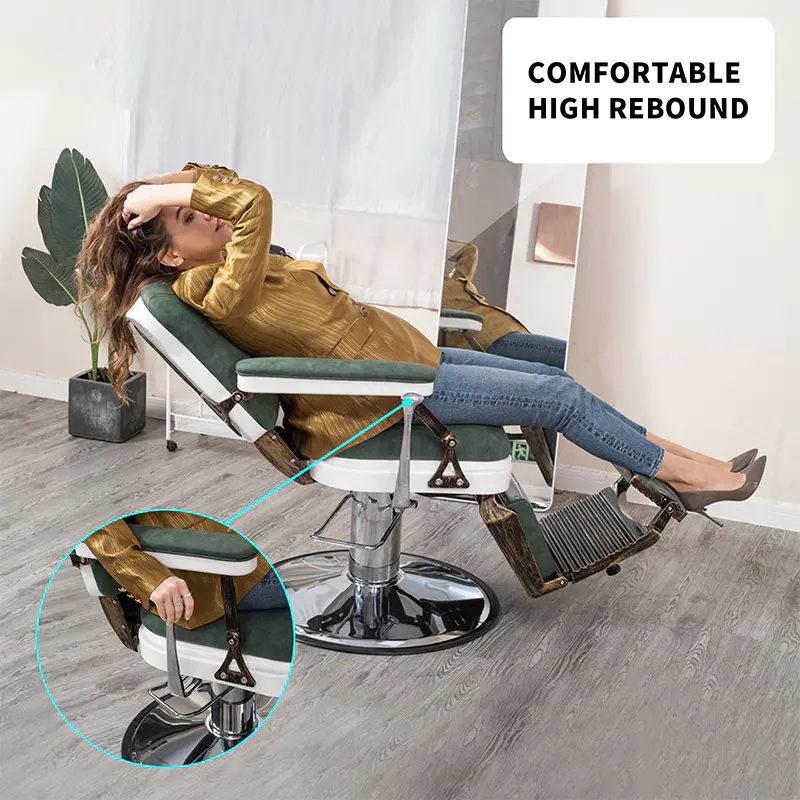
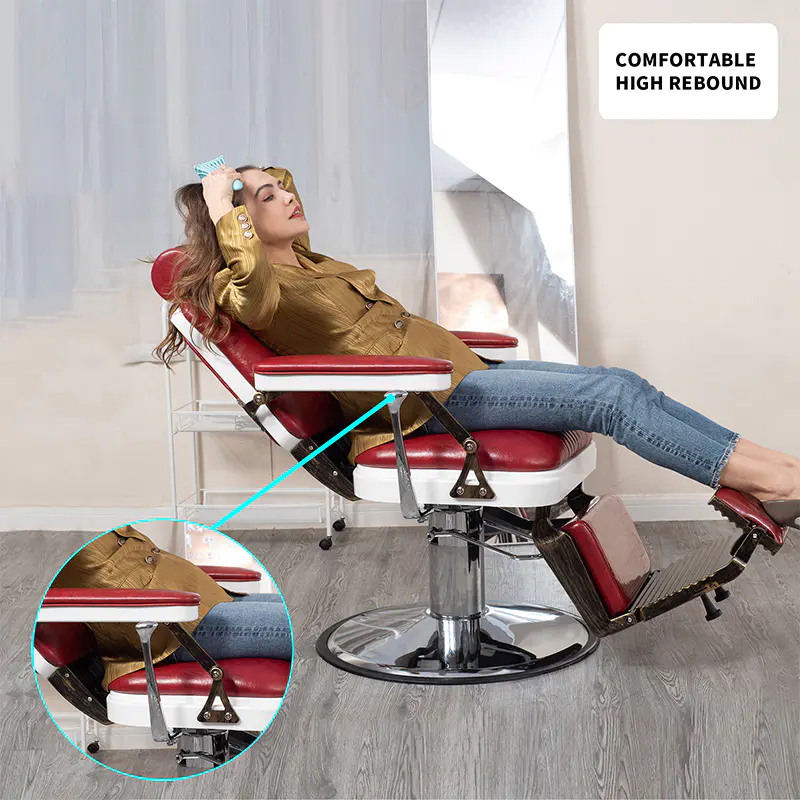
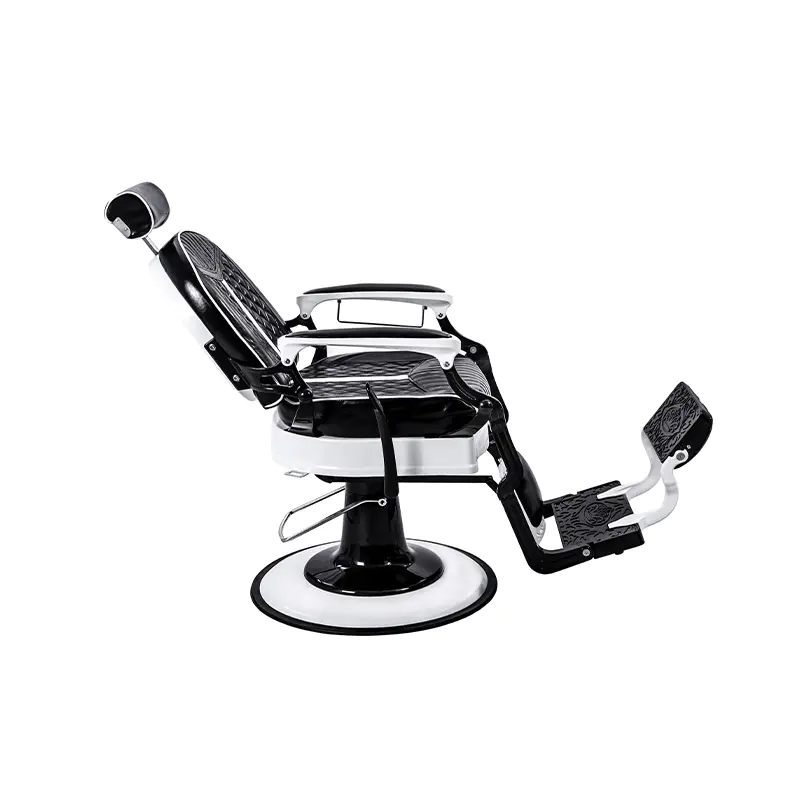
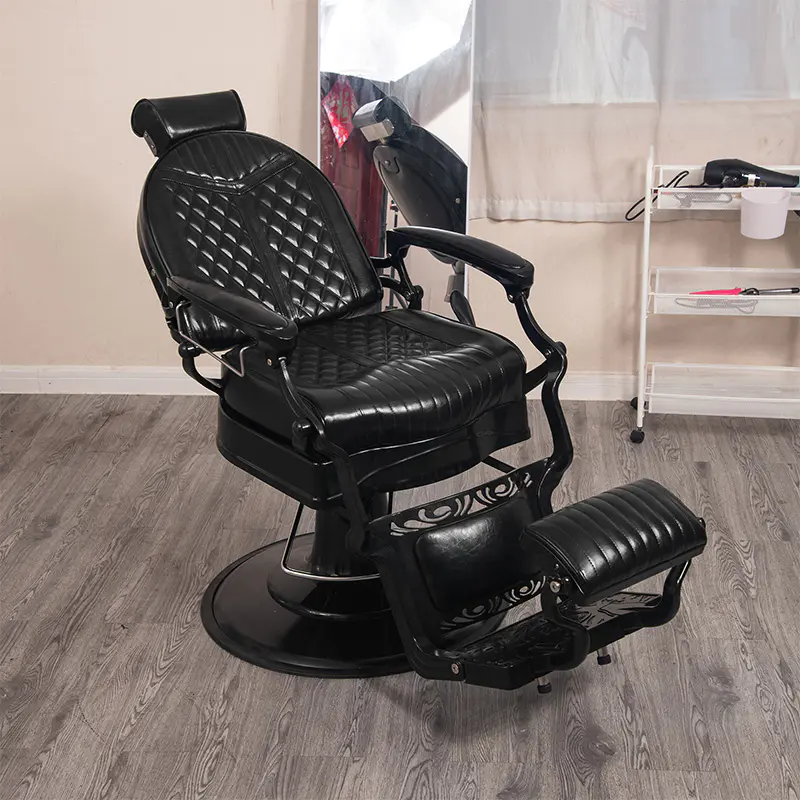
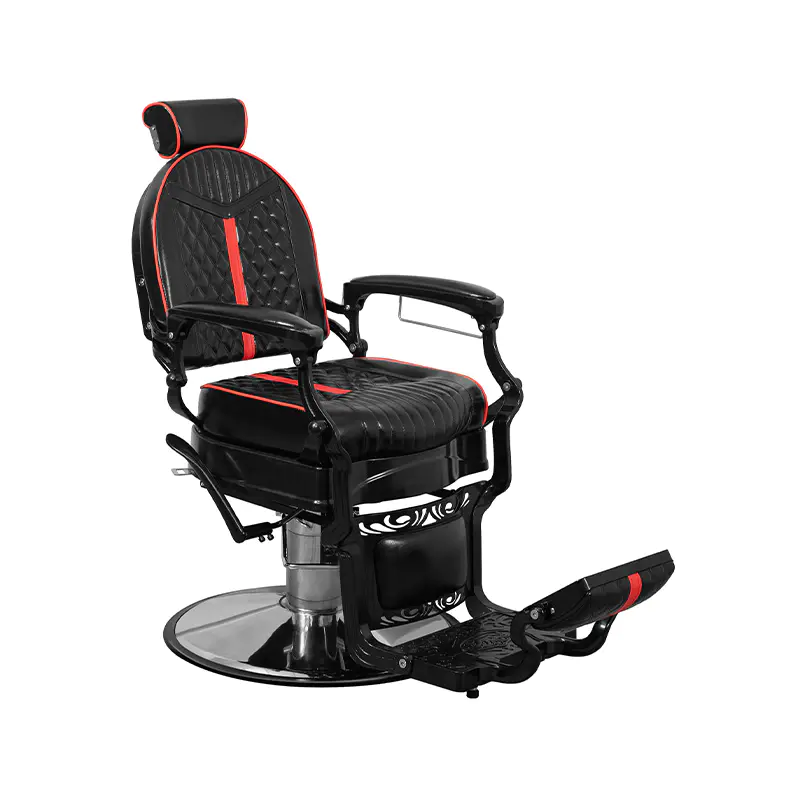
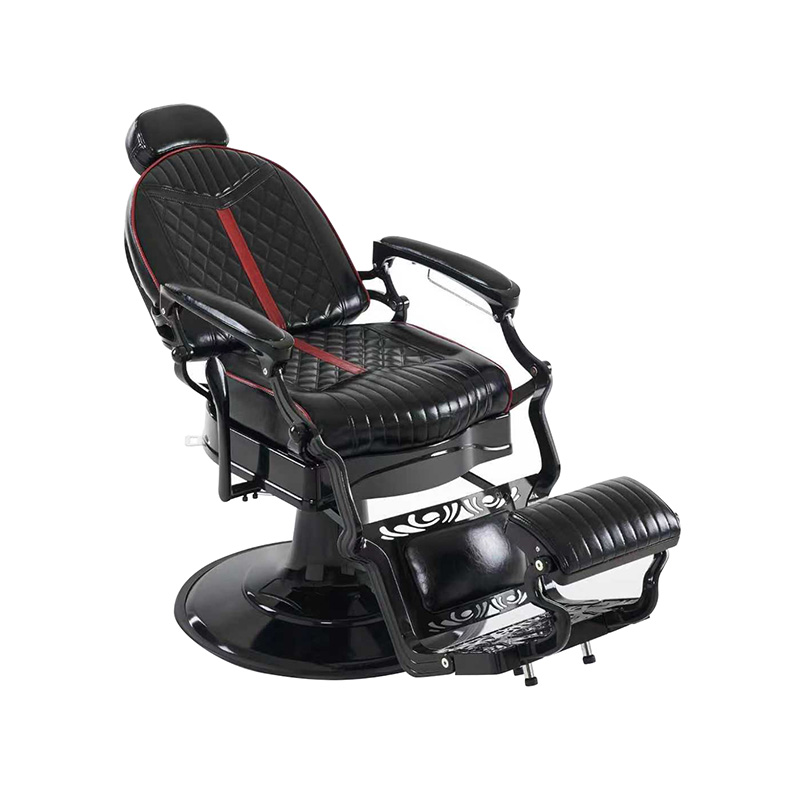
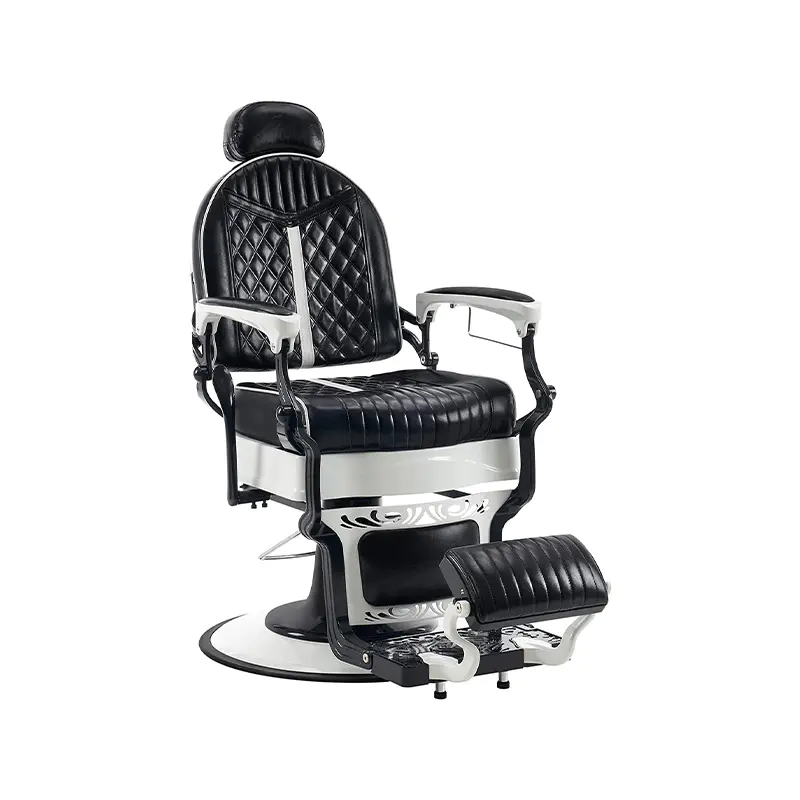
A reclining barber chair adds a backrest that tilts to a near-horizontal position, enabling shaving services, facial treatments, and hair washing without relocating the client. The recline mechanism should move smoothly and lock securely at multiple angles. Shops offering traditional wet shaves or grooming packages benefit significantly from this functionality — it eliminates the need for a separate shampoo or treatment chair in smaller spaces.
Heavy Duty Barber Chair
A heavy duty barber chair is engineered for reinforced load capacity, typically 500 lbs (227 kg) or above, with a wider seat and reinforced base. These chairs are essential for inclusive salons and barbershops that serve a diverse clientele. The structural integrity comes from thicker steel tubing, high-density foam cushioning, and a wider five-star or round base footprint for stability.
Classic Vintage Barber Chair
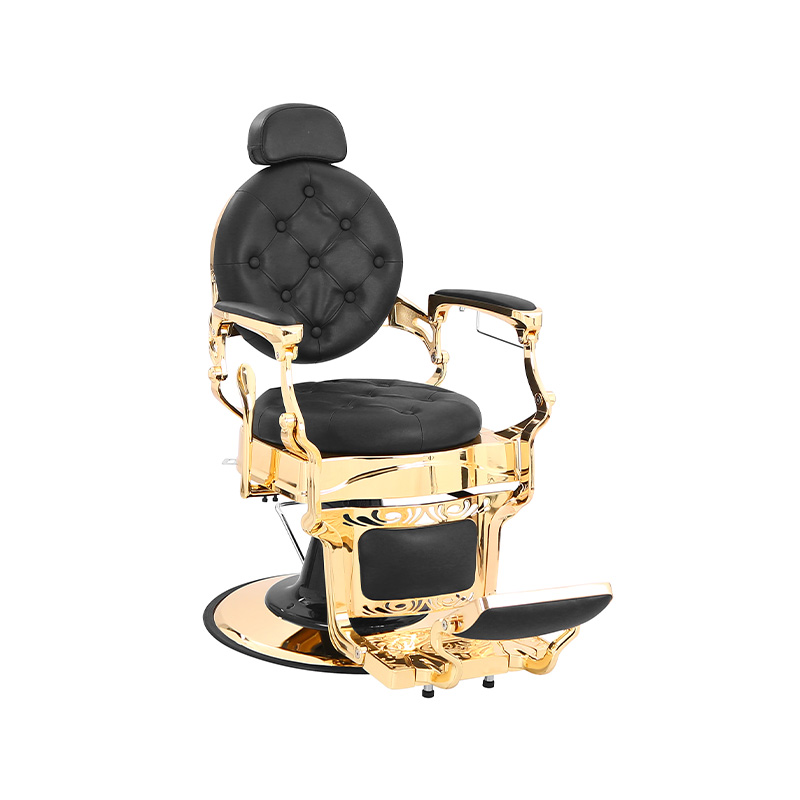
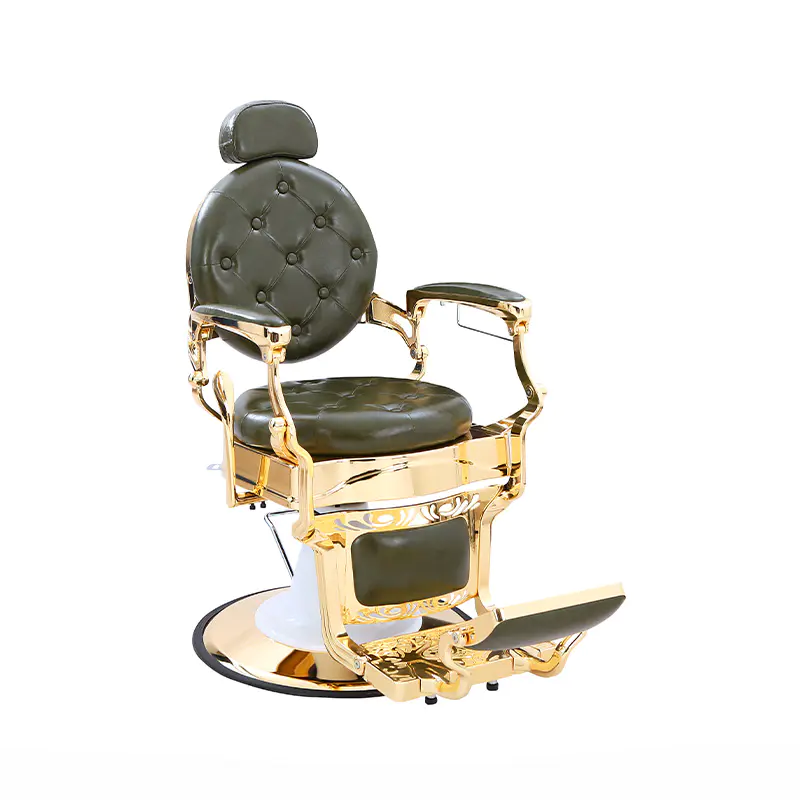
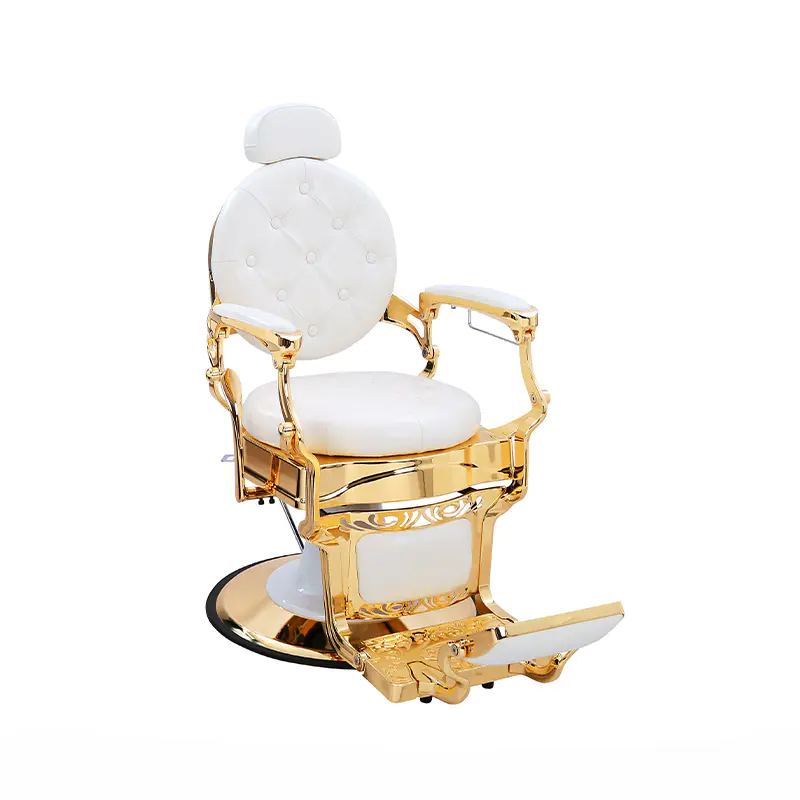
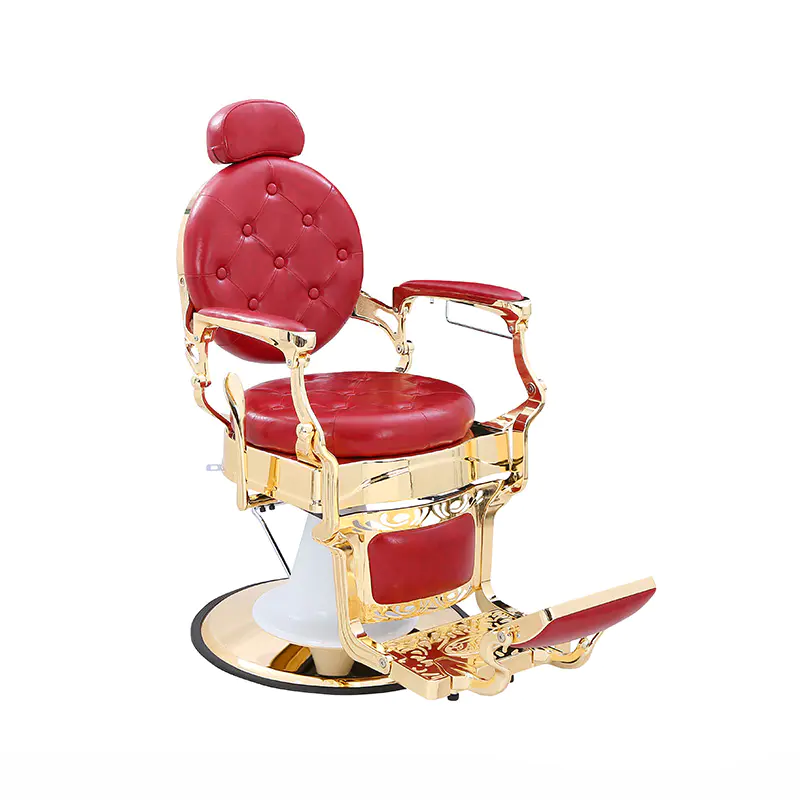
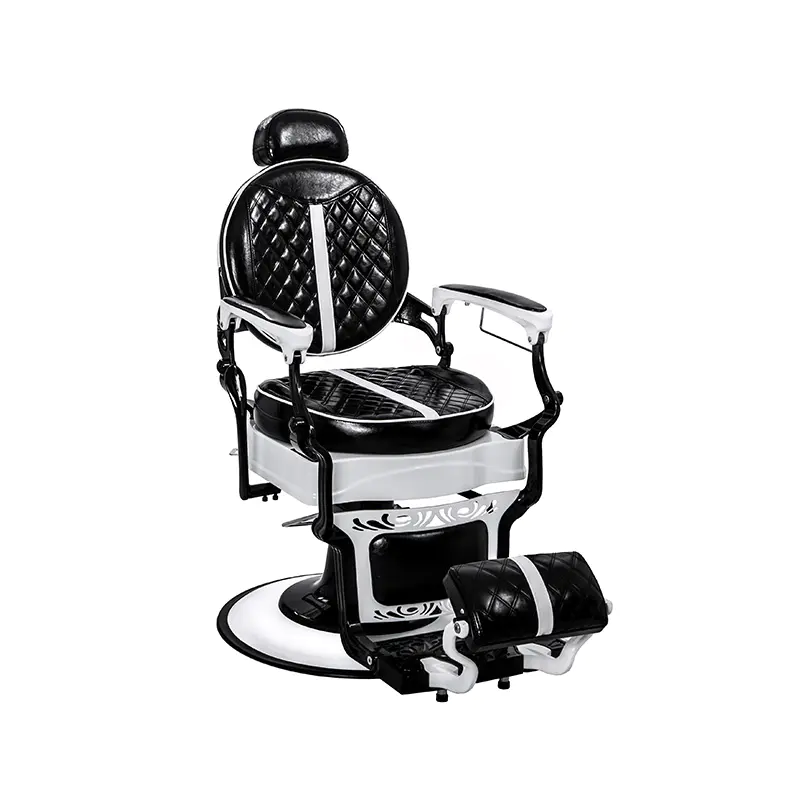
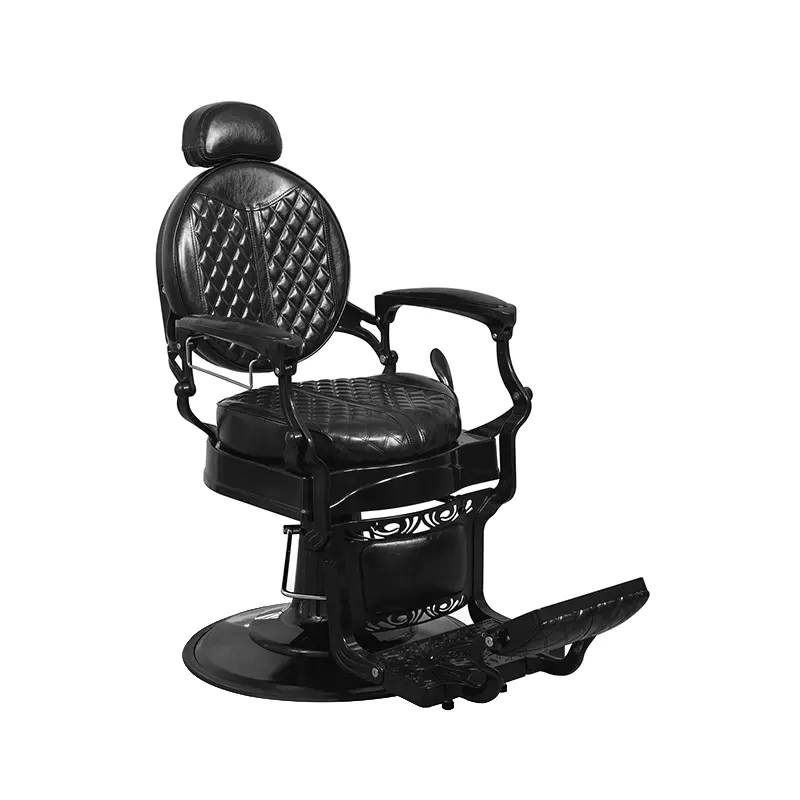
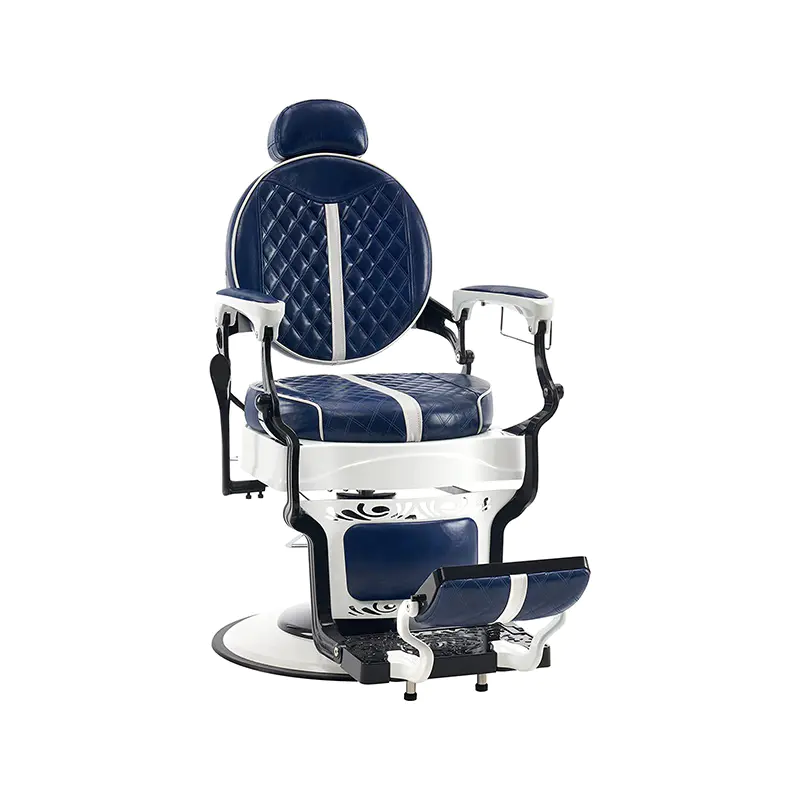
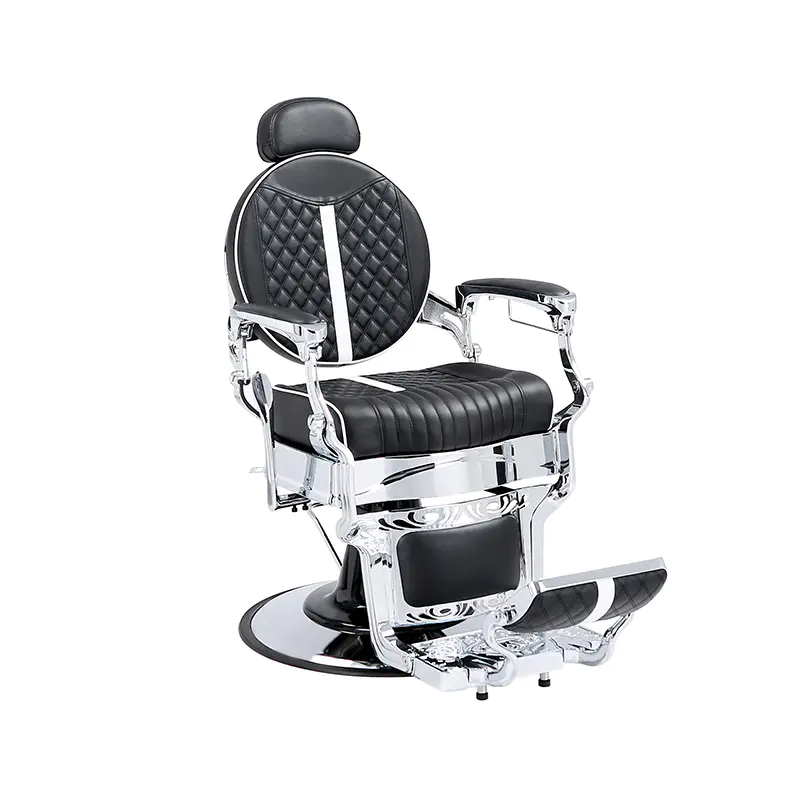
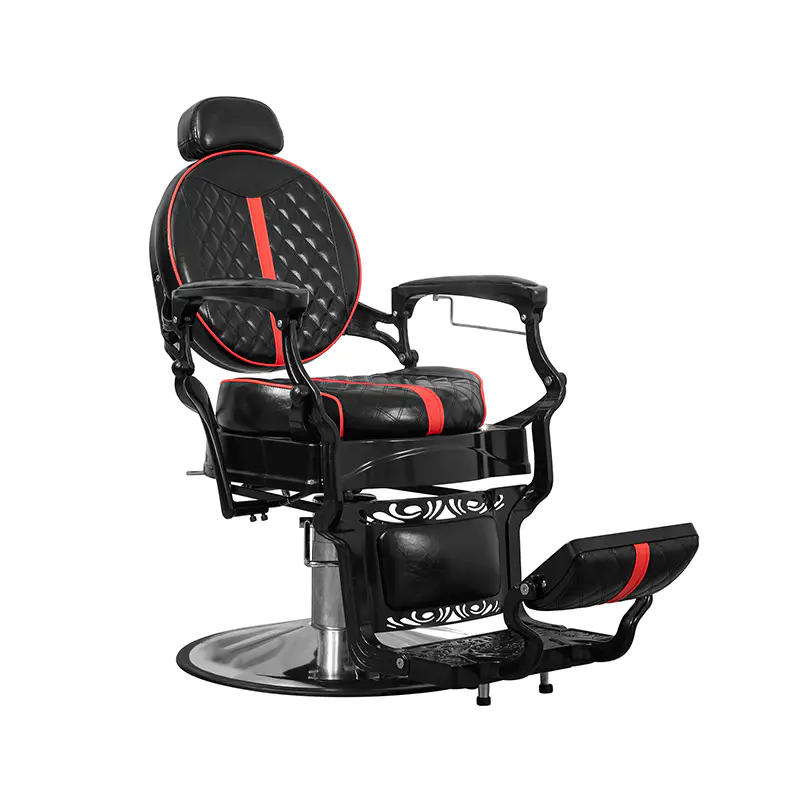
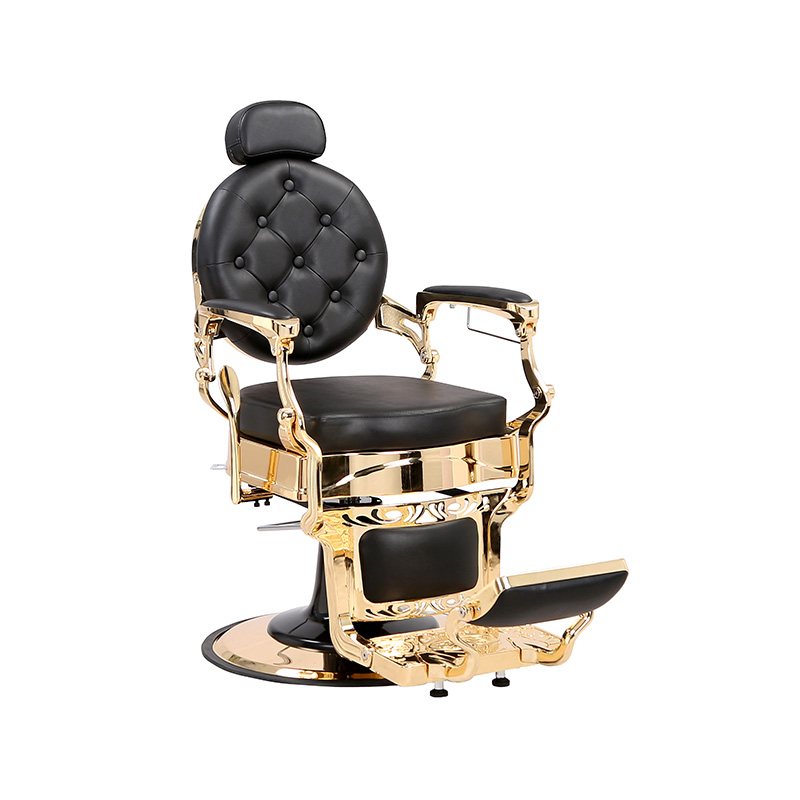
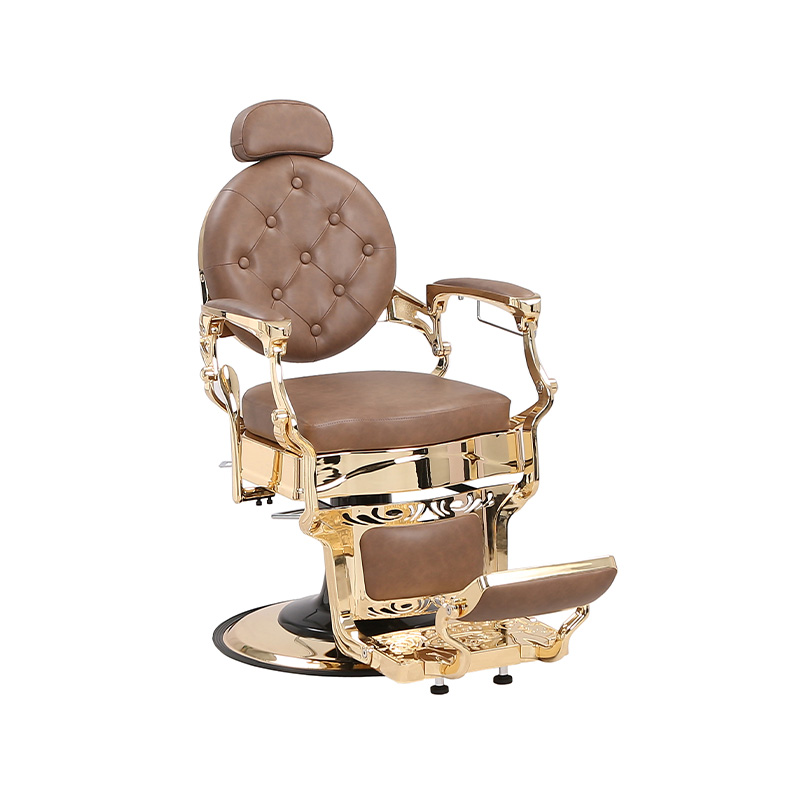
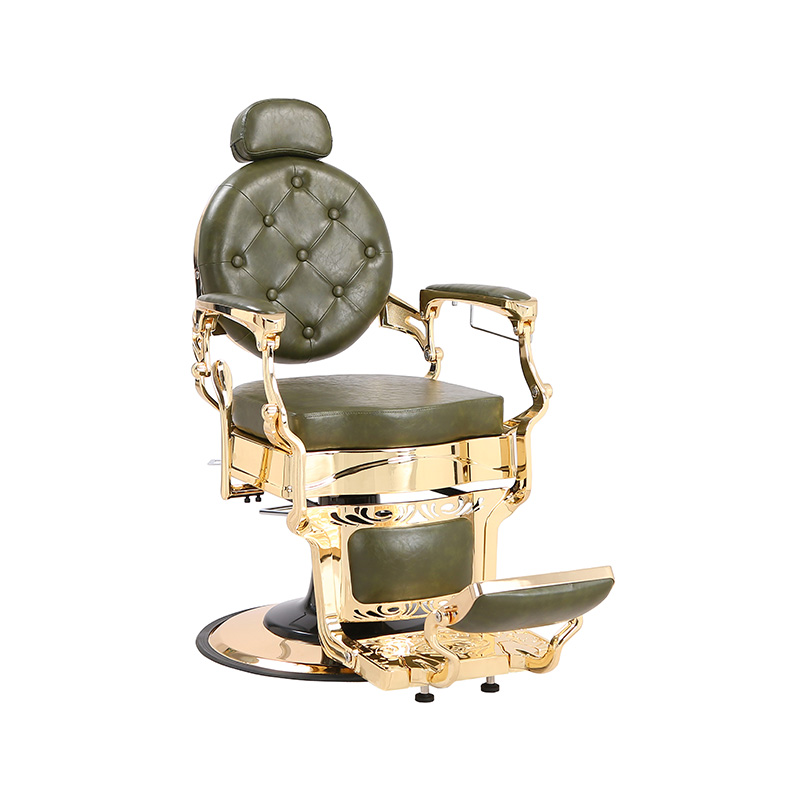
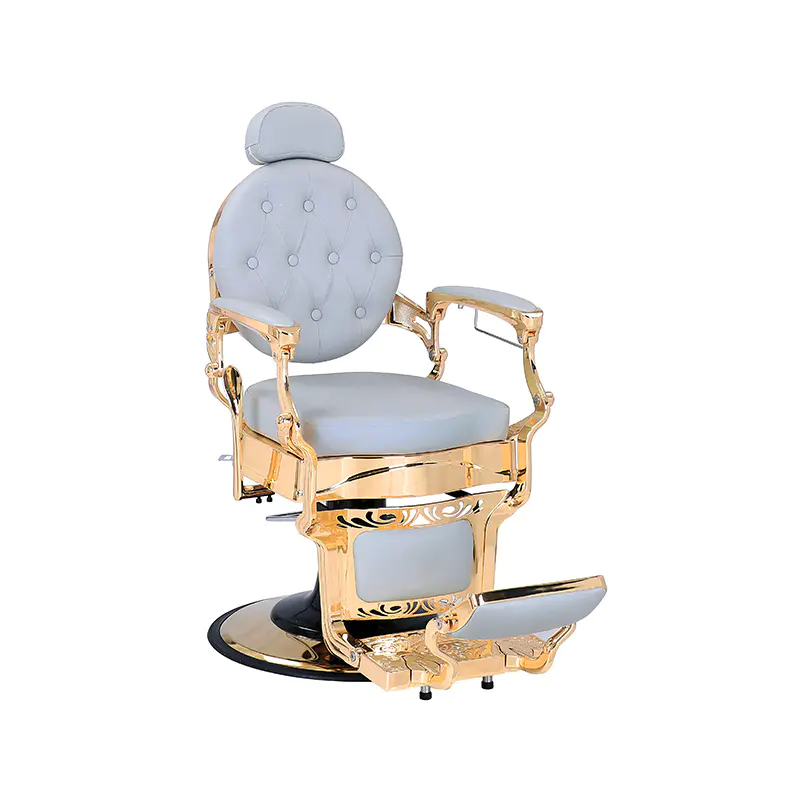
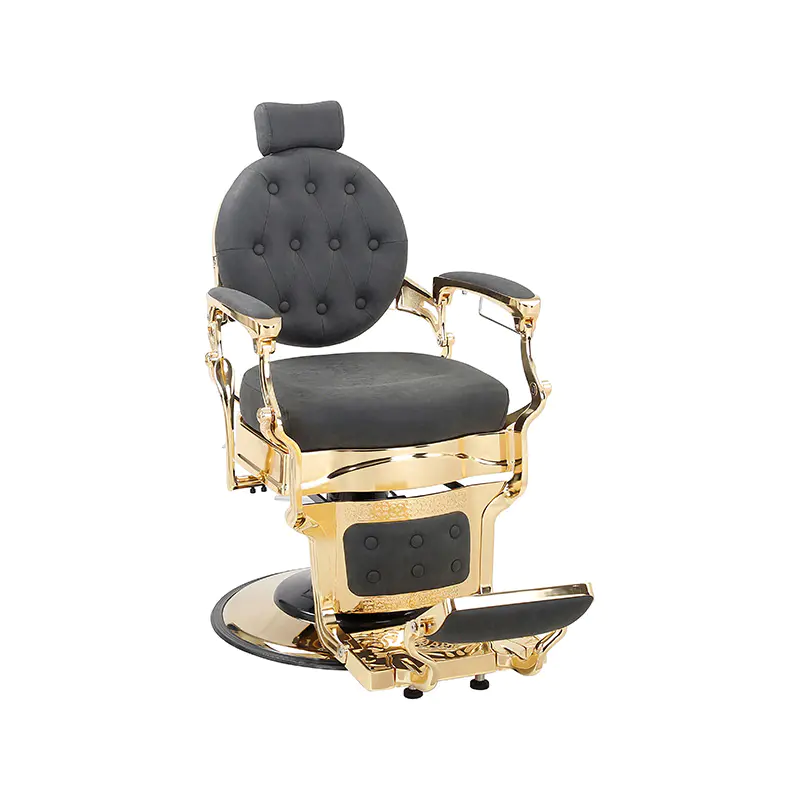
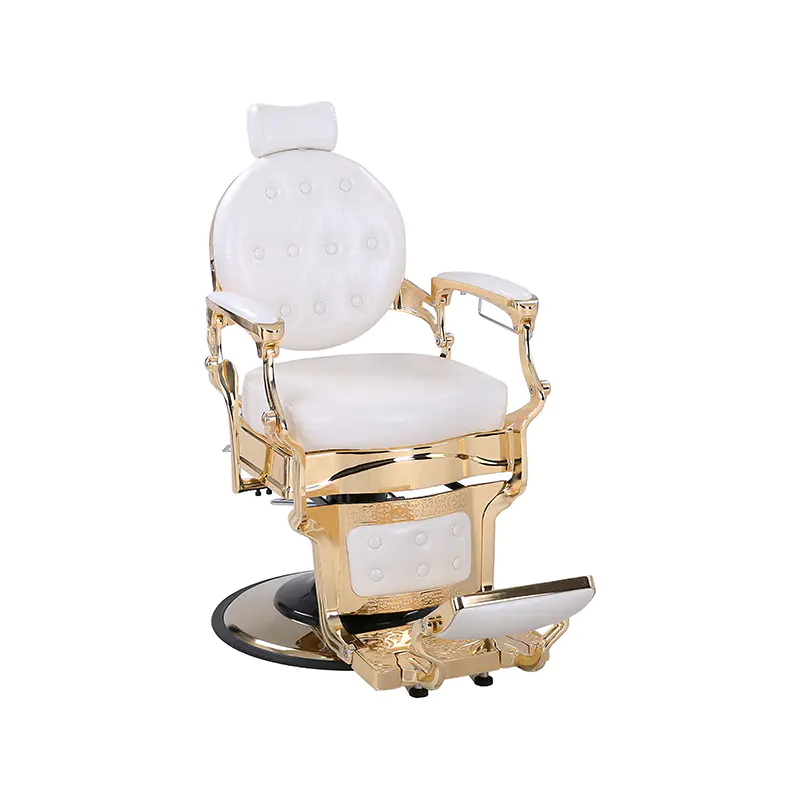
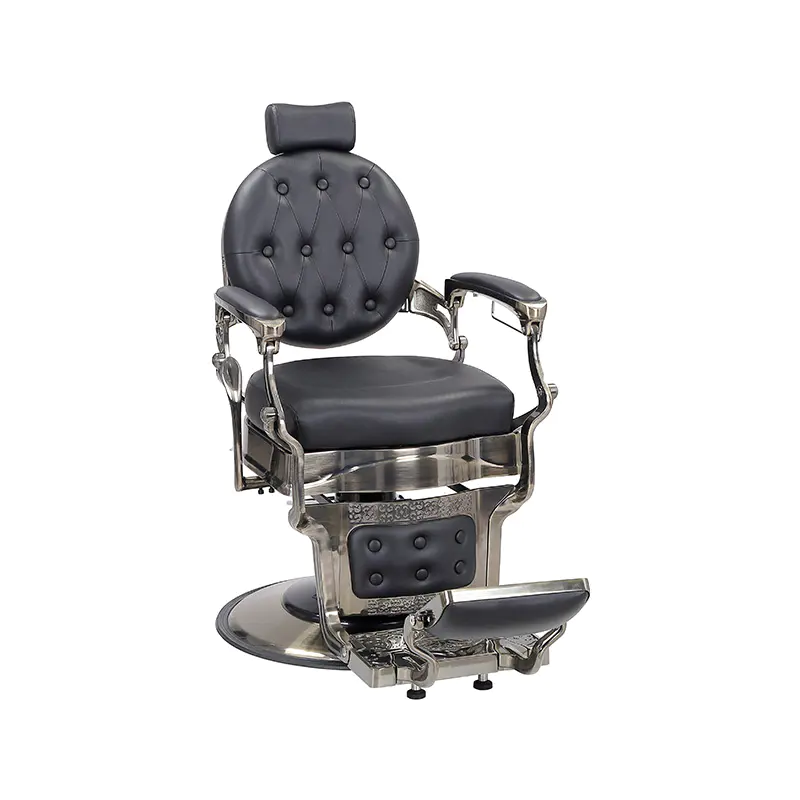
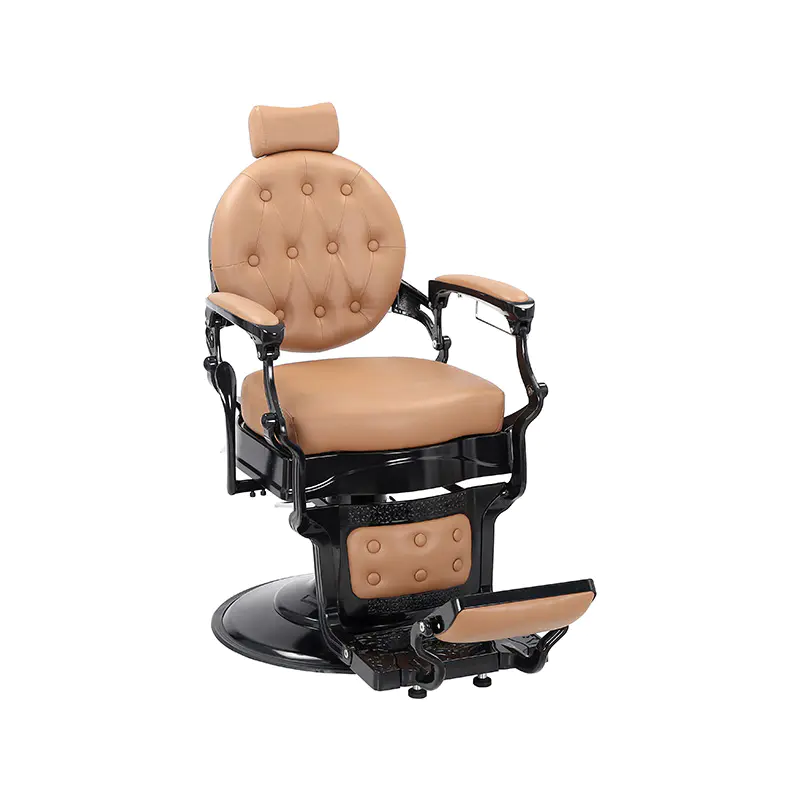
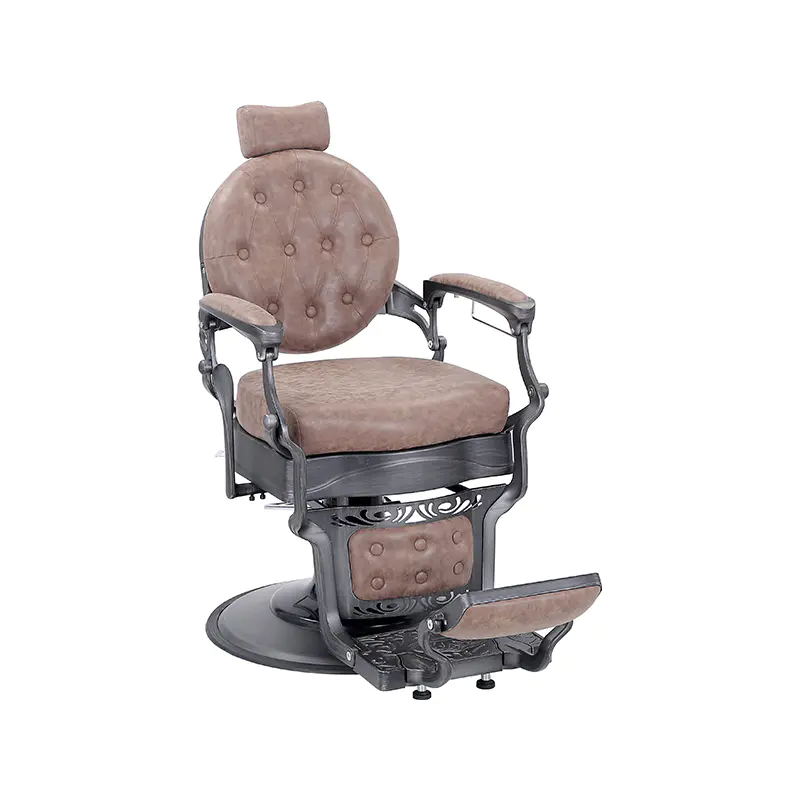
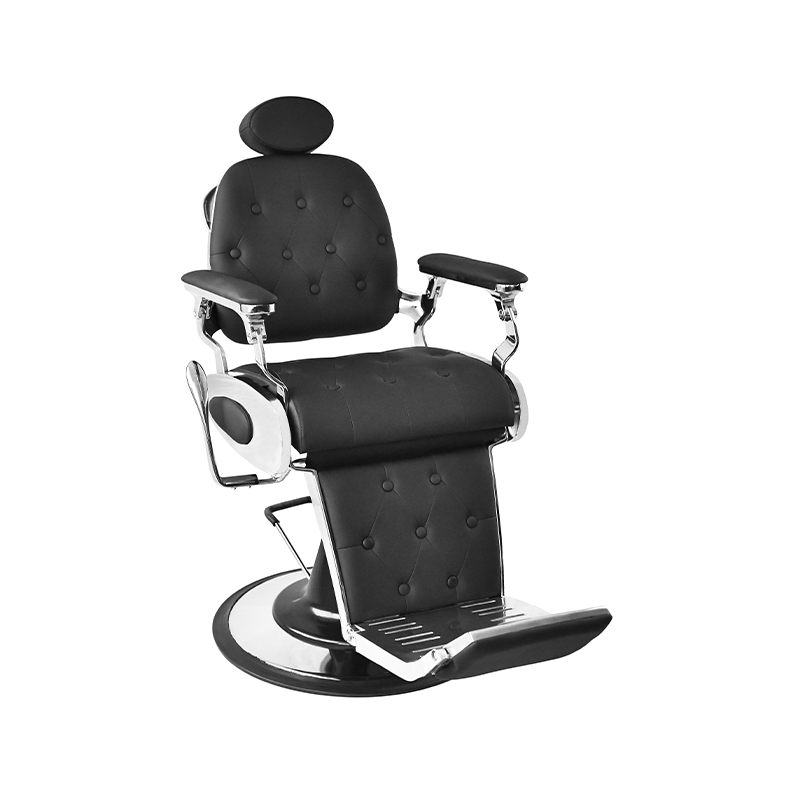
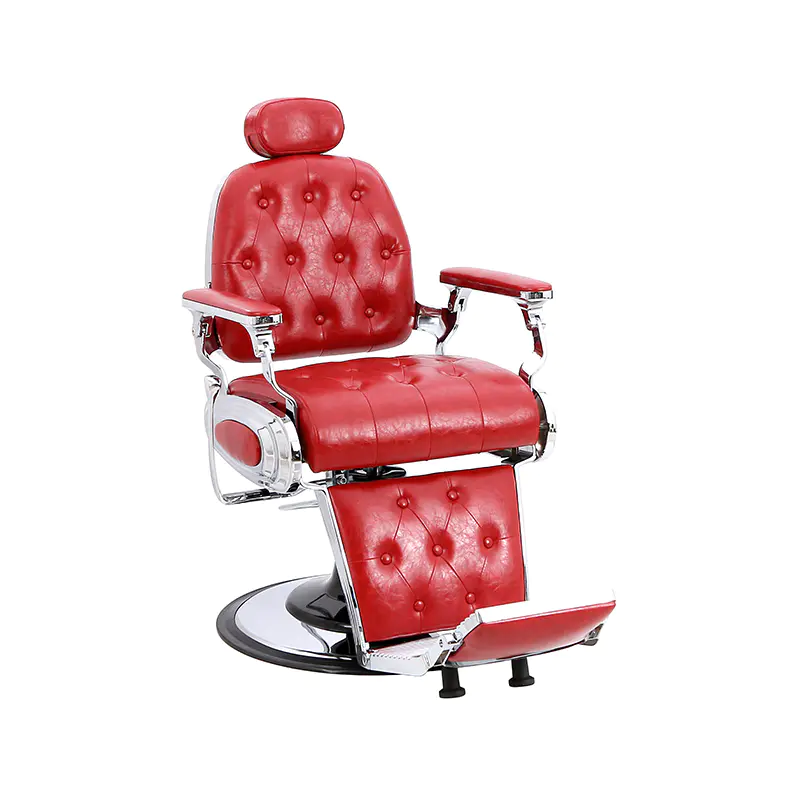
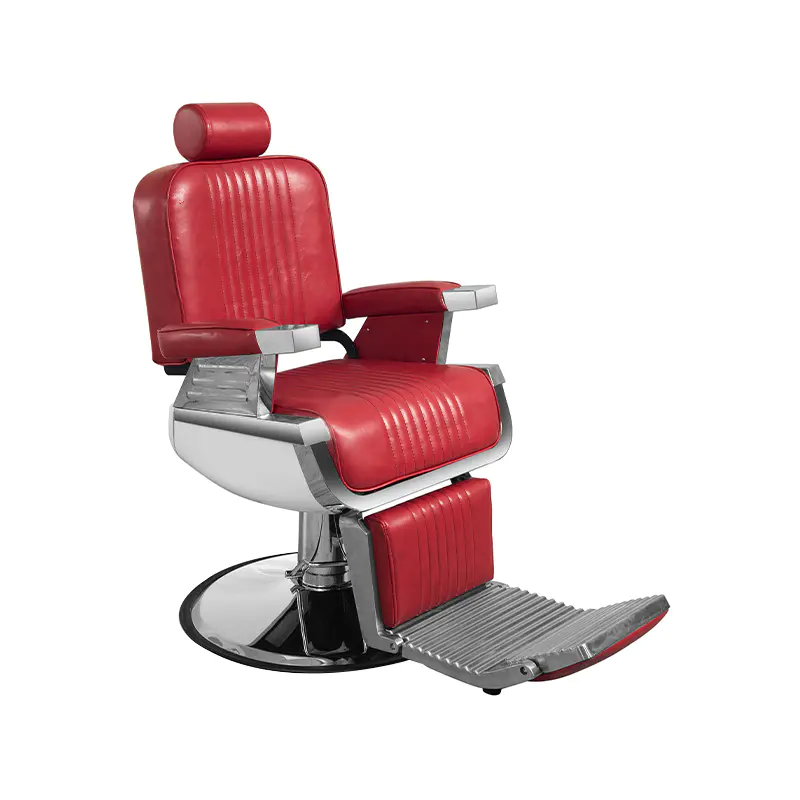
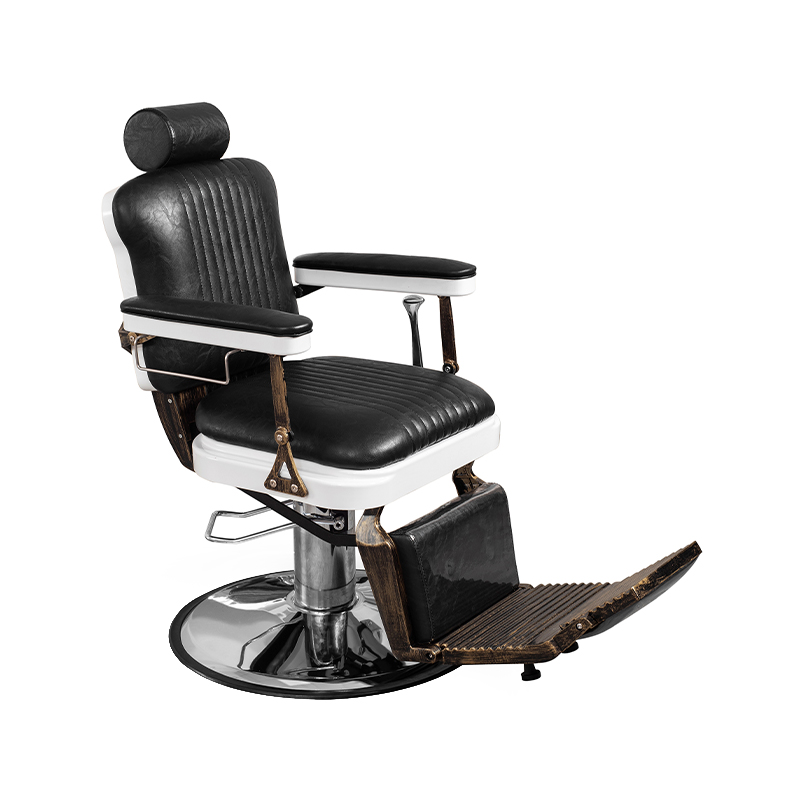
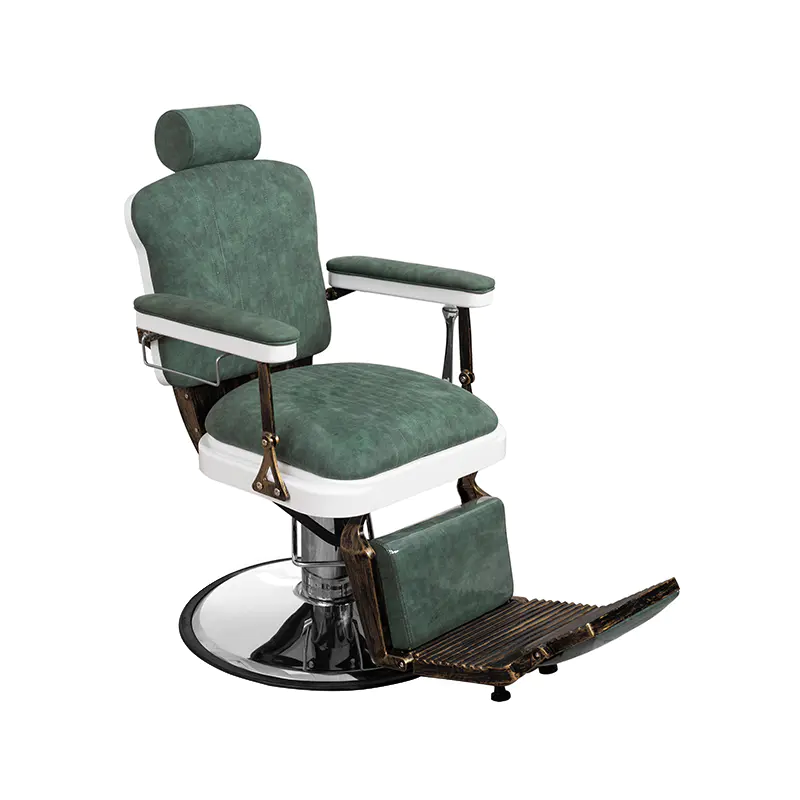
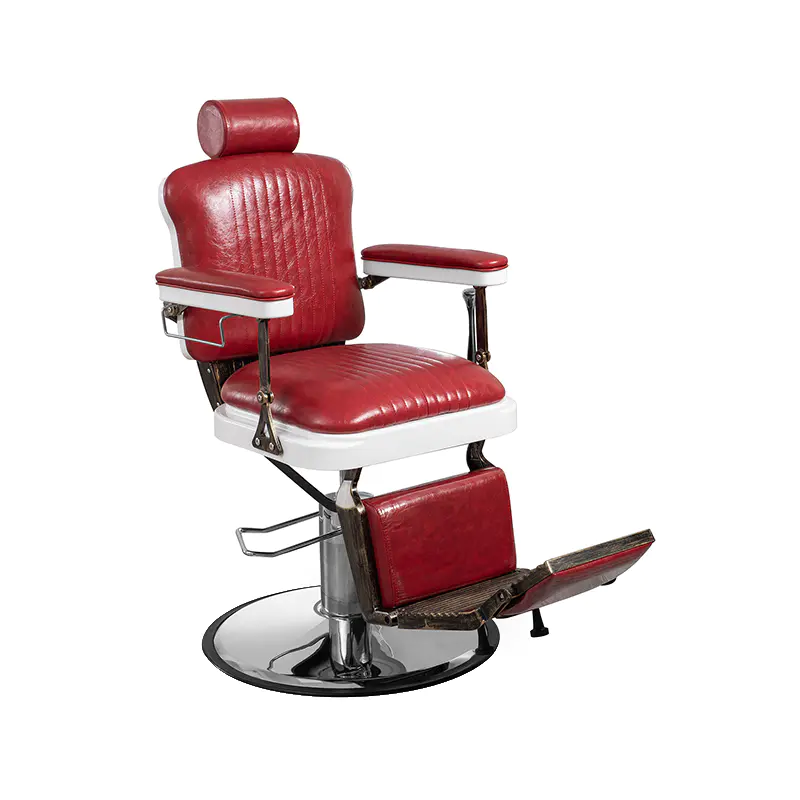
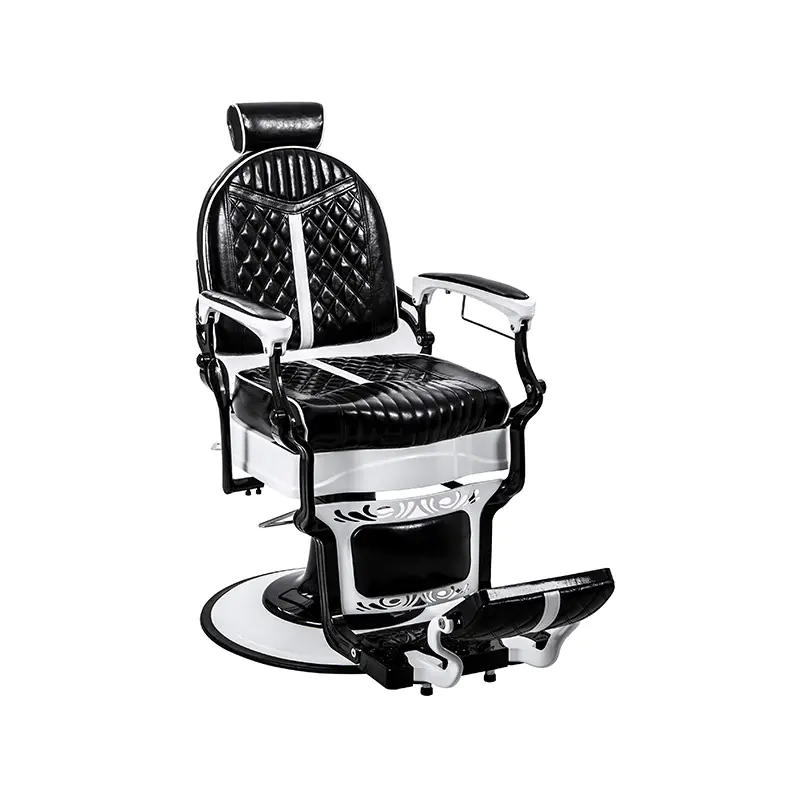
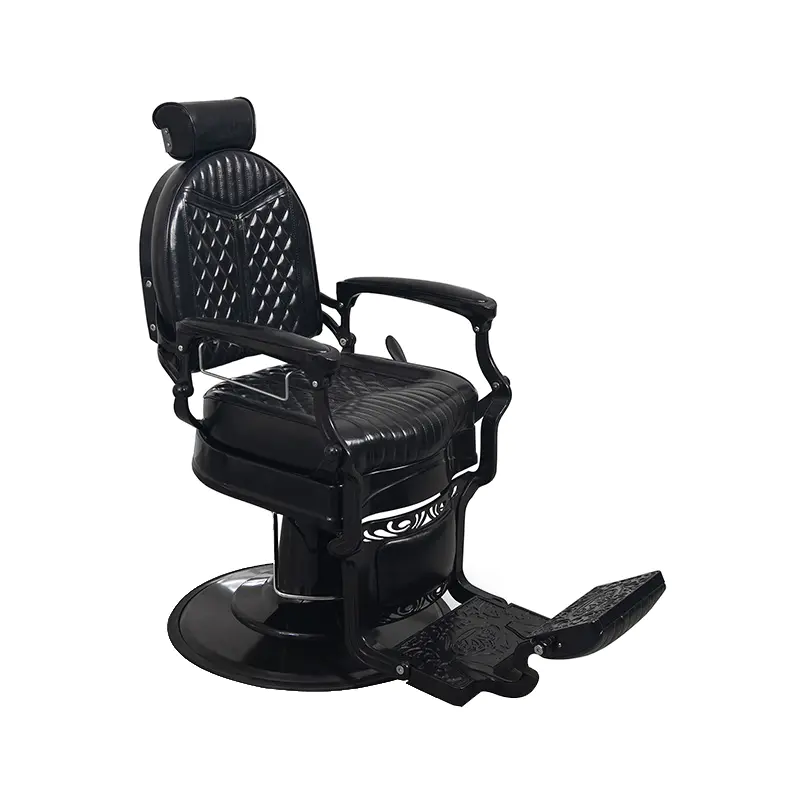
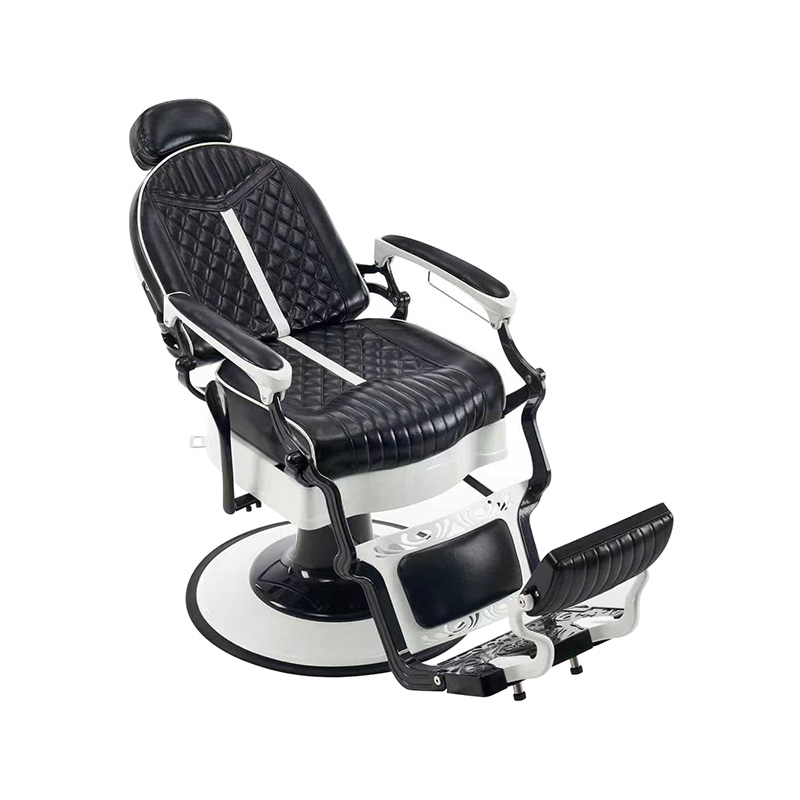
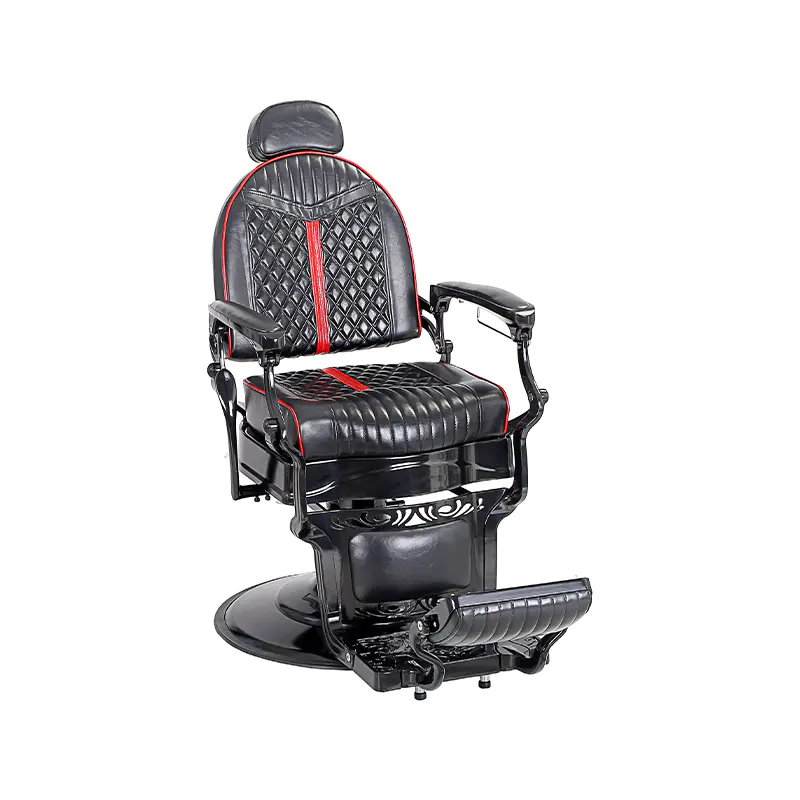
Vintage-style chairs combine porcelain armrests, chrome footrests, and tufted upholstery to deliver a throwback aesthetic that is highly popular in premium and heritage barbershops. While they prioritize design, the best modern interpretations still incorporate hydraulic lift and reclining capabilities. These chairs often become the defining visual identity of a barbershop's brand.
Modern Minimalist Salon Chair
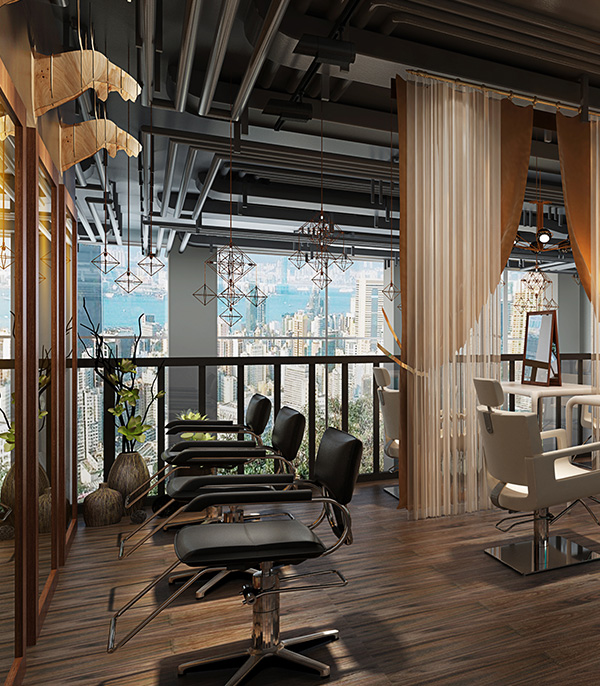
Designed for contemporary and urban barbershops, these professional salon chairs feature clean lines, neutral upholstery palettes, and streamlined bases. They integrate seamlessly into modern barber shop furniture layouts and are often preferred in salons that serve both barber and beauty clients in the same space.
Key Features That Separate a Good Chair from a Great One
When evaluating any professional salon chair, the following features determine long-term performance and value:
| Feature | What to Look For | Why It Matters |
|---|---|---|
| Hydraulic System | 360° swivel, no-drift hold, smooth pump | Barber efficiency and positioning flexibility |
| Upholstery | PU leather or PVC, stitched seams, water-resistant | Durability, easy cleaning, professional appearance |
| Base Construction | Heavy cast iron or steel, chrome-plated | Stability, load capacity, corrosion resistance |
| Foam Density | High-density foam, 45 kg/m³ or above | Client comfort, shape retention over time |
| Recline Mechanism | Multi-angle lock, smooth operation | Enables shaving and treatment services |
| Weight Capacity | Minimum 350 lbs; 500 lbs for heavy duty | Safety, inclusive service, structural longevity |
| Footrest | Adjustable or folding, non-slip surface | Client comfort across height ranges |
Hydraulic Performance: The Most Overlooked Specification
Many buyers focus on aesthetics and overlook the hydraulic system — which is the mechanical heart of any hydraulic barber chair. A poorly manufactured hydraulic pump will begin to drift (slowly sink under load) within 12 to 18 months of heavy use, forcing the barber to constantly re-pump mid-service. This is not just inconvenient; it disrupts workflow and signals poor quality to clients.
What to verify before purchasing:
- The hydraulic pump is sealed and rated for a minimum of 100,000 pump cycles
- The chair holds its set height under a static load of at least 160 kg for 30 minutes without measurable descent
- The swivel rotation is smooth through the full 360° arc with no sticking points
- The pump handle or foot pedal operates with minimal effort — no more than 15 lbs of force to lift a fully loaded chair
- Replacement hydraulic cylinders are available from the manufacturer
Average Hydraulic Pump Lifespan by Manufacturing Quality Tier
Chart 1: Estimated hydraulic pump lifespan across quality tiers under daily commercial use
Upholstery and Foam: What Determines Long-Term Comfort
The seating surface of a professional salon chair must withstand repeated exposure to hair products, water, disinfectants, and the friction of daily client turnover. Upholstery quality directly determines both client comfort and chair lifespan.
Upholstery Material Options
- PU Leather: Most common in professional chairs. Soft feel, water-resistant, available in a wide range of colors. Quality PU leather retains its finish for 5 to 8 years under commercial cleaning schedules.
- PVC Leather: More durable and chemical-resistant than PU. Slightly stiffer initially but ideal for high-volume shops using strong disinfectants.
- Genuine Leather: Premium appearance and tactile quality but requires more careful maintenance and is susceptible to chemical damage from hair dyes and peroxides.
Foam Density Standards
High-density foam at 45 kg/m³ or above is the benchmark for commercial seating. Lower-density foams compress and flatten within 12 to 18 months, creating a "bottomed out" feel that clients notice immediately. Look for chairs where the seat pad is at least 60mm thick and the backrest at least 50mm, ensuring sustained comfort through long services.
Designing Your Barbershop Layout Around Your Chairs
The chair does not exist in isolation — it defines your spatial requirements and flow. When planning modern barber shop furniture placement, the following dimensions apply:
- Minimum station width: 5 feet (1.5m) per chair to allow full 360° barber movement
- Mirror clearance: Chair should sit 18 to 24 inches from the mirror to allow comfortable viewing distance for clients
- Aisle space: Minimum 36 inches behind each chair for barber movement and tool cart access
- Reclining clearance: If using a reclining barber chair, add at least 24 inches behind the base to accommodate full recline without wall contact
Recommended Floor Space per Barber Station (in feet)
Chart 2: Floor space recommendations per barber station for different salon configurations
Heavy Duty Barber Chairs: Why Inclusive Equipment Matters
A growing number of barbershops are actively choosing heavy duty barber chairs as their standard specification — not just as an accommodation option. The reasoning is straightforward: a chair rated to 500 lbs serves every client without exception, eliminates the discomfort of weight-related chair instability, and removes a potential liability concern entirely.
Key structural markers of a genuinely heavy duty chair:
- Base diameter of at least 24 inches (60 cm) in cast iron or thick-walled steel
- Seat width of 24 to 28 inches with reinforced side rails
- Heavy-gauge hydraulic cylinder with load rating verified by the manufacturer
- Double-stitched upholstery seams to prevent tearing under lateral stress
- Reinforced armrests capable of supporting client weight during seated transitions
OEM and Custom Barber Chair Options for Salon Chains
For barbershop chains, franchise operations, or large-format salons, off-the-shelf chairs may not deliver the brand consistency required across multiple locations. OEM and ODM manufacturing allows operators to specify custom upholstery colors, logo embroidery, base finishes, and dimensional modifications to create a uniform, branded environment.
Key considerations when sourcing custom salon barber chairs at scale:
- Verify the factory's minimum order quantity (MOQ) for custom specifications — typically 20 to 50 units for color customization, 100+ for structural modifications
- Request material sample swatches and prototype approval before committing to a full production run
- Confirm lead times for custom orders, which typically run 45 to 90 days from deposit to shipment
- Ensure the supplier provides documentation for international shipping compliance (CE, BIFMA, or relevant regional certifications)
- Establish a spare parts agreement covering hydraulic cylinders, armrest hardware, and upholstery panels
About Ningbo HongZi Beauty and Hairdressing Equipment
Ningbo HongZi Beauty & Hairdressing Equipment Co., Ltd. is a professional enterprise engaged in the research, development, manufacturing, and export of barber chairs, beauty beds, shampoo chairs, and related beauty salon furniture. Located in the scenic town of Sanqishi, Yuyao, Zhejiang Province — alongside Hangzhou Bay — the company covers an area of 22,000 square meters and employs over 120 staff, with an annual output value of 120 million RMB.
As a professional China OEM Salon Barber Chairs manufacturer and ODM barber chair factory, HongZi combines strong technical and R&D capabilities to deliver high-quality, customizable barber and beauty equipment solutions to clients worldwide. The production facility is equipped with specialized machinery including laser plate cutters, pipe cutters, punching machines, CNC leather cutters, and embroidery machines, alongside automated production lines for welding, cotton pasting, and assembly.
The sofa workshop operates a complete upholstery processing flow — from structural components through to surface leather — enabling integrated, single-source manufacturing that ensures stable quality and unified detailing across every product. This vertical integration makes HongZi a reliable partner for both individual salon owners seeking premium chairs and large-scale buyers requiring consistent quality across multi-unit orders.
Frequently Asked Questions
Q1: How long should a professional barber chair last?
A well-constructed professional salon chair with a quality hydraulic system should last 10 to 15 years in a commercial barbershop environment with proper maintenance. The hydraulic cylinder is typically the first component to require replacement, usually after 8 to 12 years of heavy daily use.
Q2: What weight capacity should I look for in a barber chair?
Standard hydraulic barber chairs are rated for 350 lbs (160 kg). For inclusive barbershops, a heavy duty barber chair rated to 500 lbs (227 kg) is strongly recommended. Always verify the manufacturer's load rating — not the base weight limit, but the rated operational capacity of the hydraulic system.
Q3: Can I order barber chairs with custom upholstery colors?
Yes. Most professional OEM and ODM manufacturers offer custom upholstery color selection, logo embroidery, and base finish options. Minimum order quantities for customization typically start at 20 to 50 units. Request a material swatch and prototype before approving a full production run.
Q4: What is the difference between a reclining barber chair and a standard chair?
A reclining barber chair features a backrest that adjusts to a near-flat or fully horizontal position, enabling shaving, facial treatments, and hair washing in a single chair. Standard chairs are fixed or have limited backrest movement and are suited primarily for haircut and beard trim services.
Q5: How do I maintain a hydraulic barber chair to extend its lifespan?
Clean the upholstery daily with a non-abrasive, pH-neutral cleaner. Lubricate the swivel base and hydraulic foot pump mechanism every 3 to 6 months using the manufacturer-recommended lubricant. Inspect the hydraulic cylinder annually for leaks or descent drift. Avoid using solvent-based cleaners on PU or PVC upholstery, as these accelerate surface cracking.