
 en
en  English
 русский
 Español
 عربى
عربى
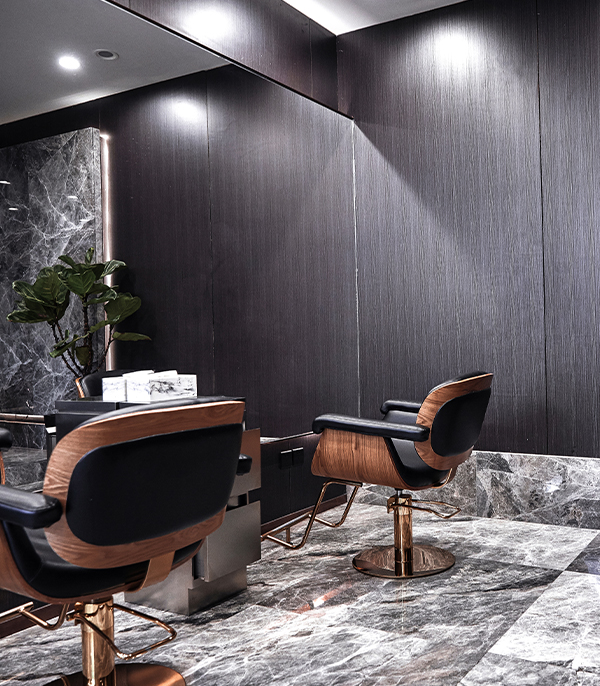
Quick Answer: The Difference Between a Barber Chair and a Salon Chair
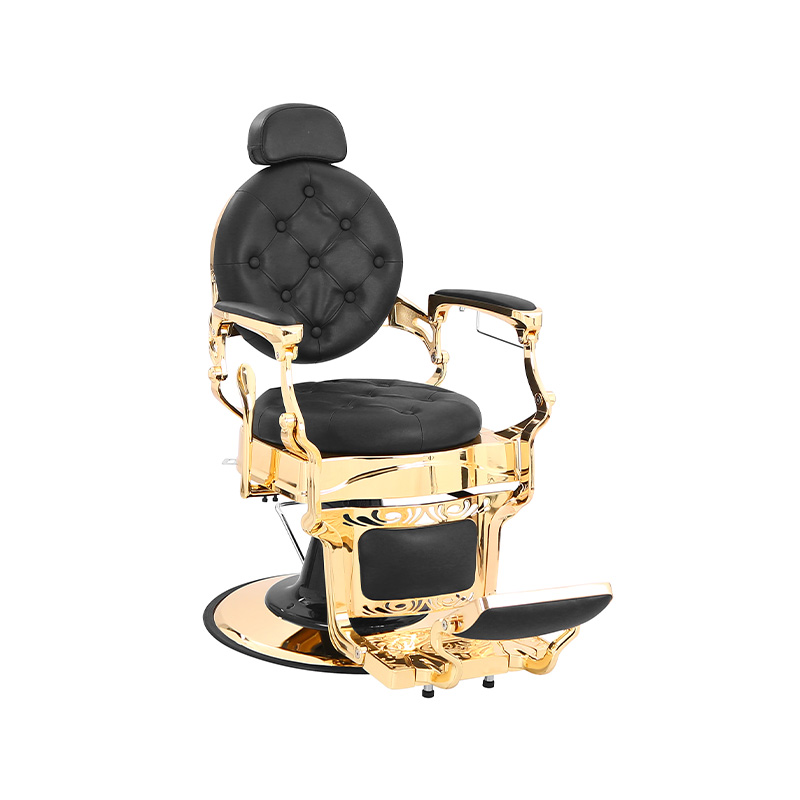
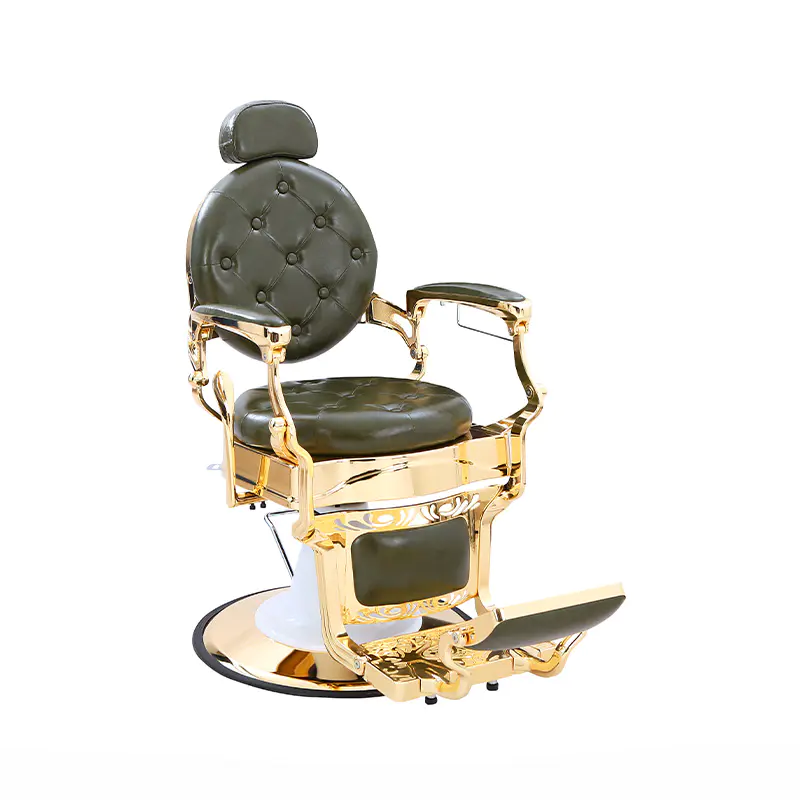
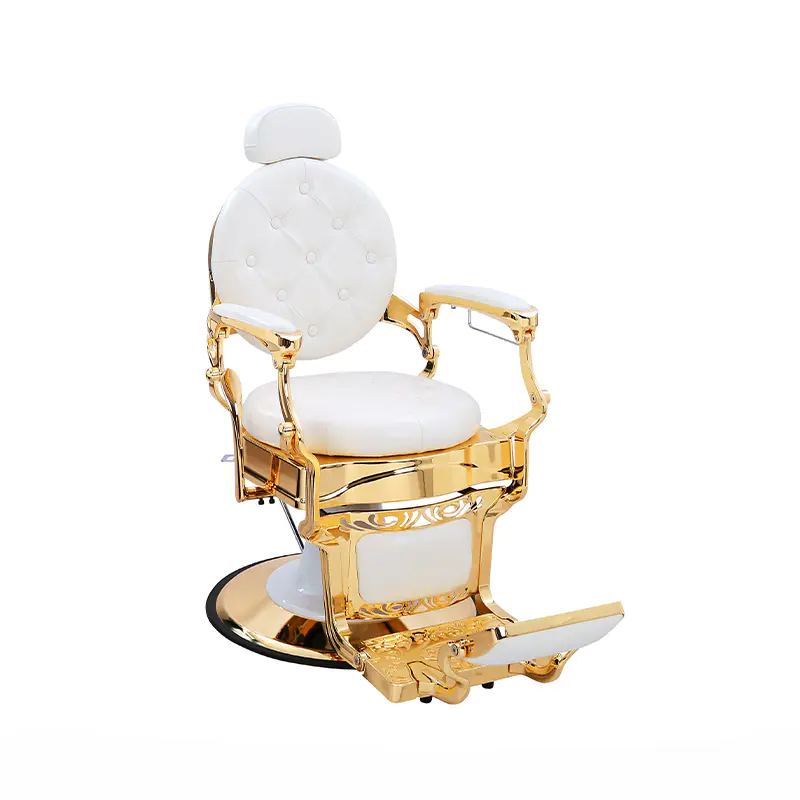
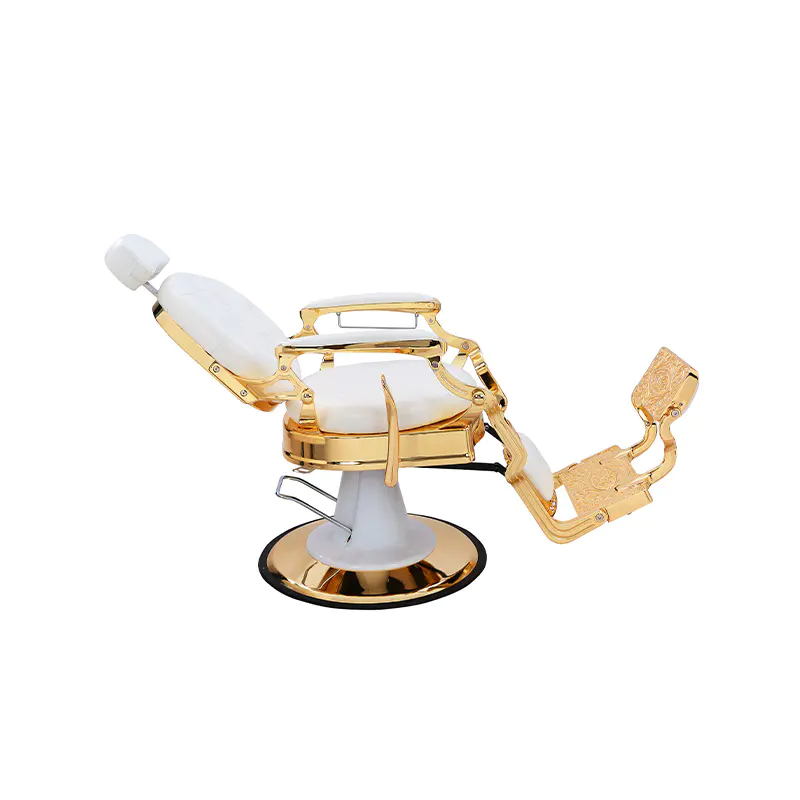
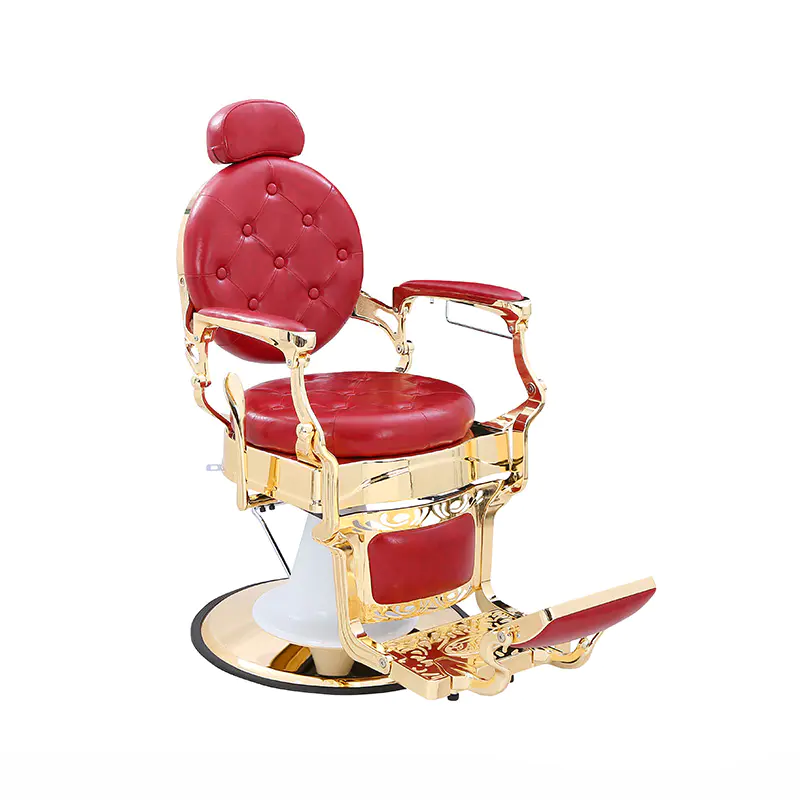
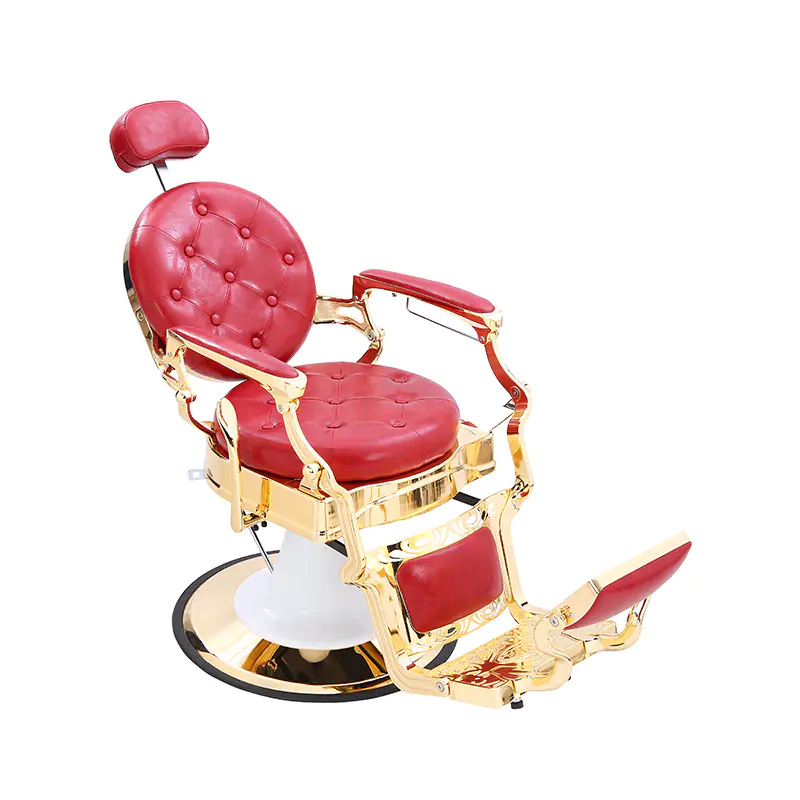
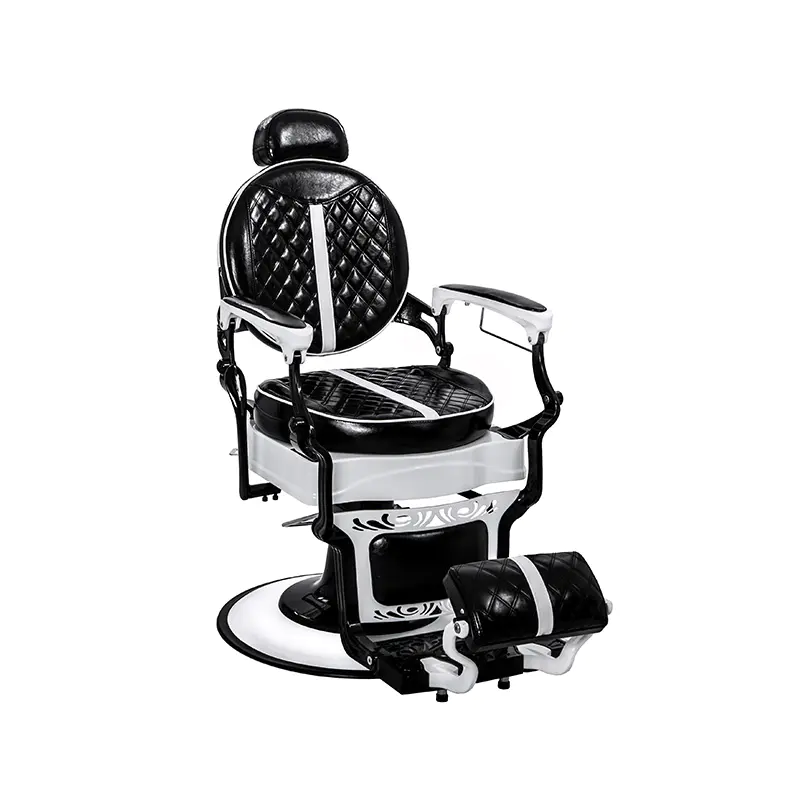
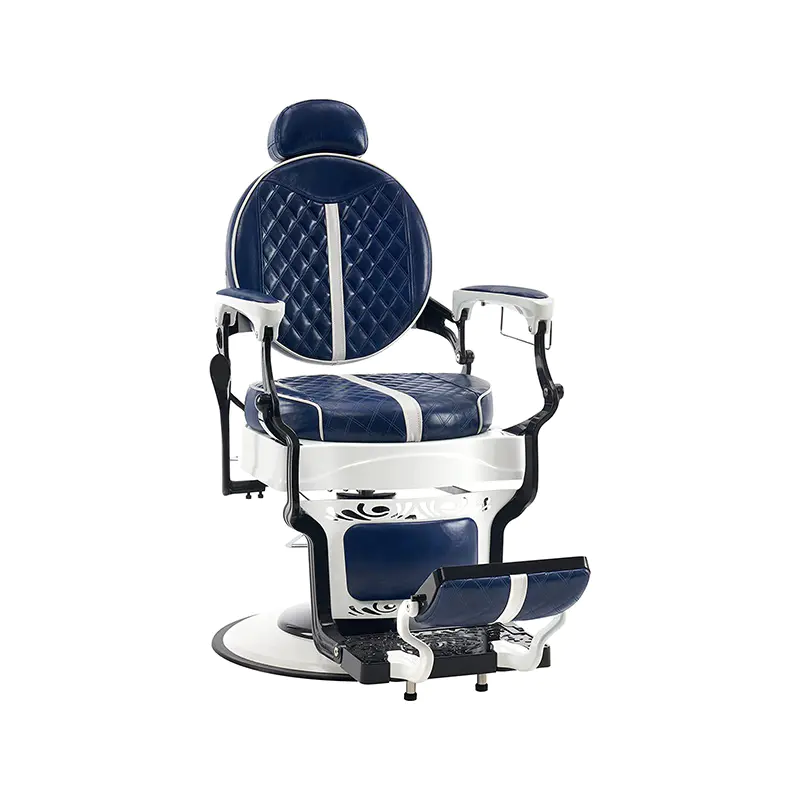
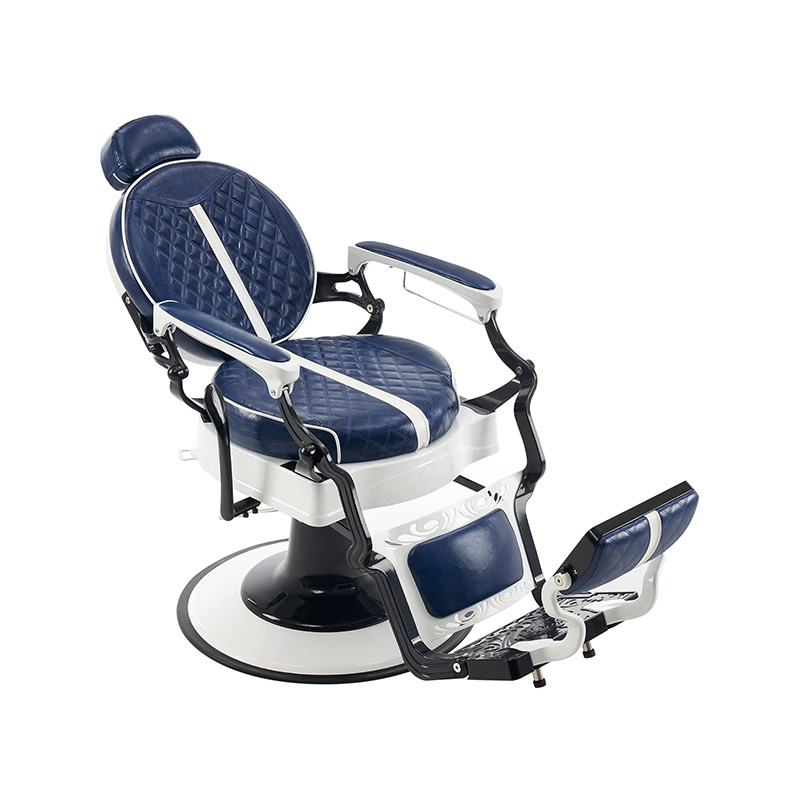
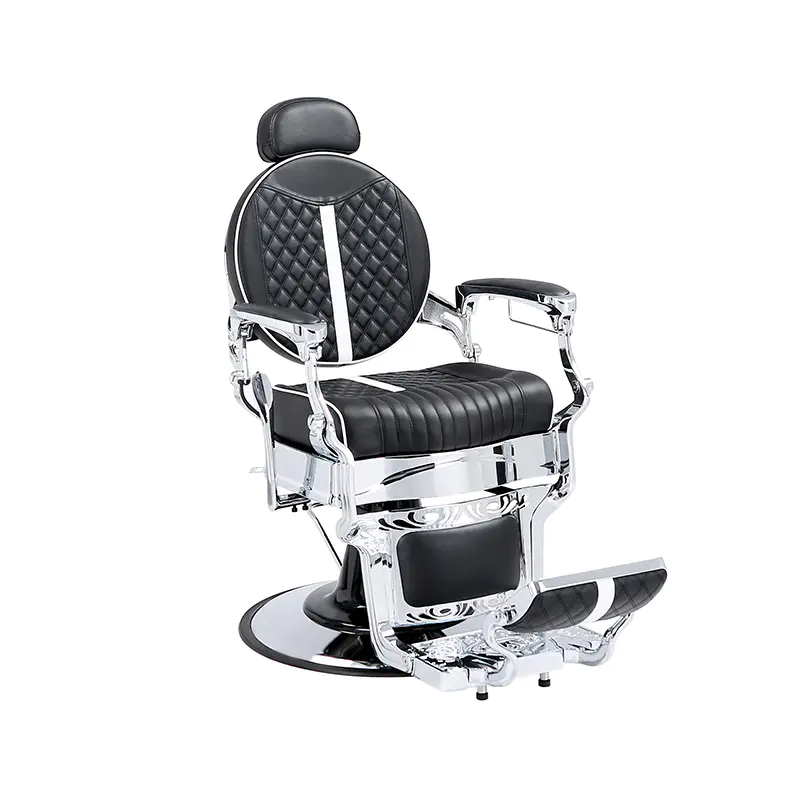
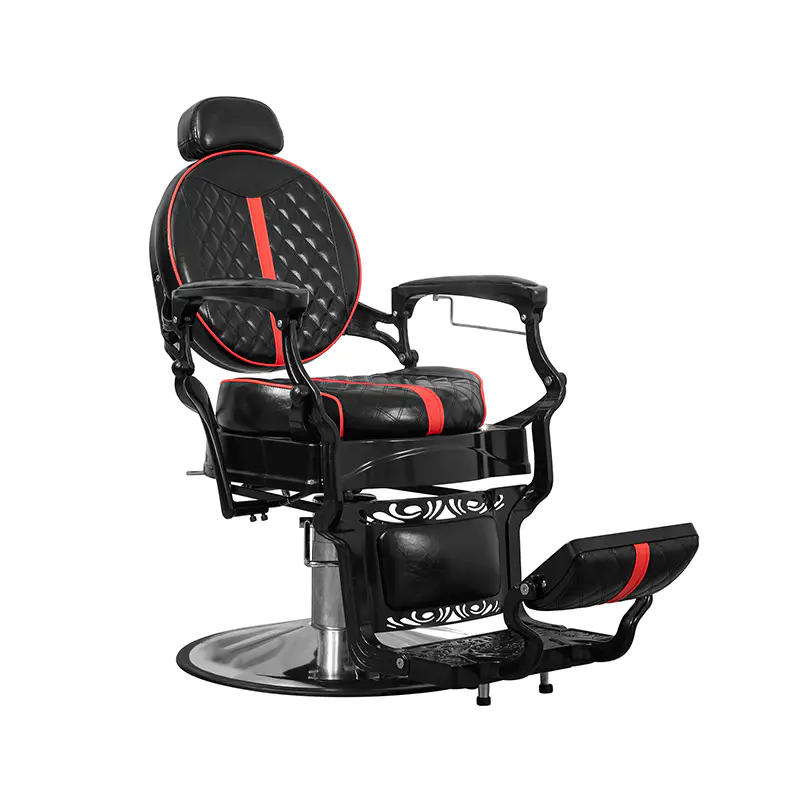
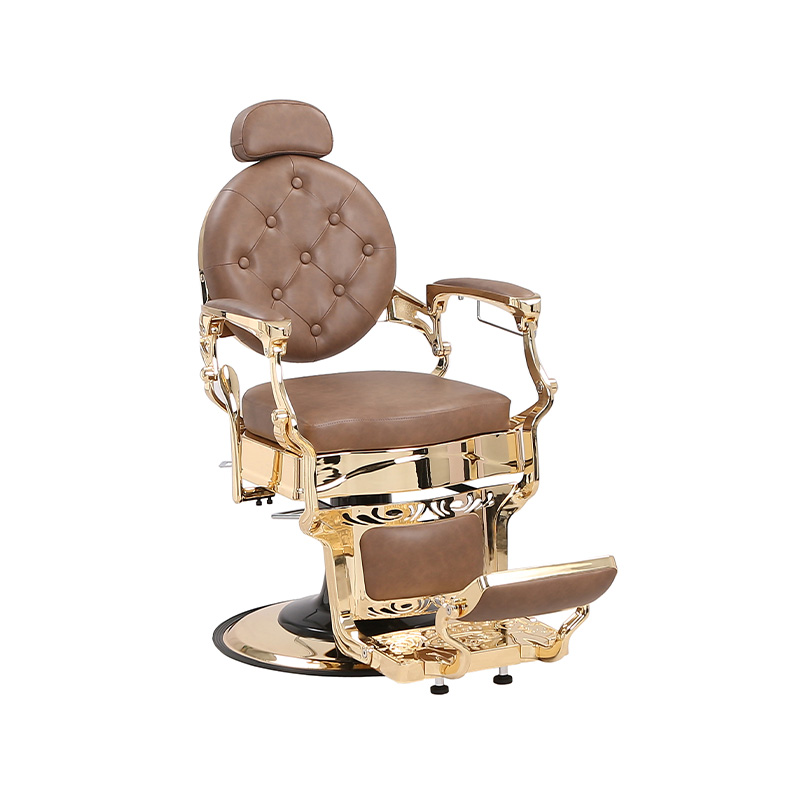
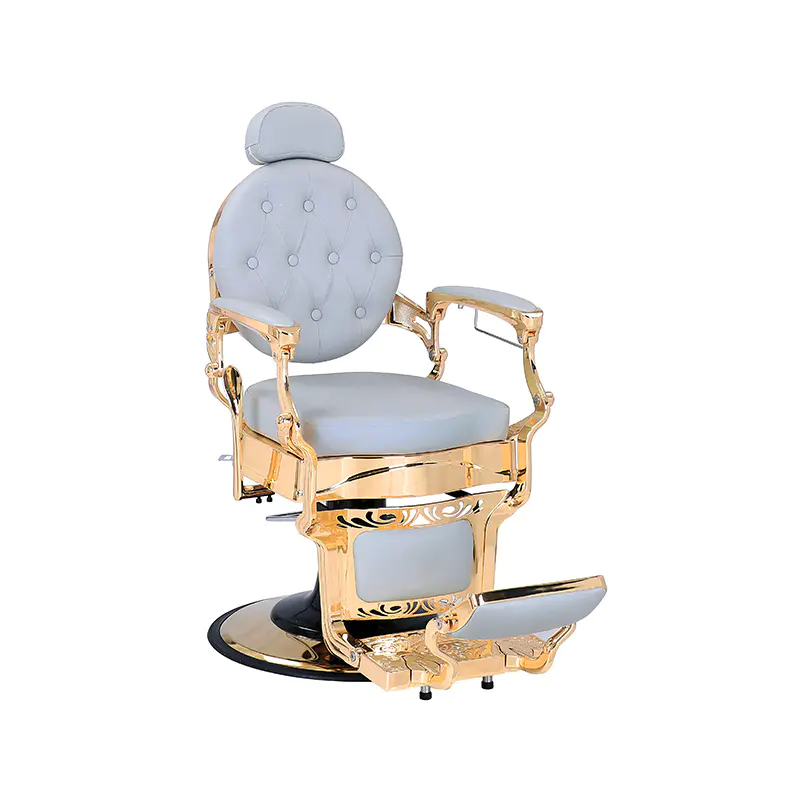
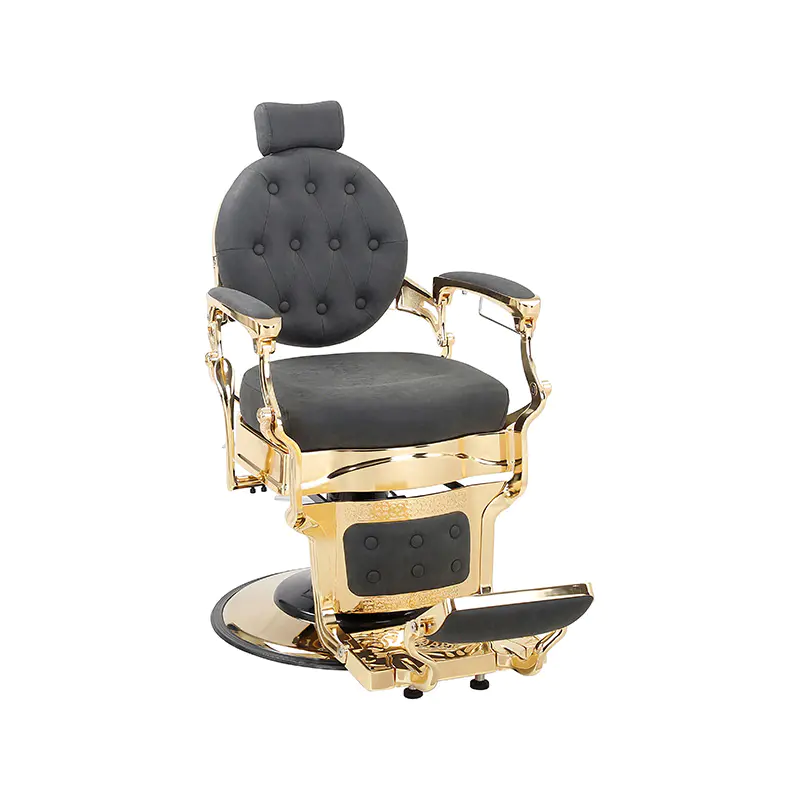
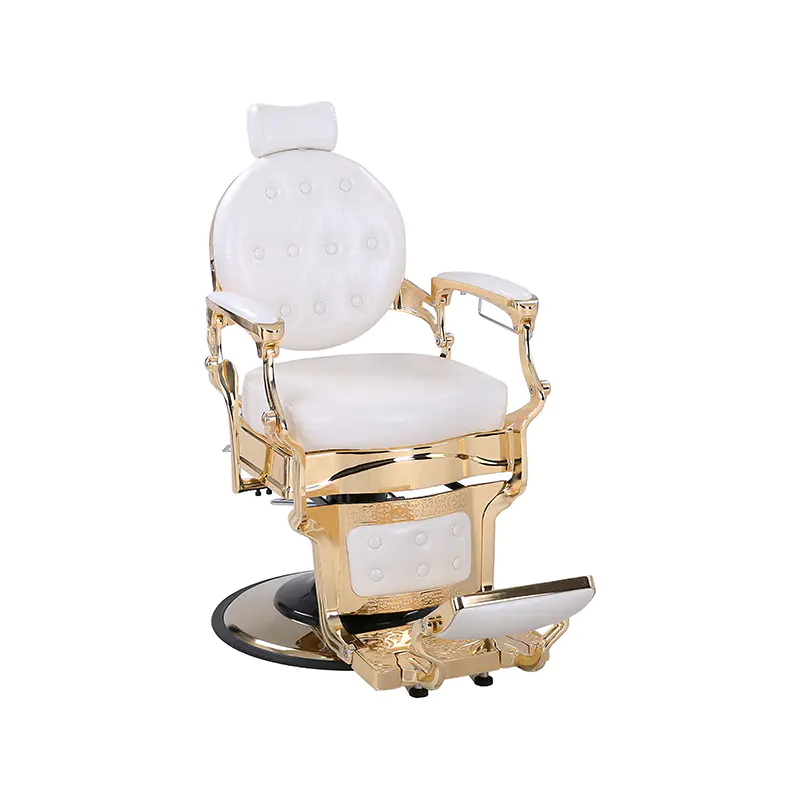
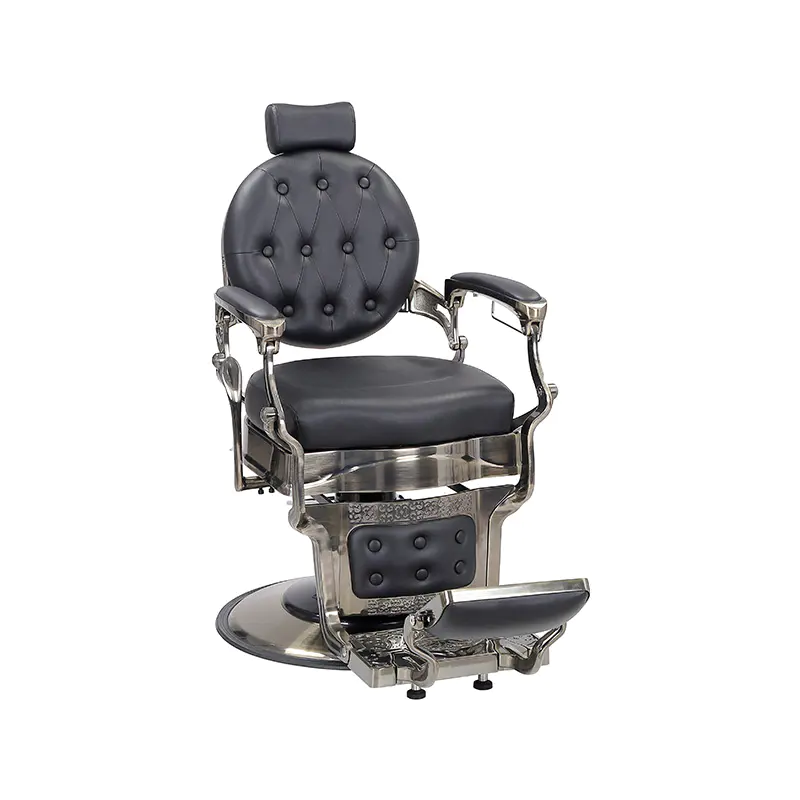
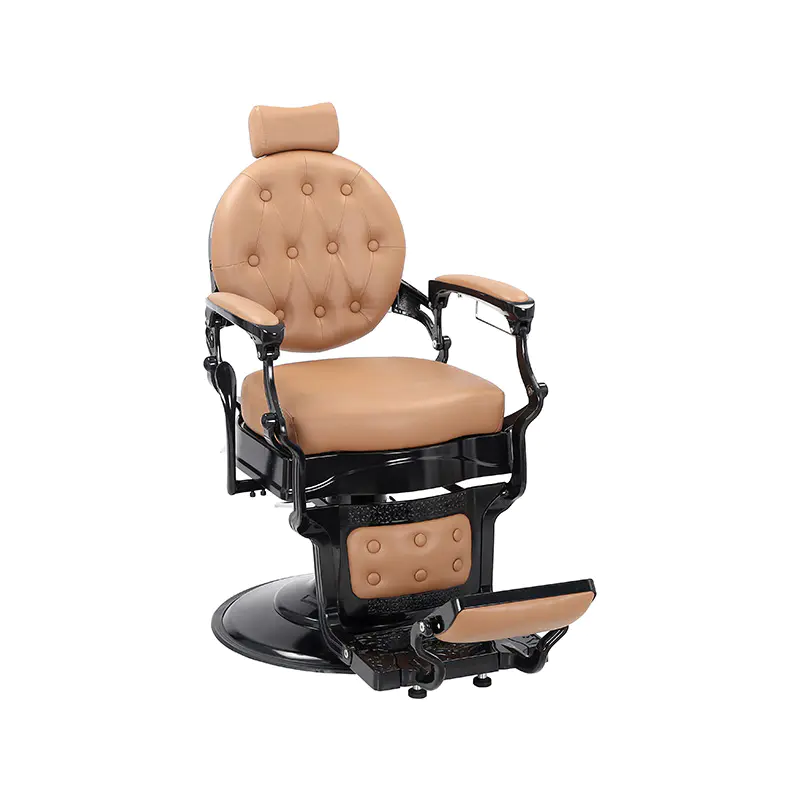
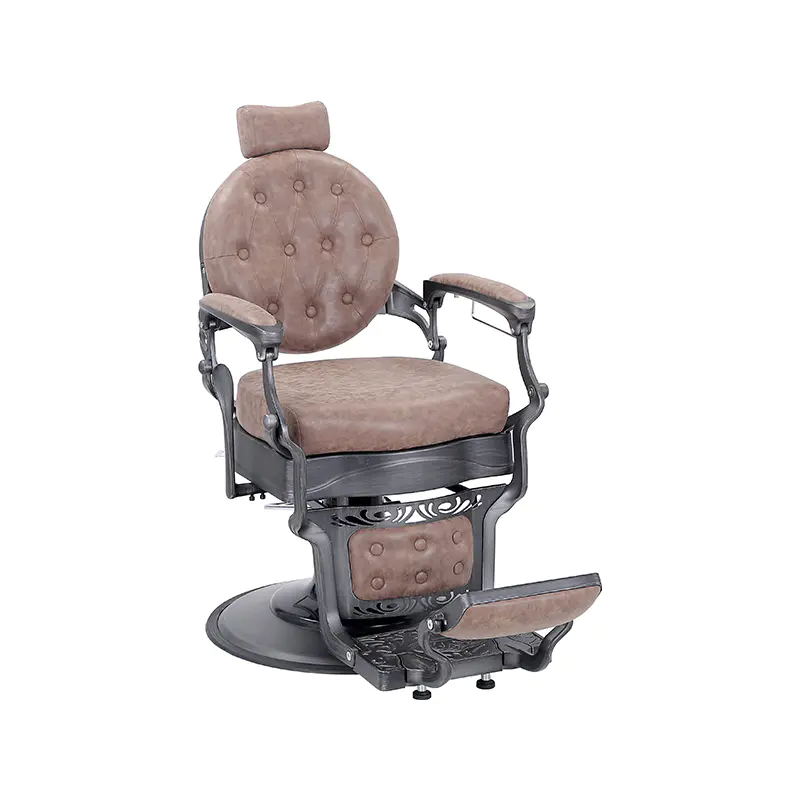
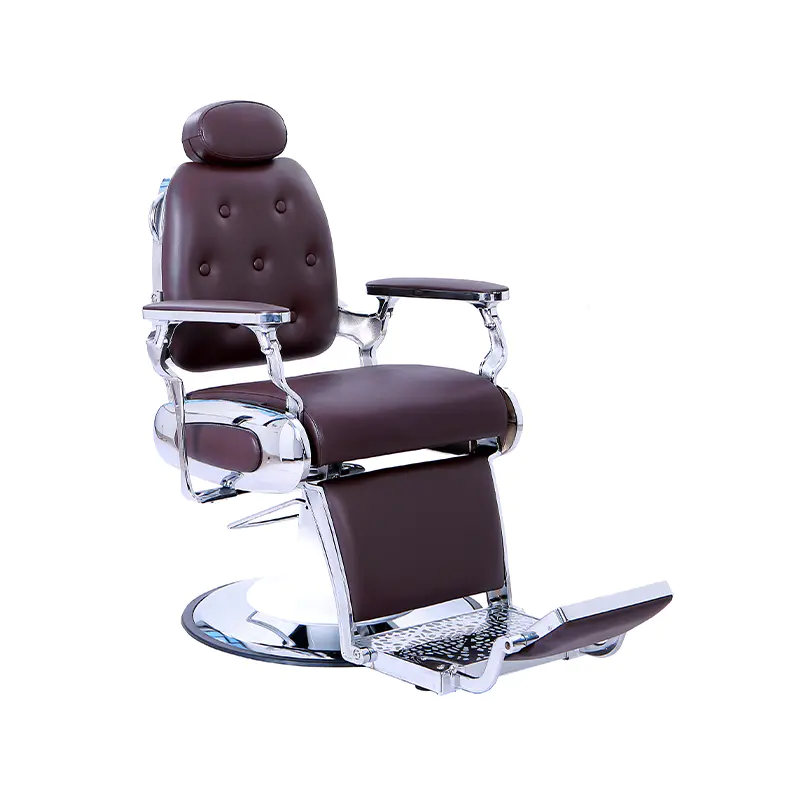
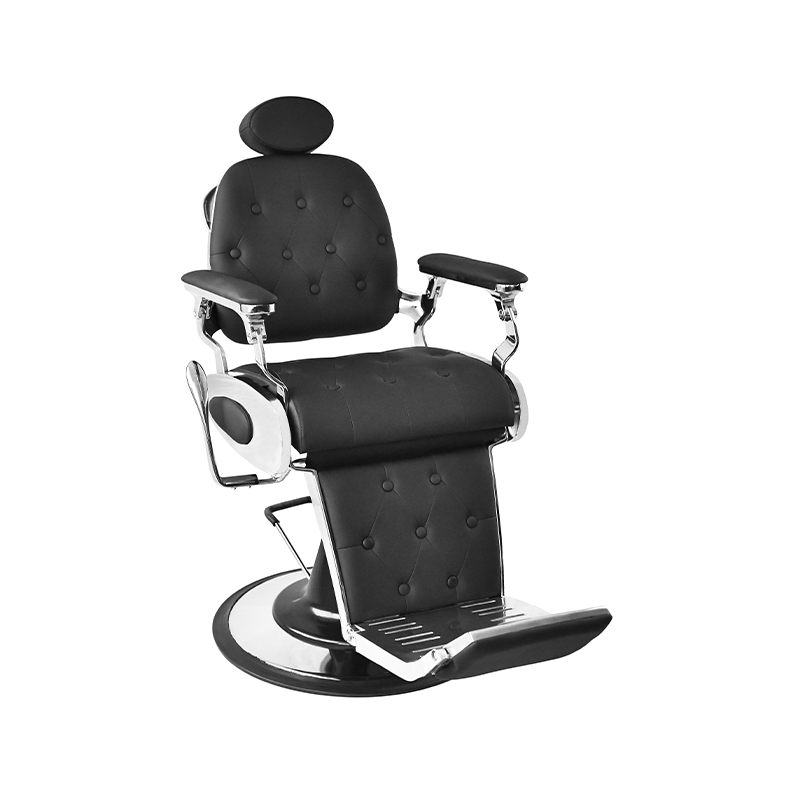
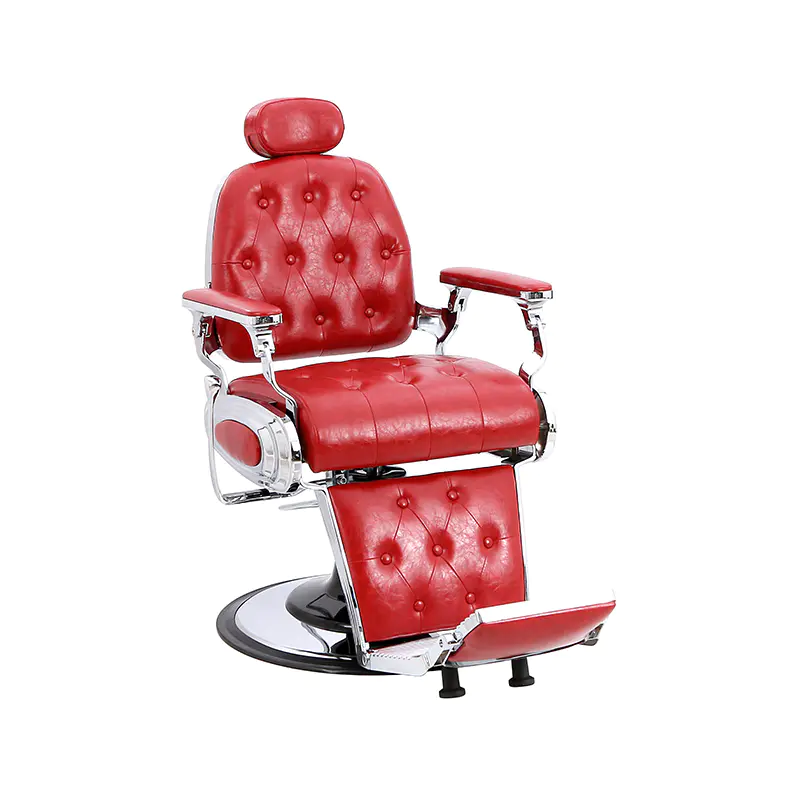
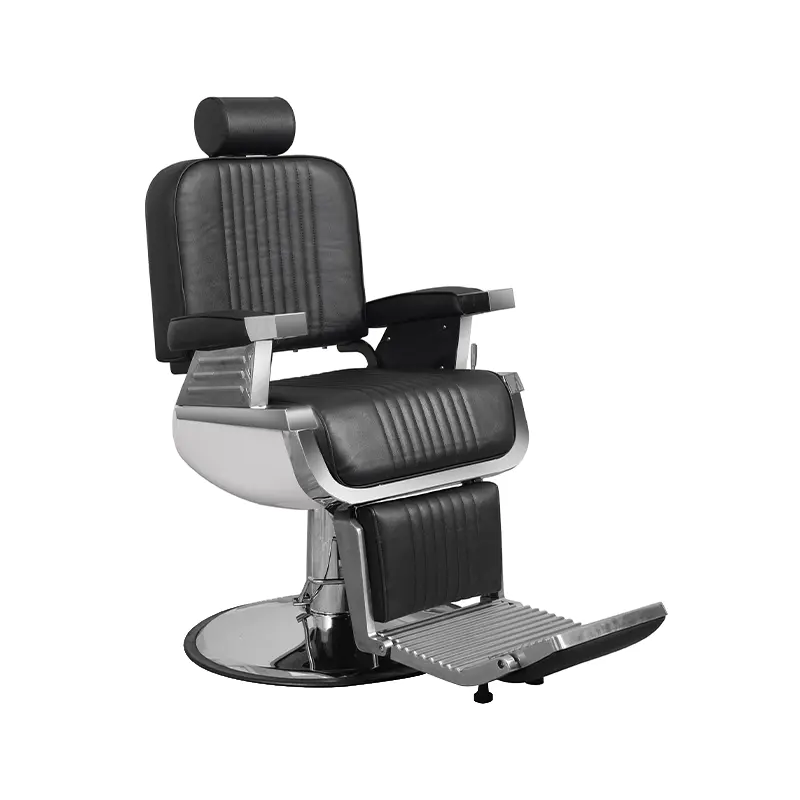
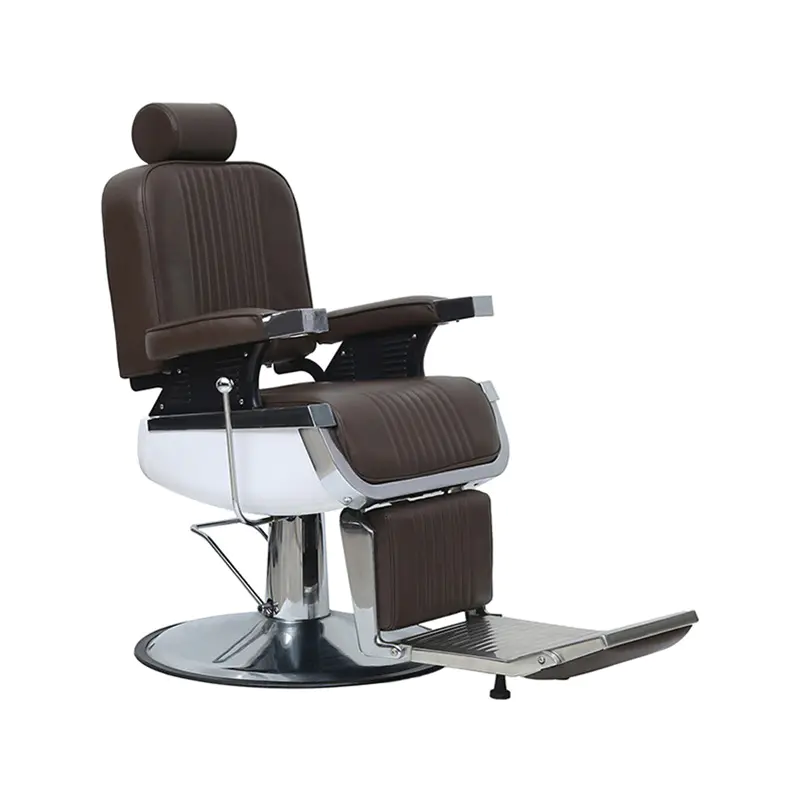
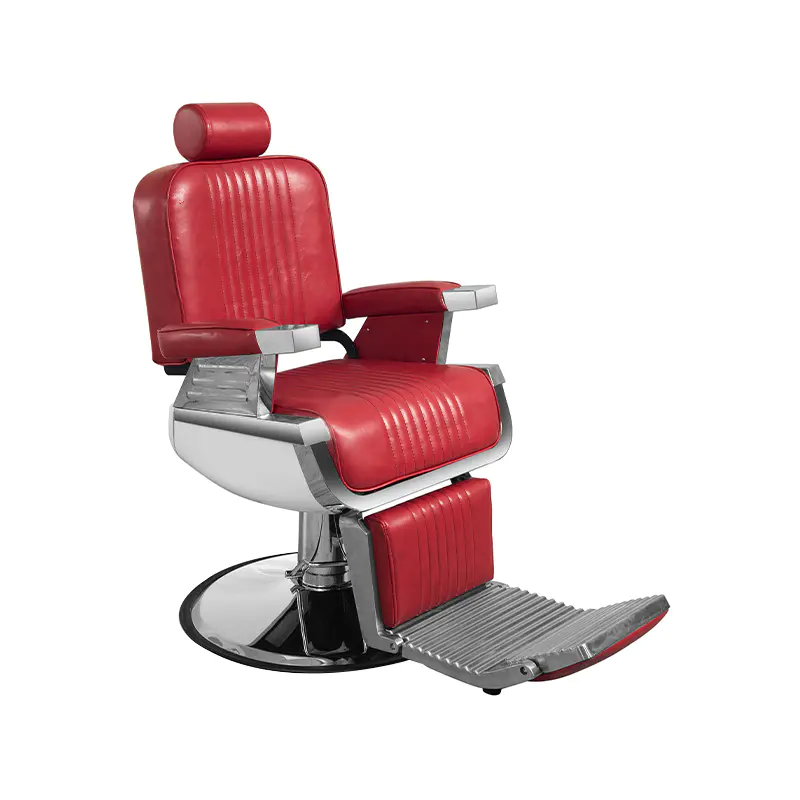
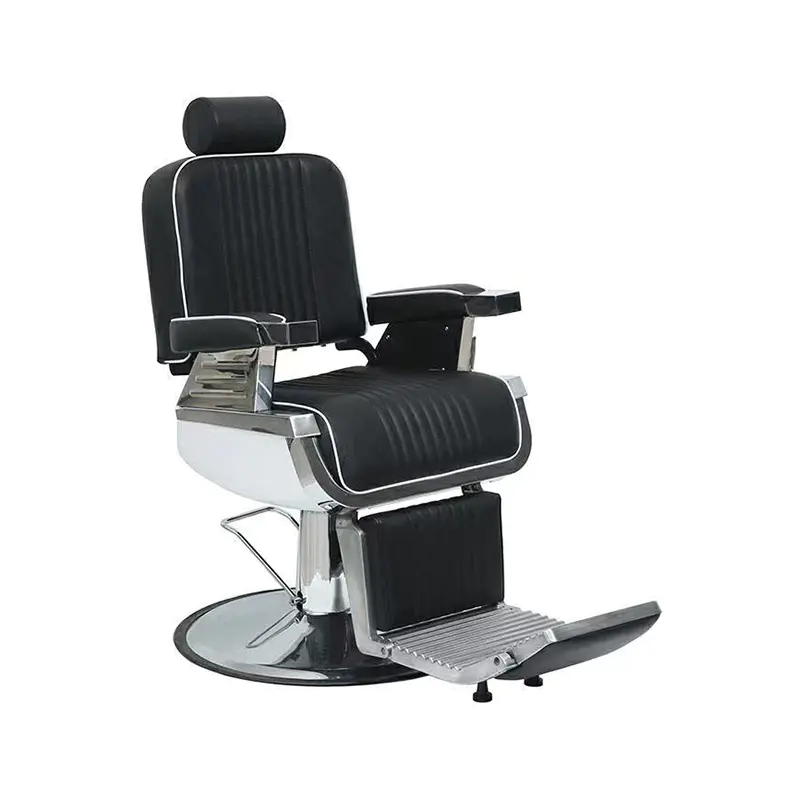
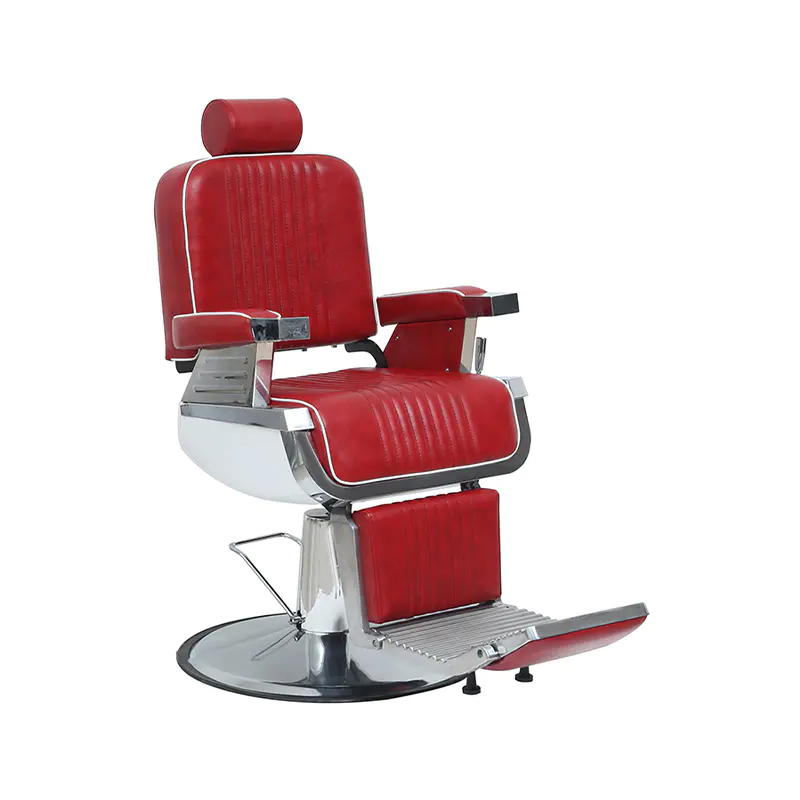
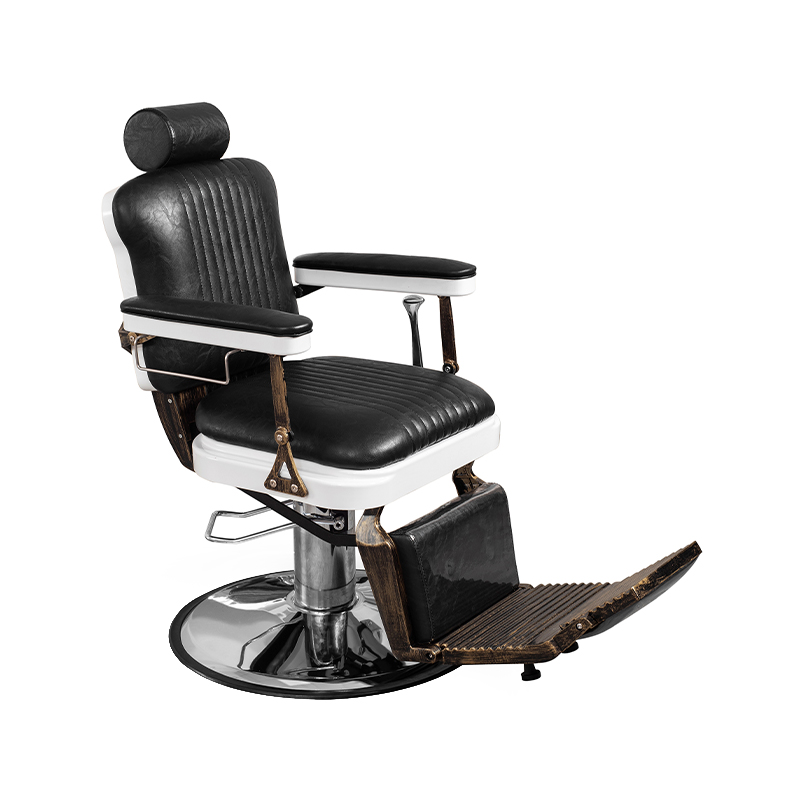
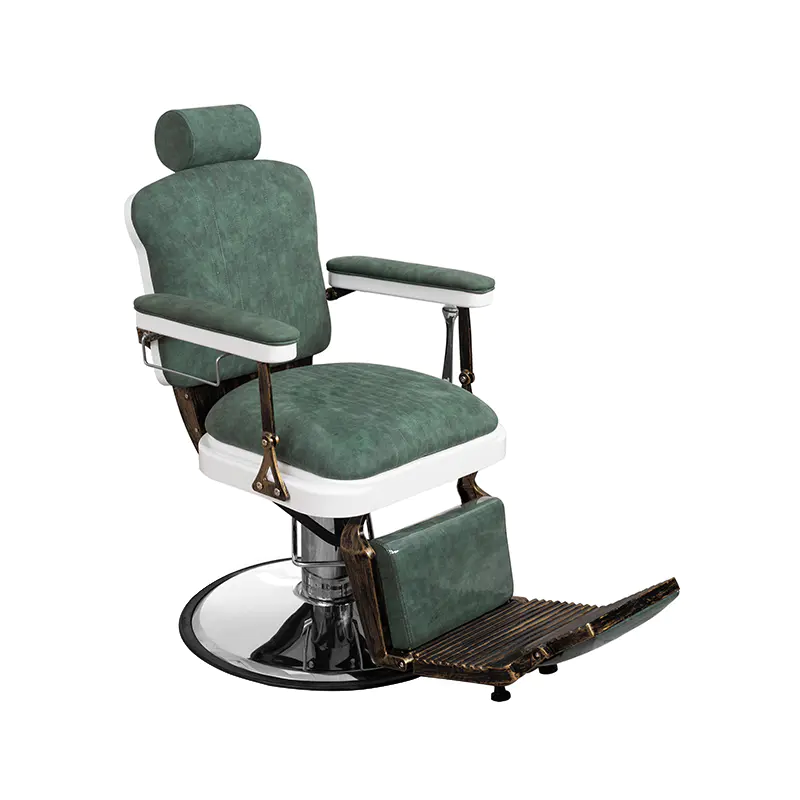
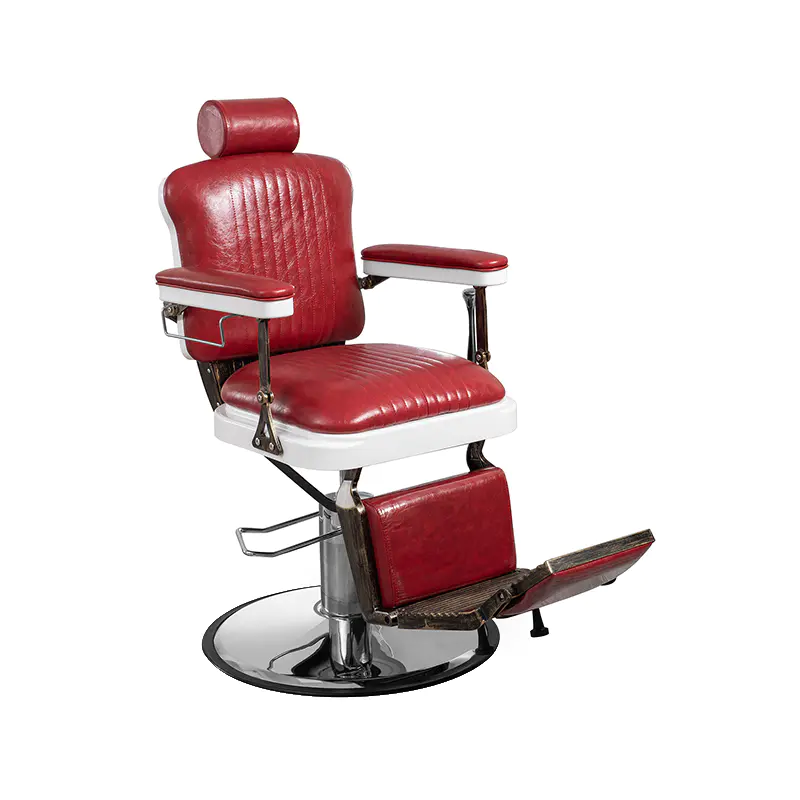
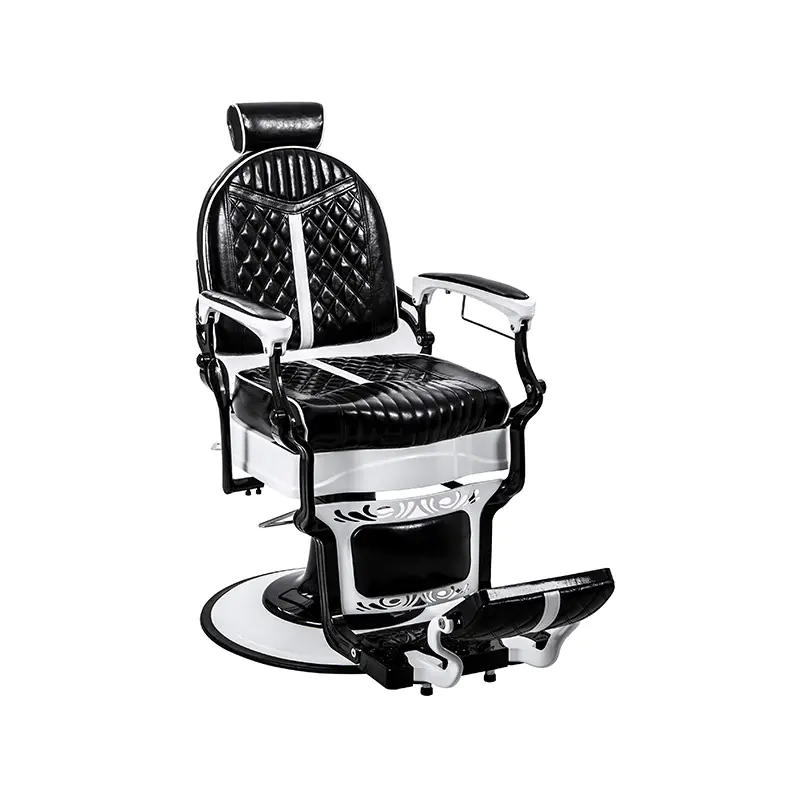
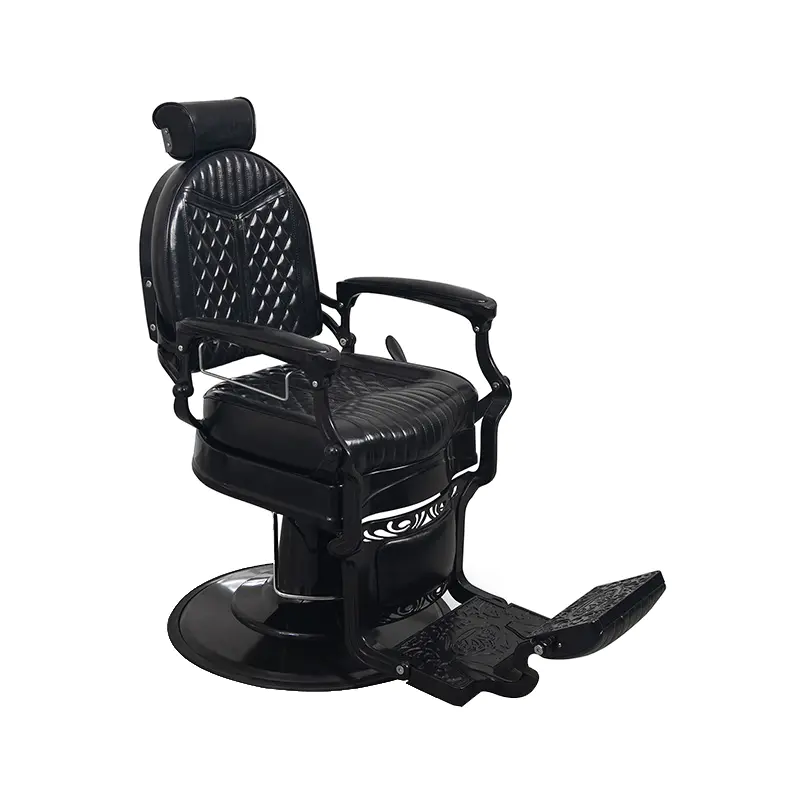
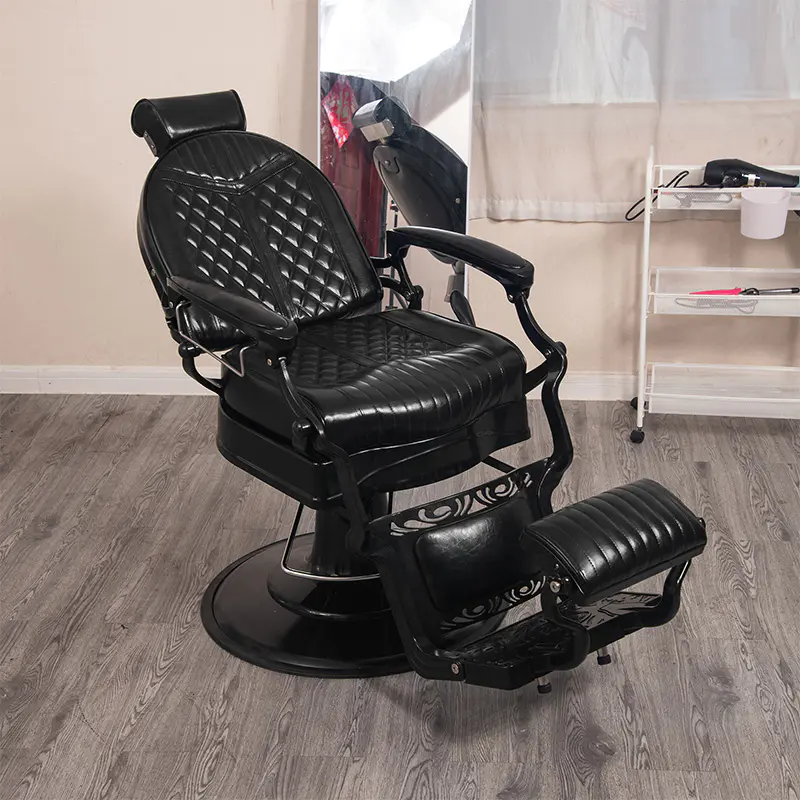
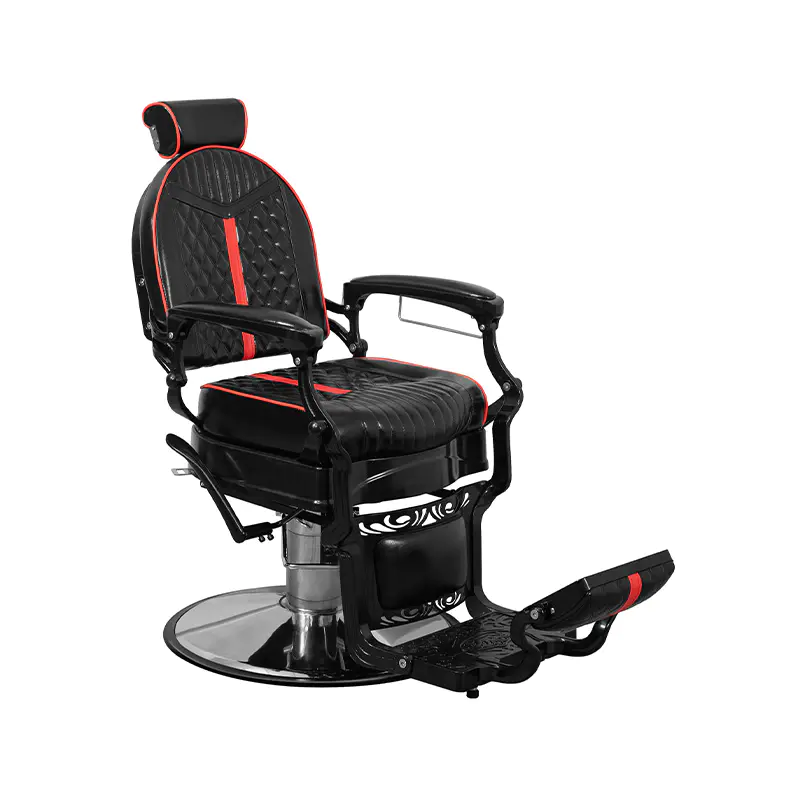
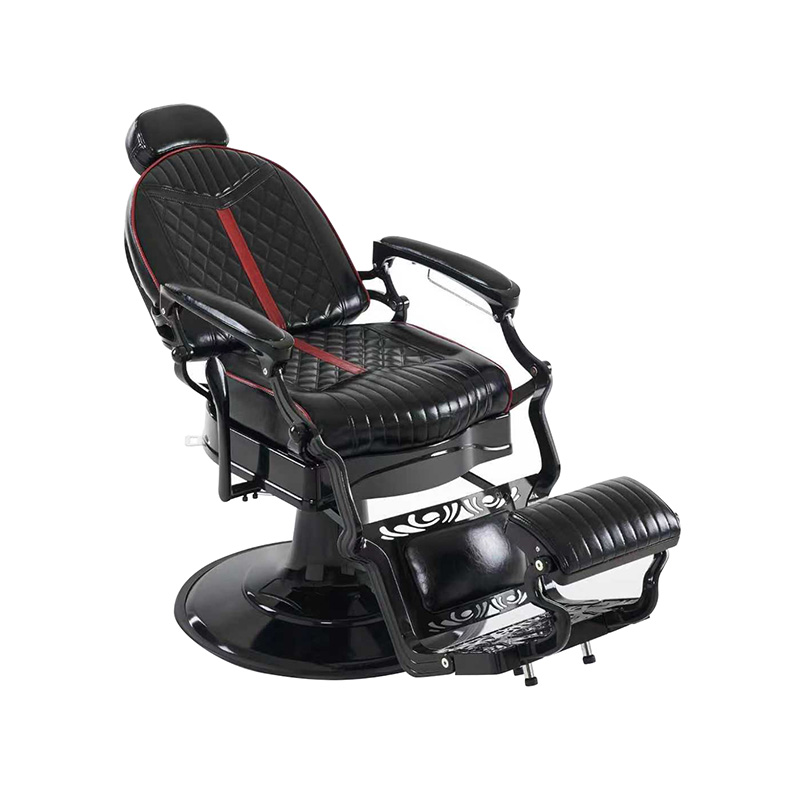
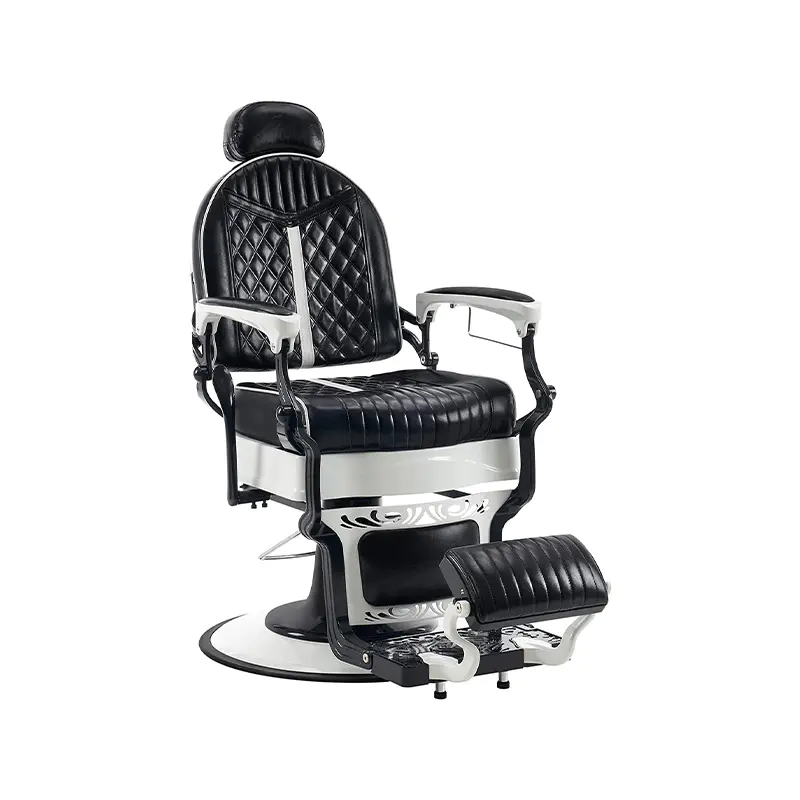
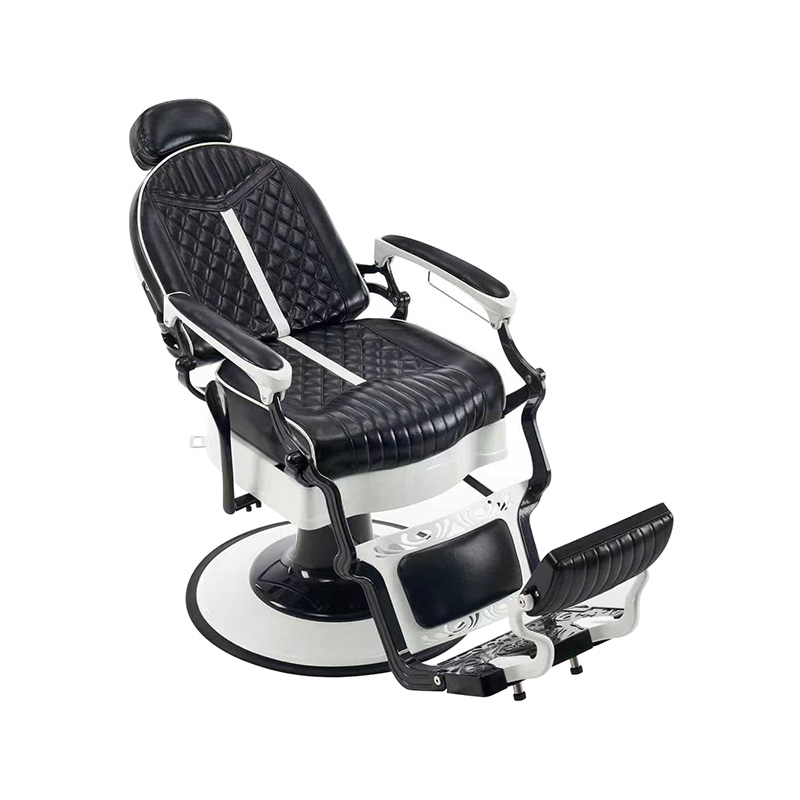
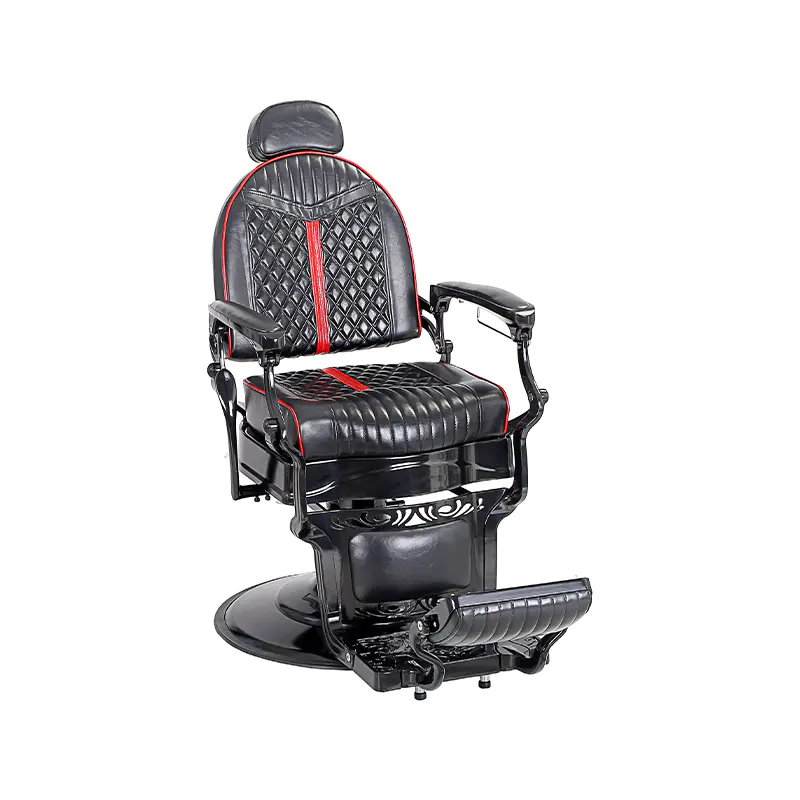
A barber chair is generally a heavier duty seat built around a reinforced base, a stronger hydraulic pump, and a full reclining backrest so a barber can lay a client back for straight razor shaves and detailed fade work. A salon chair is typically lighter, built mainly for cutting and styling, with a smooth swivel base and limited or no recline function. The two chair types can look similar at a glance, but the frame strength, backrest range, and footrest design are shaped around very different daily tasks.
- Barber chairs use heavier hydraulic pumps and thicker frames to support recline and higher weight loads
- Salon chairs prioritize smooth, light swivel movement for repeated styling motions
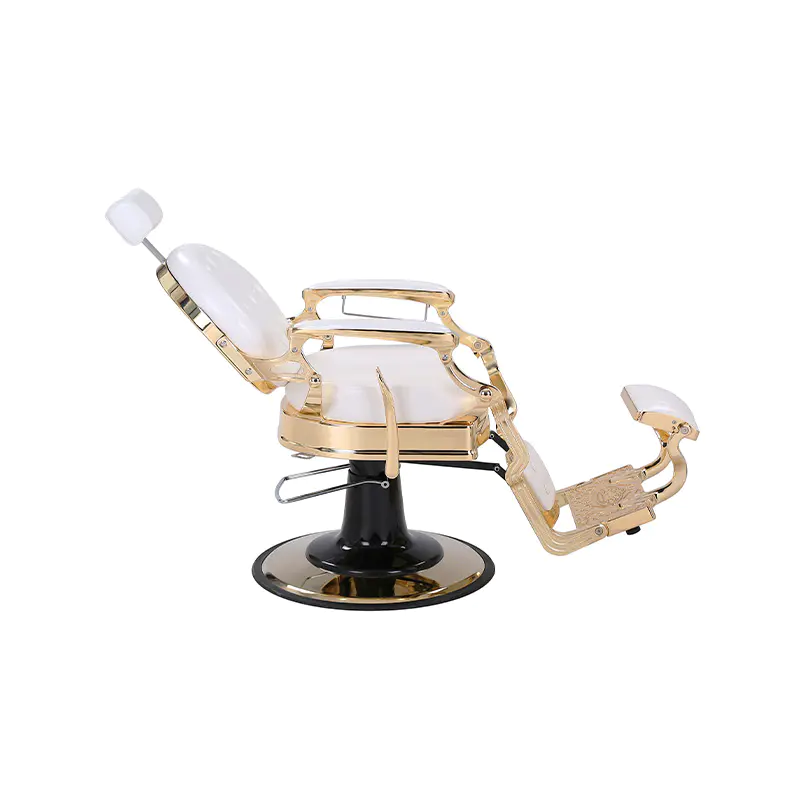
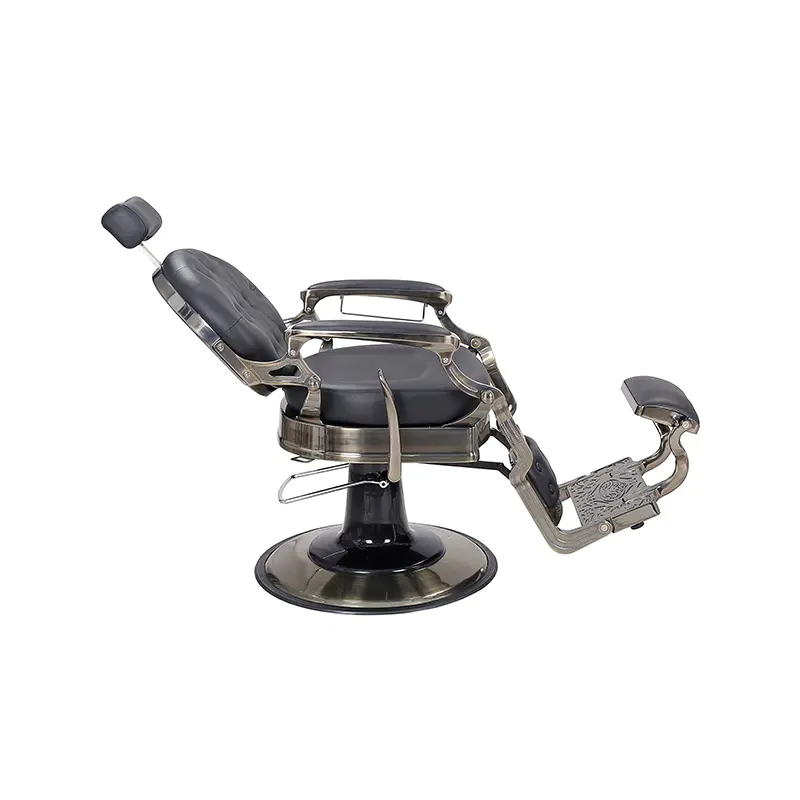
- Barber chairs commonly include a full recline position and headrest built for shaving
- Salon chairs are often paired with a separate shampoo chair rather than reclining fully on their own
Structural Build and Weight Capacity Differences
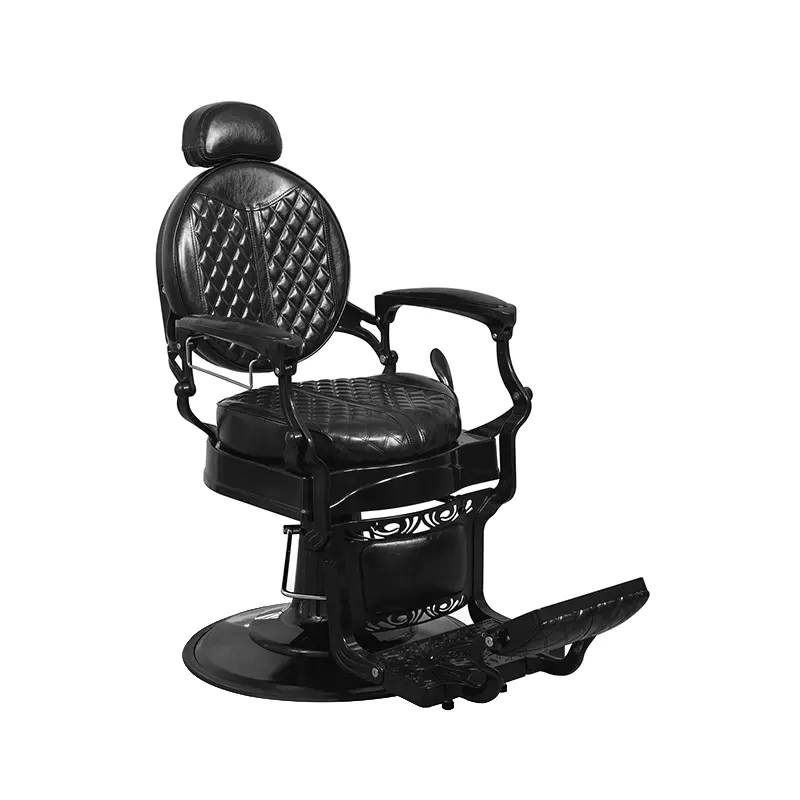
Barbershops tend to see longer sit times and more physical service work, such as detailed line-ups, fades, and straight razor shaves, so the seat frame needs to hold its position under repeated pressure without flexing. This is why a barber chair usually has a cast iron or reinforced steel base, thicker seat padding, and a higher rated weight capacity than a typical salon chair. Salon chairs still need to be sturdy, but the design generally favors a lighter frame that supports quick swivel turns during cutting and coloring rather than sustained recline pressure.
Illustrative typical weight capacity ranges by chair type; actual ratings vary by model and base construction
Recline Function and Backrest Design
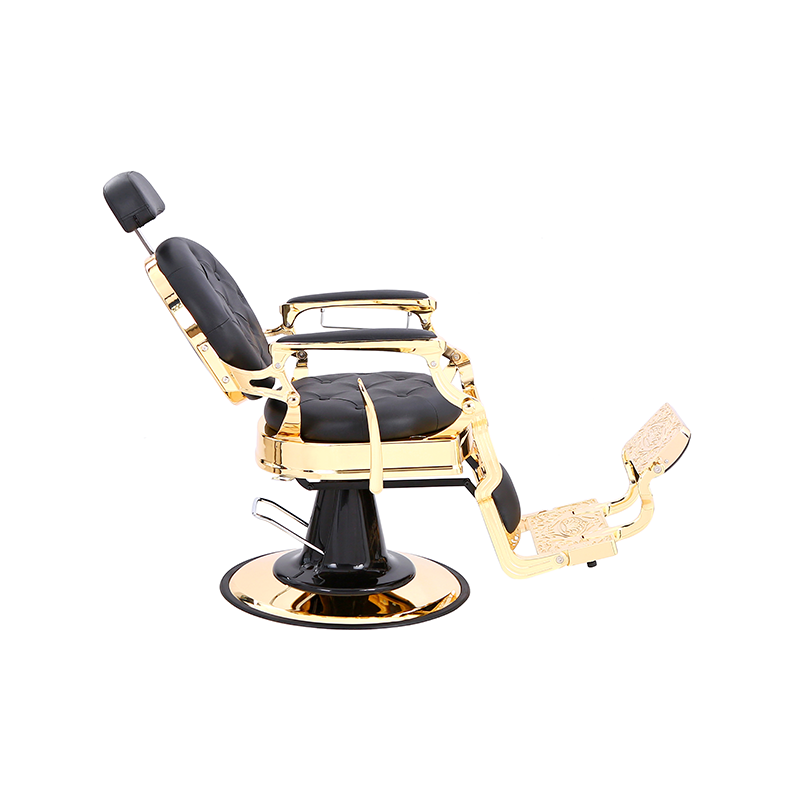
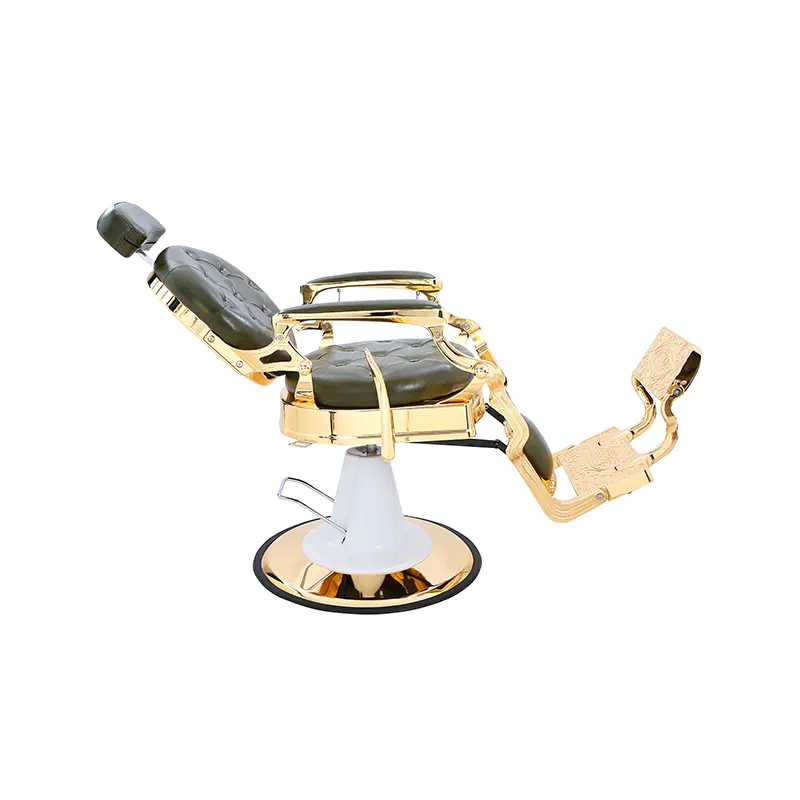
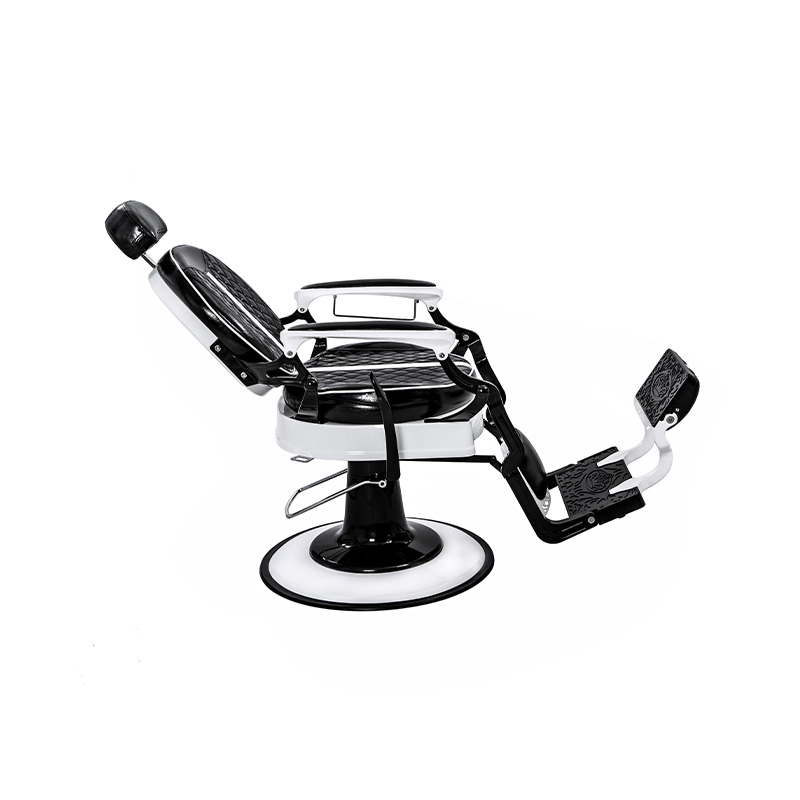
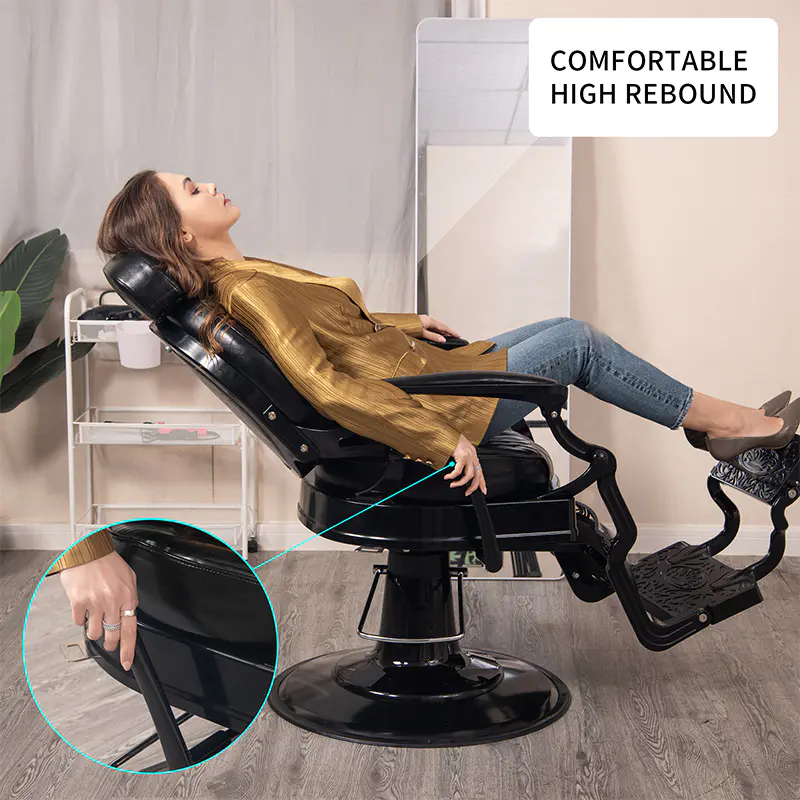
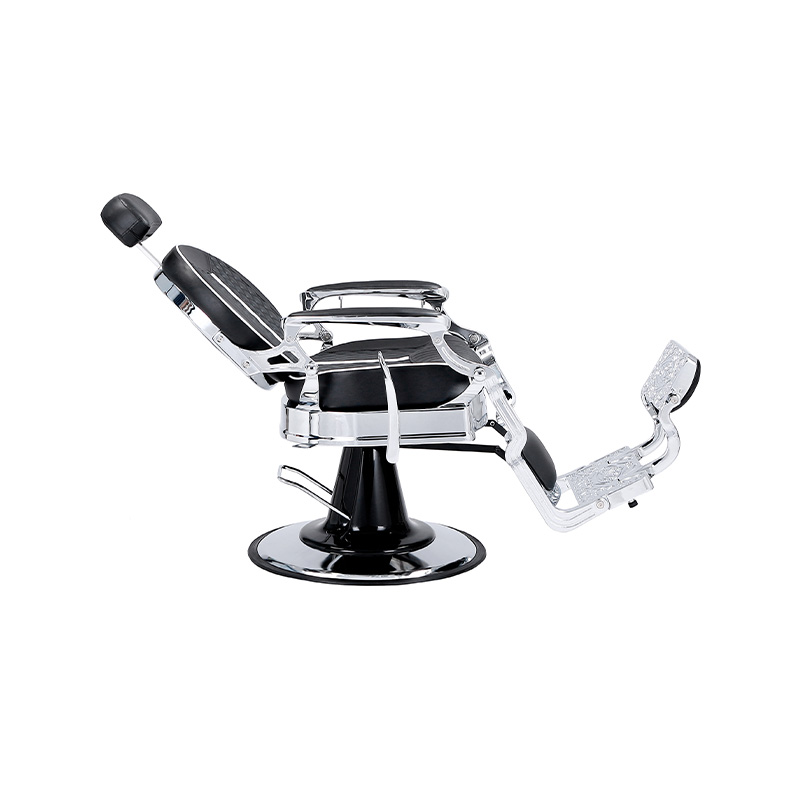
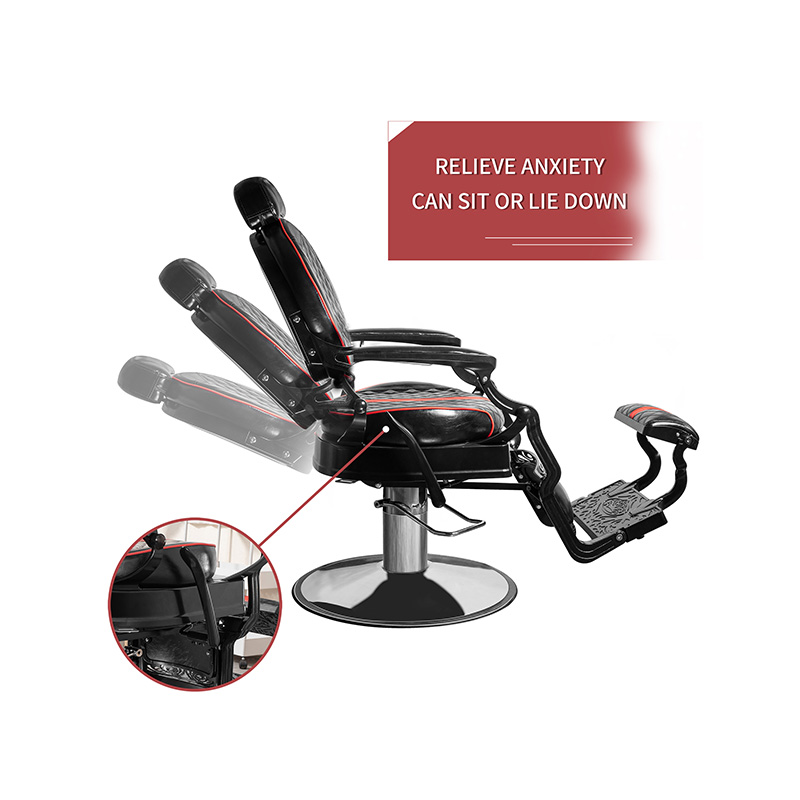
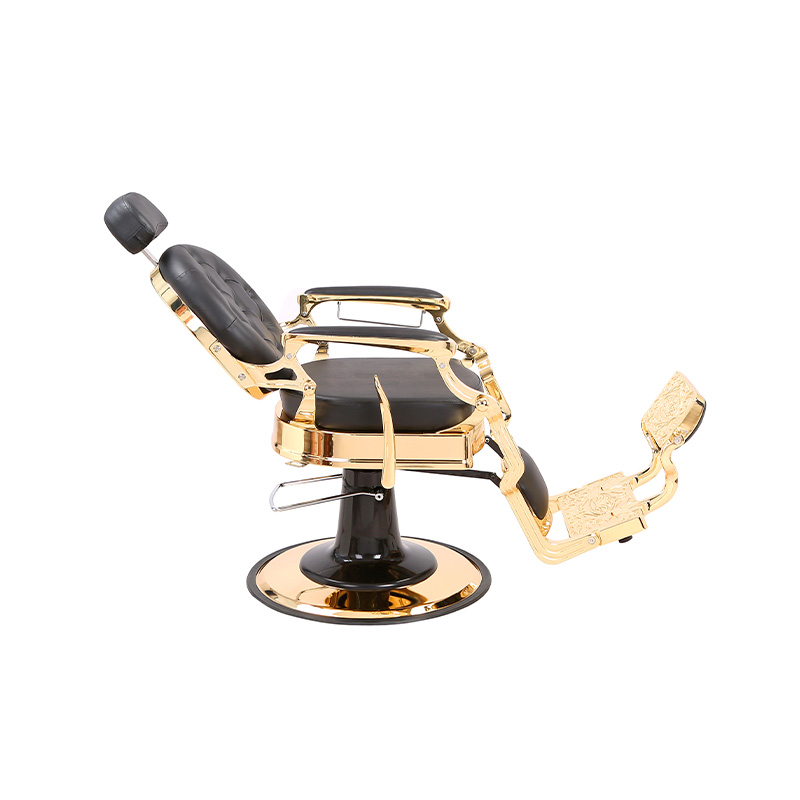
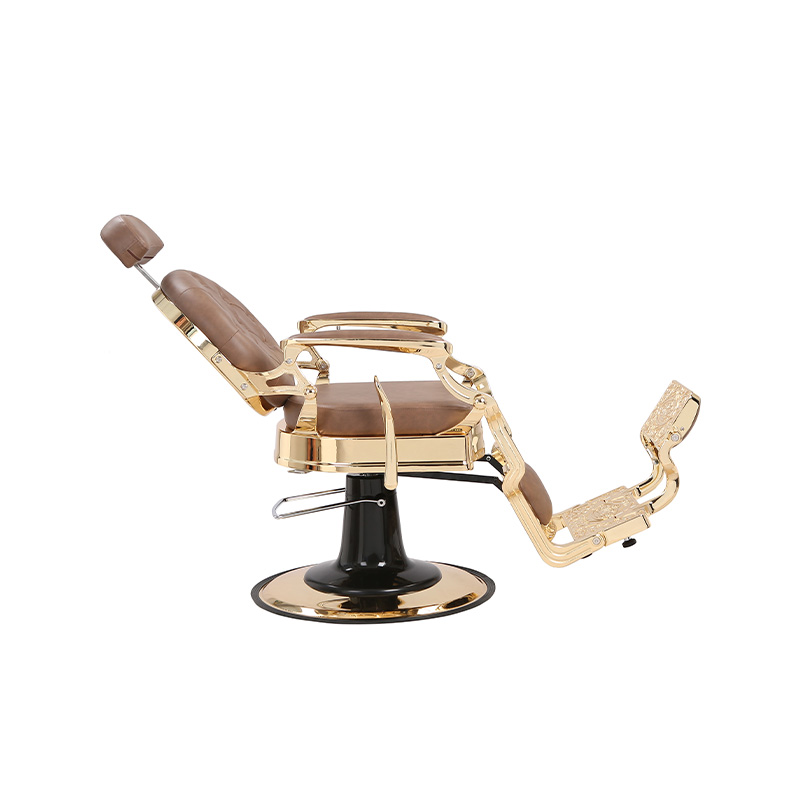
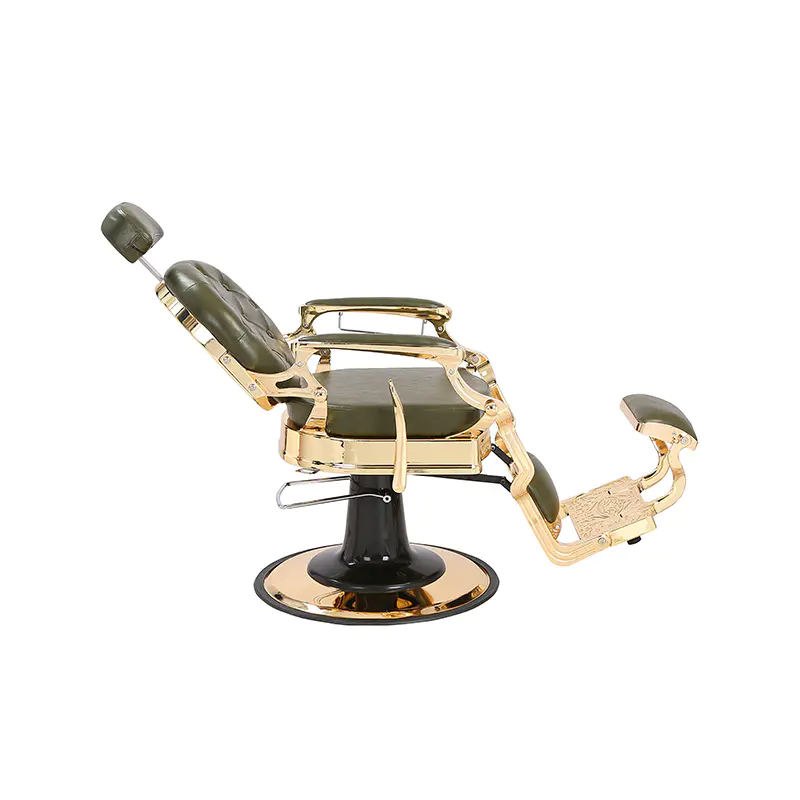
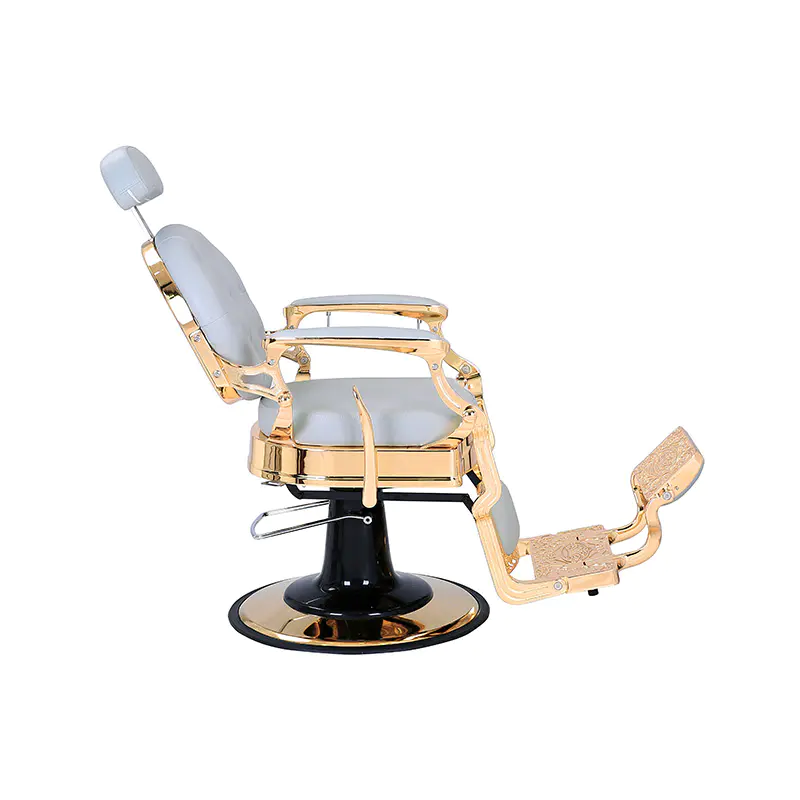
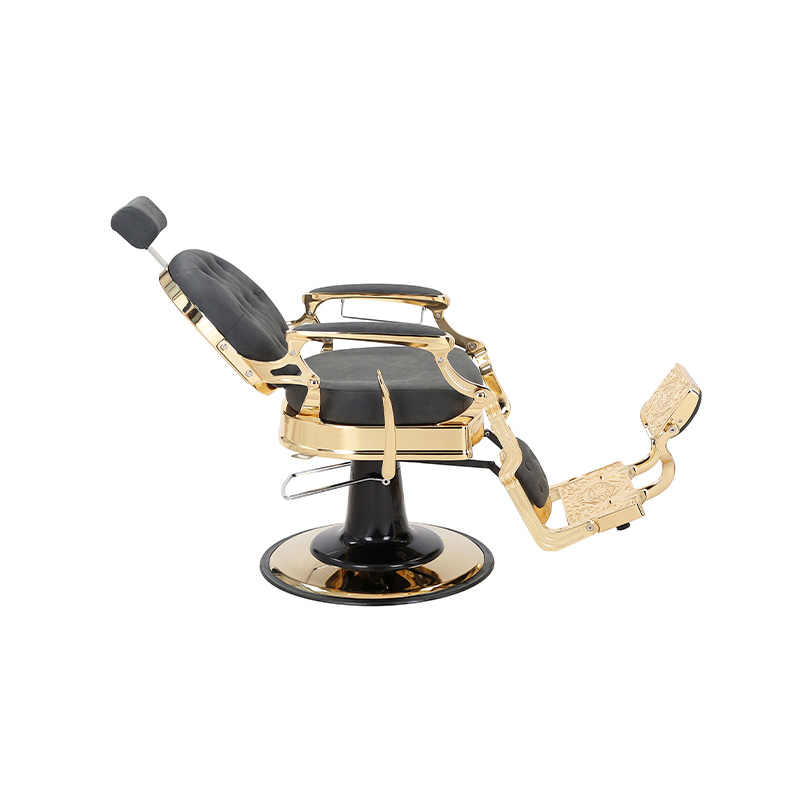
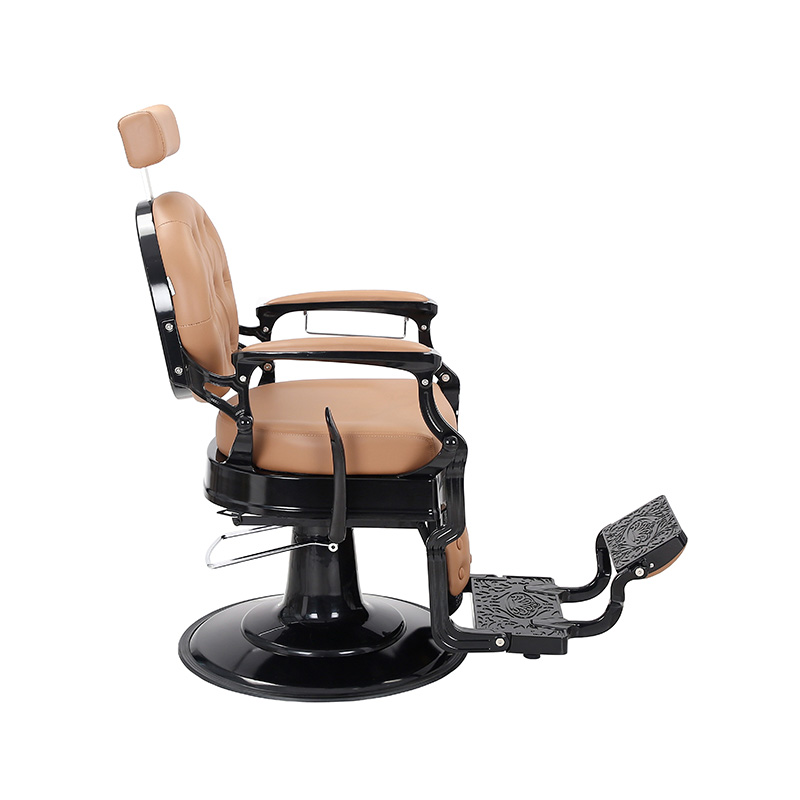
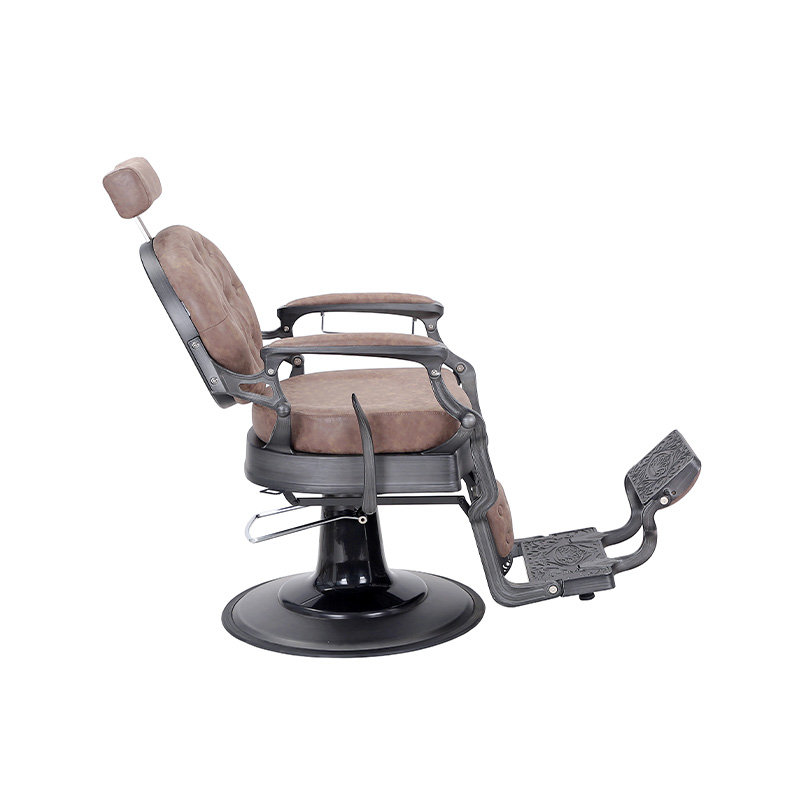
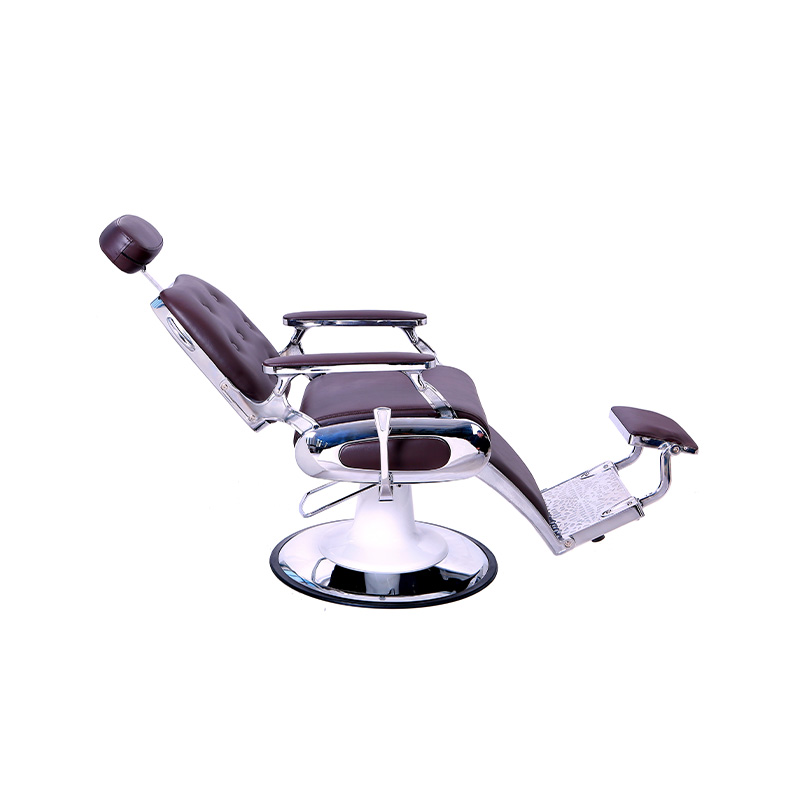
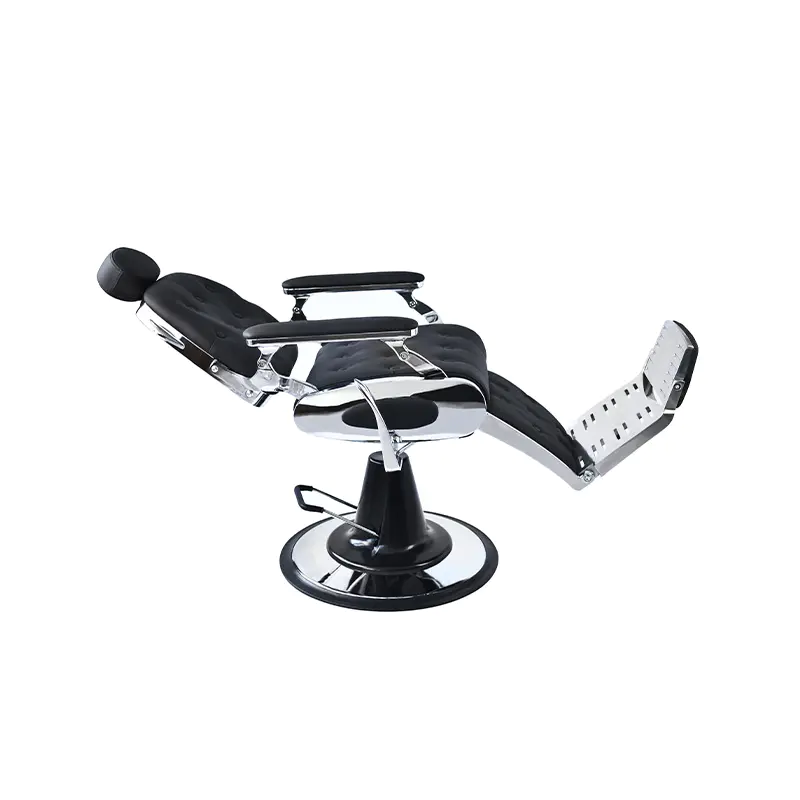
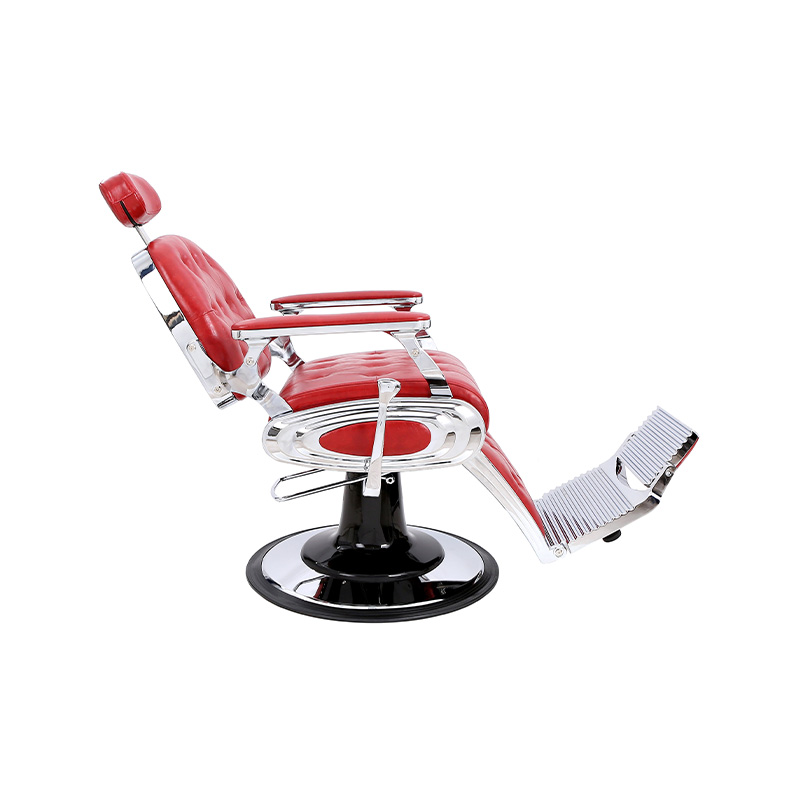
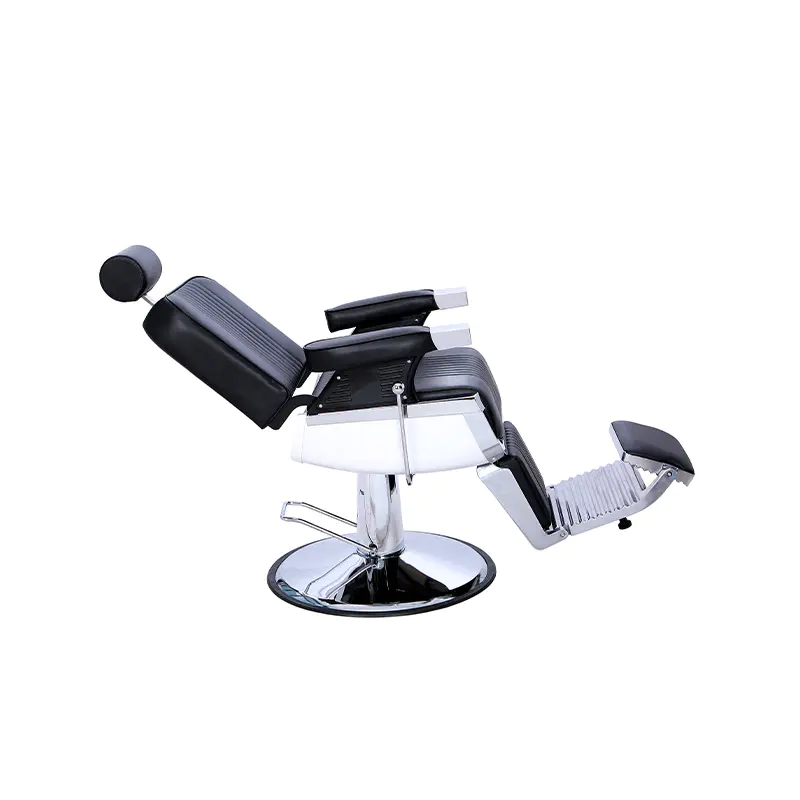
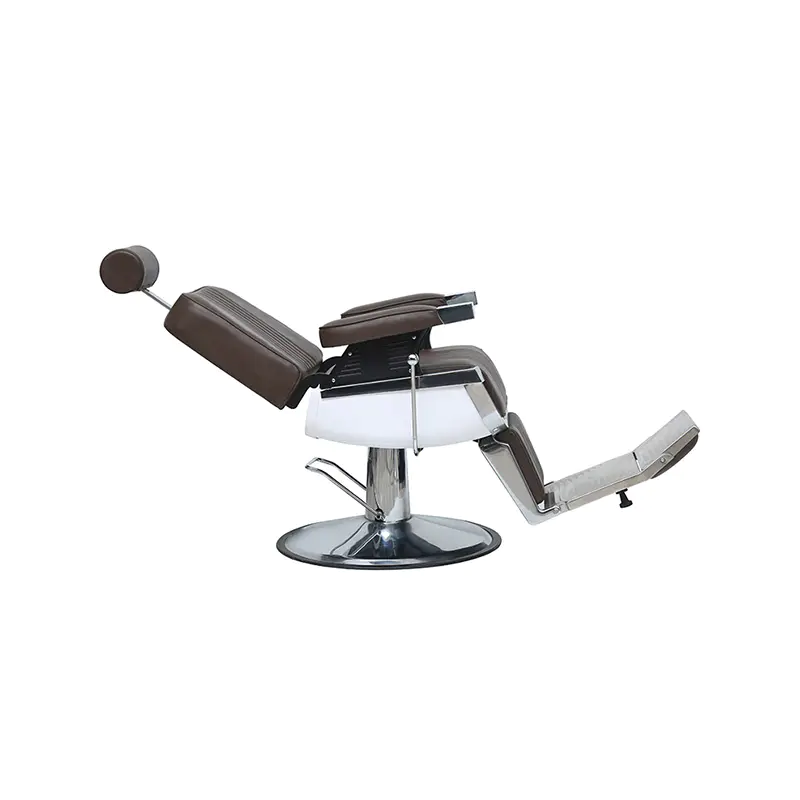
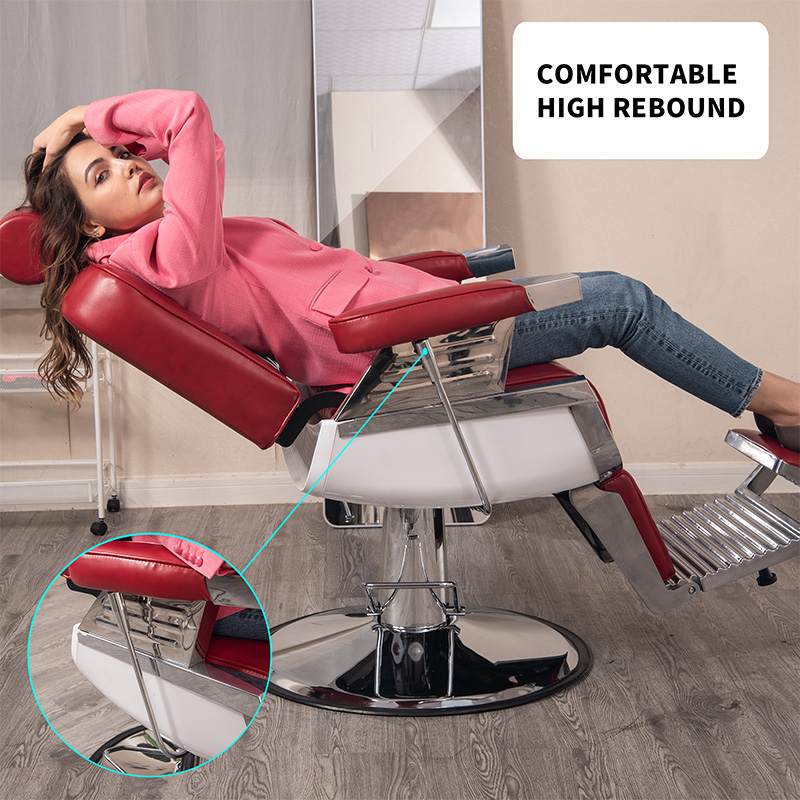
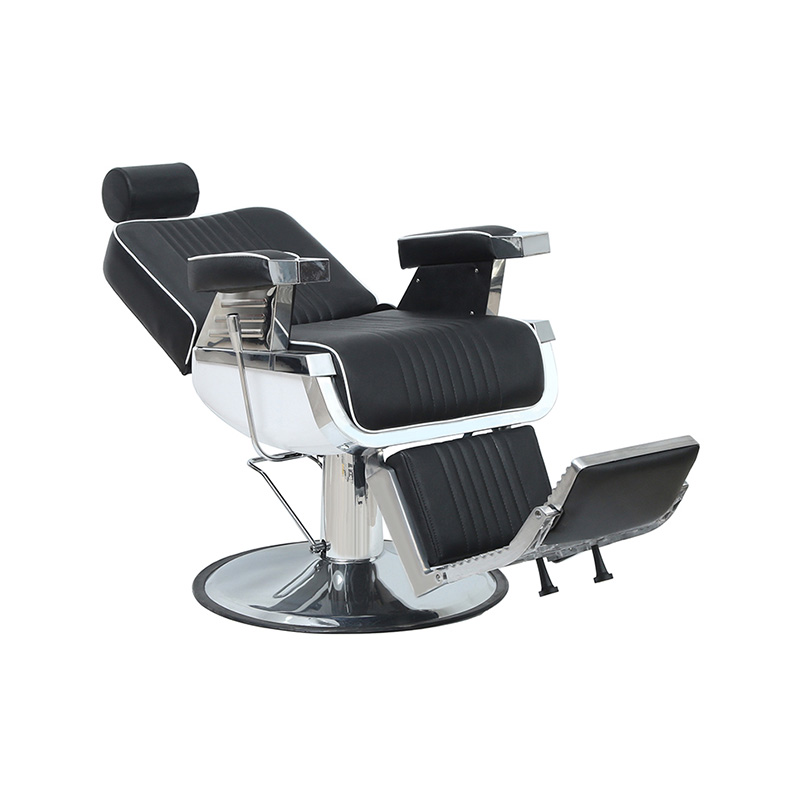
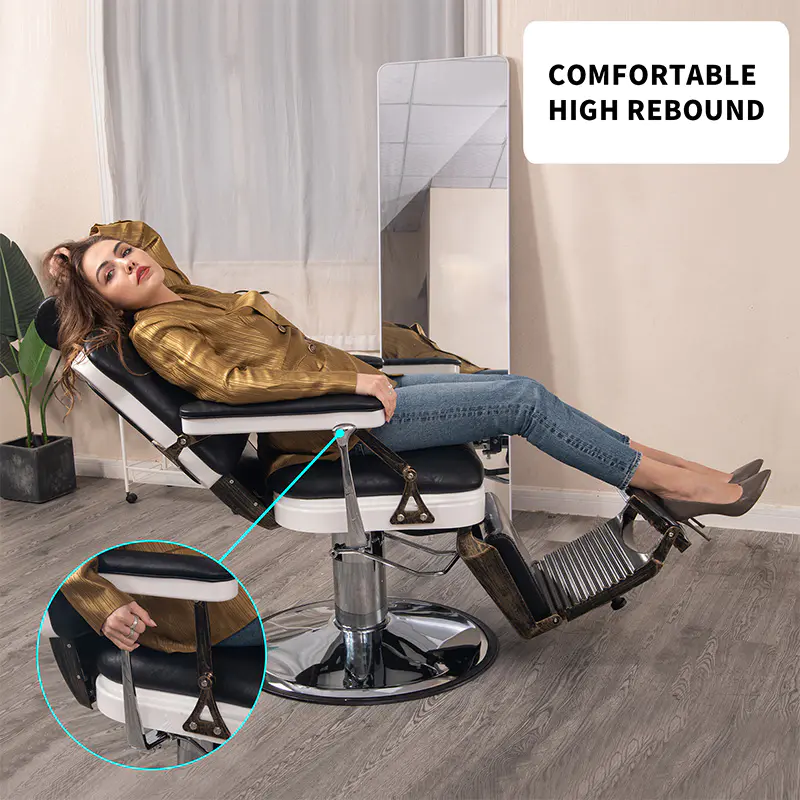
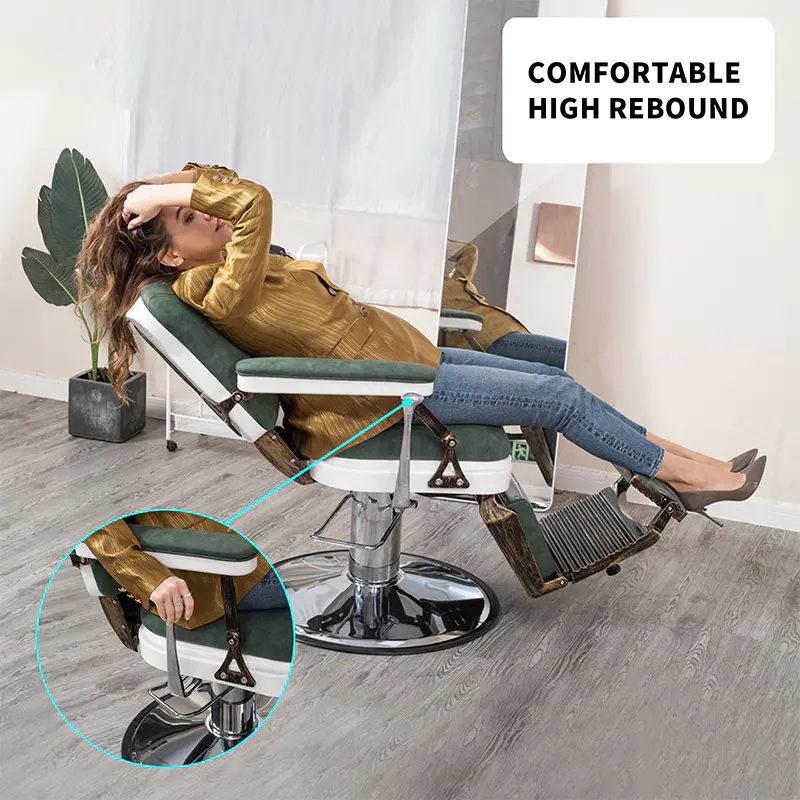
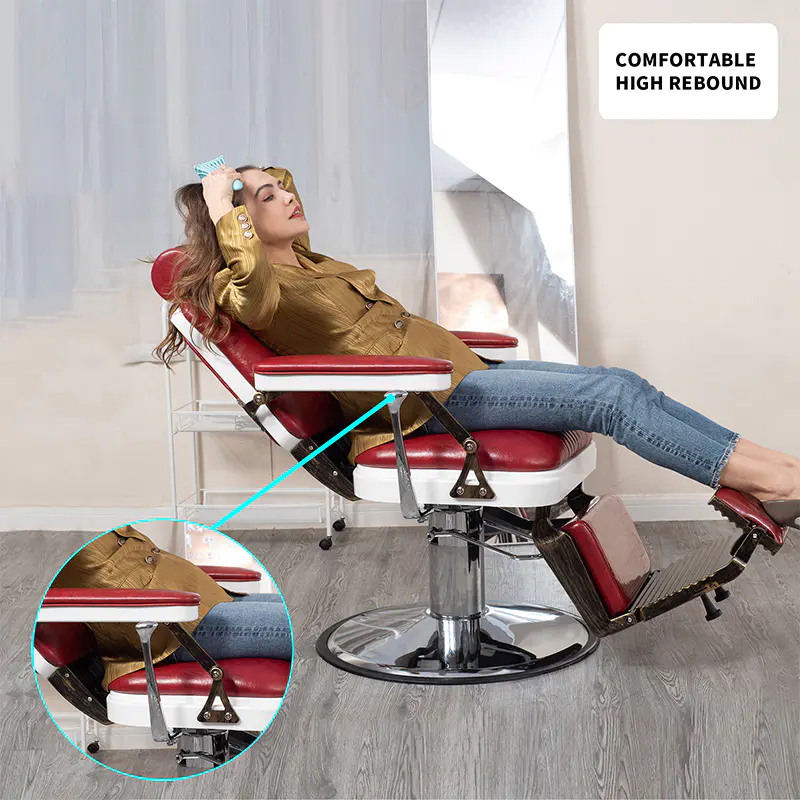
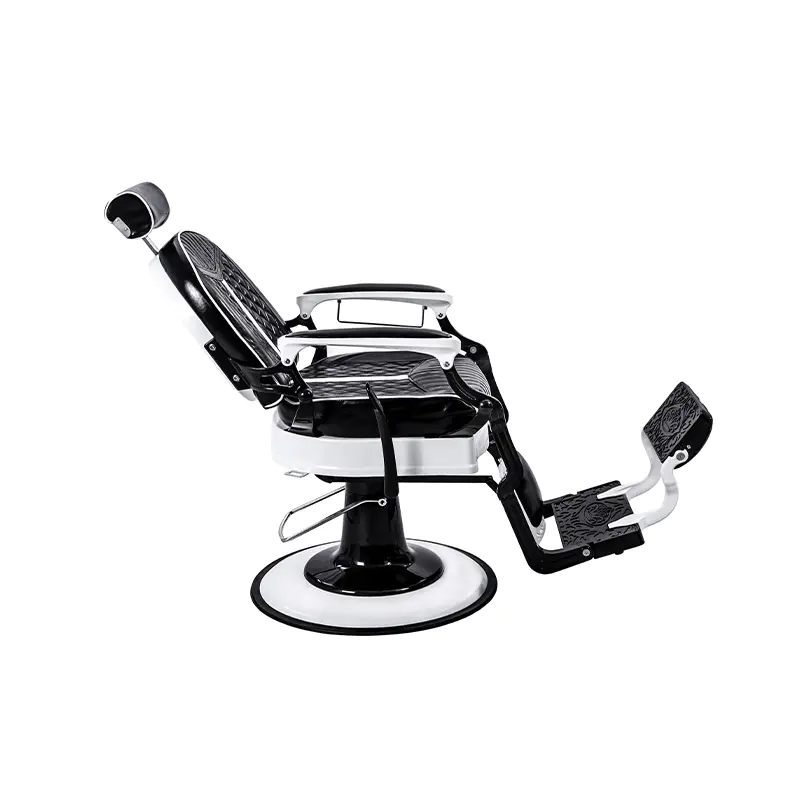
Recline range is one of the clearest ways to tell these chairs apart. A barber chair typically reclines close to flat, which supports neck shaves, beard detailing, and hot towel service. A salon chair usually offers only a slight backward tilt, since most cutting, coloring, and blowout work happens with the client sitting upright or leaning back just a little. The chart below illustrates the general recline range differences between these chair types.
Illustrative recline angle range measured from the upright seated position
Base Weight and Hydraulic Pump Strength
A heavier base does more than add stability, it also anchors the hydraulic pump so the chair holds its height under load without drifting down during a service. Barber chairs generally use a stronger pump paired with a heavier base casting, which is part of why they feel more solid when reclined. The column chart below shows the general difference in base assembly weight across chair types.
Illustrative typical base assembly weight by chair type; figures vary by manufacturer and model
Feature-by-Feature Comparison
The table below lines up the most commonly compared features side by side so it is easier to see where a barber chair and a salon chair diverge in daily use.
| Feature | Barber Chair | Salon Chair |
|---|---|---|
| Recline Function | Full recline, often past 120 degrees | Limited or no recline |
| Headrest | Adjustable headrest standard | Rarely included |
| Footrest | Wide fixed footrest for stability | Smaller footrest or ring style |
| Hydraulic Pump | Heavy duty with wider lift range | Standard duty, moderate lift range |
| Base Material | Cast iron or reinforced steel | Lighter steel or aluminum |
| Primary Use | Shaving, fades, straight razor work | Cutting, coloring, styling |
Comparing Barber Chairs, Salon Chairs, and Hybrid Chairs
Some shops choose a hybrid or all-purpose chair that sits between the two categories, offering moderate recline along with easy swivel. The radar chart below gives an illustrative side-by-side view across five practical criteria.
● Salon Chair ● Hybrid Chair ● Barber Chair
Illustrative scoring on a ten point scale for general reference; actual performance depends on the specific model
Inside a Barber Chair: Structural Overview
Most barber chairs share the same core structural modules regardless of upholstery style or finish. The diagram below labels these main parts on a simplified chair layout.
Simplified structural layout showing the main parts common to most barber chairs
Upholstery and Material Considerations
Because barber chairs are used for longer sit times and closer contact during shaving and grooming, the upholstery layer has to hold up to daily contact, cleaning products, and repeated flexing at the recline joint. Salon chairs face fewer close-contact tasks but still need seams and foam that hold shape through constant swivel and sit-down cycles.
- Genuine or PU leather is common on barber chairs for a smooth, easy to wipe surface
- High density foam keeps cushioning from flattening under repeated long sits
- Reinforced stitching along the recline fold reduces seam wear over time
- Salon chairs often use lighter vinyl blends suited to frequent, shorter sit cycles
Which Chair Type Fits Your Business?
| Business Type | Commonly Used Chair | Reason |
|---|---|---|
| Traditional Barbershop | Barber Chair | Needed for shaving, neckline work, and fades |
| Modern Hair Salon | Salon Chair | Focused on cutting, coloring, and styling |
| Combination Shop | Hybrid or All-Purpose Chair | Balances moderate recline with easy swivel |
Cleaning and Maintenance Basics
How to Clean a Barber Chair
Wipe the chair down after each client with a mild soap and water solution, paying attention to the headrest, armrests, and seams where hair clippings and product residue tend to collect. Check the hydraulic pump and recline mechanism periodically for smooth movement and tighten any loose fittings.
How to Clean a Leather Barber Chair
Leather and PU leather surfaces respond best to a soft cloth with a gentle cleaner rather than harsh solvents, which can dry out or crack the surface over time. A light conditioning treatment every so often helps keep the material flexible at the recline fold where stress is highest.
How to Clean a Salon Chair
Salon chairs generally need lighter, more frequent cleaning since they see shorter sit times but higher client turnover. A quick wipe down between clients along with a deeper weekly clean of the base and swivel area helps the chair stay in good working condition.
Sourcing Barber Chairs and Salon Chairs for Your Business
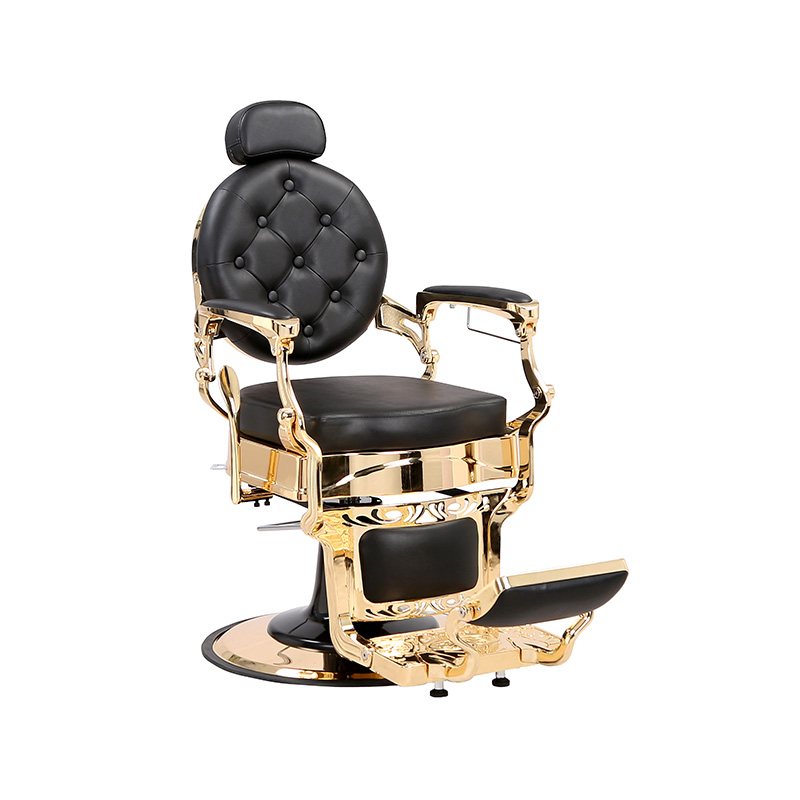
Shops opening a new location or refreshing existing seating often work directly with a barber chair manufacturer or barber chair supplier rather than buying single units through general retail channels. Working with a barber chair factory typically allows for closer control over upholstery color, base finish, and build specification, which matters when trying to match a shop's overall look. For larger openings or multi-location groups, barber chair wholesale ordering can also simplify logistics by consolidating chairs, parts, and accessories into a single shipment.
The same applies on the styling side, where a salon chair manufacturer or salon chair supplier can adjust base height, swivel resistance, and upholstery to fit a salon's workflow. Many shops also source additional pieces such as reception seating or styling stations from the same salon furniture manufacturer or salon furniture supplier to keep finishes consistent throughout the space. Businesses that want a chair built to their own specification, rather than a standard catalog model, often work through a barber chair OEM program that supports custom base color, upholstery, and branding details.
- Confirm hydraulic pump rating matches expected daily use and client weight range
- Ask about upholstery material options and available color or finish choices
- Check lead times and shipping logistics for wholesale or multi-unit orders
- Review after-sale support for replacement parts such as pumps and casters
Frequently Asked Questions
Q1. What is the difference between a barber chair and a salon chair?
A barber chair is heavier duty with a full recline for shaving and detailed grooming work, while a salon chair is lighter and built mainly for cutting, coloring, and styling with a smooth swivel base.
Q2. What is the best barber chair?
There is no single answer since it depends on the shop's daily workload. A high traffic barbershop generally benefits from a heavier base, stronger hydraulic pump, and durable upholstery rated for long sit times.
Q3. What is the best salon chair?
The right salon chair usually comes down to smooth swivel movement, comfortable cushioning for shorter sit cycles, and upholstery that holds up to frequent client turnover.
Q4. How do I choose a barber chair?
Start with expected daily use and client weight range, then compare hydraulic pump strength, recline angle, base material, and upholstery type before narrowing down a specific model.
Q5. What should I look for in a barber chair?
Look closely at the base construction, hydraulic pump rating, recline range, headrest adjustability, and stitching quality along the seams that see the most daily flex.
Q6. What makes a good barber chair?
A solid base, a reliable hydraulic pump, smooth recline movement, and upholstery that resists daily wear all combine to make a barber chair hold up well over time.
Q7. How much does a barber chair cost?
Cost depends on base material, hydraulic pump rating, upholstery choice, and order volume, so most shops request a quote directly from a manufacturer or supplier based on their specific requirements.
Q8. How do you clean a barber chair?
Wipe the chair down after each client with mild soap and water, focus on the headrest and armrest seams, and periodically check the hydraulic pump and recline mechanism for smooth operation.
Q9. How do you clean a leather barber chair?
Use a soft cloth with a gentle cleaner rather than harsh solvents, and apply a light conditioning treatment occasionally to keep the leather flexible at the recline fold.
Q10. How do you clean a salon chair?
A quick wipe down between clients along with a deeper weekly clean of the base and swivel area keeps a salon chair in good working condition given its higher client turnover.