
 en
en  English
 русский
 Español
 عربى
عربى
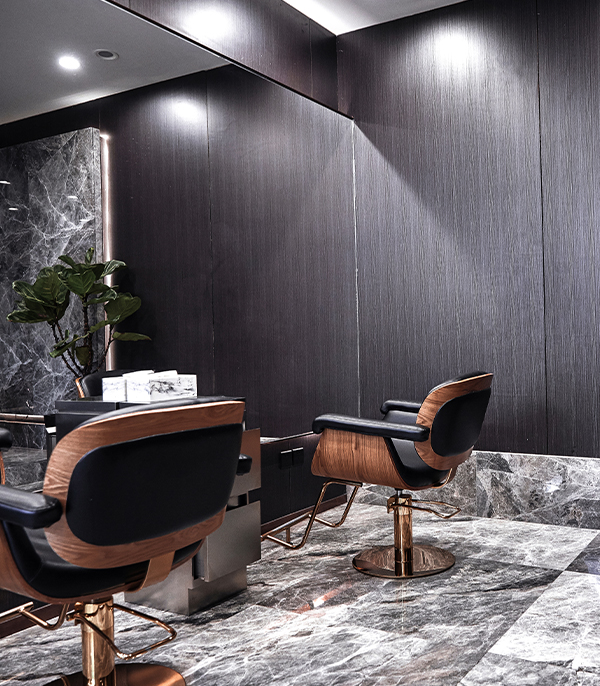
Quick Answer: The Core Difference Between a Barber Chair and a Salon Chair
The short answer is that a barber chair is generally built heavier and with a full recline function to support shaving, grooming, and longer service positions, while a salon chair is typically lighter and set up mostly for upright cutting, coloring, and styling work. Buyers researching Salon Barber Chairs often assume the two categories are interchangeable, but the base construction, recline range, footrest design, and hydraulic pump capacity usually differ once you compare them side by side. The sections below walk through each of these differences in detail, along with sizing, structure, materials, and sourcing points that come up when a shop or salon puts together a purchasing shortlist.
- Base and frame weight, since barber chairs are generally built for continuous daily recline and height changes.
- Recline range, which matters for shaving and hot towel service in a barbershop setting.
- Footrest design, often a fixed bar or ring on a barber chair versus a simpler footrest on a salon chair.
- Hydraulic pump capacity, tuned to how often the chair is raised and lowered through a working day.
- Upholstery and seat construction, which affects comfort during longer appointments.
Each of these points is expanded below, along with reference charts and a short buyer checklist near the end of the guide.
Barber Chair Versus Salon Chair: The Core Structural Difference
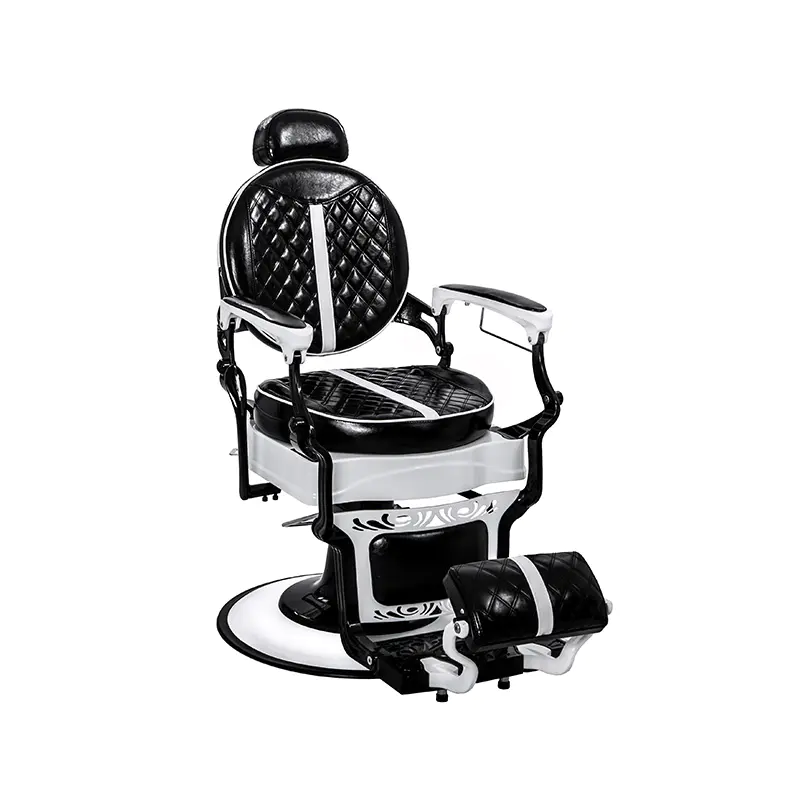
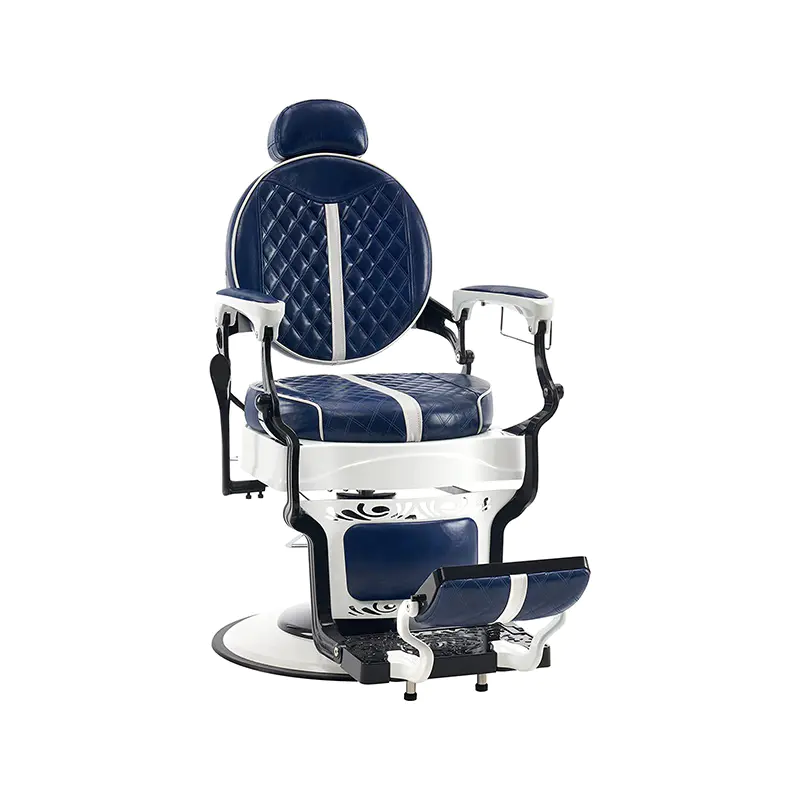
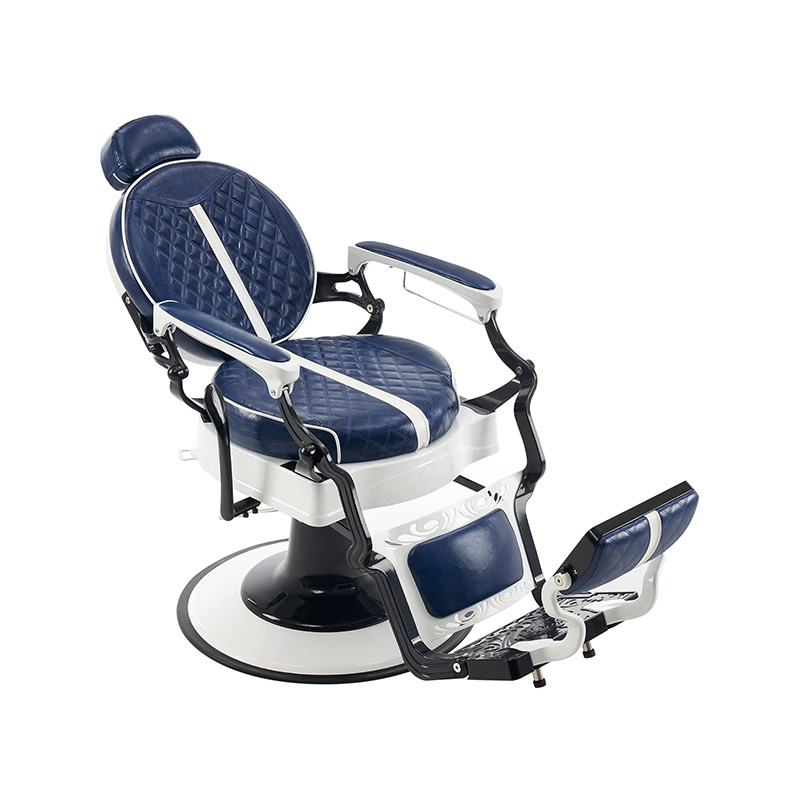
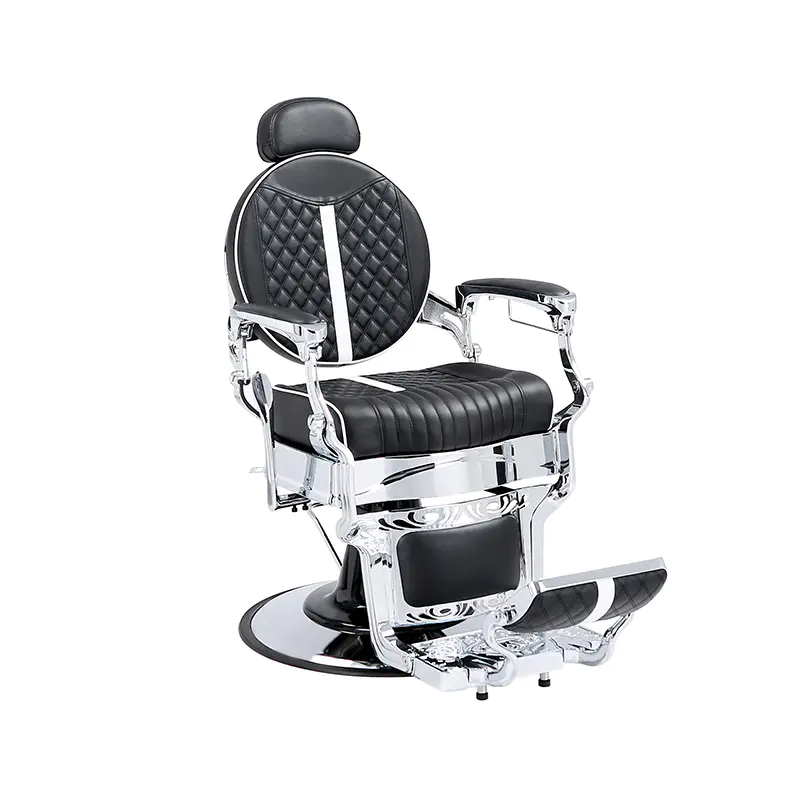
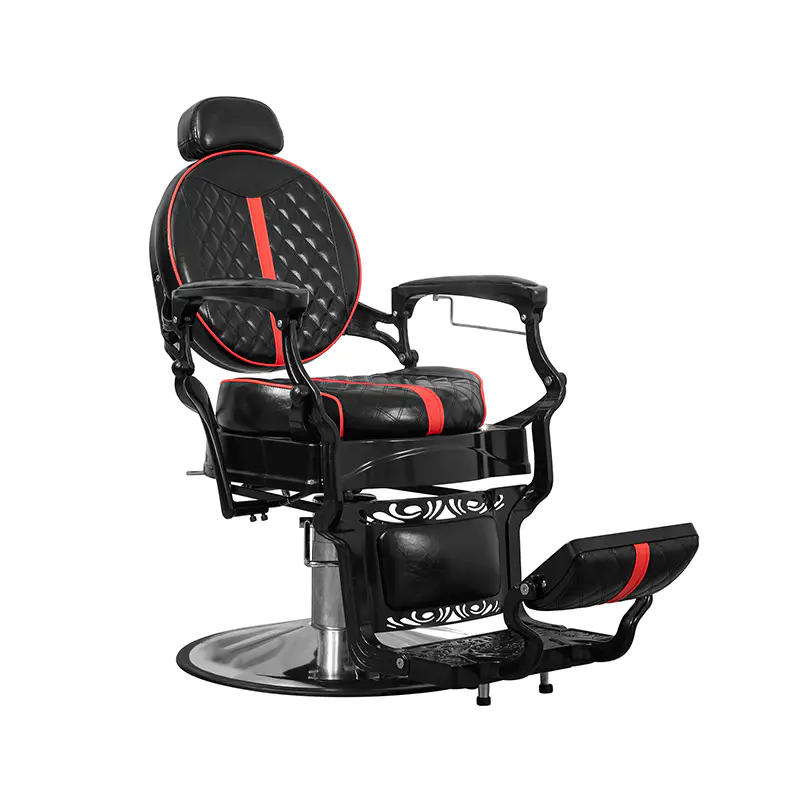
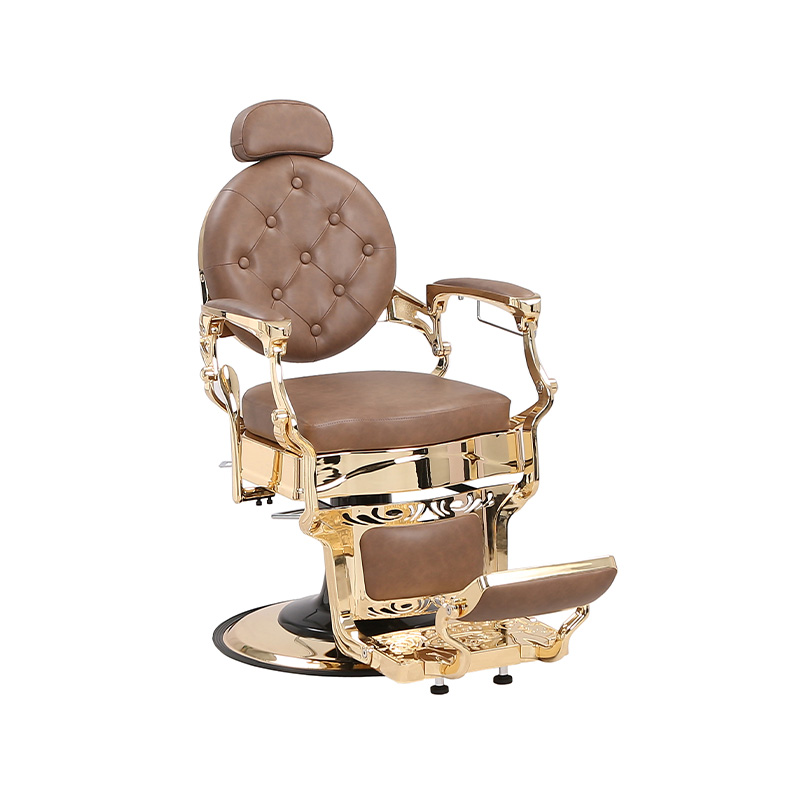
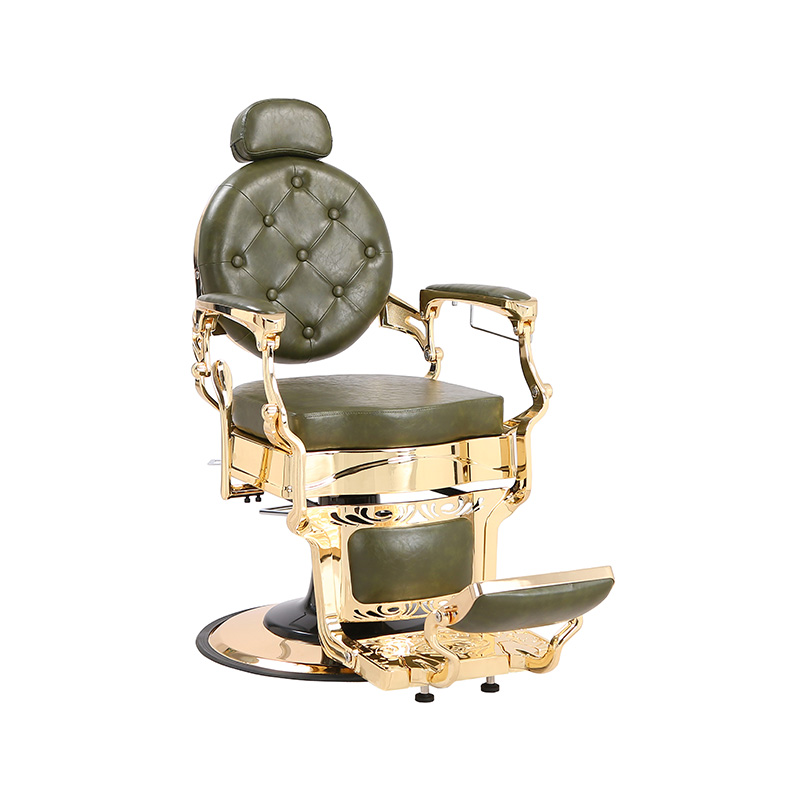
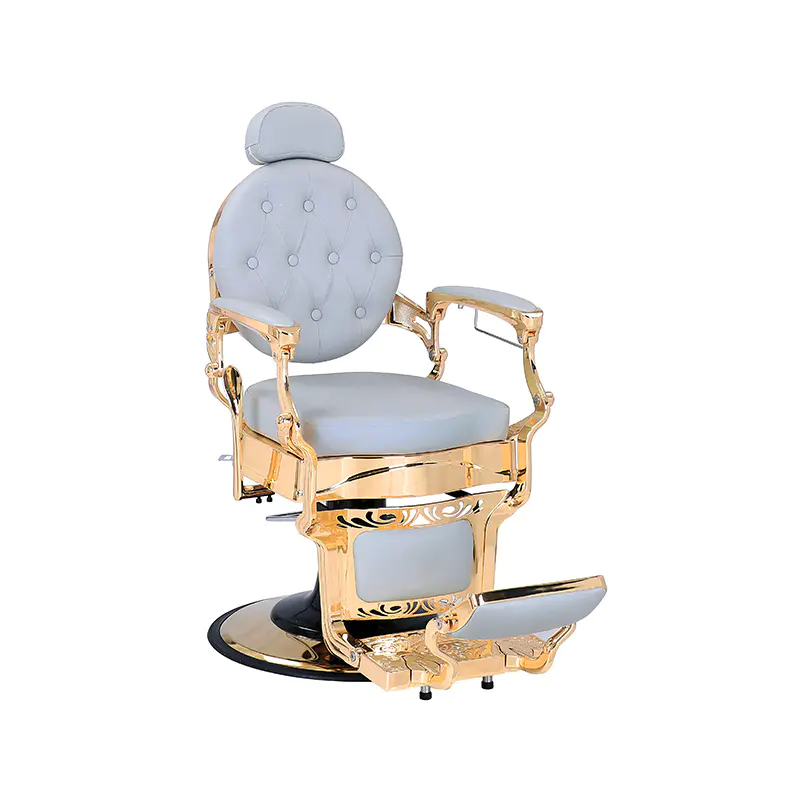
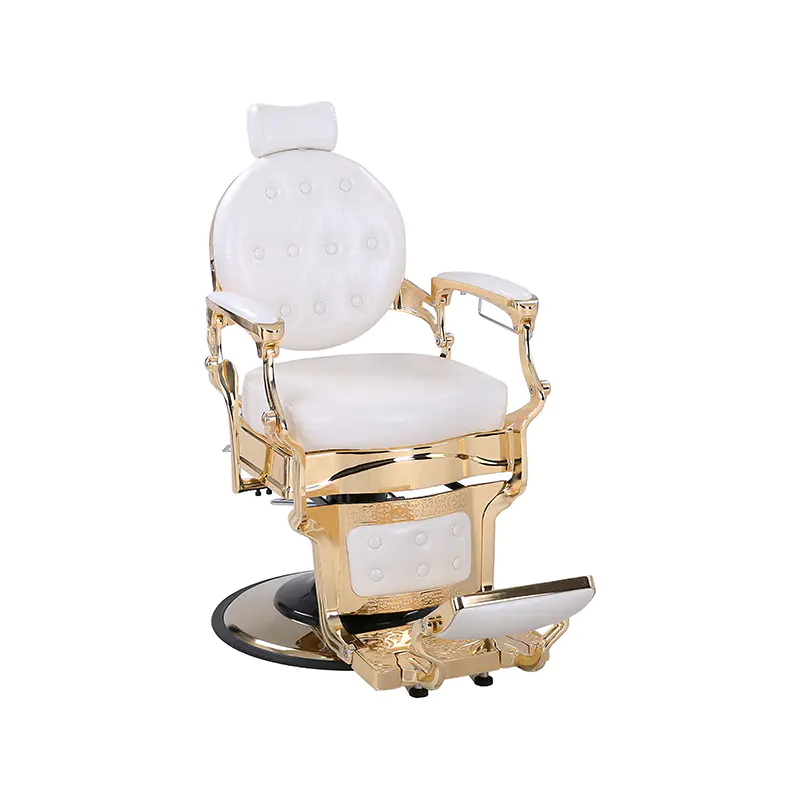
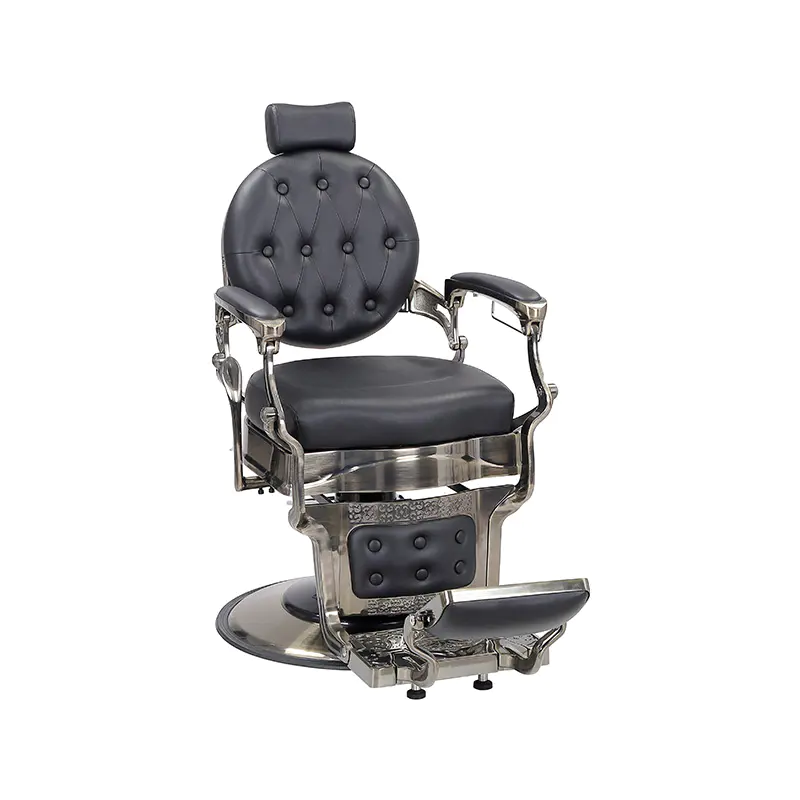
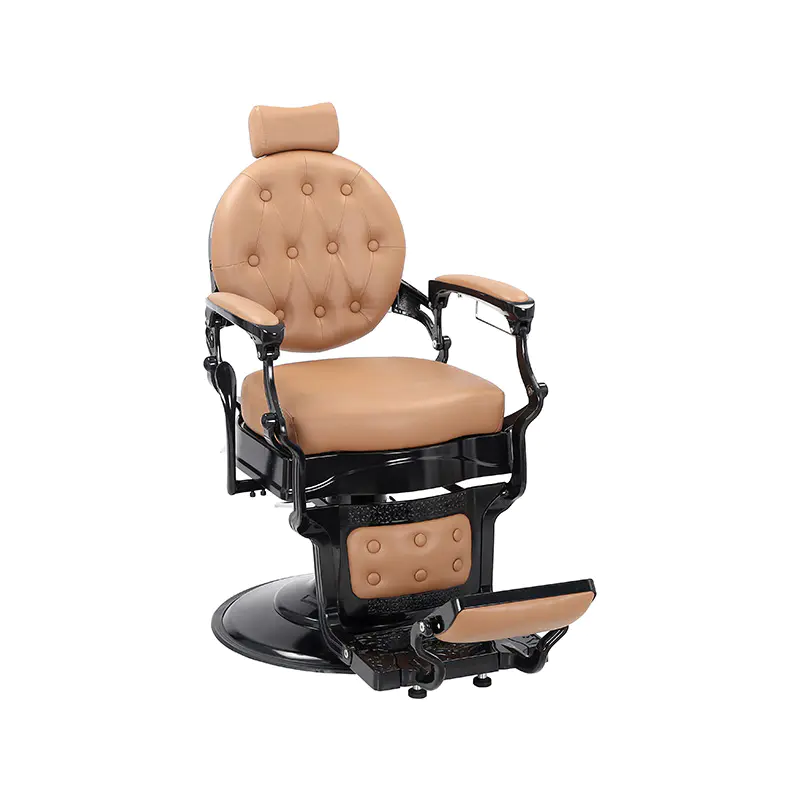
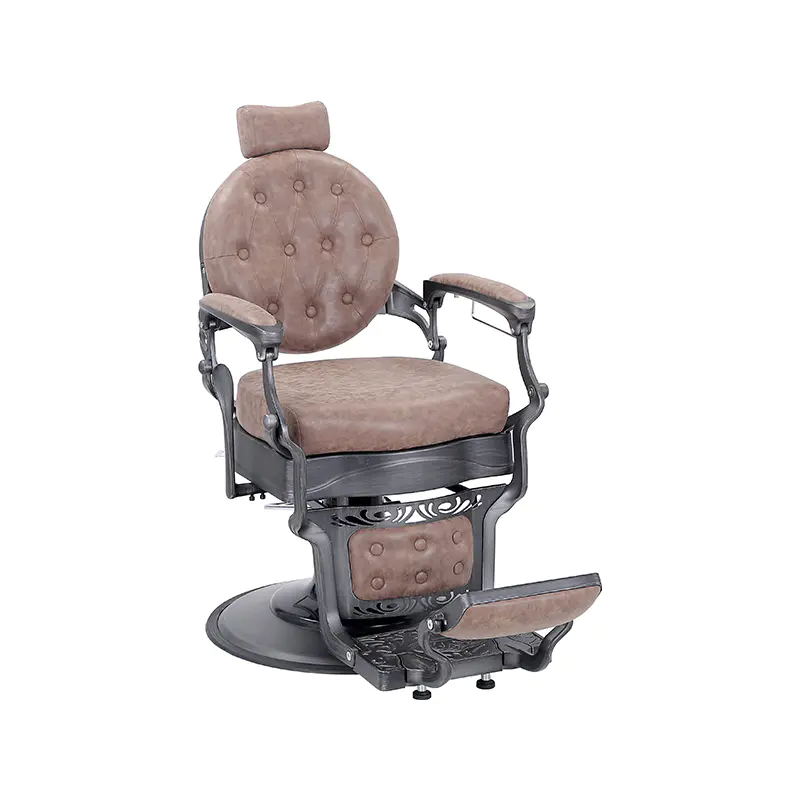
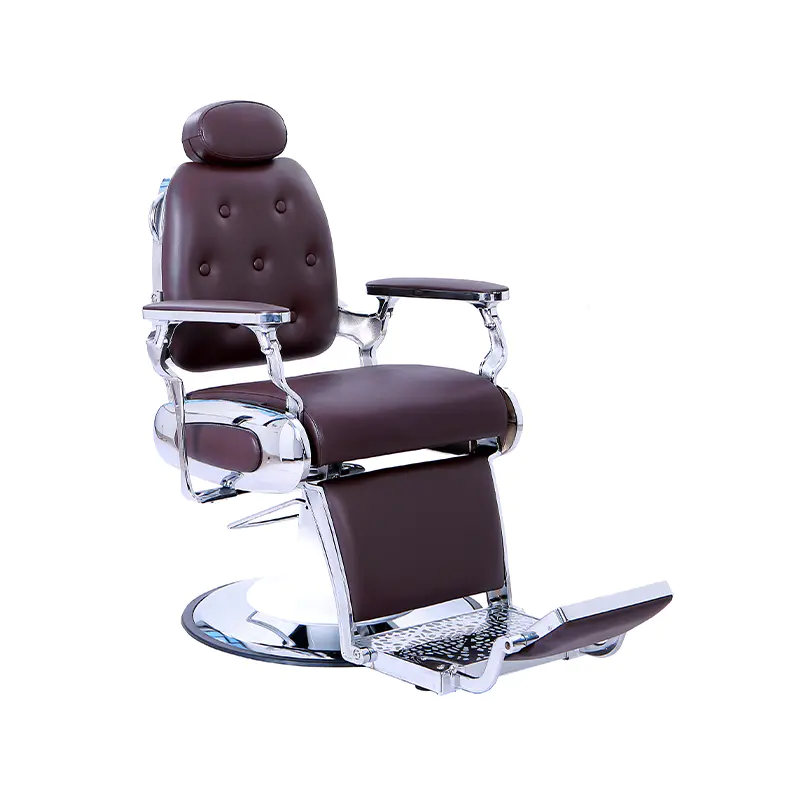
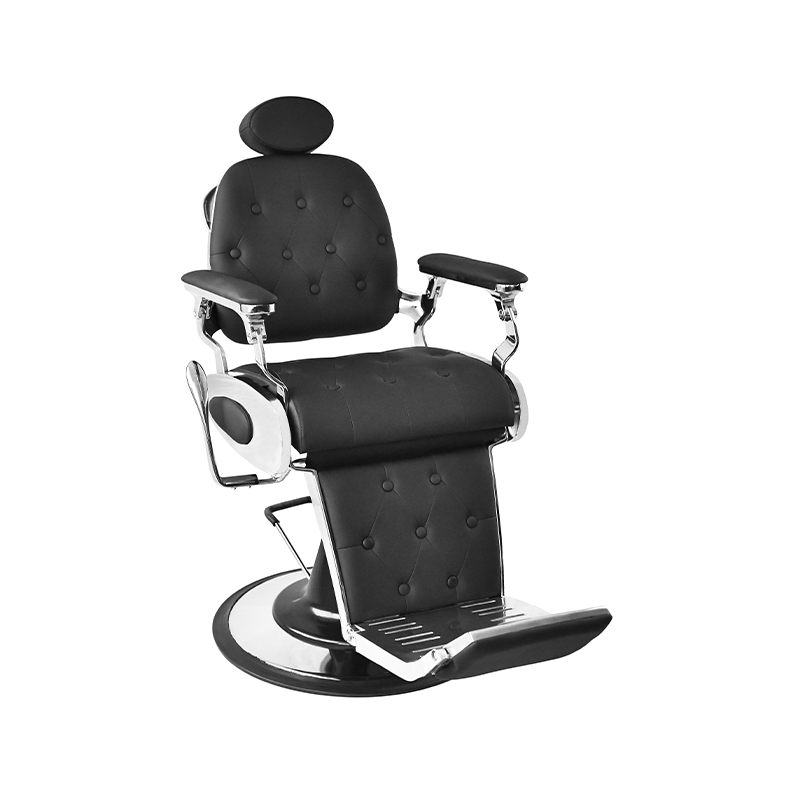
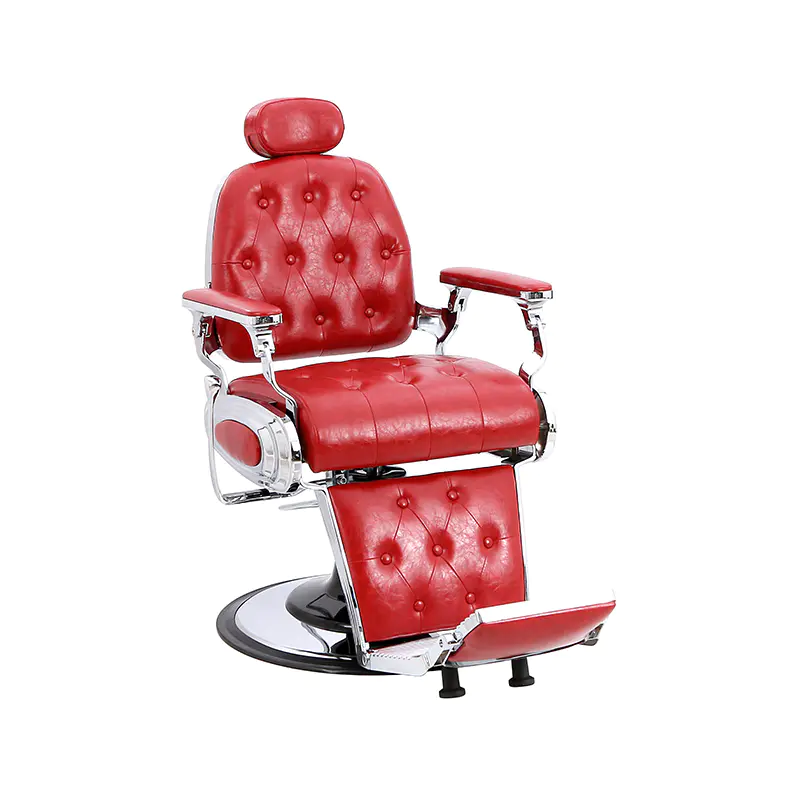
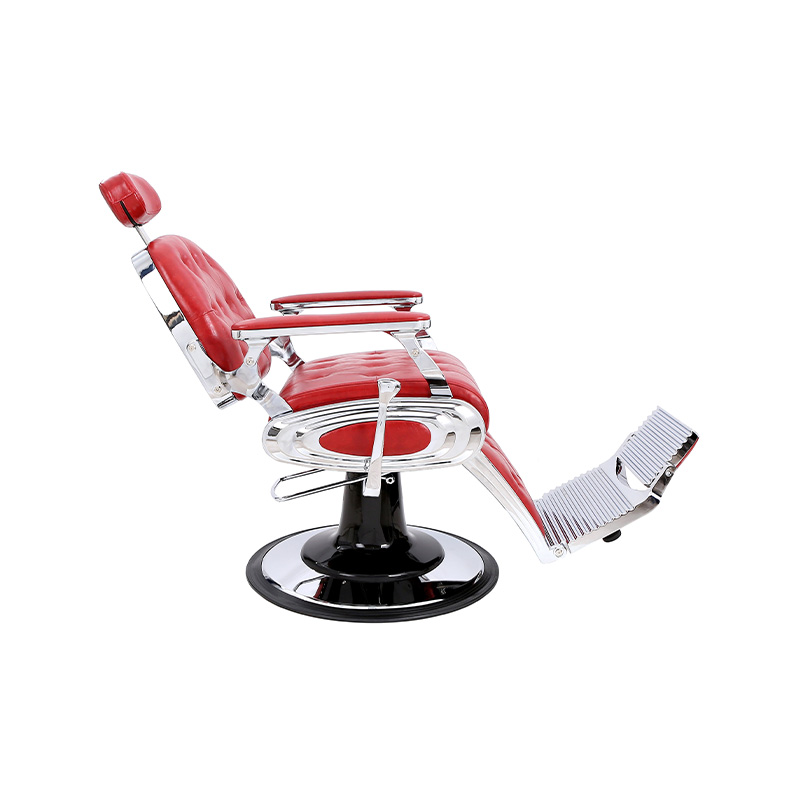
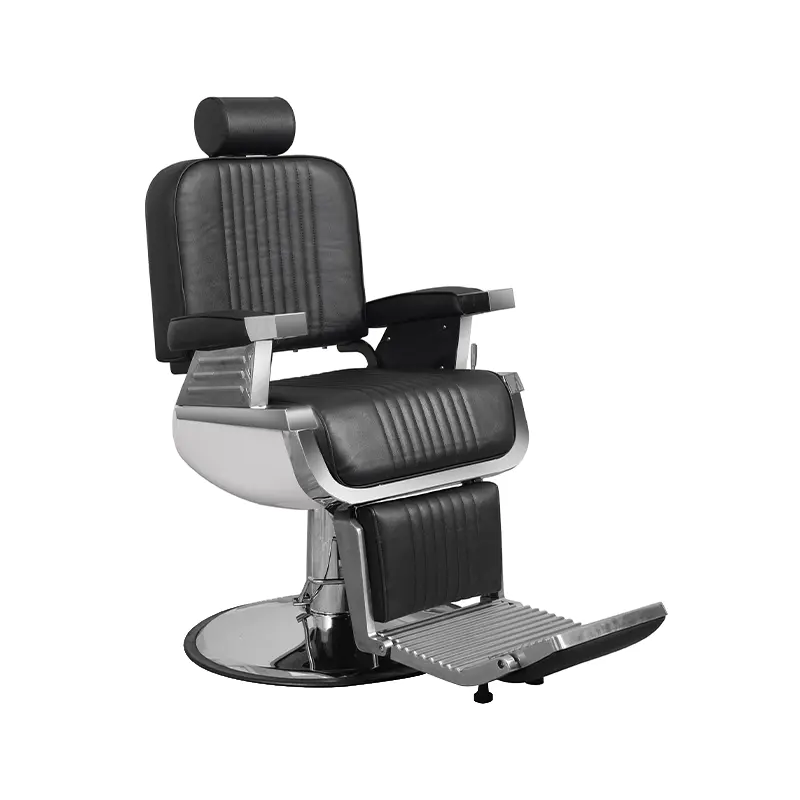
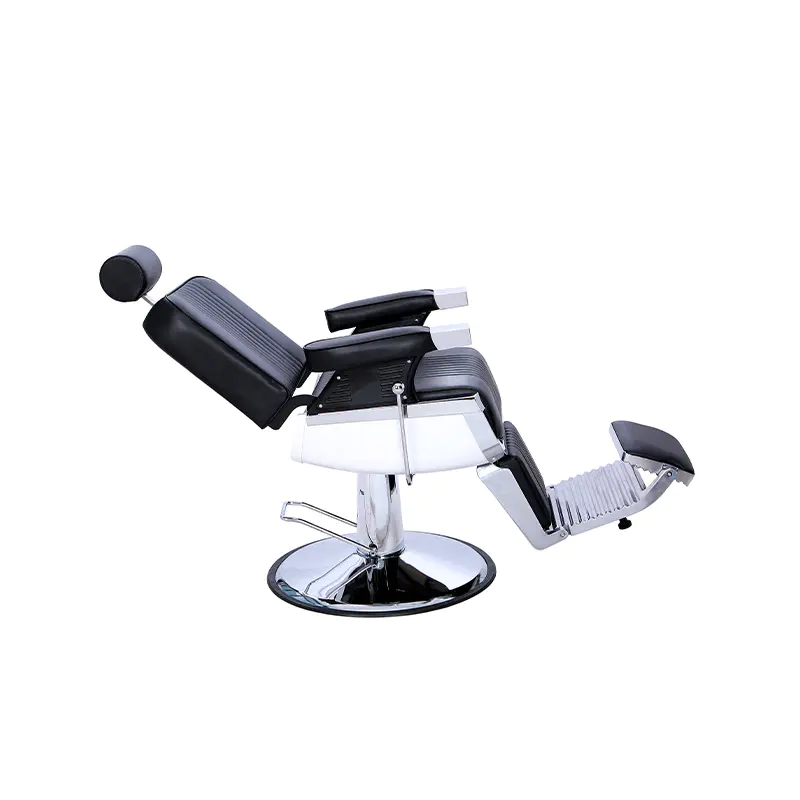
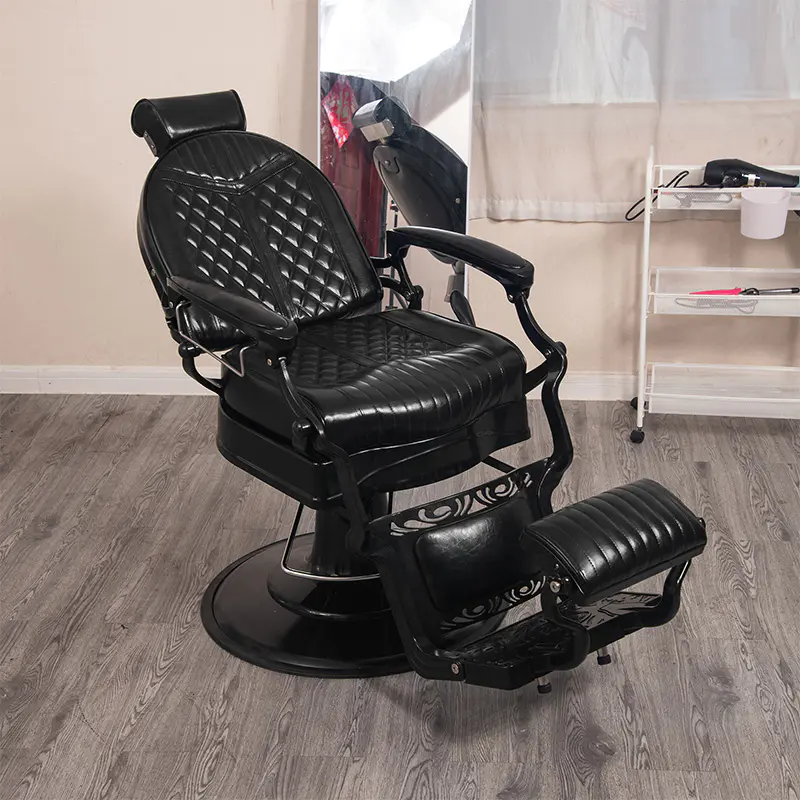
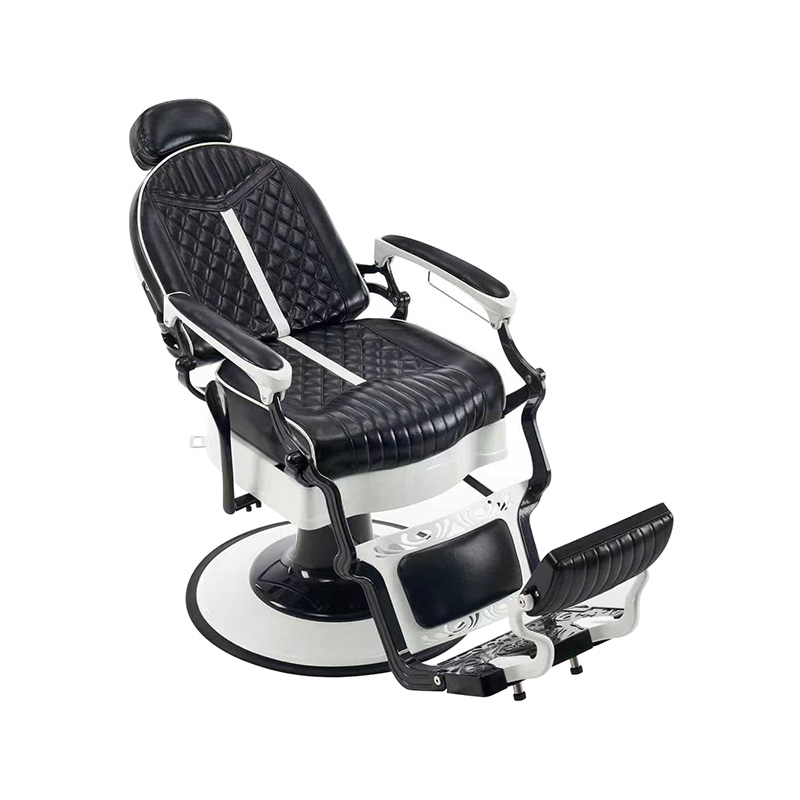
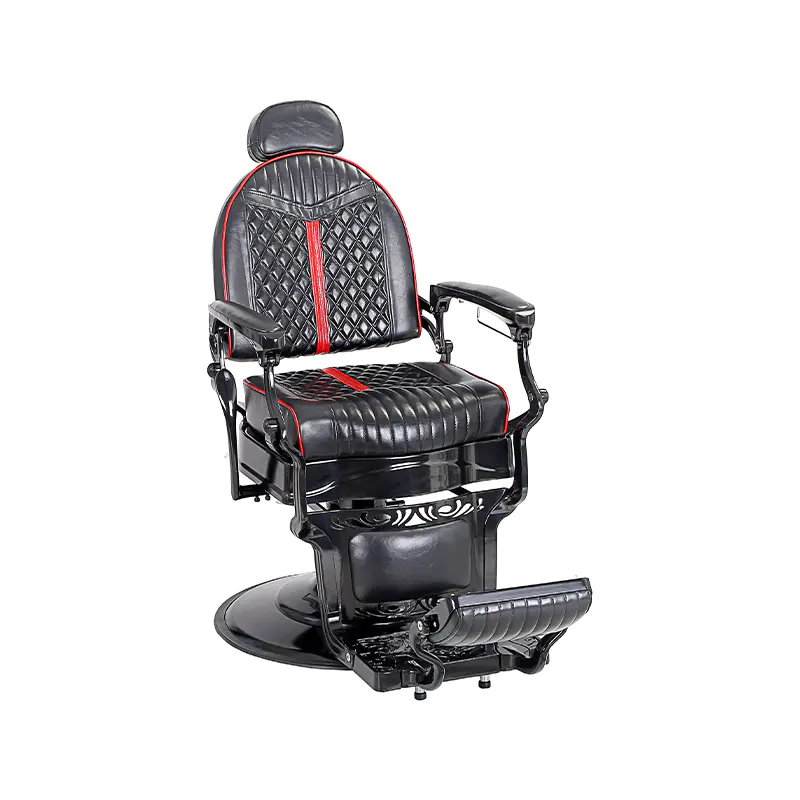
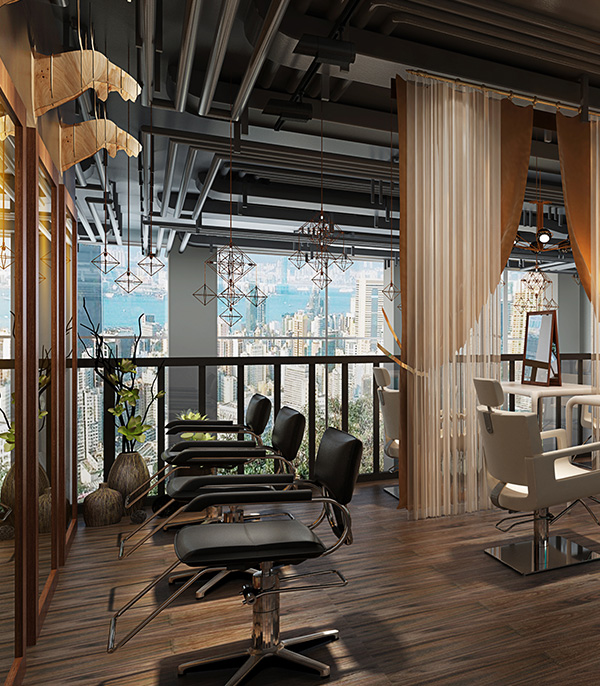
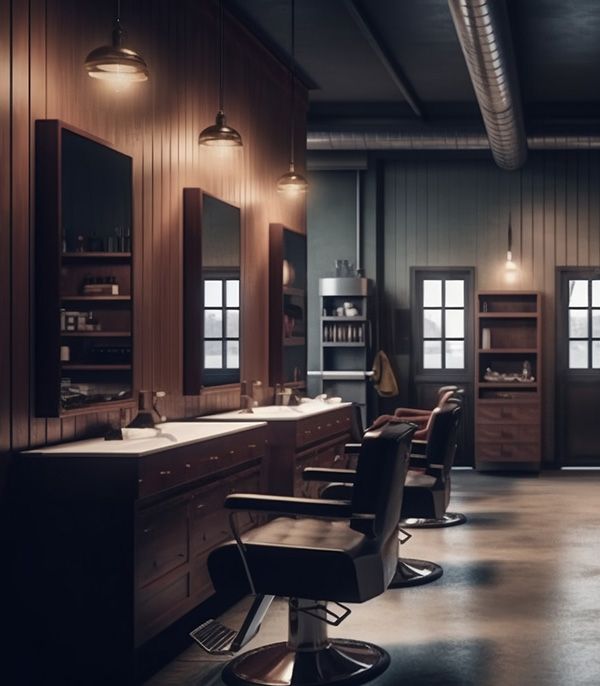
A barber chair is generally designed around a full recline function, a wider base for stability during shaving and grooming positions, and a built-in footrest bar or ring that supports the client through longer appointments. A salon chair, sometimes called a styling chair, is usually set up for shorter, mostly upright services such as haircuts, coloring, and blow-dry styling, so the recline range and footrest are often simplified compared to a barber chair. Both fall under the broader category of Salon Barber Chairs, but the structural choices behind each one are made with a different service flow in mind.
Why the Distinction Matters for Buyers
For a shop owner or purchasing manager, this difference shows up in daily use rather than on a spec sheet alone. A barbershop running continuous shaves and grooming sessions puts more daily cycles on the recline mechanism and pump than a salon focused mainly on cutting and styling. The table below lines up the general functional contrast between the two chair types.
| Attribute | Barber Chair | Salon Styling Chair |
|---|---|---|
| Base and frame | Heavier base for frequent recline and height changes | Lighter base suited to shorter styling sessions |
| Recline function | Full recline for shaving and hot towel service | Limited or minimal recline, mostly upright |
| Footrest | Integrated footrest bar or ring | Simple footrest or none at all |
| Hydraulic pump | Higher duty pump for frequent adjustment | Standard pump for general styling height |
| Typical service | Haircuts, shaves, grooming services | Cutting, coloring, styling services |
What Buyers Typically Prioritize When Comparing Chairs
Base stability tends to come up first in most purchasing conversations, since a chair that shifts or wobbles during a recline is noticeable to both staff and clients. Hydraulic pump durability is usually mentioned next, followed by upholstery quality, recline range, and footrest comfort. The chart below is a general reference showing how these themes typically rank against one another in buyer discussions, not a measured survey result.
Illustrative comparison of common evaluation themes; relative bar length only, not a measured survey result
Seat Height Range and Sizing Considerations
The barber chair seat height range is one of the more practical details buyers check, since it needs to work across a range of stylist heights and service types. A chair with a limited height range can force staff into an uncomfortable posture during long shifts, while a wider adjustable range generally makes a chair easier to share across a multi-chair shop. Sizing conversations for Salon Barber Chairs usually cover the lowest sitting position, the fully raised position, and how smoothly the chair moves between the two.
Matching Height Range to Shop Layout
A compact range is sometimes enough for a smaller shop with a fairly consistent staff height, while shops with rotating stylists or apprentices often look for an extended range instead. The chart below shows a general distribution pattern for how often each height range category tends to be requested; it is a general reference rather than a specific dataset.
General reference pattern for common seat height range requests; actual selection depends on shop layout and staff needs
Recline Range and Backrest Adjustment
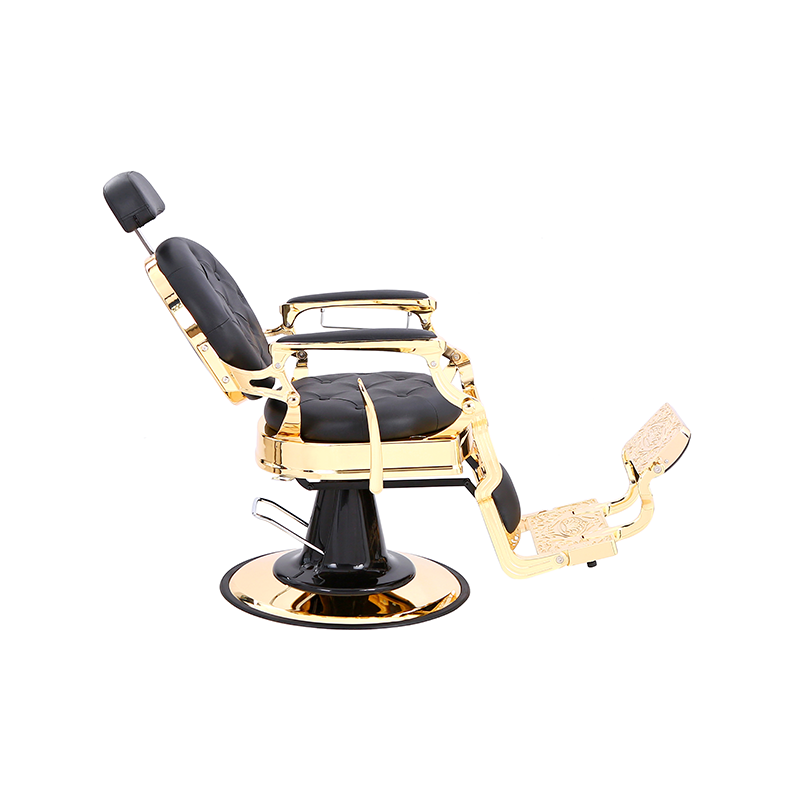
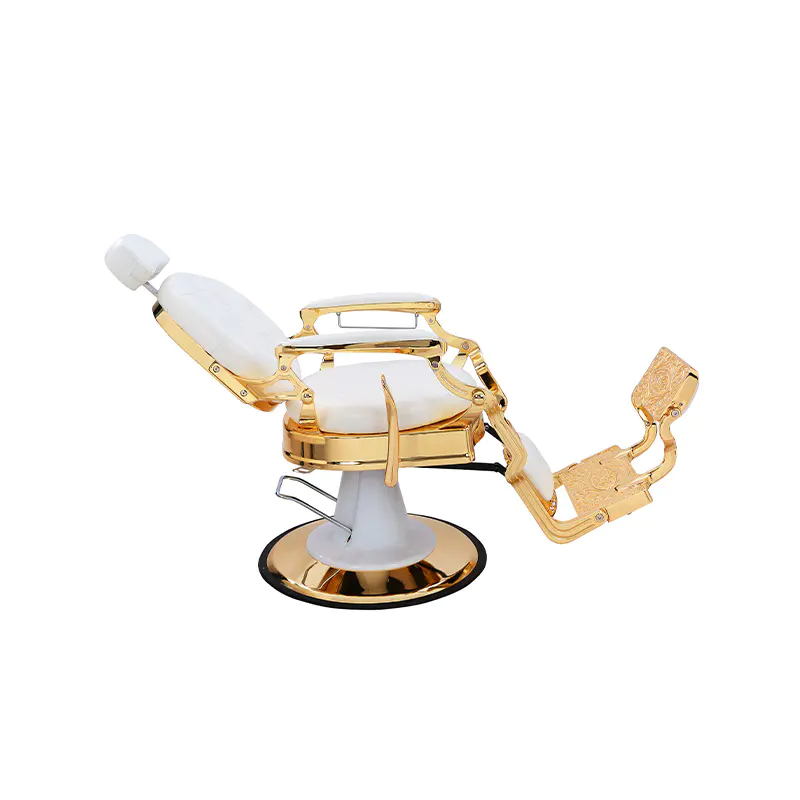
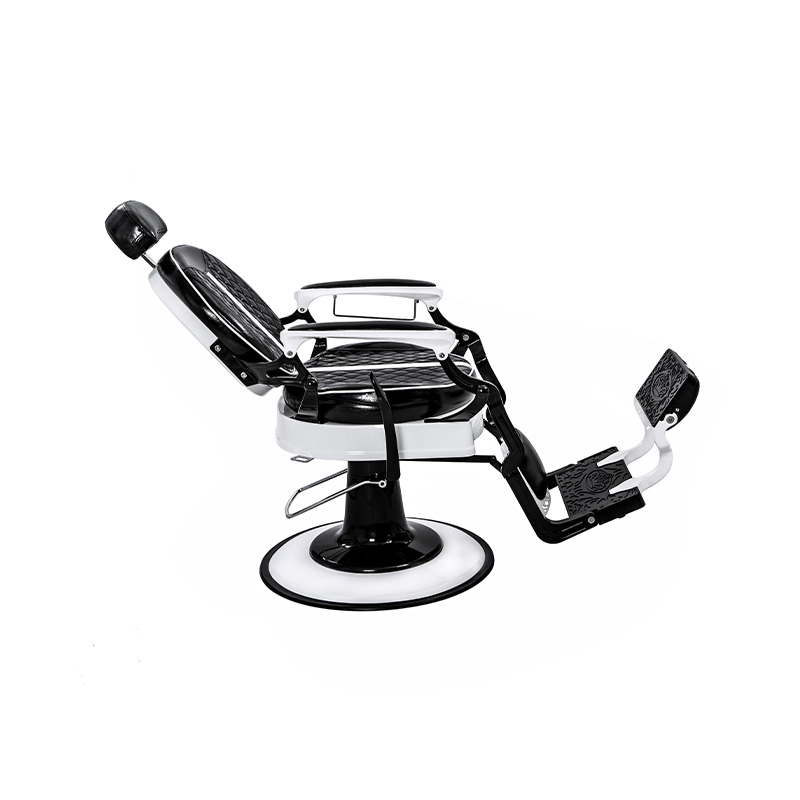
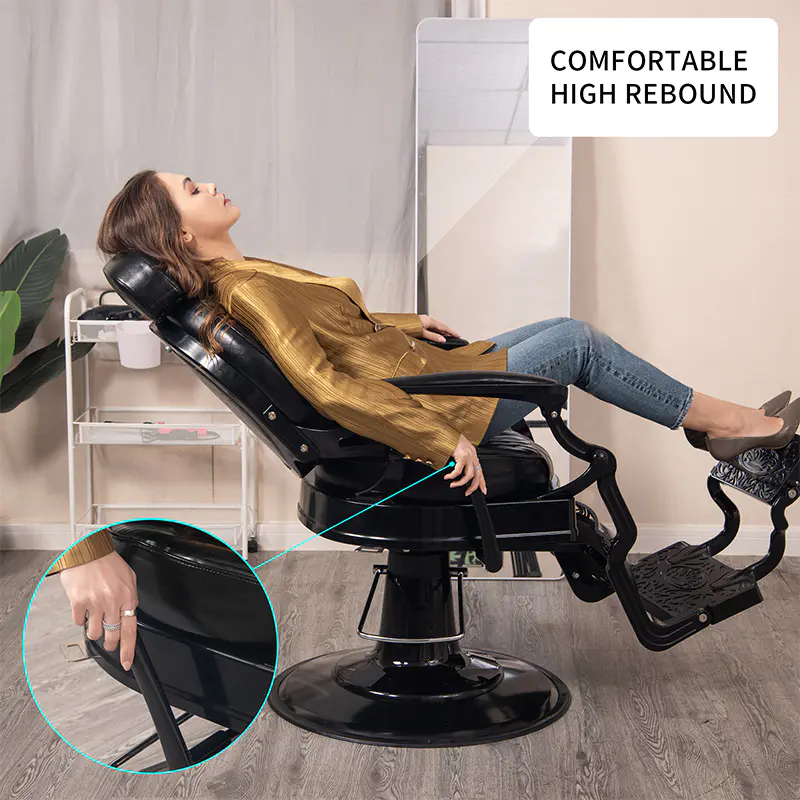
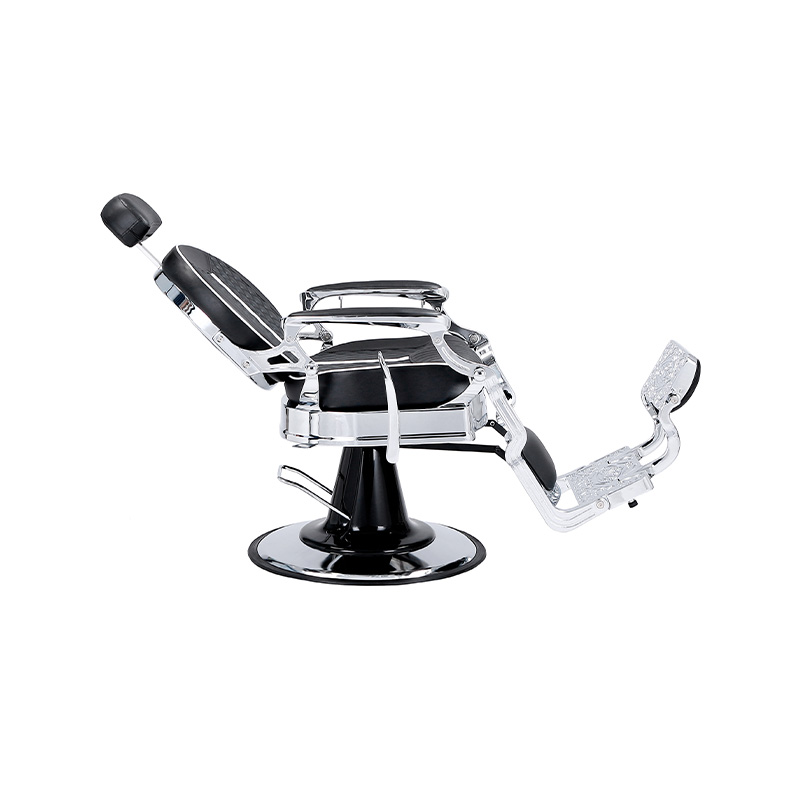
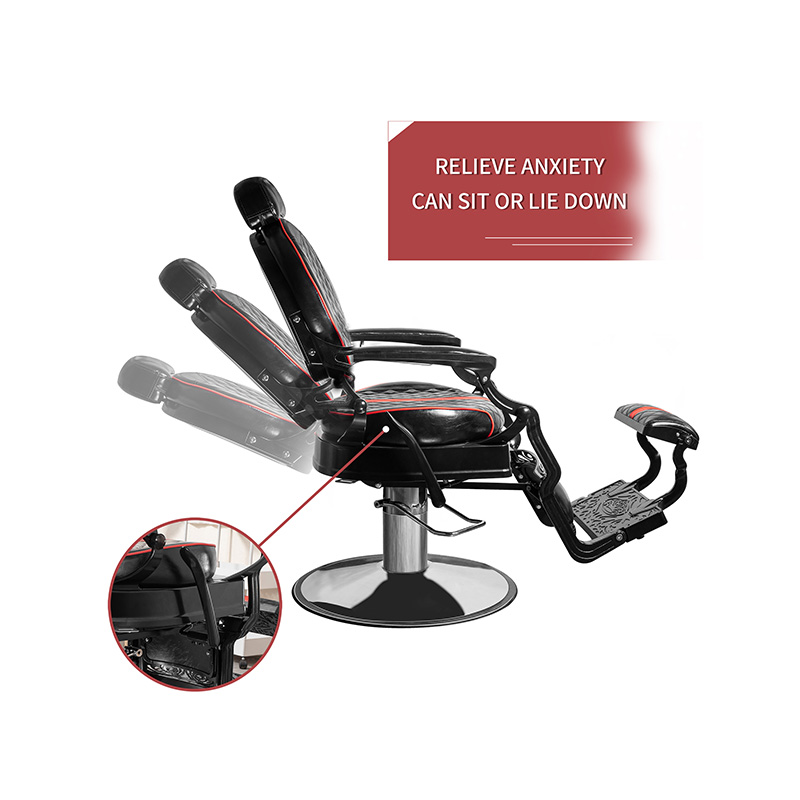
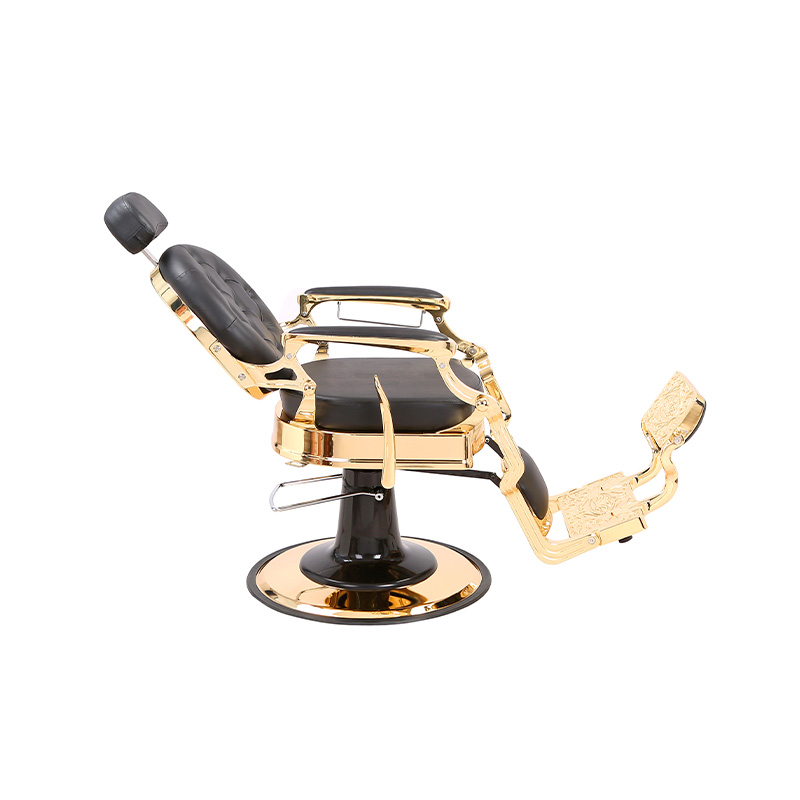
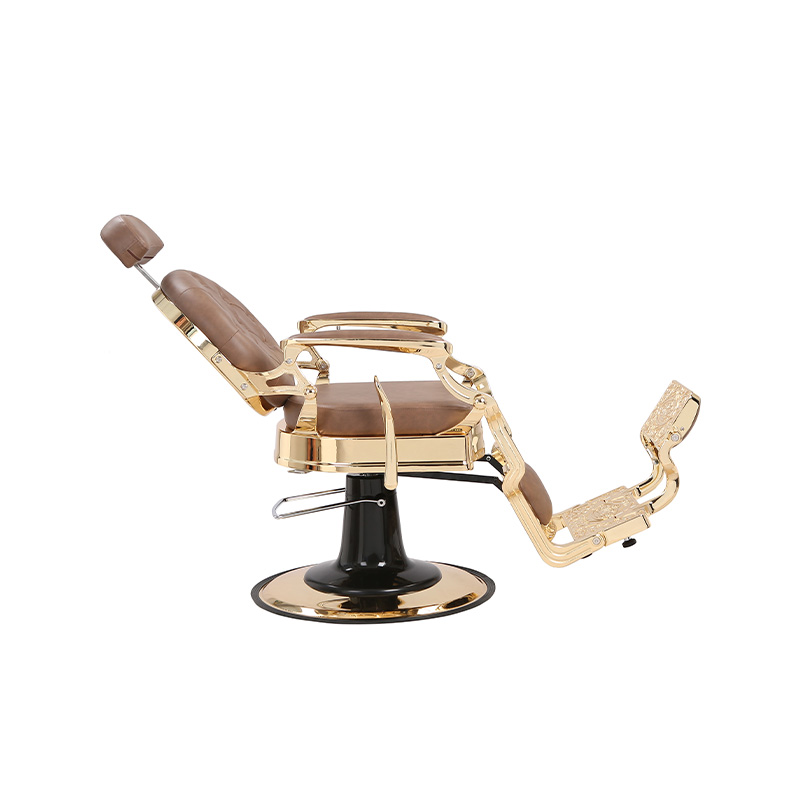
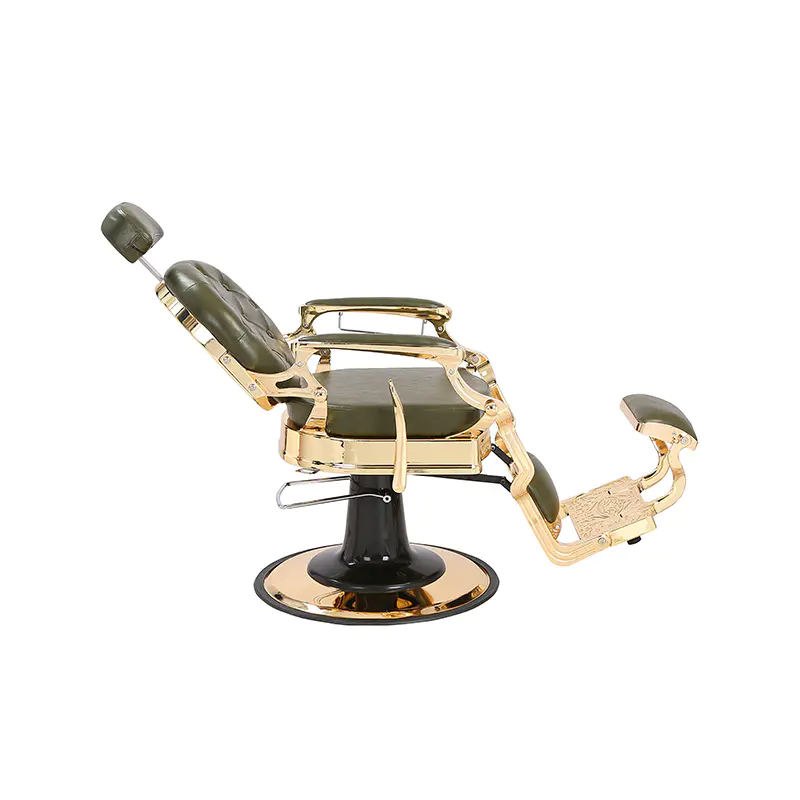
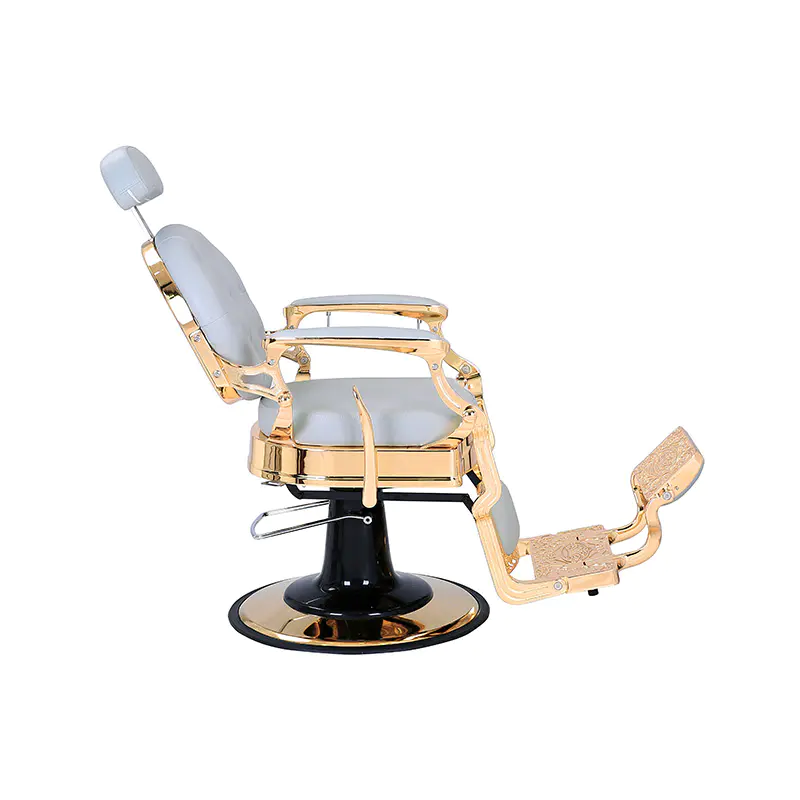
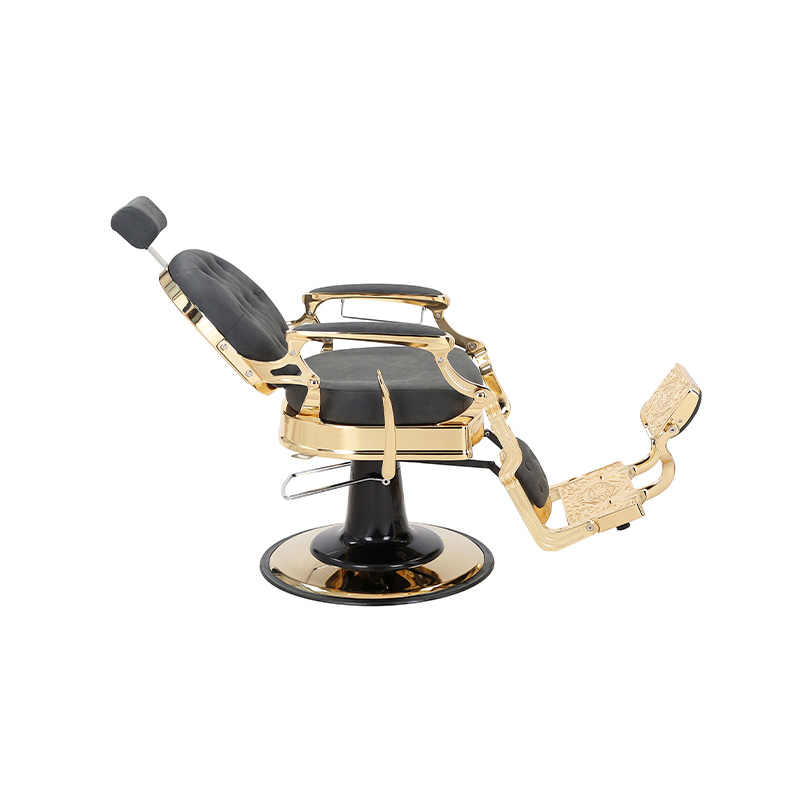
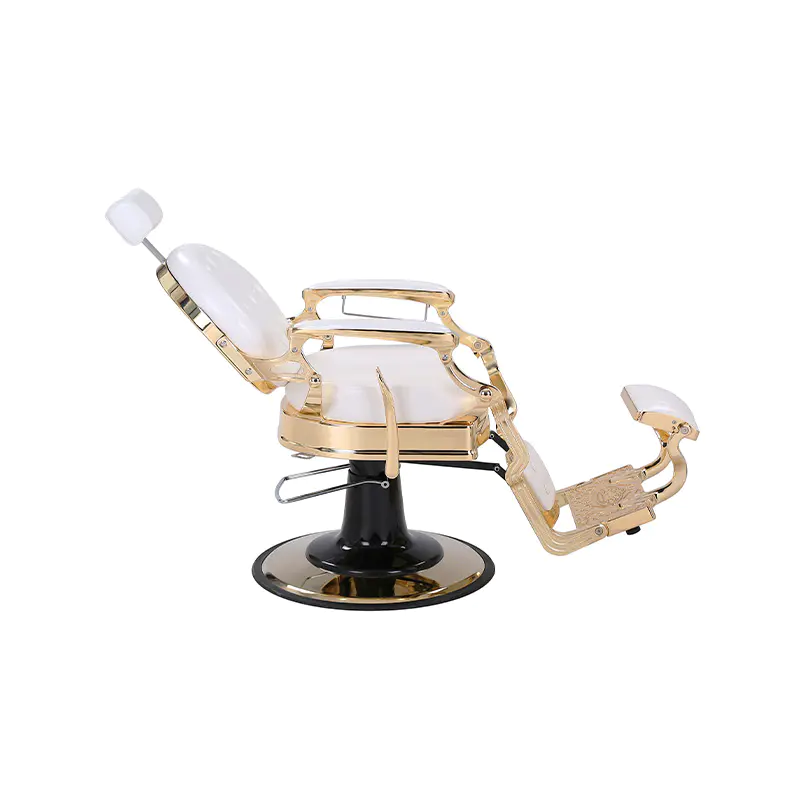
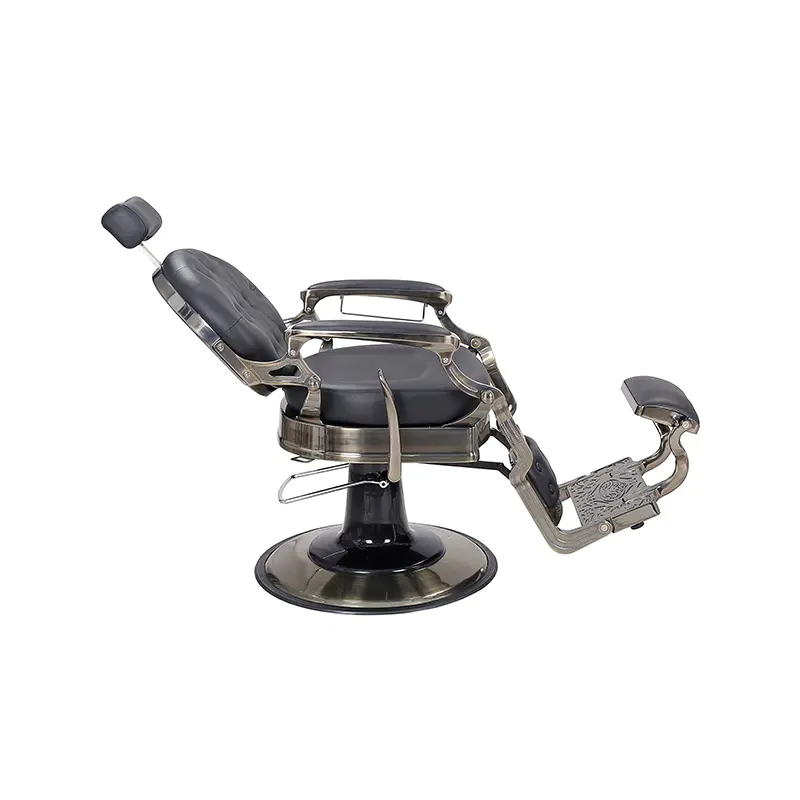
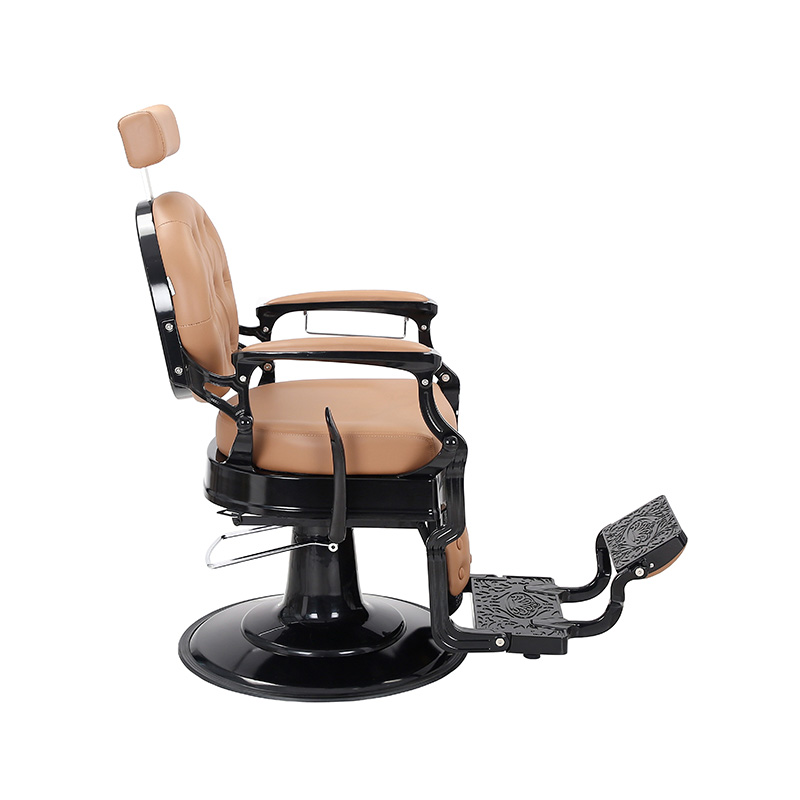
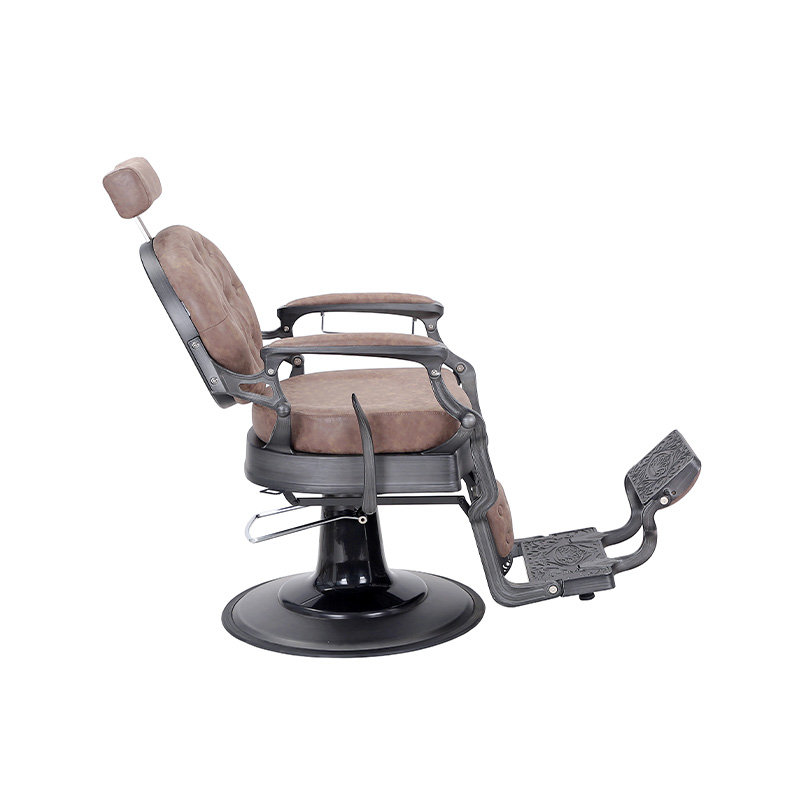
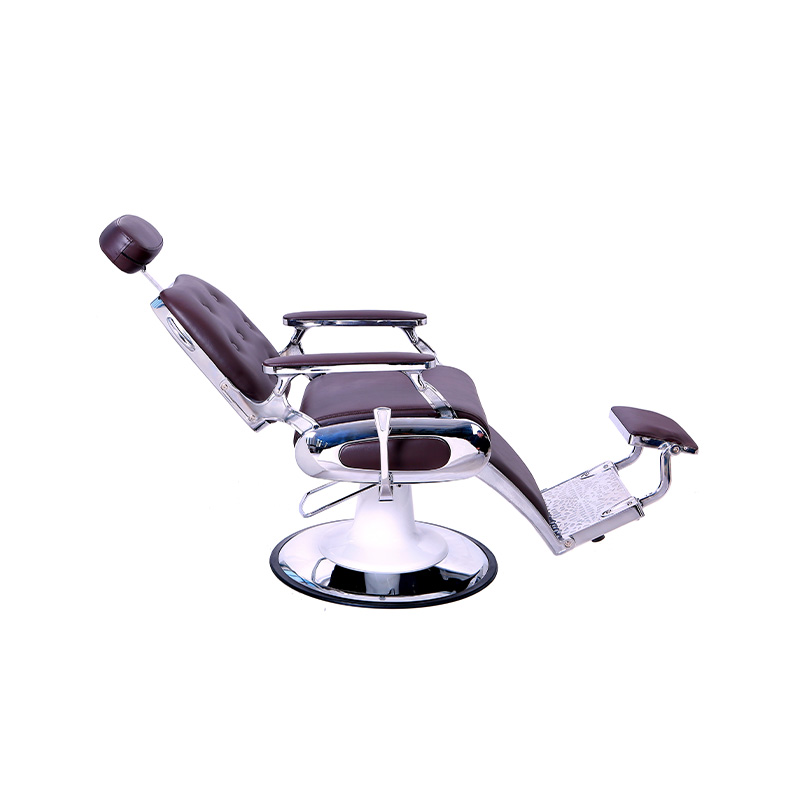
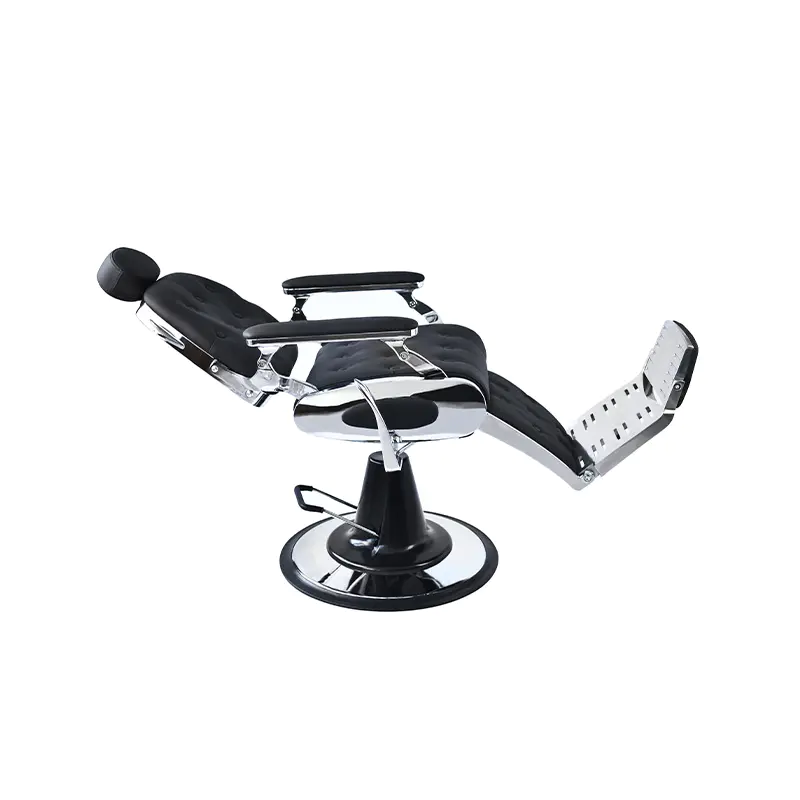
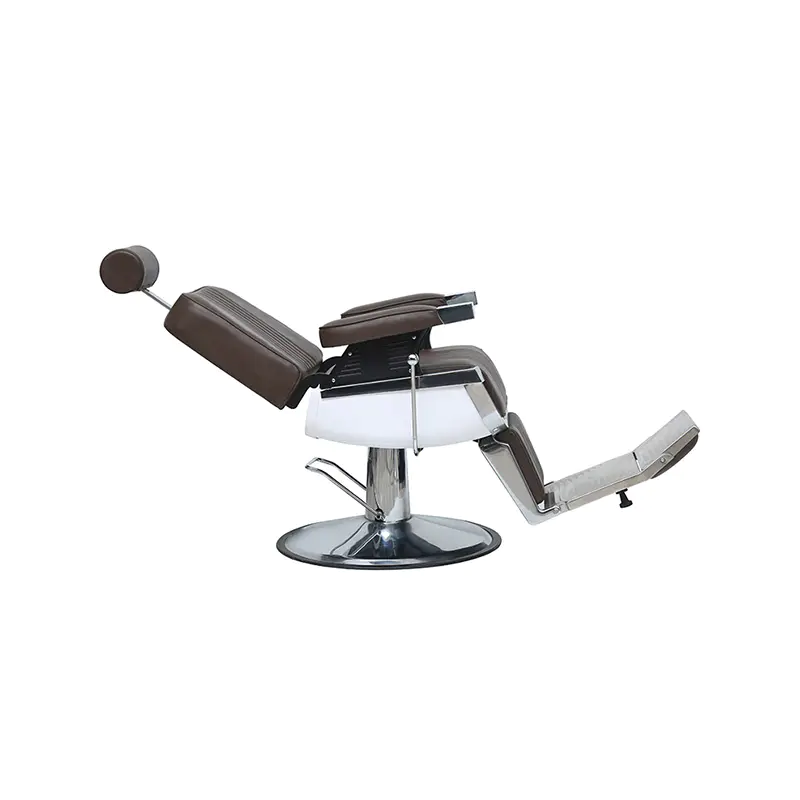
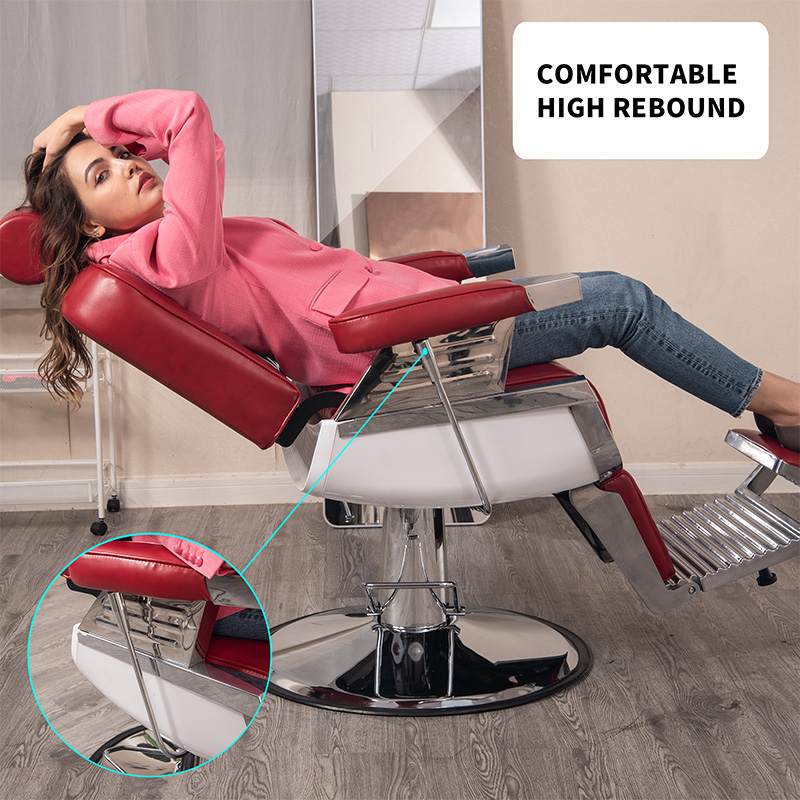
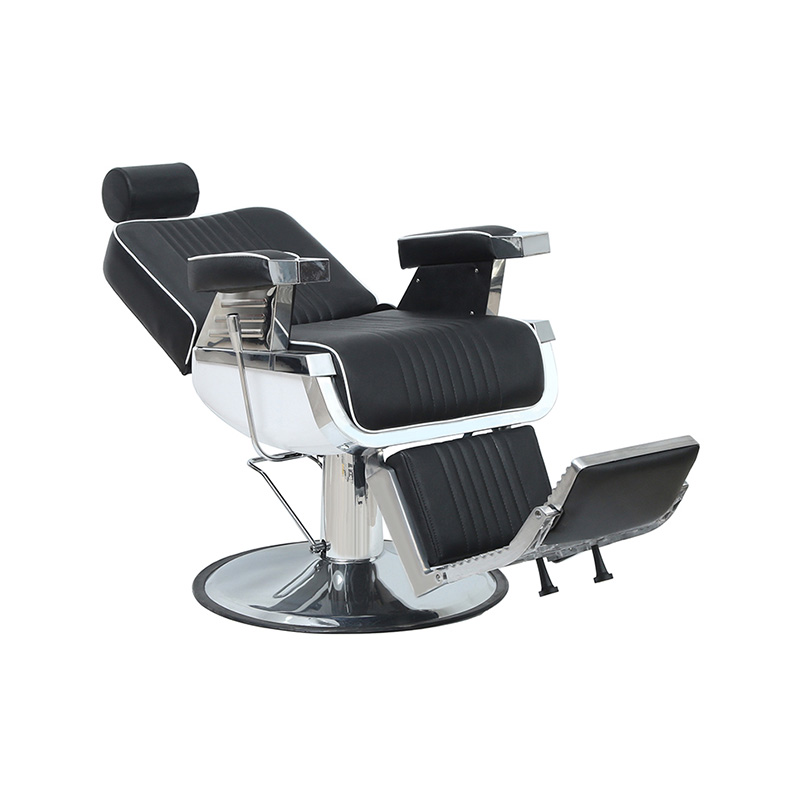
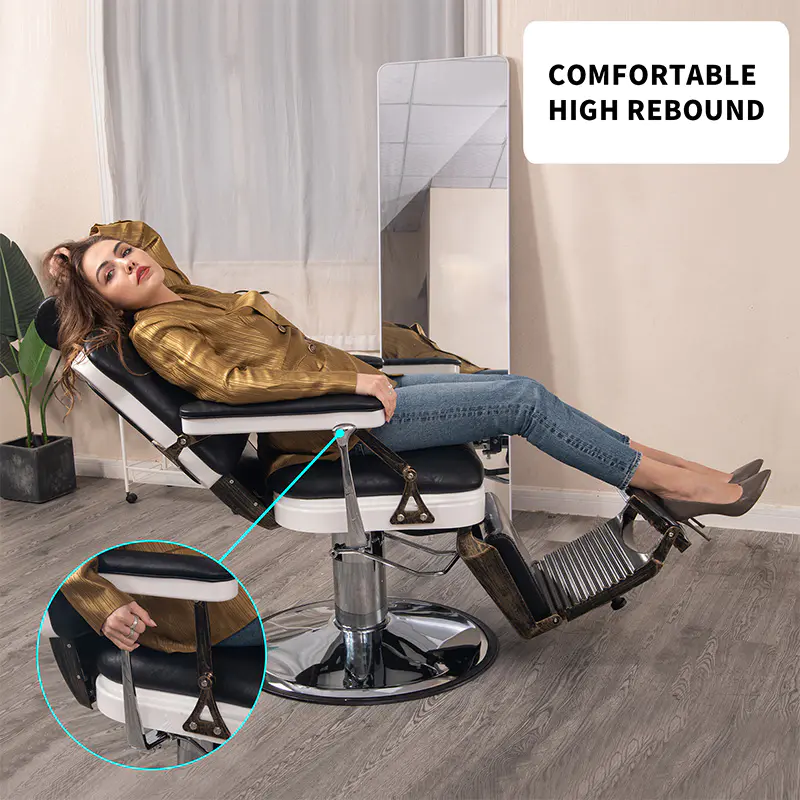
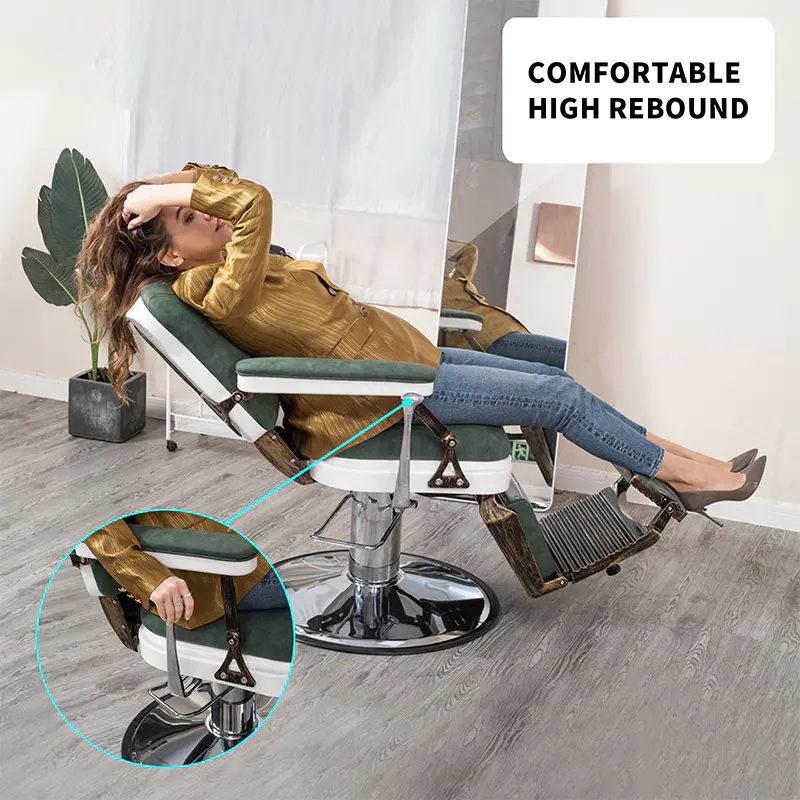
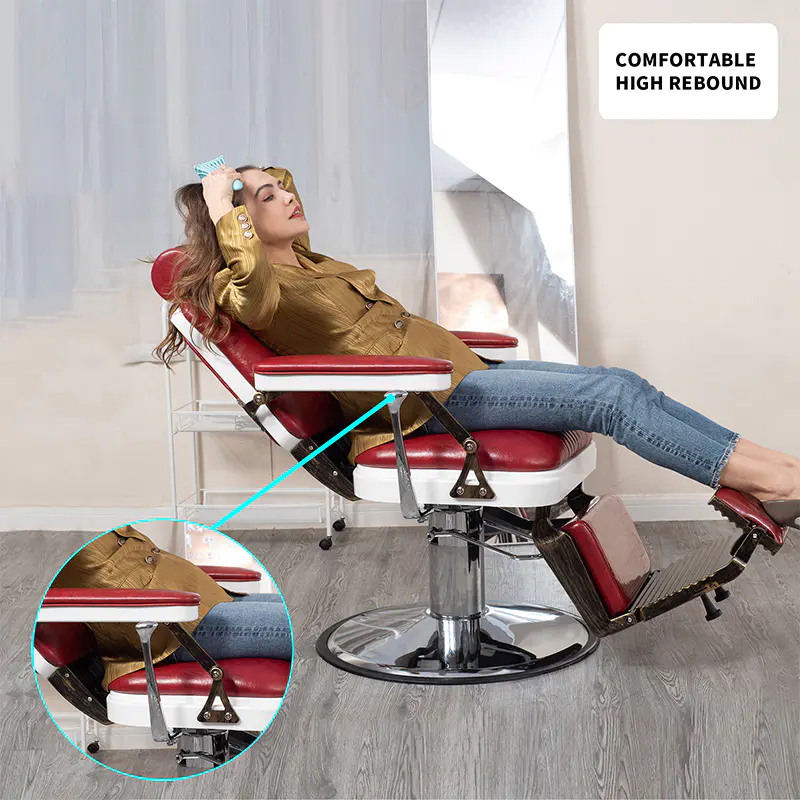
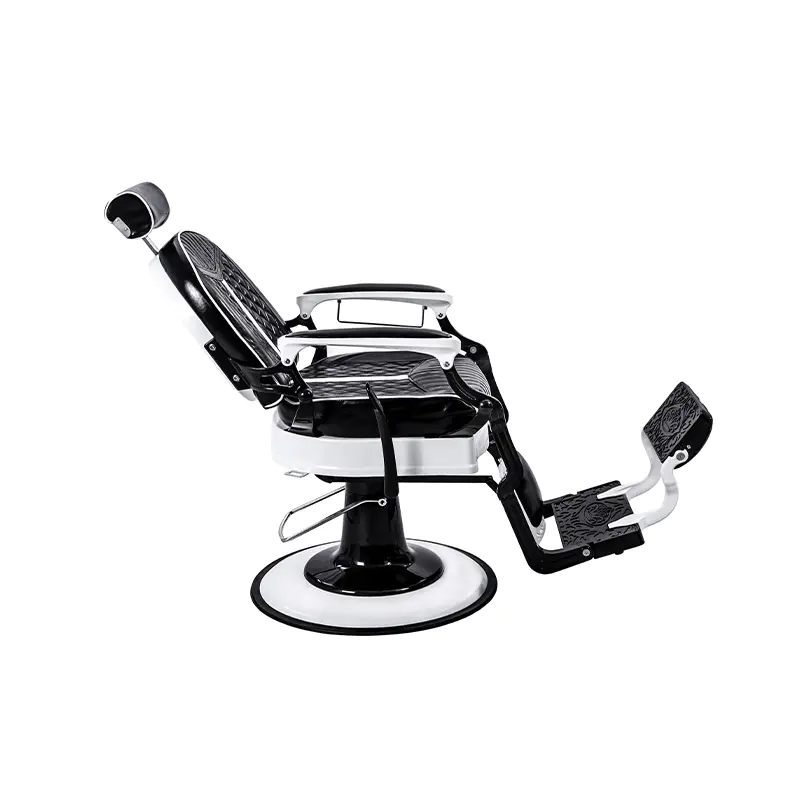
The recline function on a barber chair usually moves through a wider range than a typical salon chair, since it needs to support a near-flat position for shaving and hot towel service in addition to a normal upright cutting angle. A salon chair generally stays closer to upright throughout the day, with a smaller recline range intended more for client comfort during a color or styling wait than for a full service position. The chart below is a conceptual illustration of how seat height typically changes across pump lever positions, from the lowest setting to full extension.
Conceptual illustration of relative seat height across pump positions; actual travel range varies by model
Structural Design and Component Layout
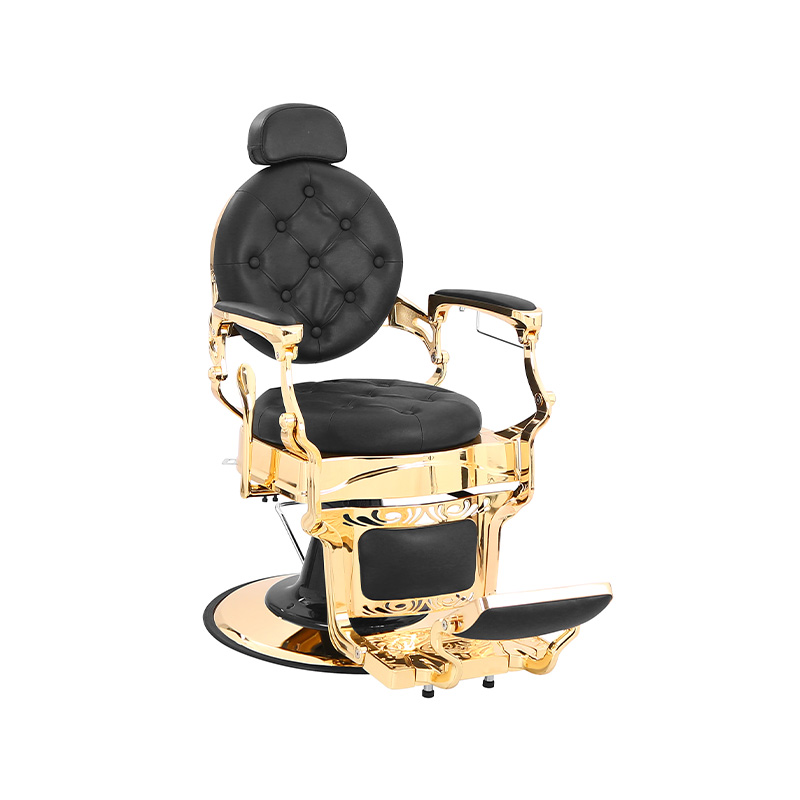
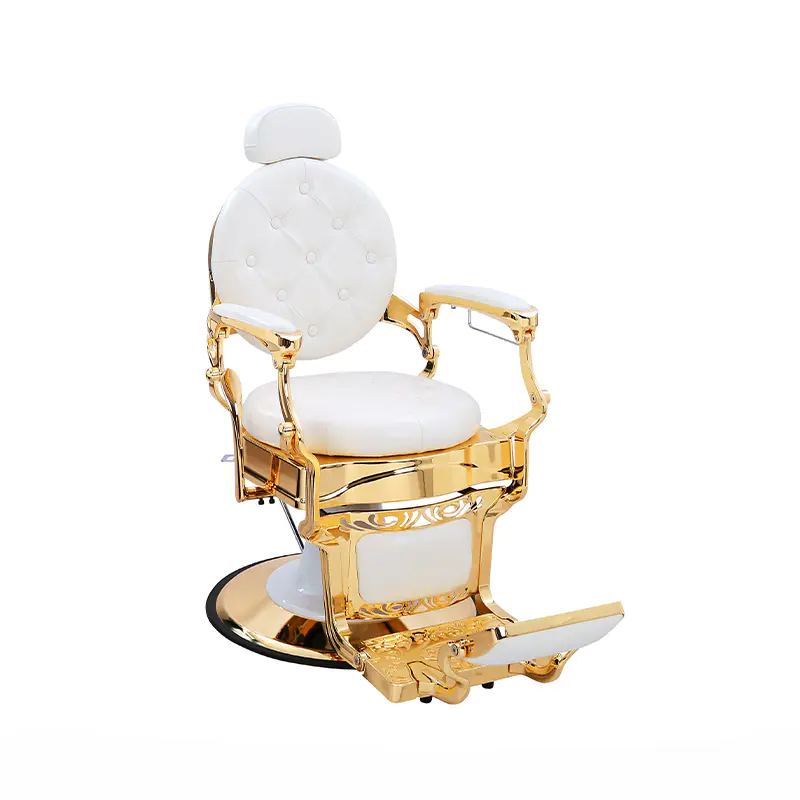
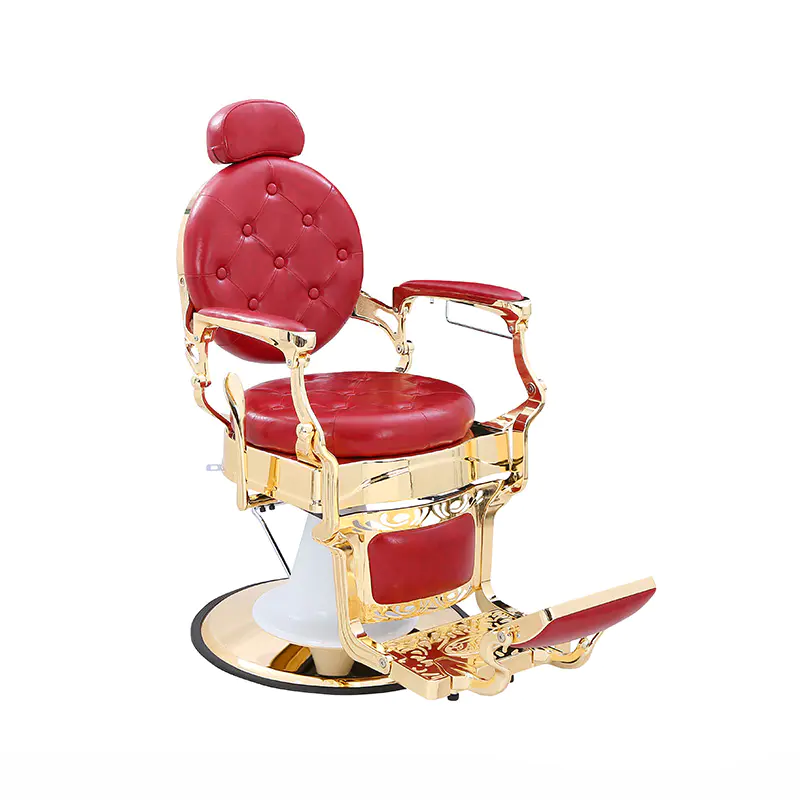
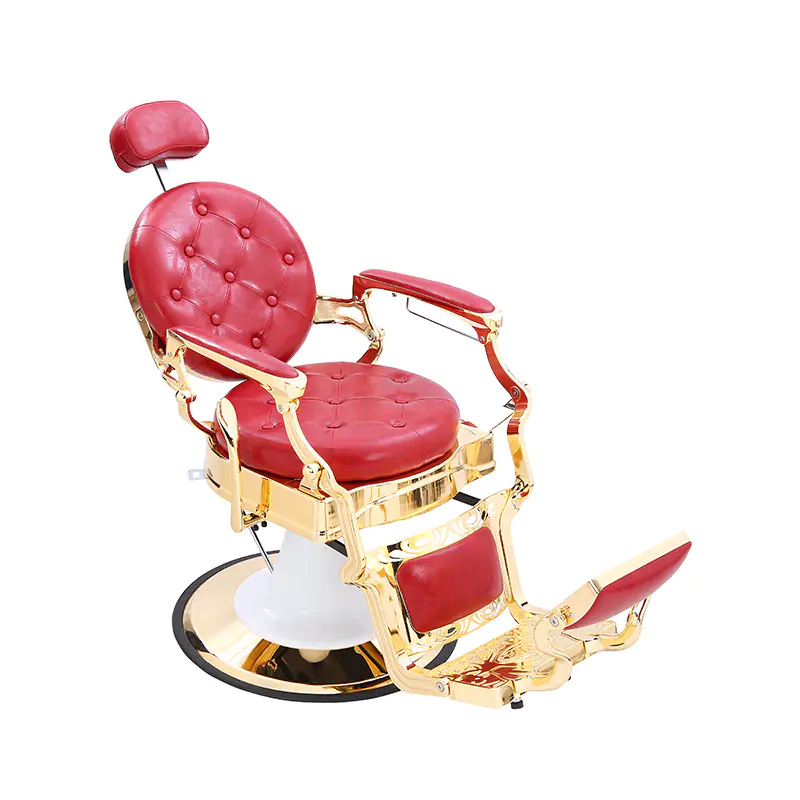
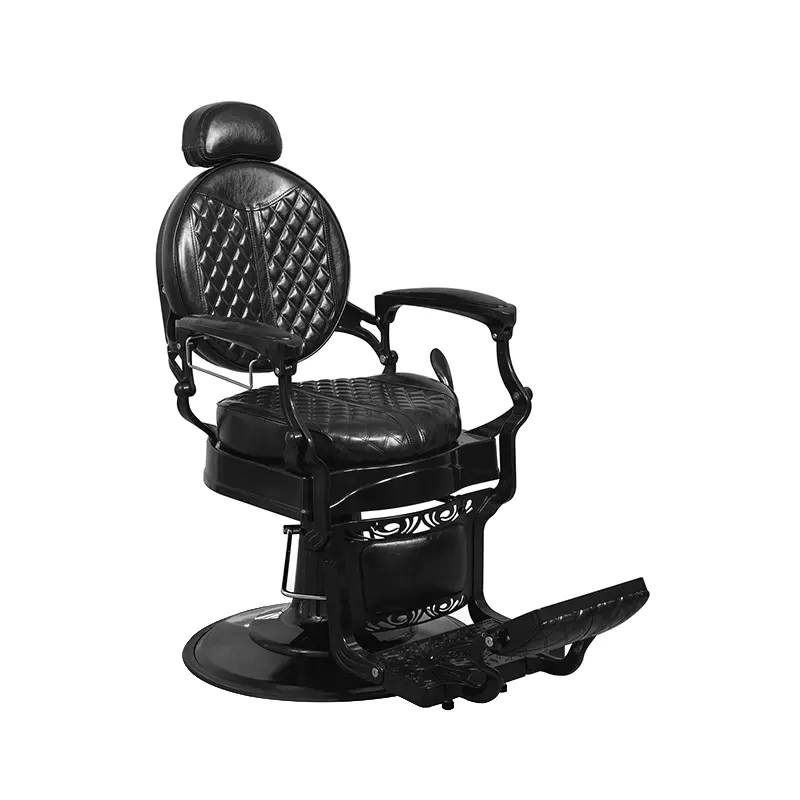
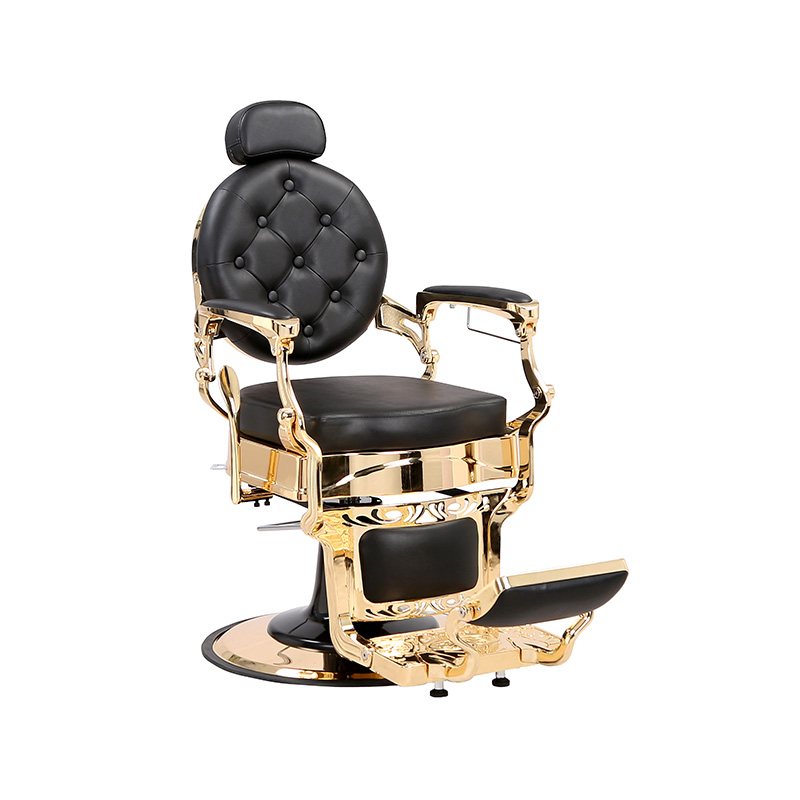
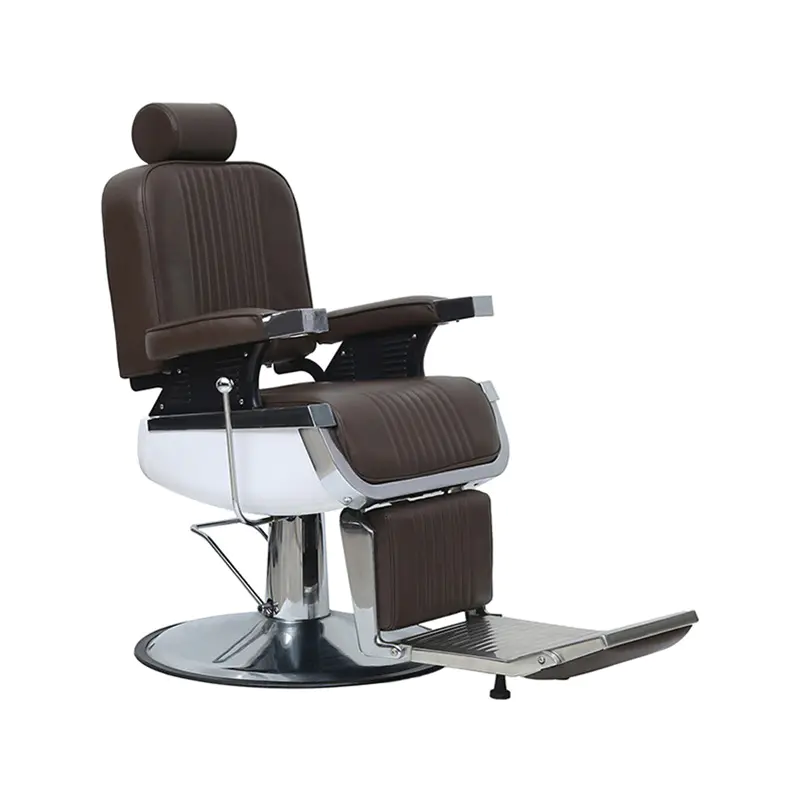
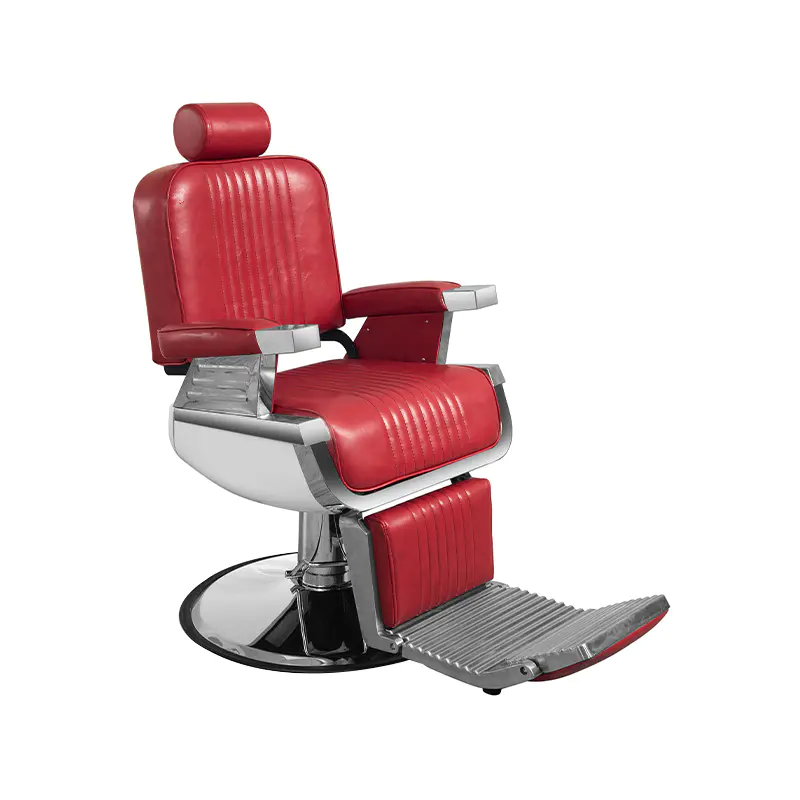
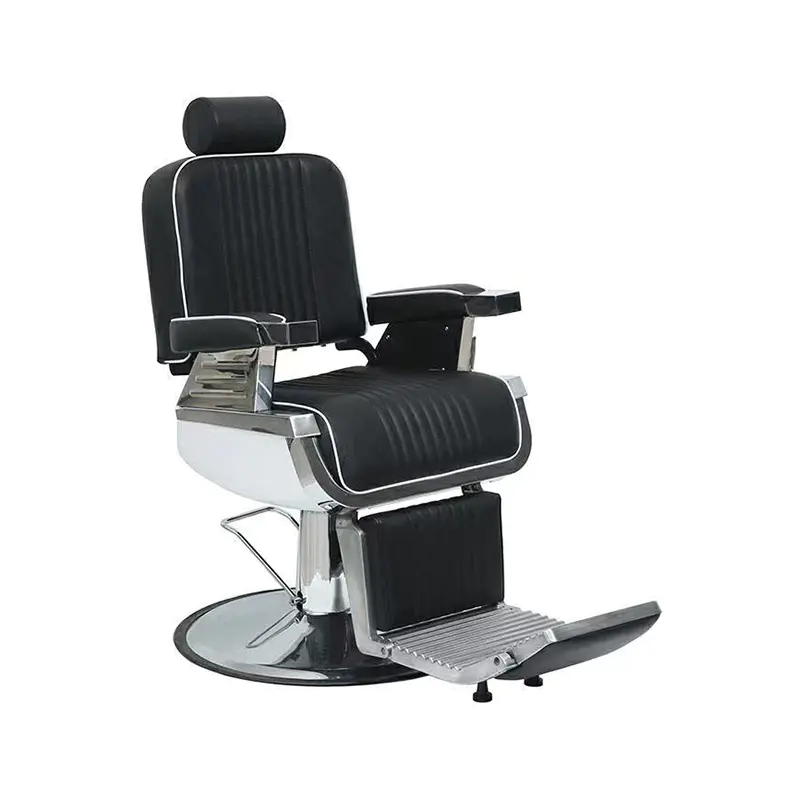
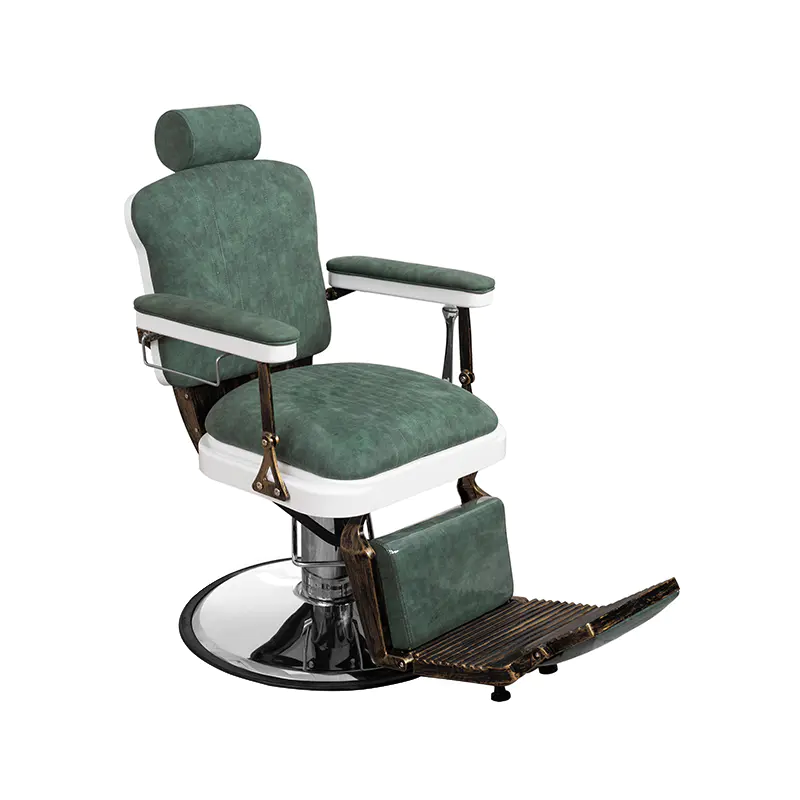
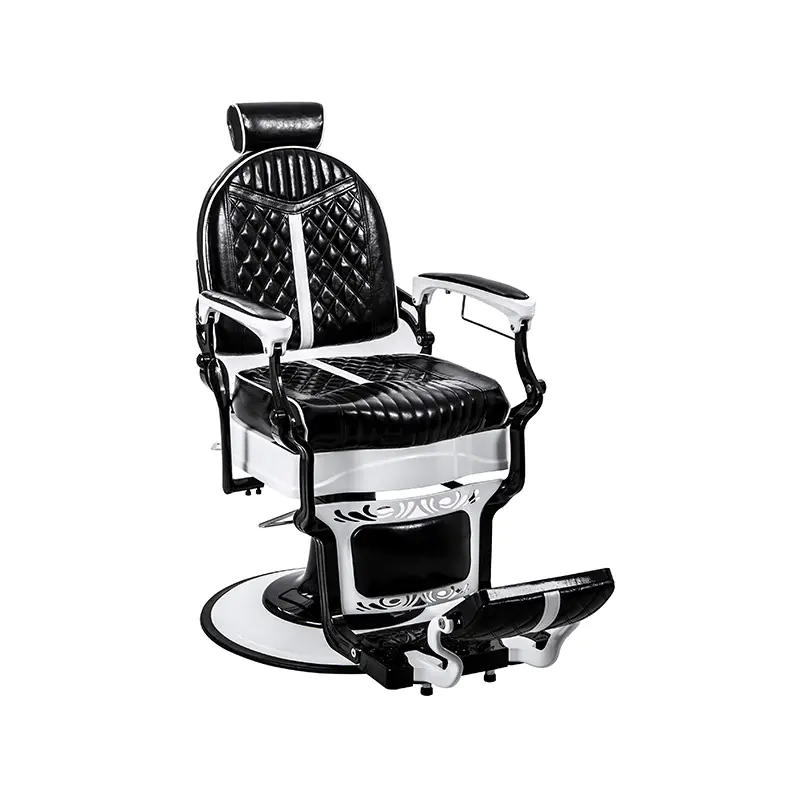
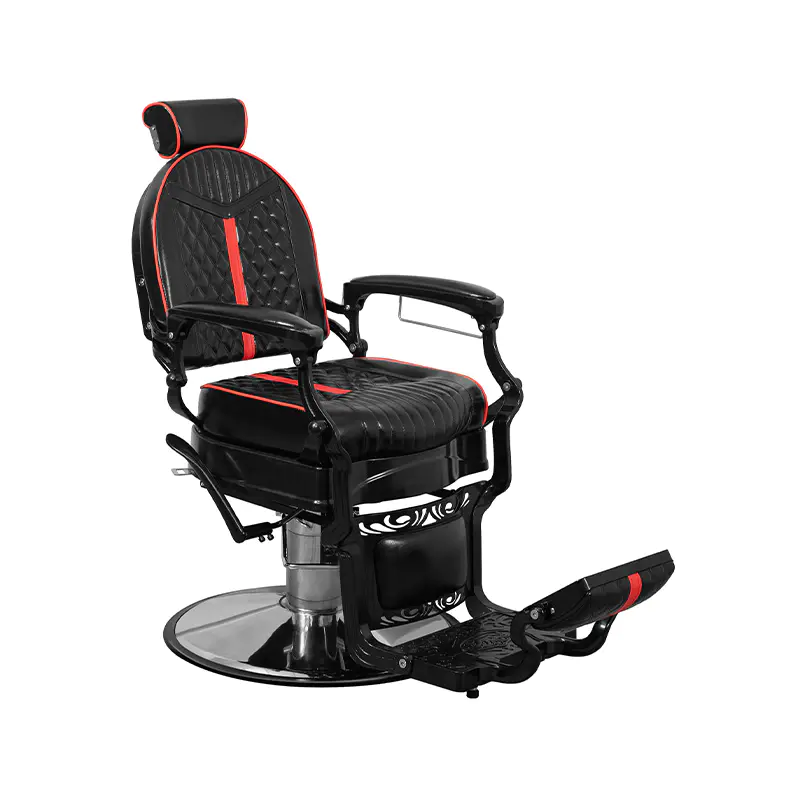
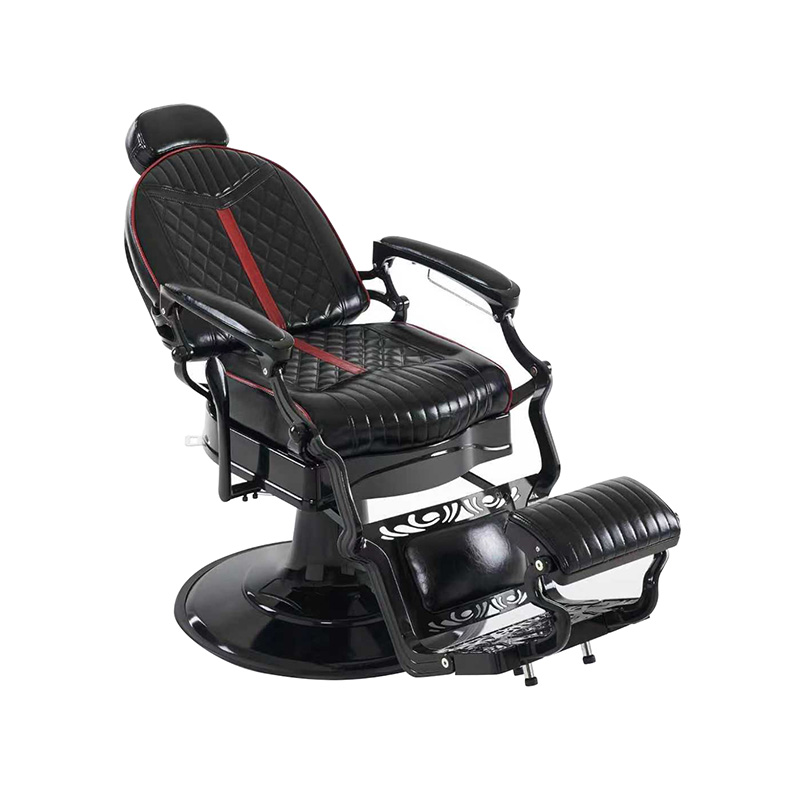
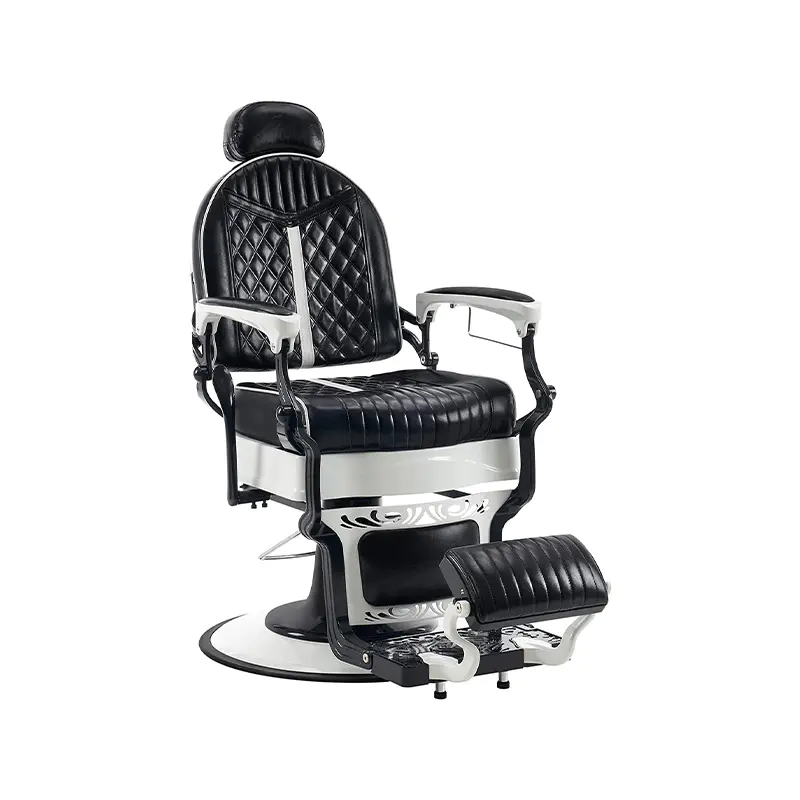
A barber chair is generally made up of a handful of core parts working together: a headrest, a backrest with a recline lever, armrests, a seat cushion, a footrest ring, a hydraulic pump column, and a five-point base for stability. Reviewing how these parts are laid out helps a buying team understand how the chair will feel in daily use and how it will hold up across a full working week. The diagram below labels each of these sections on a simplified structural illustration.
Simplified structural illustration; component proportions are shown for reference and are not to exact scale
Base Stability and Hydraulic Pump Performance
The five-point base is the part of the chair that carries the most repeated load through a working day, so its build quality tends to affect how the chair feels long after the upholstery still looks new. A wider base footprint generally spreads weight more evenly during a full recline, which is one reason barber chairs built for continuous grooming and shaving services tend to use a heavier base than a chair designed mainly for upright styling.
What the Pump Does Day to Day
The hydraulic pump raises and lowers the seat through a foot pedal or lever, and it typically sees more cycles in a barbershop setting than in a salon focused on longer, less frequent height changes. Buyers reviewing pump performance usually ask how smoothly the chair rises, whether it holds position without drifting, and how the pedal feels under repeated daily use.
Upholstery Materials and Seat Construction
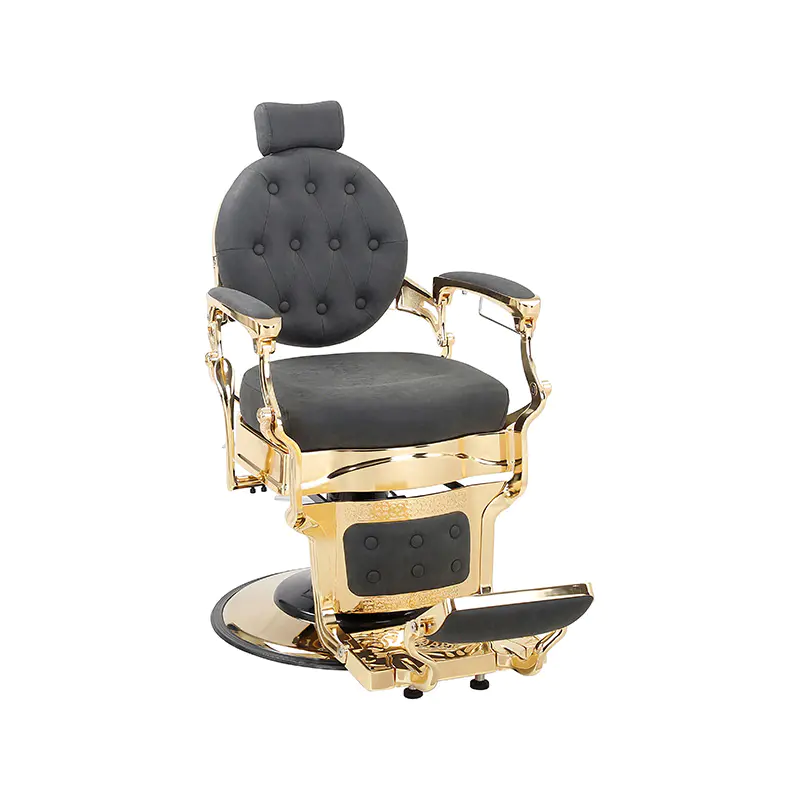
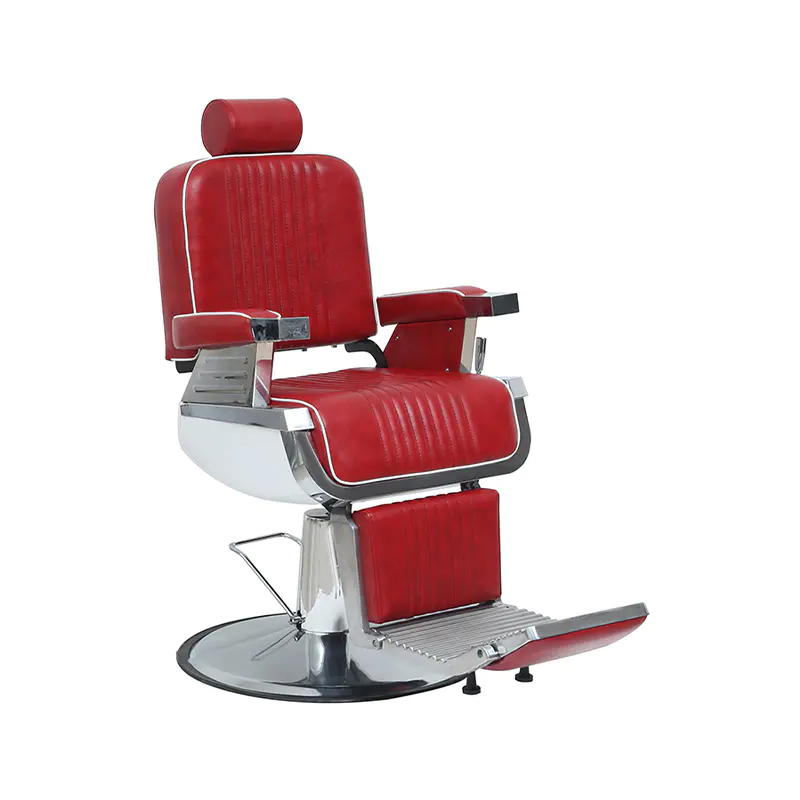
Seat cushioning and upholstery affect comfort during longer appointments, particularly for barber chairs used for shaving or grooming sessions that run past a typical haircut length. A well padded seat and backrest with consistent stitching generally holds its shape better across repeated use than thinner padding, which can compress unevenly over time.
What Buyers Commonly Check on Upholstery
- Seam and stitching quality, checked for even lines and secure edges around the cushion.
- Cushion density, reviewed by feel for how the seat supports weight during a full recline.
- Surface material finish, wiped down to see how it holds up to daily cleaning routines.
- Frame padding coverage, checked at the armrests and headrest where contact is frequent.
Shops that plan to order multiple units at once often ask for a sample chair first, so staff can sit in it through a normal shift before a larger order is placed.
Comparing Barber Chairs and Salon Styling Chairs Across Key Dimensions
Putting several performance dimensions side by side can make the general trade-off between a barber chair and a salon styling chair easier to discuss internally during a purchasing review. The radar chart below places five commonly discussed dimensions on the same scale, comparing a general barber chair profile against a general salon styling chair profile. As with the earlier charts, this is a conceptual comparison meant to support internal discussion, not a citation of a specific published dataset.
Conceptual comparison for internal discussion purposes; general profile, not a citation of a specific measured study
Choosing for Commercial and Heavy Duty Use
A Commercial Barber Chair Guide conversation usually starts with how many hours a day the chair will be in use and how many different staff members will be sitting clients in it. A chair placed in a busy multi-chair shop generally needs a sturdier base, a pump rated for frequent cycles, and upholstery that can handle repeated cleaning between clients. Facilities running back to back appointments through most of the day tend to prioritize these points over smaller styling details.
Heavy Duty Barber Chair Guide: Load and Frame Considerations
A Heavy Duty Barber Chair Guide typically covers frame thickness, base weight rating, and how the recline mechanism is reinforced at the pivot point, since these are the areas that see the most repeated stress over time. Shops serving a wide range of client sizes often look for a chair described as heavy duty specifically because the frame and pump are built with a wider working margin than a standard model.
Evaluating a Barber Chair Manufacturer or Supplier
Once the functional review is complete, the conversation usually shifts to where the chair actually comes from. Buying teams generally want to know whether a barber chair manufacturer produces the frame, pump, and upholstery in house or sources parts from several outside vendors, since in house production tends to make batch consistency easier to trace. Working with an established barber chair supplier that can share information about production capacity and lead time also helps a purchasing department plan multi-chair orders more accurately.
Shops placing a larger order often look specifically for wholesale barber chairs arrangements, since ordering several units at once is more practical for a new shop build-out or a full renovation than ordering one chair at a time. A barber chair wholesale conversation typically covers available finishes, lead time for a multi-unit order, and how consistent the chairs are across a full batch when several units arrive together.
Production Environment Considerations
A production setup with dedicated cutting, welding, and upholstery workshops generally points to a more structured manufacturing process than a facility that outsources most of its components. Automated lines for welding, cotton pasting, and assembly, paired with a complete in house upholstery flow from structural components to surface leather, tend to produce more consistent detail across a full production run.
How to Choose a Barber Chair: Buyer Checklist
This short Barber Chair Buying Guide checklist covers the points most buyers work through before placing an order, whether they are furnishing a single chair shop or a larger multi-chair salon.
- Confirm the base and frame are rated for the daily service volume you expect.
- Check the recline range against the services you plan to offer, including shaving if relevant.
- Test the barber chair seat height range with your actual staff before finalizing a model.
- Sit in the upholstery for a full session length to judge cushion support and comfort.
- Ask the supplier how pump performance is tested before a unit ships.
- Review footrest design and armrest padding for longer appointment comfort.
- Ask about lead time and consistency across a full wholesale order if ordering multiple chairs.
- Compare a few models side by side using the same checklist before making a final decision.
About Ningbo HongZi Beauty and Hairdressing Equipment
Ningbo HongZi Beauty and Hairdressing Equipment Co., Ltd. is a professional enterprise engaged in the research, development, manufacturing, and export of barber chairs, beauty beds, shampoo chairs, and related beauty salon furniture. The company is located in the town of Sanqishi, Yuyao, Zhejiang Province, near Hangzhou Bay, and covers an area of 22,000 square meters with more than 120 staff members and an annual output value of 120 million RMB.
As a manufacturer working across OEM and ODM production for Salon Barber Chairs, the company provides customizable barber and beauty equipment solutions to clients in different regions. The facility is equipped with laser plate cutters, pipe cutters, punching machines, CNC leather cutters, and embroidery machines, along with automated production lines for welding, cotton pasting, and assembly. The sofa workshop runs a complete upholstery processing flow, covering structural components through to surface leather, which supports consistent quality and unified detail across each production run.
Frequently Asked Questions About Barber Chairs
| Q1. What is a barber chair A barber chair is a piece of salon furniture built with a recline function, a hydraulic pump for height adjustment, and a footrest, designed mainly for haircuts, shaves, and grooming services. |
Q2. What is the difference between a barber chair and a salon chair A barber chair generally has a wider recline range and a heavier base, while a salon chair is typically lighter and set up mainly for upright cutting and styling work. |
| Q3. What is the difference between a barber chair and a styling chair A styling chair is often used interchangeably with a salon chair and usually has a smaller footprint and less recline range than a barber chair built for grooming services. |
Q4. What is a hydraulic barber chair A hydraulic barber chair uses a fluid filled pump column that raises and lowers the seat when a foot pedal or lever is engaged. |
| Q5. Are barber chairs comfortable Comfort depends on cushion density, upholstery quality, and recline support, so most buyers sit in a sample chair for a full session length before ordering. |
Q6. How long do barber chairs last Chair lifespan varies with daily usage and maintenance, though a well built base, pump, and upholstery generally hold up better under frequent daily cycles. |
| Q7. How does a hydraulic barber chair work Pressing the foot pedal moves hydraulic fluid within the pump column, which raises the seat, while a release valve lowers it back down. |
Q8. Why is my barber chair sinking A slowly sinking chair is generally a sign that the pump seal is worn or that fluid or air pressure inside the pump has changed over time. |
| Q9. Why won't my barber chair go up This usually points to a pump issue, a stuck release valve, or low hydraulic fluid, and it is worth checking the pedal linkage before assuming the pump itself has failed. |
Q10. How do you fix a hydraulic barber chair Basic troubleshooting starts with checking the pedal linkage and pump connection, though a full pump replacement is often needed once internal seals wear out. |