
 en
en  English
 русский
 Español
 عربى
عربى

Walk into a salon that is for sale and you will see polished mirrors, neatly folded towels, and chairs that look fine from the entrance. Then run your hand under a shampoo bowl. Feel the chip. Try the hydraulic lift on the third chair. Notice the dark watermark on the ceiling tile above the dryer bank. A buying a hair salon checklist is not a formality; it is the difference between purchasing a business and inheriting someone else's deferred maintenance.
Here is the short version: you are not buying the furniture. You are buying a client list, a lease, a team, and a set of equipment liabilities. The checklist below walks through the checks that matter most, from the profit-and-loss statement to the seat cushion foam.
Financial and Legal Checks: Know What You Are Actually Buying
Before you negotiate the price, confirm that the salon is a viable business on paper. Ask for three years of tax returns, monthly profit-and-loss statements, and scheduling software reports. Look for consistent recurring appointment revenue, not just holiday spikes. If the owner reports a large amount of cash sales, ask how that cash is recorded and taxed.
The table below summarises the documents and facts you should review. Do not rely on verbal promises.
| Check | Why it matters |
|---|---|
| Profit and loss statements | Shows actual revenue and expenses over time |
| Client list and booking history | Confirms repeat demand, not one-time visitors |
| Lease terms and assignment | Prevents surprise rent hikes or relocation |
| Staff contracts | Reveals whether stylists will stay after the sale |
| Licenses and permits | Avoids fines or forced closure after transfer |
Salon Equipment Checklist: Inspect Mechanics, Not Just Looks
A fresh upholstery job can hide a worn frame. You need to know what salon furniture really includes before you value it. Good equipment should feel stable, move smoothly, and be easy to clean. Faulty stations will appear in your first-month repair bills, not in the seller's asking price.
Styling Chairs and Hydraulic Lifts
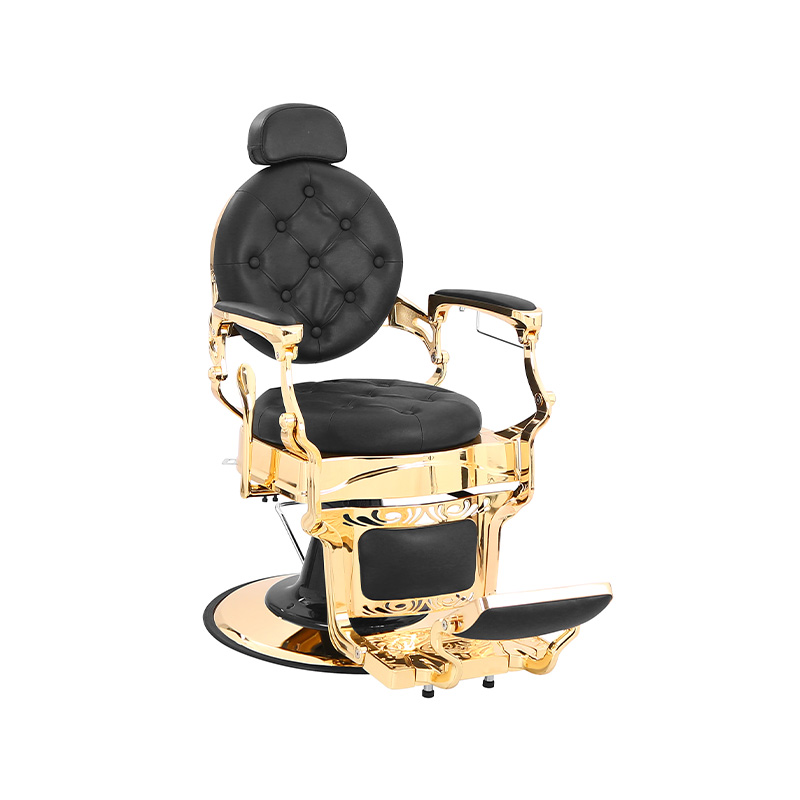
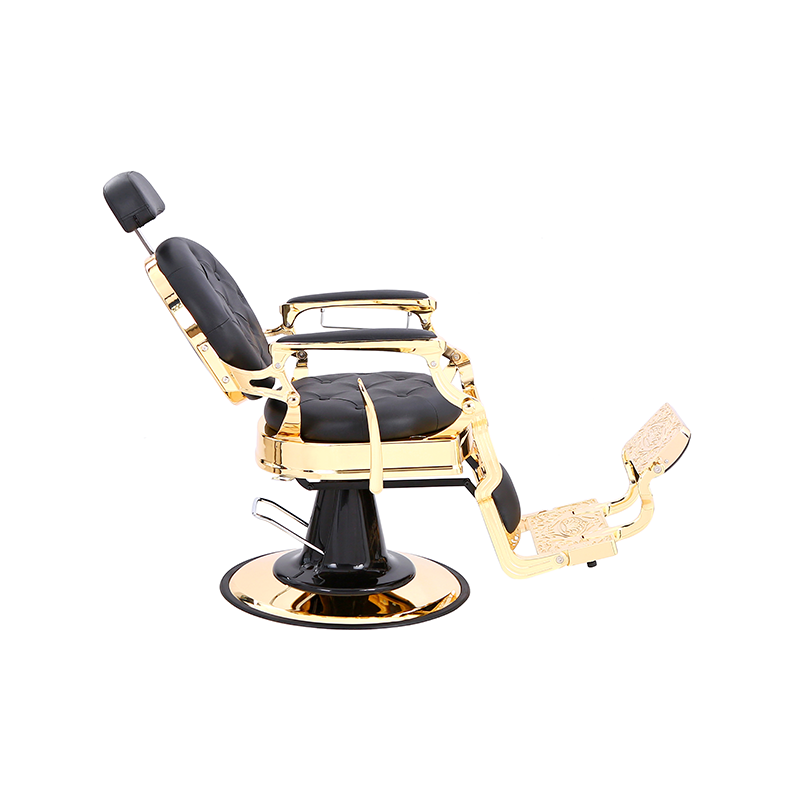
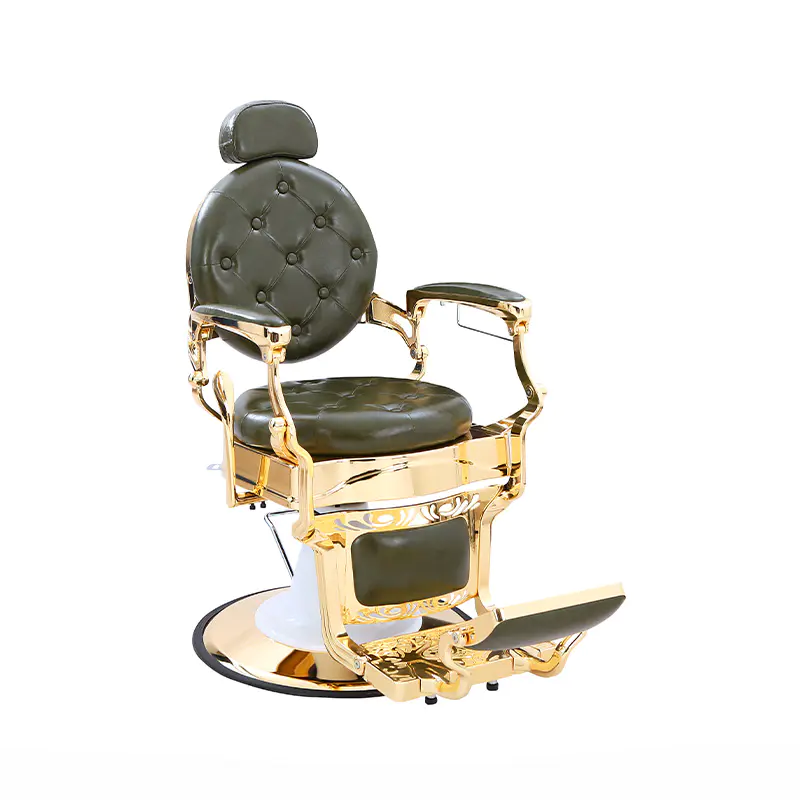
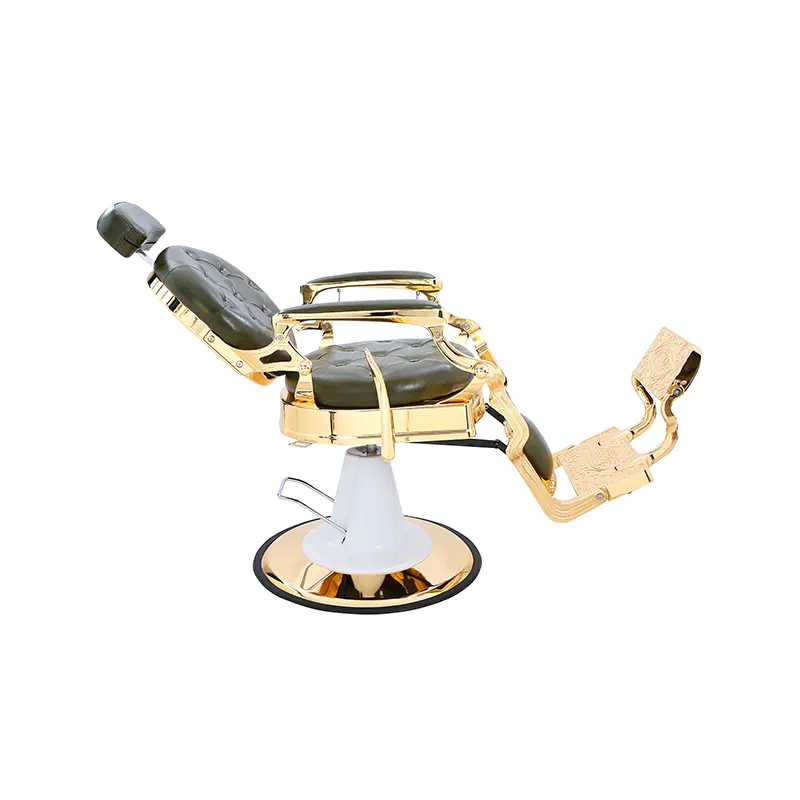
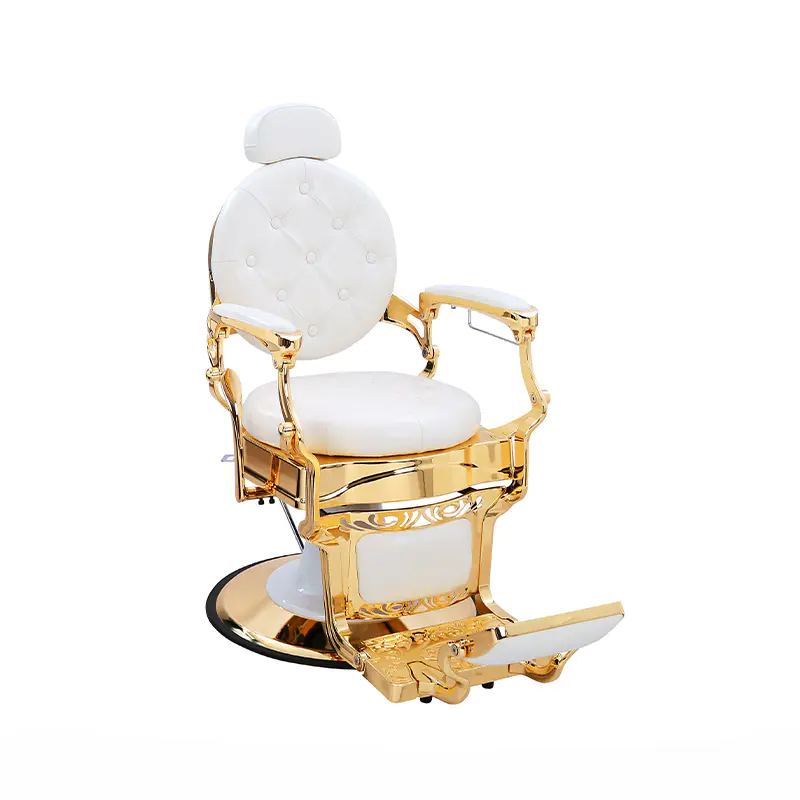
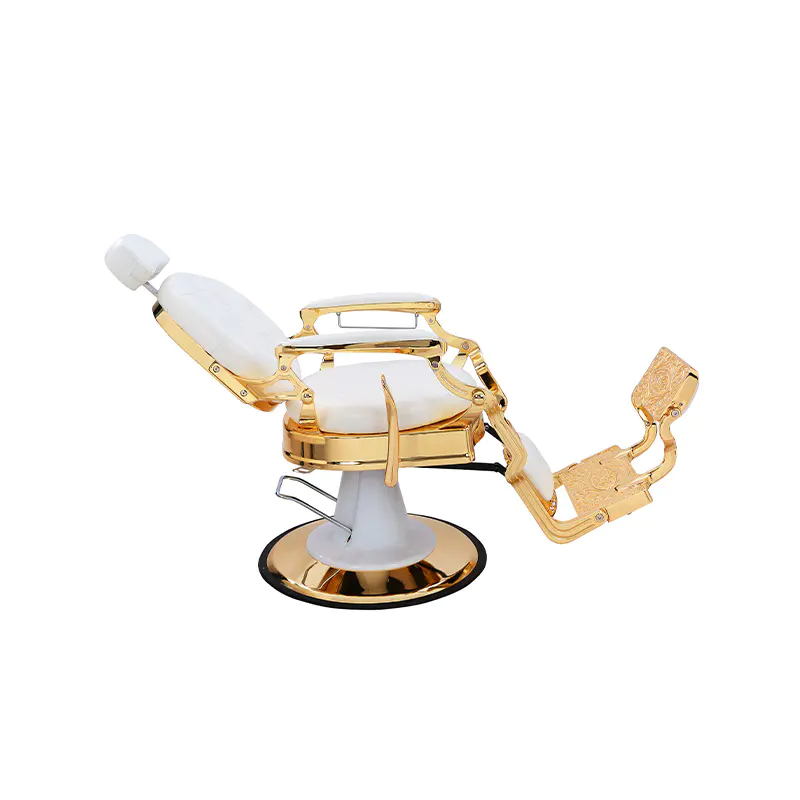
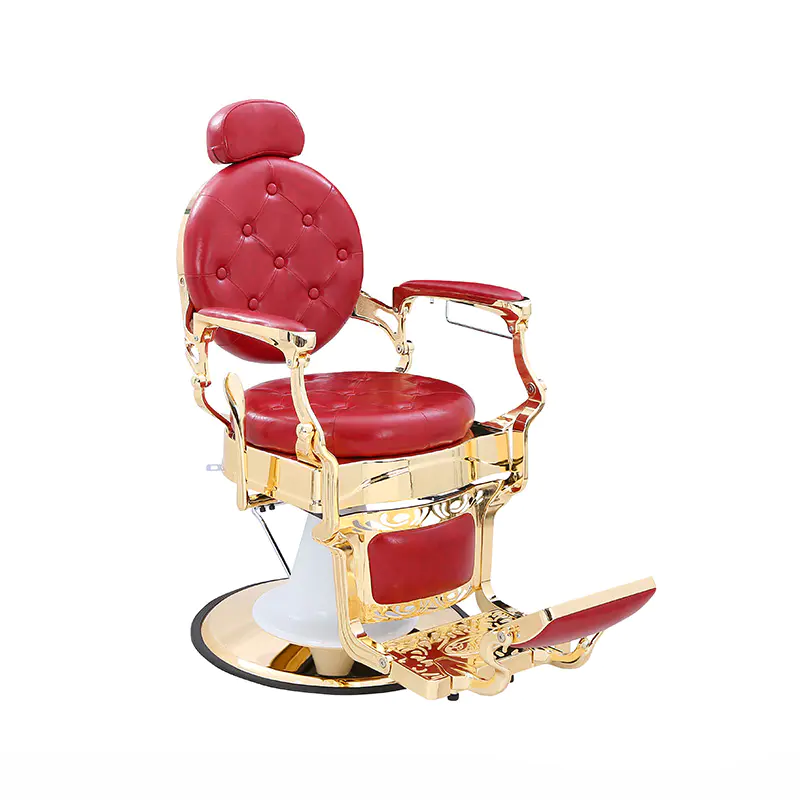
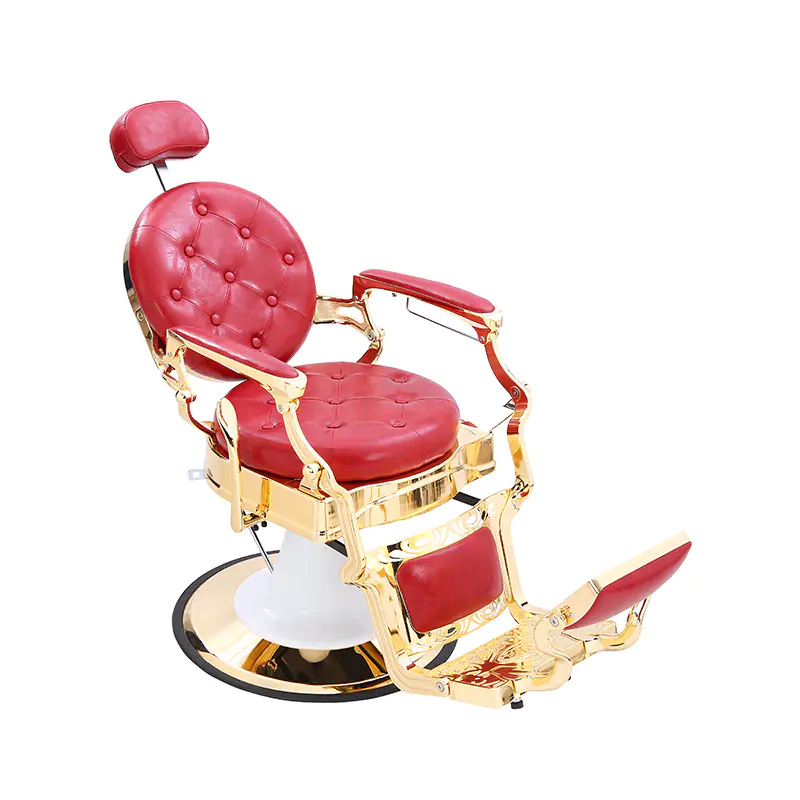
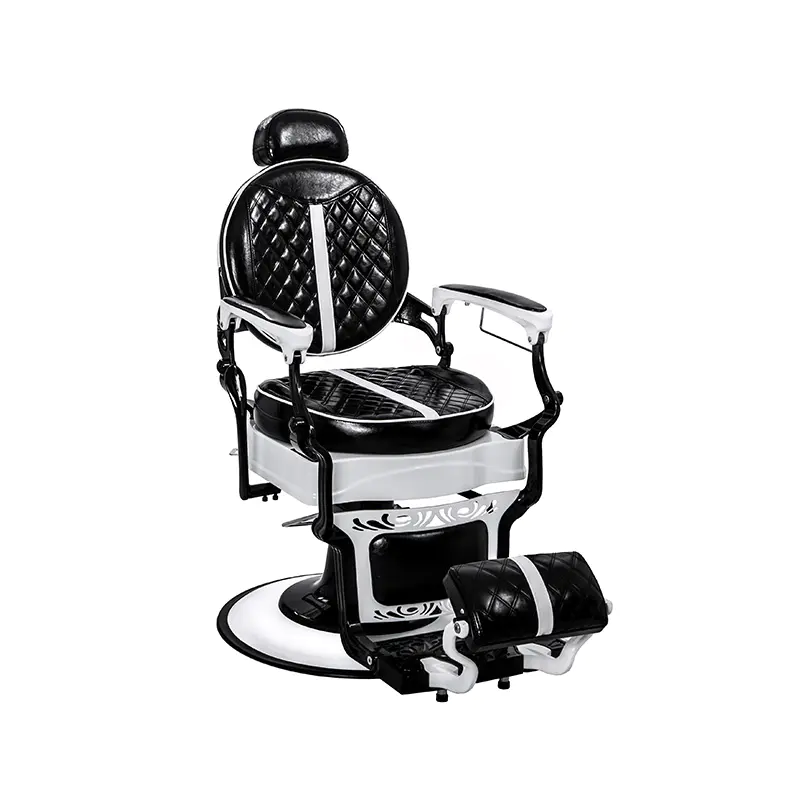
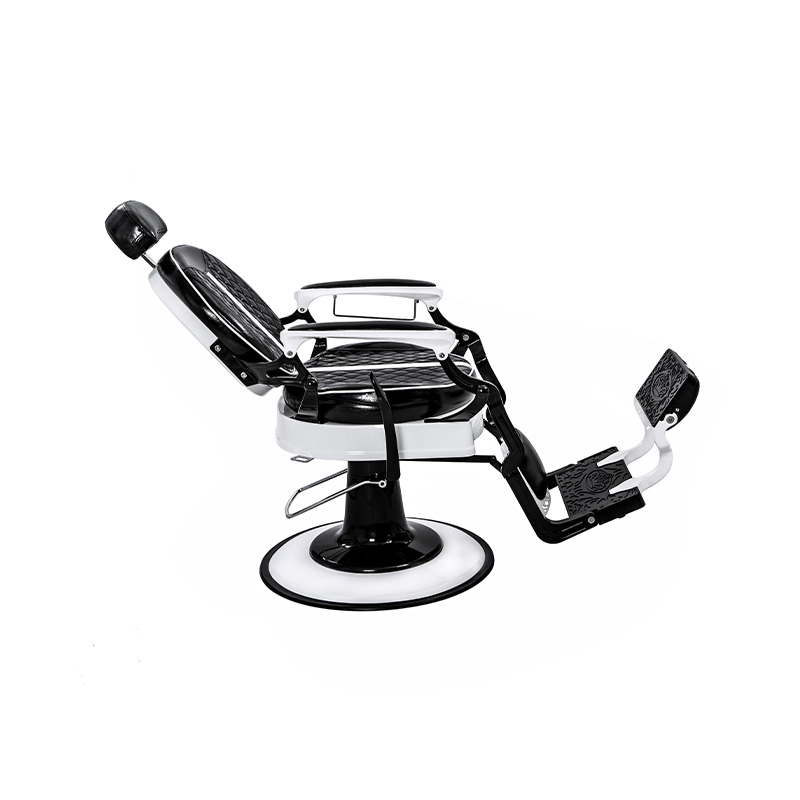
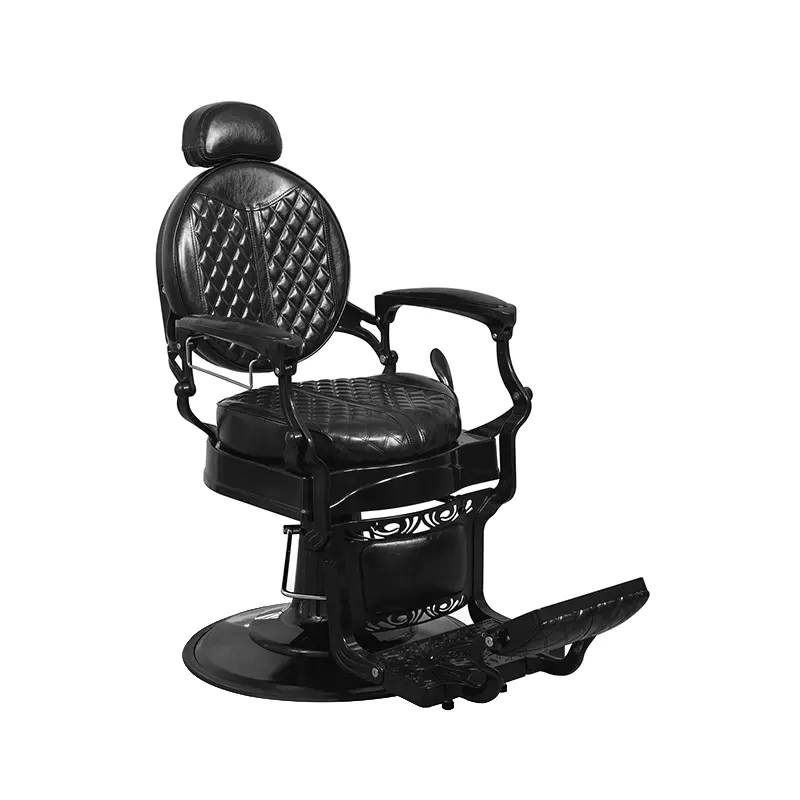
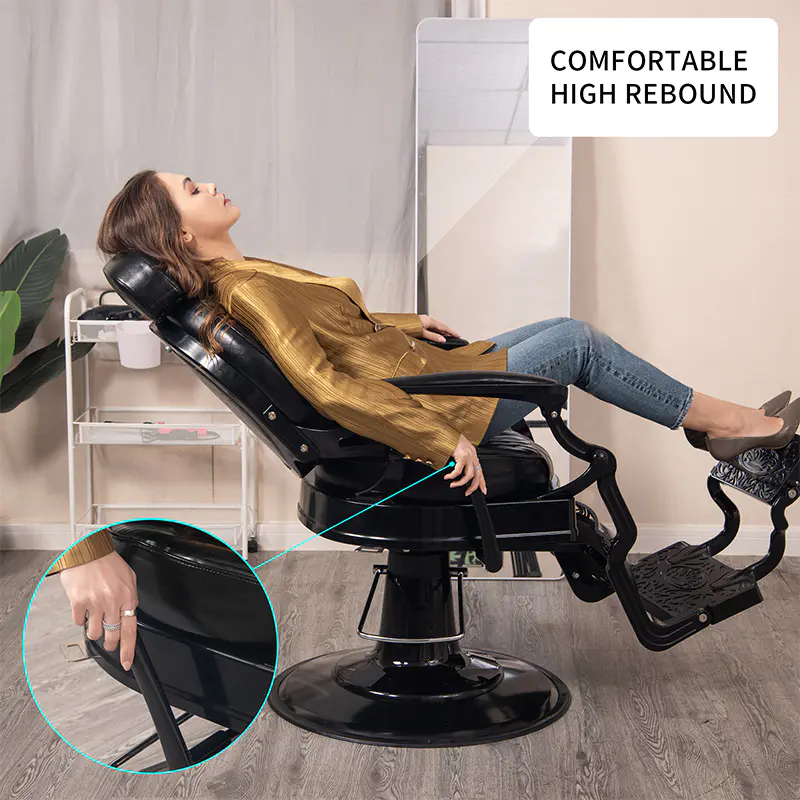
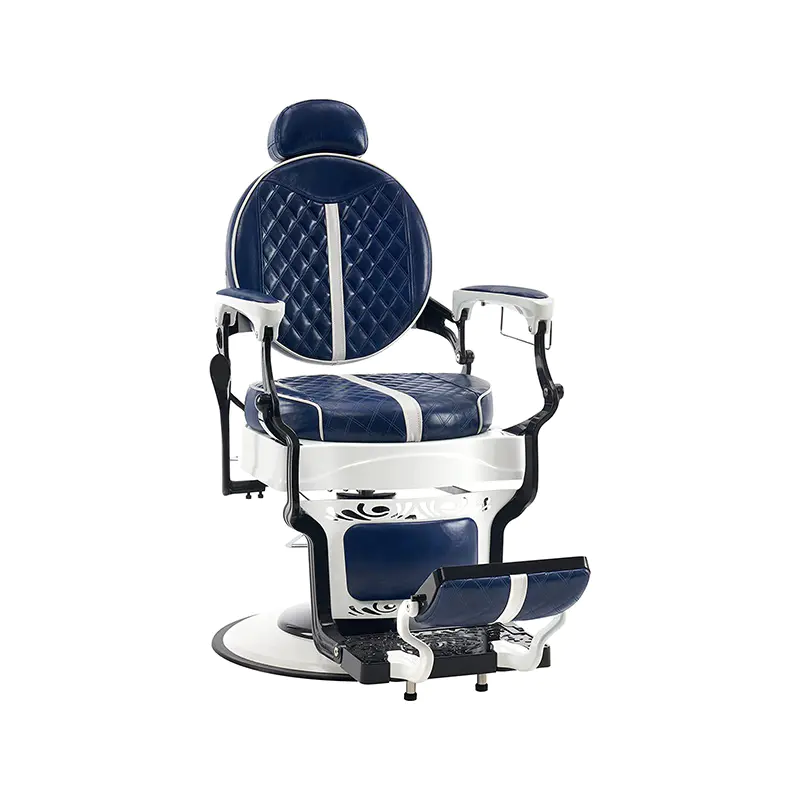
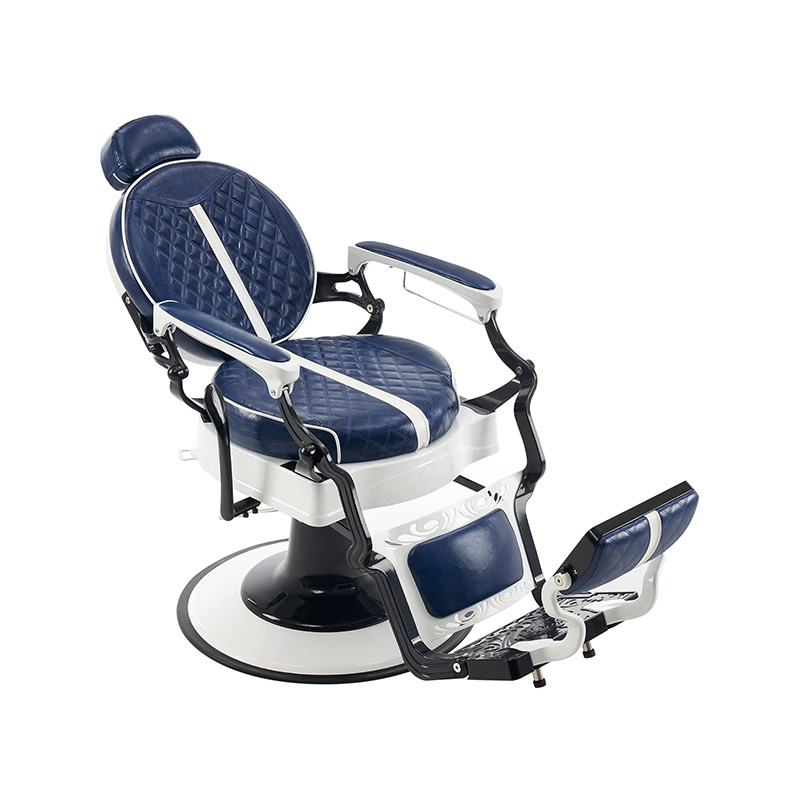
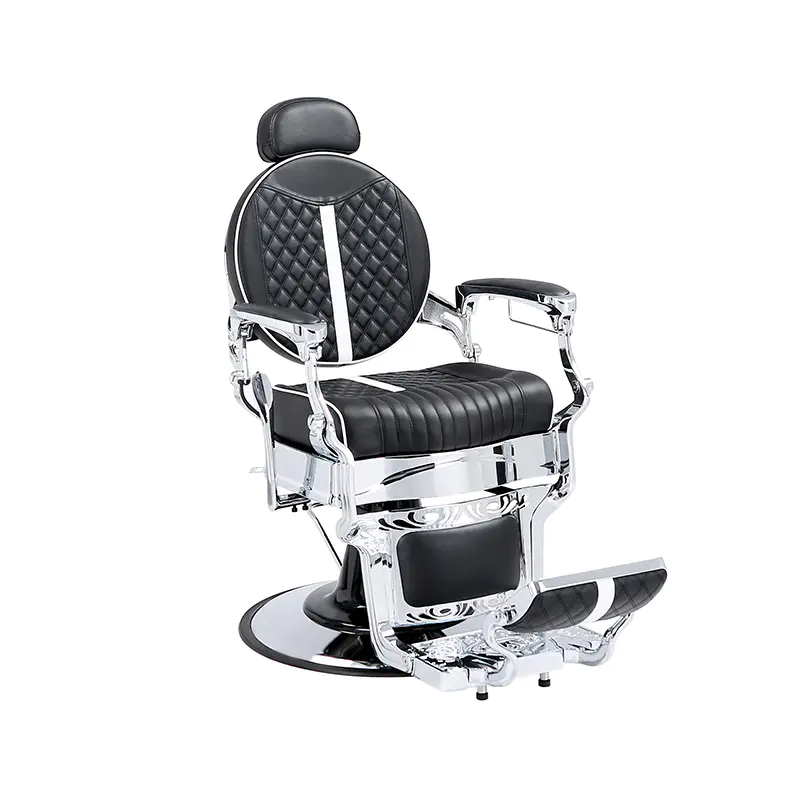
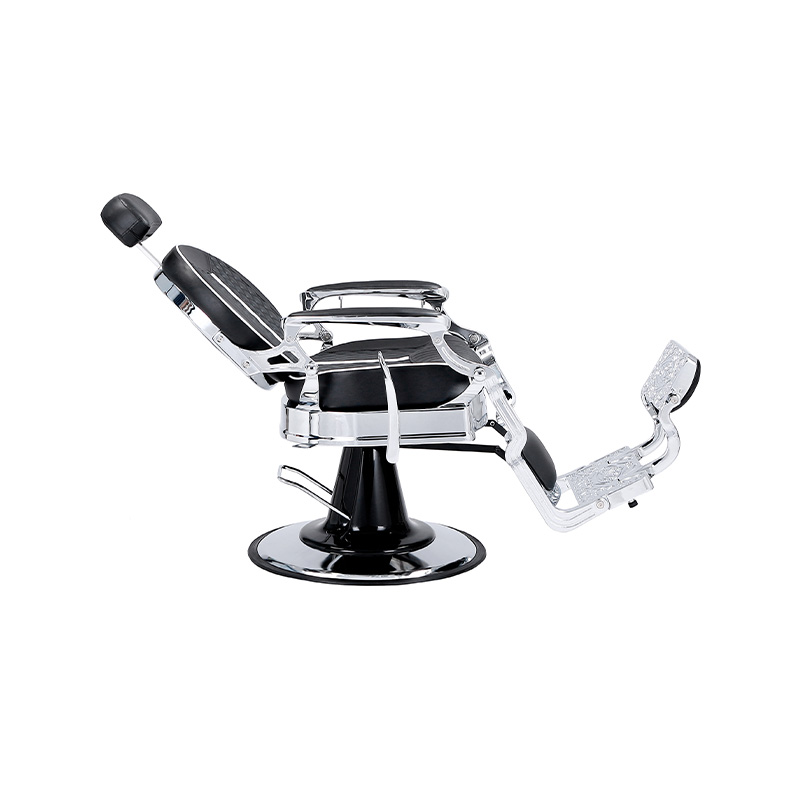
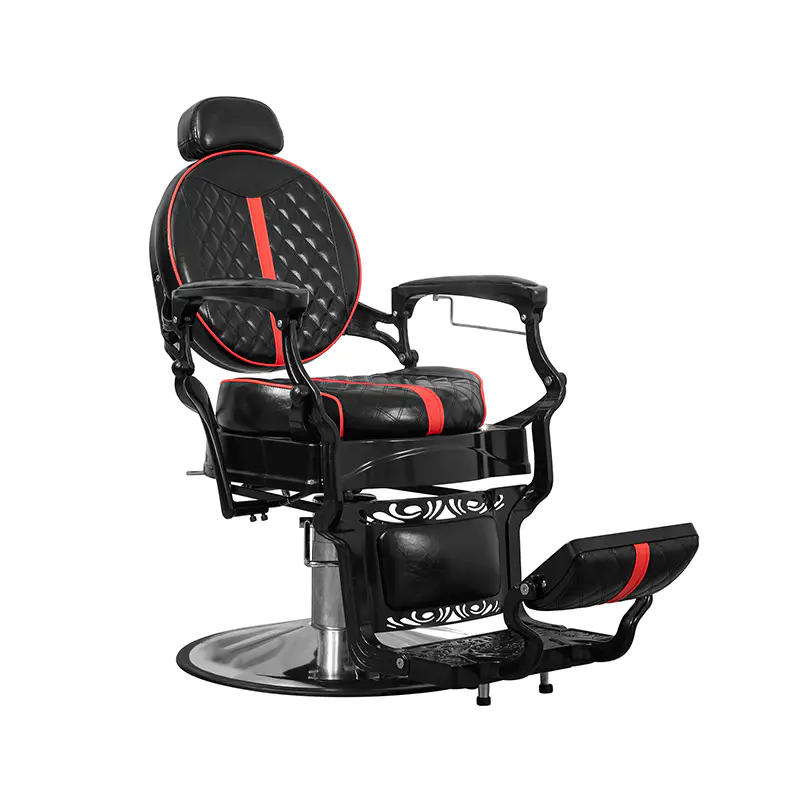
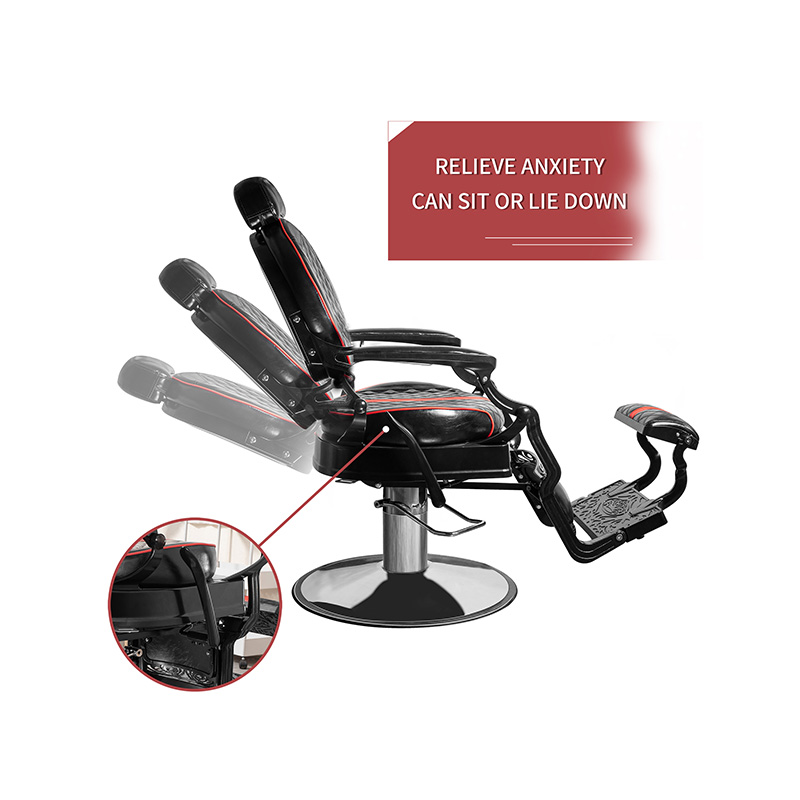
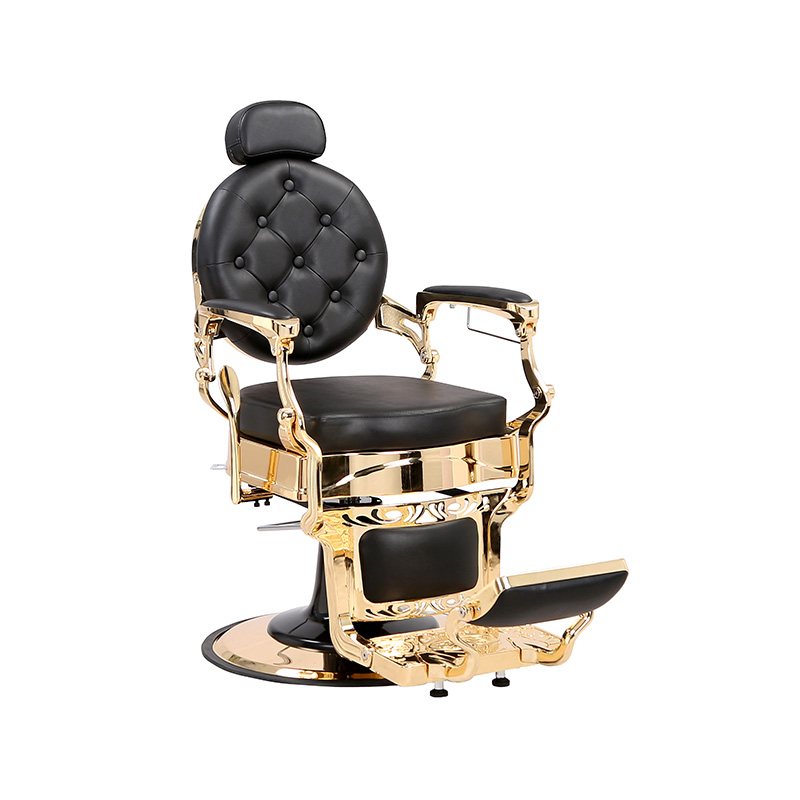
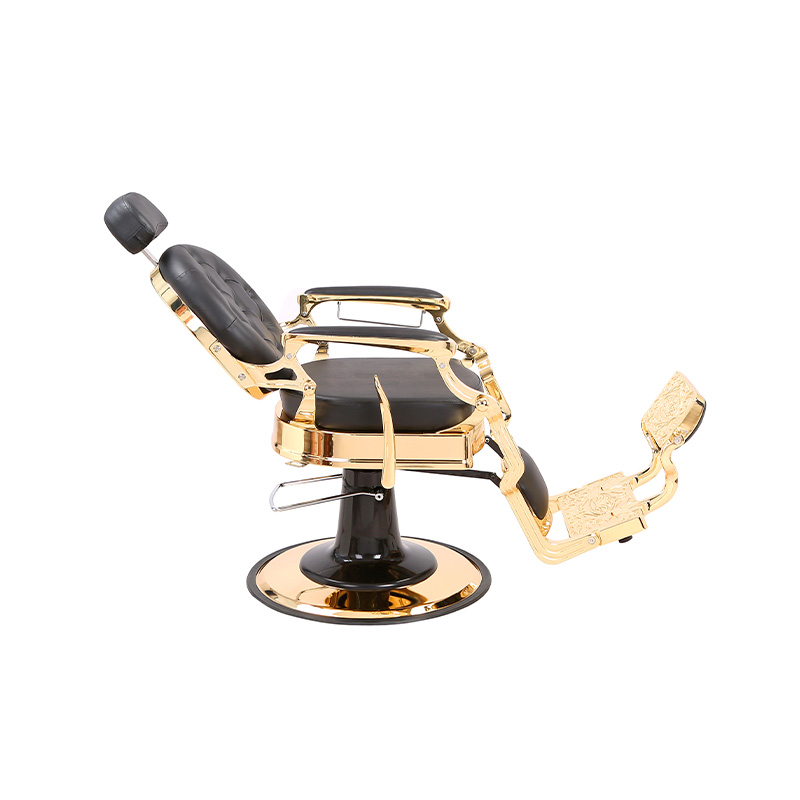
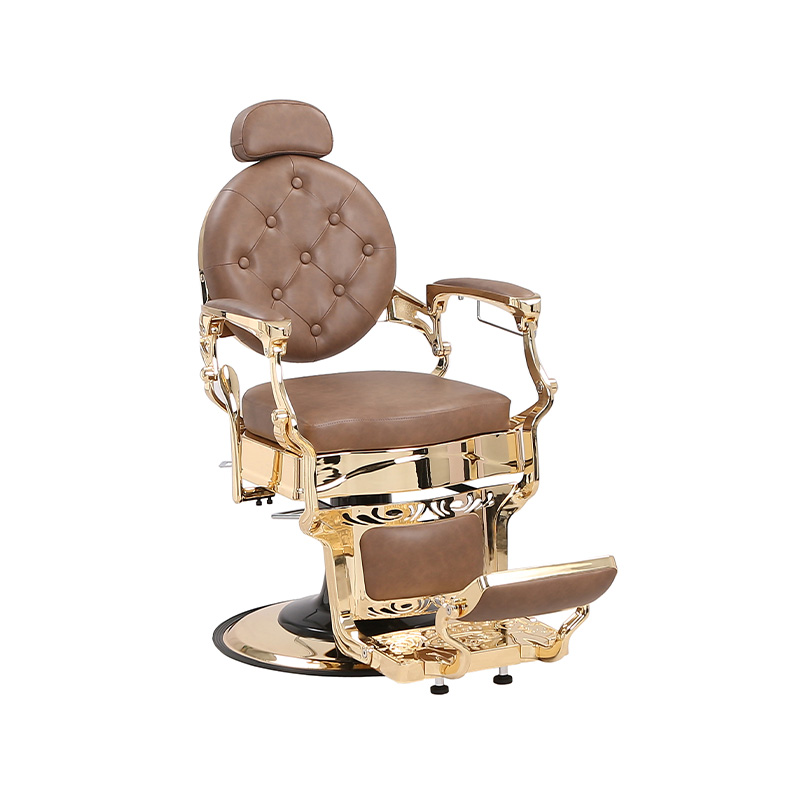
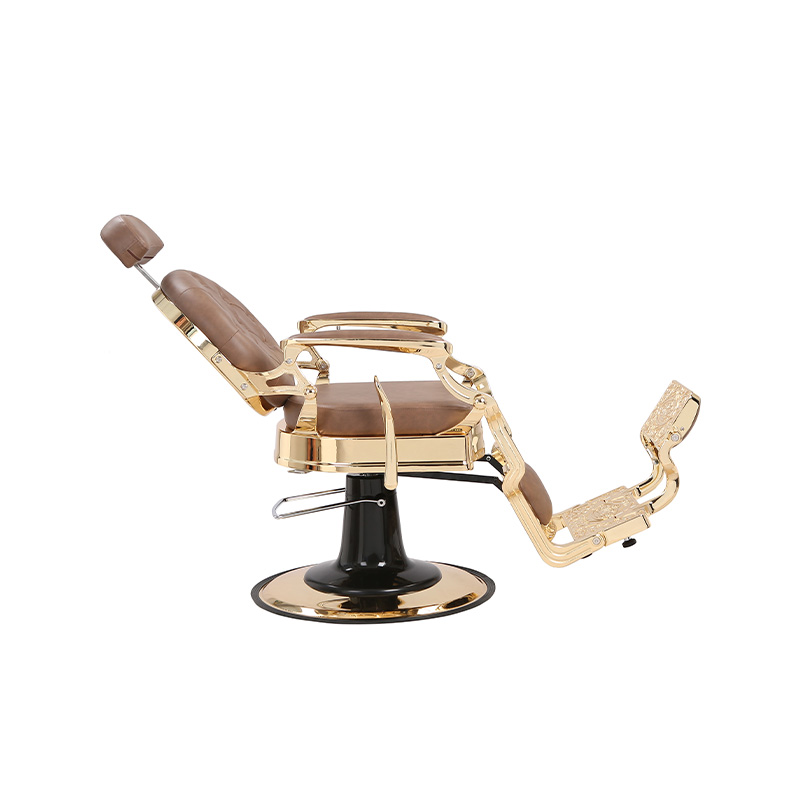
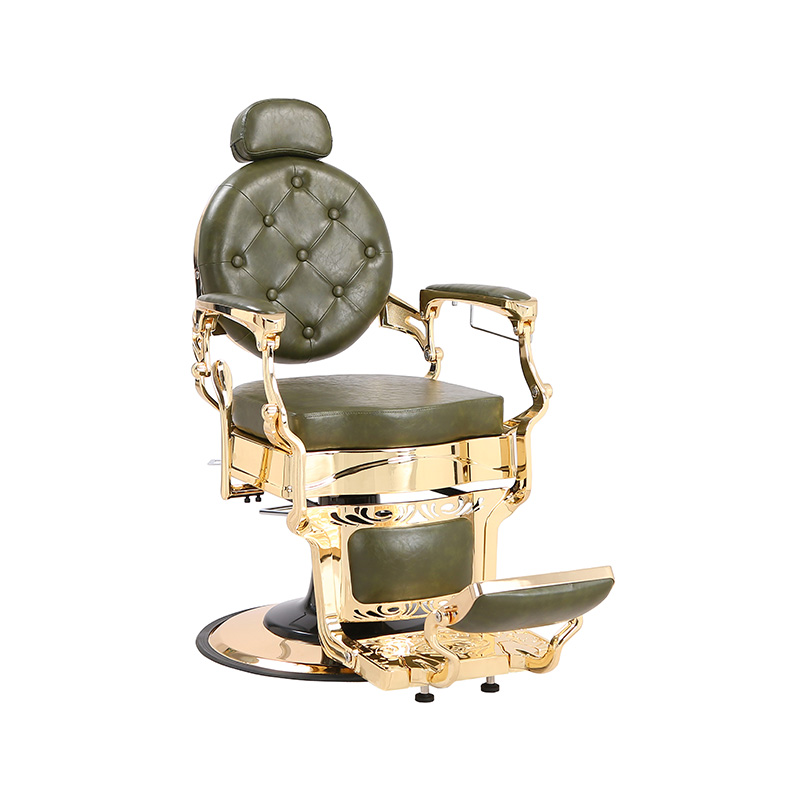
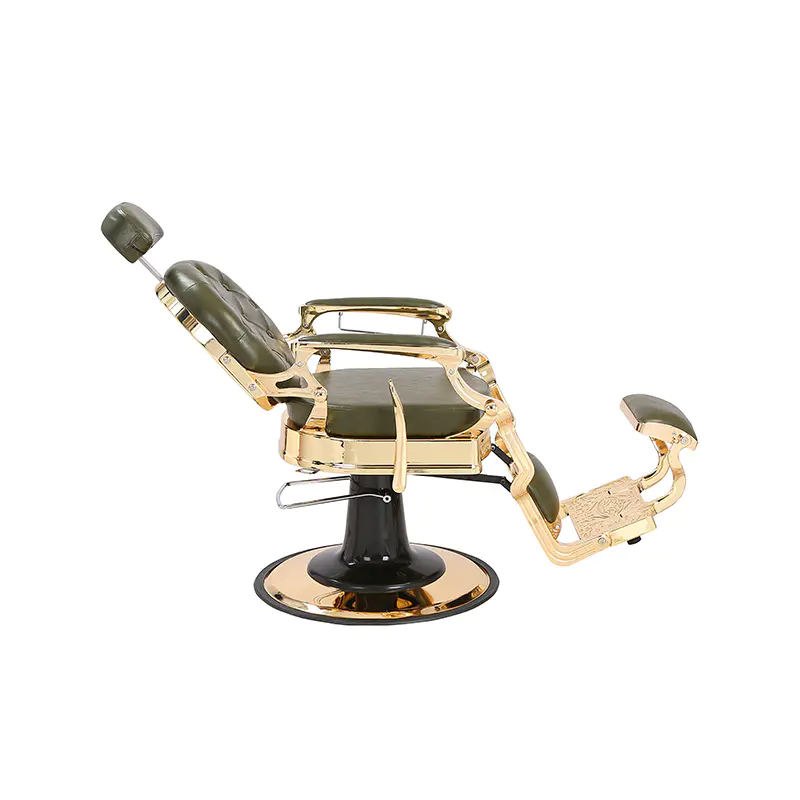
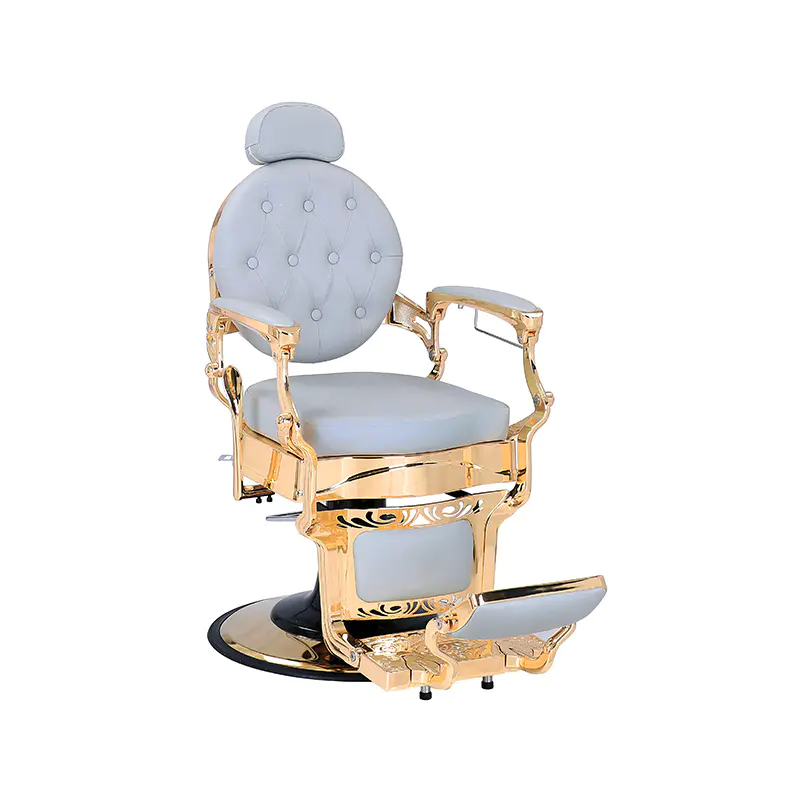
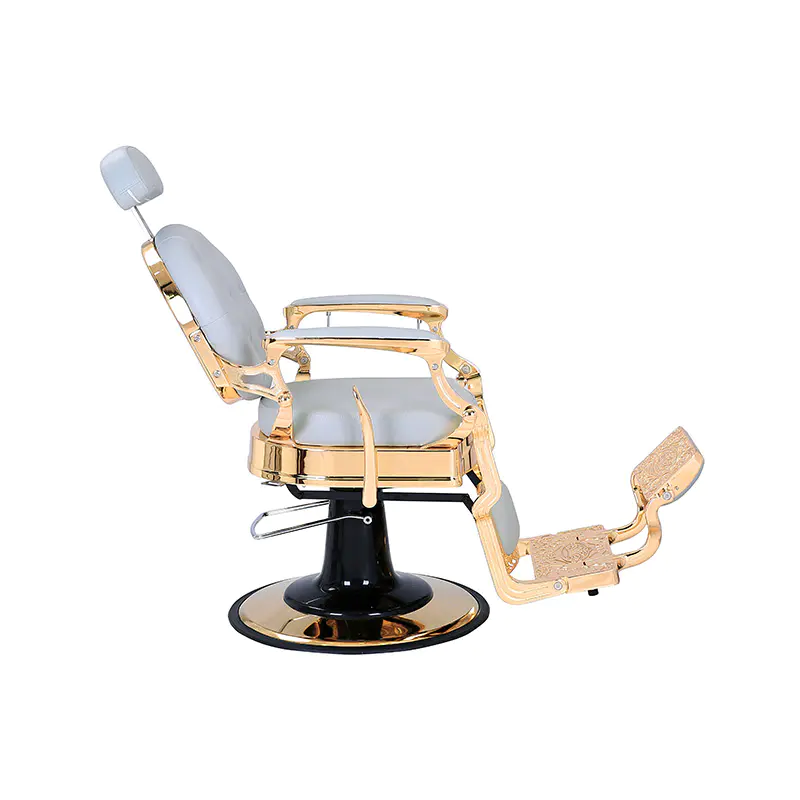
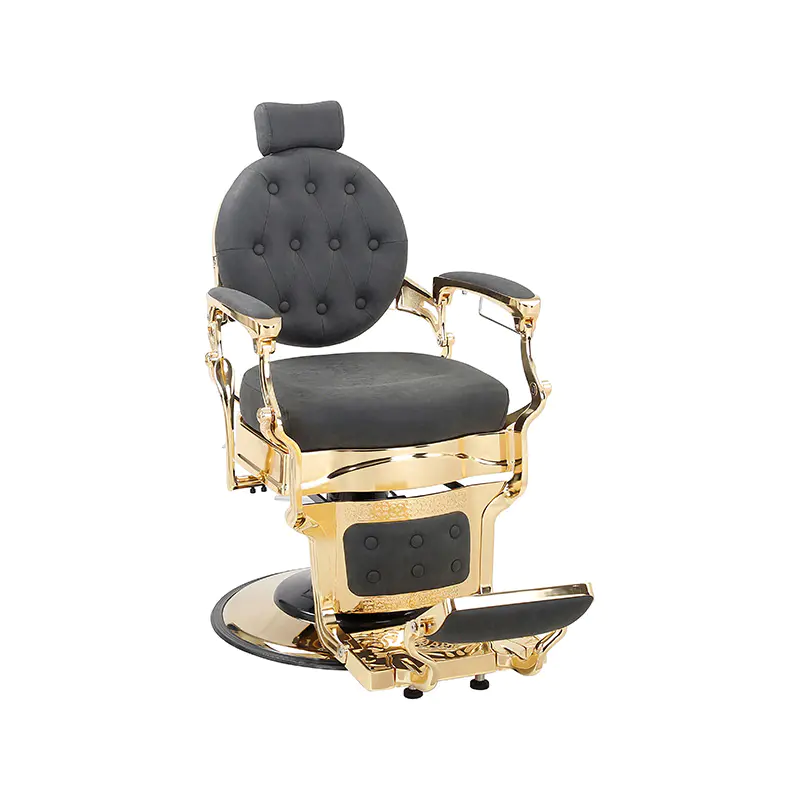
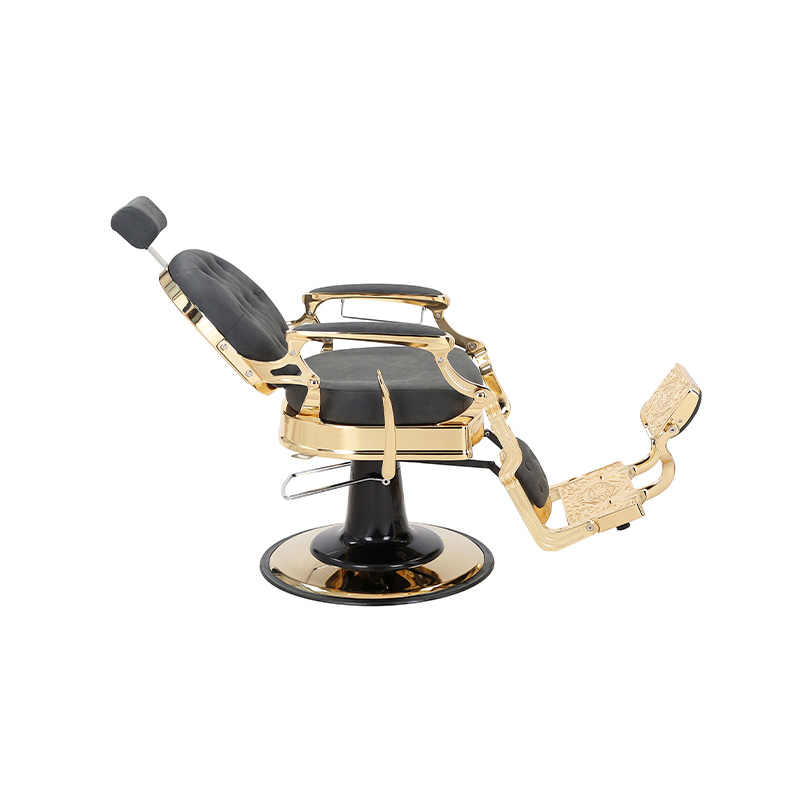
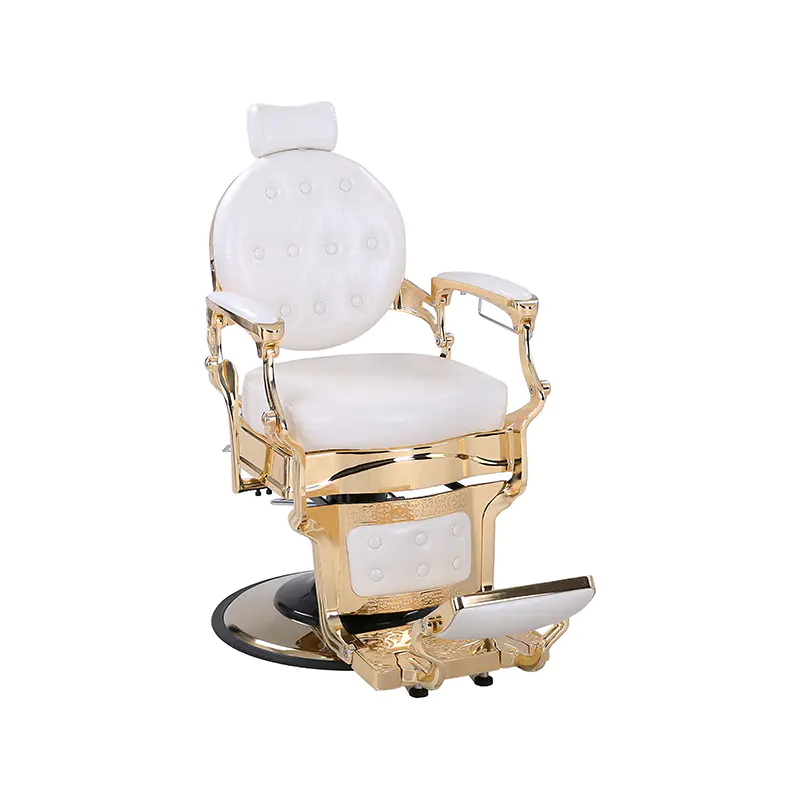
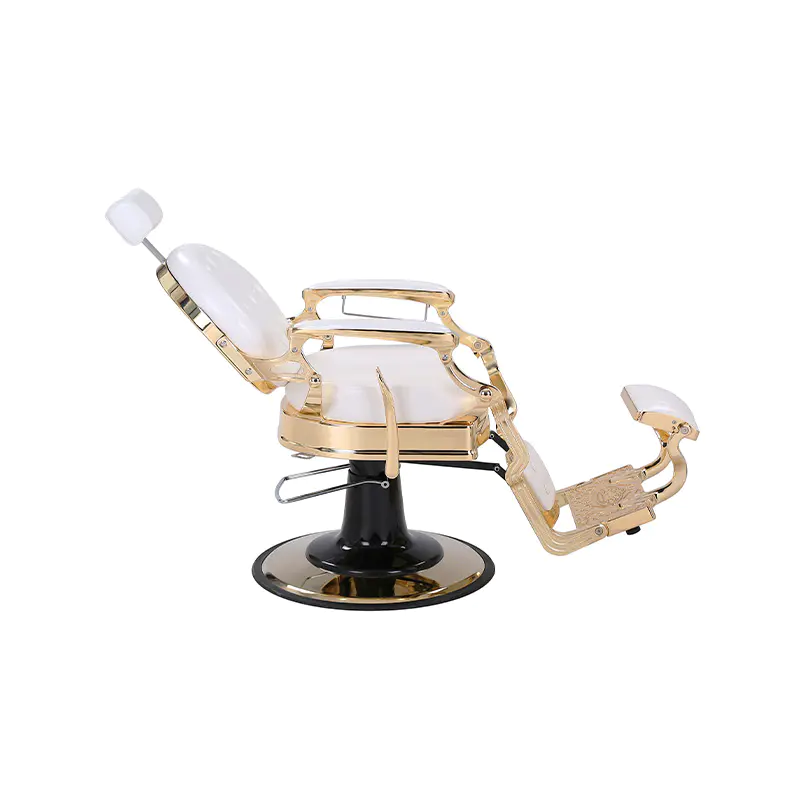
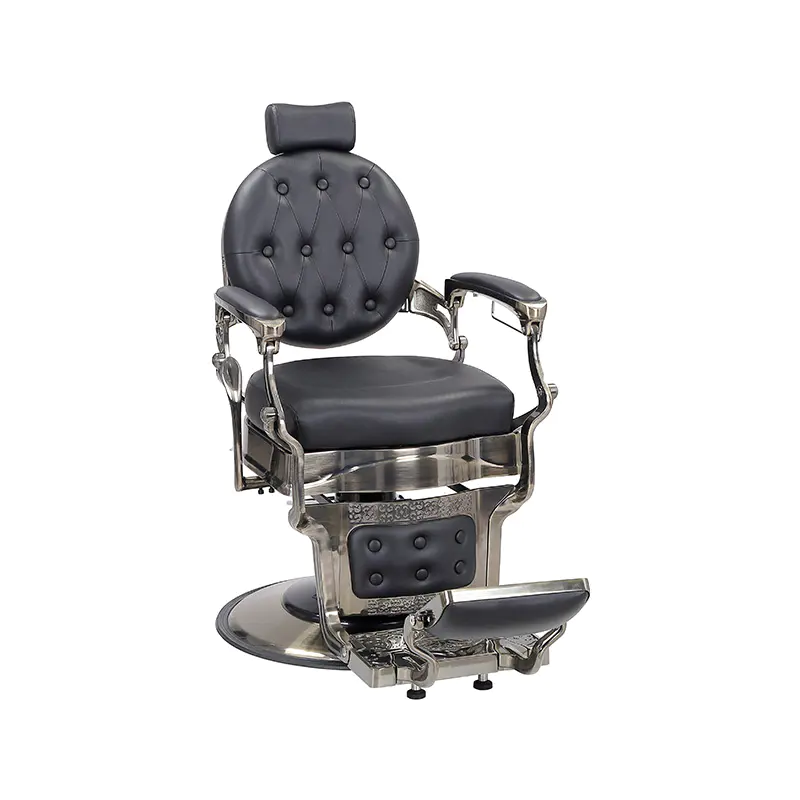
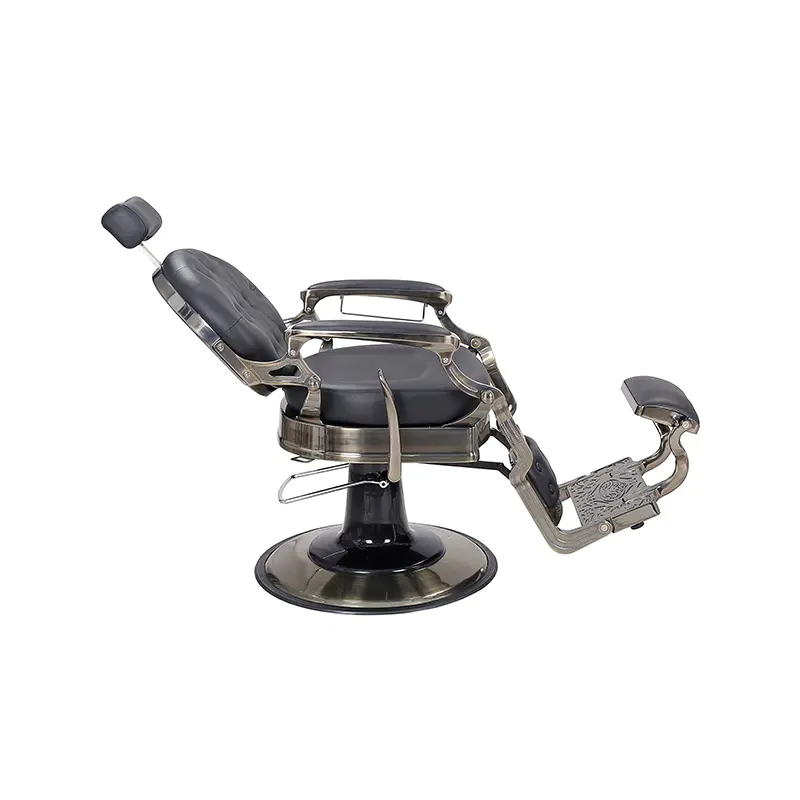
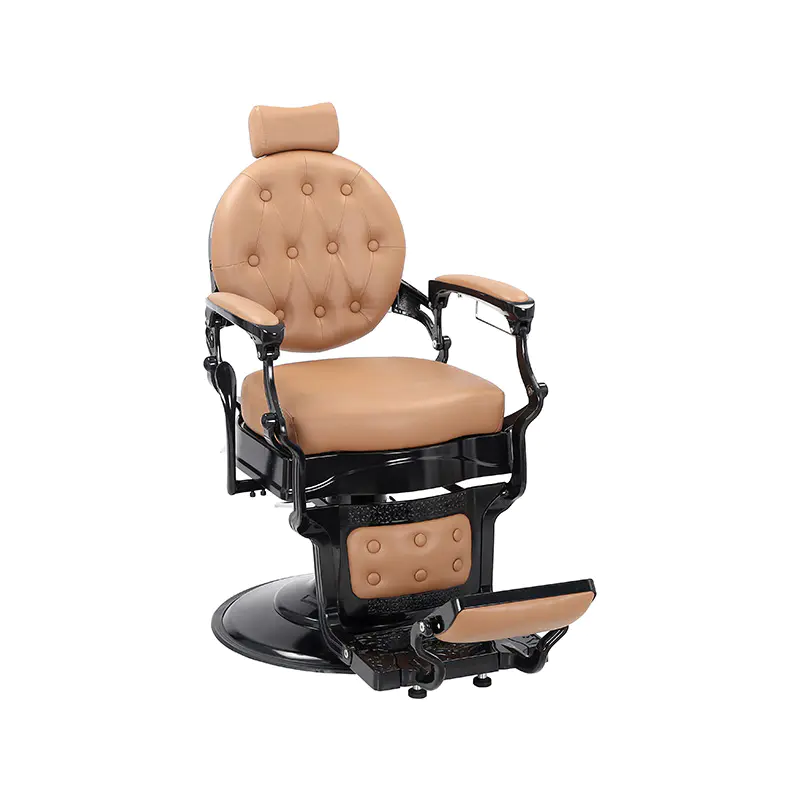
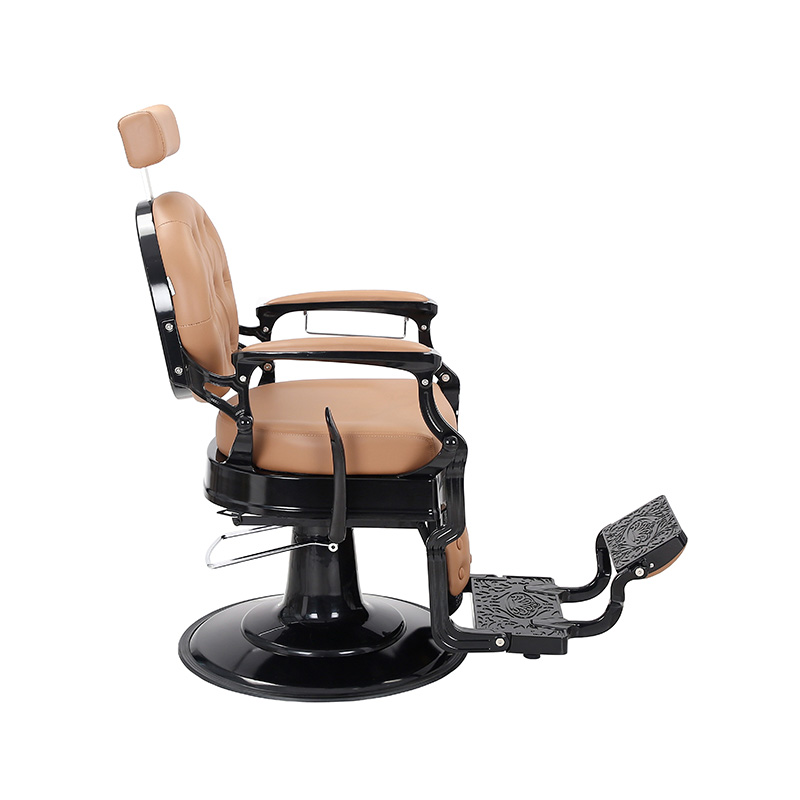
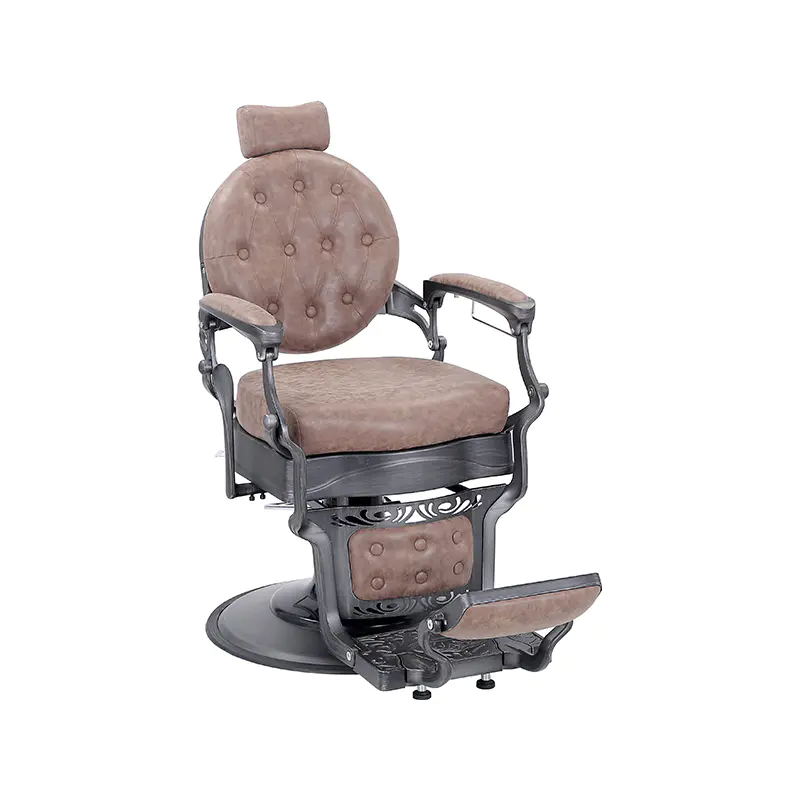
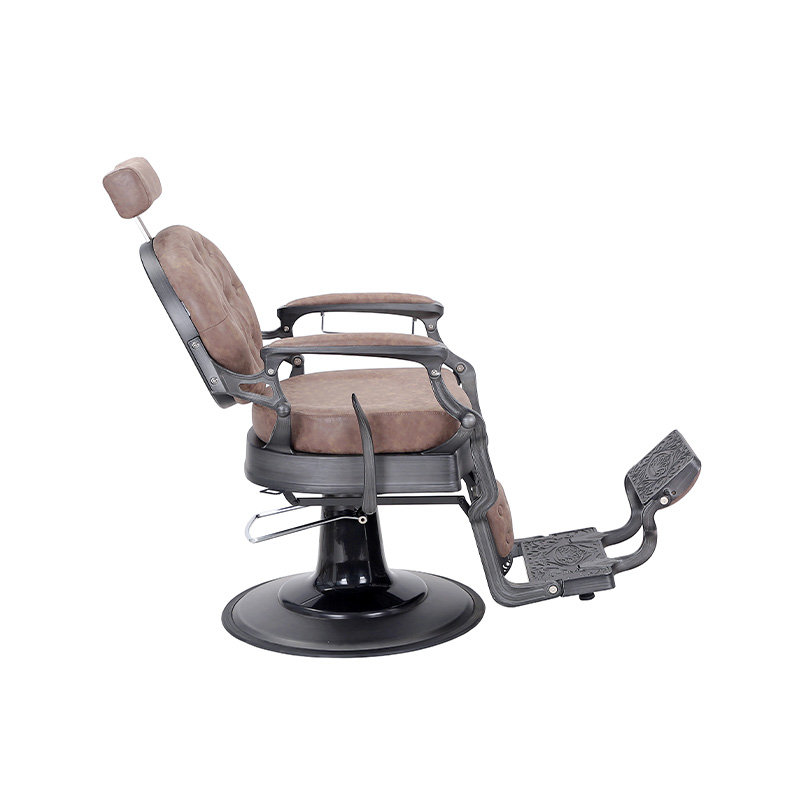
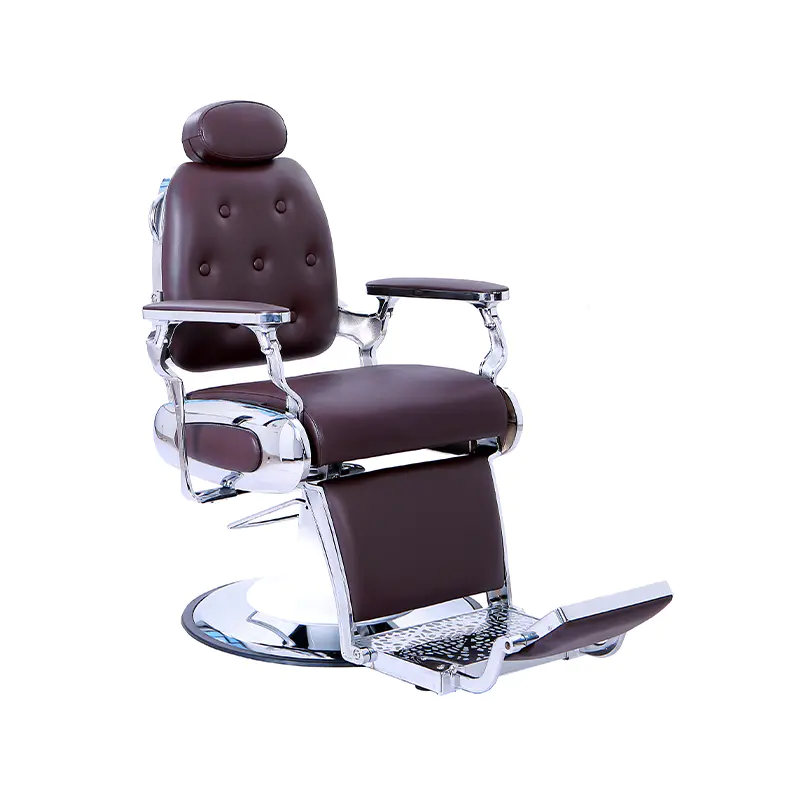
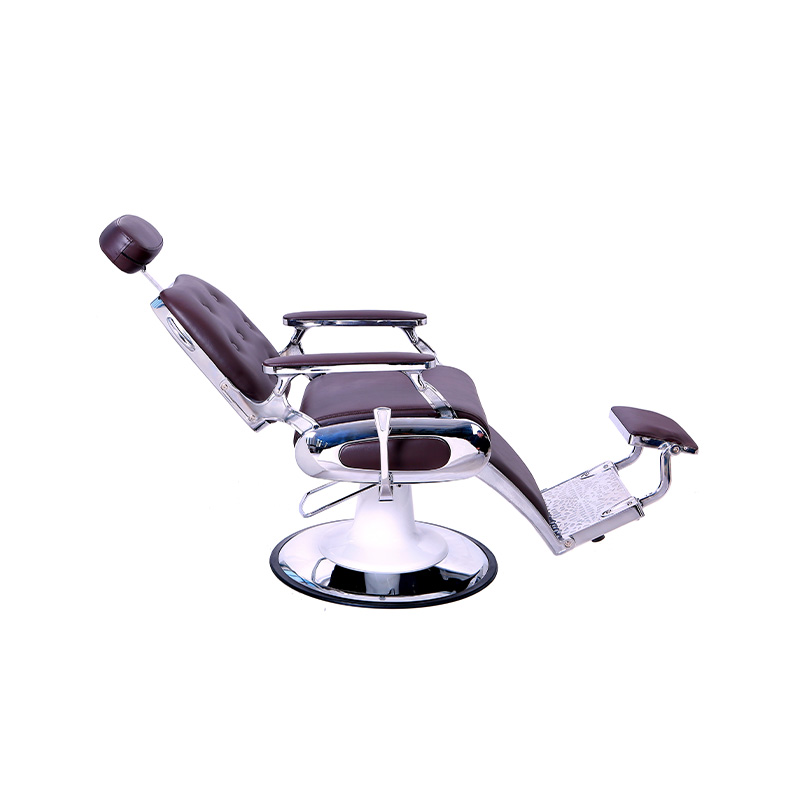
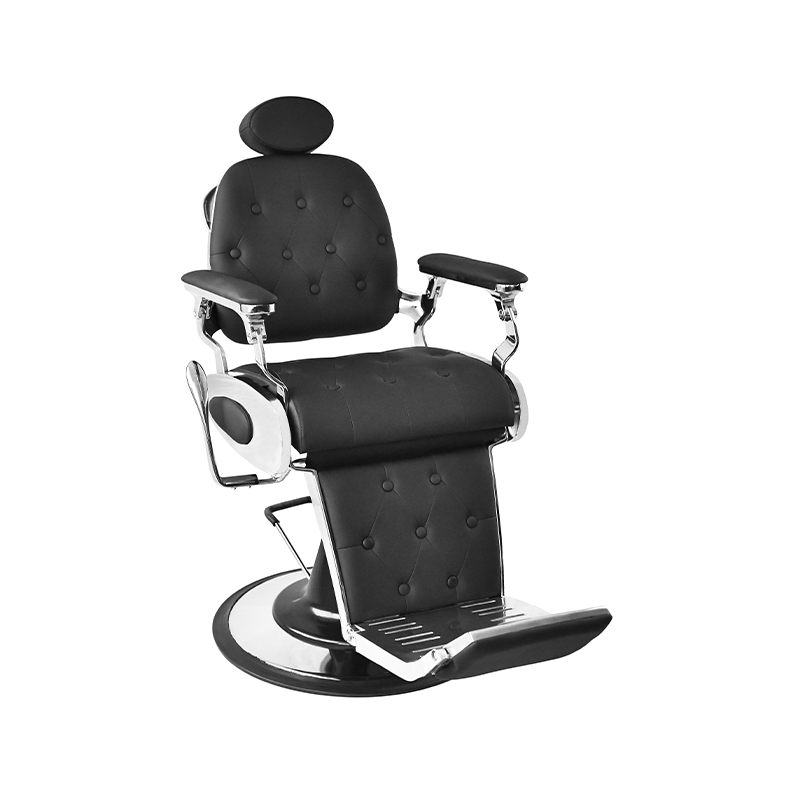
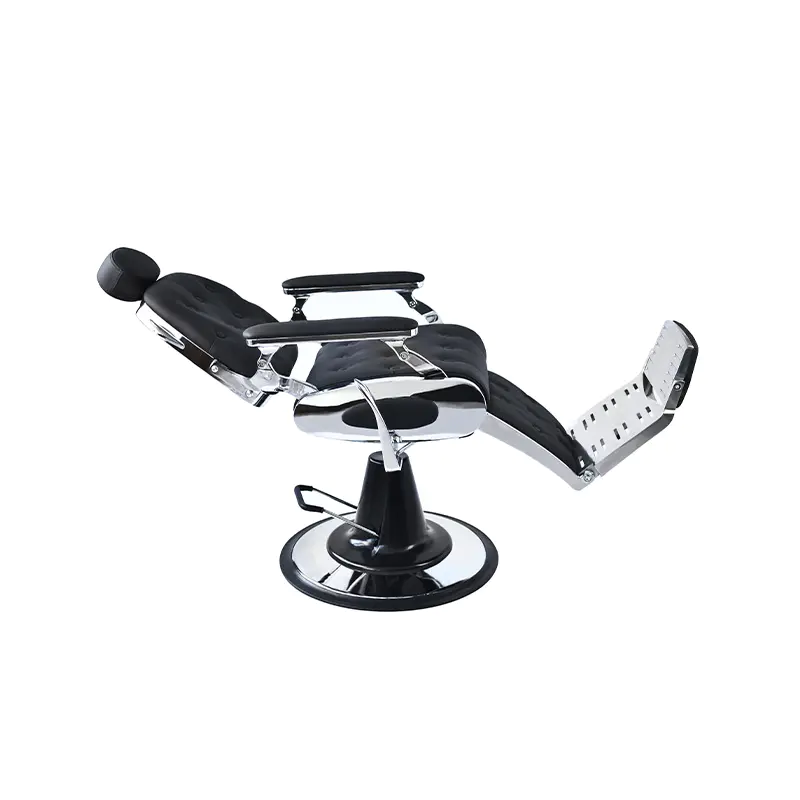
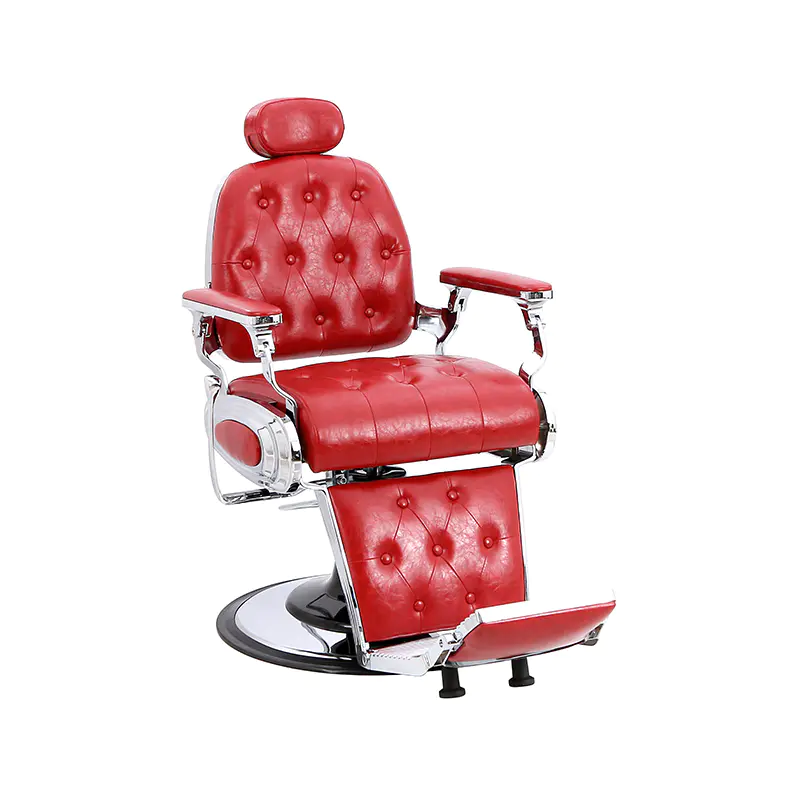
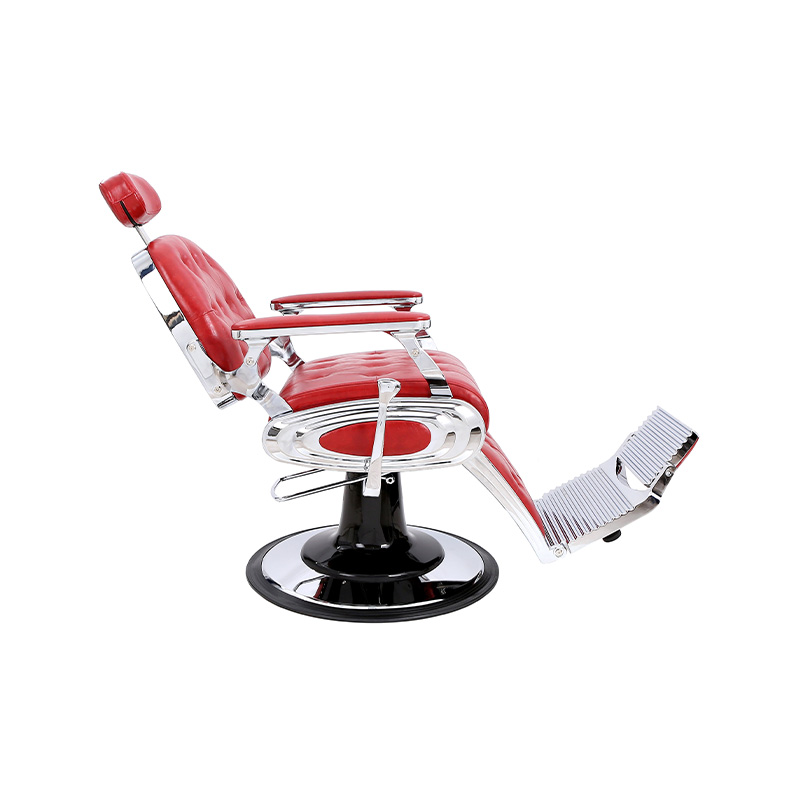
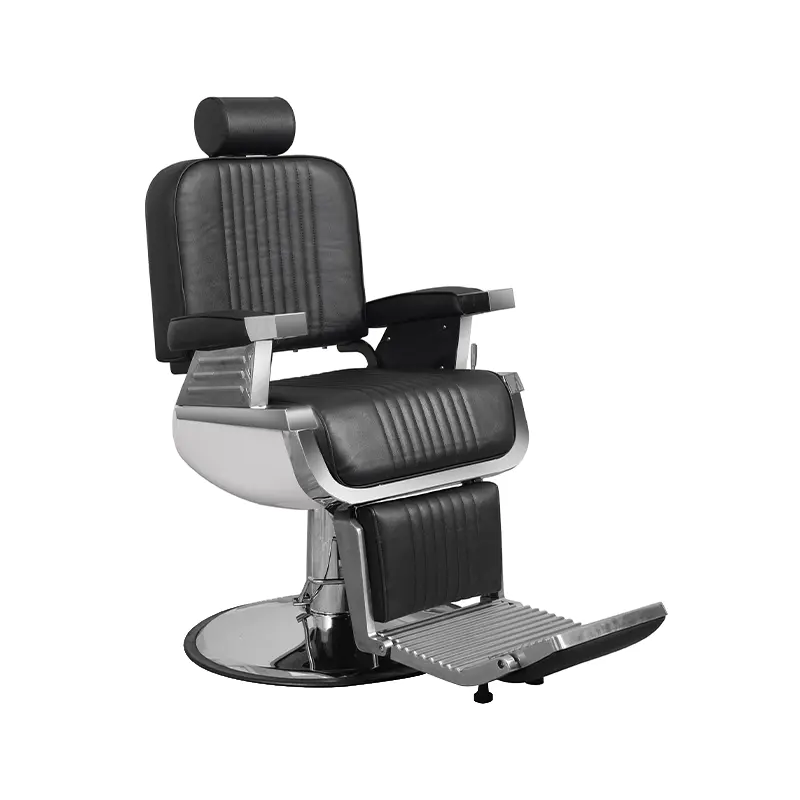
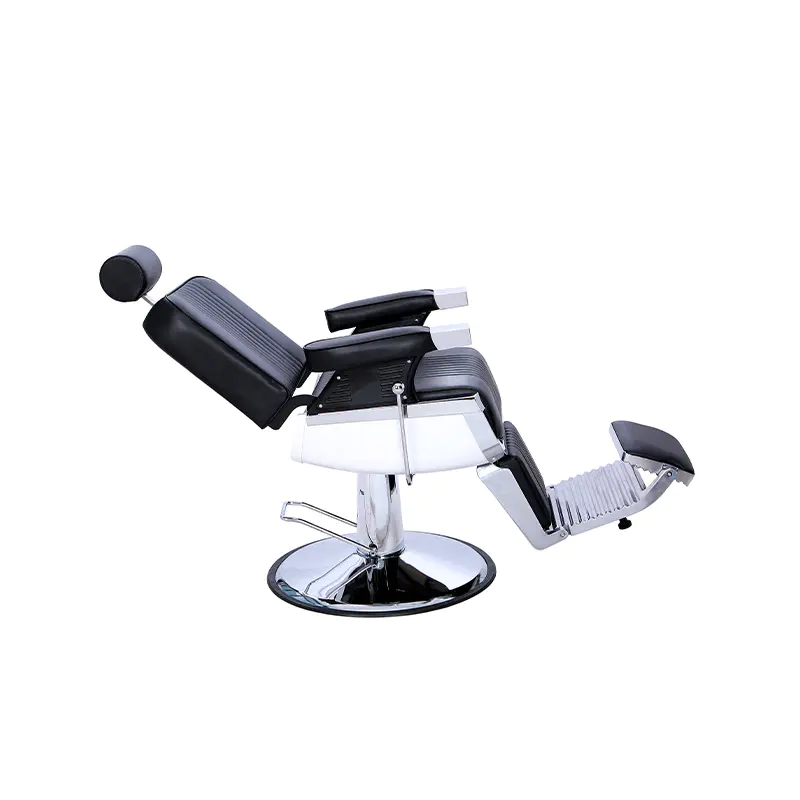
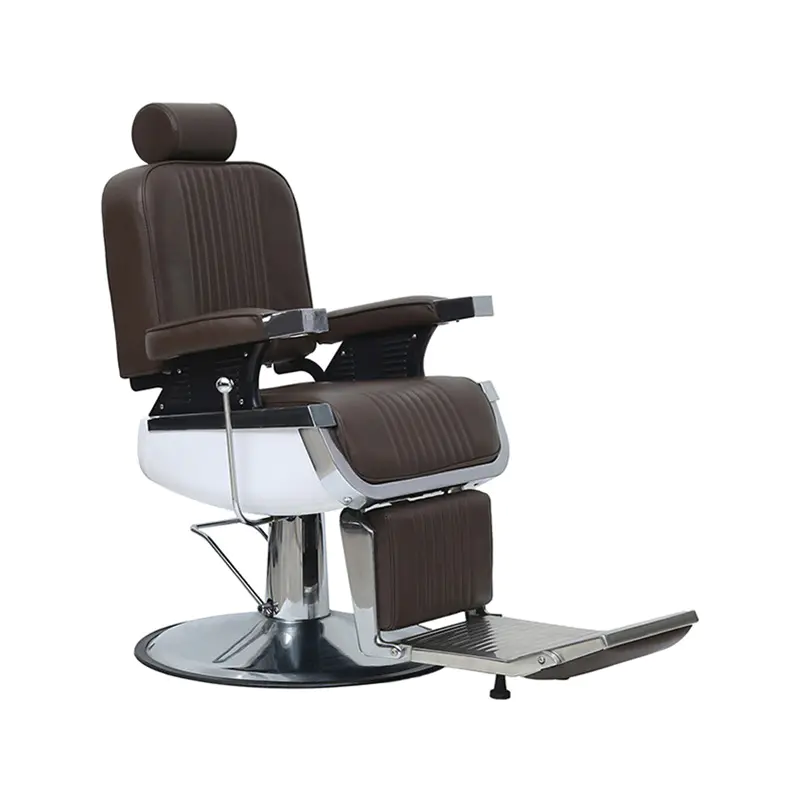
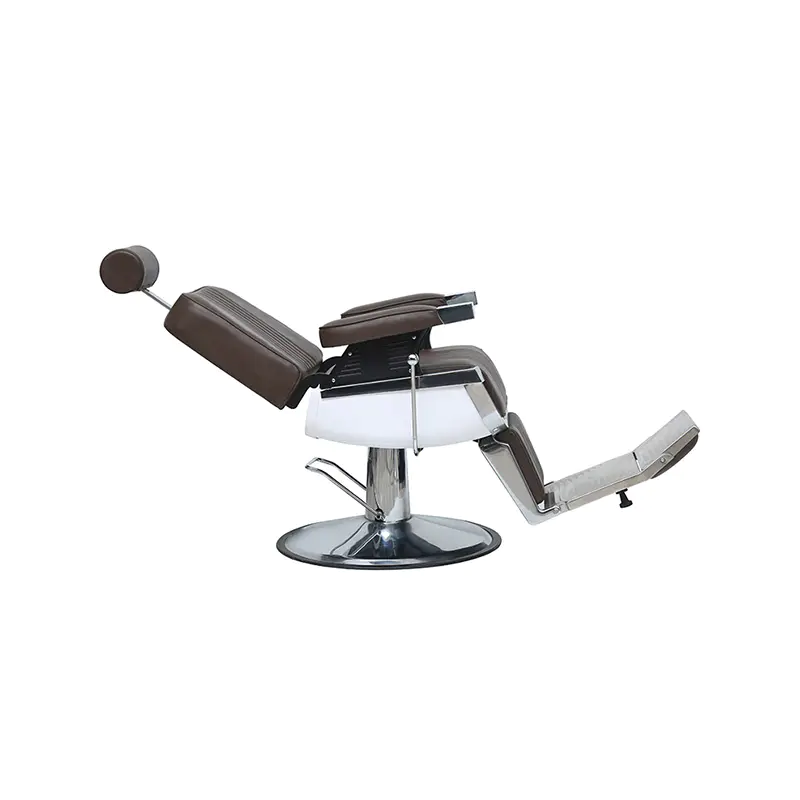
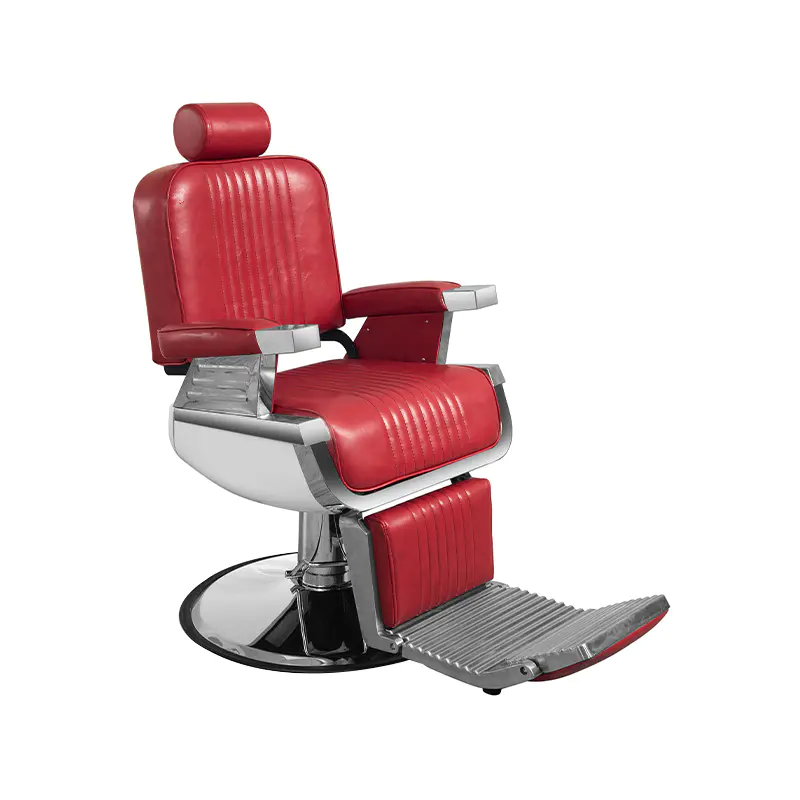
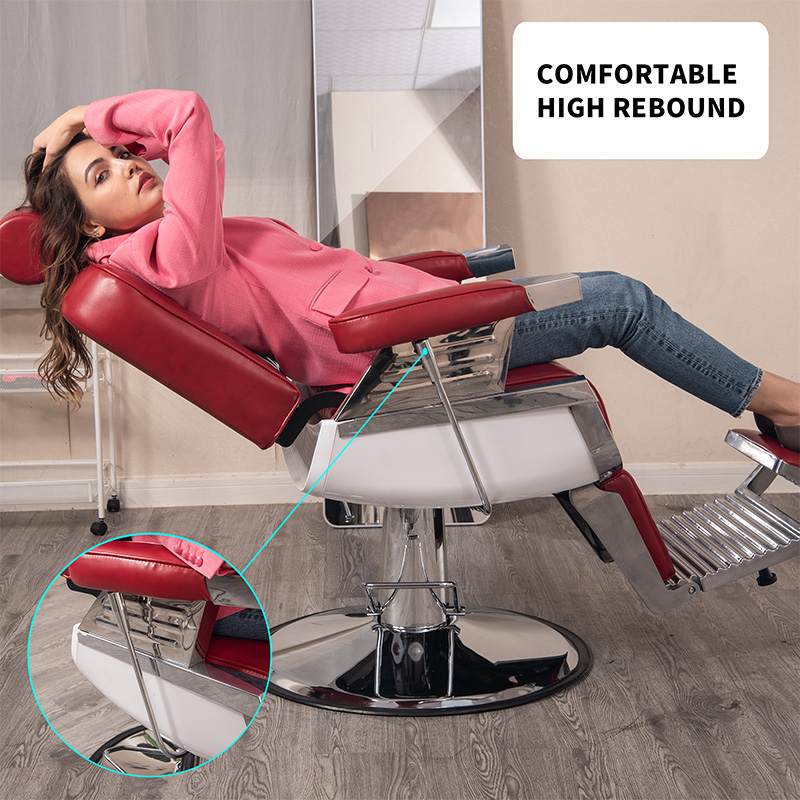
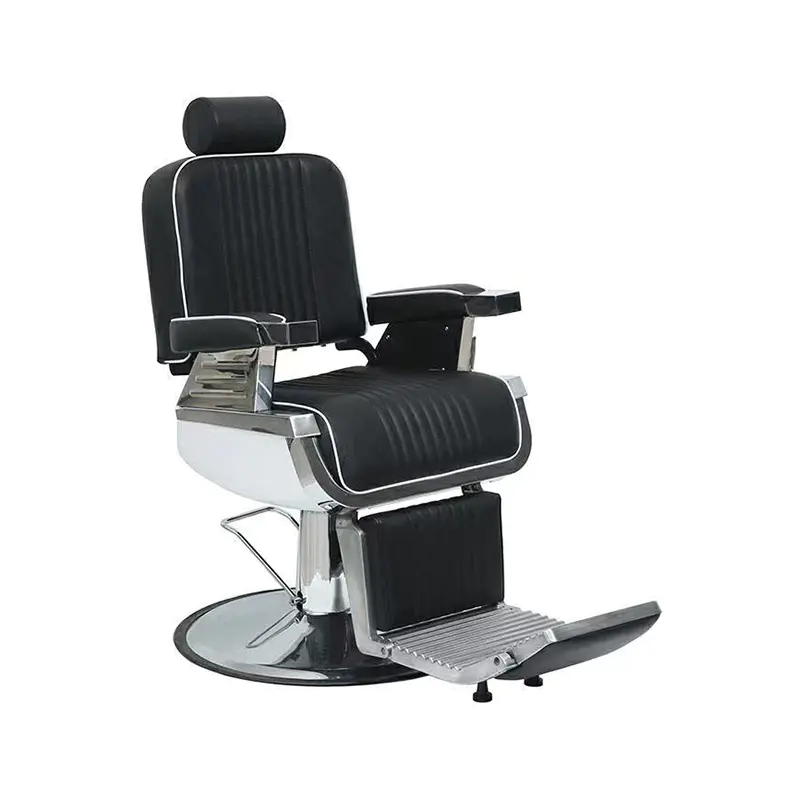
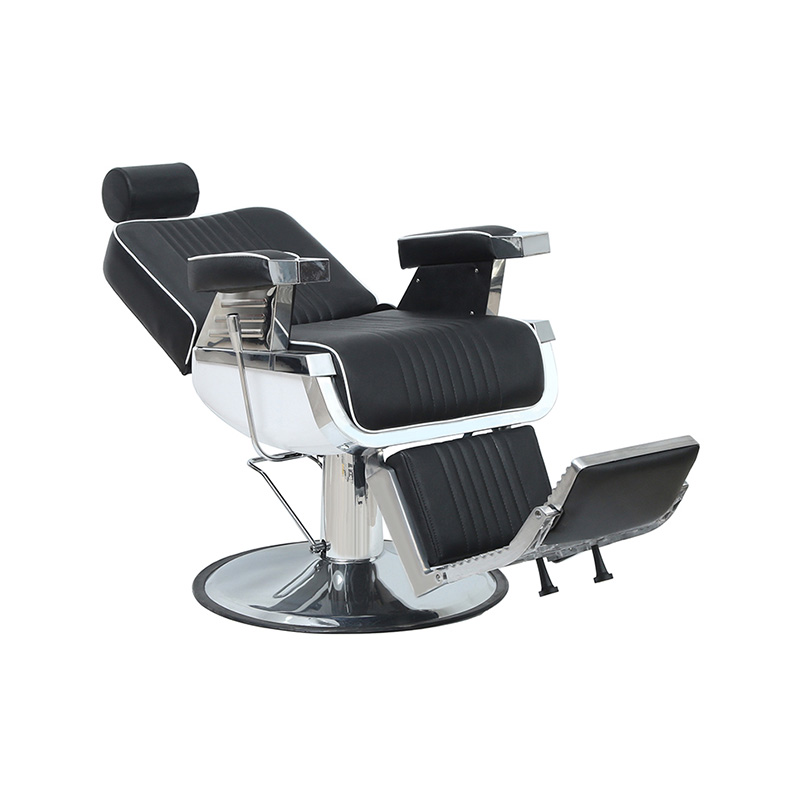
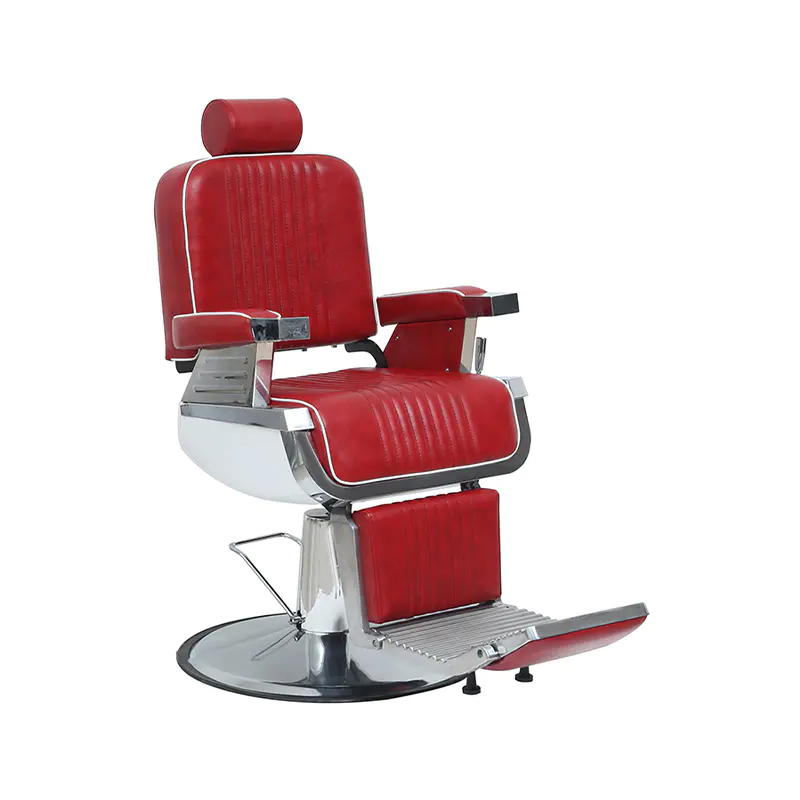
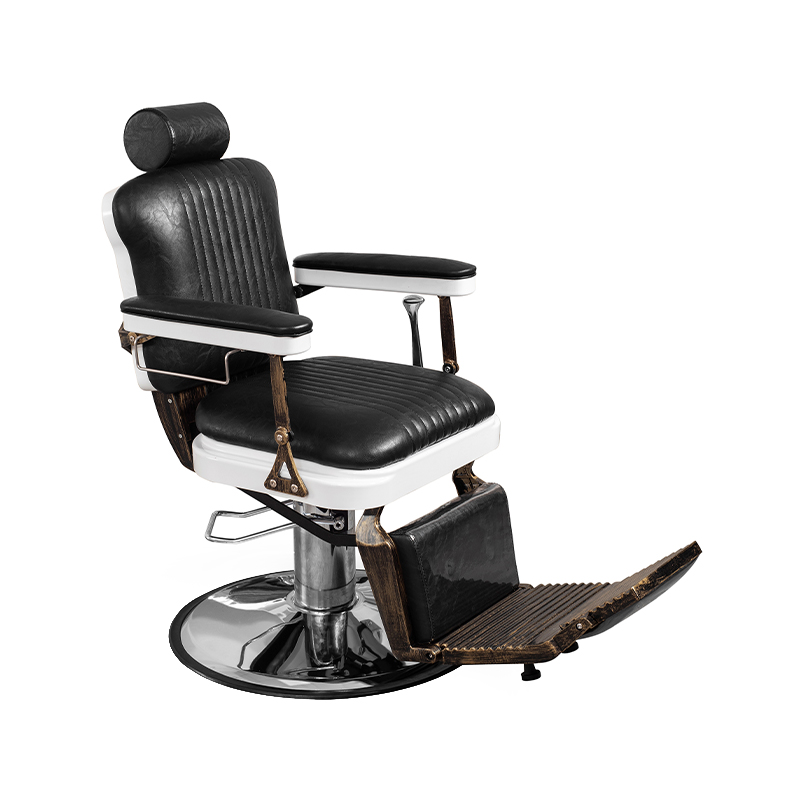
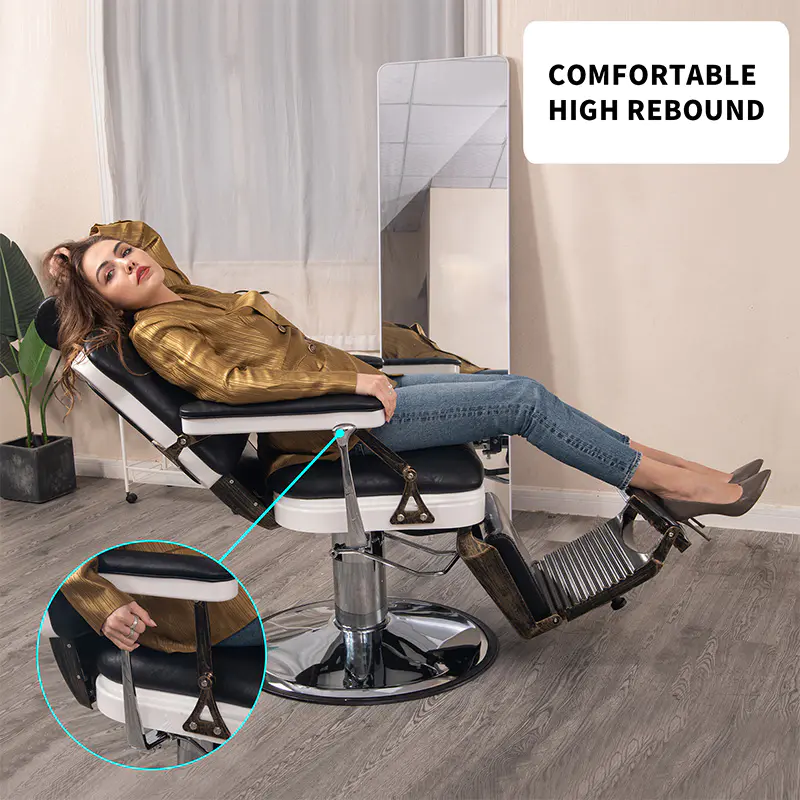
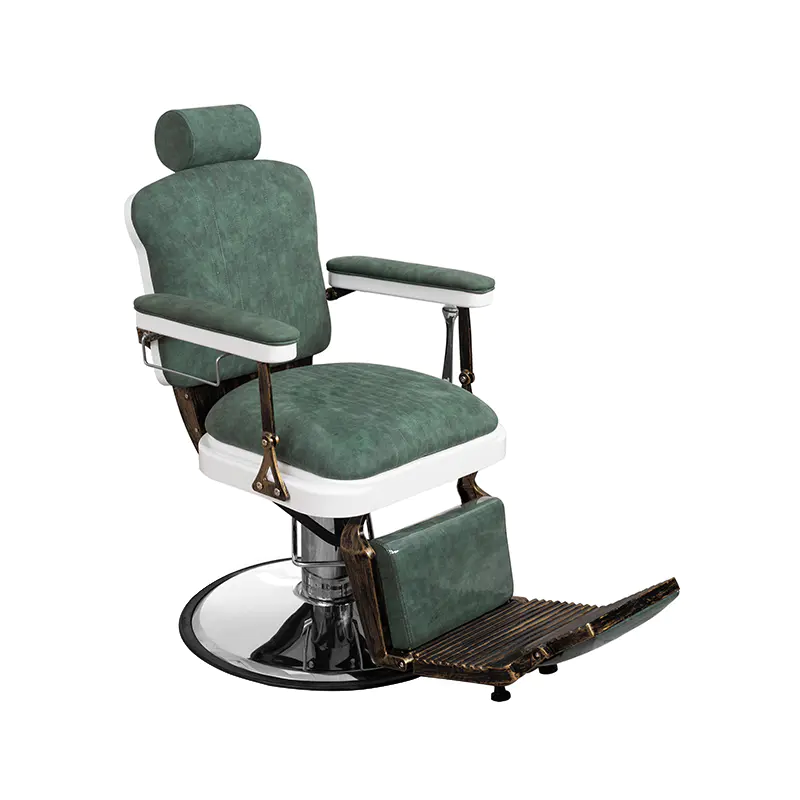
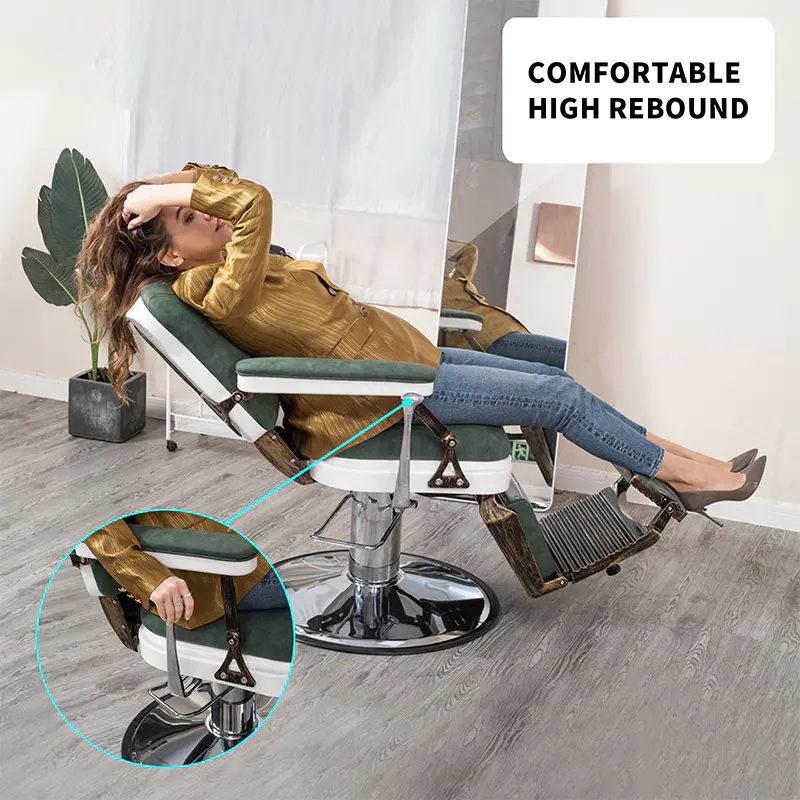
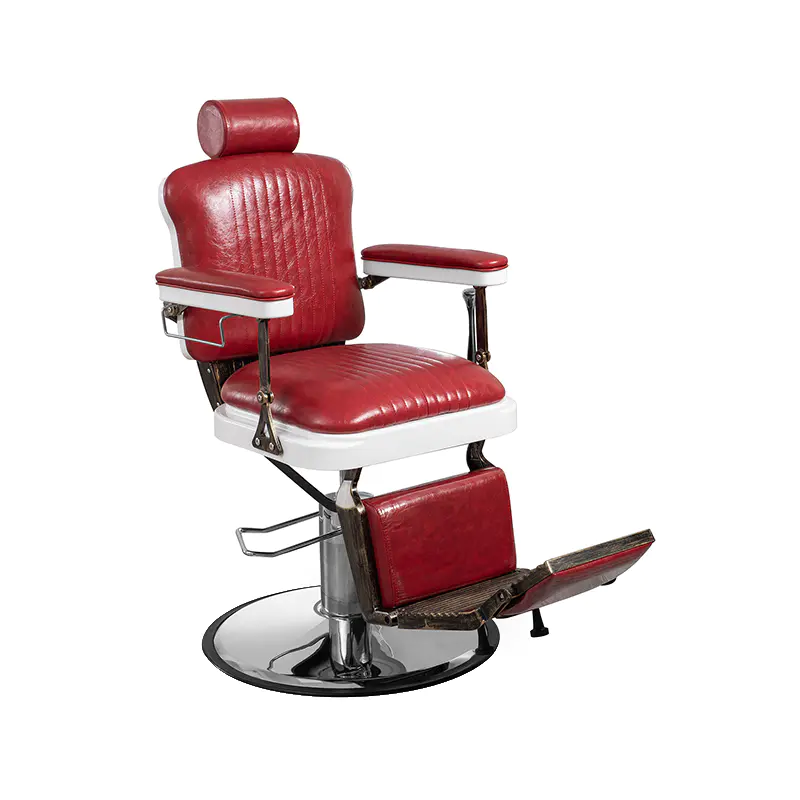
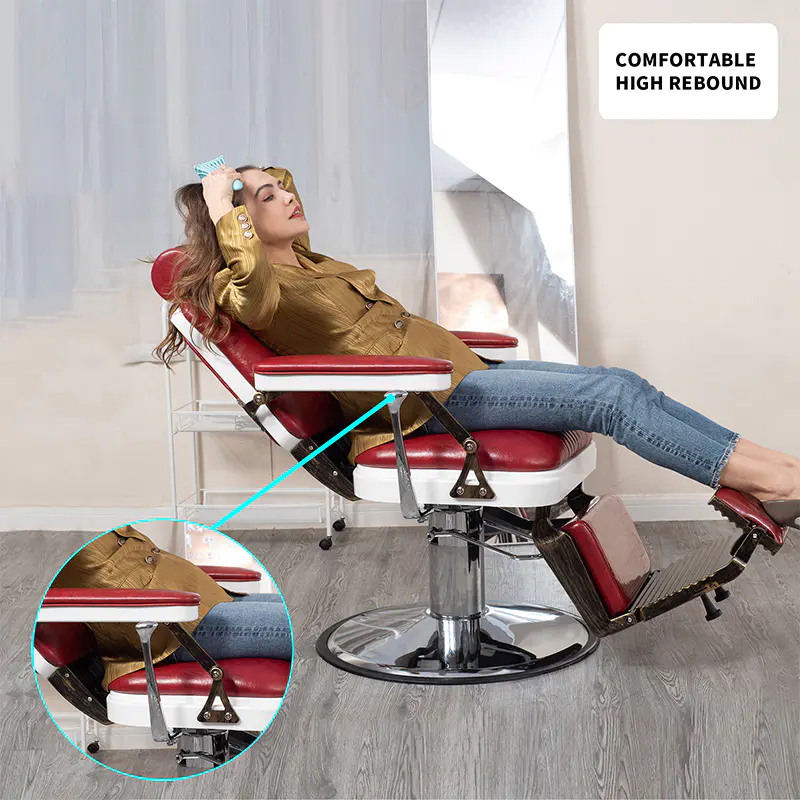
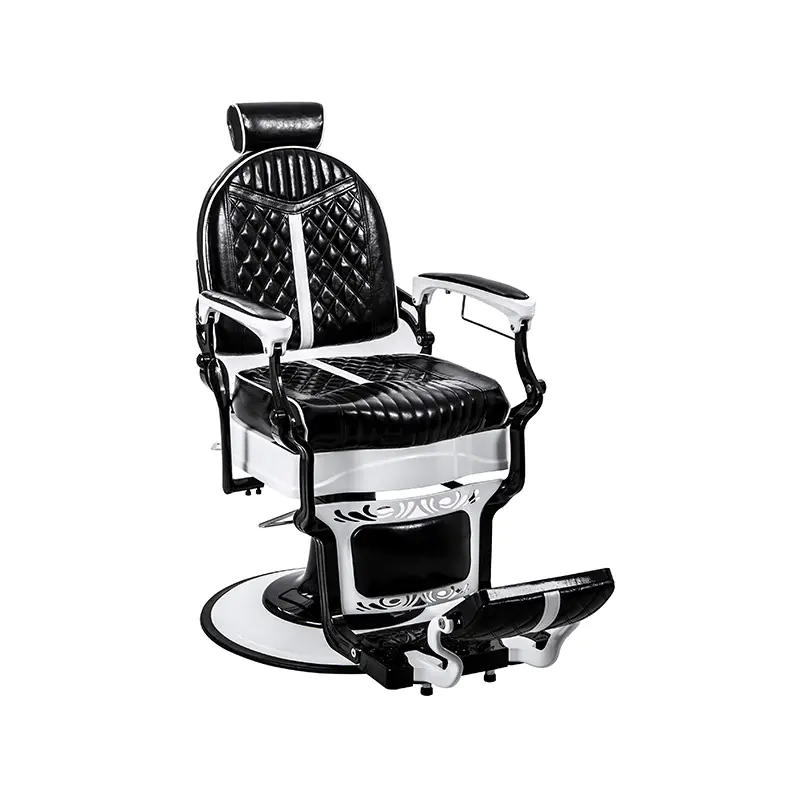
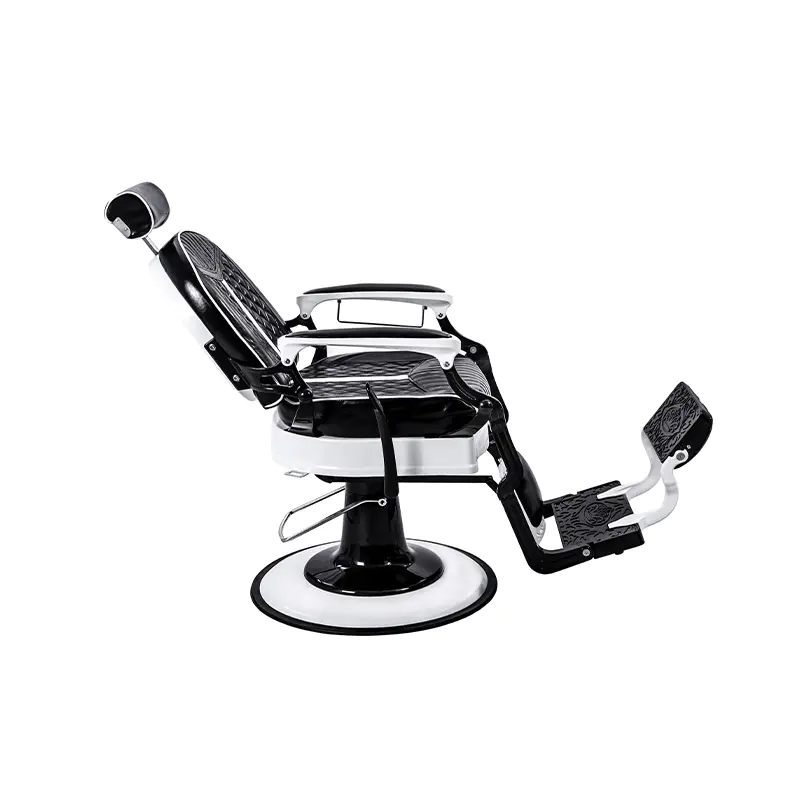
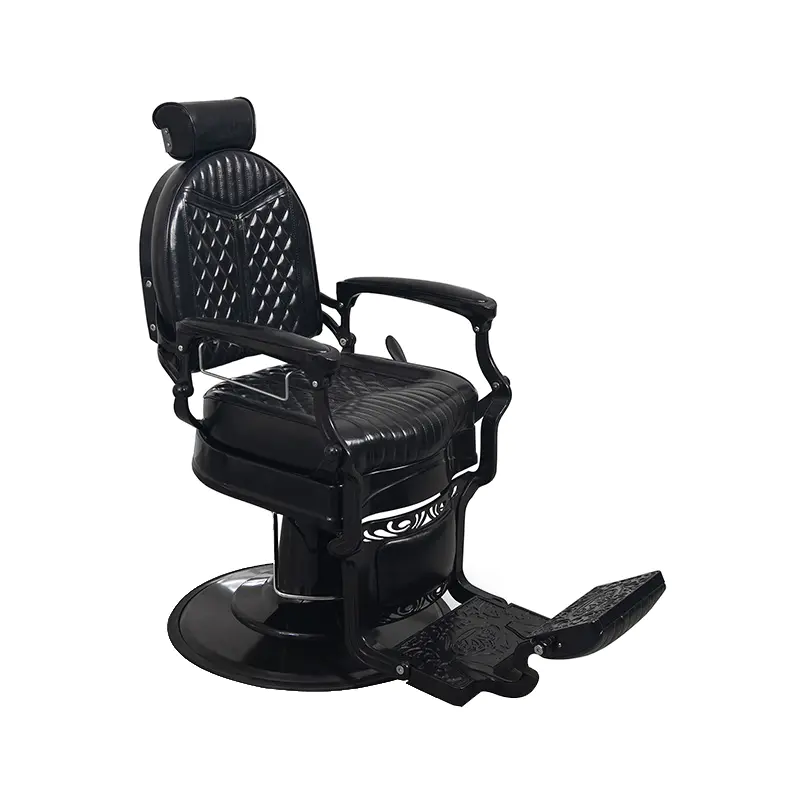
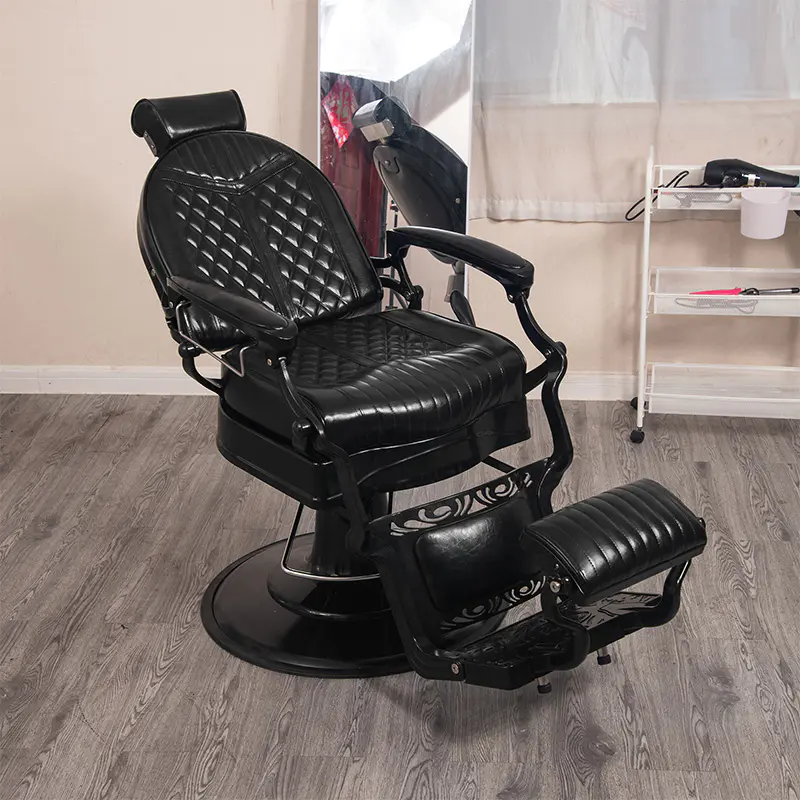
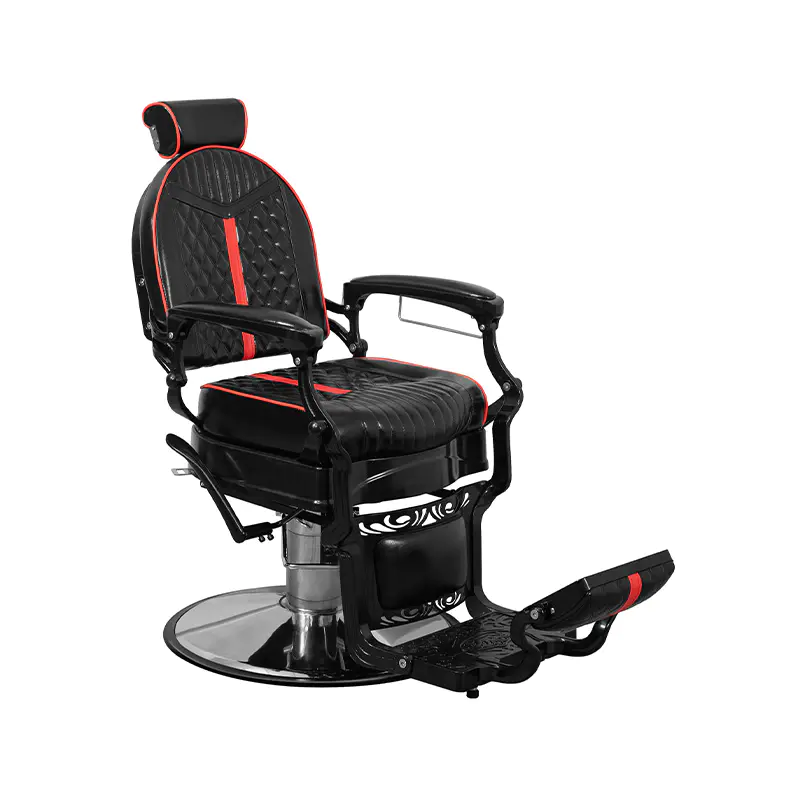
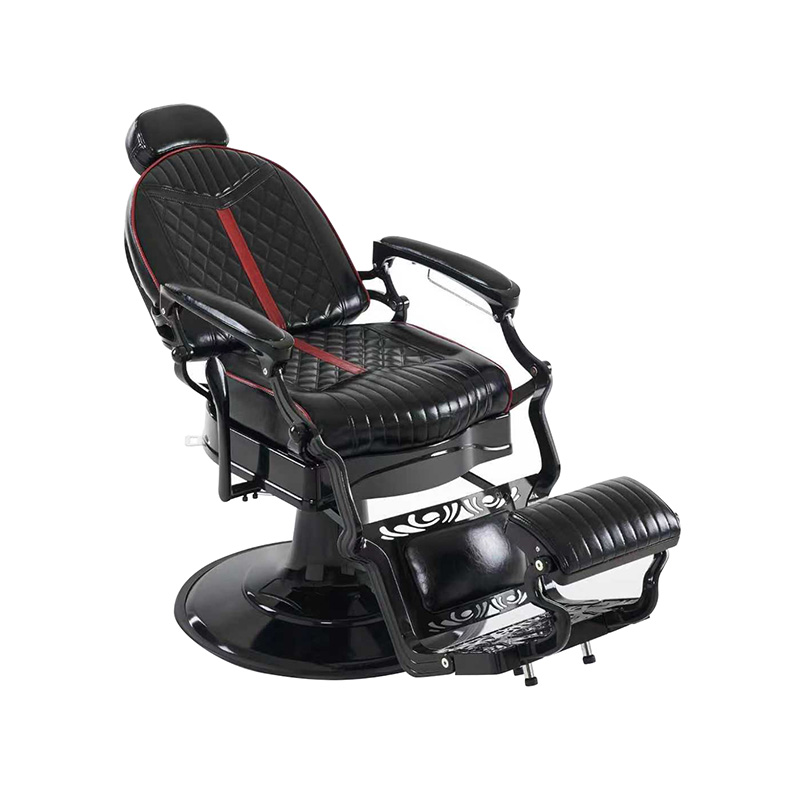
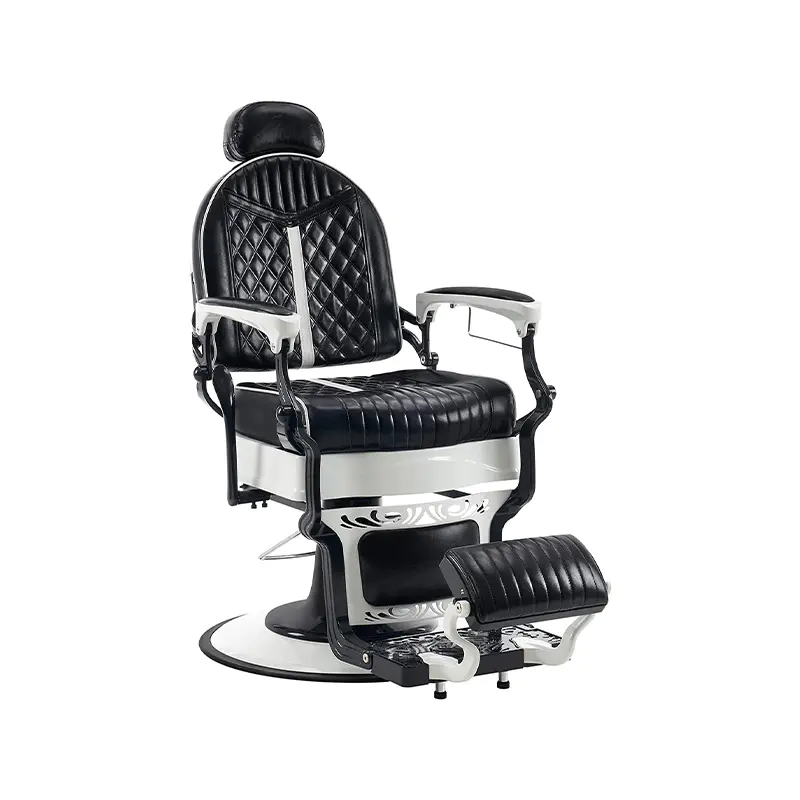
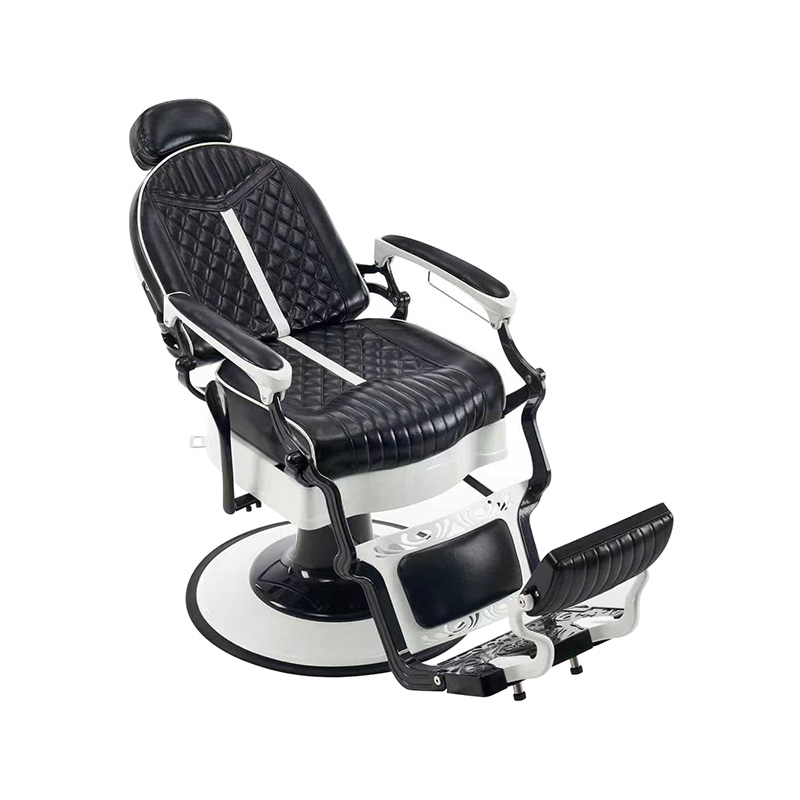
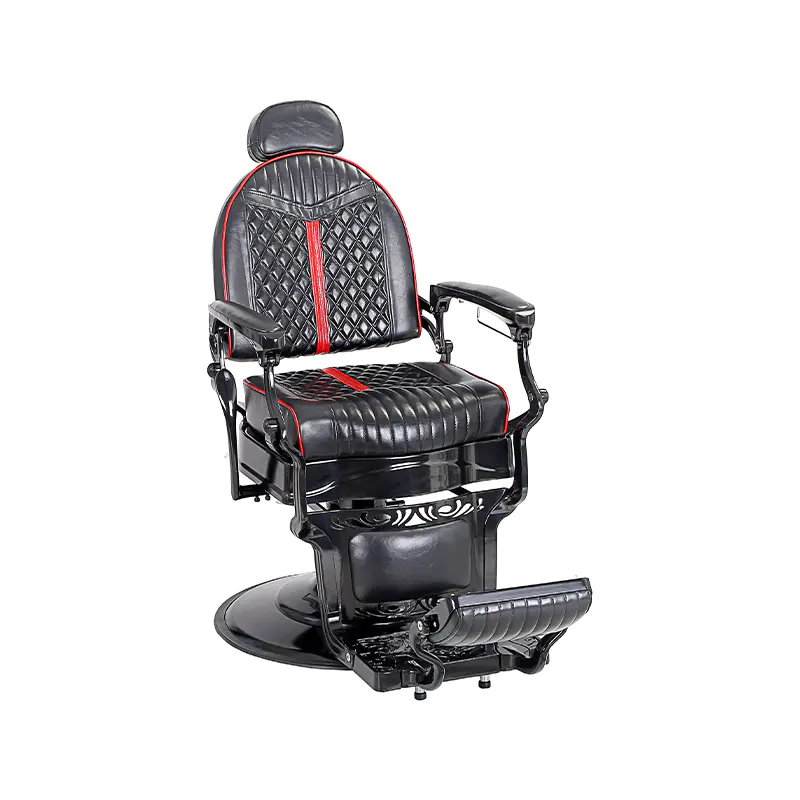
Test every chair at full height and full recline. A quality hydraulic barber chair should hold its position without sinking, and the base should not rock when a client shifts weight. Look for five-claw bases and accessible pump units. If the frame is solid but the pump is failing, replacement is cheaper than a new chair. A heavy-duty hydraulic barber chair with clean controls and a stable base is one item you may not need to replace.
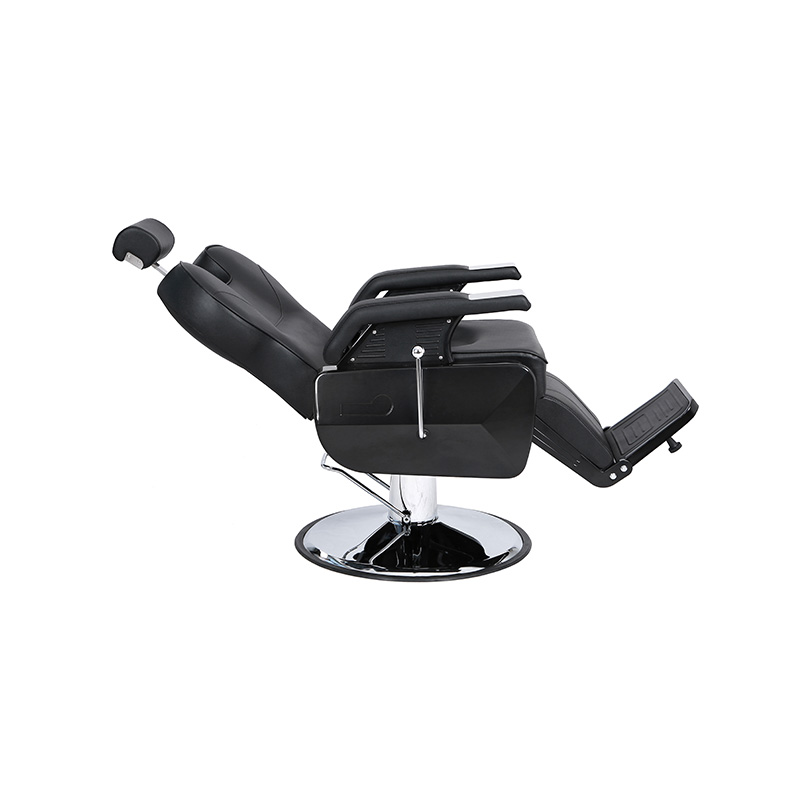 Wholesale HZ8702A Black all purpose hydraulic recline barber chair Suppliers - NNingbo HongZi is China wholesale HZ8702A Black all purpose hydraulic recline barber chair suppliers and company, Sleek, Professional Aest...View Product →
Shampoo and Backwash Stations
Run the water at every station and check for leaks under the bowl and around the faucet. Ceramic bowls are more resistant to scratches and cleaning chemicals than plastic, but inspect for chips that can trap bacteria. Reclining mechanisms should support the client's back and legs without jerking. If you need a replacement, a backwash shampoo station with ceramic bowl offers a good balance of hygiene and durability.
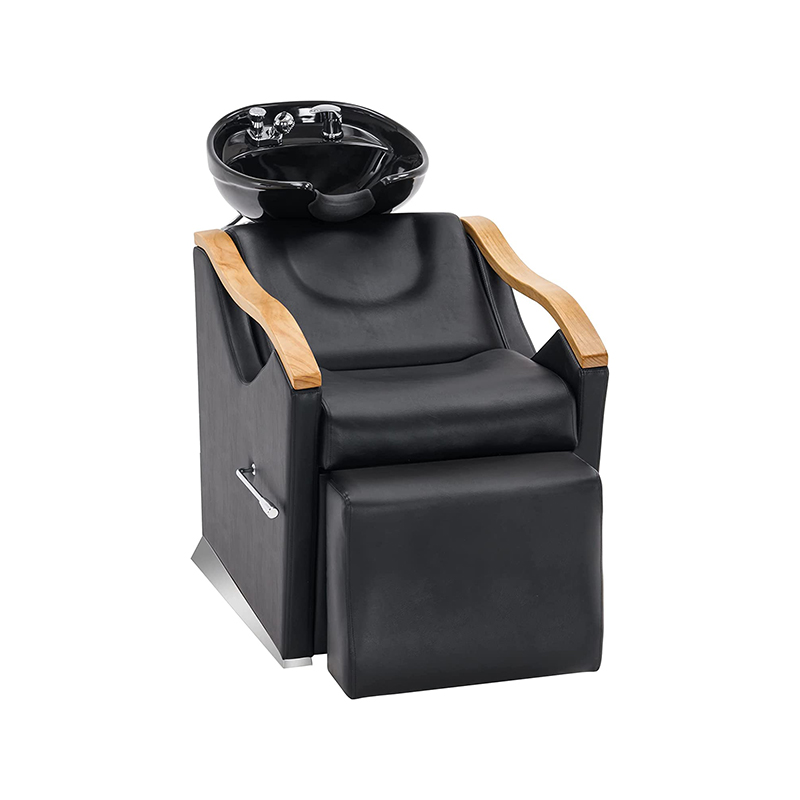 Wholesale HZ9003 Ceramic shampoo bowl sink station Suppliers - Ningbo HongZi BeaNingbo HongZi is China wholesale HZ9003 Ceramic shampoo bowl sink station suppliers and company, Manual Adjustment: A sleek silver lever ...View Product →
Dryers and Styling Stations
Hooded dryers are among the most neglected pieces in a salon sale. Turn each dryer on for several minutes, listen for bearing noise, and check whether the timer and heat settings actually change the airflow. Styling stations should have enough drawers for each stylist's tools and a mirror that is properly attached to the wall. A salon dryer and chair combo reduces floor clutter and makes it easier to inspect one unit instead of six pieces of mismatched equipment.
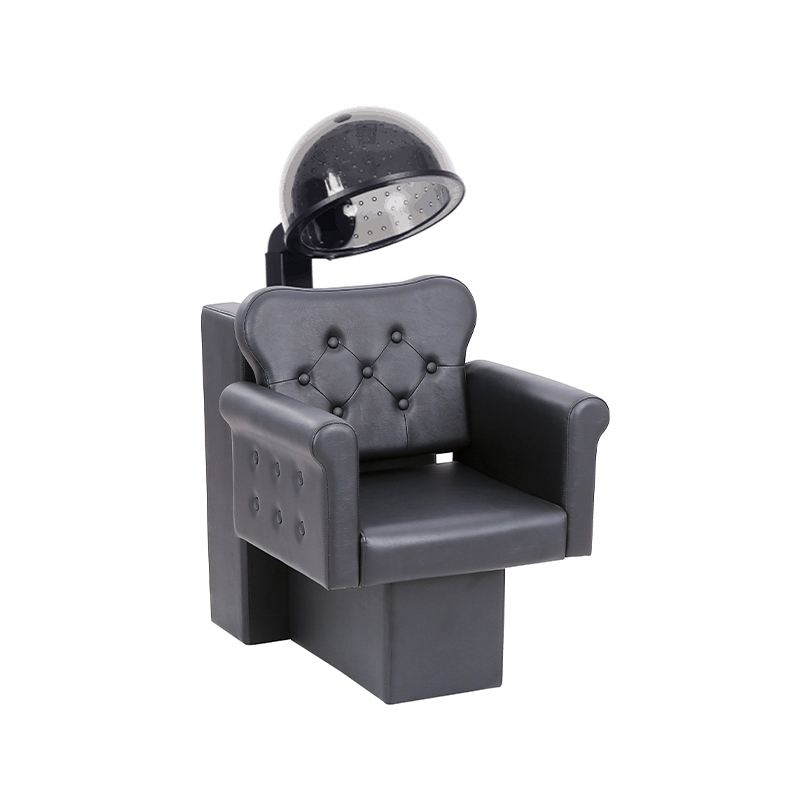 Wholesale HZ9042 Professional salon hair dryer and chair combo Suppliers - NingbNingbo HongZi is China wholesale HZ9042 Professional salon hair dryer and chair combo suppliers and company, All-in-One Functionality: Co...View Product →
After the hands-on inspection, compare the seller's equipment value against local used-market prices. Then look at the latest salon equipment designs to see what a realistic replacement package would cost.
Use a Scoring Chart to Prioritize Repairs and Replacements
Not every problem in a salon needs an immediate fix. Assign a priority score to each equipment group so you can separate safety issues from cosmetic upgrades. The suggested weights below are based on common failure points and repair costs; they are meant to guide your own checklist, not to replace a professional inspection.
Use this scoring in the purchase agreement. If the seller will not allow repairs for high-score items, adjust your offer accordingly.
Layout, Lease, and Build-Out: Where Costs Hide
Equipment is not the only deferred maintenance. The building's plumbing, electrical, and ventilation systems are often the most expensive surprises. A salon with too few wash stations will create bottlenecks. A waiting area with two chairs and no storage will feel chaotic from the first week.
Before signing the lease assignment, verify:
- The lease is assignable to you, with at least three to five years remaining and a clear renewal option.
- Zoning permits a salon at that address, and the existing permits can be transferred.
- Plumbing lines for shampoo bowls have adequate water pressure and drainage.
- Electrical panels can handle dryers, hoods, lighting, and point-of-sale equipment without overload.
- Ventilation removes chemical fumes from hair treatments and other professional services.
- Accessibility adjustments, such as a wider doorway or accessible washroom, are not forced renovations.
If the layout already follows a logical flow from reception to styling to shampoo, you save weeks of construction time. That is a real financial value, even if it does not appear on the inventory sheet.
Hair Salon Buying FAQ
Q1. How much does it cost to buy a hair salon?
A small existing salon may cost between $30,000 and $80,000 depending on location and equipment. A larger space with strong client retention and premium chairs can exceed $150,000. The real number should be based on verified profit, not asking price.
Q2. Do I need a license to buy or open a hair salon?
Yes, most jurisdictions require a cosmetology or salon operator license, plus a business permit and health inspection. Check with your local licensing board before signing anything.
Q3. How do I value a hair salon for sale?
The common approach is a multiple of net profit or seller's discretionary earnings, with adjustments for equipment condition, lease stability, and client retention. Hire a business broker or accountant for a defensible valuation.
Q4. Is buying an established salon worth it?
It can be worth it if the client list is real, the staff stays, and the lease is transferable. You skip the empty-startup period, but you may inherit outdated equipment and hidden debts if you skip due diligence.
Q5. What equipment do I need when opening a hair salon?
Minimum needs include barber chairs, styling stations with mirrors, a shampoo or backwash station, hooded dryers, waiting chairs, and sanitation supplies. Start with durable equipment that will survive daily use.
Q6. How do I check a salon's financial records before buying?
Request three years of profit and loss statements, business tax returns, payroll records, and bank statements. Compare monthly revenue trends and look for large cash sales that do not appear in the books.