
 en
en  English
 русский
 Español
 عربى
عربى
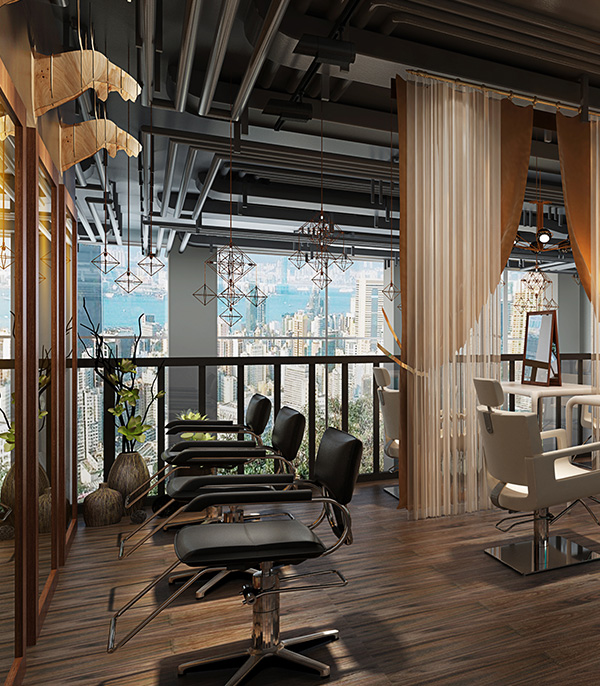
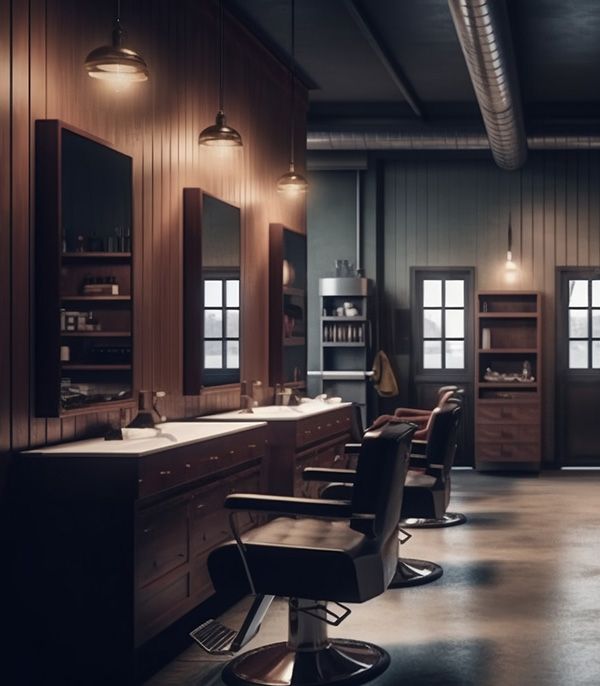
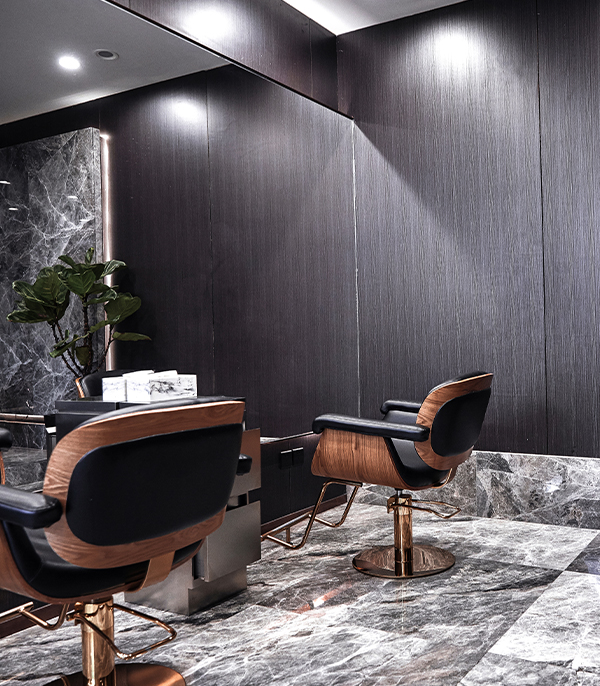
Walk into a salon that has been running for three or four years and look closely at the equipment. The hydraulic pump that felt smooth in the showroom now needs two hands to lift, the base rocks on uneven floors, and the upholstery along the seat seams has started to crack. The repair bills have quietly added up to more than a new chair would have cost.
The conclusion comes first: salon equipment is an operational investment, not a decoration purchase. A chair that lasts eight years and one that fails in eighteen months are usually separated by a few specifications you can check before ordering. This guide explains what to look for, why usage intensity matters more than first impressions, and how to match each piece of equipment to the room it will work in.
What Salon Equipment Actually Includes
Salon equipment is the collective term for the furniture and fixtures that let a hair, beauty, nail or wellness business run. Most suppliers group it by function: chairs and stations for cutting, basins and seating for washing, beds and tables for skin and body treatments, and support pieces for storage and waiting areas. Our guide on what is salon furniture gives a broader view of how these categories are defined in the industry.
| Category | Typical equipment | Workspaces that rely on it |
|---|---|---|
| Cutting and styling | Barber chairs, styling chairs, salon stools | Barbershops, hair salons |
| Washing | Shampoo chairs, backwash basins, sink stations | Hair salons, barbershops |
| Beauty and spa | Massage beds, facial chairs, treatment tables | Beauty salons, spas, clinics |
| Nail and pedicure | Manicure tables, pedicure chairs, foot spa trolleys | Nail studios, beauty salons |
| Storage and waiting | Trolleys, styling mirrors, cabinets, waiting benches | All salon types |
Few salons need everything at once. A barbershop can operate with cutting chairs, a shampoo station and a small waiting bench. A beauty salon adds facial beds and treatment tables. A nail studio is built around manicure and pedicure stations. Mapping each zone before you buy keeps the budget focused on pieces that actually generate revenue.
Usage Intensity Is the Hidden Cost Driver
The most common mistake in salon equipment purchasing is choosing something designed for light use and running it full-time in a commercial environment. The difference shows up in hours. In a six-day salon week, the stations log very different workloads.
Using the operating pattern above, a styling chair is occupied for roughly 2,800 to 3,000 hours a year. Every one of those hours includes lifts, swivels and reclines. A light-duty mechanism will start failing long before the second year is over. Shampoo chairs face a different stress: the pump is cycled dozens of times a day, and the basin, fittings and upholstery are constantly exposed to water and hair chemicals. Spending more on the moving parts is usually the cheapest insurance you can buy.
Key Specifications That Decide Lifespan
Once you know the workload, the next step is checking the actual specifications behind the product photo.
Hydraulic Pump and Lifting Mechanism
The pump is the most service-critical component in any hydraulic chair. A heavy-duty pump rated for continuous cycling, paired with a five-claw cast base, spreads the load evenly and resists the side-to-side rocking that wears out cheaper mechanisms. Check the load rating on the pump and the base separately; the weaker of the two determines the real capacity.
Frame, Upholstery and Finishes
The frame should be welded steel or aluminum. Thin vinyl with low-density foam will compress and peel within the first year of daily use, while multi-layer PU leather over high-density foam holds its shape much longer. Base finish matters less for function but more for corrosion resistance in the washing area, where chrome and powder-coated surfaces survive better.
| Feature | Entry-level / light duty | Professional / commercial |
|---|---|---|
| Hydraulic pump | Occasional cycling | Heavy-duty, rated for daily cycling |
| Load capacity | Around 120 kg | 150 to 200 kg |
| Base | Four-claw, plastic | Five-claw, cast alloy |
| Frame | Light stamped metal | Welded steel or aluminum |
| Upholstery | Thin vinyl | Multi-layer PU leather, dense foam |
Think of these components as one system. The base carries the load, the pump raises it, the seat distributes it, and the backrest lock keeps the client stable when the chair reclines. A failure in any one of them takes the whole station out of service.
Match the Equipment to the Room
The right configuration always depends on the room. Three zones cover most of the demand.
Barbershops and Men's Grooming
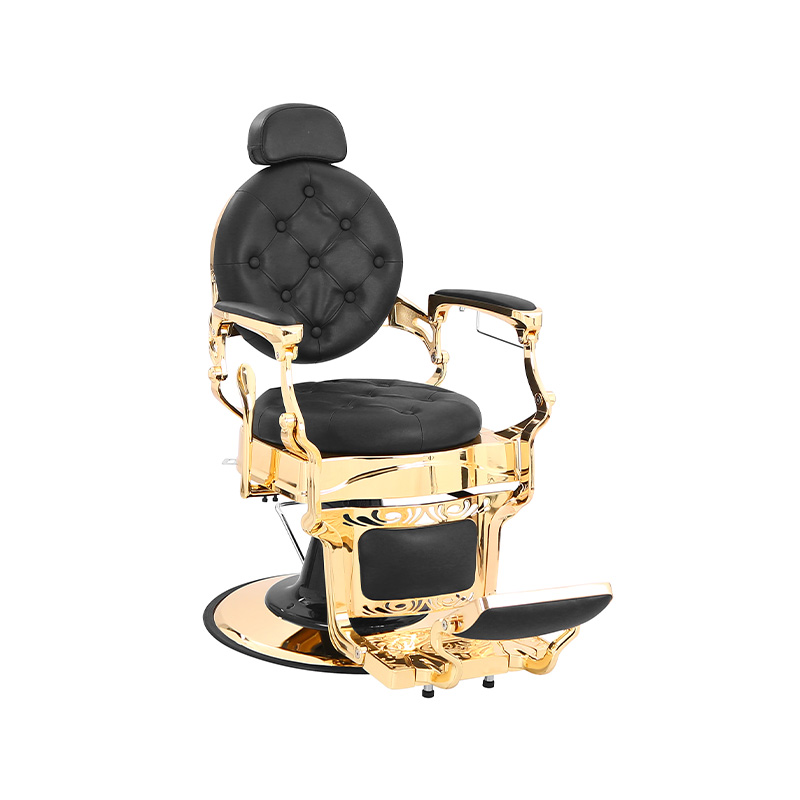
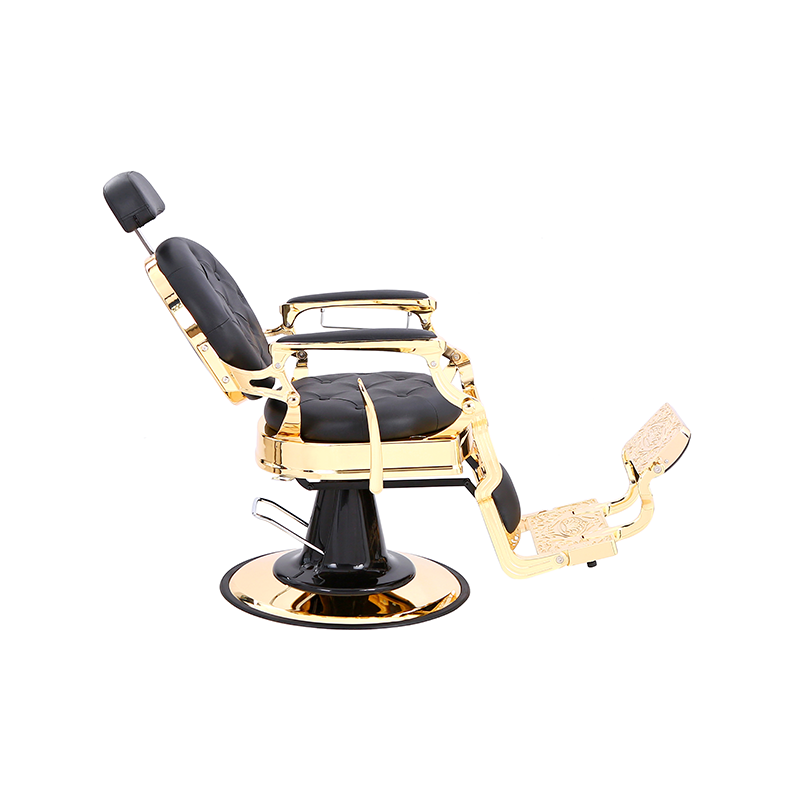
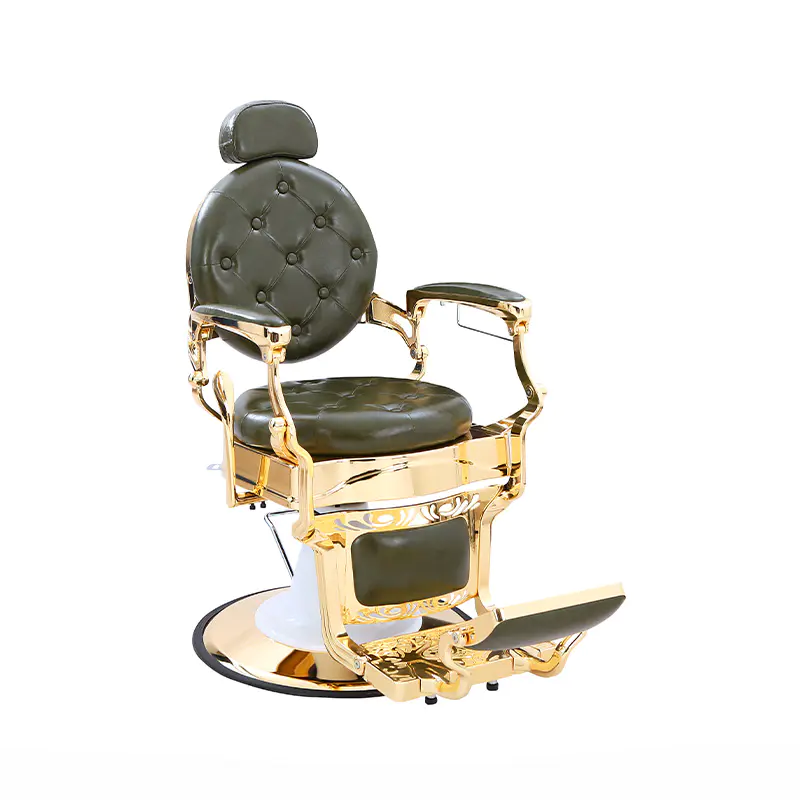
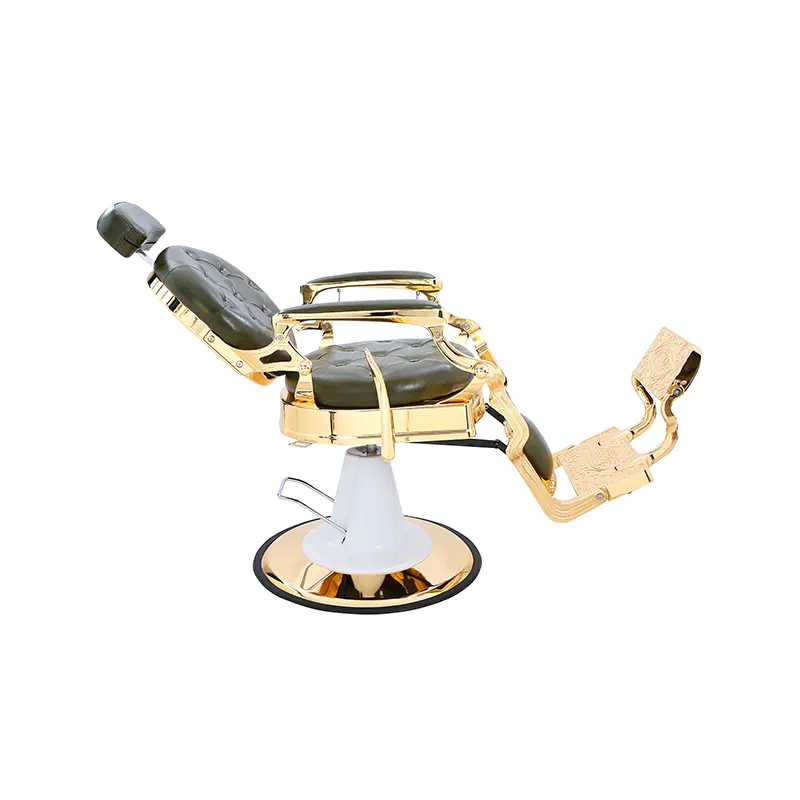
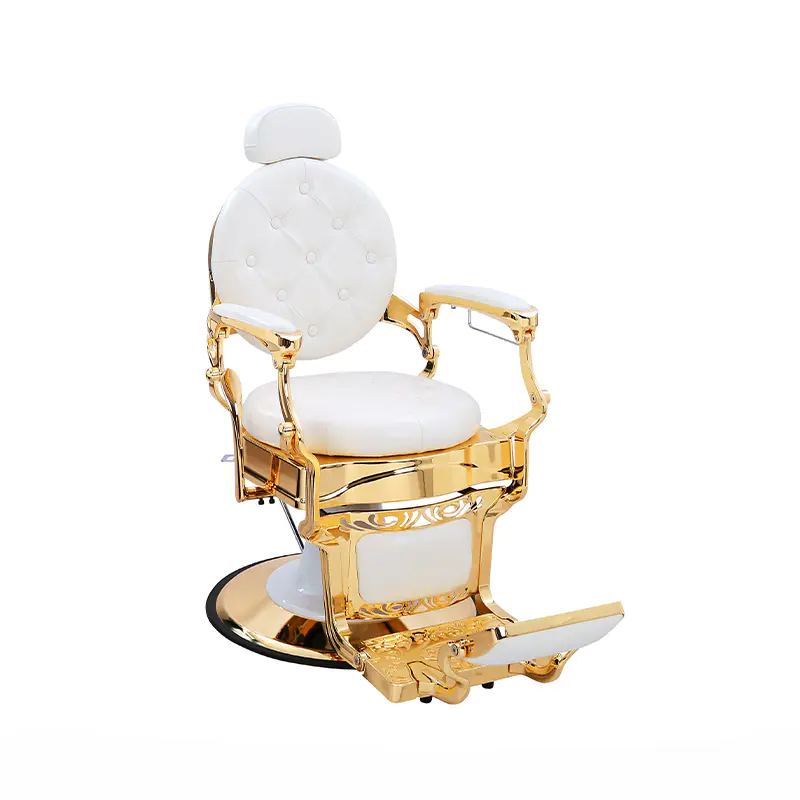
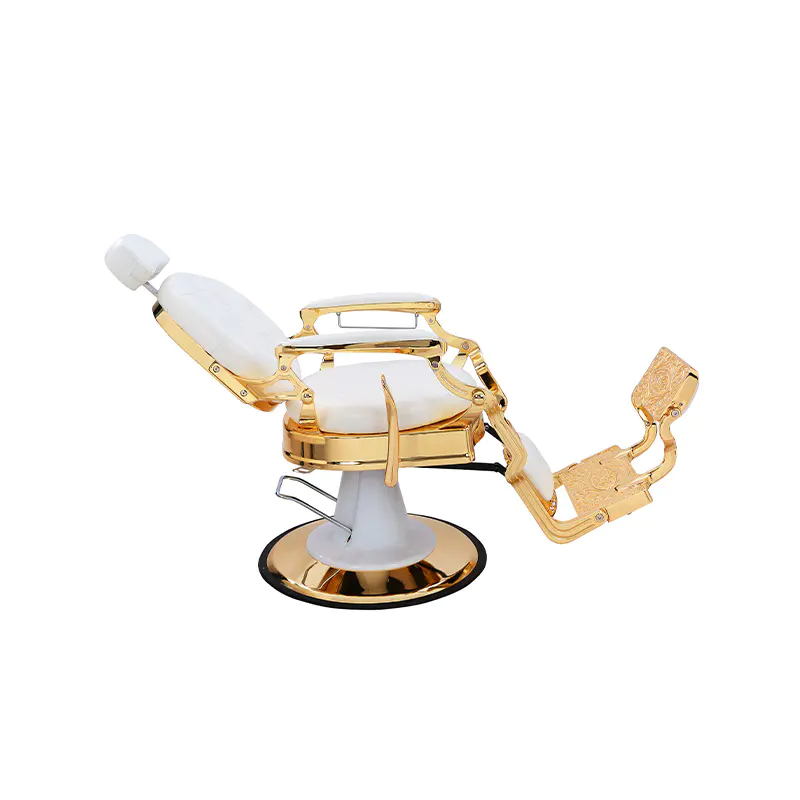
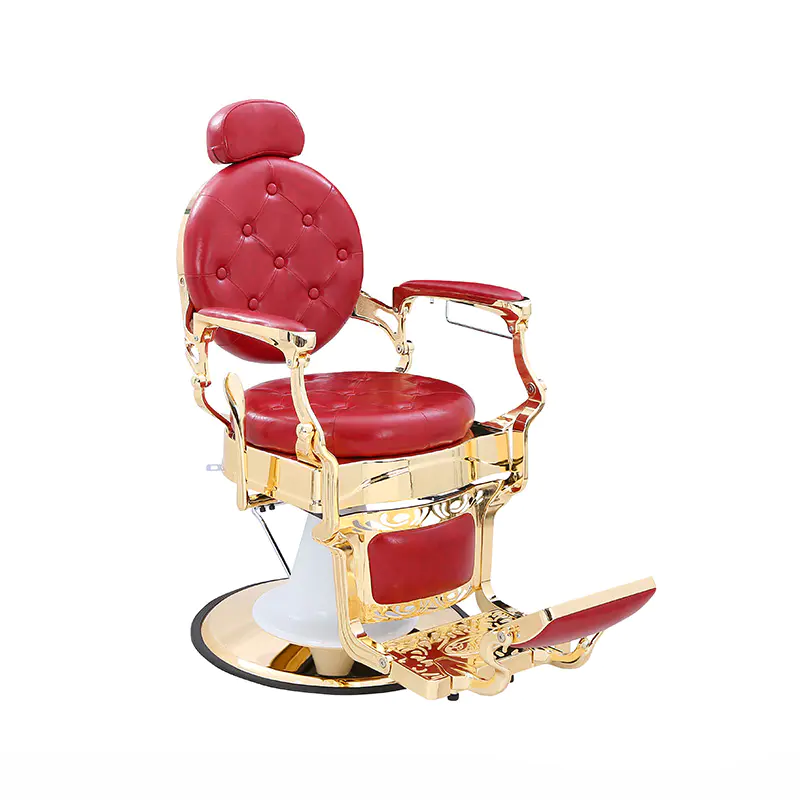
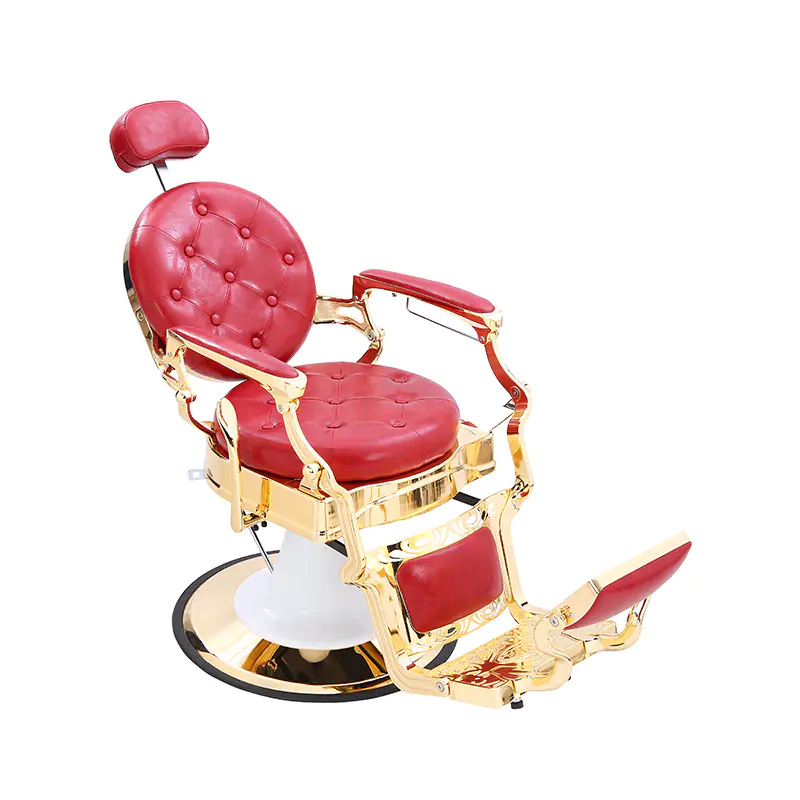
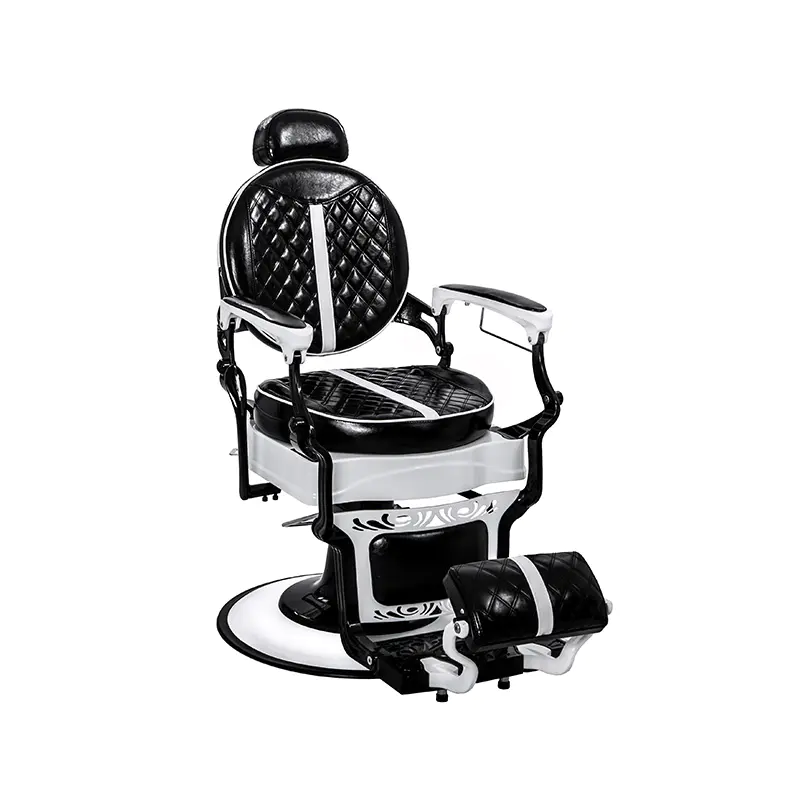
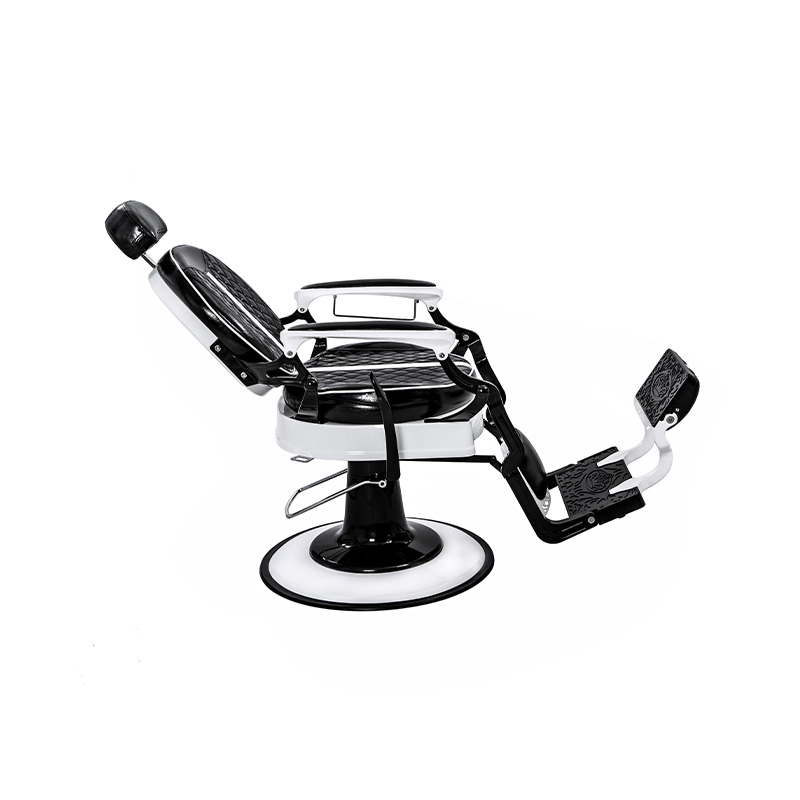
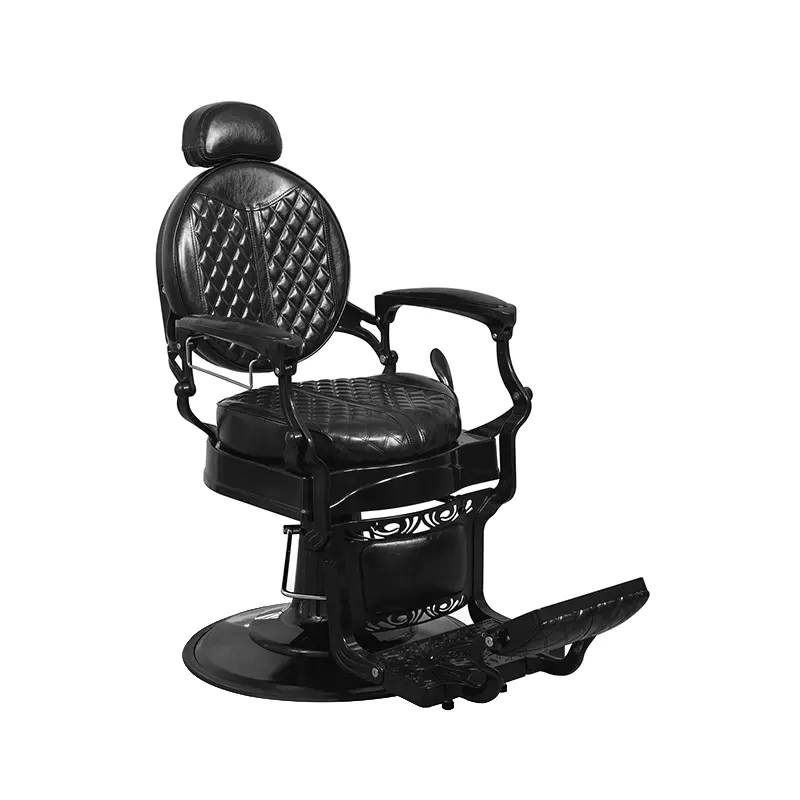
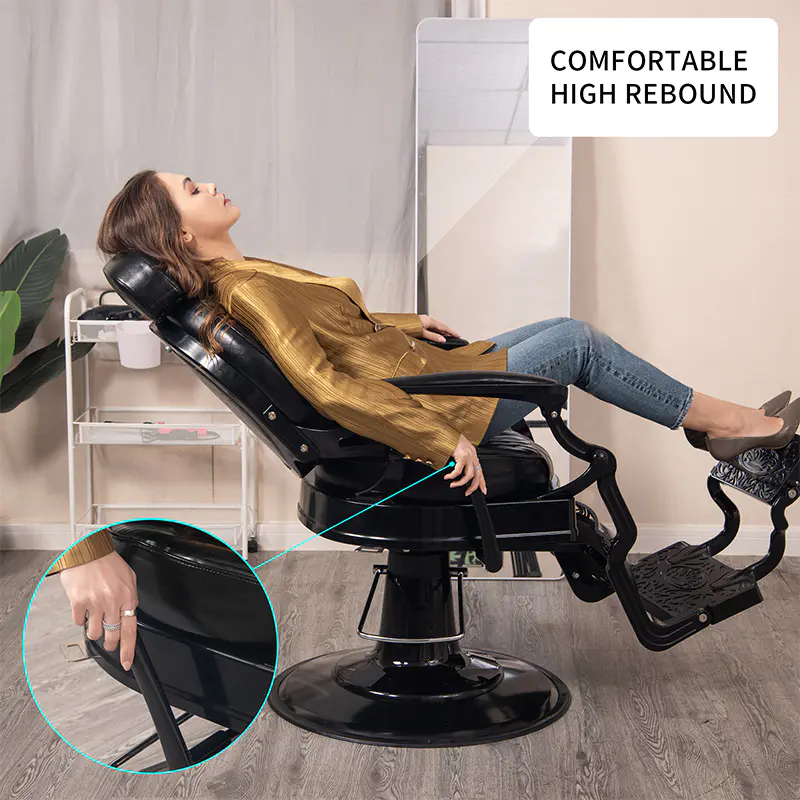
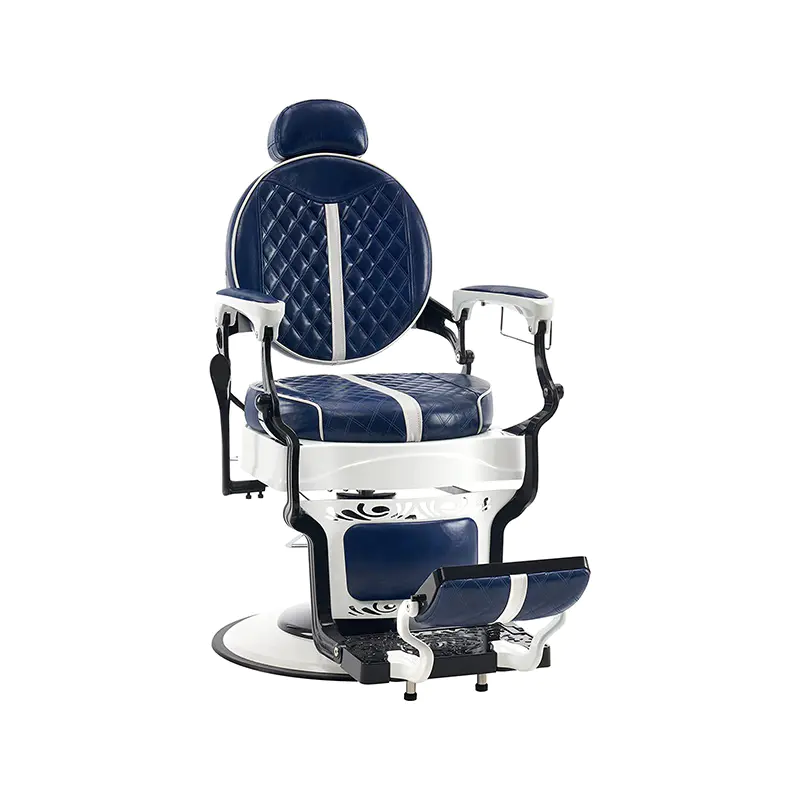
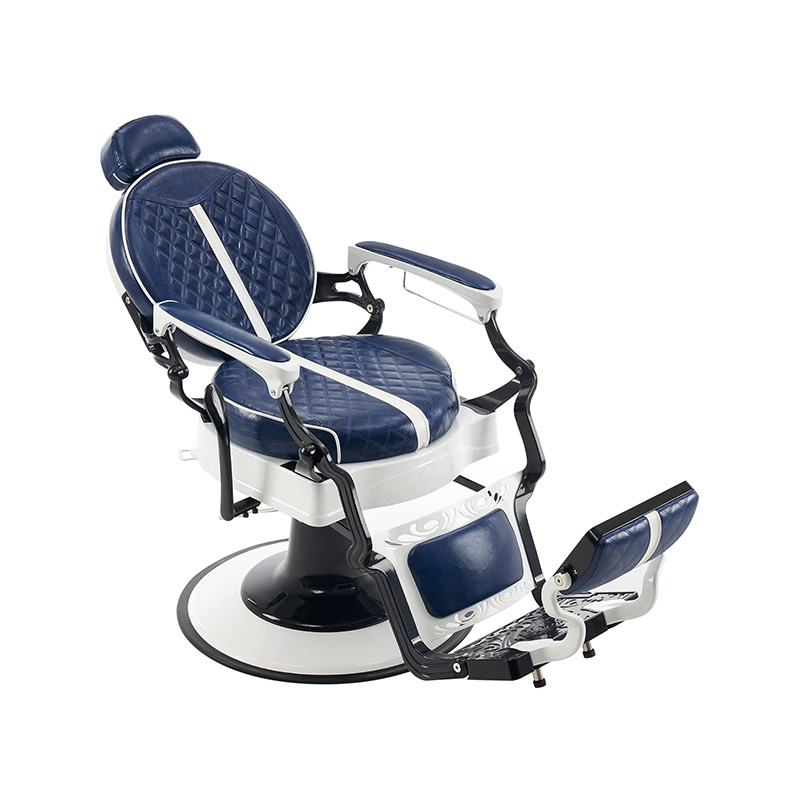
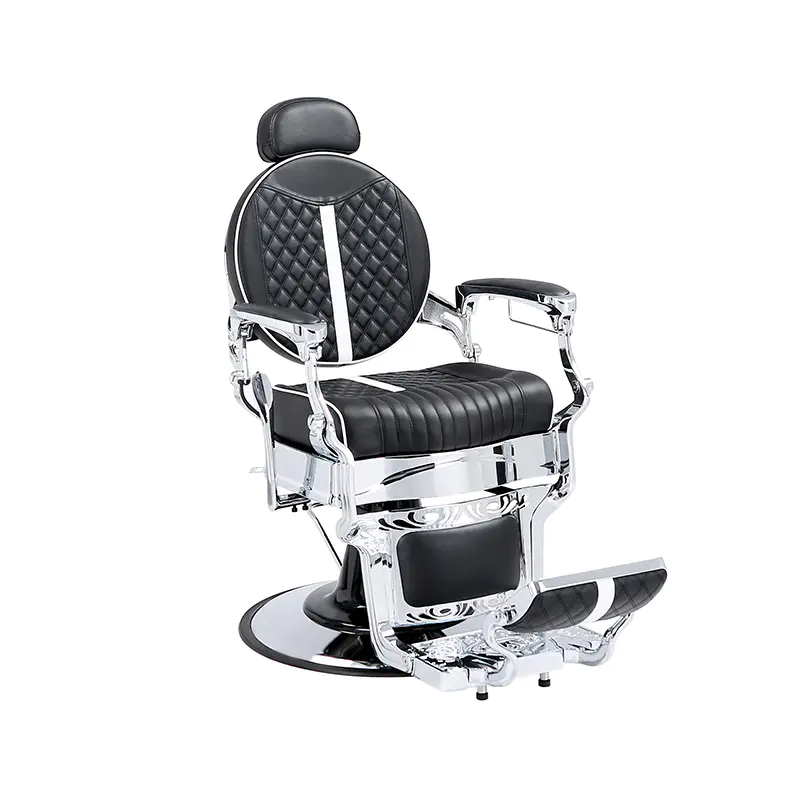
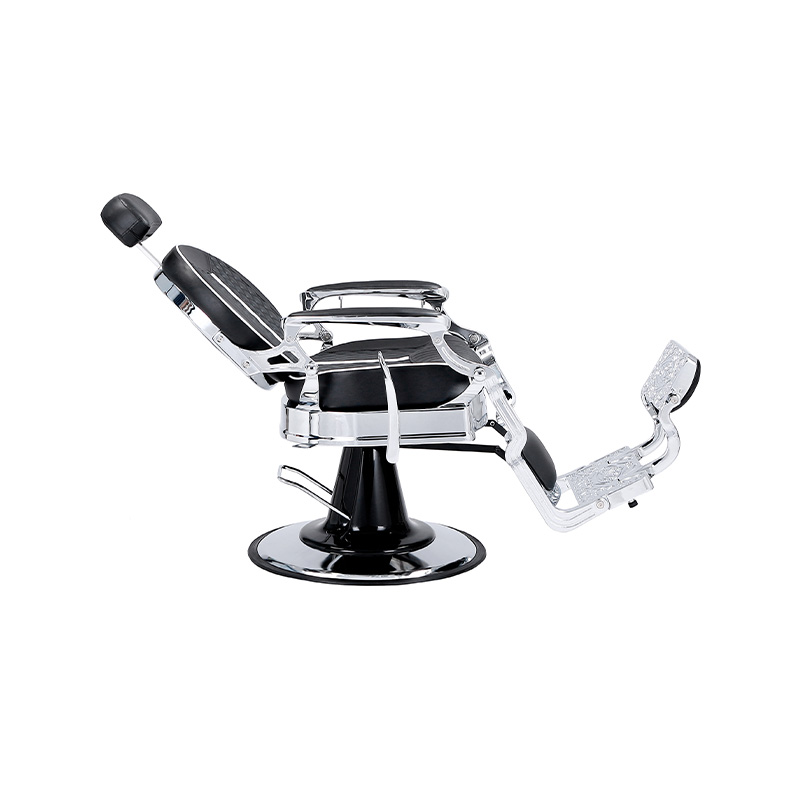
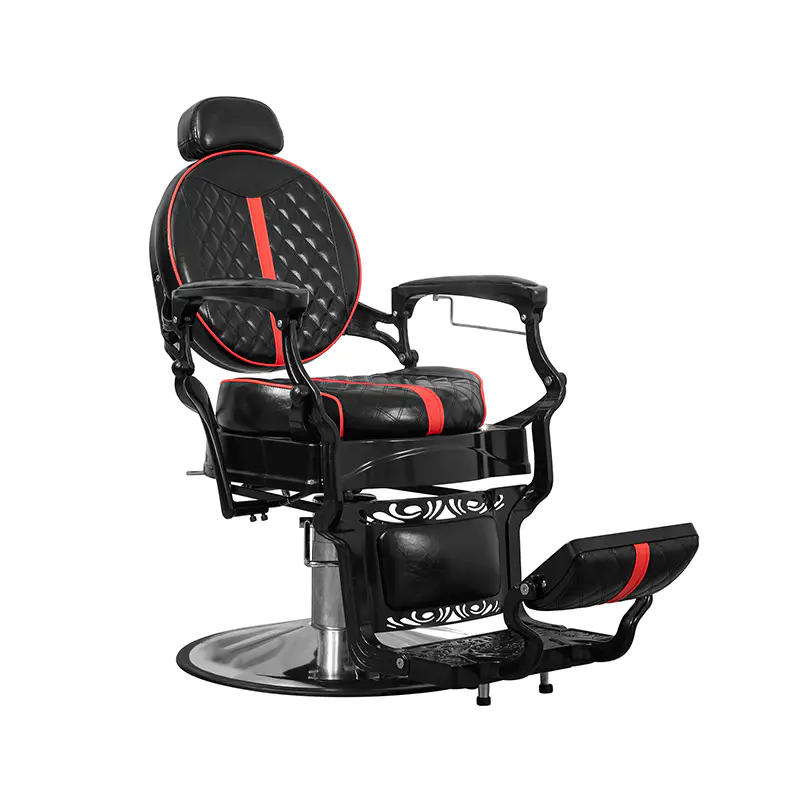
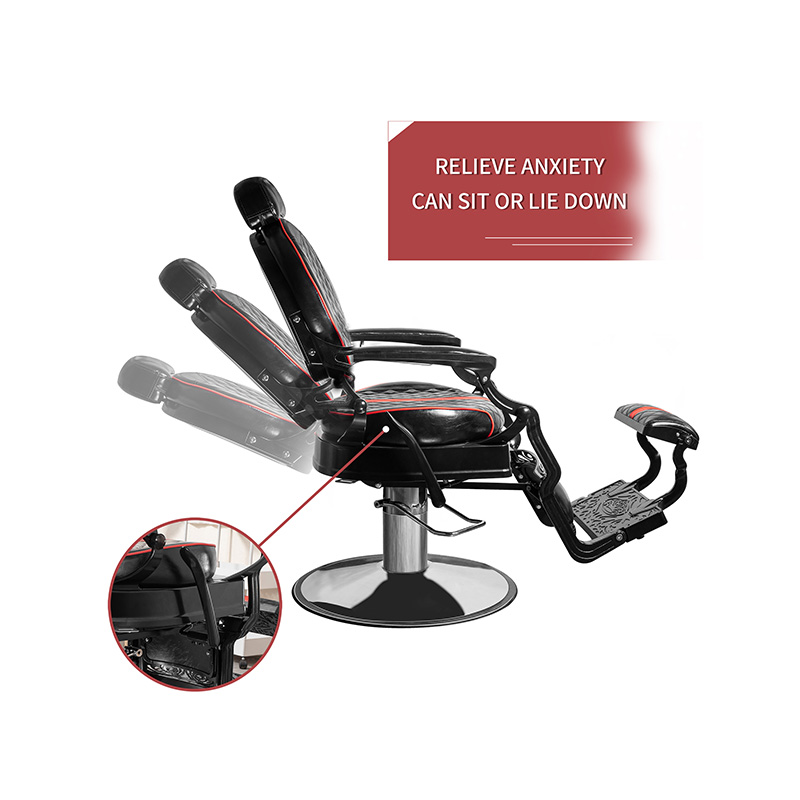
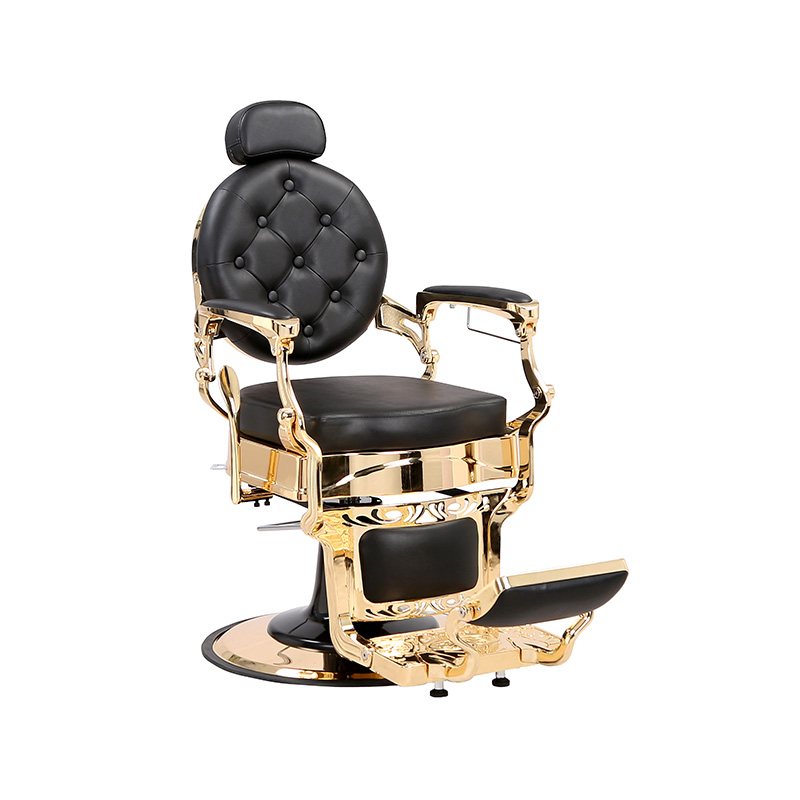
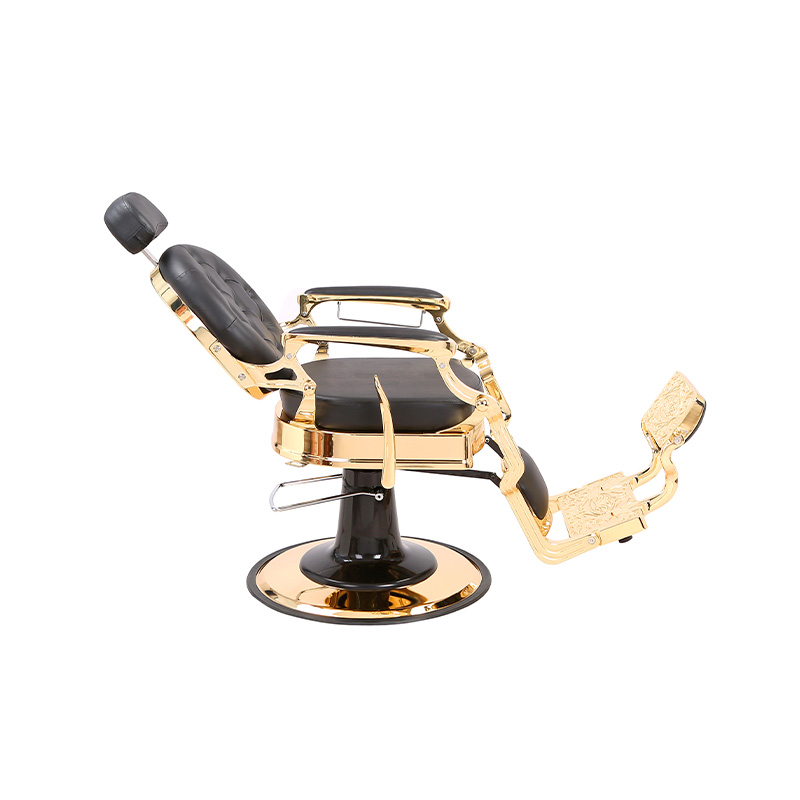
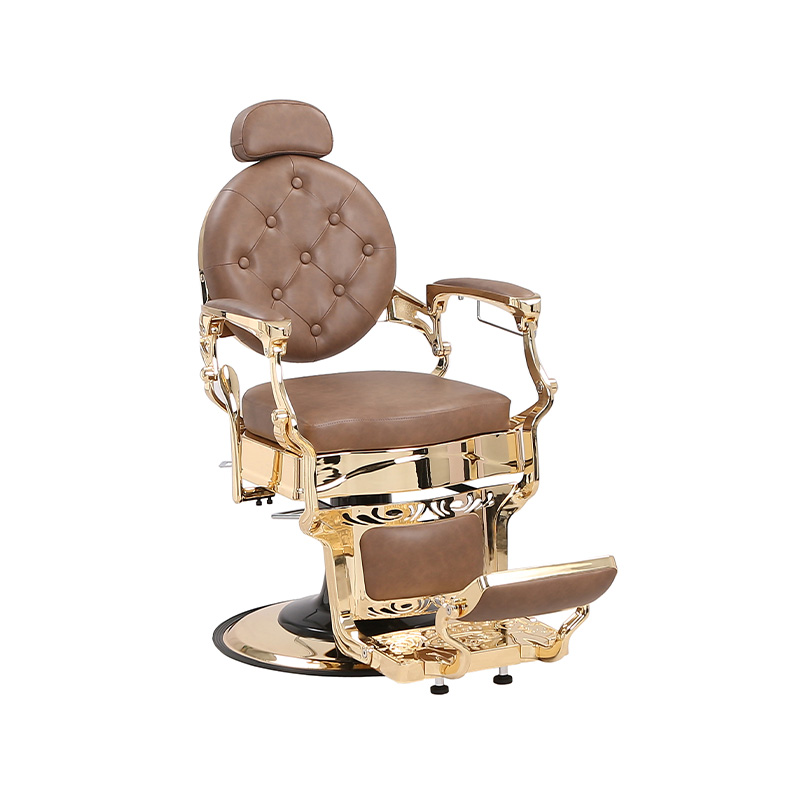
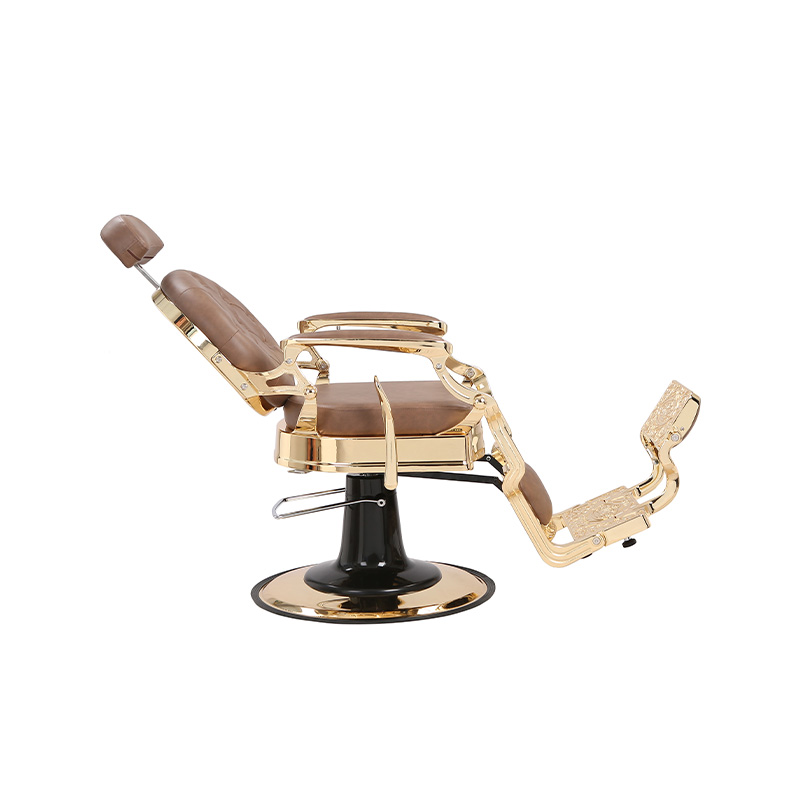
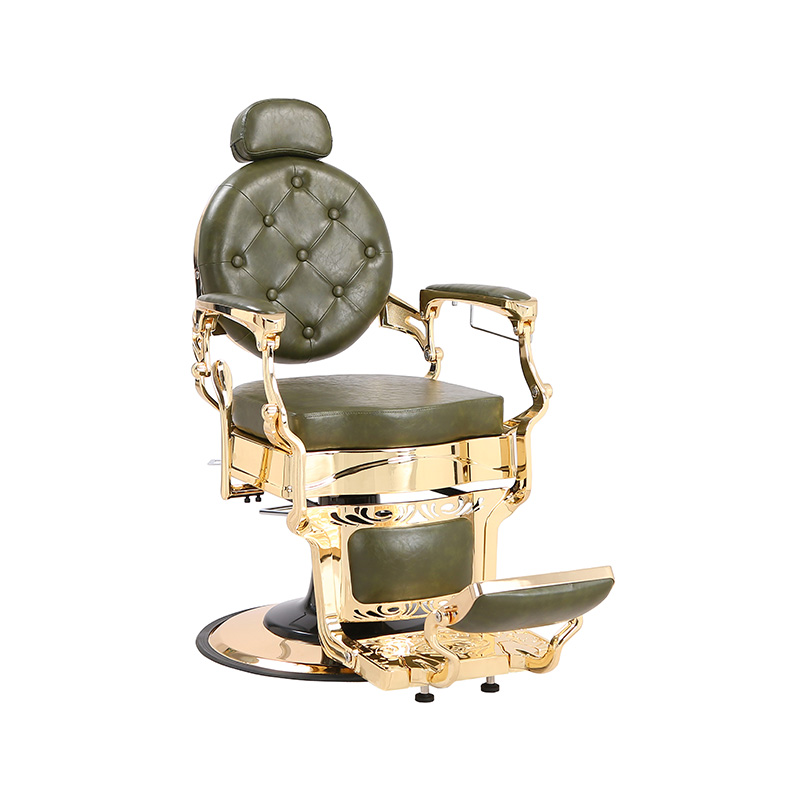
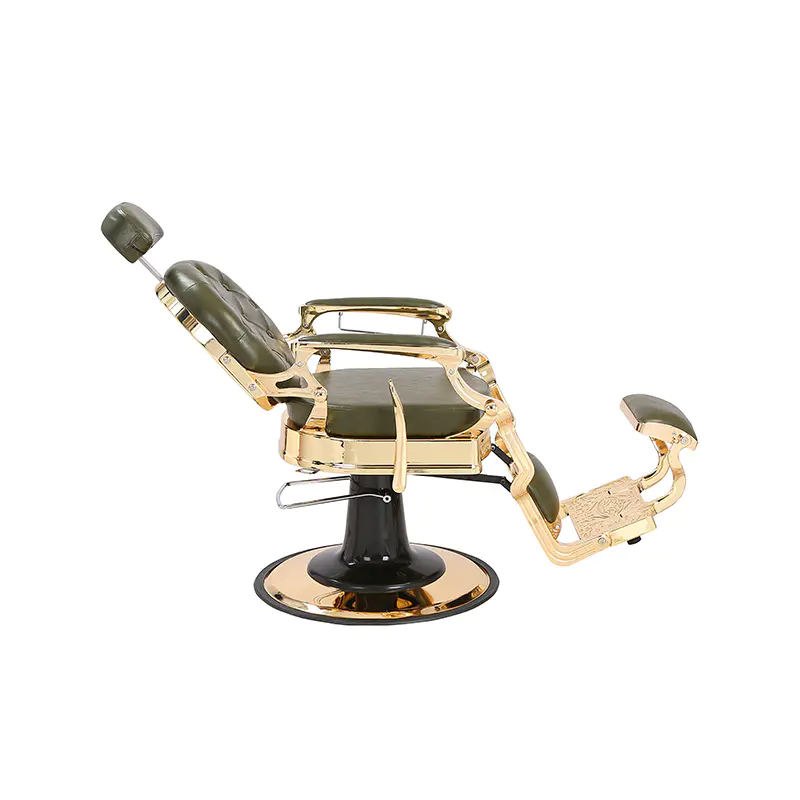
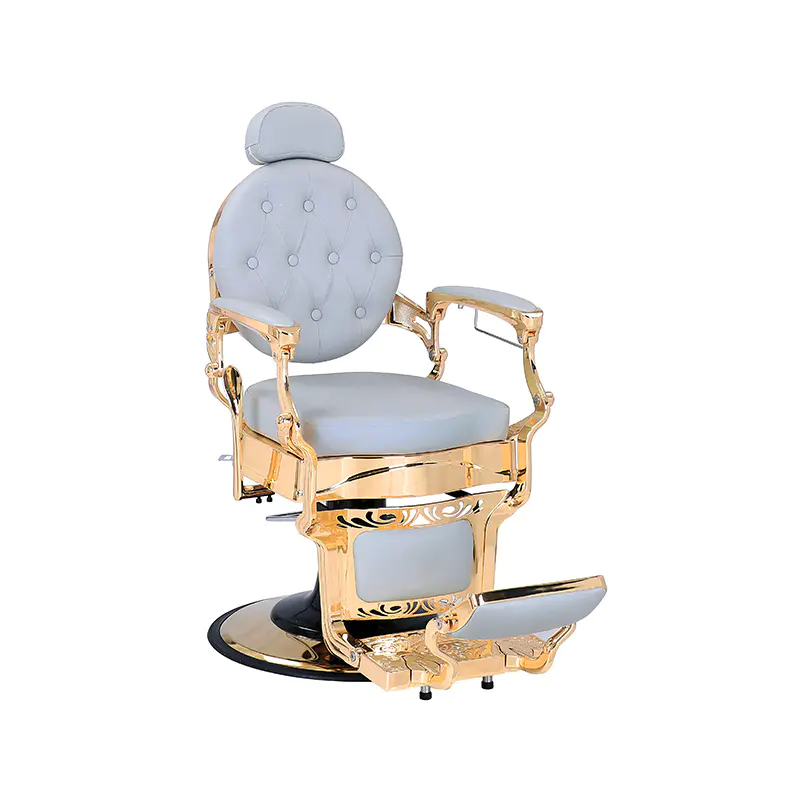
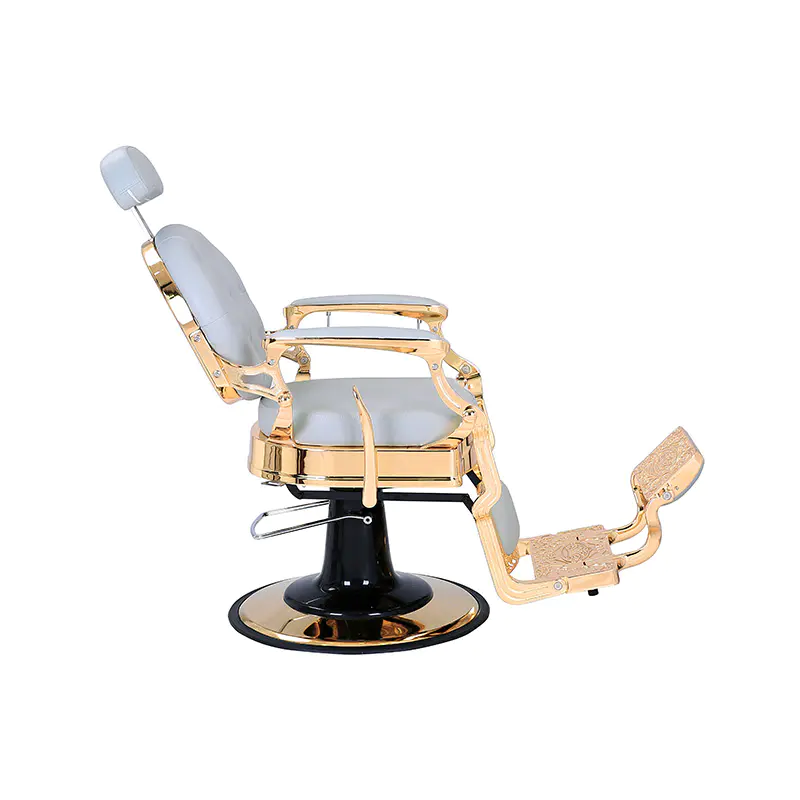
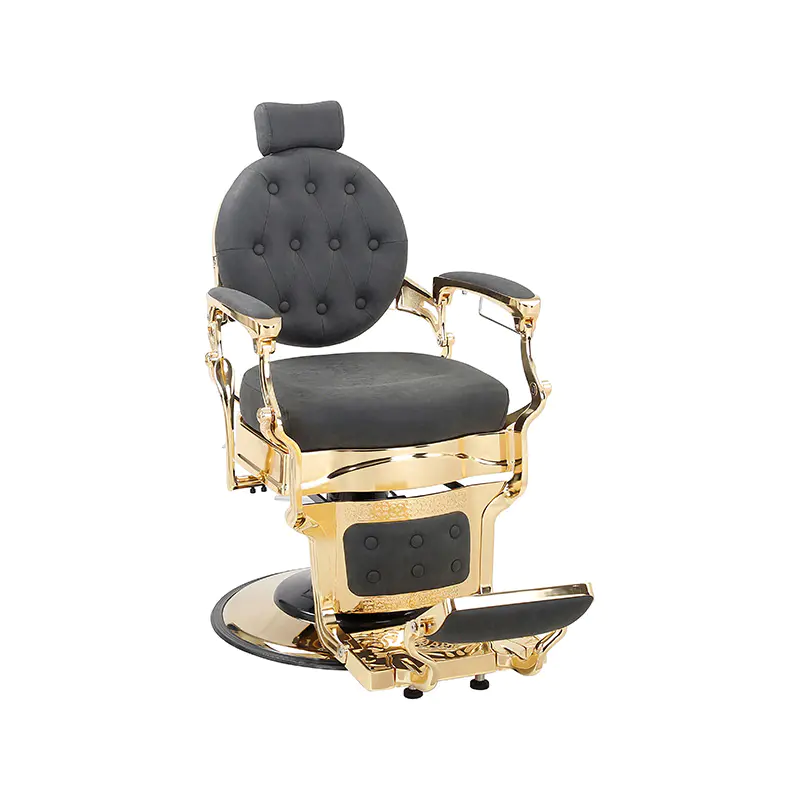
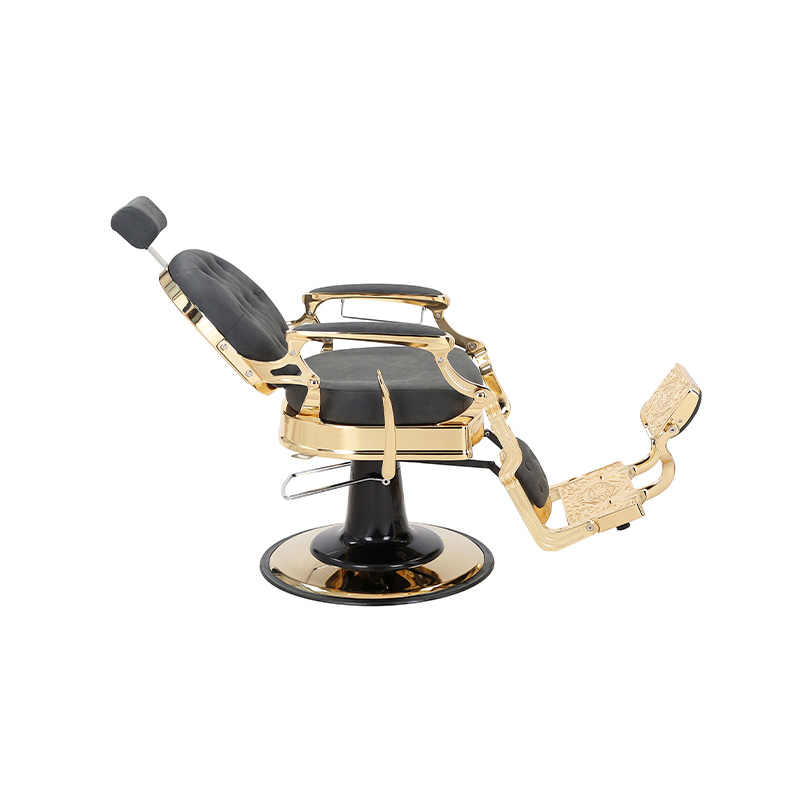
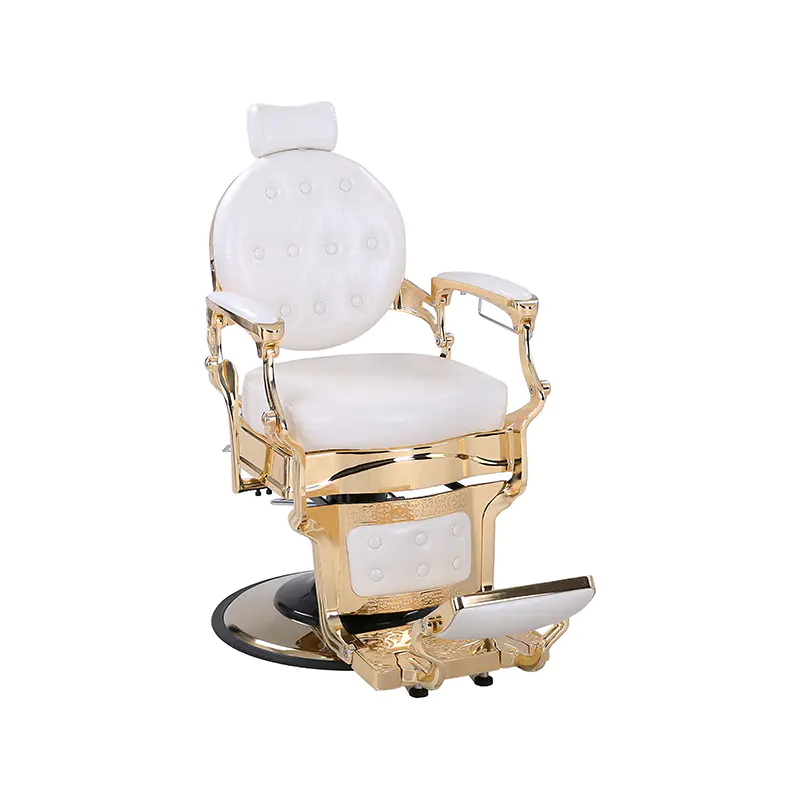
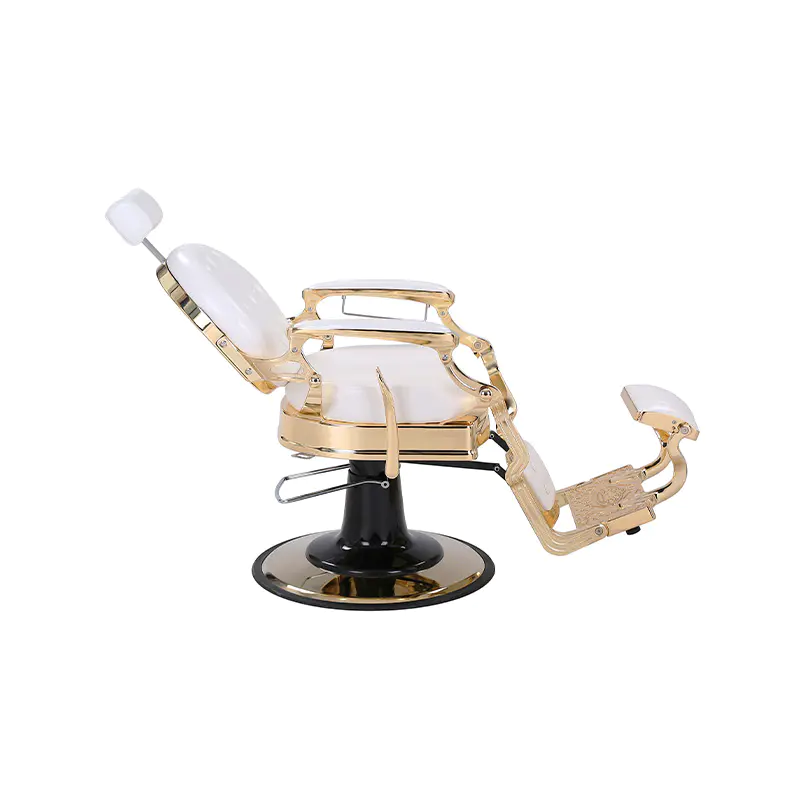
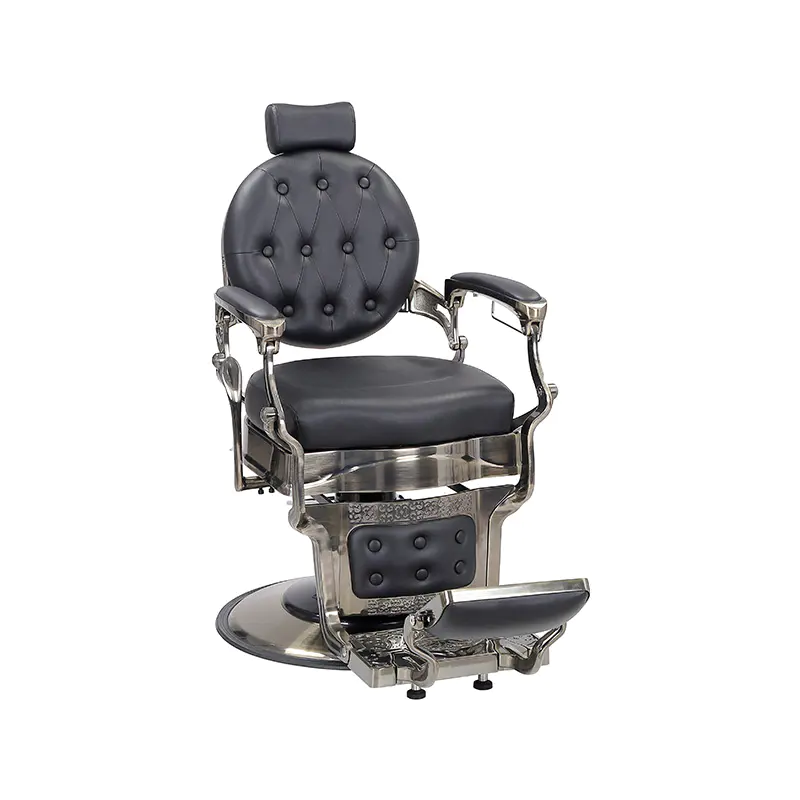
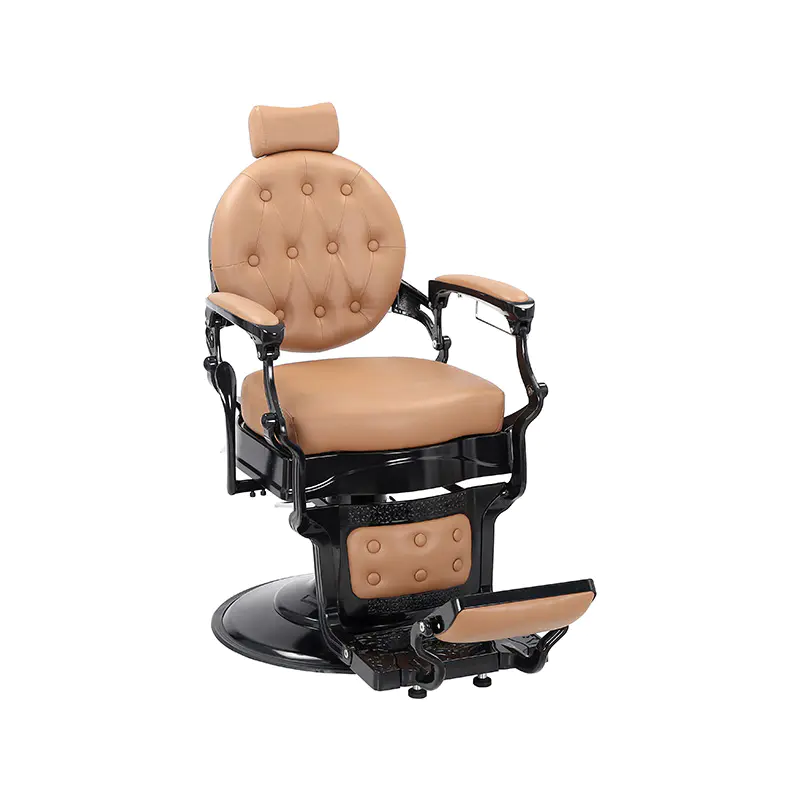
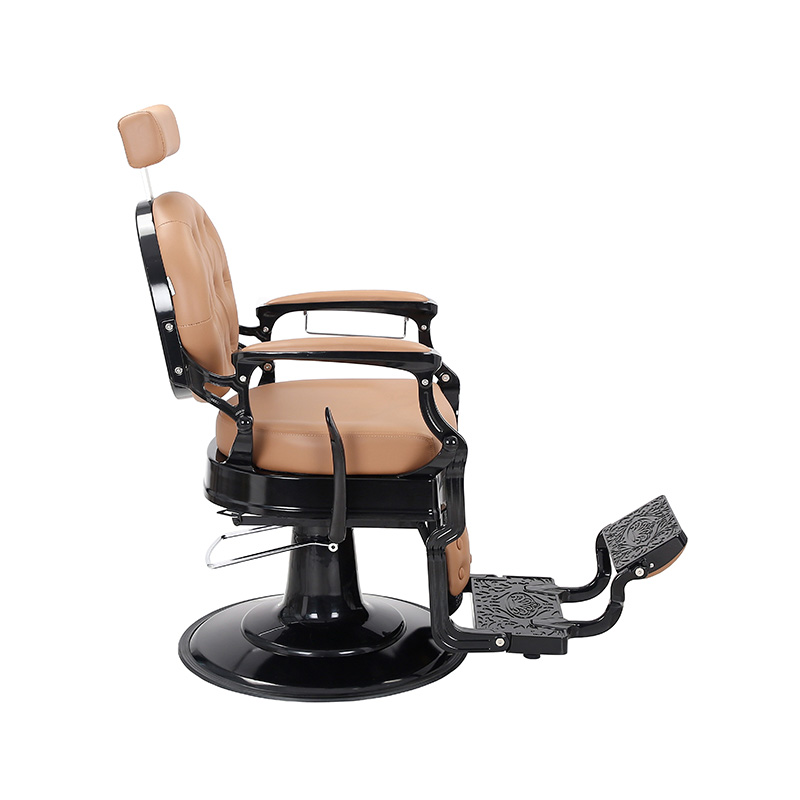
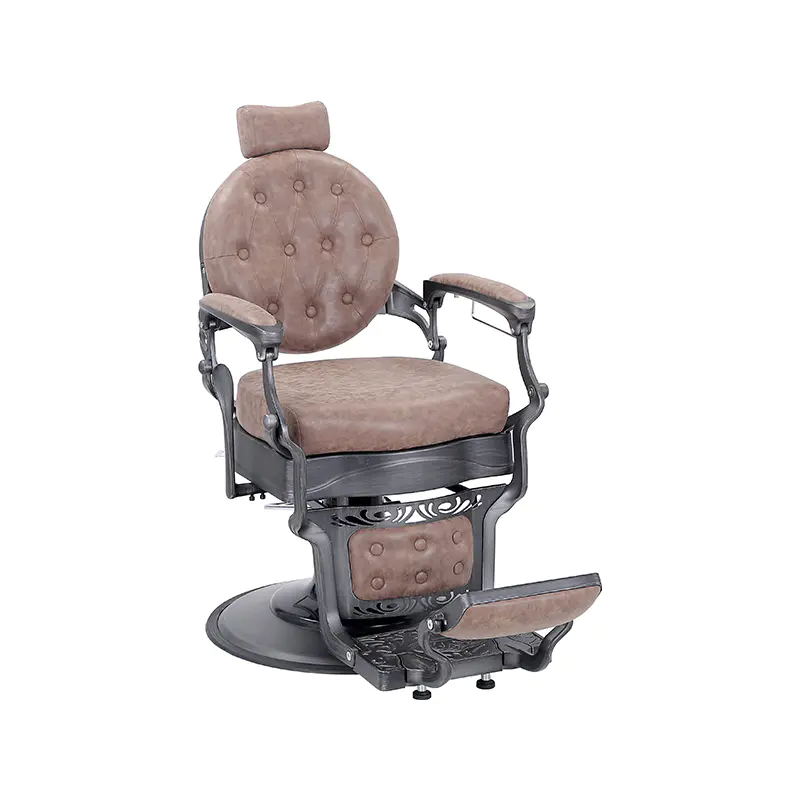
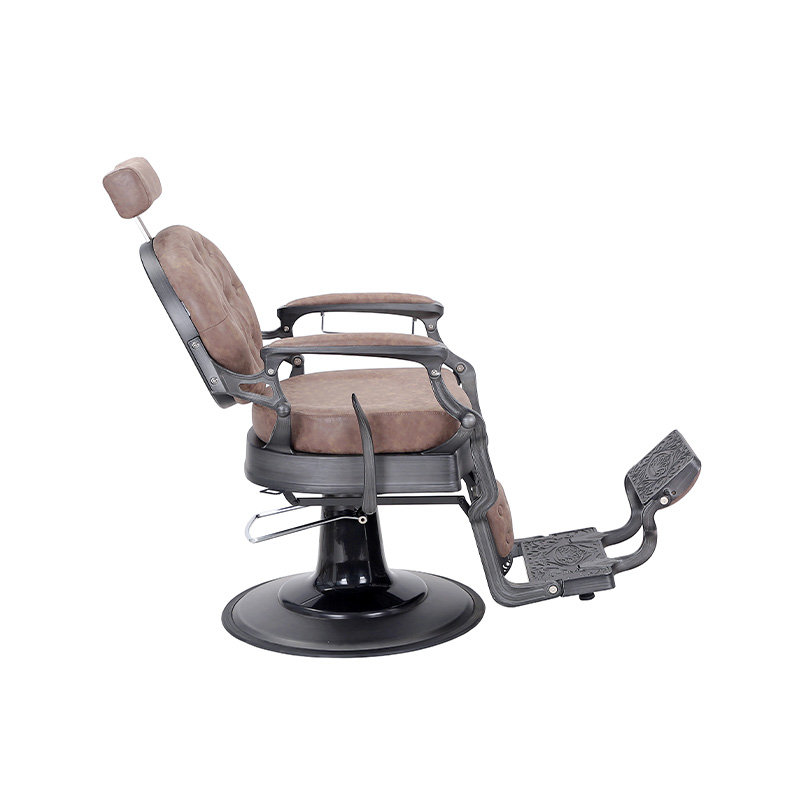
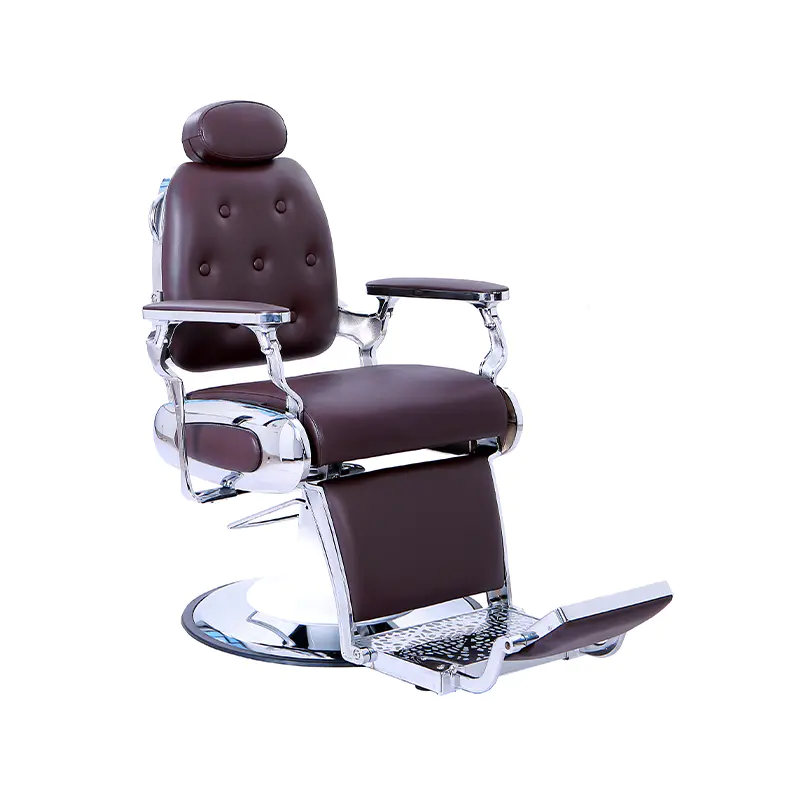
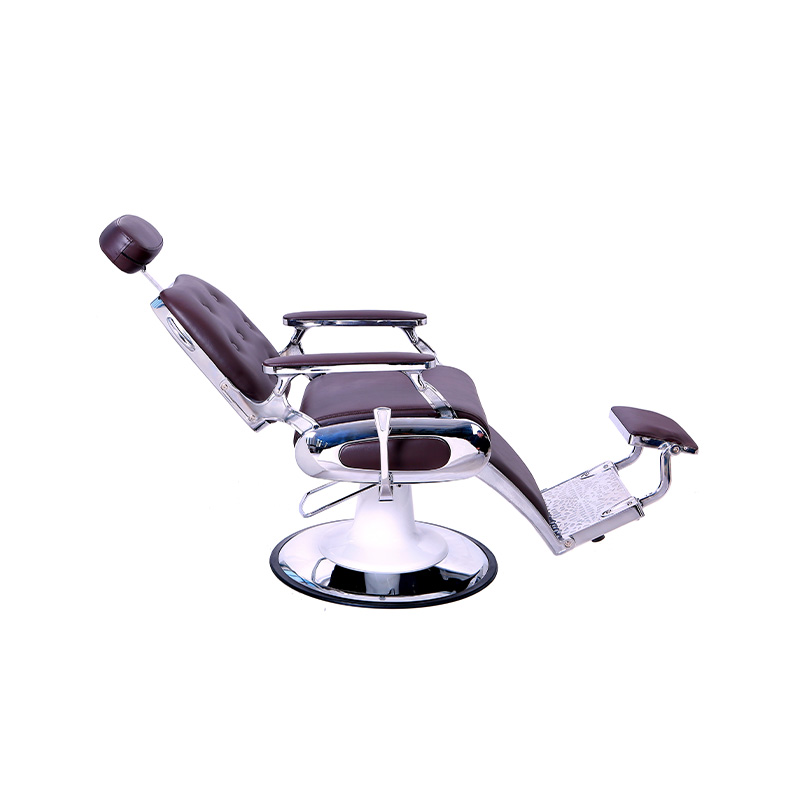
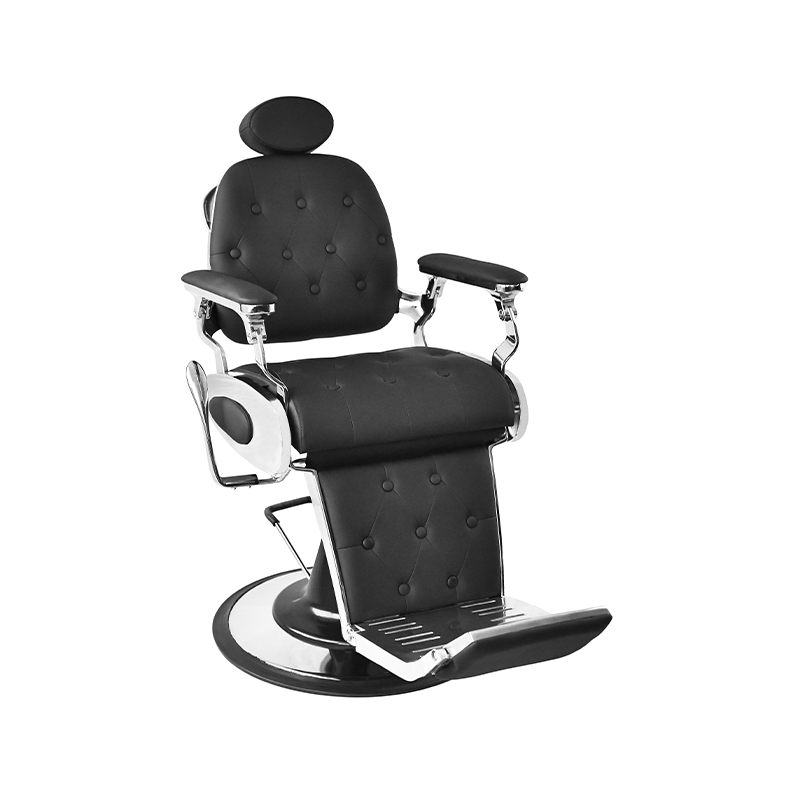
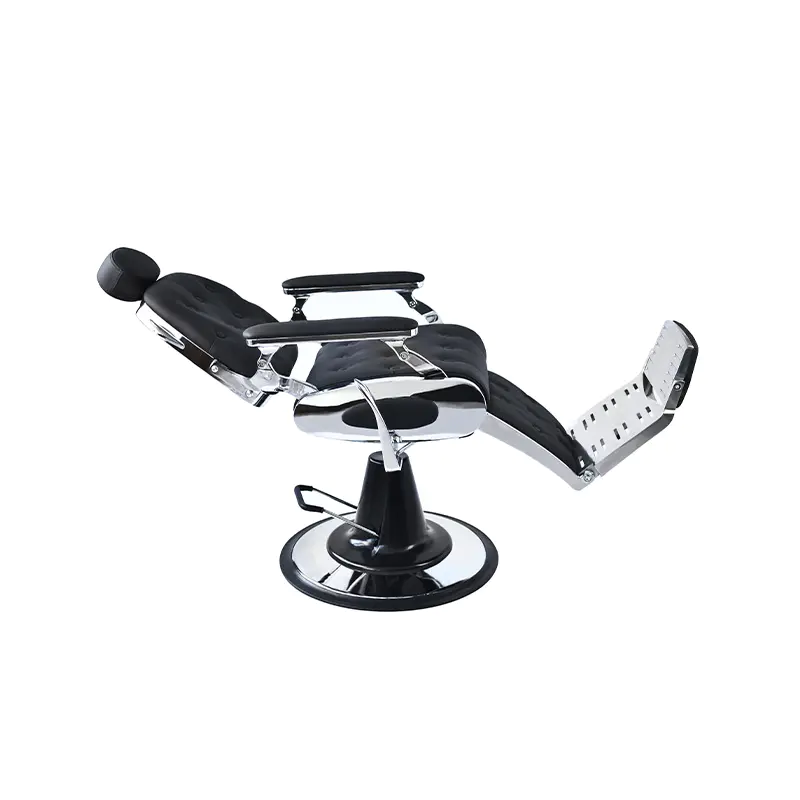
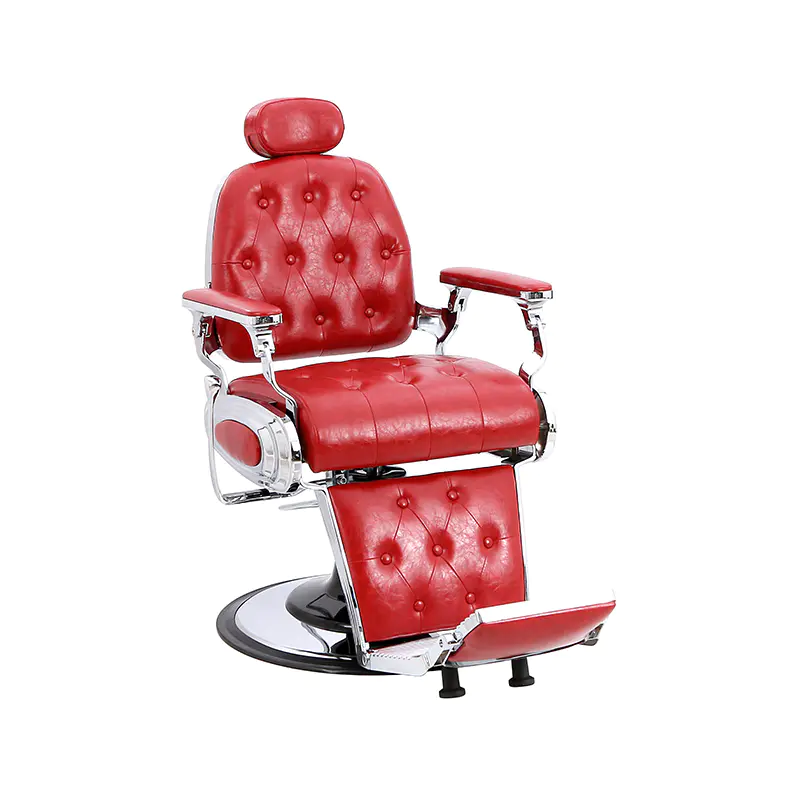
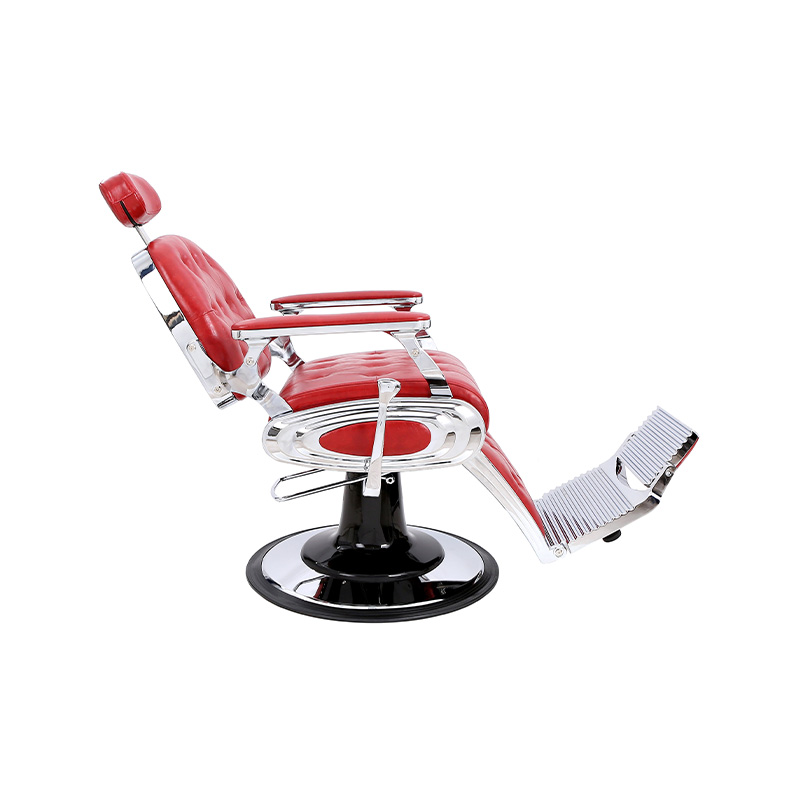
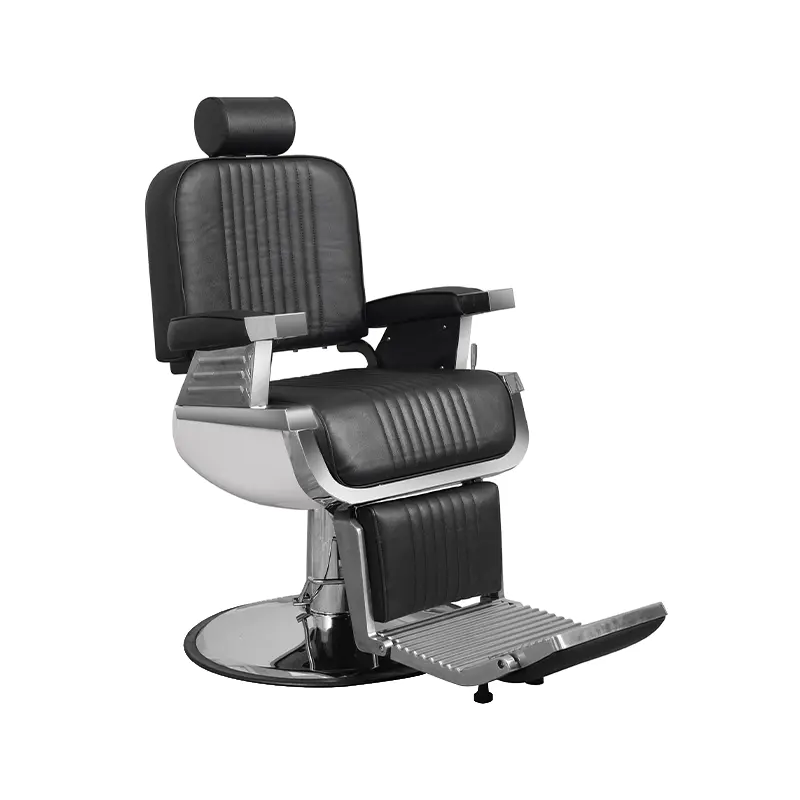
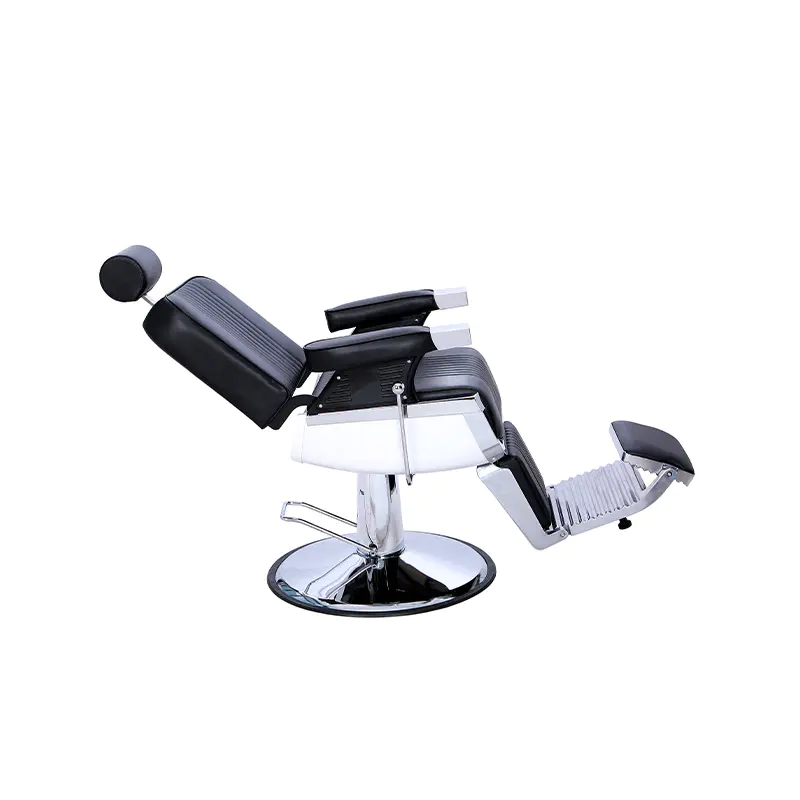
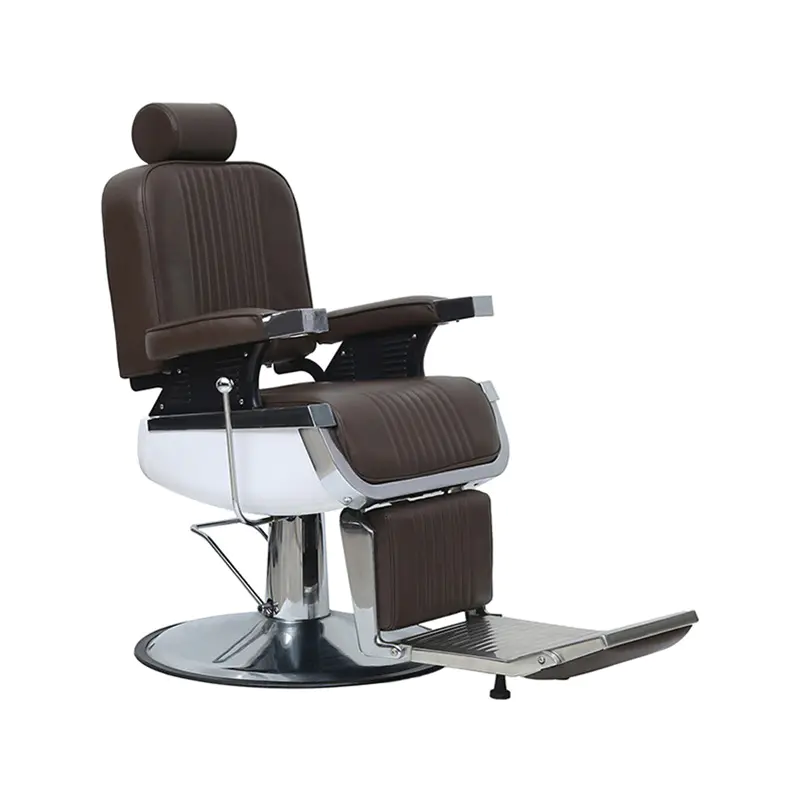
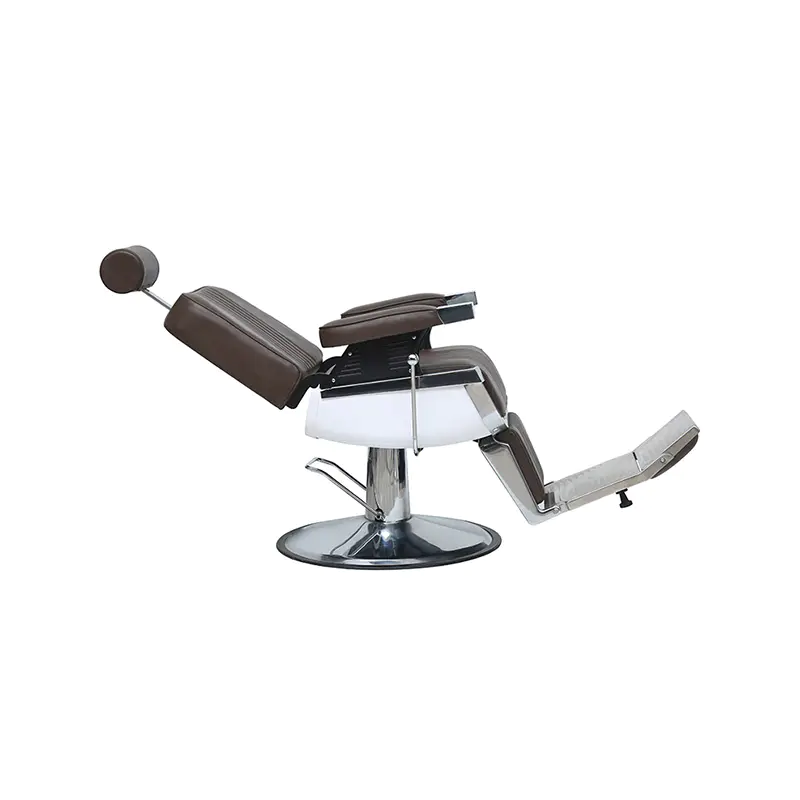
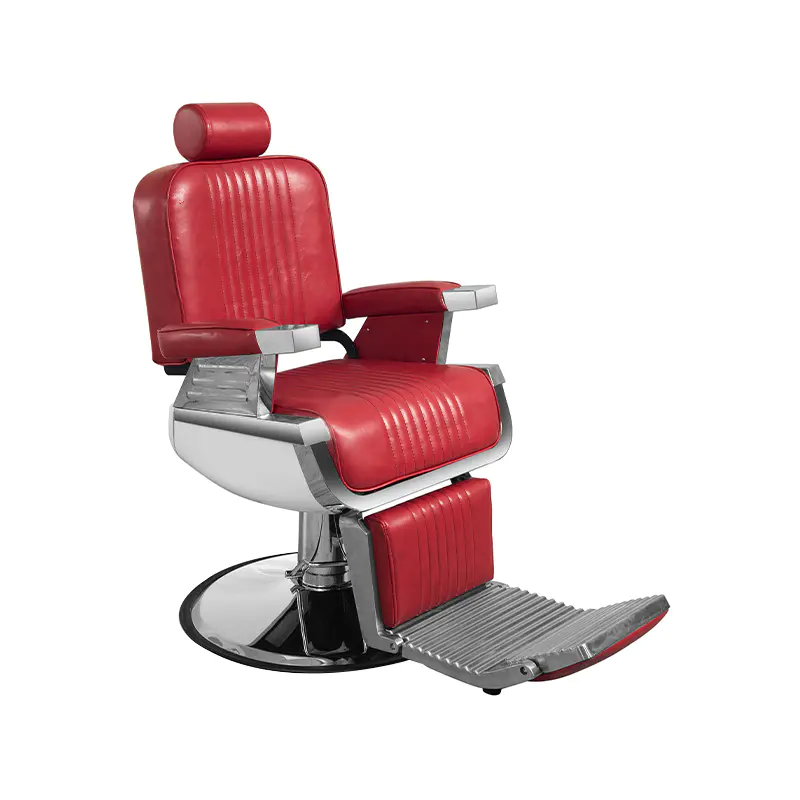
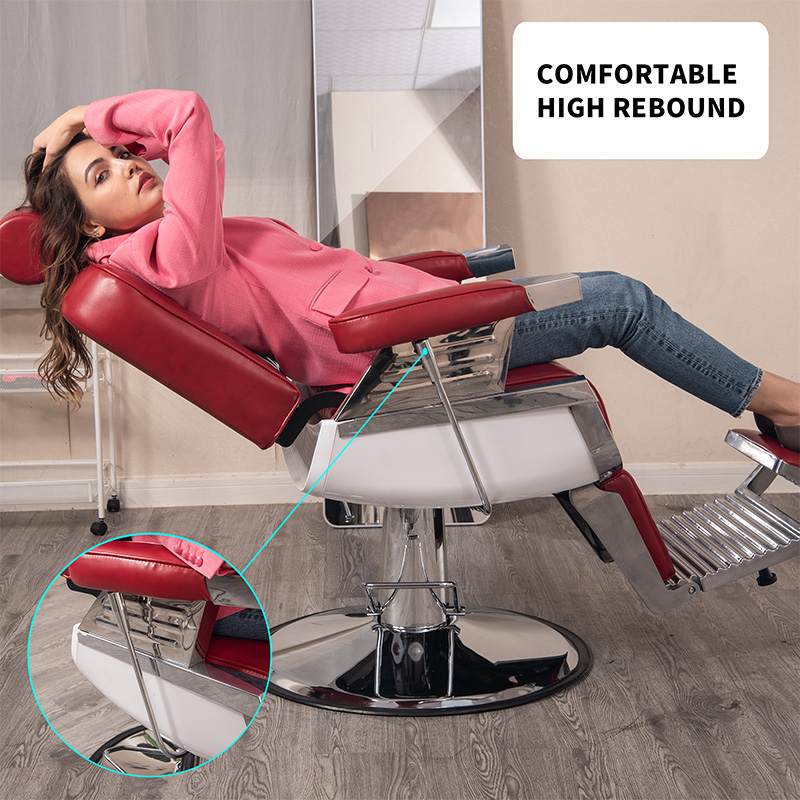
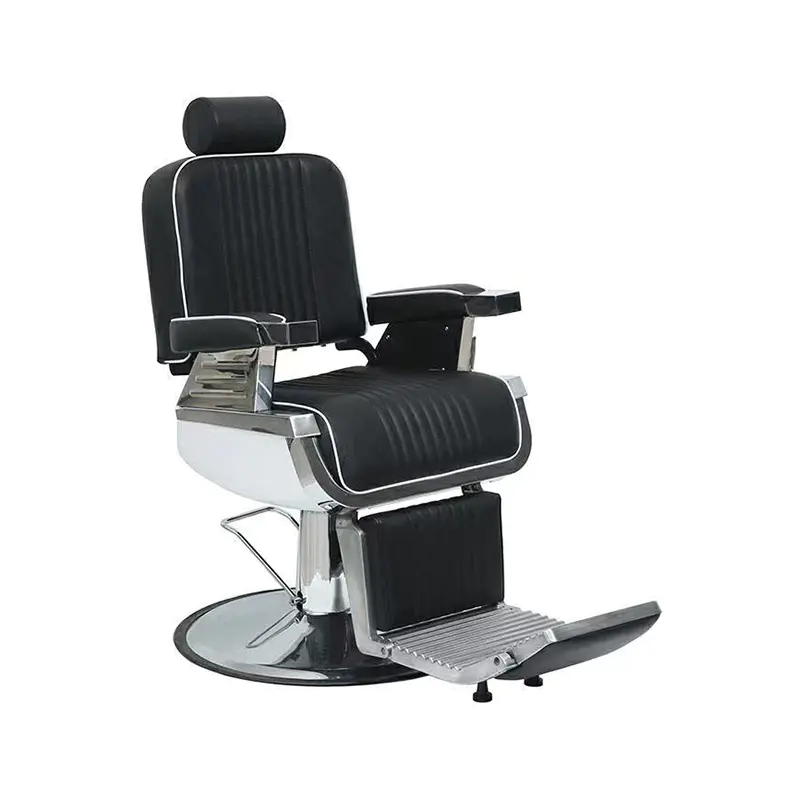
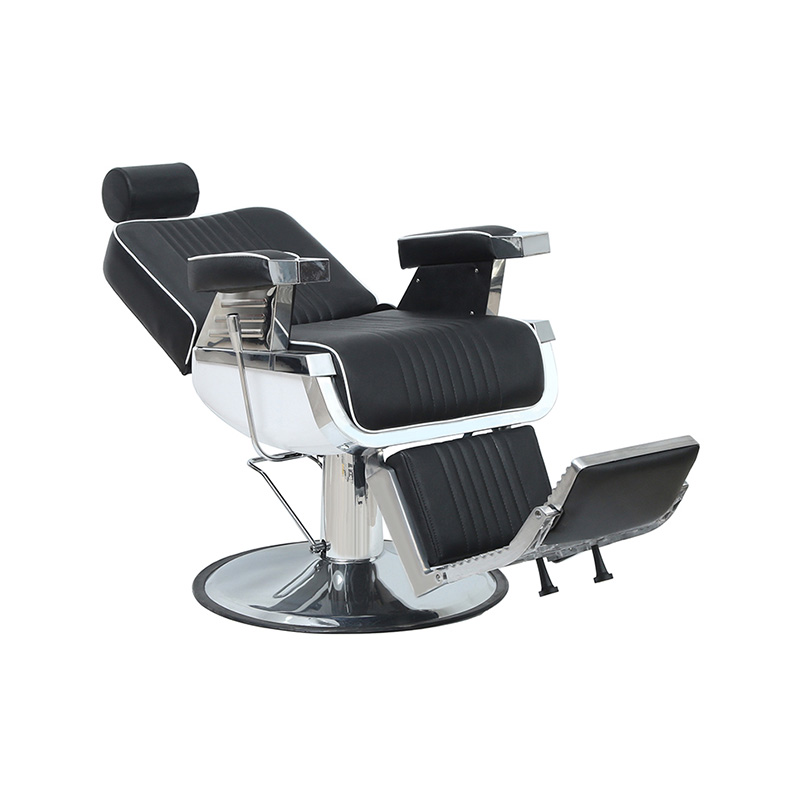
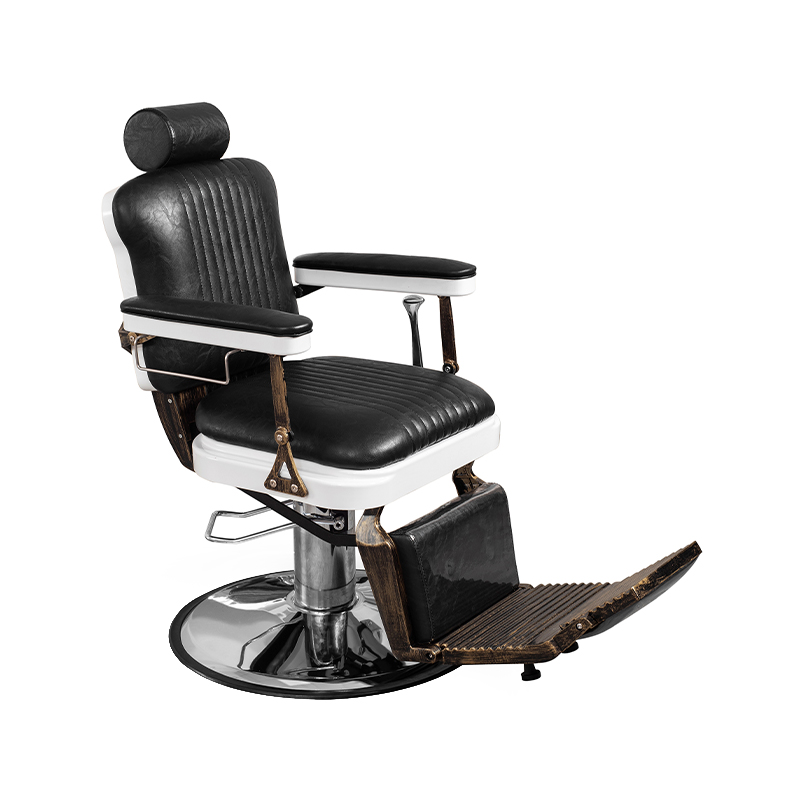
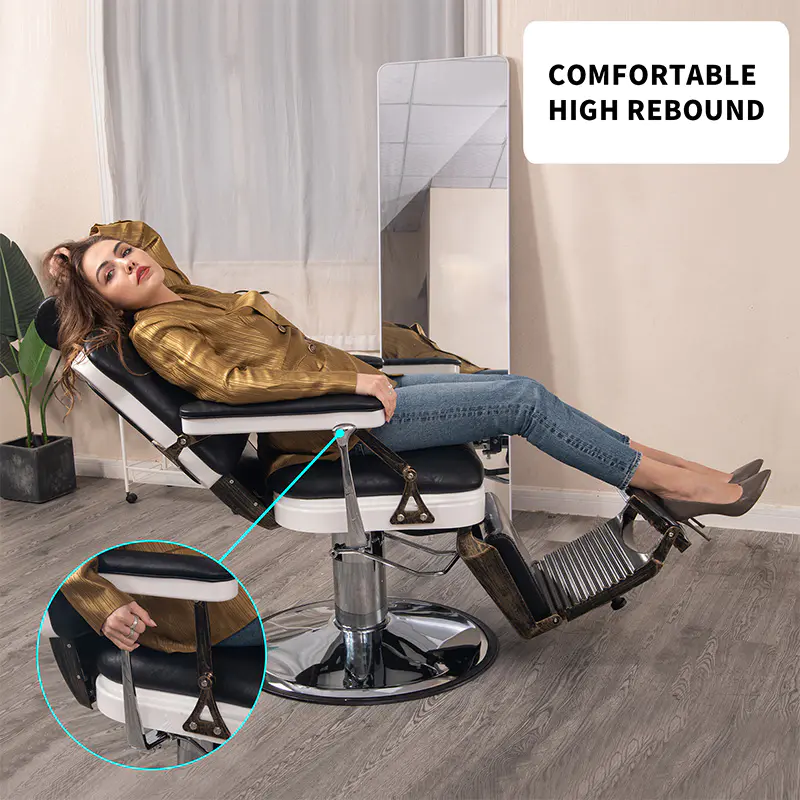
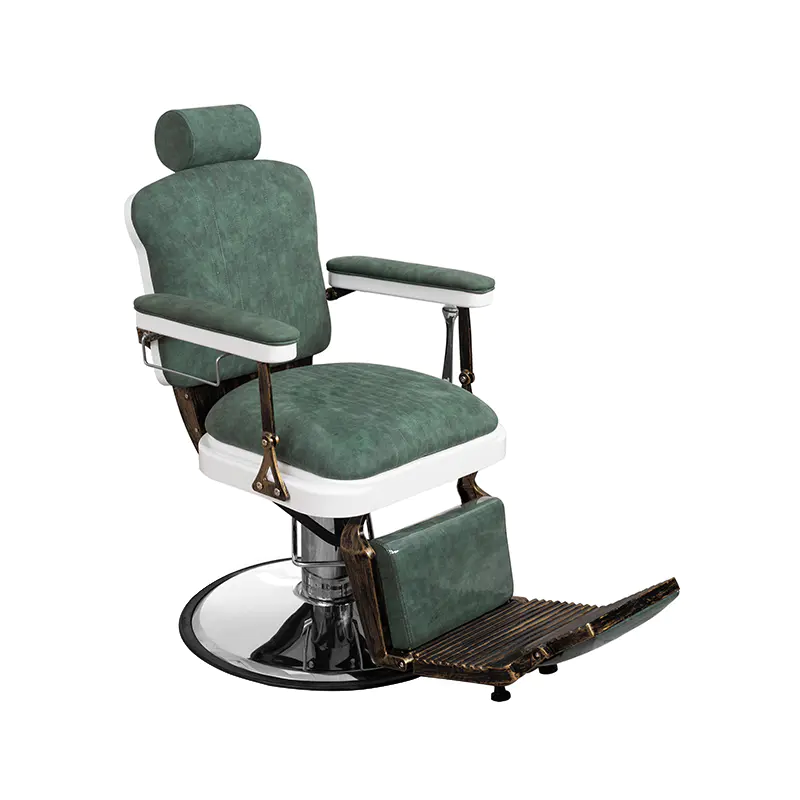
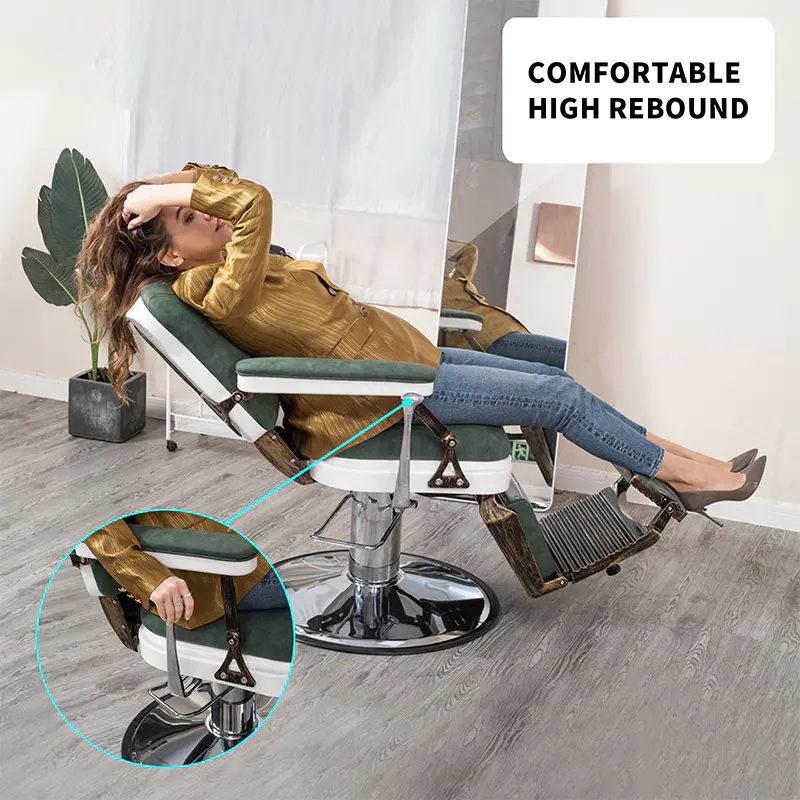
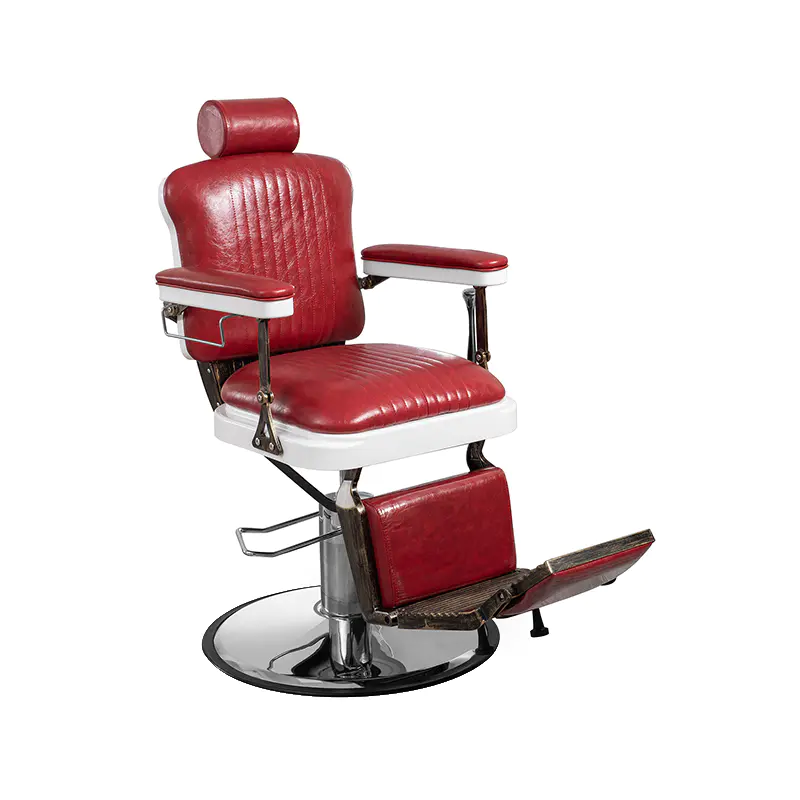
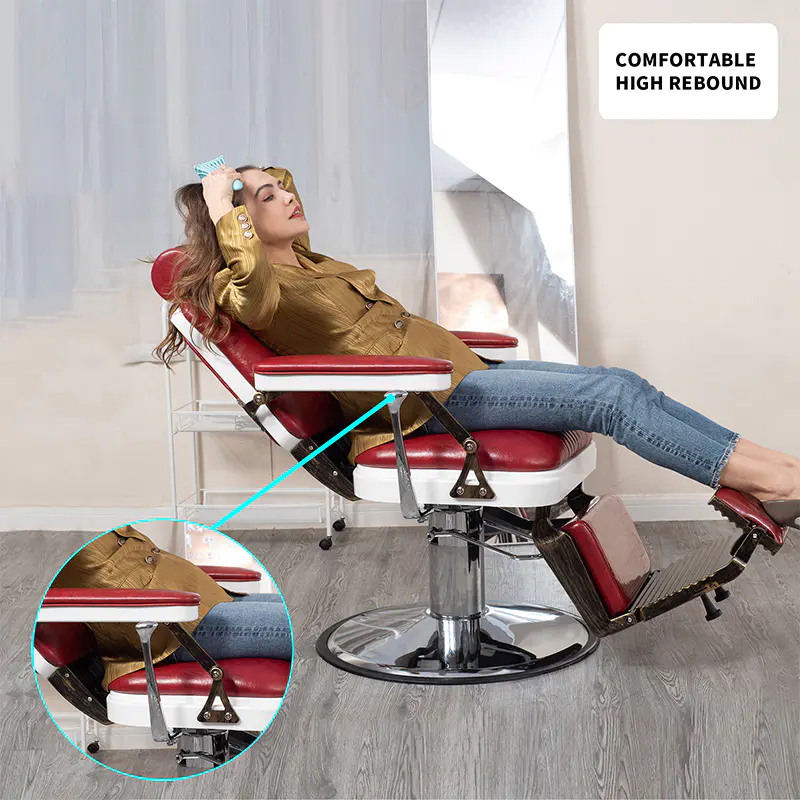
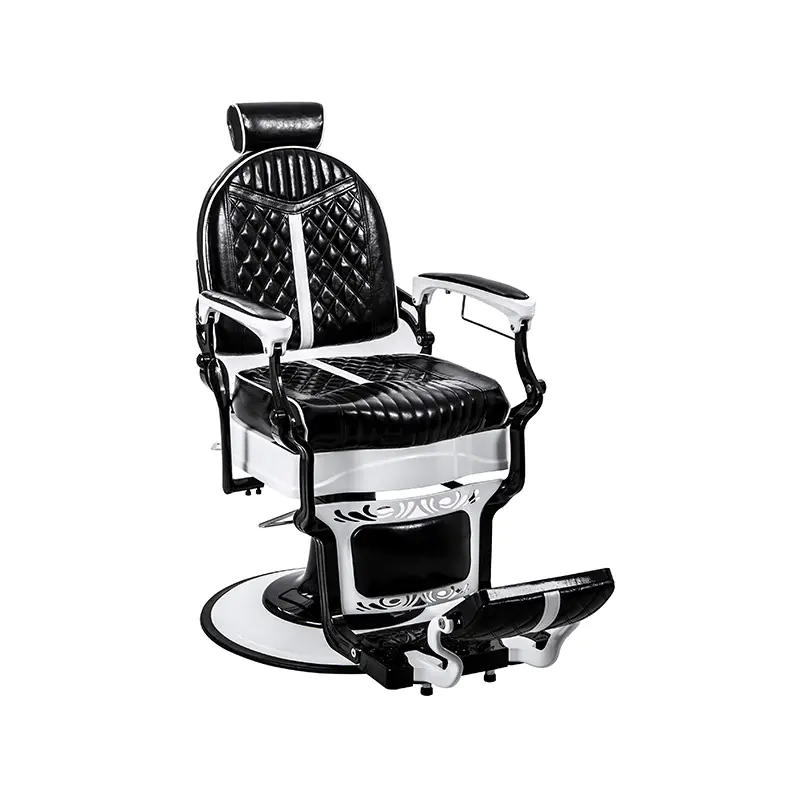
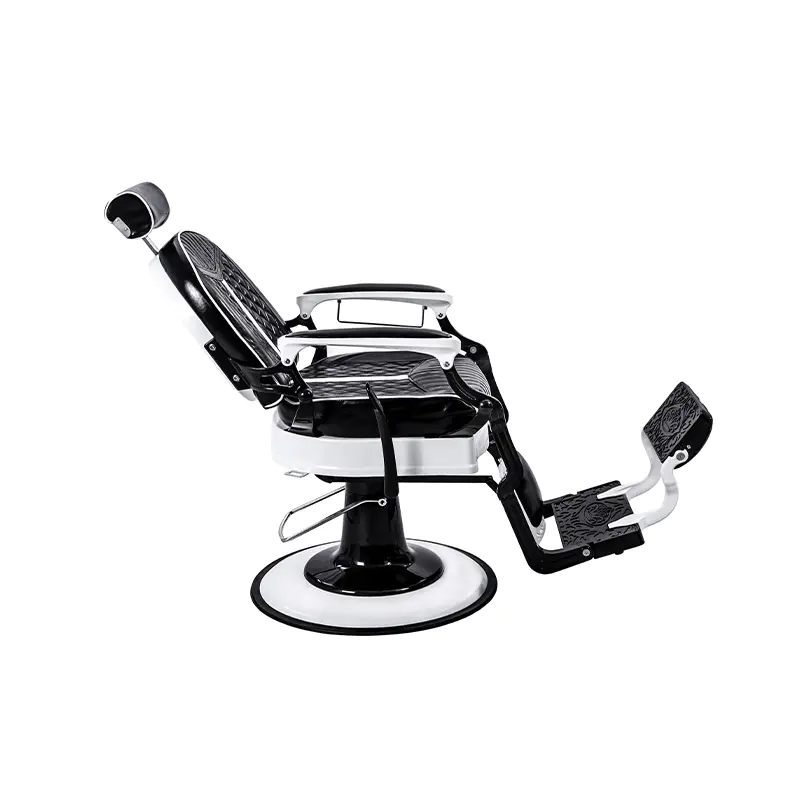
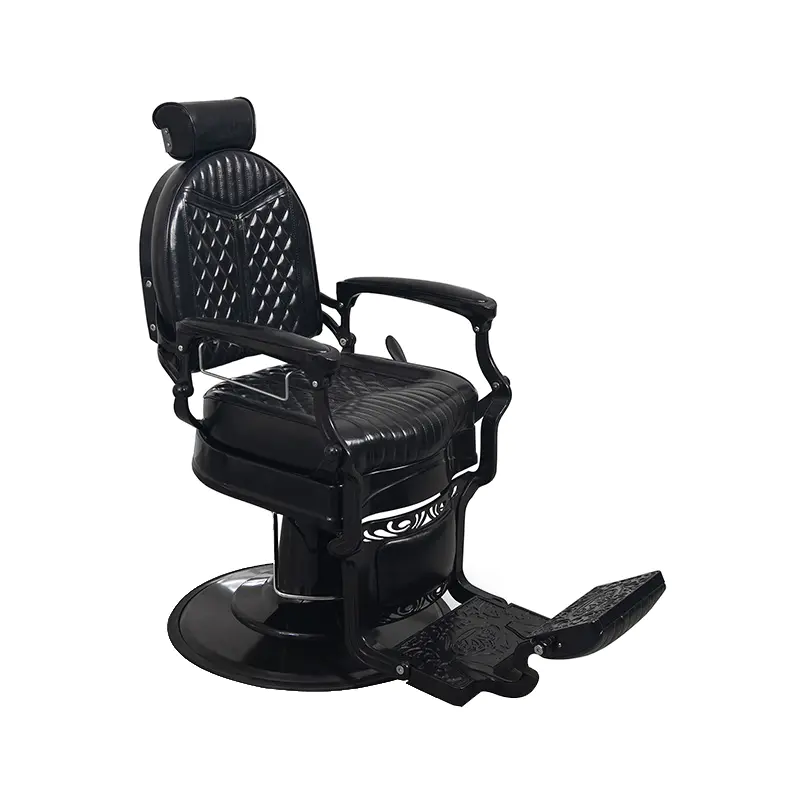
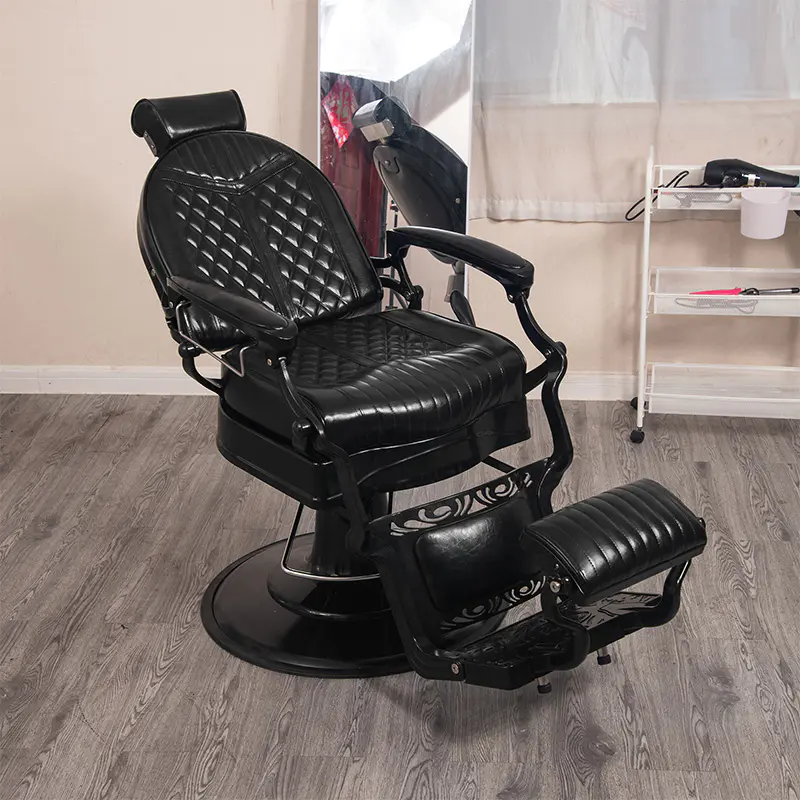
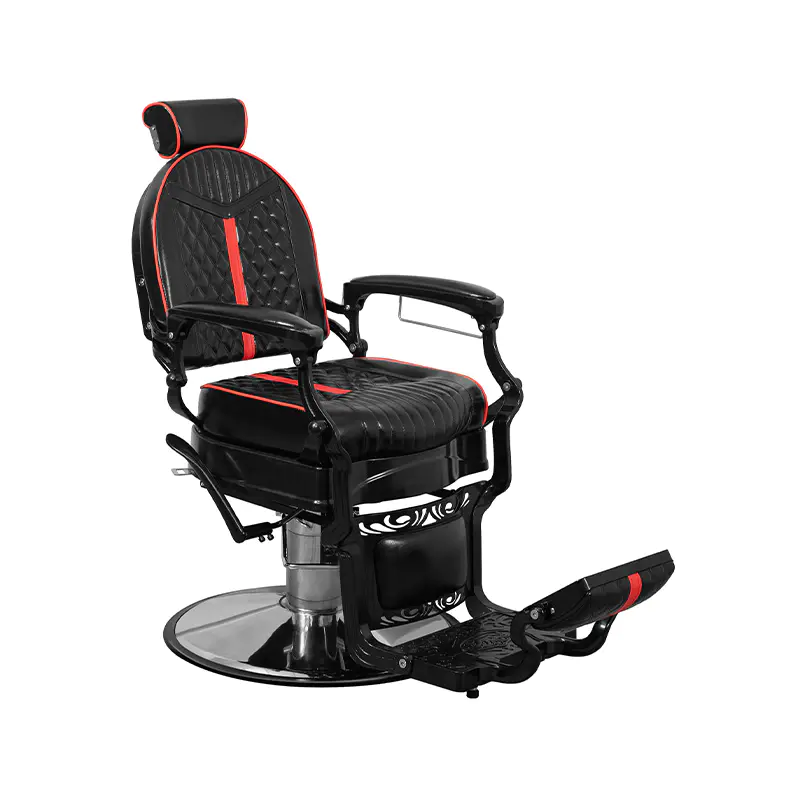
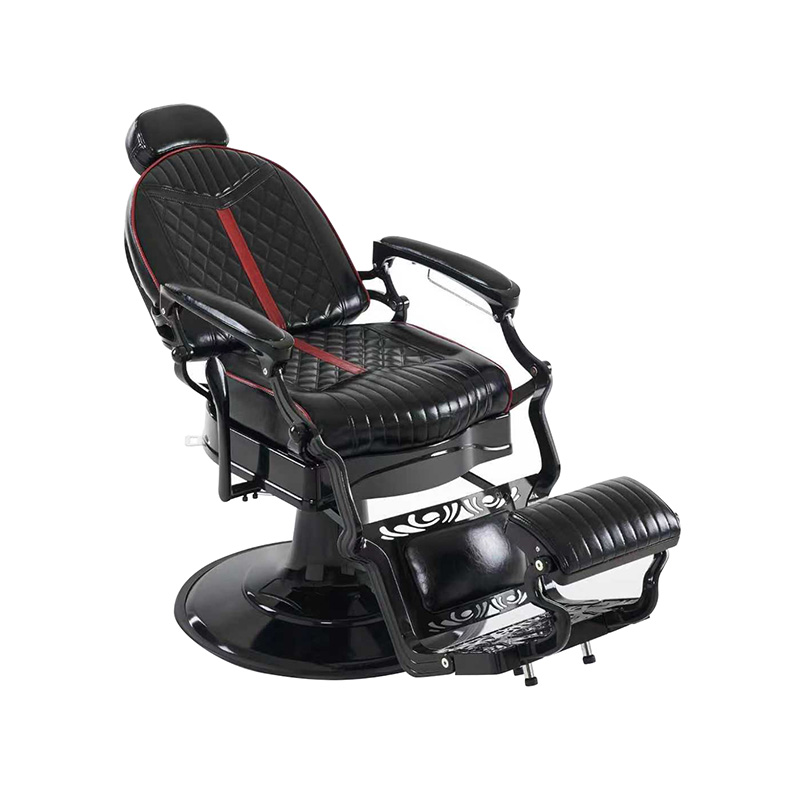
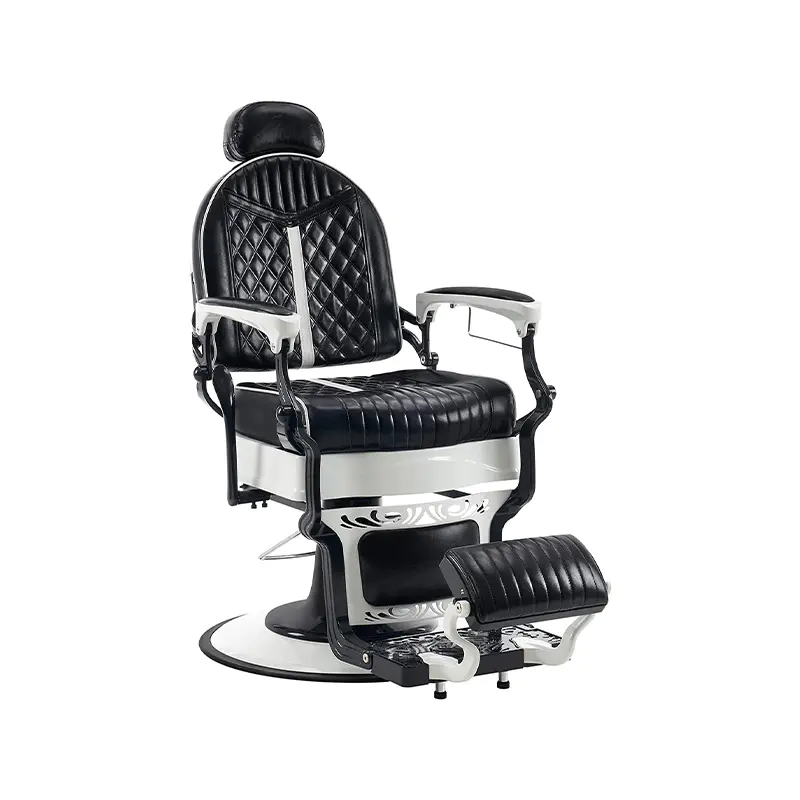
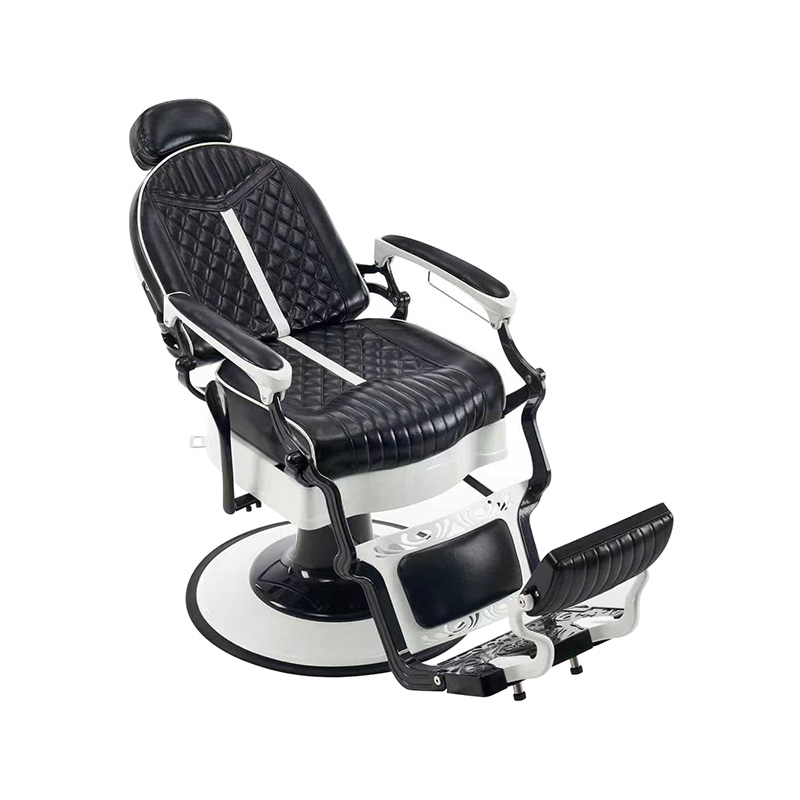
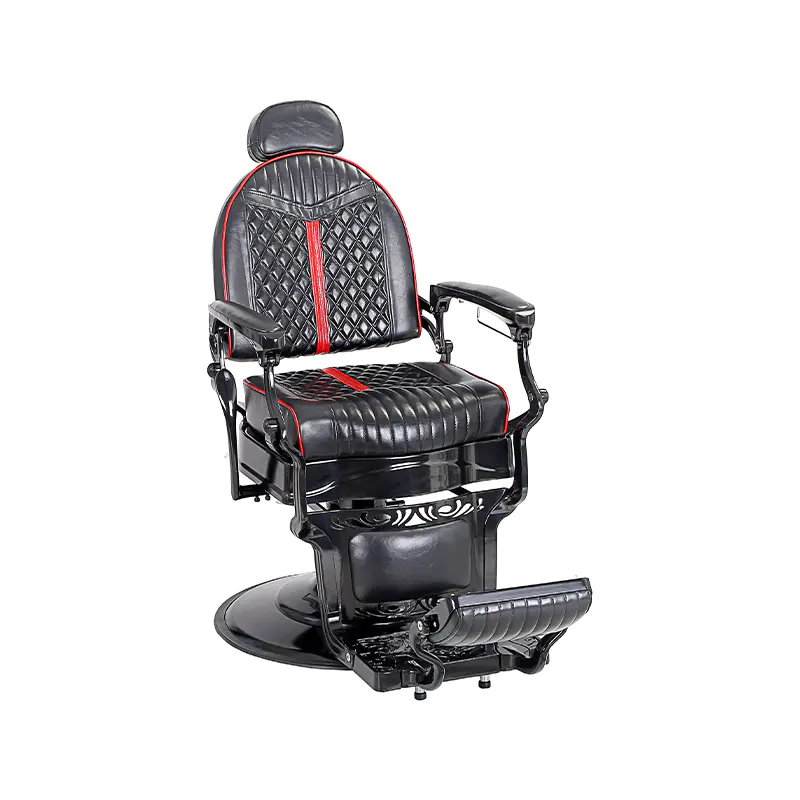
Men's grooming spaces usually benefit from a heavier chair with a reclining backrest and footrest. The heavy-duty hydraulic barber chair with a gold-plated base combines the classic silhouette with commercial-duty mechanics, so the vintage look does not come at the cost of daily reliability.
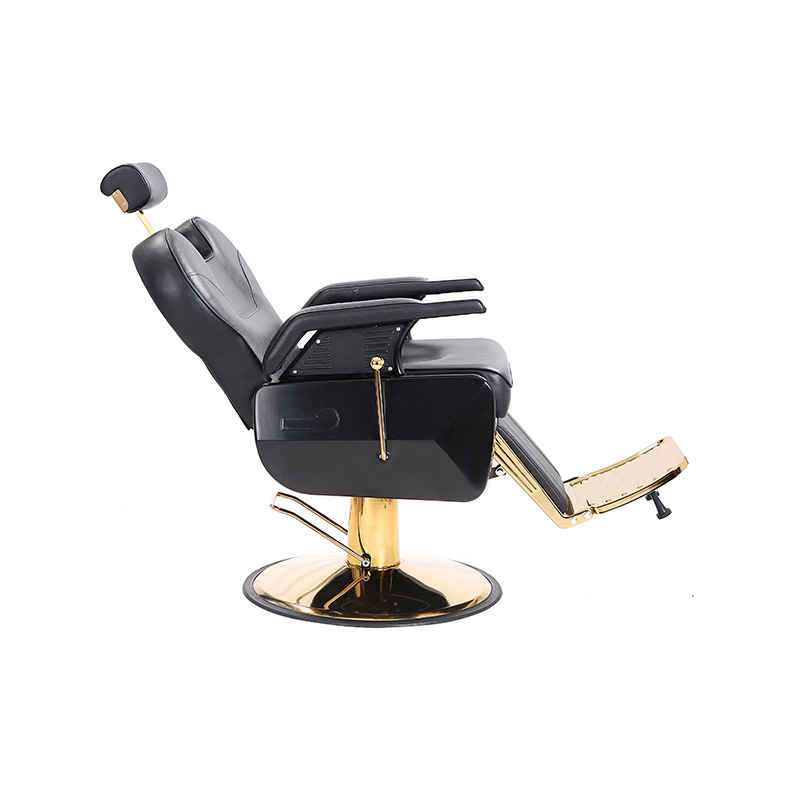 Wholesale HZ8700 Gold-plated chassic heavy-duty hydraulic big collapse salon haiNingbo HongZi is China wholesale HZ8700 Gold-plated chassic heavy-duty hydraulic big collapse salon hair chair suppliers and company, Ele...View Product →
Beauty Salons and Spas
Facial rooms and treatment areas need tables that adjust quickly between clients. The adjustable electric beauty bed lets therapists change the height and backrest angle without breaking their posture, which makes it a strong fit for busy spas.
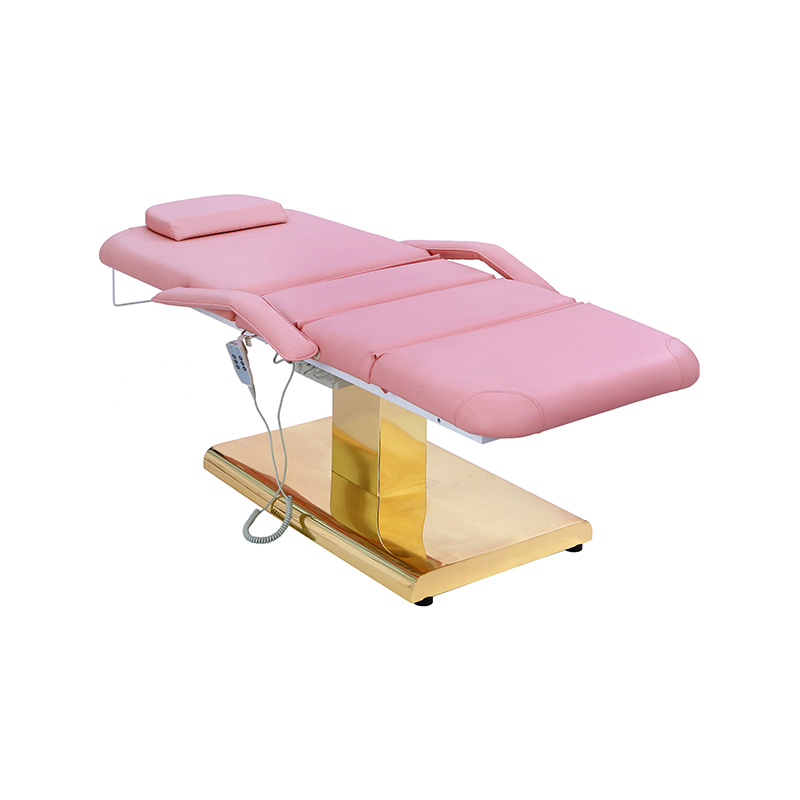 Wholesale HZ011 / HZ012 Adjustable electric beauty bed professioanl massage tablNingbo HongZi is China wholesale HZ011 / HZ012 Adjustable electric beauty bed professioanl massage table suppliers and company, Elegant H...View Product →
Shampoo and Backwash Zones
The washing area sees water, shampoo and heat every day. A ceramic shampoo bowl sink station resists staining and cleans quickly, while the chair needs a tilt range that does not force the client's neck into an awkward curve.
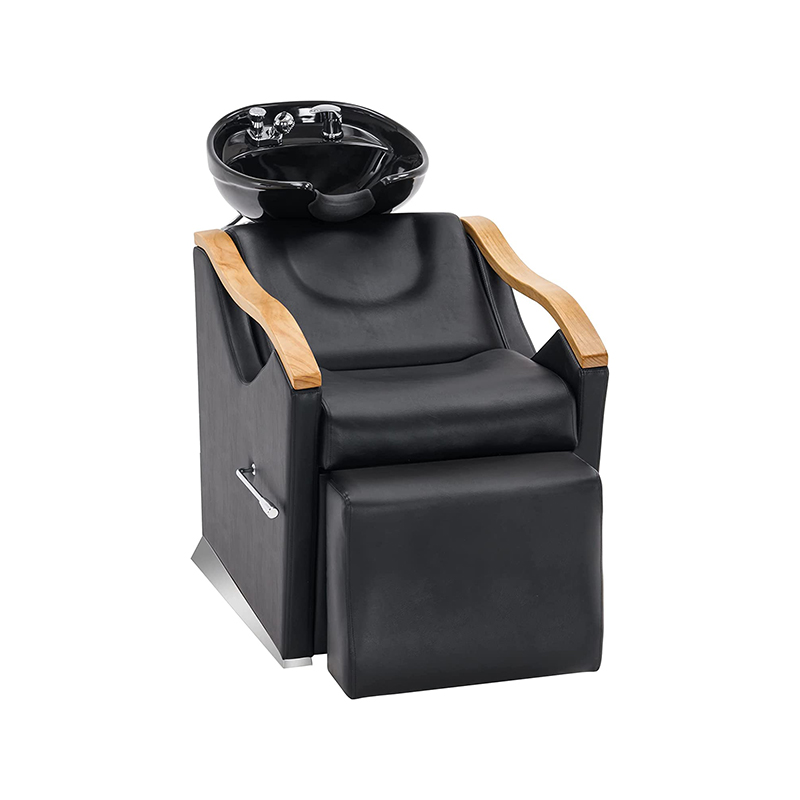 Wholesale HZ9003 Ceramic shampoo bowl sink station Suppliers - Ningbo HongZi BeaNingbo HongZi is China wholesale HZ9003 Ceramic shampoo bowl sink station suppliers and company, Manual Adjustment: A sleek silver lever ...View Product →
Whichever zone you plan first, it is worth checking the recently introduced salon equipment in our new product lineup; finishes and frame updates come through faster than most showroom catalogs can keep up with.
Why Buying Directly From a Manufacturer Matters
Where you buy from matters as much as what you buy. Distributors sit between you and the people who weld the frame, cut the leather and assemble the pump. Buying directly from a manufacturer changes the equation in three ways.
- Customization: Upholstery colors, base finishes, stitching patterns and even logo placement can be specified before production starts. Chains and franchise owners particularly benefit because every station can share one visual identity.
- Engineering adjustments: A factory with in-house laser cutting, welding, foam work and upholstery can adjust details such as seat width, backrest angle and footrest length rather than asking you to accept a fixed catalog design.
- Quality accountability: When one team controls the structure, the padding and the surface material, the typical failure points, such as seams, joints and hydraulic fittings, are handled at a single source.
For a full overview of the options available, you can browse the complete salon equipment range directly by category.
When experienced owners compare options, they calculate cost per usable year instead of sticker price. The chart above shows why: across typical purchasing scenarios, the entry-level price advantage is usually consumed within the first two years by downtime and repairs, while a professional-grade option spreads its higher upfront price over a much longer service life.
Salon Equipment FAQ
Q1: How long should a commercial barber chair last?
With a heavy-duty hydraulic pump and basic maintenance, 8 to 10 years of daily use is realistic. Light-duty models usually need replacement within 2 to 3 years.
Q2: What weight capacity should I look for?
Aim for a combined rating of 150 to 200 kg on both the pump and the base, because the weakest component sets the real limit.
Q3: Can I customize colors, upholstery and base finishes?
Yes. Manufacturers like HongZi offer custom leather colors, stitching details and chrome, black or gold-plated base finishes, especially for larger orders.
Q4: How do I maintain the hydraulic system?
Keep the pump cylinder clean, never exceed the load rating, and check the base screws and hydraulic fittings every few months.
Q5: What is the difference between a barber chair and a styling chair?
Barber chairs are heavier and typically include a reclining backrest, footrest and stronger pump. Styling chairs are lighter and designed for cutting stations with frequent movement.
Q6: Are ceramic shampoo basins better than ABS plastic?
Ceramic resists scratching, staining and heat and is easier to keep clean. ABS is lighter, cheaper and more forgiving during shipping, which makes it a reasonable choice for lower-traffic spaces.